
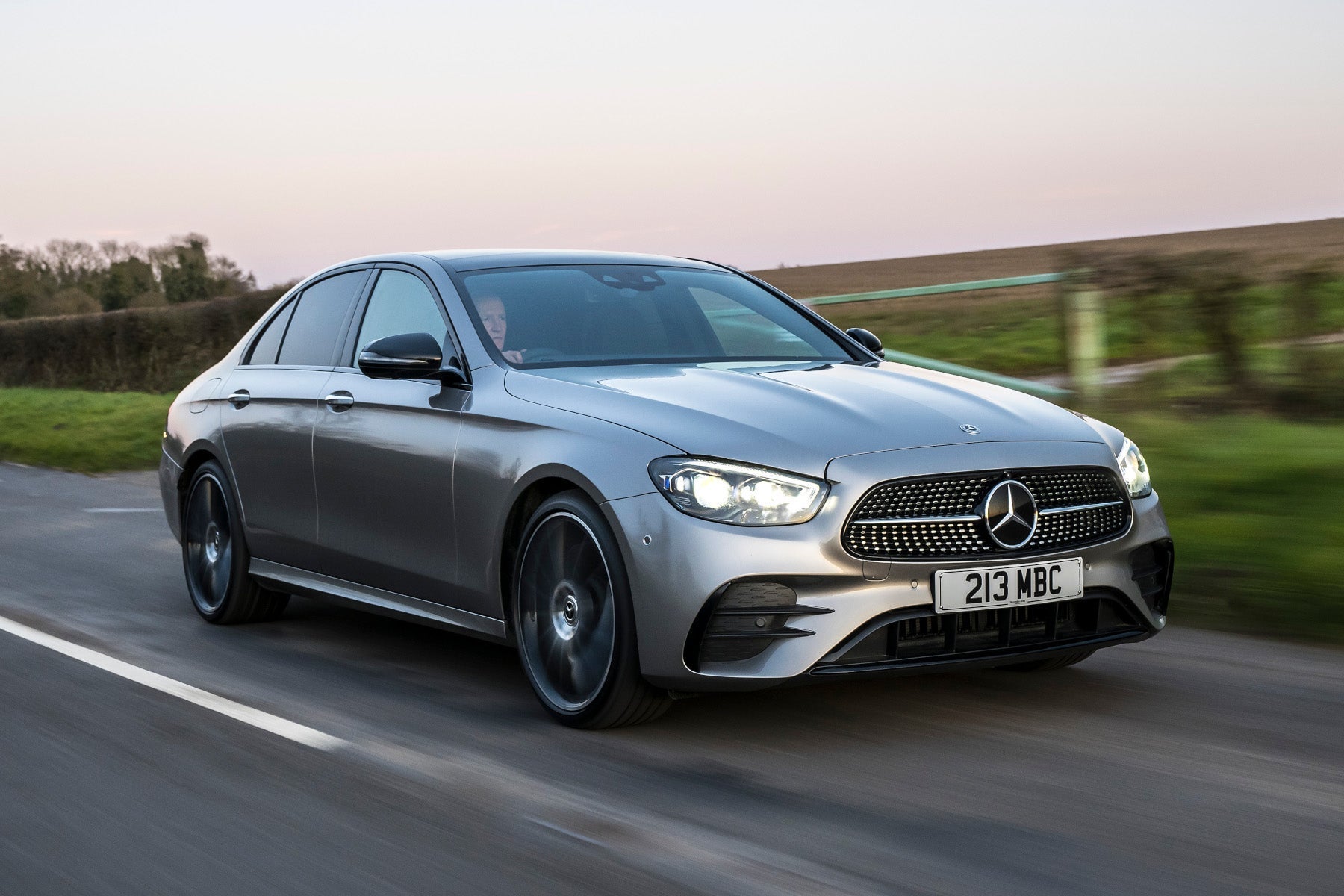
Living in a city like Jonesboro, where streets are often busy during rush hours and parking can be a constant challenge, choosing the right vehicle is an essential part of daily life. The choice of a car for commuting affects not only how comfortable and stress-free your drive is but also how much money you spend on fuel, maintenance, and repairs over time.
Commuters need vehicles that balance reliability, efficiency, and comfort while being reasonably priced. For many, it is not just about getting from point A to point B but doing so with minimal headaches, whether on congested streets or long stretches of highway.
Cars that are small enough to navigate tight parking spaces, yet offer enough room for passengers or groceries, often become favorites among daily drivers.
At the same time, fuel efficiency remains an important factor. Rising fuel prices mean that a car that consumes less gasoline per mile can significantly reduce monthly expenses. Safety features also play a role, especially for those who spend hours on the road each week.
Features like lane assistance, automatic braking, and airbags provide peace of mind for commuters who face unpredictable traffic conditions. Comfort matters as well, because daily commuting can become exhausting if the seats are not supportive or if the cabin is noisy.
Technology like Bluetooth connectivity, smartphone integration, and intuitive dashboards adds convenience, helping drivers stay connected without distraction. While some cars are specifically designed for efficiency and practicality, others are flashy, powerful, or luxury-oriented, but these often come with higher maintenance costs, insurance rates, and fuel consumption.
For someone living in Jonesboro or similar mid-sized cities, knowing which vehicles fit the commuter lifestyle and which ones can quickly become expensive is crucial. This article will examine two distinct categories of street cars: those ideal for daily commuting in Jonesboro and those that are likely to rack up bills through higher maintenance, fuel consumption, or insurance costs.
Understanding these differences can help drivers make informed decisions, whether they are buying their first car or looking to replace an older model.
5 Street Cars for Jonesboro Daily Commuters
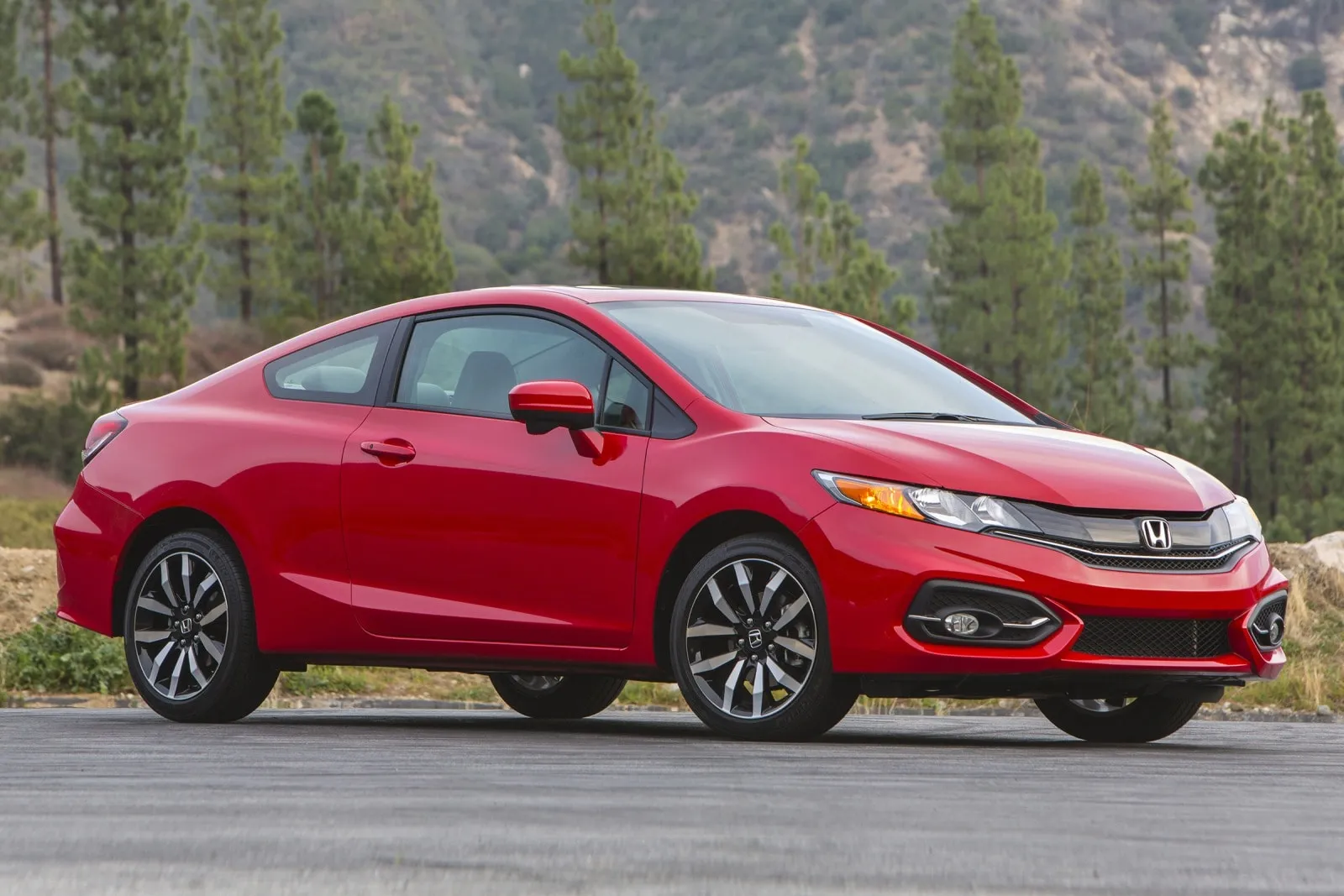
1. Honda Civic
The Honda Civic has long been a favorite for people who commute regularly. Its compact size makes it easy to navigate city streets and fit into tighter parking spots. Despite its small footprint, the Civic offers a surprisingly spacious interior that comfortably seats four adults, making it practical for small families or carpooling.
Fuel efficiency is one of its strongest features. A Civic can often reach over 30 miles per gallon in combined city and highway driving, meaning fewer stops at the pump and lower expenses.
Reliability is another key advantage. Honda vehicles are known for lasting well beyond 200,000 miles when properly maintained, which reduces long-term costs and stress for commuters.
Inside, the Civic balances comfort and technology. Modern models come with user-friendly infotainment systems, touchscreen displays, and smartphone integration, allowing drivers to manage calls, music, and navigation without distraction. Safety features like lane departure warning, collision mitigation, and adaptive cruise control provide additional security during busy commutes.
Maintenance costs for a Civic are moderate, with widely available parts and a reputation for mechanical durability. Even in older models, repairs tend to be straightforward and relatively inexpensive compared to luxury brands.
The Civic’s resale value is another factor that appeals to budget-conscious drivers. Because of its reliability and demand, a well-maintained Civic retains value better than many competitors, making it a practical investment over time.
The driving experience of the Civic is smooth and predictable, which can reduce stress during stop-and-go traffic. Handling is nimble without feeling twitchy, and visibility is generally excellent, which helps when merging onto highways or navigating narrow streets. Even with base trim models, drivers can find enough comfort and convenience features to make daily commuting more pleasant.
The Honda Civic combines affordability, fuel efficiency, comfort, and reliability. It remains a practical choice for anyone looking for a car that will handle daily commuting demands while keeping ongoing expenses manageable. Its balance of features and proven track record make it a dependable option for Jonesboro drivers who want a vehicle that works well for city life without breaking the bank.
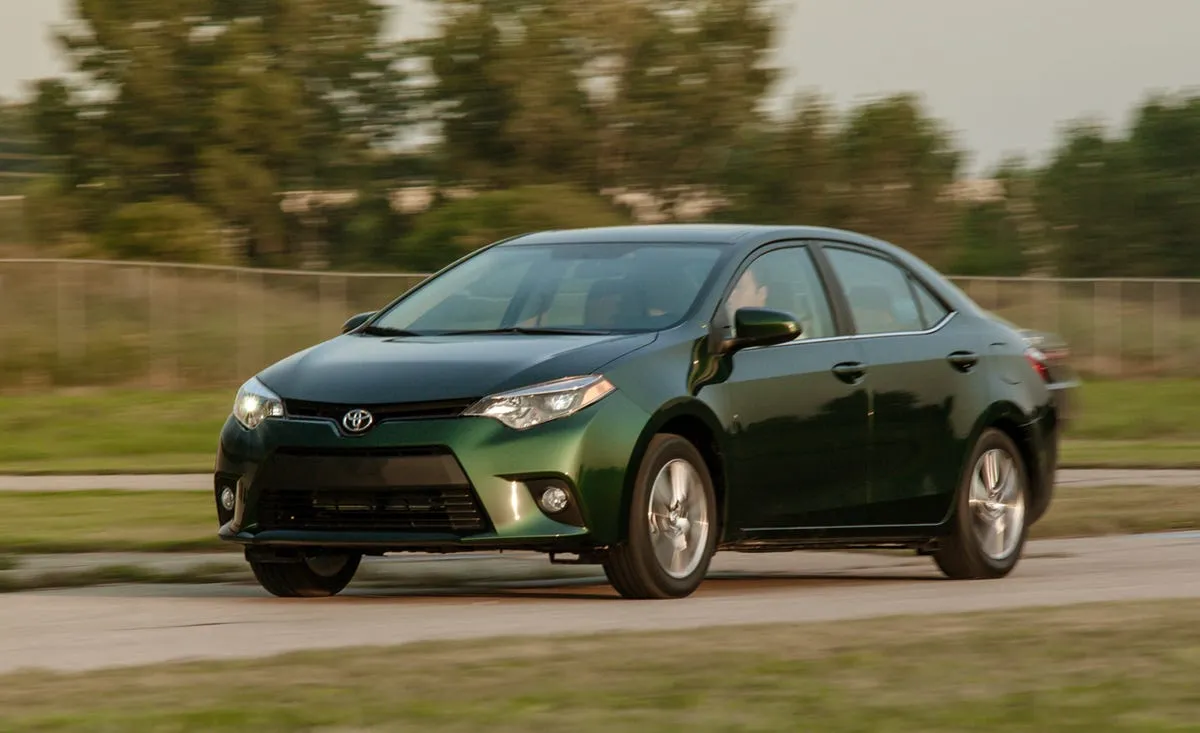
2. Toyota Corolla
The Toyota Corolla has earned a reputation for being one of the most reliable compact cars on the road. Its reputation stems from decades of consistent performance and minimal unexpected repairs. Commuters benefit from its smooth ride and quiet cabin, which makes longer drives less tiring.
Fuel efficiency is another highlight, with most models achieving high miles per gallon in city and highway driving. The Corolla offers a practical interior with ample legroom for passengers and a trunk capable of handling groceries, sports equipment, or other daily needs.
Safety is a major advantage for the Corolla. Standard features often include multiple airbags, stability control, anti-lock brakes, and advanced driver assistance systems. These additions provide peace of mind for drivers who face congested roads or long commutes.
Reliability and low maintenance costs make the Corolla appealing for those seeking a car that will last many years without frequent repairs. Even when parts need replacement, Toyota parts are widely available and reasonably priced, reducing downtime and expense.
Comfort and convenience are integrated thoughtfully. Seats are supportive, controls are intuitive, and the cabin is insulated from most road noise. Technology features vary by trim, but even base models often include touchscreens, Bluetooth connectivity, and backup cameras. This combination of comfort and technology ensures that daily commuting is less stressful and more enjoyable.
For commuters who prioritize longevity and minimal upkeep, the Toyota Corolla is a smart choice. Its strong resale value, fuel efficiency, and proven dependability make it a favorite among city drivers who want a no-nonsense vehicle that will perform consistently over time. Jonesboro commuters can rely on the Corolla to handle both short trips and longer journeys without excessive expense.
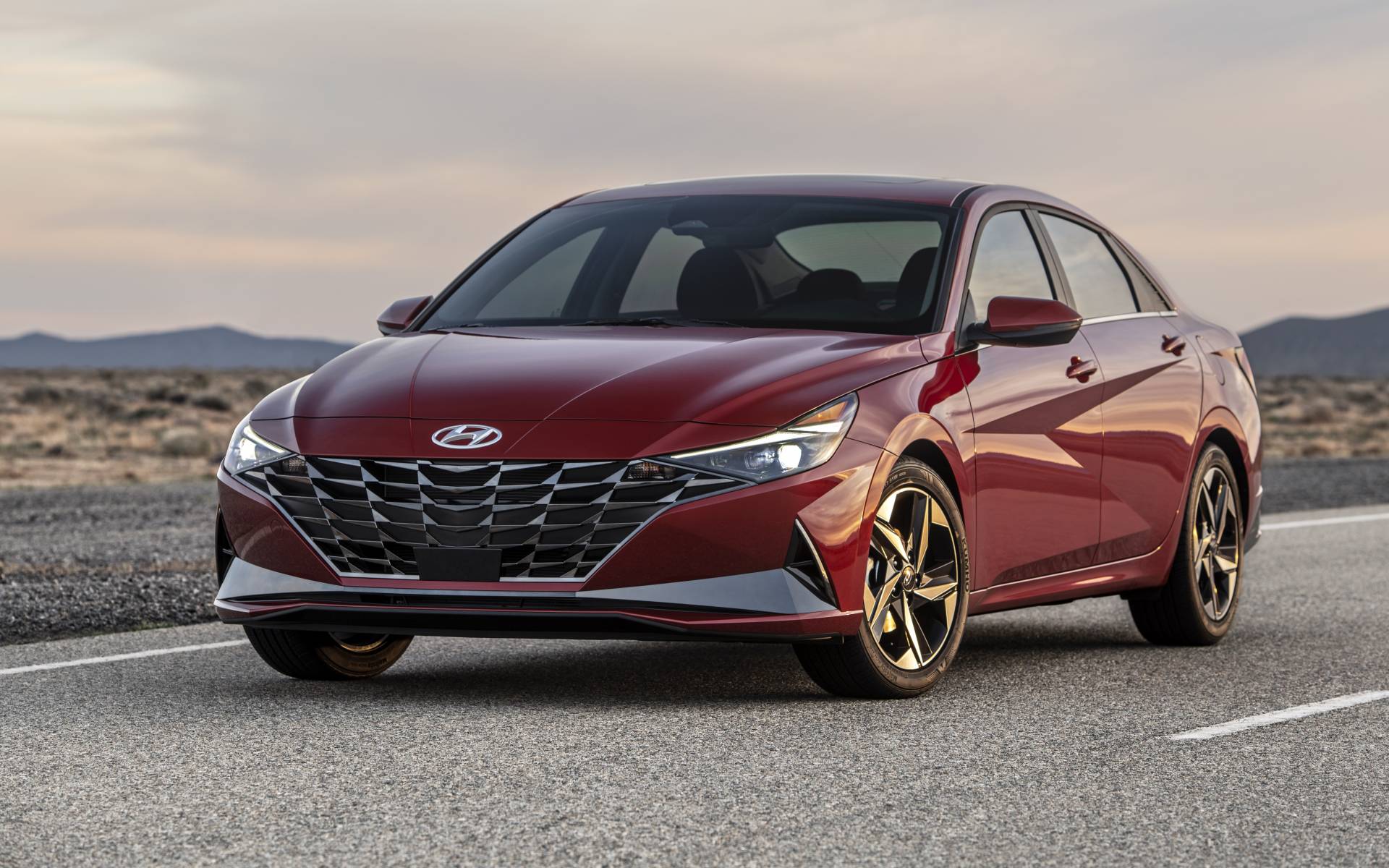
3. Hyundai Elantra
The Hyundai Elantra stands out for combining affordability with modern styling and technology. Its compact size makes it ideal for urban driving, allowing easy maneuvering through city streets and parking in tight spaces.
Fuel economy is competitive, making it suitable for daily commuting without frequent trips to the gas station. Inside, the cabin is designed for comfort and convenience, with supportive seats and intuitive controls that make driving less stressful.
Hyundai has improved reliability over the years, and many Elantras come with long warranties that provide additional peace of mind for new car buyers. Maintenance costs are reasonable, and parts are generally easy to find. Advanced safety features, including lane keeping assist, forward collision warning, and automatic emergency braking, enhance security for drivers navigating congested traffic.
The Elantra also delivers a smooth and responsive driving experience. Steering is precise, braking is reliable, and the suspension is tuned to absorb most bumps, providing a comfortable ride for daily commuters. Interior space is adequate for passengers and cargo, making it practical for both work commutes and weekend errands.
Technology and infotainment features are often more generous in the Elantra compared to competitors. Touchscreens, smartphone integration, and navigation options are common, giving drivers modern conveniences without paying for a luxury model. For Jonesboro residents, the Elantra offers a balance of reliability, affordability, and comfort that suits daily commuting needs well.
4. Mazda3
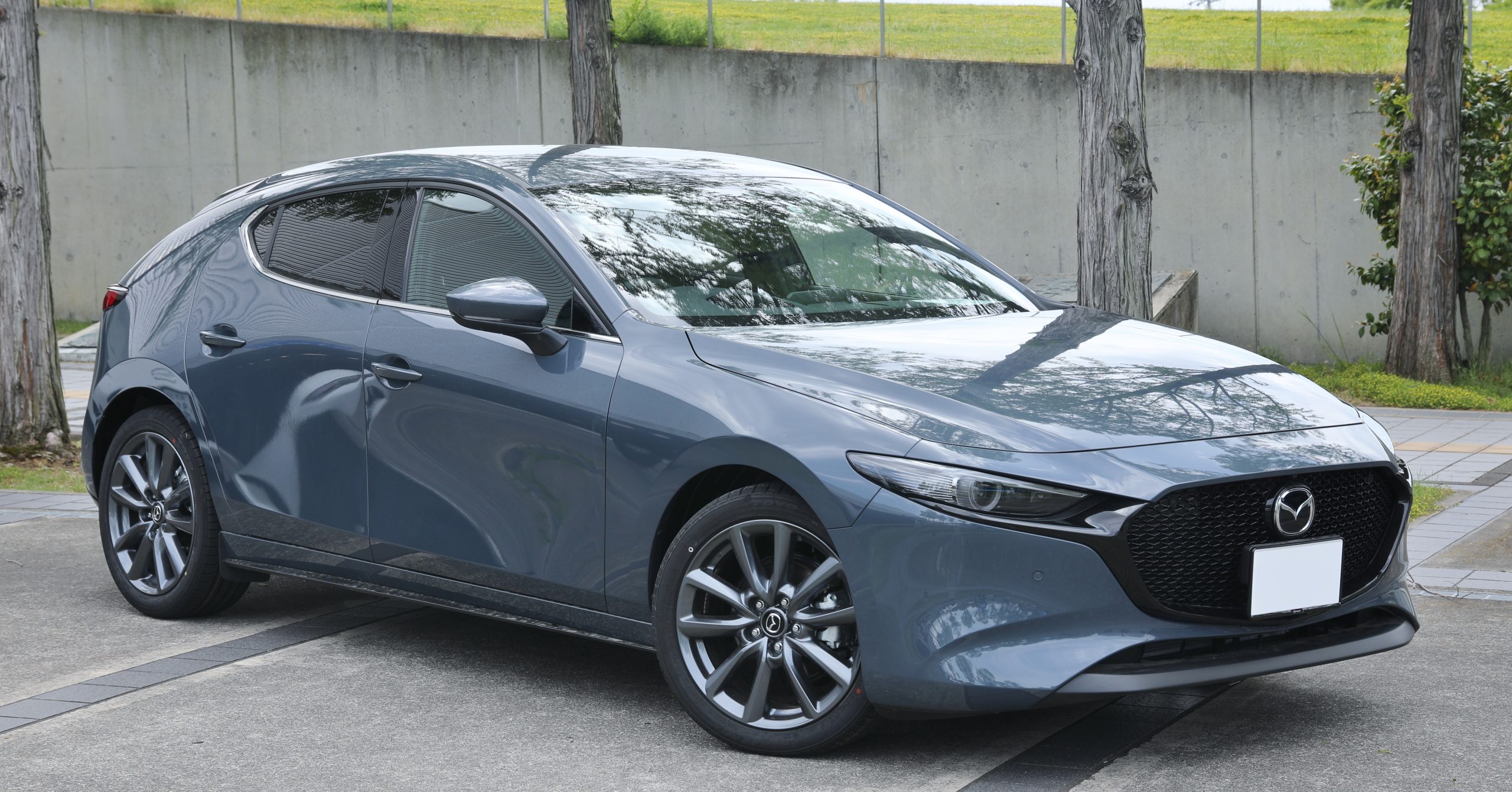
The Mazda3 is known for its sporty handling, stylish design, and fuel efficiency. Despite its compact size, the car offers a comfortable interior with quality materials and intuitive controls.
Fuel economy is impressive for both city and highway driving, helping commuters reduce fuel costs while maintaining a responsive driving experience. The Mazda3’s reliability has improved over time, with many owners reporting few major issues when regular maintenance is performed.
Driving the Mazda3 is engaging without being overwhelming. Steering is precise, and the suspension strikes a balance between comfort and handling, making it enjoyable for daily commuting and occasional longer drives.
Inside, the cabin design emphasizes driver convenience, with controls that are easy to reach and use. Infotainment systems, Bluetooth, and smartphone integration provide modern conveniences for those who spend significant time on the road.
Safety features are standard across most models, including multiple airbags, stability control, and advanced driver assistance systems. These additions help prevent accidents and reduce stress during congested commutes. Maintenance costs are moderate, and parts are generally available at reasonable prices, making the Mazda3 a dependable choice for budget-conscious drivers.
The Mazda3 combines style, efficiency, and practicality. Its enjoyable driving experience, reliable performance, and reasonable costs make it an appealing option for daily commuting in cities like Jonesboro.
5. Ford Focus
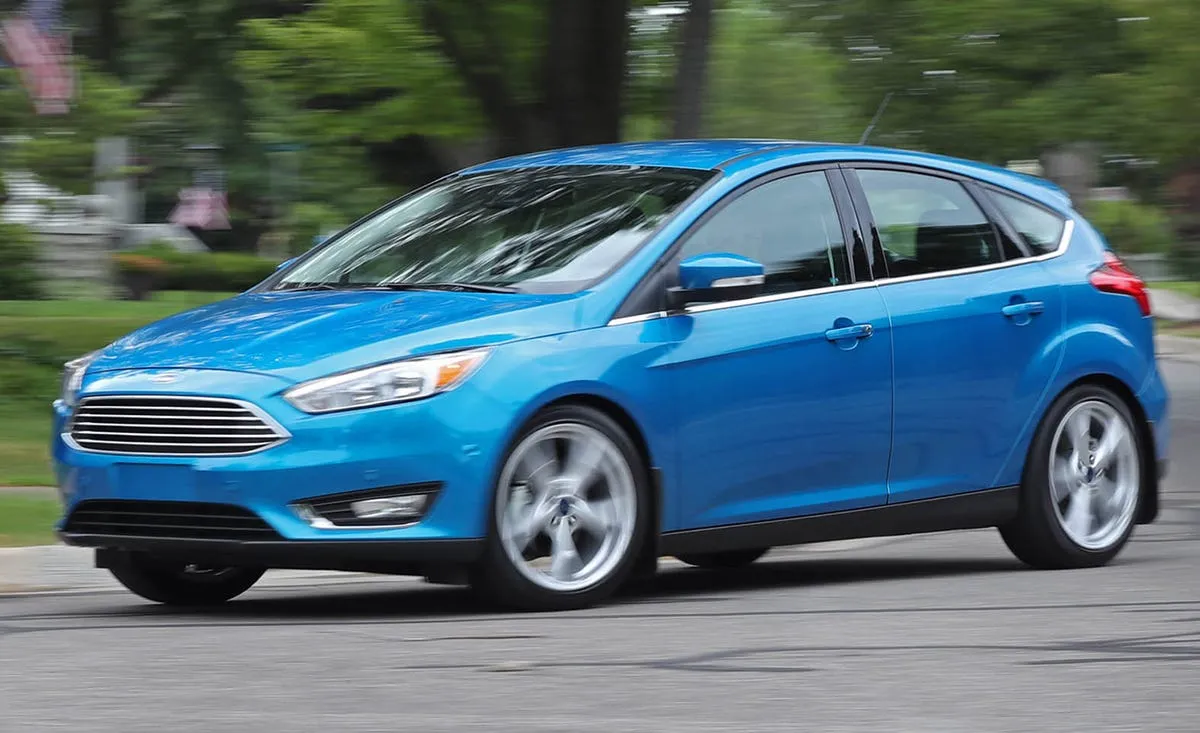
The Ford Focus has been a popular compact car for many years due to its practicality and affordability. It offers a smooth ride, manageable size, and fuel efficiency suitable for daily commuting.
Interior space is adequate for passengers, and cargo room is sufficient for everyday errands. The Focus delivers a comfortable driving experience, with responsive steering and handling that make navigating city streets easier.
Reliability is generally strong, particularly for newer models. Regular maintenance keeps repair costs reasonable, and parts are widely available. Safety features, including airbags, stability control, and traction control, provide peace of mind for drivers who spend significant time on the road. Fuel efficiency is competitive, helping commuters reduce monthly expenses on gasoline.
Technology features vary by trim but often include touchscreen displays, Bluetooth, and smartphone integration. These features allow drivers to stay connected and access navigation without distraction. Comfort and ergonomics are considered in seat design and control placement, making longer commutes less tiring.
For drivers in Jonesboro, the Ford Focus provides a balance of efficiency, reliability, and affordability. Its combination of features and cost-effective maintenance makes it a practical choice for daily commuting while keeping expenses under control.
5 Street Cars That Rack Up Bills
1. BMW 5 Series
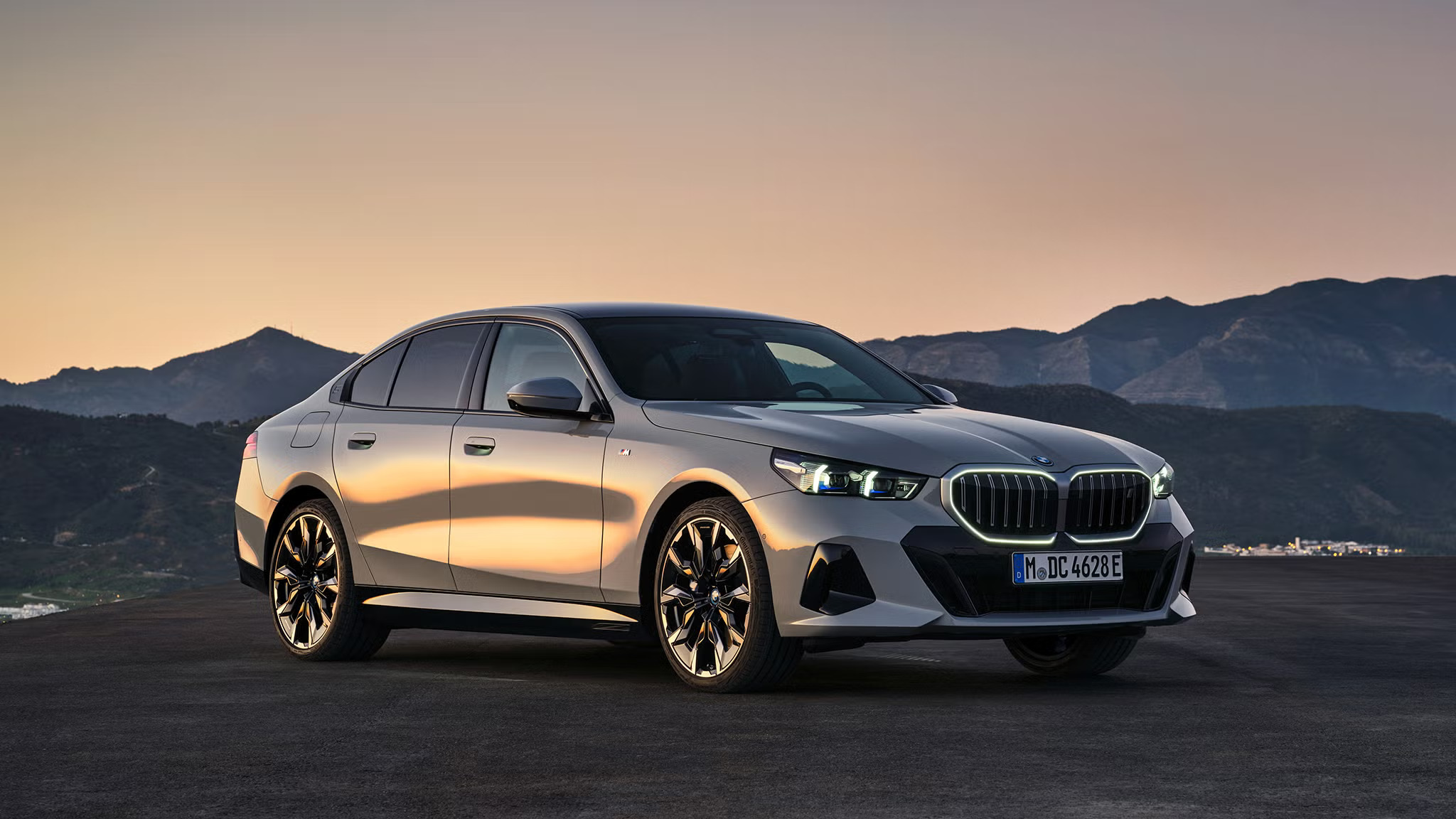
The BMW 5 Series is a luxury sedan that offers a driving experience many people dream of, combining powerful engines, advanced technology, and a smooth, refined ride. Its handling is precise, acceleration is strong, and comfort levels are higher than most commuter cars, making it extremely enjoyable to drive. However, these benefits come at a high financial cost.
The initial purchase price alone is substantially higher than standard commuter cars, and the luxury badge often leads to higher insurance premiums. Fuel consumption is another concern, as the 5 Series engines, especially in the sportier trims, tend to drink more gas than compact or mid-sized cars, which translates to higher monthly fuel bills.
For a commuter who spends several hours on the road every week, this can quickly become a major expense that adds up over the months and years.
Maintenance is where the 5 Series really separates itself from practical commuter cars, and not in a positive way for someone on a budget. Even routine maintenance like oil changes, brake pad replacements, or tire rotations can cost significantly more than for a compact vehicle. BMW vehicles rely on precision engineering and electronic systems that are often more complex than those in non-luxury brands.
When any of these systems requires repair, the costs can escalate rapidly. For example, a failing sensor, a minor leak, or an electronic glitch in the dashboard can result in expensive service visits, often requiring certified BMW technicians who charge premium rates. Even something as seemingly simple as replacing a water pump or battery can cost hundreds of dollars, which may surprise drivers used to more budget-friendly vehicles.
The luxury features in a BMW 5 Series, including advanced infotainment, heated seats, leather upholstery, and adaptive suspension, enhance comfort and driving pleasure, but they also increase the likelihood of costly repairs. Electronics, climate systems, and high-end mechanical components are prone to wear over time, and replacement parts are expensive.
While these features improve the driving experience, they significantly contribute to the car’s total cost of ownership. Drivers must be prepared for ongoing financial commitments beyond the purchase price, as ignoring maintenance can result in even more costly repairs down the road.
Finally, owning a 5 Series demands careful planning and budgeting, especially for daily commuters. While the car delivers exceptional performance, safety, and luxury, its high operating costs can make it impractical for someone focused on efficiency and affordability.
Jonesboro residents who choose a 5 Series should be fully aware of potential repair costs, insurance premiums, and fuel bills. For many commuters, the money spent on maintaining such a vehicle could instead go toward a more practical car that fulfills the same commuting needs without creating ongoing financial strain.
2. Audi A6
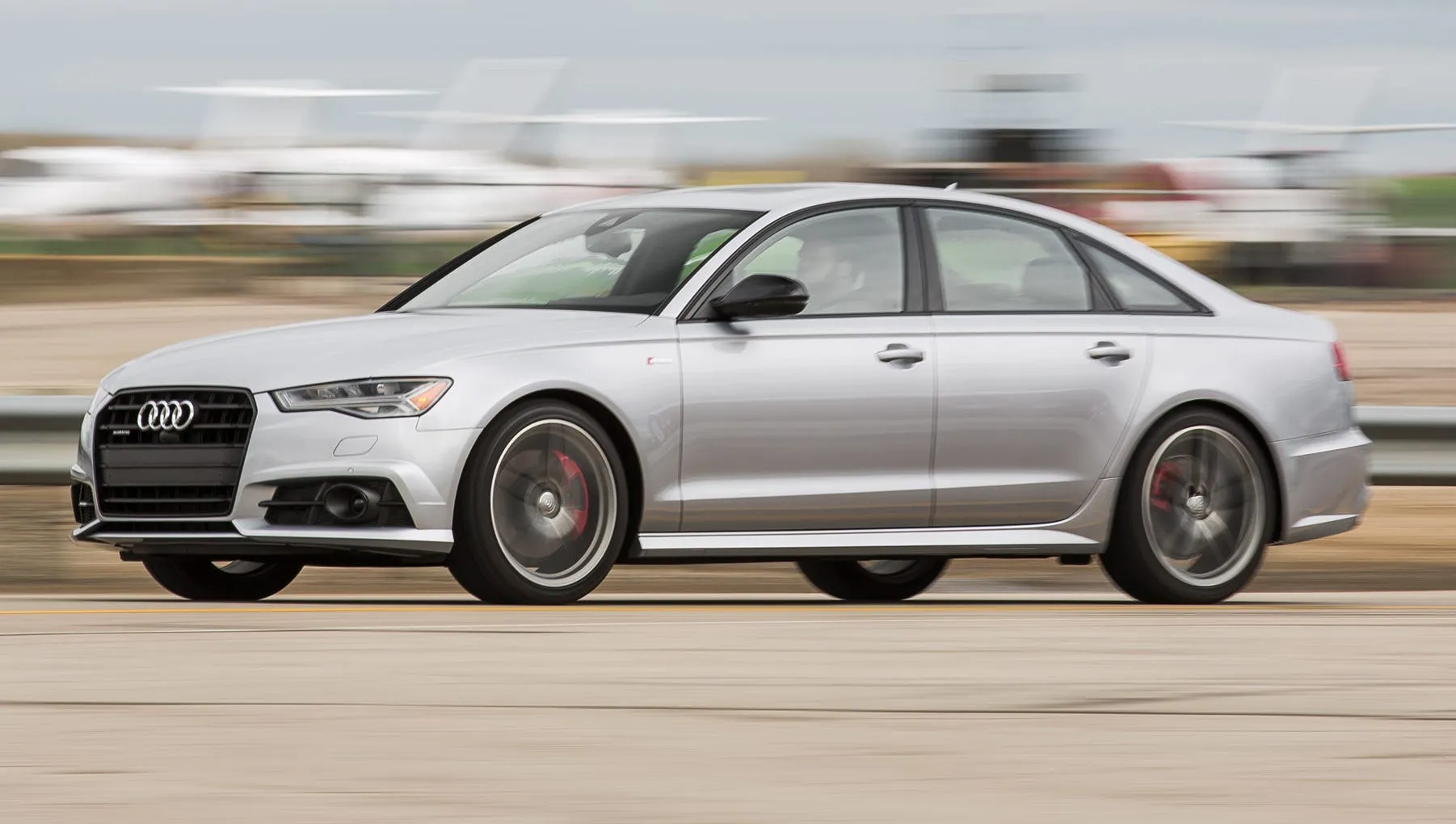
The Audi A6 is a sedan admired for its design, advanced technology, and powerful performance. Its interior features high-quality materials, spacious seating, and cutting-edge infotainment systems that make long drives enjoyable. Despite these advantages, the A6 is not known for being inexpensive to own.
The car’s maintenance and repair costs are considerably higher than those of standard commuter vehicles. Replacement parts, such as brake components, turbochargers, or electronics, can cost hundreds or even thousands of dollars.
Regular servicing is often more expensive because Audi systems require certified mechanics who specialize in luxury European vehicles. The fuel economy is also less favorable than smaller commuter cars, meaning drivers spend more on gasoline each month. Over time, these expenses add up quickly and can strain a commuter’s budget.
Ownership of an Audi A6 comes with additional financial considerations beyond repairs and fuel. Insurance premiums for luxury cars are typically higher because of their resale value, performance capabilities, and repair costs. A fender bender or minor accident can result in thousands of dollars in claims or repairs, which is far more than for a practical commuter vehicle.
Moreover, warranty coverage on these vehicles may not always cover certain complex repairs after a few years, so the owner is responsible for expensive service bills. Drivers who do not carefully plan for these expenses often find themselves surprised by the ongoing cost of keeping an Audi A6 on the road.
The A6’s advanced electronics and technology features, while convenient, contribute to higher maintenance demands. Systems like adaptive cruise control, automated parking, or touchscreen-based navigation can malfunction or require software updates that are costly to implement.
Luxury sedans also have sensitive mechanical components, such as turbocharged engines and precise transmissions, that can be expensive to repair if they fail. Even routine items, like tire replacements, brake servicing, or battery replacement, are more costly compared to economy cars. These factors make ownership a long-term financial commitment that must be carefully considered before purchase.
For daily commuting, the Audi A6 may not be practical unless the driver is willing to accept high ongoing costs. While it offers a smooth ride, refined interior, and advanced features, these advantages come with substantial bills.
Residents of cities like Jonesboro who primarily need a car for commuting may find that the combination of fuel, maintenance, insurance, and occasional repairs makes the A6 less suitable than reliable, more affordable alternatives. Luxury and performance are appealing, but the financial trade-offs are significant.
3. Mercedes-Benz E-Class
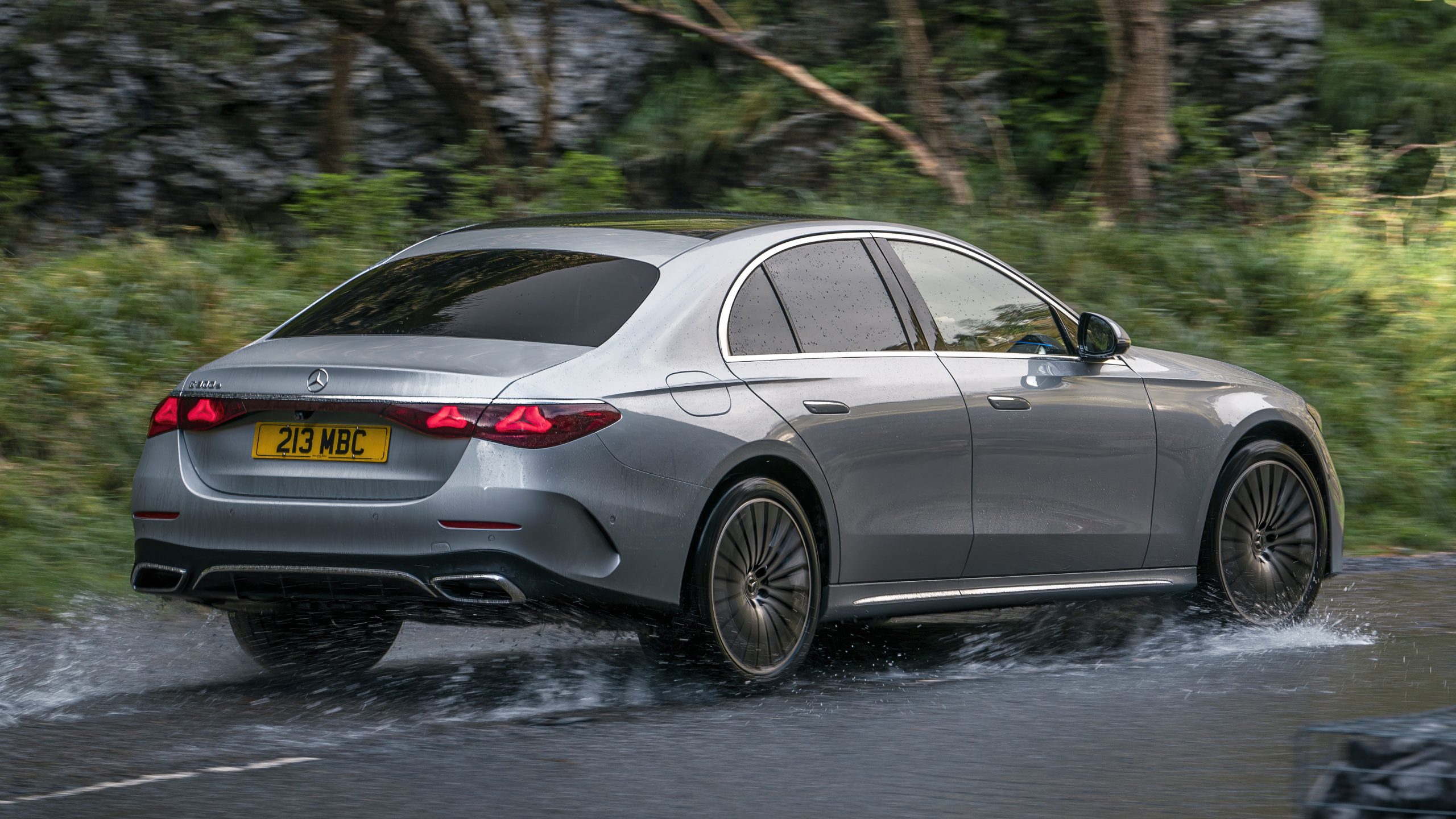
The Mercedes-Benz E-Class has long been associated with prestige, luxury, and comfort, attracting drivers who want a high-end experience on the road. Its interiors are often outfitted with leather seating, premium sound systems, and advanced safety features that make commuting more pleasant.
However, these features come with a cost, and the E-Class is known for high maintenance expenses. Even routine services, such as oil changes, fluid replacements, or brake servicing, tend to cost significantly more than average cars. Replacement parts are expensive, and specialized service is often necessary to keep the car running correctly, which contributes to high ownership costs.
Fuel consumption is another financial concern for the E-Class. Many models feature larger engines to deliver smooth acceleration and comfortable highway performance, but this results in lower fuel efficiency, particularly during city commuting.
For someone driving daily in Jonesboro traffic, these costs can quickly accumulate, adding hundreds of dollars per year to routine expenses. In addition, insurance premiums for luxury sedans are generally higher, reflecting both the car’s value and the cost of repairs in case of accidents. These recurring financial obligations make the E-Class a challenging choice for budget-conscious commuters.
Complex mechanical and electronic systems are common in the E-Class. Air suspension, advanced driver assistance systems, and multiple control modules can malfunction, leading to costly repairs that are difficult for an average mechanic to address.
Luxury vehicles often use specialized parts that are expensive to source, and repair labor is typically billed at a higher rate. Even minor issues that would be inexpensive on a regular commuter car can result in substantial bills. Drivers who are not prepared for these ongoing expenses may find themselves overwhelmed by maintenance costs.
While the E-Class delivers comfort, performance, and prestige, it comes with financial demands that make it less practical for daily commuting.
Jonesboro residents who primarily need a dependable, affordable, and low-maintenance vehicle may find the E-Class attractive aesthetically, but the cumulative cost of fuel, insurance, and repairs makes it a high-risk choice for practical commuting purposes. The car’s luxury appeal comes with a price tag that extends far beyond its purchase price.
4. Jaguar XF
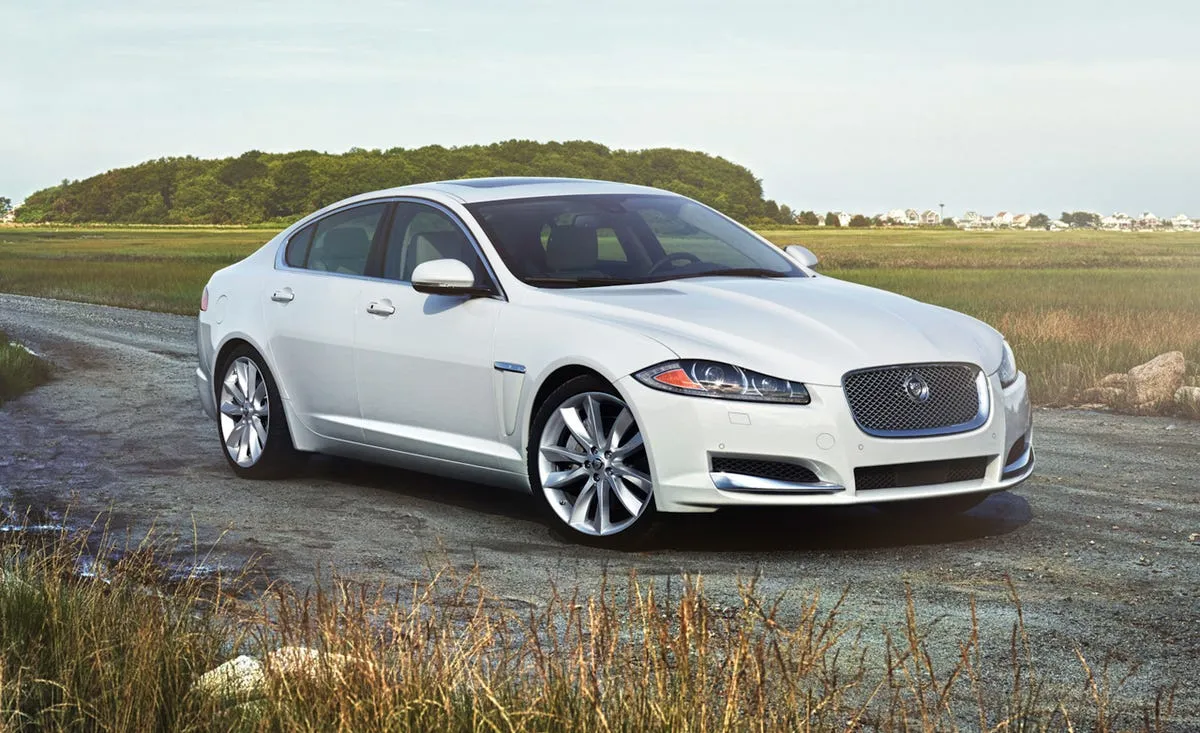
The Jaguar XF is a sleek, stylish luxury sedan that attracts drivers with its sporty handling, refined interior, and high-end materials. It combines elegance with performance, offering a powerful engine and responsive steering that make driving enjoyable. However, this level of performance and sophistication comes with significant financial drawbacks.
Maintenance and repairs on the XF are often expensive, as many components are specialized and require expert service. Even routine maintenance such as oil changes, brake servicing, or tire replacements, cost more than average, while replacement parts are often costly due to the brand’s premium status.
Fuel consumption is another factor that contributes to the XF’s high cost of ownership. Its engines are designed for performance rather than efficiency, and city driving can be particularly expensive due to higher fuel use.
Insurance rates are also higher for luxury vehicles like the Jaguar XF because of repair costs and the car’s value. These factors combine to create a financial burden that is often greater than what most daily commuters would expect.
Jaguar’s complex electronics, sophisticated transmissions, and advanced driver assistance systems can also increase repair expenses.
Problems with these systems, such as a malfunctioning infotainment display, adaptive cruise control, or suspension components, can be both unpredictable and expensive to fix. Even minor issues that would be straightforward on an economy vehicle often require specialized diagnostics and service, adding to the long-term cost of ownership.
For those who want a vehicle primarily for daily commuting, the Jaguar XF may be more of a liability than a convenience. While it is stylish, comfortable, and fun to drive, its high fuel consumption, elevated insurance costs, and expensive repairs make it a less practical option than reliable, budget-friendly alternatives. Drivers must be financially prepared for ongoing expenses to truly enjoy this luxury sedan without stress.
5. Land Rover Range Rover
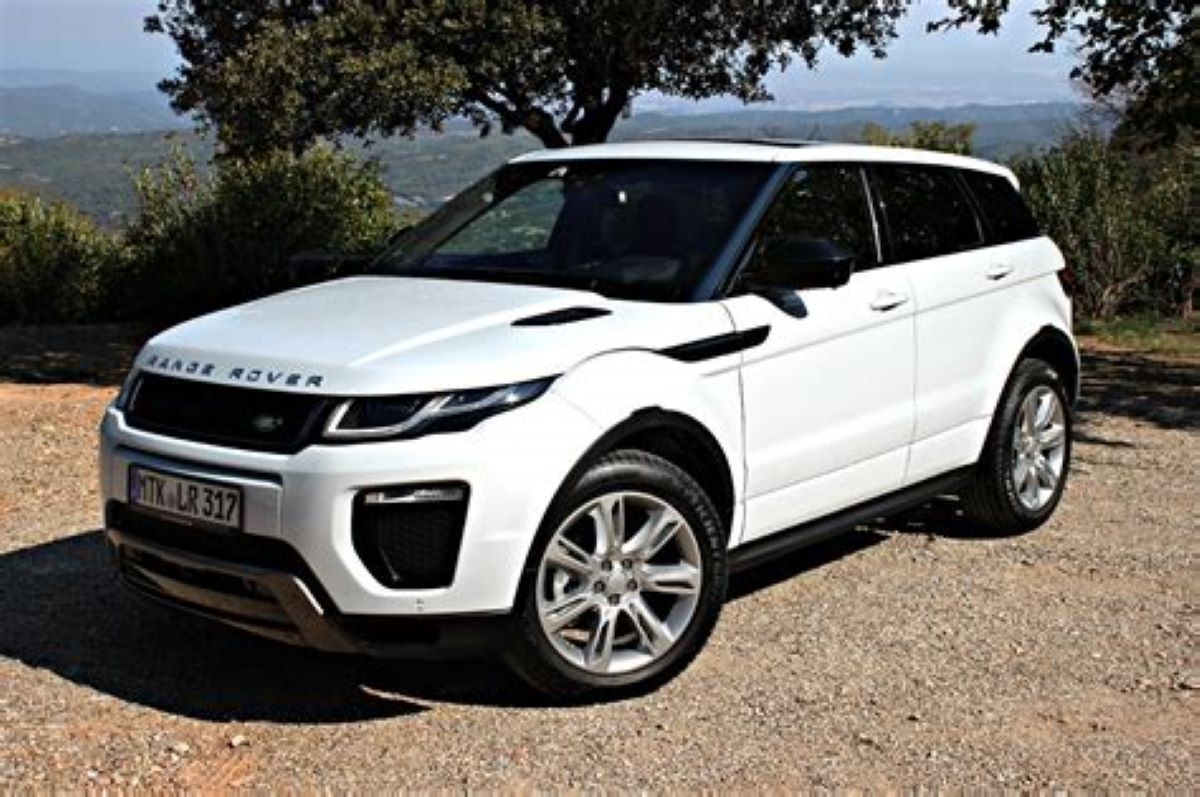
The Land Rover Range Rover is a commanding SUV that combines luxury, off-road capability, and exceptional comfort. Its large size, plush interior, and advanced features make it desirable for those who want both performance and prestige. However, these qualities come at a very high cost of ownership.
Routine maintenance, such as oil changes, brake work, and tire replacement, is significantly more expensive than for standard SUVs or sedans. Specialized service is often required for many systems, from air suspension to electronic control modules, increasing labor costs. Fuel consumption is also high, particularly in city driving conditions, which adds a recurring financial burden for daily commuters.
Mechanical complexity makes the Range Rover prone to expensive repairs. Air suspension systems, drivetrain components, and advanced electronics can fail unexpectedly, often requiring costly replacement or specialized service.
Even small issues, such as sensor failures or minor electrical problems, can result in repair bills that exceed hundreds or even thousands of dollars. Parts are premium, and service often involves lengthy wait times for proper diagnostics, which further adds to the inconvenience and cost.
Insurance is another major consideration. The high value of the Range Rover, combined with its expensive parts and repair costs, leads to elevated premiums. Accidents, even minor ones, can have significant financial implications. Owners need to budget carefully to manage both expected and unexpected expenses, which can be much higher than for ordinary commuter vehicles.
While the Range Rover offers exceptional luxury, off-road capability, and prestige, it is not a practical choice for everyday commuting in a mid-sized city like Jonesboro.
The vehicle’s high fuel consumption, expensive repairs, and costly insurance make it better suited for leisure or luxury use rather than as a reliable and cost-effective daily driver. For commuters, more affordable and practical alternatives are far better choices.
