
Torque has always been the defining force behind the most dominant V8 engines ever built. While horsepower often takes the spotlight in marketing and racing conversations, torque is the true measure of raw mechanical authority.
It determines how effortlessly a vehicle accelerates under load, how confidently it tows massive weight, and how overwhelming the driving experience feels at low and mid engine speeds.
From heavy-duty trucks and industrial applications to luxury performance sedans and extreme muscle cars, high torque V8 engines have shaped entire automotive eras.
The history of torque focused V8 engines is closely tied to practical demands. Manufacturers built these engines not only to achieve speed but also to move immense mass with reliability and composure.
High torque output allows vehicles to operate efficiently at lower engine speeds, reducing strain while delivering immediate response.
This made such engines ideal for towing, hauling, off road use, and high performance luxury where smooth power delivery mattered as much as outright acceleration.
Engineering advancements played a major role in the evolution of torque rich V8 engines.
Larger displacements, longer stroke designs, forced induction, and reinforced internal components allowed engineers to extract extraordinary twisting force from eight cylinder layouts.
Materials improved, cooling systems became more advanced, and engine management systems evolved to handle unprecedented stress levels. Each generation pushed the limits of what a production V8 could endure.
This article focuses on ten V8 engines that stand out for their torque output across automotive history. These engines earned their reputations not through marketing hype but through measurable performance and long term impact.
Some were built for heavy duty utility, others for luxury dominance or extreme muscle. All share one defining characteristic, overwhelming torque that reshaped expectations for V8 power.
Together, they represent the pinnacle of mechanical strength and engineering ambition in eight cylinder engine design.
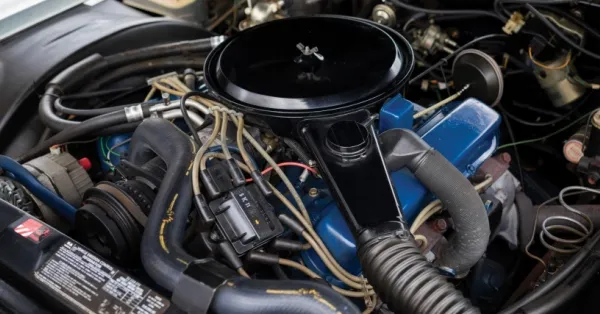
1. Cadillac 500 Cubic Inch V8
The Cadillac 500 cubic inch V8 remains one of the most torque rich naturally aspirated V8 engines ever produced.
Introduced during the late 1970s, when American luxury sedans were increasing in size and weight, this engine was designed specifically to move these massive vehicles with seemingly effortless authority.
Its large displacement combined with a long stroke allowed for a broad torque curve that delivered significant twisting force even at low engine speeds.
Drivers immediately felt a commanding push whenever the accelerator was pressed, creating a driving experience that was both confident and refined. This V8 became a standard of comparison for smooth torque delivery in American luxury cars, setting benchmarks for others to follow.
This engine was not designed for high revving performance or track domination. Instead, it focused on creating a seamless, linear power delivery that would glide a 5,000-pound sedan forward with minimal effort.
Torque was available almost instantly from idle, which meant that drivers rarely needed to downshift in city driving or highway merging situations.
The Cadillac 500 was famous for its ability to maintain strong performance even under heavy loads, including multiple passengers or luggage, without showing signs of strain.
It emphasized luxury and authority over raw excitement, making it a favorite among owners who valued smooth, effortless motion over speed metrics.
Engineering simplicity was key to the Cadillac 500’s longevity. With conservative compression ratios, a heavy cast iron block, and robust internal components, this engine was built to last.
The durability of its components meant that the torque output could be sustained over long journeys without overheating or mechanical wear becoming a problem.
Mechanics often praised the engine for its forgiving design, as the large displacement allowed it to operate comfortably even under suboptimal maintenance conditions.
The combination of reliability, smoothness, and power made it a practical choice for luxury car buyers who wanted performance without fuss.
The legacy of the Cadillac 500 cubic inch V8 is rooted in its unmatched blend of torque and refinement. Decades after its production, it remains sought after in restoration projects and custom builds, especially where effortless power and historical authenticity are prized.
Its design influenced many subsequent American V8s, particularly those intended for heavy luxury sedans or full-size vehicles.
Few engines have ever provided such a commanding presence without resorting to loud, aggressive behavior, and the Cadillac 500 is remembered as a quintessential example of torque oriented engineering done right.
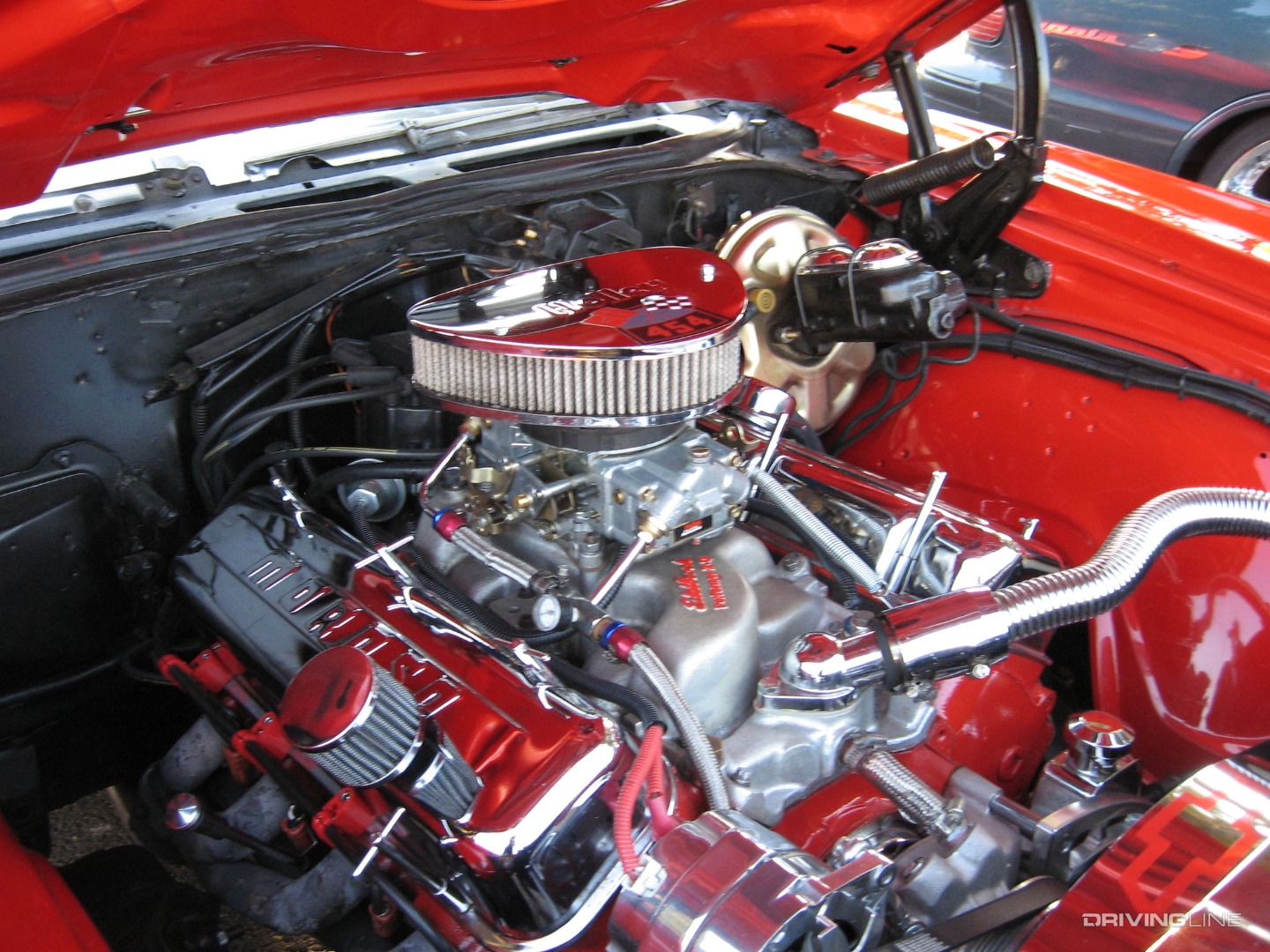
2. Chevrolet Big Block 572 V8
The Chevrolet 572 cubic inch big block V8 is a symbol of extreme performance and torque dominance. Unlike smaller engines that rely on high revs, the 572 achieves its incredible output through sheer displacement and advanced big block design principles.
With a large bore and stroke, reinforced internals, and modern material choices, this engine delivers torque figures that are practically unmatched in factory-built V8s.
When installed in performance or custom applications, it provides nearly instantaneous response, producing an overwhelming sensation of force that can propel even the heaviest vehicles with astonishing ease.
One of the most remarkable features of the 572 V8 is its ability to maintain a strong torque curve across a wide range of engine speeds. Unlike engines that require reaching high RPMs to access their power, the 572 delivers substantial twisting force at low to mid engine speeds, making it ideal for drag racing, road courses, and heavy load scenarios.
The engine’s performance is accompanied by a distinct auditory presence, with deep rumbling tones that communicate mechanical power before the vehicle even moves. This combination of sound and torque gives drivers an unmistakable sense of authority over their machine.
Engineering excellence is evident in every aspect of the 572. Cylinder heads are designed to maximize airflow, forged crankshafts and connecting rods handle immense loads, and the block is engineered to tolerate prolonged stress.
Modern production techniques also allow for better fuel and ignition management, ensuring that the engine runs smoothly and reliably even at extreme output levels.
The combination of traditional big block philosophy with modern refinements results in torque delivery that is not only intense but also usable and controllable under real-world conditions.
What sets the 572 apart is its ability to balance overwhelming performance with durability. Many high output engines sacrifice longevity for power, but the 572 remains functional under extreme conditions, provided proper maintenance is observed.
Its presence in drag racing, hot rods, and performance builds underscores the continued relevance of large displacement torque-focused engines. The Chevrolet 572 V8 is not just about numbers on a dyno; it is an embodiment of American engineering ideals where massive torque, reliability, and mechanical drama intersect.
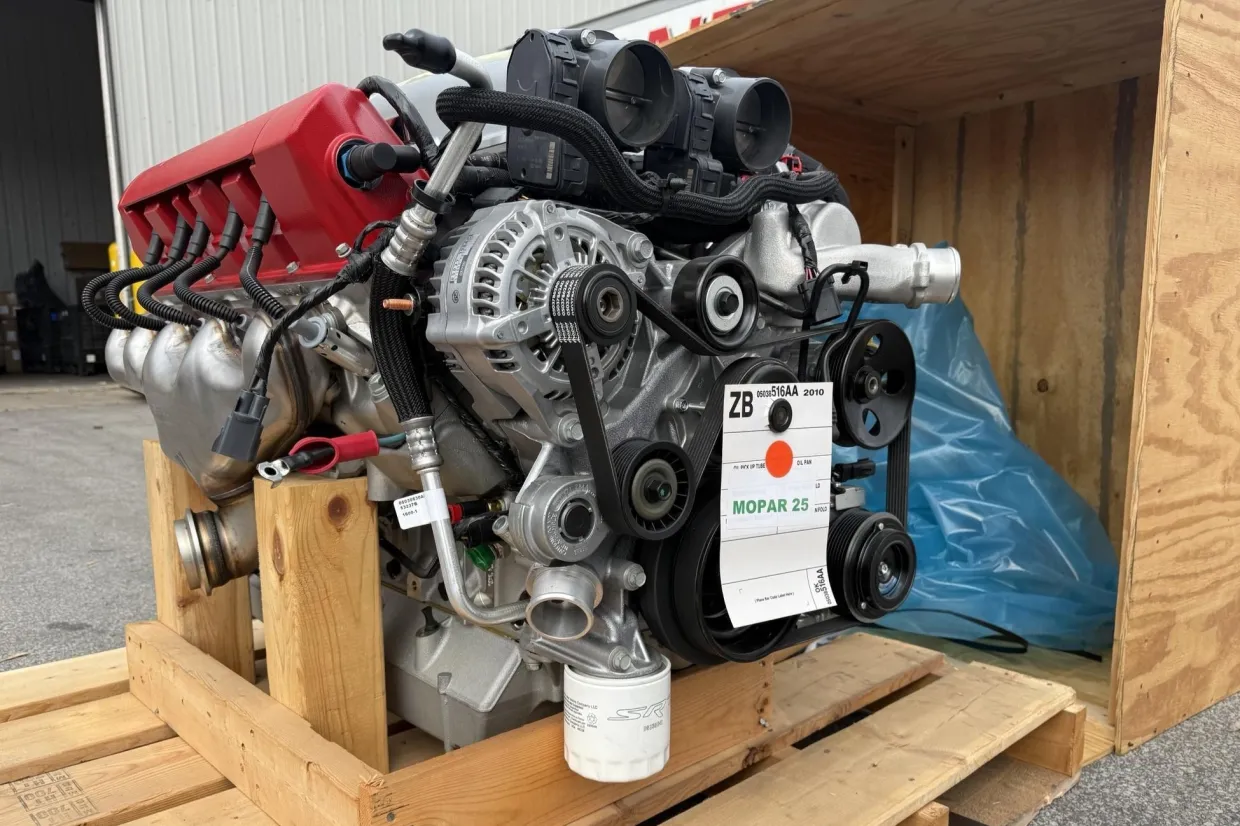
3. Dodge 8.4 Liter V10 Derived V8 Variants
Dodge’s torque-oriented engineering philosophy, often associated with their legendary V10 engines, inspired several V8 derivatives that emphasized pulling force over peak speed.
These engines often inherited the long stroke and robust internal components of the V10 design, allowing them to achieve high torque outputs at relatively low engine speeds.
By focusing on usable force rather than top-end horsepower, these V8 variants became highly effective for applications ranging from heavy performance vehicles to modified trucks, ensuring that drivers experienced immediate acceleration and control in all conditions.
The design philosophy prioritized durability, with thick cylinder walls, reinforced crankshafts, and high-quality bearings capable of handling extreme stress.
Torque was delivered smoothly and predictably, providing consistent performance during towing, hauling, or aggressive driving scenarios.
Drivers could trust these engines to produce dependable force without sudden surges or weak spots in the power curve, making them particularly valuable in both everyday use and competitive applications.
These engines also benefited from advancements in fuel management and ignition timing inherited from their V10 counterparts. Efficient combustion and optimized airflow ensured that torque was not only high but also sustained across a wide RPM range.
This stability made the engines versatile, capable of excelling in both high stress environments and daily driving situations.
Their low-end responsiveness was particularly impressive, as vehicles could accelerate strongly from near-idle without downshifting, a characteristic highly prized in torque-dominant engines.
The influence of Dodge’s V10-derived V8s continues to shape modern performance engines. By prioritizing torque and mechanical reliability, these designs proved that an engine does not need to produce extreme RPM horsepower to feel powerful.
The focus on accessible force over peak metrics created engines that were practical, intimidating, and highly enjoyable to drive. As a result, these V8 variants occupy a unique place in American automotive history, bridging the gap between brute force performance and everyday usability.
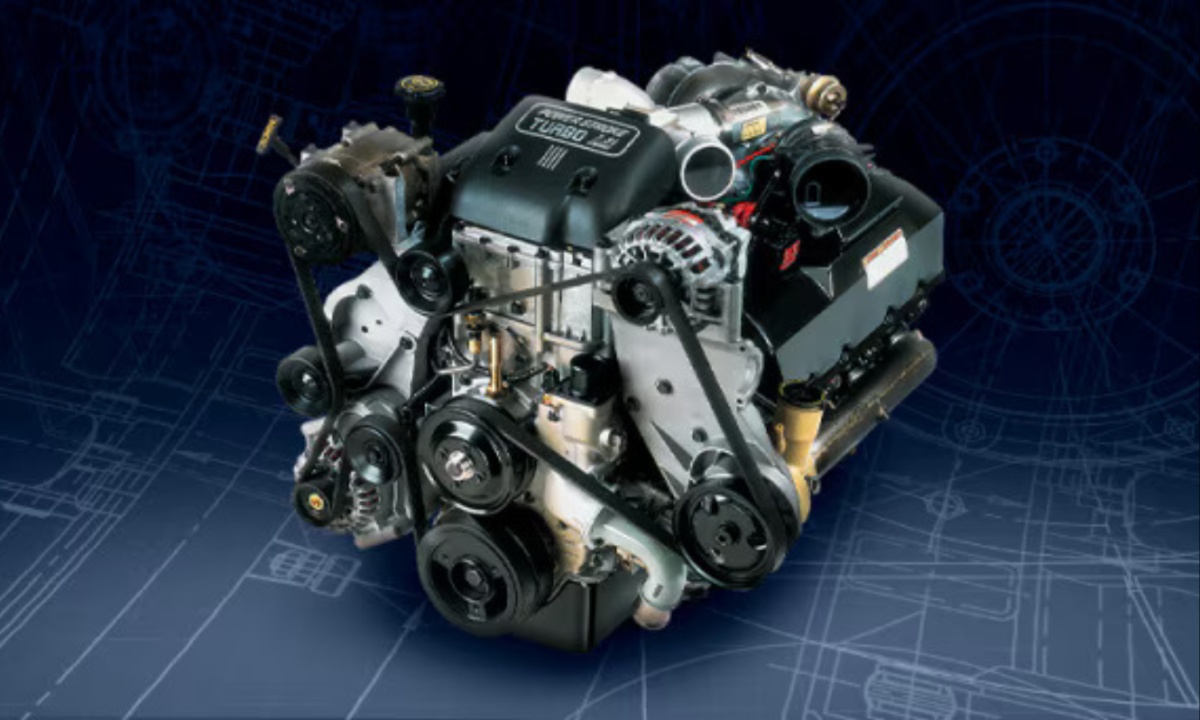
4. Ford 7.3 Liter Godzilla V8
The Ford 7.3 liter Godzilla V8 represents a modern interpretation of traditional torque-focused engineering. Developed for heavy duty trucks, this engine emphasizes low-end pulling power, durability, and reliability.
Its long stroke, pushrod configuration, and large displacement combine to create immense torque available at low RPM, which is critical for vehicles that tow or haul heavy loads.
The Godzilla delivers smooth, linear acceleration that feels effortless despite the massive mechanical forces at work.
Unlike smaller, turbocharged engines, the Godzilla achieves its output primarily through displacement, robust internals, and efficient airflow management.
The pushrod design allows for compact packaging within truck engine bays, while simultaneously supporting a longer stroke that enhances torque.
The engine’s character emphasizes usability and strength rather than high-revving excitement, making it perfectly suited for applications that demand sustained performance under load.
The Godzilla’s design also includes advanced cooling systems, durable oiling components, and reinforced materials capable of handling long-term stress. This ensures that torque remains stable even during extended towing or highway operation.
Drivers experience confidence in the engine’s ability to maintain peak output without compromise, reflecting a combination of engineering foresight and practical design considerations.
As a contemporary example of torque-centric V8 development, the Godzilla demonstrates that large displacement naturally aspirated engines remain relevant.
It bridges the gap between historical big block philosophy and modern requirements for emissions, efficiency, and reliability. For truck enthusiasts and professionals alike, it represents the perfect blend of old-school force and modern engineering intelligence.
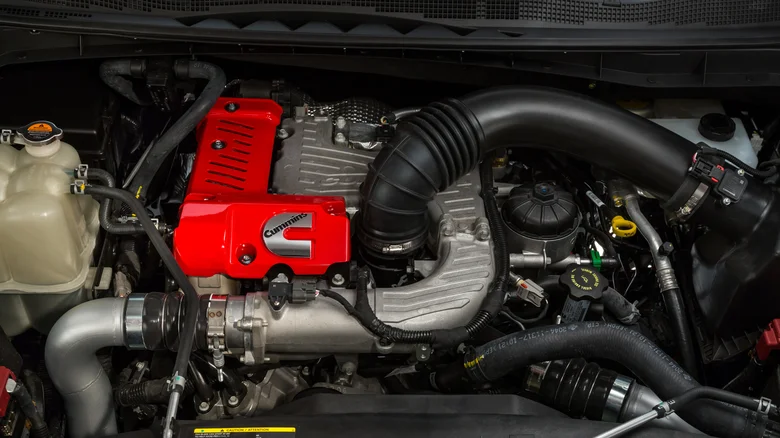
5. Cummins 5.0 Liter V8 Diesel
The Cummins 5.0 liter V8 diesel embodies torque dominance through its unique diesel architecture.
Diesel engines naturally generate higher torque due to the long stroke and high compression ratios, and Cummins leveraged this property to produce a V8 capable of immense low RPM force.
Coupled with turbocharging, precise fuel injection, and robust internal components, the engine delivers smooth, predictable torque that makes towing and hauling effortless, even under extreme conditions.
Designed for commercial and heavy duty applications, the Cummins V8 diesel produces twisting force at speeds where gasoline engines would struggle to breathe.
This allows vehicles to start moving massive loads from a standstill without excessive engine strain. The combination of torque and diesel efficiency also means that drivers experience powerful acceleration without sacrificing fuel economy, a rare balance in high torque engines.
The engine’s reliability is rooted in its construction. Compact graphite iron blocks, forged crankshafts, and reinforced cylinder heads allow the V8 diesel to withstand immense combustion pressures.
The turbocharging system further enhances torque without compromising mechanical integrity, ensuring that output remains consistent over long durations. Maintenance intervals are manageable, and the engine often outlasts the vehicles it powers when properly cared for.
Though its production was limited, the Cummins V8 diesel has a lasting legacy in torque-oriented design.
It demonstrates how diesel V8s can surpass many gasoline engines in raw pulling force while maintaining long-term durability. Enthusiasts and professionals alike recognize it as a torque workhorse capable of performing in situations where most engines would falter.
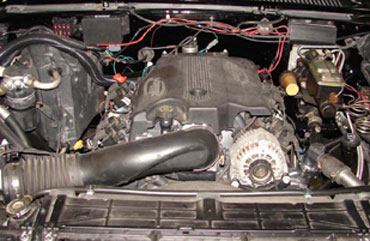
6. GMC 8.1 Liter Vortec V8
The GMC 8.1 liter Vortec V8 is a torque powerhouse developed specifically for trucks and commercial vehicles. Its primary goal was to generate maximum twisting force under load, and it achieved this through a combination of large displacement, long stroke, and conservative tuning.
The torque curve is both broad and predictable, allowing vehicles to accelerate smoothly with substantial force at nearly any engine speed.
Long stroke geometry and reinforced internal components made the Vortec V8 capable of withstanding significant stress. Torque was immediately available at low RPM, which proved essential for towing heavy trailers or maneuvering loaded vehicles in demanding conditions.
Its flat torque curve allowed operators to rely on consistent power output without frequent gear changes or revving to peak horsepower levels.
The engine also benefited from relatively simple engineering, which contributed to durability and ease of maintenance.
Fewer complex components meant fewer potential points of failure, allowing fleets and individual owners to enjoy reliable performance over extended periods.
This simplicity, combined with advanced fuel delivery and combustion management, ensured that torque remained consistent even in extreme operating conditions.
The 8.1 liter Vortec remains one of the most torque-focused gasoline V8s ever produced for trucks.
Its reputation for reliability and pulling power continues to influence heavy duty engine design, proving that engines optimized for torque can excel in real-world applications without sacrificing longevity or practicality.
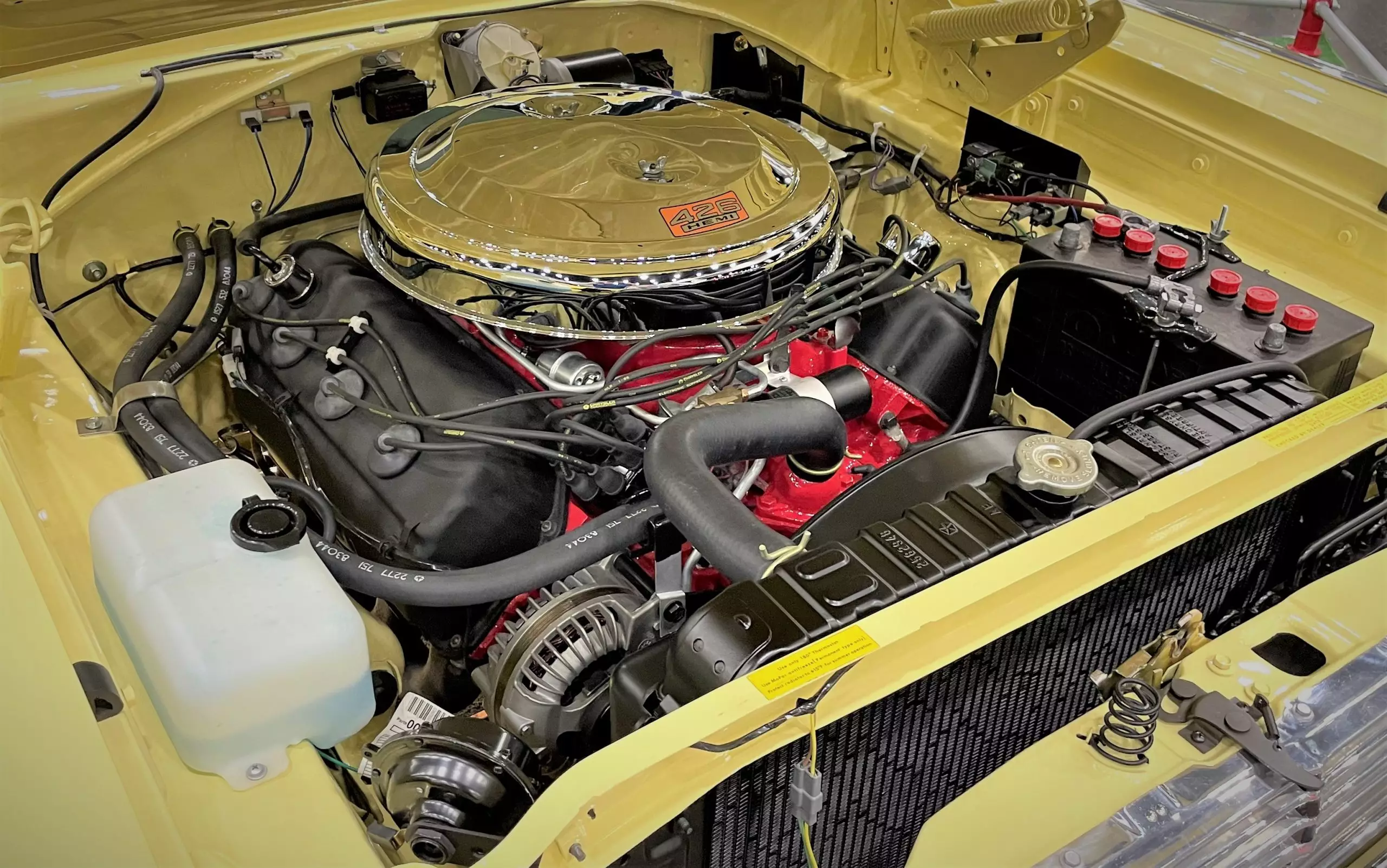
7. Chrysler 426 Hemi V8
The Chrysler 426 Hemi is often celebrated for its horsepower, but its torque output was equally impressive and central to its dominance in both street and racing applications.
Introduced in the mid-1960s, the Hemi featured hemispherical combustion chambers that allowed for efficient airflow and complete fuel combustion, creating enormous low and mid-range torque.
This design provided immediate power as soon as the throttle was pressed, making the engine feel unstoppable from near-idle speeds.
Its torque characteristics were ideal for muscle car enthusiasts who demanded both speed and raw, accessible force at every gear.
The engine’s broad torque curve allowed vehicles equipped with the Hemi to accelerate explosively without requiring constant gear shifting.
Its strength at low RPMs meant that heavy sedans or coupes could launch with authority and maintain consistent acceleration even under full load.
This made it not only a street machine favorite but also a dominant force in drag racing, where torque was often more critical than high-revving horsepower.
Drivers experienced a sensation of immediate thrust, a trait that became synonymous with the Hemi name.
The 426 Hemi’s durability was another factor in its reputation for torque excellence. Reinforced internal components, including forged crankshafts and high-strength connecting rods, allowed the engine to handle extreme forces without failure.
It could sustain high torque output over repeated runs, making it suitable for both competition and performance street use. The combination of engineering strength and efficient combustion contributed to a mechanical reliability that few engines of the era could match.
The legacy of the Chrysler 426 Hemi lies in its blend of power, torque, and engineering ingenuity. Even decades after its introduction, it remains a benchmark for V8 torque performance.
Modern muscle car engines often take inspiration from its hemispherical design and broad low-end torque, demonstrating that the principles established by the Hemi continue to influence engine design today.
It represents a pinnacle where engineering and raw mechanical force converge to create one of the most memorable torque-producing V8s in history.
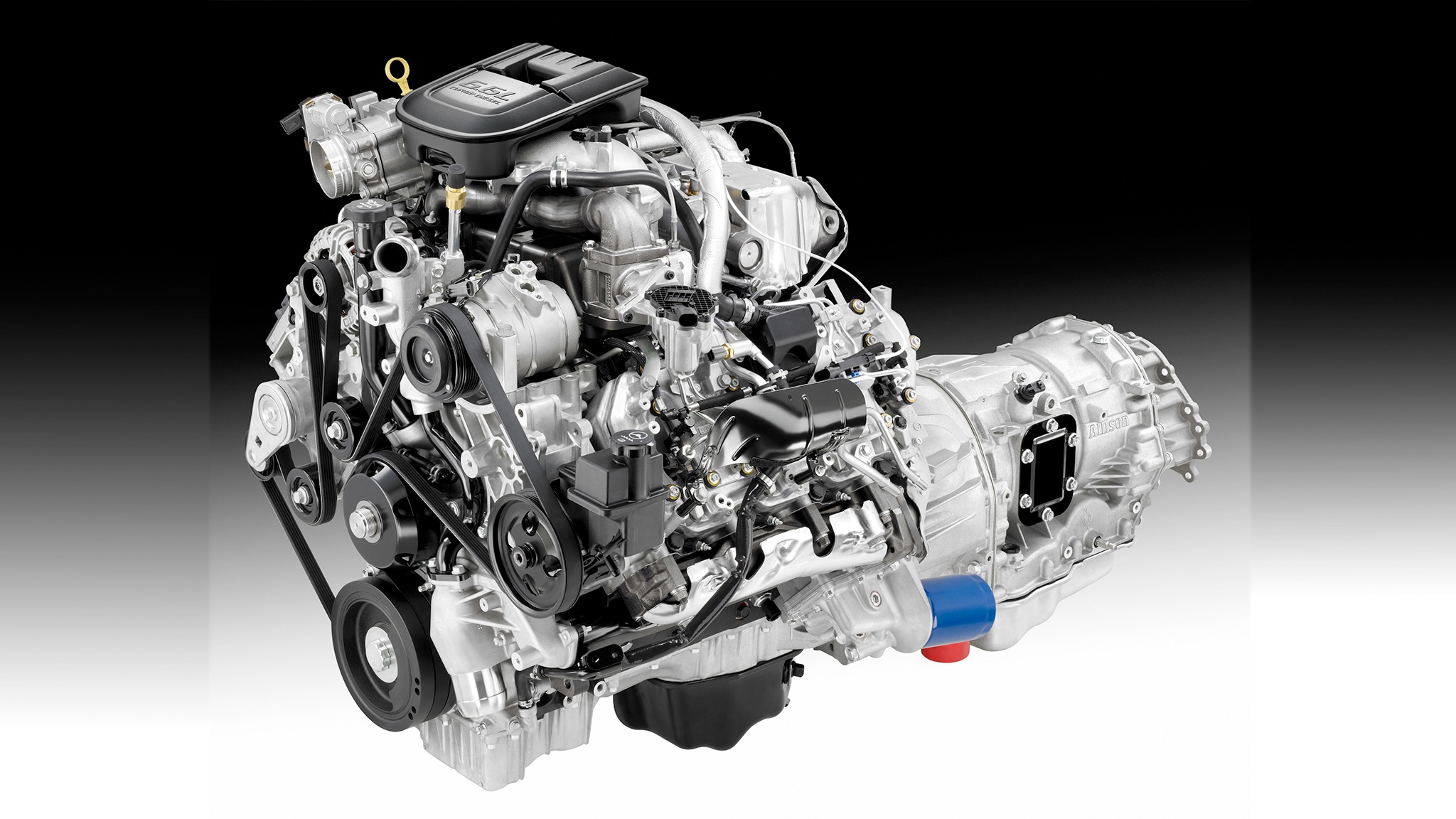
8. Chevrolet Duramax 6.6 Liter V8 Diesel
The Chevrolet Duramax 6.6 liter V8 diesel is one of the most torque-oriented engines ever produced for production trucks. Developed for demanding heavy duty applications, it was designed to produce enormous low-end torque to make towing and hauling tasks effortless.
The combination of turbocharging, direct injection, and a high compression ratio allowed this diesel V8 to deliver force that far exceeded most gasoline engines, particularly at low RPMs where trucks often operate under maximum load.
Duramax engines excel in real-world torque delivery, providing smooth, reliable acceleration even when towing large trailers or operating in challenging terrain.
Its torque curve is remarkably flat, giving drivers access to consistent power across a wide range of engine speeds.
This makes it easier to maintain control, improve fuel efficiency, and reduce mechanical strain, all while moving massive vehicles with confidence. The sensation of constant, unrelenting force is a hallmark of the Duramax experience.
The internal construction of the 6.6 liter Duramax is engineered for durability and endurance. Reinforced blocks, forged crankshafts, and advanced cooling systems ensure that the engine maintains high torque output without overheating or losing reliability.
Additionally, modern electronic controls optimize turbo boost and fuel delivery, allowing torque to be applied precisely and efficiently. This technology also contributes to smoother drivability, reducing jerky power surges while maximizing usable force.
The Duramax V8 diesel has left a lasting impact on torque-oriented engine design. It illustrates how modern diesel engineering can outperform traditional gasoline V8s in pulling power without sacrificing longevity or refinement.
Its combination of raw torque, reliability, and intelligent engineering makes it one of the most respected torque machines in automotive history. For truck owners and performance enthusiasts, it represents the balance of strength, technology, and mechanical efficiency.
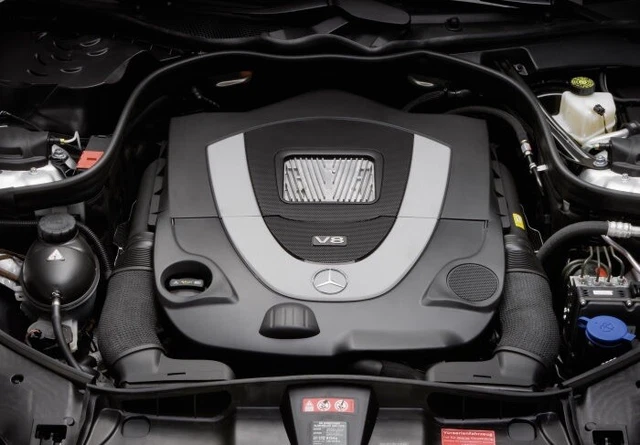
9. Mercedes Benz M273 V8
The Mercedes Benz M273 V8 is a prime example of torque-focused engineering applied to luxury performance.
Introduced in the early 2000s, the M273 combined a long stroke and modern fuel management technology to deliver strong low-end and mid-range torque, enhancing both acceleration and driving refinement.
Unlike performance engines designed solely for top-end horsepower, the M273 emphasized usable power that could be felt in everyday driving, giving luxury sedans and coupes a sense of effortless authority on the road.
The engine’s torque delivery was smooth, linear, and immediate. Drivers could access substantial twisting force with minimal throttle input, which created a driving experience that felt controlled yet powerful.
This approach allowed for seamless acceleration in traffic, confident highway merging, and stress-free overtaking. The broad torque curve made the M273 adaptable, ensuring that vehicles remained responsive regardless of speed or load.
Construction quality and precision engineering contributed to the M273’s consistent torque performance.
Lightweight materials, balanced internal components, and advanced electronics allowed the engine to maintain reliability while delivering strong force.
Mercedes-Benz engineers focused on both mechanical durability and refinement, ensuring that torque production was impressive without generating vibration, harshness, or mechanical stress that would compromise the luxury experience.
The M273 V8 demonstrates that torque excellence is not limited to muscle cars or trucks. In a luxury context, torque enhances comfort, control, and confidence.
By delivering strong, predictable force across a wide RPM range, the M273 allowed Mercedes-Benz to combine performance and refinement in a way that few other engines achieve.
It serves as an example of how torque-oriented engineering can elevate the driving experience even in vehicles built for comfort and elegance.
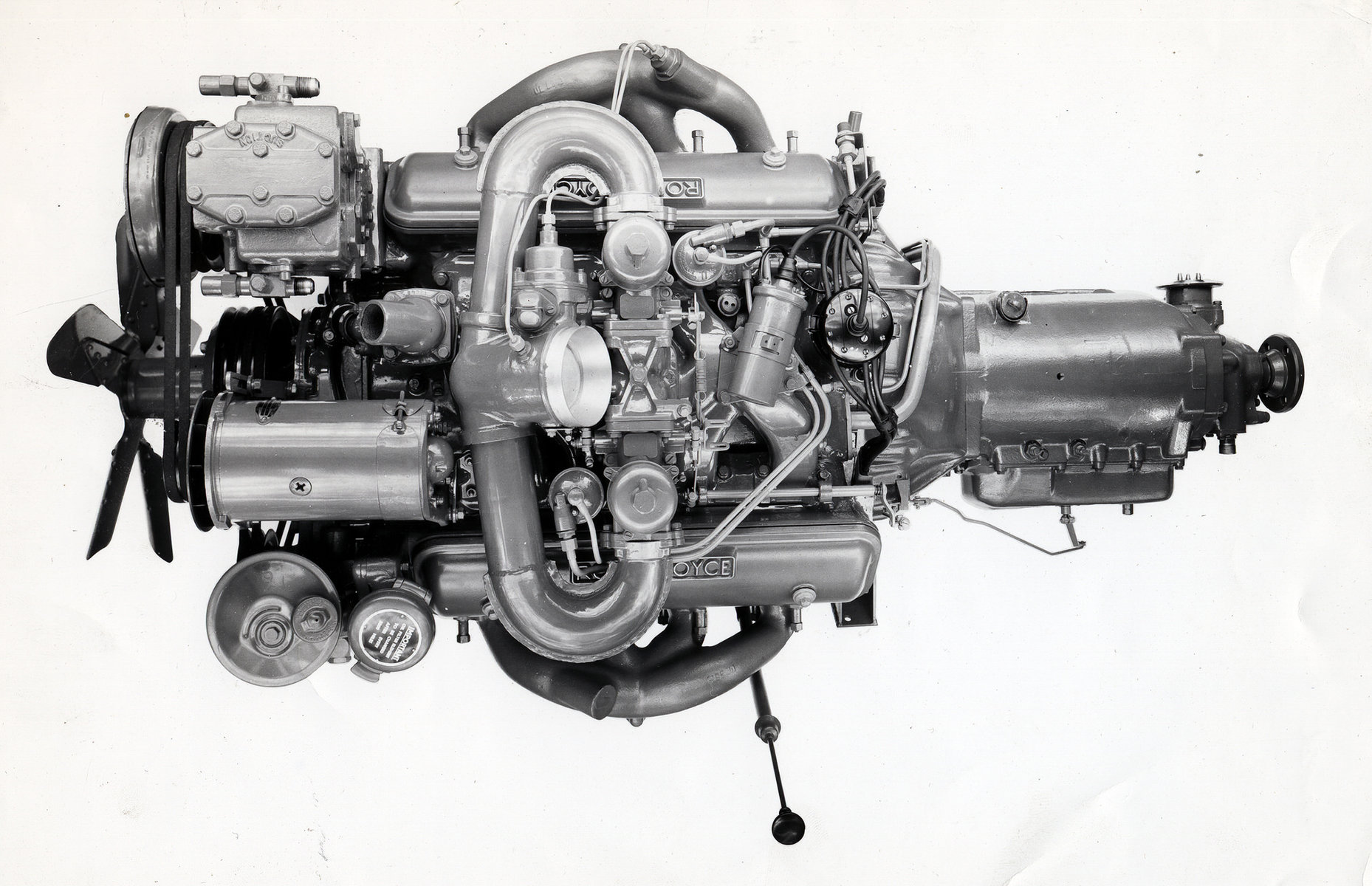
10. Rolls Royce L Series V8
The Rolls Royce L Series V8 is a masterclass in torque-oriented engineering tailored for luxury.
Developed for high-end sedans, coupes, and limousines, this engine focuses on delivering immense low-end torque while maintaining near-silent operation and unmatched refinement.
Its massive displacement and long stroke provide effortless power at low RPMs, allowing enormous vehicles to accelerate smoothly without any sensation of strain or urgency, creating the signature Rolls Royce feeling of continuous motion.
Torque delivery in the L Series is remarkably consistent and controllable. Drivers and passengers alike experience a sense of effortless momentum, as the engine applies force steadily rather than in spikes.
This characteristic makes the driving experience extraordinarily comfortable, particularly during city traffic, highway cruising, or carrying full passenger loads.
The engine’s quiet, imperceptible nature enhances the perception of luxury, proving that immense torque can be refined without sacrificing mechanical authority.
The L Series was built with extreme attention to detail and durability. Heavy duty components, precision machining, and conservative tuning allow the engine to operate under substantial loads for decades with minimal wear.
This combination of mechanical strength and refinement ensures that the engine remains both reliable and capable, reflecting the Rolls Royce philosophy that power must be felt without ever being heard.
The Rolls Royce L Series V8 demonstrates that torque can be engineered to serve elegance as effectively as it serves brute force.
Its smooth, powerful delivery transforms driving into an effortless, almost magical experience, even when moving vehicles weighing multiple tons.
The L Series stands as a testament to the idea that high torque output does not need to be aggressive or loud; it can be cultivated into a form of mechanical artistry that defines luxury automotive engineering.
