
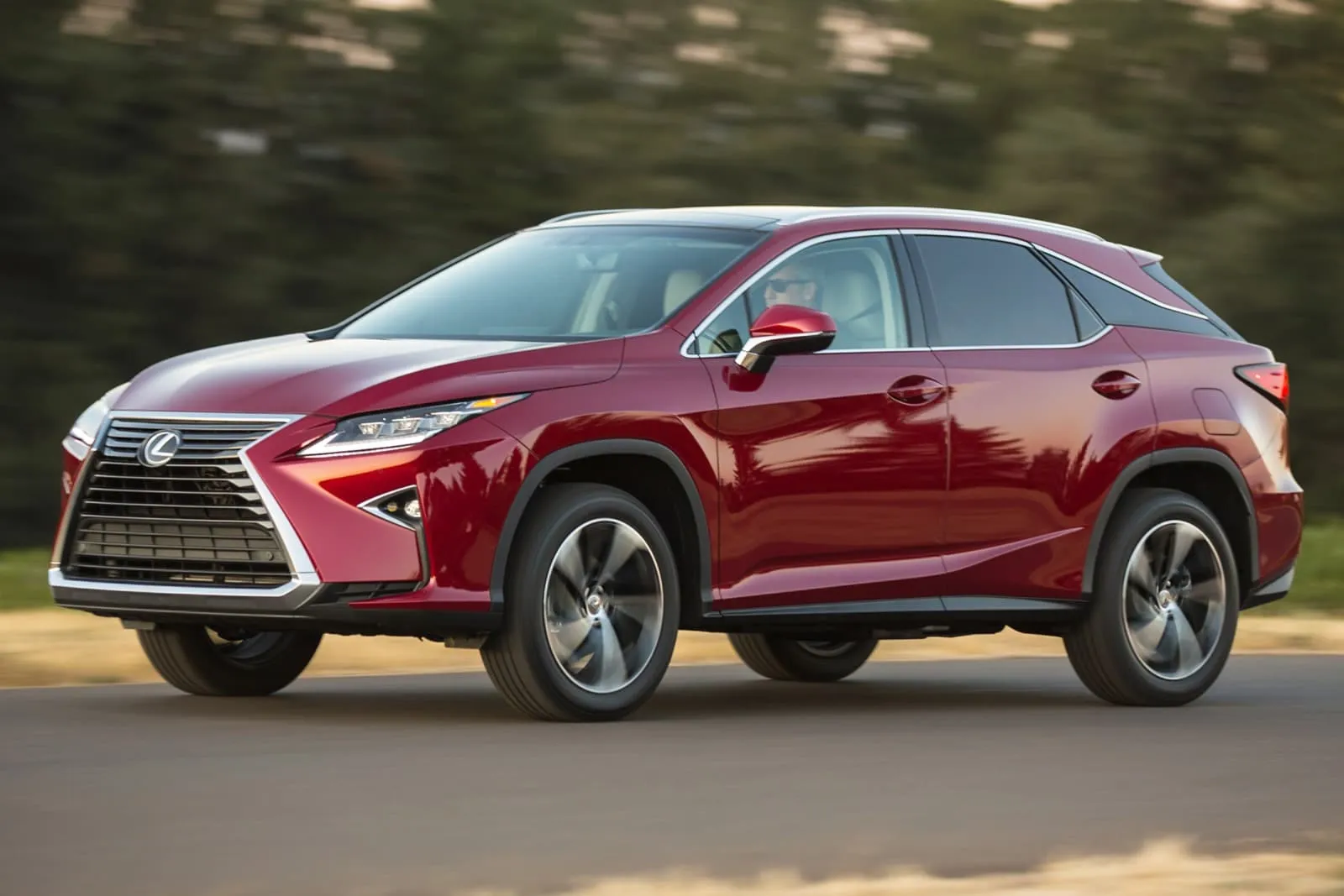
Sport utility vehicles produced between 2000 and 2010 represented a pivotal moment in automotive history, reflecting a blend of traditional durability and the emergence of family-oriented convenience.
During this decade, SUVs were no longer just tools for off road adventures or heavy hauling; they increasingly became practical vehicles for daily commuting, family travel, and long distance trips while retaining their reputation for toughness. For many buyers, dependability was paramount.
Unlike vehicles that prioritized flashy technology or aggressive styling, dependable SUVs had to perform consistently over years, often covering hundreds of thousands of miles without significant mechanical failures.
Reliability became a key factor influencing purchasing decisions, particularly for families, outdoor enthusiasts, and those living in areas with extreme climates or rugged terrain.
This era was marked by a transition in automotive engineering. Manufacturers introduced more refined engines, sophisticated suspension systems, and better safety features, but the most dependable SUVs tended to stick with proven technology rather than experimental innovations.
Engines were often naturally aspirated and tuned conservatively, transmissions were traditional automatics with robust construction, and the electronic systems were limited to essential functions.
This conservative engineering approach was critical because it reduced the likelihood of expensive repairs and mechanical breakdowns over the long term.
Buyers who maintained their vehicles according to the recommended schedules often found that these SUVs could easily surpass 200,000 miles while still operating reliably.
Consumer priorities during this period also favored vehicles that balanced utility and comfort. Buyers wanted SUVs capable of towing trailers, carrying passengers, and occasionally performing off road tasks while also providing a smooth and controlled driving experience on highways and city streets.
The most dependable models succeeded in achieving this balance by emphasizing durable materials, mechanical simplicity, and thoughtful design. Interiors were functional and resilient, with controls and components designed to withstand frequent use without failing.
Similarly, engines, transmissions, and drivetrain components were engineered with generous tolerances, allowing them to endure heavy loads, extreme weather, and high mileage without unexpected issues.
This article highlights ten SUVs from 2000 to 2010 that earned strong reputations for reliability and long term durability. These vehicles were not necessarily the most fuel-efficient, luxurious, or advanced, but they were trusted for their mechanical dependability and ease of ownership.
Each section explains why these SUVs stood out, discussing aspects such as engine design, transmission quality, suspension robustness, and interior durability.
By focusing on vehicles that were proven to perform consistently under real world conditions, this article guides those seeking models from this era that combined practicality, resilience, and long term reliability.
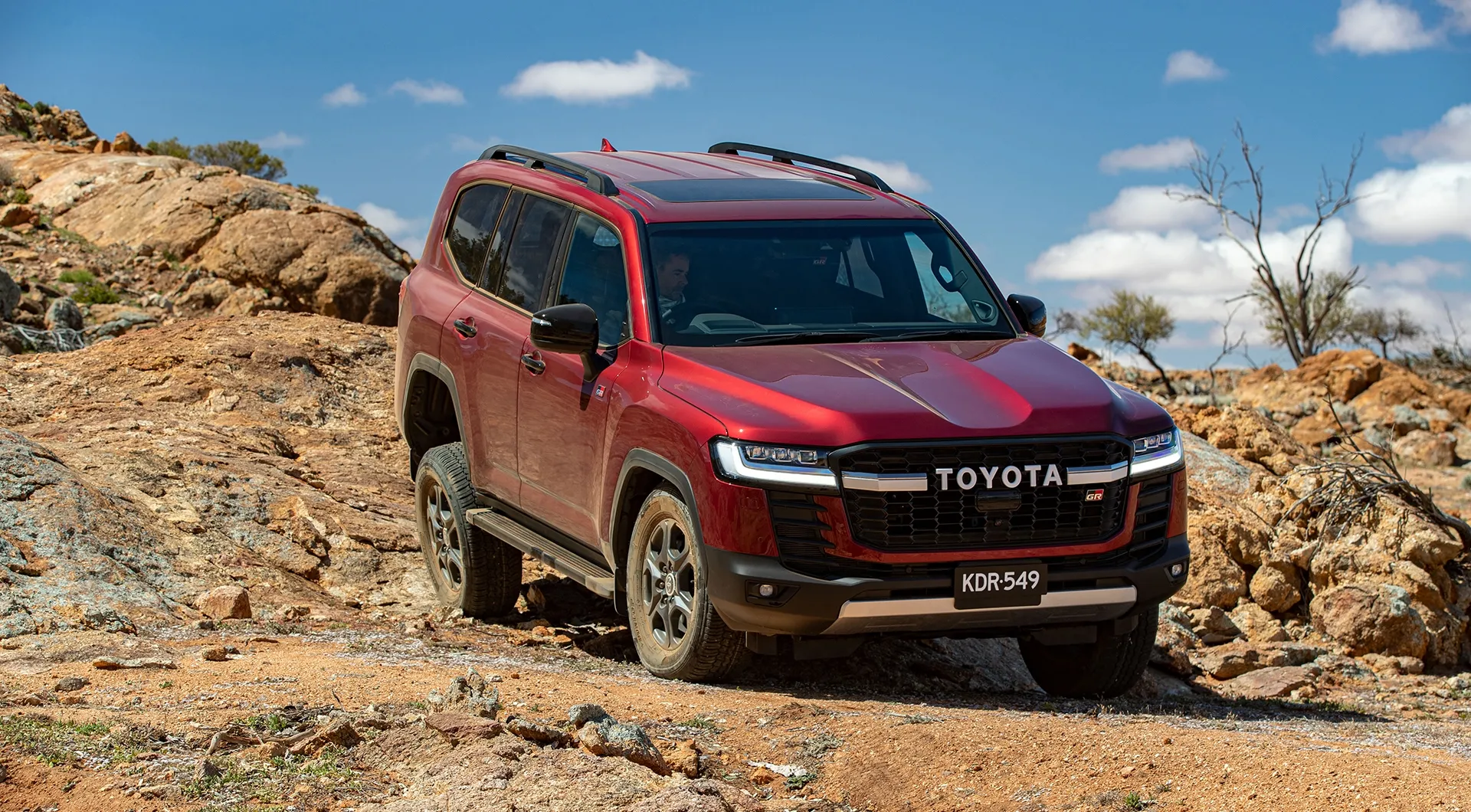
Toyota Land Cruiser
The Toyota Land Cruiser of this decade is widely regarded as one of the most durable SUVs ever produced. This reputation stems from a combination of heavy duty construction, conservative engineering, and a focus on longevity over short term performance.
Designed to withstand harsh environments across the globe, from deserts to mountains to tropical climates, the Land Cruiser incorporated a chassis and drivetrain built for extreme conditions.
Its body on frame construction contributed to its exceptional strength, providing the ability to endure torsional stress without significant wear.
For drivers in regions with poor road conditions or those who regularly carried heavy loads, the Land Cruiser offered peace of mind that other vehicles could not match.
Many Land Cruiser owners have reported driving their vehicles well past 300,000 miles with only routine maintenance required, a testament to the model’s design philosophy.
Engine design played a central role in the Land Cruiser’s dependability. Toyota employed naturally aspirated V8 engines that emphasized smooth power delivery rather than aggressive performance metrics.
These engines were constructed with generous tolerances, high quality internal components, and reliable fuel delivery systems.
Cooling and lubrication systems were engineered to prevent overheating or excessive wear even under sustained heavy loads. Unlike competitors that experimented with forced induction or high compression ratios, Toyota opted for simplicity, which proved crucial in maintaining long term reliability.
Owners frequently noted that these engines could handle towing, off road use, and highway driving without any significant decrease in performance over time.
The Land Cruiser’s drivetrain and four wheel drive systems were similarly robust. Traditional automatic transmissions paired with heavy duty transfer cases ensured predictable and consistent performance.
The 4WD system included mechanical locking hubs and durable axles, minimizing the risk of breakdowns.
Steering and suspension components were oversized to handle the vehicle’s weight and potential off road stresses. This mechanical conservatism reduced the risk of unexpected failures that plagued some other SUVs during the same period.
Proper maintenance of fluids, joints, and bushings typically allowed the drivetrain to remain fully functional for many years, even in challenging conditions.
Interior quality further contributed to the Land Cruiser’s long term reputation. Materials were selected for durability, including resilient leather, hard plastics, and high strength carpeting.
Switches and buttons were designed to withstand repeated use, while seating and cargo areas remained in good condition despite frequent heavy use.
Though repairs and parts replacement could be costly, the frequency of serious issues was low, making the Land Cruiser a reliable long term investment.
The combination of mechanical robustness, conservative engineering, and durable interior materials secured its place as one of the most dependable SUVs of the decade.
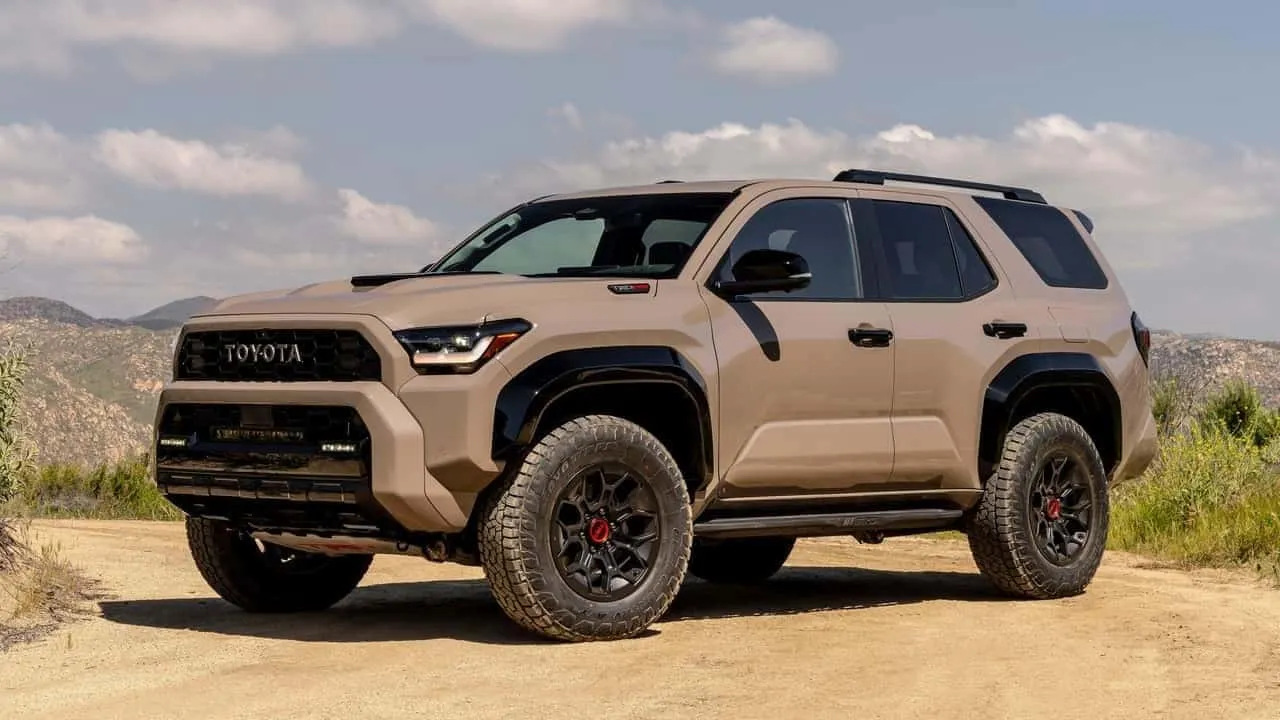
Toyota 4Runner
The Toyota 4Runner earned a reputation for long term reliability by combining rugged construction with mechanical simplicity.
Based on a body on frame platform, the 4Runner shared components with Toyota’s pickup trucks, giving it a tested foundation for durability.
This design allowed the vehicle to endure both high mileage and harsh terrain without excessive structural stress. The robust chassis could withstand twisting forces, potholes, and rough off road surfaces, making it suitable for adventurous owners while still performing reliably in urban environments.
Many 4Runner owners report that vehicles from this decade continue to operate well beyond 200,000 miles with minimal mechanical intervention.
Engine options in the 4Runner reinforced its dependable reputation. Toyota offered both four cylinder and V6 engines, each designed to provide steady performance while minimizing wear and tear. The engines employed conservative tuning, durable components, and well-engineered cooling and lubrication systems.
Owners commonly reported that these engines maintained smooth operation, stable compression, and minimal oil consumption even after years of regular driving.
The simplicity of the engine design also facilitated maintenance, allowing owners to perform routine services without specialized equipment.
Suspension and steering systems were engineered for durability rather than luxury ride quality. The 4Runner’s suspension components were oversized and robust, allowing the vehicle to absorb shocks from uneven terrain without compromising structural integrity.
Steering systems were designed for predictability and minimal play, reducing the risk of early failure in the linkage or steering box.
Compared with lighter crossovers of the same era, the 4Runner’s components generally lasted longer and required fewer replacements, which contributed significantly to its long term dependability and low ownership costs.
The interior of the 4Runner combined practicality with resilience. Materials were chosen to withstand repeated use, and electronic features were minimal, limiting potential failure points.
Controls were intuitive, switches were durable, and the seating materials resisted wear even after years of heavy use.
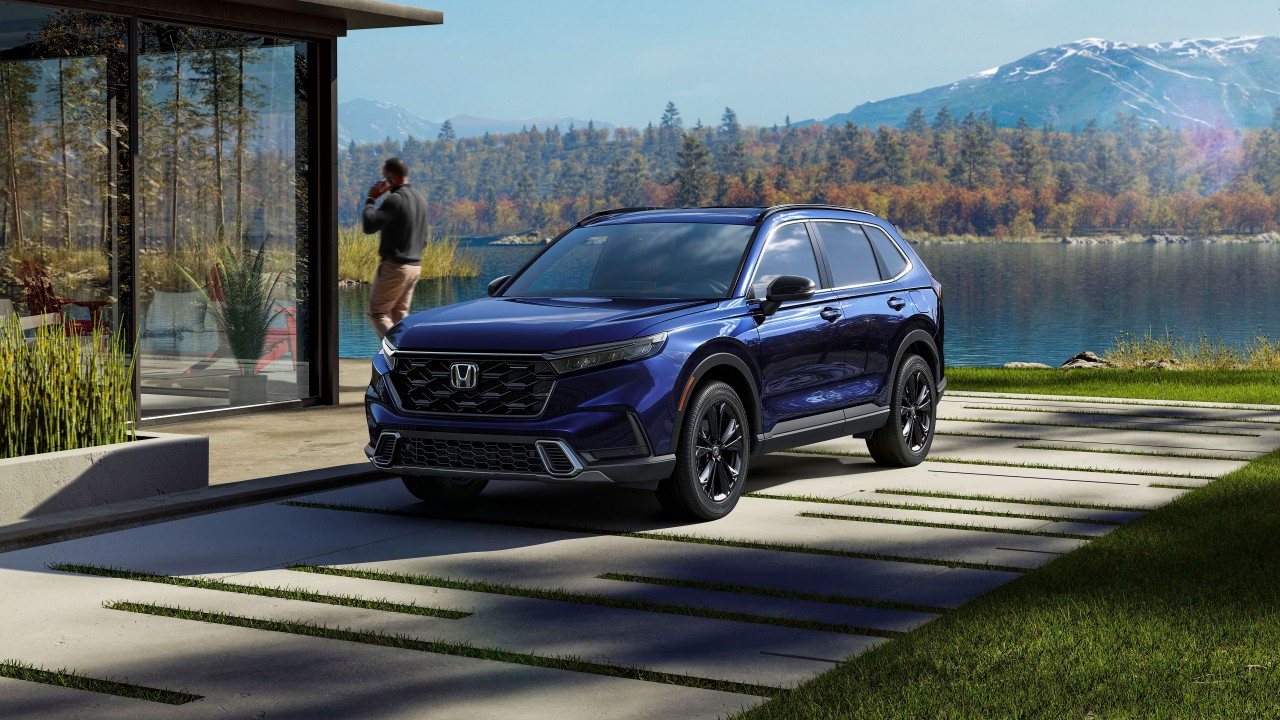
Honda CR V
The Honda CR V approached reliability from a different perspective, emphasizing mechanical efficiency, simplicity, and car like behavior. Unlike traditional truck based SUVs, the CR V utilized a unibody construction paired with a reliable four cylinder engine.
This design reduced vehicle weight, minimized component stress, and improved fuel efficiency while maintaining strong long term durability.
By relying on proven engineering rather than experimental technologies, Honda was able to deliver a vehicle that offered predictable maintenance needs and a low likelihood of major mechanical failures. Many CR V owners reported that their vehicles remained in excellent working order well beyond 200,000 miles.
Honda’s four cylinder engines during this period were recognized for smooth operation, longevity, and resistance to common engine problems. These engines featured durable internal components, efficient cooling systems, and well engineered oil circulation pathways.
Conservative tuning meant that components were not overstressed, allowing them to remain reliable over extended periods of time.
Owners who followed regular oil changes, coolant maintenance, and spark plug replacement schedules often enjoyed engines that ran consistently for many years without significant issues.
Transmission reliability was another factor contributing to the CR V’s dependable reputation. Automatic transmissions were refined over time to address early concerns, resulting in smooth, consistent operation that required minimal intervention.
Many owners reported that transmissions continued to shift effectively even after high mileage, with few reports of mechanical or electronic failures.
The all wheel drive system, when equipped, added traction without introducing significant mechanical complexity, further enhancing reliability for drivers in regions with challenging weather conditions.
Inside, the CR V focused on practicality and durability. Controls were intuitive, materials were resistant to wear, and electronic systems were limited to essential functions, reducing the risk of failure.
Seats, carpeting, and trim materials maintained their appearance and functionality over years of use. For drivers seeking a dependable vehicle that combined fuel efficiency, reliability, and moderate off road capability, the CR V represented one of the most dependable options in its class during the decade.
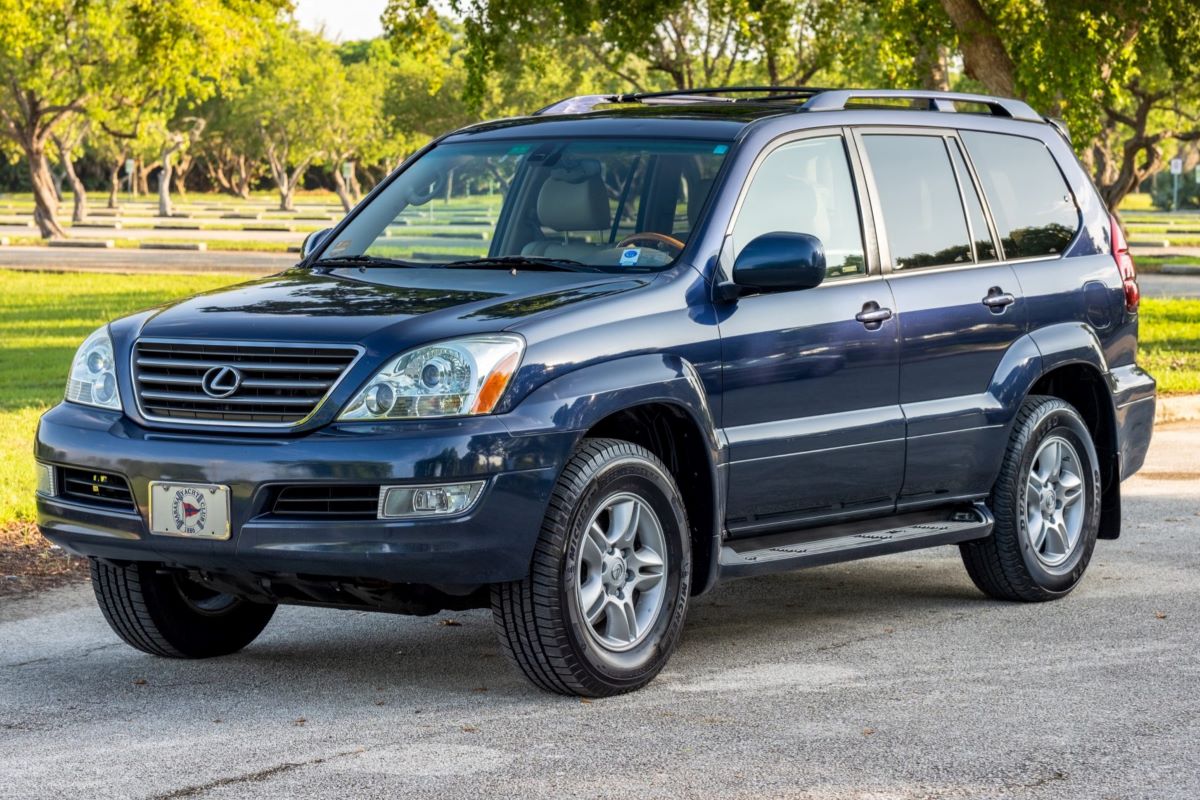
Lexus GX 470
The Lexus GX 470 combined the rugged reliability of Toyota SUVs with a level of luxury that was uncommon for vehicles with off road capability.
Built on a platform closely related to the Toyota Land Cruiser Prado, the GX 470 inherited much of its mechanical robustness, making it a dependable choice for owners seeking both comfort and long-term durability.
Its body-on-frame construction allowed it to withstand stress from heavy loads, towing, or rough terrain, while its suspension was tuned to balance on road comfort with off road performance.
Unlike many luxury SUVs of the time, which suffered from electronic or drivetrain issues, the GX 470 relied on proven mechanical systems that had been refined over decades, which minimized major repair needs.
The V8 engine used in the GX 470 was carefully engineered to provide smooth, reliable power without overtaxing internal components. Designed with conservative tuning, the engine emphasized durability over peak output, which contributed to its reputation for long life.
Cooling, lubrication, and fuel delivery systems were robustly engineered to handle sustained use under heavy loads or challenging environmental conditions.
Many owners have reported that engines in well maintained GX 470s exceeded 200,000 miles without major issues, which is rare for luxury vehicles of comparable age and complexity.
The drivetrain of the GX 470 was equally dependable. The four wheel drive system was built on a full time 4WD architecture with a low range transfer case, solid axles, and heavy duty differentials.
While the vehicle offered advanced traction control systems, these were implemented with redundancy and simplicity in mind, preventing frequent failures.
The suspension was designed to maintain durability even in off road conditions, and components such as bushings, ball joints, and control arms were reinforced for longevity. Transmission systems were tested extensively, allowing consistent shifting and minimal mechanical wear over time.
Inside, the GX 470 balanced luxury with resilience. High quality leather, hard plastics, and well engineered controls allowed the interior to withstand years of heavy use without deterioration.
Electrical systems were limited to essential comfort and convenience features, reducing the risk of complex failures that often plague other luxury SUVs.
Owners often praised the GX 470 for maintaining the appearance and function of its interior over long periods, while the combination of mechanical durability and thoughtful design made it a dependable SUV capable of serving both urban and rugged lifestyles.
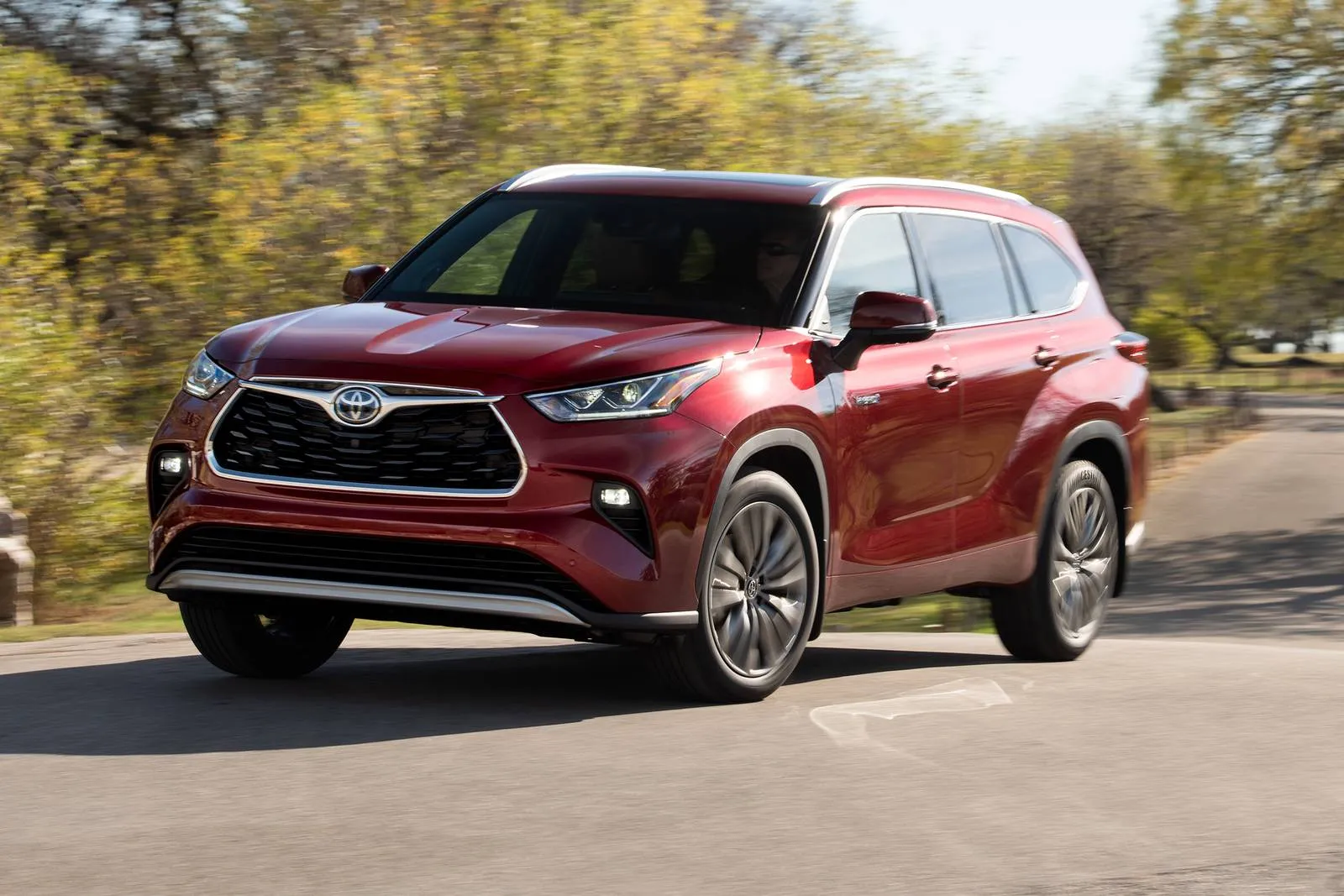
Toyota Highlander
The Toyota Highlander was designed to meet the needs of families and urban drivers while maintaining the reputation for dependability that Toyota had cultivated over decades.
Unlike traditional truck based SUVs, the Highlander used a unibody construction that provided a smoother ride, reduced vehicle weight, and placed less stress on structural components.
While it was not intended for extreme off road use, its drivetrain and suspension were robust enough to handle routine towing, daily commuting, and highway travel without experiencing major issues.
Its combination of reliability and practicality made it one of the most popular midsize SUVs of the decade.
The engine lineup of the Highlander emphasized smooth operation and long term durability. Four cylinder and V6 engines were designed to provide sufficient power while minimizing internal stress.
Cooling and lubrication systems were engineered to maintain stable temperatures and proper oil pressure even under demanding conditions.
Timing chains or belts, depending on the model year, were designed for extended service life, and fuel injection systems were generally trouble free.
Owners often reported that engines maintained efficiency and responsiveness over many years, provided regular maintenance schedules were followed.
The drivetrain and suspension of the Highlander contributed to its dependable nature. Automatic transmissions were well engineered to handle consistent urban and highway driving with minimal wear. Suspension components, including struts, springs, and control arms, were designed for long term operation without excessive replacement needs.
The vehicle’s moderate weight reduced stress on mechanical parts compared with larger, heavier SUVs, and this contributed to a lower likelihood of premature failures.
Even after extensive use, many Highlanders remained mechanically sound, which contributed to their strong reputation for reliability.
Interior durability further reinforced the Highlander’s dependable image. Materials were chosen to withstand everyday wear from families, including resistant seat fabrics, durable plastics, and intuitive controls.
Electronics were limited, reducing potential failure points, and the interior layout allowed for practical use without compromising comfort. The combination of robust mechanical systems, straightforward engineering, and durable interior design made the Highlander a reliable choice for owners seeking a low maintenance, long lasting midsize SUV.
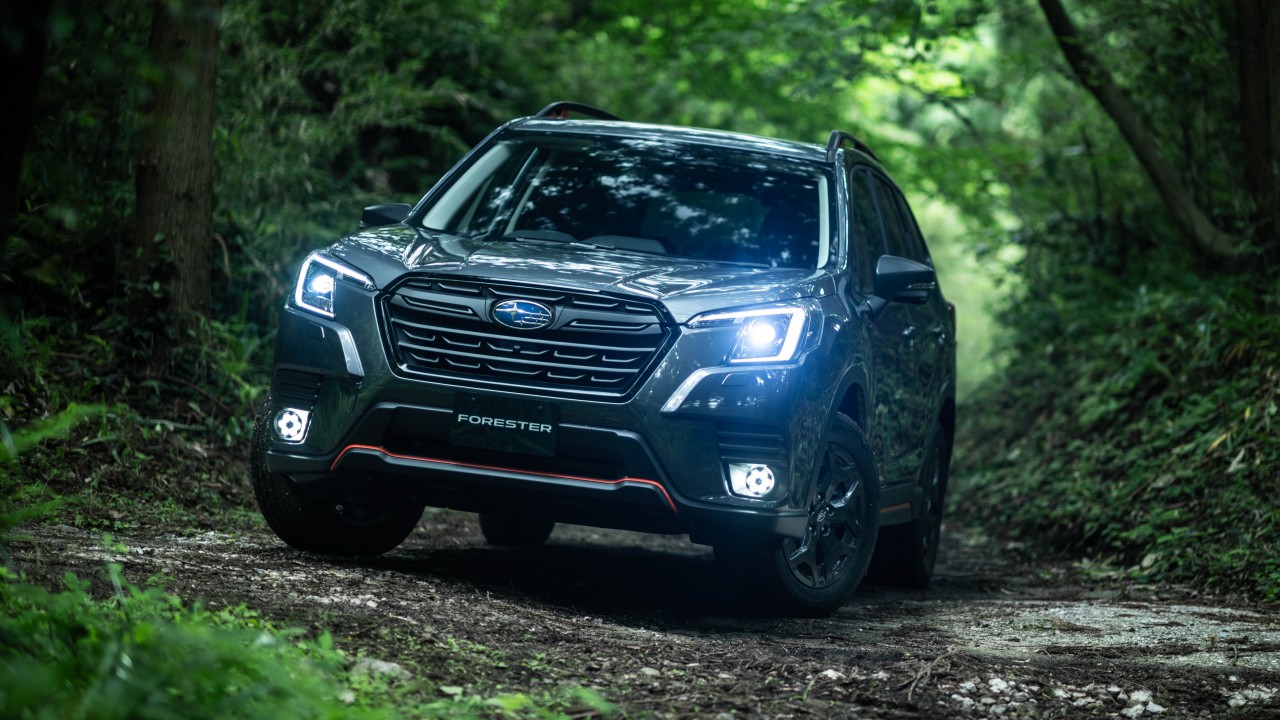
Subaru Forester
The Subaru Forester stood out among compact SUVs for its combination of practical size, all wheel drive capability, and reliability.
Its symmetrical all wheel drive system provided consistent traction across varying weather and road conditions, which made it particularly appealing to drivers in areas with snow, rain, or uneven surfaces.
Unlike some vehicles that incorporated complex electronic traction aids, Subaru relied on a mechanically balanced AWD system, which reduced the risk of unexpected failures.
The Forester’s unibody design provided structural rigidity without excessive weight, allowing components to experience less stress over time.
Subaru’s horizontally opposed “boxer” engines offered a unique approach to dependability. This engine configuration lowered the vehicle’s center of gravity, improving stability, and allowed for even wear of internal components.
While slightly different from conventional engines, the boxer design was well understood and refined by Subaru engineers, resulting in consistent performance and longevity.
Routine maintenance, including timely oil changes and cooling system checks, enabled these engines to operate reliably for hundreds of thousands of miles without major issues.
The all wheel drive and drivetrain systems were built for continuous engagement rather than occasional use. This reduced mechanical strain and extended the service life of differentials, driveshafts, and transmission components.
Owners often noted that Foresters maintained predictable handling and traction performance over years of use, even under demanding conditions.
Suspension components, while tuned for comfort, were durable enough to absorb rough surfaces without requiring frequent replacement, adding to the vehicle’s long term reliability.
Inside, the Forester prioritized practicality over luxury. Seats, carpeting, and trim materials were selected to withstand wear and tear from daily use. Controls were intuitive, and electronic systems were kept minimal to reduce potential points of failure.
Owners appreciated the combination of predictable performance, ease of maintenance, and functional interior design, which together made the Forester one of the most dependable compact SUVs produced during the 2000 to 2010 period.
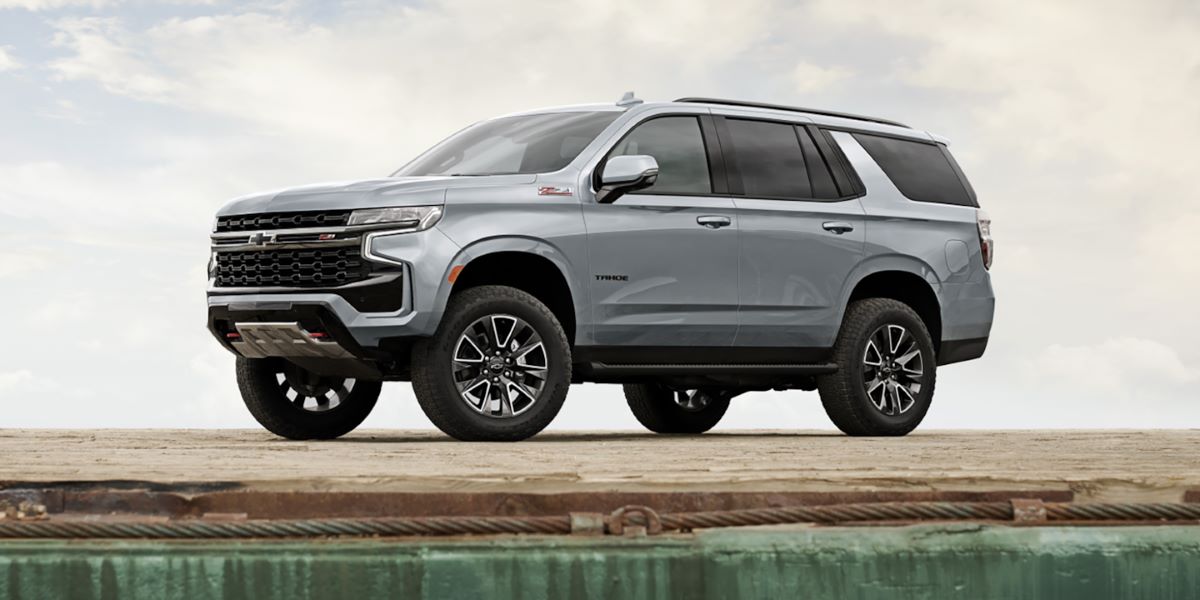
Chevrolet Tahoe
The Chevrolet Tahoe maintained a reputation for dependability due to its robust body on frame construction and strong mechanical components.
Full size in both interior and chassis dimensions, the Tahoe was designed to carry passengers, tow trailers, and endure heavy use.
Its traditional SUV architecture provided a solid foundation that could withstand long term wear and tear.
Many owners valued the Tahoe for its ability to endure both urban driving and occasional off road or towing tasks without frequent repairs, a reflection of General Motors’ focus on heavy duty engineering during this era.
Engine reliability was a critical factor in the Tahoe’s dependability. GM’s V8 engines offered significant torque and power while maintaining simple mechanical design principles.
Components such as pistons, crankshafts, and cylinder heads were engineered for strength and longevity, while cooling and lubrication systems were capable of sustaining performance under prolonged use.
Owners frequently reported high mileage achievements with minimal engine related issues, provided routine maintenance schedules were observed. These engines were generally forgiving of hard use, which contributed to the Tahoe’s strong reliability record.
The drivetrain and suspension were also built for durability. Automatic transmissions, four wheel drive systems, and transfer cases were designed to manage heavy towing and large passenger loads.
Suspension components were constructed to absorb stress and shocks without frequent replacement.
The Tahoe’s ability to maintain performance under load contributed to its appeal for families, outdoor enthusiasts, and fleet operators alike. Mechanical simplicity, combined with heavy duty construction, minimized potential failure points.
Inside, the Tahoe emphasized practicality and resilience. Seating, trim, and controls were durable, withstanding frequent use by families or work crews. Electronic systems were minimal compared to luxury SUVs, reducing the likelihood of costly repairs.
Ford Expedition
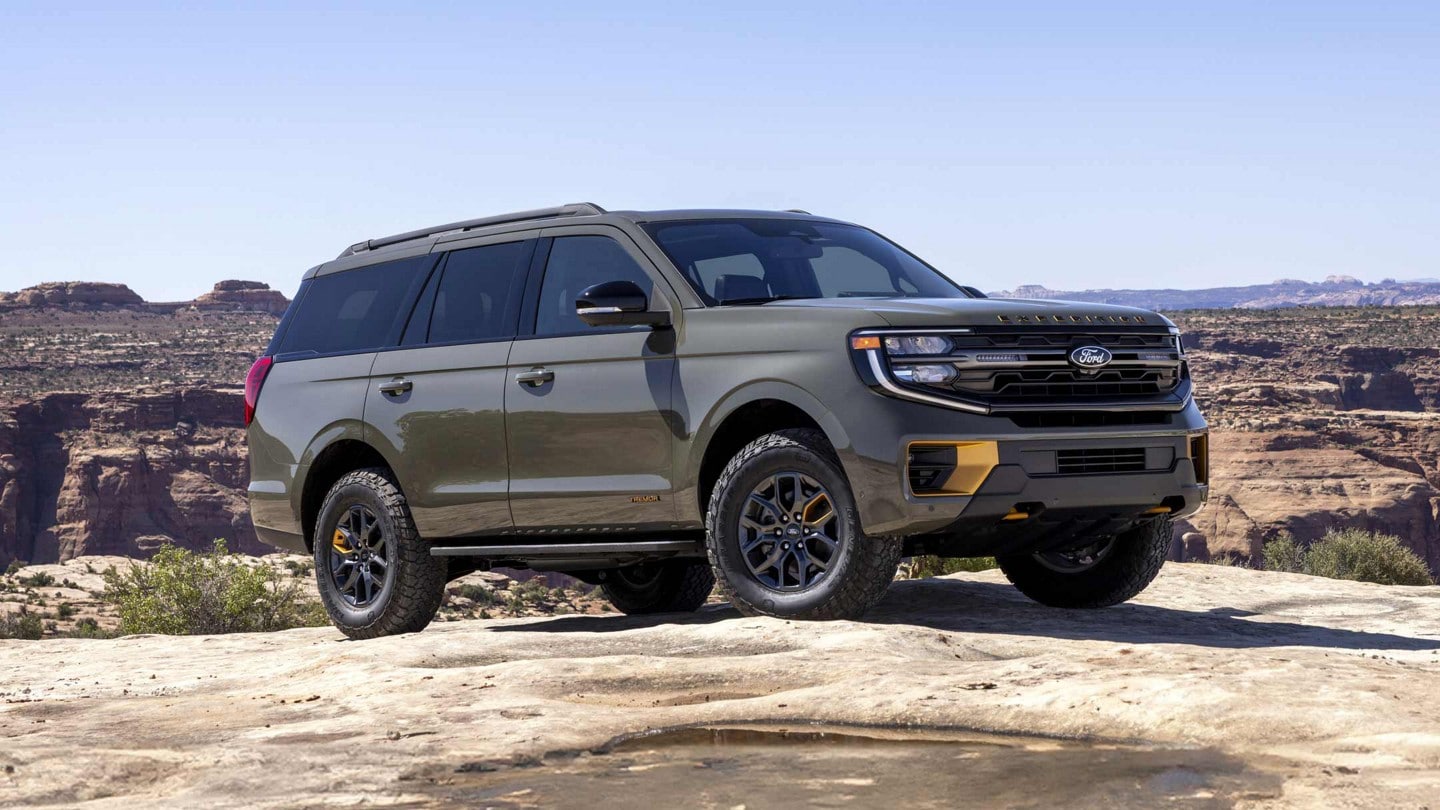
The Ford Expedition delivered dependability through its full size, truck based platform, which shared many components with Ford’s F series trucks.
This relationship allowed the SUV to benefit from decades of engineering refinement and extensive real world testing.
The Expedition’s frame, drivetrain, and suspension were designed to endure repeated heavy use, whether for towing, carrying passengers, or handling rough terrain.
Its size and mechanical robustness contributed to its reputation as a reliable family and utility SUV during the 2000 to 2010 decade.
Transmission and drivetrain systems were refined over the decade to improve durability.
Automatic gearboxes were designed to handle the weight and torque of the vehicle with minimal wear, and four wheel drive systems were engineered to operate reliably in adverse conditions.
Suspension components, including heavy duty control arms, springs, and shocks, were designed to withstand both highway travel and off road use. Many owners reported minimal mechanical failures even after prolonged heavy usage.
The interior of the Expedition prioritized comfort without sacrificing durability. Seat materials, trim, and dashboard components were chosen for long term resilience.
Electronics were limited to key features, reducing the risk of failures that often affect full size luxury SUVs. Combined with the vehicle’s mechanical reliability, these attributes made the Expedition a dependable SUV for families, fleet operators, and recreational users alike.
Nissan Xterra
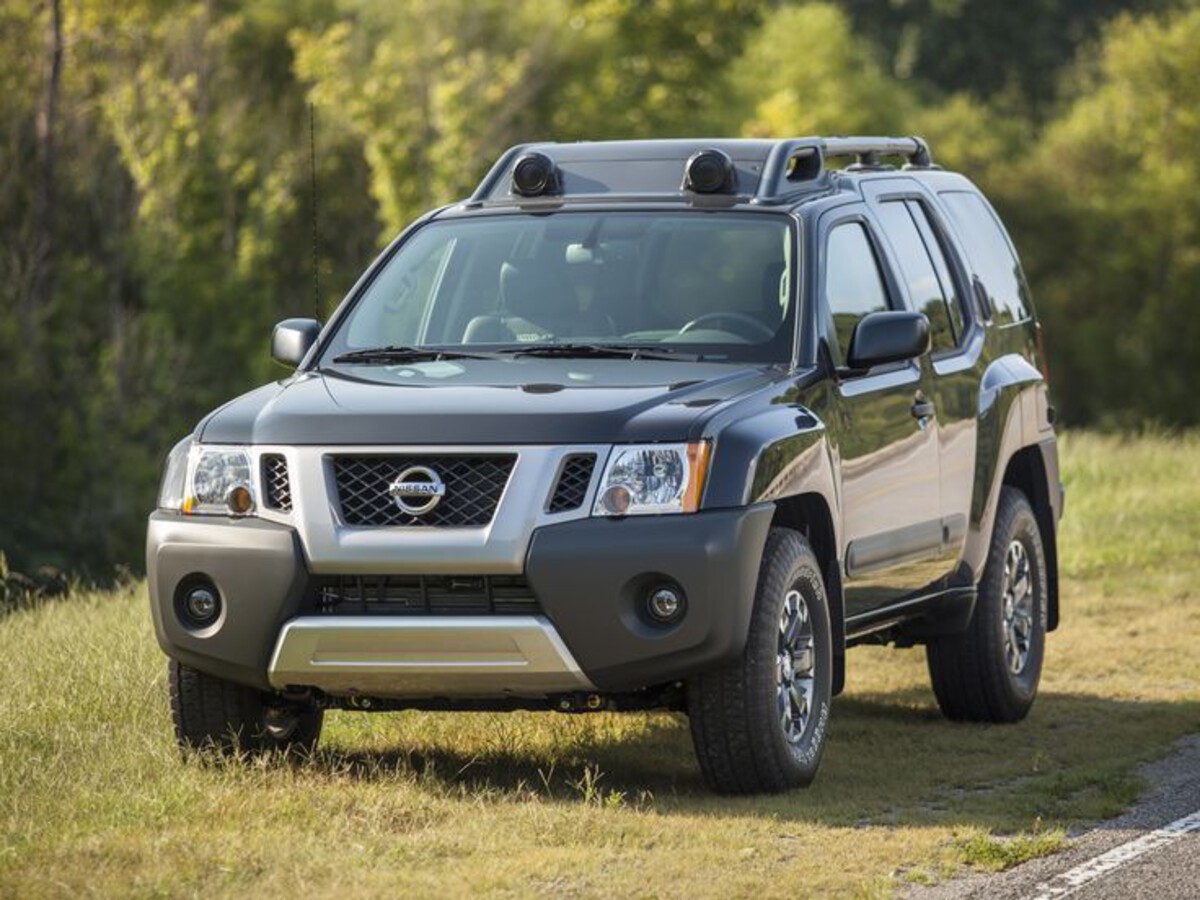
The Nissan Xterra offered a rugged alternative to softer, more luxury oriented SUVs, targeting buyers who valued dependability and off road capability. Built on a truck platform, the Xterra emphasized mechanical simplicity and durability.
Its body on frame construction, solid axles, and durable suspension components allowed it to endure rough terrain and heavy use without frequent failures.
Owners appreciated its ability to handle both urban driving and outdoor adventures reliably, making it a favorite among outdoor enthusiasts and those seeking long term value.
The drivetrain and suspension of the Xterra were designed to withstand repeated stress. Transfer cases, axles, and control arms were constructed with durability in mind. Steering components were robust, providing predictable handling even under load or on uneven terrain.
Unlike some SUVs with electronic heavy drivetrain components, the Xterra relied on simple mechanical systems that were easier to maintain and less prone to failure.
The interior of the Xterra emphasized function over luxury. Materials were durable, controls were intuitive, and electronics were minimal, reducing points of potential failure.
Seating, trim, and cargo space were designed for practical use, allowing the SUV to remain functional over years of heavy wear. The Xterra represented a dependable and capable SUV that excelled in practicality, durability, and mechanical simplicity during the 2000 to 2010 period.
Lexus RX 350
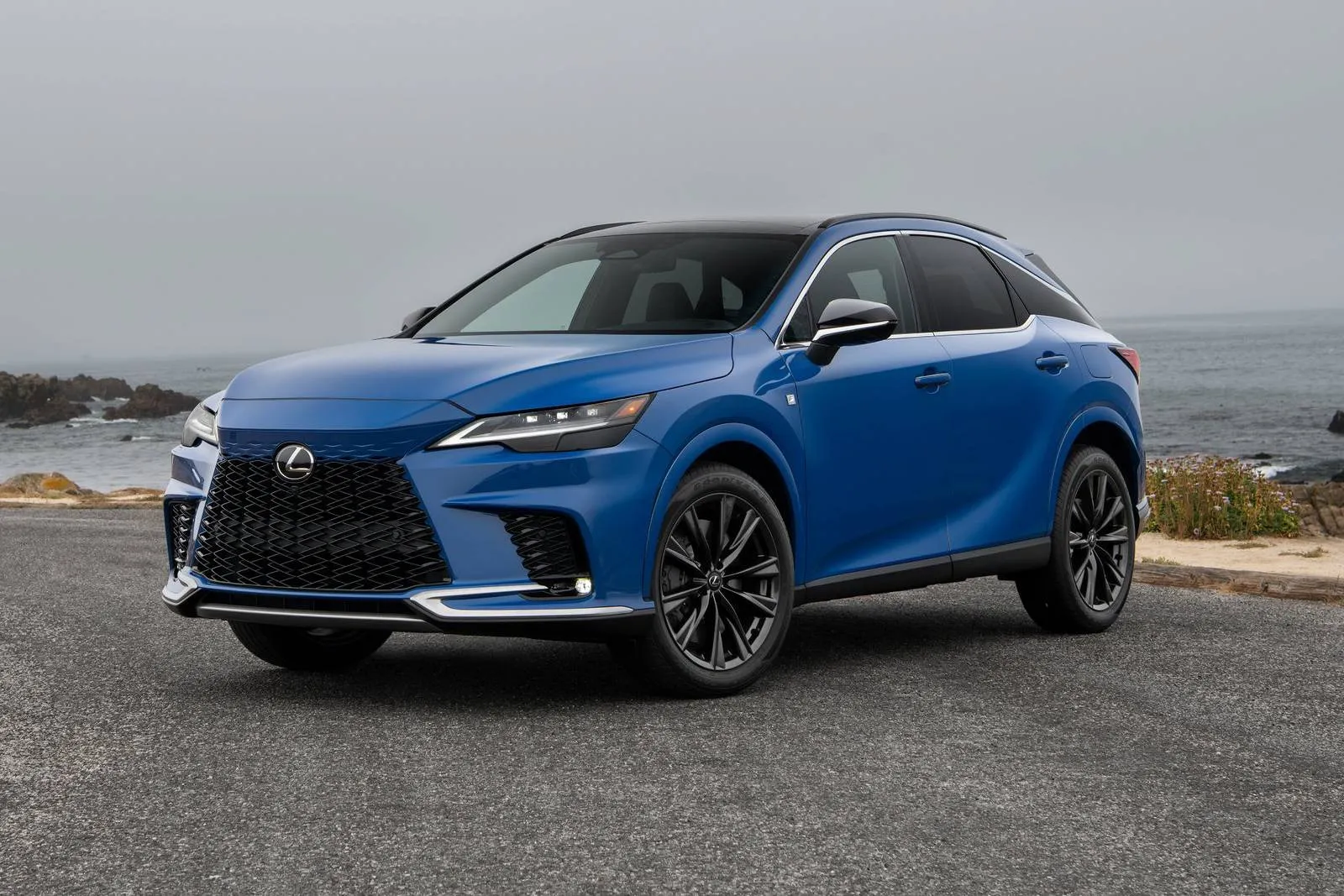
The Lexus RX 350 represented a combination of refined comfort and dependable Toyota engineering. Unlike traditional truck based SUVs, it utilized a unibody crossover design with a focus on reliability and long term durability.
Lexus engineers prioritized smooth operation, minimal mechanical stress, and longevity over aggressive performance.
The RX 350 was designed to provide consistent performance in urban, suburban, and highway driving scenarios, appealing to drivers who wanted a dependable luxury crossover without excessive maintenance concerns.
Its V6 engine was engineered for smooth, reliable power delivery. Conservative tuning, robust internal components, and well designed cooling and lubrication systems allowed the engine to operate efficiently for many years.
Regular maintenance kept the engine performing consistently, and failures were relatively rare compared to other luxury SUVs of the same era. Owners often reported that well maintained RX 350s surpassed 200,000 miles without major engine repairs.
The drivetrain, including the automatic transmission and available all wheel drive system, was designed for reliability and predictable operation. Components were tested extensively to ensure consistent performance under typical and moderate heavy use.
Suspension components were engineered to balance comfort with durability, providing a smooth ride while maintaining long term mechanical integrity. This combination contributed to the RX 350’s reputation for dependability even as the vehicle aged.
