
Rear wheel drive vehicles have long earned a reputation for mechanical balance, durability, and serviceability.
For drivers who value long ownership, RWD platforms often stand out because their layouts reduce drivetrain complexity at the front axle and allow engines and transmissions to operate under less packaging stress.
When an engine is designed with conservative tolerances, strong internal components, and cooling systems built for sustained use, mileage becomes more about maintenance discipline than mechanical limits.
Many vehicles from past decades were engineered during periods when manufacturers prioritized longevity, rebuild potential, and real world durability rather than aggressive fuel optimization or lightweight materials.
As a result, several RWD vehicles developed reputations for engines that continue running far beyond expectations.
Reaching 500,000 miles is not a casual achievement. It requires regular oil changes, proper cooling system care, sensible driving habits, and timely replacement of wear components. Yet certain engines make this target realistic rather than exceptional.
Cast iron engine blocks, low specific output, chain driven valvetrains, and naturally aspirated designs often form the foundation of these long lasting powerplants.
RWD vehicles benefit further because drivetrain components are easier to service and experience less steering related stress, reducing secondary failures that can prematurely retire a car.
This article focuses on 10 Rear Wheel Drive vehicles known for engines that can realistically approach or exceed 500,000 miles when maintained properly. The vehicles range from sedans and sports cars to trucks and commercial vans.
Each section highlights the engineering philosophy behind the engine, the driving conditions that favor longevity, and the ownership practices that help extend service life. No single vehicle is immune to neglect, but these platforms offer a margin of durability that few modern designs can match.
Rather than emphasizing marketing claims or theoretical limits, the discussion centers on practical engine design traits and long term ownership patterns.
These vehicles demonstrate that mechanical simplicity, thoughtful engineering, and disciplined care can allow an engine to remain reliable for decades.
For drivers seeking a rear wheel drive vehicle capable of extraordinary mileage, these 10 examples represent some of the most dependable choices ever produced.
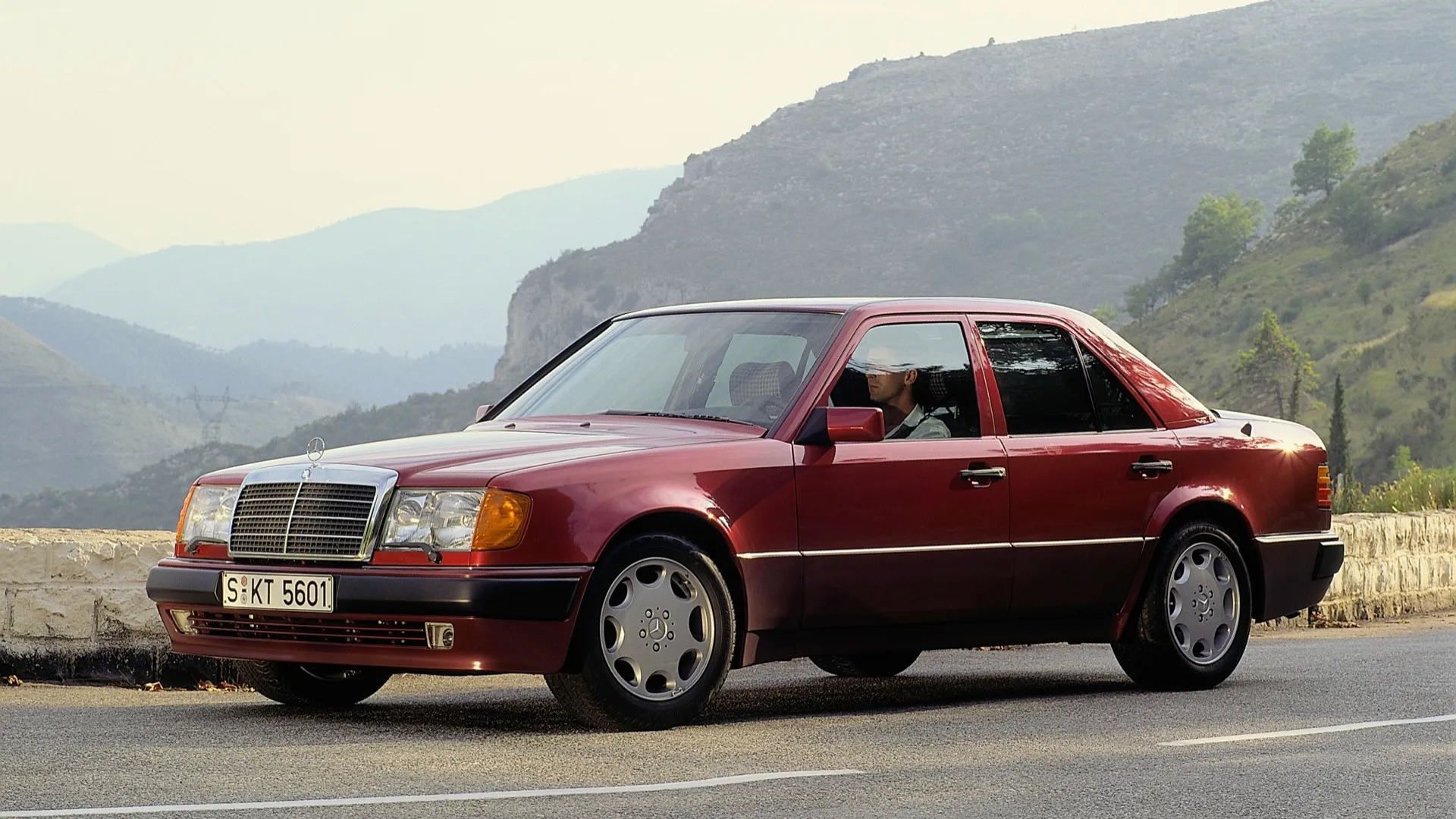
Mercedes Benz W124 E300D
The Mercedes Benz W124 E300D is powered by the OM606 diesel engine, an inline six-cylinder unit renowned for its smooth operation and remarkable longevity.
Designed in the early 1990s, the engine was engineered with mechanical simplicity and robustness as top priorities.
The cast iron block and head provide exceptional strength, while forged internal components such as crankshafts and connecting rods minimize fatigue over extended service life.
The fuel system uses precise mechanical injection, which is simpler and more reliable than modern electronic systems, reducing the risk of failure while allowing the engine to perform consistently under a variety of conditions.
The cooling and lubrication systems are carefully designed to support continuous operation. Large-capacity radiators, thermostats, and water pumps ensure that the engine maintains stable temperatures during prolonged highway cruising or heavy city use.
Oil circulation is optimized to lubricate critical components evenly, preventing hot spots that can accelerate wear.
The engine tolerates heavy loads and long operating hours without losing efficiency or reliability, a feature that makes it particularly popular in commercial applications or regions where vehicle replacement is costly.
The rear wheel drive layout of the W124 E300D complements the engine’s durability by reducing stress on the front suspension and drivetrain.
Balanced loading throughout the vehicle prevents premature wear on axles, mounts, and steering components, which often fail first on front-wheel drive cars under similar conditions.
When paired with disciplined maintenance, such as timely oil changes, fuel filter replacements, and cooling system inspections, the engine demonstrates predictable wear patterns that allow it to reach extraordinary mileage milestones without major repairs.
Many OM606 engines continue operating well beyond 500,000 miles, often outlasting the vehicle’s other mechanical systems. Owners who follow factory-recommended service intervals report that the engine maintains consistent power and reliability even after hundreds of thousands of miles.
The combination of simple mechanical engineering, robust construction, and effective cooling and lubrication ensures that the W124 E300D remains a standout example of a rear wheel drive vehicle capable of extreme longevity.
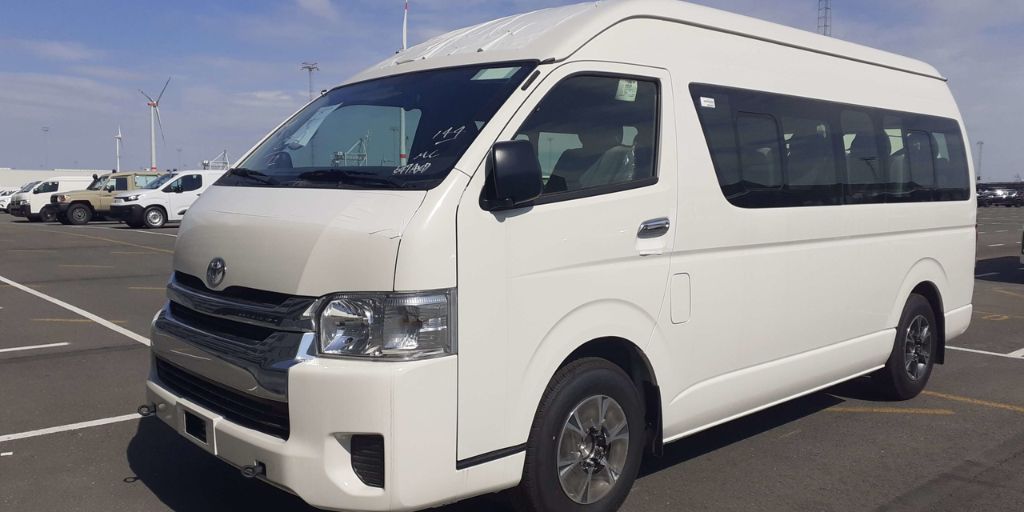
Toyota HiAce
The Toyota HiAce, particularly in rear wheel drive configuration, is designed primarily for commercial use, which explains its reputation for exceptional reliability and long engine life.
Diesel engines in the HiAce are built with thick cast iron blocks, durable internal components, and conservative tuning to withstand continuous operation under heavy loads.
These engines prioritize torque and durability over high-end performance, allowing them to operate effectively in demanding conditions such as long-distance transport, delivery services, and taxi operations.
The HiAce’s cooling system is engineered to handle extreme conditions and extended use. Radiators, thermostats, and water pumps are oversized relative to engine output, ensuring that temperatures remain stable even when the vehicle is fully loaded or driving in high ambient heat.
Oil circulation and filtration systems are similarly robust, preventing contaminants from accelerating wear on bearings, pistons, and valve train components.
Mechanical simplicity further enhances reliability, as fewer moving parts and electronic systems reduce potential failure points.
Routine maintenance, including regular oil changes, fuel filter replacements, and cooling system inspections, is essential for achieving maximum mileage. The engines tolerate long operational hours without excessive wear when properly maintained.
Even after extended use in demanding environments, many HiAce engines remain mechanically sound, with internal components showing minimal degradation compared to other vehicles of similar age and mileage.
High-mileage Toyota HiAce vehicles are frequently reported to exceed 500,000 miles, particularly in regions where maintenance discipline is emphasized.
The combination of robust engine construction, reliable mechanical systems, and rear wheel drive configuration allows these vehicles to maintain longevity even under heavy-duty use.
This makes the HiAce one of the most dependable choices for drivers seeking a long-lasting commercial or passenger vehicle capable of extreme mileage.
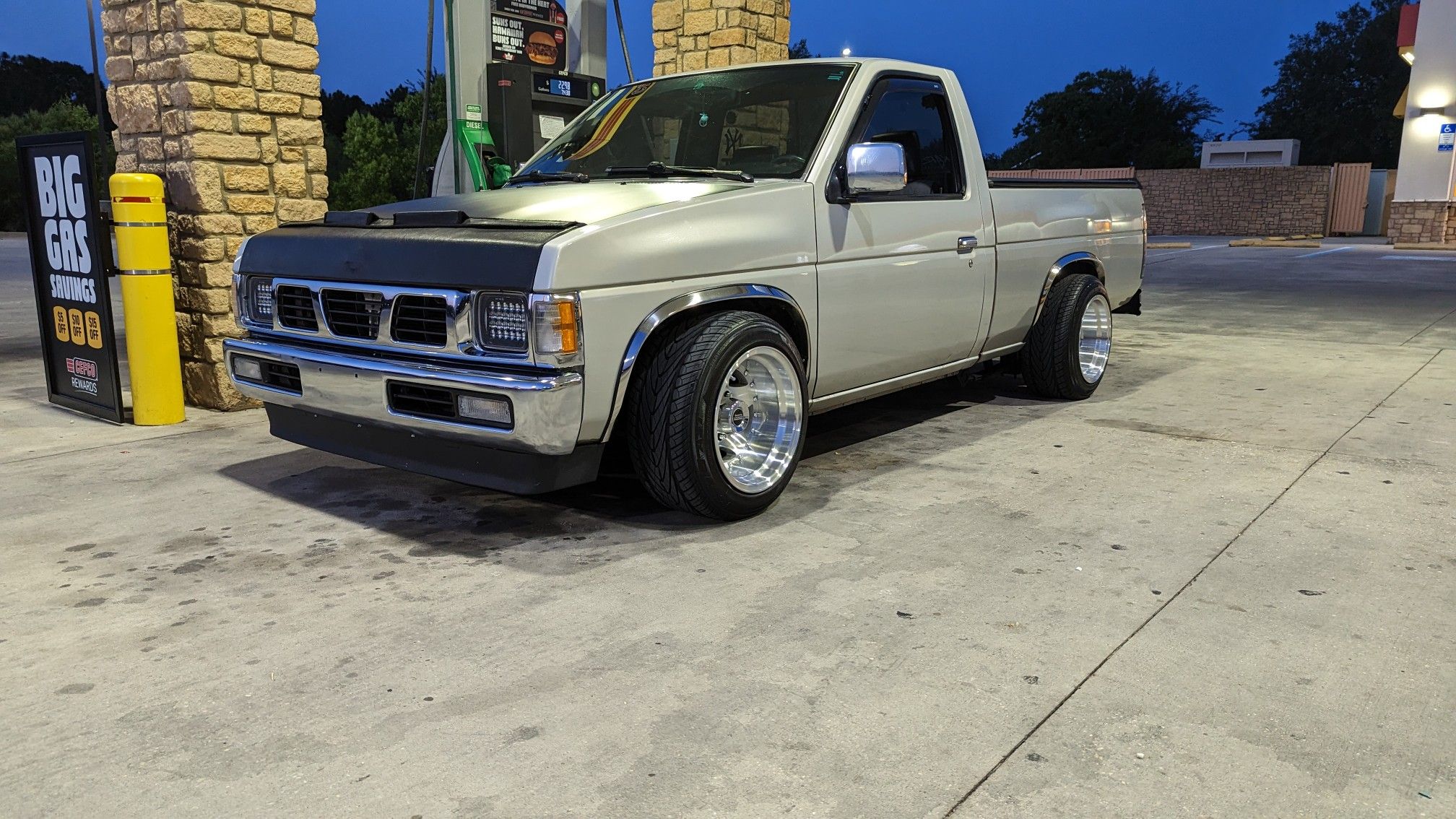
Nissan Hardbody D21
The Nissan Hardbody D21, also known as the “Datsun Truck” in some markets, is powered by a range of four-cylinder and V6 engines engineered for utility and durability.
Cast iron blocks, conservative compression ratios, and robust valvetrain components ensure long-term mechanical reliability.
The engines were designed with simplicity and serviceability in mind, making them highly resistant to premature wear even when subjected to heavy towing, off-road use, or prolonged operation.
The cooling system in the Hardbody D21 is sufficient to handle high stress conditions, including fully loaded trips and extended highway driving.
Oil capacity and circulation are designed to maintain lubrication under sustained operation, preventing critical components from overheating or wearing unevenly.
Timing components are durable and easy to replace, which is a key factor for owners aiming to maintain high-mileage vehicles without extensive downtime or repair costs.
The rear wheel drive layout reduces stress on the front drivetrain and improves load distribution, further enhancing vehicle longevity. Regular maintenance, such as timely oil changes, coolant replacement, and minor engine inspections, allows the Hardbody D21 to operate reliably for extended periods.
The simple mechanical design and wide availability of replacement parts also make it easier to address any issues before they develop into serious problems, supporting long-term ownership.
Many Hardbody D21 trucks have achieved mileage well beyond 400,000 to 500,000 miles. The combination of strong engineering, conservative tuning, and straightforward mechanical systems allows these vehicles to remain dependable even in demanding environments.
For drivers seeking a durable, rear wheel drive truck that can endure decades of use, the Nissan Hardbody D21 remains a standout choice.
Toyota Corolla AE86
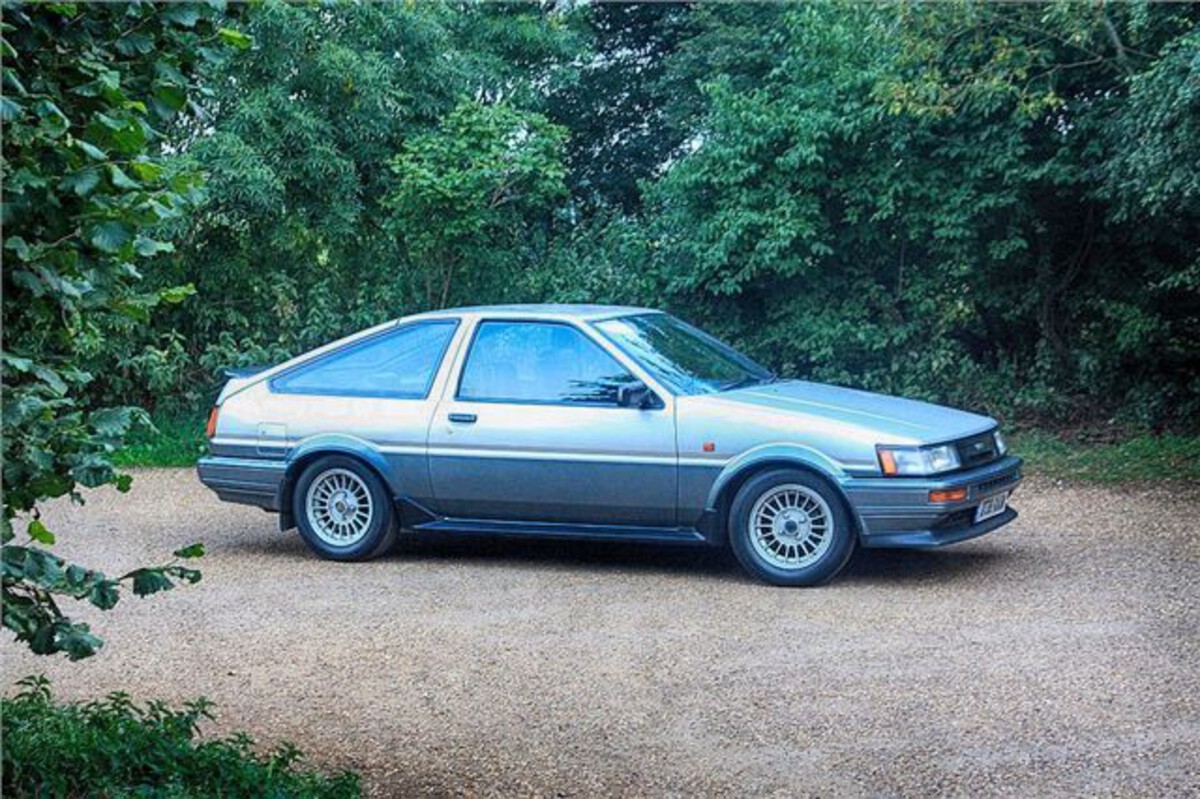
The Toyota Corolla AE86, a Rear Wheel Drive compact car, is powered by the 4A GE inline four engine, a unit that balances performance with durability. Constructed with a strong iron block and reliable valvetrain components, the engine is designed to minimize wear while delivering smooth, consistent power.
Its naturally aspirated design eliminates the stress associated with turbocharging, making it easier to maintain over extended mileage and reducing the risk of catastrophic internal failures.
The AE86 engine benefits from an effective cooling and lubrication system. Radiators and water pumps are sized to prevent overheating even during spirited driving, while oil circulation ensures that critical internal components remain properly lubricated.
Timing belt maintenance is straightforward and predictable, allowing owners to replace the belt before it can compromise engine reliability. These features, combined with a simple mechanical design, allow the engine to operate efficiently for extended periods.
The rear wheel drive layout contributes to the vehicle’s durability by distributing drivetrain forces evenly and reducing stress on the engine and suspension.
Lightweight construction and efficient power delivery reduce mechanical strain, allowing the engine to perform consistently without excessive wear.
With disciplined maintenance, including oil and filter changes, coolant servicing, and timing belt replacement, the AE86 engine can remain mechanically sound well past the typical lifespan of similar vehicles.
Owners of high-mileage AE86 vehicles frequently report engines that continue to deliver reliable performance even after hundreds of thousands of miles.
The combination of conservative engineering, straightforward mechanical systems, and the rear wheel drive platform allows this compact sports car to achieve remarkable longevity.
Its enduring reputation is a testament to Toyota’s focus on durability and the effectiveness of careful, routine maintenance in extending engine life.
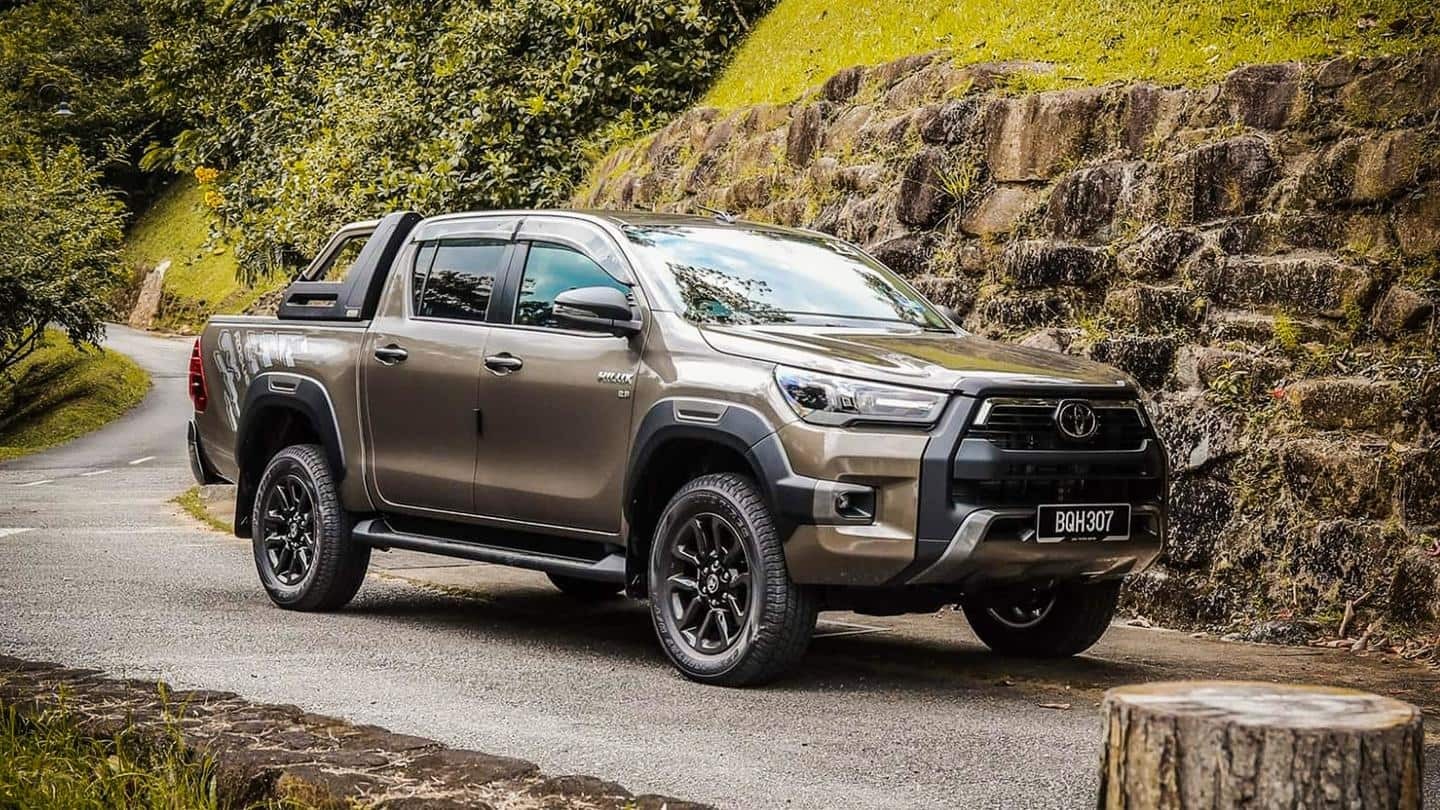
Toyota Hilux
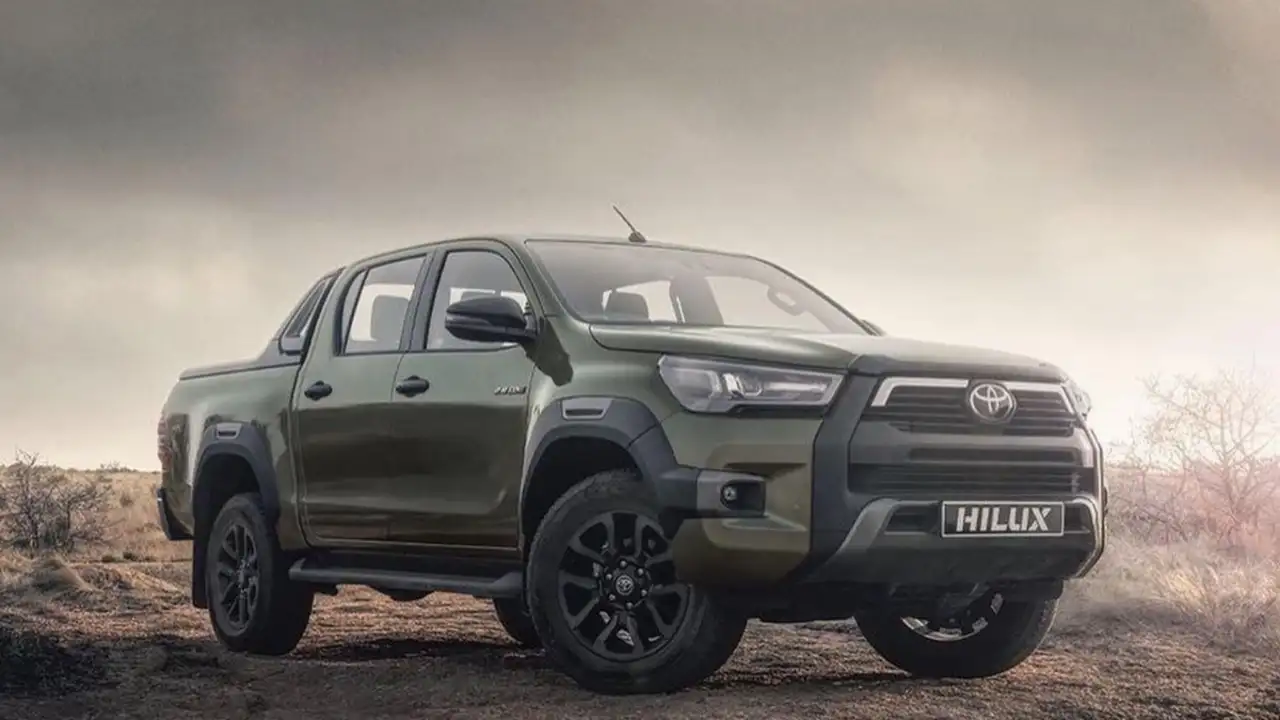
The Toyota Hilux, particularly in Rear Wheel Drive versions, has earned a global reputation for robustness and durability, making it a preferred choice for drivers who prioritize long-term reliability.
Its engines, both gasoline and diesel, are constructed with thick cast iron blocks and reinforced internals that withstand the rigors of continuous heavy-duty operation.
The engineering philosophy emphasizes mechanical simplicity and conservative tuning, allowing the engine to tolerate harsh environments such as off-road terrain, high heat, or dusty conditions without accelerated wear.
The Hilux’s cooling system is designed to endure prolonged high-temperature operation while fully loaded, with oversized radiators and efficient water pumps that prevent engine overheating.
Oil circulation is carefully engineered to provide consistent lubrication across all moving components, from the crankshaft to the camshafts, minimizing internal wear even under heavy use.
The simplicity of the engine design means fewer electronic or mechanical failure points, further extending service life and making repairs straightforward when needed.
Routine maintenance, such as regular oil and filter changes, periodic inspection of the cooling system, and fuel system servicing, is crucial for achieving maximum longevity.
Engines that receive consistent care maintain predictable wear patterns, and even after hundreds of thousands of miles, many Hilux powerplants continue to operate without significant internal issues.
Drivers who adhere to factory service intervals often find their vehicles remain mechanically sound long after the chassis or suspension show signs of fatigue.
High-mileage examples of the Hilux, often seen in commercial fleets or in harsh environments, frequently surpass 500,000 miles. This remarkable endurance is a testament to Toyota’s engineering philosophy, which emphasizes reliability, durability, and ease of maintenance over high-performance metrics.
For drivers seeking a Rear Wheel Drive vehicle capable of extraordinary mileage, the Hilux remains one of the most trusted and resilient options on the market.
Chevrolet Silverado 1500 Classic
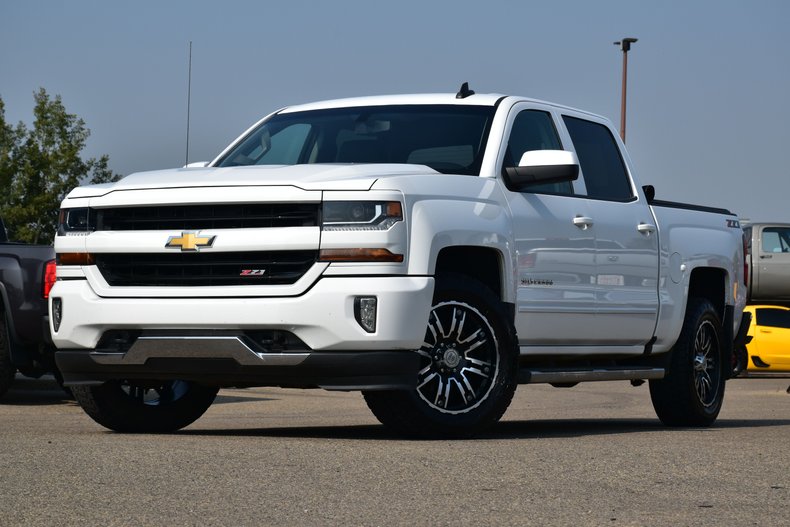
The Chevrolet Silverado 1500 Classic, particularly models equipped with the small block V8 engines, is known for exceptional durability and long-term reliability.
These engines feature cast iron blocks, pushrod valvetrains, and low compression ratios, prioritizing toughness and longevity over outright performance.
The design philosophy centers on producing a strong, torque-rich engine capable of handling heavy towing, frequent highway use, and the long-term stresses of daily operation.
Cooling systems in the Silverado are engineered to support extreme loads, such as towing or extended highway driving under full payloads. Oil flow and capacity are sufficient to lubricate all critical internal components, preventing wear hotspots and ensuring consistent operation.
The straightforward mechanical design reduces complexity, allowing repairs and routine maintenance to be carried out with minimal downtime and cost.
The Silverado’s rear wheel drive layout further supports engine longevity by distributing drivetrain forces efficiently and reducing stress on front suspension components.
Internal wear is minimized due to the low-revving nature of the engine and its conservative tuning. Timing chains and durable valvetrain components allow for predictable service intervals, ensuring that the engine maintains reliability over extensive periods of use.
Many Silverado engines have been documented to reach and exceed 500,000 miles, particularly when owners adhere to consistent maintenance schedules.
The combination of robust engineering, widespread parts availability, and mechanical simplicity allows these trucks to remain dependable over decades of use. For drivers seeking a long-lasting, Rear Wheel Drive pickup, the Chevrolet Silverado Classic remains a top choice for extreme mileage applications.
BMW E39 530i
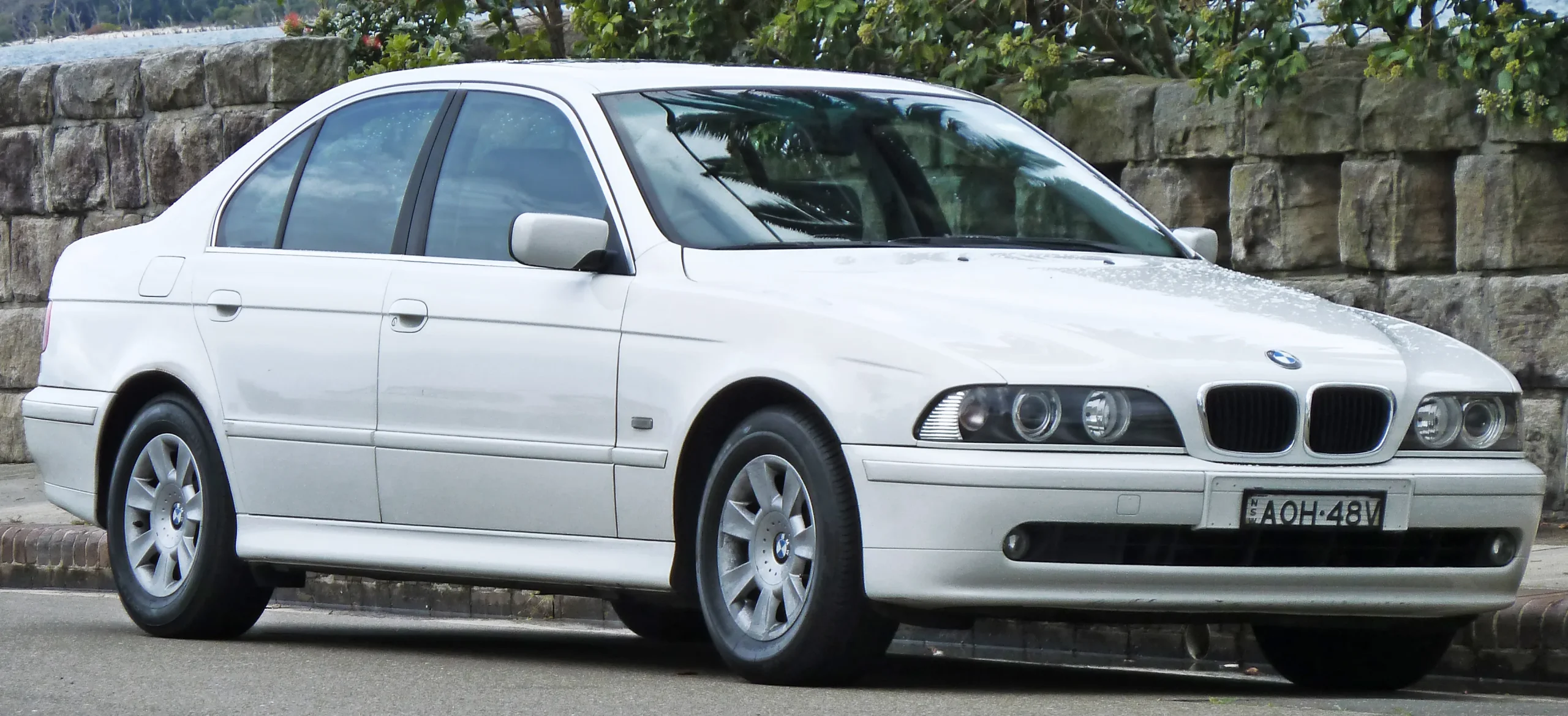
The BMW E39 530i features the M54 inline six engine, celebrated for its smoothness, balanced design, and long-term durability.
Constructed with an aluminum block reinforced by iron cylinder liners, the engine achieves a balance between lightweight construction and structural strength.
Naturally aspirated and conservatively tuned, the M54 reduces internal stresses on pistons, crankshafts, and connecting rods, allowing it to maintain performance over extended mileage without significant wear.
The cooling system is critical for preserving the M54’s reliability. Radiators, water pumps, and thermostats are designed to maintain optimal temperatures during prolonged highway driving or spirited operation.
Oil circulation is engineered to provide uniform lubrication across all cylinders, preventing localized wear on critical components such as bearings and camshafts. The inline six configuration also inherently reduces vibration, minimizing wear on engine mounts and supporting long-term durability.
Drivers benefit from the engine’s consistent performance at highway speeds, where RPMs remain within a safe and efficient operating range.
Maintenance, including coolant replacement, oil changes, and valve adjustments, ensures that internal wear remains minimal. Paired with a rear wheel drive chassis, the engine experiences balanced drivetrain loads, further reducing the likelihood of mechanical failures over high mileage use.
High-mileage E39 examples demonstrate that a performance-oriented inline six can achieve extraordinary longevity when engineered and maintained with care. Many M54 engines surpass 300,000 to 400,000 miles, with some approaching 500,000 miles.
This durability highlights BMW’s ability to combine smooth performance with mechanical reliability, making the 530i a standout rear wheel drive sedan for long-term ownership.
Mazda MX 5 Miata
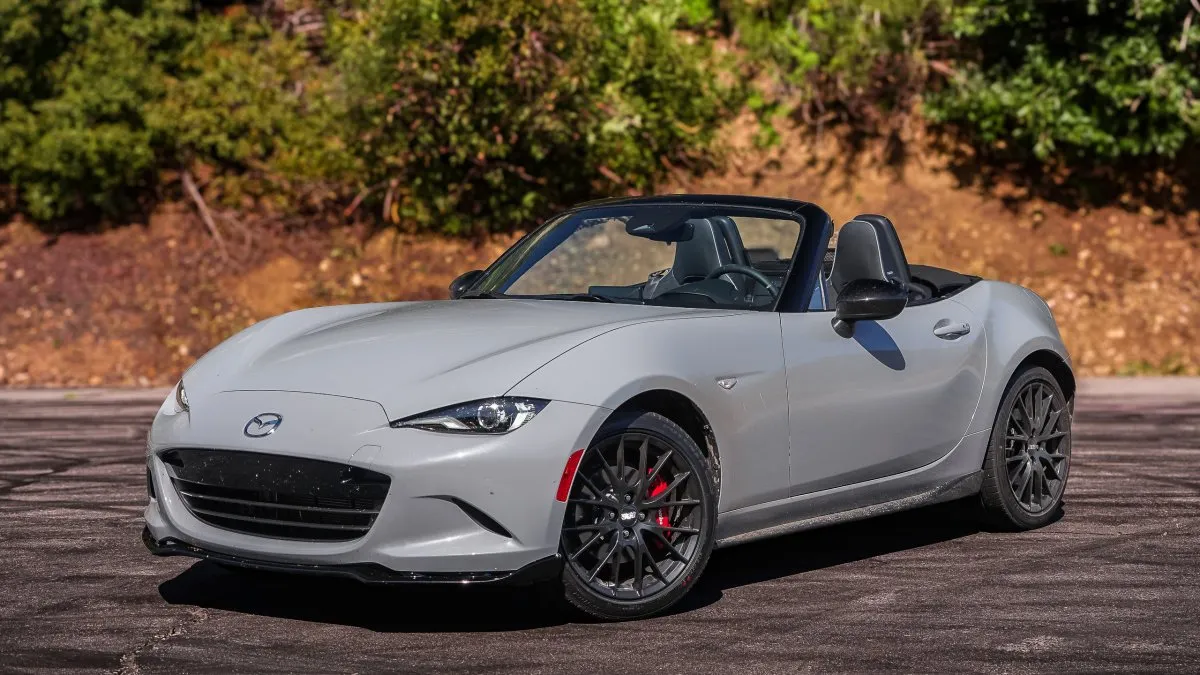
The Mazda MX 5 Miata’s small displacement inline four engines are designed for reliability, efficiency, and longevity.
These lightweight, naturally aspirated engines are constructed with robust internal components that minimize wear while providing smooth, balanced operation.
The design prioritizes predictability and durability over sheer power output, making the Miata’s engines capable of long-term operation when properly maintained.
The cooling system in the Miata is well-sized for the engine’s output, maintaining consistent temperatures during both spirited driving and routine commuting.
Oil circulation is sufficient to provide lubrication under high-rev conditions, and serviceable components such as timing belts and water pumps are straightforward to maintain or replace. The simplicity of the engine design reduces potential points of failure, further enhancing longevity.
The rear wheel drive configuration allows the Miata to distribute forces evenly across the drivetrain.
The lightweight vehicle design minimizes stress on the engine during normal operation, helping maintain performance and reliability over hundreds of thousands of miles. With proper attention to maintenance, internal wear remains slow, preserving engine integrity.
High-mileage Miatas are common, with many exceeding 300,000 miles and some approaching 500,000 miles. Regular oil changes, timing belt replacements, and cooling system inspections are key to achieving this kind of longevity.
Despite its small size and sporty nature, the Miata demonstrates that thoughtful engineering and routine care can produce a rear wheel drive vehicle capable of extraordinary endurance.
Toyota Supra Mk4
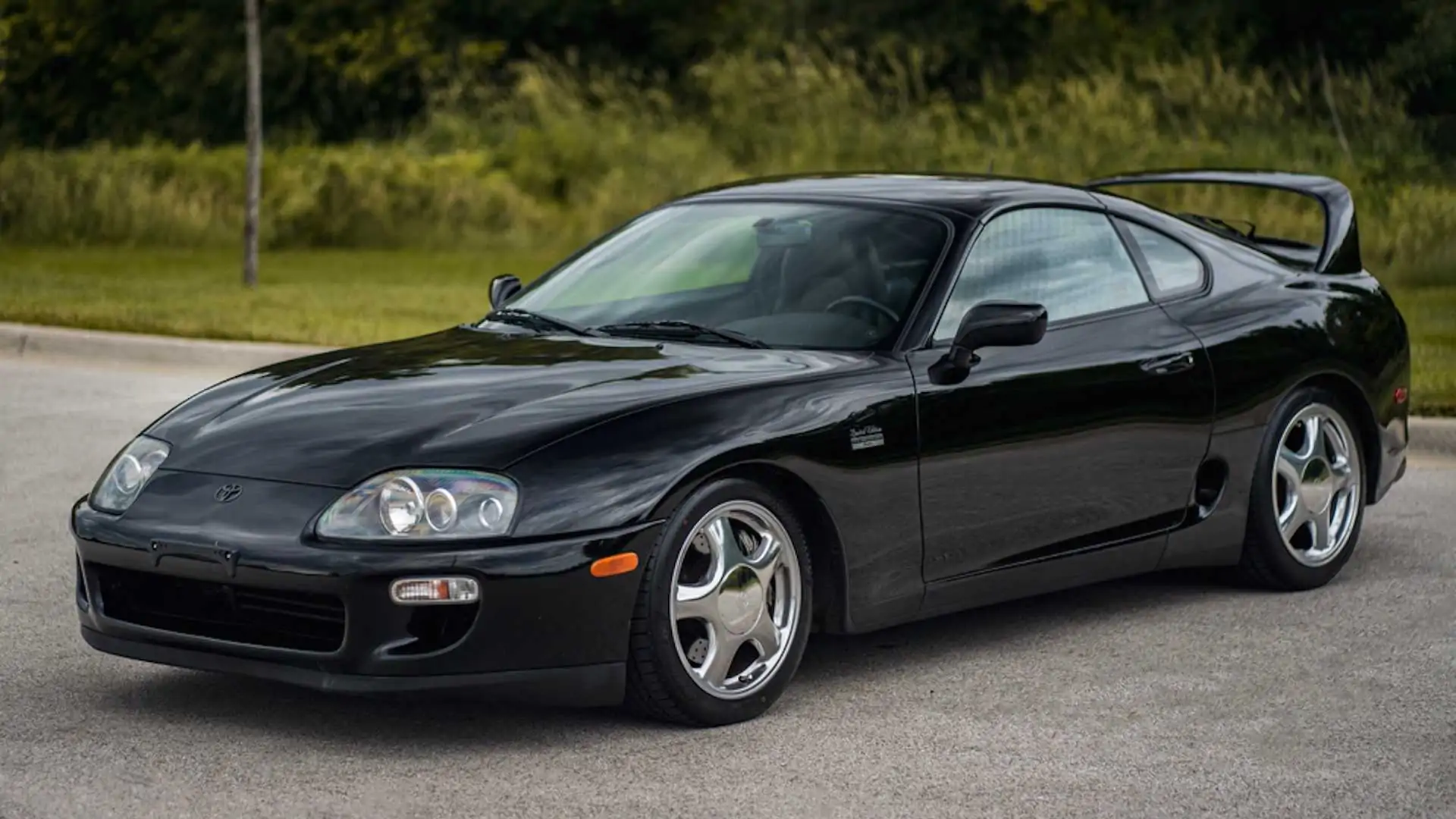
The fourth generation Toyota Supra, especially models equipped with the naturally aspirated 2JZ GE inline six, is renowned for its durability and long-term reliability.
Engineered with thick block walls, forged internals, and conservative tuning, the 2JZ GE is designed to handle extended operation without significant wear.
While capable of high performance when modified, the stock engine’s conservative design allows for predictable, long-lasting service in its original configuration.
Even without forced induction, the 2JZ GE provides smooth, consistent power that minimizes stress on internal components.
The cooling system is designed to prevent overheating under extended driving or spirited use, while oil circulation ensures that every component receives adequate lubrication. Timing belt replacement is straightforward, allowing owners to prevent major failures through regular maintenance.
The Supra Mk4’s rear wheel drive layout supports even load distribution throughout the drivetrain. Balanced loading reduces stress on suspension and engine mounts, enhancing longevity.
Its naturally aspirated design also avoids excessive heat and stress that turbocharged versions might experience, ensuring that the engine remains mechanically sound for hundreds of thousands of miles.
High-mileage examples of the 2JZ GE often continue to operate reliably after extensive use, with owners reporting engines exceeding 500,000 miles when properly maintained.
Oil changes, cooling system inspections, and timing belt service are essential for achieving such longevity. The combination of robust engineering, conservative tuning, and disciplined care makes the Mk4 Supra an exemplary rear wheel drive vehicle capable of extraordinary endurance.
Lexus LS400
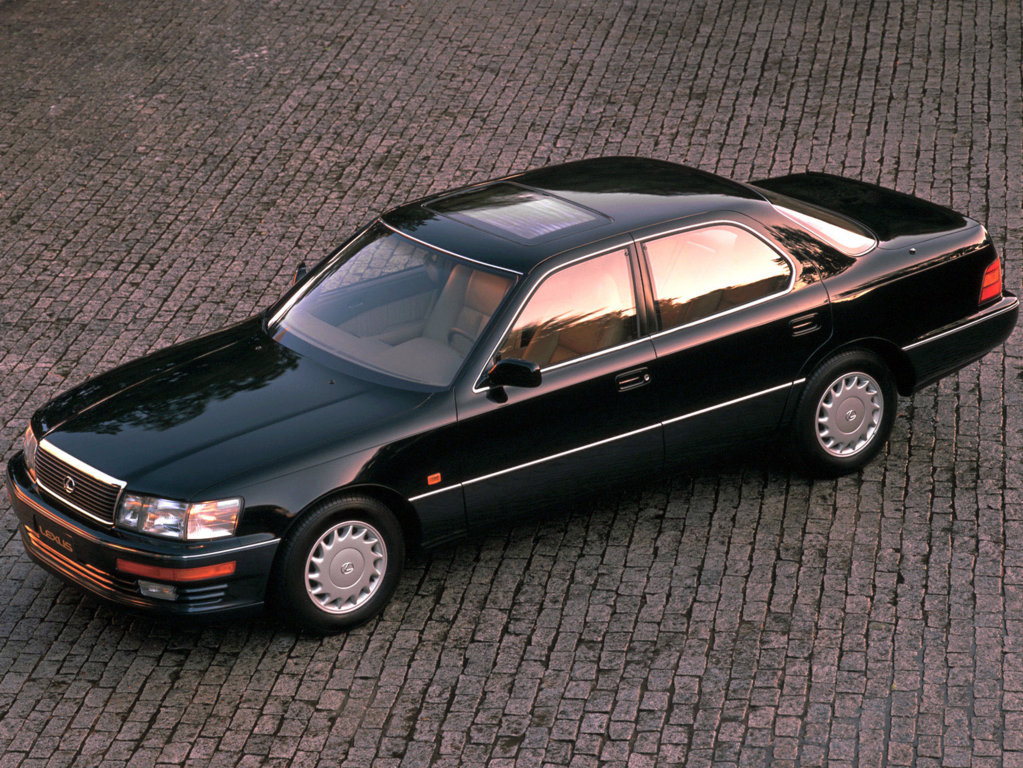
The first generation Lexus LS400 introduced the 1UZ FE V8 engine, a powerplant designed to highlight both refinement and long-term durability. Engineered in the late 1980s, the 1UZ FE used an aluminum block with iron cylinder liners, forged internals, and precise machining tolerances to balance lightweight construction with durability.
Although capable of smooth, high-output power delivery, the engine is conservatively tuned, allowing for a long service life without the kind of internal strain often seen in high-performance engines.
Its naturally aspirated design eliminates the added complexity and stress of forced induction, contributing to its legendary reliability.
The cooling system in the 1UZ FE is carefully engineered to maintain consistent temperatures even under extended highway use.
Uniform oil circulation ensures that every cylinder receives adequate lubrication, preventing early wear and maintaining the integrity of critical components such as bearings, pistons, and camshafts.
Service intervals are predictable and well-documented, making preventive maintenance straightforward and effective.
Timing belts are replaced according to factory schedules, reducing the risk of catastrophic engine failures and contributing to the longevity that many LS400 owners enjoy.
The smooth operation of the engine reduces vibration, which has a cascading effect on vehicle longevity. Drivetrain components, particularly the rear differential and driveshaft, experience more balanced loading thanks to the rear wheel drive layout.
The engine’s electronic and fuel delivery systems are robust, designed to withstand decades of use without significant failure if properly maintained. These factors make it an excellent choice for drivers seeking reliability and peace of mind over outright performance.
Owners who maintain the LS400 according to factory specifications often report mileage exceeding 500,000 without major internal engine work.
The combination of high-quality materials, conservative engineering, and careful maintenance allows these vehicles to remain dependable long after comparable luxury sedans have shown significant wear.
For enthusiasts and long-term drivers alike, the 1UZ FE V8 represents one of the most durable and reliable rear wheel drive engines ever produced.
