
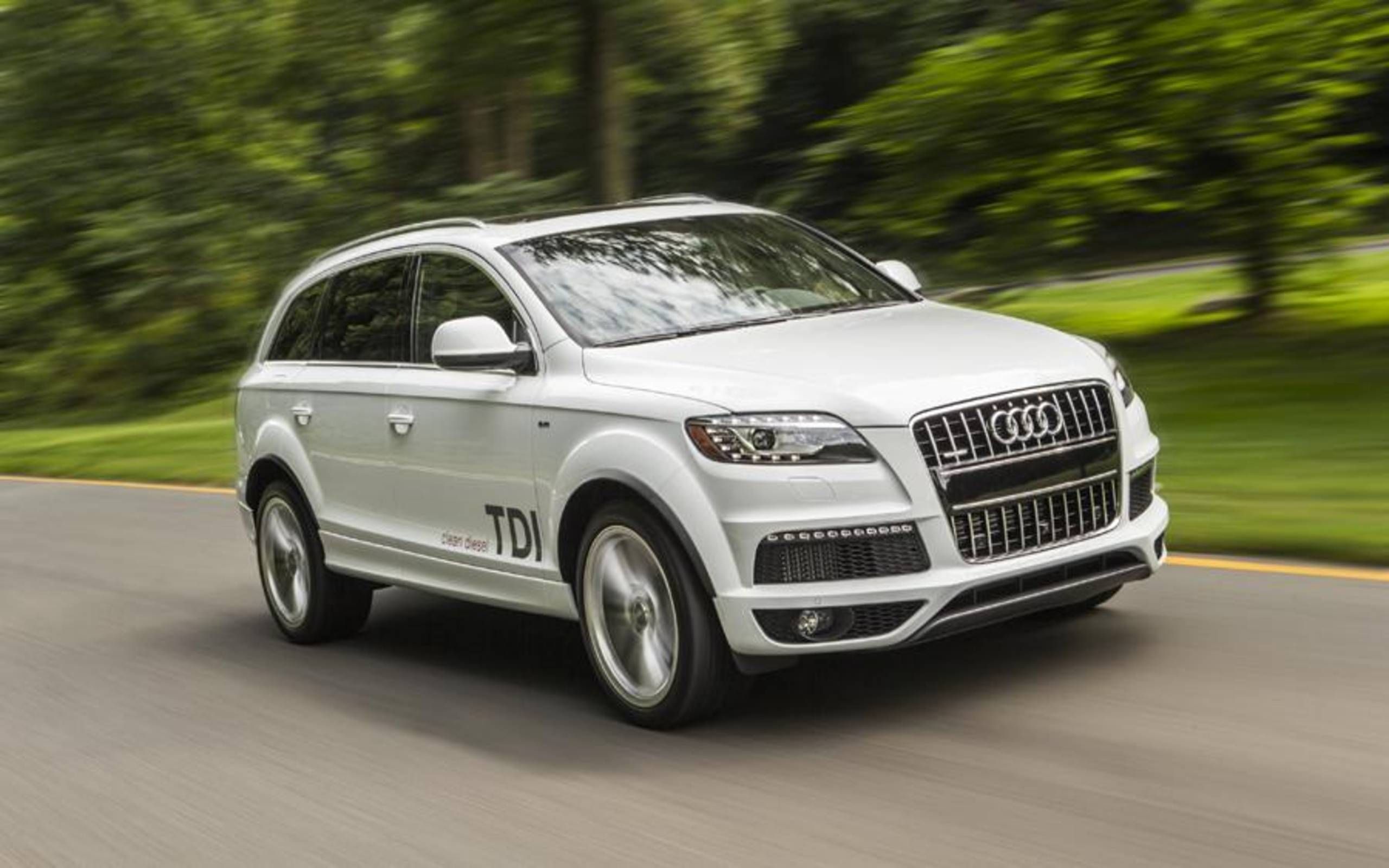
Audi has long been recognized as one of the leading luxury car manufacturers, known for its combination of advanced engineering, precision design, and consistent performance.
While the brand has produced numerous vehicles across different decades, certain models have stood out due to their exceptional reliability, particularly in terms of engine performance.
Reliability in automotive terms often reflects not only the durability of the engine but also the ability of the vehicle to maintain consistent performance with minimal major repairs over time.
Audi’s reputation for blending performance with longevity has made some of its models more than just vehicles; they have become benchmarks for engineering excellence.
Enthusiasts and everyday drivers alike have come to appreciate how Audi engines can sustain high mileage, maintain efficiency, and continue to deliver power years after purchase.
When evaluating engine reliability, several factors come into play, including design simplicity, maintenance requirements, parts quality, and how well the engine responds to regular service.
Over the years, Audi has invested heavily in developing engines that strike a balance between performance and endurance.
From naturally aspirated four-cylinder engines to high-performance V6 and V8 configurations, Audi has produced engines that can handle the stresses of daily driving while retaining their core performance attributes.
Additionally, models with proven engines often see higher resale value, as buyers recognize the long-term dependability of these vehicles.
The cars listed in this article are not only admired for their longevity but also for how the engines integrate with the driving experience. A reliable engine enhances fuel efficiency, reduces long-term ownership costs, and fosters confidence in the vehicle.
Many of these cars have achieved legendary status among automotive enthusiasts and industry reviewers due to their mechanical resilience and strong engineering foundations.
While no car is entirely free from maintenance needs, these Audi models have earned recognition for consistently outperforming others in their class when it comes to engine durability.
This article will highlight ten of the most reliable Audi cars in history, focusing on the engines that have made them exceptional.
Each vehicle represents a combination of technical ingenuity, thoughtful design, and proven performance, providing a clear understanding of why they are considered milestones in Audi’s engineering history.
By looking at these models, readers can gain insight into the characteristics that define long-lasting engines and the factors that make a car not only enjoyable to drive but also dependable over decades of use.
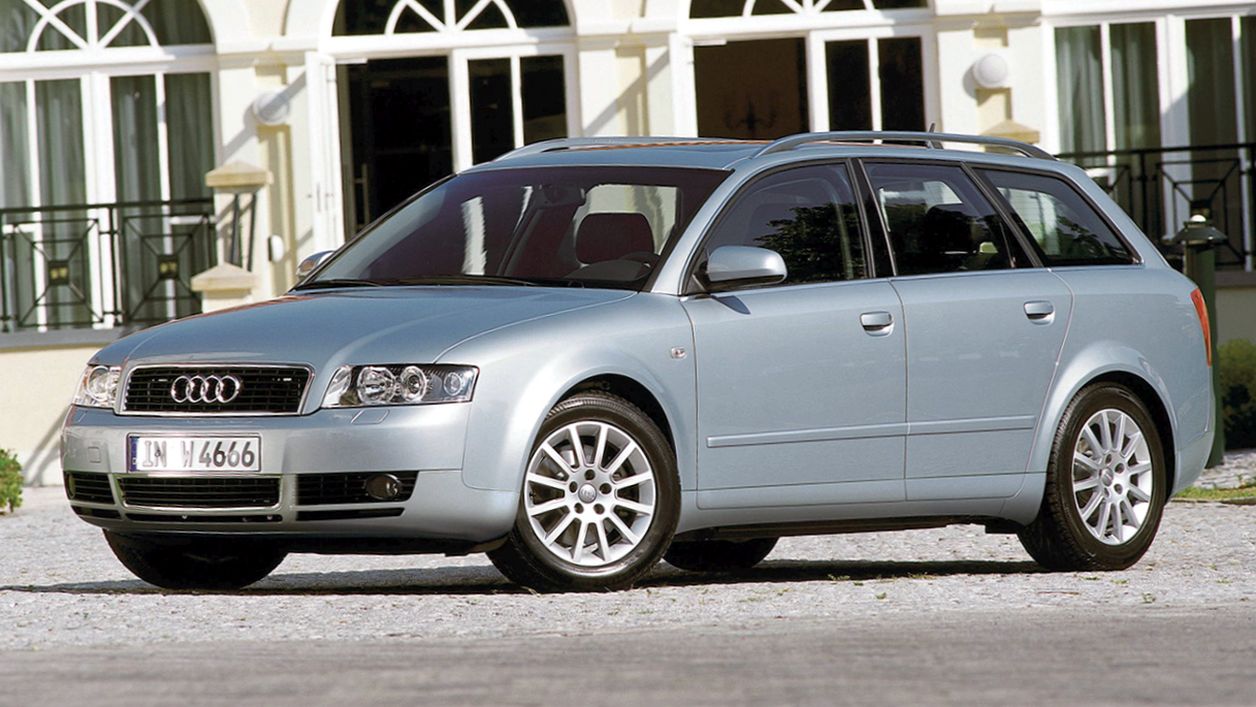
1. Audi A4 B6 (2001–2005)
The Audi A4 B6 is widely recognized as a reliable sedan with a range of engine options that have proven durability over time.
One of the standout engines in this model was the 1.8T turbocharged four-cylinder, which provided a strong balance of performance and longevity.
This engine offered sufficient power for daily commuting while maintaining a reputation for being resilient when properly maintained. Many owners have reported these engines reaching well over 200,000 miles with routine maintenance and without experiencing major mechanical failures.
The simplicity of the engine’s design compared to newer turbocharged options contributed to its long-term reliability.
Another key factor in the A4 B6’s reliability was the naturally aspirated V6 engine. The 2.4L and 3.0L engines provided smooth and consistent performance with fewer potential issues related to turbocharging.
The V6 models were particularly valued for their quiet operation and minimal oil consumption, which reduced the chances of costly repairs.
Despite the car being over a decade old, many of these engines continue to perform well, highlighting the robustness of Audi’s engineering during this period.
Regular servicing, including timely oil changes and inspection of timing components, was often sufficient to ensure that these engines remained dependable for years.
The A4 B6’s reliability was also enhanced by the use of high-quality materials in critical components such as the engine block, cylinder head, and timing chains. These materials contributed to the long-term durability of the vehicle’s mechanical systems.
Unlike some later Audi models, which were known to have issues with certain electronic engine components, the B6 maintained a relatively straightforward engine management system. This simplicity reduced the risk of electrical failures affecting the engine and allowed for easier troubleshooting and maintenance, which increased reliability.
Owners of the A4 B6 have often praised the combination of engine longevity and performance consistency. The car’s engines delivered adequate power for both highway driving and city conditions without frequent mechanical concerns.
Many enthusiasts consider the 1.8T and V6 engines as benchmarks for what an Audi engine could achieve in terms of reliability and endurance.
Over time, these models have retained value in the used car market precisely because the engines are known to last, making them a popular choice among buyers seeking dependable performance from an older luxury vehicle.
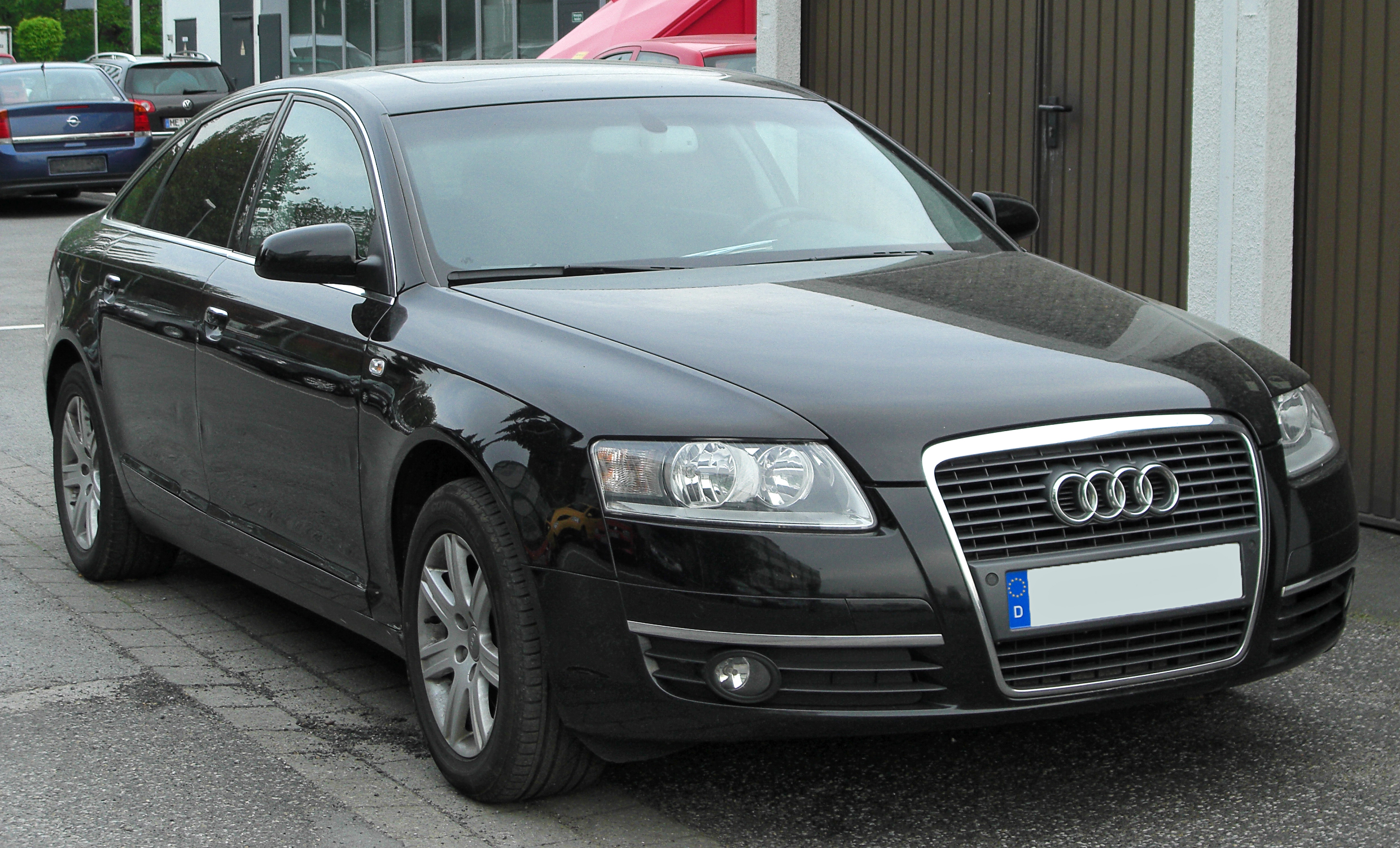
2. Audi A6 C5 (1997–2004)
The Audi A6 C5 is a midsize luxury sedan that has earned a strong reputation for its dependable engines. Among the most reliable was the 2.7L V6 biturbo diesel engine, known for its longevity and robust construction.
Diesel engines generally provide high torque and low fuel consumption, and this engine exemplified that combination while maintaining a long service life.
Many owners have reported mileage exceeding 300,000 kilometers without major engine failures, provided the vehicle received regular oil changes and maintenance. Its solid construction allowed it to handle high mileage while still delivering consistent performance.
The 2.8L V6 gasoline engine was another durable option within the C5 lineup. This engine featured smooth power delivery and minimal mechanical issues, contributing to the model’s reliability.
The V6 engines in the C5 series benefited from strong engineering and the use of high-quality materials, which reduced the likelihood of common failures seen in less robust designs.
Components such as timing chains, water pumps, and cylinder heads were engineered to withstand prolonged use, which helped build the car’s reputation as a reliable choice among luxury sedans of its era.
Engine reliability in the A6 C5 was further reinforced by the careful balance between performance and stress on mechanical components.
The naturally aspirated V6 engines avoided some of the high-pressure systems present in modern turbo engines, which reduced strain on pistons, connecting rods, and other internal parts.
This approach extended the engine’s life span and minimized the frequency of repairs. Owners noted that routine maintenance schedules, including timing belt inspections and fluid replacements, were often sufficient to keep the engine running efficiently for over a decade.
In addition to mechanical reliability, the A6 C5 engines were praised for their ability to maintain consistent performance over time. The smoothness of the power delivery, combined with low levels of vibration, contributed to driver confidence and comfort.
Many vehicles from this generation have survived long enough to enter the used luxury car market as viable, dependable options.
The combination of robust engineering, thoughtful design, and straightforward maintenance made the C5 one of Audi’s most reliable sedans in history, particularly when considering the engines and their long-term performance.
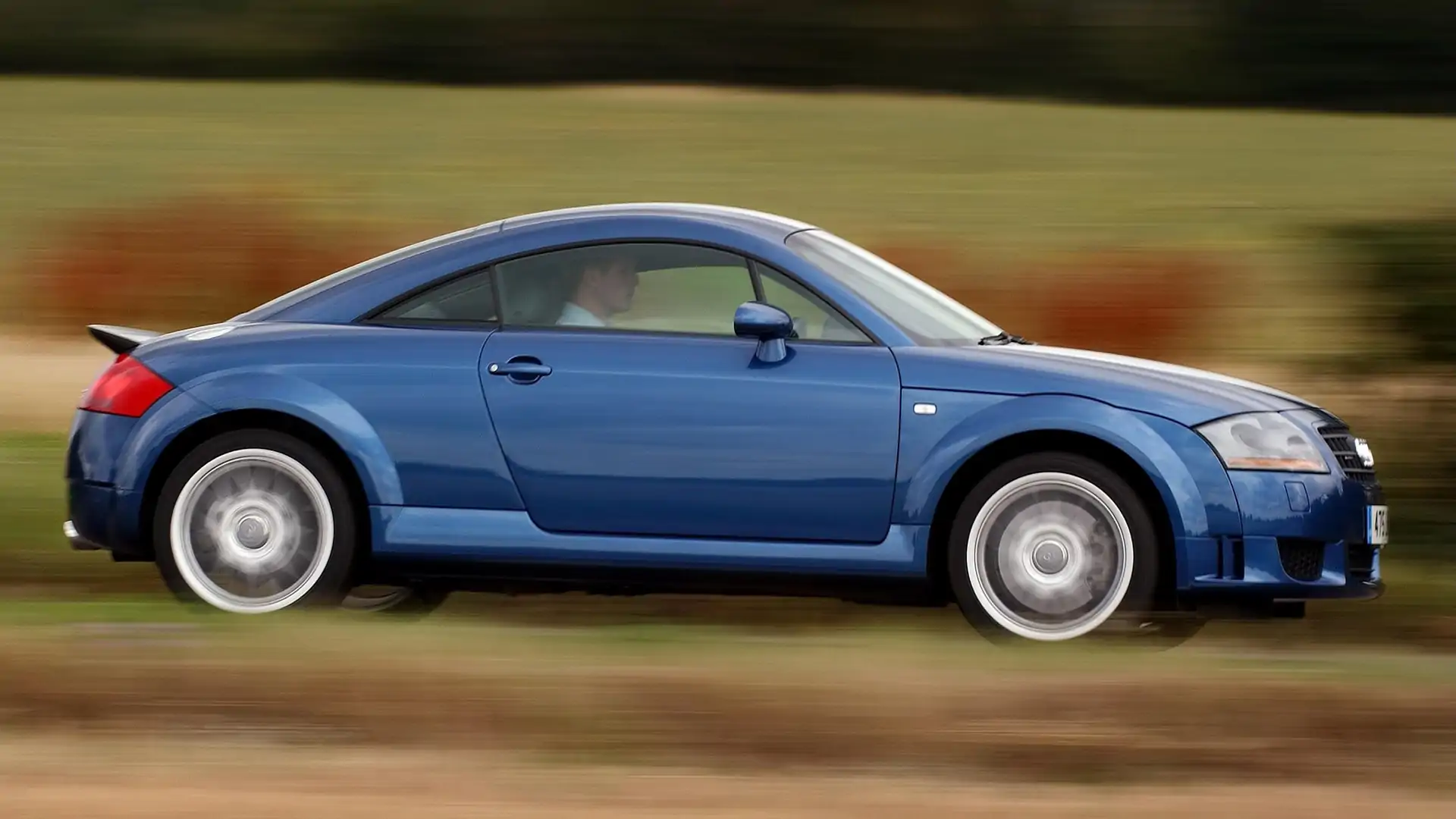
3. Audi TT 8N (1998–2006)
The first-generation Audi TT, known as the 8N, became an icon not only for its design but also for the reliability of its engines.
One of the most praised engines in this model was the 1.8T turbocharged four-cylinder, which offered a mix of performance and durability.
While turbo engines can sometimes face longevity concerns, the 1.8T proved resilient when owners followed proper maintenance schedules.
Regular oil changes, use of quality lubricants, and periodic timing belt inspections were sufficient to prevent major engine issues, making this car a favorite for those seeking a small but sporty vehicle with dependable power.
Another reliable engine choice in the TT 8N was the naturally aspirated 1.8L 20-valve unit. This engine delivered smooth acceleration and maintained efficiency while exhibiting fewer complications than turbocharged versions.
Its mechanical simplicity, combined with solid engineering, made it a dependable option for drivers who wanted reliability without sacrificing performance.
Even after many years of ownership, these engines were often able to maintain consistent operation and power output. Audi’s focus on quality control during this era contributed significantly to the long-term dependability of the TT’s engines.
The TT 8N also benefited from compact engine design and lightweight construction. These factors reduced strain on the engine components and allowed for efficient heat management, which is critical for long-term reliability.
Owners frequently noted that these engines performed well under daily driving conditions, including both city traffic and highway cruising. The car’s engine compartment was thoughtfully laid out, which simplified maintenance and inspection, further contributing to the longevity of the mechanical components.
The combination of sporty appeal and mechanical reliability helped the Audi TT 8N achieve a lasting reputation among enthusiasts. Unlike some vehicles that prioritize performance at the expense of durability, the TT managed to provide both.
The 1.8T engine in particular has been lauded for surviving high mileage without significant repairs when properly maintained. This model remains a reference point for those who value both performance-oriented engineering and dependable engine longevity in a compact luxury sports car.
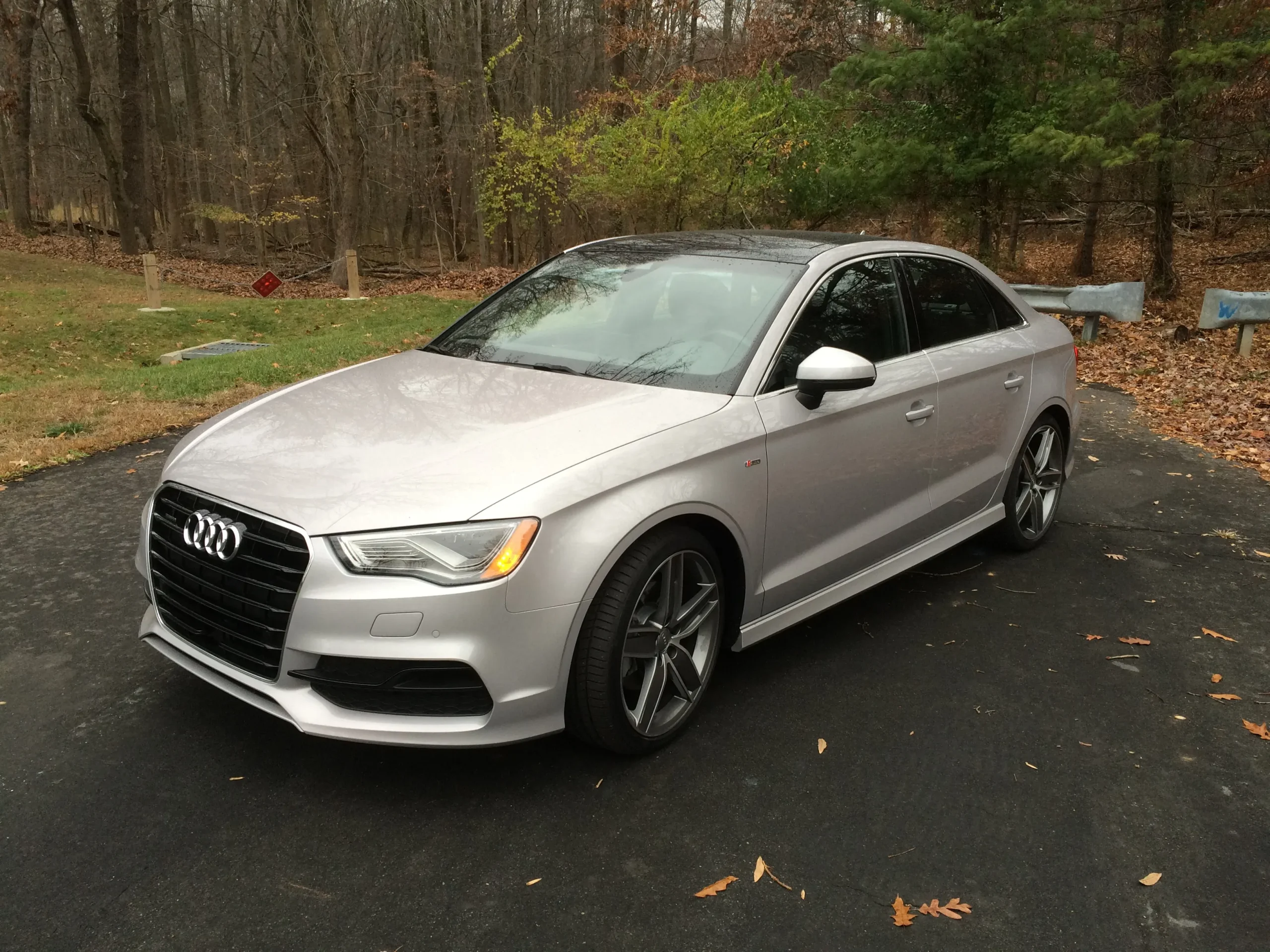
4. Audi A3 8L (1996–2003)
The Audi A3 8L, introduced in the late 1990s, quickly gained recognition for its dependable engine lineup.
Among the most reliable was the 1.8-liter turbocharged four-cylinder, which managed to combine spirited performance with longevity.
While turbo engines can sometimes present maintenance challenges, the 1.8T in the A3 8L proved resilient when routine service was performed.
Its robust construction, including forged internals and durable turbo components, allowed many owners to drive these vehicles well beyond 200,000 miles without significant engine problems. This combination of power and endurance helped the A3 establish itself as a dependable entry-level luxury car.
In addition to the turbocharged four-cylinder, the naturally aspirated 1.6-liter and 1.8-liter engines were equally noteworthy for their longevity. These engines featured straightforward mechanical designs that minimized potential failure points, making them easier to maintain over the long term.
Components such as timing belts, water pumps, and ignition systems were engineered to last, provided owners adhered to scheduled maintenance.
This simplicity, combined with Audi’s high-quality materials, gave the A3 8L an edge over competitors in terms of mechanical reliability. Many vehicles from this generation continue to be roadworthy today, demonstrating the long-term success of these engine designs.
Another factor that contributed to the A3 8L’s reliability was the careful balance of performance and stress on mechanical components.
The turbocharged models, despite providing strong acceleration, were tuned in a way that minimized excessive strain on pistons, connecting rods, and the crankshaft.
This thoughtful engineering allowed the engines to handle daily driving demands without suffering premature wear.
Diesel variants, such as the 1.9 TDI, were particularly renowned for their resilience, offering impressive torque and fuel efficiency while maintaining low levels of mechanical failure.
These engines could endure high mileage while continuing to deliver consistent performance, which contributed significantly to the model’s reputation for dependability.
Owners of the Audi A3 8L often praise the combination of engine durability, fuel efficiency, and consistent performance.
Whether driving in urban environments or on long highway journeys, the engines maintained reliability over extended periods, reinforcing the model’s status as a trustworthy choice for drivers seeking a practical yet enjoyable luxury car.
The long-lasting nature of these engines has also helped the A3 retain value in the used car market, particularly among enthusiasts who appreciate vehicles that can remain mechanically sound for decades.
The 8L generation, therefore, stands as one of Audi’s most successful examples of engineering engines for both longevity and performance.
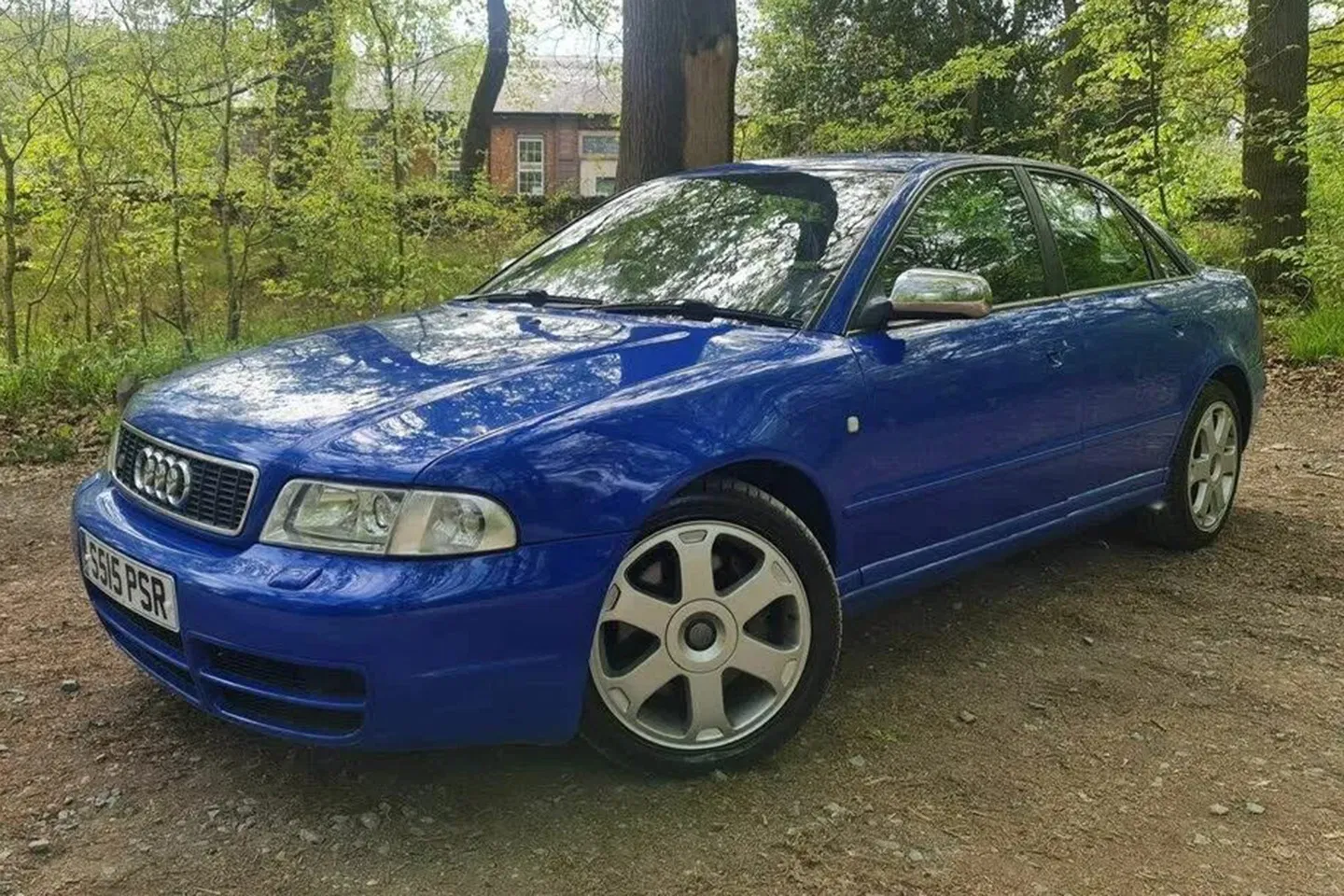
5. Audi S4 B5 (1997–2002)
The Audi S4 B5 is celebrated not only for its high-performance capabilities but also for the impressive reliability of its engine.
The standout engine in this model was the 2.7-liter biturbo V6, a complex yet remarkably durable unit. Despite being a high-output engine, many owners have reported that it can handle extensive mileage when maintained correctly.
The engine combined twin-turbo performance with a solid internal build, featuring forged pistons and a robust crankshaft that could withstand the stresses of both spirited driving and everyday commuting.
Proper attention to cooling, oil changes, and timing chain inspections was critical, but with consistent care, these engines often proved nearly indestructible.
Another aspect that contributed to the S4 B5’s engine reliability was the careful attention to lubrication and cooling systems.
Turbocharged engines generate more heat than naturally aspirated units, but Audi’s engineering minimized potential issues through efficient intercoolers, oil circulation, and reinforced engine components.
Owners who followed Audi’s service recommendations found that the engine maintained performance consistency without significant mechanical failures, even at higher mileages.
This blend of high-output performance and durability is one reason the B5 S4 remains highly regarded in automotive circles.
The naturally aspirated engines in other S4 variants, while less powerful, were also known for reliability. Audi prioritized materials quality, ensuring that valves, timing components, and the engine block could withstand years of use without degradation.
The balance between aggressive performance and long-term mechanical integrity demonstrated that Audi was capable of engineering engines that were both exciting and dependable.
Many enthusiasts still seek out well-maintained B5 S4s today, recognizing that these engines offer a rare combination of power, resilience, and mechanical sophistication.
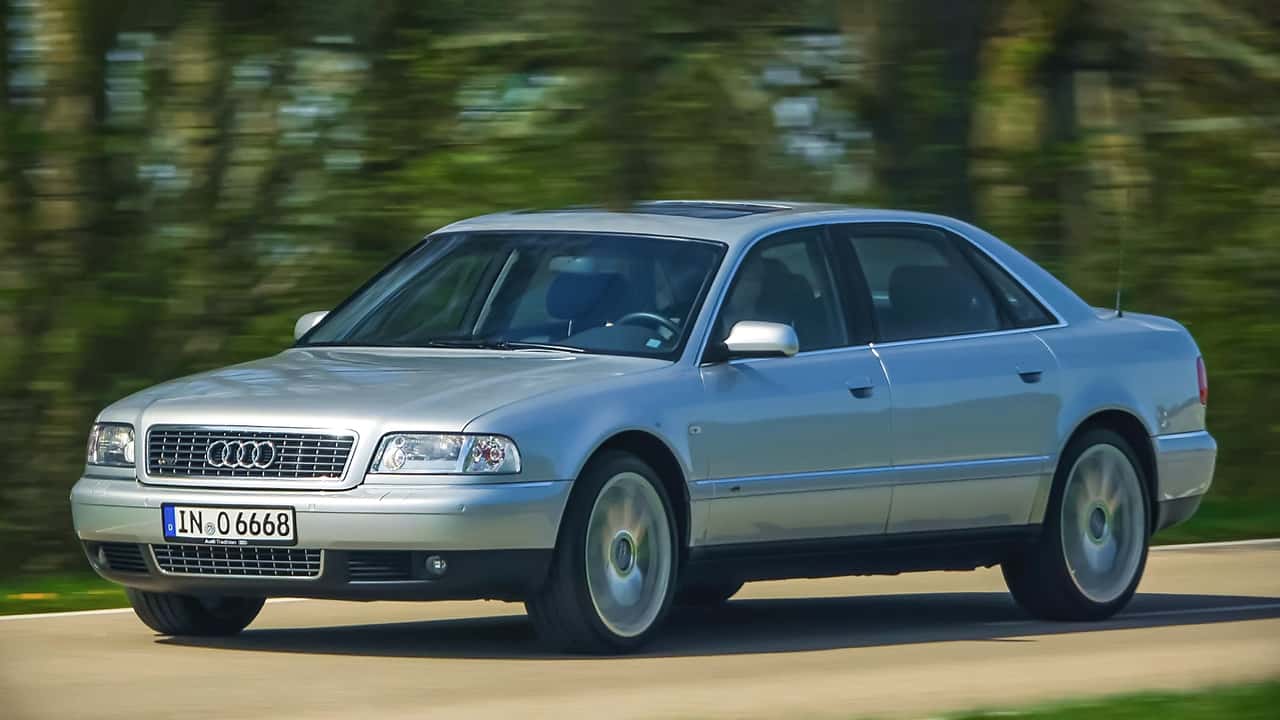
6. Audi A8 D3 (2003–2010)
The Audi A8 D3 represented the pinnacle of luxury while maintaining a focus on engine reliability. Among its most dependable powertrains was the 4.2-liter V8, which combined smooth performance with remarkable durability.
This engine offered strong low-end torque and consistent power delivery, making it suitable for both city driving and long-distance travel.
Many owners have reported exceptionally high mileages, with engines remaining mechanically sound after more than 200,000 miles.
Audi’s emphasis on high-quality materials and precision engineering contributed to the V8’s longevity, ensuring that wear on critical components was minimal even under frequent use.
Supercharging components were designed to endure extended service intervals, and when paired with proper oil and coolant maintenance, the engine maintained its performance over many years.
Many owners have praised the combination of effortless acceleration, refined operation, and long-term dependability, which made the A8 D3 an appealing choice for luxury sedan buyers seeking both comfort and reliability.
Many drivers of the A8 D3 have commented on how well the engines maintained smoothness and power delivery throughout their lifespan.
The combination of engineering precision, high-quality materials, and routine maintenance allowed the engines to remain a central strength of the vehicle.
This reputation for reliability, coupled with the car’s luxury features, made the A8 D3 a standout among executive sedans of its generation.
The engines exemplified how Audi could merge performance, comfort, and mechanical resilience into a single package, providing decades of dependable motoring for those who invested in the model.
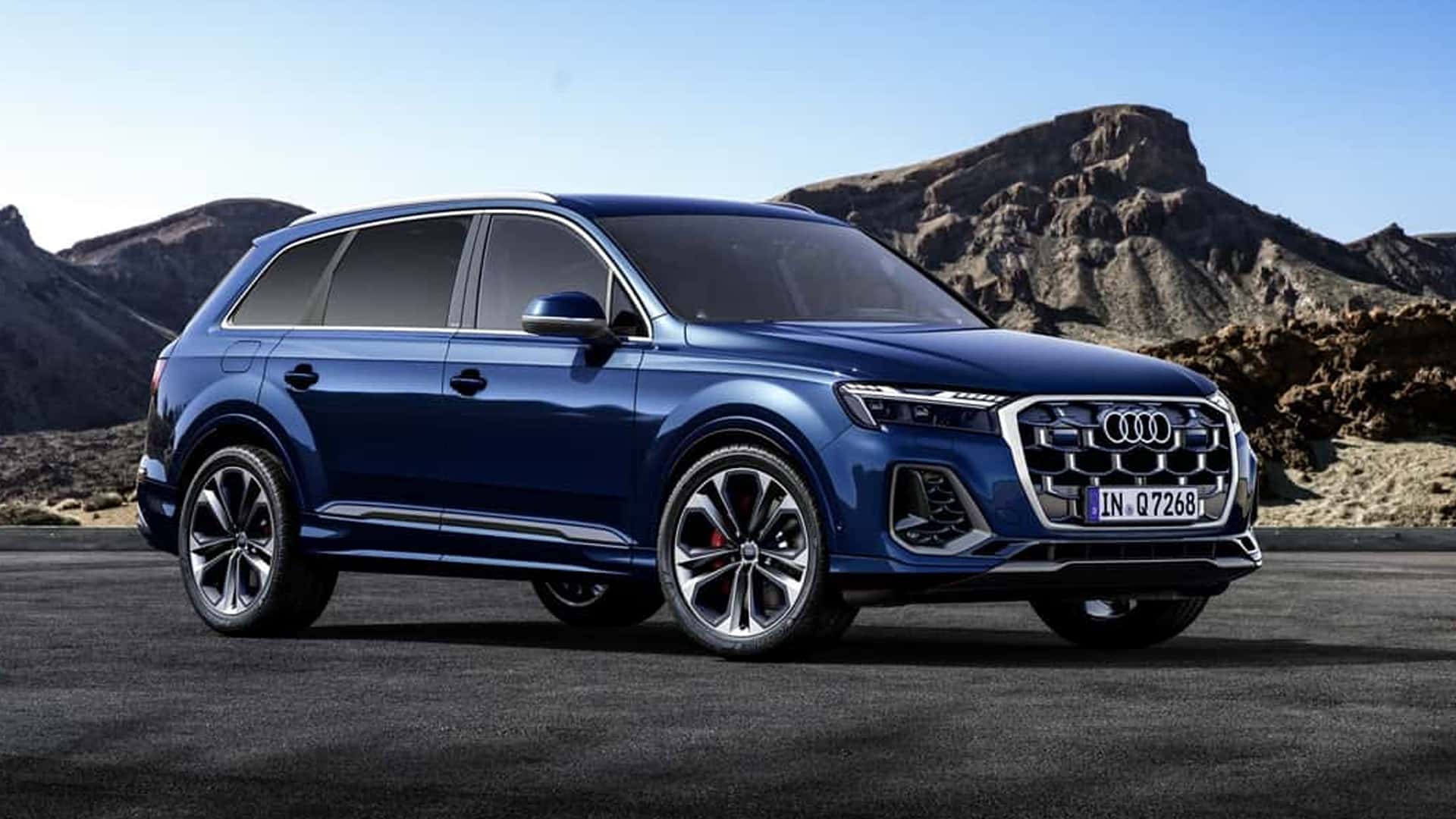
7. Audi Q7 4L (2006–2015)
The Audi Q7 4L SUV became popular not only for its size and luxury but also for the reliability of its engines. Among the most dependable was the 3.0-liter supercharged V6, which offered a strong balance of power, torque, and longevity.
This engine delivered smooth acceleration and was engineered to handle the additional weight of an SUV without excessive strain.
Many owners have successfully driven these vehicles well beyond 200,000 miles, citing the engine’s resilience and consistent performance as key reasons for long-term satisfaction.
Audi’s attention to robust materials and durable internal components contributed significantly to the Q7’s reputation for mechanical reliability.
The Q7 4L’s reliability was further enhanced by a well-engineered cooling and lubrication system.
Turbocharged and supercharged engines produce additional heat, but Audi incorporated advanced cooling strategies, including intercoolers and reinforced water pumps, to maintain optimal operating temperatures.
This careful design minimized the risk of overheating and component wear, contributing to the long-term stability of the engine.
Routine maintenance was straightforward, and replacement parts were generally durable, reducing the likelihood of costly repairs and further enhancing the model’s dependability.
Owners frequently praised the Q7 4L for the consistency of its engine performance over long periods. Whether tackling urban environments, carrying full passenger loads, or traveling long distances, the engines retained smooth operation and strong power delivery.
The combination of advanced engineering, high-quality materials, and thoughtful mechanical design allowed the Q7 to become one of Audi’s most reliable SUVs. Its engines demonstrated that even larger vehicles, when equipped with well-designed powertrains, could achieve both performance and longevity.
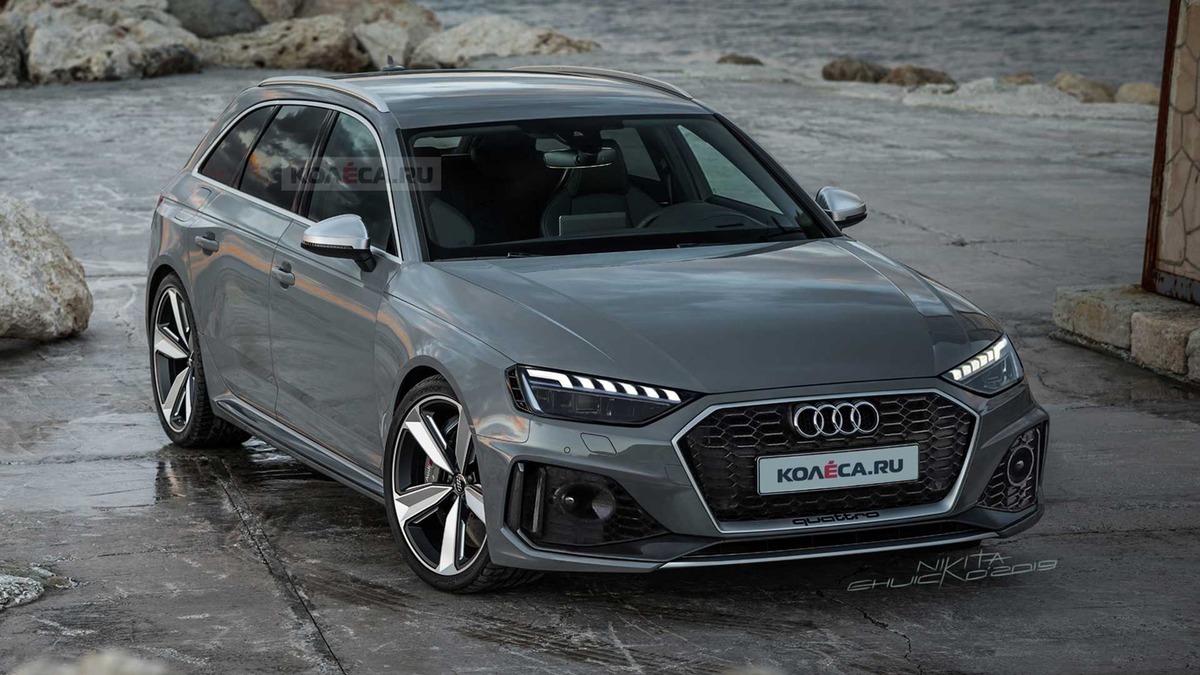
8. Audi RS4 B7 (2005–2008)
The Audi RS4 B7 is widely regarded as a high-performance vehicle with a surprisingly reliable engine considering its aggressive output. At the heart of this model was the naturally aspirated 4.2-liter V8, known for its durability and precision engineering.
While many high-performance engines can be prone to wear due to high revving, the RS4 B7’s V8 was built to withstand frequent spirited driving.
Its aluminum construction reduced weight and stress on the engine block, while high-quality internals, including forged pistons and a robust crankshaft, allowed it to endure prolonged use without major issues.
Owners who maintained proper oil levels and followed service schedules often reported the engine remaining mechanically sound well past 150,000 miles.
One of the key factors contributing to the RS4 B7’s engine reliability was its advanced cooling system. High-revving V8 engines generate significant heat, and Audi implemented efficient cooling channels, high-capacity radiators, and optimized oil circulation to keep the engine temperature stable.
This engineering ensured that the V8 could operate consistently under both daily driving conditions and high-performance scenarios without suffering from overheating or premature wear.
The precision in component design and assembly also minimized the potential for mechanical failures, making this engine a rare example of performance and reliability coexisting in a demanding sports sedan.
The RS4 B7’s engine was also for its smooth and linear power delivery. Unlike turbocharged engines, which can sometimes exhibit sudden surges of power, the naturally aspirated V8 offered consistent torque across a broad rev range.
This reliability in power delivery not only enhanced the driving experience but also reduced stress on other engine components, such as the transmission and differential.
Audi’s meticulous attention to tolerances, materials, and assembly quality contributed to an engine that was capable of delivering exhilarating performance without sacrificing long-term dependability.
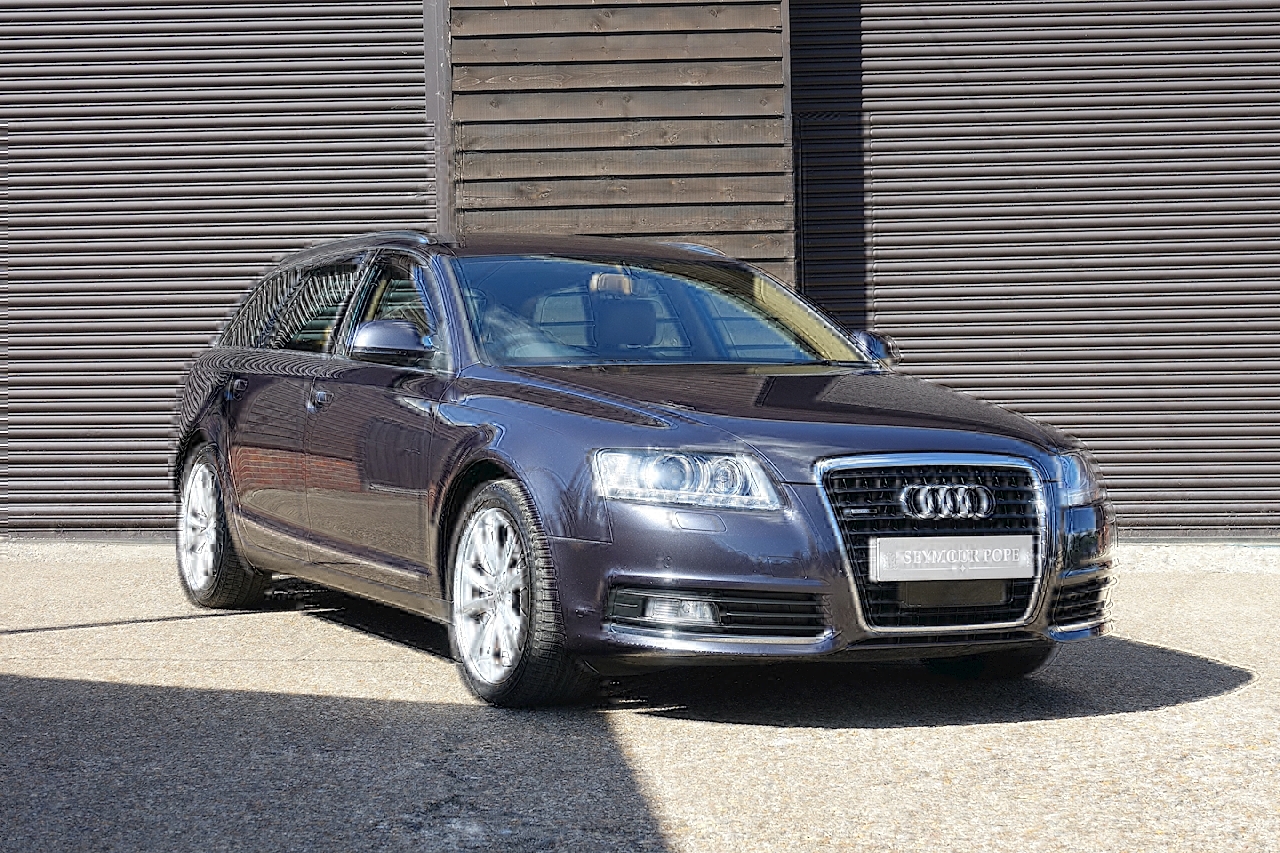
9. Audi A6 C6 (2004–2011)
The Audi A6 C6 is considered one of the most reliable executive sedans produced by the brand, largely due to its strong engine lineup. Among the most dependable engines was the 3.2-liter V6 FSI, which delivered smooth and consistent power while maintaining impressive longevity.
This naturally aspirated V6 was designed with robust internals and a straightforward fuel injection system that reduced the likelihood of mechanical failure.
Many vehicles equipped with this engine have exceeded 200,000 miles with minimal engine-related issues, provided routine maintenance such as oil changes, timing belt inspections, and coolant system checks were performed.
Its combination of efficiency, performance, and durability made it a benchmark for reliability in mid-2000s luxury sedans.
The diesel options in the C6, particularly the 2.7-liter and 3.0-liter TDI engines, were also well-regarded for their resilience.
Diesel engines are inherently designed to handle high compression and torque, and Audi’s engineering reinforced these strengths with durable components and reinforced cylinder heads.
These engines provided not only long-term reliability but also impressive fuel efficiency, making them popular among owners seeking both performance and economy.
Many of these engines have achieved high mileages without major repairs, a testament to Audi’s commitment to durability and quality during this generation.
Owners of the Audi A6 C6 frequently highlight the smooth and dependable operation of these engines across various driving conditions. Whether commuting in traffic or taking long trips on the highway, the engines maintained consistent power delivery and minimal oil consumption.
The combination of engineering quality, material durability, and routine maintenance made the C6 one of the most reliable sedans in Audi’s history.
Its engines remain a key reason why the model is still sought after in the used market, as drivers recognize the longevity and mechanical stability that set it apart from competitors.
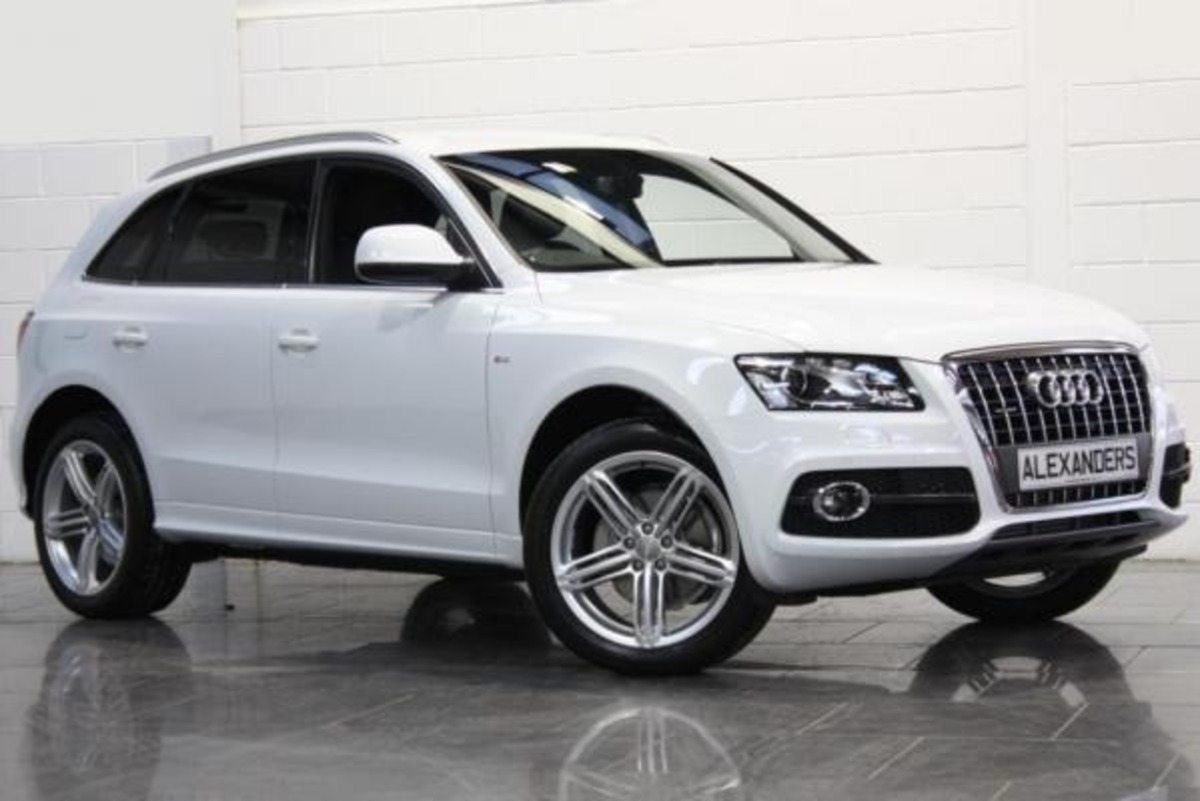
10. Audi Q5 8R (2008–2017)
The Audi Q5 8R SUV has been widely praised for the reliability of its engines, which balanced performance, efficiency, and long-term durability. Among the most dependable was the 3.2-liter V6 FSI, which offered smooth power delivery and robust construction.
Many owners reported that these engines could exceed 200,000 miles without major mechanical issues, provided proper maintenance schedules were followed.
The combination of solid engineering, high-quality materials, and thoughtful component design helped ensure longevity, making the 3.2 V6 one of the most reliable engine options in the compact luxury SUV segment during this generation.
The 2.0-liter turbocharged four-cylinder engines in the Q5 8R were also known for their reliability, particularly when owners adhered to maintenance guidelines. Turbocharging introduces additional complexity, but Audi designed these engines to withstand the demands of daily driving.
With careful attention to oil changes, timing belt replacements, and cooling system checks, these engines continued to deliver consistent performance even at higher mileages.
The turbo engines offered a balance of fuel efficiency and power while maintaining the mechanical durability that helped solidify the Q5’s reputation for reliability.
Drivers of the Audi Q5 8R often highlight the combination of smooth power delivery, minimal maintenance requirements, and strong long-term performance as defining features of its engines.
Whether equipped with the V6 or turbocharged four-cylinder, these powertrains delivered reliable performance and longevity that rivaled larger and more expensive models.
The engineering focus on quality, durability, and consistent operation allowed the Q5 8R to emerge as one of Audi’s most dependable SUVs, appealing to drivers who sought a luxury vehicle with proven engine reliability and a comfortable, capable driving experience.
