
Working in a harbor environment requires vehicles that can handle unique challenges. Unlike standard urban or rural settings, harbors present a combination of heavy-duty work, exposure to water and salt, and the need for durability under tough conditions.
Vehicles used in these areas are expected to transport goods, tow equipment, and navigate surfaces that may be wet, uneven, or covered in loose materials like sand or gravel. This makes the selection of the right vehicle critical, as choosing the wrong one can result in frequent repairs, corrosion, or decreased operational efficiency.
In harbors, the presence of saltwater and salty air significantly accelerates corrosion in metals, rubber, and even paint. This factor alone requires careful attention when picking a vehicle. Those designed for marine-adjacent work are often built with rust-resistant materials, corrosion-proof coatings, and reinforced underbodies to prevent long-term damage.
Additionally, the vehicles need to balance power with maneuverability, as docks and piers often have tight spaces and constant activity. Cargo capacity and towing capabilities are equally important because harbor operations involve moving containers, boats, and heavy machinery.
Furthermore, safety considerations are essential. Harbor workers often operate in environments where slip hazards, uneven terrain, and heavy equipment are common. Vehicles need to provide stability, traction, and reliable braking systems to prevent accidents.
Some vehicles also offer specialized attachments, such as cranes, winches, or dump beds, to help with specific harbor tasks. Maintenance and reliability are crucial as well; downtime can affect shipping schedules, deliveries, and daily operations. Choosing a vehicle without considering these factors can lead to repeated breakdowns and financial losses.
Given all these requirements, it is not surprising that only certain vehicles are recommended for harbor work. Not all trucks, SUVs, or utility vehicles can handle this environment. At the same time, some vehicles are highly vulnerable to salt damage, even if they perform well elsewhere.
This article outlines five vehicles that are particularly well-suited for mobile harbor operations, along with five common vehicles that tend to struggle in salty conditions. Each choice is based on durability, performance, and resilience in challenging, water-exposed environments.
5 Cars Suitable for Mobile Harbor Work
1. Toyota Hilux
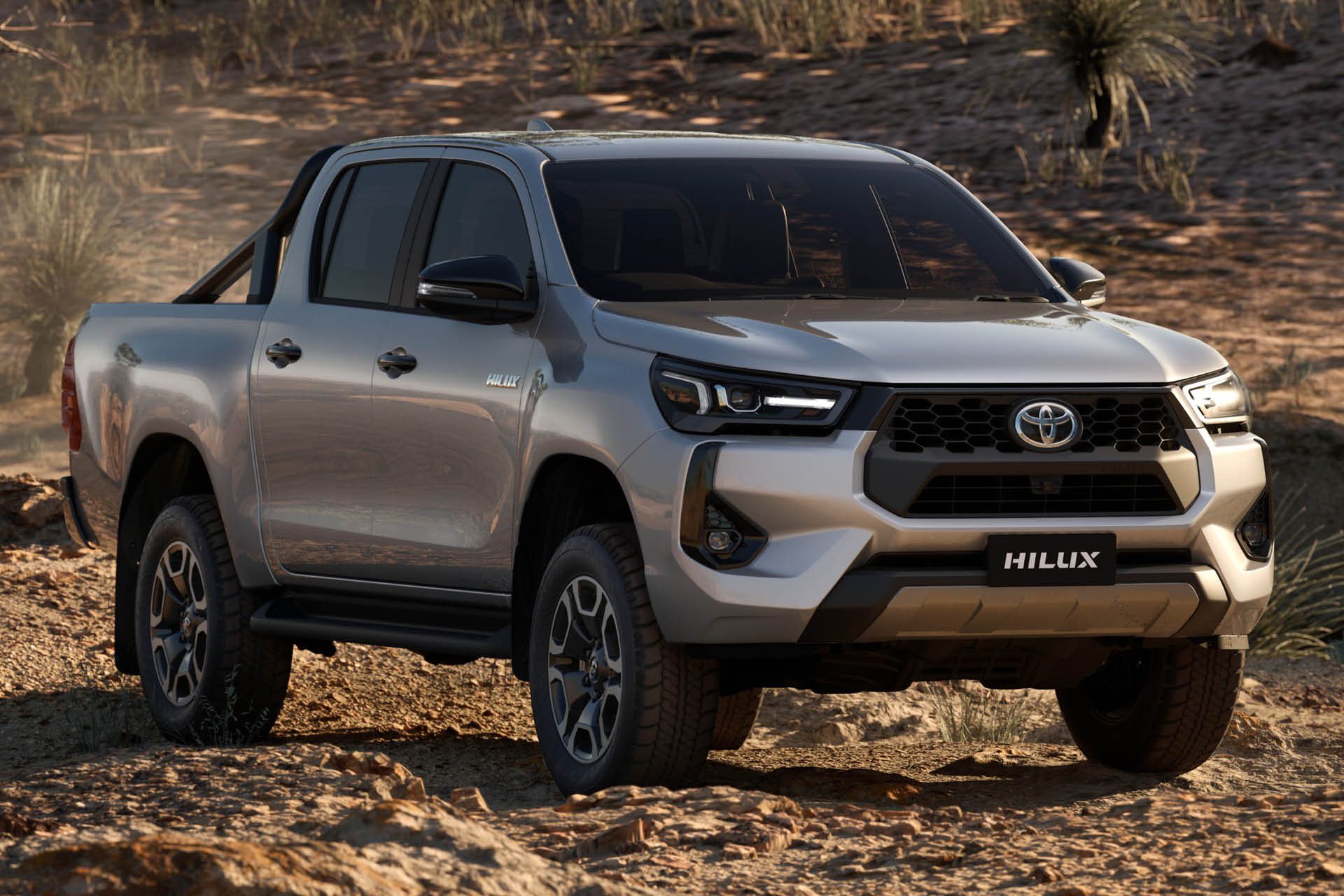
The Toyota Hilux has earned a legendary reputation for toughness and reliability, which makes it one of the top choices for harbor operations where durability is non-negotiable. Its body-on-frame construction allows it to endure extreme conditions, heavy loads, and repetitive use without losing stability or control.
Unlike many modern vehicles that emphasize comfort over strength, the Hilux was designed with work in mind. This is particularly important in harbor environments, where vehicles frequently travel over uneven surfaces, ramps, or areas scattered with gravel, sand, or industrial debris.
Its strong frame and suspension system prevent sagging or structural fatigue, ensuring consistent performance even after years of heavy-duty use.
Beyond structural strength, the Hilux is built to resist corrosion and the damaging effects of saltwater exposure, which is crucial in maritime environments.
Manufacturers use high-quality rust-resistant coatings on the underbody, chassis, and exposed metal panels, significantly extending the lifespan of the vehicle when regularly exposed to damp conditions or seawater spray. The cabin, though modest in luxury, is practical and designed to withstand rough conditions.
Materials are easy to clean, dirt-resistant, and capable of surviving repeated exposure to water and grime without deteriorating, which saves maintenance time and reduces long-term operational costs.
The Hilux is also equipped with engines that provide impressive towing and hauling capabilities. Its diesel engine options deliver high torque at low RPMs, which is essential when towing heavy trailers, transporting equipment, or moving machinery around the harbor.
The vehicle’s payload capacity is generous, allowing workers to carry large loads without overstraining the engine or suspension. This combination of power, reliability, and functionality means that the Hilux is not just a truck, but a versatile tool capable of handling a wide range of tasks in mobile harbor work.
Practicality is further enhanced by the global availability of parts and service. Toyota’s worldwide reputation for reliability ensures that even remote harbor locations can access replacement components or technical support when needed.
The Hilux’s design emphasizes long-term performance and low downtime, which is critical in harbor operations where schedules are tight and vehicle availability is directly tied to productivity. The balance of durability, corrosion protection, towing capacity, and versatility makes the Hilux a benchmark in vehicles suited for heavy-duty marine-adjacent work.
2. Ford Ranger
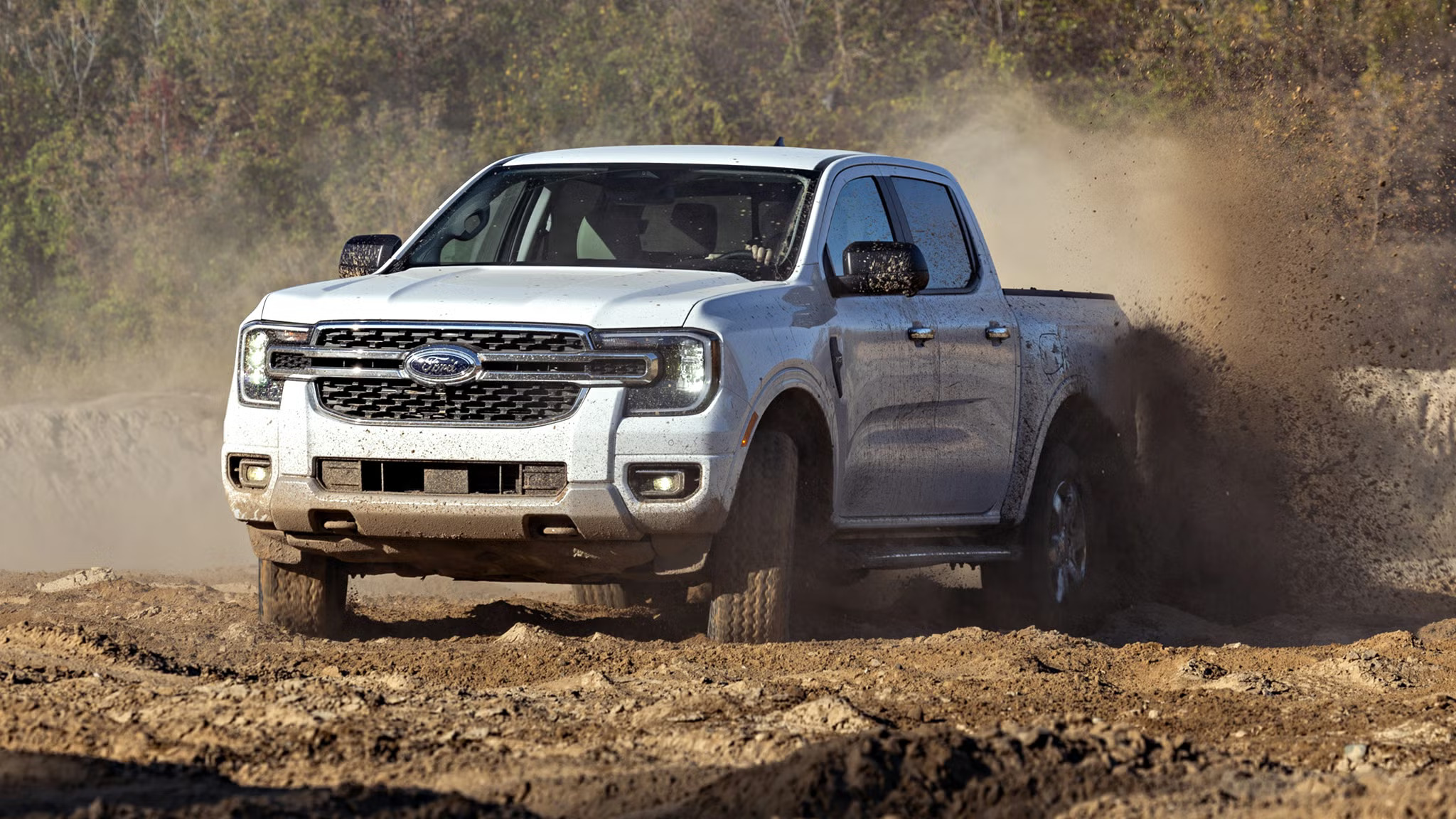
The Ford Ranger is another vehicle highly suitable for harbor work due to its combination of rugged construction and maneuverability. Its frame and suspension are built to withstand heavy cargo loads, making it ideal for transporting containers, machinery, or construction materials across dock areas.
Unlike smaller or more road-focused vehicles, the Ranger can maintain stability and traction on uneven or slippery surfaces common in ports, such as wet concrete or sand-covered ramps. Its responsive handling allows operators to navigate congested docks safely, reducing the risk of accidents in environments filled with moving forklifts, cranes, and cargo vehicles.
A major advantage of the Ranger is its attention to corrosion resistance. Key components, such as the underbody and exposed structural parts, are treated with protective coatings to limit rust caused by saltwater exposure. This is essential in harbor environments, where vehicles are regularly exposed to mist from seawater or high humidity.
The Ranger’s cabin and cargo areas are also designed to tolerate heavy use, with rubberized mats, durable seat materials, and straightforward layouts that make cleaning and maintenance easier. This focus on durability ensures the vehicle remains functional and presentable despite the demanding conditions of harbor operations.
The Ranger also excels in towing and payload performance. Its diesel engine options provide excellent low-end torque, ideal for moving heavy trailers or equipment without overheating the engine or putting excessive stress on the drivetrain.
This capability is important when working in ports where vehicles may need to transport boats, cranes, or other industrial equipment. Coupled with its off-road capable suspension system, the Ranger delivers both power and stability, ensuring consistent performance even under full loads or on challenging surfaces.
Reliability and maintenance accessibility make the Ranger particularly practical for harbor work. Its design emphasizes long-lasting performance, and Ford’s international network ensures that replacement parts and servicing expertise are widely available. This reduces downtime and keeps operations running smoothly, which is critical in fast-paced port environments. T
The Ford Ranger’s combination of durability, corrosion resistance, towing power, and operational flexibility makes it a top choice for professionals in mobile harbor operations.
3. Isuzu D-Max
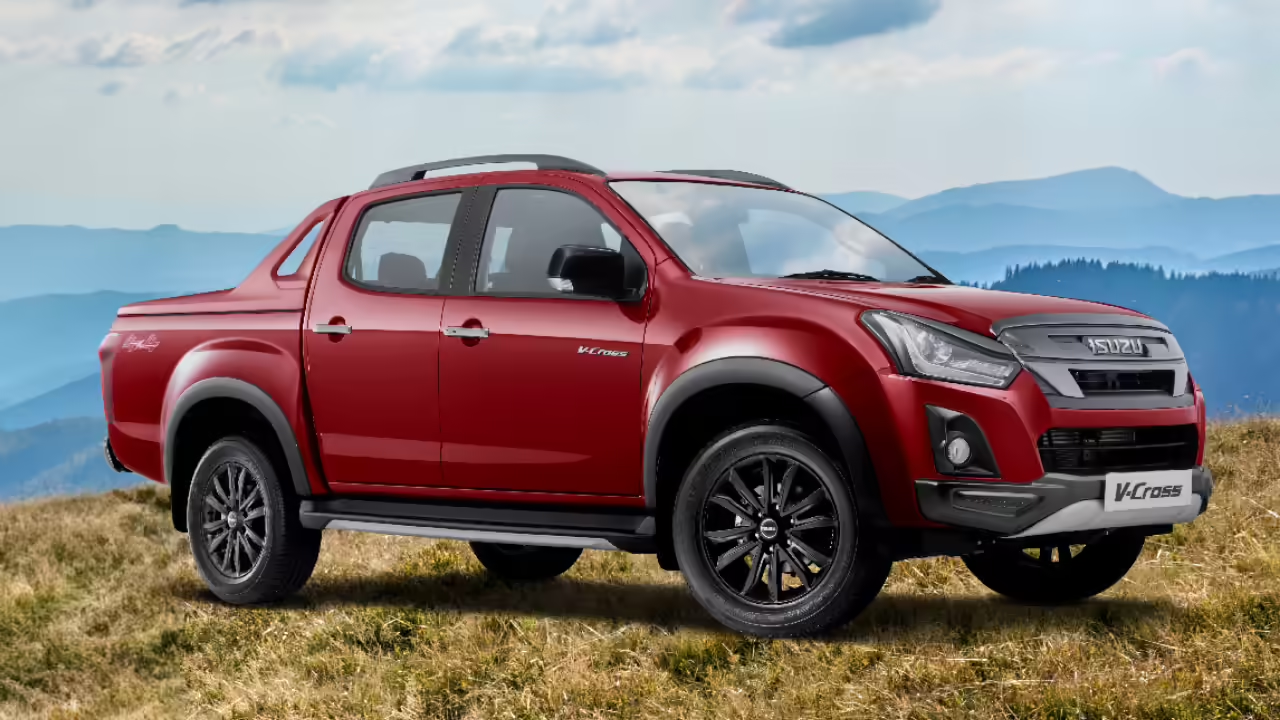
The Isuzu D-Max is a vehicle renowned for its reliability and toughness, making it a practical choice for heavy-duty harbor tasks. Its body-on-frame construction and reinforced suspension allow it to carry substantial cargo or equipment repeatedly without significant wear or sagging.
Harbor work often involves driving over uneven surfaces, ramps, and areas with debris, and the D-Max is engineered to handle such conditions with minimal maintenance issues. Its off-road capabilities, including strong traction and stability, provide a reliable solution for ports that require frequent movement across mixed terrain.
Corrosion resistance is a defining feature of the D-Max. Key components, including the chassis, underbody, and body panels, are treated to resist rust caused by exposure to saltwater and humid conditions. This feature is crucial in harbor operations, where vehicles are frequently exposed to seawater, moisture, and airborne salt particles.
The exterior is designed for durability, with high-strength panels that resist dents and damage, while interior materials are chosen to withstand frequent contact with wet or dirty cargo. This practical approach minimizes maintenance requirements and ensures the D-Max can remain operational for extended periods.
The D-Max also provides significant towing and payload capabilities. Diesel engines offer high torque at low speeds, which is essential for towing trailers, transporting heavy equipment, or moving other industrial vehicles.
This low-end power ensures the D-Max can perform intensive tasks without excessive wear on the engine or transmission. Its suspension and chassis design contribute to safety, providing a stable and smooth ride even under full loads or on uneven harbor surfaces.
Maintenance accessibility and cost efficiency further enhance the D-Max’s suitability. Its mechanical design is simple yet durable, making repairs straightforward and less expensive compared to other vehicles that rely on complex electronics or luxury features.
Parts availability is widespread, which is particularly useful for port areas with limited access to specialized automotive services. The Isuzu D-Max combines rugged durability, corrosion protection, towing performance, and cost-effective maintenance, making it a reliable asset for mobile harbor operations.
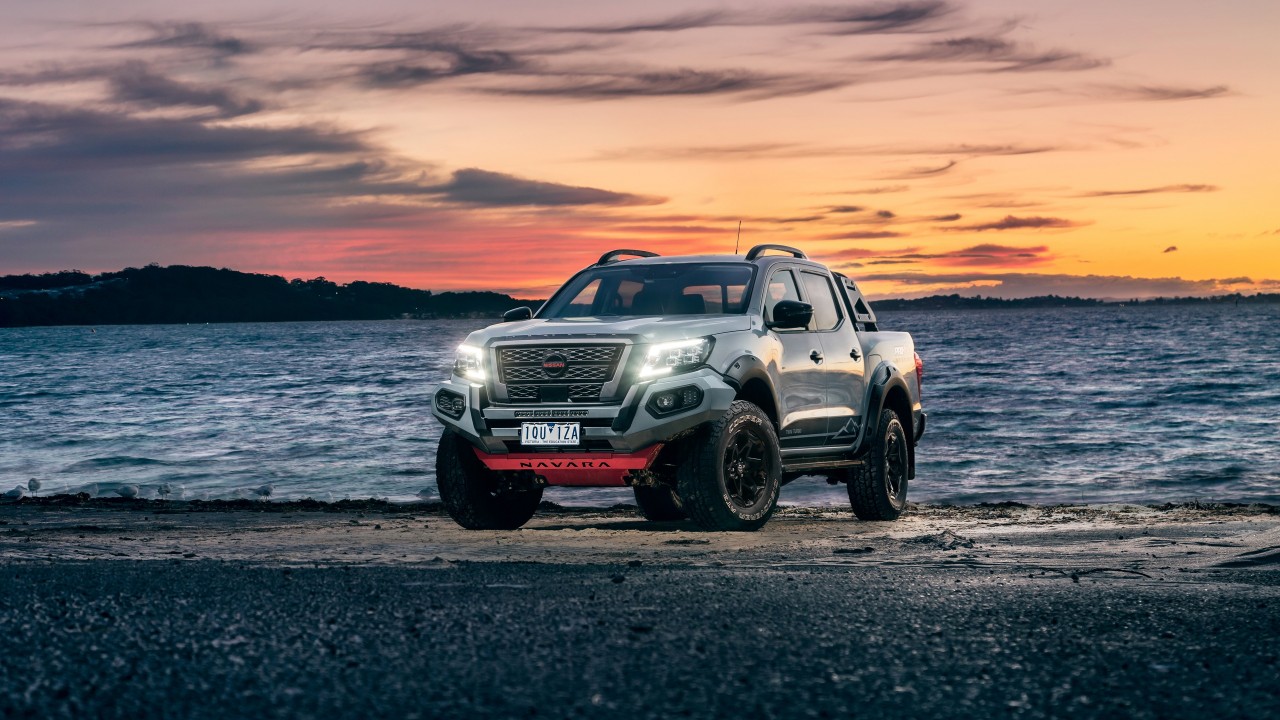
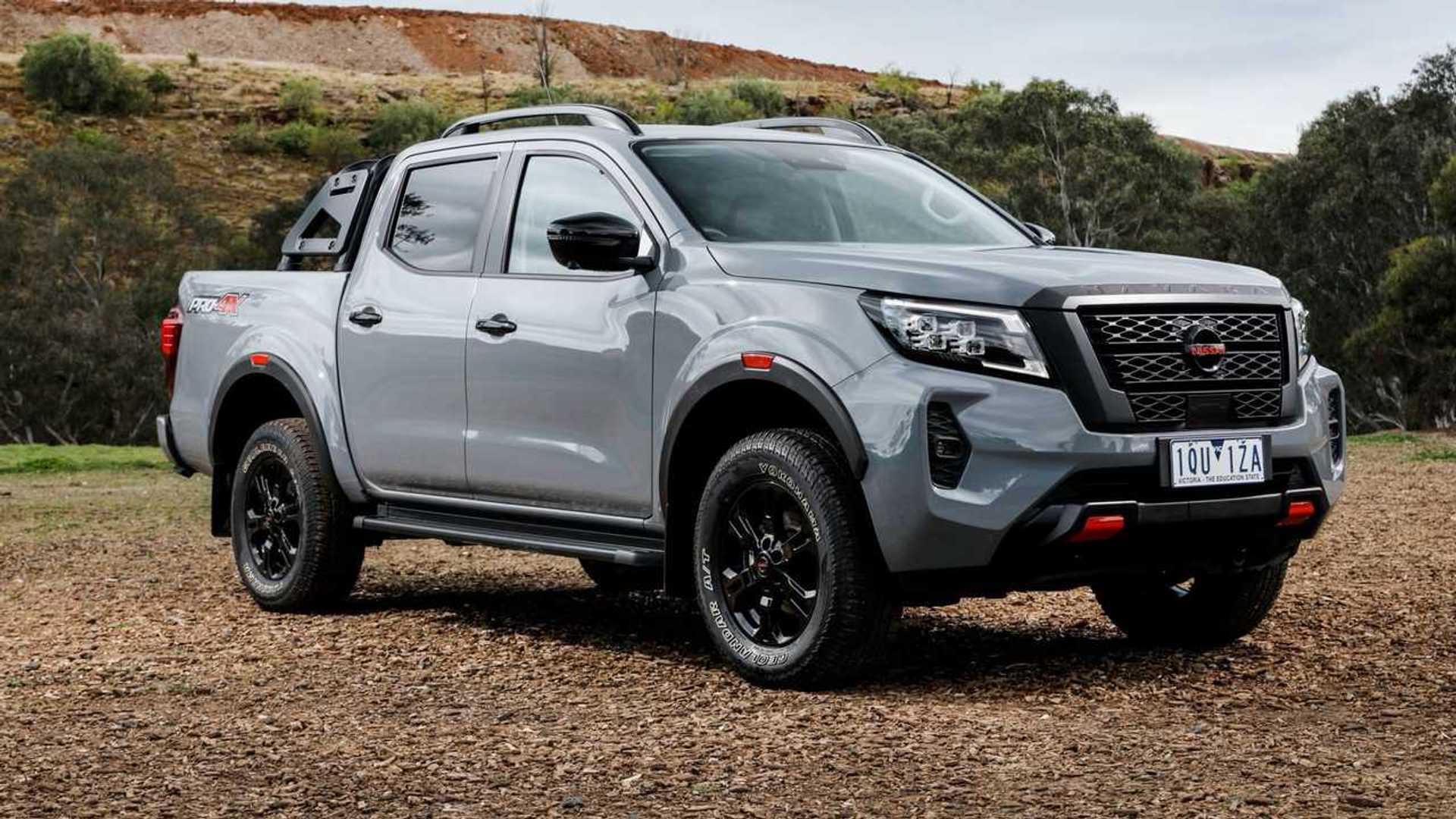
4. Nissan Navara
The Nissan Navara offers a strong combination of durability, performance, and corrosion resistance, making it well-suited for harbor operations. Its body-on-frame construction ensures that the vehicle can withstand heavy cargo loads, repeated stress, and uneven surfaces without compromising stability.
Harbor environments often involve transporting heavy containers, machinery, or construction materials, and the Navara is engineered to handle these tasks efficiently. Its suspension system is tuned to absorb shocks from rough terrain while maintaining comfort for the driver and cargo stability.
The Navara is also built with corrosion protection in mind. Many key structural components and underbody sections are coated to resist rust caused by saltwater exposure. This feature is particularly important in ports, where vehicles are exposed to mist, spray, or humid conditions.
Additionally, the vehicle’s exterior panels are designed to resist dents and scratches, which commonly occur during the loading and unloading of cargo. Inside the cabin, durable and easy-to-clean materials ensure the vehicle remains functional even after repeated exposure to dirt, water, or sand.
Towing capacity and payload strength make the Navara a practical choice for demanding tasks. Its engines provide sufficient torque for hauling trailers, transporting heavy loads, or towing boats, which is a common requirement in harbor settings.
The combination of strong low-end performance and a reinforced chassis ensures that the vehicle can manage heavy work without putting undue strain on mechanical components. Its off-road capabilities, including traction control and stability systems, further enhance its effectiveness in diverse harbor conditions.
Maintenance simplicity adds another layer of practicality. The Navara’s mechanical systems are straightforward, making repairs and servicing easier and more cost-efficient compared to vehicles with complex electronic systems. Its widespread availability ensures that parts and expertise are accessible, even in remote harbor areas.
With a balance of durability, corrosion resistance, towing performance, and practical design, the Nissan Navara remains a reliable choice for professionals working in mobile harbor operations.
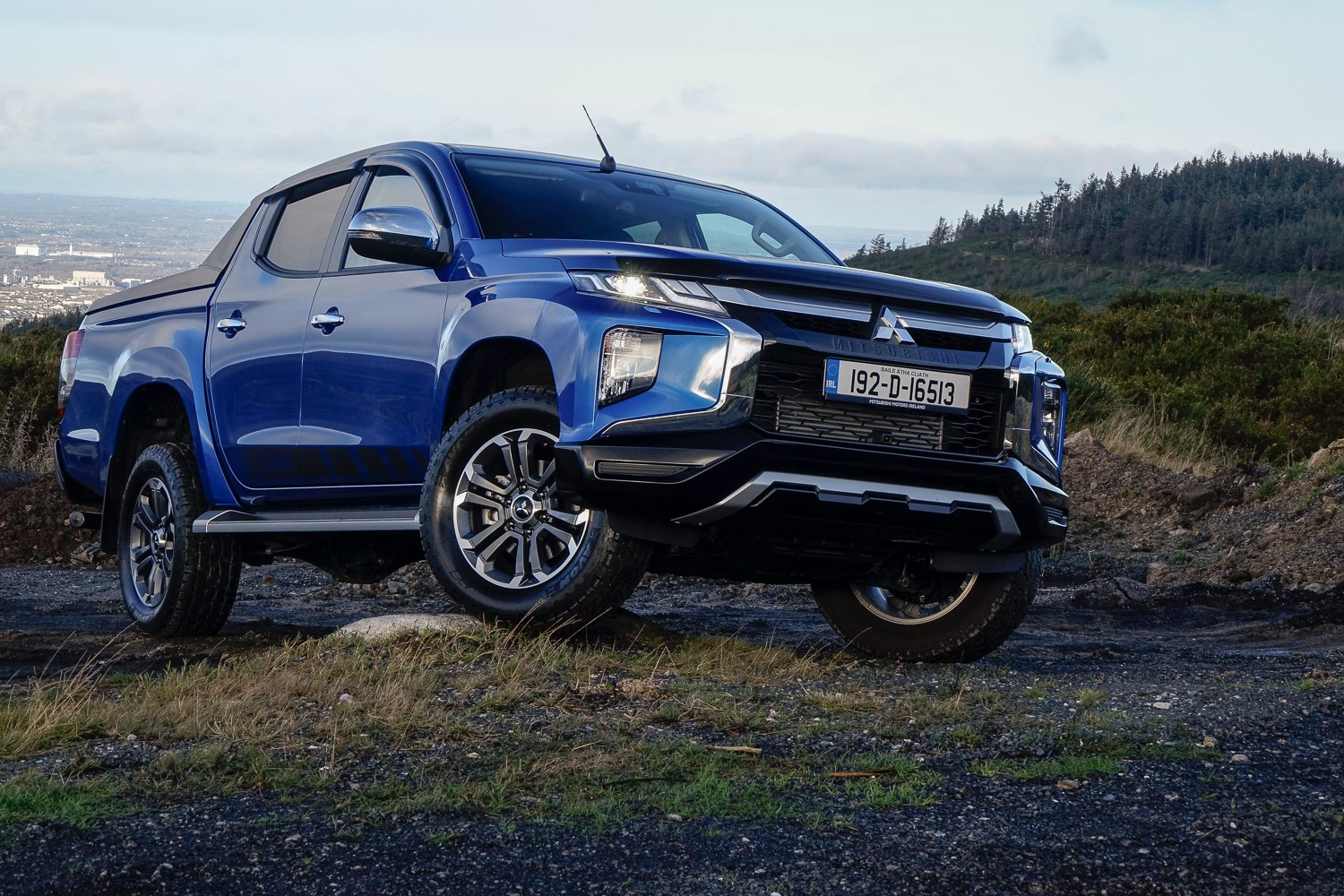
5. Mitsubishi L200
The Mitsubishi L200 is recognized for its strength, versatility, and ability to operate in challenging conditions, making it an excellent option for harbor work. Its body-on-frame construction and reinforced suspension enable it to carry heavy cargo and endure frequent use without compromising structural integrity.
The vehicle’s high ground clearance and off-road capabilities allow it to navigate docks, ramps, and uneven surfaces commonly found in port environments. This makes it a dependable work vehicle capable of performing multiple tasks without needing specialized modifications.
Corrosion protection is a major feature of the L200, as many structural components are treated to resist salt-induced rust. This is critical for vehicles exposed to coastal conditions or seawater regularly.
The exterior is constructed with materials that tolerate dents and abrasions, while the interior is designed with durable, water-resistant surfaces suitable for rugged work. These features reduce maintenance frequency and costs, ensuring the vehicle remains operational over extended periods even under harsh conditions.
The L200’s towing and payload capacities make it a functional choice for harbor tasks. Diesel engines provide high torque at low RPM, which is ideal for towing trailers, carrying heavy loads, or moving machinery around port areas.
Its suspension and chassis ensure stability and control, even on uneven or slippery surfaces, reducing the risk of accidents. The L200’s versatility allows it to serve multiple roles, from transporting equipment to towing small boats or trailers efficiently.
Maintenance and reliability are key strengths of the L200. Its mechanical simplicity allows for straightforward repairs without specialized tools, making it cost-effective to maintain. Parts are widely available, and the vehicle’s durable design ensures consistent performance even in harsh maritime conditions.
The combination of strength, corrosion resistance, towing capacity, and versatility makes the Mitsubishi L200 an outstanding option for mobile harbor work, where both performance and durability are essential.
5 Cars That Are Not Salt-Proof
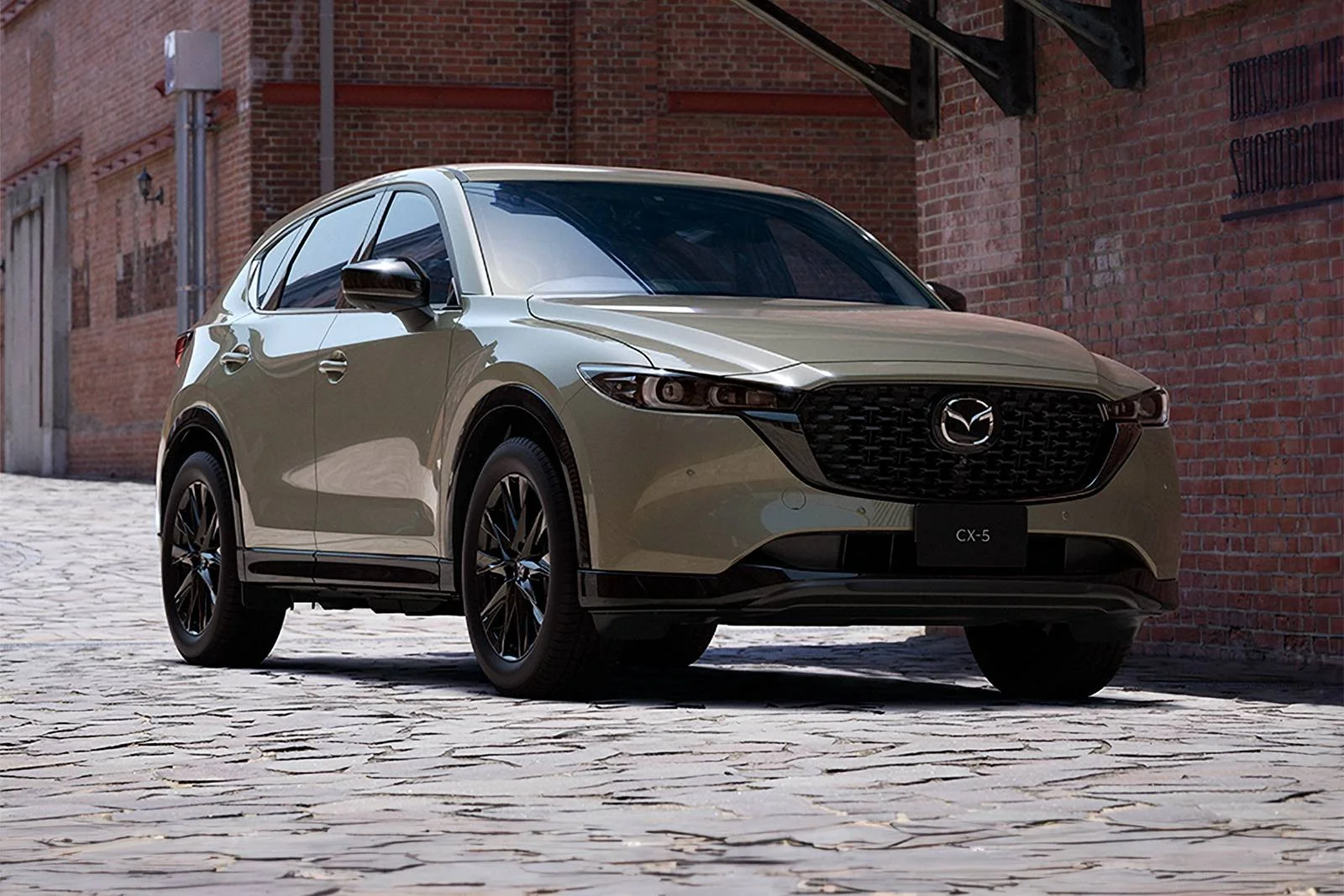
1. Mazda CX-5
The Mazda CX-5 is widely recognized for its sleek design, fuel efficiency, and comfortable driving experience, but it is not intended for heavy-duty work or harsh marine environments. Its unibody construction and thinner metal panels make it highly susceptible to corrosion, particularly in areas exposed to saltwater, humidity, and air-borne salt particles.
Over time, rust may develop on wheel arches, underbody panels, suspension components, and even around doors and seams, potentially compromising both safety and structural integrity. The materials used in the vehicle, while durable for city driving, are not reinforced against the chemical reactions that salt accelerates.
In addition to rust vulnerability, the CX-5’s suspension and chassis are designed for urban and suburban roads rather than carrying heavy cargo or towing large loads. Harbor operations often involve uneven surfaces, frequent stops, and heavy lifting, which can put stress on components that were not engineered for such conditions.
Over time, this stress can lead to premature wear of the suspension, brakes, and underbody elements, making the CX-5 less reliable in industrial work environments.
Interior materials also pose limitations in salty or wet conditions. While Mazda uses quality fabrics and finishes, they are designed for comfort rather than industrial durability.
Exposure to moisture, mud, or seawater residue can degrade fabrics, cause odors, and even damage electronic systems if water intrusion occurs. Frequent cleaning and protective treatments are required to maintain the vehicle’s interior, which adds operational complexity in a harbor setting.
Although the CX-5 is excellent for everyday commuting and family use, it falls short in environments where corrosion and heavy-duty performance are critical. Long-term exposure to salty, wet conditions would necessitate extensive maintenance and repairs, making it an impractical choice for mobile harbor work.
Those seeking reliability and durability in marine-adjacent tasks should consider vehicles specifically engineered for such conditions rather than relying on standard SUVs like the CX-5.
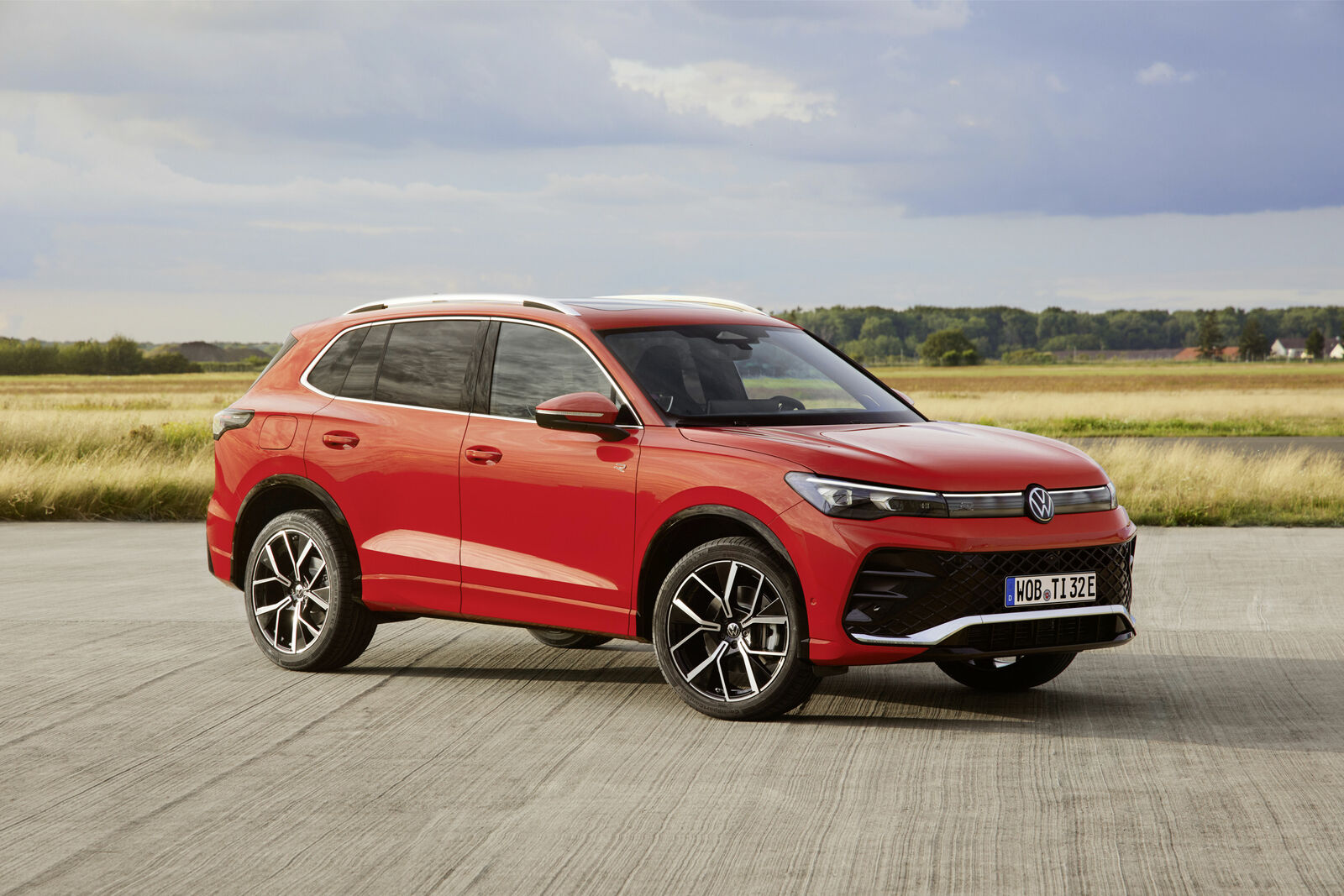
2. Volkswagen Tiguan
The Volkswagen Tiguan is designed with style, performance, and comfort in mind, but its suitability for industrial or marine environments is limited. Its unibody construction and lack of extensive rust-proofing make it vulnerable to corrosion when exposed to saltwater, coastal air, or wet conditions typical of harbor work.
Rust tends to appear first in wheel wells, underbody areas, suspension mounts, and lower door panels, gradually spreading and potentially weakening structural components. Without proactive protective measures, the Tiguan’s lifespan in such environments can be significantly shortened.
Mechanically, the Tiguan is built for smooth urban and highway driving, not for heavy towing or transporting industrial loads. Harbor tasks often require hauling trailers, carrying equipment, or navigating uneven or slippery surfaces, which places stress on the vehicle’s suspension, brakes, and drivetrain. The Tiguan’s components may wear out faster under such conditions, leading to potential safety concerns and higher maintenance costs.
The interior of the Tiguan is designed for passenger comfort and aesthetics rather than rugged utility. Materials like leatherette or soft fabrics can absorb moisture and become damaged if exposed to water, mud, or salt residue.
Electronic components, such as infotainment systems and sensors, are also susceptible to corrosion or malfunction in humid, salty conditions, which can further complicate maintenance and repair.
While the Volkswagen Tiguan performs admirably in everyday driving and long-distance travel, it is not engineered to handle prolonged exposure to marine environments.
In harbor settings, where vehicles must endure heavy loads, corrosive air, and frequent wet conditions, the Tiguan’s vulnerabilities make it an impractical option for long-term, reliable performance. For industrial tasks in salty or wet conditions, vehicles with reinforced underbodies and corrosion-resistant features are far more suitable.
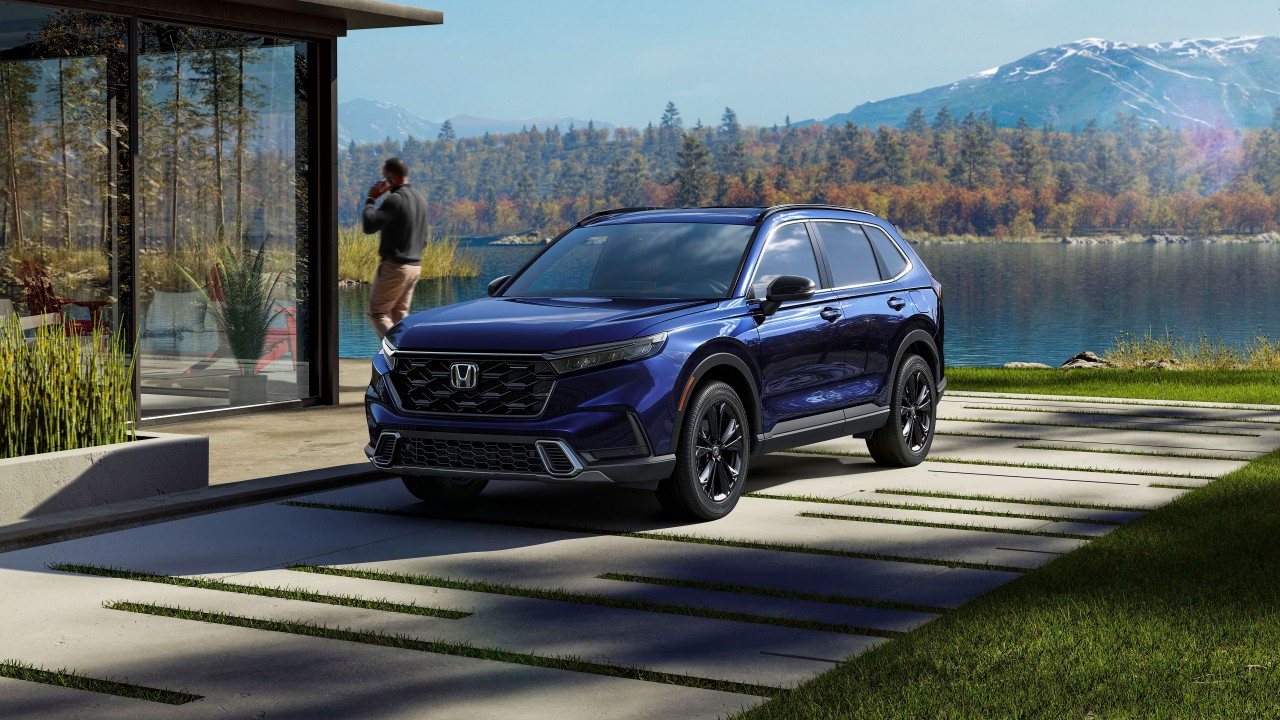
3. Honda CR-V
The Honda CR-V is celebrated for its reliability, fuel efficiency, and smooth driving experience, but it is not designed to withstand the harsh, salty conditions common in harbors. Its unibody frame and thinner metal panels make it highly prone to rust when exposed to seawater, salt spray, or high humidity.
Rust commonly develops in wheel wells, the undercarriage, and lower door edges, which can compromise structural integrity over time. Even with regular cleaning, the CR-V’s design does not provide the corrosion resistance needed for industrial or marine-adjacent work.
Suspension, drivetrain, and braking components in the CR-V are engineered for light passenger loads rather than heavy-duty hauling or towing. Harbor work involves repeated starts and stops, carrying equipment, or towing small trailers, which can overstress these components. Over time, this can lead to premature wear, reduced performance, and increased repair costs, making the CR-V unsuitable for sustained industrial use.
Interior materials are also vulnerable in wet or salty conditions. While Honda uses durable fabrics and finishes for daily driving, they are not intended for regular contact with moisture, mud, or salt residue.
Prolonged exposure may result in material degradation, staining, or even electrical issues if water penetrates sensitive systems. Protecting the vehicle from environmental damage requires additional care and resources.
The CR-V excels as a family or commuter vehicle, but its lack of corrosion protection and heavy-duty durability makes it a poor choice for harbor work. Exposure to salt, water, and heavy loads will likely result in rust, mechanical issues, and higher maintenance costs, highlighting the need for vehicles specifically engineered to endure these challenging conditions.
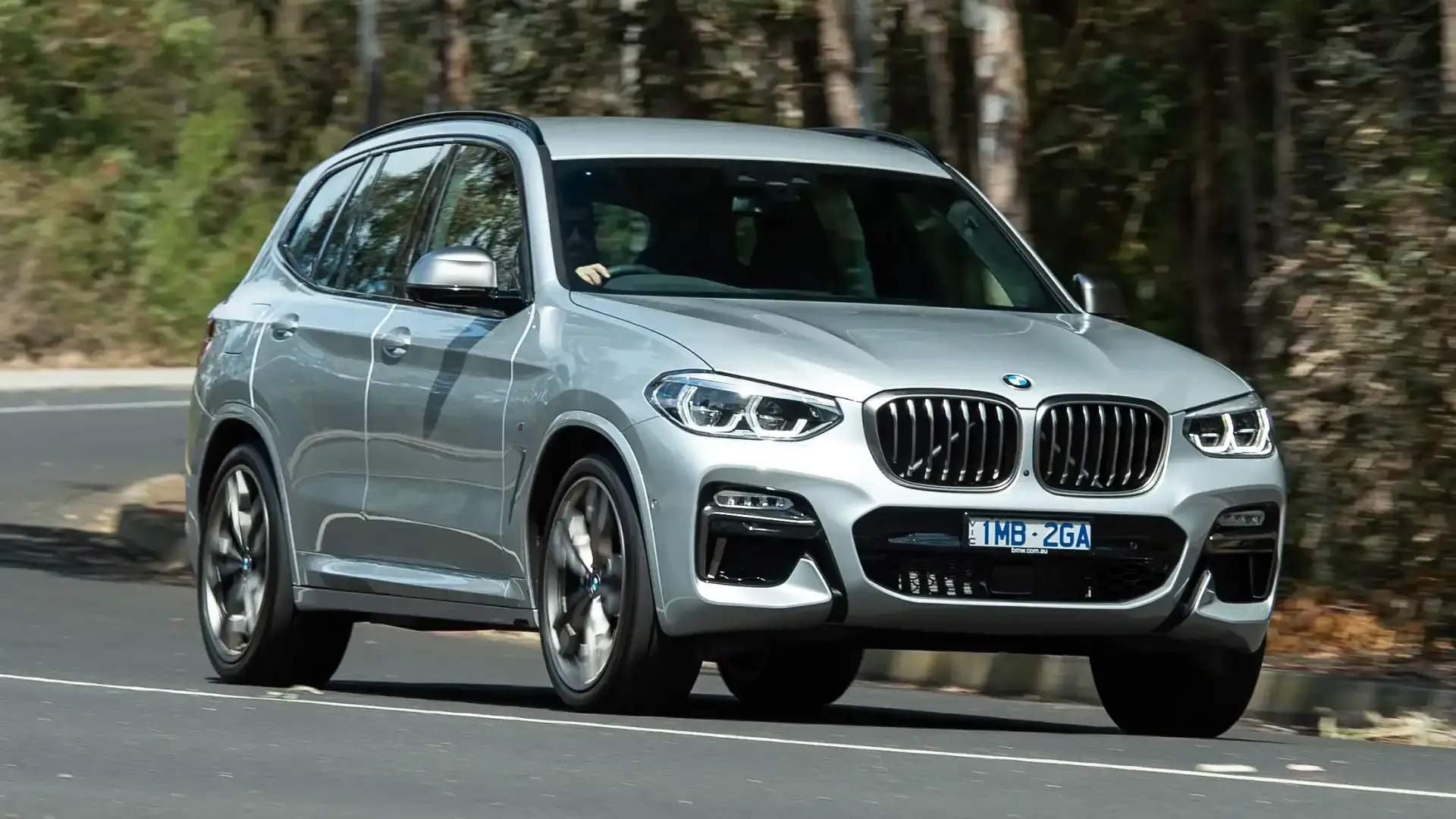
4. BMW X3
The BMW X3 is a luxury SUV that emphasizes performance, comfort, and handling, but it is not suitable for environments with high salt exposure or industrial work requirements. Its aluminum and steel construction, while providing a light and responsive ride, is vulnerable to corrosion in coastal or harbor settings.
Salt can accumulate in hidden areas such as suspension mounts, underbody panels, and wheel arches, accelerating rust development and potentially compromising structural integrity. Without consistent protective maintenance, the X3’s longevity in such conditions is limited.
The X3’s chassis and suspension are tuned for smooth handling on roads, not for towing or carrying heavy industrial loads. Harbor environments often require repeated heavy use, uneven surfaces, and transportation of heavy cargo, which can overstress components not designed for such workloads.
Over time, mechanical wear, decreased reliability, and potential failures become a concern, reducing the vehicle’s practicality in work-intensive settings.
Interior and electronic components of the X3 are sophisticated and sensitive. Materials such as leather, electronic controls, and infotainment systems can be negatively affected by exposure to moisture, salt residue, or dirt. Maintenance and repair in these areas can be expensive, making the vehicle less practical for industrial or marine environments where water and grit are common.
While the BMW X3 provides excellent luxury and performance for urban and highway driving, it is ill-suited for mobile harbor work.
Its lack of corrosion-resistant design and heavy-duty durability, combined with sensitive interiors, makes it prone to accelerated deterioration in salty, industrial environments. For work that involves frequent exposure to salt and heavy loads, a more rugged and protected vehicle is required.
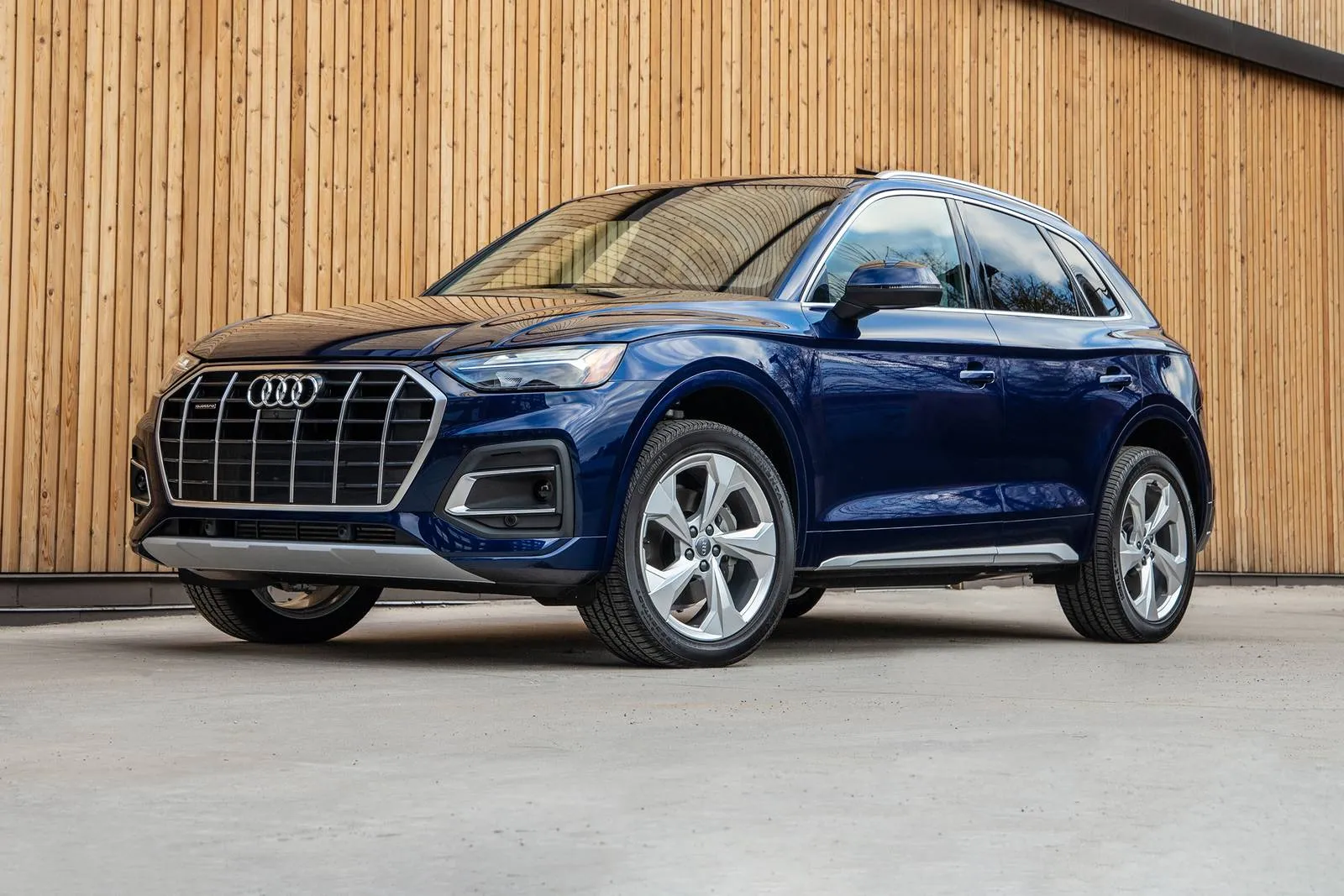
5. Audi Q5
The Audi Q5 is a premium SUV designed with comfort, technology, and driving refinement in mind rather than industrial durability. Its steel and aluminum components can be affected by saltwater and humid coastal conditions, leading to rust on underbody sections, wheel arches, and suspension parts.
Over time, this corrosion can impact both the structural integrity and aesthetic appeal of the vehicle. The Q5 lacks the corrosion-resistant treatments found in vehicles built for heavy-duty harbor work, making it vulnerable in marine environments.
Mechanically, the Q5 is not designed for towing heavy loads or transporting industrial equipment regularly. Its suspension, chassis, and braking systems are optimized for smooth performance rather than repetitive heavy-duty use.
Harbor tasks, which involve uneven surfaces, ramps, and carrying cargo, place stress on these systems and can lead to premature wear, higher maintenance costs, and potential safety risks.
Interior components and electronics are also less durable in harsh environments. High-end materials, sensitive controls, and infotainment systems can degrade when exposed to moisture, salt residue, or dirt. This makes cleaning and maintenance more demanding and increases the risk of long-term damage if the vehicle is used in marine-adjacent or industrial conditions regularly.
While the Audi Q5 offers an excellent driving experience in city and highway conditions, it is not suitable for salt-exposed environments like harbors.
Its lack of corrosion resistance, heavy-duty durability, and protective underbody features make it prone to rust and mechanical wear when exposed to water and salt. For reliable long-term use in harsh conditions, a purpose-built vehicle with industrial-grade corrosion protection is necessary.
