
Four-cylinder motorcycles occupy a distinctive place in motorcycling because they balance smooth power delivery, mechanical refinement, and long-term reliability in a way few other engine layouts can match.
For many riders, a four-cylinder engine represents a step into a more polished riding experience, where vibration is reduced, throttle response is predictable, and power builds in a controlled and linear manner.
Historically, these engines were often associated with premium sport motorcycles or high-priced performance machines, which created the perception that four-cylinder ownership was reserved for riders with large budgets. Over time, manufacturing efficiencies, shared platforms, and global market competition have changed that industry significantly.
By 2026, the motorcycle industry will continue to adapt to rising costs, emissions regulations, and shifting consumer expectations. Manufacturers have learned how to offer accessible four-cylinder motorcycles by simplifying electronics, using proven engine designs, and focusing on practical performance rather than extreme output.
This approach has allowed several models to remain relatively affordable while still delivering the characteristics that make four-cylinder engines appealing. These motorcycles are not designed to intimidate or overwhelm. Instead, they focus on approachability, daily usability, and mechanical longevity.
Affordability in this context does not mean compromise in core quality. Many of the least expensive four-cylinder motorcycles still feature fuel injection, liquid cooling, durable transmissions, and chassis designs refined over many years. What they often omit are high-end suspension components, advanced rider aids, or cutting-edge electronics.
For a rider who values consistency, mechanical smoothness, and predictable behavior, these omissions are often acceptable trade-offs.
This article presents ten of the least expensive four-cylinder motorcycles expected to be available or relevant in 2026. Each model is discussed in detail with attention to engine character, riding ergonomics, maintenance expectations, and ownership appeal.
The goal is not to promote purchasing decisions, but to provide structured information that explains why these motorcycles exist, who they tend to suit, and how they fit within the broader space of affordable motorcycling. Safety awareness, responsible riding, and informed decision-making remain central considerations throughout the discussion.
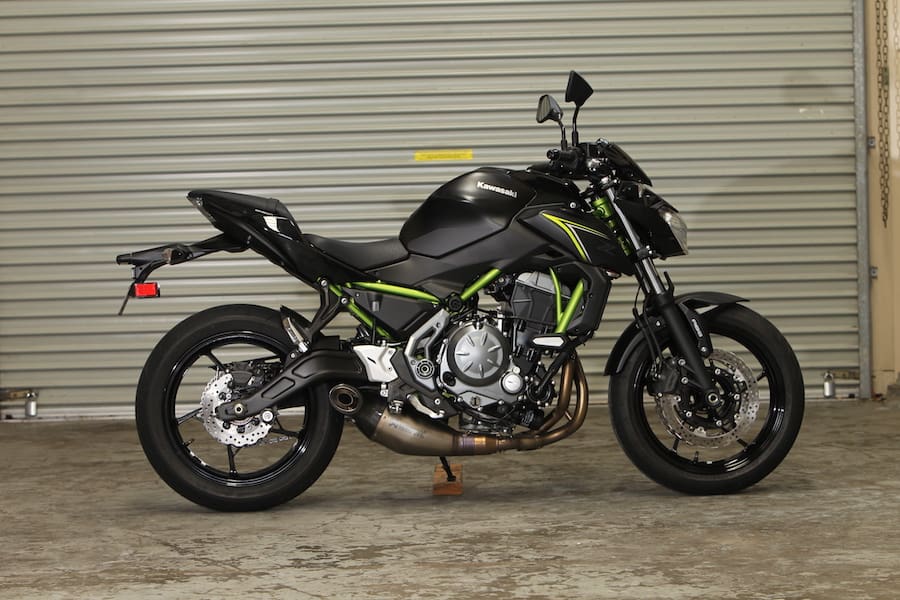
1. Kawasaki Ninja ZX-25R
The Kawasaki Ninja ZX-25R stands out as a distinctive choice among affordable four-cylinder motorcycles because of its unique combination of small displacement and high-revving engineering.
Its engine, although compact at 249cc, produces a characteristically lively power output that feels more like a larger sportbike due to the four-cylinder layout.
Riders experience smooth and linear acceleration as the revs climb, which encourages careful gear selection and attention to throttle control.
Unlike traditional single or twin-cylinder motorcycles, the ZX-25R maintains mechanical harmony across its range, delivering an auditory experience that is as exciting as it is refined.
This engine design allows riders to enjoy a full four-cylinder experience without the intimidating power of larger motorcycles, making it ideal for both beginners and experienced riders who want something manageable yet thrilling.
The chassis complements the engine by providing precise handling and responsiveness. Kawasaki designed the ZX-25R with a compact frame that emphasizes agility and cornering capability, particularly suited for urban streets or winding roads.
The motorcycle’s weight distribution ensures that steering feels direct without being twitchy, while braking performance remains predictable under everyday riding conditions.
Suspension components are tuned to absorb road imperfections and provide stability during spirited riding, striking a balance between sportiness and comfort. For riders, this combination of engine and chassis makes the ZX-25R a machine that encourages confidence while offering an authentic four-cylinder experience in a smaller, lighter package.
Affordability in the ZX-25R comes from deliberate design choices rather than compromises on engine quality. Kawasaki limits the inclusion of premium electronics and advanced rider aids, focusing instead on the core mechanical reliability and high-revving fun.
The absence of overly complex systems reduces production costs and ensures that maintenance remains straightforward, a factor that contributes significantly to the motorcycle’s appeal.
Even so, riders still benefit from essential features such as a simple traction control system and selectable ride modes, which provide flexibility without overwhelming the user with unnecessary options.
Long-term ownership is therefore more manageable, making the motorcycle an attractive option for those who want a sophisticated engine without a prohibitive price.
In 2026, the ZX-25R continues to attract attention for its combination of approachability and performance. Its compact size makes it less intimidating than larger sportbikes, while the four-cylinder engine provides a level of refinement rarely found at this price point.
Riders looking for a machine that encourages precise riding, delivers a high-revving thrill, and remains practical for daily use will find the ZX-25R compelling. Its enduring popularity reflects Kawasaki’s understanding of how to offer a complete four-cylinder experience without overwhelming either new or budget-conscious riders.
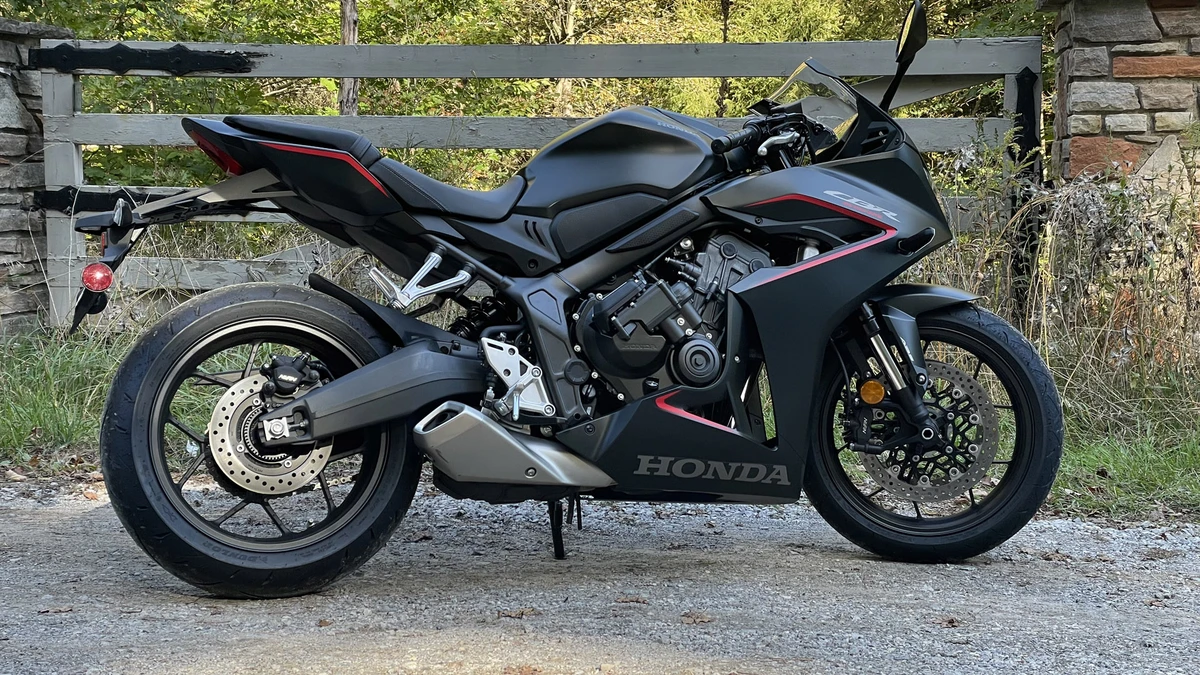
2. Honda CBR650R
The Honda CBR650R offers a middle ground between high-performance supersport motorcycles and smaller entry-level bikes. Its four-cylinder engine is tuned to provide smooth, linear power that is accessible across a wide range of speeds.
Unlike extreme sport motorcycles that demand constant attention to throttle and gear selection, the CBR650R encourages a calm, controlled riding style while still delivering excitement when pushed.
The midrange torque is strong enough to support confident overtaking on highways, yet the top-end performance remains manageable, which is ideal for riders who want versatility without the anxiety of overwhelming acceleration. Its four-cylinder engine also benefits from Honda’s proven reliability, making it a dependable choice for long-term ownership.
The ergonomics of the CBR650R reflect Honda’s careful balancing of comfort and sportiness. The motorcycle adopts a semi-sport riding posture, with handlebars positioned to reduce wrist strain while maintaining rider engagement.
The seat height is designed to suit a broad range of riders, including those of average height, and the footpeg placement allows for a comfortable bend in the knees without compromising control.
This makes the bike suitable for daily commuting, weekend trips, and spirited rides alike. The suspension is tuned to offer predictable handling, softening bumps while providing stability during faster riding, which makes the motorcycle feel well-balanced in multiple riding scenarios.
Affordability in the CBR650R is achieved through Honda’s focus on gradual development rather than constant reinvention. The engine platform has evolved, allowing the company to refine performance characteristics without introducing costly new technology.
This strategy reduces production costs and keeps maintenance predictable, as replacement parts are widely available and simple to service. Honda’s dedication to quality control and reliability ensures that riders can expect fewer unexpected issues, making the motorcycle an economically sensible choice for those entering the four-cylinder segment without a massive budget.
By 2026, the CBR650R continues to hold appeal due to its coherent design philosophy. Riders benefit from an accessible four-cylinder engine, a versatile chassis, and ergonomic features that accommodate a variety of uses.
Rather than focusing purely on aggressive performance, the motorcycle delivers a balanced package that encourages confidence, reduces fatigue during longer rides, and provides predictable maintenance costs. Its position as one of the least expensive four-cylinder motorcycles is justified by its thoughtful engineering and Honda’s commitment to combining reliability with accessible performance.
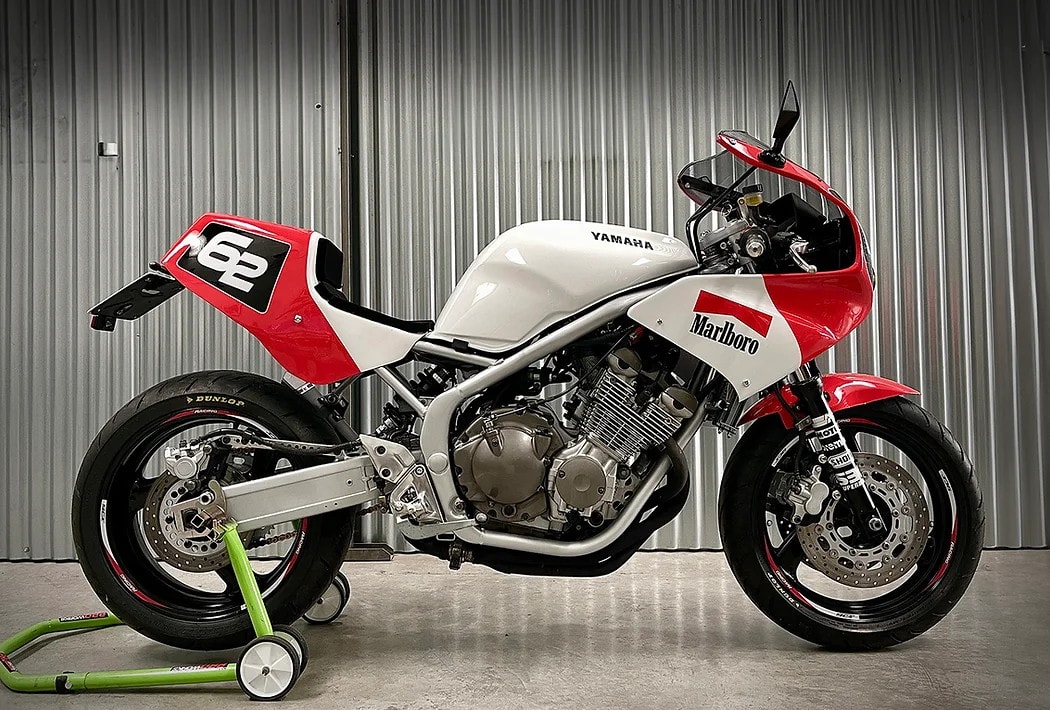
3. Yamaha XJ6 Diversion
The Yamaha XJ6 Diversion exemplifies practicality in a four-cylinder format, offering smooth engine behavior and predictable handling at an affordable price. The engine is designed to emphasize control rather than aggressive output, producing smooth torque that makes it easy to manage in city traffic or on longer journeys. Its midrange power delivery ensures that riders can accelerate confidently without worrying about abrupt or jerky responses from the throttle.
The four-cylinder design also contributes to reduced vibration, improving comfort during extended rides and making the XJ6 Diversion an approachable option for both new and experienced riders who value consistency and mechanical refinement.
Ergonomics play a significant role in the XJ6 Diversion’s appeal. The upright riding position allows riders to maintain excellent visibility in traffic and reduces strain on the back and wrists. Footpeg placement encourages a relaxed knee angle, supporting comfortable riding over longer distances.
Suspension tuning favors comfort over sharp handling, absorbing minor road imperfections effectively and reducing fatigue during daily commutes. While the motorcycle does not compete with high-performance sportbikes in cornering or top-end speed, it excels in providing a forgiving and stable ride that promotes confidence for riders at all skill levels.
Yamaha controls costs through simplicity in the XJ6 Diversion’s design. The motorcycle avoids unnecessary electronics and focuses on durable mechanical components. The engine’s construction is straightforward and has a long production history, ensuring both reliability and widespread availability of replacement parts.
Regular maintenance is uncomplicated, which is appealing for budget-conscious riders who do not want to spend excessive amounts on servicing or repairs. By focusing on essential features and proven technology, Yamaha creates a motorcycle that delivers smooth four-cylinder performance without a premium price tag.
In 2026, the XJ6 Diversion remains relevant as an entry point into four-cylinder ownership for those who prioritize functionality and predictability. Riders seeking a motorcycle that balances affordability, comfort, and mechanical smoothness will find the XJ6 Diversion to be a practical and sensible option.
Its approachable nature makes it particularly suitable for riders navigating urban environments or seeking an economical daily machine, demonstrating that four-cylinder engines can be accessible without unnecessary complexity or cost.
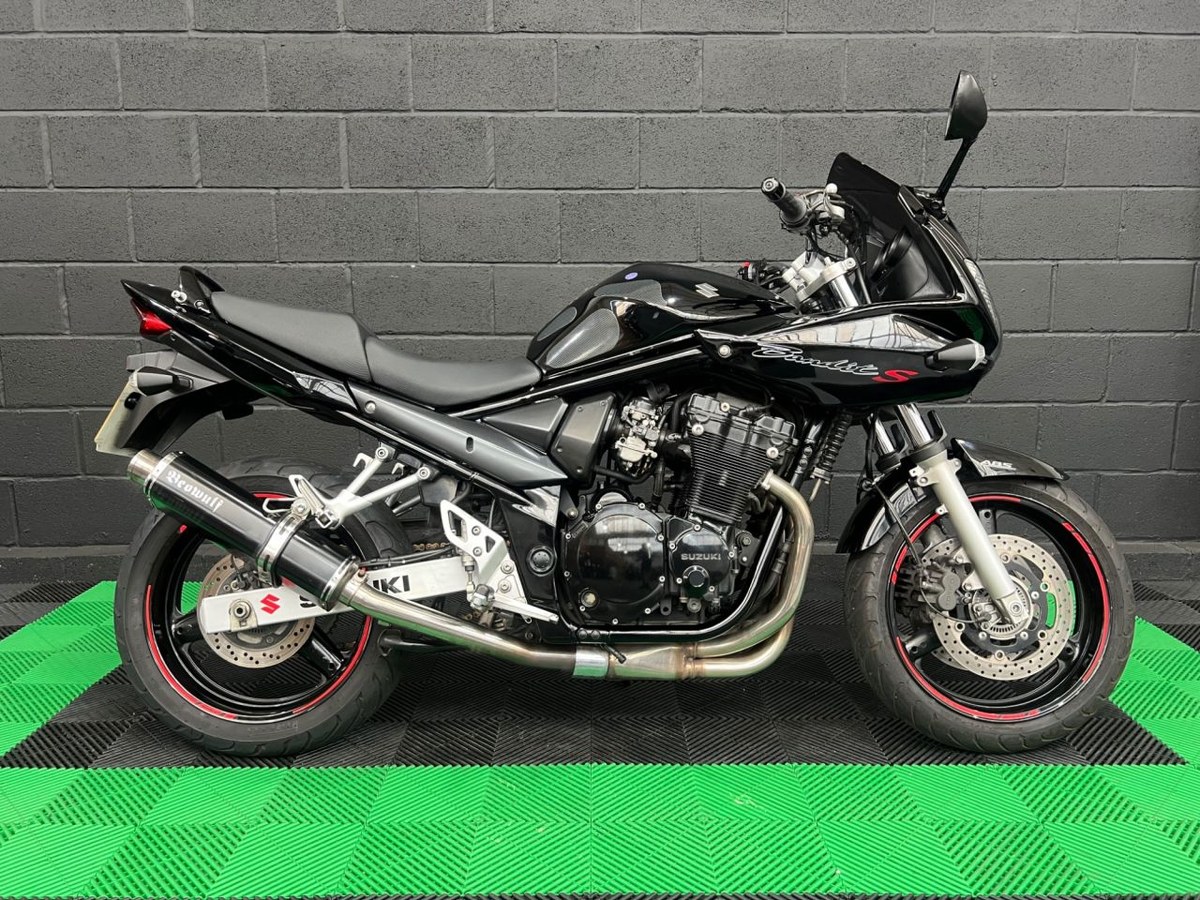
4. Suzuki Bandit 650
The Suzuki Bandit 650 has earned a reputation for delivering dependable, straightforward four-cylinder performance at a reasonable cost. Its engine is tuned to provide consistent low and midrange power, which enhances usability for everyday riding.
Acceleration feels controlled and predictable, allowing riders to navigate city streets, highways, and winding roads without feeling overpowered. Unlike high-strung sport motorcycles, the Bandit’s four-cylinder engine encourages smooth operation, reducing fatigue and enhancing comfort during longer rides. The mechanical layout also prioritizes durability, giving riders confidence in both performance and long-term reliability.
The Bandit’s chassis reinforces the motorcycle’s focus on stability and practicality. The frame is designed to support a neutral and balanced riding position, allowing the rider to sit comfortably for extended periods without strain. Steering geometry is predictable, offering consistent feedback and control during cornering and braking.
While the suspension lacks the adjustability found on higher-priced sport motorcycles, it effectively absorbs bumps and maintains composure, making the motorcycle a versatile choice for commuting, touring, or casual sport riding. This emphasis on real-world usability helps the Bandit remain relevant in a competitive market.
Affordability is further reinforced by Suzuki’s use of proven engineering and minimal reliance on costly new technologies. The Bandit 650 utilizes a mature engine platform with parts that are widely available and straightforward to service.
Routine maintenance tasks such as oil changes, valve adjustments, and brake servicing are simple, reducing both cost and technical complexity for the owner. By emphasizing reliability and practical performance, Suzuki positions the Bandit as a budget-friendly alternative to more expensive four-cylinder sportbikes.
In 2026, the Bandit 650 remains an attractive choice for riders seeking a balance between performance, reliability, and cost. Its focus on usable power, comfort, and predictable handling demonstrates that affordability does not require sacrificing core engineering quality. Riders looking for a versatile motorcycle that performs well in everyday scenarios while still offering the refinement of a four-cylinder engine will find the Bandit 650 to be a sensible and enduring option.
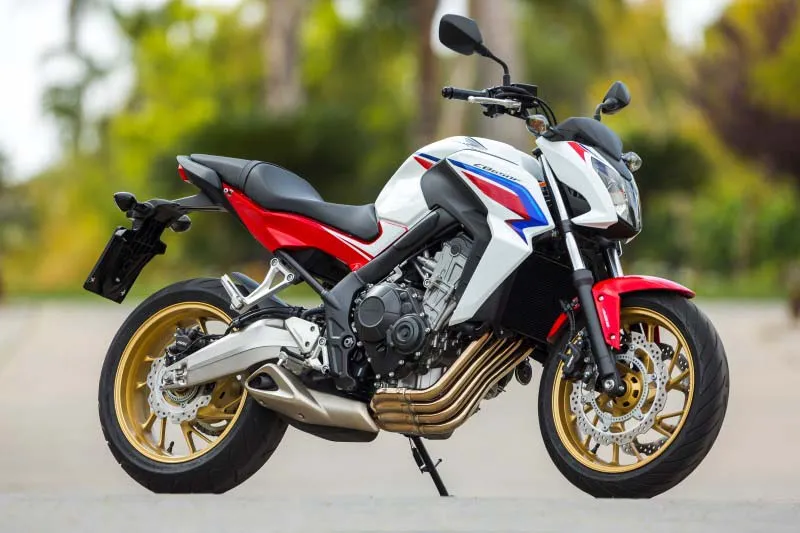
5. Honda CB650F
The Honda CB650F represents a naked motorcycle approach to four-cylinder engines, offering mechanical smoothness in a simplified, practical form. The absence of extensive fairings highlights the engine as the central component, both visually and functionally.
Its four-cylinder engine delivers predictable and linear power, making acceleration controlled and manageable across a broad range of speeds. Riders benefit from smooth throttle response, minimal vibration, and a stable engine character that encourages confidence during longer rides or in urban traffic. Despite lacking extreme top-end performance, the CB650F’s engine provides sufficient power for overtaking, highway cruising, and spirited rides.
Ergonomically, the CB650F prioritizes comfort and approachability. The upright seating position provides excellent visibility and reduces strain on the back, shoulders, and wrists, making it well-suited for extended riding sessions.
Footpeg placement and handlebar reach are designed to accommodate riders of various sizes, offering a neutral posture that is neither aggressive nor overly relaxed. The suspension is tuned for balanced performance, providing adequate damping while maintaining stability during cornering and braking. This combination makes the motorcycle a versatile option for commuting, weekend trips, or casual touring.
Honda’s manufacturing strategy contributes to the CB650F’s affordability. Components are shared with other Honda models, and the engine platform is the result of gradual refinement over multiple production cycles. This reduces development costs and ensures reliability while maintaining performance standards.
Routine servicing is straightforward, and replacement parts are widely available, which lowers long-term ownership expenses. By focusing on core engineering principles rather than premium materials or unnecessary technology, Honda creates a motorcycle that delivers four-cylinder refinement at a reasonable price.
By 2026, the CB650F continues to appeal to riders who value mechanical reliability, comfort, and balanced performance. Its naked design and practical ergonomics make it approachable for a wide range of users, while its four-cylinder engine ensures smooth and predictable power delivery.
This combination of features allows the CB650F to remain an accessible and appealing option among affordable four-cylinder motorcycles, offering a reliable alternative for riders seeking both refinement and practicality.
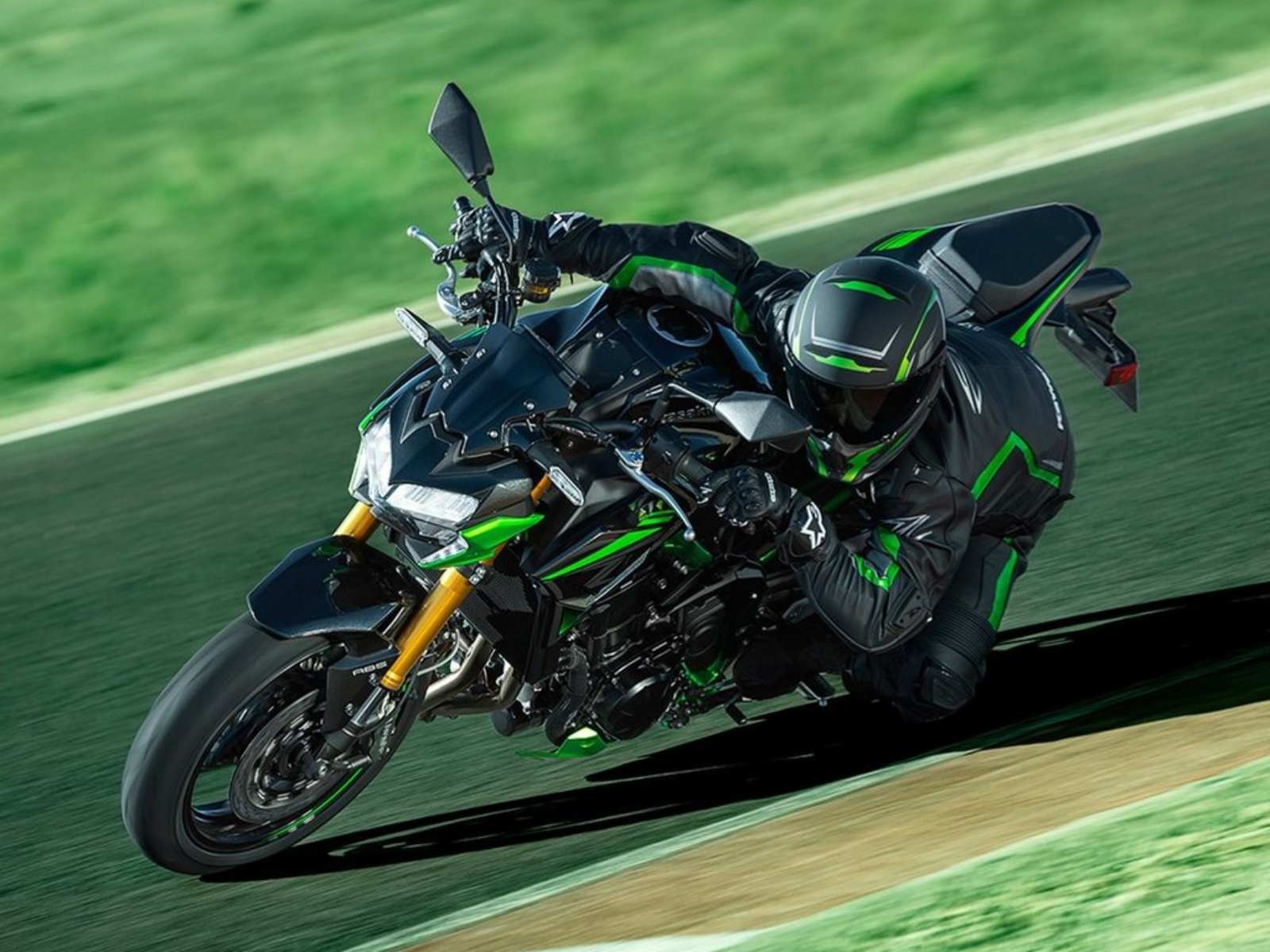
6. Kawasaki Z900 RS Four Variant
The Kawasaki Z900 RS four-cylinder variant combines retro styling with modern engineering, creating a motorcycle that balances aesthetic appeal with functional performance. Its four-cylinder engine is derived from a proven platform, tuned to provide smooth, linear power delivery rather than extreme acceleration.
Riders experience a steady and manageable increase in power across the rev range, which encourages a calm and controlled riding style while still providing sufficient excitement when pushed. This balance makes it suitable for urban commuting, weekend rides, or longer journeys, allowing the motorcycle to appeal to riders who appreciate both style and practicality in a four-cylinder package.
Affordability in the Z900 RS Four is maintained through careful platform sharing and the inclusion of only essential electronics.
By leveraging components from existing Kawasaki models, production costs are minimized while reliability remains high. The motorcycle features simplified electronic aids, which provide safety without increasing complexity or maintenance costs.
Mechanical simplicity also translates to long-term serviceability, allowing owners to perform routine maintenance with confidence and at a reasonable cost. This approach ensures that the motorcycle delivers the four-cylinder experience at a price that remains competitive within its category.
In 2026, the Z900 RS Four continues to appeal to riders who value classic design, smooth engine performance, and mechanical reliability. Its retro styling, combined with approachable four-cylinder power, creates a package that balances nostalgia with functionality.
Riders looking for a motorcycle that delivers consistent performance, predictable handling, and reasonable ownership costs will find this model particularly compelling. The combination of affordability, refinement, and iconic design principles keeps it relevant in the growing market for accessible four-cylinder motorcycles.
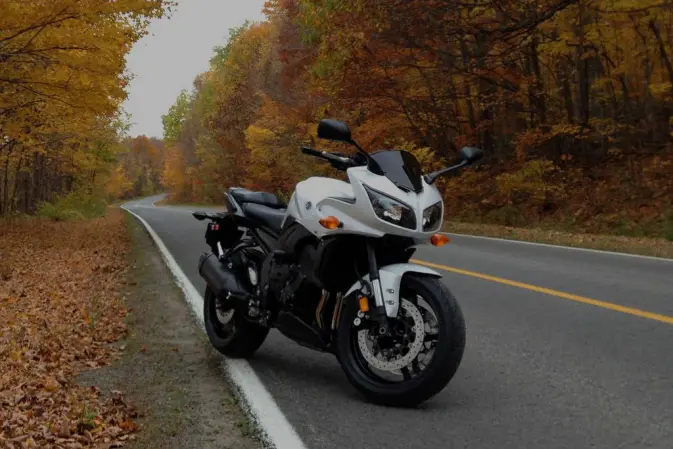
7. Yamaha FZ6
The Yamaha FZ6 is a versatile and practical four-cylinder motorcycle, known for delivering smooth engine performance and reliable handling in an accessible package. Its engine produces linear torque across the rev range, allowing riders to enjoy controlled acceleration without the abruptness found in more aggressive sport bikes.
The four-cylinder layout ensures minimal vibration, which improves comfort during extended rides and reduces rider fatigue. Although it lacks extreme top-end horsepower, the FZ6 provides sufficient power for highway cruising, urban traffic, and weekend recreational riding, making it a balanced option for riders seeking both reliability and versatility.
The FZ6 achieves affordability through Yamaha’s long-standing engineering philosophy of refining proven platforms rather than introducing expensive, untested technologies. Parts availability remains widespread, and routine maintenance tasks are straightforward and cost-effective, contributing to the motorcycle’s low total cost of ownership.
By focusing on reliability, simplicity, and balanced performance, Yamaha has created a motorcycle that remains relevant for both new riders and experienced users who value a practical, smooth four-cylinder experience without excessive complexity or financial burden.
As of 2026, the FZ6 continues to be a desirable option for riders seeking a dependable four-cylinder motorcycle with a balance of performance, comfort, and practicality. Its approachable power delivery, stable chassis, and comfortable ergonomics make it suitable for a variety of riders and riding conditions.
By combining reliability, ease of maintenance, and smooth four-cylinder engine characteristics, the FZ6 demonstrates how affordability and usability can coexist in a well-designed motorcycle package.
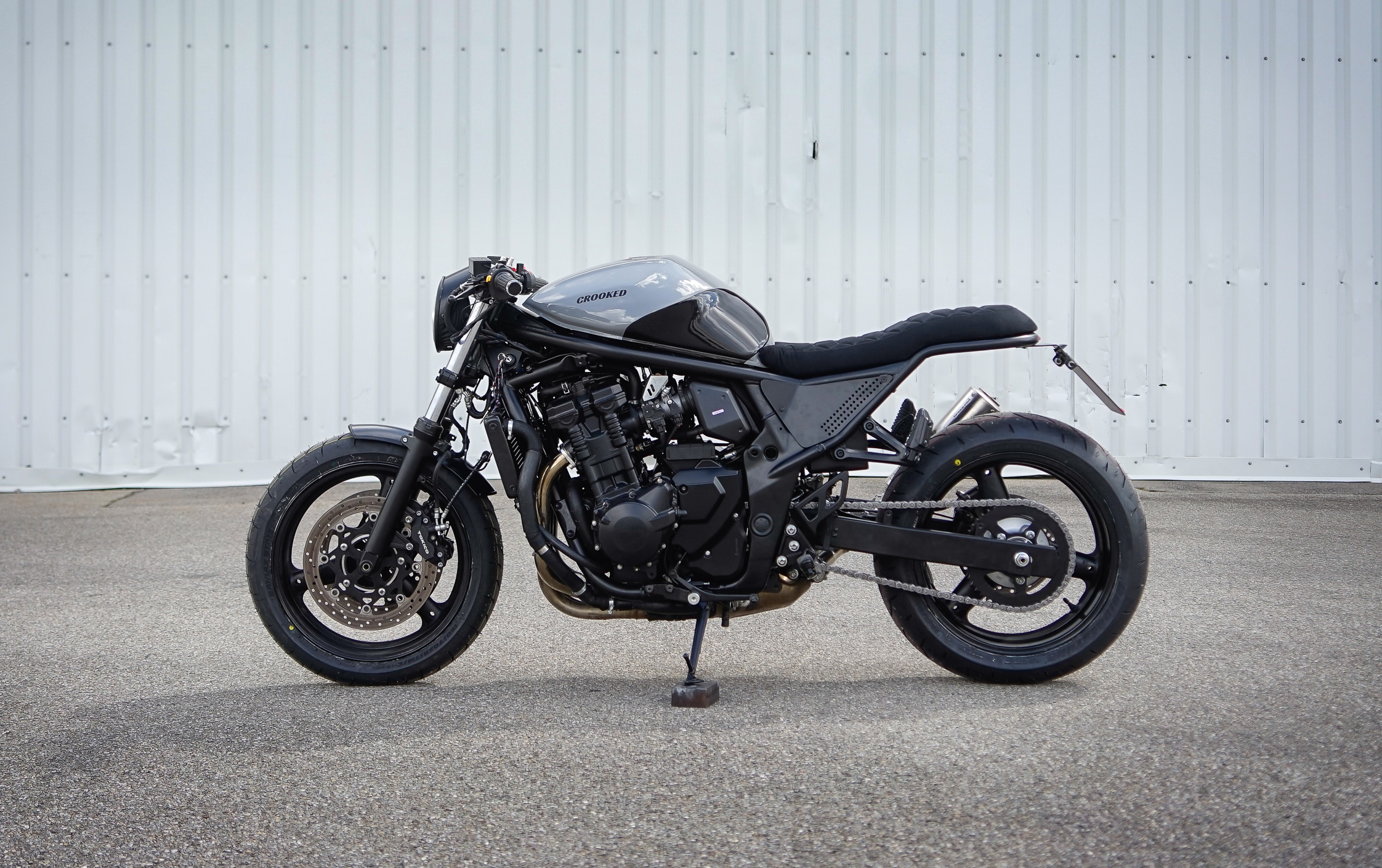
8. Suzuki GSX650F
The Suzuki GSX650F blends sportbike aesthetics with touring practicality, offering a four-cylinder engine that is smooth, linear, and manageable. The engine is tuned to prioritize midrange torque over extreme top-end acceleration, making it highly usable in city traffic and on highways.
Riders can enjoy consistent throttle response that encourages precise control, reducing fatigue and enhancing confidence during long rides. The mechanical refinement of the four-cylinder design also minimizes vibration, providing a level of comfort that is uncommon in motorcycles with similar sport-inspired styling.
The ergonomics of the GSX650F lean toward comfort without sacrificing engagement. A moderately upright seating position, combined with appropriately placed handlebars and footpegs, allows for reduced strain during extended rides. The fairing provides wind protection for highway riding, reducing rider fatigue and enhancing comfort.
Suspension components are selected to maintain stability while offering predictable feedback during cornering and braking. This balance between sport aesthetics and touring usability makes the GSX650F versatile enough for commuters, weekend riders, and those who enjoy occasional longer trips.
Affordability in the GSX650F is achieved by focusing on simplicity and proven engineering principles. The motorcycle avoids complex electronics, which reduces production costs and long-term maintenance requirements.
Components are widely available and straightforward to service, allowing owners to perform routine maintenance without excessive expense or technical difficulty. Suzuki’s emphasis on reliability ensures that the motorcycle provides consistent performance over time, reinforcing its value as a budget-friendly four-cylinder option.
By 2026, the GSX650F continues to appeal to riders seeking an affordable four-cylinder motorcycle that blends sporty looks with practical usability. Its engine, ergonomics, and mechanical reliability create a package that performs well in everyday scenarios without demanding premium maintenance or purchase costs.
Riders who want a motorcycle that can handle commuting, weekend rides, and occasional touring will find the GSX650F to be a balanced and sensible choice in the affordable four-cylinder segment.
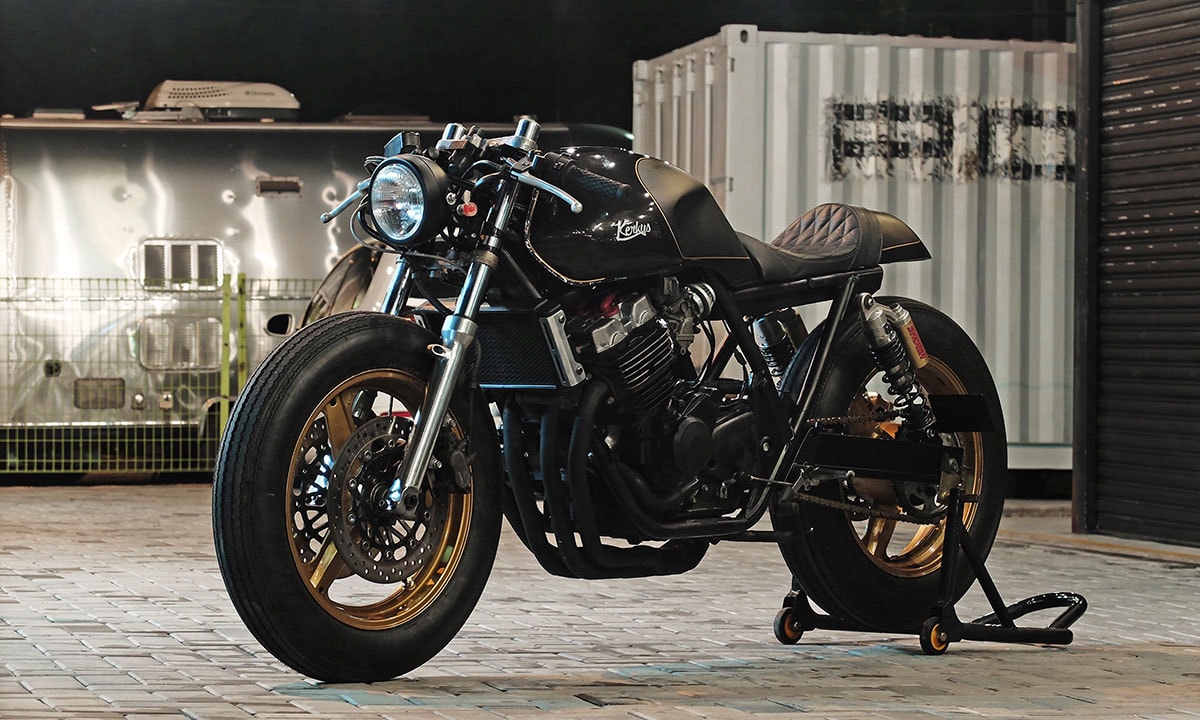
9. Honda CB400 Super Four
The Honda CB400 Super Four is a celebrated example of a smaller-displacement four-cylinder motorcycle that delivers smooth and refined engine performance. Despite its 399cc engine, it provides linear power delivery and predictable acceleration, making it approachable for both new and experienced riders.
The engine emphasizes balance over extreme performance, which allows riders to focus on control and smooth riding rather than managing excessive torque or abrupt throttle responses. Its minimal vibration and mechanical refinement further enhance comfort, making it suitable for longer rides or extended commuting without causing fatigue.
Honda’s engineering focus contributes to the motorcycle’s affordability. The engine and chassis components have been refined over years of production, allowing Honda to maintain consistent quality while controlling manufacturing costs.
Replacement parts are widely available and easy to service, making long-term maintenance less costly and more predictable. Riders can enjoy the benefits of a four-cylinder motorcycle without the financial burden often associated with larger or more complex bikes, reinforcing the CB400 Super Four’s value proposition.
In 2026, the CB400 Super Four continues to occupy a prominent position among affordable four-cylinder motorcycles. Its balance of mechanical refinement, approachable power delivery, and practical ergonomics ensures that it remains relevant for riders seeking a smooth, reliable, and cost-effective motorcycle.
The CB400 Super Four demonstrates how careful engineering and a focus on usability can deliver a rewarding four-cylinder experience without requiring a high price.
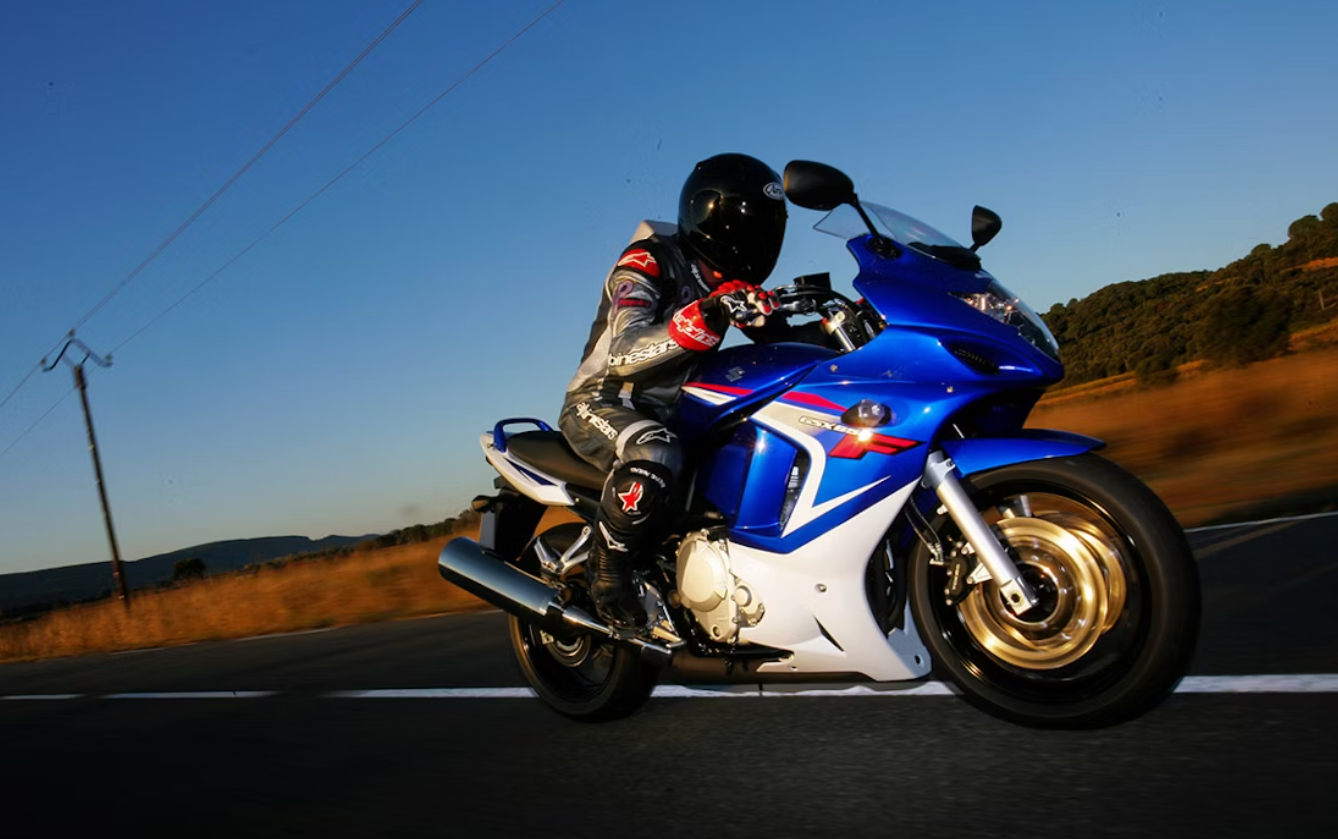
10. Kawasaki Z650 Four Concept Model
The Kawasaki Z650 four-cylinder concept represents a potential evolution in affordable four-cylinder motorcycle design, emphasizing smooth, manageable power and accessible ergonomics. The engine is envisioned to prioritize control and usability, with a focus on linear torque delivery and minimal vibration.
This design would allow riders to gain the benefits of a four-cylinder engine without the complexity or intimidating acceleration associated with larger sportbikes. Such an approach would appeal to riders looking for refinement, predictability, and reliability in a motorcycle intended for everyday use or moderate sport riding.
The chassis of a concept Z650 Four would likely emphasize balance and comfort. A neutral riding posture would be combined with well-placed handlebars and footpegs to reduce strain and enhance control.
Suspension would be tuned to absorb road imperfections effectively while maintaining stability during cornering and braking. Together, these features would ensure that the motorcycle remains approachable for riders of varying experience levels while still delivering the enjoyable handling and confidence associated with a four-cylinder layout.
In 2026, a Z650 Four concept illustrates the potential for affordable four-cylinder motorcycles to remain relevant and appealing. By focusing on smooth engine performance, approachable ergonomics, and simplified engineering, such a motorcycle could attract a wide range of riders seeking both refinement and practicality.
The concept demonstrates how manufacturers can maintain accessibility while delivering the distinctive mechanical experience that four-cylinder motorcycles provide.
