
Living in a city like Buffalo comes with unique challenges for car owners. Heavy snowfall, icy roads, and the constant use of road salt during winter months create conditions that can test even the sturdiest vehicles. For anyone who drives regularly in these harsh winters, selecting a car is about more than style or performance.
It requires attention to durability, traction, corrosion resistance, and reliability under severe weather conditions. Snowstorms can reduce visibility to near zero, while icy surfaces demand precise control and braking capability. Road salt, while essential for keeping streets passable, accelerates wear on metal components, making rust a major concern.
Unprepared people may find themselves with a vehicle that struggles in the cold, loses parts to corrosion, or demands frequent maintenance to stay safe.
Understanding how a car handles snow, ice, and road salt is critical to avoiding expensive repairs and dangerous driving situations. Factors like all-wheel drive, ground clearance, tire grip, and underbody protection are essential for navigating Buffalo’s long winters.
Cars that perform well under these conditions often feature systems that distribute power efficiently to prevent slipping, reinforced frames that resist corrosion, and components designed to withstand extreme temperatures. At the same time, drivers must consider how well the car can resist rust from prolonged exposure to salted roads.
Cars built with better corrosion-resistant materials, protective coatings, and reliable drainage systems tend to maintain their structure and safety over years of use.
Conversely, certain vehicles are more prone to rusting or losing performance under harsh winter conditions. Knowing which cars fall into this category helps drivers avoid costly mistakes, especially in areas where snow and salt are unavoidable.
Rust does more than reduce appearance; it can compromise structural integrity, brake lines, exhaust systems, and suspension components. Choosing wisely can mean the difference between a car that lasts a decade with minimal upkeep and one that requires extensive repairs just a few years after purchase.
This article will guide by identifying cars that handle Buffalo’s winter weather well and those that are vulnerable to rust. By understanding the strengths and weaknesses of these vehicles, drivers can make more informed decisions, reduce maintenance costs, and maintain safety on slippery roads.
For anyone living where winter is long and unforgiving, this knowledge is not just practical but essential for protecting both their investment and their well-being.
5 Cars for Buffalo Snow & Salt
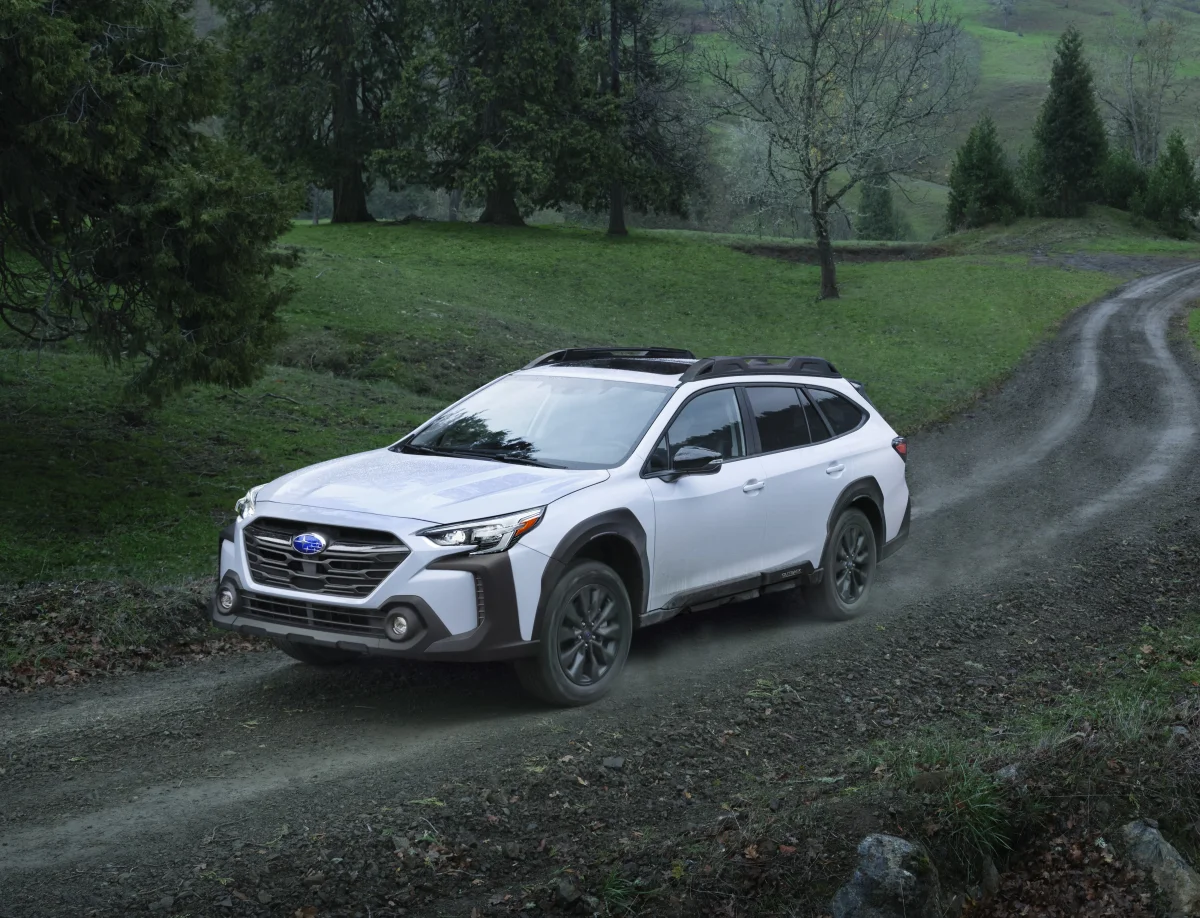
1. Subaru Outback
The Subaru Outback is widely regarded as one of the best vehicles for navigating snowy and icy conditions, making it a natural fit for Buffalo winters. Its symmetrical all-wheel-drive system delivers power evenly to all four wheels, which provides exceptional stability and control on slippery roads.
When ice or packed snow makes roads treacherous, the Outback’s AWD system helps prevent wheel spin and allows drivers to maintain forward momentum, reducing the risk of getting stuck or sliding uncontrollably. This is particularly important in areas where snow accumulation is heavy, and plowing may be delayed.
Its elevated ground clearance allows it to drive through deeper snow without scraping the underbody or becoming immobilized, a feature that smaller sedans and lower SUVs often lack. Additionally, the Outback’s engine performance is tuned to provide consistent torque at low speeds, which is critical when accelerating on icy inclines or maneuvering through snow-laden streets.
Safety features also contribute heavily to the Outback’s winter performance. Modern models include adaptive braking systems that help maintain control during sudden stops on ice, as well as electronic stability control that counteracts sliding in corners.
The vehicle is often equipped with advanced driver-assistance technologies like lane-keeping assistance and collision avoidance, which remain functional even in challenging winter conditions.
Heated side mirrors, responsive windshield defrosters, and strategically placed wipers ensure maximum visibility during snowstorms, which reduces the chance of accidents.
These features, combined with the Outback’s all-wheel-drive capabilities, give drivers confidence that they can navigate safely through Buffalo’s unpredictable weather.
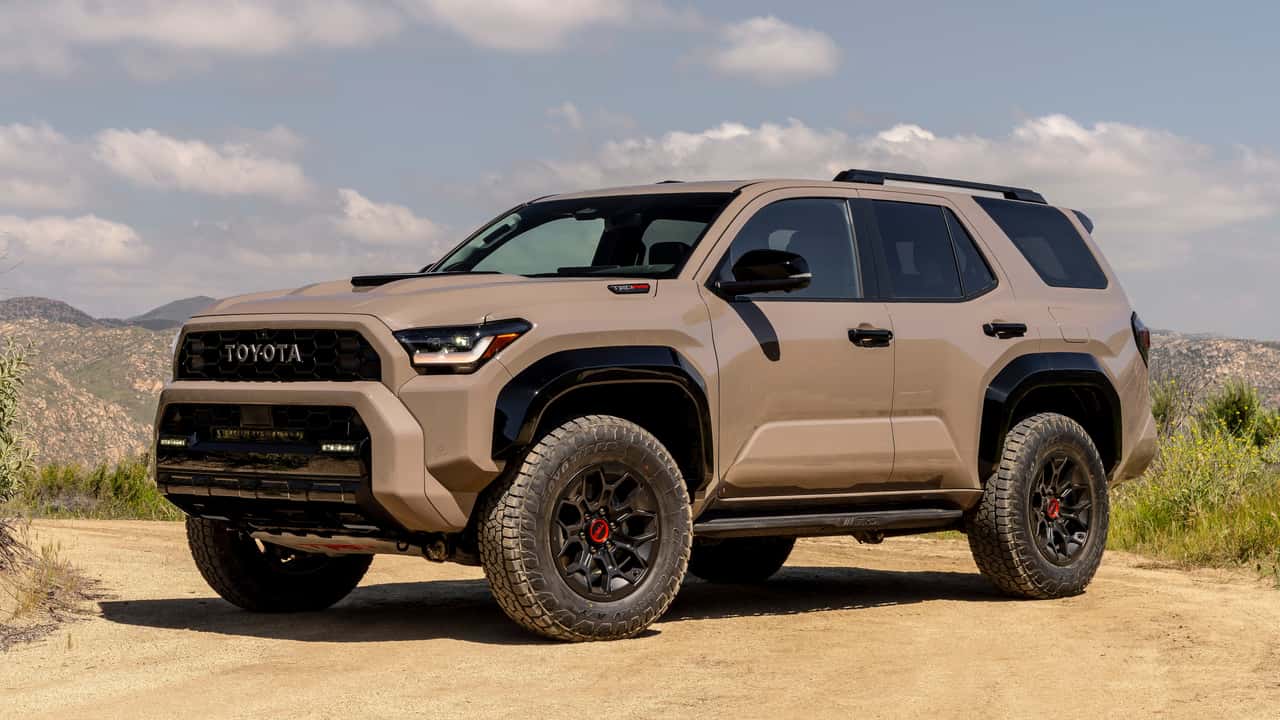
2. Toyota 4Runner
The Toyota 4Runner is a rugged SUV with capabilities that extend well beyond urban streets, making it ideal for areas with heavy snow accumulation or poorly maintained roads. Its part-time four-wheel-drive system allows the driver to switch between two-wheel and four-wheel drive, providing flexibility for different winter conditions.
When engaged, the 4WD system distributes torque to the wheels that need it most, reducing the risk of slipping or becoming stuck in deep snow. Combined with a high ground clearance and robust suspension, the 4Runner can handle snowdrifts, icy inclines, and even unplowed rural roads where snow can reach significant depths.
Its body-on-frame construction provides additional durability in harsh conditions, reducing the likelihood of structural damage over time. Drivers appreciate that it remains both reliable for daily commuting and capable for more demanding winter excursions.
The interior of the 4Runner is designed for winter comfort and convenience. Ample cargo space allows storage of winter gear such as snow shovels, boots, and emergency supplies without crowding passengers.
Heated seats and an effective climate control system ensure that occupants remain comfortable, even during long commutes in freezing temperatures.
In addition, heated mirrors and a windshield defroster improve visibility in snowstorms, making driving safer. Drivers who spend a lot of time on slippery roads also appreciate the 4Runner’s responsive steering and stability, which make handling the SUV in snow and ice more predictable and controlled.
Mechanically, the 4Runner is built to handle stress from winter driving. Its suspension system absorbs uneven, icy road surfaces, while powerful brakes and advanced traction control help maintain control during sudden stops or turns.
The vehicle’s engine delivers consistent power across a wide range of speeds, providing confidence when navigating slippery streets or climbing snowy hills.
When combined with Toyota’s reputation for long-term reliability, these features make the 4Runner one of the most dependable choices for drivers who face long, harsh winters and want a vehicle that will remain functional and safe for many years.
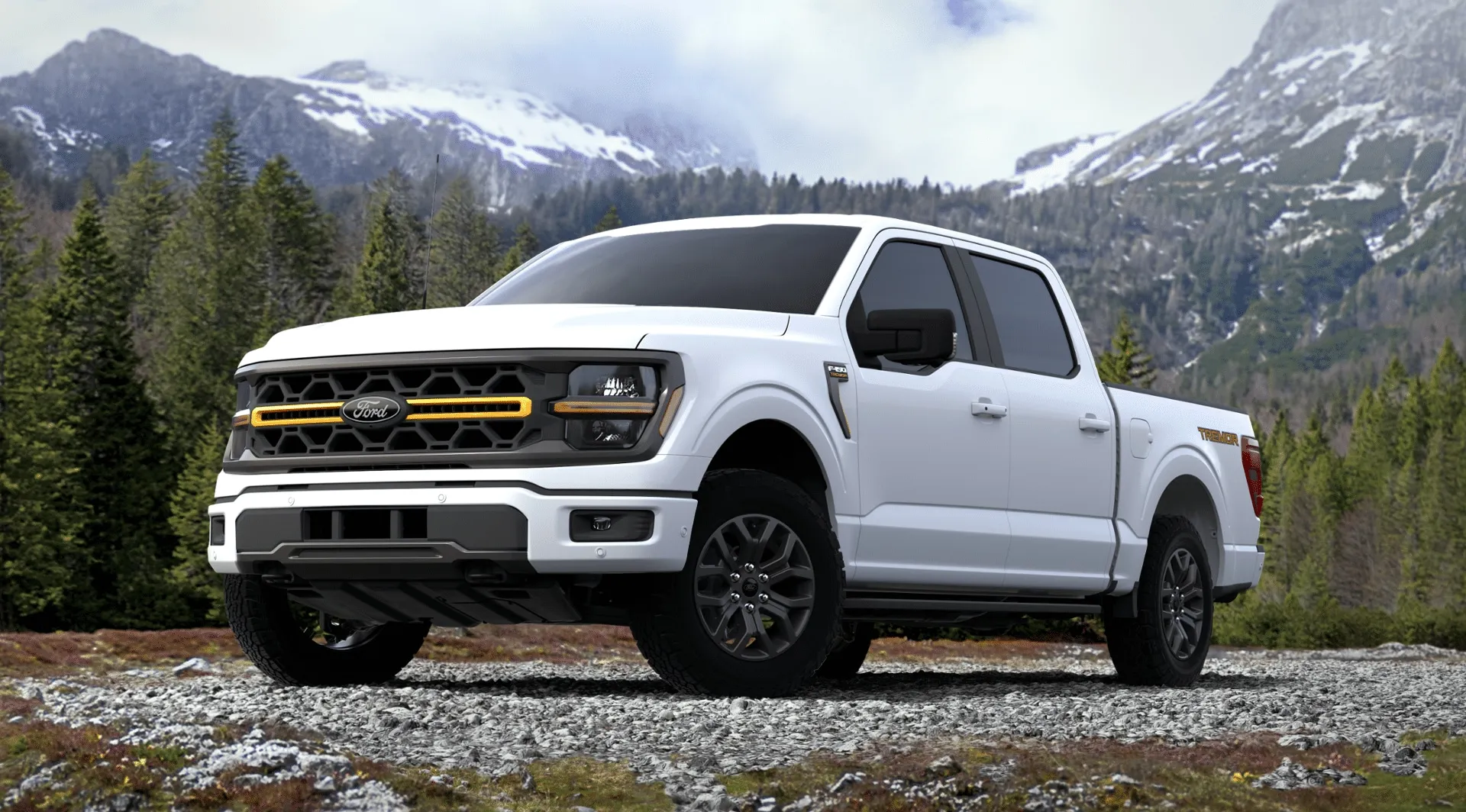
3. Ford F-150
The Ford F-150 is a full-size pickup that has earned a reputation for durability and performance under extreme conditions, including heavy snow and icy roads. Its four-wheel-drive system provides excellent traction, while the truck’s weight and size contribute to stability on slippery surfaces.
The F-150’s high ground clearance enables it to navigate snowbanks, deep drifts, and unplowed streets without getting stuck, which is particularly useful in areas where winter storms can leave roads impassable for extended periods.
Modern F-150 models include features like hill descent control and adjustable traction settings, allowing drivers to tailor the truck’s behavior to the specific conditions they face, whether on steep, icy hills or packed suburban roads.
Comfort and interior design also contribute to the F-150’s winter readiness. Modern cabins are equipped with heated seats, heated steering wheels, and efficient climate control systems that quickly warm the interior and defrost windows.
Storage space is abundant, allowing drivers to carry emergency supplies, winter gear, and personal items without compromising comfort. Advanced technology, including traction monitoring and backup cameras, provides additional safety when maneuvering in slippery conditions or limited-visibility situations.
The F-150’s mechanical durability makes it a versatile tool in winter as well. Its suspension is engineered to handle heavy loads and uneven surfaces, while the braking system is designed to maintain stopping power in slick conditions.
Additionally, its towing and payload capabilities make it a practical choice for drivers who may need to assist others in emergencies, haul equipment, or transport heavy cargo during winter months.
These factors combine to make the F-150 a highly capable and reliable vehicle for snowy, salted roads, and for drivers who demand strength, stability, and long-term durability in harsh winter climates.
4. Jeep Grand Cherokee
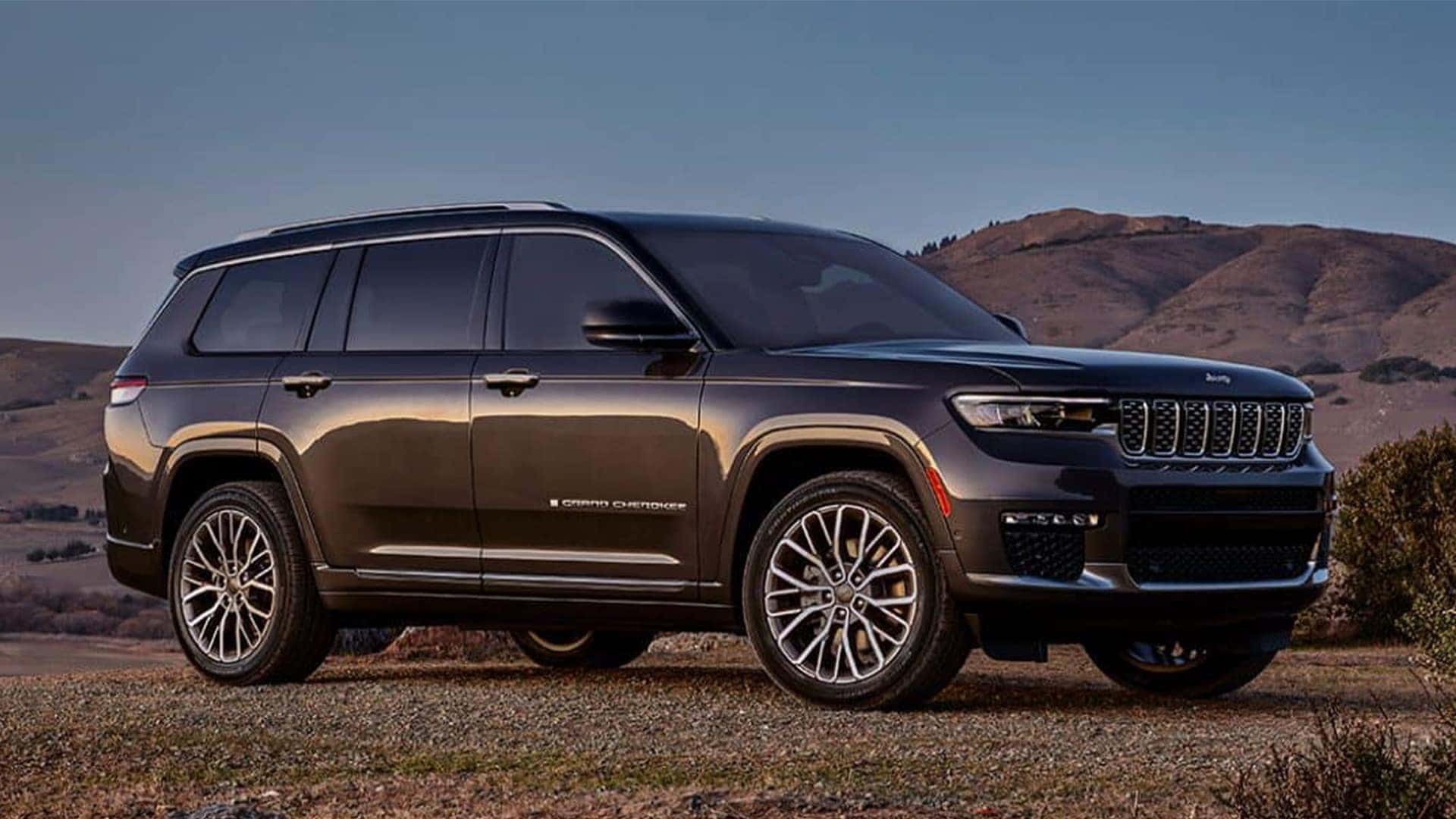
The Jeep Grand Cherokee is known for blending comfort, luxury, and off-road capability, making it a strong candidate for snowy regions. Its four-wheel-drive system can be adjusted for various conditions, including snow, ice, or slush, while advanced traction control ensures wheels maintain grip even on extremely slippery surfaces.
Ground clearance is generous, allowing the vehicle to traverse deep snow without damaging the underbody or becoming trapped.
The Grand Cherokee’s suspension system is robust, capable of handling uneven, icy terrain while providing a comfortable ride. For drivers who face long commutes or need to travel in less-maintained areas, this combination of power, stability, and off-road capability is invaluable.
Inside, the Grand Cherokee offers a warm, well-insulated cabin that keeps passengers comfortable even during extreme cold. Heated seats, mirrors, and steering wheels help maintain comfort and visibility during winter storms, while an effective climate control system ensures rapid defrosting of windows and windshields.
Ample interior space allows drivers to store winter gear and emergency supplies without cluttering the cabin, a critical consideration for families or commuters facing extended periods of harsh weather.
Mechanically, the Grand Cherokee is built to withstand demanding winter conditions. Its braking system is optimized for icy roads, and the engine delivers sufficient torque for climbing snow-covered inclines.
Stability control and advanced driving-assist features add an extra layer of safety, helping drivers maintain control even during unexpected situations.
The combination of rugged performance, winter-oriented safety features, and interior comfort makes the Grand Cherokee a reliable choice for anyone who regularly drives in snowy, salted environments.
5. Honda CR-V
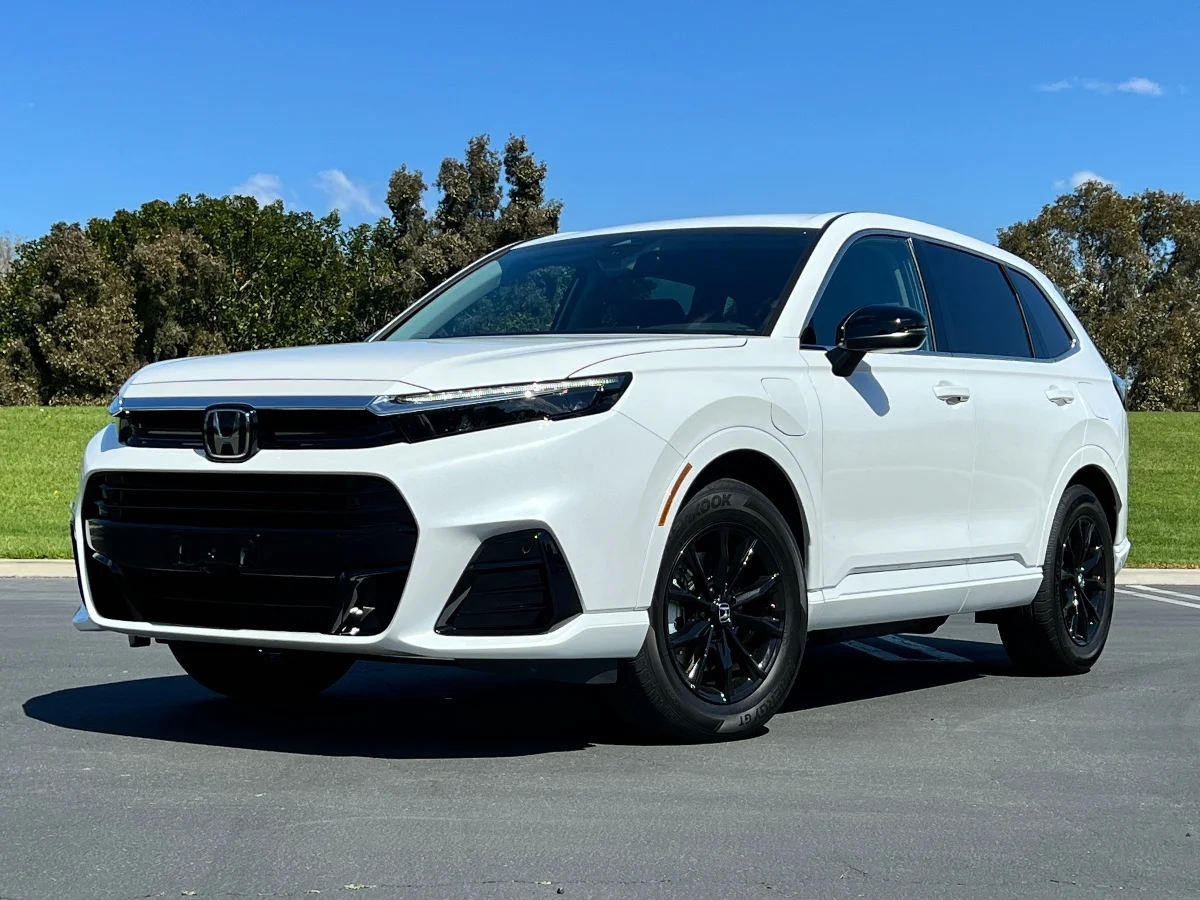
The Honda CR-V is a compact SUV that proves smaller vehicles can still perform well in snowy and salted conditions. Its all-wheel-drive system provides traction and stability, distributing power to the wheels with the most grip.
Ground clearance is sufficient to navigate snow-covered streets without scraping the undercarriage, and modern models include stability and traction control systems that help maintain control in slippery conditions.
This combination of features makes the CR-V practical for daily commuting, grocery runs, and other urban tasks while still providing confidence on ice-covered roads or in snowstorms.
Rust resistance is another strength of the CR-V. Honda has incorporated protective coatings and corrosion-resistant steel in areas vulnerable to road salt exposure, such as the undercarriage, wheel wells, and rocker panels.
While regular maintenance, including underbody washing during winter months, is still recommended, the vehicle’s built-in protections reduce the likelihood of long-term rust damage. For drivers in Buffalo and similar snowy climates, this translates to fewer costly repairs and longer-lasting performance compared to less-prepared compact SUVs.
Comfort and interior design make the CR-V well-suited for harsh winters. Heated seats and climate control systems keep occupants warm during freezing temperatures, while defrosting systems and heated mirrors maintain visibility and safety during heavy snowfall.
The compact size of the CR-V allows for easier maneuvering in tight, snow-covered urban streets or parking lots, an advantage over larger SUVs that may struggle in such conditions. Ample cargo space allows storage of winter essentials, making it practical for families or individuals needing to carry gear without compromising interior comfort.
Mechanically, the CR-V balances efficiency with capability. Its engine provides reliable power to navigate icy streets or climb snowy inclines, while braking systems and traction controls improve control in winter conditions.
Fuel efficiency remains reasonable, making it suitable for long commutes or daily errands during the winter months. The Honda CR-V offers a dependable, practical, and comfortable option for drivers seeking a vehicle that can endure Buffalo’s snowy roads while maintaining safety, performance, and durability.
5 Cars That Rust Quickly
1. Jeep Wrangler
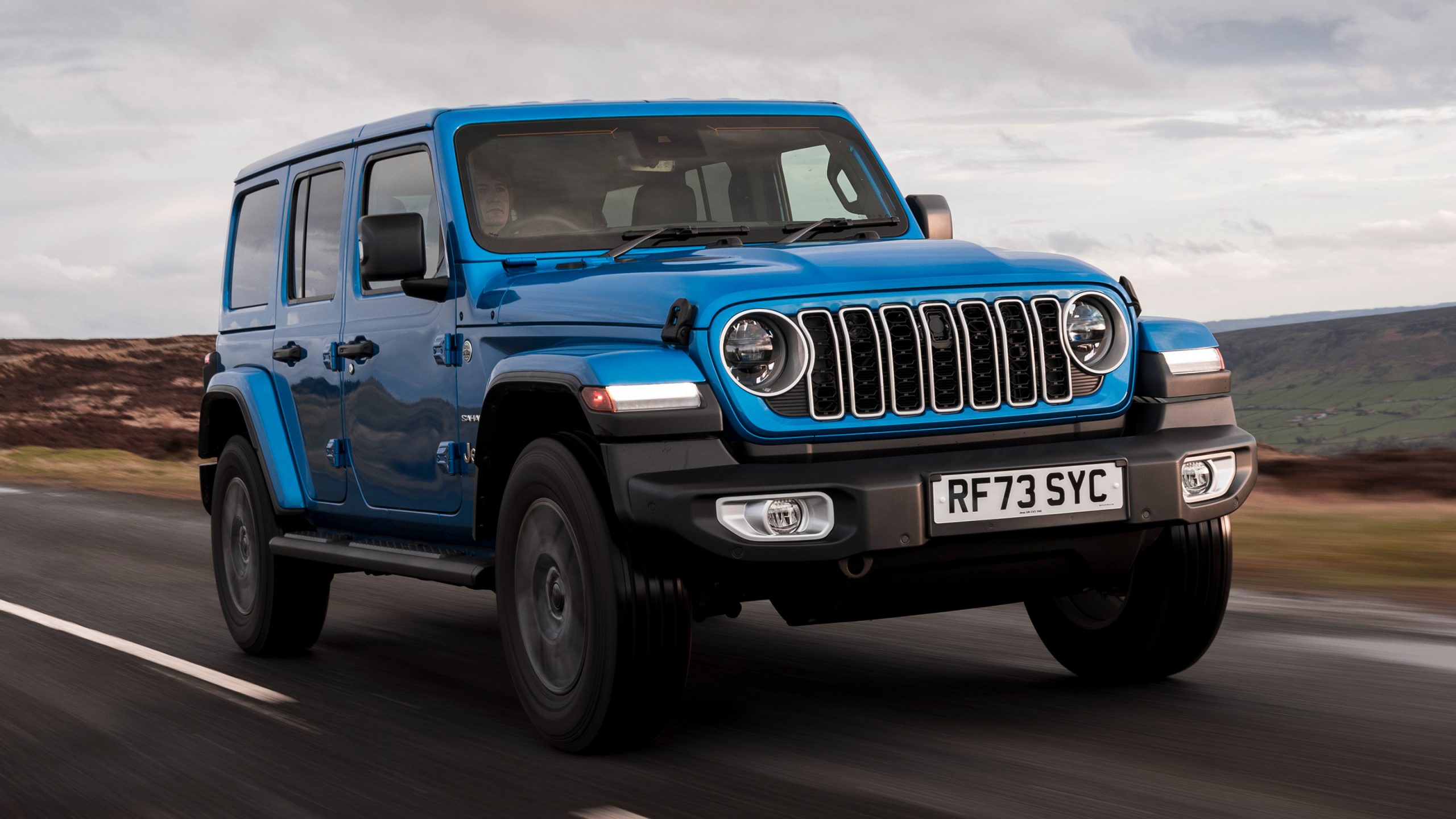
The Jeep Wrangler, while beloved for off-road adventures and rugged styling, is notoriously prone to rust in areas with heavy snowfall and salted roads. Its design features exposed steel components, especially in older models, that are vulnerable to corrosion from moisture and road salt.
Common rust spots include the wheel wells, undercarriage, and frame rails. Since these areas are critical to both structural integrity and vehicle safety, rust can develop into a serious concern if left unchecked.
In winter climates like Buffalo, where snow and salt are abundant, these vulnerabilities are amplified, making the Wrangler a high-maintenance vehicle for long-term ownership in such regions.
The Wrangler’s removable doors, soft tops, and other detachable components create additional points where salt, moisture, and debris can accumulate. These hidden crevices often retain water and ice, accelerating corrosion in areas that are difficult to clean thoroughly.
While routine washing and protective coatings can reduce rust development, many owners find that corrosion still appears in hidden corners over time. This requires constant vigilance and maintenance, which may not be feasible for drivers who prefer low-effort winter vehicles.
Mechanically, rust can affect crucial systems on the Wrangler, including suspension components, brake lines, and fuel tanks. Corroded suspension parts can lead to uneven tire wear, alignment issues, or reduced handling, while rust on brake lines compromises safety by reducing braking efficiency.
Fuel tanks that corrode from the inside can eventually leak, creating a significant hazard and an expensive repair bill. Even though replacement parts are available for most Wrangler components, the frequency and cost of repairs make it less practical for drivers who face snowy, salted conditions regularly.
Newer Jeep models have made some improvements in corrosion resistance, with underbody coatings and galvanized steel in certain areas. However, these measures do not eliminate the Wrangler’s susceptibility to rust.
The combination of its exposed design, removable components, and steel construction ensures that it remains one of the more rust-prone vehicles on the market.
Drivers in snowy regions who choose a Wrangler must be prepared to dedicate time and effort to preventative maintenance if they wish to preserve both performance and safety over the long term.
2. Ford Focus
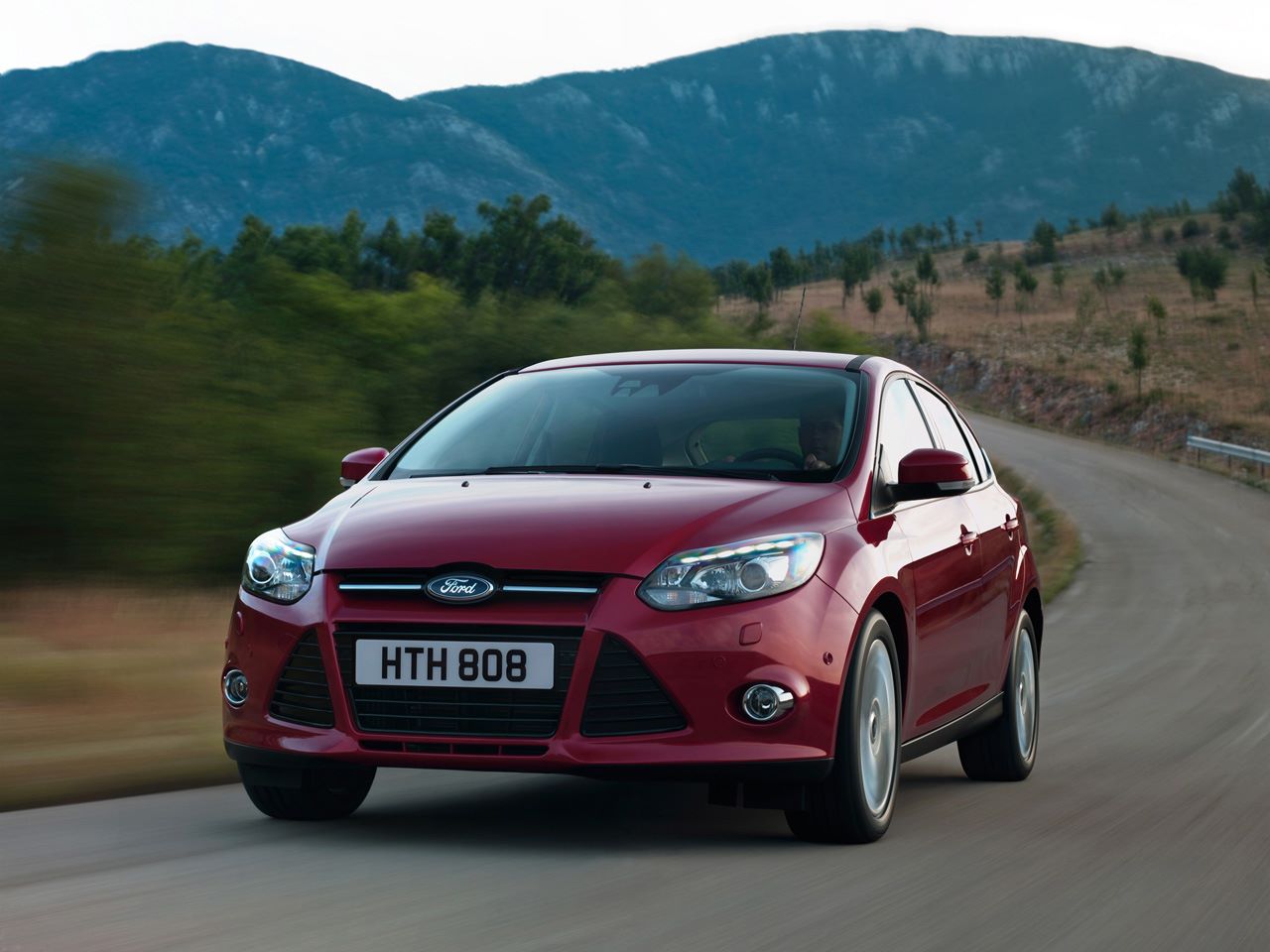
The Ford Focus, especially in older model years, has been widely criticized for its susceptibility to rust in climates where snow and road salt are common. Corrosion tends to form along the wheel arches, rocker panels, and underbody, all areas frequently exposed to moisture and grit.
Because these areas are critical to structural integrity, rust not only diminishes the vehicle’s aesthetic appeal but can also affect safety and handling over time. In cities like Buffalo, where salted roads are the norm during winter months, this vulnerability becomes a major concern for drivers looking for reliable long-term transportation.
Rust on the Focus can spread quickly if left unchecked. Exposed steel around suspension mounts, subframes, and wheel wells is particularly at risk, which may lead to compromised alignment or weakened structural support.
Even small patches of corrosion can escalate over a few winter seasons, eventually requiring expensive repairs or replacement of panels. Regular maintenance, such as thorough underbody washing and application of protective sprays, can slow the process, but many Focus owners report seeing rust develop despite taking these precautions.
Mechanically, rust impacts more than just appearance. Brake lines, fuel components, and exhaust systems are vulnerable to corrosion, which can compromise both safety and performance. Rusted brake lines, for example, increase the risk of leaks or reduced braking efficiency, a serious concern when navigating icy roads.
Similarly, corroded suspension components may affect handling and tire wear, making the vehicle less stable in winter conditions. These issues contribute to higher repair costs and increased safety risks, particularly for drivers in regions with prolonged snow and salted roads.
Even with newer Ford Focus models, corrosion protection is improved but not perfect. Protective coatings and improved steel construction have reduced the severity of rust compared with older generations, but Focus vehicles remain at a disadvantage compared to winter-ready SUVs or trucks.
Drivers who prioritize longevity in snowy climates may find the Focus less practical, as it requires consistent care and monitoring to prevent rust-related damage from undermining both safety and value.
3. Chevrolet Malibu
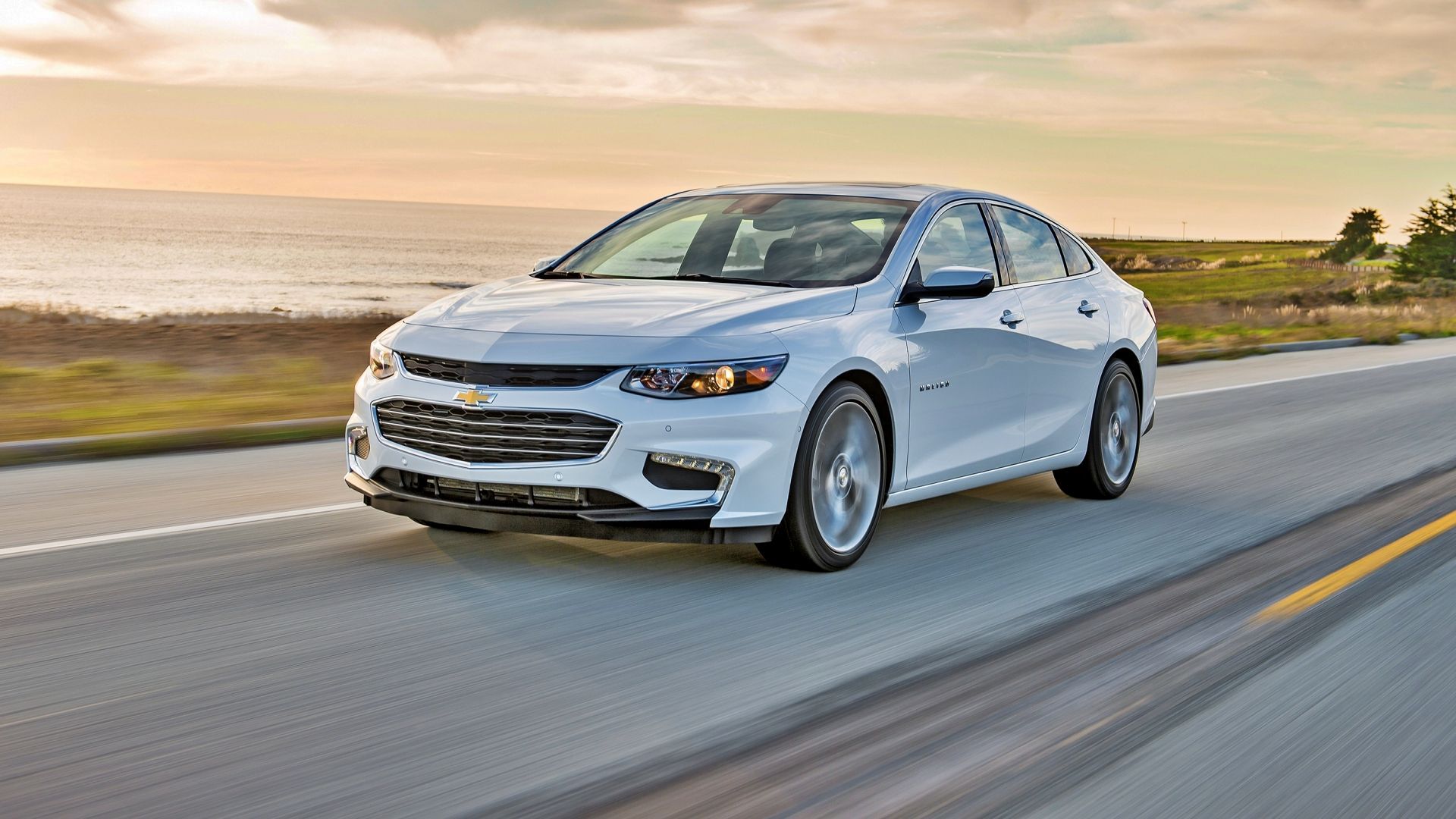
The Chevrolet Malibu is another sedan that has developed a reputation for rust issues, particularly in regions with heavy snowfall and the use of road salt. Older models are especially vulnerable, with corrosion commonly appearing on wheel arches, rocker panels, and lower door edges.
These areas, constantly exposed to moisture, road grit, and salt, are prone to accelerated metal deterioration. For drivers in snowy areas, this makes the Malibu a high-risk option if long-term durability and low maintenance are priorities.
Rust on the Malibu often affects both cosmetic and structural components. While visible corrosion along panels reduces the vehicle’s resale value, deeper rust can compromise essential systems like the undercarriage, suspension mounts, and exhaust components.
When rust penetrates these areas, repairs become both costly and technically challenging. Unlike vehicles specifically designed to withstand snow and salt, the Malibu lacks extensive corrosion protection, making preventive measures such as undercarriage washes and protective coatings critical for longevity.
Mechanically, corrosion can interfere with suspension alignment, braking efficiency, and stability. Rusted underbody components may weaken the connection points between critical systems, leading to uneven handling or increased wear on tires. In winter conditions, this becomes particularly dangerous, as icy roads require precise control and reliable braking.
Drivers who do not actively monitor for rust may experience reduced performance and higher long-term repair costs, highlighting the importance of preventive maintenance when operating a Malibu in snowy regions.
While newer Malibu models have improved corrosion resistance, many vehicles on the road still exhibit rust issues from prior years. Owners must remain vigilant during winter months, regularly washing the underbody and inspecting vulnerable areas.
Despite these efforts, the Malibu is generally considered less suitable for regions with frequent snow and salted roads compared with SUVs or trucks built for winter conditions, where corrosion-resistant materials and protective coatings are standard.
4. Nissan Altima
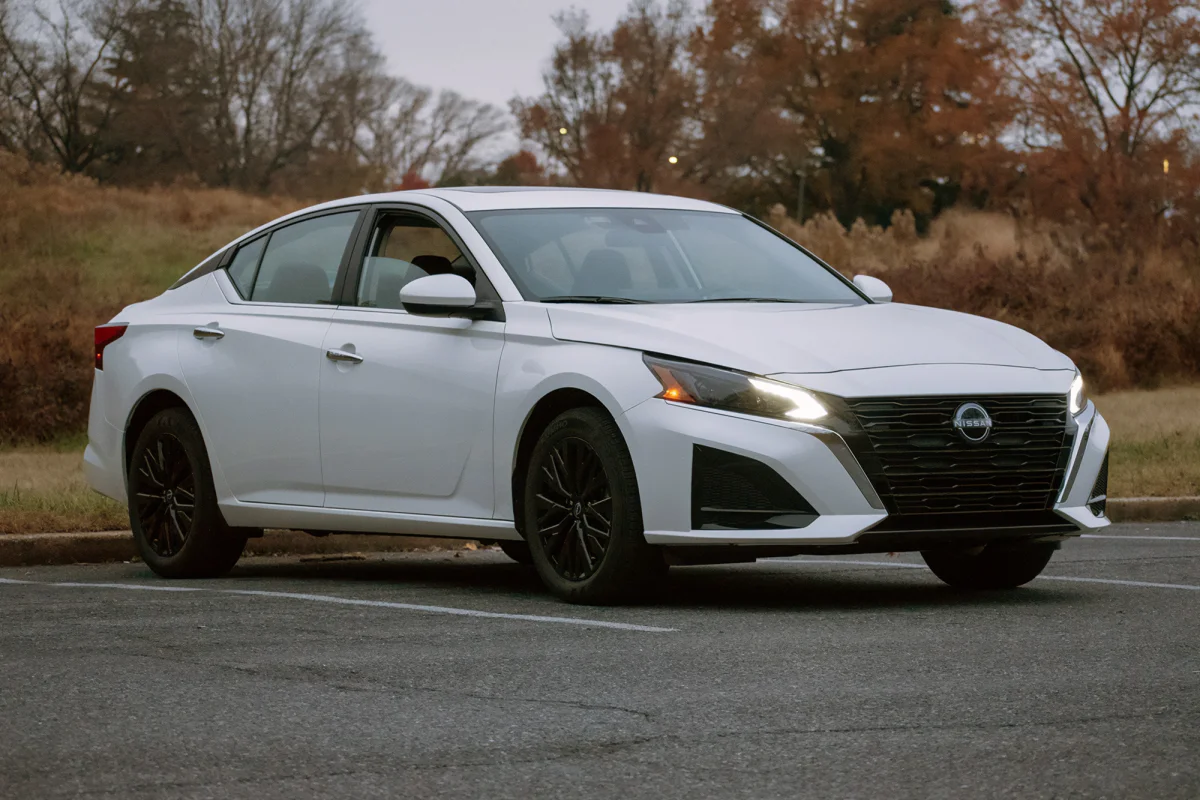
The Nissan Altima, particularly models produced before significant rust-proofing improvements, is known for developing corrosion issues in areas with snow and salted roads. Rust typically forms around the wheel arches, rocker panels, and lower sections of doors, areas constantly exposed to salt, moisture, and grime.
Over time, this can compromise both appearance and structural integrity, leading to increased maintenance costs and potential safety concerns. For drivers in northern climates like Buffalo, this makes the Altima a vehicle that requires extra attention to prevent rust from becoming a serious problem.
Rust can affect critical components on the Altima, including suspension mounts, brake lines, and the undercarriage. Corroded suspension points may reduce handling stability, while rusted brake lines can pose significant safety hazards by increasing the risk of leaks or failure.
Exhaust systems are also vulnerable, and once corrosion sets in, repairs can be both expensive and frequent. This makes the Altima less practical for winter driving compared with vehicles that have stronger corrosion protection or design features to prevent salt accumulation.
While newer Altima models have incorporated more protective coatings and corrosion-resistant materials, older vehicles remain widespread and susceptible to rust. Hidden crevices and underbody areas that are difficult to clean allow salt and moisture to accumulate, accelerating deterioration.
Owners must invest time in underbody washes, rust-proofing treatments, and inspections to maintain the vehicle in winter climates. Even then, the Altima does not match the durability of SUVs or trucks built with snowy, salted environments in mind.
Mechanically, rust can affect braking, steering, and suspension performance, creating potential safety issues during icy or snow-covered road conditions.
Drivers who encounter snow frequently must remain vigilant, as even minor corrosion can escalate rapidly during multiple winter seasons. The combination of limited corrosion resistance and vulnerability in key structural areas makes the Altima a higher-risk vehicle for snowy, salted regions.
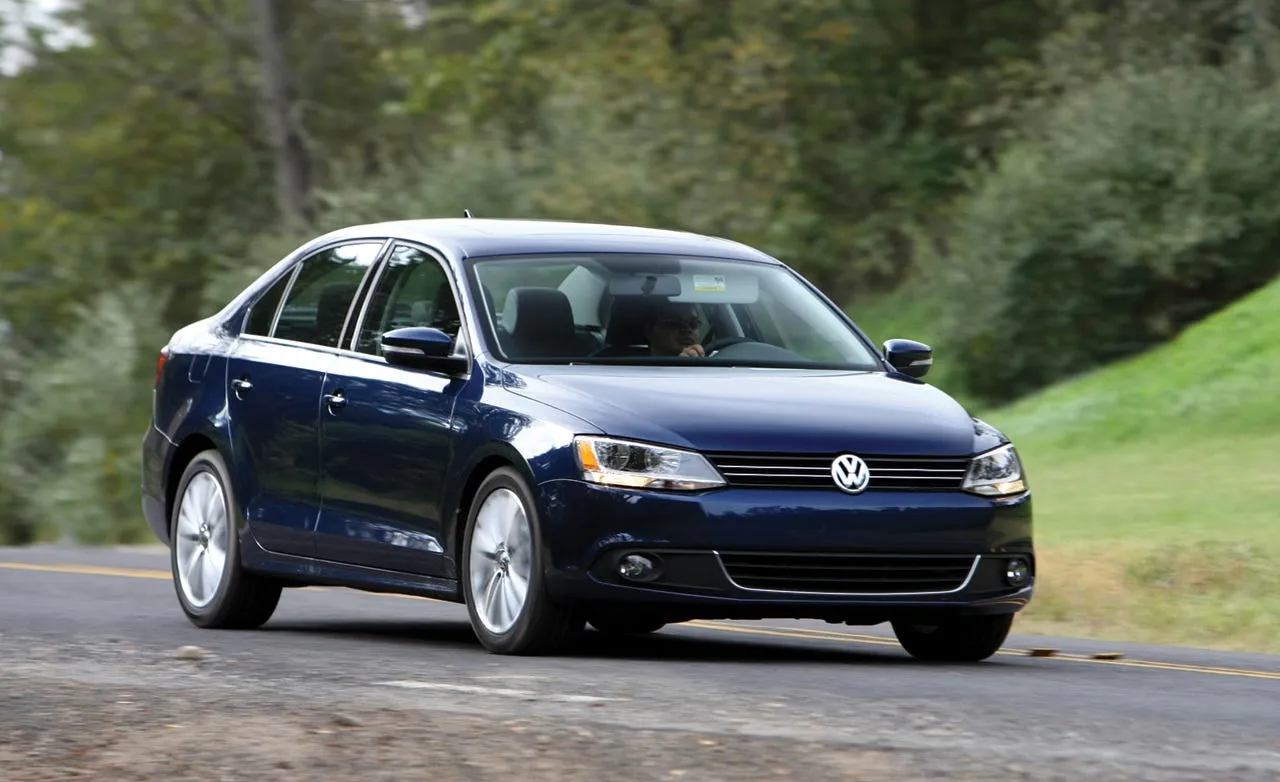
5. Volkswagen Jetta
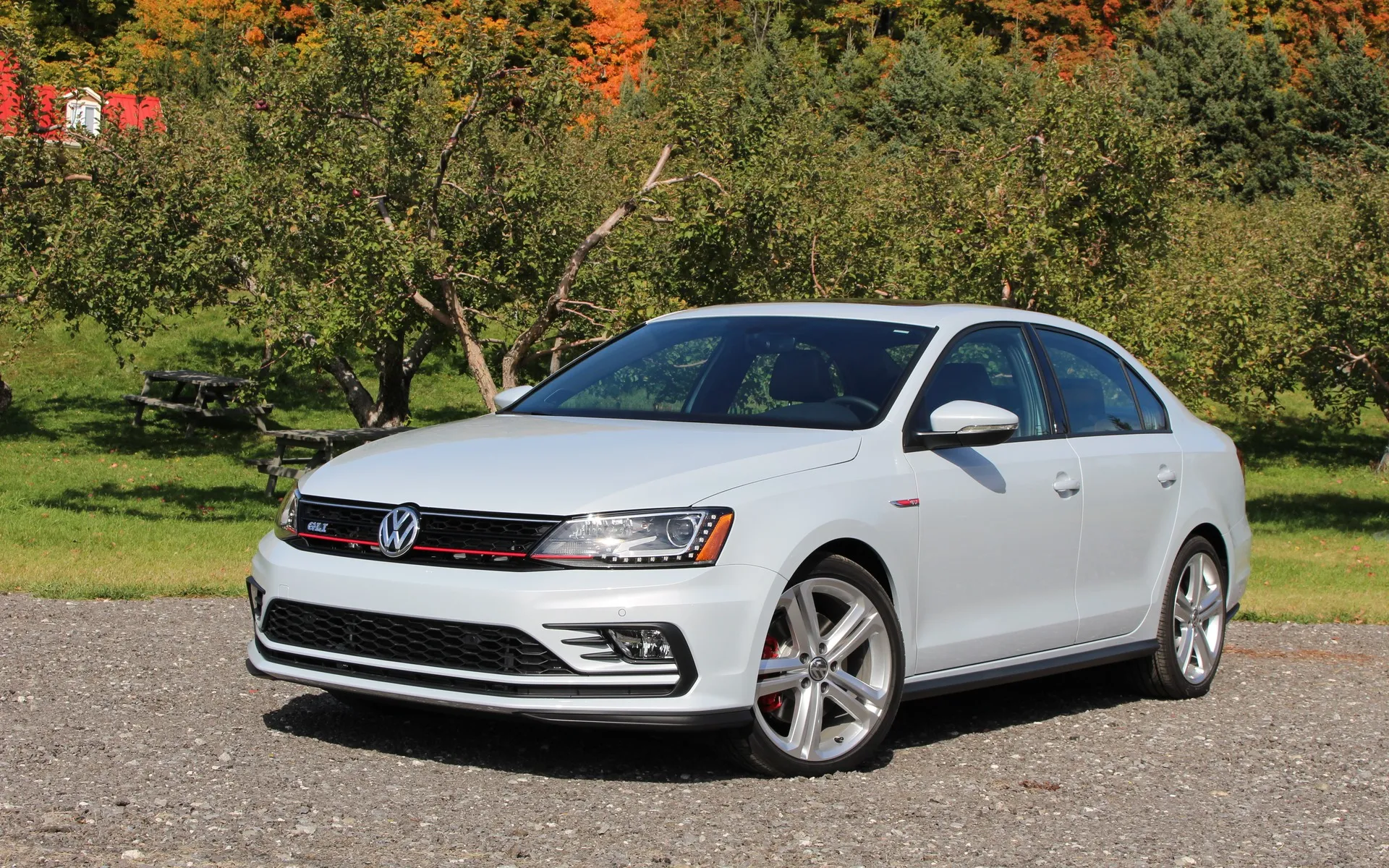
The Volkswagen Jetta is another car that has a tendency to rust quickly in snowy and salted conditions. Older models, in particular, are prone to corrosion along the wheel wells, rocker panels, and underbody, where moisture and road salt collect most aggressively.
Thin underbody panels and limited factory coatings on certain models accelerate the onset of rust, creating maintenance challenges for owners in regions with long, harsh winters. For drivers in places like Buffalo, the Jetta’s rust-prone nature is a critical factor to consider before purchase.
Rust on the Jetta not only affects appearance but also impacts safety and performance. Corroded suspension mounts and undercarriage components can reduce handling stability, while rusted brake lines may compromise stopping power.
Exhaust systems and fuel lines are also vulnerable, and once corrosion sets in, repairs can become expensive and frequent. This means that owners must invest in preventative maintenance and regular inspections to mitigate the effects of winter road conditions.
Even with improved corrosion protections in newer models, many older Jettas remain in circulation and continue to exhibit significant rust issues.
Hidden cavities and areas under the vehicle accumulate salt and moisture, which may go unnoticed until structural or mechanical problems arise. Preventive washing and treatments help, but they cannot fully counteract the vehicle’s inherent susceptibility to corrosion.
Mechanically, rust can reduce braking efficiency, interfere with suspension performance, and weaken the vehicle’s structural integrity. For drivers in snowy regions, this makes the Jetta less reliable and more costly to maintain compared with vehicles designed to withstand harsh winter climates.
The combination of thin protective layers, exposure-prone areas, and underbody vulnerabilities ensures that the Volkswagen Jetta remains a car that rusts quickly in salted-road conditions, requiring significant effort from owners to keep it safe and functional over time.
