
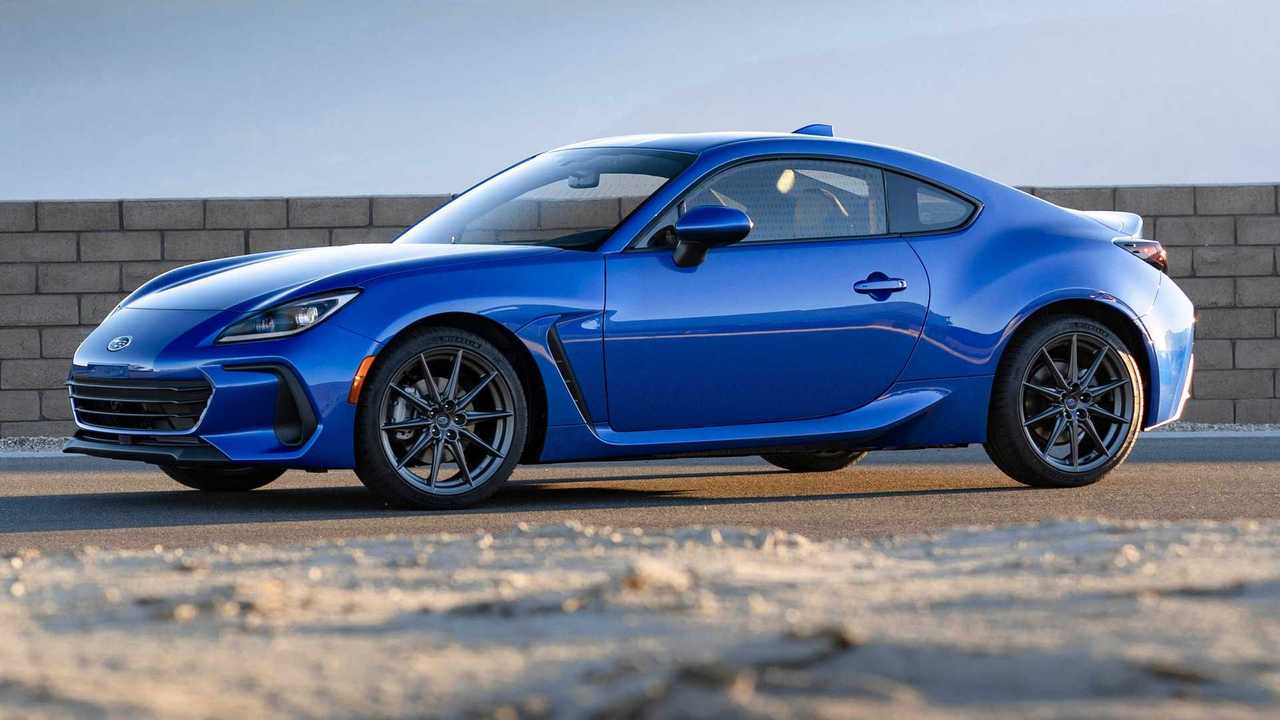
Japanese sports cars have long been admired for their precision engineering, reliability, and innovative designs. From the streets of Tokyo to international racetracks, these vehicles have not only delivered thrilling performance but have also influenced automotive culture worldwide.
Japanese manufacturers have consistently pushed boundaries, balancing power, handling, and technology to create cars that remain timeless icons.
Unlike some European counterparts that focus heavily on luxury or flamboyance, Japanese sports cars are celebrated for their efficiency, lightweight construction, and attention to driving dynamics.
Enthusiasts often praise these vehicles for their ability to offer exceptional performance without sacrificing usability, making them accessible to a wider audience.
Over the decades, Japan’s automotive industry has produced a remarkable array of sports cars that combine engineering excellence with artistic design, each leaving a distinct mark on the evolution of performance vehicles.
These cars have inspired generations of drivers and collectors, creating communities centered around racing, tuning, and appreciation of mechanical mastery.
Many of the models are still revered today, with modern versions carrying forward the legacy while maintaining their unique identity. This article highlights eleven Japanese sports cars that have defined performance history, showcasing models that stood out for their innovation, speed, and impact.
Each vehicle represents a blend of technological advancement and cultural significance, illustrating how Japan has earned a respected place in the automotive world. From iconic classics to modern legends, these cars continue to shape the perception of Japanese engineering and the global sports car scene.
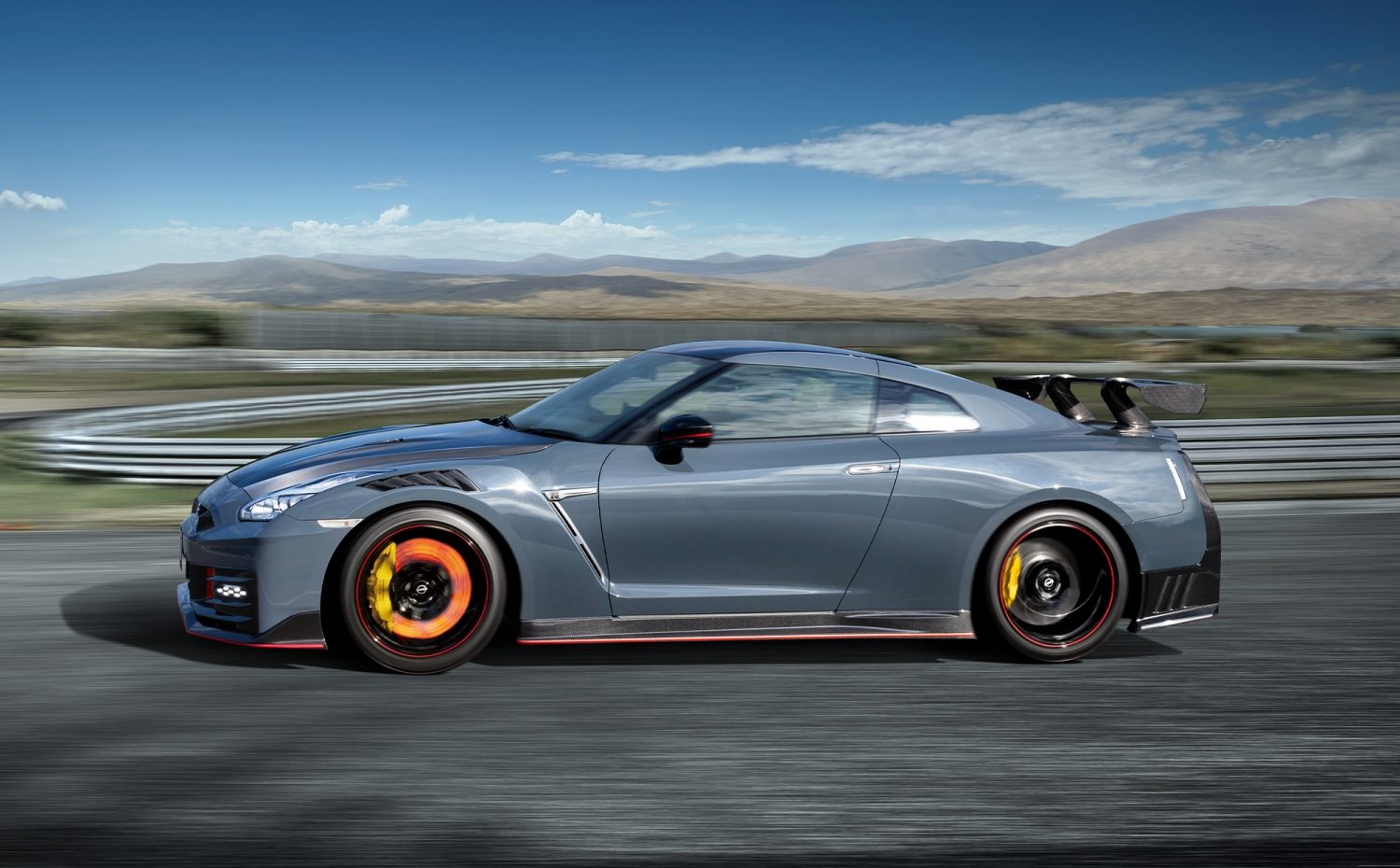
1. Nissan GT-R (R32, R33, R34)
The Nissan GT-R series has long been a benchmark for performance in the automotive world. Introduced in the late 1980s, the R32 was nicknamed “Godzilla” for its dominance in motorsports. Its advanced all-wheel-drive system and twin-turbocharged engine allowed it to outperform many European sports cars of the era.
The R32 proved that Japanese cars could compete at the highest level, earning a reputation for precision and speed.
Following the R32, the R33 GT-R refined handling and stability further, introducing improvements in suspension and aerodynamics. Nissan focused on balancing comfort with performance, making it a daily drivable sports car.
The R33 also gained attention for its technological features, including sophisticated electronic aids. Its presence in endurance racing highlighted the durability and engineering expertise behind the model.
The R34 GT-R brought modern styling and enhanced electronics, including a multifunction display showing detailed engine performance data. Its RB26DETT engine became legendary for tuning potential, with enthusiasts able to extract remarkable power with modifications.
The R34’s design emphasized driver engagement, blending classic GT-R traits with contemporary technology. This model solidified the GT-R’s status as a performance icon.
The GT-R legacy has influenced multiple generations of sports cars, both in Japan and abroad. Its combination of reliability, power, and handling has set standards for high-performance vehicles.
The model’s racing success reinforced its image as a technologically advanced machine capable of achieving remarkable feats. Today, all GT-R versions remain collectible and continue to inspire automotive engineering.
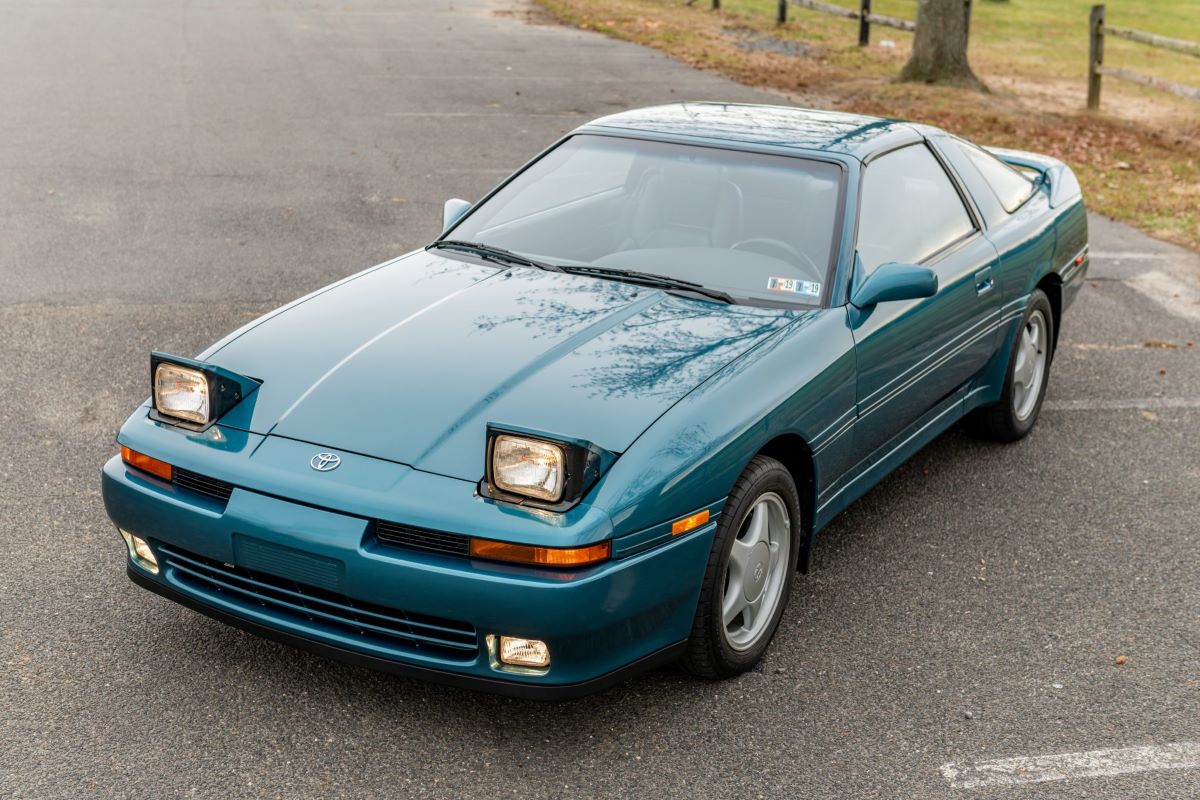
2. Toyota Supra (A70 and A80)
The Toyota Supra became a symbol of Japanese performance cars through the 1980s and 1990s. The A70 Supra showcased smooth styling and powerful inline-six engines capable of spirited driving.
It combined luxury elements with a sports car framework, making it appealing to both enthusiasts and casual drivers. Its balance of speed and handling made it popular in racing circuits.
The A80 Supra introduced a turbocharged engine that captured attention worldwide for its output and tuning potential. With advanced aerodynamics and a robust chassis, the A80 delivered exhilarating acceleration and precise cornering.
Toyota focused on engineering a car that could handle high horsepower reliably, setting a benchmark for Japanese sports cars. The vehicle quickly gained a devoted following among car enthusiasts.
The Supra’s legacy expanded beyond performance, influencing car culture through media and motorsports. Its ability to withstand modifications and maintain reliability made it a favorite for tuners and racers.
The combination of straight-line speed and handling versatility created a perfect package for enthusiasts seeking thrill without compromise. The A80 model became particularly famous for its engine’s legendary strength.
Even today, the Supra continues to inspire sports car design with its modern iterations. Toyota has maintained the core philosophy of power, balance, and driver engagement.
The model’s influence on tuning culture and performance benchmarks remains significant. Collectors and fans often regard the Supra as a definitive Japanese sports car.
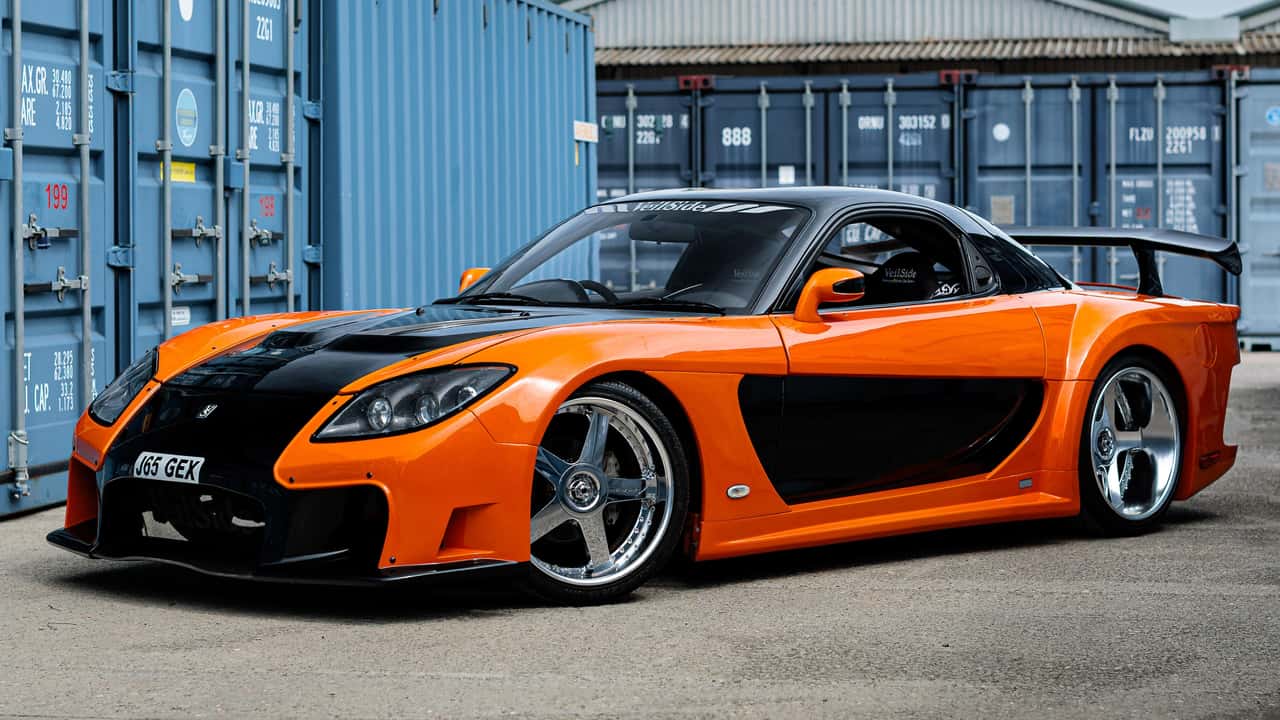
3. Mazda RX-7 (FD3S)
The Mazda RX-7, especially the FD3S generation, is widely celebrated for its rotary engine and lightweight construction. Its Wankel engine design offered a high-revving and unique driving experience.
The FD3S combined exceptional agility with innovative engineering, creating a car that excelled on both road and track. Mazda’s focus on precision handling set the RX-7 apart from competitors.
Aerodynamics played a crucial role in the RX-7’s design, providing stability at high speeds and enhancing cornering performance. Its compact body and balanced weight distribution allowed drivers to experience responsive steering and controlled movements.
The FD3S became a benchmark for Japanese sports cars, blending power and handling effortlessly. Performance enthusiasts admired its ability to deliver engaging driving dynamics consistently.
The RX-7 also gained recognition for its reliability despite the unconventional rotary engine. Mazda engineered solutions to ensure long-term durability while maintaining performance.
Its lightweight frame allowed for nimble handling and made it competitive in motorsports. Many drivers found the RX-7’s responsiveness exhilarating, creating a dedicated fan base.
The RX-7’s legacy continues to influence modern sports car design and tuning culture. The rotary engine remains iconic, showcasing Mazda’s willingness to innovate.
Enthusiasts still seek the FD3S for its balance of speed, agility, and character. The car represents a unique chapter in Japanese automotive history, demonstrating creativity and engineering excellence.
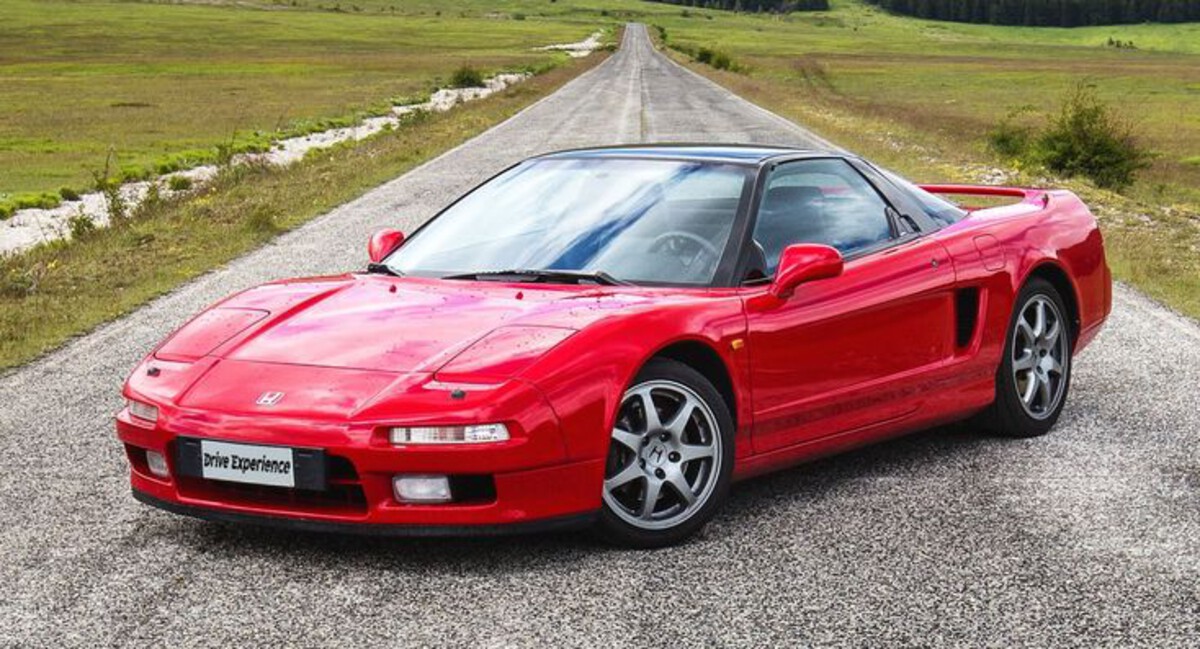
4. Honda NSX (NA1/NA2)
The Honda NSX redefined what a Japanese sports car could be by combining exotic styling with reliability. Launched in the early 1990s, the NSX challenged the dominance of European supercars.
Its mid-engine layout and lightweight aluminum construction created exceptional balance and responsiveness. Honda prioritized driver engagement, ensuring the car was both fast and enjoyable to operate.
Engineering innovation was at the heart of the NSX, with a high-revving V6 engine designed for smooth power delivery. The car offered precise steering and handling rarely seen in vehicles of its era.
It became popular with enthusiasts and collectors who appreciated performance without compromise. The NSX proved that Japanese automakers could rival established European brands.
The NSX also influenced automotive design by emphasizing simplicity and efficiency. Its reliability contrasted sharply with more temperamental supercars, making it appealing for regular use. Racing versions demonstrated the car’s capabilities, combining speed with consistency. Honda’s approach to engineering created a sports car that was innovative, fast, and dependable.
Modern NSX models carry forward the philosophy of the original, blending hybrid technology with performance. The NSX remains a benchmark for Japanese supercars, inspiring future generations of engineers. Its combination of technology, design, and driving experience ensures its continued relevance in automotive history.
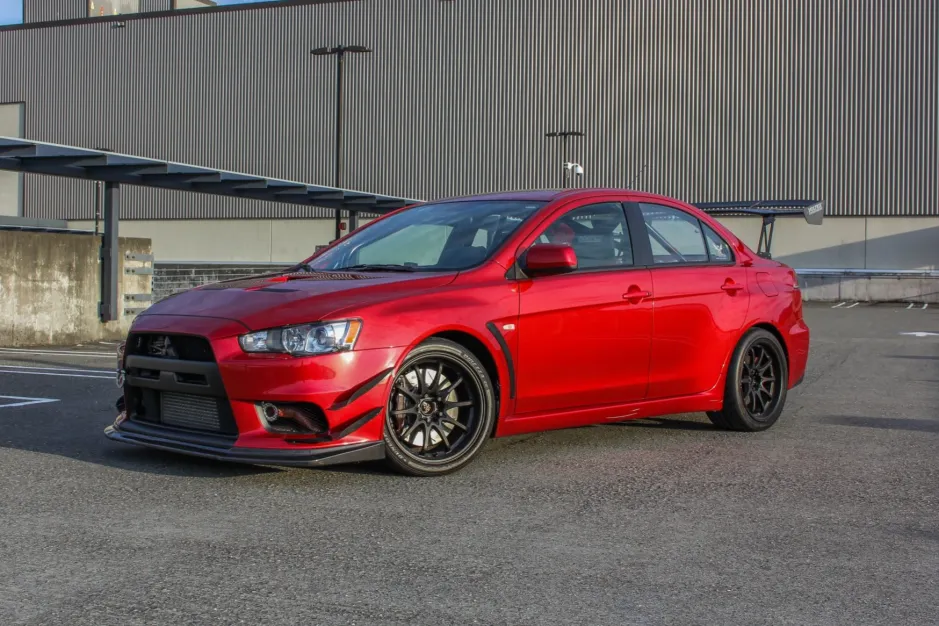
5. Mitsubishi Lancer Evolution (Evo Series)
The Lancer Evolution series established Mitsubishi as a force in rally-inspired performance cars. Combining turbocharged engines with advanced all-wheel-drive systems, the Evo series became legendary for handling and acceleration.
Drivers praised its responsiveness, making it ideal for both street driving and competitive racing. The Evolution models showcased Mitsubishi’s ability to translate motorsport technology into road cars.
The early Evo models focused on creating lightweight and nimble cars capable of exceptional cornering. Each successive generation improved aerodynamics, suspension, and electronic control systems.
The balance between power and handling became the hallmark of the series. Enthusiasts admired the Evo for delivering rally-level performance in a practical package.
Turbocharged engines in the Evo series offered impressive tuning potential. Owners could modify the cars to achieve remarkable horsepower while maintaining reliability.
The combination of all-wheel drive and turbo power made the Evo series competitive in rally championships and local events. Its technical sophistication attracted a dedicated fan base.
The Lancer Evolution’s legacy continues through performance tuning and motorsport culture. While Mitsubishi has shifted focus, the Evo remains an icon of Japanese engineering and rally performance.
Collectors and enthusiasts still seek earlier models for their balance, technology, and driving excitement.
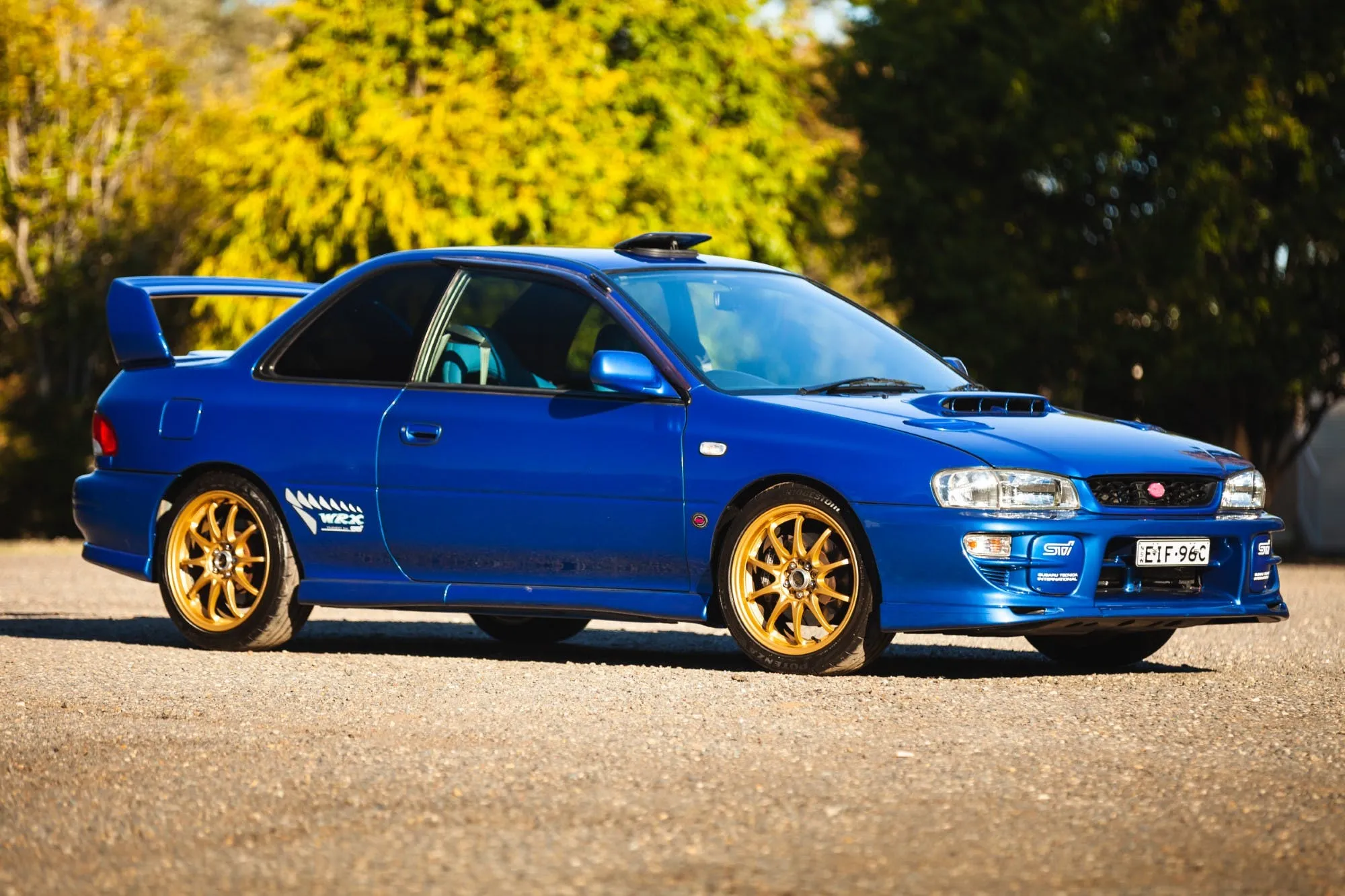
6. Subaru Impreza WRX STI
The Subaru Impreza WRX STI became one of the most recognizable rally-inspired sports cars in history. Its turbocharged flat-four engine delivered strong acceleration while the symmetrical all-wheel-drive system ensured exceptional stability on challenging roads.
Subaru emphasized handling and durability, making the WRX STI competitive both on rally tracks and in everyday driving. Fans admired its unique combination of speed, reliability, and practicality.
The WRX STI’s performance was enhanced by advanced suspension systems, lightweight construction, and precise steering. Its chassis was designed to absorb shocks while maintaining agility, allowing drivers to corner aggressively without losing control.
The car’s low center of gravity contributed to sharp handling and responsiveness. These features made it ideal for enthusiasts seeking both excitement and precision.
Over multiple generations, Subaru refined the WRX STI with improved aerodynamics, braking, and engine output. Each model iteration became more capable on tracks while remaining usable as a street car.
The turbocharged engines were highly adaptable for tuning, attracting a strong community of aftermarket enthusiasts. The WRX STI’s racing pedigree reinforced its image as a serious performance machine.
Even today, the WRX STI continues to influence rally-inspired sports car design. Its balance of power, grip, and driver engagement remains a benchmark for compact sports cars.
Collectors and drivers value the STI not only for speed but also for its heritage and consistent performance. Subaru successfully combined motorsport expertise with everyday usability in a single vehicle.
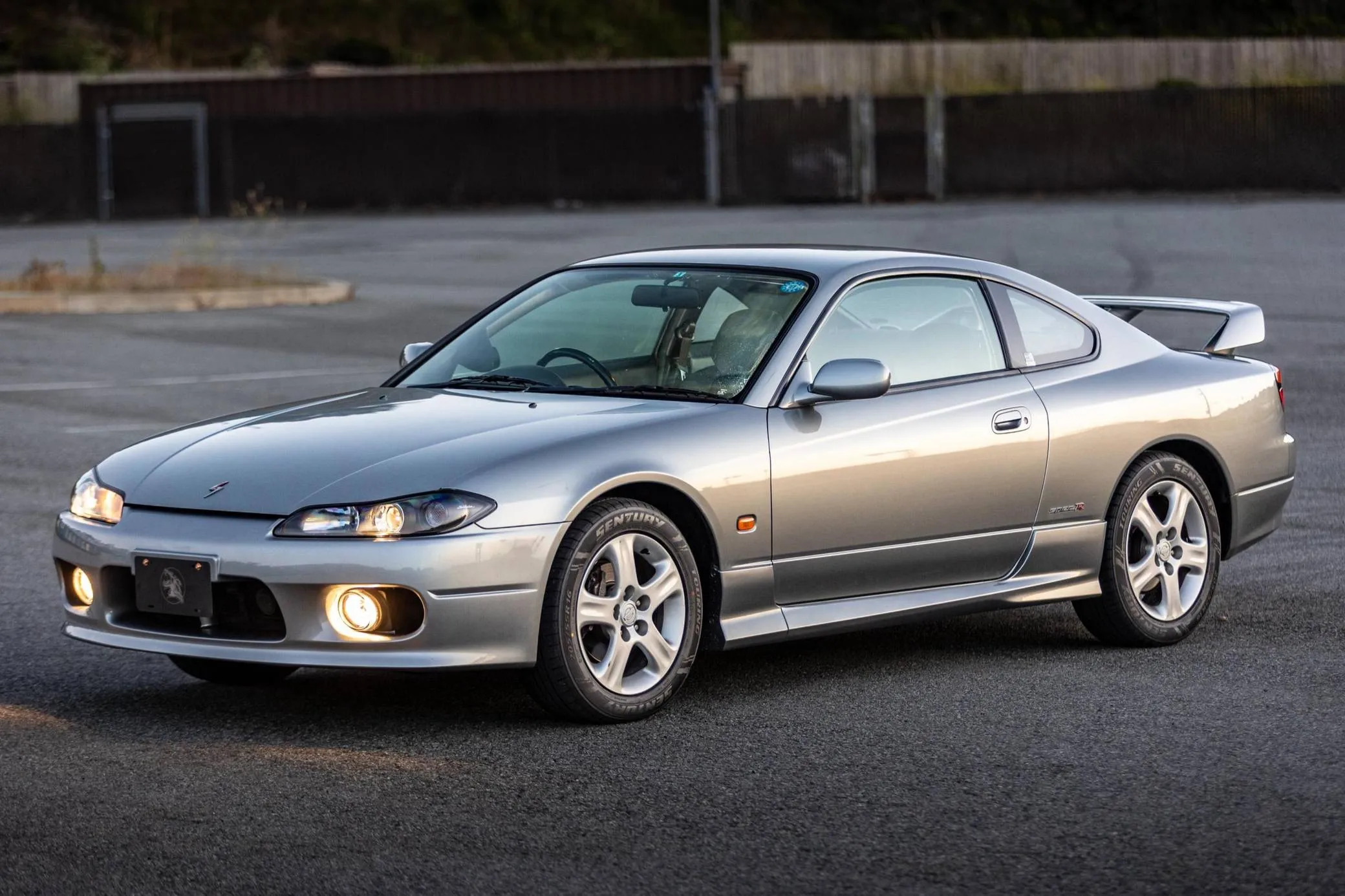
7. Nissan Silvia (S13, S14, S15)
The Nissan Silvia series gained worldwide popularity for its balance of performance and handling. Lightweight frames paired with turbocharged engines allowed the S13, S14, and S15 models to deliver sharp cornering and spirited acceleration.
These cars became especially famous in drift culture, where their rear-wheel-drive layout made them highly maneuverable. Enthusiasts praised the Silvia for providing excitement without compromising control.
The S13 introduced a compact design and responsive engine setup, which quickly earned a reputation for agility. Its aerodynamic profile helped reduce drag and improve stability at high speeds.
The car became a favorite among drivers who valued precision handling and the ability to modify engines for additional power. Its simple design also made it reliable and easy to maintain.
The S14 and S15 models refined the original formula with updated styling, better suspension, and enhanced engine performance. Engineers focused on improving comfort while maintaining the sporty character of the car.
Turbocharged variants offered exhilarating acceleration while balanced chassis design kept the car predictable at high speeds. Drivers felt a close connection with the car, which contributed to its enduring popularity.
The Nissan Silvia remains an icon of Japanese performance cars, particularly in drift and tuning communities. Its adaptability, lightweight construction, and responsive dynamics allowed it to stand out from competitors.
Even decades later, Silvia models are sought after for their historical significance and thrilling driving experience. The series represents the perfect combination of engineering and fun behind the wheel.
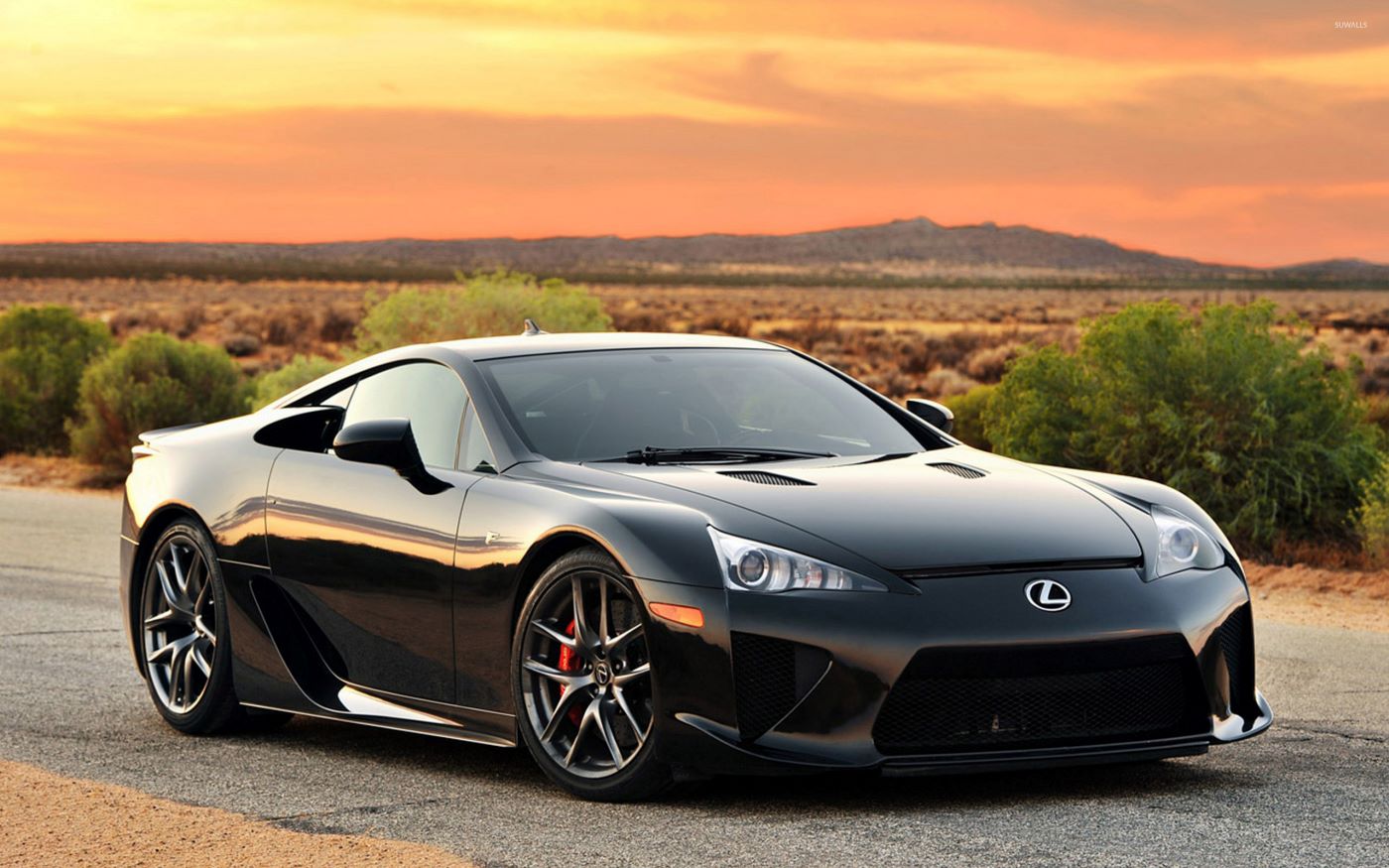
8. Lexus LFA
The Lexus LFA represents Japan’s ambition to create a true supercar. Its 4.8-liter V10 engine produced a high-revving, visceral sound that became legendary among enthusiasts.
Lightweight carbon fiber construction allowed for exceptional acceleration and agility, while advanced aerodynamics improved high-speed stability. Lexus designed the LFA to compete with European supercars, proving that Japanese brands could excel at the highest performance level.
Engineering innovation was central to the LFA, with precision-crafted components ensuring reliability under extreme conditions. Its suspension and braking systems were tuned for track-level performance without sacrificing street usability.
Drivers reported that the car’s responsiveness and handling were exceptional, offering a rare combination of speed and precision. The LFA’s meticulous design reflected Lexus’s commitment to excellence.
The interior of the LFA matched its performance, with driver-focused ergonomics and high-quality materials. Advanced electronics assisted the driver while maintaining engagement and control.
Every aspect of the car, from engine mapping to weight distribution, emphasized balance and precision. It was a demonstration of Japanese attention to detail and engineering mastery.
The LFA’s legacy continues to inspire modern supercars and performance vehicles. It represents a bold statement of ambition from Lexus, blending speed, technology, and style in a cohesive package.
Collectors regard the LFA as a rare and significant example of Japanese engineering pushing the boundaries of what a sports car can achieve.
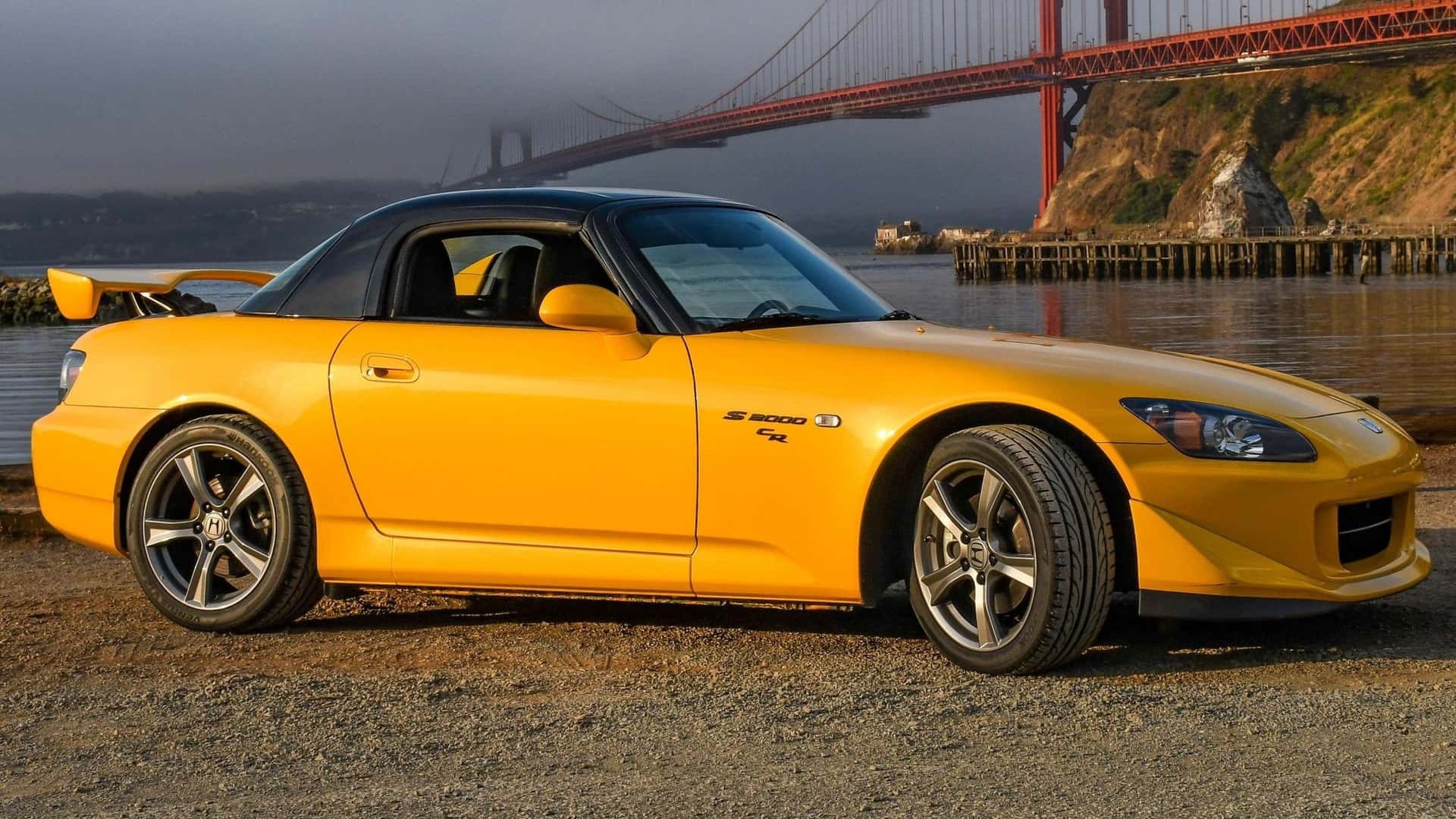
9. Honda S2000
The Honda S2000 is celebrated for its lightweight design, high-revving engine, and exceptional handling. Its 2.0-liter engine in early models produced extraordinary output relative to displacement, reaching redline at levels uncommon for production cars.
Honda engineered the S2000 to prioritize driver experience, with precise steering, balanced chassis, and responsive throttle. The car became an instant favorite for enthusiasts seeking a pure, connected driving experience.
The S2000 featured a convertible body, enhancing the driving experience with open-air enjoyment. Despite its modest size, the chassis provided stability and agility at high speeds.
Suspension tuning and weight distribution were carefully designed to ensure predictable and engaging handling. Drivers praised the car for providing both excitement and comfort, a rare combination in performance vehicles.
Honda’s engineering ensured the S2000 was reliable even under aggressive driving conditions. Its engine was renowned for durability and high RPM performance, making it ideal for spirited track use.
The car’s compact dimensions and rear-wheel-drive layout emphasized a fun, engaging driving style. It became a symbol of Honda’s ability to combine innovation with practicality.
The S2000 continues to be highly sought after by enthusiasts and collectors. Its legacy lies in its focus on driver involvement and balanced performance.
Even decades after its release, the S2000 serves as a benchmark for lightweight, high-revving sports cars. It remains a prime example of Japanese precision engineering.
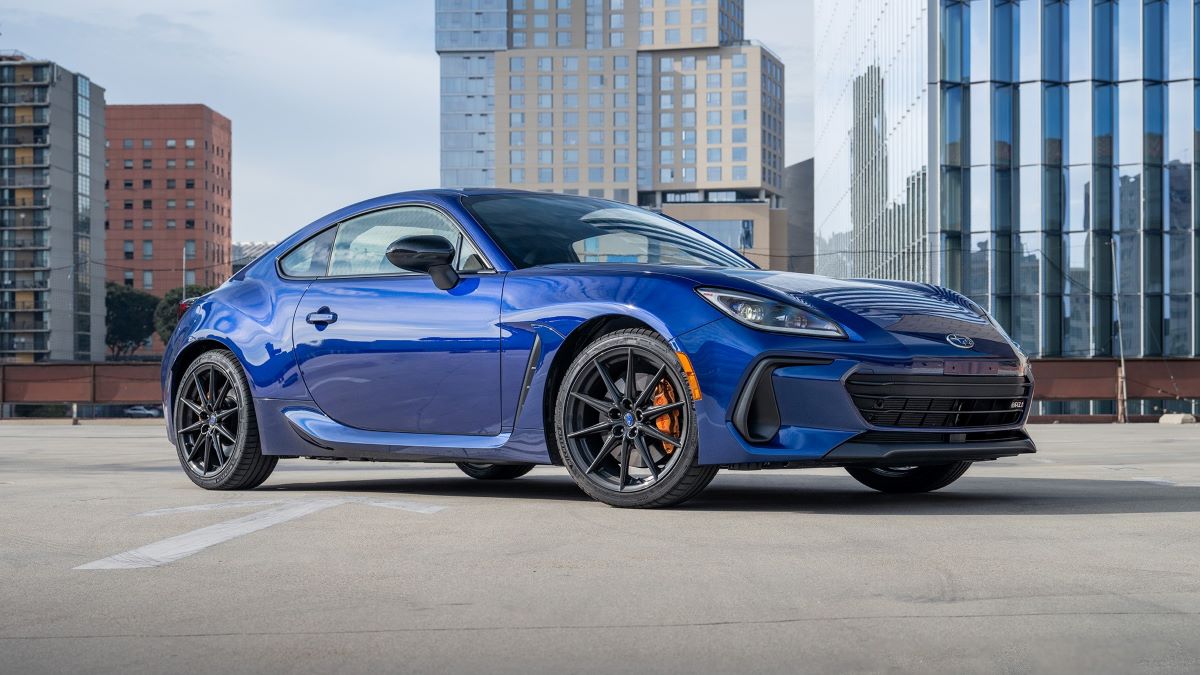
10. Toyota 86 / Subaru BRZ
The Toyota 86 and Subaru BRZ were designed with one goal: to provide an affordable, lightweight sports car focused on driving pleasure. Sharing a platform, these cars emphasized low weight, rear-wheel drive, and a naturally aspirated flat-four engine.
The design prioritized handling balance over raw power, allowing drivers to explore corners confidently and with precision. Enthusiasts appreciated the cars for their simplicity and responsiveness.
Both models featured a low center of gravity and near-perfect weight distribution, enhancing stability and agility.
Steering and suspension tuning emphasized feel and predictability, making the cars accessible to both new and experienced drivers. Despite modest horsepower, the driving experience was engaging and connected, a quality often lost in more powerful vehicles.
The Toyota 86 and Subaru BRZ also encouraged customization and tuning. Lightweight construction and balanced chassis made them ideal for amateur racing or track days.
The cars proved that performance could be achieved through handling rather than sheer power. Their modest engines highlighted the importance of technique and skill, rewarding drivers who pushed limits responsibly.
Today, the 86 and BRZ continue to be celebrated as modern interpretations of classic Japanese sports car philosophy. They focus on driver enjoyment and balance rather than extreme speed alone.
Their legacy reinforces the principle that a sports car’s essence is measured by engagement and control rather than horsepower figures.
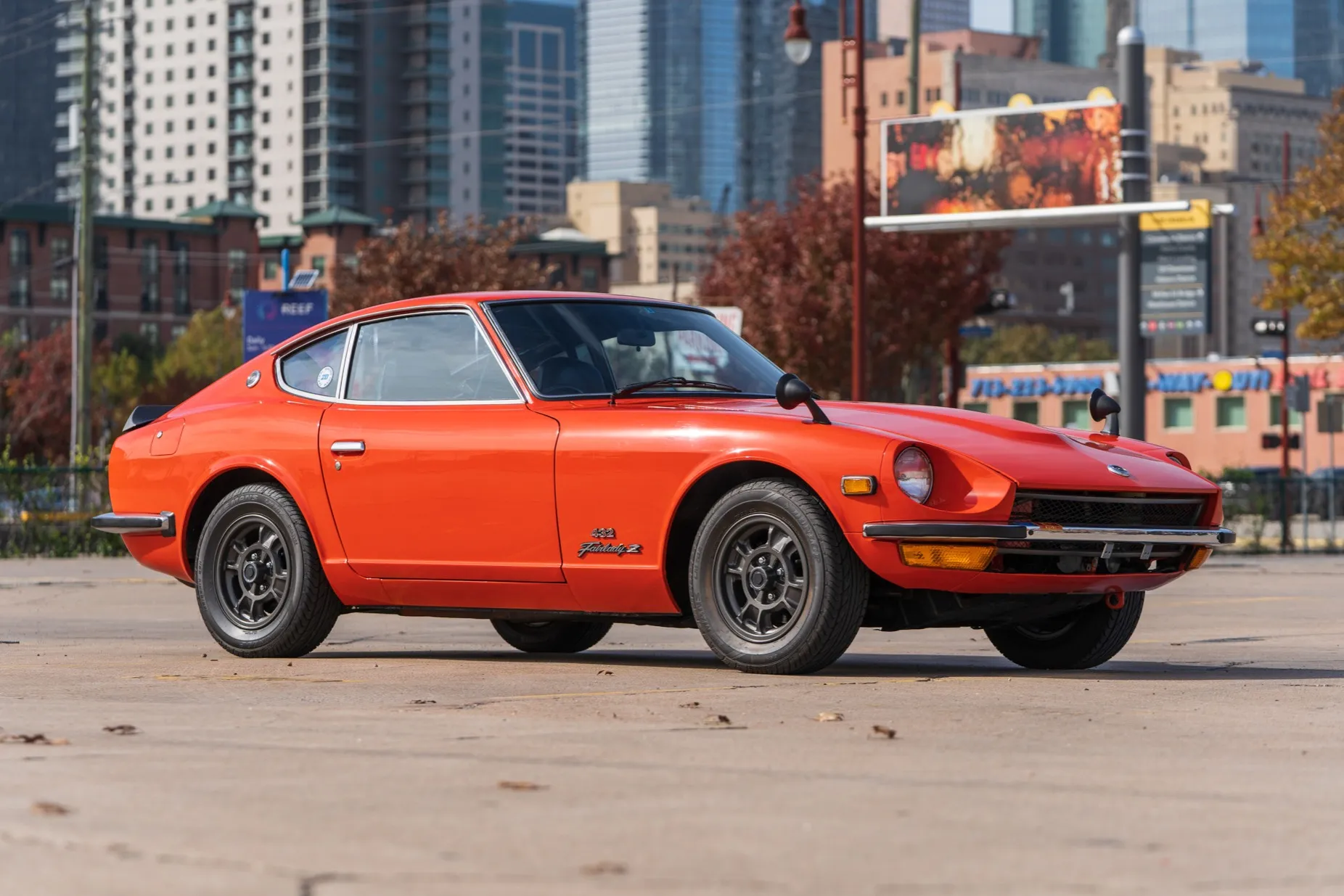
11. Nissan 370Z / Fairlady Z
The Nissan 370Z, also known as the Fairlady Z in Japan, represents the evolution of Nissan’s Z-car legacy. It combined modern technology with classic design cues, offering powerful V6 engines and precise handling.
The 370Z retained the spirit of earlier Z-cars, emphasizing a balance of performance, style, and affordability. Enthusiasts valued its ability to deliver excitement both on the track and on public roads.
The car’s chassis and suspension were tuned for driver involvement, providing predictable handling and responsive steering. Its lightweight construction allowed for sharp cornering and strong acceleration.
Nissan focused on creating a vehicle that could handle aggressive driving while remaining manageable for daily use. The 370Z offered an accessible entry into sports car ownership without compromising performance.
Over time, the Z-series continued to refine engine performance, braking, and stability. Turbocharging options and tuning potential allowed enthusiasts to achieve even greater levels of performance.
Its design paid homage to earlier Z-cars while integrating modern aerodynamics and styling cues. The combination of tradition and innovation helped the 370Z maintain relevance in the sports car market.
The Nissan 370Z remains a symbol of Japanese sports car philosophy, blending performance, reliability, and driver engagement.
Collectors and enthusiasts appreciate its place in automotive history as part of the iconic Z-series. It demonstrates how Japanese manufacturers can balance heritage, technology, and excitement in a sports car package.
