
British luxury cars have long been associated with craftsmanship, restraint, and an understated sense of confidence that separates them from louder automotive cultures. Rather than chasing short term trends, many British manufacturers have historically focused on durability, comfort, and mechanical integrity that rewards long term ownership.
This philosophy has resulted in vehicles that age gracefully, both mechanically and aesthetically, often remaining relevant decades after their introduction. Longevity in this sense is not accidental, but the outcome of deliberate engineering choices and conservative design thinking.
The idea of building a luxury car with a long lifespan involves more than using premium materials. It requires engines that are not overly stressed, drivetrains that prioritize smoothness over extreme output, and interiors designed to wear slowly rather than impress briefly.
British marques traditionally excelled in this area by favoring refinement, balance, and serviceability. Many of these vehicles were engineered with the expectation that they would be repaired, maintained, and cherished rather than discarded.
Another key factor behind the longevity of British luxury cars is their approach to design. Instead of dramatic styling that risks looking outdated, these vehicles often rely on timeless proportions and subtle detailing.
This allows them to remain visually appealing across generations, which encourages owners to preserve them rather than replace them. The emotional bond formed with such cars often becomes stronger over time, reinforcing their long term survival.
This article highlights ten British luxury cars that were built with durability and long term ownership in mind. Each model represents a commitment to quality, mechanical resilience, and thoughtful design rather than fleeting innovation.
These cars demonstrate how British engineering has quietly produced vehicles capable of lasting decades when properly cared for. Their legacy continues to influence how luxury and longevity are defined today.
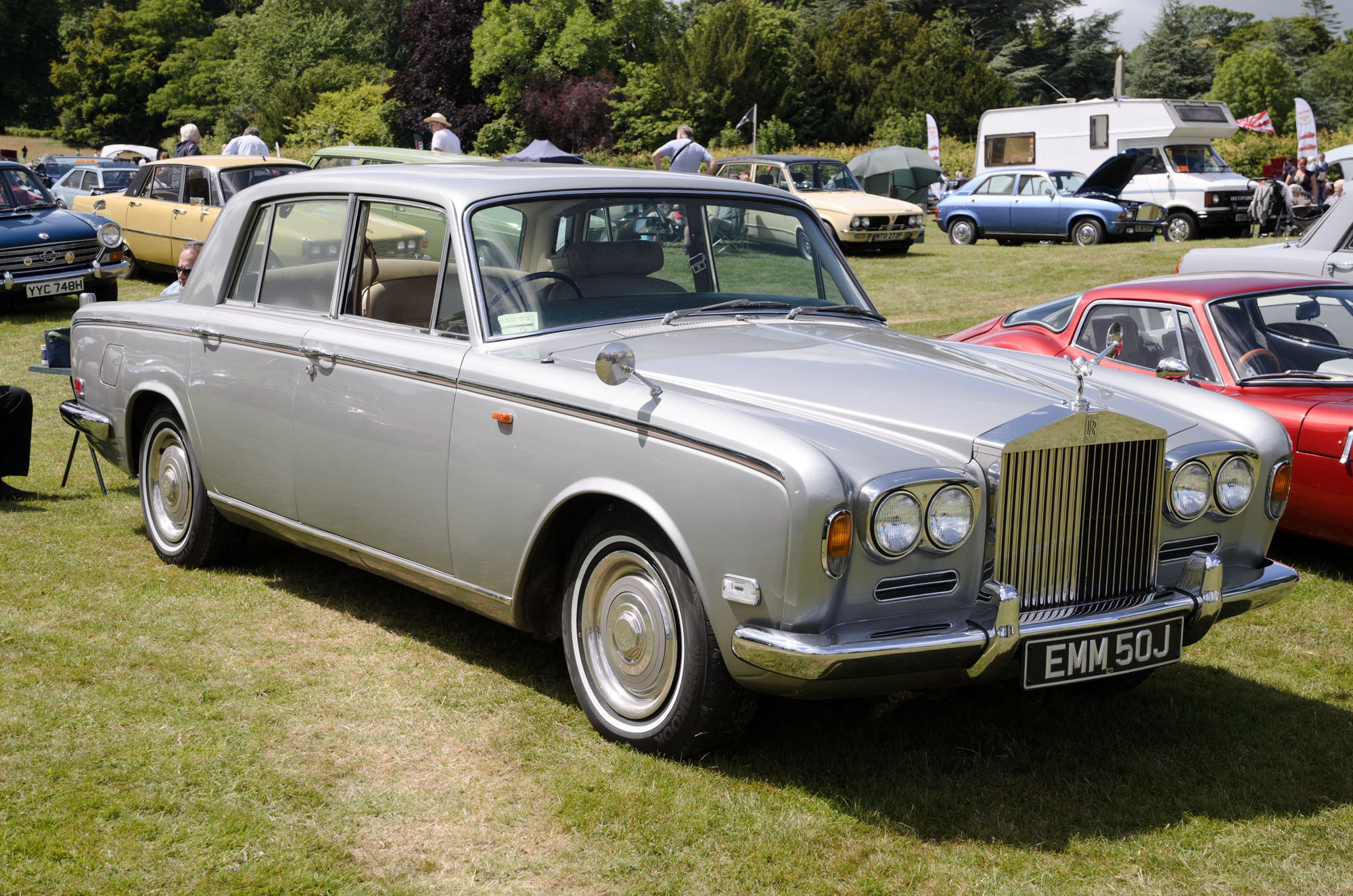
Rolls Royce Silver Shadow
The Rolls Royce Silver Shadow marked a turning point for the brand by introducing modern engineering while retaining traditional build quality. Its construction emphasized structural rigidity, allowing the car to handle long term use without compromising comfort or stability.
The steel monocoque body was a major improvement over earlier designs, offering better durability and resistance to corrosion over time. This foundation made the Silver Shadow a car that could endure decades of service, appealing to owners who valued both reliability and understated elegance.
Under the hood, the naturally aspirated V8 engine was tuned for smooth, unstressed performance rather than outright power, which contributed to its legendary reliability. The engine was designed to run effortlessly during long highway journeys or city driving, reducing the likelihood of mechanical strain.
Its robust components allowed the vehicle to handle high mileages without major failures, a rare feature for cars of this era. Owners who followed recommended maintenance schedules often found their Silver Shadows running perfectly well after several decades.
Inside the cabin, materials were selected with aging in mind rather than short term visual appeal, showcasing Rolls Royce’s commitment to timeless luxury. Real wood veneers, thick leather hides, and solid metal fittings resisted wear and developed character over the years.
The design included attention to small details such as ergonomically placed controls and comfortable seating that retained support even after extensive use. These interior choices ensured the car felt as luxurious and functional in later years as it did when new.
The Silver Shadow also benefited from a strong global support network that made long term maintenance practical and relatively stress-free. Genuine parts and expert mechanics familiar with the model were available worldwide, making preservation easier.
This network reinforced the car’s reputation as a long lasting luxury vehicle that could be enjoyed for decades. Its continued presence on the road today is a testament to the careful engineering and thoughtful construction that went into every detail.
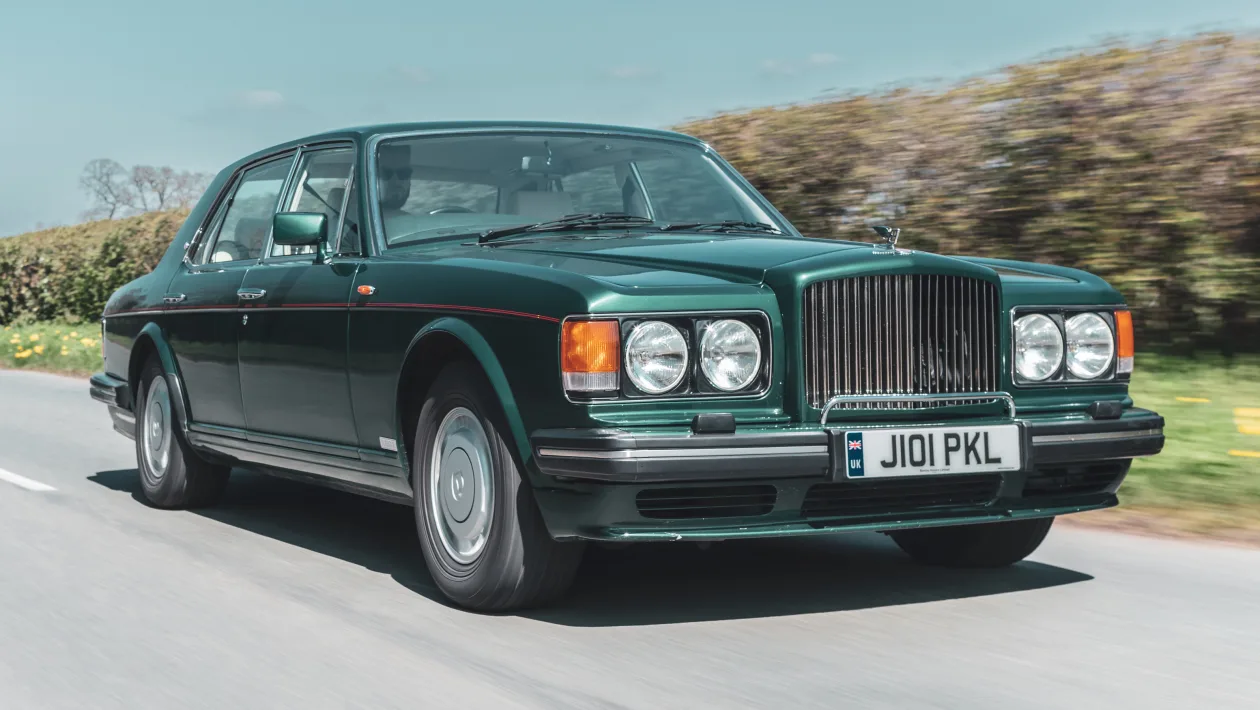
Bentley Turbo R
The Bentley Turbo R combined traditional British luxury with robust mechanical engineering, creating a car built for longevity. Its reinforced chassis was designed to handle significant torque and weight without compromising structural integrity.
The body was constructed with high quality metals and precise welds, allowing it to withstand stress over years of use. The combination of durability and luxury made it one of the most respected models in Bentley’s modern history.
Its turbocharged V8 engine was engineered for longevity, featuring conservative boost levels and reinforced internal components. The engine delivered steady, smooth power rather than extreme acceleration, which reduced internal wear and improved reliability.
High quality cooling and lubrication systems further ensured that the engine maintained performance even under long drives. Owners who adhered to proper maintenance schedules often experienced remarkably low mechanical failure rates.
The suspension system played a significant role in extending the car’s lifespan. Designed to balance comfort with handling, it minimized stress on the chassis and body components.
Hydraulics and bushings were over-engineered to endure repeated use, allowing the Turbo R to retain ride quality over decades. This careful tuning prevented premature wear and kept the vehicle stable and comfortable at all times.
Inside, Bentley paid close attention to long term durability while maintaining luxury appeal. Thick leather seats, sturdy wood trim, and precision switchgear were designed to resist wear and maintain a refined feel.
The interior could be refurbished with relative ease, allowing owners to preserve its premium character. This approach aligned perfectly with long term ownership and contributed to the Turbo R’s reputation as a vehicle that could thrive for decades.
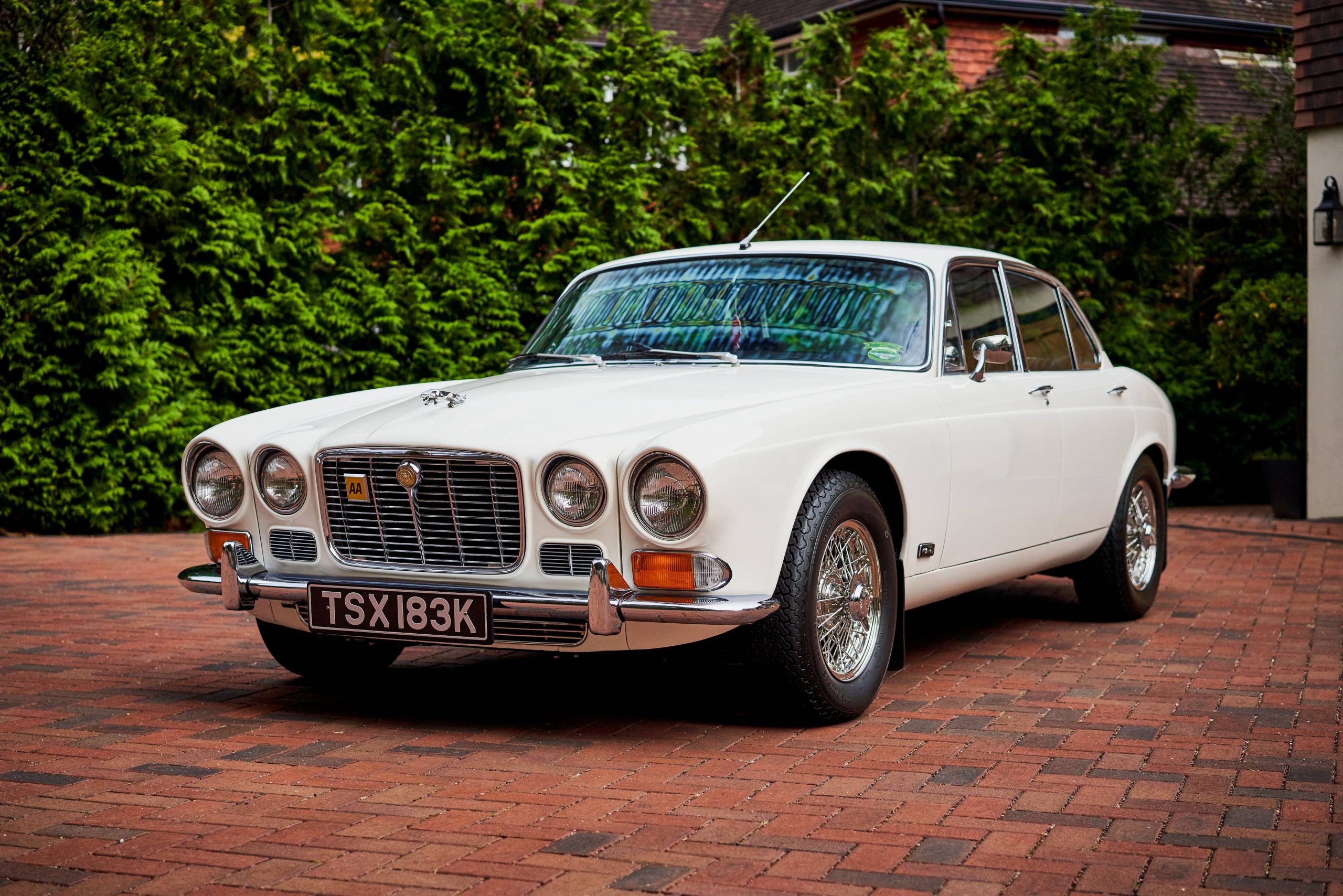
Jaguar XJ Series III
The Jaguar XJ Series III represented a mature stage in Jaguar’s luxury sedan development, blending elegance with structural durability. Its body design focused on a balance between rigidity and flexibility, allowing it to withstand long term use without significant stress to key components.
Attention to corrosion resistance and chassis reinforcements made the Series III one of the more reliable luxury sedans of its era. This made it a favorite for owners who valued both style and longevity.
Engine choices, including the inline six and V12 options, were tuned for smooth and steady performance. Rather than maximizing output, these engines prioritized operational ease, reducing wear on pistons, valves, and the drivetrain.
Cooling and lubrication systems were also optimized for long term durability. Many vehicles of this series continue to function reliably, reflecting careful engineering choices.
The suspension was designed with both comfort and structural preservation in mind. Its system absorbed road irregularities while distributing forces evenly across the chassis.
This helped prevent metal fatigue and maintained alignment over time, ensuring the car remained stable on long journeys. Ride quality remained consistent even as mileage increased, highlighting Jaguar’s commitment to enduring comfort.
Inside, the cabin materials emphasized durability and timeless appeal. Leather seating aged naturally, and wood veneer maintained richness without cracking or warping.
Metal controls and fittings were engineered to resist corrosion and wear. This created a luxury environment that could be enjoyed daily for years, rewarding owners who maintained the car properly.
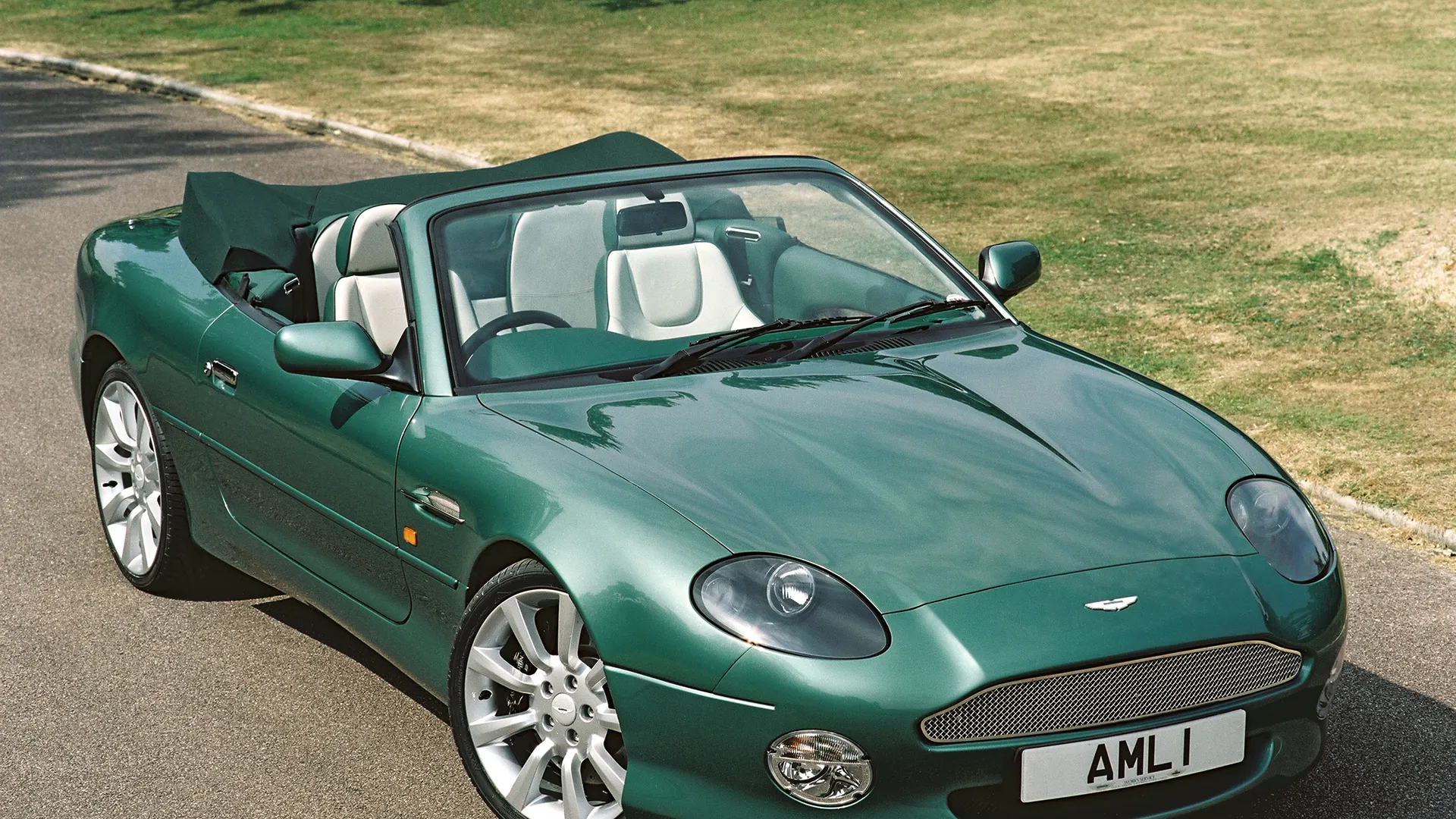
Aston Martin DB7
The Aston Martin DB7 was conceived as a refined grand tourer, blending performance and mechanical reliability with luxury craftsmanship. Its design avoided overly aggressive engineering, focusing instead on durability and smooth operation under everyday conditions.
Proven mechanical components were chosen to minimize the risk of long term failures. This combination of thoughtfulness and quality ensured the DB7 could provide years of enjoyment with minimal compromise.
The DB7’s straight six and later V12 engines delivered power evenly and with minimal stress on internal components. Tuning was moderate to avoid overloading the engine, while cooling and lubrication systems were designed for extended service intervals.
Owners who adhered to recommended maintenance routines often experienced minimal issues. This focus on balanced engineering contributed directly to the model’s long term durability.
Chassis and suspension systems were engineered for stability and comfort, which reduced stress on both the mechanical components and the body.
The suspension absorbed bumps and road imperfections effectively, protecting the integrity of the vehicle over time. Components were designed with high-quality materials to resist corrosion and fatigue. This approach allowed the DB7 to maintain excellent handling characteristics even after years of use.
Inside, the cabin used premium materials selected for durability and longevity. Leather, high grade wood, and robust switchgear ensured that the interior aged gracefully. Ergonomic design and quality construction encouraged proper maintenance and care. The DB7’s interior remained comfortable and visually appealing even after decades of ownership.
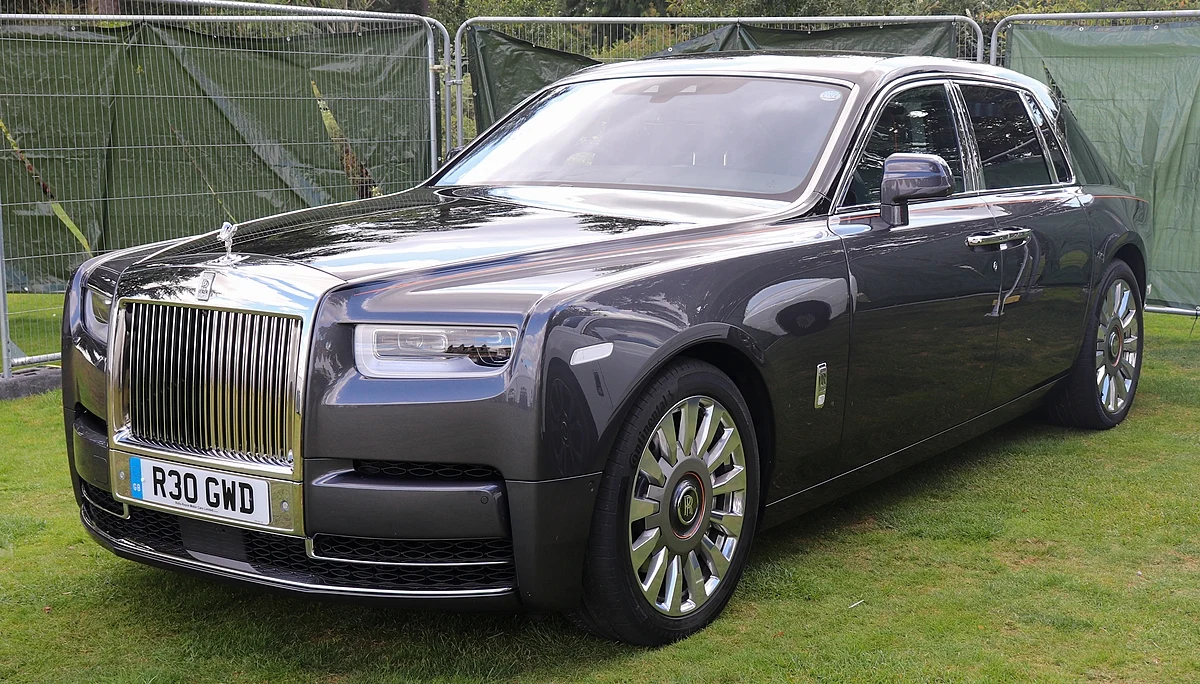
Rolls Royce Phantom VII
The Rolls Royce Phantom VII brought together modern technology and traditional British luxury with a focus on long term durability. Its aluminum spaceframe chassis was designed to resist corrosion, fatigue, and structural deformation over decades.
This advanced construction created a stable foundation for the car’s exceptional ride and safety characteristics. Attention to both engineering and craftsmanship ensured the Phantom VII would remain in service for many years with minimal structural deterioration.
Its V12 engine was built to operate with exceptional smoothness and minimal stress. Rather than emphasizing aggressive acceleration, the engine was tuned to deliver effortless power across the rev range.
Cooling and lubrication systems were optimized for long term performance, reducing wear on critical components. Owners benefited from a combination of refinement and durability rarely found in high performance luxury sedans.
The suspension system prioritized comfort while protecting the structural integrity of the car. Advanced adaptive technology helped absorb road impacts without transmitting excessive forces to the chassis or cabin.
This careful design reduced long term wear on both mechanical and body components. As a result, the vehicle’s ride quality and stability remained consistent over time.
Inside, the cabin was crafted from materials selected for their ability to endure decades of use. Thick leathers, solid wood veneers, and durable metal fittings maintained elegance over time.
Controls and surfaces were designed to resist wear while remaining functional and luxurious. This combination of engineering and craftsmanship reinforced the Phantom VII’s reputation as a vehicle designed to last.
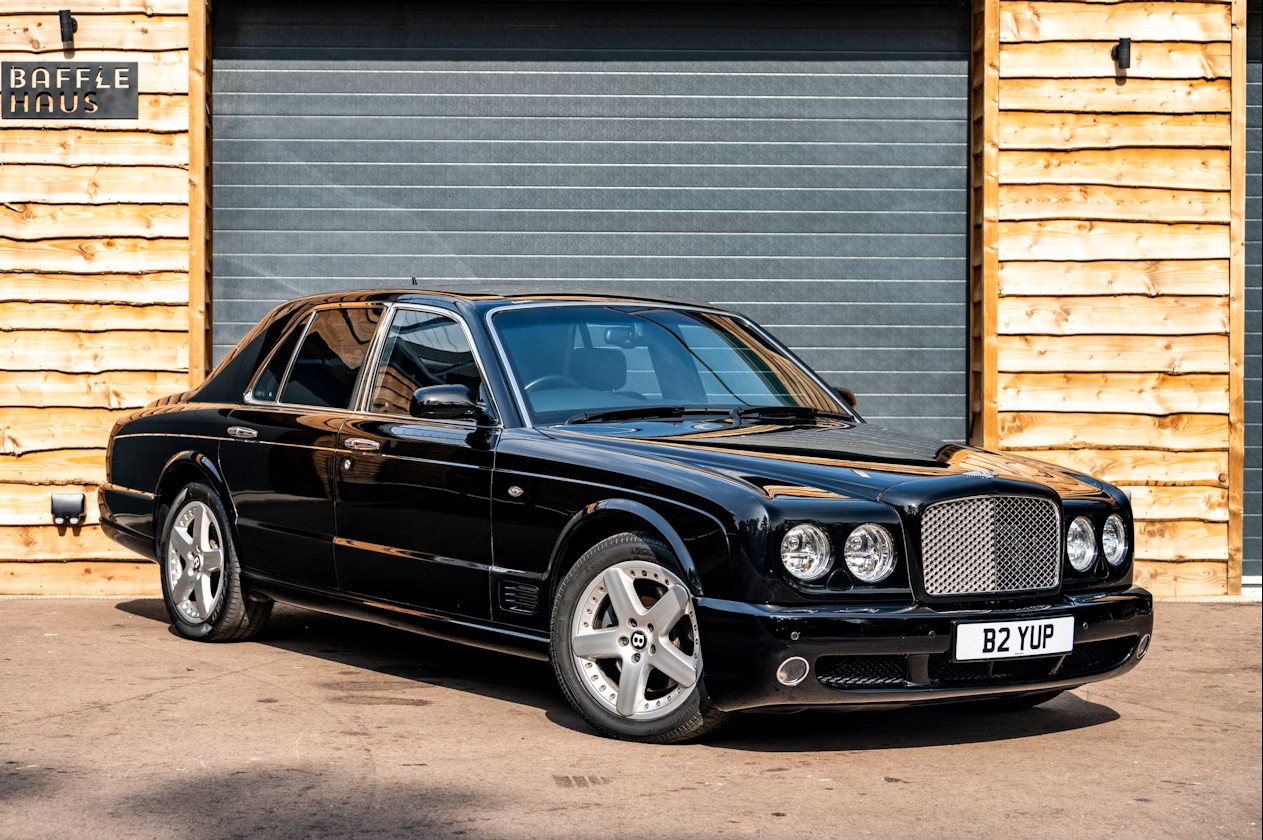
Bentley Arnage
The Bentley Arnage was built as a statement of both luxury and structural strength, emphasizing long term reliability over fleeting trends. Its chassis and body were engineered to endure heavy weight and torque without compromising ride quality.
High quality materials and precise assembly ensured that the car could withstand years of use without significant structural fatigue. This durability reinforced Bentley’s reputation for creating vehicles meant to last decades when properly maintained.
Its V8 engine was designed for consistent, dependable performance with minimal internal stress. The conservative tuning allowed for steady power delivery while reducing wear on pistons, valves, and the transmission.
Components were made from robust metals and alloys to resist heat and corrosion over time. With regular maintenance, many Arnages continue to run smoothly even after covering extensive mileage.
Suspension and braking systems were carefully engineered to protect the vehicle’s structural integrity. Hydraulics and bushings were overbuilt to absorb stress from road imperfections, preserving alignment and reducing fatigue on the chassis.
This ensured that ride comfort and handling remained stable over the years. Every detail of the Arnage’s suspension reflected a philosophy of long term usability.
The interior was crafted with attention to durability as well as luxury, using thick leathers, real wood veneers, and solid metal fittings. Materials were selected for their ability to withstand wear while aging gracefully, allowing the cabin to retain its premium feel over decades. Switchgear and controls were robust and designed to endure repeated use without failure. The combination of strong construction and refined interiors made the Arnage a vehicle that rewarded careful ownership over time.
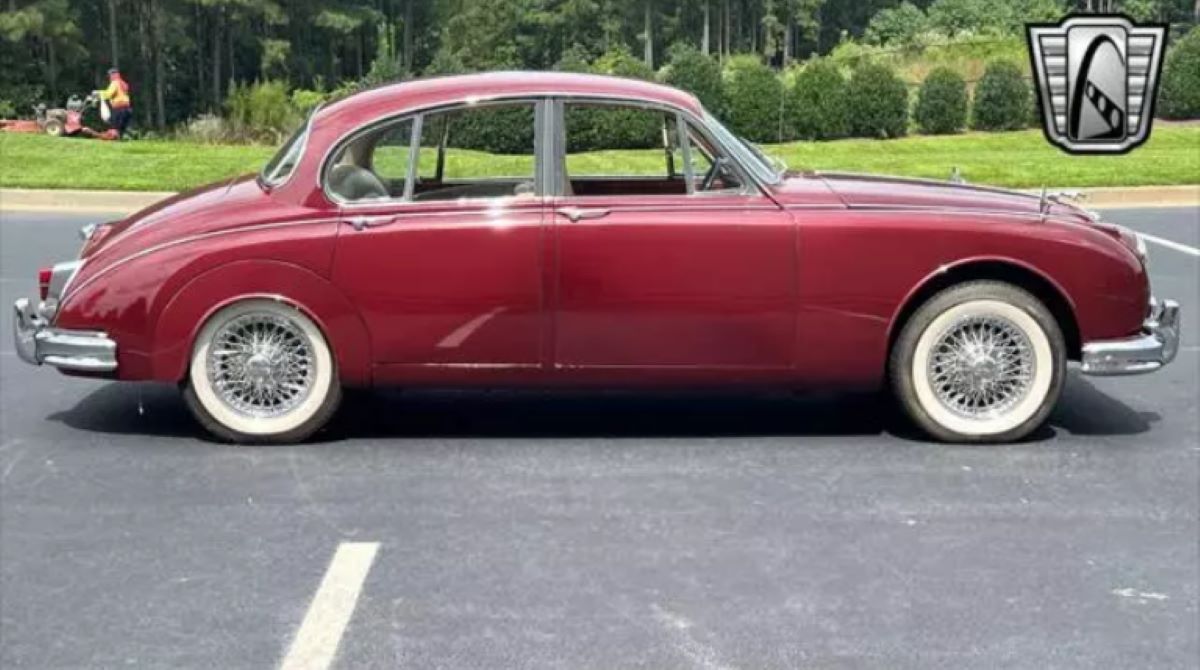
Jaguar Mark X
The Jaguar Mark X was engineered during a period of ambitious British automotive design, combining bold styling with mechanical resilience.
Its large, rigid body offered a stable platform capable of handling long term driving stresses without suffering from structural weaknesses.
High attention to corrosion resistance and panel alignment helped preserve the car’s exterior integrity. This focus on structural longevity ensured that the Mark X could remain visually and mechanically sound for decades.
Engine options, including the inline six and V12, were tuned for smooth, sustained operation rather than extreme performance.
This approach minimized wear on internal components while allowing for reliable long distance driving. Cooling systems, lubrication, and maintenance access were all designed with durability in mind. As a result, the engines remained functional and dependable even after years of use.
Suspension design further contributed to the car’s long term reliability. Advanced damping and spring setups absorbed road shocks efficiently, preventing stress from transmitting to the chassis or body.
This not only improved ride comfort but also protected key mechanical and structural elements. Even high mileage vehicles maintained impressive stability and handling characteristics over time.
Inside, the Mark X featured leather and wood surfaces selected for durability and long term appeal. The cabin aged naturally without significant deterioration, retaining both comfort and elegance.
Controls and fittings were engineered to withstand repetitive use without mechanical issues. This combination of mechanical reliability and resilient interiors made the Mark X a classic example of enduring British luxury.
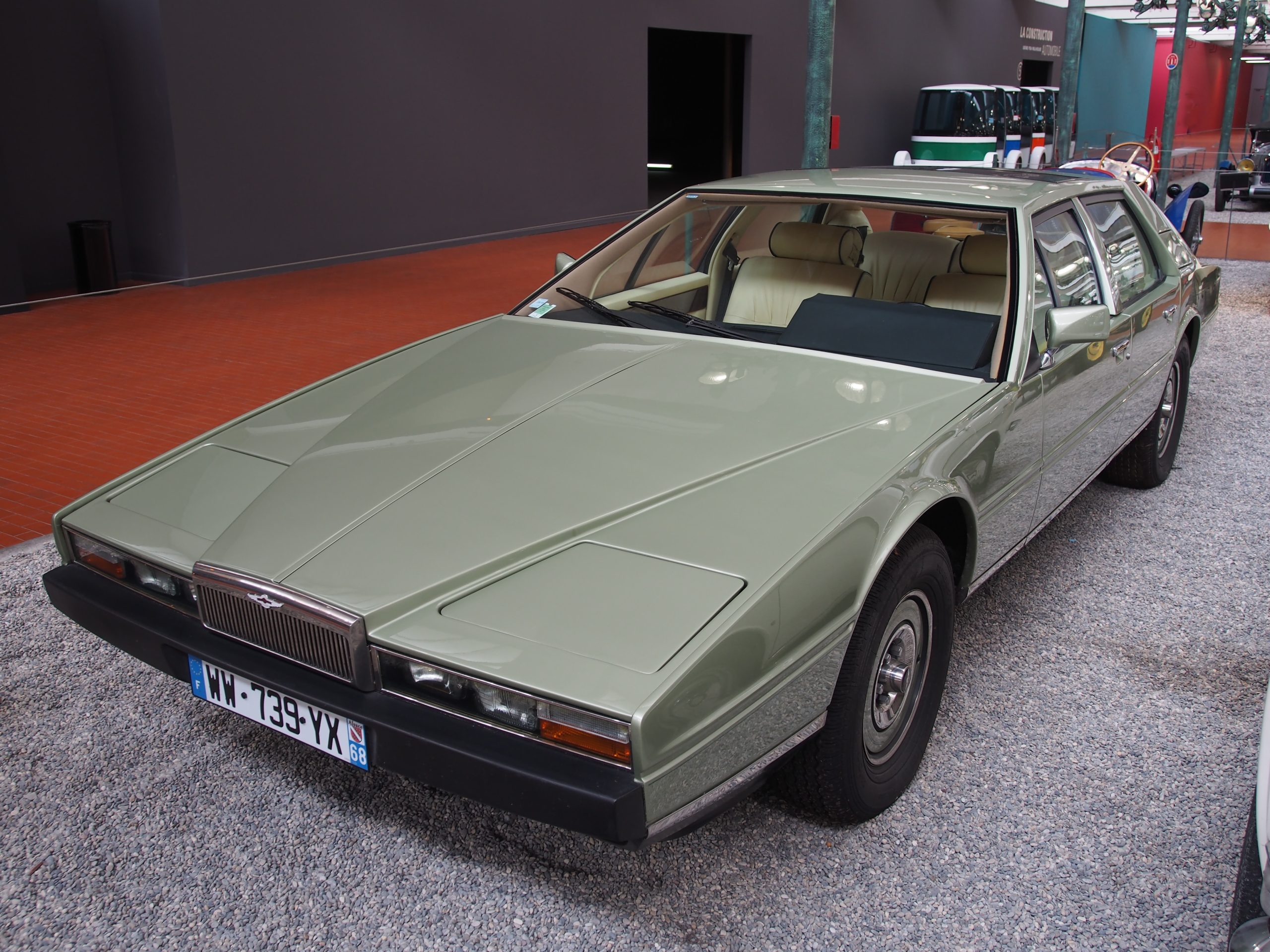
Aston Martin Lagonda
The Aston Martin Lagonda was an ambitious luxury car that also emphasized long term usability and mechanical strength. Its chassis was engineered for stability and weight distribution rather than lightness, which reduced stress on structural components.
The body panels and frame were designed to resist fatigue and corrosion, allowing the car to remain roadworthy over decades. This practical approach ensured that the Lagonda could combine bold styling with long term reliability.
Its V8 engine was built for smooth, reliable power delivery rather than aggressive acceleration, minimizing wear on internal parts. Conservative tuning and high quality materials extended the life of the engine, allowing it to cover extensive mileage without major repairs.
Cooling and lubrication systems were designed for endurance, supporting the car’s longevity. Owners who followed maintenance schedules often enjoyed decades of dependable performance.
Suspension was carefully tuned for comfort and to protect the chassis from excessive stress. Components were overbuilt to handle weight and road imperfections, reducing the likelihood of premature failures.
This engineering ensured that both handling and comfort remained consistent even with years of use. The suspension reflected Aston Martin’s goal of creating a durable grand tourer.
Inside, the Lagonda combined futuristic design with durable materials. Leather, wood, and high quality metals were selected to withstand wear and maintain visual appeal. Switchgear was engineered to last, and the cabin encouraged careful maintenance and preservation. The result was a vehicle that could endure long term ownership without losing its luxurious character.
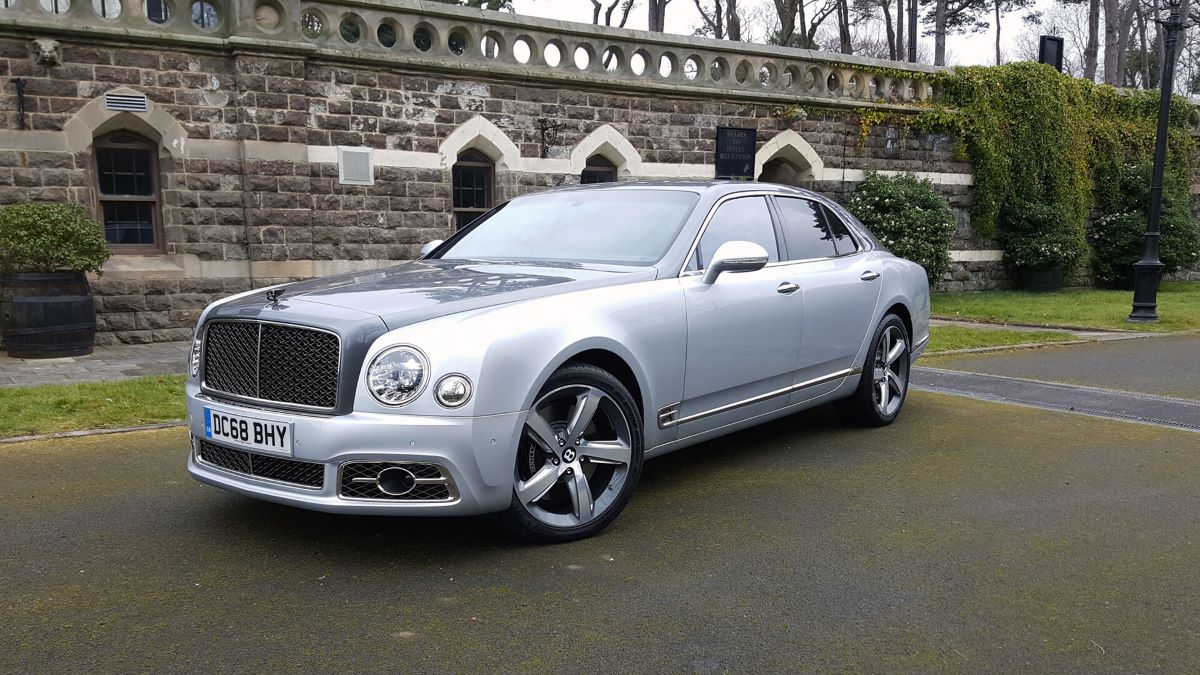
Bentley Mulsanne
The Bentley Mulsanne represented a modern return to Bentley’s traditional values, focusing on strength, refinement, and long term performance.
Its chassis was engineered for structural rigidity, capable of handling the weight of its luxurious interior and large engine with ease. High quality bodywork materials were resistant to fatigue and corrosion, ensuring that the car maintained its presence over decades. Every aspect of the design reflected a philosophy of durability rather than fleeting aesthetics.
The twin turbo V8 engine was designed with longevity in mind, featuring reinforced components and conservative tuning for smooth power delivery.
The engineering avoided unnecessary strain on internal parts, ensuring that high mileage operation was achievable. Cooling and lubrication systems were carefully designed to reduce wear and maintain performance over time. Many Mulsannes have accumulated extensive mileage with minimal mechanical issues as a result.
Suspension and steering systems were tuned for both comfort and structural preservation. Advanced damping and strong bushings absorbed road imperfections, reducing wear on the chassis and other mechanical components.
This allowed the car to maintain a consistent ride quality over many years. The Mulsanne’s mechanical design emphasized durability without compromising the luxurious driving experience.
Inside, the cabin reflected Bentley’s attention to materials that would endure decades of use. Thick leather, wood veneers, and precise metal fittings were selected for resilience and aesthetic longevity.
The interior could be maintained and restored easily, allowing owners to preserve its original appeal. These choices reinforced the Mulsanne’s reputation as a vehicle designed for long term luxury ownership.
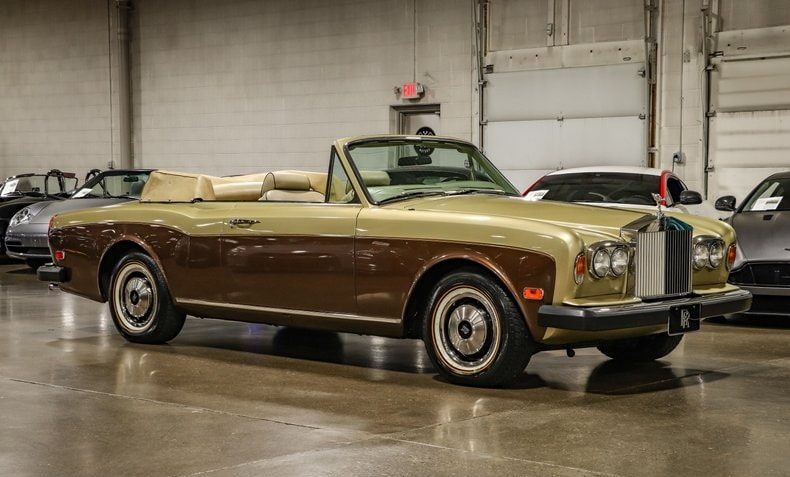
Rolls Royce Corniche
The Rolls Royce Corniche was conceived as a luxury grand tourer that could provide comfort and durability over decades of ownership. Its body and chassis were engineered to resist structural fatigue, while high quality metals and construction techniques prevented early corrosion.
Its V8 engine was tuned for effortless cruising, emphasizing smoothness over aggressive acceleration. Components were designed to resist wear, and conservative engineering choices ensured that the engine could function reliably for decades.
Cooling, lubrication, and serviceability were optimized for longevity rather than peak performance. Owners often found their Corniches continued to perform well with regular maintenance, even after decades of driving.
The suspension system was carefully designed to prioritize comfort while protecting the car’s structure. Components were overbuilt to absorb road shocks and reduce stress on the chassis. This helped preserve mechanical and structural integrity over long periods of ownership. The result was a ride that remained consistently smooth and composed, even after many years.
Inside, the Corniche showcased thick leathers, fine wood, and durable metal fittings, all chosen for long term appeal. The cabin aged gracefully, and high quality materials resisted wear and deterioration.
Controls were engineered for repeated use, ensuring functional reliability over decades. This combination of mechanical durability and luxurious craftsmanship made the Corniche a car that could be cherished for generations.
