
Cold cities put unique demands on sport utility vehicles, because temperatures dropping below freezing affect every part of a vehicle, from the engine and drivetrain to tires and electronics.
When winter weather settles in with ice, snow, and bitter winds, drivers need SUVs that offer confident traction, reliable starting, consistent heating systems, and durable materials that can withstand repeated exposure to salt and moisture.
A vehicle that performs well in temperate climates can struggle when the mercury plunges and roads become unpredictable. Understanding which SUVs manage these conditions effectively can make the difference between arriving at a destination with confidence and facing delays or safety risks due to inadequate equipment.
The following list examines five SUVs that are well-suited for cold city environments, offering features and performance traits that help maintain safety, comfort, and functionality during icy months. After that, a contrasting set of five SUVs is presented, ones that tend to struggle in freezing conditions because of design, drivetrain limitations, weight distribution issues, or other factors that reduce their effectiveness when weather turns harsh.
Each section focuses on the attributes that make these vehicles handle or mishandle winter driving, providing insight for anyone considering the best choice for living in or regularly traveling through cold urban areas.
5 SUVs That Handle Cold Cities
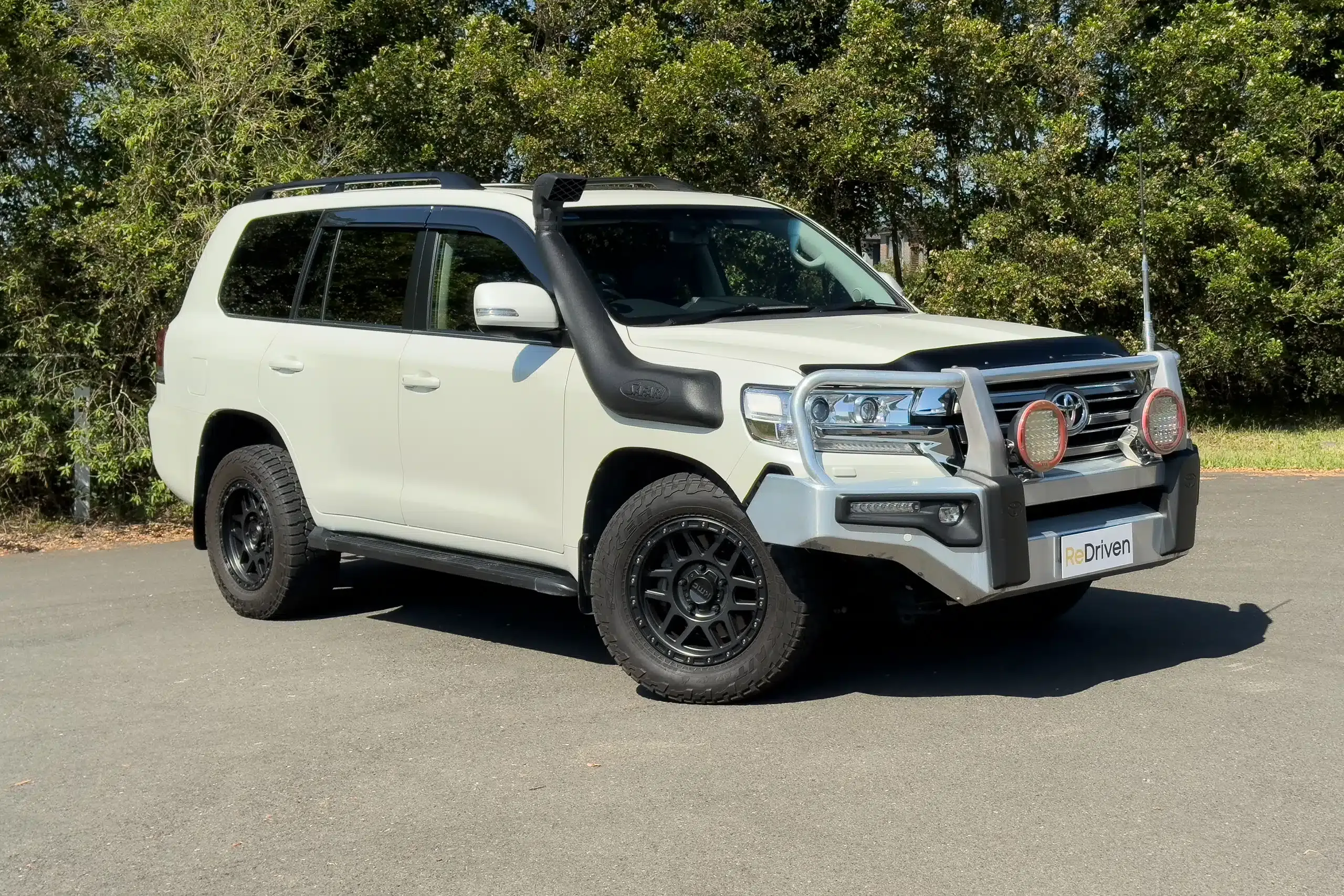
Toyota Land Cruiser
The Toyota Land Cruiser has long been respected for its rugged capability and reliability across extreme environments, and cold cities are no exception. Its full‑time four wheel drive system offers responsive traction on slippery surfaces, giving drivers confidence when navigating slush and ice.
The heavy body and stable chassis provide a planted feel, reducing the tendency to fishtail in low afternoon sun when black ice forms on city streets. In winter, the Land Cruiser’s robust heating system warms the cabin quickly, and heated seats add comfort on the coldest mornings.
Under the hood, the Land Cruiser’s engine is built to handle frequent cold starts without undue strain, and its cooling and lubrication systems maintain stable temperatures even when idling for extended periods in traffic.
Toyota’s attention to reliability means drivers rarely encounter battery or electronics failures that can plague less rugged vehicles when temperatures plunge. The Land Cruiser’s ground clearance helps it climb out of deep snow drifts or get over compacted snowbanks near curbs without scraping. Owners in northerly cities often report starting their Land Cruisers on subzero mornings with minimal fuss, an important consideration for daily commuters.
On packed snow and icy thoroughfares, the Land Cruiser’s traction control and locking differentials enhance its ability to maintain forward motion when pavement grip is inconsistent. Snow tires further improve stability, but even on quality all‑season rubber the vehicle’s weight and four wheel drive balance mitigate slip and slide tendencies.
When roads narrow due to plowed snow and traffic increases, the confident feel from the driver’s seat helps reduce stress. For families or professionals who must travel regardless of winter storms, the Land Cruiser’s consistent performance is reassuring.
Despite its substantial curb weight, the Land Cruiser remains maneuverable in congested city conditions, aided by responsive steering and predictable braking behavior on slick surfaces. The robust brake system resists fade even after repeated stops on downhill inclines, a feature city drivers appreciate during icy commutes.
Interior comfort is generous, with insulated materials that help maintain cabin temperature efficiently, reducing reliance on the heater fan and conserving energy. For individuals in cold climates who value durability and dependable performance, the Toyota Land Cruiser stands out as a dependable choice.
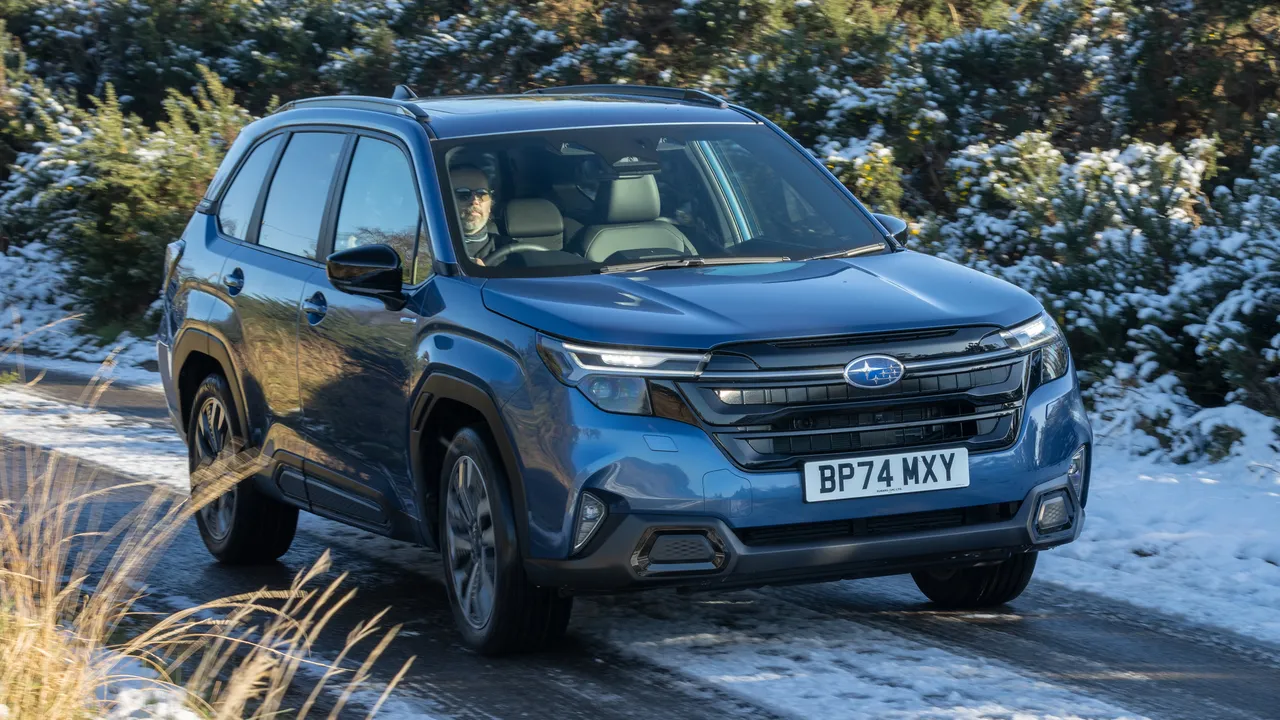
Subaru Forester
The Subaru Forester’s reputation for capable handling in winter weather makes it a popular choice for cold city dwellers who want practicality combined with all‑weather performance. Standard all wheel drive on every Forester model distributes torque to the wheels with the most grip, helping the vehicle maintain traction where other SUVs might struggle.
When snow accumulates on city streets or when black ice forms in shaded intersections, the Forester’s symmetrical all wheel drive system and low center of gravity improve stability. Drivers regularly note confidence in starting, stopping, and turning on wintry surfaces.
The Forester’s engine warms up quickly in cold conditions, and interior heaters circulate warmth effectively to keep occupants comfortable during early morning departures.
The compact size aids in maneuvering through tight, snow‑packed parking lots and crowded urban environments. Coupled with good visibility from the driver’s seat, city driving in winter becomes less taxing. The raised ride height compared to sedans also lets the Forester clear moderate snow banks and uneven road edges without grounding out.
In slushy conditions, traction control and the all wheel drive system work together to reduce wheel spin and maintain forward motion even when the pavement beneath is inconsistent. Drivers who mount winter tires often find braking distances improve markedly, but even on quality all seasons the Forester’s grip feels reassuring.
Electronic stability aids help balance the vehicle through turns and around corners where sudden changes in traction can otherwise unsettle a less capable SUV. These attributes combine to make the Forester a strong performer in climates where snow and ice are regular visitors.
Maintenance and reliability in cold climates are additional strengths, as Subaru engineers designed the Forester to resist common winter‑related issues such as battery failures, thickening engine oil, and frozen components.
Routine servicing keeps systems functioning optimally, and many owners report trouble‑ free winter seasons year after year. For drivers who value a blend of efficiency, capability, and predictable cold weather performance, the Subaru Forester remains a compelling option.
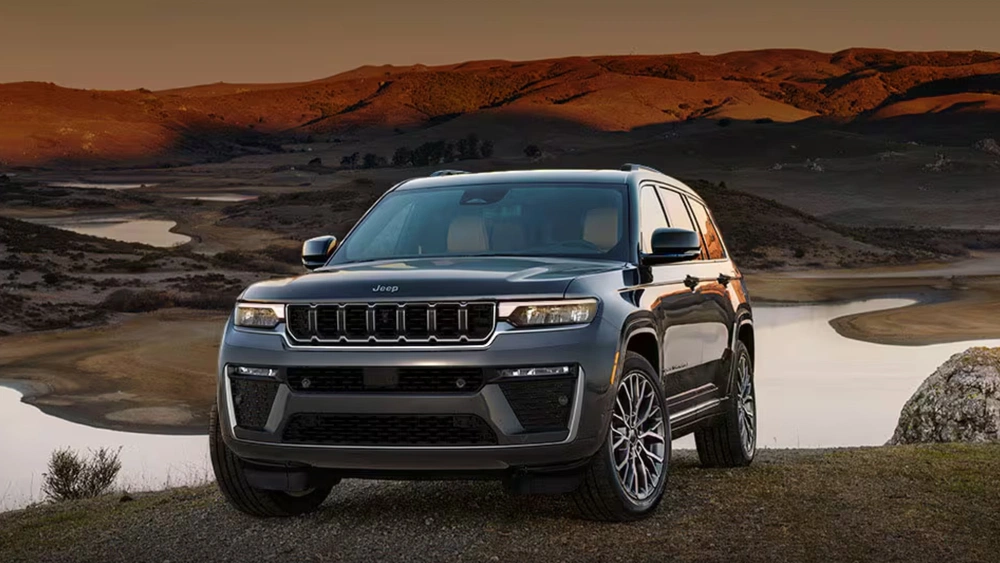
Jeep Grand Cherokee
The Jeep Grand Cherokee offers a range of drivetrain options that can handle winter city conditions with competence, making it a noteworthy choice for drivers facing snow and ice. Many Grand Cherokee trims come equipped with Four Wheel Drive systems that provide selectable modes, allowing drivers to tailor traction behavior to packed snow, slush, or icy roads.
The robust construction and off road heritage translate into solid performance on slick urban streets where variable traction is the norm. When temperatures drop and road surfaces become unpredictable, the Grand Cherokee’s systems work to keep the vehicle moving steadily.
Cabin warmth and comfort are priorities during cold months, and the Grand Cherokee delivers with heated seats, strong heater output, and insulated interiors that hold warmth efficiently. The advanced climate control systems defrost windshields and side windows quickly, reducing hazardous blind spots in early morning commutes.
Maneuverability remains solid in tight city spaces, aided by responsive steering and a stable suspension that resists excessive body roll even when tires are pushed to maintain grip on icy surfaces. Many drivers appreciate the composed feel during snowy traffic.
On packed snow, the available four wheel drive systems engage seamlessly to distribute power where it’s needed most, reducing wheel spin and helping to maintain momentum. Electronic traction aids and brake‑based systems assist in controlling slide tendencies, essential when stopping distances increase due to winter road conditions.
Choosing proper winter tires further enhances grip and confidence, but even on all‑season options the Grand Cherokee’s weight and drive logic provide a reassuring presence. Winter driving becomes less stressful when the vehicle responds predictably to throttle and steering inputs.
Though larger and heavier than some of its peers, the Grand Cherokee maintains a balanced feel that helps drivers navigate congested urban streets covered in snow or ice. The combination of four wheel drive, thoughtful cabin design, and solid build quality makes it reliable for those who must travel regardless of weather.
When reliability and capability are key, the Grand Cherokee stands as a vehicle many cold‑city drivers turn to for daily reliability and performance.
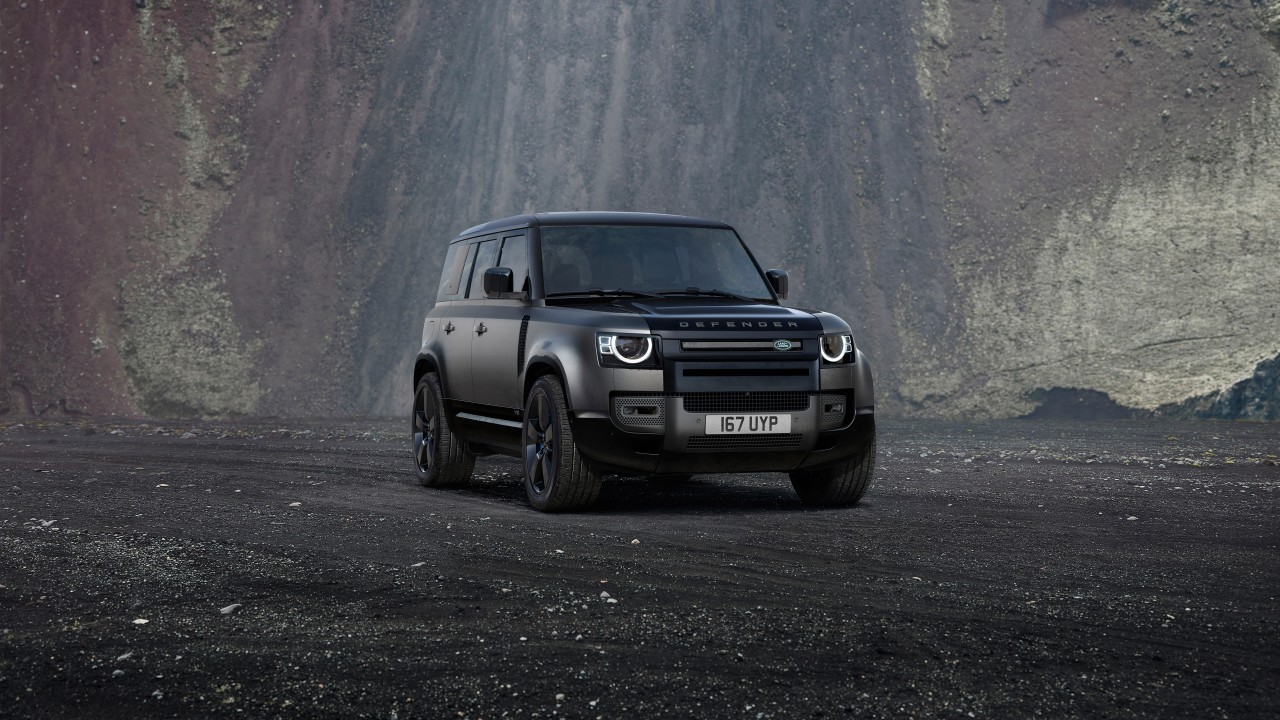
Land Rover Defender
The Land Rover Defender has a long history of operating in challenging environments, and that heritage helps it perform capably in cold urban settings. Its intelligent four wheel drive system adapts to changing traction conditions, transferring torque to maintain grip when slippery surfaces threaten stability.
City streets in winter can vary from bare asphalt to ice patches within a single block, and the Defender’s traction aids monitor wheel behavior continuously to adjust power delivery. This functionality gives drivers confidence even during sudden snow squalls.
Inside, the Defender offers a well‑insulated cabin and robust climate controls that heat seats, steering wheel, and interior surfaces efficiently. The thoughtful layout ensures that defrost and heater systems work in harmony to eliminate window fogging that can obstruct visibility on frosty mornings.
Ground clearance, adjustable on many models, helps the vehicle clear deep snow that might accumulate along poorly plowed curb lanes, and the suspension maintains composure despite uneven surfaces. These features combine to make winter commute conditions more manageable.
On icy roads, the Defender’s electronic aids such as traction control and stability assist work in concert with the four wheel drive hardware to mitigate slip and maintain direction when steering inputs are made.
Drivers quickly learn how the vehicle responds to throttle modulation and braking on low‑grip surfaces, and once familiar, many find it reassuringly predictable. Winter tires enhance performance further, but even without them the Defender’s capabilities outmatch many competitors when temperatures drop below freezing and roads become slick.
Durability is a hallmark of the Defender, meaning components such as seals, wiring, and connectors resist cold‑induced brittleness that can plague lesser vehicles. The robust battery and engine systems are designed to withstand frequent cold starts without excessive wear, an important consideration for daily drivers in winter cities.
Owners often report years of trouble‑free winter operation, adding to the Defender’s appeal for those who live where snow and ice define several months of the year.
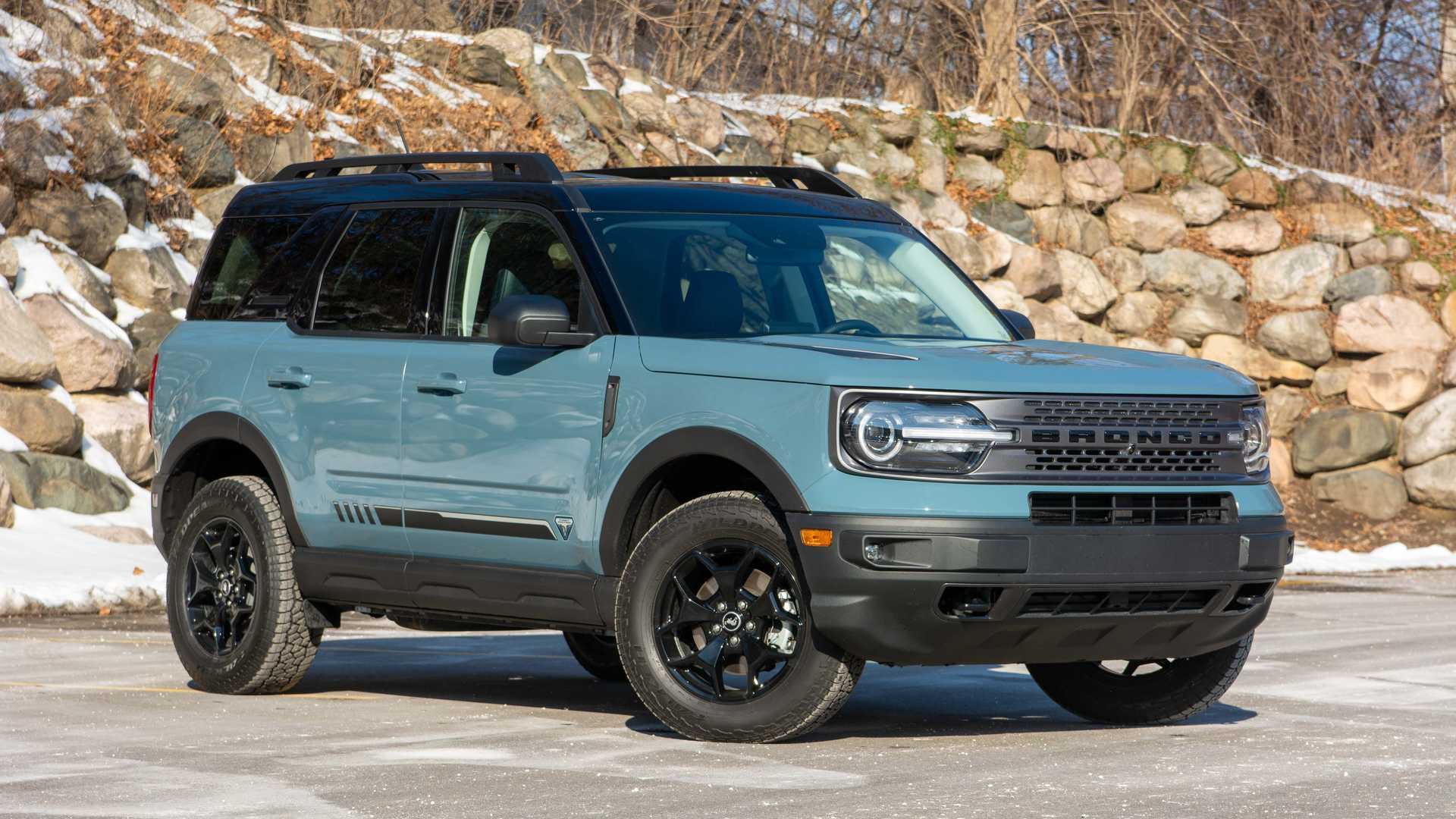
Ford Bronco
The Ford Bronco has earned attention for its versatile performance, and that carries into cold climate driving, where traction and stability are paramount. With multiple Four Wheel Drive systems available, the Bronco adapts to snow and ice with torque distribution that helps maintain steady progress on slick city roads.
When packed snow builds up along main streets or side roads, the Bronco’s capable drivetrain and rugged tires provide grip that outperforms many urban SUVs. Drivers appreciate the firm feel that reduces unwanted sliding.
Inside the Bronco, the heater and ventilation systems are designed to bring warmth quickly to occupants, a welcome feature when starting morning commutes in freezing temperatures. Seats with heating elements and quality insulation keep the cabin comfortable even when external temperatures remain stubbornly low.
Visibility is another strength, as the elevated seating position and large windows help drivers anticipate slick patches ahead. These design choices all contribute to a more confident winter drive.
When road surfaces vary between dry pavement and icy patches, the Bronco’s traction control and drive modes adjust on the fly, helping to reduce wheel spin and maintain balance.
The suspension soaks up uneven surfaces created by frost heaves and shifting snowbanks, preventing harsh jolts that can unsettle less capable SUVs. Winter tires improve performance, but even on capable all‑season rubber the Bronco exhibits a reassuring level of control and response to driver inputs in cold city conditions.
From a reliability standpoint, the Bronco’s engineering minimizes common winter issues such as battery drain and coolant thickening. Regular maintenance ensures these systems stay resilient, and many owners find that the Bronco handles cold weather with fewer complaints than expected from such a rugged, off road oriented vehicle.
For those living where winters are long and roads are often covered with snow or ice, the Bronco’s mix of features makes it a strong choice for daily driving.
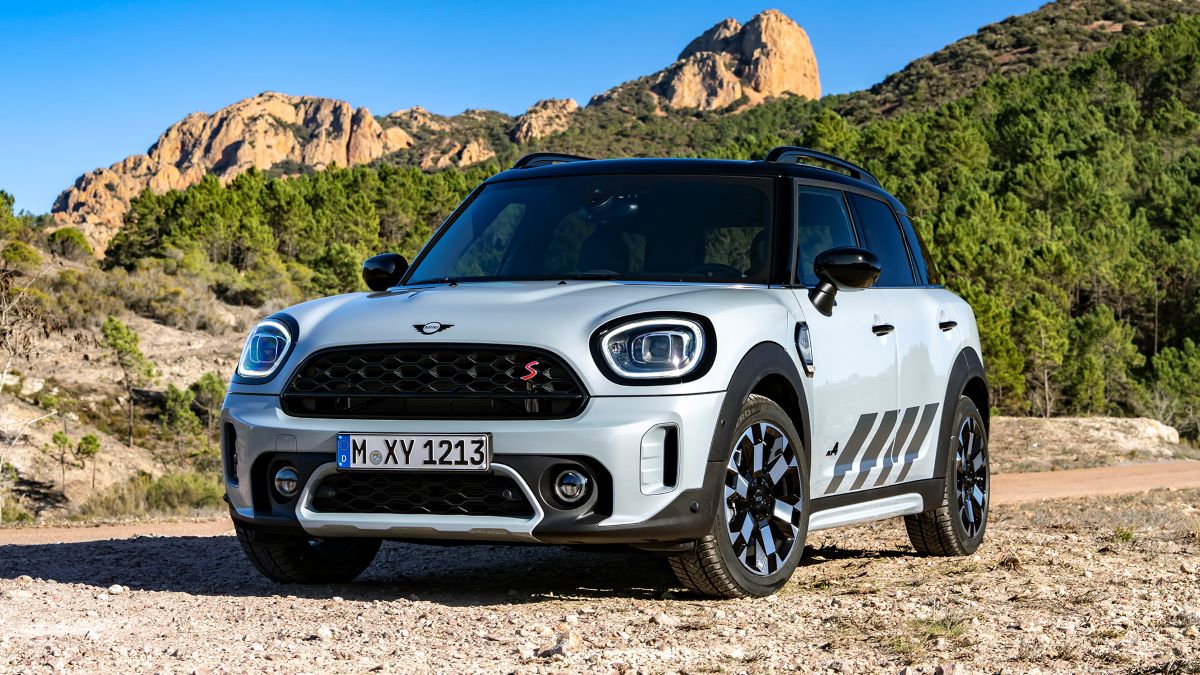
Mini Countryman
The Mini Countryman offers a compact SUV experience with spirited handling, but when winter arrives in cold cities its performance reveals some limitations that drivers should consider carefully. Although available with All Wheel Drive, the Countryman’s lighter weight and sport‑oriented suspension can struggle to find consistent traction on icy roads.
Reduced mass means less downward force on each tire, making it easier for the vehicle to lose grip when accelerating or turning on slick surfaces. Drivers often find themselves compensating more actively than in heavier, more winter‑ focused SUVs.
Inside the Countryman, the cabin warms at a moderate pace, but the compact heater system can feel underpowered compared to larger SUVs designed for harsh winters. In very cold conditions, drivers may notice longer defrost times and less effective warming of rear seating areas.
Visibility is generally good, but sleet and freezing rain can quickly obscure smaller windows, requiring more frequent use of wipers and defrosters that struggle to keep up with rapid icing. These factors contribute to a sense that the vehicle is less prepared for true winter conditions.
On packed snow and ice, the Countryman’s traction control attempts to mitigate wheel spin, but without significant weight on the driven wheels the system can only do so much. Drivers may need to reduce speed more aggressively and allow for extended stopping distances, particularly on downhill approaches or at intersections.
Winter tires help markedly, but even with quality rubber the vehicle’s inherent design makes it less confident than heavier SUVs that distribute torque more effectively. City commuting in these conditions demands heightened attention and reduced speed choices.
Cold weather also affects the Countryman’s engine and battery performance, as smaller components can be more sensitive to temperature extremes. Frequent cold starts can tax the battery and oil viscosity changes may slightly increase engine strain until temperatures rise.
While regular servicing can minimize surprises, drivers must remain aware that this compact SUV is not optimized for severe winter conditions. Those living in cities with frequent snow and ice might find more capable alternatives offer greater peace of mind.
5 SUVs That Don’t
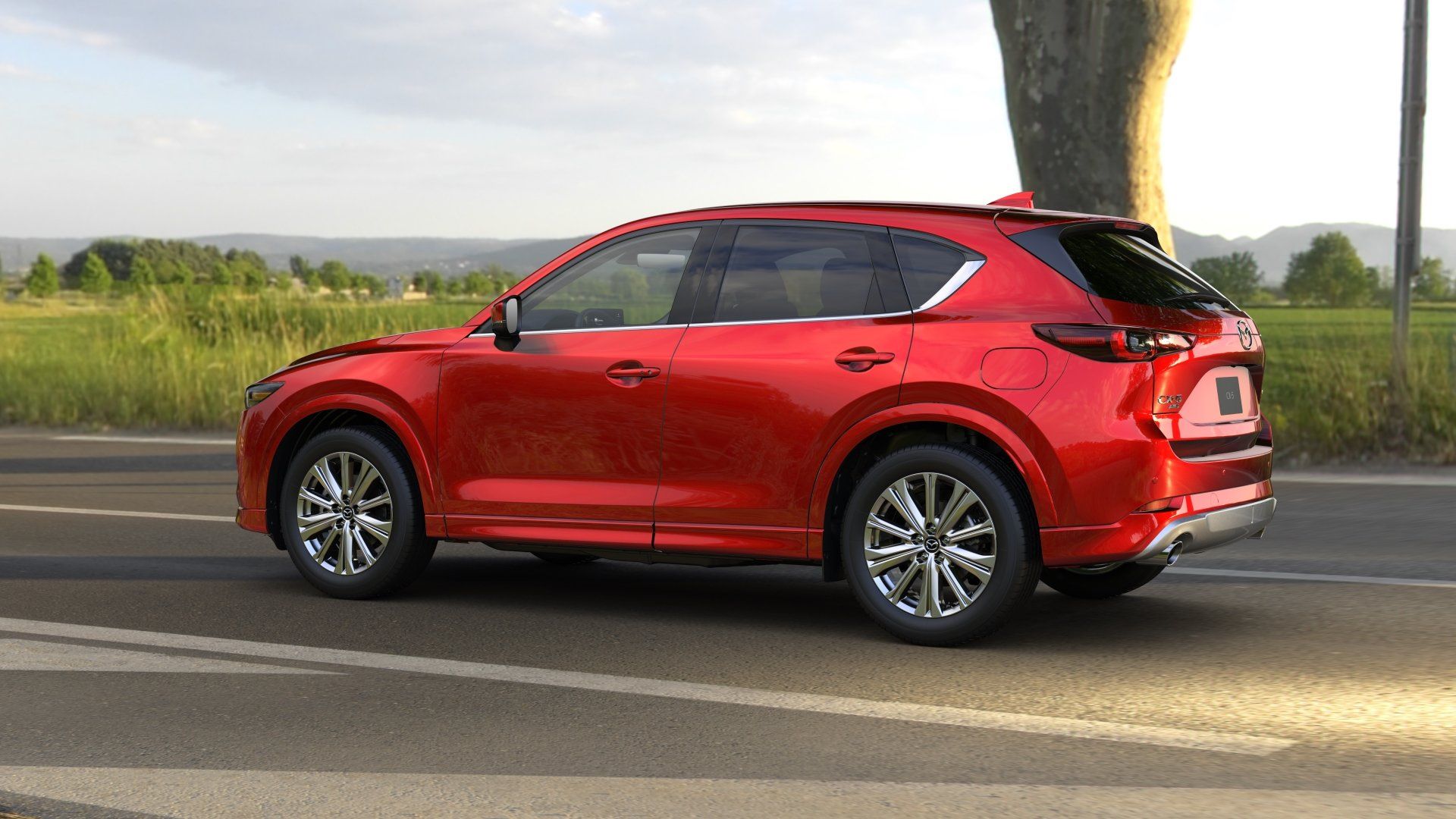
Mazda CX‑5
The Mazda CX‑5 is praised for its handling and efficient design, but when winter weather hits cold cities its strengths can also highlight some weaknesses in low temperature conditions. Even with optional all wheel drive, the CX‑5’s traction system and lighter curb weight sometimes struggle to maintain consistent grip on slick roads.
The vehicle’s sporty suspension tuning, while enjoyable in dry conditions, can feel less reassuring when snow and ice alter surface traction unpredictably. Drivers may need to adapt their driving style significantly to maintain control.
Inside, the CX‑5’s climate control system is competent, yet in very cold weather the cabin can take longer to reach comfortable temperatures compared to SUVs with larger heater outputs. This delay becomes noticeable during short urban trips, where drivers and passengers can remain in the chill for several minutes before warmth builds.
Winter winds funneling around city buildings can exacerbate the effect, making the interior feel colder than expected in milder climates. Defrosting windows may also take more time than some competitors provide.
On snowy roads, the traction control attempts to balance power distribution, but the CX‑5’s design places emphasis on road feel and handling rather than absolute winter traction.
Compact SUVs do not always benefit from the same torque distribution logic found in heavier, more rugged models, so the system sometimes struggles to maintain forward momentum in deeper snow. Drivers may notice slip during acceleration or hesitation when climbing slight inclines that larger SUVs handle with greater ease. Winter tires improve this performance, but the underlying limitations remain.
Cold starts also affect the CX‑5 in ways that highlight its lighter design. The engine and battery operate effectively, yet the vehicle’s smaller systems must work harder to maintain optimal temperatures, leaving less reserve for performance and traction aids.
Urban drivers may find themselves preheating the vehicle longer to ensure readiness before departure. While the CX‑5 is a competent all season SUV, its attributes make it less ideal for cities with frequent snow, ice, and frigid temperatures.
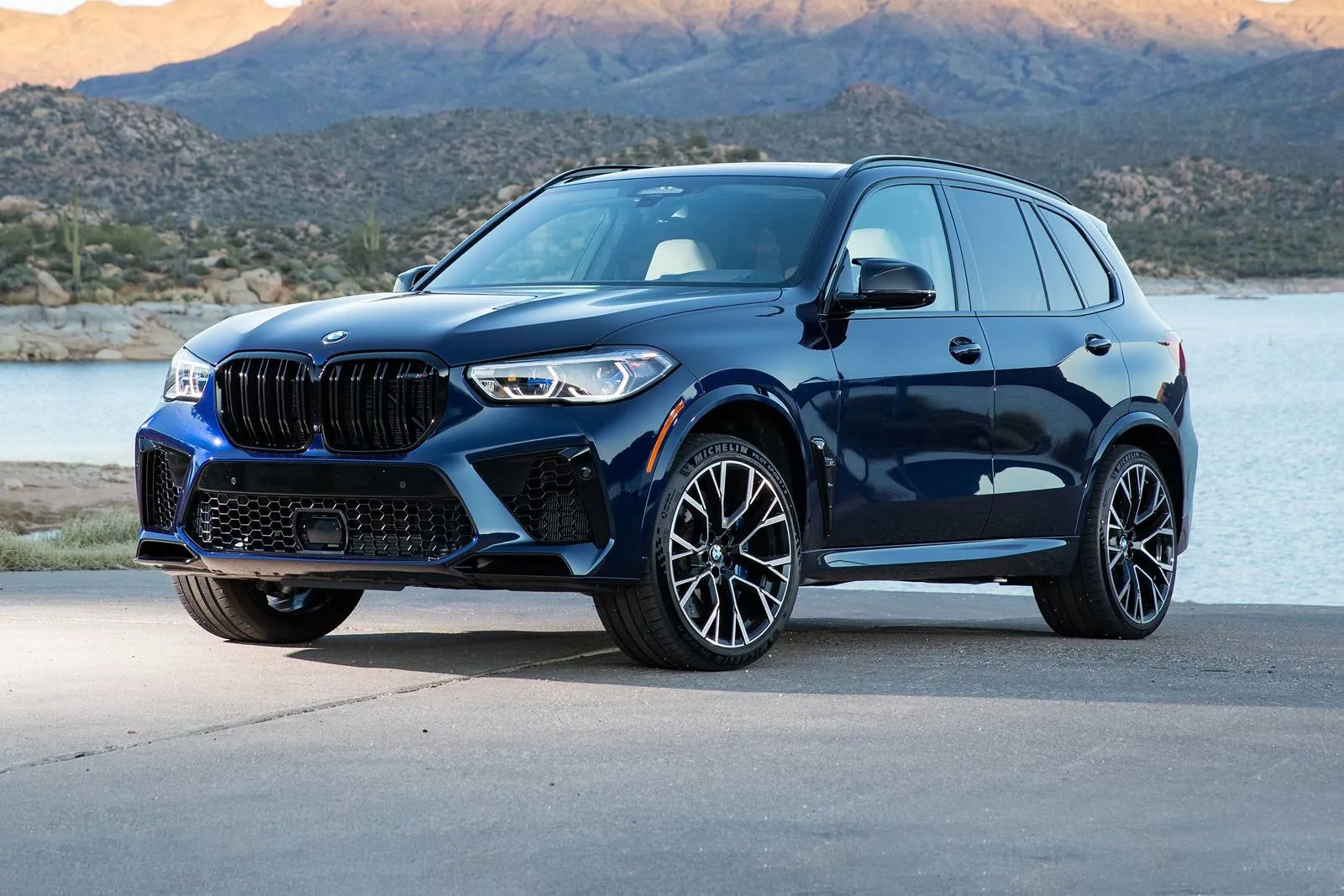
BMW X5
The BMW X5 provides luxury and strong performance, but when winter settles in cold cities its characteristics may not translate into the best traction and ease of winter driving. While all wheel drive is available and can assist with grip, the X5’s powerful engine and rear‑biased handling can challenge drivers on ice and snow.
Sudden throttle inputs can induce wheel spin before the system fully reacts to change torque distribution, which can feel unsettling when swift adjustments are necessary on urban streets. Winter driving demands smooth inputs and heightened focus.
Inside the X5, the climate system and heated features are effective, yet the heavier reliance on electronic aids sometimes means drivers must wait for systems to calibrate before full winter performance is achieved. Defrosting can take time, particularly after extended periods of cold parking overnight.
The impressive infotainment and control systems require attention, which adds cognitive load when roads require constant vigilance due to diminishing traction. These factors combine to make winter driving more demanding than expected for a vehicle of its stature.
On icy city roads, the X5’s traction control and stability systems attempt to balance acceleration and grip, yet the vehicle’s weight and torque distribution can lead to understeer or oversteer depending on conditions.
Drivers may need to modulate steering and throttle carefully to prevent unintended slides, especially through intersections where ice often lurks unnoticed. Winter tires significantly improve performance, but even with them fitted the inherent dynamics of the X5 require a practiced hand to extract consistent traction in low‑temperature, slick surface environments.
Cold weather also affects the X5’s battery and start‑stop systems, as frequent short trips in urban winter conditions can strain electrical systems and reduce responsiveness. While regular maintenance helps, the luxury electronics and features mean more potential points of sensitivity in freezing conditions.
Drivers seeking a vehicle that requires minimal adaptation to winter roads might find other SUVs that prioritize cold weather handling more suitable.
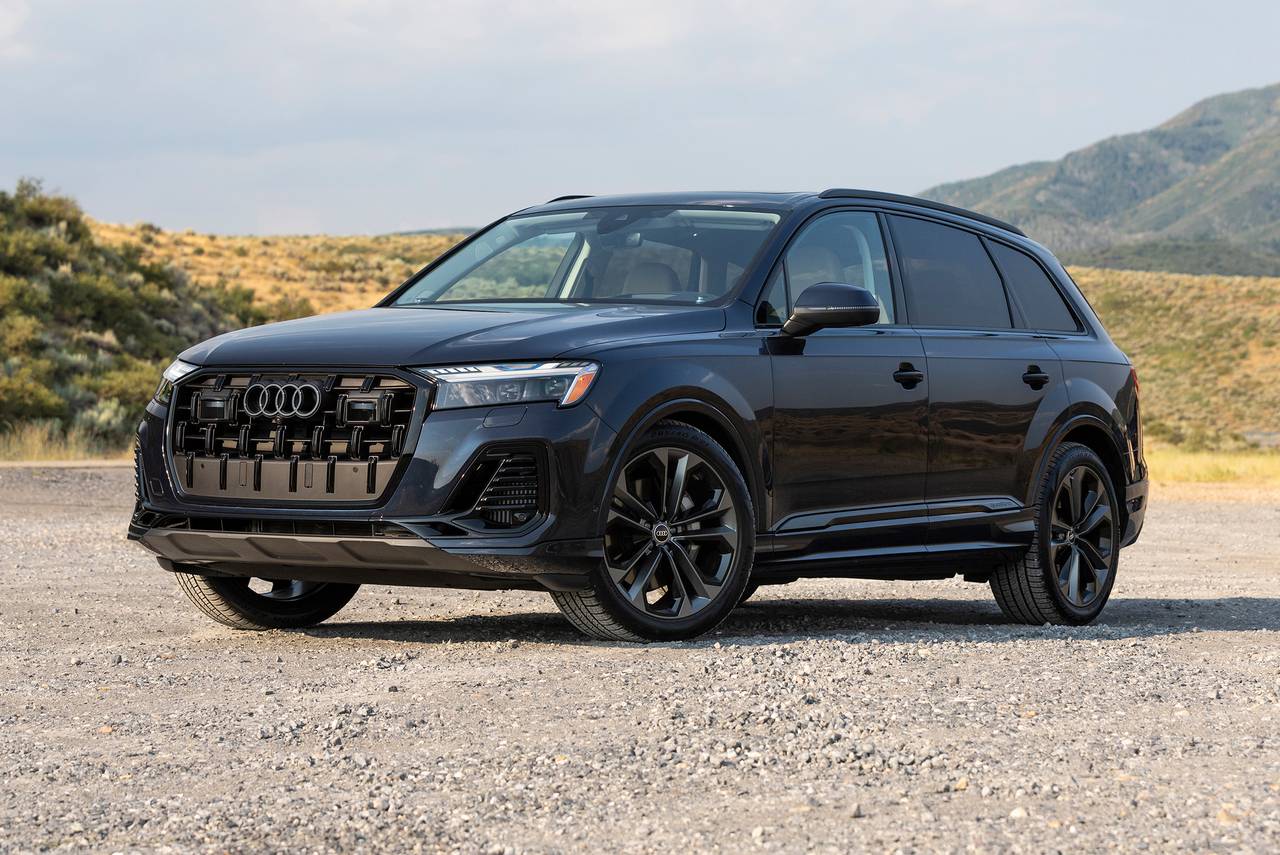
Audi Q7
The Audi Q7 delivers refined performance and comfort, but its characteristics can be a disadvantage in cold city environments where traction and ease of handling matter most. Quattro all wheel drive is standard, providing torque distribution to improve grip, yet the vehicle’s heavy weight and sensitive throttle response challenge drivers on ice and snow.
When temperatures drop, the Q7’s dynamic stability systems work hard to maintain equilibrium, but the effort can feel intrusive or overly corrective, requiring drivers to adapt their inputs carefully.
Climate systems inside the Q7 warm the cabin and defrost windows effectively, yet the sheer size of the vehicle means heat distribution takes time. During brief urban trips, occupants might remain in the chill longer than in more compact SUVs with quicker heating performance.
The lower rear visibility due to design combined with ice buildup can also require frequent use of cleaning systems that only incrementally improve sightlines. These factors contribute to a winter driving experience that demands patience and anticipation.
On packed snow and icy roads, the Q7’s traction control features try to manage wheel slip, yet abrupt changes in surface grip can still unsettle the vehicle. Steering inputs need careful modulation, and drivers often find themselves reducing speed earlier and braking sooner than anticipated.
Winter tires help, but even with quality rubber, the Q7’s sophisticated but heavy design does not fully compensate for the challenges of severe winter weather that lighter, more winter‑ tuned SUVs handle with greater ease.
Cold starts and shorter trips common in city driving place additional strain on the Q7’s electrical and engine systems. Stop‑start functions and battery management features can behave unpredictably when temperatures remain well below freezing, making routine winter driving slightly less smooth.
While many owners appreciate the premium experience, those living in regions with relentless winter conditions might prefer vehicles engineered with more focus on consistent performance in ice and snow.
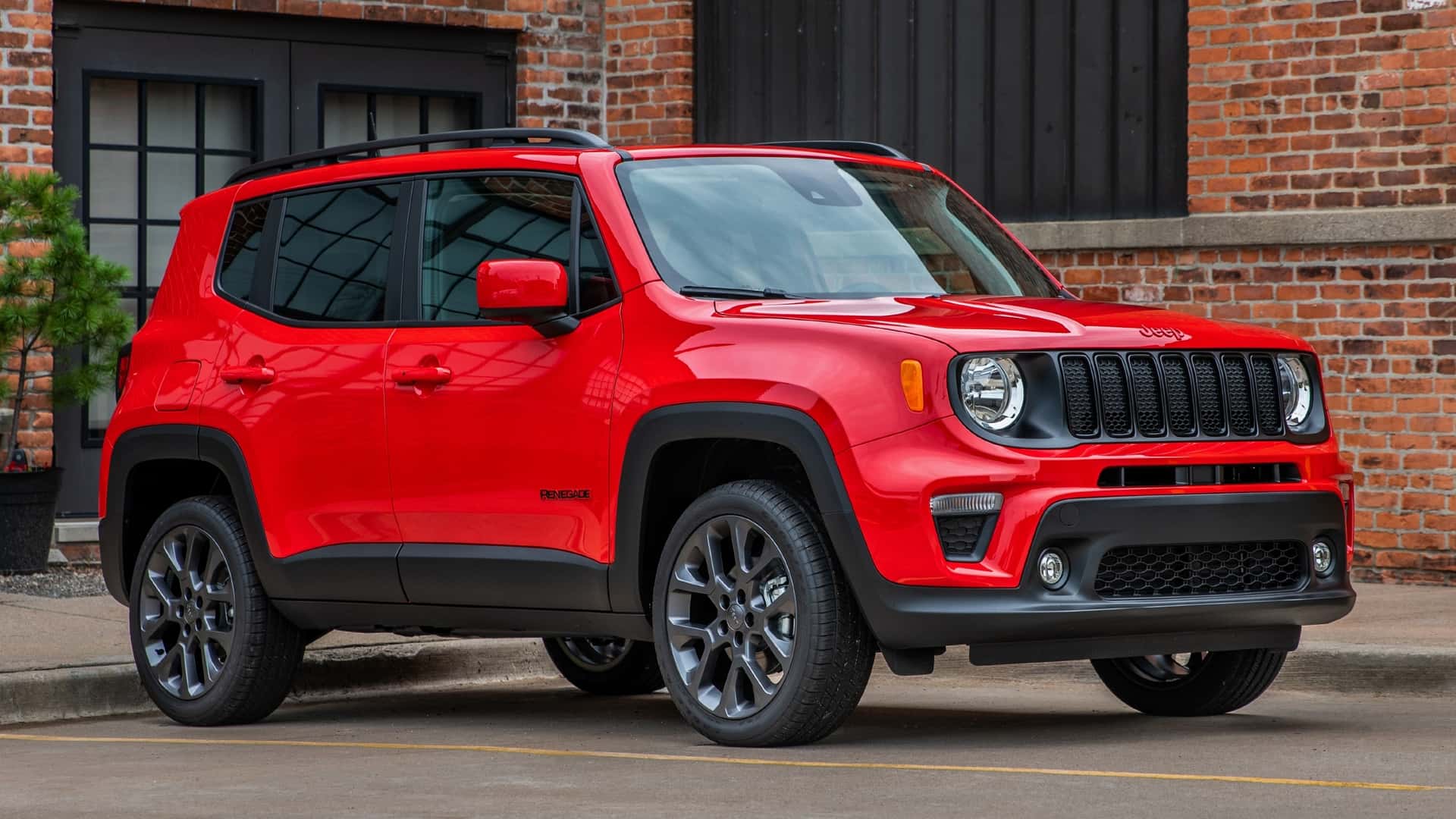
Jeep Renegade
The Jeep Renegade offers an entry‑level SUV experience with some off road credibility, but in cold city conditions its capabilities fall short compared to larger, more winter‑prepared models. Although certain trims feature all wheel drive, the Renegade’s compact size and limited weight mean traction on ice and snow can be inconsistent.
Drivers often find that quick acceleration or sharp steering inputs result in wheel slip before the system fully allocates torque to regain grip. Urban winter commutes thus require careful modulation of speed and direction.
Inside, the heater warms the cabin reasonably well, yet in freezing the small interior can feel slow to achieve comfort. Defrosting may take longer than desired, particularly if windows are already iced over from overnight freezing.
The limited ground clearance also becomes evident when snow piles up along curbs or in parking lots, making it easier for the vehicle to scrape or become high‑centered. Maneuvering through congested city streets covered in snow often demands extra care.
On slippery roads, the Renegade’s traction control attempts to preserve grip, but the limitations of its drivetrain are revealed when surfaces become slick. Winter tires improve performance significantly, yet even with them installed the vehicle remains more prone to wheel slip and reduced stability than larger SUVs designed for winter use.
Drivers may find themselves adjusting routes to avoid steep hills or poorly plowed streets, adding time to commutes that others handle with more capable vehicles.
Frequent cold starts can also expose the Renegade’s vulnerabilities in battery performance and engine responsiveness. Smaller batteries and compact engines operate effectively under general conditions, but repeated starts in subzero temperatures can tax systems designed for milder environments. Those living in cities with hard winters may prefer larger, better equipped SUVs that prioritize traction, stability, and winter readiness.
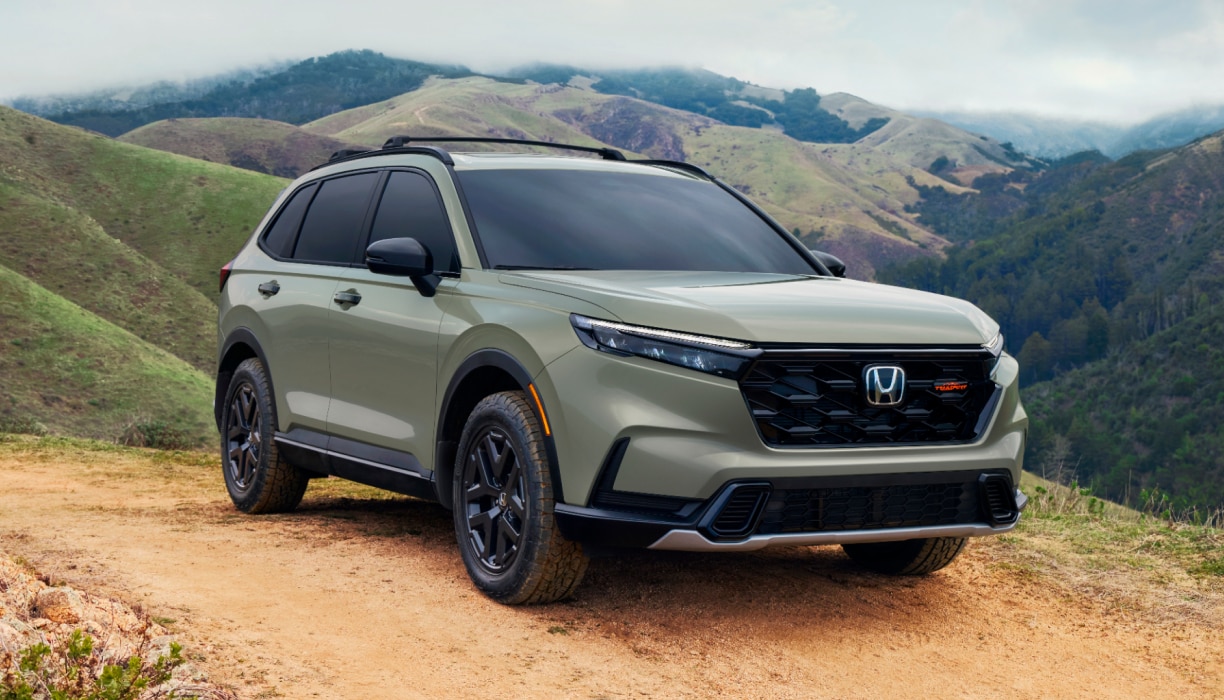
Honda CR‑V
The Honda CR‑V is a popular compact SUV known for efficiency and comfort, yet in cold cities its performance on snow and ice reveals some limitations. Although available with All Wheel Drive, the CR‑V’s drivetrain prioritizes fuel economy and smooth daily driving over aggressive winter traction.
On icy roads, the vehicle’s lighter weight contributes to reduced downward force on the tires, making consistent grip more difficult to achieve. Drivers often need to reduce speed and anticipate road conditions earlier than with heavier SUVs.
Heating in the CR‑V is typically sufficient, but reaching optimal cabin temperatures can take more time in very cold weather. During short urban trips, occupants might remain in a cooler environment longer, and defrosting windows requires patience.
The compact nature of the CR‑V means snow buildup on lower body panels and wheel arches can occur, reducing clearance and increasing the chance of scraping snowbanks along roadsides. Winter driving thus demands additional awareness of surroundings.
On packed snow, the CR‑V’s traction control system tries to maintain forward motion, yet the limited torque distribution and lighter design mean wheel spin can occur more readily than in more winter‑ready SUVs.
Winter tires improve traction significantly, but even with quality rubber the CR‑V struggles to match the confident feel of bigger, Four Wheel Drive-focused vehicles. Turning and stopping distances on ice require conservative inputs, and drivers need to plan maneuvers earlier.
Cold starts and frequent short journeys common in city winter conditions place increased strain on the vehicle’s battery and engine systems. Although Honda engineering emphasizes reliability, the CR‑V’s smaller components must work harder to maintain optimal temperatures and performance.
Those living where snow and ice are a constant presence might find that SUVs designed specifically for harsh winter conditions offer a more reassuring driving experience.
