
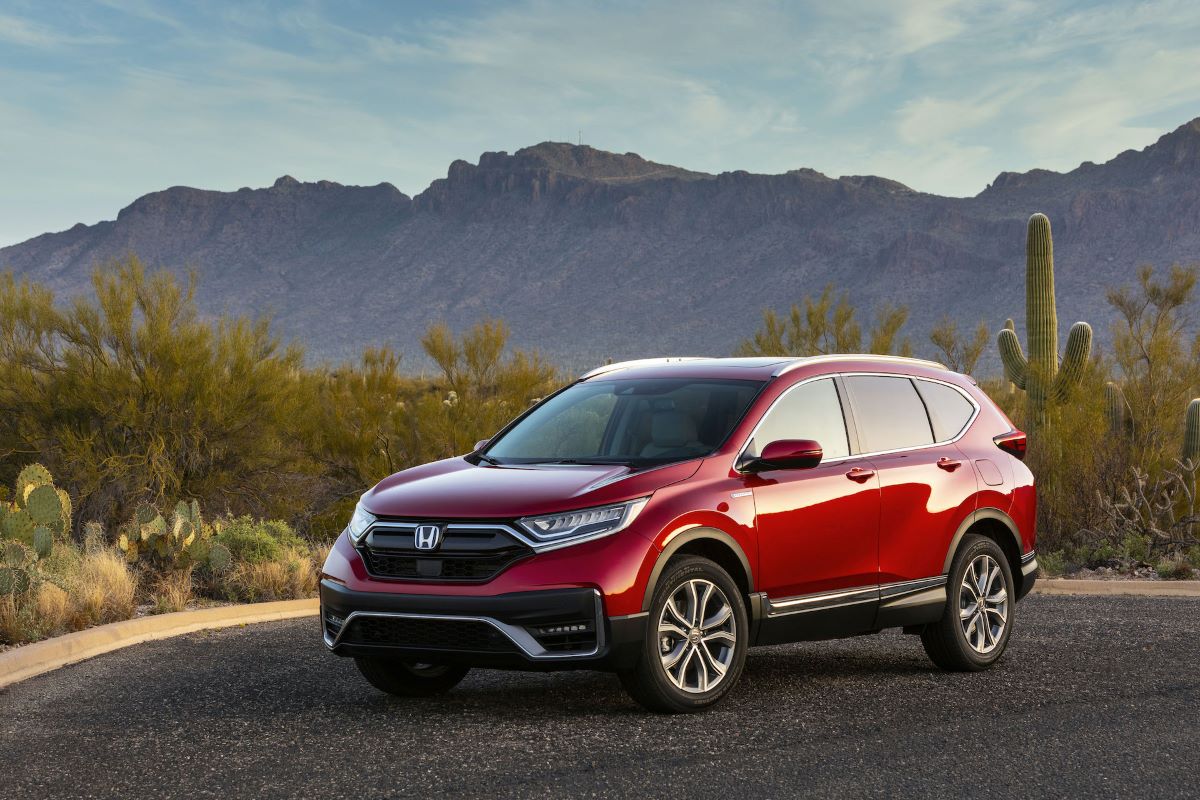
Cities with extremely high temperatures can be a real challenge for drivers and their vehicles. Heat affects not only human comfort but also the performance and durability of cars, trucks, and SUVs.
Engines can overheat, air conditioning systems can fail, tires may lose pressure, and interior materials can warp or fade under constant sun exposure.
Choosing a vehicle that can maintain reliability and efficiency in hot climates is critical for safety and long-term ownership satisfaction. Beyond performance, comfort is a major factor.
Sitting in a cabin that heats up excessively, or relying on a cooling system that struggles to maintain low temperatures, can make daily commutes unbearable. Maintenance costs can also rise, as components wear faster under heat stress, and certain fuel systems may lose efficiency.
Vehicles that thrive in these conditions often have robust cooling systems, heat-resistant interiors, and engines designed to handle extreme operating temperatures without sacrificing power. They can remain dependable even when idling in traffic under the scorching sun or driving long distances without overheating.
On the other hand, some vehicles are more sensitive to heat, with smaller cooling systems, compact radiators, or lightweight components that do not cope well with high temperatures. Owners of such vehicles may face frequent repairs, reduced performance, and uncomfortable rides during heat waves.
Understanding which vehicles are heat-tolerant and which are prone to struggle is valuable for anyone living in cities where temperatures often exceed 35 to 40 degrees Celsius. This guide highlights ten vehicles, dividing them into two groups: five that handle hot cities well and five that struggle.
By considering factors like engine cooling, air conditioning effectiveness, durability of materials, and general heat resistance, drivers can make informed decisions about their next vehicle purchase. This knowledge not only ensures better comfort and reliability but can also save time and money on repairs caused by heat-related wear and tear.
Choosing the right vehicle is not just about style or fuel economy; in hot climates, it can significantly affect daily life, safety, and overall driving satisfaction.
Vehicles That Handle Hot Cities Well
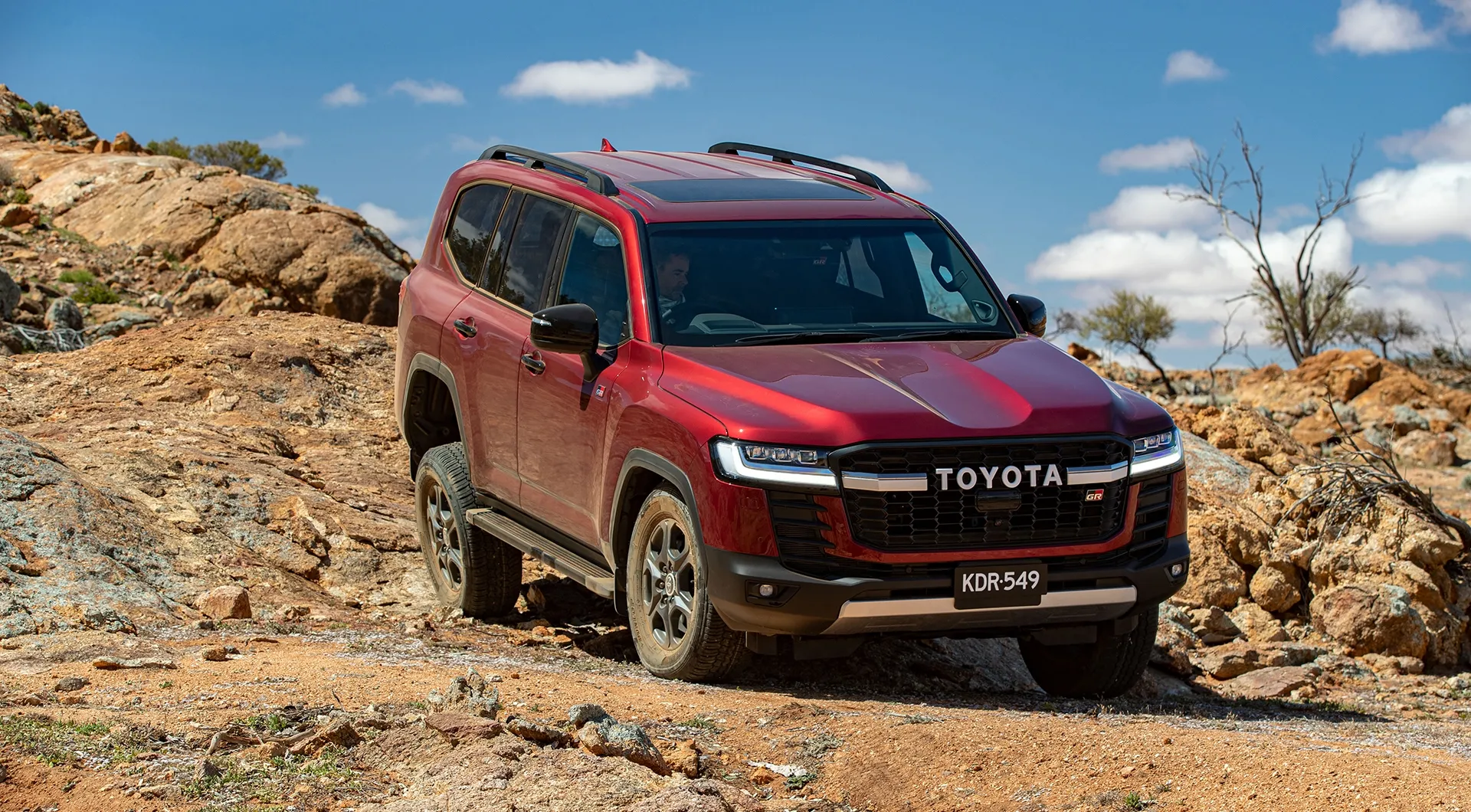
1. Toyota Land Cruiser
The Toyota Land Cruiser is widely known for its durability and ability to perform in extreme climates. Its robust cooling system allows the engine to run smoothly even in high temperatures without risk of overheating.
Drivers in hot regions appreciate its ability to maintain consistent performance under heavy loads or while idling in city traffic. This capability makes it ideal for urban areas with frequent stop-and-go driving in the heat.
The interior of the Land Cruiser is designed with high-quality materials that resist heat damage. Seats do not crack or fade easily, and dashboard plastics are built to withstand sun exposure.
Additionally, the air conditioning system is highly efficient, capable of quickly cooling the cabin even on the hottest days. This ensures a comfortable ride regardless of how long the vehicle remains under direct sunlight.
Fuel efficiency is not its strongest point, but the Land Cruiser compensates with reliability and low maintenance issues in hot climates.
Cooling hoses, radiators, and engine components are designed to handle stress from heat without frequent breakdowns. Owners rarely report heat-related failures, which contributes to its strong reputation in desert and tropical regions.
Maintenance in hot climates is simplified by Toyota’s widespread service network and availability of replacement parts. Simple measures such as checking coolant levels and tire pressure are enough to keep the vehicle running smoothly.
The Land Cruiser continues to be a favorite for those who need a dependable vehicle in cities where temperatures remain high for extended periods.
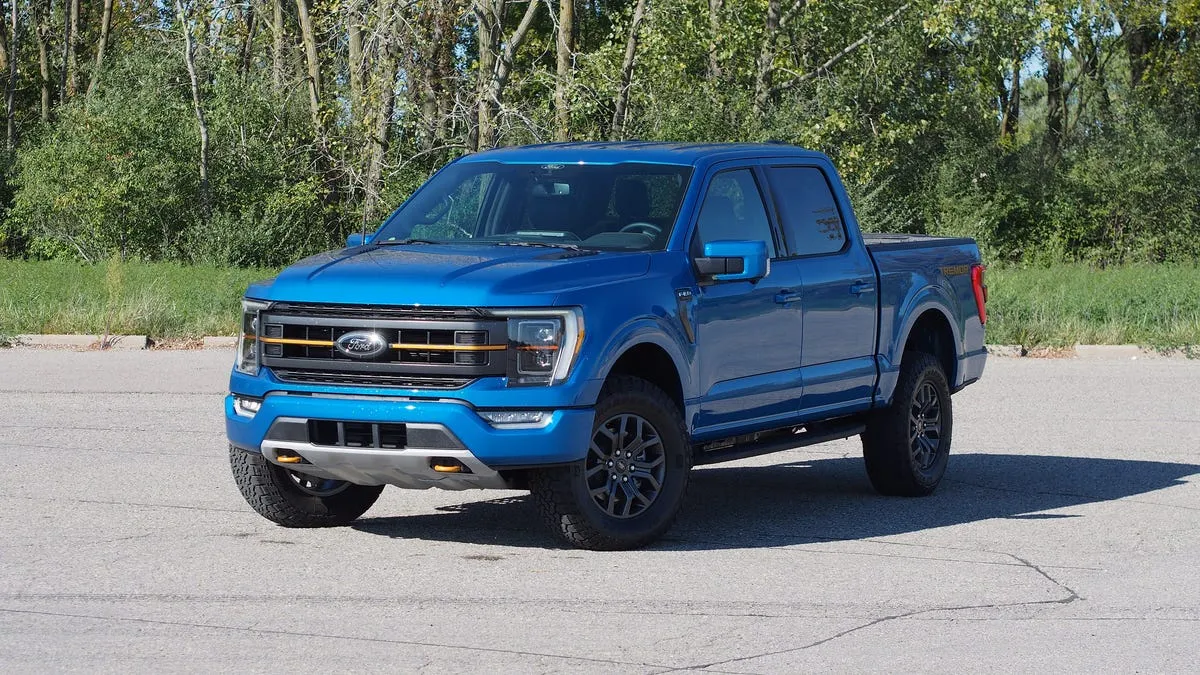
2. Ford F-150
The Ford F-150 has long been a workhorse, capable of enduring harsh weather conditions, including extremely hot cities. Its larger engine and cooling system are designed to prevent overheating during prolonged operation.
Drivers often report that the vehicle maintains power even in stop-and-go traffic under the blazing sun. Its rugged build allows it to remain reliable under demanding conditions without compromising performance.
Inside, the F-150 provides ample ventilation and air conditioning that keeps passengers comfortable. The cabin materials are resistant to warping and cracking under direct sunlight.
Many models include sun-reflective seat fabric and high-capacity HVAC systems, which are essential in cities where temperatures can exceed 40 degrees Celsius. Comfort is maintained for both driver and passengers, even during long urban commutes.
The truck’s suspension and chassis handle heat-related stress effectively. Heat can accelerate wear on certain components, but the F-150 is engineered to endure this strain.
Tires and brake systems are also rated for high temperatures, reducing the risk of failure in extreme conditions. This durability makes it a reliable choice for anyone living in desert cities or regions with long summers.
Owners benefit from a combination of performance, reliability, and ease of maintenance. Cooling systems, radiators, and engine oil circulation are optimized for hot weather, preventing unexpected breakdowns. Ford’s extensive service network ensures that replacements are available if needed, making the F-150 a dependable vehicle choice for heat-prone urban areas.
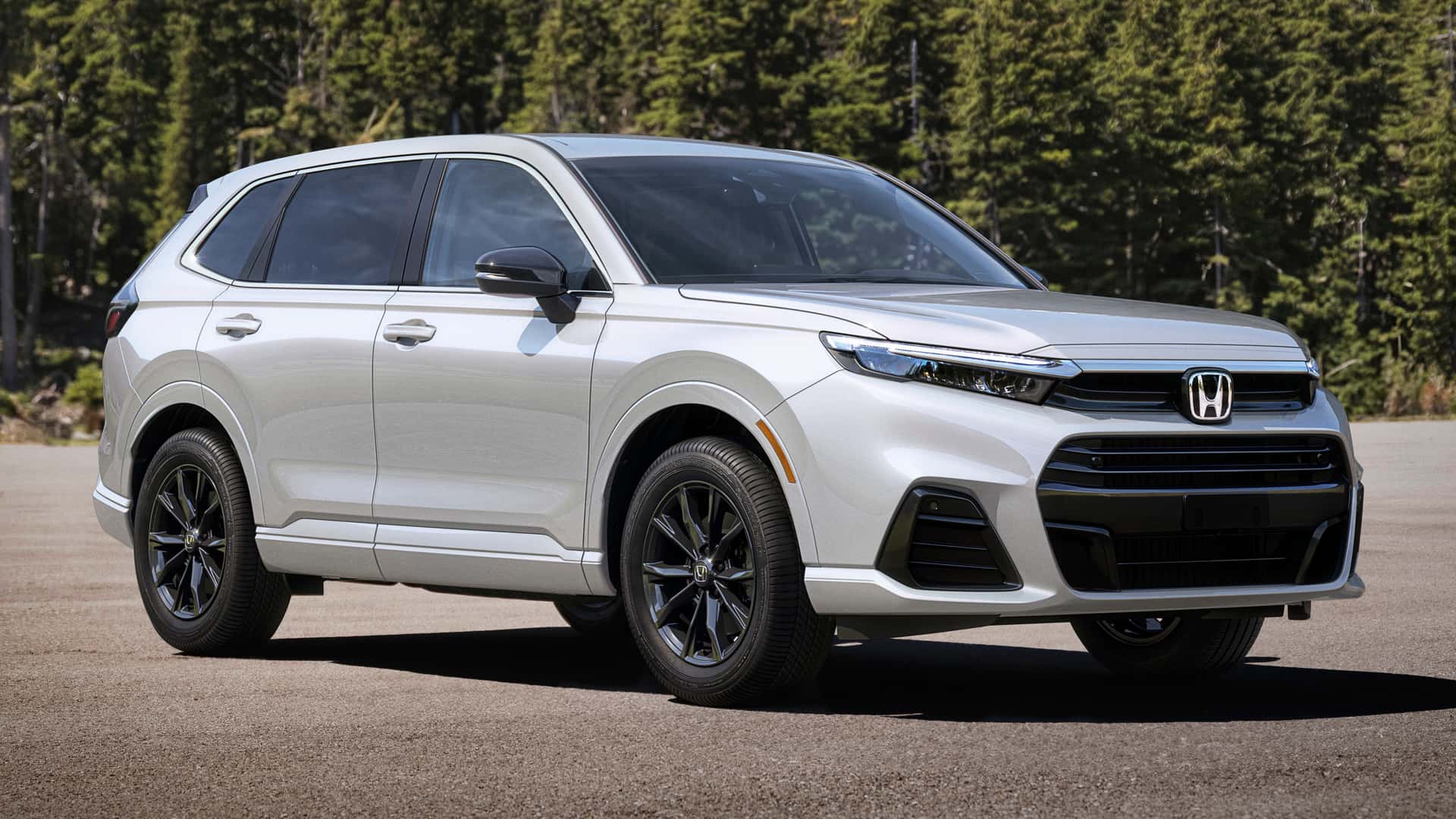
3. Honda CR-V
The Honda CR-V is a compact SUV known for its consistent performance in hot climates. Its engine is designed to remain efficient under prolonged heat exposure, and its cooling system keeps temperatures stable during traffic jams.
The combination of lightweight construction and effective ventilation contributes to comfort without sacrificing reliability. It is an ideal choice for city dwellers who want a balance of size, efficiency, and heat resilience.
Air conditioning in the CR-V is highly effective, allowing rapid cabin cooling even during peak heat. The interior uses heat-resistant materials that prevent cracking, fading, or odor buildup.
Sunshades and reflective windshields on newer models further enhance comfort for drivers who spend a lot of time in parked vehicles. Heat does not diminish the ride quality, making it an excellent option for urban heatwaves.
Fuel efficiency is another advantage, as the CR-V avoids excessive engine strain when temperatures rise. Its lightweight body and aerodynamic design reduce engine workload while maintaining sufficient power for city driving. Owners rarely experience overheating issues, which reduces both stress and maintenance costs.
The CR-V’s reputation in hot climates is strengthened by Honda’s attention to durability. Cooling hoses, radiators, and engine components are designed to operate under extreme conditions without failure. This makes it a trusted choice for families or professionals living in areas where summers are long and temperatures consistently soar.
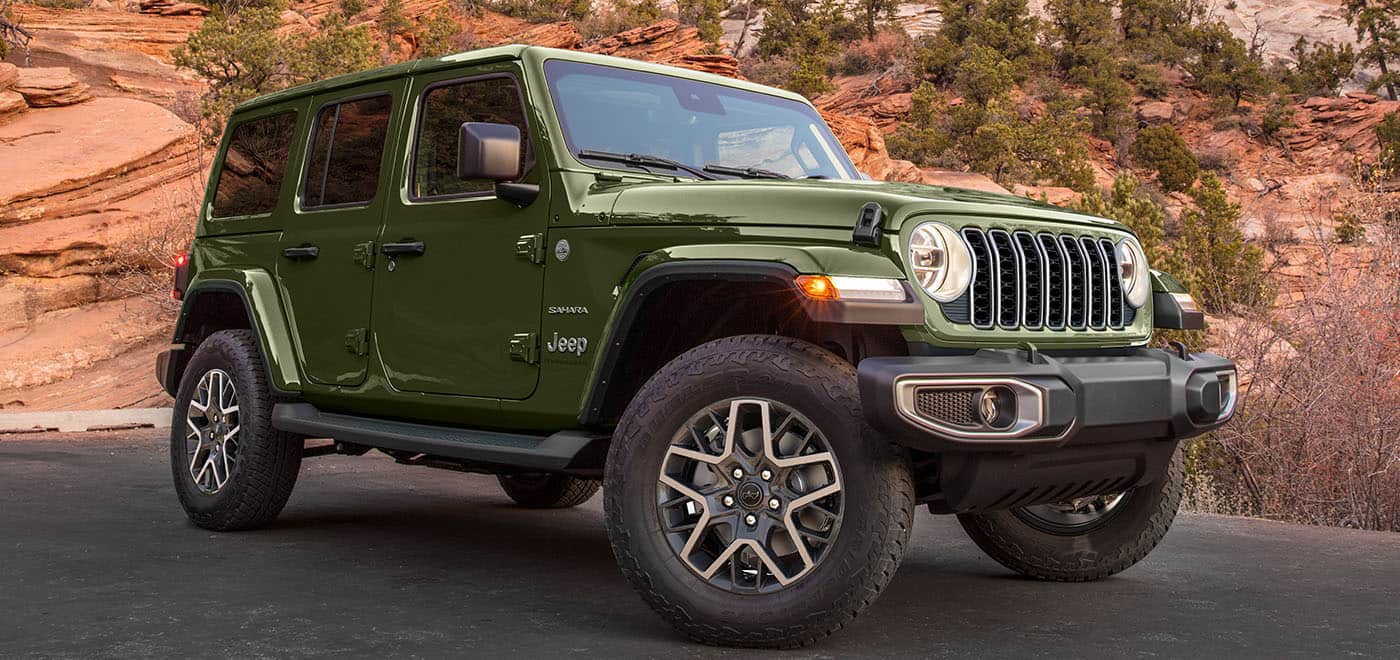
4. Jeep Wrangler
The Jeep Wrangler is a rugged vehicle capable of handling high temperatures and urban heat with ease. Its engine is designed for off-road and city use, with a cooling system that prevents overheating in stop-and-go traffic.
Drivers appreciate its reliability even during extended periods of idling in intense sun. The Wrangler is built for extreme conditions, making it suitable for desert and tropical cities alike.
The cabin is equipped with durable, heat-resistant materials. Seats, dashboards, and interior panels maintain integrity under intense sunlight.
Many models offer removable tops and ventilation options that improve airflow and allow occupants to stay comfortable even in extreme temperatures. The Wrangler combines resilience with a unique driving experience in hot urban environments.
Tire and brake systems are engineered to withstand heat-related wear. Rubber compounds resist softening, and braking systems are less prone to fading, ensuring safety in heavy traffic and hot pavement conditions.
Engine components and electronics are similarly designed to handle sustained high temperatures without frequent maintenance.
Maintenance is straightforward, with readily available parts and service options. Jeep owners in hot cities often cite minimal heat-related issues, and the vehicle continues to perform reliably despite prolonged exposure to sun and high temperatures. This makes the Wrangler an excellent choice for adventurous city drivers who face intense heat conditions.
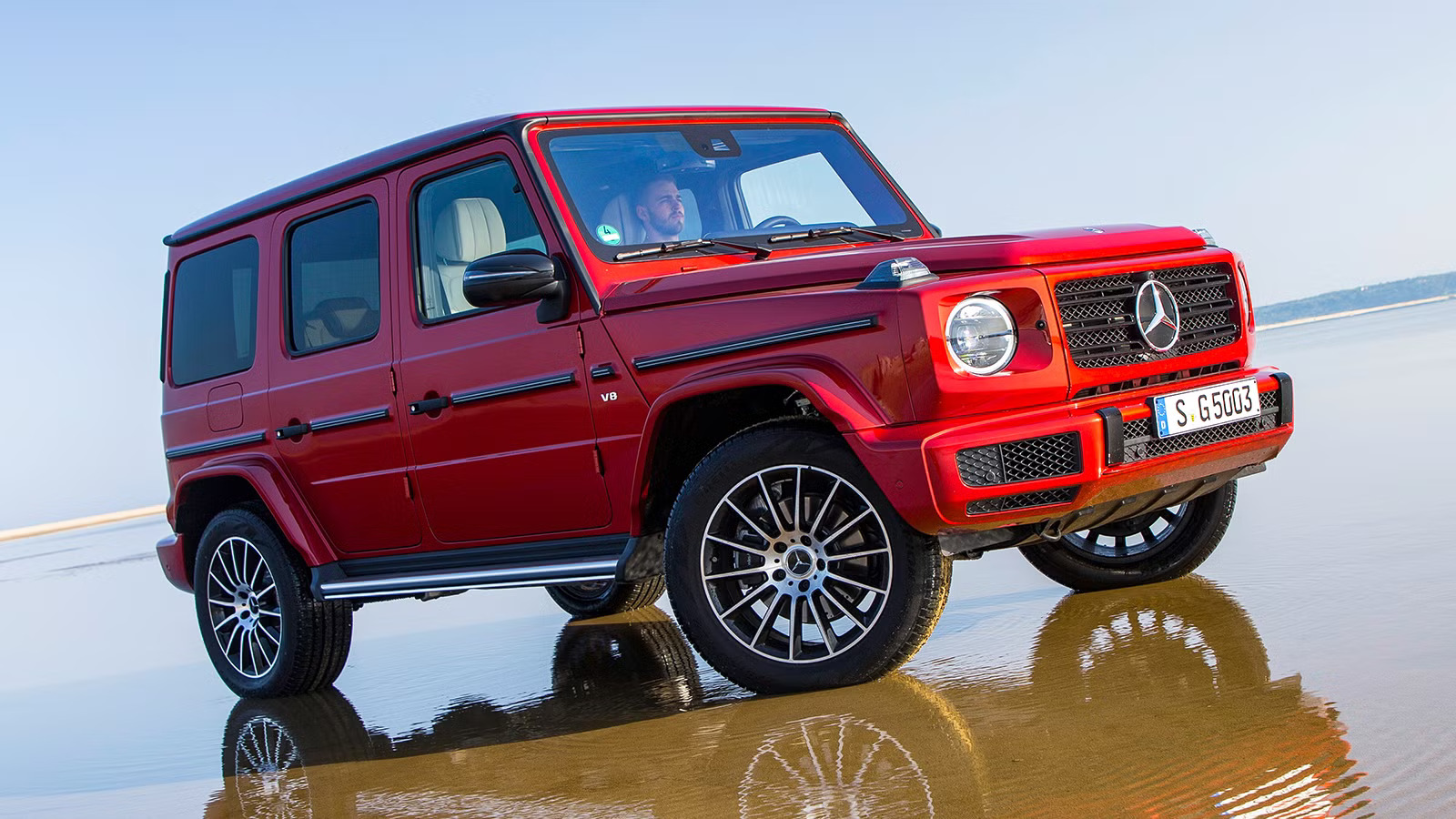
5. Mercedes-Benz G-Class
The Mercedes-Benz G-Class is a luxury SUV designed to endure extreme heat while maintaining performance and comfort. Its powerful engine and sophisticated cooling system prevent overheating even under intense traffic and high ambient temperatures. This makes it a top choice for luxury vehicle owners in hot urban climates who require reliability and refinement.
Interior comfort is a major strength, with advanced climate control systems capable of cooling the cabin rapidly. Materials are selected for heat resistance, ensuring seats and panels do not warp or discolor. This level of attention to detail maintains a premium experience even under the harshest sun.
The G-Class is also engineered for durability. Suspension, braking systems, and tires are rated for high-temperature performance, reducing heat-related failures. Electronics are insulated and cooled to maintain function during prolonged exposure to high temperatures. Reliability is consistently high in demanding conditions.
Owners benefit from a combination of luxury, comfort, and resilience. Regular maintenance is simplified by Mercedes-Benz’s service network, and heat-related breakdowns are rare. This makes the G-Class one of the most dependable luxury SUVs for hot cities, providing both performance and peace of mind.
Vehicles That Struggle in Hot Cities
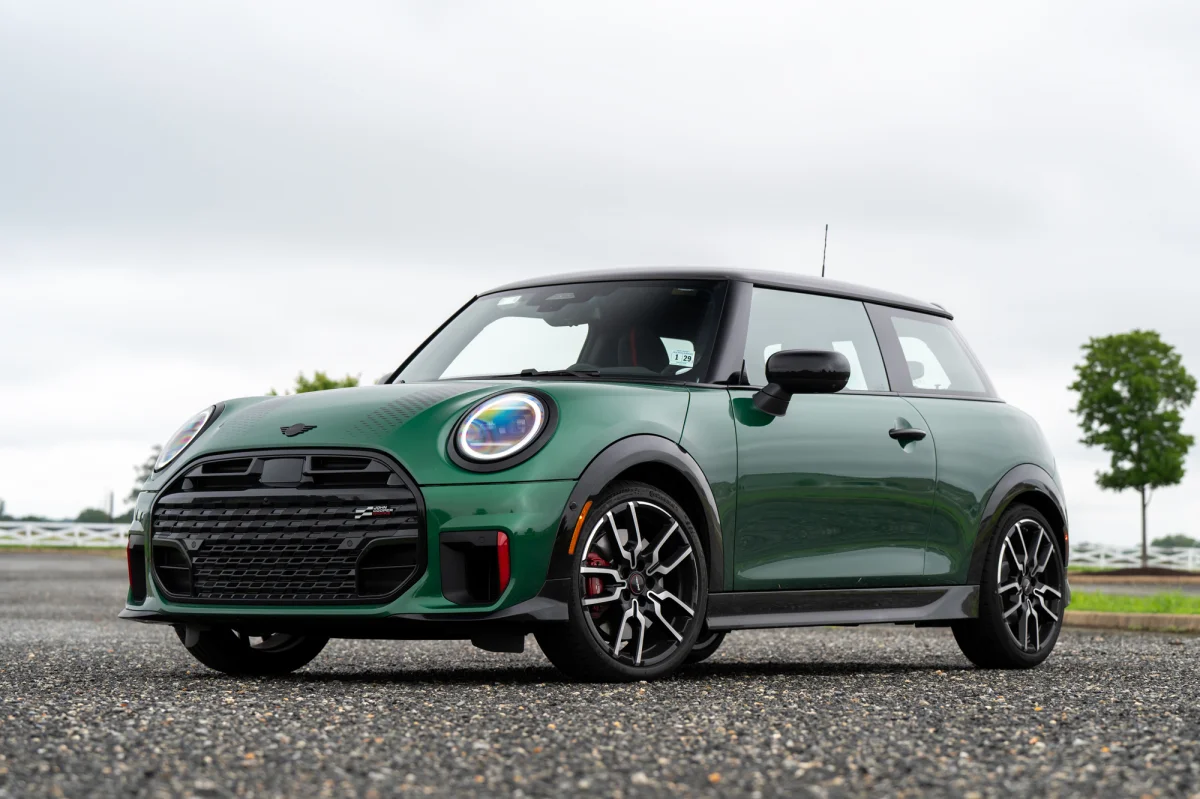
1. Mini Cooper
The Mini Cooper is known for its compact size and nimble handling, but its small engine and lightweight construction can become disadvantages in extremely hot climates. The cooling system is limited, and prolonged idling in traffic can lead to overheating if the vehicle is not carefully monitored.
Drivers in scorching cities often notice reduced engine efficiency and occasional warning lights when temperatures rise above normal levels. These factors make it less reliable for those who endure long periods of extreme heat during daily commutes.
The interior of the Mini Cooper also struggles under intense sunlight. Dashboards and seat materials can become uncomfortably hot, and even the air conditioning system sometimes struggles to maintain a cool cabin quickly.
Sunshades or tinted windows may help, but the small HVAC system can feel underpowered when trying to cool a full cabin in high temperatures. Passengers often report discomfort during the hottest parts of the day.
Fuel efficiency may decline under heat stress, as the engine has to work harder to maintain normal operating temperatures.
Tires, brakes, and other components are designed for lighter use, and extreme heat can accelerate wear. Frequent maintenance may be required to avoid problems such as warped brake rotors or premature tire degradation. These issues can make ownership more stressful in hot urban environments.
Despite its charm and performance in mild conditions, the Mini Cooper’s heat sensitivity limits its appeal in very hot cities. While occasional use or short trips may be manageable, daily driving in extreme heat can lead to discomfort, higher maintenance costs, and a greater risk of mechanical issues. For drivers prioritizing reliability and comfort in hot climates, it is generally not the best choice.
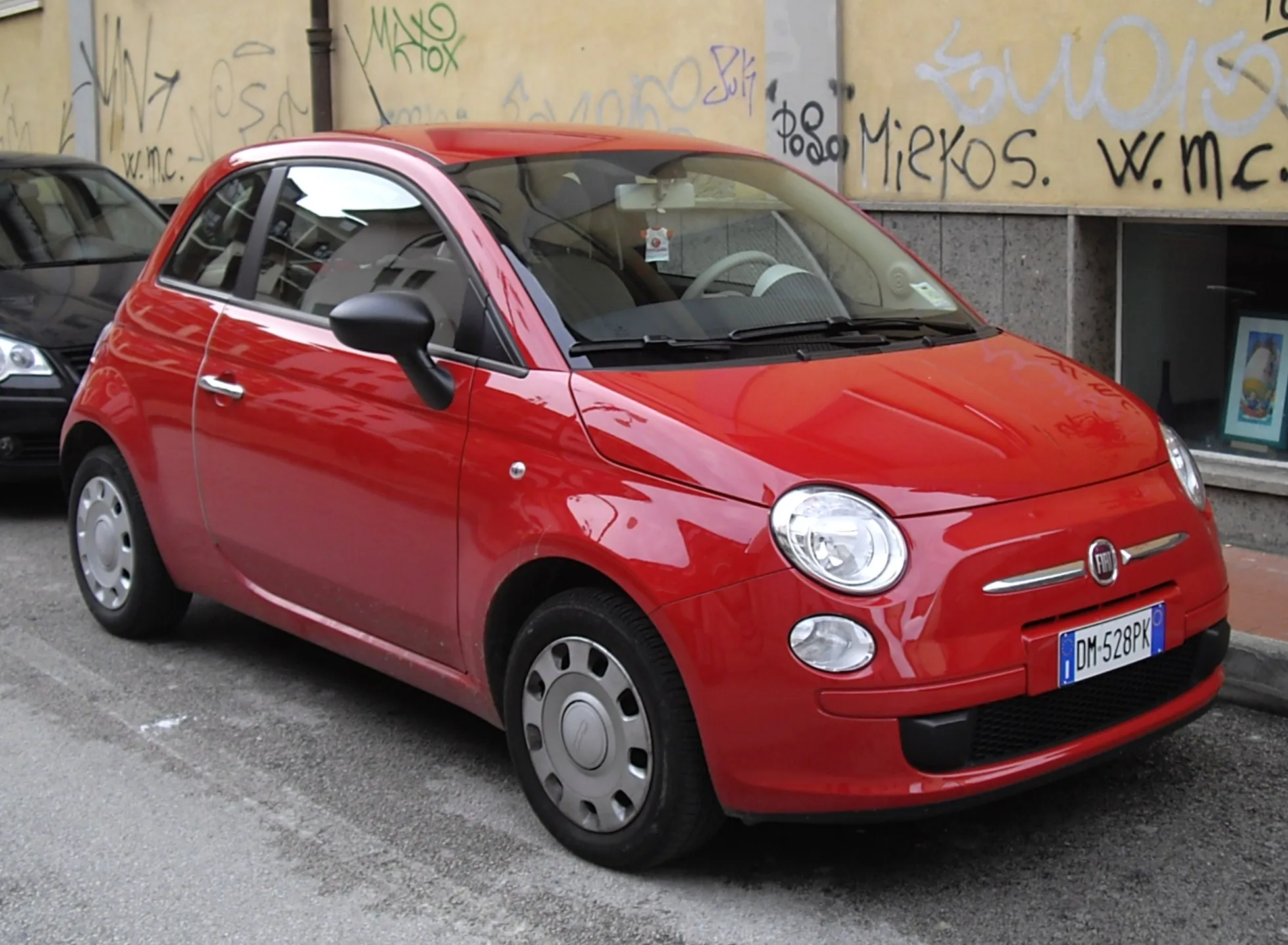
2. Fiat 500
The Fiat 500 is a small city car with a compact engine and lightweight construction, which makes it particularly vulnerable in high-temperature conditions. Its engine cooling system is limited, and sustained heat can result in overheating, especially when stuck in heavy traffic.
The engine may lose performance, and drivers often notice a slower response under extreme heat, making it challenging to drive comfortably in cities with scorching summers.
The cabin is prone to heat buildup due to its small size and limited ventilation. Air conditioning systems are often insufficient to cool the interior quickly, and materials like dashboard plastics and seat coverings can become very hot to the touch.
Passengers may experience discomfort even on short trips, making the Fiat 500 less practical in extremely hot urban areas. Sunlight exposure over time can also cause interior fading and cracking.
Tires and brakes on the Fiat 500 are not designed for prolonged high-temperature stress. Rubber compounds can soften more quickly under extreme heat, and brake fade may occur during heavy city traffic.
Maintenance intervals may increase, and heat-related wear can lead to higher long-term costs compared with vehicles engineered for hot climates. The combination of small size and heat sensitivity presents multiple challenges for urban driving.
The Fiat 500 excels in compact city maneuvering and efficiency under mild conditions, but extreme heat exposes its limitations.
Drivers living in hot cities must take extra precautions and may face discomfort or mechanical problems during heat waves. For those prioritizing performance, reliability, and cabin comfort in high-temperature regions, alternatives with larger cooling systems and heat-resistant materials are generally better suited.
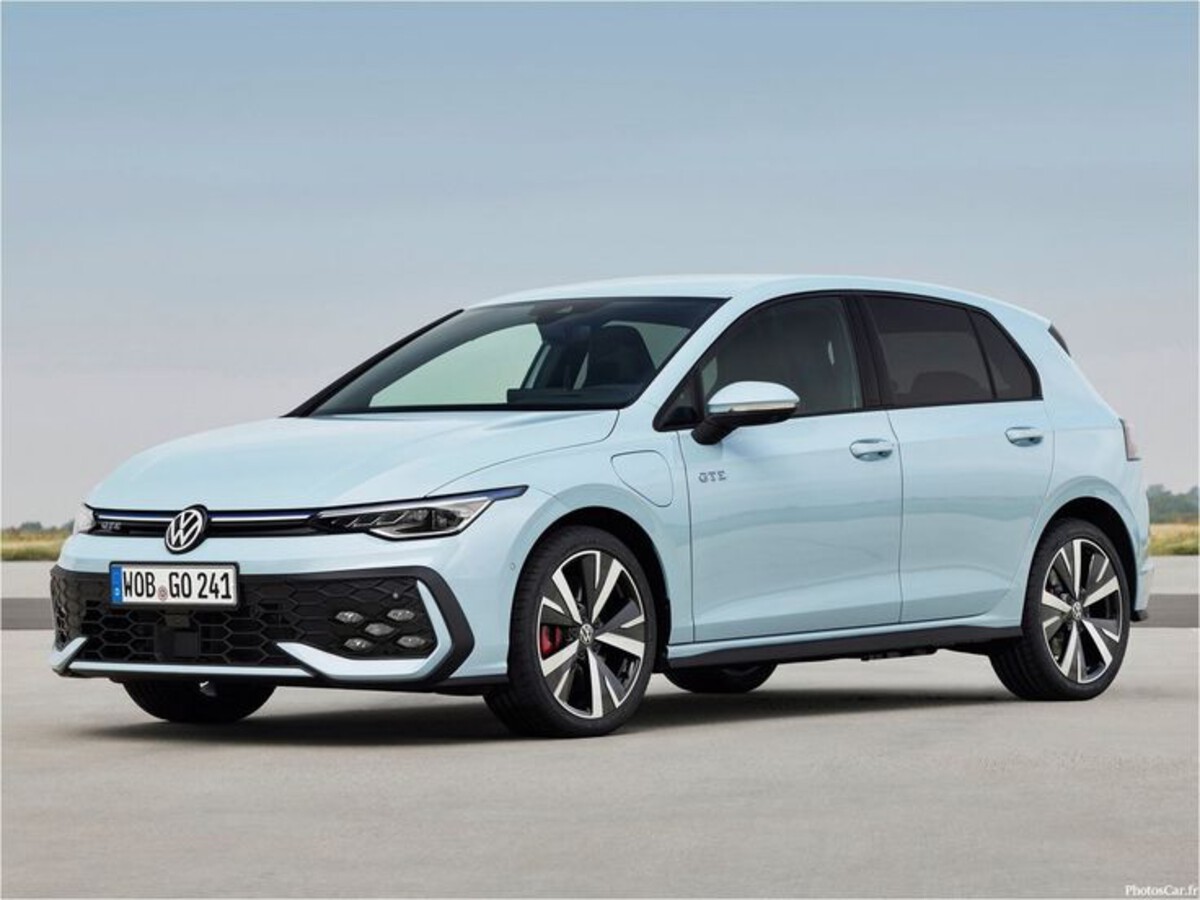
3. Volkswagen Golf
The Volkswagen Golf is a well-regarded compact hatchback, but it can struggle in very hot climates. Its cooling system is sufficient for moderate conditions but can be pushed to its limits under sustained heat.
Long periods of idling or stop-and-go traffic in scorching temperatures can strain the engine, sometimes triggering overheating warnings or reducing overall performance. Owners in hot urban areas may find the Golf less dependable during heat waves.
Interior comfort is another concern, as the cabin can become excessively hot, and the air conditioning system may not cool quickly enough during peak summer hours.
Dashboard plastics and synthetic seat materials can absorb heat, contacting the interior uncomfortable. Sunlight exposure over time may also result in fading or minor warping, affecting both aesthetics and long-term durability.
The Golf’s tires and brakes are optimized for general use rather than high-heat endurance. Extreme temperatures can accelerate tire wear and reduce braking efficiency, especially in stop-and-go traffic. Engine oil and cooling fluid may also require more frequent attention to prevent heat-related issues.
While the Golf handles most conditions well, these vulnerabilities make it less ideal for cities with prolonged intense heat.
Maintenance is manageable but more frequent in hot climates, as heat exacerbates wear on certain components. Drivers may need to monitor tire pressure, coolant levels, and oil quality more closely to prevent unexpected failures.
While the Golf remains a popular choice for comfort and handling in temperate conditions, its performance and reliability in extreme heat are generally less impressive.
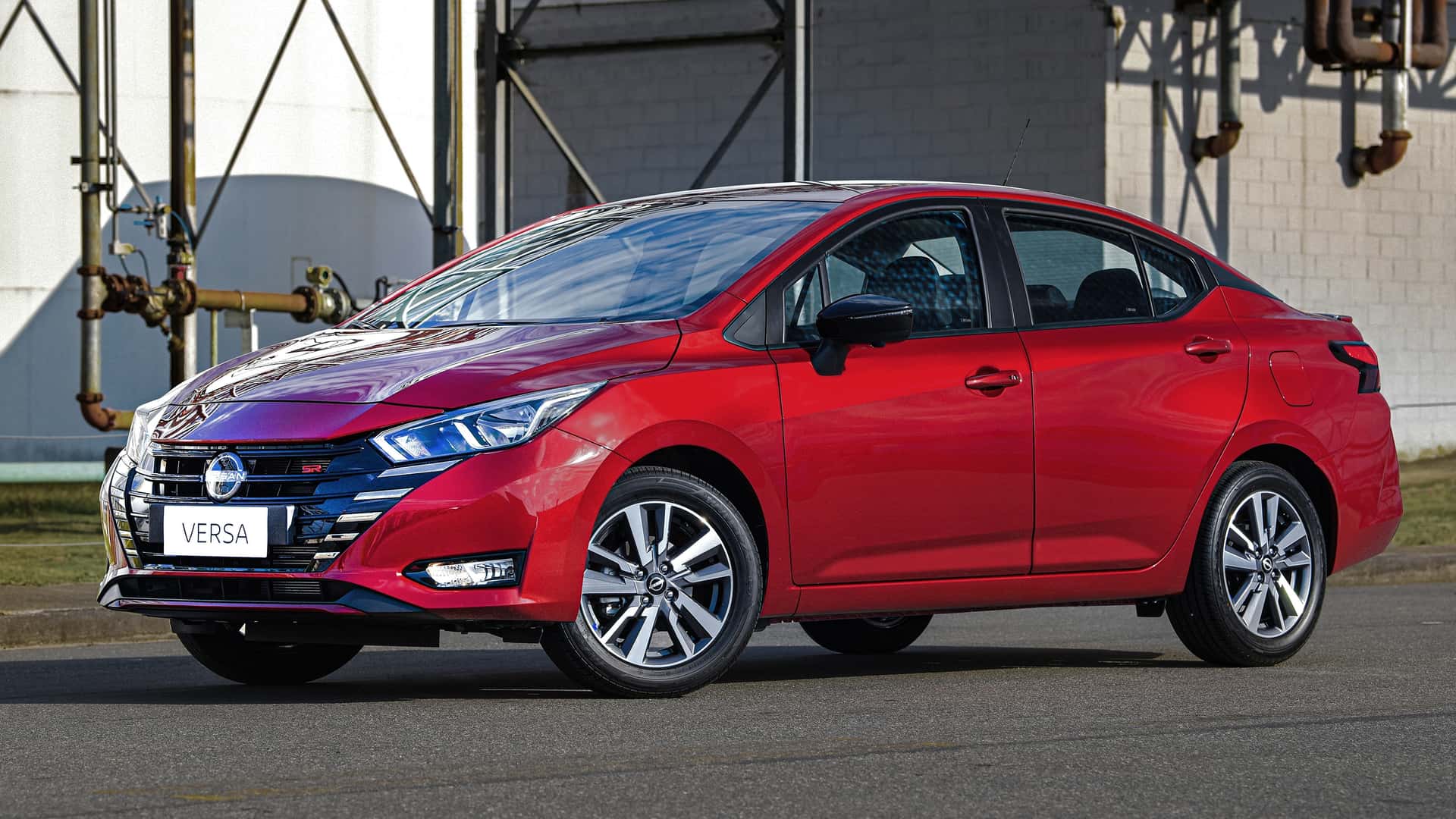
4. Nissan Versa
The Nissan Versa is an affordable compact sedan, but it struggles to perform efficiently in extremely hot cities. Its small engine and minimal cooling system can overheat if subjected to long periods of stop-and-go traffic under high temperatures.
Drivers may notice a decline in engine responsiveness and increased risk of mechanical strain during extended heat exposure, limiting the vehicle’s reliability in hot climates.
The cabin can become excessively hot, and the air conditioning system often works hard to cool the interior. Seat and dashboard materials are prone to absorbing heat, leading to discomfort for both driver and passengers.
Prolonged exposure to sun can also damage plastics and trim, causing fading or cracking over time. This affects not only comfort but also the overall longevity of the vehicle’s interior.
Tires and braking systems are designed for normal conditions and may wear faster under extreme heat. Heat-related issues can result in tire softening or uneven wear, while brakes may experience reduced performance during long periods of high-temperature driving. Maintenance in hot cities may therefore be more frequent and costly than expected for a vehicle in this class.
The Nissan Versa provides practicality and efficiency under mild conditions, but in extremely hot urban environments, its performance and durability can be limited. Drivers who face consistently high temperatures may find it challenging to maintain comfort and reliability without additional care and monitoring. It is generally better suited to temperate climates where heat stress is less of a concern.
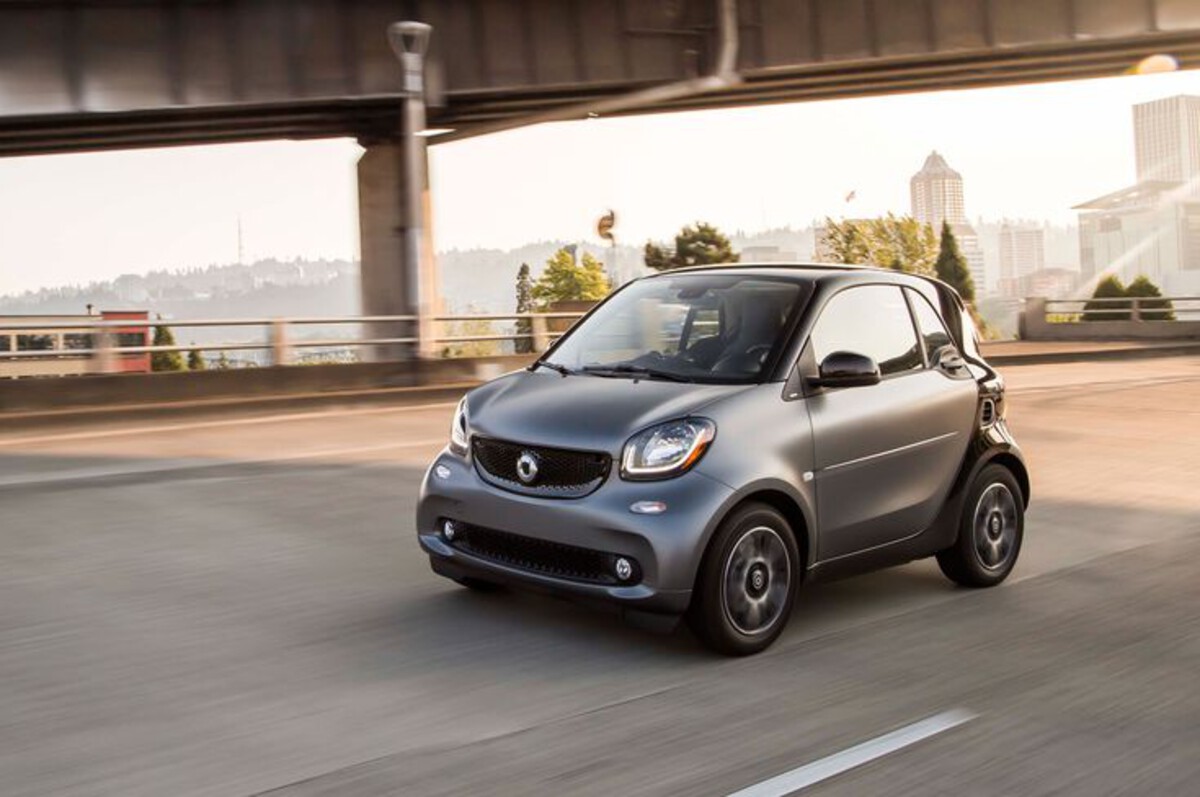
5. Smart Fortwo
The Smart Fortwo is designed for compact city driving, but it is not well-equipped for very hot climates. Its tiny engine and minimal cooling system can overheat in prolonged traffic or during intense heat waves.
The vehicle may require frequent stops to prevent engine strain, and drivers often notice reduced responsiveness under high temperatures. Heat can affect the reliability of small vehicles like the Fortwo more dramatically than larger, more robust options.
The interior cabin is small and heats up quickly in direct sunlight. Air conditioning systems are limited and may struggle to cool the cabin effectively on hot days.
Dashboard materials and seat surfaces can become uncomfortably hot, which can make short trips unpleasant during peak summer temperatures. The tiny cabin offers little protection from heat accumulation, increasing discomfort for occupants.
Tires, brakes, and other components are not optimized for extreme temperatures. Prolonged heat can lead to faster wear, reduced braking efficiency, and potential tire pressure issues.
Frequent maintenance is required to prevent heat-related failures, making ownership more demanding in very hot urban areas. These factors reduce the Fortwo’s practicality for long-term city use in high temperatures.
Despite its compact size and fuel efficiency advantages, the Smart Fortwo is highly sensitive to heat. Drivers in hot climates may encounter discomfort, higher maintenance needs, and reduced engine reliability.
For anyone living in cities with intense, prolonged heat, larger vehicles with more robust cooling systems are generally better choices for both comfort and dependability.
