
Suzuki has always occupied a particular place in motorcycle history, not by chasing trends but by shaping them through consistency, engineering focus, and an unusually strong bond between rider and machine. Across decades, the GSX badge came to represent more than just speed figures or track results.
It became shorthand for reliability under pressure, accessible performance, and machines that ordinary riders could actually live with. While other manufacturers sometimes chased extremes, Suzuki often refined ideas until they worked everywhere, from racetracks to city streets to long highways.
The GSX line did not rise through a single revolutionary moment. Instead, it evolved through a series of machines that arrived at the right time and addressed real needs. Some of these bikes dominated racing grids, some rewrote expectations for street performance, and others quietly influenced design philosophy for years after their release.
Each mattered not only because of sales numbers or trophies, but because they shifted how riders thought about power delivery, handling balance, or everyday usability.
What makes the GSX lineage compelling is how often Suzuki trusted engineering restraint over spectacle. Rather than chasing outrageous styling or fragile performance claims, many GSX models emphasized durability, predictable handling, and engines that rewarded skill instead of punishing mistakes.
This approach earned loyalty, particularly among riders who valued long term ownership and mechanical honesty. These motorcycles aged well because they were not built around gimmicks.
This list focuses on ten GSX models that truly mattered. Not every popular GSX bike is included, and not every fast one qualifies. Each motorcycle here left a clear imprint on Suzuki’s direction or on the wider motorcycling industry.
Their influence can still be felt in modern sportbikes, touring machines, and even entry level performance models. Together, they tell the story of how Suzuki built one of the most respected performance lineups in motorcycling history.
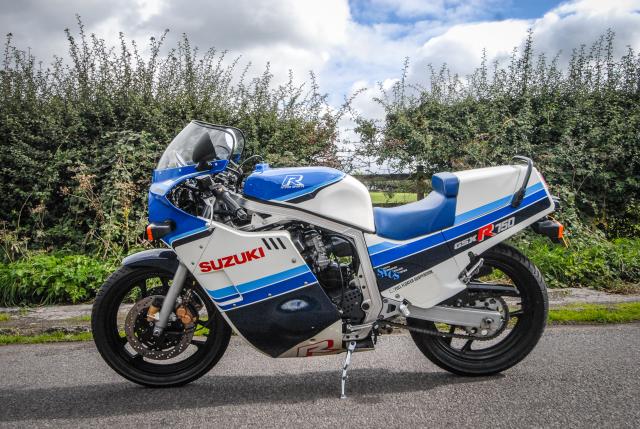
1. Suzuki GSX R750 1985
The 1985 GSX R750 changed sportbike expectations overnight. At a time when heavy steel frames and street-focused tuning were common, Suzuki delivered a lightweight machine that felt closer to a race bike than anything sold with license plates.
Its aluminum frame, oil-cooled engine, and aggressive ergonomics signaled a serious shift in philosophy, showing that performance could be combined with practicality. Riders immediately realized this bike was not just about speed, but about precision and handling that felt alive under every input.
Riders immediately noticed how the bike responded to input. Steering was sharp without being nervous, and the chassis encouraged confident cornering that many riders had not experienced before.
The engine delivered strong midrange power while still pulling hard at the top, making it usable on both street and track. Its balance of agility, power, and rider engagement became a new standard for sportbikes, influencing design trends for years to come.
The GSX R750 also influenced racing culture. Privateers could now buy a machine that required minimal modification to compete, leveling the playing field in club racing. Its accessible performance meant that talented riders could rely on the bike rather than expensive upgrades, and its reliability made endurance events possible without constant mechanical concern.
This combination expanded racing participation and strengthened Suzuki’s reputation as a company that produced race-capable machinery for the masses.
More than a single model, the 1985 GSX R750 established a lineage. Every GSX R that followed owed something to this machine, from the emphasis on lightweight construction to the blend of street usability and track readiness.
Its combination of lightness, power, and purpose reshaped what riders expected from performance motorcycles. The lessons learned from this bike continue to influence modern sportbikes, proving that a well-engineered middleweight machine can leave a lasting mark on the industry.
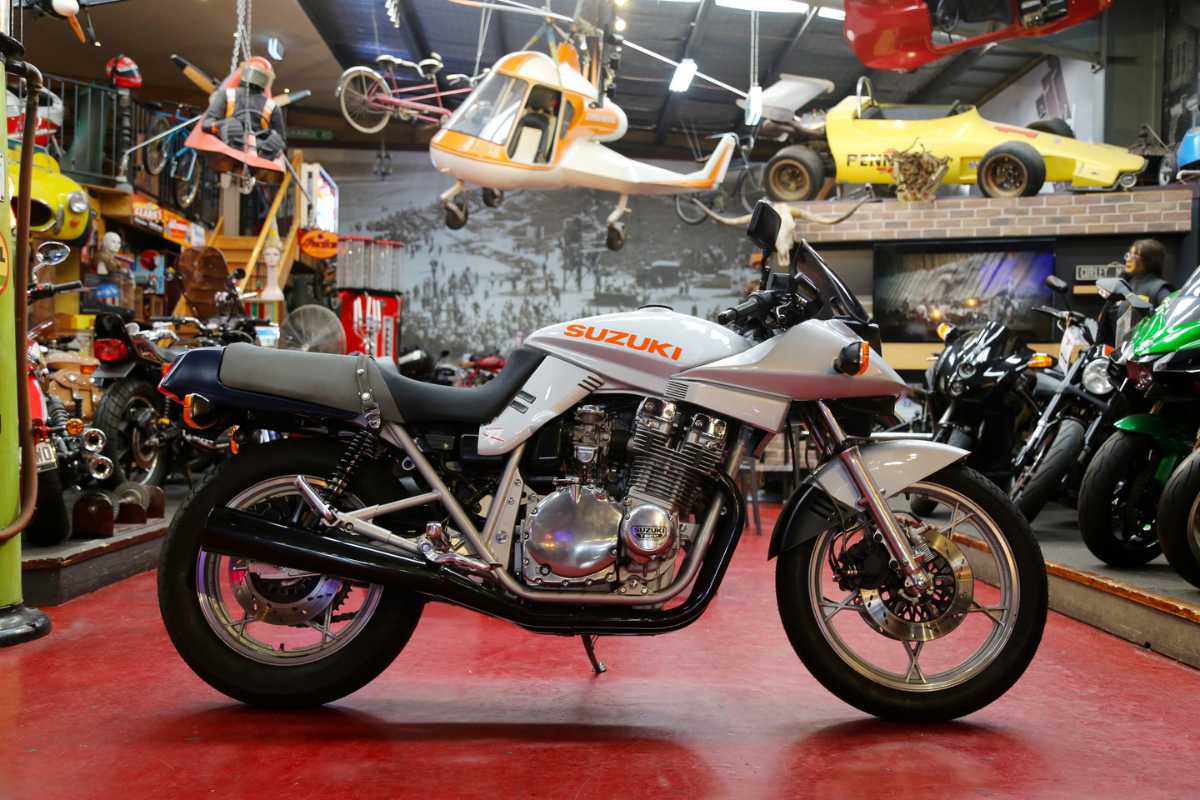
2. Suzuki GSX1100S Katana
The GSX1100S Katana arrived with styling that shocked traditionalists. Its sharp angles, unusual fairing, and forward-leaning stance broke from conservative design norms, creating a visual identity that was instantly recognizable.
While its appearance drew immediate attention, the bike mattered because it blended style with performance credibility. Beneath the bodywork was an engine capable of effortless high-speed cruising, ensuring the machine was as functional as it was striking.
Underneath the radical design, the Katana’s engine produced strong, smooth torque that allowed it to perform impressively on highways and back roads alike.
Acceleration was confident, and the bike maintained stability even at high speeds. It proved that bold design choices did not require sacrifices in engineering quality, and it offered riders both confidence and pride in ownership. Reliability and performance coexisted in a package that many competitors struggled to match.
The Katana expanded Suzuki’s identity beyond pure sport machines. It demonstrated that motorcycles could be statements of character as well as machines of performance.
Riders who valued individuality without sacrificing speed finally had a choice, and the Katana encouraged a new cultural perspective toward motorcycles as design objects as much as tools. It set a precedent that other manufacturers would consider for years.
Decades later, the Katana remains a reference point for daring motorcycle design. Its influence can be traced whenever manufacturers attempt to merge visual drama with mechanical substance. Few bikes have managed to balance such radical aesthetics with enduring performance credibility, and this model proved that engineering excellence and style could coexist harmoniously.
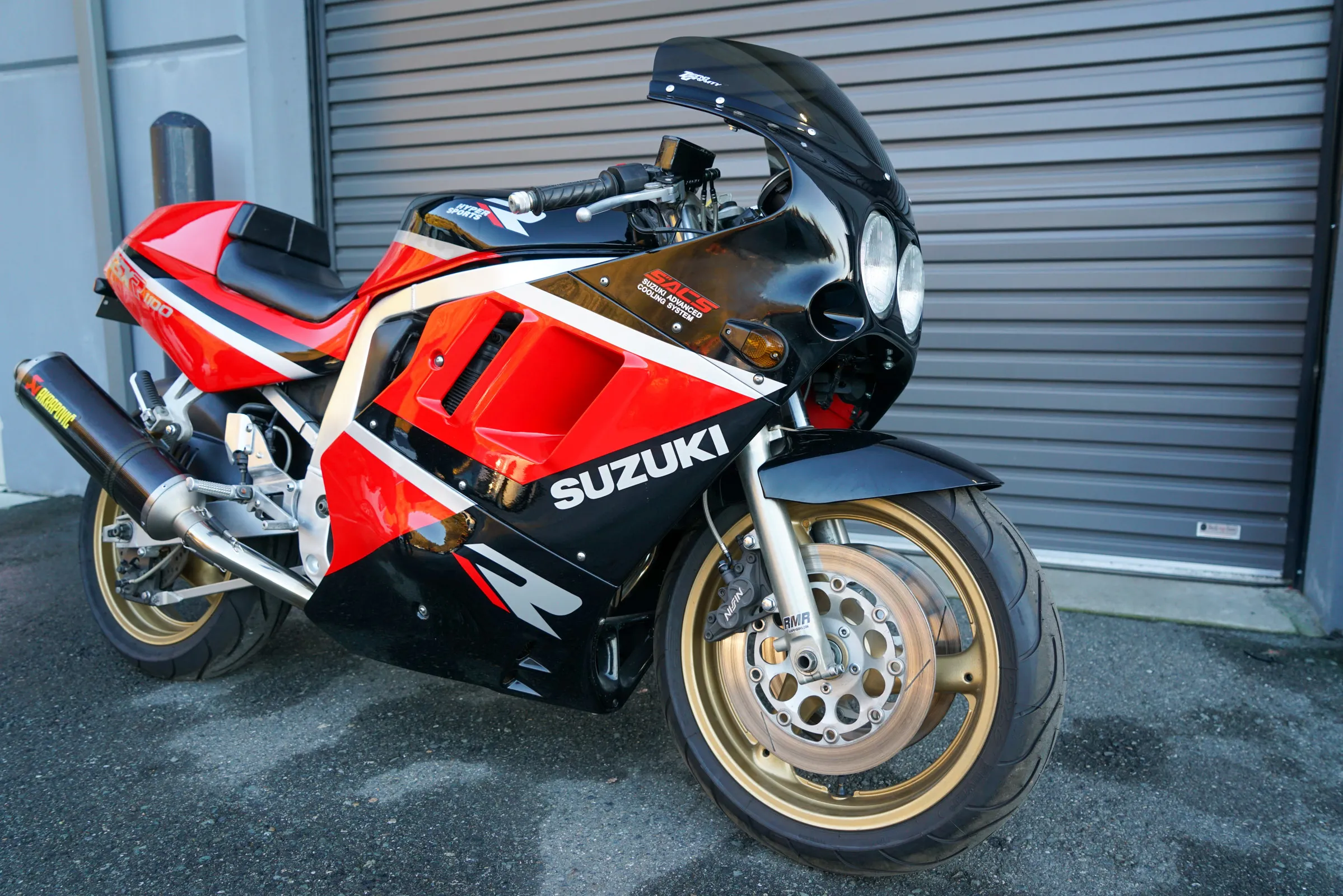
3. Suzuki GSX R1100
The GSX R1100 represented brute force refined through careful engineering. While the 750 emphasized balance and lightness, the 1100 delivered raw acceleration combined with a surprisingly composed chassis.
It was one of the first bikes to show that liter-class performance could remain usable in everyday riding conditions, without sacrificing speed or handling precision. Riders were drawn to its powerful presence and capable design.
Its engine produced immense torque, allowing riders to surge forward without constant gear changes. The power delivery was strong yet manageable, giving riders a sense of control while allowing spectacular acceleration.
Experienced motorcyclists appreciated its capability, finding that the bike rewarded skill rather than overwhelming it. This level of performance helped redefine what was expected from big-bore sportbikes.
Despite its size, the GSX R1100 handled better than expected. Suzuki invested heavily in chassis geometry, suspension, and braking systems to ensure stability under both high speed and hard braking. It encouraged riders to refine their techniques and ride with precision.
The bike’s handling characteristics provided feedback that was both informative and confidence-building, making it a rewarding machine for skilled enthusiasts.
The GSX R1100 helped define the big-bore sportbike category. It demonstrated that raw power alone was insufficient without supporting engineering to manage it.
Many later liter bikes followed the path it established, seeking to balance acceleration, cornering stability, and reliability. This model became a template for what a liter-class sportbike could be when engineered with both performance and control in mind.
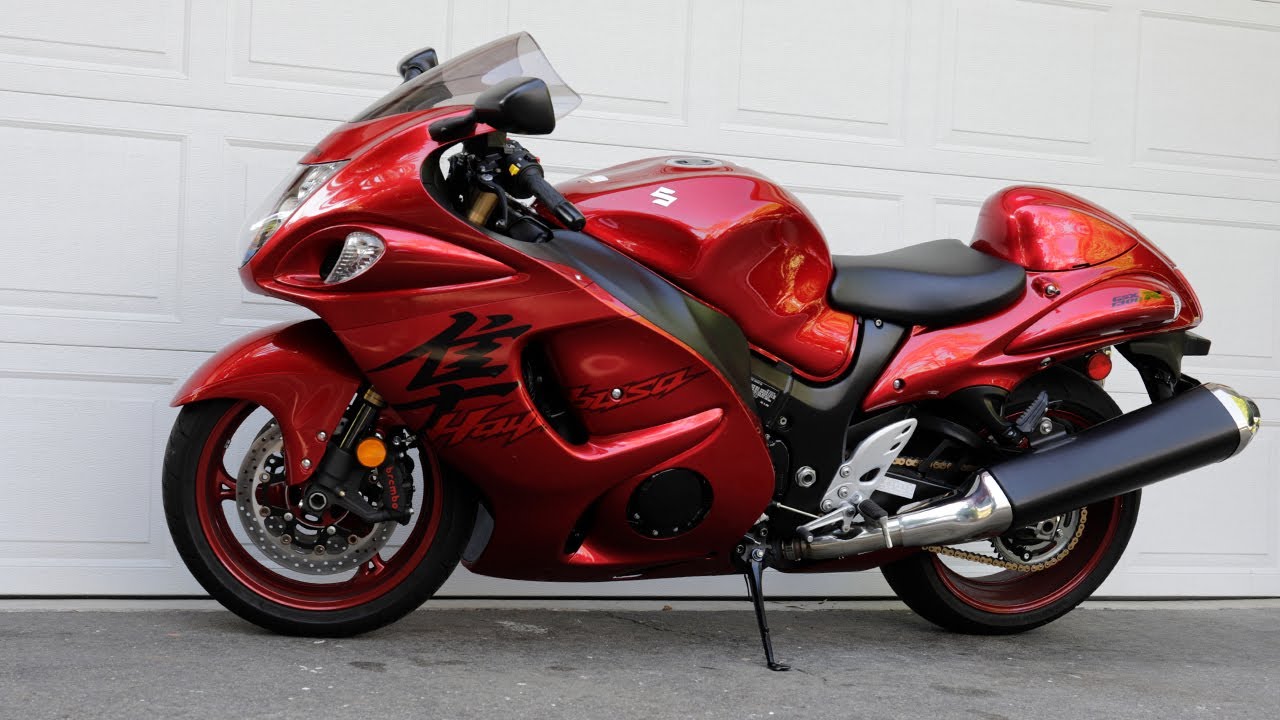
4. Suzuki GSX1300R Hayabusa
When the Hayabusa appeared, it redefined production motorcycle performance. Its top speed and aerodynamic design became instant talking points, but the bike mattered because it balanced extreme power with everyday usability.
Riders could comfortably use it on highways or twisty roads without constantly fearing instability, setting it apart from other high-performance motorcycles of its time.
The engine delivered smooth, relentless power across the entire rev range. Unlike many sportbikes with peaky power bands, the Hayabusa allowed both calm cruising and intense acceleration without drama.
Its versatility made it appealing to a wide range of riders, from experienced speed enthusiasts to long-distance travelers who valued reliability and comfort along with performance.
Handling was stable and predictable, especially at high speeds. Suzuki prioritized rider confidence, designing a chassis that remained composed under extreme conditions.
Suspension tuning complemented its weight and aerodynamic advantages, making it feel planted and controlled even when pushed to the limits. This focus on stability reinforced the bike’s reputation for excellence.
The Hayabusa became a symbol of engineering ambition and technological confidence. It forced discussions across the motorcycle industry about the boundaries of performance, responsibility, and rider skill. Its combination of speed, usability, and mechanical reliability ensured that the name Hayabusa would remain influential and respected, long after its first release.
5. Suzuki GSX R600
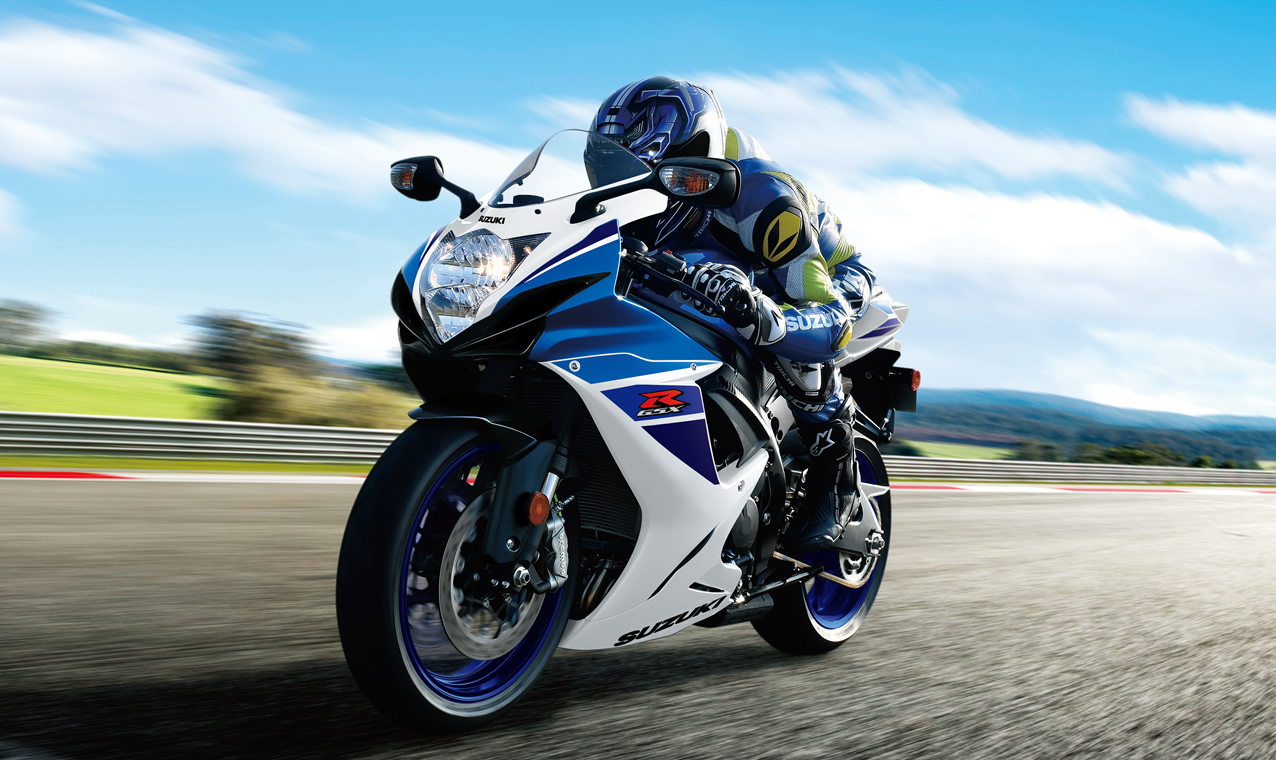
The GSX R600 played a pivotal role in bringing track-capable performance to a wider audience. It offered serious sportbike handling in a package that was lighter, more forgiving, and more approachable than larger machines. For many riders, it served as an introduction to true sportbike dynamics, teaching skills that would carry forward throughout their riding careers.
Its engine encouraged high-rev riding, teaching throttle control, smooth gear changes, and corner exit techniques. Unlike bigger bikes, which could overwhelm riders with torque, the 600 provided an environment to develop skill and confidence. Its performance was thrilling, yet controllable, making it ideal for both street and track settings.
The chassis delivered excellent feedback, allowing riders to gauge grip limits with confidence. Suspension tuning focused on predictability rather than shock absorption extremes.
This made the bike particularly well-suited for racing schools, track days, and amateur competitions, where riders could grow without risking mechanical disaster or personal injury.
By proving that middleweight sportbikes could deliver serious thrills, the GSX R600 helped shape an entire segment. It established Suzuki as a leader in this category and created a pathway for many riders to progress from beginner machines to larger sportbikes. Its combination of precision, accessibility, and reliability made it a cornerstone of Suzuki’s sportbike reputation.
6. Suzuki GSX750F Katana
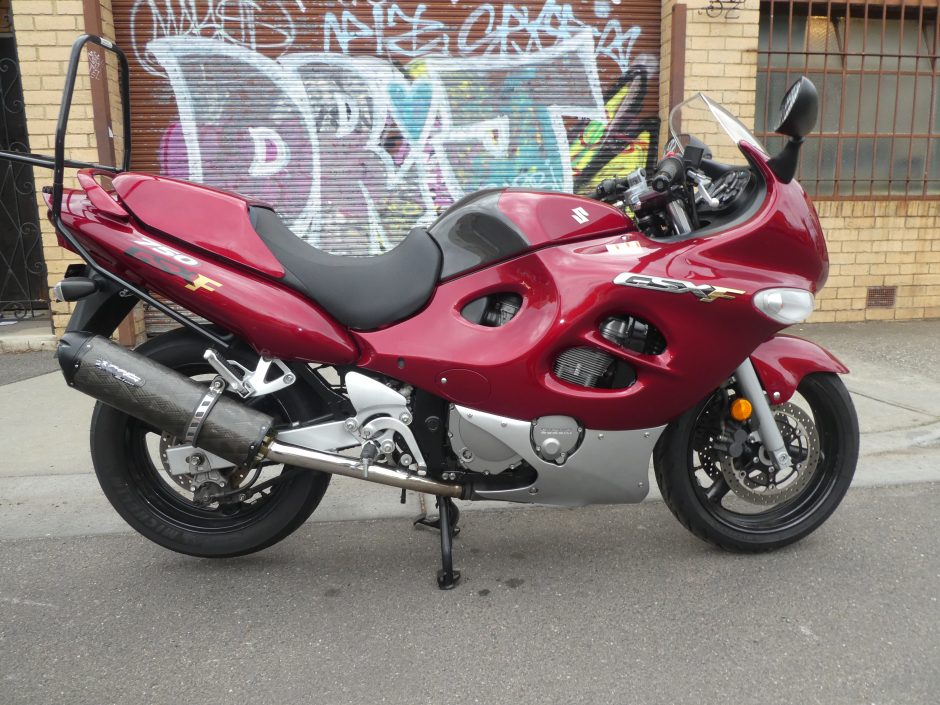
The GSX750F Katana served a different purpose than Suzuki’s more aggressive sport models. It combined sport-inspired styling with practical touring comfort, appealing to riders who wanted performance without sacrificing usability.
Its design demonstrated that a motorcycle could balance speed, stability, and long-distance comfort without feeling compromised. This combination made it quietly influential in shaping Suzuki’s approach to all-around motorcycles.
Its engine emphasized smooth power delivery rather than raw output. It performed well in highway cruising and city commuting alike, making it a machine that riders could rely on every day.
The 750F’s engine reliability and manageable torque curve made it less intimidating than pure sportbikes, while still offering enough performance to satisfy enthusiasts. Riders could experience spirited acceleration without feeling overpowered or uneasy.
Ergonomics were relaxed compared to full race replicas, reducing fatigue during long rides. The fairing design provided effective wind protection, which further enhanced comfort over extended distances.
Its versatility allowed riders to use it for commuting, touring, or weekend trips, giving it broader appeal than single-purpose sport machines. It became a practical choice for those who wanted sportbike flair with sensible function.
The GSX750F demonstrated Suzuki’s understanding of real-world riding needs. It proved that the GSX line could adapt to different purposes without losing credibility or identity.
Its influence can still be seen in modern sport-touring motorcycles, where balance between speed, comfort, and reliability is prioritized. For riders, it represented a machine that could do everything competently without asking for compromise.
7. Suzuki GSX400S Katana
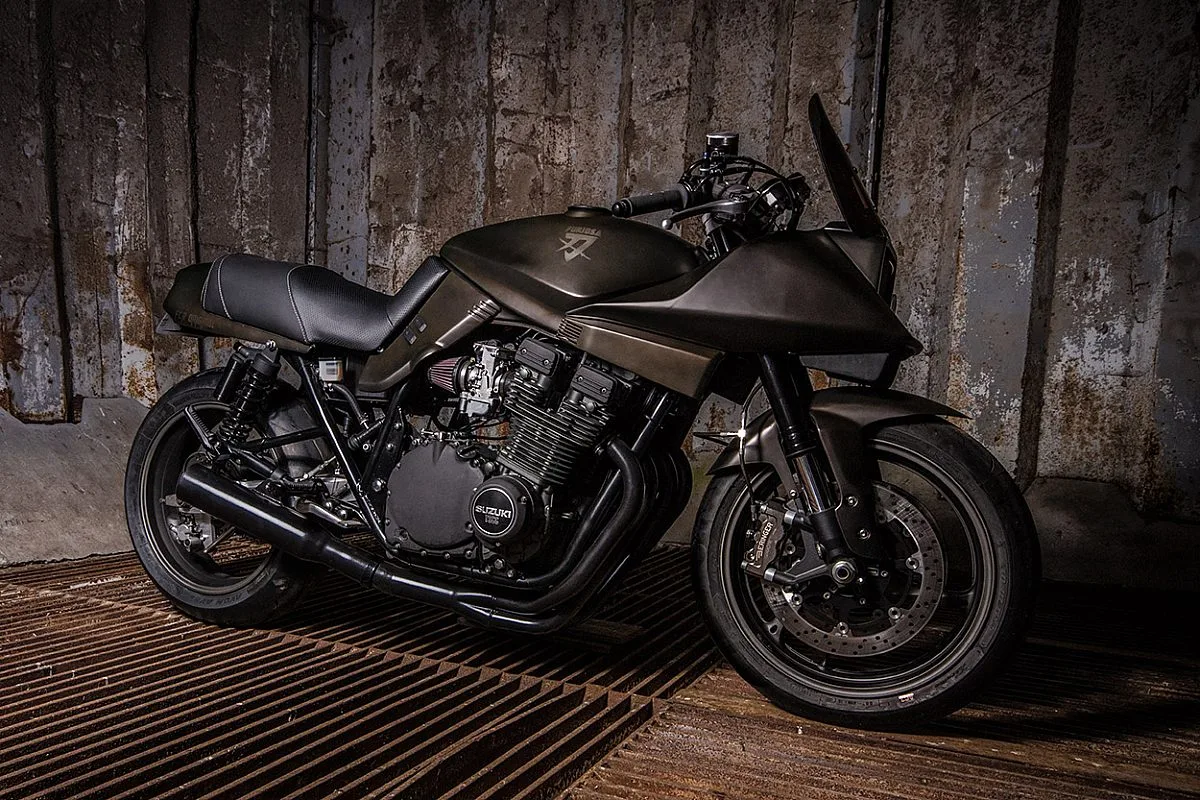
The GSX400S Katana mattered because it brought premium engineering and bold design to smaller displacement riders. In markets with licensing restrictions or riders new to performance bikes, it offered a taste of the GSX philosophy without overwhelming power.
Its visual continuity with larger Katana models helped establish brand identity and aspirational appeal, showing that smaller bikes could still be serious motorcycles.
The engine was efficient and responsive, providing enough torque and acceleration to be engaging while remaining approachable for newer riders. Its lightweight nature encouraged confident handling, allowing riders to navigate tight corners and city streets with precision.
The bike’s character rewarded skill development and instilled riding confidence, making it a practical choice for developing enthusiasts.
The styling reflected Suzuki’s commitment to identity across its lineup. Even at 400cc, it carried the Katana’s aggressive lines and forward-leaning design cues, ensuring that riders felt part of the brand’s performance narrative.
The GSX400S allowed younger or restricted riders to experience the prestige and thrill of the Katana design without sacrificing safety or manageability.
By treating smaller displacement models with the same care as larger bikes, Suzuki expanded its influence across rider demographics.
The GSX400S helped cultivate future GSX enthusiasts, proving that every rider mattered in the brand’s vision. It was a subtle but critical step in building loyalty and broadening the GSX lineup’s reach internationally.
8. Suzuki GSX R1000
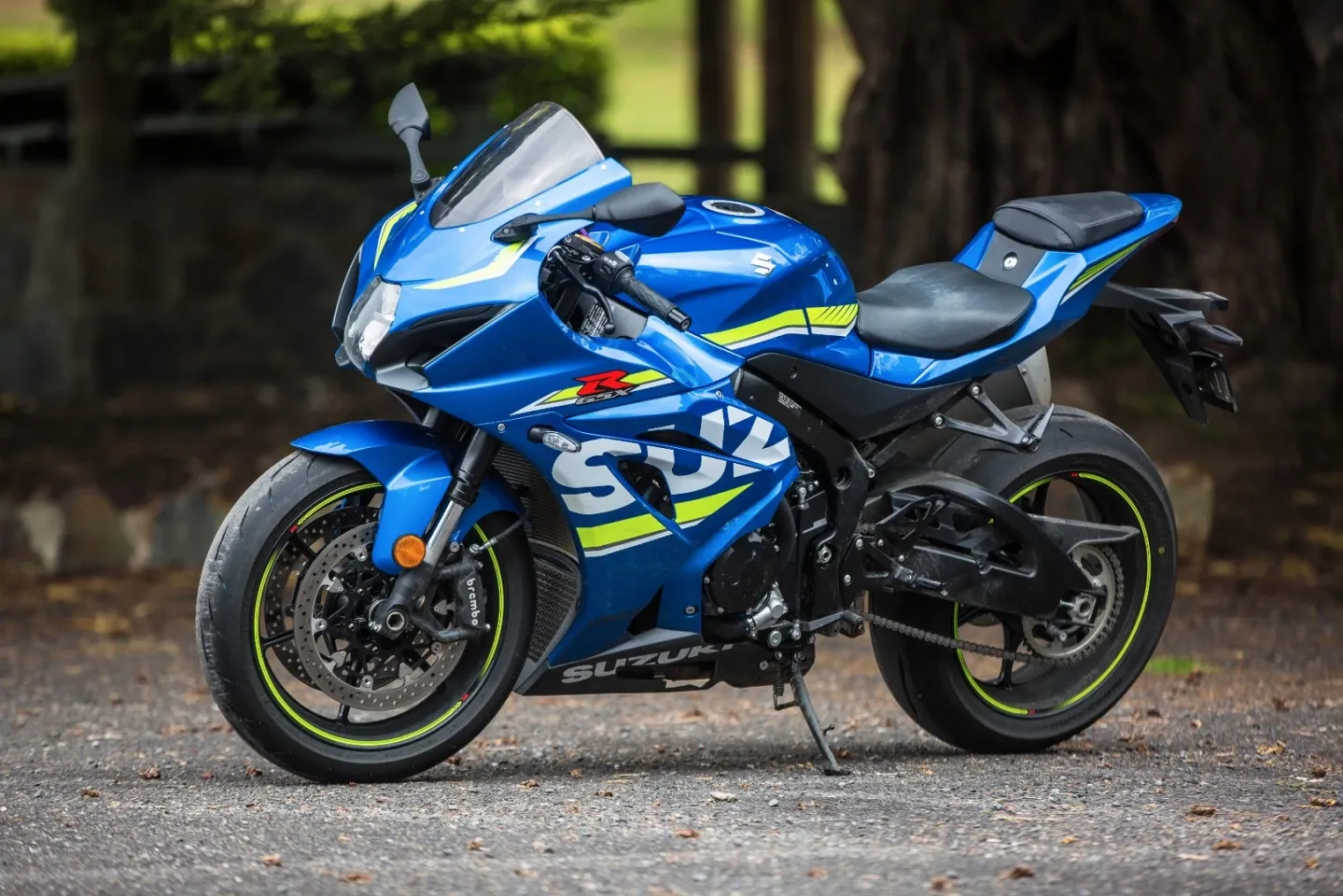
The GSX R1000 marked Suzuki’s full commitment to the liter-class sportbike competition. It combined a high-output engine with a lightweight chassis, producing a motorcycle capable of blistering performance while remaining controllable.
Its design emphasized not just raw speed, but stability, cornering precision, and responsive braking, allowing riders to extract maximum performance with confidence.
Acceleration was immediate and intense, yet throttle response remained predictable, rewarding skilled riding rather than punishing inexperience.
The engine’s power delivery allowed seamless transitions from tight corners to open roads, giving the rider an intuitive sense of control. Its performance quickly earned acclaim in racing circles and track day communities, cementing its reputation as a serious contender.
Chassis geometry was tuned to handle the bike’s immense power. Suzuki refined suspension and braking components to ensure consistent stability, even under extreme loads or high-speed maneuvering.
These qualities made the GSX R1000 competitive in racing and track use while remaining manageable on the street, demonstrating the company’s attention to engineering detail.
Its success validated Suzuki’s design philosophy for high-performance motorcycles. The GSX R1000 proved that precision engineering, careful power management, and stability-focused design could produce a bike that excelled in every environment.
It influenced subsequent sportbikes and reinforced Suzuki’s identity as a manufacturer capable of leading in the most demanding segment.
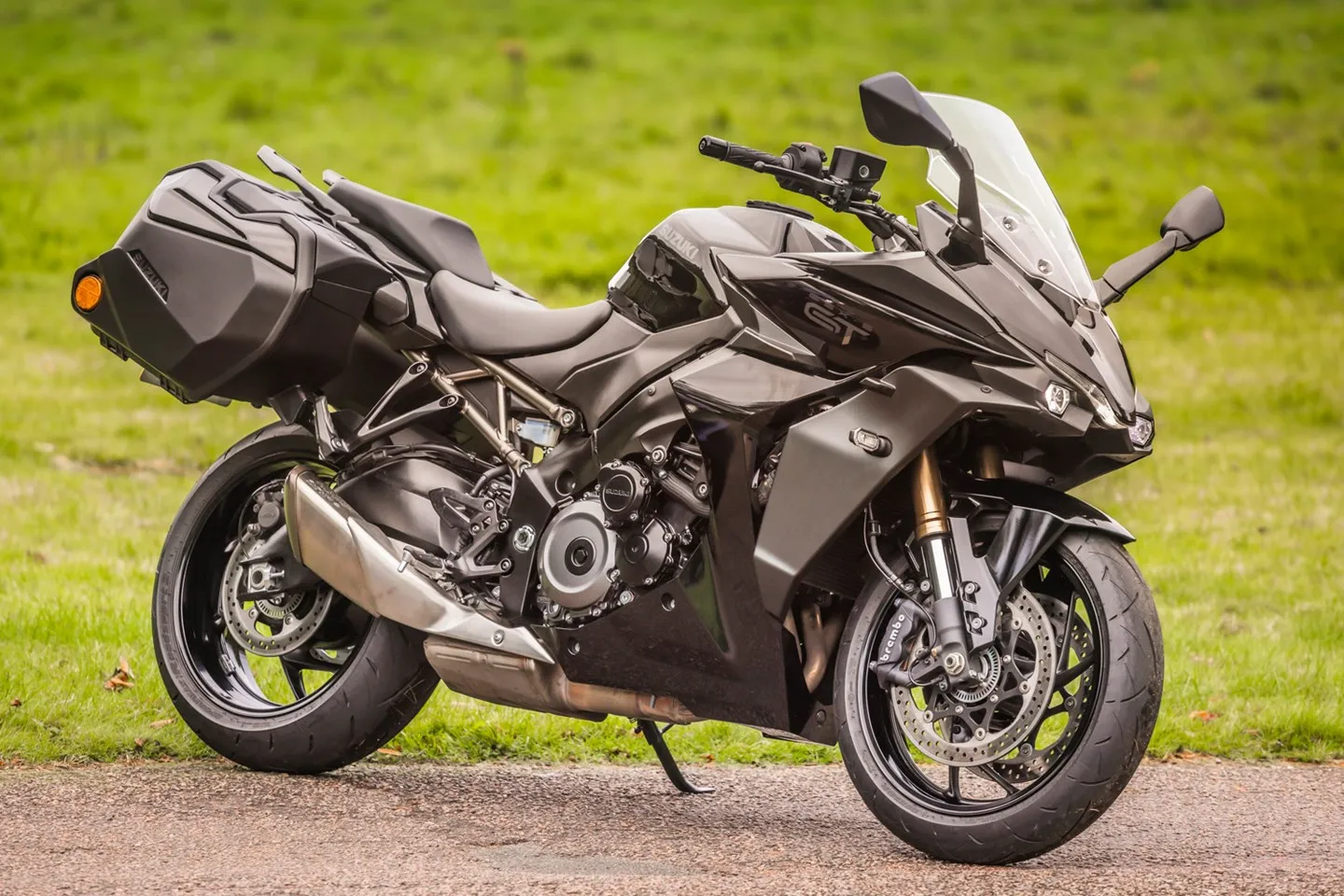
9. Suzuki GSX S1000
The GSX S1000 translated superbike-level performance into a naked bike format, exposing the mechanical character of the engine while preserving control and power.
By removing full fairings, Suzuki allowed riders to experience raw performance and agility in a more approachable package. Its combination of stripped-down design and refined engineering made it a versatile and exciting option for daily and spirited riding.
Power delivery was tuned for street use, offering strong acceleration without overwhelming the rider. The upright ergonomics improved comfort and visibility, making the bike practical for city commuting and long rides.
Despite its naked form, the GSX S1000 retained handling sharpness and stability, bridging the gap between high-performance machines and everyday usability.
The chassis provided responsive feedback, encouraging confidence through corners while supporting aggressive riding styles. The lighter weight compared to fully-faired counterparts improved maneuverability and simplified maintenance. Riders quickly appreciated its honesty, strong braking, and the connection it fostered between skill and performance.
The GSX S1000 proved that high performance did not require aggressive sportbike posture or extensive bodywork. It normalized the concept of powerful naked motorcycles as legitimate options for riders seeking speed, reliability, and versatility. Its impact is evident in the continued popularity of middleweight and liter-class naked bikes across markets worldwide.
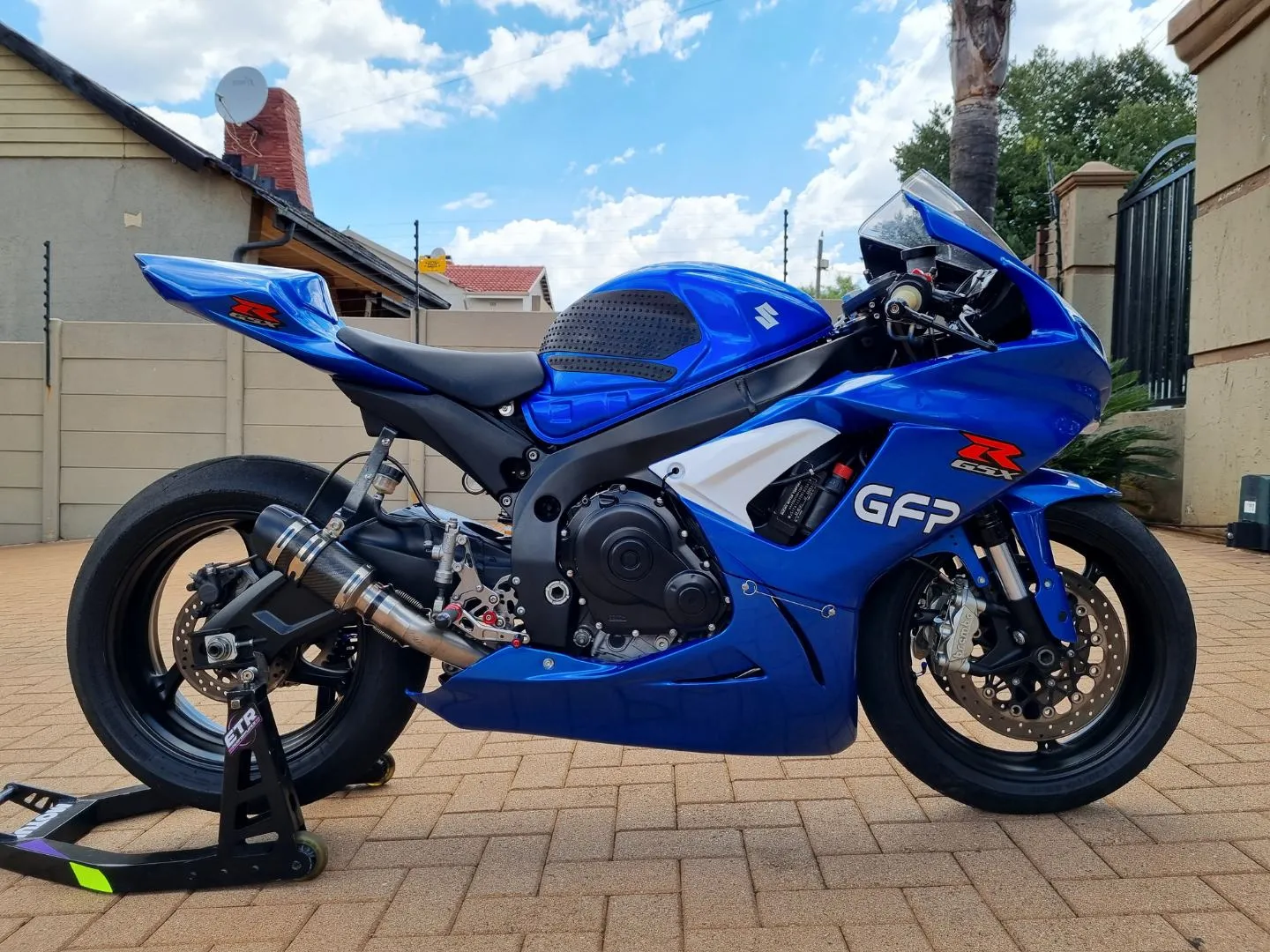
10. Suzuki GSX R750 Modern Era
The modern GSX R750 occupies a unique position in Suzuki’s sportbike lineup, bridging the gap between middleweight 600cc bikes and full liter-class machines.
It provides more power than a typical 600 while maintaining agility and control that larger bikes often compromise. This balance is central to its identity, appealing to riders who want speed and precision without overwhelming handling characteristics.
The engine delivers strong midrange torque alongside high-revving capabilities. Riders enjoy flexibility across a variety of riding conditions, from technical twisty roads to long highway stretches.
The combination of smooth power and responsive acceleration allows the GSX R750 to remain versatile, practical, and exciting in daily use or track scenarios.
Chassis and suspension continue to prioritize feedback and stability. Modern electronics complement the bike’s mechanical precision without overcomplicating the experience, ensuring that rider skill remains central to performance. Every aspect of the bike feels deliberate, supporting both confidence and control under different circumstances.
By continuing to produce the GSX R750 in the modern era, Suzuki preserves a distinctive option in a segment increasingly dominated by 600 and 1000cc machines.
The bike demonstrates a commitment to rider-focused design and balanced engineering, showing that performance can coexist with usability. It continues to be a model that matters because it maintains the values that defined the original GSX R750 lineage.
