
Volkswagen has long been a name associated with reliability, practicality, and distinctive design. Many of its models have become icons in automotive history, either for their innovative engineering or their ability to stand out in crowded markets.
While some vehicles fade into obscurity after a few years, certain Volkswagens have maintained a level of admiration and relevance far beyond what anyone anticipated. These cars prove that smart design, solid engineering, and cultural resonance can give a model lasting appeal. Enthusiasts and casual drivers alike often find themselves drawn to these vehicles, even decades after their initial release.
One of the reasons some Volkswagens have aged so well is their timeless design. Unlike models that follow fleeting trends, these cars offer clean lines, functional interiors, and thoughtful details that remain attractive over the years. Another factor is their mechanical reliability.
Many of these Volkswagens were built with engines and components that can endure significant wear without losing performance or drivability. Parts are often accessible, repairs are manageable, and owners can maintain their vehicles without excessive cost or difficulty. This combination of style and durability has helped these cars retain value and appreciation over time.
Beyond their engineering, Volkswagens often carry a cultural and emotional resonance. Models such as the Beetle and the Bus became symbols of eras, movements, and lifestyles, which adds to their enduring charm. Even models not widely celebrated at launch can become collector favorites as enthusiasts recognize their unique qualities and potential.
The aesthetic simplicity, practicality, and adaptability of these vehicles allow them to fit into modern lifestyles, despite technological advancements in newer cars. They also serve as a reminder of a period when automobiles were built with a balance of character, engineering, and functionality.
This article highlights ten Volkswagen models that have exceeded expectations in terms of longevity, style, and relevance. Some are obvious choices, known for decades of popularity, while others are hidden gems that have quietly maintained their reputation.
Each of these cars illustrates how careful design and engineering choices can result in vehicles that are not only functional at the time of production but also admired many years later. From hatchbacks to vans, these Volkswagens continue to attract attention and respect from automotive enthusiasts around the globe.
Whether you are a longtime fan of the brand or a newcomer curious about the legacy of Volkswagen, understanding which models have aged well offers insight into what makes a car truly timeless. Their stories provide lessons in design, engineering, and cultural impact, showing how certain vehicles surpass their original expectations.
In the following sections, the ten Volkswagens that have aged better than anyone expected will be presented, each with a focus on what made them exceptional and how they continue to be appreciated today.
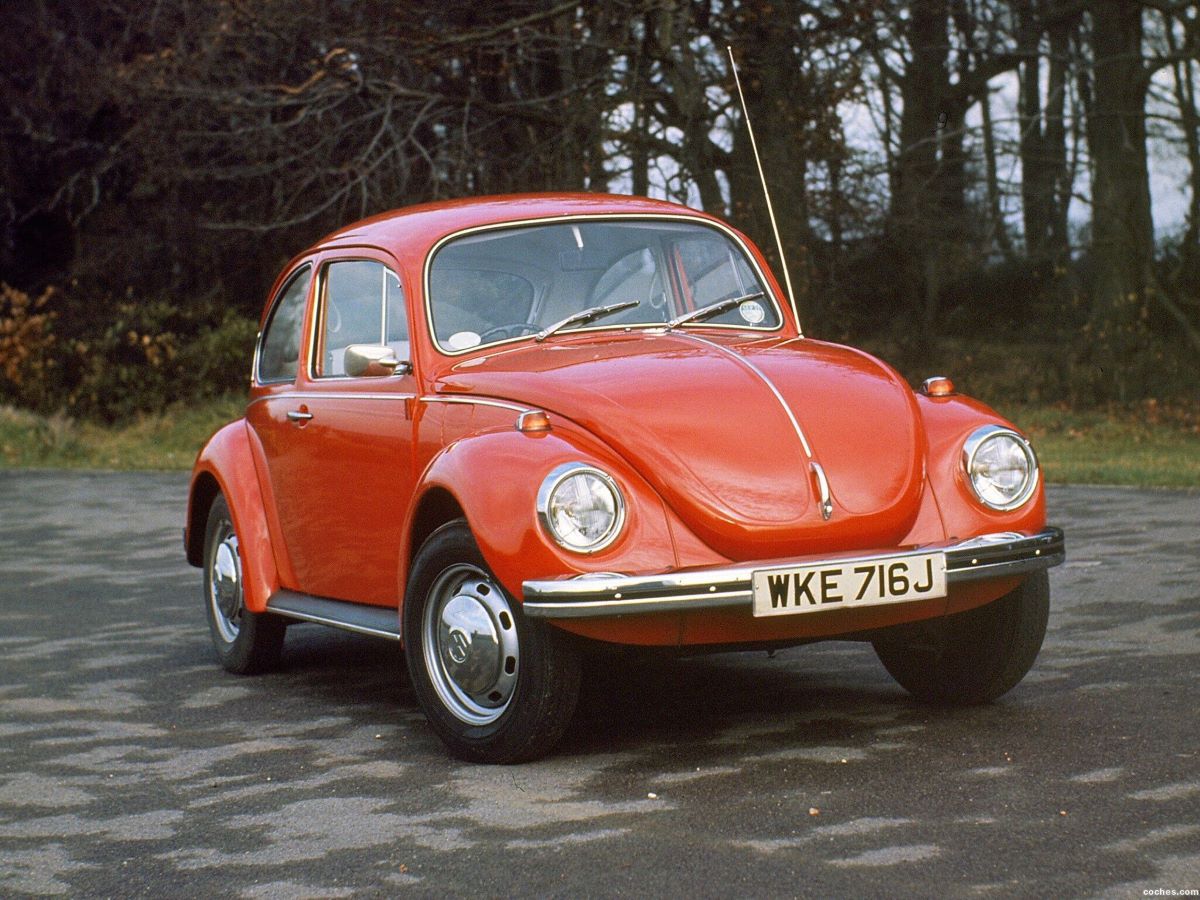
1. Volkswagen Beetle
The Volkswagen Beetle is arguably the most iconic model the brand has ever produced. Its rounded shape, compact size, and friendly demeanor made it appealing from the start. While originally designed as an affordable car for everyday use, it evolved into a cultural symbol. Enthusiasts quickly embraced its charm, creating a devoted following that persists today.
The Beetle’s engine, located at the rear, was simple but effective. Its air-cooled design meant fewer moving parts and a reduced chance of catastrophic failure. Drivers could easily maintain their vehicles, even with limited mechanical experience. This reliability helped the Beetle endure long after its production ended.
A key factor in the Beetle’s longevity is its design consistency. While subtle updates were made over decades, the core shape remained recognizable. This timeless aesthetic allows older models to remain visually appealing, even when compared to modern vehicles. Collectors often prize these cars for their classic silhouette and iconic status.
Another reason the Beetle aged well is the abundance of aftermarket support. Parts, accessories, and modifications are widely available, allowing owners to restore or customize vehicles without extreme cost. This accessibility encourages continued use and preservation. Many Beetles seen on the road today are either restored or carefully maintained originals.
Finally, the Beetle’s cultural relevance contributes to its enduring popularity. Appearing in movies, advertisements, and pop culture references, it remains a symbol of simplicity, fun, and approachability. Enthusiasts continue to celebrate it through car shows and clubs, ensuring that its reputation as a vehicle that exceeded expectations remains strong.
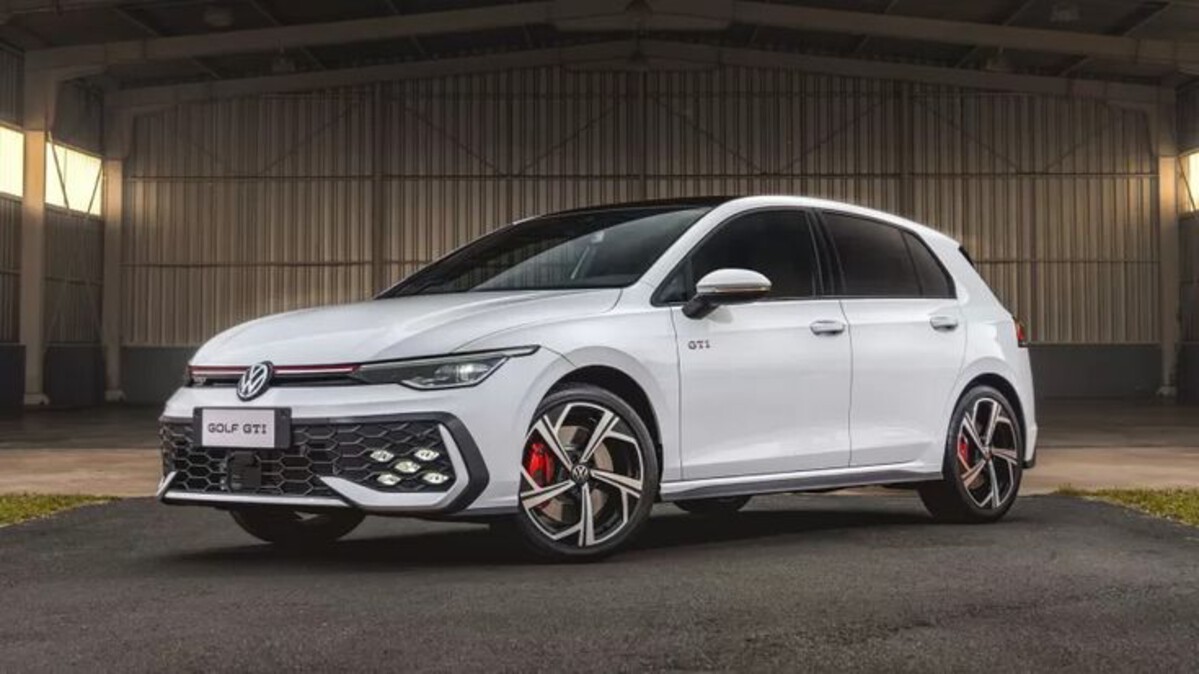
2. Volkswagen Golf GTI
The Volkswagen Golf GTI redefined what a practical hatchback could be. Introduced in the 1970s, it combined everyday usability with surprising performance. Drivers appreciated its responsive handling, compact dimensions, and surprisingly sporty nature. Over time, the GTI became a benchmark for hot hatchbacks around the world.
One reason the GTI aged well is its balance of fun and functionality. Unlike many performance-oriented cars that sacrifice comfort, the GTI maintained a usable interior and decent cargo space. This versatility allowed it to serve as both a daily driver and a spirited weekend car. Enthusiasts found this combination compelling.
Mechanical reliability is another factor in the GTI’s lasting appeal. While performance-tuned, the engines were not overly complex. With proper maintenance, these cars could run for hundreds of thousands of miles. Parts remain accessible, and many original components can still be serviced or replaced with minimal effort.
The design also contributed to the GTI’s enduring charm. Its boxy early shape and later refinements retained a sporty yet restrained look. Many owners appreciate how the GTI looks stylish even decades after its introduction, avoiding dated or overly flashy trends. This timelessness enhances its collector value.
Finally, the GTI has a strong enthusiast community. Clubs, forums, and events dedicated to the model encourage preservation and innovation. Owners often share tips on restoration and modification, keeping older models on the road and maintaining their reputation as vehicles that exceeded expectations.
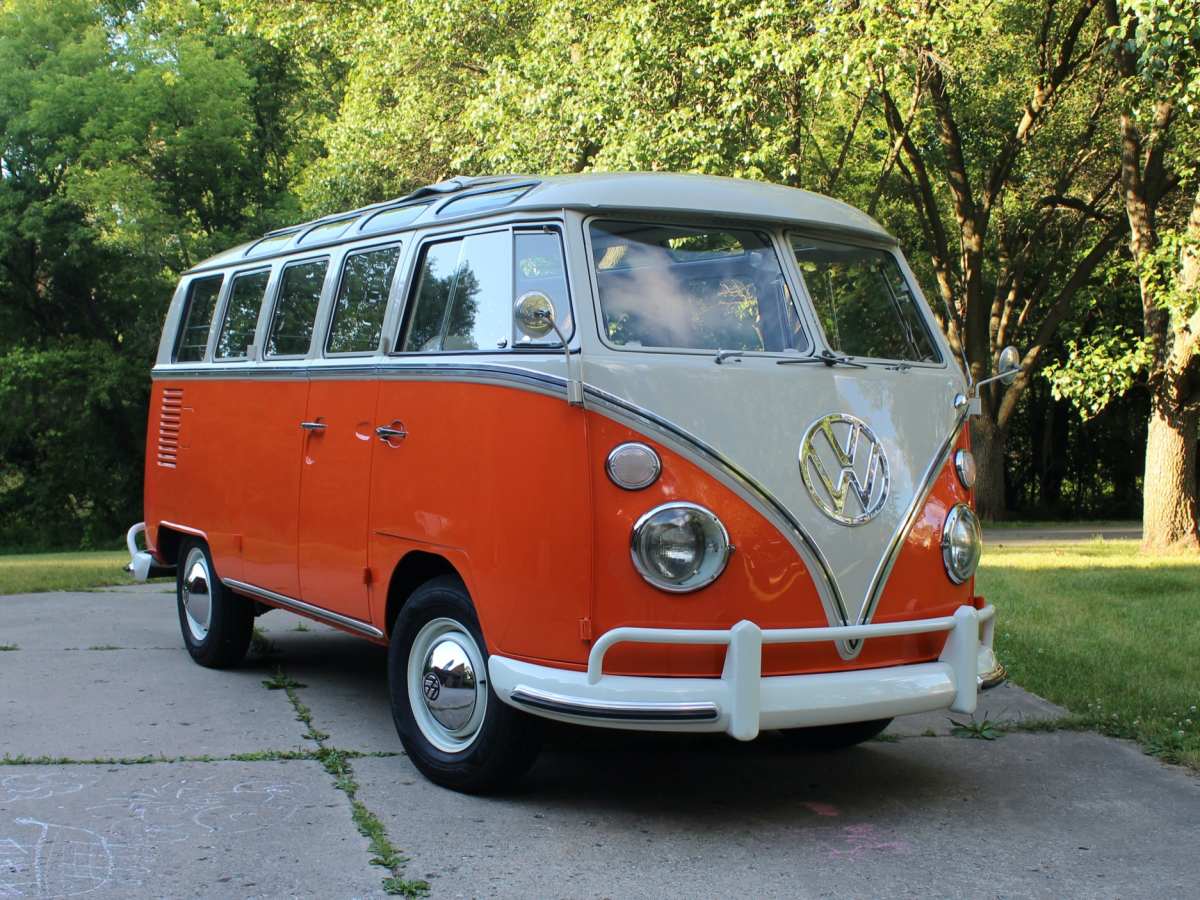
3. Volkswagen Bus
The Volkswagen Bus, often called the Type 2, is a vehicle that redefined utility and style in one package. Its boxy, spacious design allowed for versatile use, from family transport to camper conversions. Originally launched as a practical van, it quickly became a cultural icon.
Its role in the counterculture movement of the 1960s cemented its reputation as more than just a vehicle. Enthusiasts embraced it as a symbol of freedom and community, giving it enduring appeal decades later.
One of the Bus’s greatest strengths is its mechanical simplicity. Early models featured air-cooled engines and a basic drivetrain, which made repairs accessible for owners. Drivers with limited mechanical knowledge could keep these vehicles running with minimal resources. Even today, vintage Volkswagen Bus models are valued for their reliability and the relative ease with which they can be maintained or restored.
The interior of the Bus also contributed to its lasting popularity. Its flexible seating arrangement and open layout allowed for multiple configurations. Families, road trippers, and adventurers found ways to adapt the space for travel, camping, or daily use. This flexibility ensured that the vehicle remained useful and relevant even as modern transportation options evolved.
Aesthetically, the Bus stands out for its clean, simple lines. Its utilitarian design has aged gracefully, avoiding fads or overly complicated details. Even contemporary restorations aim to maintain the original charm, showing that the appeal of this model is not purely nostalgic. Many collectors and enthusiasts consider it a timeless design that continues to draw admiration wherever it appears.
Finally, the Volkswagen Bus benefits from a strong community and aftermarket support. Restoration parts, custom interiors, and mechanical components are widely available. Clubs and events dedicated to the Bus ensure knowledge is shared and preserved. This combination of practicality, cultural significance, and support has allowed the Bus to exceed expectations for longevity and relevance.
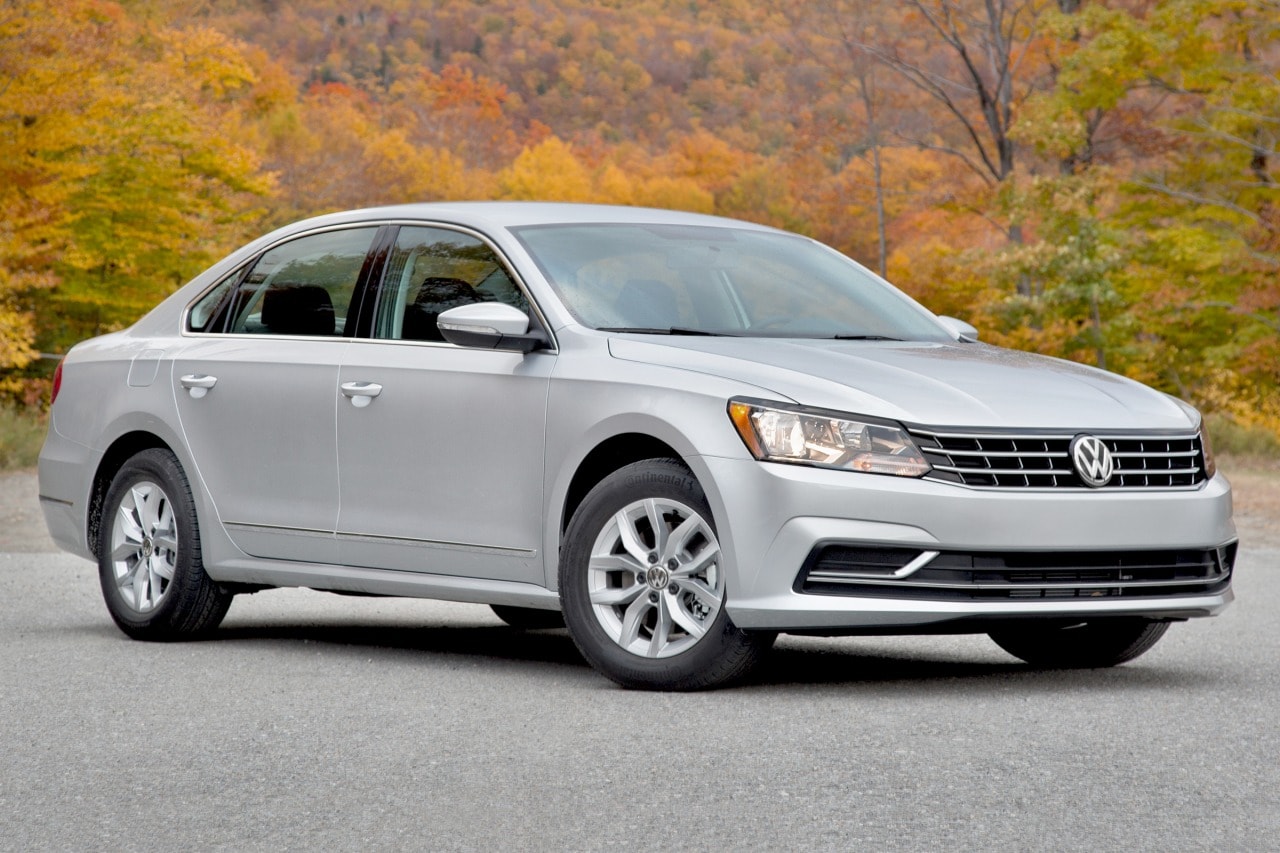
4. Volkswagen Passat
The Volkswagen Passat has always represented the brand’s approach to producing dependable family sedans. Introduced in the 1970s, it combined German engineering with a focus on comfort and practicality. Its spacious interior and smooth ride made it a strong competitor in the mid-size segment. Over the years, it developed a reputation for reliability and understated elegance.
One reason the Passat aged well is its focus on build quality. Solid chassis construction, corrosion-resistant materials, and durable engines meant that these vehicles could withstand high mileage. Owners often report that Passats from the 1980s and 1990s remain on the road today with minimal major repairs. This long-lasting performance contributed to its enduring reputation.
The design of the Passat also played a role in its longevity. While it adapted to changing trends, it avoided extreme styling choices. Its lines remain clean and proportional, giving older models a timeless presence. Unlike many sedans that look dated after a decade, Passats maintain a sense of modernity even as years pass.
Additionally, the Passat has always been versatile. With ample cargo space, comfortable seating, and advanced safety features for its time, it met the needs of families and professionals alike. Its adaptability ensured that it could serve multiple purposes, from commuter car to long-distance tourer. This combination of comfort and functionality helped it remain desirable over time.
Community and aftermarket support have also contributed to the Passat’s staying power. Replacement parts, service guides, and enthusiast forums allow older models to remain functional. As a result, the Passat is often viewed as a practical investment, a car that continues to provide value and reliability decades after its initial release.
5. Volkswagen Jetta
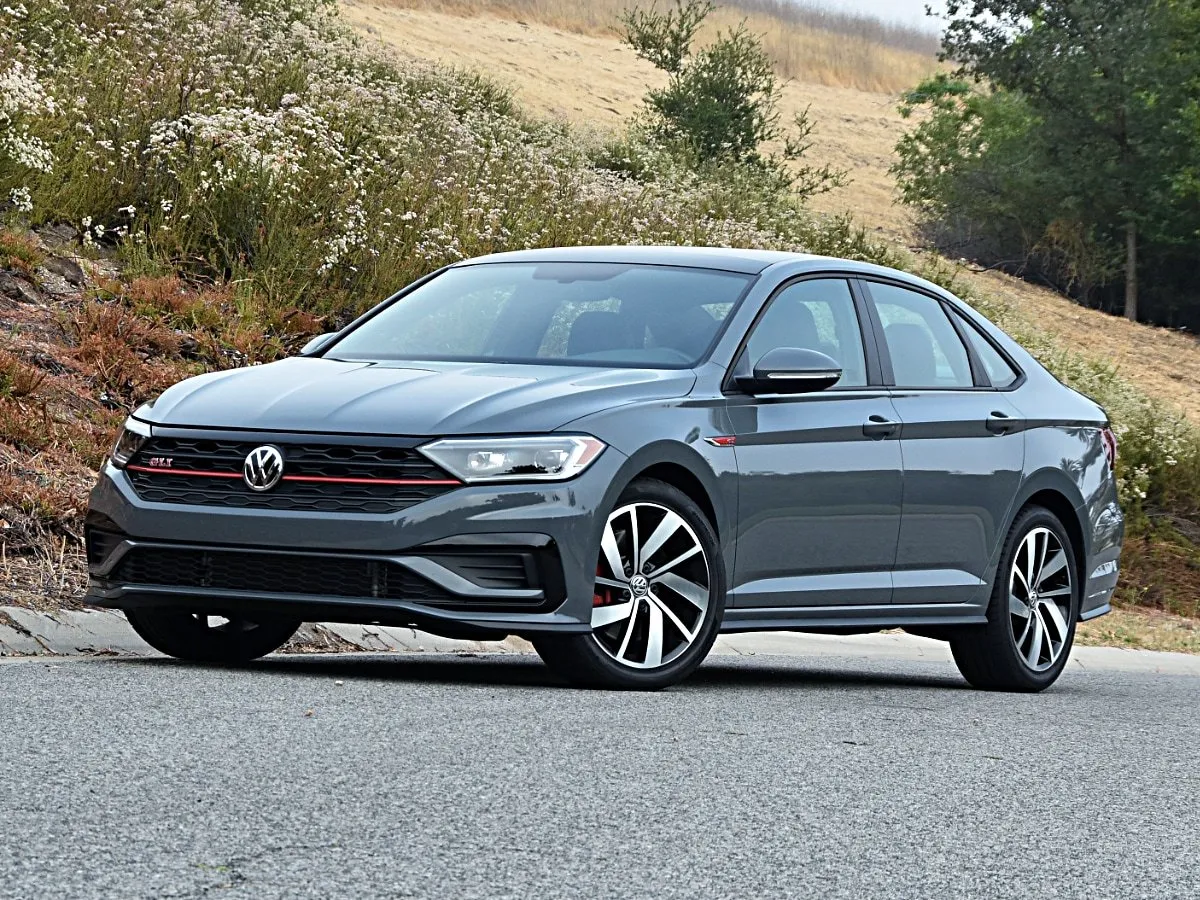
The Volkswagen Jetta has often been considered a practical alternative to the Golf, offering more space while retaining similar performance. Its sedan configuration appealed to those seeking functionality without sacrificing driving enjoyment. Introduced in the late 1970s, it quickly gained a following among commuters and young professionals. Over time, it has proven itself as a model that ages well both mechanically and stylistically.
Reliability is a major reason the Jetta has remained respected. Early and mid-generation models featured engines known for longevity and minimal maintenance requirements. Routine servicing is straightforward, and the availability of replacement components makes long-term ownership feasible. These characteristics have encouraged drivers to keep older Jettas in excellent condition.
The Jetta’s design choices also support its enduring appeal. It maintains clean lines, practical proportions, and an understated elegance that does not feel dated. While styling evolved across generations, the car avoided extreme or overly trendy designs, allowing it to retain visual relevance in modern contexts. Its shape and silhouette continue to be recognized and admired.
Versatility is another factor that has helped the Jetta last. Its trunk space, comfortable seating, and smooth handling make it suitable for daily commuting, long trips, or family use. Drivers appreciate the balance of performance and comfort, a combination that contributes to the model’s continued desirability. This adaptability ensures that older Jettas remain functional and enjoyable.
Finally, the Jetta benefits from a loyal enthusiast community and aftermarket ecosystem. Owners share maintenance tips, restoration guides, and performance upgrades. This support network has allowed the model to thrive over time, giving drivers confidence that older vehicles can be kept in excellent condition. The Jetta’s combination of practicality, durability, and timeless design ensures it has aged better than many anticipated.
6. Volkswagen Scirocco
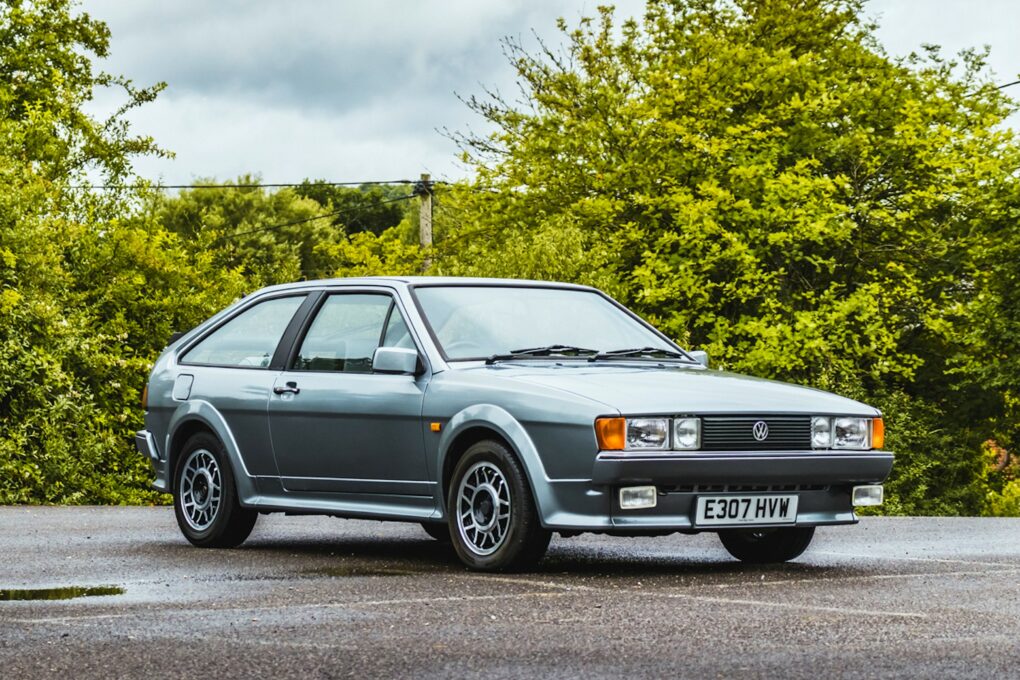
The Volkswagen Scirocco is a compact sports coupe that impressed many with its combination of performance and style. First introduced in the 1970s, it offered a more aggressive alternative to the Golf while maintaining Volkswagen’s reliability. Its aerodynamic design, sharp lines, and low stance helped it stand out from other compact cars of the era. Enthusiasts quickly recognized the Scirocco as a car that combined practicality with fun driving dynamics, giving it a long-lasting appeal.
One reason the Scirocco aged well is its engineering. Unlike many sports coupes of its time, it was designed with a focus on balance and durability. The engines were responsive yet simple, and the chassis handled corners with composure. Properly maintained, a Scirocco could deliver consistent performance for years, making it a favorite among enthusiasts and collectors alike.
The car’s styling contributed significantly to its longevity. The original and later generations retained sleek, timeless lines that avoided excessive ornamentation. Even modern observers often find the Scirocco attractive, with its clean profile and purposeful stance. Its appearance has helped it retain desirability long after its production ended.
Inside, the Scirocco offered a driver-focused cockpit while still providing practical usability. Seats were comfortable for longer drives, and the interior layout was intuitive and ergonomic. Despite being a sports coupe, it maintained a level of functionality that allowed it to serve as both a daily driver and a weekend fun car. This balance between sportiness and practicality contributed to its enduring reputation.
Finally, the Scirocco benefits from a strong enthusiast culture. Forums, clubs, and restoration networks ensure that parts, knowledge, and support are widely available. This has allowed older Sciroccos to remain on the road and in excellent condition, reinforcing the model’s legacy as a Volkswagen that aged better than most expected.
7. Volkswagen Tiguan
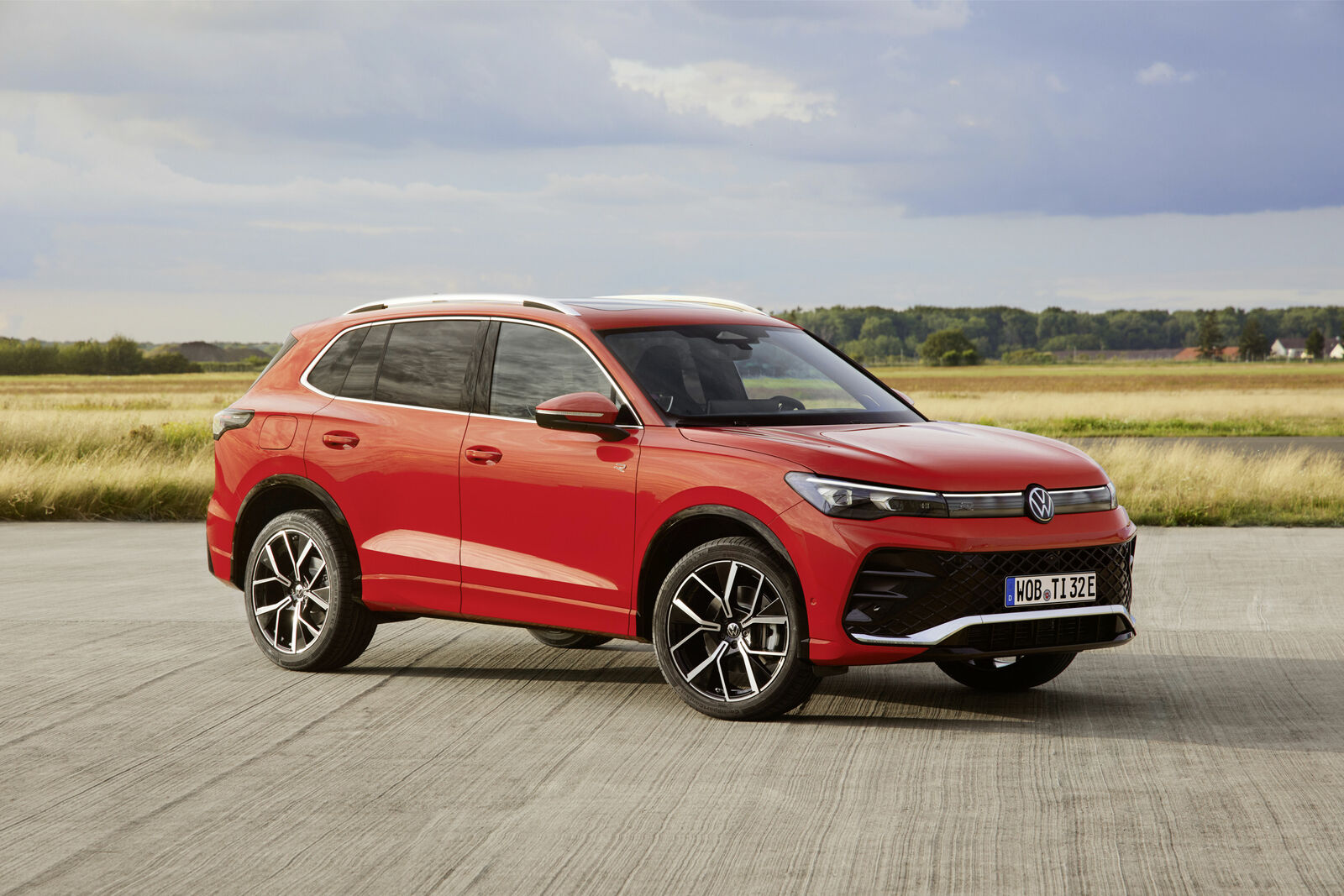
The Volkswagen Tiguan is a compact SUV that has exceeded expectations in both design and utility. Introduced in the late 2000s, it combined Volkswagen’s signature engineering with the growing demand for versatile, family-friendly vehicles. Its elevated driving position, spacious interior, and modern technology made it a standout in the compact SUV segment. Even years after release, older Tiguans continue to maintain functionality, comfort, and aesthetic appeal.
One of the Tiguan’s strongest points is its mechanical reliability. Engines are designed to handle both urban driving and extended road trips with minimal issues. The transmission and suspension systems are robust, allowing the vehicle to maintain performance over time. Many Tiguans have logged high mileage without major repairs, a testament to Volkswagen’s attention to durability.
The SUV’s interior design also contributed to its long-term appeal. Controls are intuitive, materials are durable, and seating arrangements prioritize comfort for both driver and passengers. This practical approach ensures that older Tiguans remain enjoyable to drive even compared to newer competitors. Families appreciate the thoughtful design, and owners often retain their vehicles for years.
Aesthetic appeal has helped the Tiguan age gracefully as well. Its clean, understated exterior avoids overly trendy features that could date the model. Subtle design choices, such as body proportions and lighting elements, have allowed it to maintain a modern look. Even first-generation Tiguans can appear contemporary when compared with other vehicles of the same age.
Finally, the Tiguan has benefited from strong support in terms of parts and community. Volkswagen dealerships, service centers, and enthusiast forums provide resources for maintenance and restoration. This infrastructure, combined with the vehicle’s durability, ensures that older Tiguans continue to perform and look appealing long after their release.
8. Volkswagen Phaeton
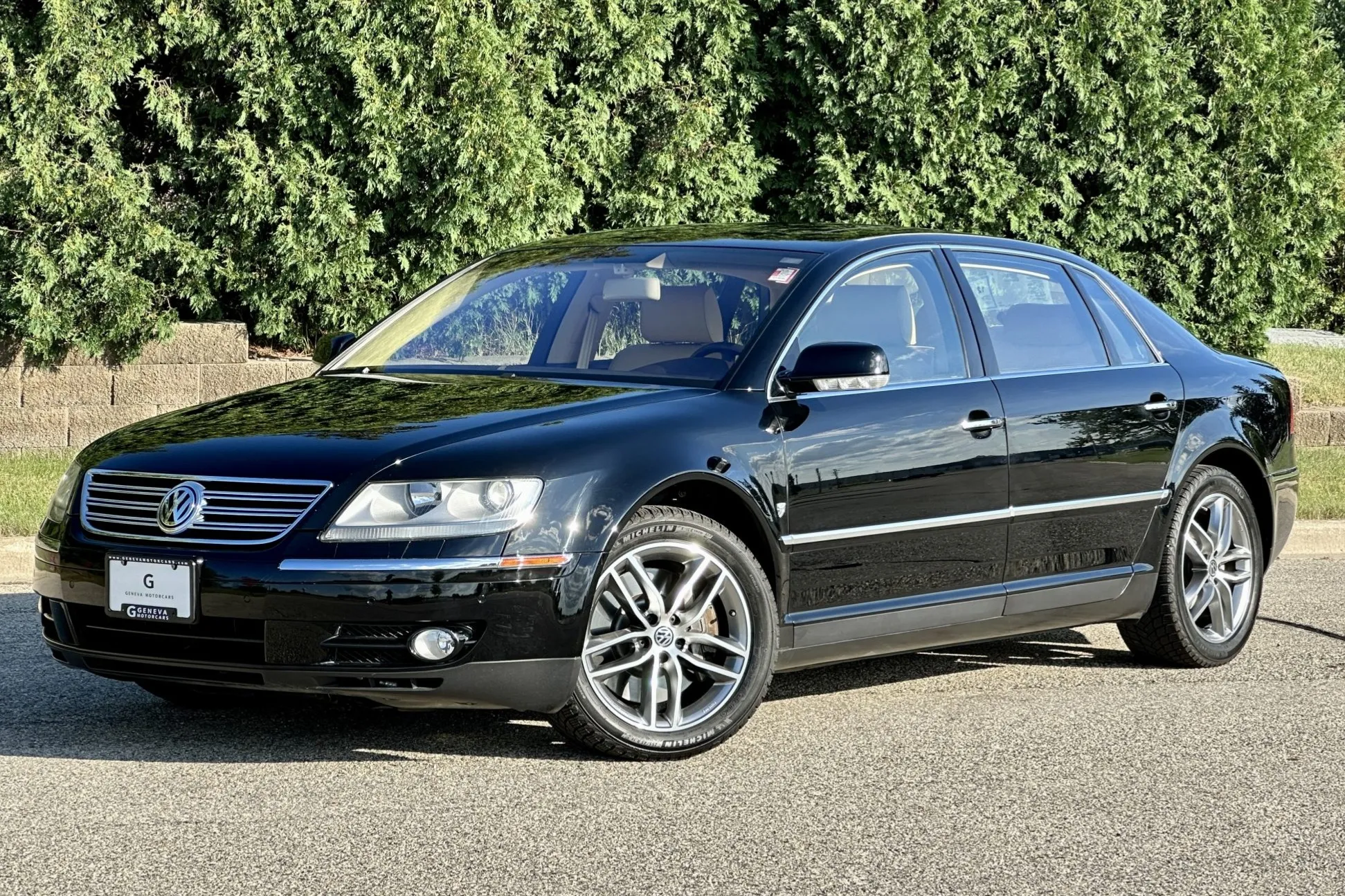
The Volkswagen Phaeton is a full-size luxury sedan that surprised many with its engineering and refinement. Introduced in the early 2000s, it combined advanced technology, high-quality materials, and meticulous build standards. While initially criticized for being underappreciated in the market, the Phaeton has aged exceptionally well, demonstrating a level of engineering that rivals luxury brands many times its price.
A key factor in the Phaeton’s longevity is its powertrain. The V6, V8, and W12 engines offered smooth, reliable performance. Paired with advanced suspension systems and precise handling, the Phaeton delivered a driving experience that remained impressive even years later. Proper maintenance ensures that these engines continue to run reliably, making the car a long-term investment.
The sedan’s interior contributes significantly to its lasting appeal. Plush materials, thoughtful ergonomics, and advanced features for its time create a sense of luxury that does not feel dated. Even older Phaeton models are still comfortable, functional, and visually appealing, proving that quality materials and careful design can stand the test of time.
In terms of exterior design, the Phaeton remains elegant and restrained. Its proportions are balanced, lines are clean, and it avoids flashiness or extreme styling. This subtle sophistication allows it to maintain a presence that many modern cars strive to replicate. Owners appreciate that it looks distinguished without feeling outdated.
Finally, the Phaeton benefits from its rarity and enthusiast interest. While not as common as other Volkswagens, this exclusivity encourages careful ownership and preservation. Clubs and online communities provide guidance on maintenance, ensuring that these vehicles remain operational and aesthetically intact. The Phaeton’s combination of engineering excellence and timeless design has earned it recognition as one of Volkswagen’s most underrated successes.
9. Volkswagen Corrado
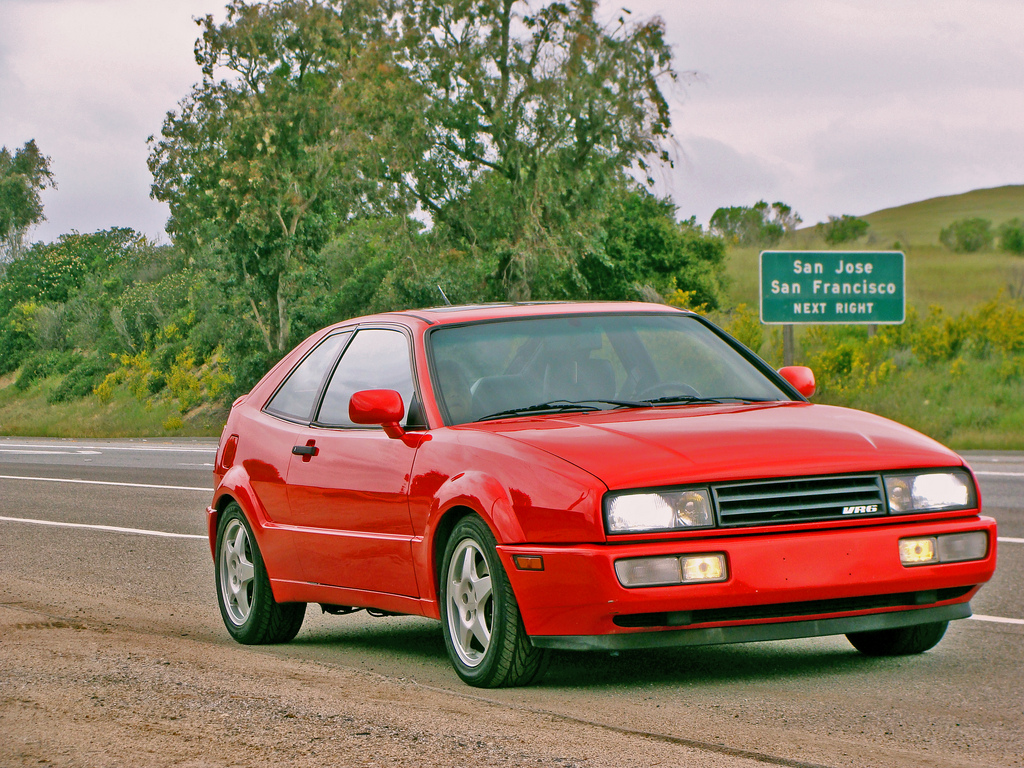
The Volkswagen Corrado is a compact sports coupe that was ahead of its time when introduced in the late 1980s. With its aggressive styling, sporty handling, and turbocharged engine options, it attracted enthusiasts looking for a fun, capable vehicle. Despite limited production numbers, the Corrado has aged remarkably well, appreciated by collectors for both its driving dynamics and distinctive appearance.
The Corrado’s performance is a major reason it has remained respected. Engines were designed to provide strong acceleration and responsive handling without sacrificing reliability. Its suspension and chassis offered a precise driving experience that rivals modern sports cars. Many Corrados on the road today are still capable of spirited driving, demonstrating the longevity of Volkswagen’s engineering.
Styling has also contributed to the Corrado’s enduring appeal. The low, wide stance, pop-up headlights, and sculpted lines give it a timeless sports car aesthetic. Even contemporary observers often find the design attractive, as it avoids overly complicated or dated elements that can plague other vehicles from the same era. Its appearance alone has helped it maintain desirability.
The interior of the Corrado is functional yet sporty. Controls are driver-focused, seats offer comfort for daily use, and the cabin remains practical despite its coupe design. This combination of usability and performance allows older Corrados to continue serving as both enjoyable weekend cars and functional daily drivers, enhancing their long-term value.
Finally, the Corrado benefits from a dedicated enthusiast community. Restoration resources, performance upgrades, and clubs help preserve these vehicles for future generations. Parts availability and shared knowledge ensure that the Corrado remains not just a collector’s item but a practical, enjoyable car for those who seek one. This support has allowed the Corrado to maintain its reputation as a Volkswagen that aged better than expected.
10. Volkswagen Touareg
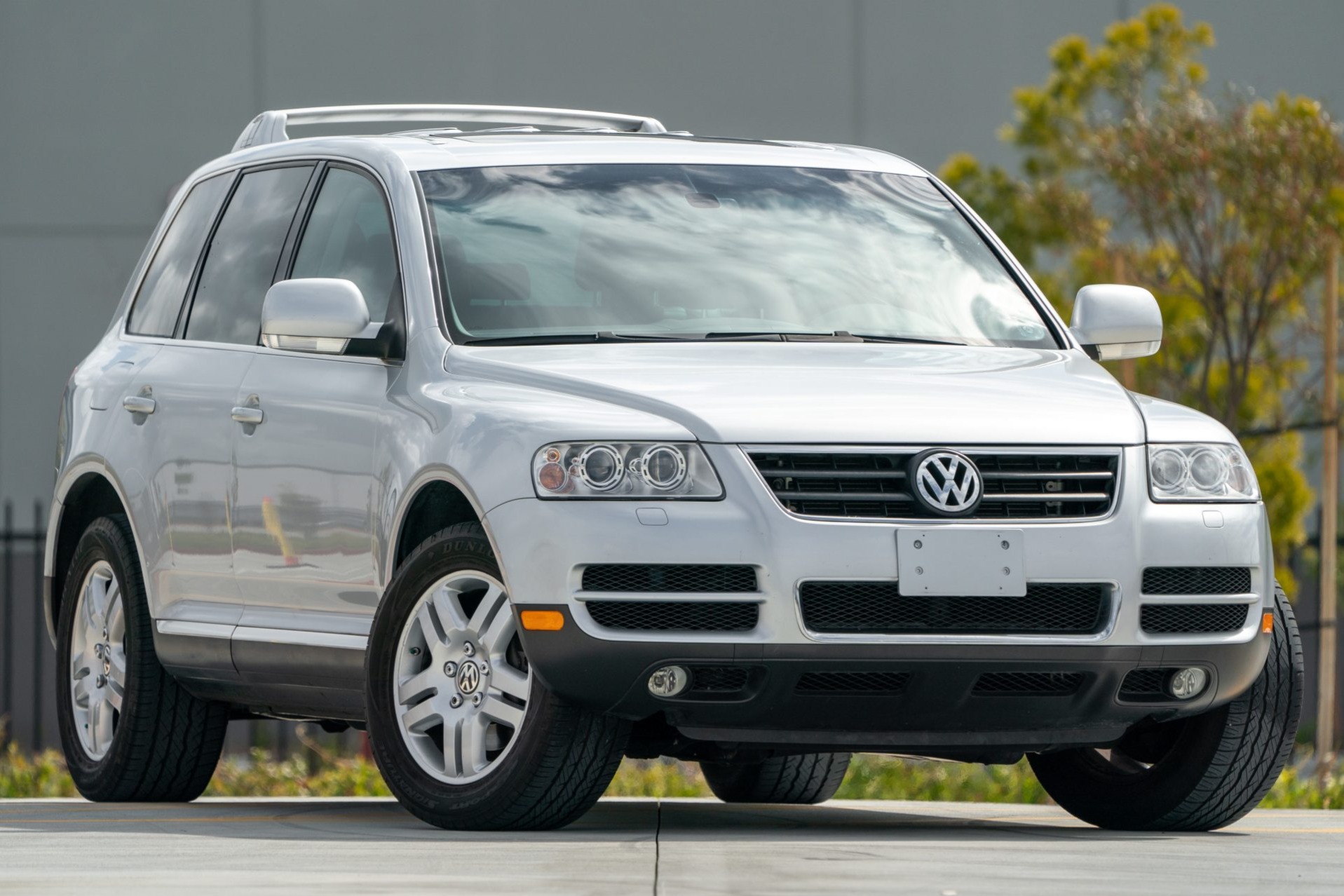
The Volkswagen Touareg is a mid-size luxury SUV that has surpassed expectations in both capability and refinement. Introduced in the early 2000s, it combined off-road ability with luxury features and robust engineering. Its design, technology, and performance set it apart in the competitive SUV market, and older Touaregs have aged gracefully due to Volkswagen’s focus on quality and durability.
A key reason the Touareg has remained relevant is its drivetrain. Available with powerful V6, V8, and diesel engines, the SUV offers impressive towing and off-road capability. Its all-wheel-drive system is durable, and the chassis is built to handle both rugged terrain and smooth highways. This combination ensures that older Touaregs remain capable and dependable vehicles.
The interior of the Touareg also contributes to its longevity. Premium materials, ergonomic seating, and advanced technology for its time create a luxurious and comfortable cabin. Older models remain practical, spacious, and enjoyable, offering features that continue to meet modern expectations for comfort and convenience.
Design is another factor in the Touareg’s enduring appeal. Its proportions, clean lines, and understated styling have aged gracefully. The SUV avoids overly flashy or trendy elements, allowing it to retain a sophisticated and modern look even years after its introduction. This timeless aesthetic contributes to its lasting desirability.
Finally, community support and maintenance accessibility help preserve the Touareg. Replacement parts, service guides, and enthusiast forums are widely available, making it easier to keep older models in excellent condition. This combination of engineering, design, and support ensures that the Touareg remains a Volkswagen that exceeded expectations and continues to be admired.
