
Modern supercars sit at a strange intersection of fantasy and engineering reality, where impossible shapes meet physics that is pushed to its limits by human ambition.
They are not simply fast cars built for bragging rights, but rolling experiments in materials science, aerodynamics, and digital control systems that would have sounded absurd just two decades ago.
What separates the truly worthy machines from the loud pretenders is not top speed figures or viral clips, but how well they balance raw performance with control, emotion, and long-term relevance. Some cars promise drama yet fall apart outside perfect conditions, while others quietly rewrite what drivers believe is possible on a public road.
Hype in the supercar space is easy to manufacture, but earning it takes consistency, engineering honesty, and a clear purpose beyond shock value. The cars that deserve admiration are those that perform just as well away from cameras, whether that is on a demanding track, a mountain road, or during years of ownership.
Modern buyers are more informed than ever, and they look beyond numbers to steering feel, braking confidence, thermal management, and even software integration. A truly great supercar communicates with its driver and rewards skill rather than masking flaws with noise and aggression.
It must also represent a moment in automotive history, reflecting where technology and design philosophy stand right now.
This article focuses on ten modern supercars that justify their reputations through substance rather than spectacle. Each one brings something meaningful to the table, whether that is a new hybrid philosophy, an uncompromising focus on track dominance, or a surprisingly usable daily driving experience.
These machines are not perfect, but they deliver on their promises in ways that make the surrounding excitement understandable. They are respected not just by fans, but by engineers, racers, and critics who value depth over drama. The following list is not about popularity alone, but about cars that leave a lasting impression once the noise fades.
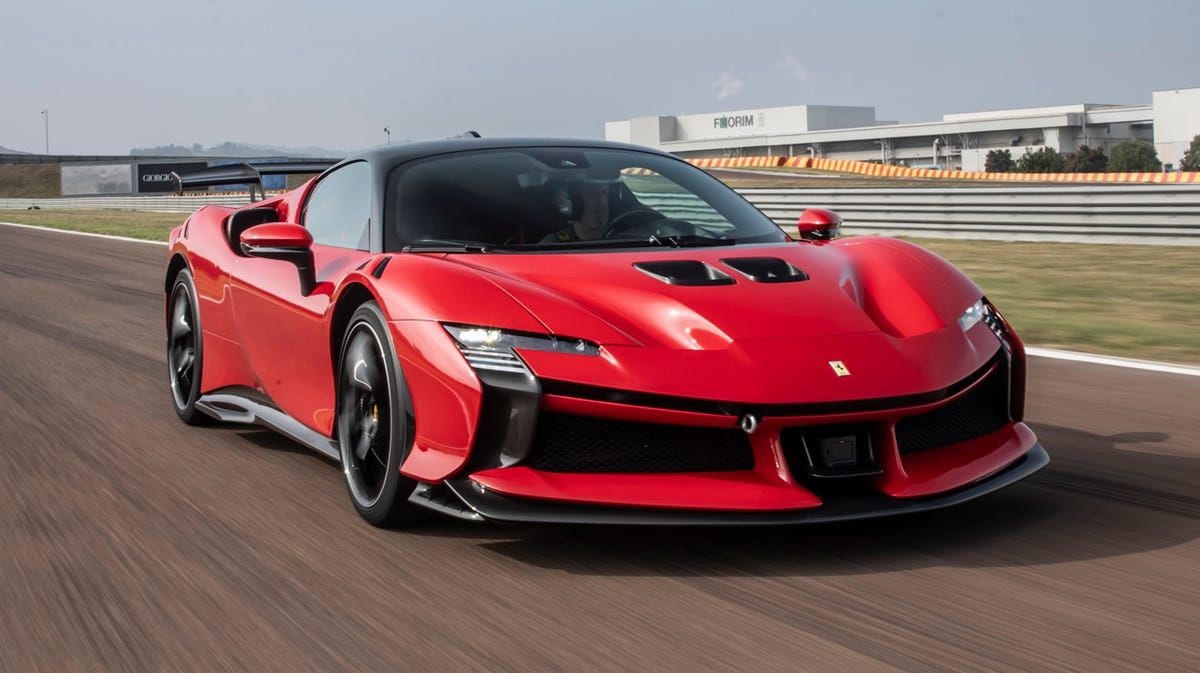
1. Ferrari SF90 Stradale
The Ferrari SF90 Stradale represents a turning point where electrification enhances performance rather than diluting it. Its hybrid system combines a mid-mounted twin-turbo V8 with three electric motors, producing a combined output exceeding 1000 horsepower.
This combination allows the car to accelerate from zero to sixty miles per hour in just 2.5 seconds, but the thrill is more than raw numbers. Every shift, every torque vectoring adjustment, and every throttle input is engineered for a precise and thrilling response.
What makes the SF90 special is how seamlessly its systems work together under pressure. The car’s intelligent torque management allows the electric motors to handle low-speed maneuvering while the V8 roars to life when full acceleration is demanded.
It rewards driver input with immediacy and precision, and it communicates subtle cues about grip, weight transfer, and stability. Even at top speeds, the car feels controllable rather than chaotic, a rare trait for such a powerful hybrid hypercar.
Ferrari also rethought aerodynamics in a way that feels functional rather than decorative. Active flaps, diffusers, and winglets adjust constantly to maximize downforce or reduce drag depending on speed and cornering demands.
This attention to airflow allows the SF90 to feel stable during aggressive driving and adds efficiency during straighter, high-speed stretches. Every visual contour has a purpose, blending beauty with mechanical necessity.
Despite its performance focus, the SF90 does not feel unusable on real roads. Steering is precise and responsive, braking is sharp yet forgiving, and the suspension adapts to varying surfaces with relative comfort.
Ferrari has balanced extreme capability with day-to-day practicality, proving that hybrid hypercars can be thrilling without being intimidating. Owners can enjoy both spirited track sessions and long drives without compromise.
The SF90 Stradale also pushes the boundaries of digital integration in a Ferrari. Its advanced traction control, torque vectoring, and stability systems work harmoniously, yet remain transparent to the driver. The car offers selectable drive modes that adjust responsiveness, exhaust note, and suspension stiffness to suit both street and track conditions. This combination of innovation, power, and adaptability is what ensures the SF90 lives up to its reputation rather than merely riding on hype.
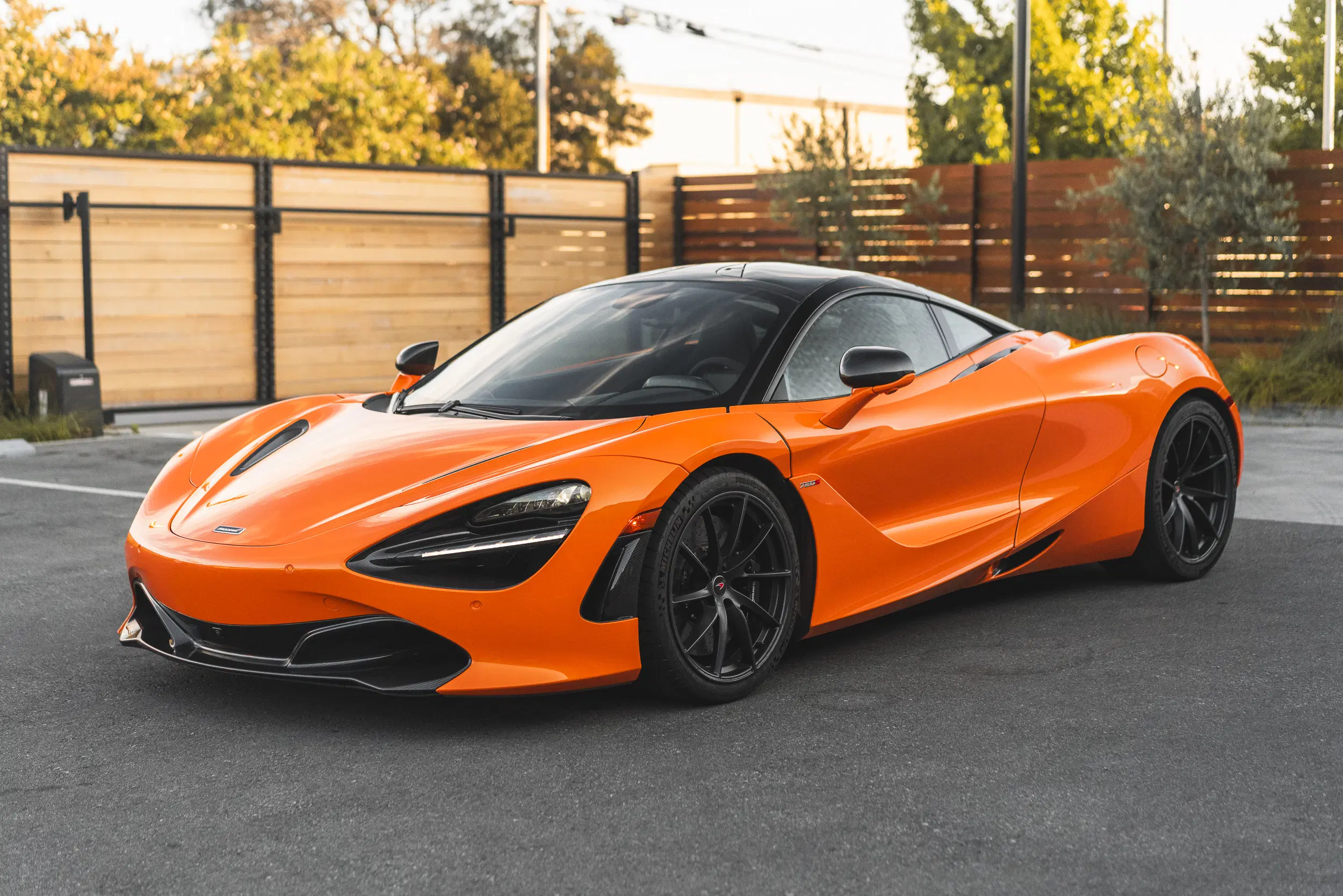
2. McLaren 720S
The McLaren 720S remains a benchmark for how lightness transforms performance. Its carbon fiber monocoque chassis keeps the car extremely rigid while minimizing weight, resulting in remarkable agility and response. The 720S accelerates faster than many heavier hypercars with more horsepower, demonstrating that mass reduction can often be more effective than sheer output. Every movement, whether braking, cornering, or accelerating, feels direct and unfiltered.
What truly stands out is the car’s steering feedback and chassis balance. Unlike many modern hypercars, which can feel artificially damped or disconnected due to electronic aids, the 720S communicates road conditions clearly. Drivers can feel subtle weight shifts and grip levels, allowing a highly intuitive driving experience. This clarity inspires confidence at high speeds and encourages pushing the car closer to its limits.
McLaren’s suspension tuning deserves praise for its dual personality. In Comfort mode, the car absorbs bumps and road imperfections without unsettling occupants. Switch to Sport or Track, and the suspension stiffens instantly to provide razor-sharp feedback, keeping the tires planted.
This versatility makes the 720S both usable for long drives and capable on aggressive tracks, bridging the gap between a grand tourer and a dedicated hypercar.
The 720S also avoids unnecessary theatrics in its design. Every curve and vent has a purpose, managing airflow, cooling brakes, or reducing drag. Despite its aggressive lines, it manages to maintain elegance, aging gracefully in appearance compared to some of its more flamboyant rivals. Its aesthetic and functional harmony demonstrates McLaren’s engineering discipline.
Interior design complements the car’s mechanical sophistication. Controls are logically placed, screens display critical data without distraction, and seating keeps the driver securely positioned during high-g maneuvers. The cabin feels minimal but premium, emphasizing the driving experience rather than luxury alone. This driver-centric focus is central to why the 720S continues to earn praise years after its release.
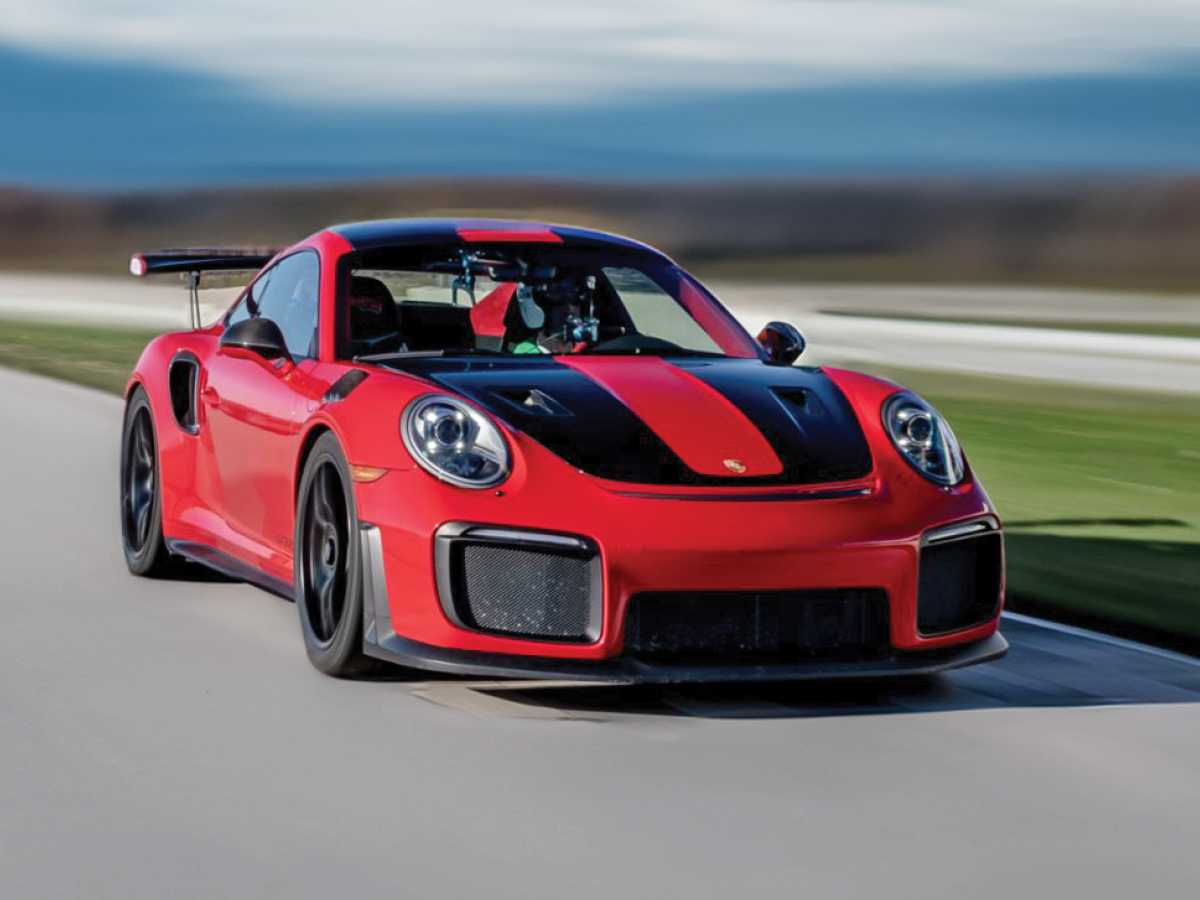
3. Porsche 911 GT2 RS
The Porsche 911 GT2 RS is proof that refinement and brutality can coexist in a single machine. Built on the familiar 911 platform, the GT2 RS amplifies performance through turbocharging, weight reduction, and advanced aerodynamics.
Its twin-turbo flat-six produces over 700 horsepower, propelling the car from zero to sixty miles per hour in under 3 seconds, yet it remains composed rather than unruly. Porsche balances raw output with predictable handling, creating a car that challenges the driver without overwhelming them.
Power delivery is relentless but predictable, which is a hallmark of Porsche engineering. The twin-turbo engine produces torque almost instantly, but the chassis, tires, and electronic aids manage this force with precision. Unlike some hypercars that feel on the edge of control, the GT2 RS feels like an extension of the driver, providing a level of confidence crucial for high-speed cornering. Its responsiveness encourages skilled driving and rewards nuanced inputs.
Aerodynamics play a massive role in the GT2 RS experience. Porsche engineers have optimized the car with large rear wings, vented hoods, and diffusers that generate significant downforce without unnecessary drag. This creates stability at speeds where other cars might feel unpredictable. It also contributes to braking performance, allowing drivers to decelerate with authority before entering demanding turns.
Despite its intensity, the GT2 RS retains the usability Porsche is known for. Interior ergonomics are excellent, controls are logical, and visibility is surprisingly good given the car’s aggressive stance. The suspension, while firm, does not punish the driver on normal roads, proving that extreme performance can coexist with practicality. This duality sets it apart from many track-focused hypercars.
The GT2 RS also benefits from Porsche’s decades of motorsport experience. Every system, from cooling to electronics, has been tested under extreme conditions. Reliability at high performance levels is as important as acceleration, and the GT2 RS delivers both. For enthusiasts, it represents the perfect blend of engineering prowess, driving excitement, and track-ready capability.
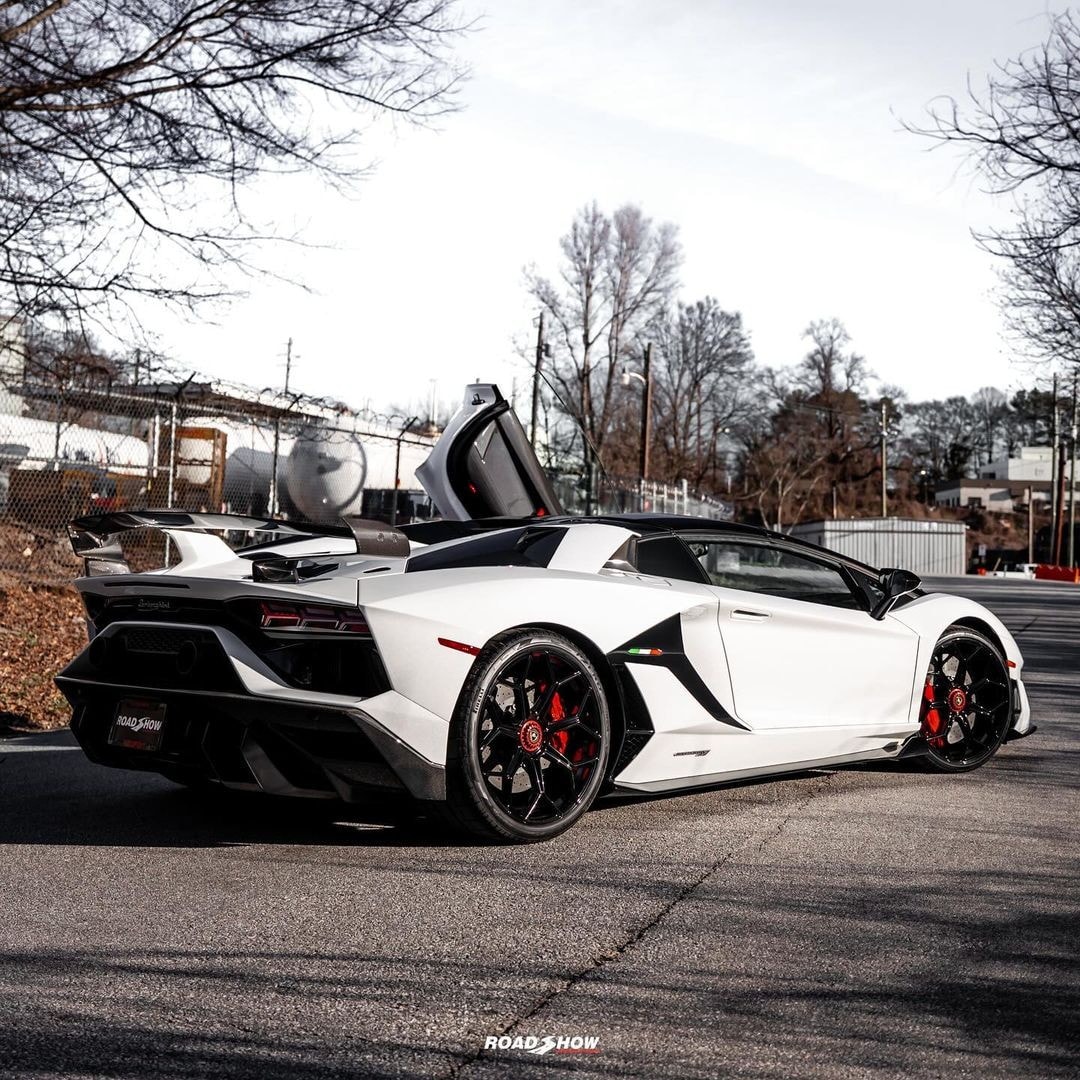
4. Lamborghini Aventador SVJ
The Aventador SVJ earns its reputation through sheer commitment to performance theater backed by real engineering. Its naturally aspirated V12 produces a spine-tingling soundtrack and immense power, yet the car maintains composure through advanced torque vectoring. This engine delivers a linear yet exhilarating power curve that rewards precise throttle control and aggressive driving techniques.
Lamborghini’s active aerodynamics system plays a crucial role in making the SVJ manageable. The Aerodynamica Lamborghini Attiva technology adjusts flaps, splitters, and diffusers in real-time to maximize downforce and minimize drag. This system allows the car to corner at speeds that would feel dangerous in earlier Aventador models while keeping acceleration linear and predictable. The result is a machine that feels extreme yet controllable.
The car’s chassis tuning is far more sophisticated than earlier Aventador models. Suspension geometry and steering calibration create exceptional precision, reducing understeer and increasing responsiveness. Even during high-speed transitions, the SVJ communicates grip and chassis balance clearly, letting skilled drivers exploit its full potential without fear of sudden oversteer.
Visually, the SVJ is aggressive, but this aggression is matched by purpose. Every angle, vent, and crease is optimized to manage airflow and maintain cooling under extreme conditions. The design is both iconic and functional, making it instantly recognizable yet effective at high speeds. Lamborghini combines visual drama with engineering rigor seamlessly.
Despite its extreme nature, the SVJ offers a surprisingly usable driving experience on the road. While it favors track conditions, adaptive steering and suspension allow for manageable urban or highway driving. This versatility ensures the Aventador SVJ is not just a showpiece but a functional hypercar capable of thrilling both on track and in the real world.
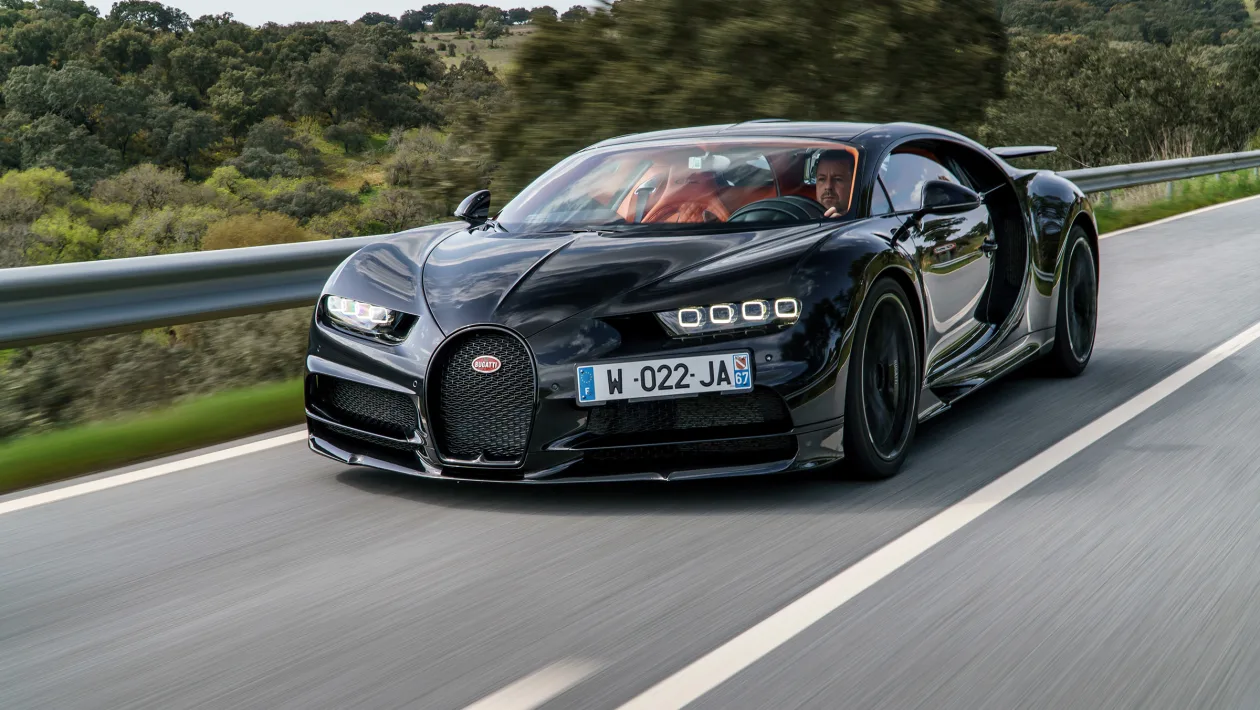
5. Bugatti Chiron
The Bugatti Chiron exists in a category of its own, focused on effortless speed rather than lap times. Its quad-turbo W16 engine produces nearly 1500 horsepower, enabling it to accelerate from zero to sixty miles per hour in just 2.4 seconds. Unlike many hypercars, the Chiron prioritizes refinement alongside performance, delivering immense power with a sense of calm authority.
Acceleration in the Chiron feels smooth and unstoppable. The transmission and all-wheel-drive system deliver power with seamless precision, creating a sensation of infinite momentum. Unlike lighter hypercars that demand constant correction, the Chiron’s immense grip and engineering balance allow drivers to enjoy speed without fear, making high-performance driving accessible even at extreme levels.
Bugatti’s attention to cooling and durability separates the Chiron from theoretical hypercars. Extensive heat management systems ensure performance can be repeated without degradation, while the monocoque structure and suspension components are designed for longevity under tremendous forces. The car is engineered to perform relentlessly, proving that engineering ambition can meet reliability.
Luxury inside the Chiron matches its mechanical ambition. The cabin combines high-end materials, advanced technology, and impeccable ergonomics. Even at 250 miles per hour, occupants can experience comfort and control. It demonstrates that performance does not require sacrificing refinement or craftsmanship.
The Chiron also represents a commitment to engineering excellence beyond performance figures. Every component is designed with attention to detail, from aerodynamics to tire construction. The car is a showcase of what happens when resources and expertise are applied without compromise, creating a machine that lives up to, and often exceeds, its legendary reputation.
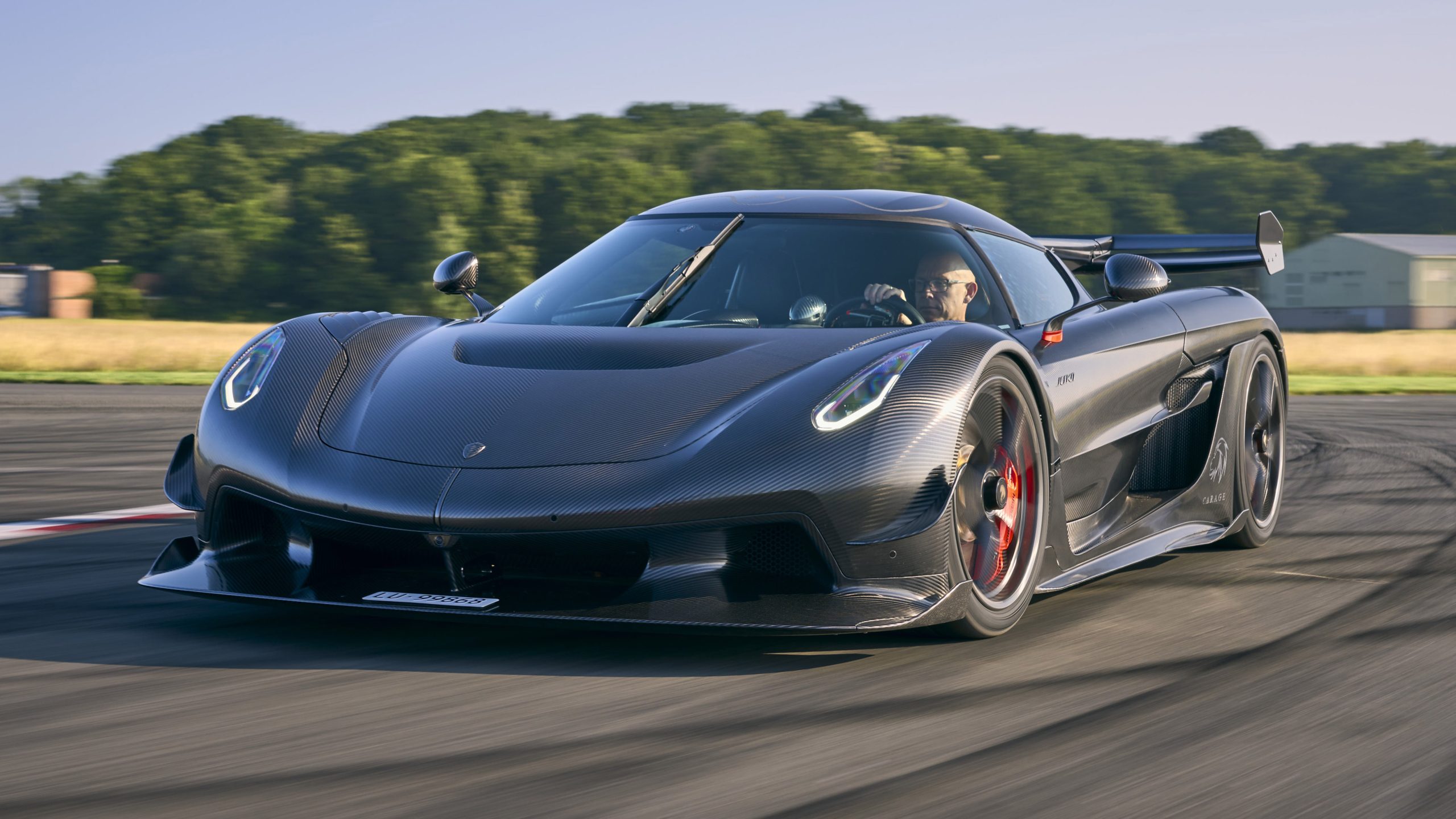
6. Koenigsegg Jesko
The Koenigsegg Jesko represents independent innovation at its most ambitious. Every major component, from engine to transmission to suspension, is designed and built in-house, allowing Koenigsegg engineers to experiment without compromise.
The Jesko is powered by a twin-turbo V8 producing over 1600 horsepower on E85 fuel, making it one of the most extreme hypercars ever created. Despite these figures, the car feels refined and measured when handled correctly, balancing raw power with precision engineering.
Its transmission system redefines how power is delivered to the wheels. Koenigsegg’s 9-speed multi-clutch gearbox allows nearly instantaneous shifts while maintaining smooth acceleration and mechanical efficiency. This enables the Jesko to maintain optimal power delivery at all speeds without sacrificing drivability.
Even under extreme conditions, the gearbox manages immense torque without jarring the driver, a rare combination in hypercar engineering.
Aerodynamics are taken to extremes with massive downforce potential, both at high speed and in corners. The Jesko features an advanced active aero system that continuously adapts splitters, wings, and underbody airflow to maintain balance. This ensures stability during rapid direction changes and high-speed runs, allowing drivers to confidently push the car to its limits while retaining control.
Koenigsegg also prioritizes adaptability, allowing setups to change based on driving goals. Suspension, steering, and traction settings can be tuned for track precision, high-speed cruising, or spirited canyon runs. This versatility transforms the Jesko from a one-dimensional speed machine into a hypercar capable of diverse driving experiences, demonstrating thoughtful engineering rather than mere overkill.
The Jesko embodies the spirit of pushing automotive technology beyond convention. It combines extreme power, precise handling, and innovative systems in a package that challenges the limits of physics. Each drive feels like a reminder that human ingenuity can take engineering concepts from theoretical ideas to fully functional, breathtaking reality. It is a hypercar designed not just for speed, but for the complete mastery of high-performance driving.
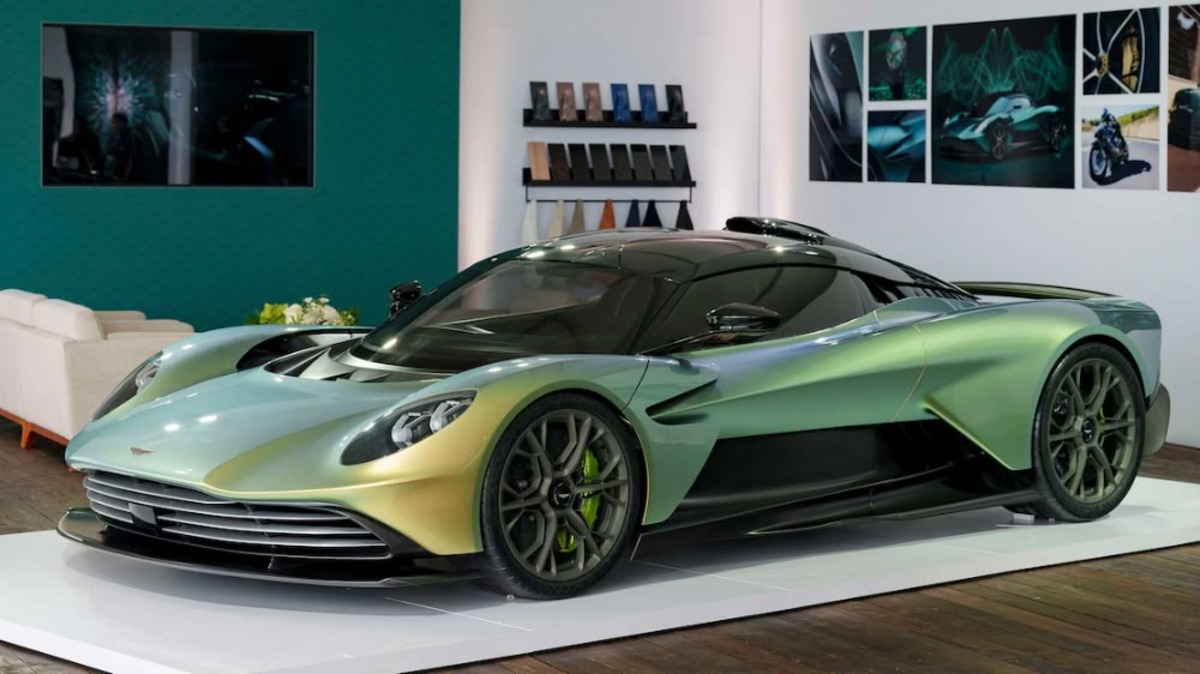
7. Aston Martin Valkyrie
The Aston Martin Valkyrie blurs the line between road car and race prototype. Its naturally aspirated V12 engine, co-developed with Cosworth, produces nearly 1,160 horsepower at ultra-high RPMs, offering an immediate and thrilling response.
The chassis uses extensive carbon fiber monocoque construction, keeping weight extremely low and emphasizing the car’s racing DNA. Every aspect, from suspension geometry to aerodynamics, is designed to create a visceral connection between driver and machine.
The driving position and cabin layout reflect this uncompromising approach. The seats are positioned almost directly over the front axle, optimizing visibility and control. Interior amenities are minimal, focusing on ergonomics and function rather than luxury, which strengthens the bond between driver and car.
Every interface is designed to prioritize clarity and responsiveness under extreme conditions, making the experience intensely engaging.
Its naturally aspirated engine delivers immediate throttle response and a soundtrack that few road cars can match. The combination of lightweight, high revs, and aerodynamic grip allows the Valkyrie to accelerate, brake, and corner with almost mechanical precision. Drivers experience feedback in every control, from steering inputs to brake pressure, making it feel like an extension of their own senses.
The Valkyrie may demand sacrifices in comfort and convenience, but it rewards commitment with an unmatched driving sensation. Its aerodynamics, including underbody tunnels and massive diffusers, create enormous downforce without compromising high-speed stability.
Each aspect of the car is designed to reward skilled input, ensuring that driver focus is always met with a measurable performance benefit.
Aston Martin’s hypercar represents what is possible when racing expertise and visionary engineering converge. The Valkyrie is not designed for casual enjoyment but for an experience that challenges and rewards, blending extreme performance, lightweight construction, and driver engagement. It proves that hypercars can push human-machine interaction to levels once reserved for formula racing.
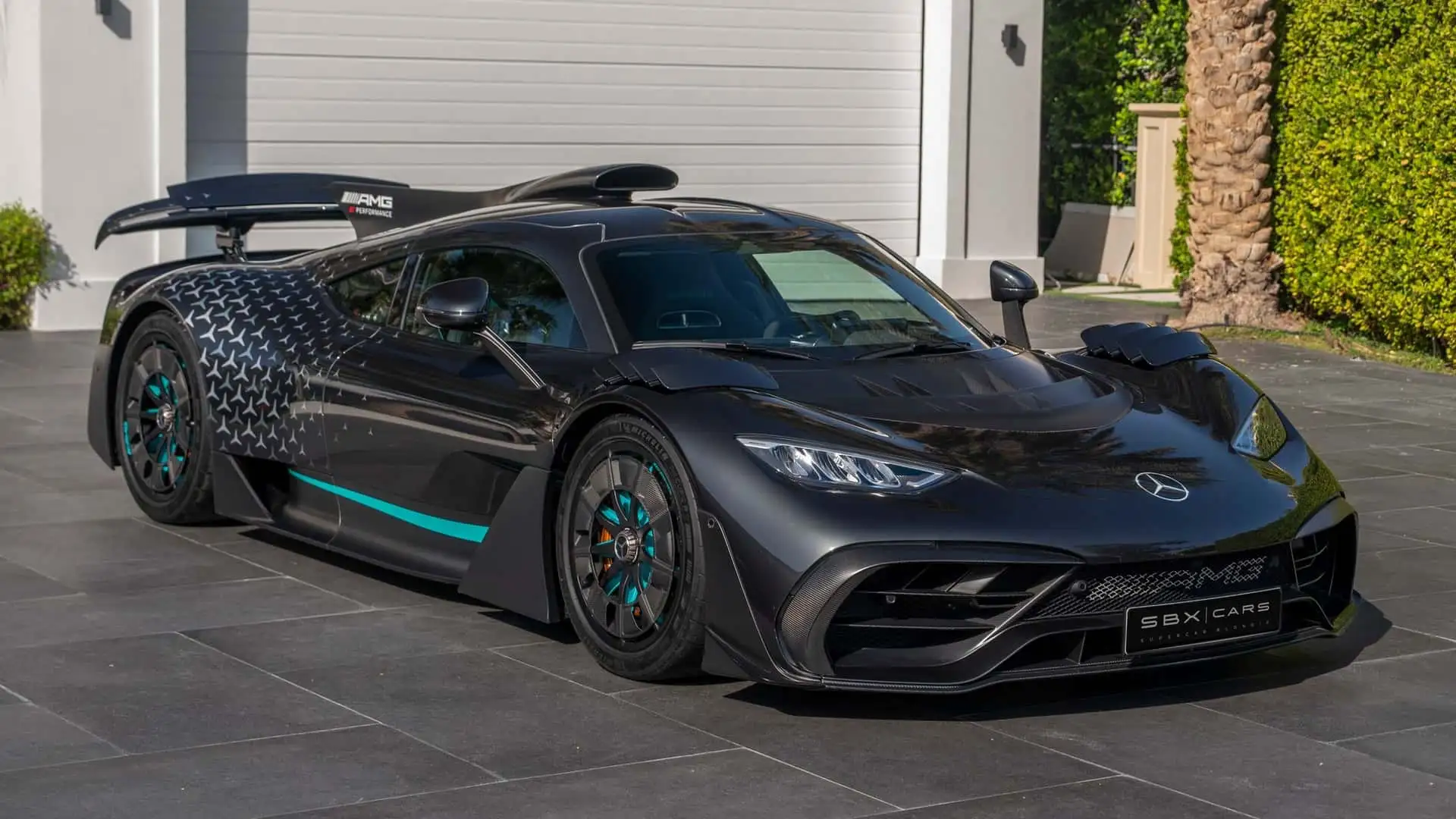
8. Mercedes AMG One
The Mercedes AMG One brings Formula One technology closer to the road than ever before. Its hybrid powertrain, based on a Formula One engine, features a turbocharged 1.6-liter V6 combined with four electric motors, producing over 1,000 horsepower.
The engine is capable of astonishing RPMs, while the electric motors handle low-speed torque and enhance cornering stability. This combination allows the AMG One to deliver F1-level performance while remaining legally drivable on streets.
The complexity of the system is managed through intelligent software integration. Despite having multiple sources of power, the AMG One feels cohesive and predictable, translating extreme performance into usable driving dynamics. The hybrid system adapts in real-time to speed, acceleration, and cornering demands, allowing drivers to experience incredible responsiveness without feeling overwhelmed.
Aerodynamic elements are fully active and adjust automatically to match conditions. Flaps, vents, and diffusers change configuration at different speeds and loads, optimizing downforce and minimizing drag. This ensures stability in corners, high-speed straights, and during braking, giving the driver confidence that the car is always performing optimally in response to their inputs.
The AMG One is not just a showcase of technology, but a functioning expression of racing heritage. F1-derived systems such as energy recovery and torque vectoring are translated into a road-legal context without diluting their effectiveness. It offers the rare combination of racing performance with relative usability, allowing drivers to experience cutting-edge motorsport dynamics outside the track.
Every detail of the AMG One emphasizes precision and control. Cockpit ergonomics, steering feel, and brake feedback are designed to communicate critical information instantly. This ensures that the driver remains fully in command, creating a harmonious blend of advanced technology and human input that is rarely found in hypercars.
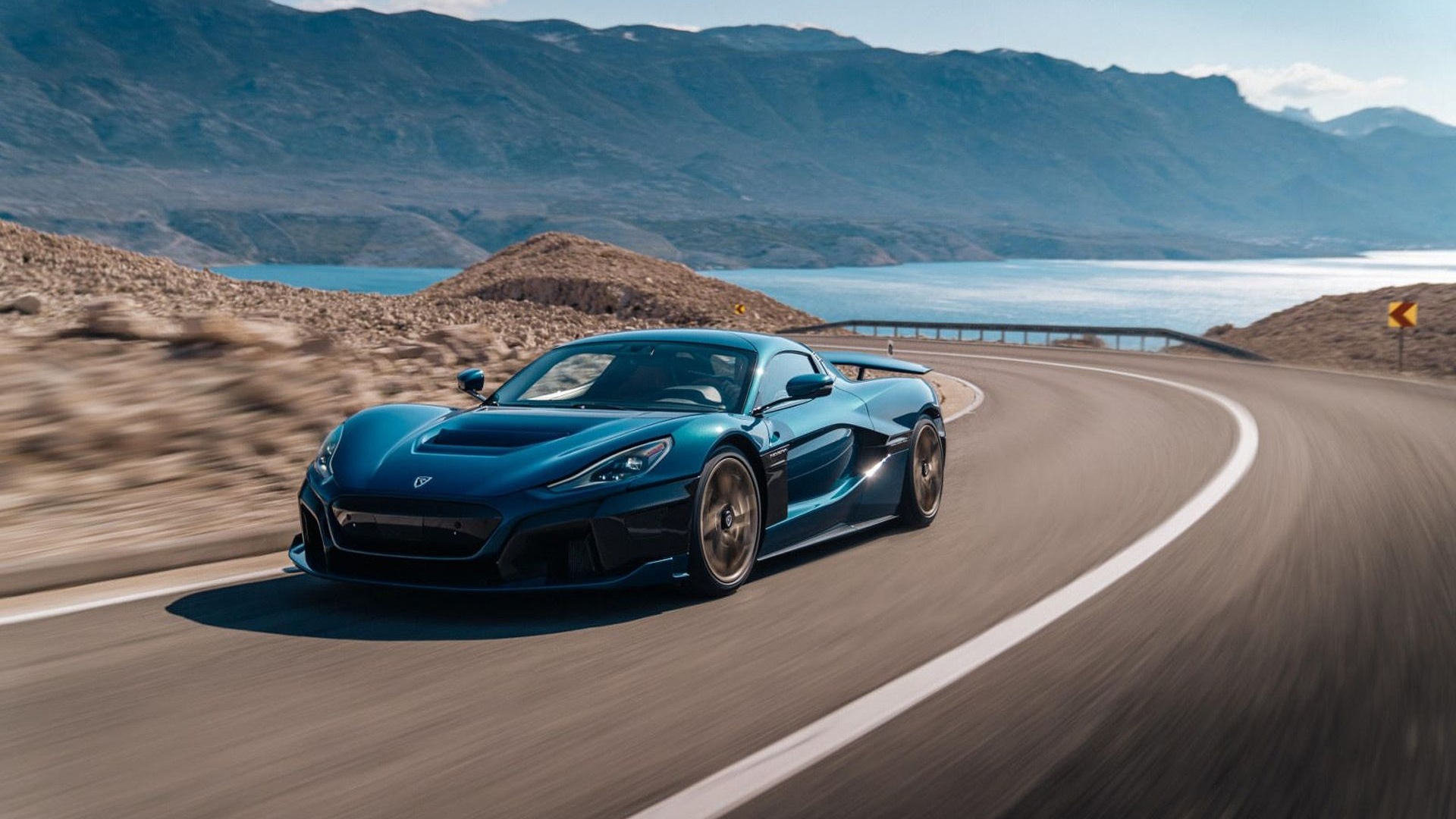
9. Rimac Nevera
The Rimac Nevera challenges assumptions about electric vehicle performance. Its four independent electric motors produce a combined 1,914 horsepower and 2,360 Nm of torque, allowing it to accelerate from zero to sixty miles per hour in just 1.85 seconds.
Despite its staggering output, the Nevera remains precise and controllable due to advanced torque vectoring and adaptive software systems that monitor every wheel independently.
Torque delivery is managed with remarkable precision through Rimac’s advanced software. Each wheel adjusts output in real-time to maintain stability and maximize grip, allowing the driver to exploit full acceleration without fear of loss of control. Even under extreme cornering forces, the Nevera communicates clearly, providing a balance between unfiltered power and safety.
The chassis and suspension tuning are designed to maintain engagement despite the car’s substantial battery weight. Lightweight materials, adaptive dampers, and rigid structure allow the Nevera to feel nimble and responsive, giving drivers a connected and communicative experience. Steering feedback remains sharp and accurate, making the car behave more like a lightweight supercar than a typical electric hypercar.
The Nevera proves that electric vehicles can deliver emotional driving experiences on par with combustion-engine supercars. It combines staggering acceleration, aerodynamic efficiency, and sophisticated software to create a car that rewards skill and feels alive in the driver’s hands. Its combination of performance and technological innovation sets a benchmark for what the future of electric hypercars can be.
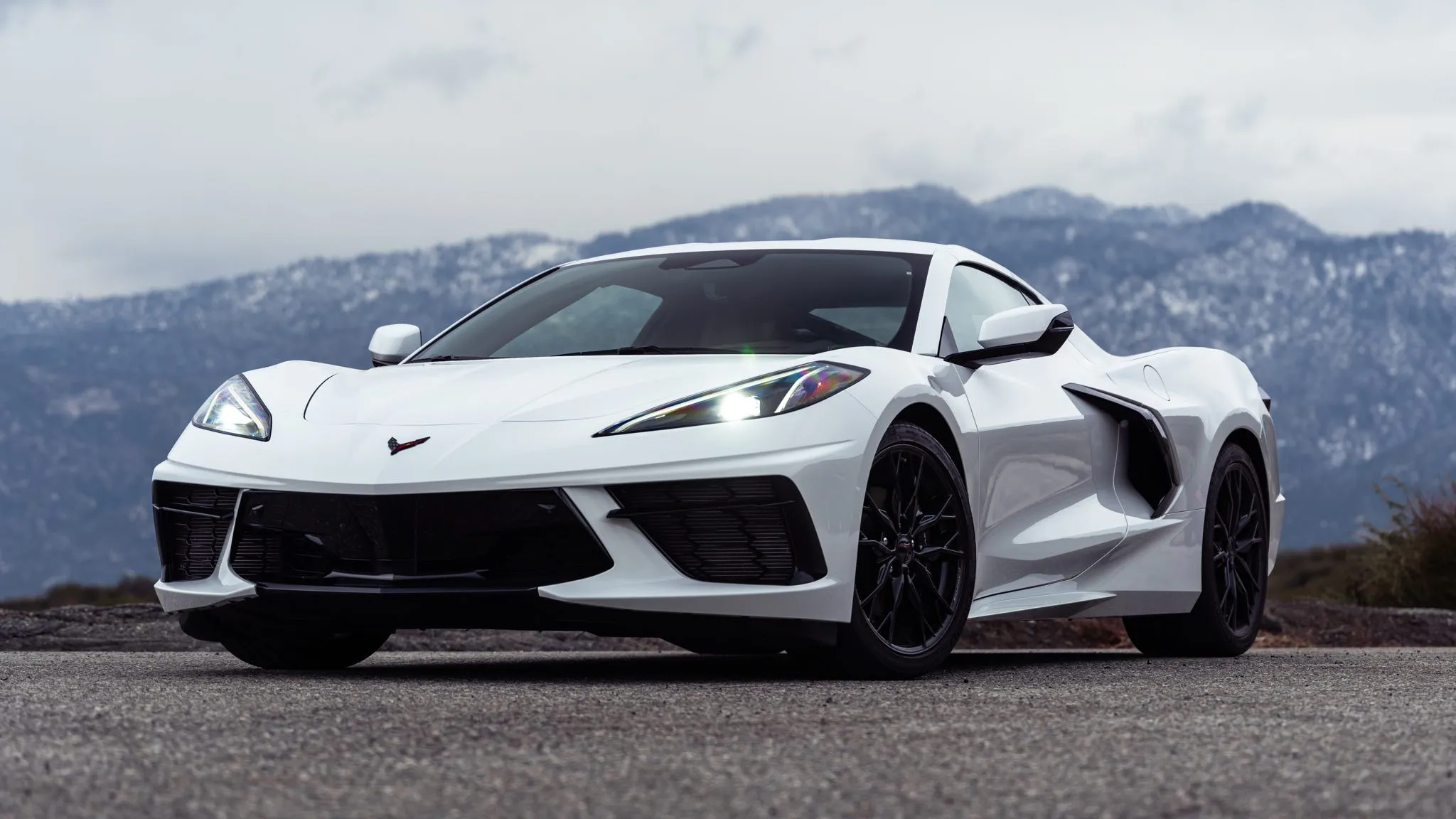
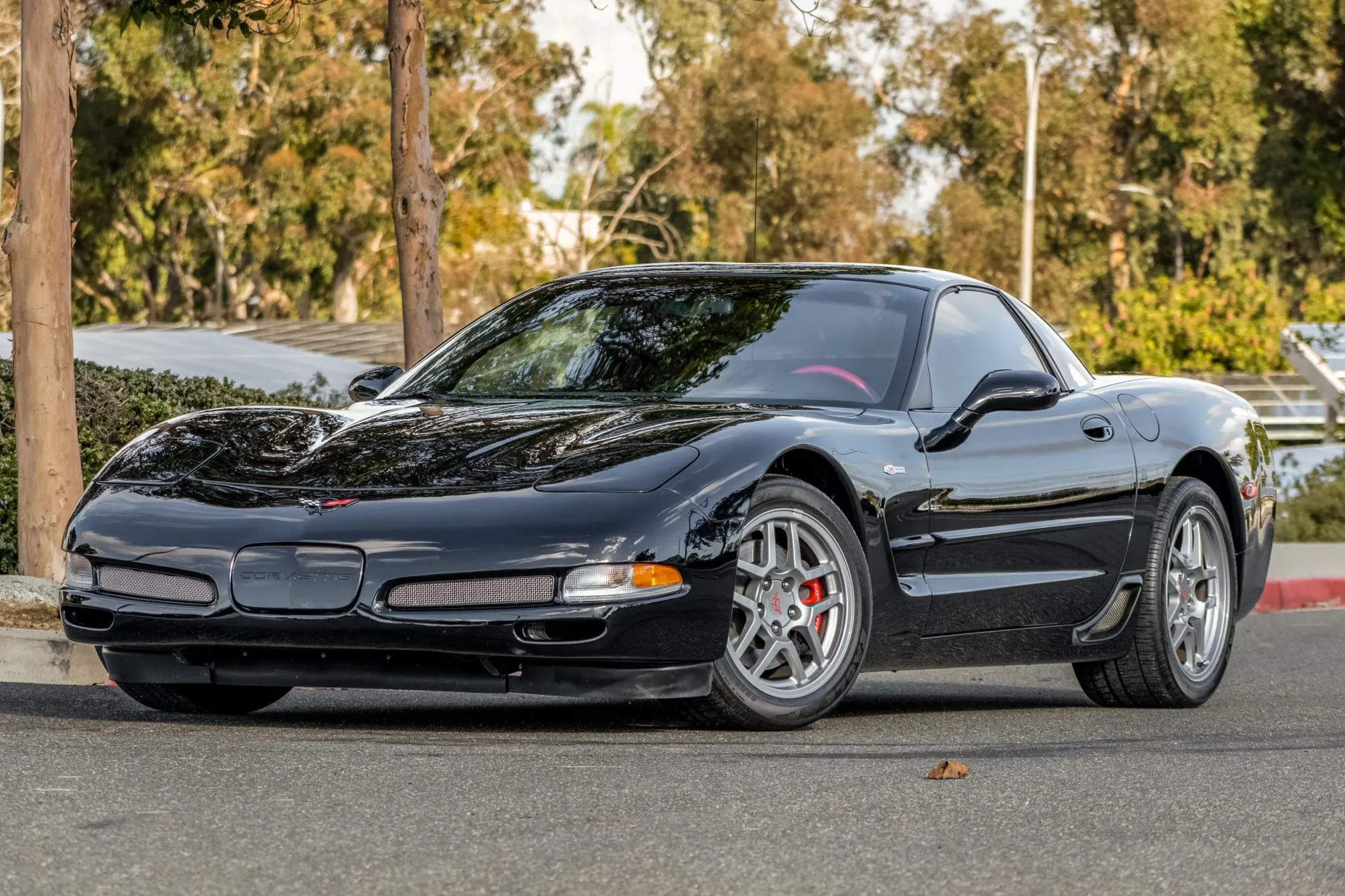
10. Chevrolet Corvette Z06
The Corvette Z06 demonstrates how focused engineering can outperform far more expensive rivals. Its naturally aspirated 5.5-liter V8 produces over 670 horsepower, allowing the car to accelerate aggressively while maintaining a linear power curve.
Lightweight components, track-optimized aerodynamics, and precise chassis tuning enable the Z06 to rival some European hypercars in handling and responsiveness while remaining relatively affordable.
Chassis balance and suspension tuning are clearly influenced by motorsport experience. Magnetic ride control and adaptive dampers allow the Z06 to corner with remarkable stability and agility. Steering feedback is sharp and communicative, inspiring confidence even in high-speed transitions or on technical curves. This balance of comfort and capability makes it versatile on track and road alike.
Aerodynamic efficiency enhances stability without overwhelming the car’s design. Functional wings, diffusers, and venting provide meaningful downforce and cooling while keeping weight low. The Z06 demonstrates that intelligent engineering can achieve high performance without excessive complexity or cost, proving that purpose-driven design can rival prestige alone.
The Z06 earns respect by delivering supercar-level performance with practical usability. Brakes, tires, and suspension are designed for repeated high-speed runs, while interior ergonomics remain comfortable for daily use.
It is a car that prioritizes experience and driver involvement, proving that a well-engineered sports car can offer both excitement and long-term satisfaction.
