
Urban environments shape the way vehicles are designed, used, and experienced on a daily basis. Cities demand machines that can move smoothly through dense traffic, adapt to tight streets, and respond quickly to changing conditions.
Unlike open highways or rural roads, urban areas require constant awareness, precise handling, and efficient use of space. A vehicle that feels natural in a city does not fight the environment but works with it, blending into the rhythm of stoplights, pedestrians, and narrow lanes.
The feeling of natural fit goes beyond size alone. Steering response, visibility, braking behavior, and acceleration all play a role in how comfortable a vehicle feels in a city setting.
Drivers often value predictability more than raw power when navigating crowded intersections or packed parking structures. A well suited urban vehicle reduces stress by making common tasks feel effortless rather than demanding. This sense of ease builds confidence and encourages smoother driving habits.
Fuel efficiency and energy use are also central to urban compatibility. Frequent stops and short trips can punish inefficient engines and heavy designs. Vehicles that manage energy wisely feel less strained during daily commutes and errands. Over time, this efficiency translates into lower operating costs and fewer disruptions to routine travel. Cities reward vehicles that can do more with less.
Another factor that shapes urban suitability is how a vehicle interacts with people outside the cabin. Pedestrians, cyclists, and public transit users are constant presences in city life.
Vehicles that offer good outward visibility and predictable movement patterns tend to coexist better with others on the road. This mutual awareness creates a calmer flow of traffic and fewer sudden conflicts. A natural urban vehicle feels like part of a shared system rather than an intruder.
Technology has also reshaped the relationship between vehicles and cities. Features such as compact infotainment systems, parking assistance, and smart navigation reduce the mental load on drivers.
When technology supports awareness instead of distraction, the vehicle feels more aligned with the urban pace. As cities continue to evolve, the vehicles that feel most at home are those that balance practicality, comfort, and thoughtful design. The following vehicles represent strong examples of machines that fit smoothly into urban environments.

1. Toyota Corolla
The Toyota Corolla has long been associated with reliability and balanced performance. In urban settings, its moderate size allows it to move easily through traffic without feeling bulky or cumbersome.
Drivers often notice that the car handles both tight turns and multi-lane streets with confidence. Its smooth acceleration ensures that merging or passing slower vehicles feels controlled and safe, which is essential in stop-and-go city traffic.
Visibility from the driver’s seat is another strength that suits city driving. The windshield is wide, and the side windows provide clear sightlines, making it easier to anticipate pedestrian movement or oncoming vehicles. This clarity helps drivers react calmly to sudden stops or unexpected changes in traffic flow. A sense of awareness reduces tension and promotes safer interactions with other road users, especially in crowded intersections.
Fuel efficiency plays a major role in the Corolla’s urban appeal. The engine operates efficiently even under frequent acceleration and braking, which are typical of city streets.
This efficiency minimizes fuel costs while maintaining a responsive feel that never seems sluggish. Over time, consistent performance during daily trips makes commuting less stressful and more predictable for drivers.
Parking in dense neighborhoods can be challenging, but the Corolla handles this task with relative ease. Its turning radius is moderate, allowing it to slip into tight spots without repeated adjustments or excessive maneuvering.
Compact proportions also help drivers navigate older city areas where streets were not designed for large vehicles. This combination of size and agility makes daily urban use straightforward and convenient.
Inside the cabin, controls are designed with simplicity and accessibility in mind. Drivers can reach and operate buttons, knobs, and displays without diverting attention from the road. This user-friendly setup reduces the mental load during stressful traffic situations. The vehicle’s balanced interior design supports both comfort and function, giving a sense of control that enhances its natural city presence.
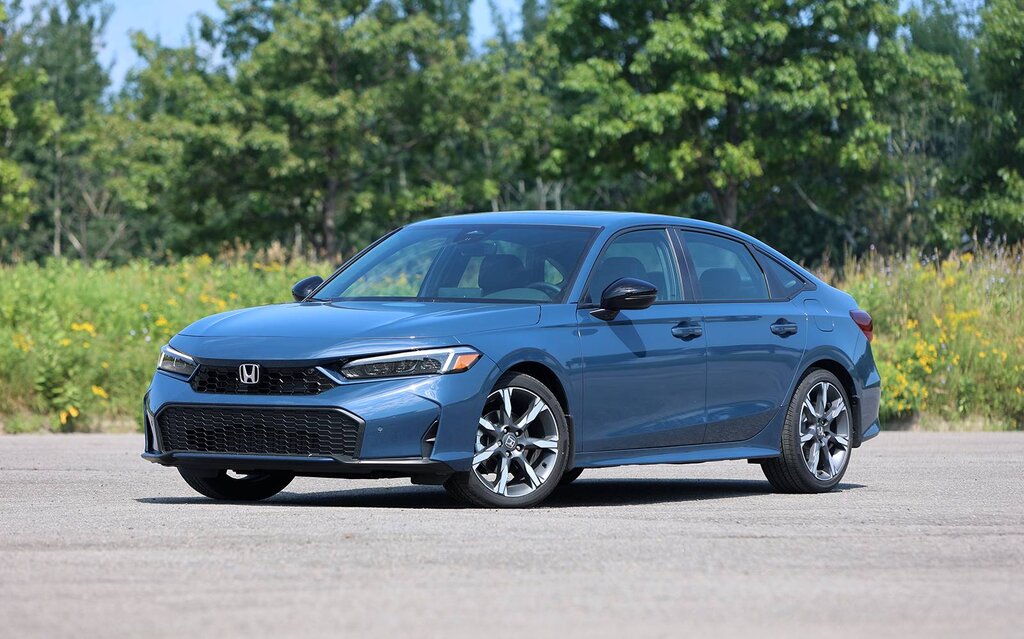
2. Honda Civic
The Honda Civic blends responsiveness with everyday practicality, making it an enduring favorite for urban drivers. Its compact yet slightly elongated design allows it to feel stable at higher city speeds while remaining agile enough for tight spaces.
Acceleration is smooth and predictable, giving drivers confidence when merging into traffic or overtaking slower vehicles. Its steering responsiveness complements this agility, making maneuvering through congested streets almost effortless.
Suspension tuning plays an important role in the Civic’s comfort in city conditions. It absorbs bumps, potholes, and uneven pavement without transmitting harsh jolts to the cabin. This ensures that even longer urban commutes remain comfortable and relatively fatigue-free. Drivers experience a smooth ride that maintains composure, which is especially appreciated in stop-and-go traffic that can often feel jarring.
The interior layout of the Civic supports focused and efficient driving in urban environments. Controls are logically placed, allowing drivers to make quick adjustments to climate, audio, or navigation systems while staying attentive to the road.
Large windows and thoughtfully positioned mirrors increase visibility in tight lanes and at intersections. These design choices contribute to the vehicle feeling intuitive and aligned with urban demands.
Fuel consumption remains reasonable even during frequent stops. The Civic’s engine manages low-speed operation efficiently, while technology aids such as start-stop systems optimize fuel use. This ensures that city driving does not lead to unexpectedly high operating costs. Over time, predictable efficiency reinforces the car’s suitability for daily errands, commuting, and spontaneous short trips.
The Civic also carries a reputation for long-term dependability, which further enhances its urban suitability. Urban drivers often rely heavily on their vehicles for consistent daily use, and the Civic rarely presents mechanical surprises. This reliability allows owners to navigate busy streets with confidence, knowing that their car is unlikely to leave them stranded. In this way, dependability becomes a quiet but essential feature of its natural feel in the city.
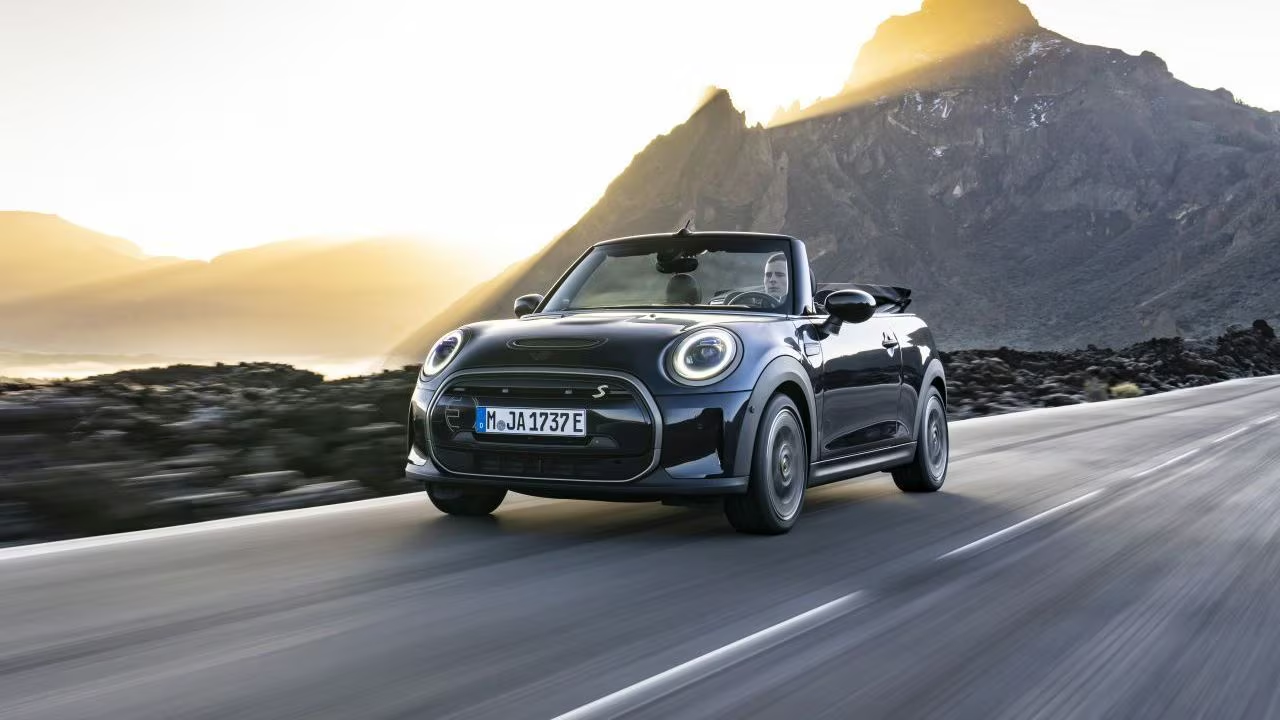
3. Mini Cooper
The Mini Cooper is almost purpose built for urban environments, combining compact dimensions with playful yet practical handling.
Its small size makes weaving through narrow streets and heavy traffic feel almost effortless, turning potentially stressful driving into a manageable task. Acceleration is peppy without being overwhelming, giving drivers confidence in merge lanes and stoplight situations. This balance allows the car to feel responsive without ever being intimidating.
Steering response is quick and precise, which suits frequent lane changes and sharp urban turns. The vehicle reacts immediately to small inputs, creating a sense of connection between driver and machine. Even when navigating curving roads or parking lots, the Mini Cooper maintains composure and agility. Drivers often feel more in control compared to larger vehicles that struggle in confined spaces.
Parking is one of the Mini Cooper’s strongest advantages, turning an often stressful part of city driving into a manageable task. Its compact body allows it to slip into spaces that larger cars cannot reach. Maneuvering into parallel spots requires fewer adjustments, saving both time and effort. This flexibility gives owners a daily convenience that is difficult to match in urban centers.
Despite its small size, the interior design is thoughtfully crafted to support practical city use. Seating remains comfortable, and visibility is excellent thanks to large windows and upright seating positions. Controls are easy to reach and intuitive to operate, minimizing distraction during busy traffic conditions. The combination of comfort, visibility, and control makes the Mini Cooper feel both playful and competent.
Fuel efficiency further supports its urban suitability. Short trips, frequent stops, and constant acceleration do not overly tax the engine, allowing drivers to complete errands without worrying about fuel consumption. The Mini Cooper’s small footprint and efficient powertrain make it ideal for dense areas where maneuverability and low running costs are essential. This synergy of design, handling, and efficiency cements its status as a city-focused vehicle.
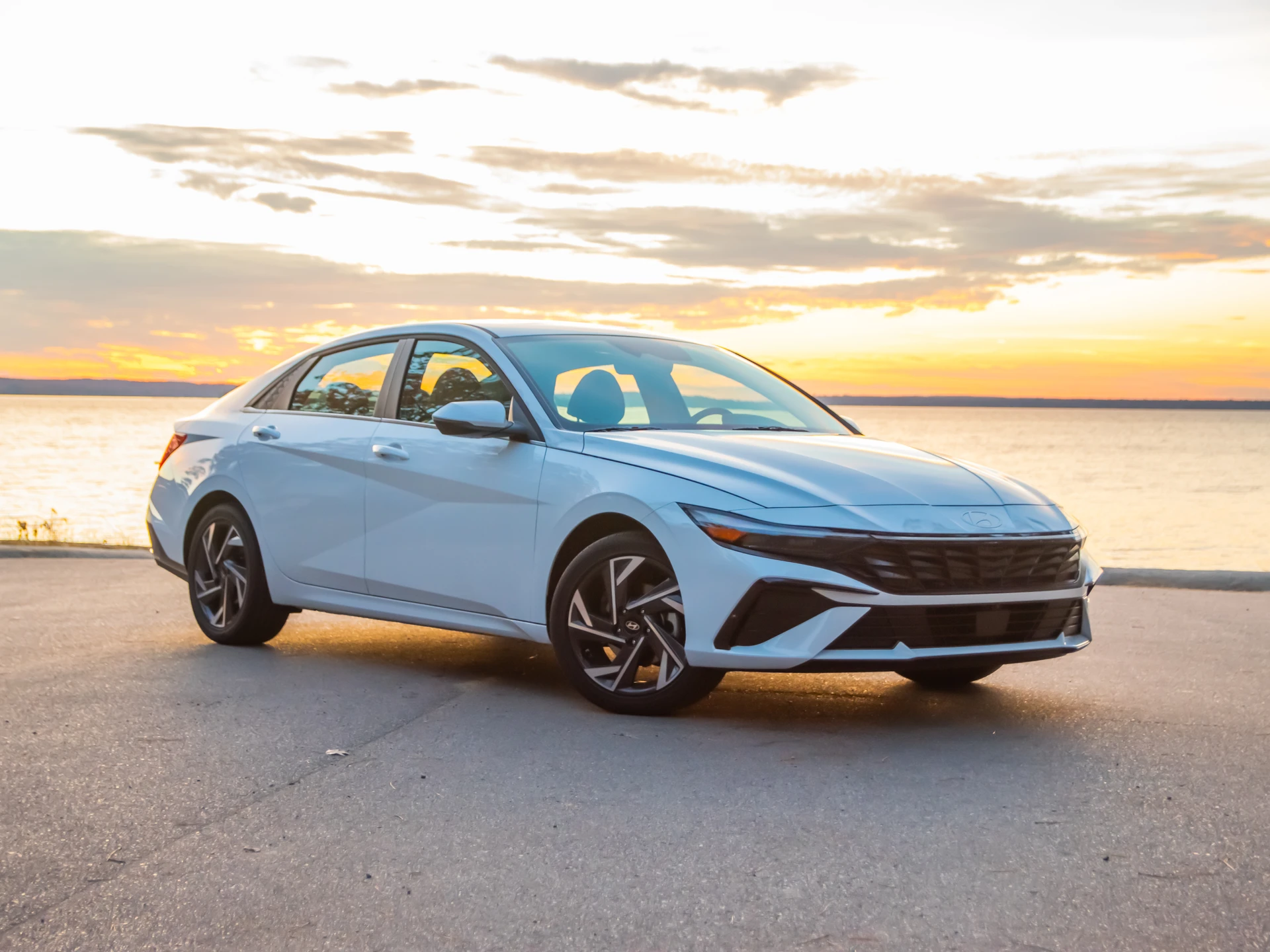
4. Hyundai Elantra
The Hyundai Elantra offers a calm and composed presence in city traffic, blending comfort with straightforward functionality. Its smooth acceleration and predictable braking allow drivers to maintain confidence during stop-and-go driving.
The engine responds steadily without abrupt surges, which is important when dealing with frequent traffic lights or heavy congestion. The overall driving feel prioritizes ease and control, making daily commutes less stressful.
Cabin noise remains relatively low at urban speeds, enhancing the sense of calm. Road imperfections such as potholes, manhole covers, or uneven asphalt are absorbed efficiently, reducing vibrations and harshness. This quiet, controlled environment allows drivers to focus on navigation and decision-making. Comfort during short and medium trips becomes a natural part of city life rather than a secondary consideration.
Technology features in the Elantra support urban practicality without creating distractions. Navigation systems offer clear guidance in dense areas, while driver assistance tools help manage tight turns or braking in heavy traffic. These systems enhance safety and convenience without overshadowing the driving experience. The vehicle feels cooperative, helping drivers manage complex environments smoothly.
Fuel economy remains stable across short trips and low-speed driving. The Elantra manages frequent engine restarts efficiently, maintaining smooth performance even during stop-heavy conditions. Drivers can complete errands, work commutes, or multiple short journeys with minimal concern about efficiency. This predictability supports a natural rhythm of urban mobility that feels effortless over time.
The overall size of the Elantra strikes a useful balance between comfort and maneuverability. It provides enough interior space for passengers and cargo without feeling oversized in narrow streets. Tight turns, parking lots, and city lanes remain manageable, while the cabin does not feel cramped. This careful balance of size, performance, and comfort makes it a reliable and confident choice for city drivers.
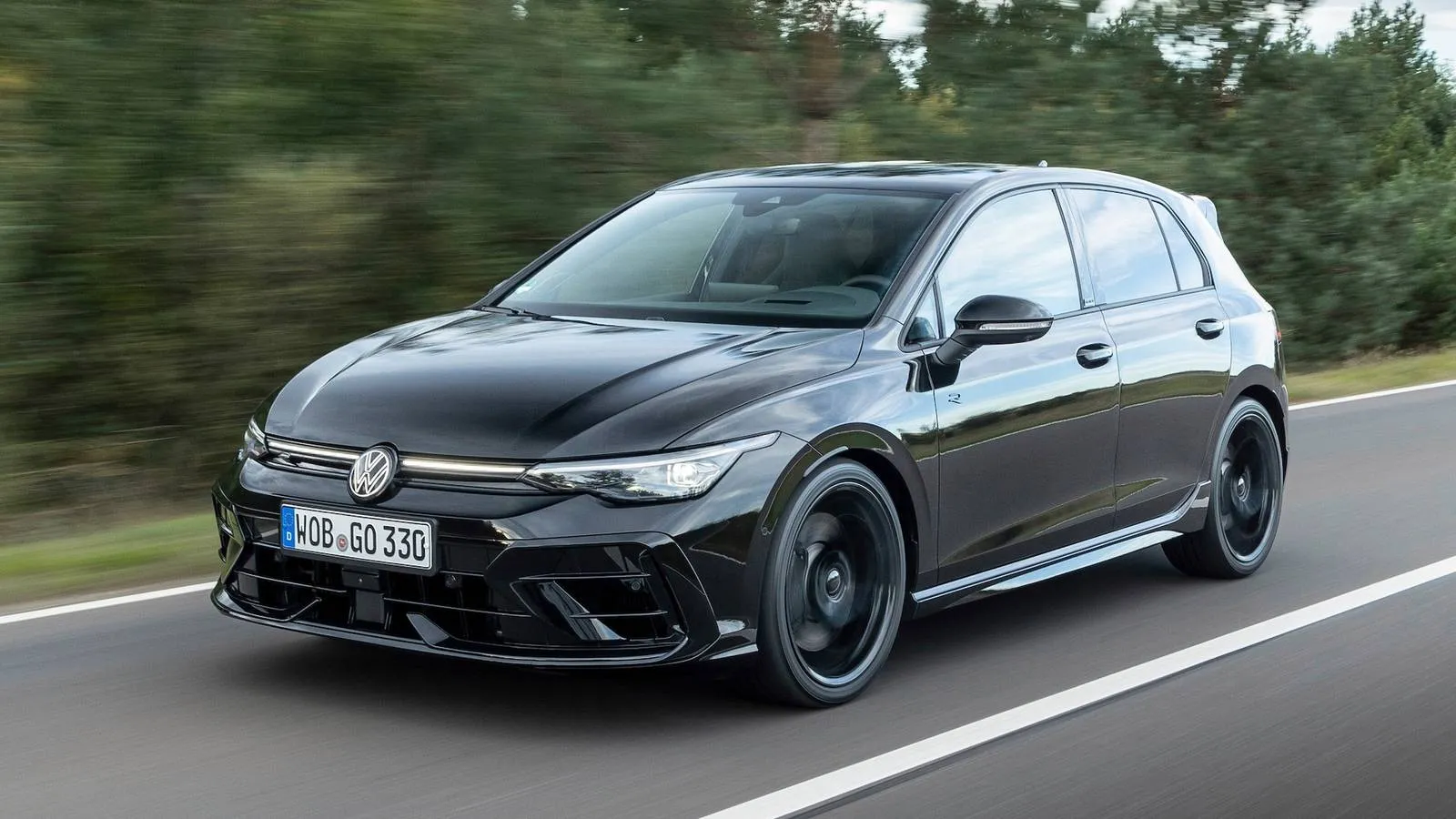
5. Volkswagen Golf
The Volkswagen Golf is known for its versatility and practicality, making it well-suited for city life. Its hatchback design provides cargo space and adaptability without adding unnecessary bulk. Drivers benefit from a compact yet substantial feel, allowing them to navigate tight streets or load groceries and other items easily. The Golf is well balanced between efficiency and usable space.
Handling remains precise and consistent at lower speeds, which is crucial for urban driving. The steering responds smoothly to inputs, helping drivers maneuver through congested areas or sharp corners. Even in traffic, the Golf maintains a sense of stability, instilling confidence and reducing stress. The predictable handling makes city navigation a less demanding task.
Interior quality adds to the sense of calm and control in urban settings. Materials feel durable and well thought out, and controls are logically arranged for quick access. Drivers can focus on traffic without confusion or distraction, and the cabin provides a comfortable environment for short or longer journeys. This combination of practicality and quality supports a sense of reliability.
Fuel efficiency remains dependable even under stop-and-go city conditions. The engine handles low-speed operation smoothly, reducing strain on both the vehicle and the driver. Daily commuting or running errands does not significantly impact fuel consumption. The Golf offers a balanced and consistent performance that suits urban schedules.
Parking assistance features further improve city usability. Sensors and cameras provide guidance in tight spots, preventing minor bumps or scrapes. This technology reduces the stress of maneuvering in crowded areas. The Golf feels naturally aligned with urban demands, combining control, comfort, and convenience in one package.
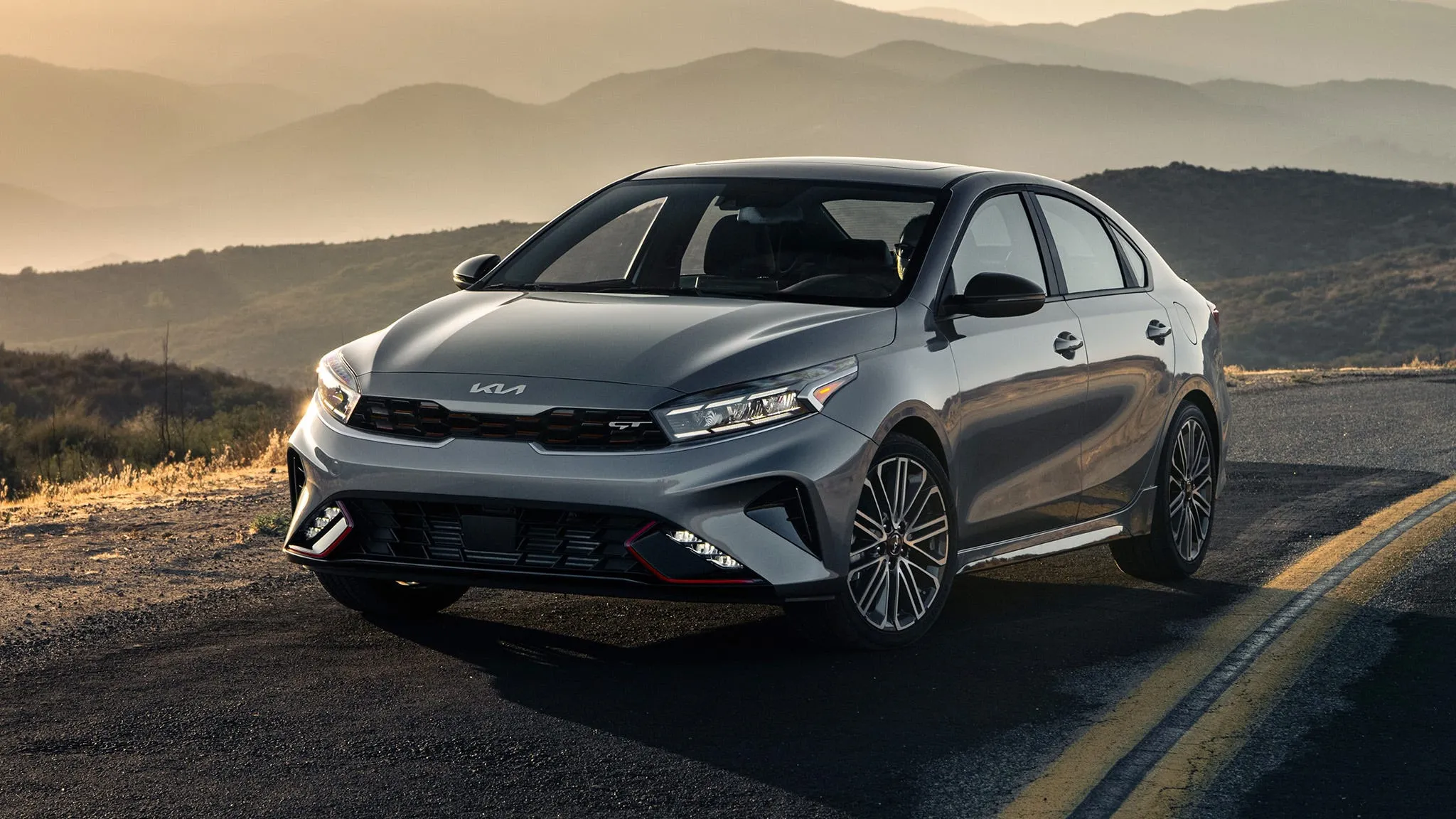
6. Kia Forte
The Kia Forte presents a straightforward approach to city driving, combining manageable size with balanced performance. Its compact proportions allow drivers to navigate dense traffic and tight intersections without stress. Acceleration is smooth, helping with frequent stops and starts, while the suspension absorbs minor road imperfections. The vehicle maintains a sense of control and stability even during hectic urban commutes.
Acceleration is smooth and measured, which supports confidence in congested areas. Drivers do not feel rushed or surprised by sudden engine surges, making lane changes and merging predictable. The Forte’s engine responds steadily without hesitation, allowing for safer maneuvering. This consistency contributes to a sense of calm while driving in stop-and-go traffic.
Interior comfort supports longer urban commutes and daily errands alike. Seats remain supportive over extended periods, while controls are positioned for intuitive operation. Visibility from the driver’s seat is clear, helping to monitor pedestrians and cyclists easily. This thoughtful design reduces mental strain in fast-paced or unpredictable traffic conditions.
Fuel efficiency remains stable under city conditions, as the engine handles frequent acceleration and short trips without excessive fuel consumption. This makes daily commuting, errands, and short journeys more cost-effective. Drivers can rely on the Forte to handle repeated stop-and-go patterns without performance issues. Efficiency and predictability enhance the vehicle’s urban suitability.
Reliability further strengthens its natural fit for city life. Owners can depend on consistent performance, reducing concerns about unexpected mechanical issues. Daily commutes and errands proceed with minimal disruption, making it a dependable companion for urban routines. Its balance of size, comfort, and efficiency makes the Forte a solid choice for city drivers.
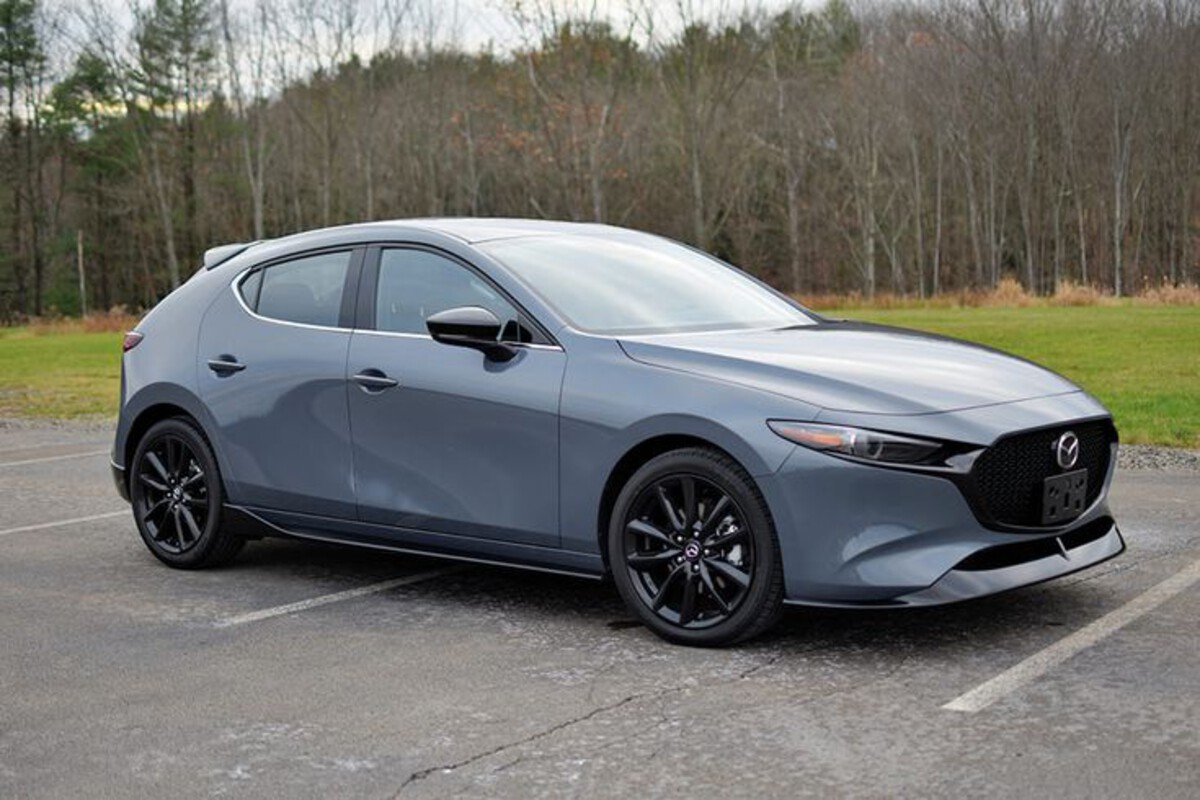
7. Mazda 3
The Mazda 3 emphasizes driver connection while remaining highly practical for city conditions. Its precise steering provides excellent feedback, making maneuvering through crowded streets feel controlled and deliberate. Acceleration is smooth and responsive, allowing for confident merging and passing in stop-and-go traffic. Drivers often notice a sense of harmony between their inputs and the car’s reactions.
Design plays a significant role in the Mazda 3’s urban presence. Its compact exterior fits neatly into narrow streets and small parking spaces, while maintaining an aesthetic that feels sophisticated. Drivers feel that the vehicle blends seamlessly into urban surroundings without dominating space. The car’s visual appeal complements its functional advantages in city driving.
Interior layout focuses on driver usability and comfort. Controls are logically arranged, minimizing the need for distraction while navigating busy streets. Large windows and well-placed mirrors provide excellent visibility, crucial for managing intersections and pedestrian-heavy areas. This combination of comfort, control, and awareness makes city driving less stressful.
Fuel efficiency remains respectable even with frequent stops and starts typical of urban traffic. The engine handles low-speed operation efficiently, reducing strain and ensuring smooth performance. Short trips and repeated acceleration do not excessively affect fuel economy, making it practical for commuting, errands, or errands with passengers. Efficiency supports consistent usability.
Suspension tuning balances ride comfort and handling precision. It absorbs common urban road imperfections such as potholes or uneven surfaces while maintaining stability during sharp turns. This combination creates a smooth yet controlled driving experience. Drivers often feel confident navigating challenging city roads with ease and composure.
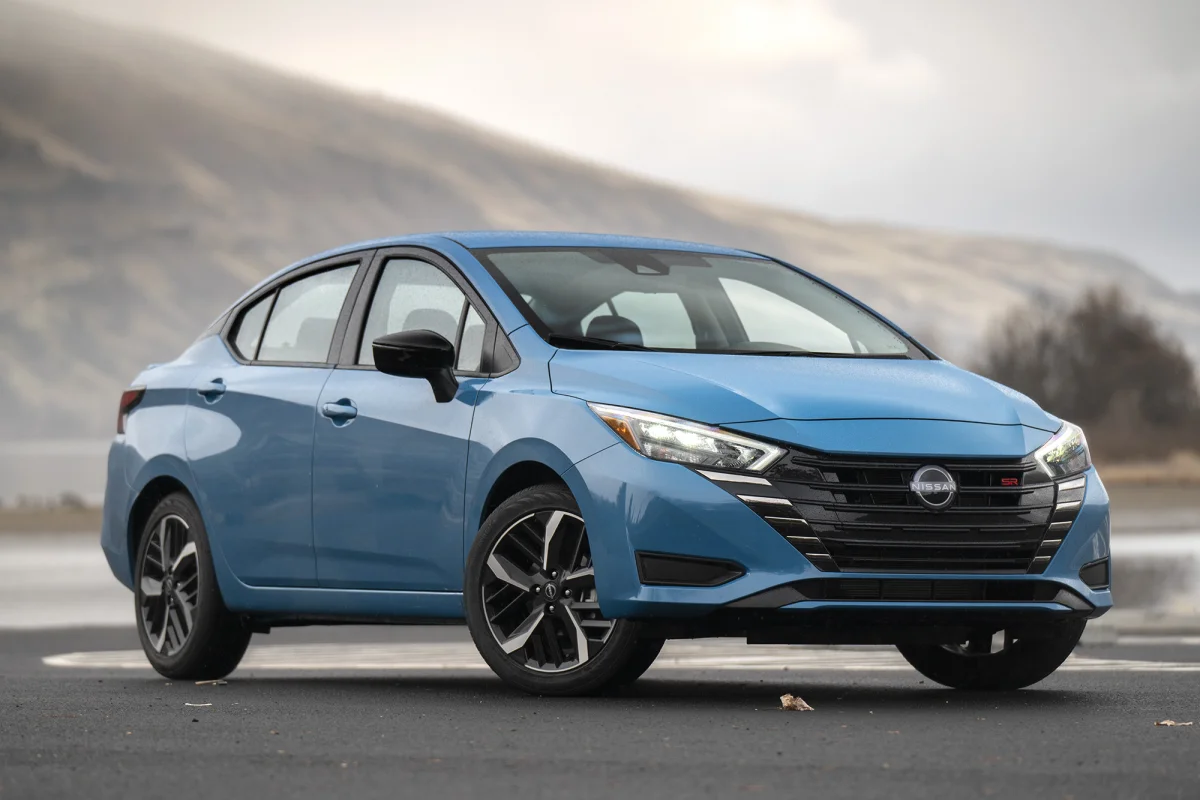
8. Nissan Versa
The Nissan Versa is celebrated for its simplicity, affordability, and urban practicality. Its compact footprint allows for easy maneuvering through dense streets and narrow lanes. The engine provides steady, reliable acceleration without being overwhelming, which helps in heavy traffic. Drivers quickly adapt to its predictable responses, making city driving less stressful and more controlled.
Visibility is an advantage for the Versa. Its large windows and upright seating provide clear sightlines for monitoring pedestrians, cyclists, and other vehicles. This improved awareness helps drivers react appropriately to sudden changes in traffic flow. A strong sense of surrounding context reduces anxiety in crowded intersections and tight spaces.
Fuel economy is well-suited for city driving, particularly in stop-and-go conditions. The engine operates efficiently during short trips, ensuring that daily errands or work commutes do not result in high fuel costs. This reliability allows drivers to move throughout the city with minimal concern about efficiency. Economy and predictability strengthen the Versa’s urban appeal.
Interior controls are straightforward and focused on essential functions. Buttons and displays are easy to locate and operate without diverting attention from the road. The simplicity of the cabin design reduces cognitive load, particularly in busy environments. Drivers feel in control, and the vehicle’s uncomplicated nature makes it approachable for new or experienced city commuters alike.
Affordability is another factor that enhances the Versa’s urban fit. Low purchase and maintenance costs make it accessible for a wide range of drivers. Reliable daily performance ensures consistent usability without excessive financial burden. Its combination of efficiency, practicality, and cost-effectiveness solidifies its position as a sensible city vehicle.
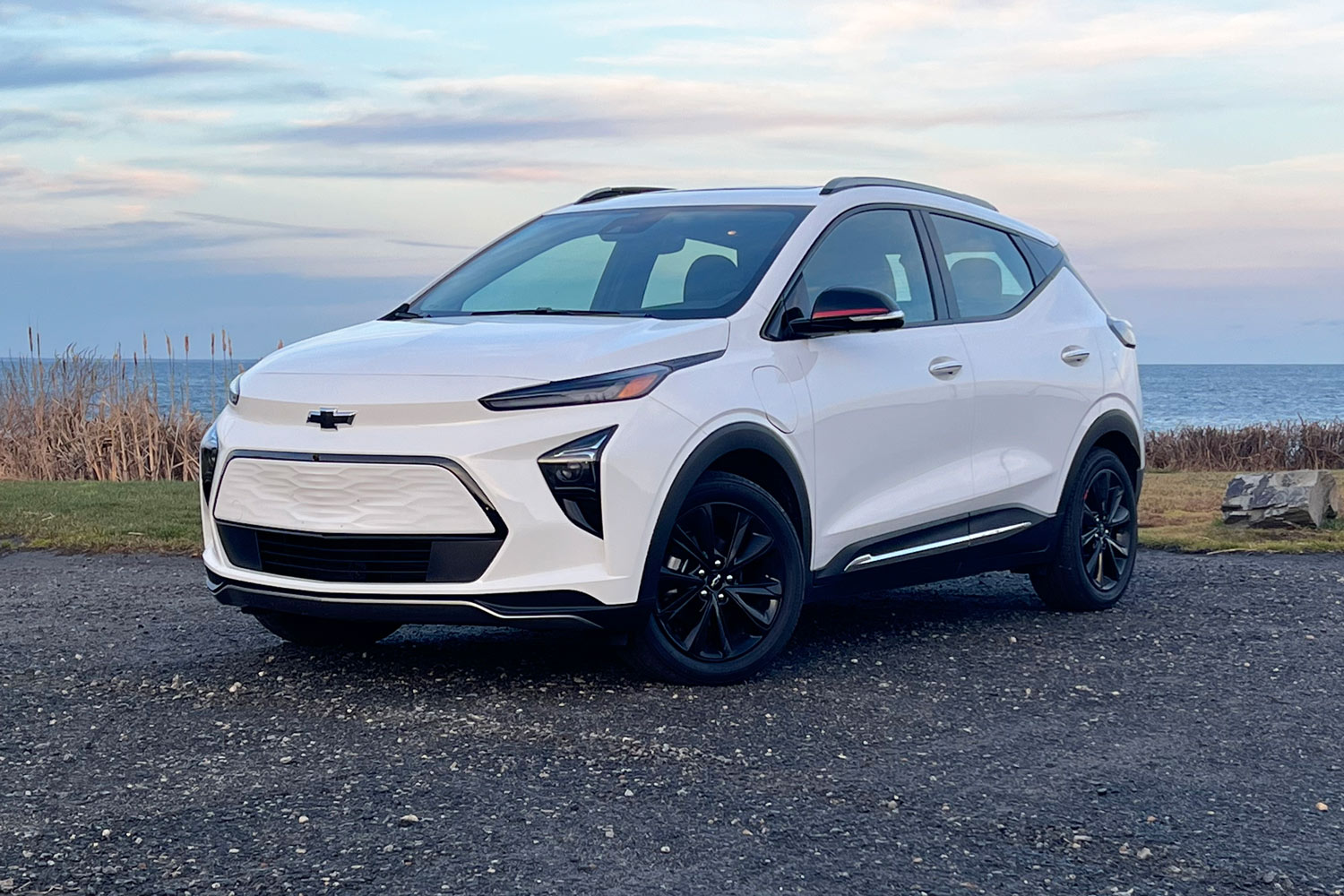
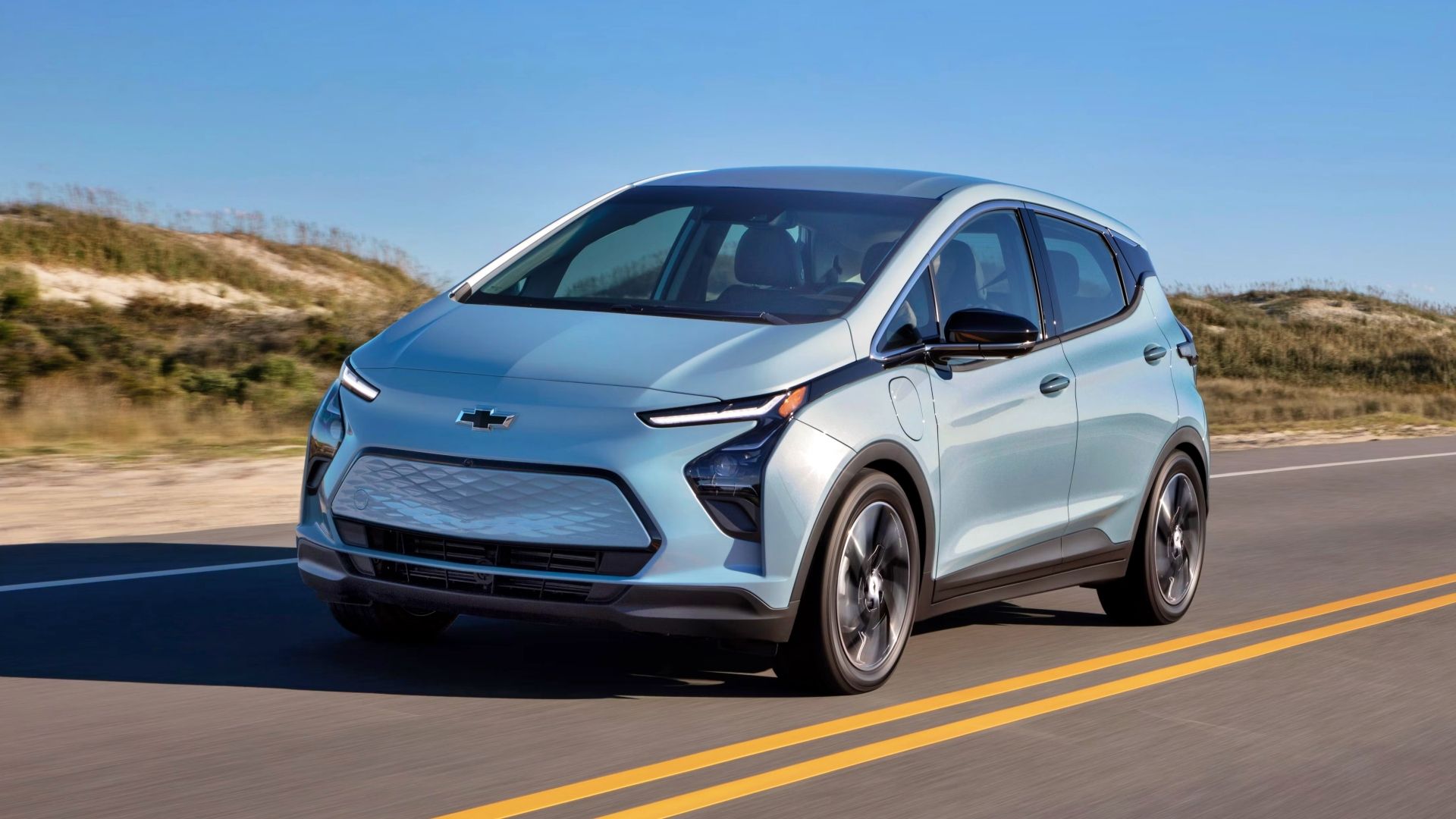
9. Chevrolet Bolt
The Chevrolet Bolt provides an electric alternative that feels particularly suited for urban environments. Instant torque delivers smooth, quiet acceleration, which is ideal for frequent stops at intersections or during heavy traffic. Drivers can move confidently without the lag sometimes experienced in conventional vehicles. Its electric drivetrain contributes to a calm and responsive city driving experience.
Electric operation reduces noise pollution, creating a quieter environment in dense city areas. Pedestrians and cyclists notice less engine noise, while drivers benefit from reduced cabin disturbances. The Bolt’s near-silent operation makes traffic feel less chaotic and more manageable. Comfort and concentration are enhanced in everyday city driving situations.
Range management aligns with typical urban driving distances. Most short daily trips fall comfortably within the battery’s capacity, and charging routines can be integrated into daily schedules. The vehicle feels reliable for errands, work commutes, and city-focused travel without constant concern for recharging. Predictability and efficiency make it practical for frequent urban use.
Compact dimensions support maneuverability in tight lanes and small parking areas. Drivers can navigate corners and intersections without feeling constrained by the vehicle’s size. Agility in traffic and responsiveness at low speeds give the Bolt a sense of control and confidence. Urban driving feels natural and effortless with its design advantages.
Technology features further enhance urban usability. Regenerative braking helps manage energy while slowing down, reducing wear on traditional braking components. Navigation, parking assistance, and driver aid systems provide support without overwhelming the driver. Together, these elements create a city-friendly vehicle that combines comfort, efficiency, and control seamlessly.
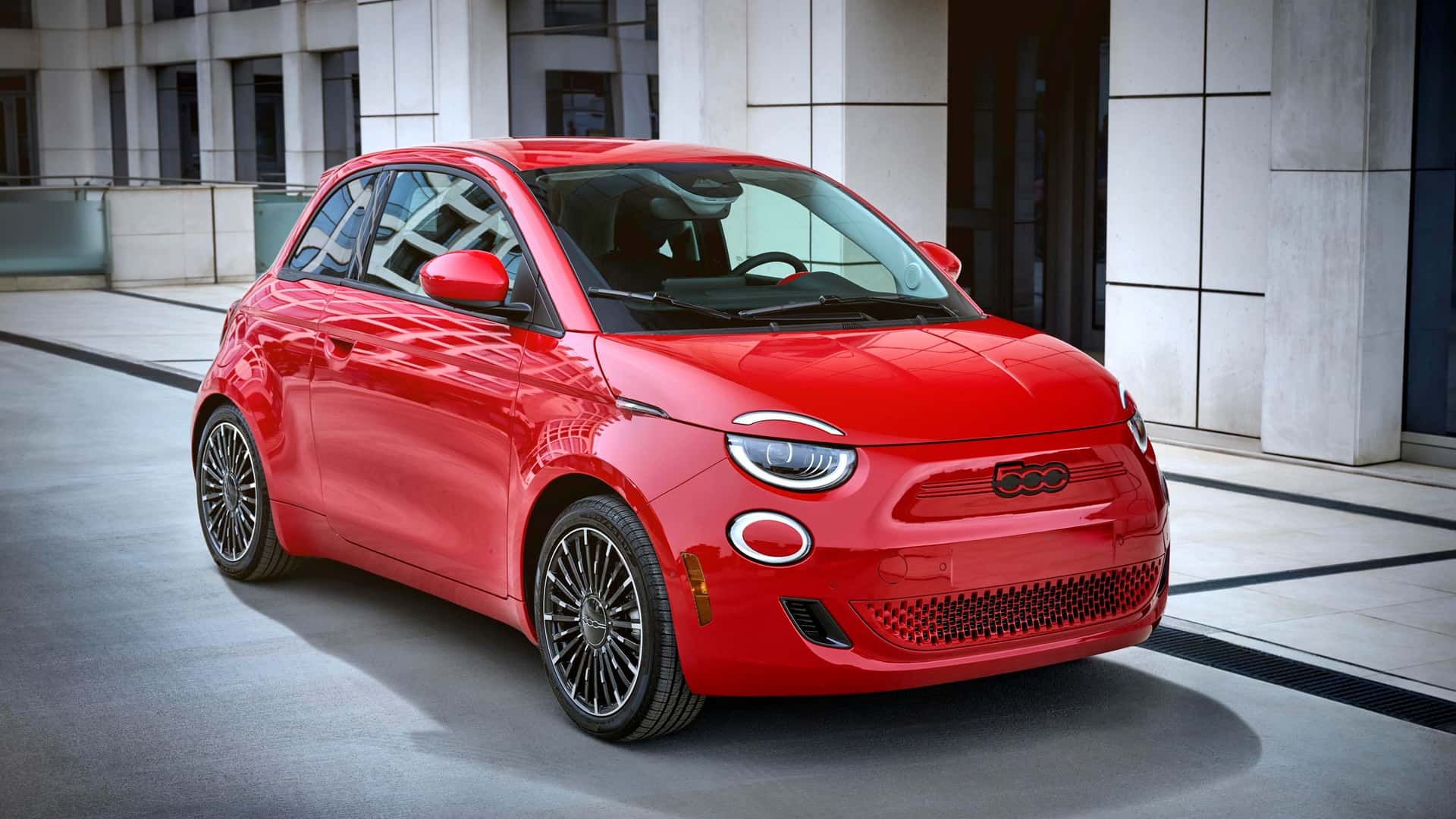
10. Fiat 500
The Fiat 500 embraces compact urban living with a small size and distinctive design. Its dimensions allow for effortless navigation through crowded streets and narrow lanes. Acceleration is smooth and predictable, providing a confident feel during stop-and-go traffic. Drivers appreciate the combination of agility and control that makes city navigation manageable and even enjoyable.
Parking becomes less stressful thanks to the Fiat 500’s small footprint. Spaces that might challenge larger cars feel accessible, saving time and reducing frustration in busy areas. Parallel parking or tight garage maneuvers require fewer adjustments, which is particularly valuable in older neighborhoods. Convenience becomes a key factor in daily urban use.
Steering remains light and responsive, helping drivers adjust quickly to sudden changes in traffic or road conditions. The vehicle reacts promptly to driver input, making maneuvering between parked cars or around corners less demanding. This precision enhances confidence and reduces stress during busy commutes. Urban driving feels intentional and controllable.
Fuel efficiency supports short urban trips and frequent stop-and-go driving. The engine handles repeated acceleration efficiently, keeping operating costs low. Drivers can rely on the vehicle for multiple daily errands without concern for fuel consumption. Practicality is paired with a small but capable engine that suits city environments.
Design contributes to the Fiat 500’s charm and urban appeal. Its compact proportions, rounded lines, and approachable aesthetics feel right at home in city streets. Drivers experience a sense of familiarity and ease as the car blends into the surrounding environment. The Fiat 500 demonstrates how small size, efficient performance, and thoughtful design create a naturally urban vehicle.
