
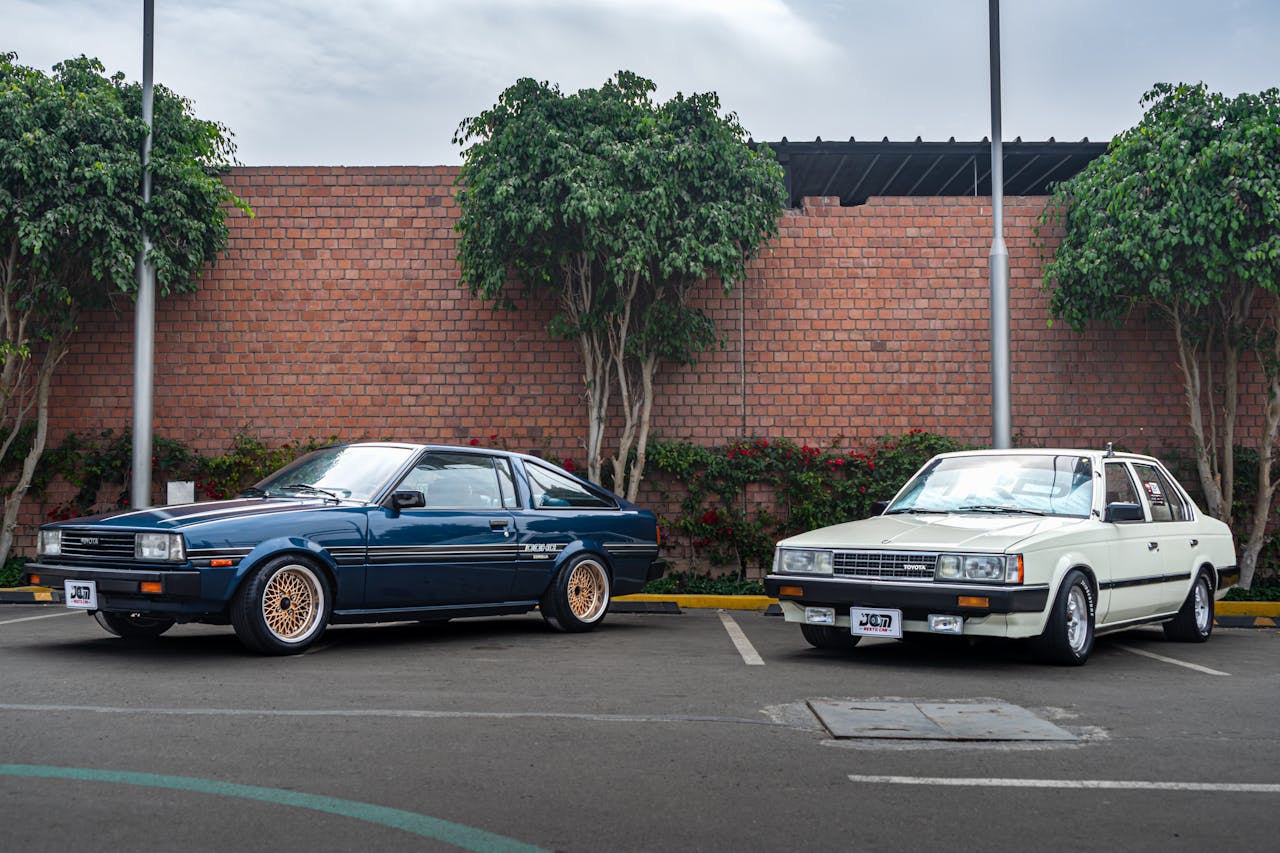
Japanese Domestic Market (JDM) cars have a reputation for precision engineering, timeless style, and performance that balances daily drivability with track-ready capability. Over the years, car enthusiasts around the globe have taken these already impressive vehicles and transformed them into some of the cleanest builds ever seen.
These cars often combine subtle modifications, perfect fitment, and high-quality parts that enhance their looks without sacrificing the integrity of the original design.
JDM culture emphasizes respect for automotive heritage while adding personal touches that reflect the owner’s vision. From early 90s classics to modern icons, each build is a testament to meticulous craftsmanship, patience, and dedication to creating something unique.
What separates a clean JDM build from a typical modified car is the attention to detail in every aspect. Every bolt, panel, and interior component is carefully considered, ensuring the result looks cohesive rather than forced. Many builders take inspiration from Japanese trends, which favor restrained styling over flashy accessories.
This has resulted in some cars that appear almost stock at first glance, yet hide a level of refinement and mechanical perfection that few can match.
Engine bays are often pristine, wheels align perfectly with fenders, and paintwork shines with a depth that makes the car almost a work of art. The philosophy behind these builds is that less is more, and balance is everything.
These JDM builds also reflect a commitment to functionality. Many owners are not only interested in aesthetics but also in enhancing performance, reliability, and handling. Upgraded suspension, brakes, and engine components are chosen to complement each other and ensure the car performs seamlessly on the street or track.
The result is a vehicle that can still be driven comfortably while turning heads wherever it goes. Clean builds often avoid overcomplicated modifications, instead focusing on parts that make a noticeable difference without disrupting the car’s flow. This subtle yet effective approach has earned these builds legendary status among enthusiasts.
Community and heritage play a significant role in shaping clean JDM builds. Builders often share their projects online, attend meets, and collaborate with other enthusiasts to refine their designs.
The JDM scene encourages a deep understanding of each car’s history and quirks, inspiring owners to preserve original features while improving performance and style.
This respect for the roots of the car makes each clean build more than just a visual statement; it becomes a story of craftsmanship and passion. The combination of personal creativity and cultural awareness is what separates ordinary builds from those that are considered iconic.
The cleanest JDM builds showcase a rare combination of style, precision, and performance. They honor the original vision of the manufacturer while pushing the boundaries of what a modified car can be. From legendary Hondas to iconic Nissans and beyond, these cars represent the pinnacle of what careful modification and dedication can achieve.
Their appeal goes far beyond horsepower numbers or flashy aesthetics; it is about the balance between art and engineering. These builds inspire new generations of enthusiasts to strive for perfection, and they continue to define the standards of what a true JDM masterpiece should look like.
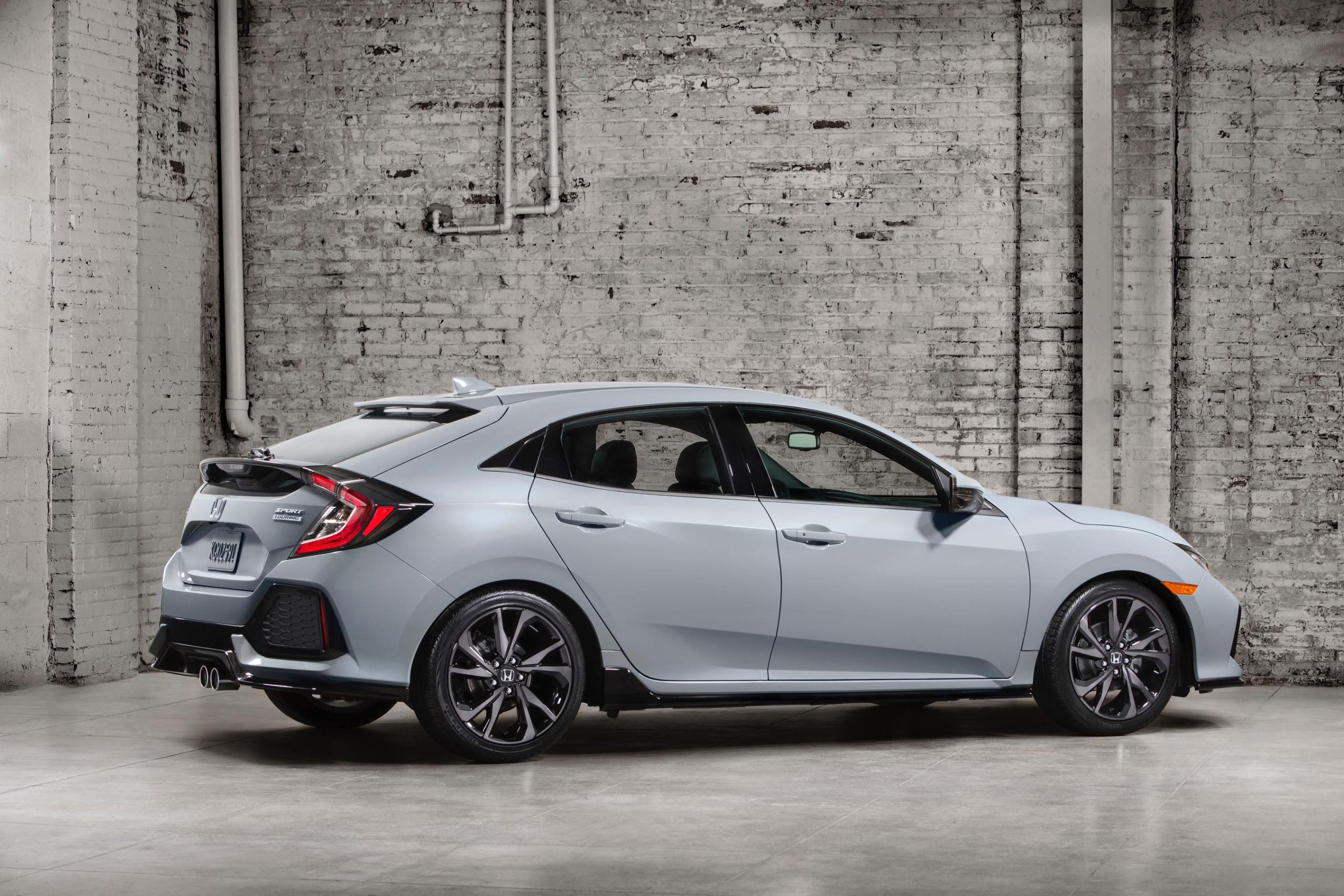
Honda Civic
The EG generation Honda Civic is often considered one of the most versatile platforms for clean builds. Owners favor subtle modifications that enhance the car’s handling and aesthetics while maintaining its original charm.
The hatchback body style allows for creativity without overwhelming the car’s compact proportions. Popular changes include lowered suspensions, small wheel upgrades, and tasteful aero components that do not disrupt the Civic’s clean lines.
Engine bays are typically well-maintained, with minor performance modifications such as upgraded intakes, headers, and ECU tuning. These changes provide noticeable performance gains while keeping the engine bay neat and organized.
Many builders also focus on lightweight enhancements, including carbon fiber hoods or interior panels. The combination of careful weight reduction and engine upgrades ensures that the car handles sharply and responds with precision.
Interior modifications are minimal yet purposeful. Clean builds often feature aftermarket seats, steering wheels, and gauges that improve driving ergonomics without cluttering the cabin.
Subtle touches like upgraded pedals or shift knobs complement the car’s interior while remaining true to its heritage. Builders avoid excessive flashy trim or neon lighting, ensuring the cockpit feels balanced and cohesive.
Exterior attention to detail is a hallmark of EG builds. Paint is often carefully restored or upgraded with factory-style colors, and bodywork remains smooth and uncluttered.
Wheel fitment is crucial, with offsets and tire sizes chosen to achieve a flush stance without rubbing or stretching. These visual tweaks maintain the car’s compact, agile appearance while projecting a clean, purposeful aesthetic.

Nissan Silvia S13
The Nissan Silvia S14 has long been a favorite among drift enthusiasts and JDM purists alike. Its balanced chassis and rear-wheel-drive layout make it ideal for precise handling.
Clean builds often focus on maintaining factory lines while enhancing performance through suspension upgrades and differential tuning. Owners typically choose tasteful wheels, simple aero kits, and lowered stances that complement the car’s aggressive proportions without exaggeration.
Engine swaps and turbo upgrades are common but executed with attention to aesthetics. Builders maintain a tidy engine bay, routing wires and hoses neatly while polishing visible components.
Many choose intercoolers, piping, and manifolds that add performance without creating visual clutter. These decisions ensure that the S14 looks as pristine under the hood as it does on the street.
Suspension is a critical focus for S14 builds. Coilovers, adjustable arms, and sway bars are installed to improve handling and cornering stability.
Many enthusiasts prefer setups that achieve balance rather than extreme drop or aggressive camber. This attention to suspension geometry helps the car remain predictable and enjoyable to drive, highlighting the harmony between form and function.
Interior upgrades remain modest and purposeful. Racing seats, steering wheels, and gauges are installed selectively, with an emphasis on enhancing the driver experience.
Builders avoid excessive interior distractions, focusing instead on creating a cockpit that feels refined and purposeful. This approach enhances the S14’s reputation as both a capable sports car and a clean showpiece.
The Silvia S14 is celebrated for its drifting capabilities, but clean builds often emphasize polish rather than purely performance.
Attention to paint quality, wheel fitment, and suspension balance contributes to a cohesive package. These cars demonstrate that a JDM build can be powerful, reliable, and visually immaculate without relying on over-the-top modifications.
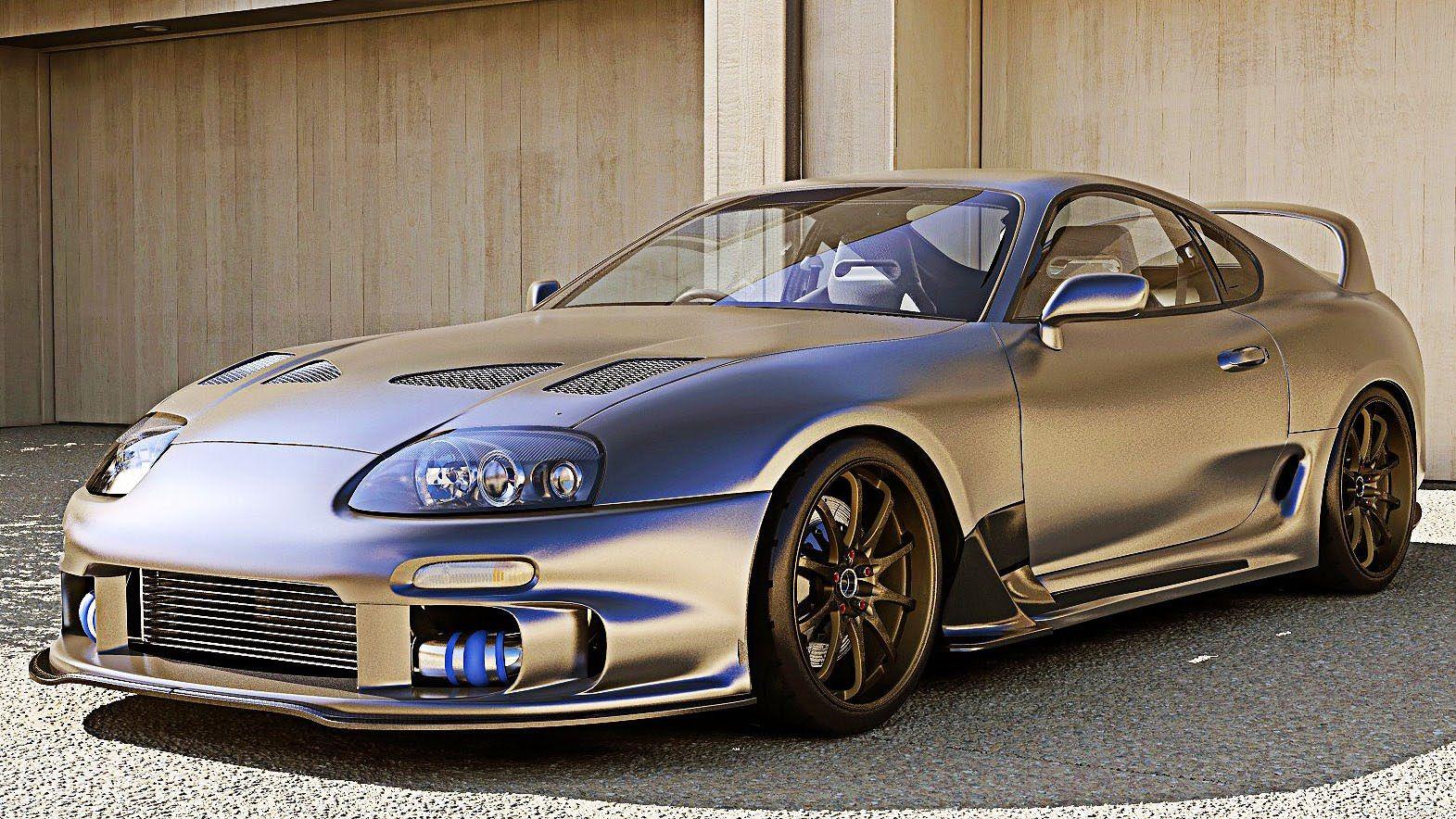
Toyota Supra MK4
The Toyota Supra MK4 is often regarded as a crown jewel in JDM tuning culture due to its legendary 2JZ-GTE engine and timeless design. Clean builds of the A80 Supra are distinguished by subtle exterior tweaks that maintain the car’s flowing lines.
Owners often focus on wheel fitment, paint perfection, and minor body adjustments that accentuate the car’s muscular yet elegant proportions. These modifications the vehicle while keeping it instantly recognizable as a classic Supra.
Under the hood, clean builds maintain the balance between performance and presentation. Many retain the stock twin-turbo setup while adding polished piping, upgraded intercoolers, or subtle intake modifications.
Wiring and plumbing are carefully routed to create an uncluttered appearance. The engine bay often reflects the same philosophy as the exterior: minimalism combined with high-quality components that maximize efficiency and visual appeal.
Suspension upgrades on the MK4 focus on enhancing handling without sacrificing comfort. Coilovers, upgraded bushings, and refined geometry allow the car to corner with precision while maintaining highway composure.
Wheel and tire selection are often chosen to create a flush stance, enhancing both grip and aesthetics. These adjustments result in a vehicle that is poised, responsive, and visually impeccable.
Interior attention remains focused and intentional. Clean builds often feature subtle upgrades such as upgraded seats, steering wheels, and gauge clusters.
Minimalist enhancements, like carbon fiber trim or brushed aluminum accents, improve ergonomics while avoiding excessive clutter. The cabin exudes sophistication, reflecting the design philosophy of restraint and functionality.
The Supra MK4’s legendary status ensures that clean builds are as much about heritage as performance. Owners respect the original design while applying tasteful modifications that highlight the car’s strengths.
Each build becomes a statement of balance, blending timeless design with modern precision and thoughtful enhancements. These cars continue to define what a clean JDM masterpiece should embody in both form and function.
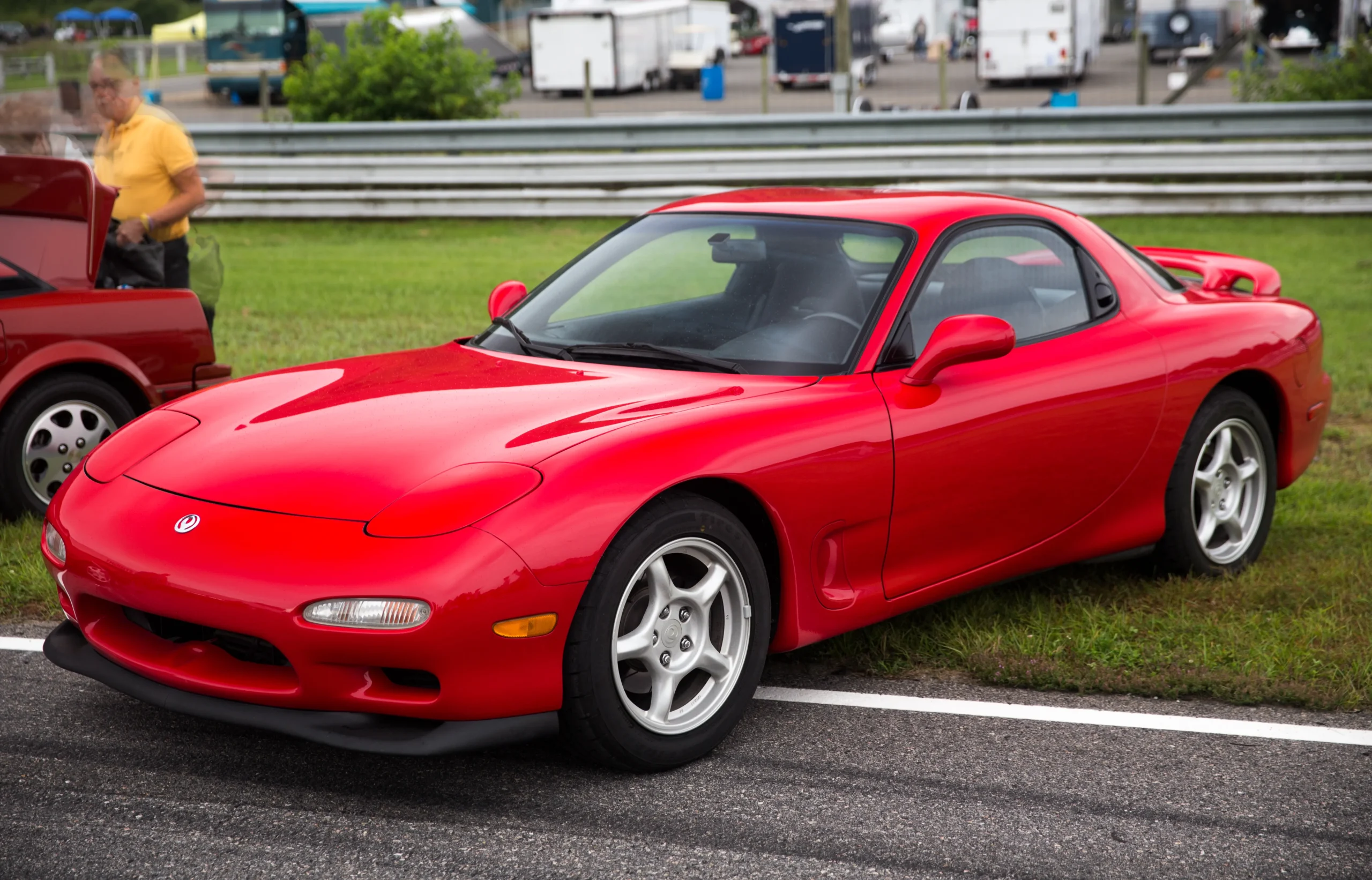
Mazda RX 7 FD3S
The Mazda RX-7 FD3S is admired for its lightweight rotary engine, aggressive styling, and precision handling. Clean builds of the FD3S focus on maintaining its unique curves while enhancing performance subtly.
Exterior modifications often include restored paint, refined aero kits, and properly fitted wheels. These choices allow the car to retain its original aggressive look while presenting a polished, flawless profile that reflects careful craftsmanship.
Rotary engines require meticulous maintenance, and clean builds highlight this attention to detail. Engine bays are often stripped of unnecessary clutter, with components polished or painted to enhance aesthetics.
Performance upgrades, including upgraded turbos or intake systems, are chosen to increase output while keeping the engine bay organized. Clean builds make the rotary engine appear as elegant as it runs, blending mechanical prowess with visual perfection.
Suspension and chassis work are crucial to FD3S builds. Coilovers, adjustable arms, and sway bars are selected to improve handling and stability while maintaining the car’s light and nimble feel.
Proper wheel alignment and fitment ensure the car sits perfectly without over-aggressive camber. These modifications allow the RX-7 to perform flawlessly on the street or track while looking precise and purposeful.
Interior upgrades are subtle yet functional. Racing seats, steering wheels, and gauges are installed to improve the driver’s experience without overwhelming the cabin.
Many builders retain factory elements, such as the dash layout, to preserve the RX-7’s iconic character. This balance between performance and originality enhances the vehicle’s coherence and appeal.
The FD3S RX-7 remains a symbol of JDM purity and precision. Clean builds showcase the car’s engineering excellence while tastefully adding modern enhancements.
By emphasizing subtlety, balance, and performance, these builds honor the RX-7’s legacy and ensure it remains a sought-after icon for enthusiasts who appreciate both style and substance.
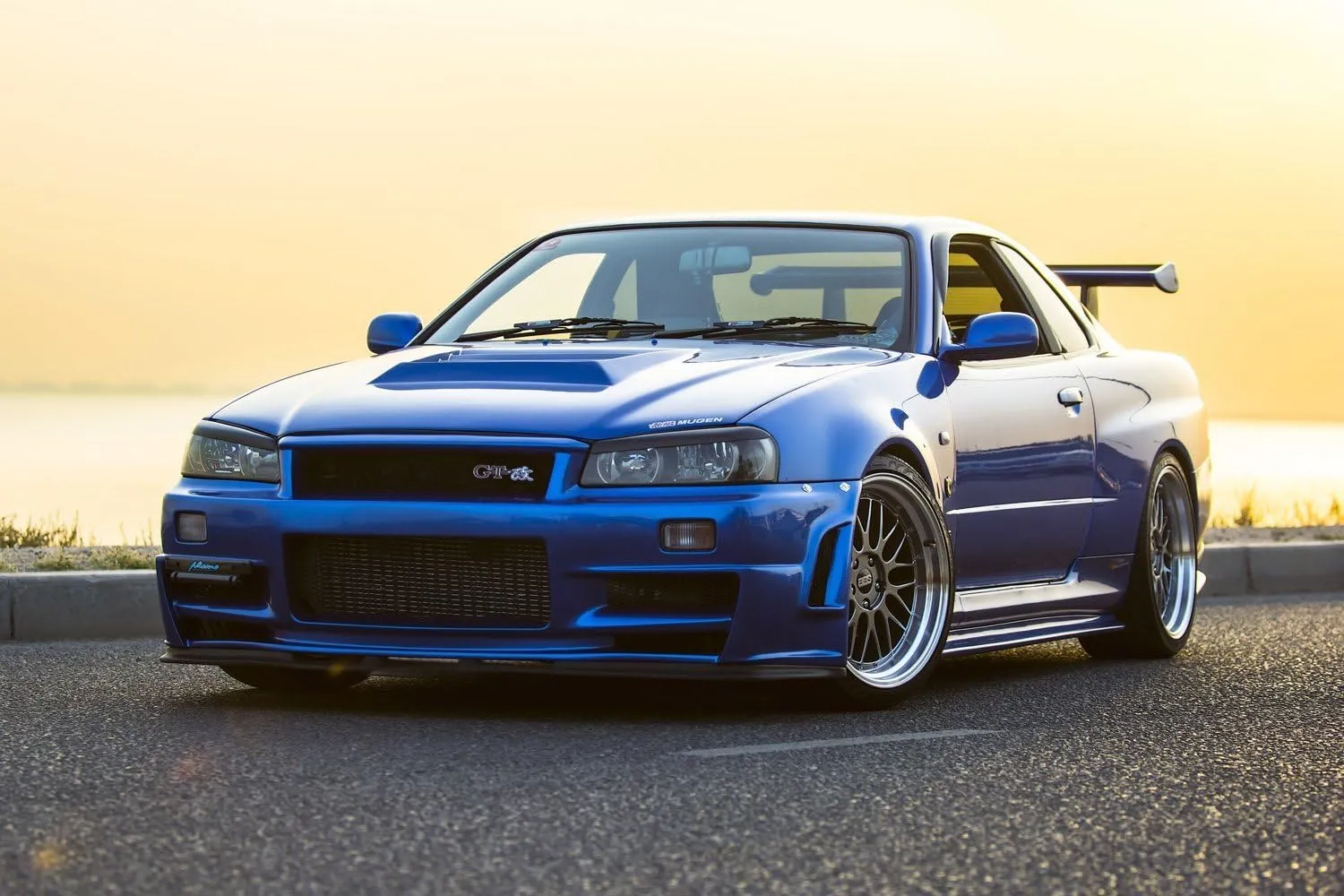
Nissan Skyline GT R R34
The Nissan Skyline GT-R R34 is a definitive JDM legend, celebrated for its RB26DETT engine, AWD system, and advanced technology for its time. Clean builds of the R34 often focus on maintaining the car’s iconic silhouette while improving performance and aesthetics in a measured way.
Subtle bodywork, restored paint, and perfectly chosen wheels create a striking appearance without excessive flair, emphasizing the car’s aggressive and purposeful design.
Engine bays in clean R34 builds are often immaculate, reflecting the meticulous nature of the platform’s fans. Polished components, custom piping, and neatly routed wiring contribute to a balanced and functional presentation.
Upgrades are performed with care, emphasizing efficiency and reliability while ensuring the visual aspect matches the car’s legendary status. Every detail is executed to maintain the car’s reputation for both style and performance.
Suspension and drivetrain enhancements are chosen to complement the Skyline’s advanced chassis. Coilovers, upgraded bushings, and fine-tuned differentials enhance handling without compromising drivability.
Wheel fitment is carefully calculated to maintain a flush stance and proper offset. These improvements result in a car that handles with precision, stability, and confidence while remaining visually striking.
Interiors in clean R34 builds are typically understated yet purposeful. Upgraded seats, steering wheels, and gauge clusters improve the driver’s connection to the car without disrupting the original layout. Builders often retain stock aesthetics in key areas, ensuring that the cockpit maintains its authentic feel while reflecting modern refinement and attention to detail.
The GT-R R34’s clean builds represent a balance between performance, heritage, and presentation. Enthusiasts respect the car’s history while introducing subtle enhancements that its capabilities. These vehicles remain symbols of JDM excellence, proving that careful, intentional modification can create a car that is as visually pristine as it is mechanically formidable.
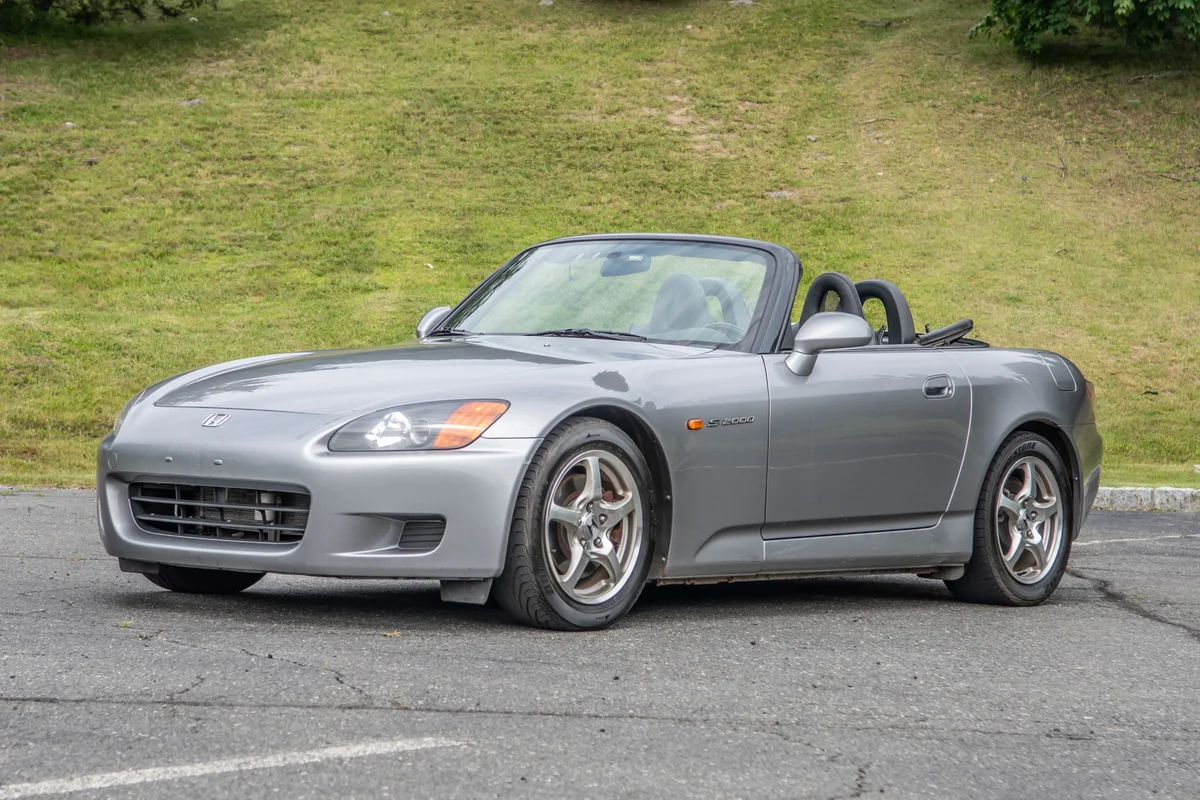
Honda S2000 AP1
The Honda S2000 is celebrated for its high-revving F20C/F22C engine, lightweight chassis, and exceptional handling dynamics. Clean builds of the S2000 often emphasize restraint, focusing on small enhancements that enhance performance and visual appeal without compromising the car’s purity.
Owners typically prioritize proper suspension upgrades, subtle aero modifications, and meticulously selected wheels that fit the car’s proportions perfectly. This careful balance preserves the roadster’s timeless elegance.
Engine bays in clean S2000 builds are typically organized and polished, reflecting the car’s mechanical sophistication. Minor performance upgrades, such as intake systems, headers, or ECU tuning, are installed with precision.
Wiring is neatly routed, and visible components are often painted or coated to create a harmonious appearance. These modifications enhance the car’s capabilities while maintaining a showroom-quality presentation under the hood.
Suspension work focuses on handling precision and daily drivability. Coilovers, upgraded sway bars, and reinforced bushings improve cornering stability and feedback without sacrificing comfort.
Proper wheel alignment ensures a flush stance, enhancing both aesthetic and performance aspects. Clean S2000 builds strike a balance between aggressive performance and road-going usability.
Interior modifications are usually minimal but functional. Upgraded seats, steering wheels, and gauge pods improve ergonomics and driver engagement.
Many builders retain the original dash layout and trim, preserving the S2000’s minimalist cabin design. The result is a driver-focused cockpit that is visually clean, functional, and aligned with the car’s philosophy.
The S2000’s clean builds highlight the car’s agility, precision, and timeless styling. Owners respect the roadster’s engineering while implementing tasteful modifications that enhance both performance and presentation.
Each build demonstrates the potential of a focused, well-executed approach to JDM tuning, where every decision contributes to a cohesive, high-quality result.

Mitsubishi Lancer Evolution VI
The Mitsubishi Lancer Evolution VI is revered for its rally-inspired performance, turbocharged engine, and advanced AWD system. Clean builds often maintain the car’s aggressive stance while improving handling, braking, and power delivery.
Exterior modifications are subtle, with perfectly fitted wheels, understated aero, and refreshed paintwork that accentuates the Evolution’s boxy, purposeful lines. These enhancements respect the original design while its visual impact.
Engine bay presentation is a priority for clean Evolution VI builds. Upgraded turbos, intercoolers, and intake systems are arranged neatly, with hoses and wiring carefully routed.
Polished or coated components enhance visual appeal without overwhelming the bay. The focus remains on balancing increased performance with organization, producing an engine bay that is both functional and visually refined.
Suspension and drivetrain enhancements are critical to achieving optimal performance. Coilovers, adjustable arms, and reinforced bushings improve cornering and weight transfer while maintaining ride quality.
Proper alignment and wheel selection ensure the car’s stance is aggressive yet balanced. Clean builds aim for a harmonious package that maximizes the Evolution’s rally-bred handling without overdoing modifications.
Interior improvements are typically focused on driver utility and refinement. Lightweight seats, steering wheels, and aftermarket gauges are often added, but factory elements are preserved to maintain the cabin’s cohesive aesthetic.
Builders avoid excessive trim or flashy colors, keeping the interior in line with the car’s purposeful exterior design. This approach ensures the Evolution VI remains a refined, high-performance machine.
Clean Lancer Evolution VI builds honor the car’s rally heritage while applying thoughtful, high-quality enhancements.
These vehicles balance performance, aesthetics, and functionality, demonstrating the potential of restraint in modification. The resulting cars are reliable, visually clean, and mechanically capable, reinforcing the Evolution’s legendary status in the JDM community.
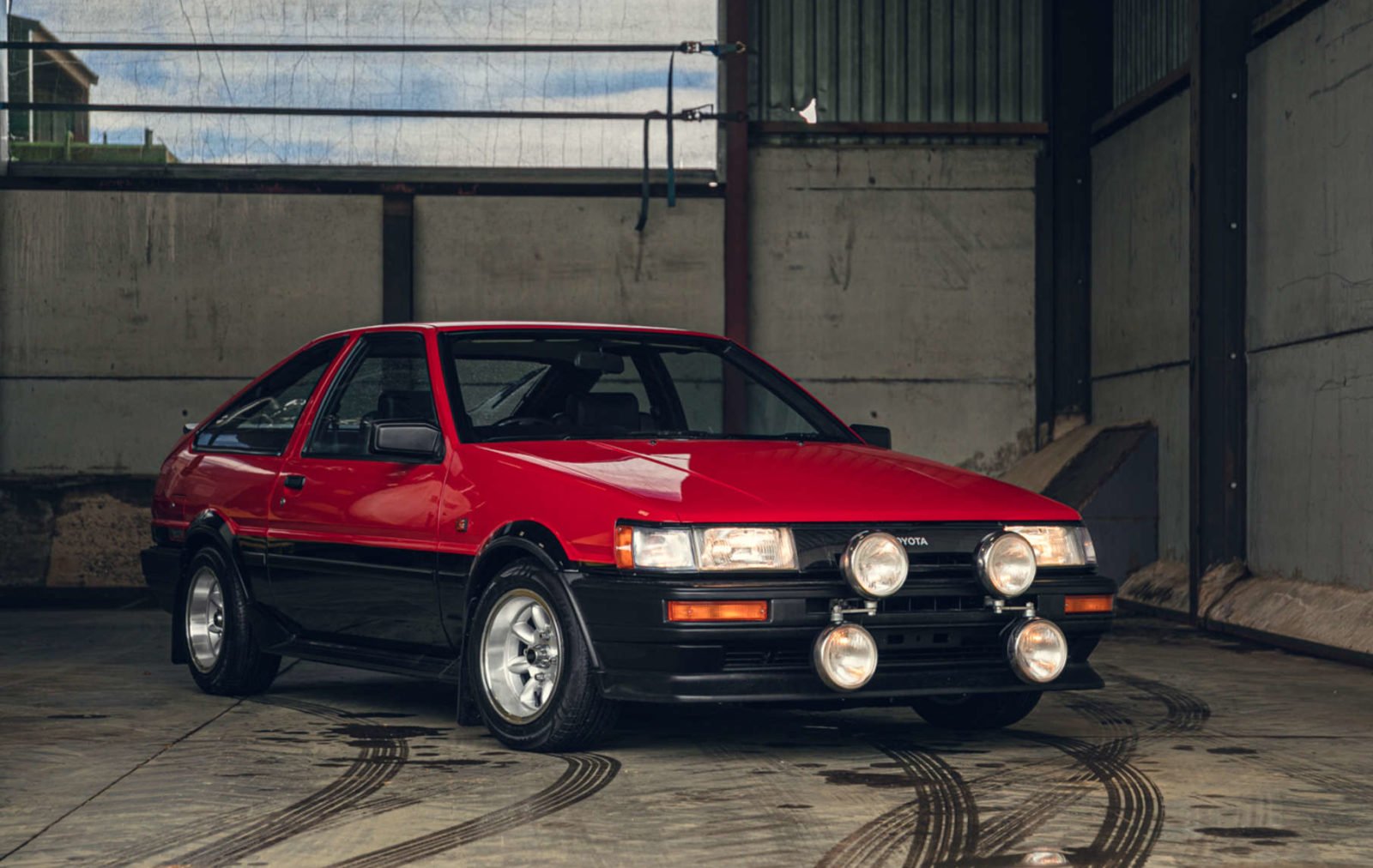
Toyota AE86
The Toyota AE86 has achieved near-mythical status among JDM enthusiasts for its lightweight chassis, rear-wheel-drive layout, and tunable engine. Clean AE86 builds focus on minimalism, maintaining the car’s compact proportions while improving performance and handling.
Exterior modifications often include restored paint, period-correct wheels, and subtle aero touches that enhance the car’s classic lines without overpowering its design. These enhancements honor the AE86’s iconic silhouette.
Engine bays in clean AE86 builds are simple yet precise. Minor upgrades, such as upgraded carburetors, intake systems, or headers, are installed neatly with careful routing.
Many builders polish components and maintain an uncluttered engine bay, ensuring the area looks as refined as it performs. The AE86 demonstrates that even modest modifications can yield excellent performance while keeping a clean presentation.
Suspension tuning is key to a successful AE86 build. Coilovers, upgraded sway bars, and reinforced bushings improve handling and cornering response.
Wheel alignment and fitment are chosen carefully to maintain a flush stance and preserve the car’s agility. Clean builds prioritize balance and drivability, allowing the AE86 to remain a precise, responsive sports car.
Interior modifications are typically subtle and purposeful. Lightweight seats, aftermarket steering wheels, and gauges may be added, but the minimalist cabin is largely preserved.
Builders often retain factory trim to maintain the AE86’s classic character. The result is a driver-focused interior that complements the car’s performance capabilities while remaining visually understated.
Clean AE86 builds showcase the car’s potential to blend timeless design with thoughtful modifications. Owners respect its lightweight, agile nature while applying upgrades that enhance functionality and aesthetics. Each build becomes a statement of precision and dedication, reflecting why the AE86 remains one of the most cherished JDM platforms ever.

Subaru Impreza WRX STI
The Subaru Impreza WRX STI is renowned for its turbocharged flat-four engine, all-wheel-drive system, and rally-inspired performance.
Clean builds emphasize subtle enhancements that improve handling, braking, and visual appeal without straying from the car’s signature design. Exterior modifications often include perfectly fitted wheels, understated spoilers, and paint restoration that maintains the STI’s aggressive yet balanced aesthetic.
Engine bays in clean WRX STI builds are meticulously organized. Turbo upgrades, intercoolers, and piping are carefully arranged, with wiring and hoses neatly routed.
Polished or coated components are often used to create a visually appealing bay that reflects the car’s mechanical sophistication. Clean builds strike a balance between performance and presentation, enhancing power without clutter.
Suspension upgrades improve cornering precision and ride quality. Coilovers, sway bars, and bushings are carefully selected to complement the STI’s all-wheel-drive system.
Wheel fitment is optimized to achieve a flush stance and proper tire contact, improving both handling and visual appeal. These modifications allow the WRX STI to perform with agility and composure under any driving conditions.
Interior modifications are subtle and functional. Upgraded seats, steering wheels, and gauges enhance driver engagement while maintaining a cohesive cabin layout.
Factory elements are preserved to retain the STI’s rally-inspired aesthetic, ensuring the interior matches the exterior’s clean, purposeful style. Builders focus on creating a cockpit that feels balanced and driver-centric.
Clean WRX STI builds highlight the car’s rally heritage while incorporating tasteful, high-quality enhancements. These vehicles maintain a balance of performance, aesthetics, and reliability, proving that thoughtful modifications can the car’s capabilities while preserving its iconic character. Each build becomes a harmonious combination of engineering and design.
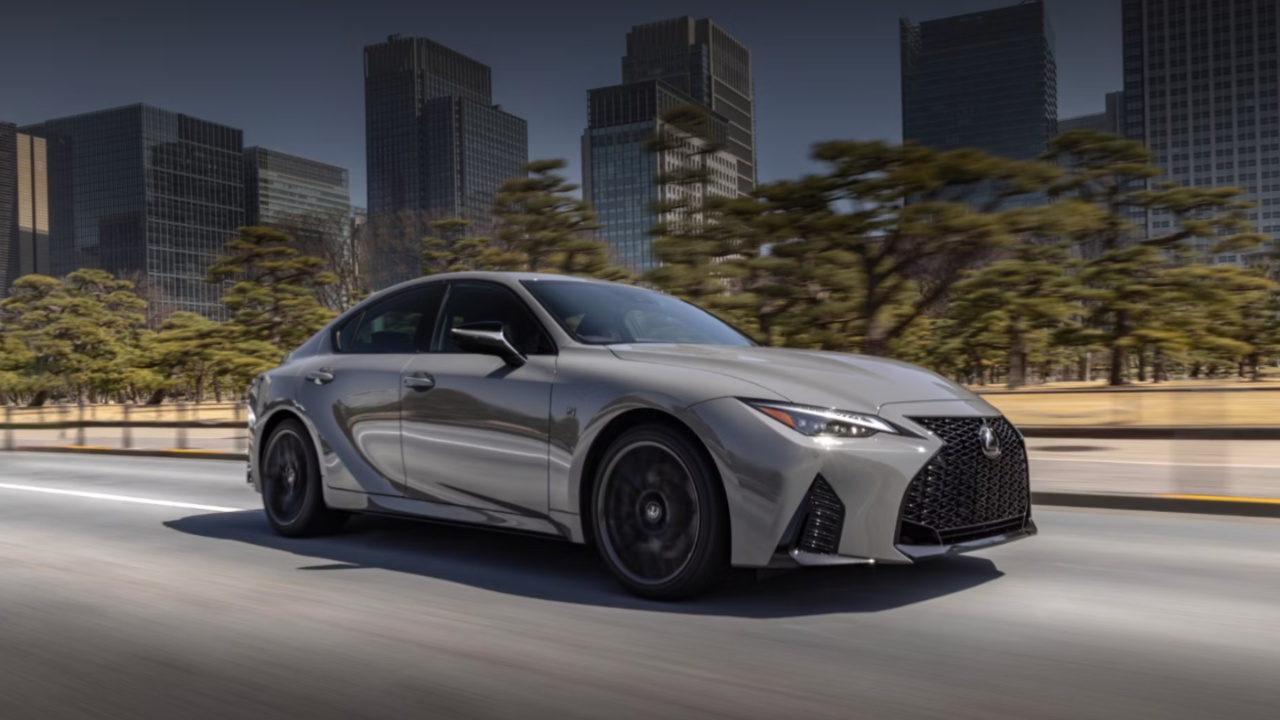
Lexus IS300
The Lexus IS300, often overlooked in mainstream JDM discussions, has emerged as a platform for refined, clean builds due to its smooth inline-six engine and balanced chassis.
Owners focus on subtle enhancements that preserve the car’s luxury-sport identity while improving performance and aesthetics. Exterior modifications are often limited to flush wheels, mild suspension lowering, and well-executed paint restoration, creating a sophisticated, understated stance.
Engine bay work emphasizes organization and quality. Minor upgrades, such as intakes, headers, and ECU tuning, are installed neatly, with careful routing of hoses and wiring.
Builders may polish or coat visible components to presentation. The IS300 demonstrates that clean builds do not require extreme modifications to achieve a high level of refinement and performance.
Suspension and chassis improvements enhance handling while maintaining comfort. Coilovers, sway bars, and bushings are selected for balance and durability.
Wheel fitment is carefully calculated to achieve a flush, aggressive stance without compromising the car’s natural poise. These modifications allow the Lexus to maintain its luxury feel while improving cornering and road feedback.
Interior updates are minimal yet effective. Upgraded seats, steering wheels, or gauges may be added, but factory trim and design elements are often preserved. Builders focus on creating a driver-focused cabin that complements the car’s exterior refinements. The result is a cockpit that is clean, functional, and aesthetically harmonious.
Clean IS300 builds reflect a blend of performance, sophistication, and attention to detail. These cars honor the vehicle’s heritage while applying tasteful, high-quality modifications.
Each build serves as an example of how restraint, precision, and quality can transform a JDM platform into a refined, visually immaculate, and mechanically capable machine.
