
Coastal cities present a unique set of challenges for vehicles, combining the effects of salt air, humidity, narrow streets, and traffic congestion. Living near the ocean means that drivers must consider not only performance and comfort but also durability.
Salt from the sea can corrode metal components, while moisture accelerates wear on brakes, suspension, and electrical systems. Vehicles must withstand these conditions while still delivering reliable handling, maneuverability, and safety.
In addition, urban layouts in coastal cities often include tight corners, hilly terrain, and frequent stops. Compact vehicles with responsive steering tend to navigate these streets more effectively, while larger vehicles may struggle with parking and congestion.
Tire performance also becomes critical, as wet streets and occasional flooding demand good traction. For residents, finding a car that balances practicality and longevity in such an environment is essential, especially when considering long-term maintenance costs.
Fuel efficiency is another factor that affects drivers in coastal cities. Frequent stop-and-go traffic, combined with long commutes to popular coastal destinations, means a vehicle that consumes less fuel can save significant money over time.
Hybrid and electric options have gained popularity for this reason, as they provide sufficient range and performance without frequent trips to the gas station. However, the coastal environment can present challenges to batteries and electronics if a car is exposed to excessive humidity or salt.
Comfort and interior durability also play a role in choosing a vehicle for coastal cities. Leather and metal surfaces may degrade faster in salty, humid conditions, so models with treated interiors or synthetic materials often last longer.
Air conditioning systems must also handle high humidity, making proper ventilation critical. Additionally, drivers may prioritize cargo space for surfboards, bicycles, or other recreational equipment, making versatility a deciding factor in selection.
Finally, maintenance and accessibility are key considerations. Some vehicles require specialized parts or service, which may be limited in coastal regions. Cars that combine resilience with easy maintenance tend to retain their value better and reduce stress for owners.
Selecting a vehicle for a coastal city requires careful balance between handling, corrosion resistance, efficiency, and everyday usability. Those who understand these factors are more likely to enjoy trouble-free driving while protecting their investment against the unique challenges of life by the ocean.
5 Vehicles That Handle Coastal Cities
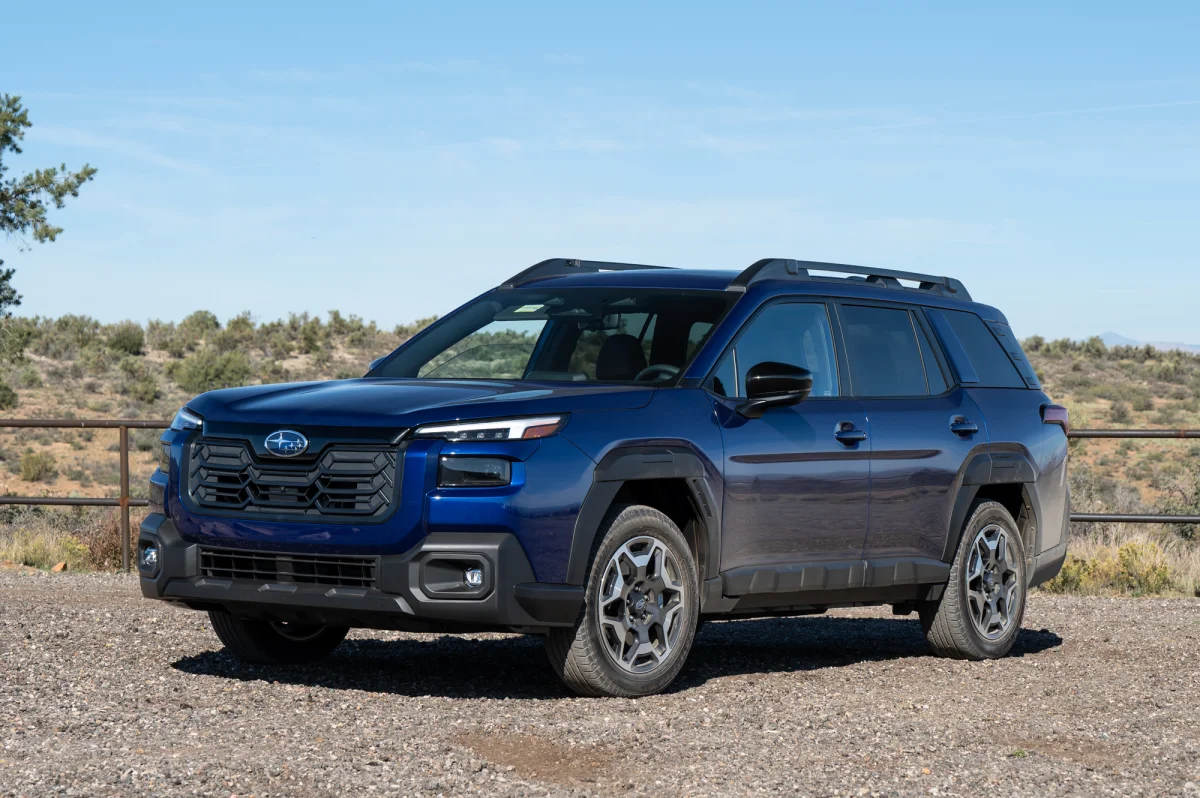
1. Subaru Outback
The Subaru Outback is a favorite among coastal city drivers because of its all-wheel-drive system and elevated ground clearance. These features allow it to manage slippery streets caused by rain or occasional tidal flooding. Its suspension is engineered to absorb bumps and uneven surfaces common in urban areas by the coast. Rust-resistant coatings applied to the underbody help protect against long-term corrosion from salty air.
Interior comfort makes the Outback a practical choice for families and commuters alike. Seats are supportive on long drives, and synthetic leather options resist moisture and sun damage. The cabin offers plenty of storage space for recreational gear, groceries, or luggage, making it versatile for weekend trips to nearby beaches. Its ergonomics allow for easy access and visibility in congested areas.
The Outback’s engine and transmission are sealed to minimize exposure to moisture. This reduces the risk of corrosion affecting critical components. Brake lines and suspension joints are less prone to rust thanks to Subaru’s protective treatments. Additionally, the tires maintain traction on wet streets without excessive wear, which is essential for safety during rainy seasons.
Fuel efficiency is competitive for its class, balancing performance and economy. The hybrid variants provide even better mileage, reducing frequent stops at gas stations. Steering and handling are precise for navigating narrow, crowded streets. Visibility from elevated seating positions further enhances safety in dense coastal traffic.
Maintenance is straightforward due to Subaru’s reliable engineering and widespread service network. Parts are accessible and relatively affordable, and protective coatings extend the vehicle’s lifespan near salty environments. Owners report fewer long-term issues compared with other crossovers. The Outback combines comfort, utility, and resistance to the challenges posed by coastal living.
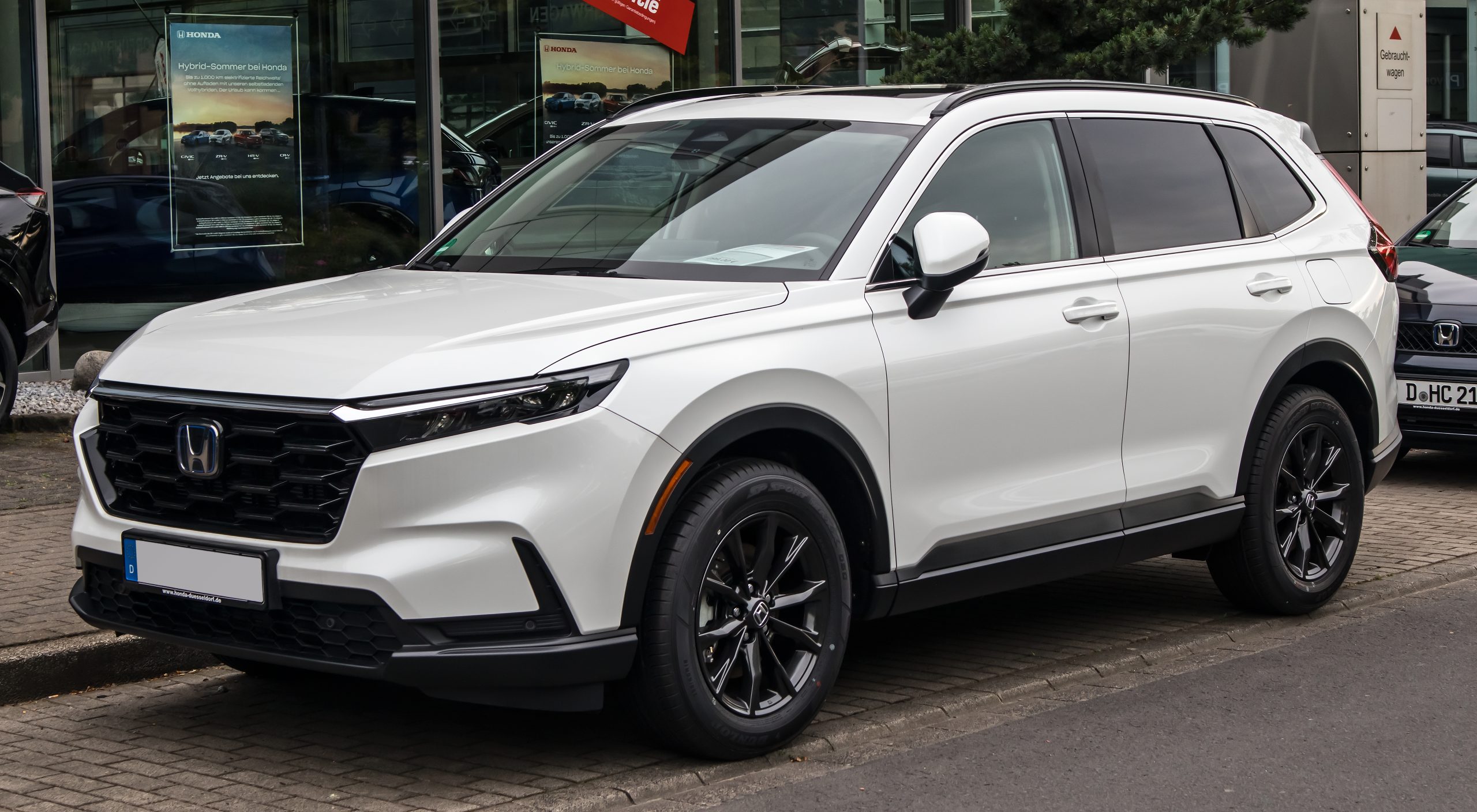
2. Honda CR-V
The Honda CR-V is well-known for its reliability and ease of handling in city conditions. Its compact size allows it to maneuver through tight streets and parking spaces common in coastal towns. Rust-resistant materials and protective underbody coatings improve durability in humid, salty climates. Suspension tuning provides a smooth ride over uneven or pothole-ridden streets.
Interior space is generous for a compact SUV, with rear seats that fold to accommodate large items like surfboards or bicycles. High-quality fabrics resist sun and moisture damage, while synthetic leather options provide additional protection. The cabin is designed for comfort and practicality, making it suitable for daily commutes or weekend escapes.
The CR-V’s engine and electronics are protected against corrosion and moisture. Seals around critical components help prevent exposure to salt-laden air. Tires maintain grip on wet streets, and the braking system performs consistently in rainy conditions. Advanced stability control ensures safe handling during sudden stops.
Fuel efficiency is one of the CR-V’s strong points, making it cost-effective for urban driving. Its hybrid version offers even better economy, appealing to drivers with long daily commutes. Steering responsiveness helps in narrow streets, while excellent visibility reduces blind spots. Cargo versatility adds to the practicality for coastal lifestyles.
Regular maintenance is simple and affordable. Widespread availability of parts and service centers ensures long-term reliability. Protective coatings on the underbody and exposed metal surfaces help slow rust formation. The CR-V balances everyday usability with durability, making it a popular choice for those living near the coast.
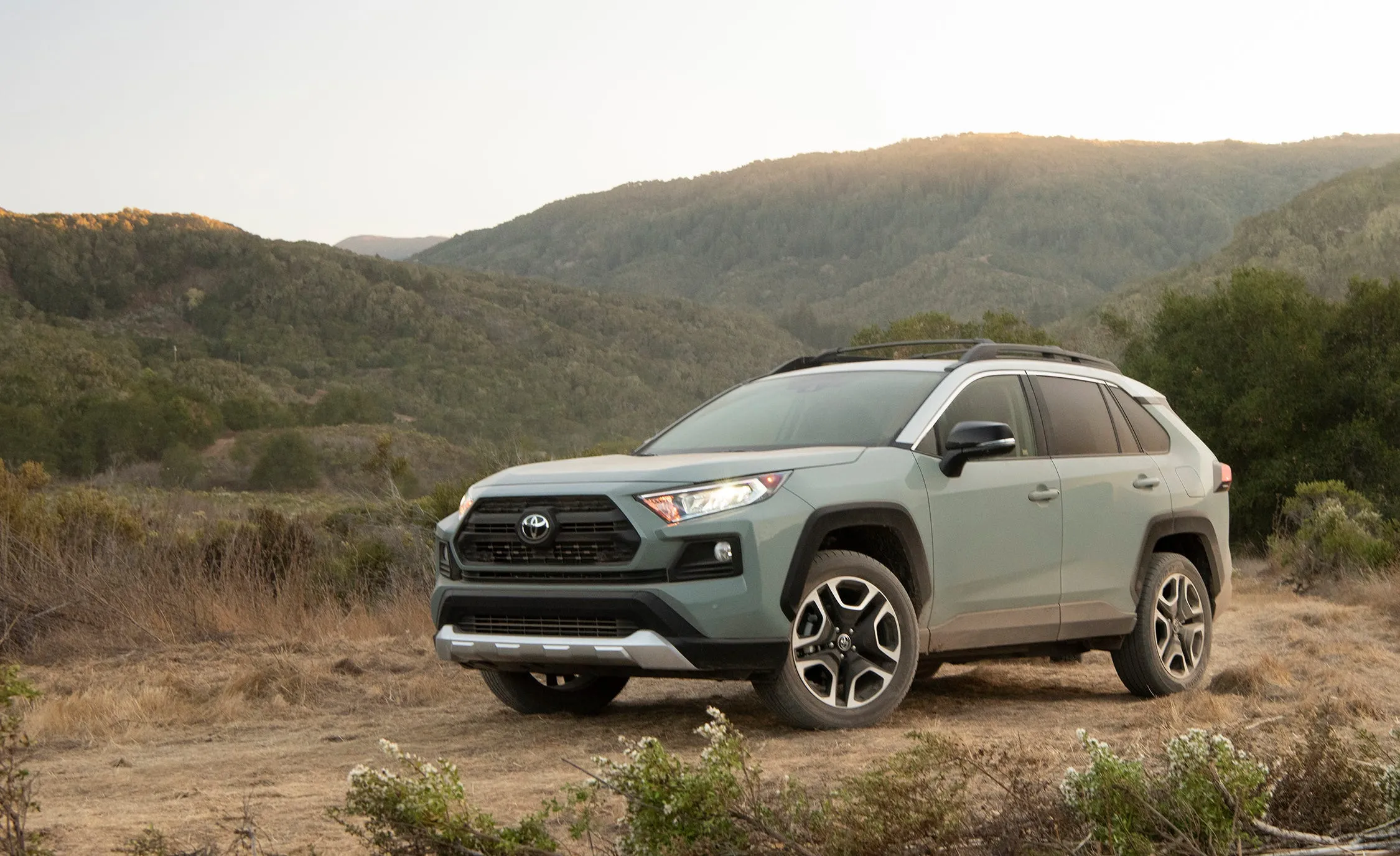
3. Toyota RAV4
The Toyota RAV4 offers a combination of all-wheel drive, good ground clearance, and smooth handling suitable for coastal city streets. Its robust suspension system absorbs bumps and potholes effectively. Rust-resistant underbody coatings protect the frame from salty air and road moisture. Exterior paint treatments reduce the risk of corrosion over time.
The cabin is spacious and adaptable, with fold-flat rear seats for cargo flexibility. Upholstery and interior materials are resistant to sun fading and humidity damage. Its air conditioning system handles high humidity well, keeping the cabin comfortable during hot and wet coastal days. Ample storage compartments add to its utility.
Engine reliability is one of the RAV4’s hallmarks. Sealed components reduce corrosion risk, and electronics are well-protected against moisture. Tires provide traction on wet roads, while brakes and suspension maintain performance even under heavy use. Stability systems ensure safety during sudden maneuvers on slick surfaces.
Fuel economy is competitive for a midsize SUV, with hybrid options available for even greater efficiency. Steering precision and handling make it easy to navigate crowded streets and tight corners. Visibility is excellent, and driver assistance features enhance safety in urban traffic. The RAV4 performs well in both city and coastal highway conditions.
Maintenance and parts availability are strengths of the RAV4. Protective coatings extend the vehicle’s lifespan, and routine servicing is relatively inexpensive. Interior components withstand sun and humidity, ensuring long-term comfort. The RAV4 remains a reliable choice for drivers seeking versatility, durability, and coastal resilience.
4. Mazda CX-5
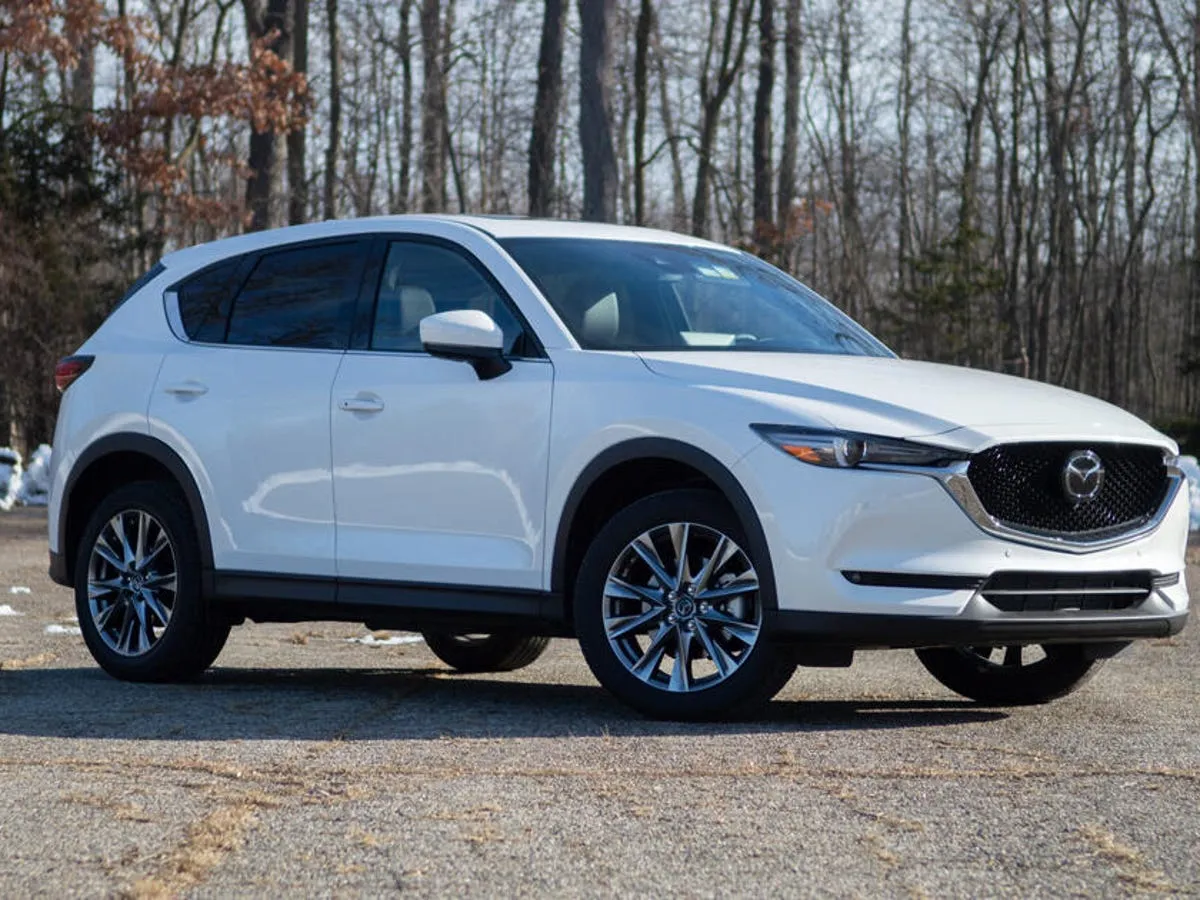
The Mazda CX-5 combines sporty handling with durability suitable for coastal cities. Its responsive steering and precise suspension control make navigating narrow or winding streets effortless. Rust-resistant coatings protect the underbody and wheel arches from corrosive salt exposure. Interior materials are durable, with moisture-resistant fabrics and treated plastics.
Fuel efficiency is competitive among compact SUVs, reducing the frequency of refueling trips. Tires are designed for wet traction, minimizing the risk of skidding in rainy or humid conditions. Brakes maintain consistent performance, even with frequent stop-and-go traffic. The suspension smooths out uneven pavement while keeping handling agile.
The engine is engineered for reliability in humid climates. Electronics and critical connections are sealed against moisture, preventing corrosion-related failures. Cabin comfort is a priority, with effective climate control systems that reduce interior humidity. Storage space is versatile, accommodating everything from daily groceries to sports equipment.
Maintenance is simple, with readily available parts and a strong service network. Rust prevention treatments on the underbody prolong the vehicle’s lifespan. Interior surfaces resist sun and moisture damage, preserving the cabin over time. Owners report long-term durability even in harsh coastal conditions.
Safety systems enhance confidence in city driving. Stability control and traction systems respond effectively on slippery surfaces. Steering remains precise under sudden maneuvers. Visibility and ergonomics make it easy to navigate congested streets. The CX-5 balances sportiness, comfort, and resilience.
5. Volkswagen Tiguan
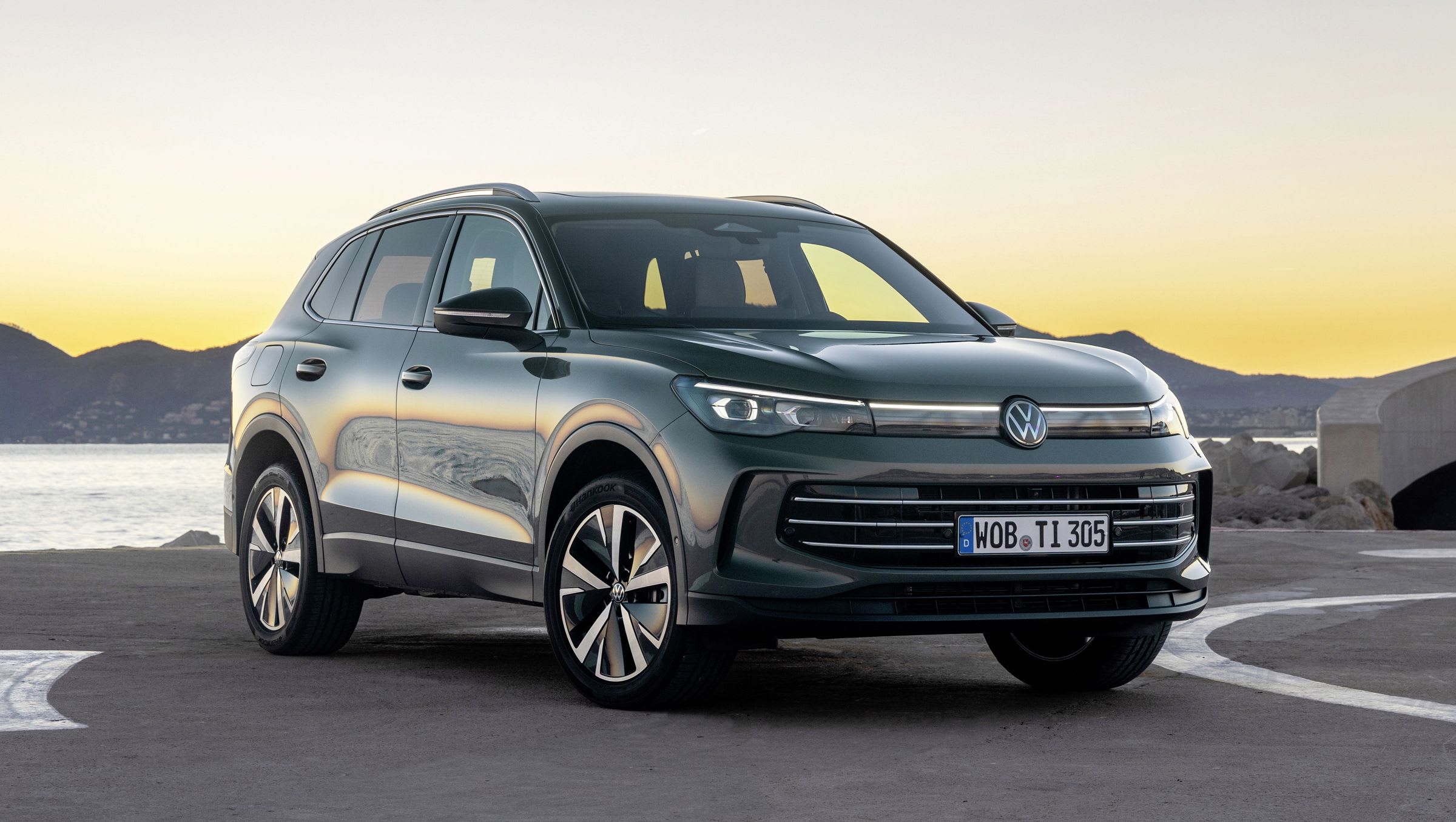
The Volkswagen Tiguan combines European engineering with practical utility for coastal living. Its responsive steering and stable suspension handle narrow streets and uneven surfaces effectively. Rust-preventive coatings on the underbody and exposed metal components protect against salt corrosion. Interior materials are designed to resist fading and moisture damage over time.
Fuel efficiency is adequate for a midsize SUV, balancing performance with economy. Steering precision aids in tight urban spaces, while tires maintain traction in wet conditions. Cabin space is versatile, accommodating passengers and cargo comfortably. Driver ergonomics and visibility reduce stress during daily commutes.
The engine is durable and sealed to minimize corrosion risk. Electronics are well-protected against moisture exposure. Braking systems remain reliable in coastal humidity, and suspension absorbs irregular road surfaces without sacrificing comfort. Noise reduction enhances the driving experience.
Maintenance is straightforward, with parts widely available. Protective coatings improve longevity in coastal environments. Interior and exterior materials withstand sun and moisture, reducing long-term wear. Owners value the combination of comfort, performance, and resistance to corrosion in salty climates.
Safety features support confident driving. Traction control and stability systems respond predictably in wet or slippery conditions. Steering and braking remain precise during sudden maneuvers. The Tiguan provides a balanced package for drivers navigating coastal cities.
5 Vehicles That Rust Fast

1. Jeep Wrangler
The Jeep Wrangler is designed for off-road adventures, but its rugged exterior is vulnerable to coastal corrosion. Exposed body panels and unprotected undercarriage components are easily affected by salt-laden air. Coastal humidity accelerates oxidation on hinges, bolts, and suspension parts. Without frequent cleaning and protective treatment, rust develops quickly, especially around wheel wells.
Scratches, chips, and dents worsen the problem by exposing bare metal to moisture. Door frames and body seams can trap water, accelerating corrosion over time. Brake lines and exhaust components are particularly susceptible to salt damage. Owners often face costly repairs if rust spreads to structural areas of the vehicle.
The Wrangler’s convertible tops and removable doors allow moisture to reach interior panels. Rubber seals can degrade, letting salt and water inside the cabin. Electrical systems near exposed panels may fail prematurely. Rust impacts aesthetics and compromises functionality, including suspension performance and door operation.
Frequent preventive maintenance is essential for longevity. Regular washing, undercarriage rinsing, and application of rust inhibitors can slow corrosion. Even so, salt exposure in coastal cities requires more consistent upkeep than for other vehicles. Neglecting these steps can shorten the lifespan of this otherwise durable off-road vehicle.
While the Wrangler excels in rugged terrain, its durability in coastal cities is limited. Owners must weigh the desire for open-air driving against maintenance requirements. Structural components such as frame rails are at risk if left untreated. Without diligent care, rust can reduce resale value and safety.
2. Ford F-150 (Older Models)
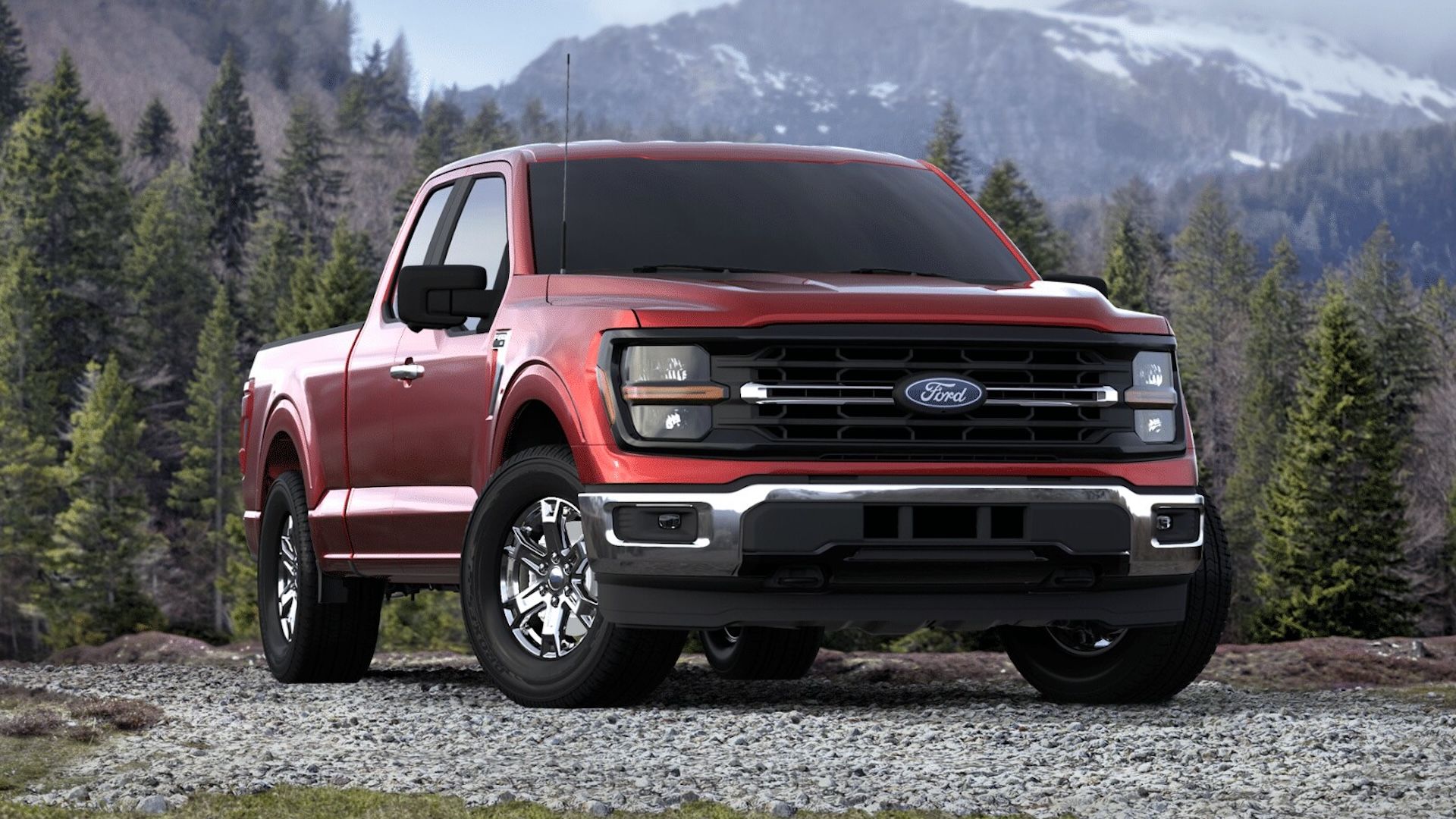
Older Ford F-150 trucks are notorious for rust issues, particularly when used in coastal regions. Underbody frames, wheel wells, and rocker panels are highly susceptible to corrosion. Salt from roads and ocean air accelerates deterioration of steel components. Brake lines, fuel tanks, and suspension parts often show early signs of rust without proper protection.
Cab corners and door sills are vulnerable to trapped moisture. Bed surfaces can accumulate water, promoting oxidation over time. Tailgates and body seams are common spots for rust formation. Paint chips or scratches exacerbate the problem by exposing unprotected metal to coastal conditions.
Exhaust systems degrade faster in salty climates, requiring earlier replacement. Electrical connectors may corrode, causing intermittent failures. Hinges, bolts, and other small metal components often seize over time. Structural rust can compromise safety if not addressed promptly.
Interior damage is less frequent but still possible if leaks occur. Carpet and trim may develop mildew from humidity. Rubber seals can degrade, allowing more water to enter the vehicle. Owners often face expensive repairs if rust spreads to hidden structural components.
Preventive maintenance, including underbody washing and rust-proofing treatments, can slow deterioration. However, older F-150 models generally require more attention than modern trucks. Coastal exposure accelerates corrosion, making inspection and repair a consistent necessity.
3. Chevrolet Silverado (Older Models)
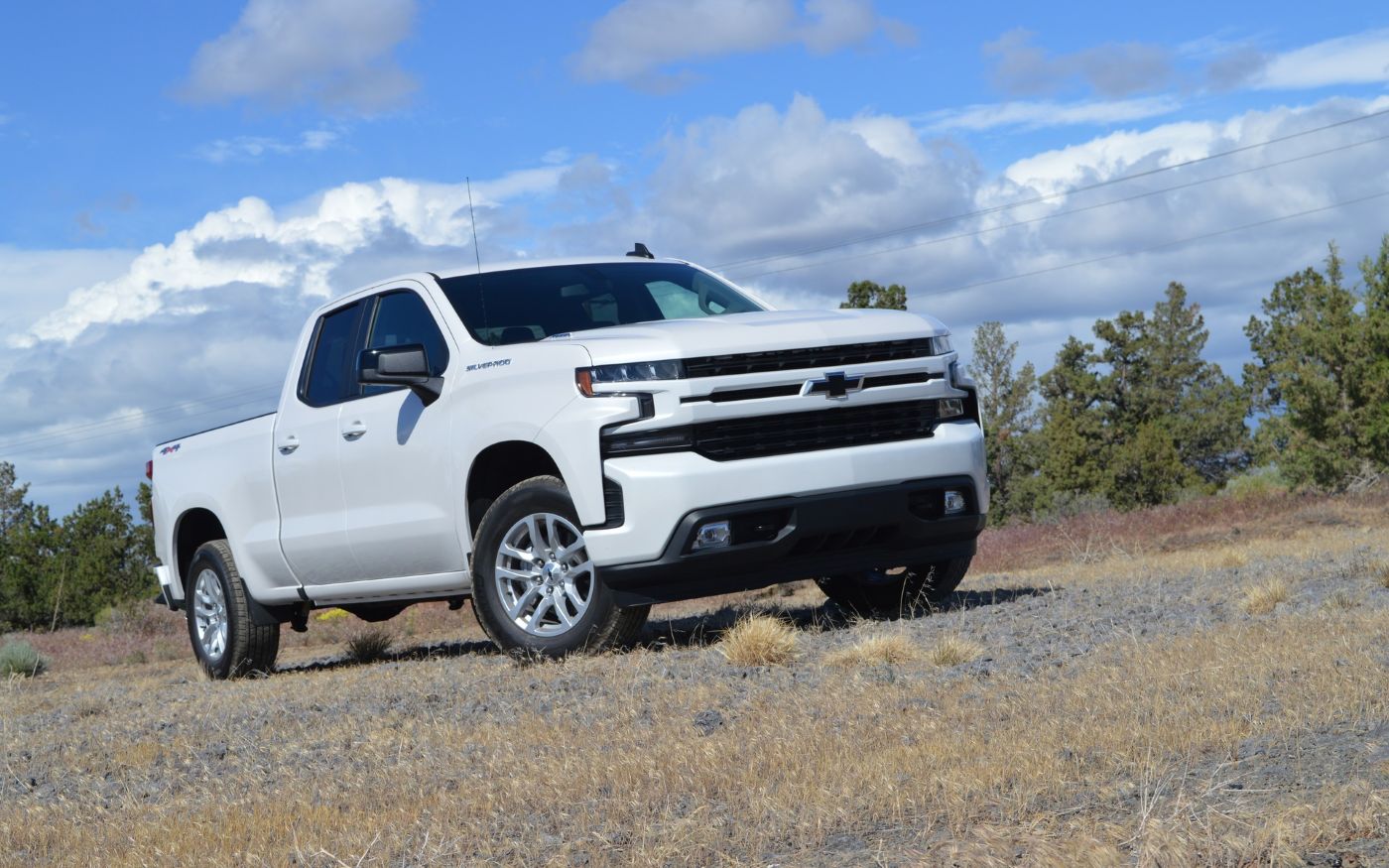
Older Chevrolet Silverado trucks are similarly prone to rust, particularly in coastal environments. Wheel arches, underbody frames, and suspension components corrode faster when exposed to salt. Steel body panels are vulnerable to oxidation, especially if paint has been damaged. Rust can appear in hidden areas, making early detection crucial.
The truck bed often accumulates water, accelerating corrosion of floor panels. Rocker panels and fenders develop rust if protective coatings are worn or scratched. Brake lines, fuel tanks, and suspension mounts are highly exposed to salt. Owners frequently encounter costly repairs if maintenance is neglected.
Exhaust systems and other metal components degrade more quickly than in inland environments. Electrical connectors may fail due to moisture intrusion. Door hinges and latches often seize as corrosion spreads. Even minor rust can affect vehicle safety and performance if left unaddressed.
Interior moisture can become an issue if leaks occur through seals or sunroofs. Carpet and trim may develop mold or mildew, and rubber gaskets deteriorate faster. Rust on the exterior can lead to higher resale depreciation. Coastal owners must perform regular inspections to identify problem areas early.
Preventive rust-proofing and routine cleaning extend the Silverado’s life near the coast. Neglect can cause irreversible damage to structural components. Parts replacement is often costly, especially on older models. Coastal exposure remains a major factor affecting long-term durability.
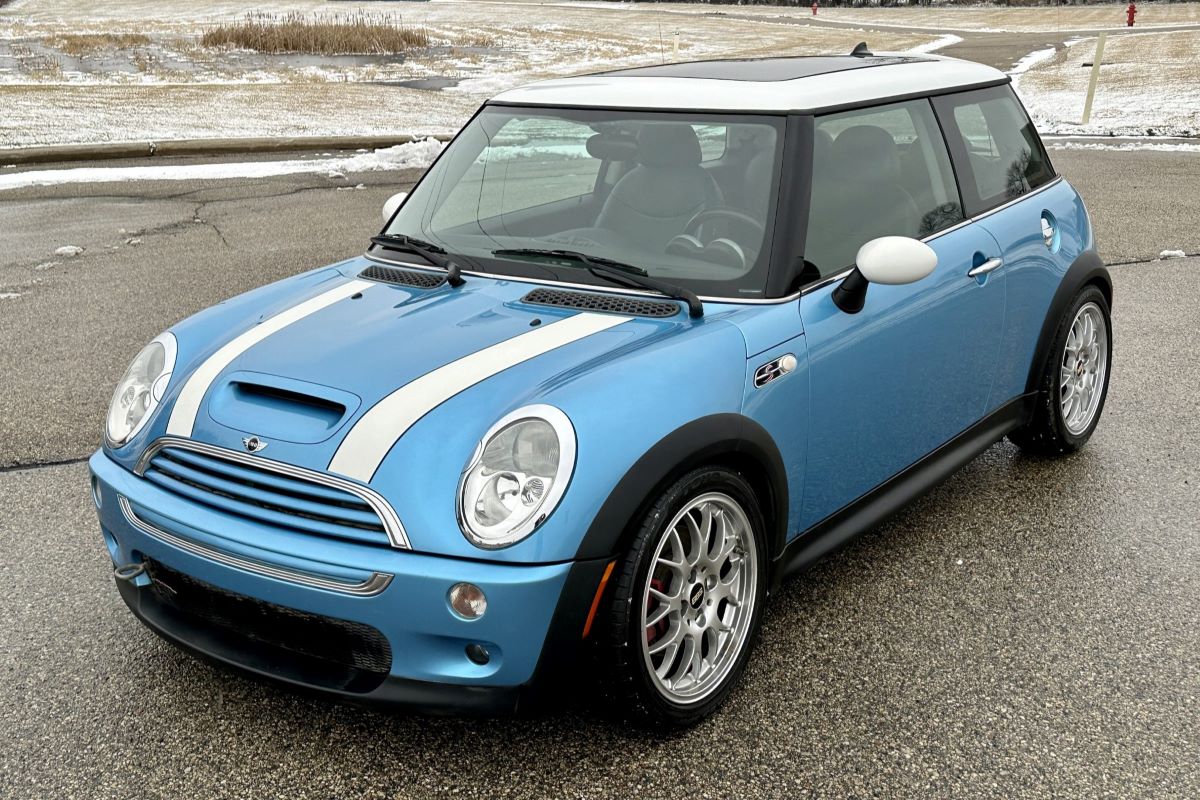
4. Mini Cooper (Older Models)
Older Mini Coopers, with their thin steel body panels, are particularly susceptible to coastal rust. Wheel arches, door bottoms, and sills show early signs of oxidation. Even minor scratches or paint chips can accelerate corrosion. Coastal humidity and salt exposure worsen these weaknesses over time.
The underbody is vulnerable, with suspension and exhaust components corroding faster than in drier climates. Brake lines and joints rust easily, affecting performance. Hidden areas such as seams and joints develop rust before the eye can see it. Neglecting maintenance can lead to structural issues.
Electrical connections are exposed in older models, making them prone to moisture-related failures. Hinges and mechanical linkages can seize as corrosion spreads. Convertible or sunroof seals often degrade faster near the coast. Interior mold may appear if water seeps inside the cabin.
Frequent cleaning and application of anti-corrosion treatments are essential for these vehicles. Even then, rust tends to return if exposure continues. Owners often face high repair costs due to the compact design and difficulty accessing hidden components. Preventive care must be consistent.
Despite its charm and agility, the older Mini Cooper’s durability in coastal cities is limited. Rust affects both aesthetics and safety. The thin steel body cannot withstand constant exposure to salt air without intervention. Owners must monitor corrosion points vigilantly to preserve the vehicle.
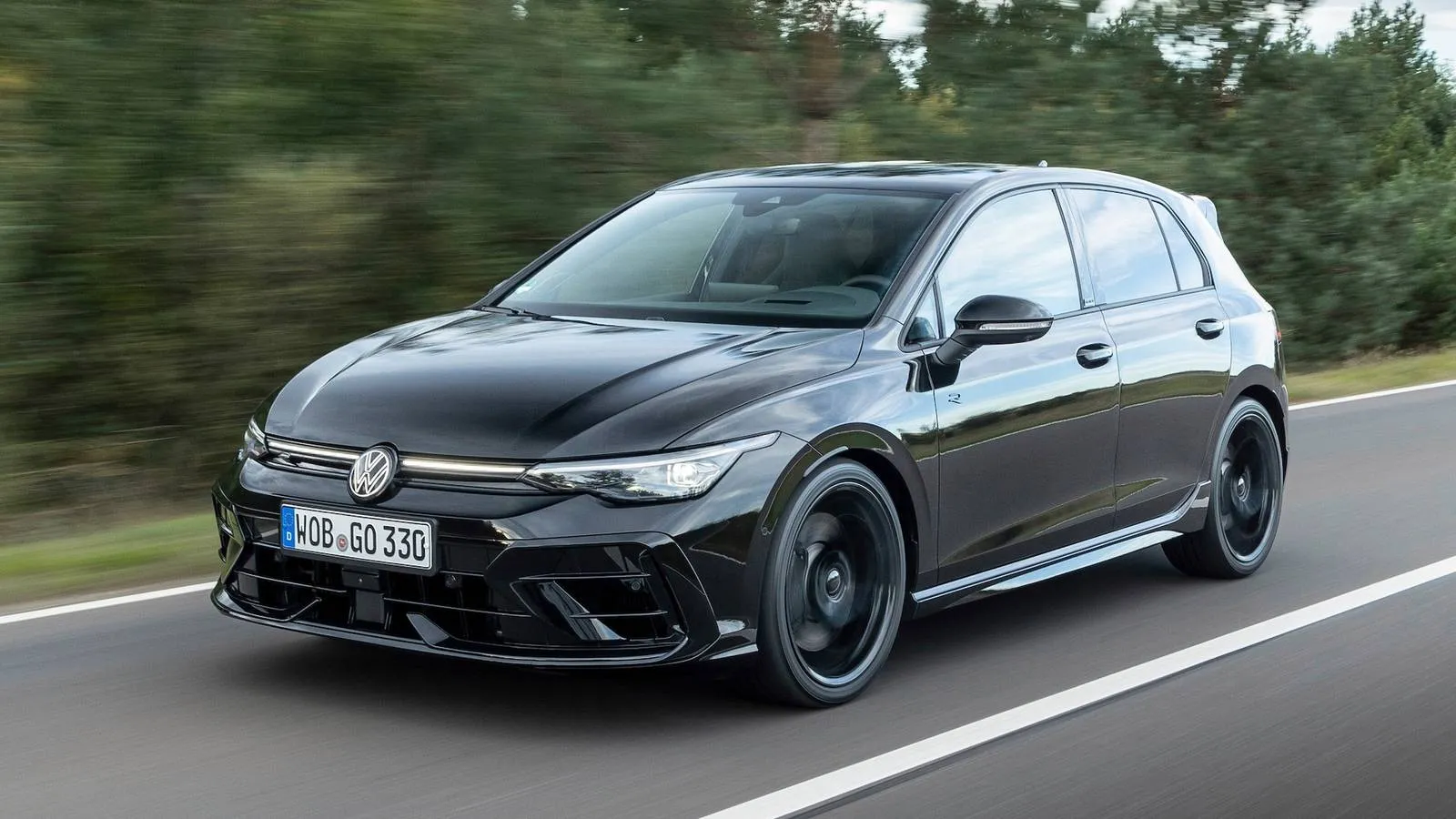
5. Volkswagen Golf (Older Models)
Older Volkswagen Golfs are prone to rust, especially when regularly exposed to coastal environments. Wheel arches, sills, and underbody panels corrode faster than in drier areas. Paint chips and scratches accelerate the oxidation process. Structural joints and seams often develop hidden rust that spreads over time.
Suspension and exhaust components deteriorate faster near salty air. Brake lines and bolts are vulnerable to corrosion, affecting both safety and performance. Door hinges and locks can seize due to rust accumulation. Even minor body damage can worsen corrosion if not treated promptly.
Interior damage is less common but possible if leaks allow water ingress. Rubber seals around windows and doors can fail, letting moisture into the cabin. Carpet and trim may develop mildew if exposed to high humidity. Rust reduces the lifespan of older models in coastal cities.
Preventive measures, such as frequent washing, underbody rinsing, and rust-proofing treatments, are critical. Neglecting these steps results in costly repairs and diminished resale value. Coastal drivers must monitor hidden areas to maintain structural integrity. Regular inspections are a necessity.
While the Golf remains popular for its handling and efficiency, older models are not suited for prolonged coastal exposure without careful maintenance. Rust can spread rapidly and compromise both safety and aesthetics. Vigilance and preventive care are essential for longevity.
