
Every car owner who spends a lot of time driving inside a city knows what matters most when choosing a hatchback for daily short trips. City driving involves frequent stops at traffic lights, tight parking spaces, sudden turns, and constant acceleration from low speeds.
For many drivers, having a vehicle that starts easily, maneuvers cleanly, and feels dependable every day offers both peace of mind and lower cost of ownership.
The characteristics that define a reliable hatchback for short city trips go beyond fuel economy. They include build quality, ease of maintenance, parts availability, suspension tuned for urban roads, and a history of performance under stop‑and‑go conditions.
Over the years, car reviewers and drivers alike have shared their impressions of hatchbacks that seem to function without constant repairs, and others that often require frequent attention. In this article, we look at five hatchbacks that most consistently deliver reliability for routine city use, and five that, based on common owner reports and service histories, tend to present challenges that might make city life more stressful.
Each hatchback on the positive list offers a combination of compact size, thoughtful design, and mechanical simplicity that suits congested streets and unpredictable traffic. These cars typically start easily in ambient temperatures, have durable brakes that perform well under frequent use, and engines that require minimal servicing to remain functional.
Drivers often report that these models are forgiving when pushed through city conditions, and they hold value well when it comes time to sell or trade in. Choosing one of these models can help reduce unexpected visits to the workshop while providing a vehicle that feels predictable and confident behind the wheel.
On the other side, the hatchbacks we describe as less reliable for city use share some patterns, such as sensitive electronics, engines that struggle under stop‑and‑go traffic, transmissions that may behave unpredictably at low speeds, or suspension systems that require expensive maintenance.
These cars are not necessarily bad in all conditions, but they have been noted in many owner reports to require more frequent attention when used primarily for short urban trips. If a driver is not prepared for added maintenance time and cost, some of these models can become more of a burden than a convenience in everyday driving.
This introduction sets the stage for evaluating hatchbacks not by style or speed alone, but by how well they adapt to the repetitive rhythms of city travel. We begin with five hatchbacks that have earned a reputation for reliability in those exact situations.
5 Hatchbacks That Don’t Stay Reliable Under Short City Trips
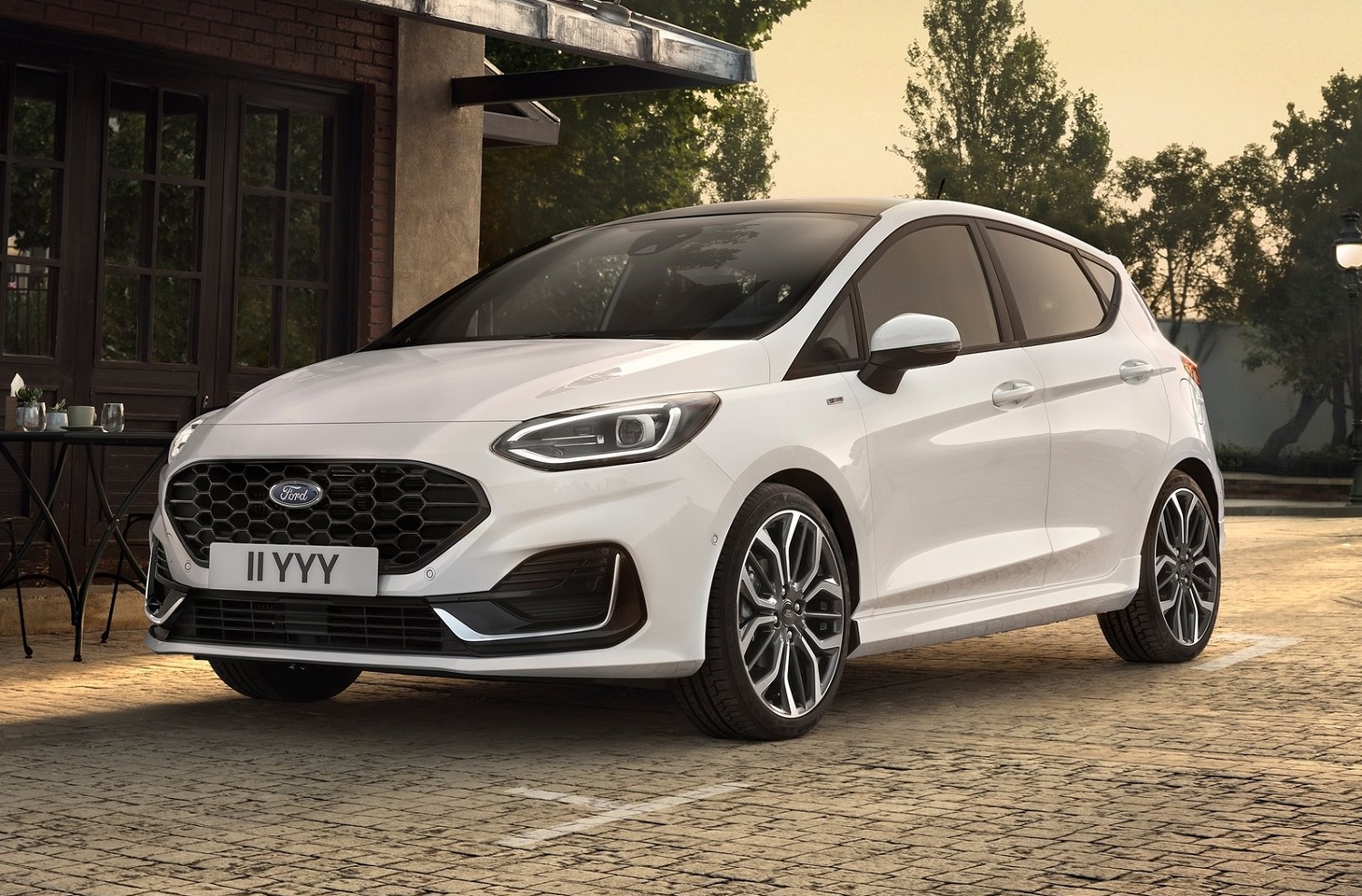
1. Ford Fiesta
The Ford Fiesta, particularly those equipped with the dual‑clutch automatic transmission, has gained a reputation among urban drivers for unpredictable and jerky low‑speed performance, especially during frequent stops.
Many owners report that the transmission can hesitate when pulling away from a traffic light, exhibiting a pattern of surging that becomes most pronounced in heavy stop‑and‑go traffic, which wears on drivers as daily city distance adds up. This behavior not only creates an uncomfortable driving experience, but it also leads to more frequent visits to service centers as owners seek software recalibrations or repairs to clutch packs that wear unevenly under frequent low‑speed shifts.
Compounding this issue, because city commutes often involve repeated starts and stops, the clutch system on these vehicles can degrade more rapidly than expected, which increases maintenance costs and time spent in the workshop relative to comparable hatchbacks.
Beyond transmission concerns, many earlier Ford Fiesta units suffer from sensitivity in various sensors and electronics that monitor traffic conditions, throttle response, and idle speed, which may cause unexpected engine stalls or rough idle behavior.
Urban environments demand smooth performance during acceleration and deceleration, and when these systems falter unpredictably, drivers must constantly adjust their inputs to maintain momentum, which detracts from the convenience expected of a small city car.
Owners often share stories of repeated visits to dealerships for diagnostic checks that result in software updates or sensor replacements, but the underlying symptoms remain intermittent, leaving drivers uncertain of reliability on short daily trips.
Another frequent complaint involves the suspension system, which in some model years feels overly firm or busy on uneven city pavement, transmitting jolts and harsh impacts into the cabin that reduce comfort during short errands and daily commuting.
Maintenance reports also indicate that brake components on certain Fiesta models wear faster than anticipated when exposed to frequent city stop demands, leading to earlier replacement intervals for pads and rotors than what many competitors require.
When combined with increased transmission servicing needs, the total cost of ownership for those who rely on their Fiesta for regular short city journeys can rise unexpectedly, causing drivers to invest more time and money than initially planned.
Even though later revisions attempted to address some of these issues with updated hardware and calibration changes, a significant number of owners who use these vehicles primarily around urban areas still encounter reliability issues that detract from confidence and convenience.
As a result, while the Fiesta has strong points in fuel efficiency and design, its track record in specific city use cases falls short when compared to other hatchbacks designed with smoother everyday performance in mind.

2. Mini Cooper (Various Generations)
The Mini Cooper name has long been associated with fun driving dynamics and iconic styling, but several generations of the Mini, including both the standard Cooper and Cooper S models, suffer from reliability concerns that become especially noticeable during frequent short city trips.
A recurrent theme among owner reports involves sensitivity in the engine’s turbocharging system on Cooper S variants, where the turbo can exhibit lag or hesitation when repeatedly accelerating from a low speed, making quick maneuvers in traffic feel less responsive than expected.
In urban conditions where acceleration from near‑standstill is part of the rhythm of daily driving, these behaviors can turn otherwise short journeys into constant exercises in throttle management and adjustment, adding stress rather than ease to daily commutes.
In many Minis, complex electronic systems that manage everything from climate control to stability assist can produce error codes that trigger warning lights without clear causes, leading to repeated diagnostic appointments that sap owner time and budget.
These electronic gremlins often manifest most prominently in stop‑and‑go environments, where systems are frequently cycling between active and standby states, increasing the chance of glitches or false alerts.
Drivers who rely on their Mini for frequent city travel may notice the climate system occasionally resets itself or the infotainment pauses unexpectedly, which leads to frustration in situations that should be routine and simple.
While these issues might be tolerable on sporadic weekend drives, they become much more intrusive when experienced daily during short commutes.
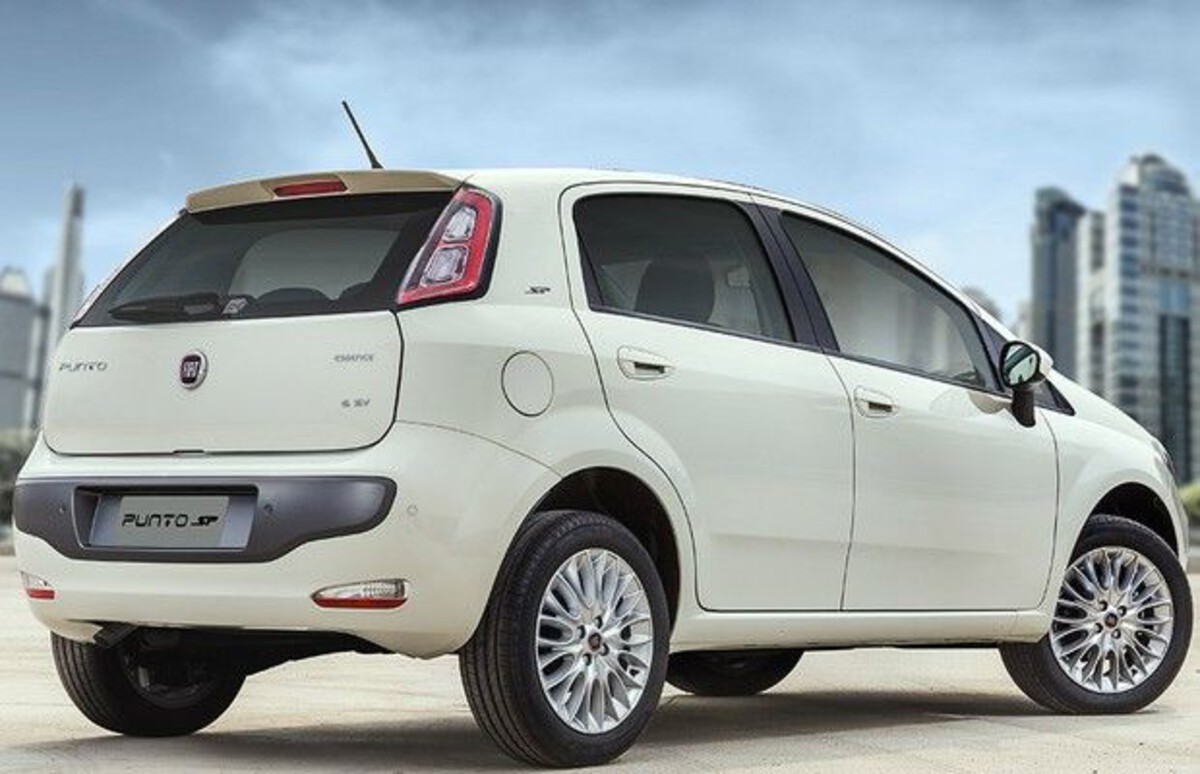
3. Fiat Punto (Various Generations)
The Fiat Punto, while long popular in many global markets for its affordability and compact footprint, has developed a reputation in owner communities for issues that make short, repetitive city driving less reliable and more demanding from a maintenance perspective.
Among the most frequently cited concerns are electrical systems that behave unpredictably under conditions typical of urban commutes, such as frequent ignition cycles and constant accessory use, leading to faulty dashboard warnings and occasional instrument panel resets.
In a city environment where drivers may stop and start dozens of times within a short distance, these electrical sensitivities become more than an occasional annoyance, requiring repeated visits to troubleshoot warning lights and system glitches that are hard to pin down.
In addition, older Punto models are known to exhibit early wear on suspension mounts and steering components, especially when driven over uneven city surfaces that are common in dense urban areas.
This wear can manifest as clunking noises, loose steering feel, and reduced confidence when navigating tight turns or negotiating parking spaces, all of which detract from the ease expected of a small hatch.
Owners frequently note that such issues emerge sooner than anticipated in vehicles used predominantly for city errands, suggesting that the combination of frequent low‑speed maneuvers and rough pavement accelerates component fatigue.
In the context of reliable daily use, this pattern of premature wear contributes to a feeling that the car demands more attention and repair than what many consider acceptable for a hatchback.
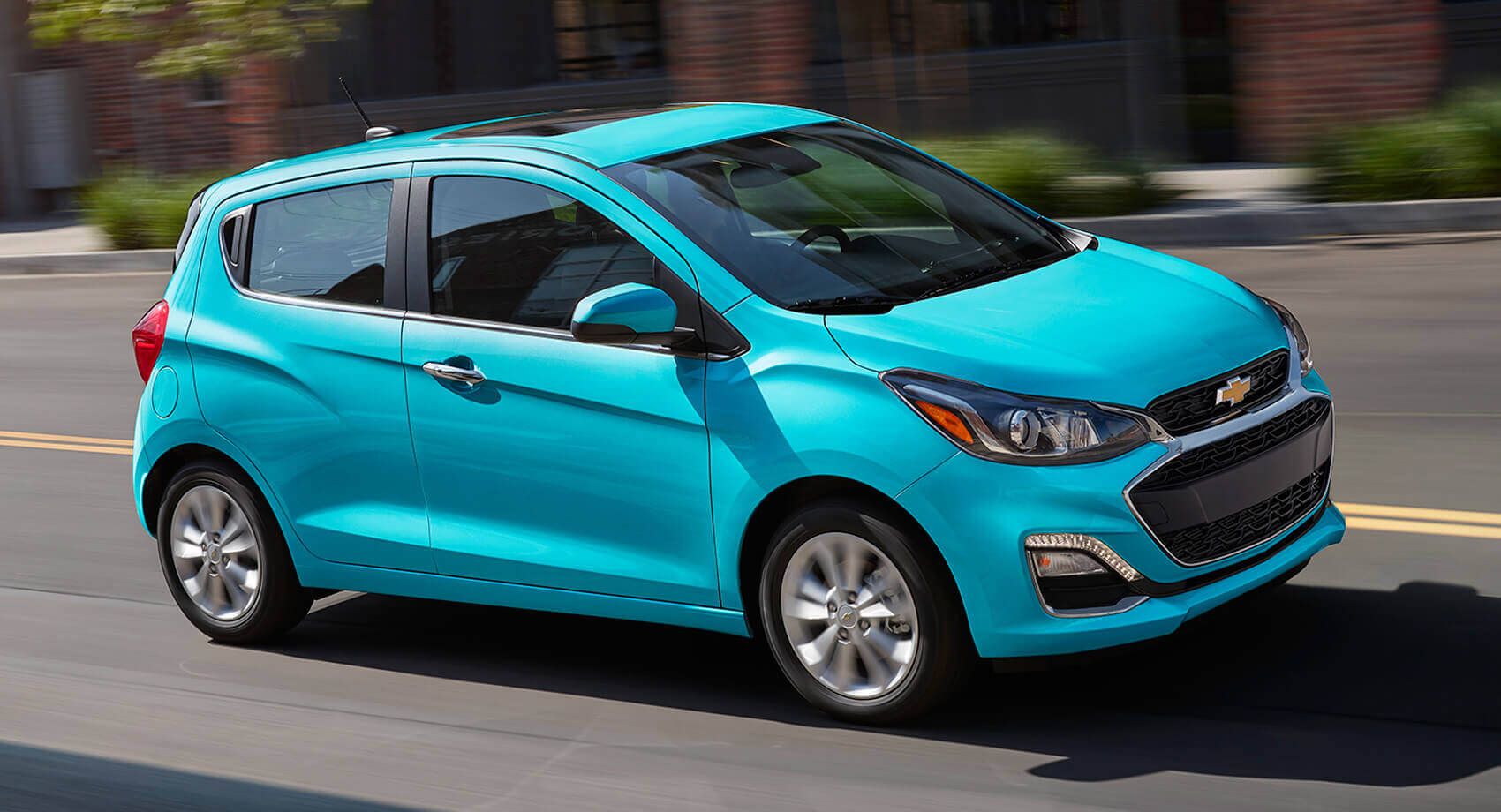
4. Chevrolet Spark (Especially Older Generations)
The Chevrolet Spark, particularly in earlier generations before extensive revisions, has accumulated a fair share of reliability complaints from drivers who use the vehicle predominantly in city environments, leading many to consider it less dependable for regular short trips.
Among the most commonly noted problems are persistent issues with the transmission, where owners report rough shifts and hesitation during low‑speed transitions that characterize urban stop‑and‑go traffic, making simple maneuvers like merging and starting at traffic lights feel less seamless than anticipated.
These transmission behaviors can make city driving feel less refined, forcing drivers to adapt their behavior to coax smoother responses, which is the opposite of what many expect from a convenient hatchback.
Electrical system oddities also appear in many older Spark models, such as malfunctioning dashboard gauges, intermittent warning indicators, and air conditioning systems that lose efficiency under frequent starts typical of city use. When these features behave inconsistently, drivers may experience distraction or discomfort on short journeys that should otherwise feel quick and uneventful.
For example, drivers have reported climate control issues where the air conditioning cycles erratically in traffic, creating uncomfortable cabin conditions during rush hour commutes. These seemingly small but persistent issues add up over time, making everyday drives feel much more demanding from an operational perspective.
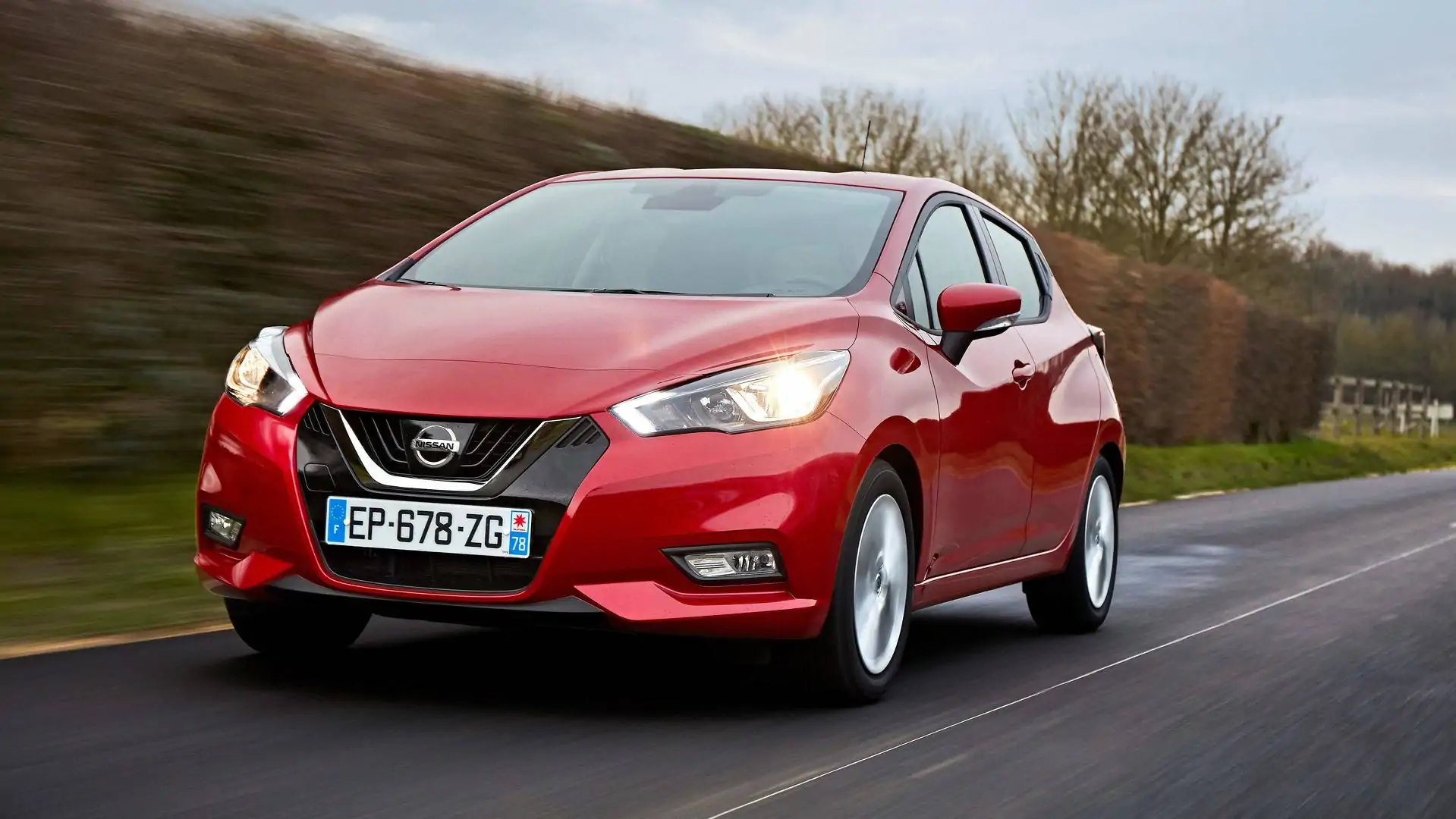
5. Nissan Micra (Certain Model Years)
The Nissan Micra, a hatchback with broad global presence, has varied reliability depending on the generation and regional specification, but certain model years have attracted owner reports highlighting issues that make short urban trips more of a chore than a convenience.
One of these recurring concerns involves the engine management system in specific versions, where drivers experience rough idling, inconsistent throttle mapping, and occasional hesitation when pulling away from a standstill.
In city environments, these symptoms become constant reminders of mechanical compromise rather than reassuring performance, as drivers encounter frequent slowdowns and accelerations that expose the car’s limitations.
Another area where reliability concerns surface is the electrical architecture, where door modules, lighting systems, and infotainment features may malfunction intermittently under the frequent on‑off cycles that typify urban driving.
Owners have shared experiences of headlights flickering, warning lights activating erroneously, and audio systems resetting unexpectedly when the car is repeatedly started and stopped during short trips.
These electronic inconsistencies not only create inconvenience, but also prompt unscheduled visits to service centers to diagnose faults that are often difficult to reproduce.
Suspension components on some Micra variants also exhibit signs of early degradation when driven on rough urban pavement, leading to knocking noises and a diminished sense of composure in the cabin during daily commuting.
These traits undermine the comfortable and predictable ride most drivers expect from a hatchback dedicated to city use, making what should be a simple journey feel unpredictable. When paired with reports of higher than average brake pad and rotor wear in heavy traffic conditions, the total ownership experience can feel less reliable over time.
5 Hatchbacks That Stay Reliable Under Short City Trips
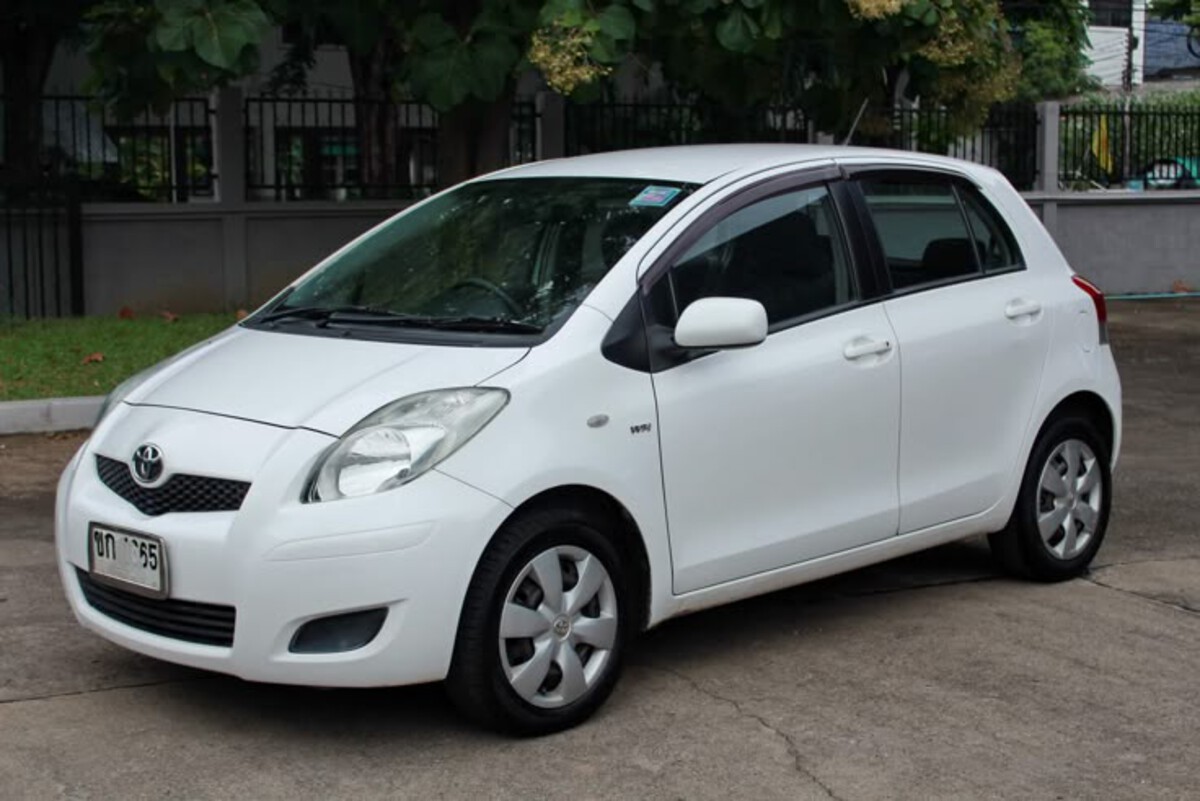
1. Toyota Yaris
The Toyota Yaris remains one of the most trusted hatchbacks for city driving because it combines simplicity with long-term durability, making it exceptionally dependable for short trips.
Its engine is straightforward, requiring minimal high-cost servicing, and it maintains consistent performance even under frequent stops and starts, which are common in urban settings.
Many owners report that the Yaris starts quickly in cold weather, idles smoothly in traffic, and accelerates predictably, reducing stress in daily commutes.
Compact dimensions make it easy to maneuver through tight lanes, crowded intersections, and small parking spaces, giving drivers confidence and control without worrying about accidental scrapes or bumps.
Maintenance on the Yaris is predictable, with long intervals between servicing for critical components like timing belts, spark plugs, and filters, which saves both time and money for daily commuters. Parts are widely available, and mechanics are familiar with the vehicle, so service appointments are usually quick and reasonably priced.
Fuel economy remains impressive even in heavy urban traffic, meaning drivers can cover many short trips without frequent fuel stops. Its low cost of ownership makes it a practical option for people who need a small, reliable hatchback for errands, school runs, or commuting to work.
Finally, the Yaris’s lightweight design reduces strain on brakes, suspension, and tires during frequent stops and starts, increasing longevity of components. Owners note that older models with high mileage continue to operate smoothly with minimal repairs, a testament to Toyota’s attention to engineering and durability.
Safety features are reliable and operate without fault, even in older generations, further increasing confidence during busy urban travel. The combination of these factors ensures that the Yaris continues to be one of the most dependable hatchbacks for short city trips, offering peace of mind, low maintenance, and everyday practicality.

2. Honda Fit (Jazz)
The Honda Fit, known in some regions as the Jazz, is celebrated for its mechanical resilience and adaptable interior, both of which are particularly beneficial for city driving. Its engine delivers smooth and linear power, ensuring confident acceleration from a complete stop and predictable responses in stop-and-go conditions.
The Fit’s compact size allows easy navigation through narrow streets, while the agile steering system offers precise control in crowded traffic. Owners consistently highlight its reliability, noting that even older units with high mileage continue to perform well with minimal maintenance.
One of the Fit’s signature strengths is its flexible interior design, which allows seats to fold and adjust easily to accommodate cargo or passengers in varying configurations. This adaptability is particularly useful for urban drivers who regularly carry groceries, luggage, or small furniture items during short trips.
Controls and displays are logically placed within easy reach, so drivers can focus on traffic rather than hunting for buttons. The cabin is surprisingly spacious given the compact exterior dimensions, creating a comfortable environment for drivers and passengers on repeated short errands.
The Fit also has a reputation for strong resale value due to its reliability and low cost of ownership, which makes it a wise investment for drivers who expect a long-lasting city vehicle. Visibility from the driver’s seat is excellent, allowing confident navigation in tight spaces, parking lots, and intersections.
The engine and transmission remain smooth and predictable even under repeated short-trip stress, reducing driver fatigue and enhancing convenience. These factors make the Fit one of the most dependable hatchbacks for urban commuting and everyday errands.
Finally, the Honda Fit handles uneven city roads comfortably, with suspension tuned to balance ride quality and responsiveness. Steering feedback helps drivers accurately judge spaces for parking and lane changes, improving safety and confidence.
The cabin is built to withstand repeated entry and exit without showing wear prematurely, making it suitable for frequent stops typical in urban routines. The Honda Fit combines flexibility, efficiency, and mechanical strength, ensuring consistent performance and reliability for drivers who rely on short trips as their primary form of transportation.
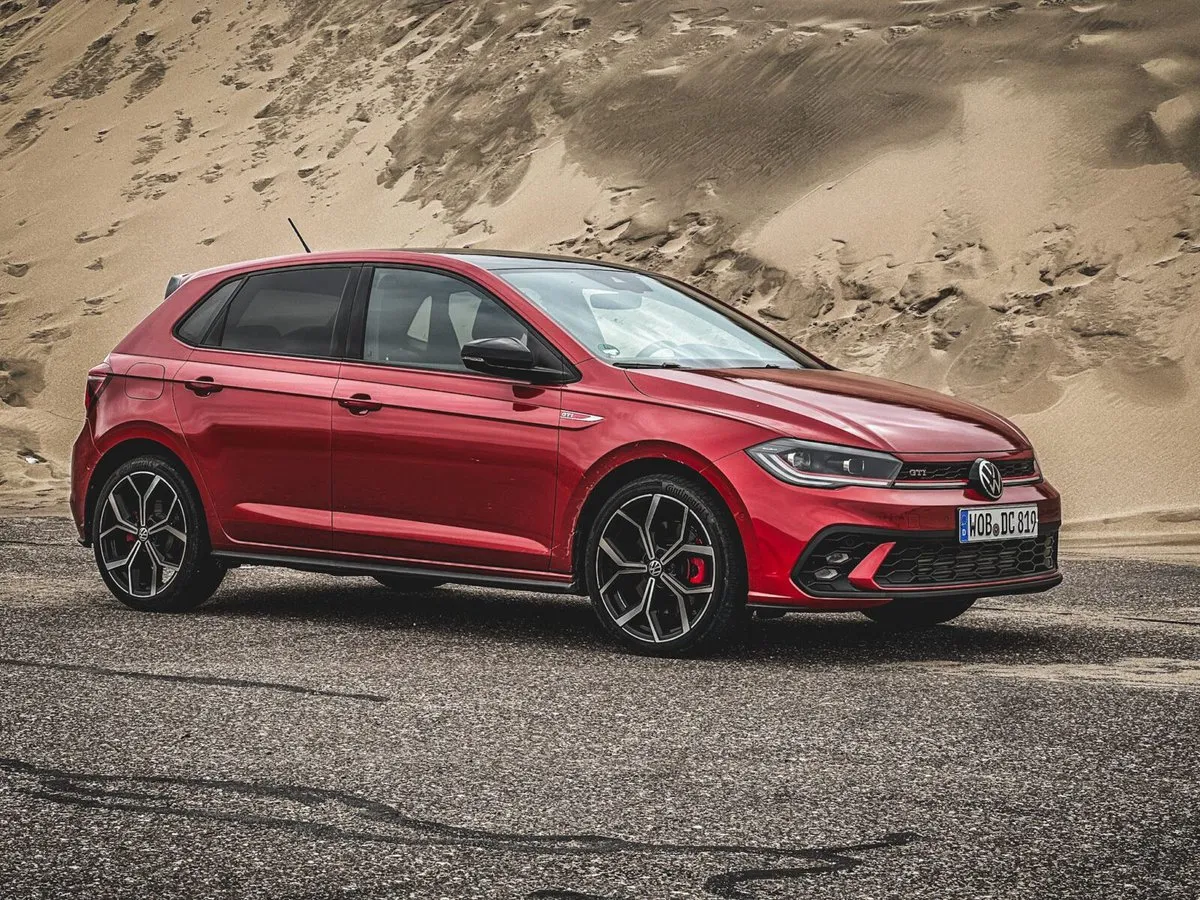
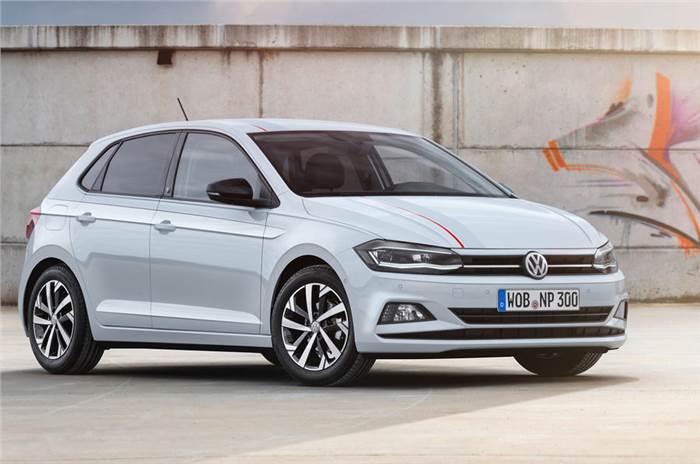
3. Volkswagen Polo
The Volkswagen Polo is widely recognized for its solid German engineering and robust construction, which lend confidence in city environments. Its engines are designed to deliver reliable and smooth power, even under repeated low-speed accelerations common in urban traffic.
The manual and automatic transmissions shift smoothly, reducing stress during stop-and-go traffic and frequent low-speed maneuvers. Compact dimensions combined with precise steering make navigating narrow streets and tight parking areas simpler and safer for drivers. Polo owners consistently note minimal issues with mechanical or electrical components, contributing to the model’s reputation for urban reliability.
Suspension in the Polo balances comfort and firmness, absorbing small urban road imperfections without transmitting excessive jolts to the cabin. Brake systems are durable, offering predictable stopping power even after repeated application, which is essential for congested city driving.
Interior controls are intuitive and easy to reach, allowing drivers to operate the car efficiently in busy traffic. Reliability is reinforced by widespread service availability, as mechanics are familiar with Polo systems and parts are abundant in most regions.
Fuel efficiency remains competitive in city conditions, allowing frequent short trips without significant increases in fuel consumption. The Polo’s cabin insulation reduces noise intrusion, creating a pleasant driving environment even during repeated short commutes.
Build quality ensures that trim pieces, panels, and switches remain functional and intact over time, preventing small annoyances that can accumulate in daily use. Resale values remain strong because of the vehicle’s long-standing reputation for durability and low maintenance requirements.
Finally, reliability is reinforced by the Polo’s predictable service intervals and straightforward maintenance procedures, which reduce unexpected downtime. Owners frequently report that the car continues to perform consistently even after years of repeated short trips, indicating durable engineering and resilient components.
Its combination of precise handling, comfort, and dependable performance ensures that drivers can navigate urban roads with minimal stress. The Polo is a hatchback that consistently provides reliability, efficiency, and ease of use in city environments.
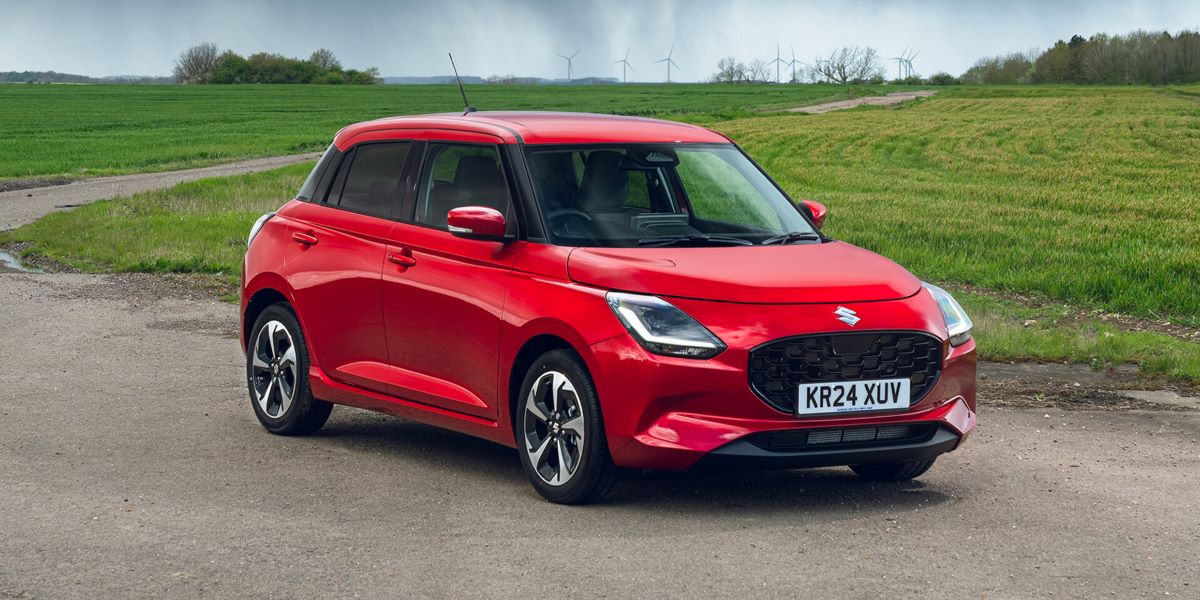
4. Suzuki Swift
The Suzuki Swift is favored among urban drivers for its lightweight construction, nimble handling, and reliable mechanical systems that hold up under repeated short trips. The small, efficient engine accelerates smoothly from low speeds, making it responsive in congested city streets.
Steering is precise and communicative, allowing drivers to confidently navigate narrow roads, crowded intersections, and tight parking spaces. Owners often note the Swift’s mechanical simplicity as a key factor in its low maintenance needs, with components designed to tolerate frequent start-stop driving without premature wear.
Suspension is tuned to provide a comfortable ride over typical urban pavement while remaining responsive during sudden maneuvers, reducing stress on both the driver and passengers. Brake performance remains consistent, even during heavy traffic conditions where repeated stopping is frequent.
Interior design emphasizes usability, with logically arranged controls and supportive seating that accommodates short trips efficiently. Fuel efficiency is strong, allowing urban drivers to cover numerous short journeys with minimal impact on fuel consumption.
Maintenance is predictable, with affordable parts widely available and mechanics familiar with common service procedures, which reduces downtime and expense. The Swift’s resale value benefits from its reputation for reliability, mechanical simplicity, and durability, which makes it a practical choice for city residents who need a small, dependable vehicle.
Cabin ergonomics and material quality are designed to withstand frequent entry and exit without showing excessive wear, important for urban drivers running errands multiple times per day. Engine and drivetrain components continue to operate smoothly even under the stress of repeated starts, enhancing reliability.
Finally, the lightweight chassis reduces wear on brakes, suspension, and engine components during repeated low-speed acceleration, extending component life. Long-term durability ensures that older models continue to perform reliably, requiring fewer repairs than other city-focused hatchbacks.
The combination of fuel efficiency, mechanical simplicity, and user-friendly design makes the Swift one of the most reliable hatchbacks for urban driving. It provides a stress-free driving experience, giving owners confidence for frequent short trips throughout the city.
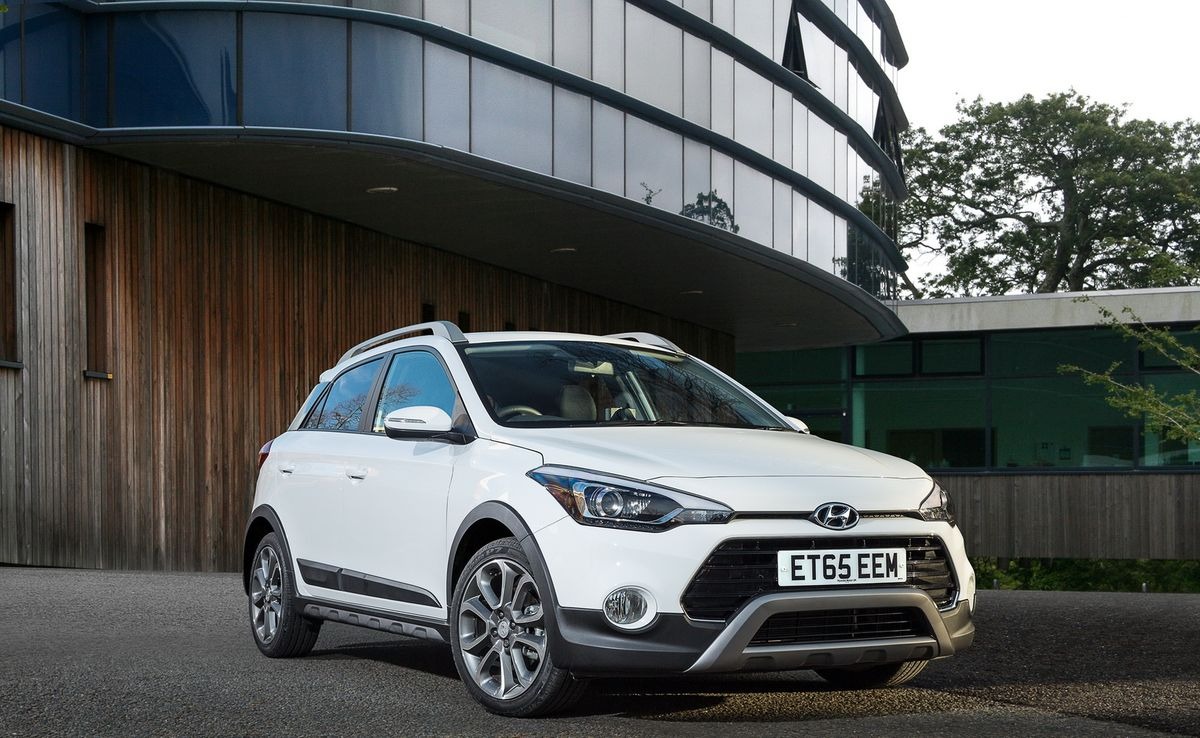
5. Hyundai i20
The Hyundai i20 combines modern design, efficient engines, and durable components to provide dependable performance in urban environments, particularly for short trips. Its engine delivers smooth, responsive power even during frequent stops and starts, and its gearbox transitions are predictable and reliable.
Steering is precise, allowing confident maneuvering in dense traffic, tight corners, and parallel parking situations. Owners often note the i20’s reliability, emphasizing minimal mechanical failures and consistent performance even after prolonged use in city conditions.
Suspension and ride quality are tuned to balance comfort and control, absorbing potholes and uneven surfaces typical of urban streets without compromising handling. Brakes maintain consistent stopping power under repeated use, which is essential for city driving where stop-and-go traffic is the norm.
Interior design emphasizes ergonomic placement of controls, allowing drivers to focus on traffic rather than operating the car. Fuel efficiency remains competitive in congested conditions, keeping operational costs low even with frequent short journeys.
Maintenance schedules are predictable, with affordable parts and widely available service networks reducing downtime. Owners report that critical components, including engine mounts, suspension, and brakes, maintain durability over time, requiring fewer unexpected repairs.
The cabin is designed to withstand frequent entry and exit, keeping seats, handles, and controls in good condition even with daily use. Reliability is reflected in resale value, which remains strong because buyers recognize the i20’s long-term performance and mechanical durability.
Finally, the i20’s combination of mechanical simplicity, fuel efficiency, and modern safety features makes it a practical choice for urban commuters who rely on their car for frequent short trips. Owners report minimal service issues even after several years of repeated city driving, indicating long-term durability.
The car’s handling, braking, and suspension remain consistent, providing confidence and ease in dense traffic. The Hyundai i20 delivers a balanced and reliable urban driving experience, making it one of the best hatchbacks for short city trips.
