
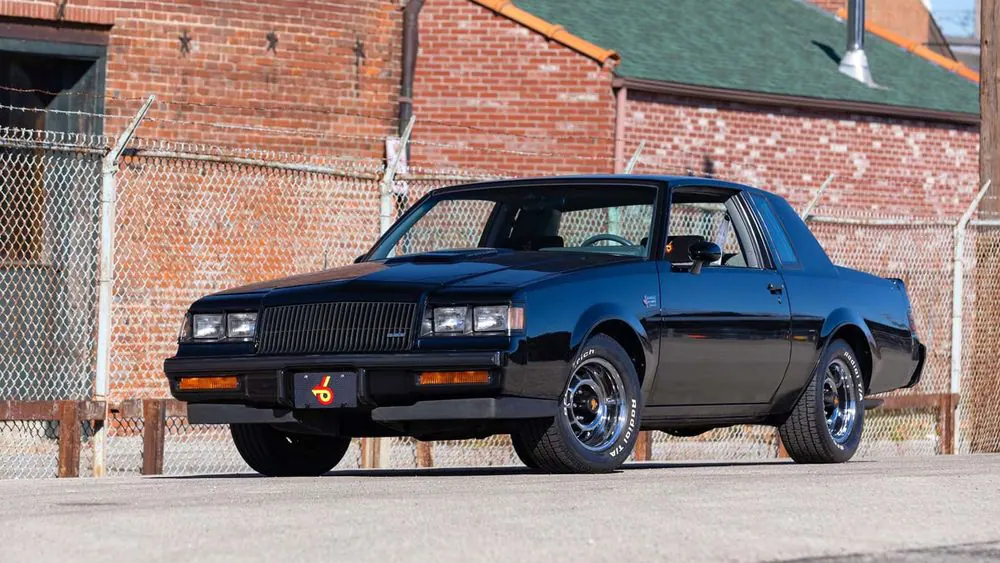
Buick occupies a unique place in American automotive history, positioned comfortably between everyday transportation and luxury ambition, and that balance is exactly why so many of its classic models continue to stir intense emotions among collectors decades later.
From the postwar boom years through the muscle car era and into the refined cruisers of the early seventies, Buick managed to blend power, elegance, and innovation in ways that felt confident without being loud, creating cars that aged with dignity rather than fading into obscurity.
For collectors, these vehicles are more than sheet metal and chrome because they represent an era when engineering decisions were driven by long term vision, when interiors were crafted to feel like rolling lounges, and when engines were built with torque rich character rather than fleeting trends.
Each classic Buick tells a story about changing American tastes, economic optimism, and the constant push to offer comfort without sacrificing performance, which explains why enthusiasts still debate trim packages, engine codes, and factory options with near scholarly dedication.
These cars often fly just under the mainstream radar, making them even more appealing to serious collectors who appreciate subtle prestige and mechanical honesty over hype, while also enjoying the satisfaction of owning something that feels both exclusive and historically grounded.
The ten Buicks highlighted here remain objects of obsession because they combine timeless design, mechanical credibility, and emotional resonance in a way that few brands consistently achieved, and their continued desirability proves that quiet confidence can leave a louder legacy than flash ever could.
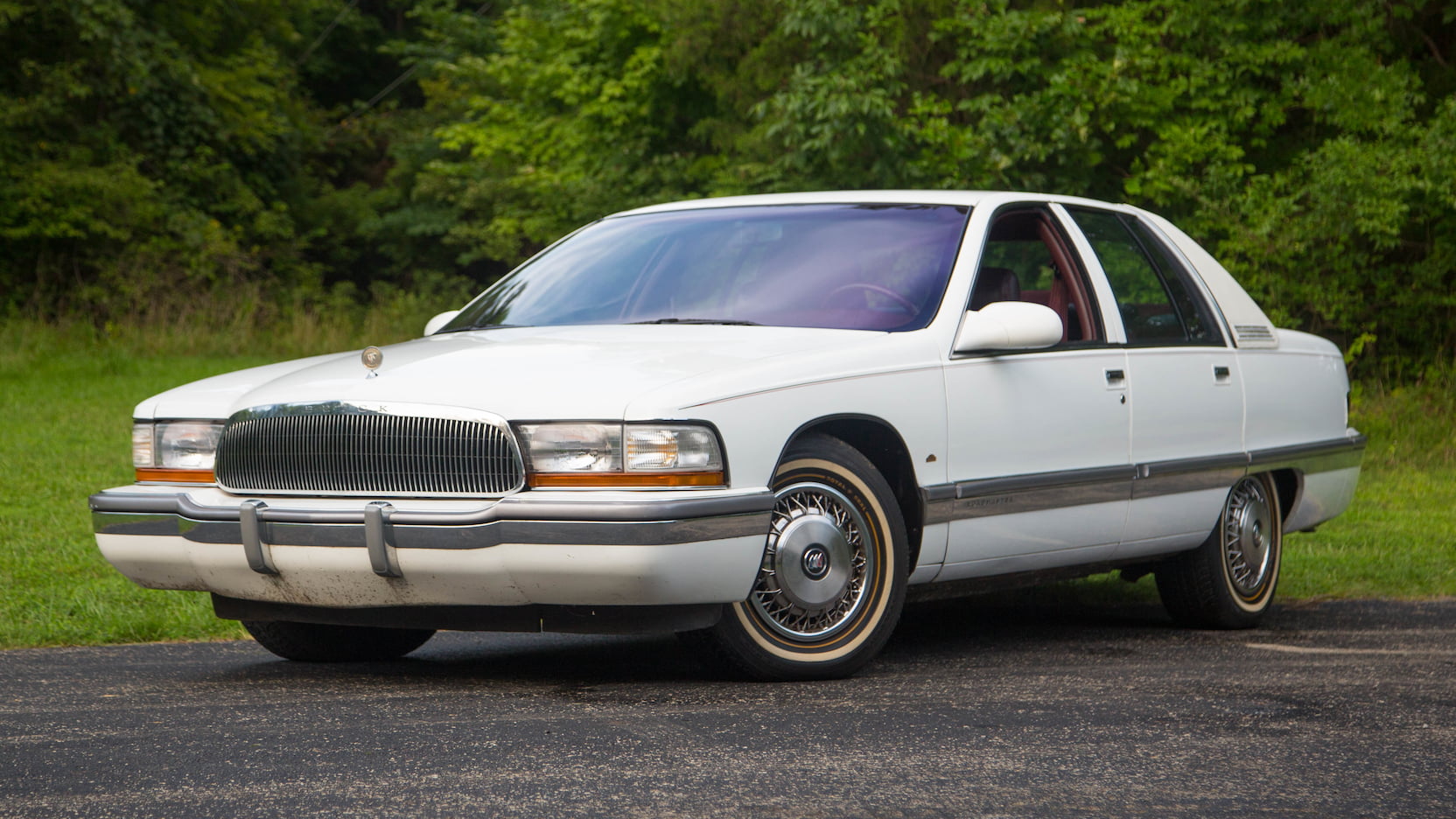
1. Buick Roadmaster 1949 to 1958
The postwar Roadmaster defined Buick’s ability to deliver presence without excess, offering massive proportions balanced by flowing lines and distinctive chrome accents that made it instantly recognizable on American roads. Its straight-eight engine delivered smooth, unhurried power that suited the car’s personality, making long drives feel effortless and refined rather than aggressive or strained.
Collectors value these models for their craftsmanship, particularly the interior materials and dashboard layouts that reflected optimism and prosperity of the era. Restored examples often command respect at shows because they symbolize the return of confidence and luxury after years of wartime austerity.
Design details like the iconic portholes along the front fenders became a Buick signature and helped the Roadmaster stand out without resorting to gimmicks. These visual cues were paired with thoughtful engineering choices that prioritized comfort, including soft suspension tuning and sound insulation uncommon for the time.
Owners often speak about how solid these cars feel even decades later, a testament to their robust construction. That sense of durability plays a major role in why collectors continue to seek them out.
The Roadmaster’s broad hood and commanding grille gave it an authoritative stance, yet it never felt intimidating or crude in motion.
Buick engineers tuned the driving experience to be smooth and predictable, which appealed to buyers who valued refinement over raw speed. This approach helped establish Buick as a brand for professionals and families seeking quiet prestige. Today, that same character attracts collectors who want classic luxury without ostentation.
Surviving examples vary widely in condition, which adds to the thrill of hunting for the right car with original trim and correct mechanical components. Authenticity matters greatly, especially when it comes to factory paint colors and interior fabrics.
Many collectors enjoy the challenge of sourcing period-correct parts, viewing restoration as a respectful collaboration with history. The Roadmaster rewards that effort with a presence that still feels dignified in modern traffic.
As values steadily climb, the Roadmaster has become a cornerstone of serious Buick collections rather than a casual acquisition. Its combination of size, comfort, and unmistakable styling ensures continued admiration from enthusiasts of all ages. Younger collectors increasingly recognize its appeal as something distinct from the muscle car narrative. That growing appreciation helps secure its place as a lasting icon.
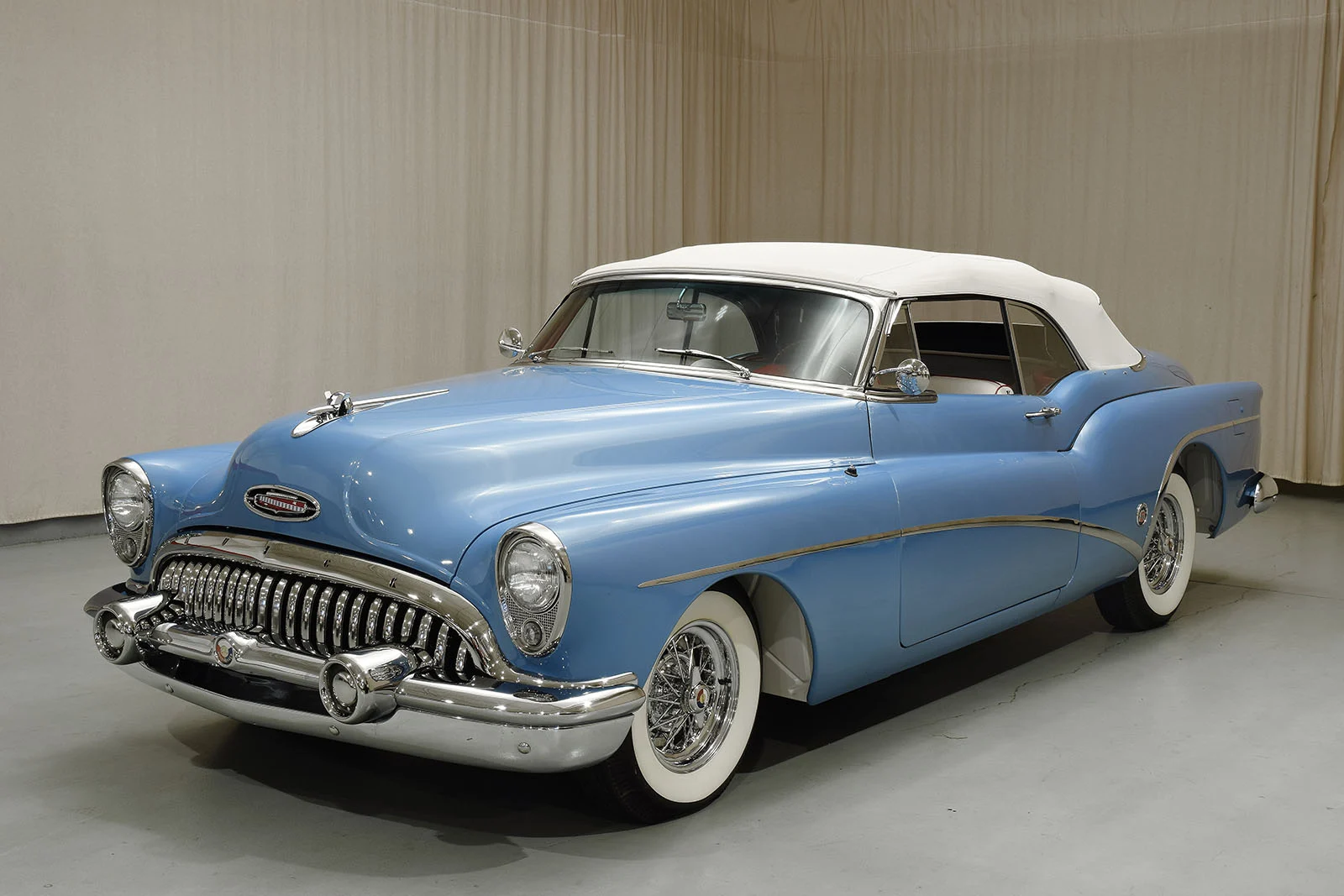
2. Buick Skylark 1953
The 1953 Skylark was introduced as a celebration of Buick’s golden anniversary, and it immediately set itself apart with sleek proportions and a sporty attitude rare for the brand at the time. Built as a limited production convertible, it featured lowered suspension and unique trim that gave it a lighter, more athletic look.
Collectors prize its exclusivity, as production numbers were relatively small compared to other Buicks of the era. This scarcity adds significant weight to its reputation today.
Its V8 engine marked an important transition for Buick, delivering stronger performance while maintaining smooth operation.
The Skylark was not about brute force, but rather about confident acceleration paired with stylish cruising. That balance made it appealing to buyers who wanted something special without sacrificing comfort. Modern collectors admire this philosophy because it reflects a thoughtful evolution rather than a radical departure.
Interior details were carefully considered, with premium materials and a layout that felt intimate compared to larger Buicks. The convertible body style enhanced the sense of occasion, making every drive feel like an event. These elements contribute to the emotional connection many owners describe. For collectors, emotional resonance often matters as much as mechanical condition.
The Skylark’s design influenced future Buick styling, particularly in how it blended sporty cues with traditional luxury. Its clean lines and restrained chrome remain attractive even by modern standards. This timelessness helps explain why it continues to draw attention at auctions and exhibitions. It does not rely on nostalgia alone, but on enduring aesthetic appeal.
Because of its rarity and historical importance, the 1953 Skylark is often seen as a centerpiece rather than a secondary addition. Owners tend to preserve them carefully, limiting modifications to maintain originality. This respect for authenticity reinforces the car’s status within collector circles. As a result, it remains one of the most coveted Buicks ever produced.
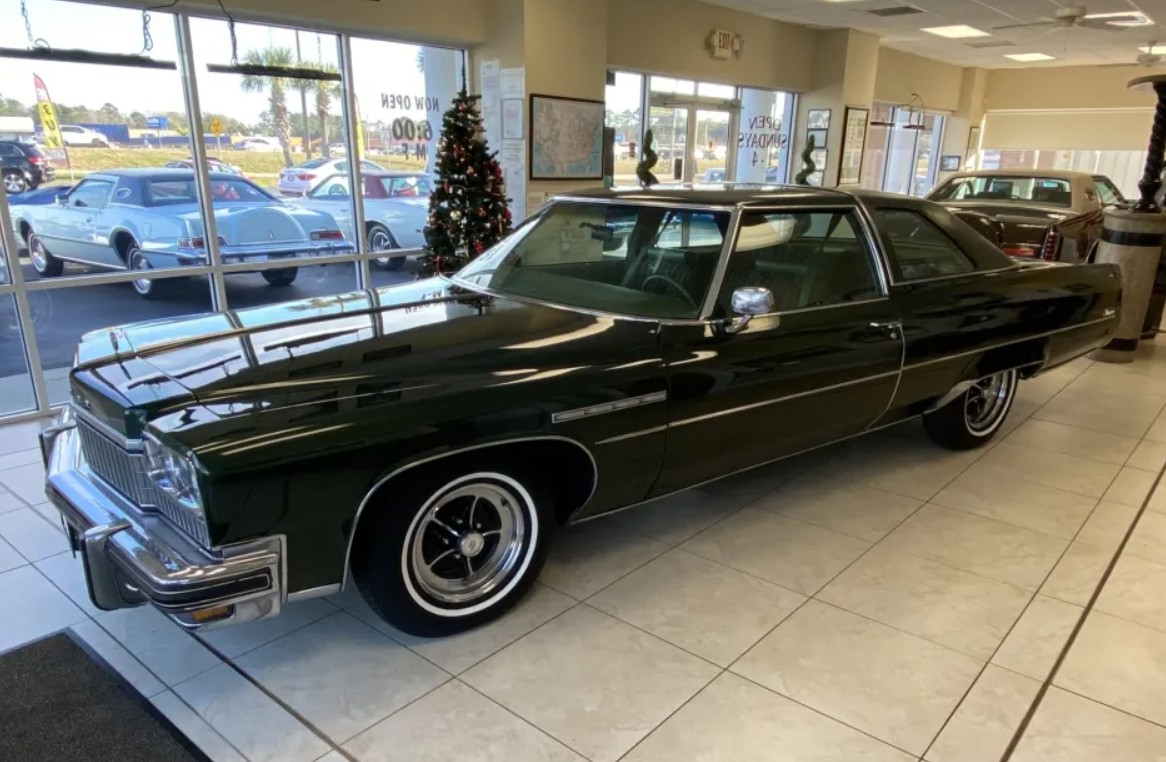
3. Buick Electra 225 1959 to 1964
The Electra 225 represented Buick’s interpretation of full size luxury during a period of bold automotive expression. Its dramatic styling, characterized by sweeping fins and expansive chrome, captured the optimism of late fifties America.
Underneath the visual flair was a focus on comfort and smooth power delivery that aligned perfectly with Buick’s brand identity. Collectors appreciate how these cars embody excess while still feeling purposeful.
Powered by large displacement V8 engines, the Electra delivered effortless highway performance. The emphasis was on torque and smoothness rather than aggressive acceleration, which made long distance travel relaxing. +
This mechanical character remains appealing to enthusiasts who enjoy cruising rather than racing. It offers a driving experience that feels distinctly different from later performance oriented classics.
The interior was spacious and richly appointed, often featuring power accessories that were advanced for their time. Seats were designed for comfort during extended journeys, reinforcing the car’s role as a luxury flagship. Many collectors note how well these interiors age when properly maintained. That durability adds practical value alongside historical interest.
Styling evolved through the early sixties, gradually becoming more restrained while retaining the Electra’s commanding presence. This evolution allows collectors to choose models that best fit their personal taste, from flamboyant to refined. Each version carries its own charm and historical context. That variety keeps interest strong within the community.
Electra 225 models are increasingly recognized as symbols of Buick’s peak luxury era. They offer a blend of scale, comfort, and style that is difficult to replicate today. As appreciation grows, well preserved examples continue to rise in desirability. Their enduring appeal confirms their status as collector favorites.
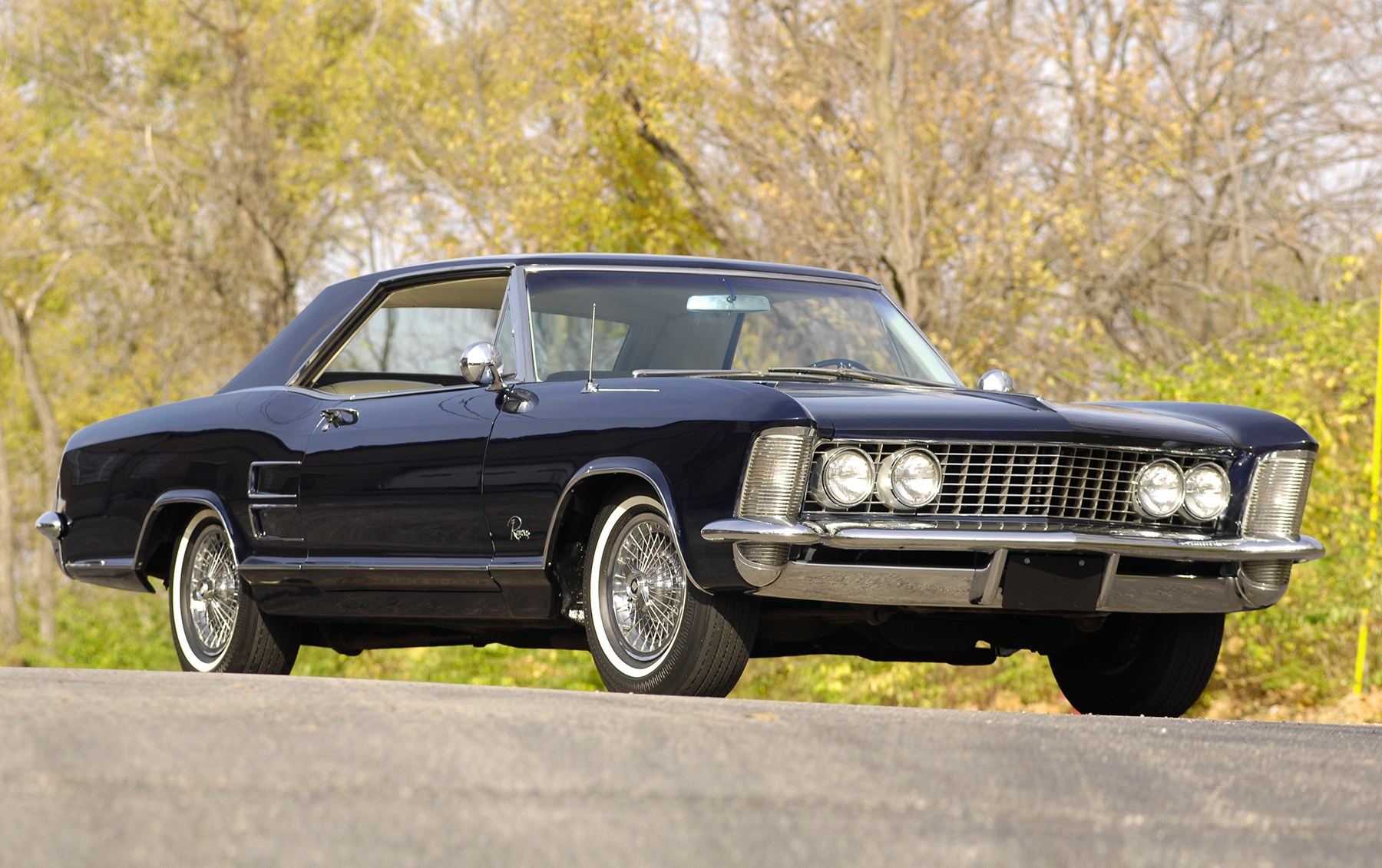
4. Buick Riviera 1963 to 1965
The Riviera marked a turning point for Buick, introducing a personal luxury coupe with sharp lines and restrained elegance. Its design was unlike anything else on the road, emphasizing clean surfaces and a low, wide stance. Collectors often describe it as one of the most beautiful American cars ever built. That reputation alone sustains its obsession factor.
Under the hood, powerful V8 engines provided confident performance without compromising refinement. The Riviera could cruise comfortably or surge forward when asked, making it versatile and engaging. This dual nature appeals to collectors who want both style and substance. It remains enjoyable to drive even by modern standards.
The interior matched the exterior’s sophistication, with a cockpit like layout that felt modern and driver focused. Materials were chosen to reflect quality rather than flash. Owners often praise the ergonomics and visibility. These practical strengths enhance the car’s long term usability.
Production numbers were healthy, yet demand has remained strong due to the Riviera’s iconic status. Finding examples with original features intact can be challenging, which adds to the pursuit. Restoration requires attention to detail, especially in trim and interior finishes. Successful restorations are highly respected within collector circles.
The early Riviera continues to influence automotive design discussions, often cited as a benchmark for American elegance. Its legacy extends beyond Buick, impacting the broader industry. For collectors, owning one feels like possessing a piece of design history. That sense of significance keeps fascination alive.
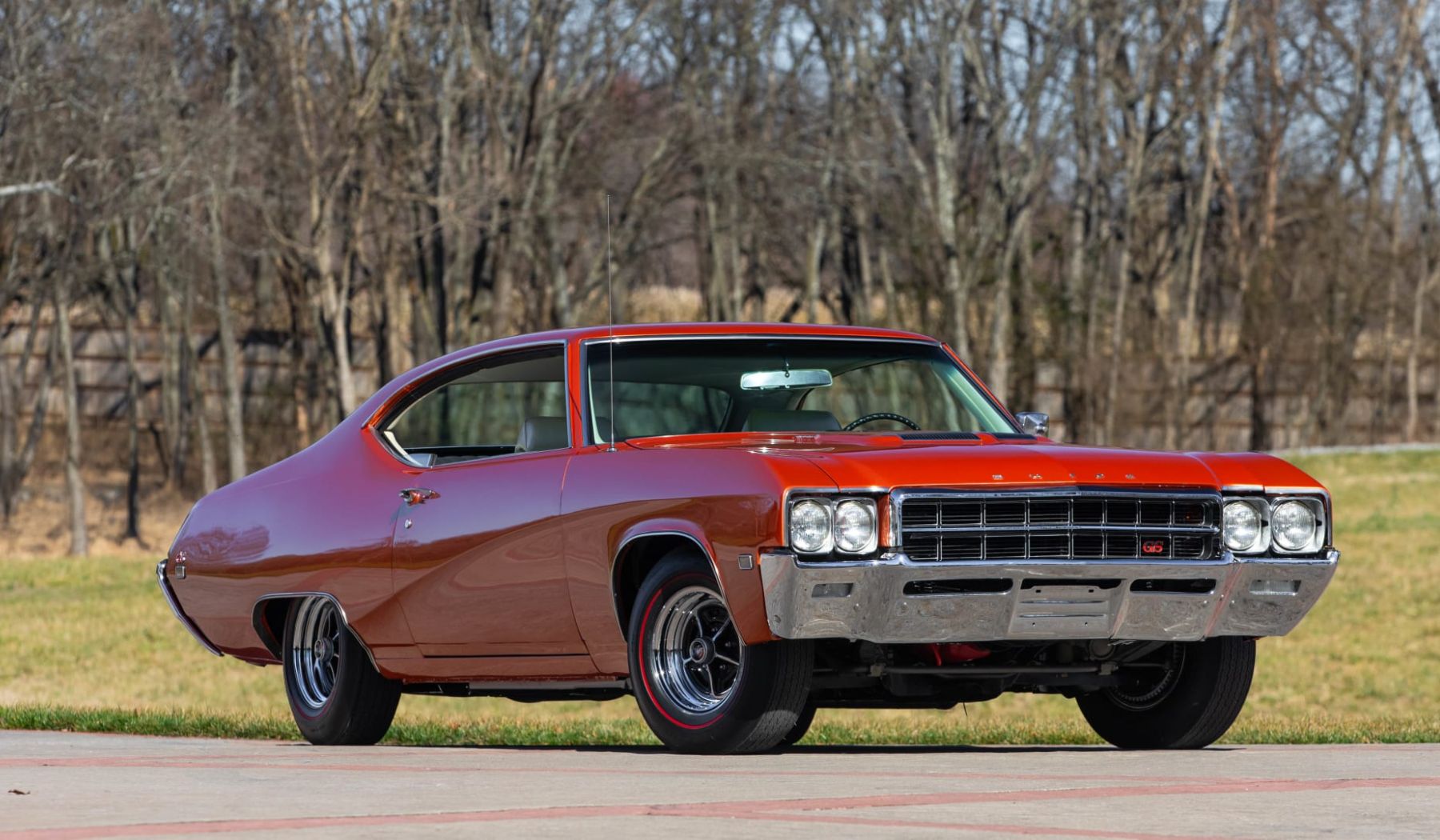
5. Buick GS 400 1967
The GS 400 introduced Buick to the muscle car conversation with confidence and restraint. Rather than chasing raw numbers, Buick focused on balanced performance and drivability. The result was a car that could compete on the street while remaining comfortable enough for daily use. Collectors value this approach as uniquely Buick.
Its 400 cubic inch V8 delivered strong low end torque, making acceleration feel immediate and satisfying. This characteristic suited real world driving better than high revving alternatives. Enthusiasts appreciate how the power is delivered smoothly and predictably. It reflects thoughtful engineering rather than brute force.
Exterior styling was muscular yet refined, avoiding excessive graphics or ornamentation. The GS badge signaled performance without shouting about it. This understated confidence resonates with collectors who prefer subtlety. It also allows the car to age gracefully.
Inside, the GS 400 retained Buick’s focus on comfort, with supportive seating and quality materials. Performance options did not come at the expense of refinement. This balance broadened its appeal beyond hardcore enthusiasts. It remains approachable and enjoyable.
As muscle cars gain renewed interest, the GS 400 stands out as an intelligent alternative to more famous rivals. Values continue to rise as appreciation deepens. Collectors recognize its importance in Buick’s performance history. That recognition fuels ongoing obsession.
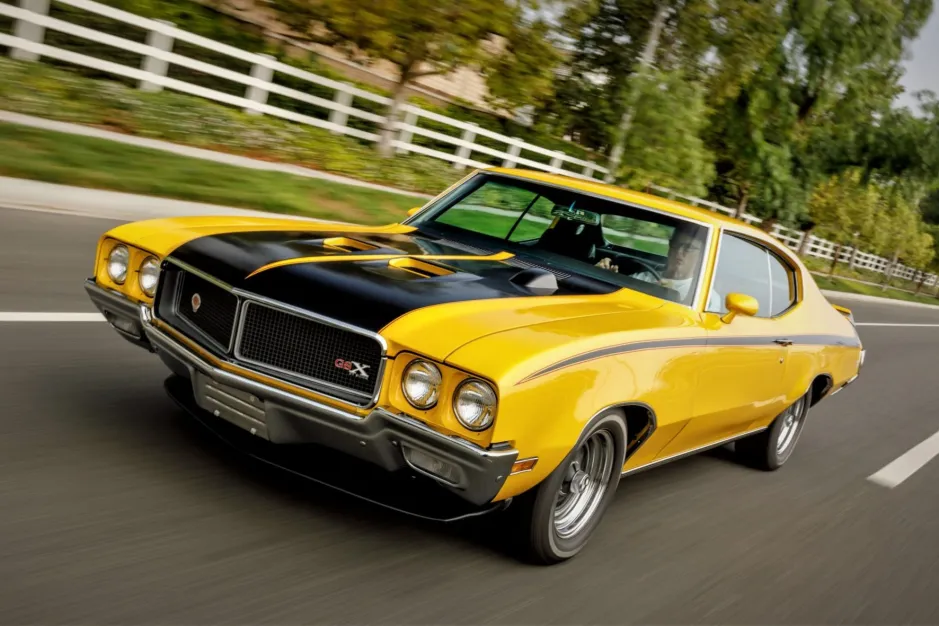
6. Buick GSX 1970
The GSX represented the peak of Buick’s performance ambitions, combining aggressive styling with advanced engineering. Its bold stripes, unique color schemes, and signature hood tachometer made it instantly recognizable.
Collectors prize these visual cues because they signal authenticity and connect directly to Buick’s muscle car heritage. Every detail, from wheels to badges, reflected a careful design philosophy aimed at performance prestige.
Under the hood, the GSX Stage 1 engine delivered immense power while maintaining reliability. The 455 cubic inch V8 generated torque that made acceleration smooth yet forceful.
Unlike other muscle cars of the era, the GSX balanced raw performance with control, making it suitable for spirited street driving and long cruising alike. This combination makes it highly sought after by enthusiasts today.
The GSX’s suspension upgrades improved cornering and stability, which distinguished it from more standard muscle cars. Heavy-duty shocks, springs, and rear leaf packs allowed it to handle power effectively without sacrificing ride quality. Collectors note how this attention to detail results in a car that is both aggressive and composed on the road. Its handling still surprises many modern drivers accustomed to lighter vehicles.
Original GSX models are rare, and documented authenticity is crucial for value. Matching numbers cars, with original engine, transmission, and trim, command premium prices. Restoration projects must preserve original details to retain historical and monetary worth. Enthusiasts often track chassis and engine codes to ensure the car maintains its original pedigree, which adds to the collecting challenge.
The GSX remains a symbol of Buick’s ability to create high-performance cars that stand out without losing brand identity. Its combination of rarity, power, and design makes it one of the most desirable Buicks ever produced. Collectors continue to obsess over every nuance, from paint choices to engine tuning, keeping the GSX at the forefront of muscle car admiration.
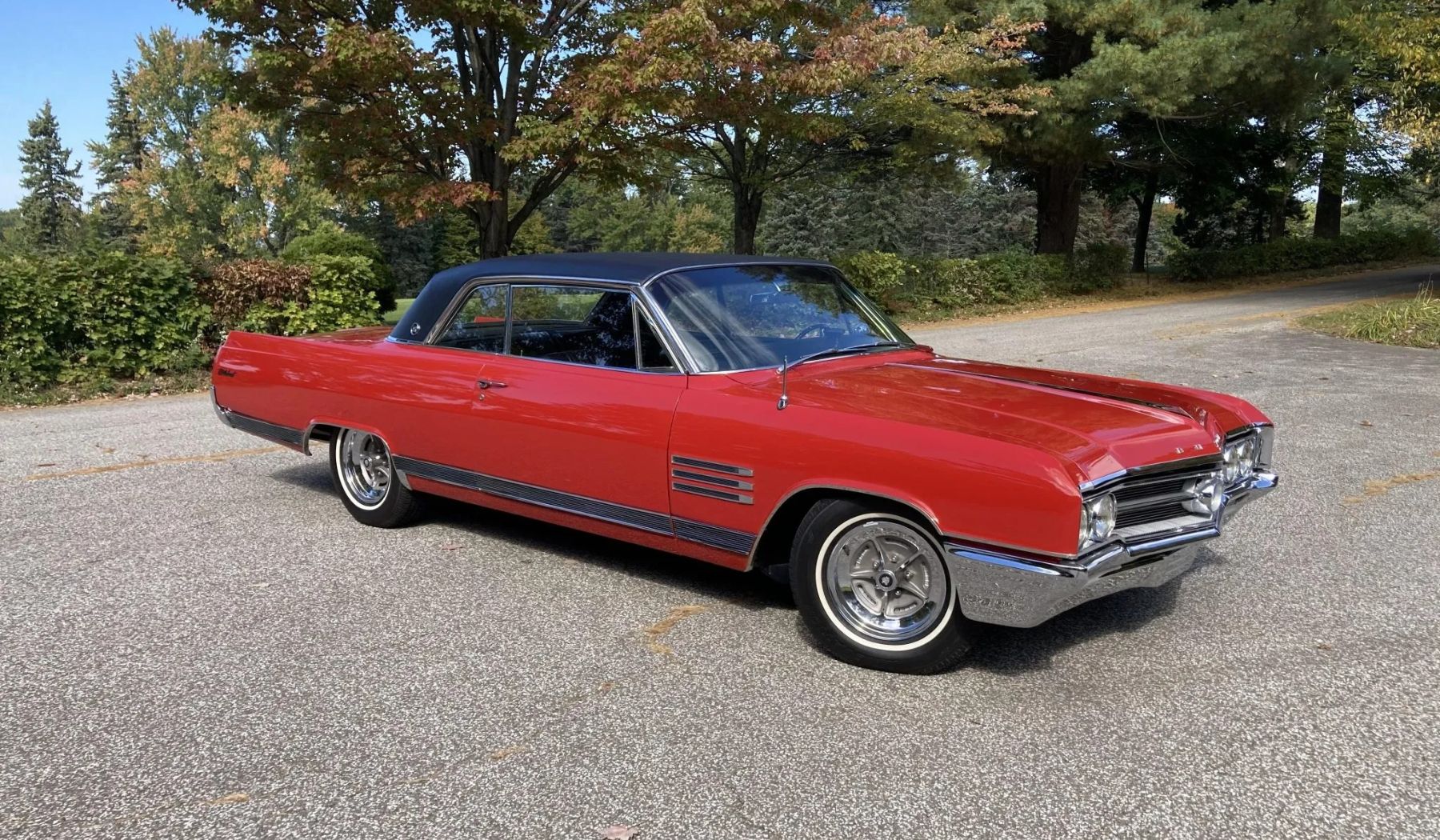
7. Buick Wildcat 1965 to 1970
The Wildcat served as Buick’s bridge between luxury and performance, blending bold styling with strong mechanical performance. Its elongated body, sculpted fenders, and distinctive grille gave it a commanding road presence.
Collectors appreciate the Wildcat for combining visual drama with practicality, allowing it to stand out without feeling excessive. Its mid-sized proportions also make it more manageable than larger full-size Buicks, appealing to a wide audience.
Powerful V8 engines made the Wildcat lively yet comfortable, ideal for both city streets and open highways. Buick tuned these engines to emphasize torque and smooth acceleration rather than high-revving aggression. This makes the car approachable for modern driving while retaining its classic character. Many enthusiasts value this balance between strength and elegance.
Interior comfort was a hallmark of the Wildcat, with supportive seats, premium materials, and thoughtfully arranged controls. Drivers and passengers alike could enjoy extended trips without fatigue, which helped the model carve a reputation for grand touring comfort. Collectors often focus on originality in upholstery and dash components, as these details highlight the car’s mid-sixties refinement.
The Wildcat’s relative obscurity compared to models like the Riviera or Electra adds to its collector appeal. It feels like a hidden gem for enthusiasts who want a distinctive Buick without competing directly with more famous names. Its unique combination of size, style, and performance ensures it retains strong interest at vintage car events and auctions.
Appreciation for the Wildcat continues to grow as collectors recognize its historical importance. It embodies Buick’s mid-decade confidence, merging performance, luxury, and distinctive styling. This combination makes it highly desirable among those who want a classic car with personality and understated presence. Its enduring charm continues to fuel collector passion.

8. Buick LeSabre 1959 to 1963
The LeSabre occupied Buick’s entry-level full-size segment, yet it never felt cheap or compromised. Its dramatic late-fifties design, including tail fins and expansive chrome, made it visually compelling. Collectors enjoy the LeSabre because it offers classic flair at a more approachable price compared to Electras or Roadmasters. It represents a balance between accessibility and historical importance.
Performance was smooth and reliable, focusing on comfortable driving rather than aggressive speed. Buick’s engineering ensured longevity and ease of maintenance, which contributes to the high number of surviving examples today. Collectors often highlight the mechanical simplicity as a strong point for restoration and preservation.
Inside, the LeSabre offered a spacious and practical cabin, with comfortable seating and well-laid-out controls. It demonstrated Buick’s commitment to passenger comfort across all models, not just the top-of-the-line cars. This attention to detail enhances its appeal to collectors who value authenticity and usability.
Styling evolved in the early sixties toward cleaner, more restrained lines, which expanded its collector base. Enthusiasts can choose between flamboyant late-fifties LeSabres or the sleeker early-sixties versions, depending on personal taste. Both eras offer charm, historical context, and a distinct visual statement.
The LeSabre continues to gain recognition for its role in representing everyday American luxury. Its combination of reliability, style, and classic design makes it an attractive option for collectors who want something historically significant without excessive rarity constraints. Its understated yet elegant nature keeps it desirable.
9. Buick Century 1954 to 1958
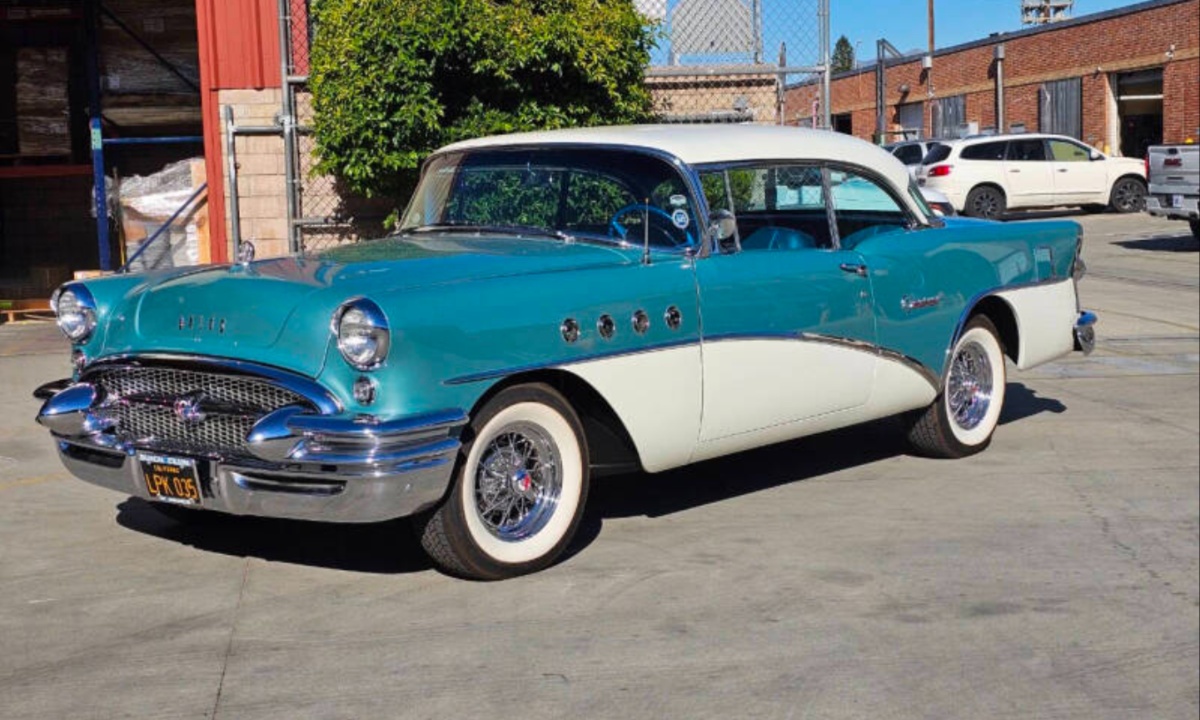
The Century earned a reputation as a performance leader by pairing a relatively lighter body with a powerful V8 engine. This combination allowed acceleration that rivaled many larger full-size cars of the era. Collectors admire its role as a precursor to muscle car performance, highlighting Buick’s ability to blend speed and refinement. The Century was both practical and exciting, a rare balance in the fifties.
Design elements emphasized elegance and intent, with clean body lines, chrome accents, and distinctive front grilles. The Century looked purposeful even at rest, projecting a sense of capability that appealed to buyers and collectors alike. These styling cues remain striking in today’s context.
The driving experience was lively and responsive compared to other Buicks of the period. Acceleration was firm, and the suspension provided a comfortable yet engaging ride. Modern enthusiasts note that the Century feels more athletic than many contemporaries, which explains its ongoing appeal at classic car gatherings.
Interior quality was consistent with Buick standards, featuring well-finished materials and thoughtful layouts. The car’s dual focus on performance and comfort set it apart from purely luxury-oriented models. This balance ensures that collectors appreciate both its engineering and aesthetic qualities.
The Century’s historical significance continues to grow as it is recognized as an early example of performance-oriented American cars. Its combination of style, speed, and reliability makes it a compelling addition to any collection. Collectors are drawn to its understated impact on automotive history.
10. Buick Regal Grand National 1987
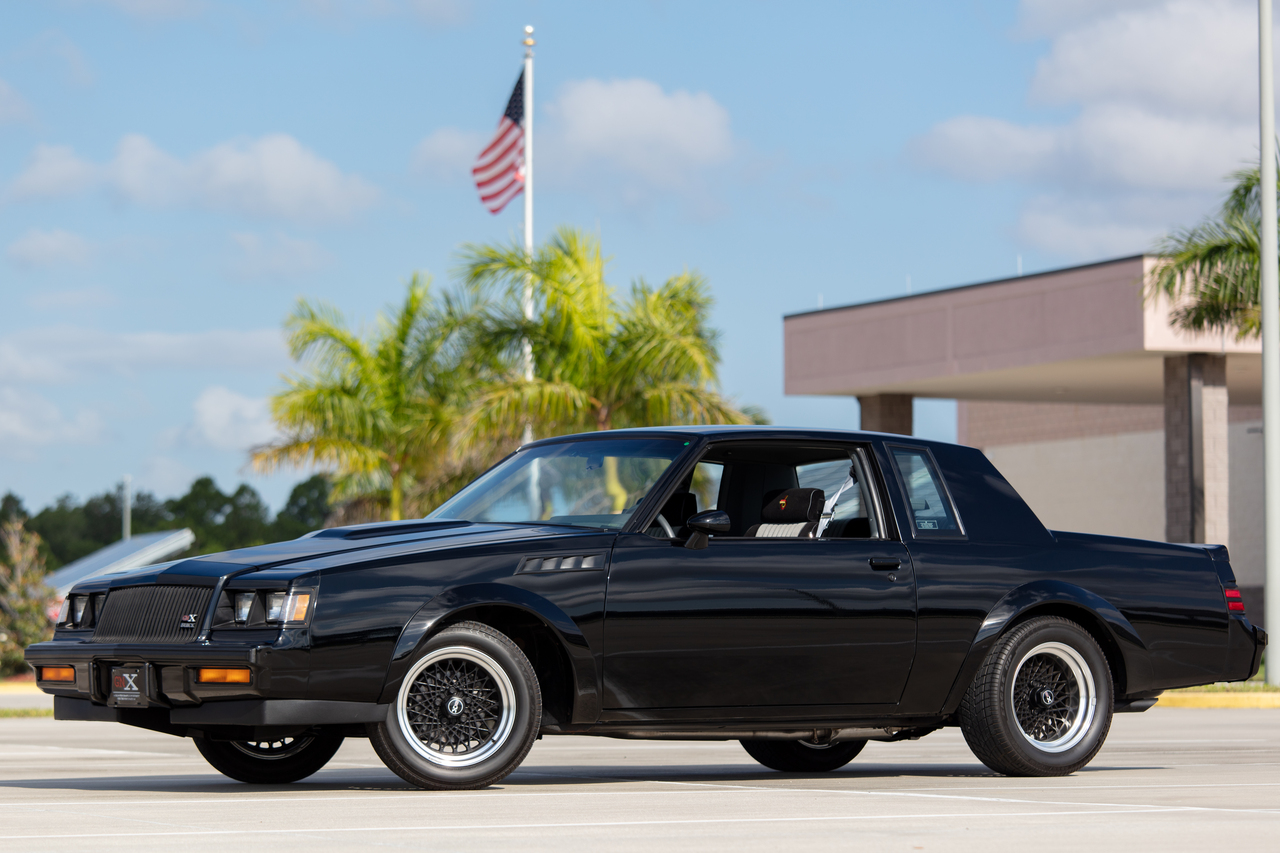
The Grand National transformed Buick’s image in the eighties with a blacked-out, stealthy appearance and performance-oriented engineering. Its minimalist styling contrasted sharply with the colorful designs of the era, emphasizing substance over flash. Collectors appreciate the Grand National for its bold personality, understated power, and historical significance. It has become a symbol of Buick’s innovation during a decade of change.
Turbocharged V6 power delivered acceleration that rivaled larger V8 competitors, making the Grand National a performance icon. Its engine technology was advanced for the time, offering both speed and reliability. This combination of modern engineering and classic driving feel makes it a favorite among enthusiasts seeking eighties performance credibility.
The interior emphasized functionality over luxury, with driver-focused controls and supportive seating. This approach reflected Buick’s intention to make the car a performance vehicle first, while still offering comfort for everyday driving. Collectors value this honesty, as it differentiates the Grand National from other more opulent Buicks.
Limited production numbers and documented originality contribute to its collector value. Matching engine numbers, correct paint, and factory options can significantly impact price. The pursuit of pristine examples drives strong interest, with owners often meticulously maintaining these cars to preserve historical integrity.
The Grand National remains a milestone in Buick’s history, demonstrating that the brand could compete with performance legends while retaining its unique identity. Its enduring reputation among collectors confirms that intelligent engineering and understated styling can create lasting fascination. Enthusiasm for this car continues to grow decades after its debut.
