
Turbocharged V6 engines occupy a special place in automotive culture because they represent balance rather than excess. They are not built purely for brute force, nor are they designed only for efficiency, but instead sit comfortably between the two.
For decades, engineers chose the V6 layout when they wanted strength, compact packaging, and mechanical smoothness without the size and weight penalties of larger engines.
When turbocharging entered the picture, the formula gained an entirely new dimension. Power could be increased dramatically while maintaining reasonable displacement and vehicle balance.
Enthusiasts gravitate toward turbo V6 engines because they often define an era or a brand’s philosophy. These engines tend to appear in performance flagships, racing homologation cars, or ambitious engineering projects where manufacturers wanted to prove a point.
Many of them introduced technologies that later became common, such as advanced fuel injection, variable valve timing, or sophisticated boost control systems. Their influence extends far beyond the cars they powered, shaping how modern performance engines are designed.
Another reason these engines inspire loyalty is character. A turbo V6 can sound aggressive without being overwhelming, refined without being dull. The way boost builds, the mid range punch, and the surge of torque often create a driving experience that feels purposeful and engaging.
Unlike some high revving naturally aspirated engines, turbo V6 units reward smart throttle use and mechanical sympathy. This connection between driver and machine builds long term appreciation.
Reliability also plays a role in legendary status. Many turbo V6 engines earned respect not just for peak output but for surviving hard use, modifications, and motorsport abuse.
Owners remember engines that could handle increased boost, higher temperatures, and extended operation without catastrophic failure. When stories circulate of engines lasting hundreds of thousands of miles while still delivering strong performance, legends begin to form.
This article focuses on ten turbocharged V6 engines that enthusiasts consistently praise across generations. These engines were not chosen simply because of horsepower figures, but because of their impact, reputation, and lasting presence in enthusiast culture.
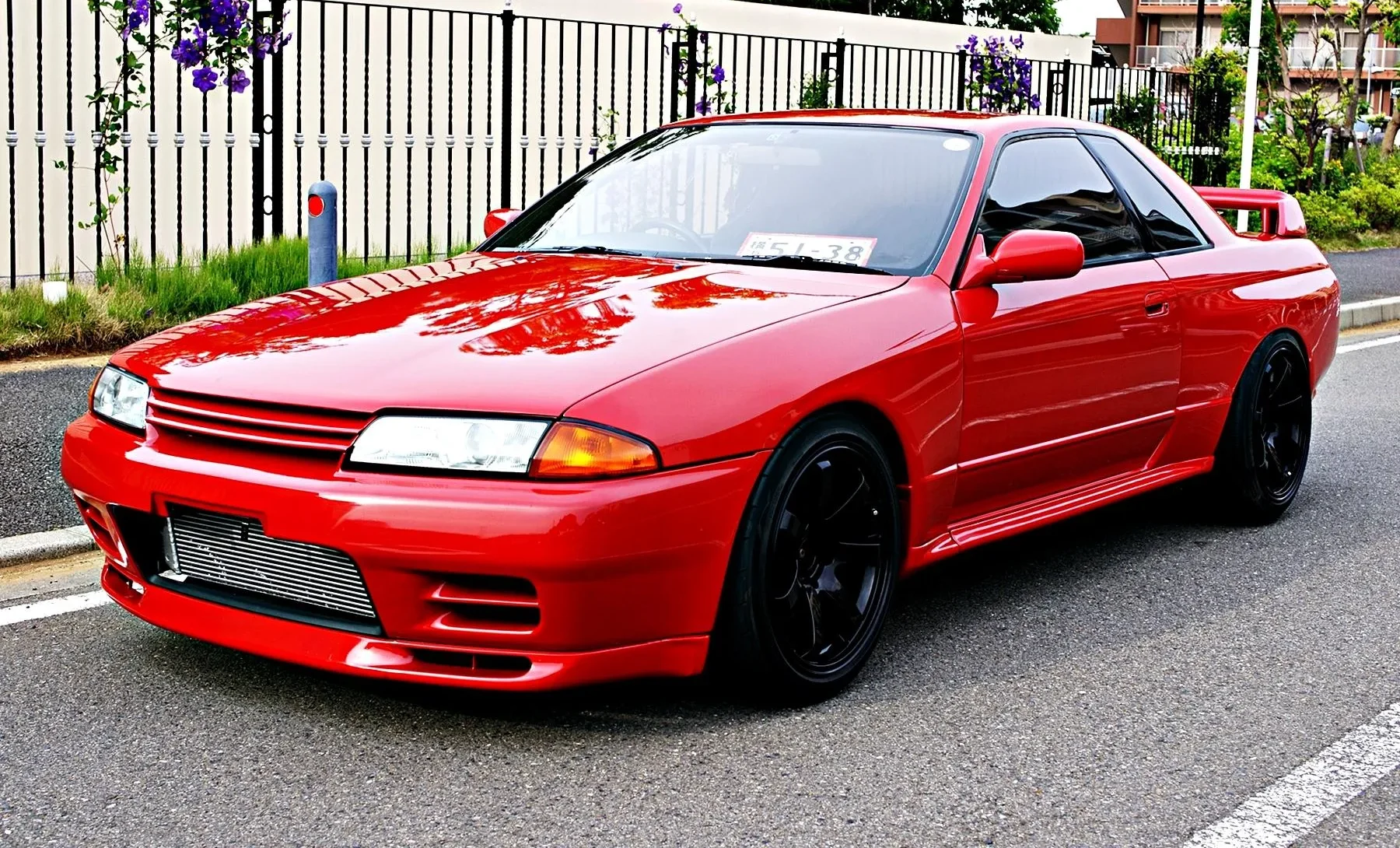
Nissan RB26 Based V6 Development Concepts
The RB series is often remembered for its legendary inline-six engines, but Nissan’s experiments with turbocharged V6 layouts provided key lessons for the future. Engineers pushed boundaries in airflow optimization, turbo sizing, and block reinforcement.
These efforts were designed to extract maximum performance without sacrificing reliability, which became essential when translating the lessons to a V6 layout. The knowledge gained in these experimental engines would influence every subsequent high-performance V6 from Nissan.
Enthusiasts admire these early concepts because they reflect a manufacturer willing to innovate without compromise. Many of the technical strategies developed during this phase, such as improved oiling systems and precise cooling pathways, became foundational for later turbocharged V6 engines.
These engines were testbeds that combined performance ambition with mechanical resilience, demonstrating that Nissan was thinking beyond conventional powertrains and toward long-term engineering excellence.
Although no mass-market turbo V6 emerged directly from these RB experiments, their influence is unmistakable. The focus on durable components, balanced internals, and thermal management shaped the VR-series V6s that followed.
Many tuning communities reference the RB philosophy when approaching Nissan V6 platforms, showing that even concepts that never reached full production can leave a lasting mark on automotive engineering culture.
The reputation of these RB-based V6 development experiments stems from their forward-looking design. They were not just proof-of-concept engines, but also demonstrations of what turbocharged V6s could achieve.
Engineers learned how to manage boost in confined engine bays, optimize intercooling, and maintain mechanical integrity under extreme conditions, all of which informed later high-output engines that enthusiasts continue to revere.
The RB-based V6 development concepts represent a crucial step in Nissan’s pursuit of performance and reliability. The lessons learned were applied across multiple platforms, creating a foundation for engines that could handle extreme performance modifications while still maintaining longevity.
For enthusiasts, this lineage reinforces the idea that engineering knowledge often matters as much as raw power in defining an engine’s legendary status.
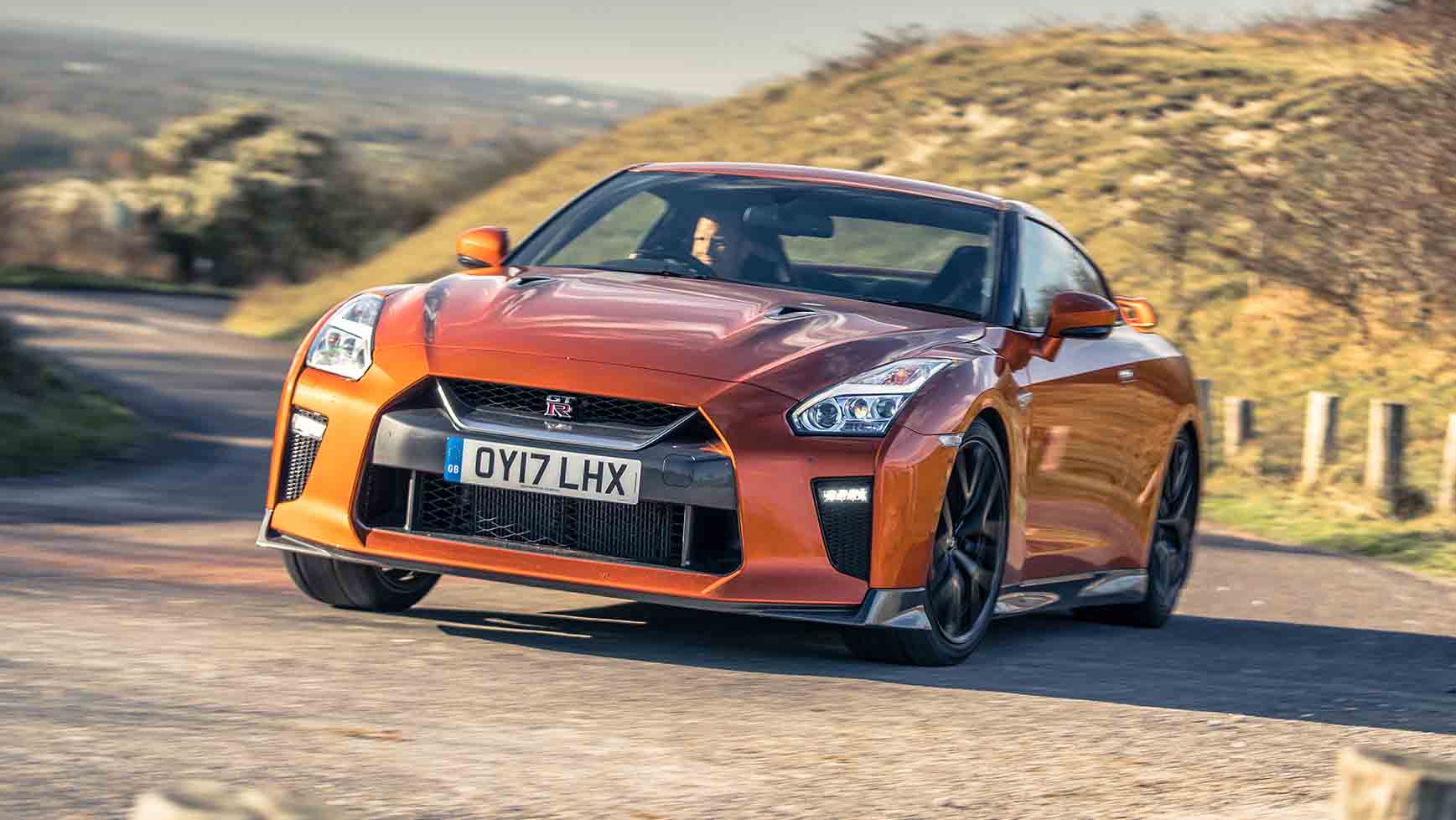
Nissan VR38DETT
The VR38DETT is regarded as one of the most sophisticated and reliable turbo V6 engines in modern automotive history. Specifically designed for the Nissan GT-R, it redefined the concept of high-performance V6 powertrains.
Every element, from the block design to the turbochargers, was optimized to deliver immense output while retaining mechanical strength. This balance of raw power and reliability has made it a benchmark in enthusiast circles.
This engine is renowned for its meticulous hand-assembly process. Each unit is assembled by a single technician who ensures precision alignment, torque settings, and quality.
Enthusiasts appreciate the human touch in an era dominated by automated production, knowing that each engine carries a personal commitment to excellence. This level of attention contributes directly to its performance reliability.
The VR38DETT’s twin-turbo system delivers a seamless power curve, combining instant throttle response with massive torque at nearly every engine speed.
The engine’s advanced cooling system, variable valve timing, and precise fuel injection ensure consistent output under extreme conditions. The turbochargers spool quickly, producing exhilarating acceleration without compromising drivability.
Tuning potential is another reason the VR38DETT enjoys legendary status. Owners and performance shops have achieved extraordinary power gains, often doubling stock output while retaining durability.
The engine’s robust internals, strong forged components, and intelligent electronic management make it one of the most modifiable V6 turbo engines ever created, earning respect from serious enthusiasts.
Longevity under heavy use further cements its reputation. Track days, spirited mountain runs, and extended street use are all possible without immediate wear concerns when proper maintenance is followed.
This combination of raw performance, tunability, and reliability ensures that the VR38DETT remains a definitive reference point for modern turbocharged V6 engineering.
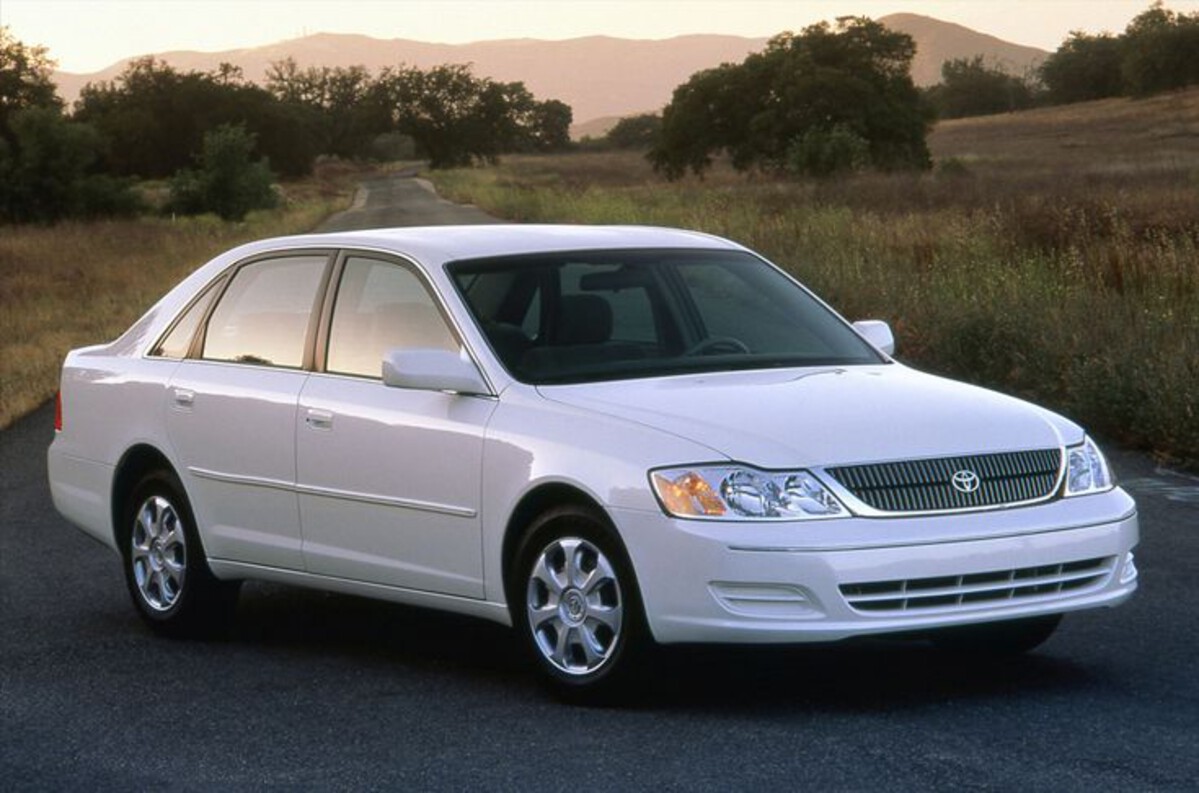
Toyota 2GR FSE Turbo Conversions
Although the 2GR was originally designed as a naturally aspirated V6, its internal strength and efficiency made it an ideal candidate for turbocharging experiments.
Tuners and aftermarket engineers quickly recognized the engine’s potential, capitalizing on its robust design to handle significant increases in boost pressure. Turbo conversions showcased the 2GR’s ability to produce performance figures far beyond its original configuration without major structural modifications.
This engine gained respect because of its resilient internals. The aluminum block and forged components were designed to handle thermal stress and mechanical strain, which made them suitable for turbo applications.
Tuners found that even aggressive boost levels could be applied without compromising engine reliability, which is why it became a favorite in the modification community.
Sound characteristics also contributed to its popularity. The V6 layout paired with turbocharging produced a resonant and deep tone, striking a balance between aggression and refinement.
Enthusiasts often remark that driving a turbo 2GR feels more emotionally engaging than some factory-tuned turbo engines because the response feels alive and mechanical rather than artificially controlled.
The 2GR’s adaptability across multiple platforms further reinforced its legendary reputation. From mid-size sedans to high-performance sports cars, the engine proved versatile, making turbo conversions feasible in a wide array of vehicles. Its capacity to perform reliably while being tuned aggressively attracted attention from both engineers and enthusiasts alike.
The turbocharged 2GR exemplifies how smart engineering design can extend an engine’s lifespan and relevance. Its combination of robust internals, versatile architecture, and strong tuning potential demonstrates why it is considered one of the most approachable and rewarding turbo V6 engines among enthusiasts today.
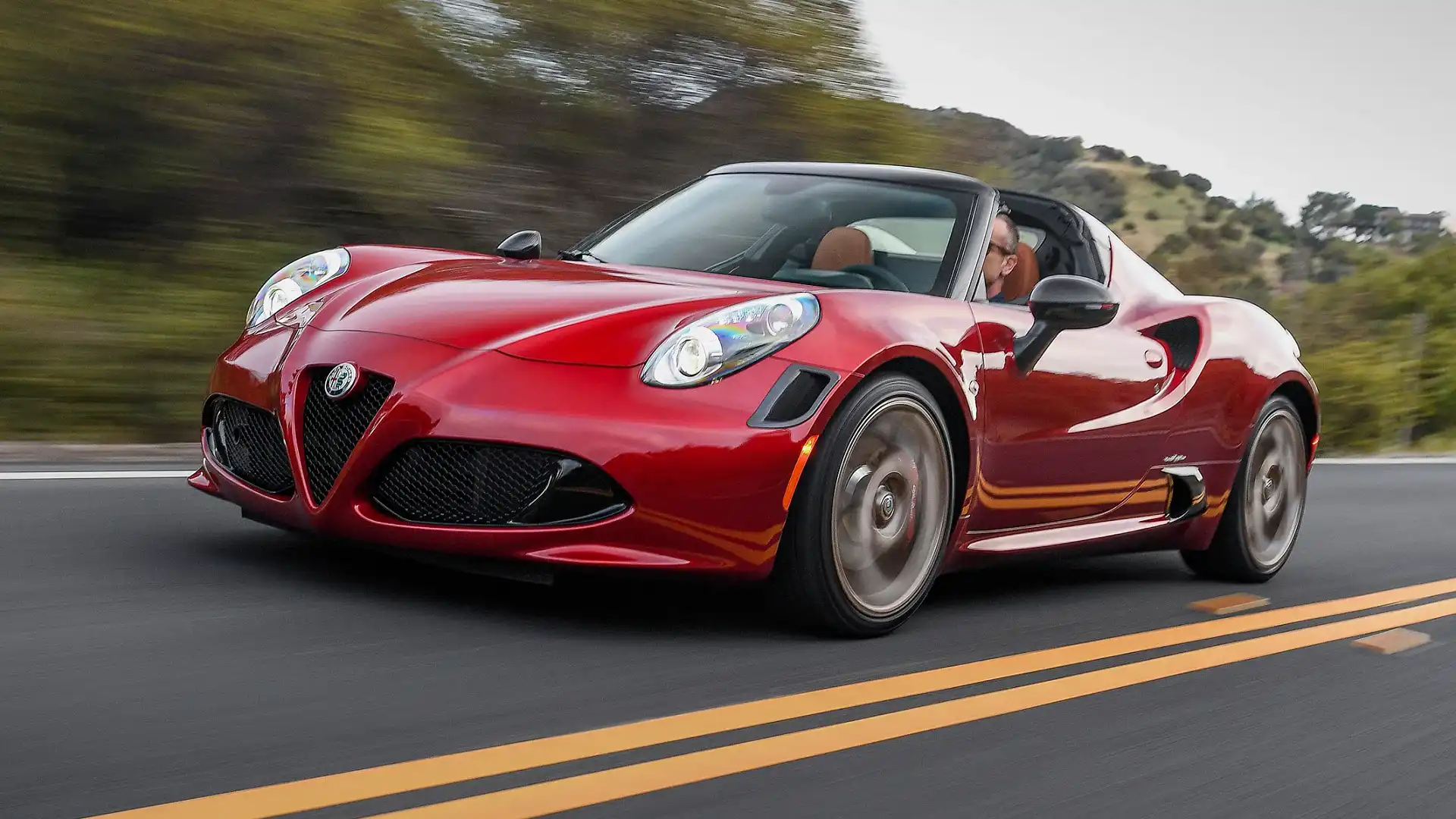
Alfa Romeo 2.9 Liter V6 Twin Turbo
Alfa Romeo’s 2.9-liter twin-turbo V6 is a modern interpretation of what a high-performance Italian engine should represent. Built with racing heritage in mind, it prioritizes response, balance, and driver engagement.
Enthusiasts immediately recognize its unique character, combining lightweight design with potent forced induction to create a thoroughly modern performance experience.
Power delivery is both smooth and explosive. Turbo lag is minimized through lightweight internals, optimized turbo sizing, and sophisticated boost control strategies. This creates a surge of performance that feels immediate without being overwhelming, providing both precision and thrill to the driver at all RPM ranges.
Engineering quality is apparent throughout the engine. Strong materials, efficient cooling passages, and reinforced components allow for consistent performance even under prolonged spirited driving.
Alfa Romeo’s focus on both longevity and peak output ensures that the engine can endure extreme conditions without failure, which enhances its appeal to enthusiasts.
Sound and emotional feedback remain central to its identity. The exhaust note, turbo spool, and engine acoustics are carefully tuned to evoke a sense of connection between driver and car. Unlike some modern turbo engines that prioritize refinement at the expense of character, this V6 maintains a distinct personality that resonates strongly with fans.
Its exclusivity and limited production amplify its allure. Enthusiasts view this engine as a statement piece rather than a commodity, symbolizing Alfa Romeo’s engineering prowess and commitment to emotional driving experiences.
This combination of performance, refinement, and rarity secures its place among the most respected turbo V6 engines in modern automotive history.
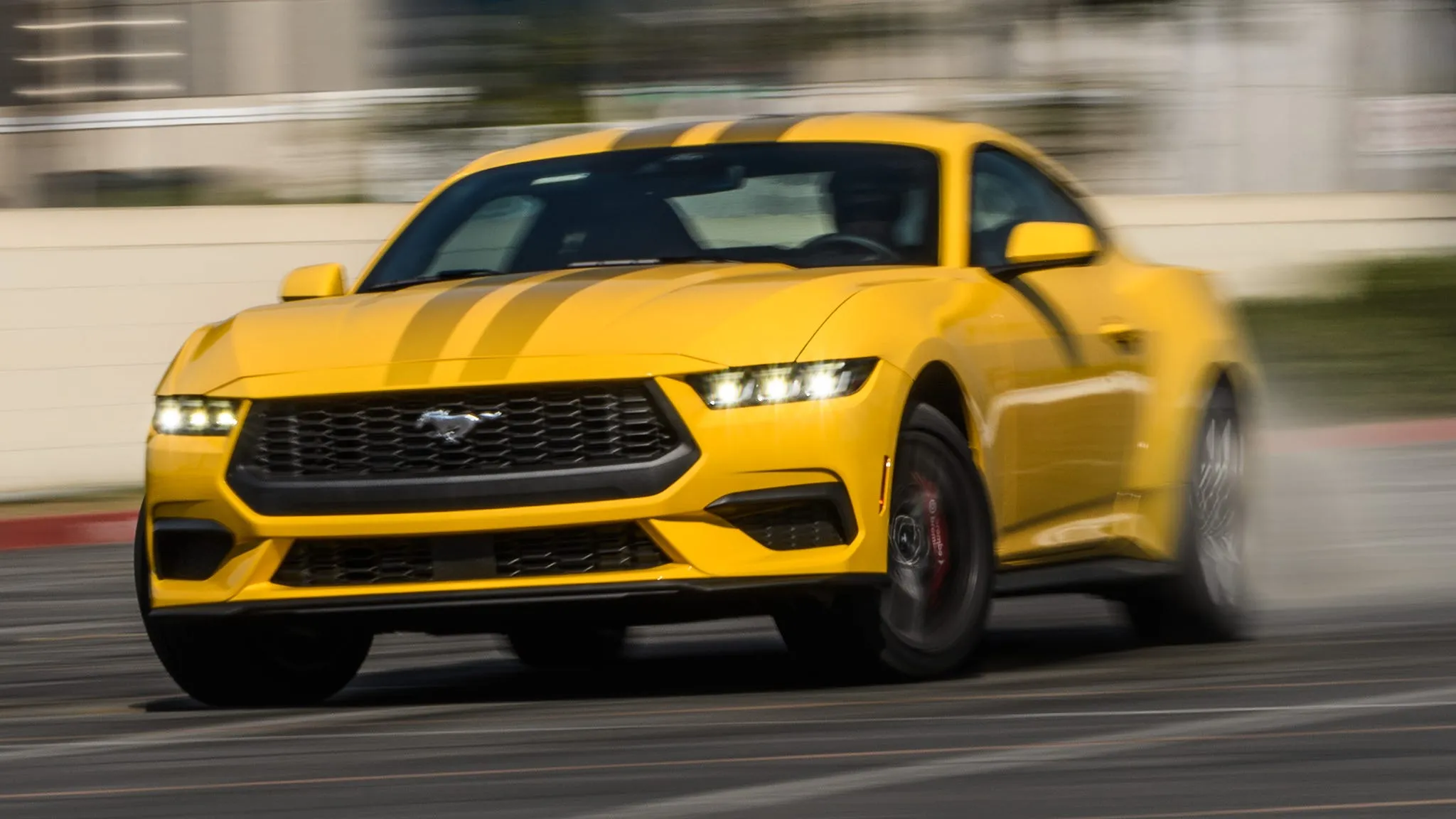
Ford EcoBoost 3.5 V6
Ford’s EcoBoost 3.5 V6 demonstrated that turbocharged engines could deliver both performance and efficiency in a wide variety of vehicles. This engine powers everything from trucks to high-performance sports cars, illustrating its versatility and engineering reliability.
By providing abundant low-end torque and responsive midrange power, it changed perceptions of what a production V6 could achieve.
Torque delivery is a defining trait of the EcoBoost 3.5. Boost builds early, providing strong acceleration even in heavier vehicles like SUVs and pickup trucks. Drivers appreciate the instant response under everyday driving conditions, which makes the engine both practical and exhilarating.
The engine’s durability played a critical role in building trust among enthusiasts and buyers. Early doubts about turbocharged V6 longevity were alleviated as high-mileage examples proved reliable with proper maintenance. Continuous improvements to fuel injection, cooling, and turbocharger design only enhanced confidence in long-term ownership.
Aftermarket support further enhanced its reputation. Tuners discovered that the EcoBoost 3.5 could handle significant increases in boost and supporting modifications without compromising engine integrity. Predictable behavior under aggressive tuning made it a favorite among performance enthusiasts looking for accessible power.
Its influence on industry perception is undeniable. By proving that a turbo V6 could be both efficient and powerful at scale, Ford inspired competitors to pursue similar strategies. This engine left a mark on enthusiasts and reshaped engineering approaches to modern turbocharged V6 powertrains worldwide.
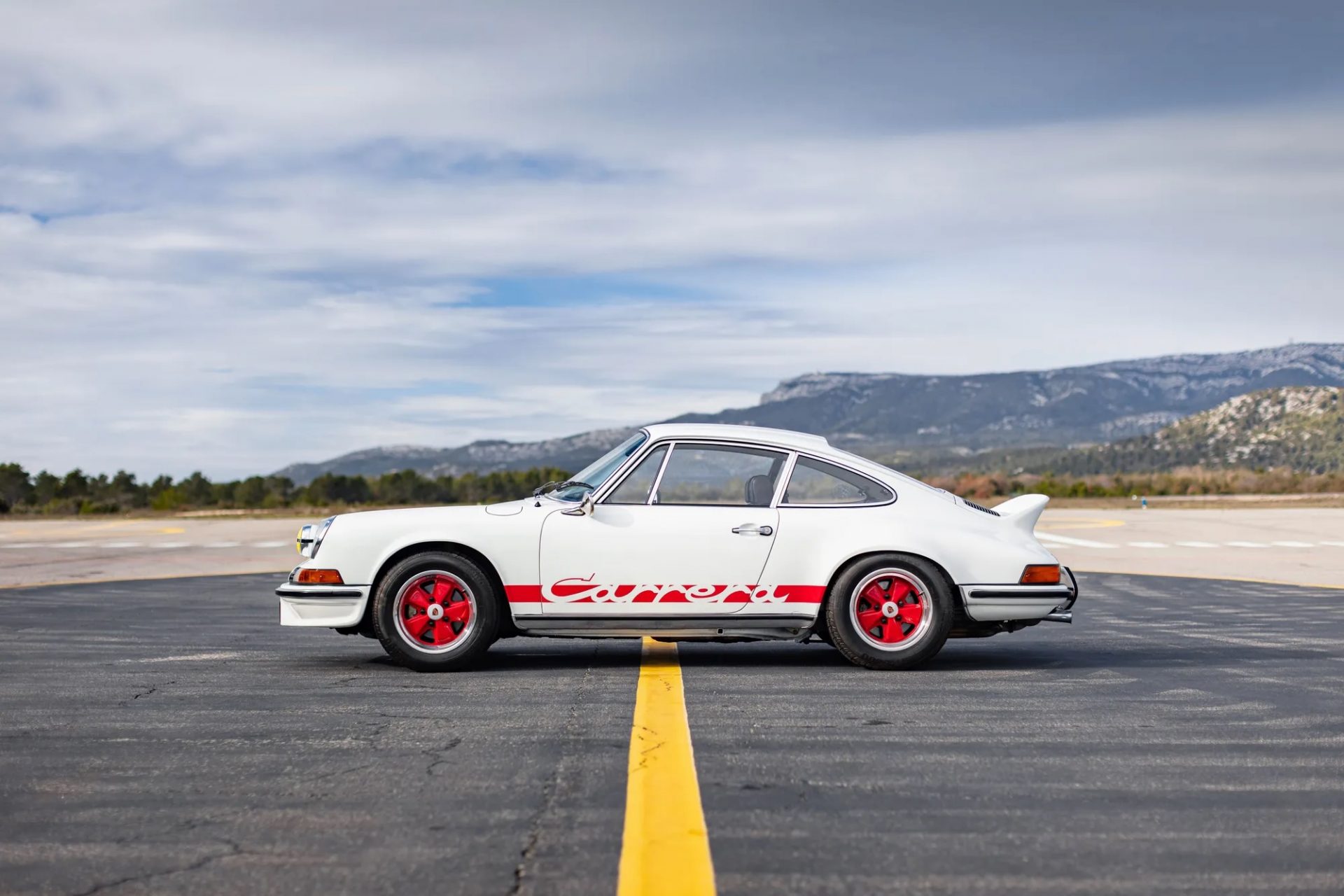
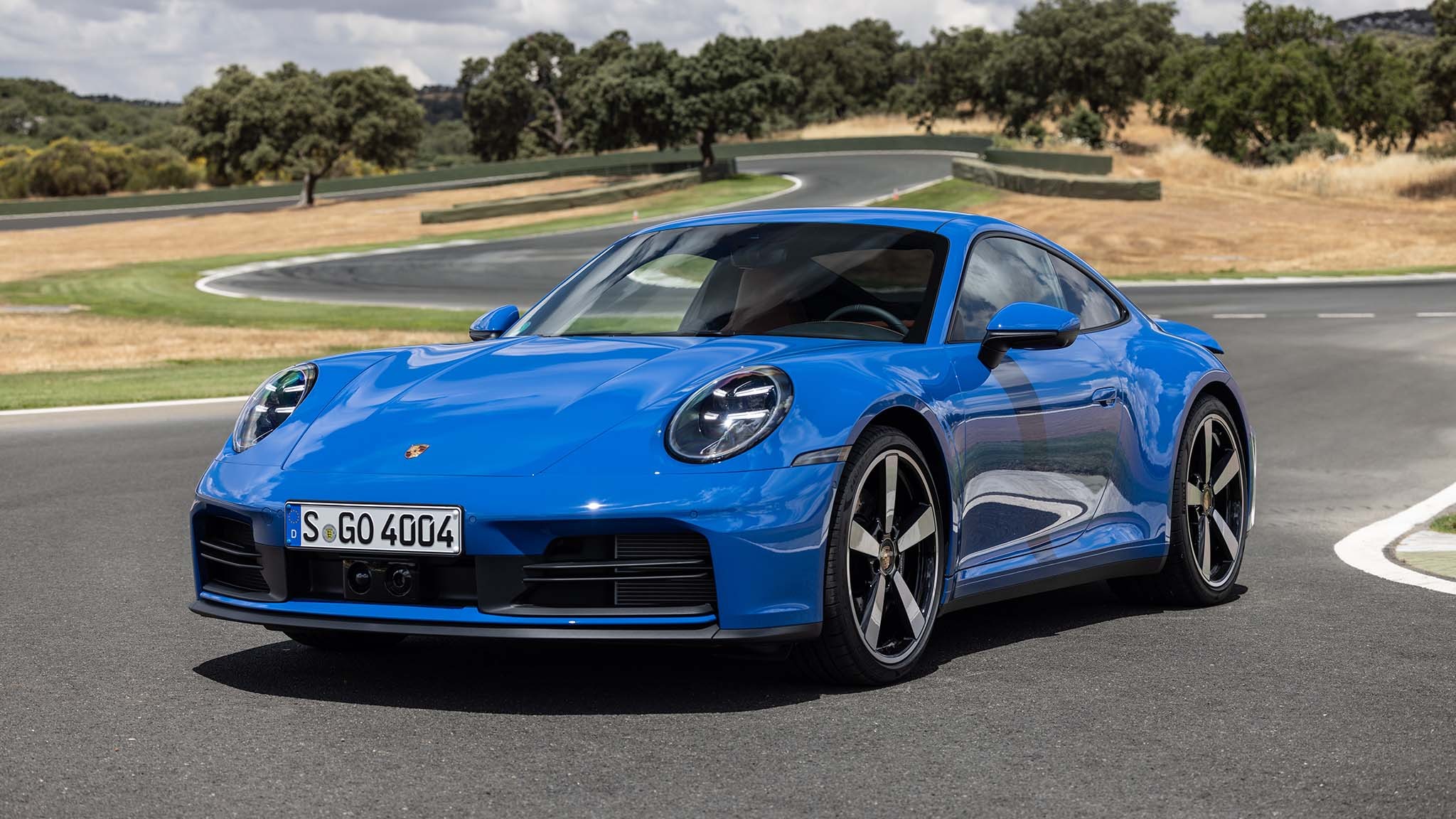
Porsche 2.9 Liter Turbo V6
Porsche’s 2.9-liter turbo V6 is a benchmark in precision engineering, designed for performance sedans and coupes. It delivers power with remarkable smoothness while maintaining aggressive output when demanded.
This combination of refinement and strength makes it a favorite among enthusiasts who value both speed and mechanical sophistication. Porsche’s attention to detail ensures that every component works in harmony, resulting in a thoroughly balanced engine.
The engine’s compact design allows for excellent weight distribution, which enhances vehicle handling and responsiveness. By keeping mass centralized and low, Porsche ensures that the turbocharged V6 does not compromise the car’s dynamic behavior.
Drivers notice that the engine’s power feels linear and controllable, even under spirited driving conditions, which increases confidence and enjoyment behind the wheel.
Thermal management is a critical part of this engine’s design. Multiple cooling circuits, efficient intercooling, and precise airflow control maintain performance during extended high-load use.
Even during track sessions or prolonged spirited driving, the engine resists heat-induced power loss, ensuring consistent performance. Enthusiasts appreciate engines that can deliver repeatable results without risk of overheating.
Sound tuning is subtle but deliberate, giving the engine a refined yet purposeful note. Porsche avoids artificial amplification, letting the mechanical and turbo acoustics shine naturally.
This attention to sound creates an emotional connection between car and driver, enhancing the experience without being intrusive or exaggerated. It reinforces the engine’s identity as both precise and thrilling.
The 2.9-liter turbo V6 reflects Porsche’s philosophy of evolutionary design. Instead of reinventing the wheel, Porsche focuses on refining existing concepts to meet modern performance demands. Its balance of power, refinement, and reliability continues to impress enthusiasts, making it a celebrated member of the modern turbocharged V6 family.
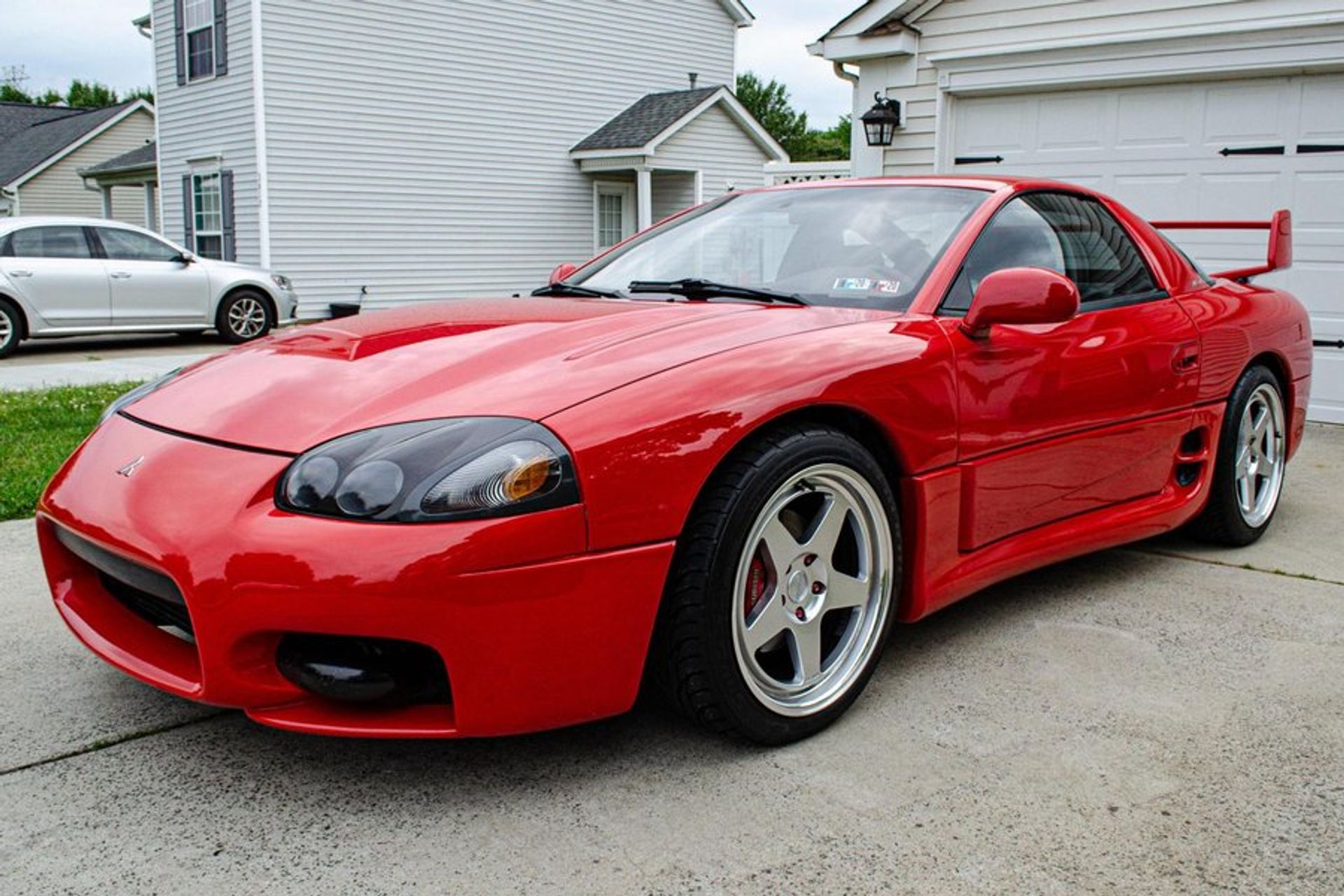
Mitsubishi 6G72 Twin Turbo
The 6G72 twin-turbo engine gained fame for its role in the Mitsubishi 3000GT VR4 and other high-performance models. It was a bold attempt to combine advanced turbocharging with a durable V6 platform, creating a complex yet exciting engine.
During its era, it represented cutting-edge technology, and its performance capabilities made it a favorite among enthusiasts seeking both speed and mechanical intrigue.
Enthusiasts admire the 6G72 for its twin-turbo design, which delivers strong mid-range torque and high-end power. Each turbocharger is carefully sized to complement the other, reducing lag while maximizing performance.
This setup allowed the engine to produce exhilarating acceleration without compromising drivability, making it a versatile performer on both street and track.
Durability and reliability were key factors in the engine’s reputation. Although the system was complex and required careful maintenance, well-maintained examples could handle significant stress, including elevated boost levels.
The engine’s strength under these conditions earned it respect among tuners who wanted a robust platform capable of handling modifications.
The 6G72 also benefited from motorsport exposure. Racing applications allowed engineers to refine turbo management and thermal control strategies, showcasing the engine’s potential when optimized. This success in competitive environments reinforced its credibility and contributed to its enduring enthusiast appeal.
Even decades after its introduction, the 6G72 remains a respected engine. It represents a period when manufacturers experimented boldly with forced induction, creating technically ambitious V6 powerplants that were both challenging and rewarding. Its combination of complexity, power, and historical significance cements its legendary status.
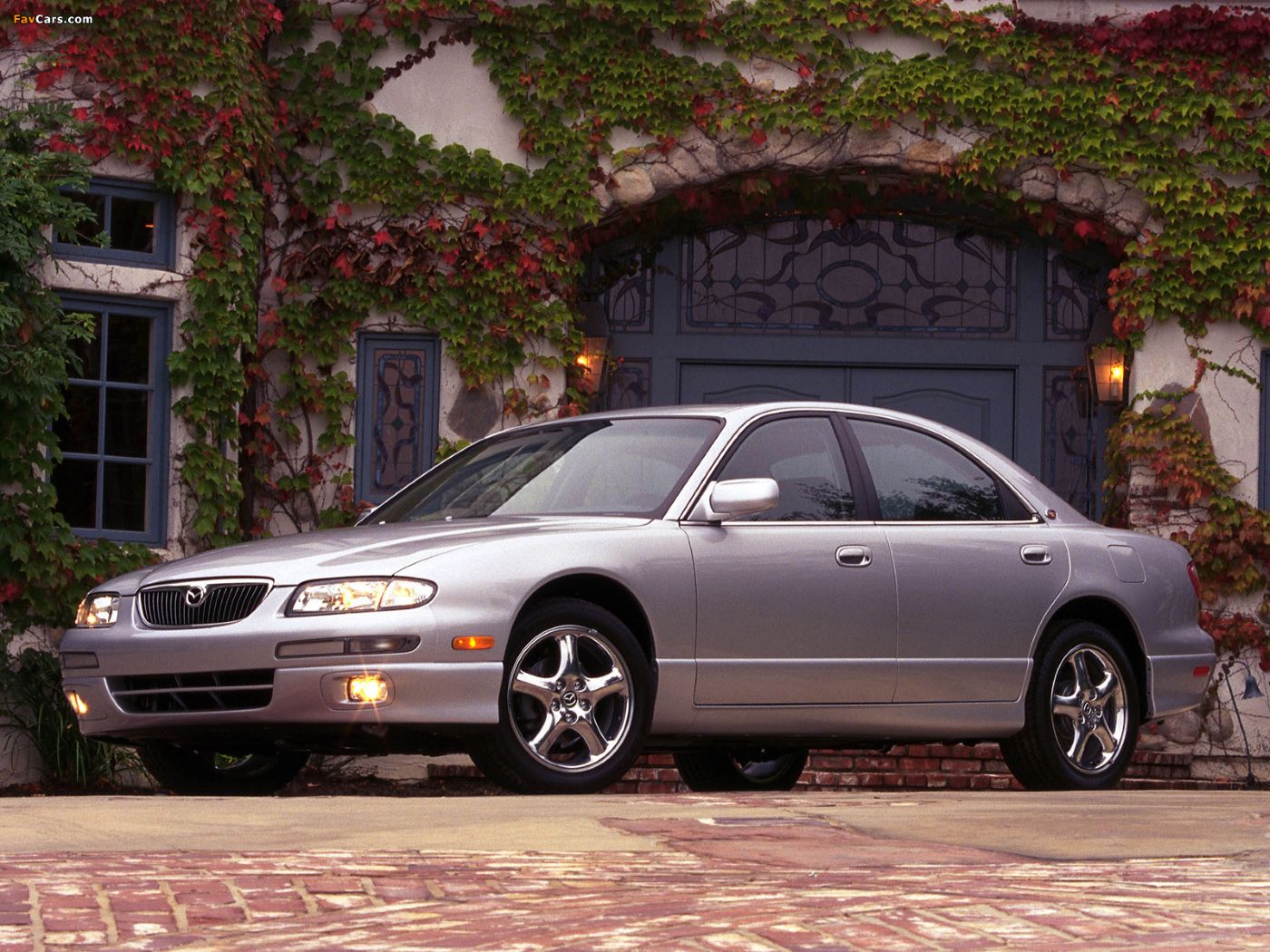
Mazda KJ ZEM Miller Cycle Turbo V6
Mazda’s KJ ZEM engine stands out due to its unconventional Miller cycle design combined with turbocharging. Its goal was to improve efficiency without sacrificing performance, which made it unique among contemporary turbo V6 engines.
By carefully controlling intake timing and using forced induction, Mazda achieved a balance between fuel economy and spirited driving, showcasing innovative engineering thinking.
Enthusiasts admire the KJ ZEM for its engineering creativity and willingness to push boundaries. The combination of turbocharging with the Miller cycle was uncommon at the time, requiring precise timing, sophisticated control systems, and robust internal components.
This engineering ambition set it apart from more conventional V6 designs and captured the imagination of those who appreciate technical ingenuity.
Power delivery prioritizes smoothness and refinement. Rather than focusing on raw output alone, Mazda engineered the engine to provide linear acceleration and consistent torque across the rev range.
This approach suited its luxury-oriented applications, where the driving experience emphasized comfort without sacrificing responsiveness, offering a unique perspective on turbocharged performance.
Reliability is highly dependent on proper maintenance, but well-cared-for examples reward owners with longevity and consistent performance. Despite its complexity, enthusiasts appreciate engines that challenge conventional thinking and require careful stewardship. This combination of challenge and reward enhances its appeal in the eyes of dedicated fans.
The KJ ZEM remains a fascinating chapter in automotive engineering history. Its ambition and technical ingenuity ensure it is remembered fondly among enthusiasts. It highlights how innovation can produce a turbo V6 that is both efficient and engaging, demonstrating that engineering creativity can achieve remarkable results.

Audi 2.7 Biturbo V6
Audi’s 2.7-liter biturbo V6 gained fame in the B5 S4 and other high-performance models. It offered an impressive balance of luxury and power, creating a platform that appealed to both enthusiasts and casual drivers.
With twin turbochargers, the engine provided smooth, immediate power delivery while maintaining a refined character, illustrating Audi’s commitment to versatile performance engineering.
The twin-turbo system ensures consistent torque throughout the rev range. Boost builds quickly and predictably, giving strong acceleration without harsh transitions or unexpected spikes. This characteristic made the 2.7 biturbo suitable for daily driving, spirited road use, and track conditions, making it a well-rounded engine for a variety of applications.
Aftermarket tuning potential added to its popularity. Enthusiasts discovered that supporting modifications could dramatically increase power output, making the platform highly attractive to performance builders.
The engine’s predictable nature under boost allowed for significant gains without the catastrophic failures often associated with high-performance tuning.
Reliability varied depending on maintenance, but owners who followed recommended care routines found the engine capable of impressive longevity.
Audi’s engineering provided a foundation for durability, including reinforced components and well-managed thermal systems. These qualities helped the engine maintain its reputation as both exciting and dependable.
The 2.7 biturbo V6 influenced Audi’s future performance engines. Its combination of turbocharging, refinement, and tuning potential established benchmarks that carried over into subsequent generations. Enthusiasts continue to regard it as a milestone in modern V6 turbo engineering.
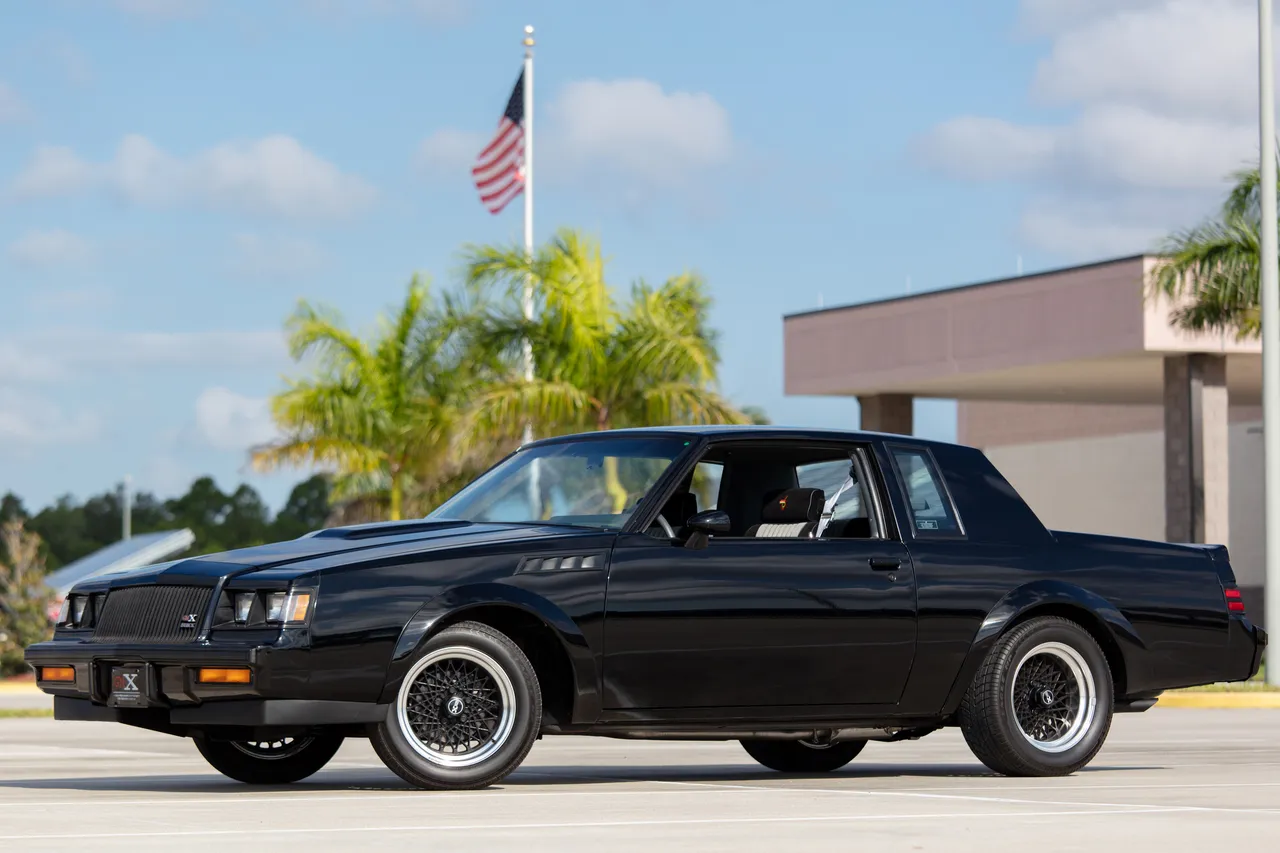
Buick GNX 3.8 Turbo V6
The Buick GNX turbo V6 made a dramatic impact when it debuted, surprising enthusiasts with performance that rivaled more exotic cars.
Using a 3.8-liter displacement and a single large turbocharger, the engine delivered extraordinary torque and acceleration for its era. Its understated appearance combined with raw speed made it a unique and highly respected powerplant in the muscle car world.
The engine emphasized straight-line performance, producing significant low-end and mid-range torque. Turbocharging transformed what was a conventional V6 into a potent force, capable of achieving blistering acceleration with surprising composure. Enthusiasts loved that the GNX felt planted, responsive, and aggressive without requiring an excessively large engine.
Durability contributed significantly to its legendary reputation. The engine was engineered to handle increased boost and spirited driving without catastrophic failure. Many well-maintained examples remain operational decades later, continuing to deliver impressive performance and proof of Buick’s engineering foresight.
Cultural impact played a major role in the GNX’s status. It became a symbol of American turbocharged performance, representing the peak of GM’s engineering capabilities during its era. Its rarity, combined with its performance credentials, ensured it would remain an icon long after production ceased.
The GNX turbo V6 demonstrated that innovation and engineering excellence could emerge from unexpected places. Its combination of raw power, torque, durability, and cultural significance ensures that it is still revered among enthusiasts, making it one of the most celebrated turbocharged V6 engines in automotive history.
