
Economy cars were never meant to be admired, preserved, or fought over at auctions. They were built to be affordable, practical, and easily replaceable, often purchased by families, students, or commuters who needed reliable transportation rather than style or performance.
For decades, these cars filled parking lots and driveways, slowly aging until they were scrapped, forgotten, or replaced by newer and more efficient models.
Because of this disposable reputation, very few people thought about saving them or keeping them in their original condition. That lack of foresight is exactly what has turned some of these humble vehicles into modern collectibles.
As time passes, nostalgia reshapes how people view the past, especially when it comes to cars. Vehicles that once blended into everyday traffic now represent a specific era, a memory of simpler engineering and honest design.
Many of these cars remind collectors of first jobs, first road trips, or family routines, giving them emotional value far beyond their original price tag. When combined with rarity created by years of neglect, that emotional connection drives demand. What was once ordinary suddenly feels special.
Another factor pushing these economy cars into collectible status is the shift in modern automotive design. Today’s vehicles rely heavily on electronics, automation, and complex systems that distance drivers from the mechanical experience.
Older economy cars often feature manual transmissions, simple engines, and minimal driver aids, making them feel more engaging and approachable. For enthusiasts who want to work on their own cars, these older models offer accessibility that modern cars lack. That mechanical honesty adds to their appeal.
Cultural influence also plays a major role in redefining these cars. Appearances in movies, television shows, video games, and social media have helped reframe certain economy cars as icons rather than appliances. Once a model becomes associated with a subculture or a generation, its reputation can change quickly.
Even cars that were once mocked can gain respect through time and reinterpretation. Public perception is often as important as engineering when it comes to collectibility.
Finally, scarcity turns interest into urgency. Because most economy cars were driven hard and discarded without a second thought, surviving examples are often rare, especially in clean or original condition. Collectors understand that restoration costs can exceed the value of the car, making untouched examples far more desirable.
This scarcity creates competition, which raises prices and solidifies collectible status. Together, nostalgia, simplicity, culture, and rarity have transformed certain economy cars into unexpected treasures.

Honda Civic EF and EG Generations
The Honda Civic of the late 1980s and early 1990s was designed as a practical and fuel efficient solution for everyday drivers, yet its simple and reliable engineering allowed it to exceed expectations for longevity.
Buyers valued the Civic for its low running costs, easy maintenance, and consistent performance, making it one of the most dependable small cars on the road at the time.
Its compact size, light weight, and straightforward mechanical layout made it accessible for first time car owners, students, and young families alike, ensuring its popularity worldwide.
Despite being common and often overlooked, these cars laid the groundwork for a strong enthusiast following years later.
Over time, the lightweight design and efficient engines became highly appreciated by driving enthusiasts who sought affordable yet nimble vehicles. The Civic’s small dimensions and precise steering created a surprisingly enjoyable driving experience, even for everyday commuting or long trips.
With the growth of tuning culture, particularly in Japan and later globally, the Civic became a favorite for modification, drag racing, and autocross events. Its simplicity allowed for creative aftermarket upgrades, making it versatile in ways that other economy cars could not match.
Many Civics from this era were heavily modified, raced, or neglected, which drastically reduced the number of clean, unaltered examples available today. Stock vehicles with original paint, interiors, and engines are increasingly rare as enthusiasts and collectors search for untouched examples.
The scarcity of these models has helped cement their status as desirable collectibles, particularly among Japanese car enthusiasts and import car collectors. Preservation has become a priority for those who understand the Civic’s historical and cultural significance.
Today, well-preserved Civic EF and EG models command prices that would have seemed unreasonable decades ago, particularly for low-mileage and unmodified examples. Collectors value them not only for nostalgia, but also for the mechanical simplicity, reliability, and tuning potential they offer.
The Civic’s transformation from mundane commuter car to celebrated classic illustrates how automotive communities can reshape the reputation of even the most ordinary vehicles. Its enduring legacy continues to attract enthusiasts worldwide who recognize the charm of its combination of practicality and engaging driving experience.
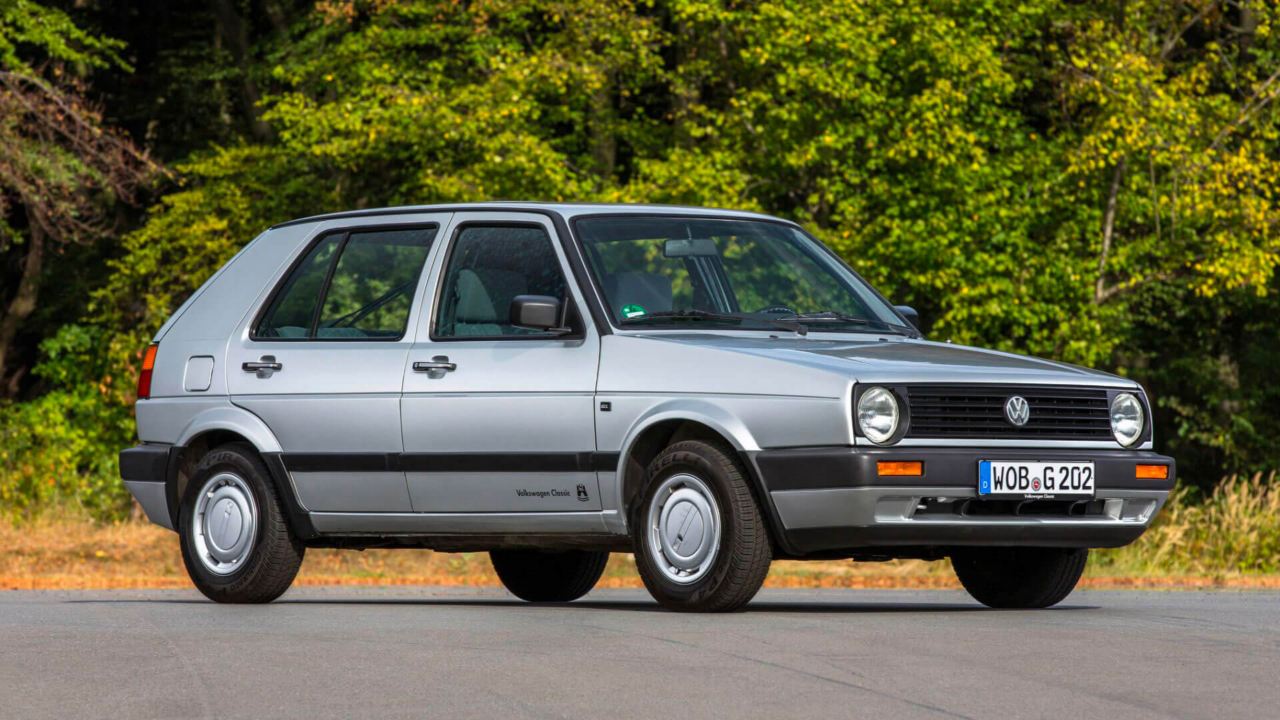
Volkswagen Mk2 Golf
The second-generation Volkswagen Golf was designed to be a compact, practical hatchback that could serve a wide audience without compromising quality.
Its reputation for solid construction, straightforward engineering, and understated styling made it a go-to choice for young professionals, families, and commuters.
Millions of Mk2 Golfs were sold worldwide, making it a fixture on streets across Europe and beyond, often unnoticed despite its enduring reliability. Initially, the model was praised for its sensible design rather than performance, and many assumed it would remain a simple workhorse for decades.
Over time, the Mk2 Golf earned respect among drivers for its balanced handling and mechanical resilience, creating a subtle but loyal following. Performance versions, especially the GTI, added credibility and excitement, highlighting the model’s potential beyond mere transportation.
Even standard models benefited from a well-engineered chassis that handled curves and traffic with confidence, offering a driving experience that felt more engaging than other economy cars of the era. Its understated appearance made it a blank canvas for enthusiasts, fostering a growing appreciation for the model’s versatility.
Many Mk2 Golfs were driven extensively and eventually succumbed to rust, accidents, or neglect, reducing the number of original examples significantly. The cars that survived often required restoration, which sometimes compromised originality, increasing the value of untouched models.
Enthusiasts now seek cars with original engines, interiors, and paintwork, valuing them as historical snapshots of early 1980s automotive design. This demand has helped transform the Mk2 Golf from an overlooked compact car into a respected collectible.
Collectors today prize the Mk2 Golf for its classic proportions, analog driving feel, and cultural significance in automotive history. Its reputation continues to grow as more people recognize its combination of practicality and spirited design, particularly among fans of European cars.
Well-maintained examples, especially GTI variants, now fetch substantial prices at auctions and private sales. The Mk2 Golf demonstrates how everyday vehicles can evolve into symbols of mechanical integrity and timeless design.
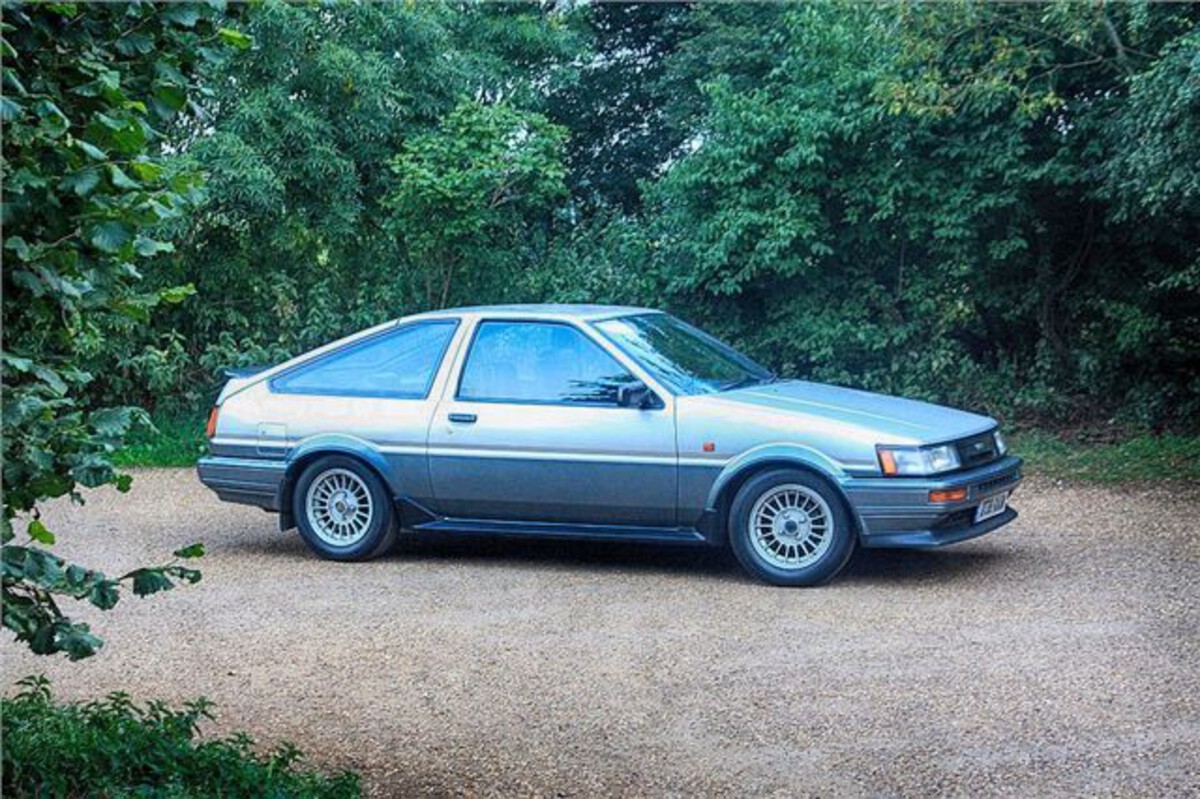
Toyota Corolla AE86
The Toyota Corolla AE86 was produced as part of the brand’s economy car lineup, designed primarily to provide affordable and efficient transportation for everyday drivers.
At the time, it blended seamlessly into the crowded Corolla family, offering nothing that seemed extraordinary to the casual observer.
Its lightweight chassis, rear wheel drive layout, and precise handling went unnoticed by most buyers, who prioritized reliability and fuel economy over driving excitement. Only years later would enthusiasts recognize that the AE86 possessed qualities that set it apart from other small economy cars.
The AE86’s rear wheel drive layout, balanced weight distribution, and responsive steering gave it exceptional handling, particularly on winding roads and in motorsport contexts.
Street racers, drifters, and amateur track drivers discovered the car’s natural agility, which rivaled many larger or more expensive vehicles.
Its simple yet robust engine design allowed for easy tuning and upgrades, fueling a passionate following in racing and drifting communities. Gradually, what was once considered just another Corolla evolved into a cultural icon with widespread appeal.
Most AE86s were used hard, modified extensively, or subjected to wear and tear, reducing the number of surviving stock examples. Rust, accidents, and lack of preservation efforts removed countless models from circulation, making untouched cars increasingly rare.
Collectors and enthusiasts now prize AE86s that retain original engines, interiors, and bodywork, viewing them as historical pieces of automotive culture. Their scarcity, combined with performance potential, has driven prices to levels that far exceed the car’s original economy-class value.
Today, the AE86 is widely regarded as one of the most iconic Japanese classics, celebrated for its driving dynamics and influence on motorsport and popular culture. Collectors seek both sentimental and mechanical authenticity, often preferring unmodified examples that showcase Toyota’s engineering ingenuity.
The car’s legacy demonstrates how modest economy cars can gain legendary status through driver engagement and cultural impact. Its transformation into a collectible underscores the importance of both performance and nostalgia in the collector market.
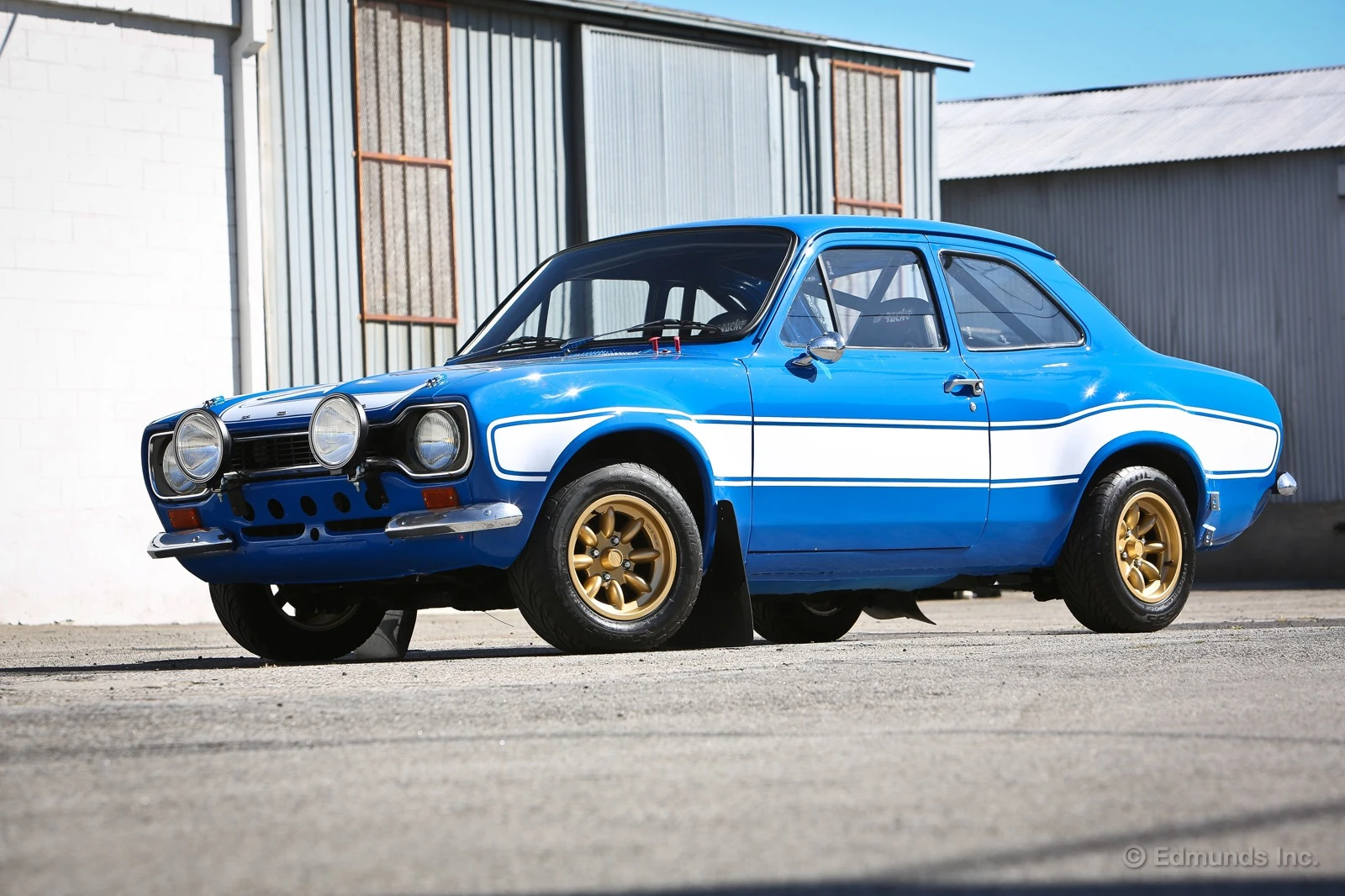
Ford Escort Mk1 and Mk2
The early Ford Escort was introduced as a practical and affordable solution for family transportation and everyday commuting. Its simple construction, straightforward mechanical components, and modest styling made it accessible to a wide demographic of buyers.
Millions of units were sold in Europe and other markets, and it became one of the most common small cars of its era. At the time, few recognized the potential for these cars to become valuable collector items.
Success in rally racing gradually elevated the Escort’s reputation, particularly in Mk1 and Mk2 forms. Motorsport victories highlighted the car’s reliability, handling, and durability, giving it a reputation far beyond its humble beginnings.
Even standard versions benefited from the association with performance, creating respect among driving enthusiasts. Over time, the Escort became a symbol of functional engineering that could also offer excitement on the road.
The majority of Escorts were driven extensively, often until they were no longer usable, which significantly reduced the number of surviving original examples. Rust, accidents, and neglect further limited the pool of preserved vehicles. Clean, original, or lightly modified cars are now rare and highly sought after. Collectors view these surviving models as a representation of a golden era in affordable performance cars.
Today, early Escorts have achieved significant collectible status, with values rising steadily for well-preserved examples. Collectors appreciate their historical significance, mechanical simplicity, and rallying heritage.
The cars’ combination of accessibility and performance makes them desirable for enthusiasts seeking classic driving experiences. What was once an everyday family car now holds lasting admiration in automotive circles.
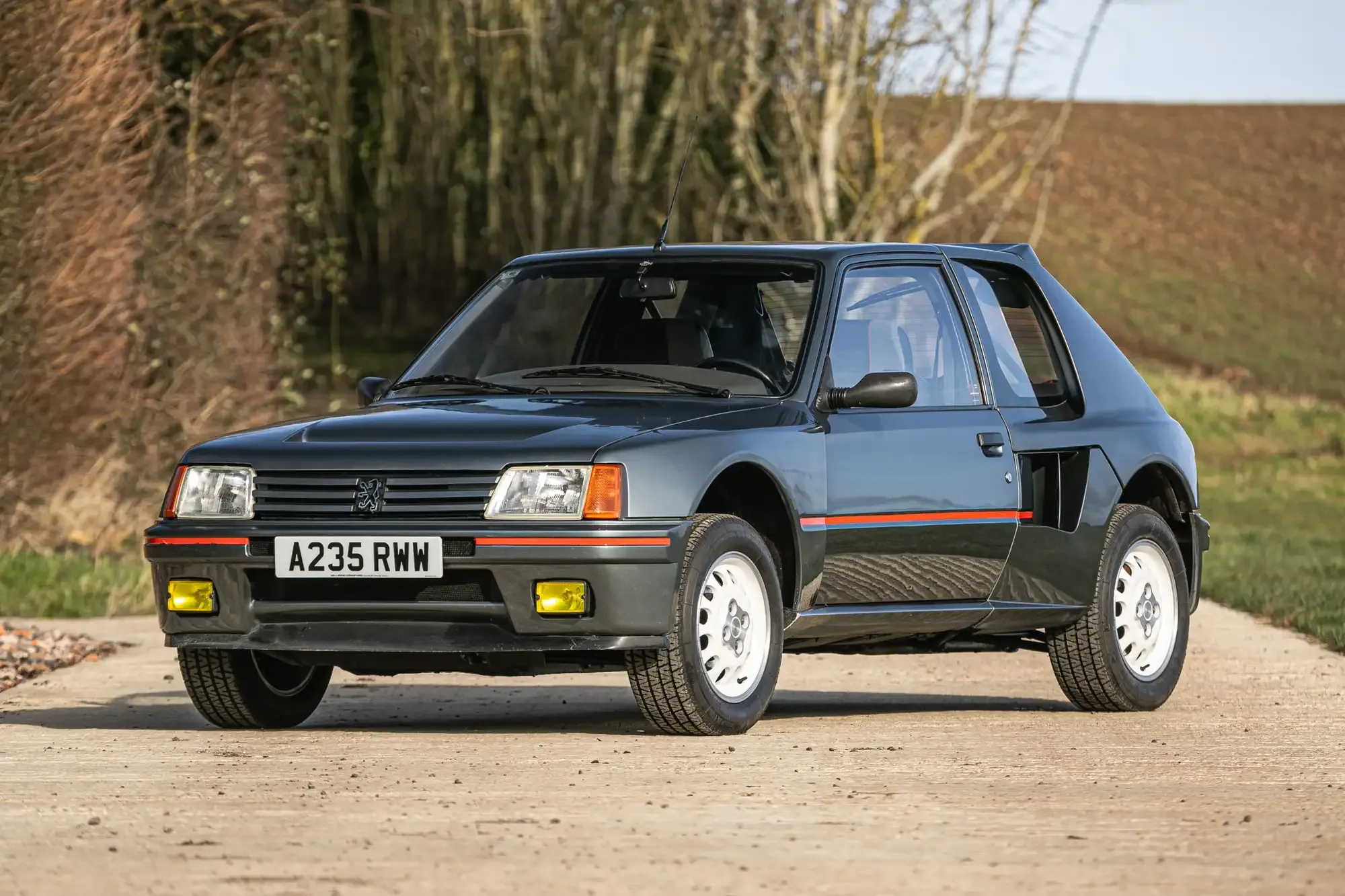
Peugeot 205
The Peugeot 205 was introduced as a compact and efficient city car that emphasized affordability and practicality. Its small dimensions, lightweight construction, and efficient engines made it a perfect choice for urban commuters and first-time car buyers.
Initially, the 205 was not considered stylish or exciting, and it was largely purchased for sensible transportation. Its role as a basic vehicle contributed to its ubiquity on European streets throughout the 1980s.
Despite its modest purpose, the 205 developed a reputation for surprisingly engaging driving dynamics due to its lightweight chassis and responsive handling.
Even base models exhibited nimble performance, while sportier versions demonstrated the platform’s potential for excitement and enthusiasm.
Drivers gradually began to appreciate the car’s balance between practicality and fun, recognizing qualities that other economy cars lacked. This emerging appreciation planted the seeds for its eventual status as a collectible.
Over time, many Peugeot 205s were used extensively and discarded when they became worn or outdated, leaving relatively few surviving examples. Rust and mechanical deterioration reduced the number of vehicles in good condition, particularly those retaining original paint and interiors.
Clean, unmodified 205s have become rare, and their scarcity drives interest among collectors. Enthusiasts now prize the car for both its historical relevance and engaging driving characteristics.
Today, the Peugeot 205 is considered a standout small car from its era, admired for its combination of practicality, style, and driving enjoyment. Collectors value well-preserved examples for their originality, mechanical simplicity, and nostalgia.
Prices for rare models, particularly the GTI variants, continue to rise steadily in both Europe and international markets. The 205’s journey from everyday hatchback to collectible classic demonstrates how thoughtful design and scarcity can transform humble vehicles.
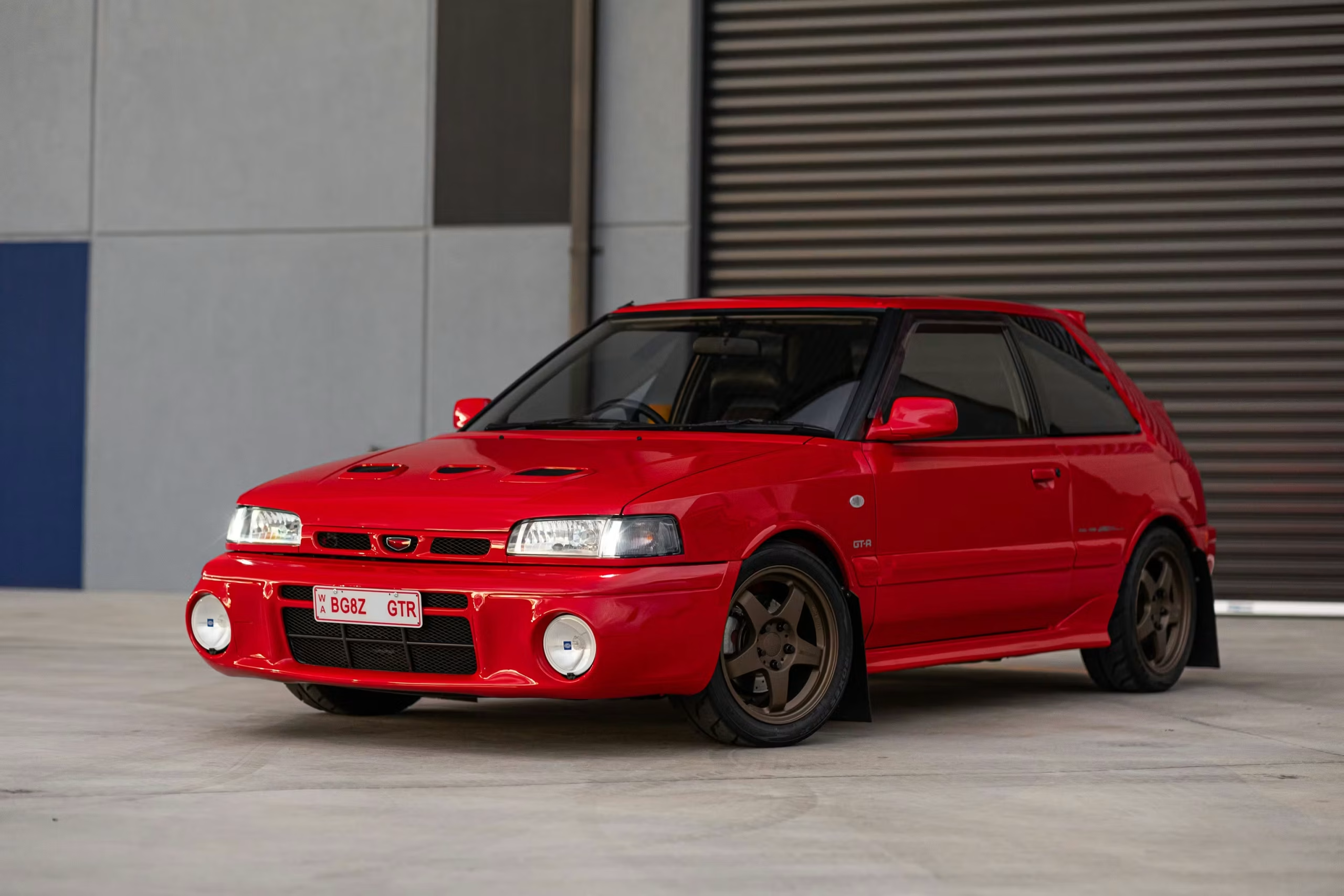
Mazda 323 GT and Basic Models
The Mazda 323 was introduced as a reliable, practical, and affordable small car for everyday drivers, emphasizing fuel efficiency and low maintenance costs. Buyers appreciated its durability, straightforward mechanical layout, and minimalistic approach to design, making it a dependable choice for families, commuters, and students alike.
Its compact dimensions allowed easy maneuvering in urban environments, while the simple interior ensured functional comfort without unnecessary frills. At the time, the 323 was overlooked by enthusiasts, yet it quietly earned a reputation for reliability and ease of ownership.
Mazda’s focus on chassis balance and driving dynamics gave the 323 an unexpectedly enjoyable feel, even in standard configurations. Steering was precise and predictable, making the car feel more engaging than other economy vehicles of the same era.
Sportier variants, including the GT and performance trims, showcased the car’s latent potential, attracting early interest from driving enthusiasts. Over time, drivers began to recognize the 323 as a vehicle that combined practicality with an accessible and responsive driving experience.
Most 323s were subjected to heavy use, whether as daily commuters or family cars, which reduced the number of well-preserved examples significantly. Rust, mechanical wear, and neglect removed many from circulation, leaving relatively few intact survivors today.
Original examples with untouched interiors, paint, and engines are particularly rare, creating strong appeal among collectors. The scarcity of pristine 323s has made them more desirable to those seeking both historical significance and mechanical simplicity.
Collectors now view the Mazda 323 as an underrated classic that deserves recognition alongside other Japanese small cars. Its combination of practicality, reliability, and unexpected driving enjoyment has earned it a dedicated following.
Clean examples attract attention at car shows and auctions, proving that humble origins do not prevent long-term appeal. The 323’s evolution from everyday commuter to respected collectible underscores the value of durability and thoughtful design.
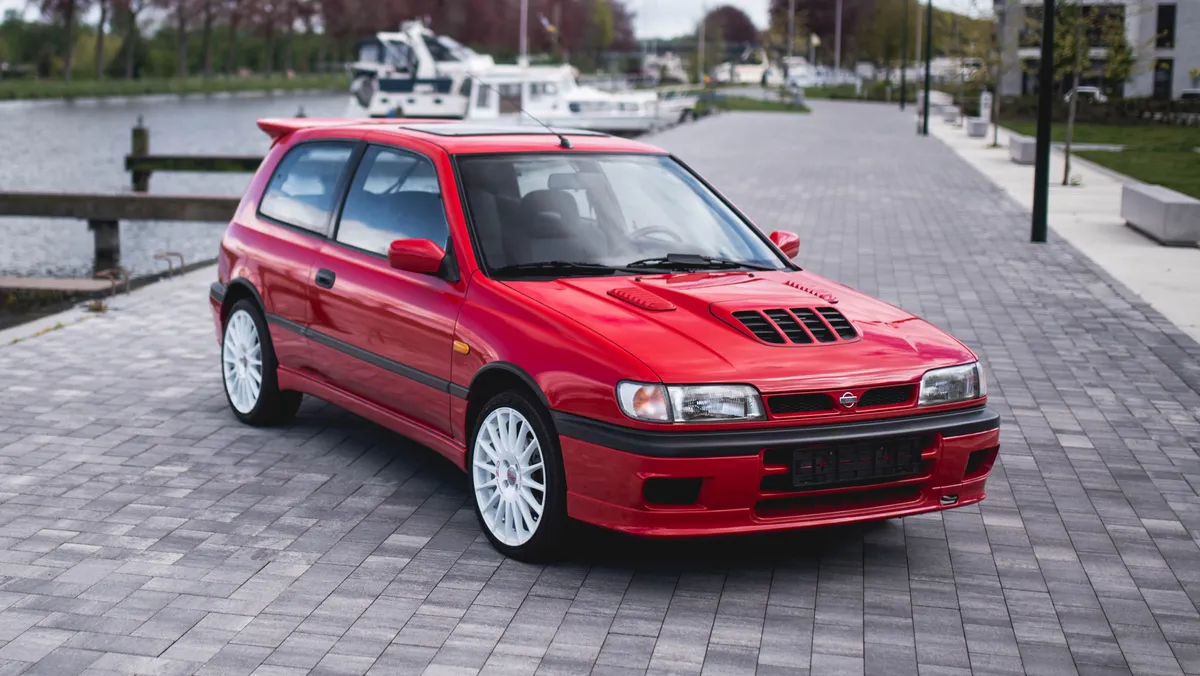
Nissan Sunny GTI R and Standard Sunny
The Nissan Sunny was primarily designed as an affordable, fuel-efficient economy car that could handle daily commuting and family needs. Standard models were simple, reliable, and practical, offering little that stood out in the crowded small car market.
Buyers chose the Sunny for its dependable engines, easy maintenance, and smooth operation rather than for style or excitement. At the time, it fulfilled its role quietly, serving millions of drivers without drawing particular attention.
The Sunny platform, however, proved versatile and capable, especially in sportier GTI R and performance versions that revealed unexpected potential. Drivers discovered that the cars handled well, offered lively acceleration, and responded predictably to spirited driving.
Even base models benefited from solid engineering and thoughtful chassis design, creating subtle engagement for those who noticed. Enthusiasts gradually recognized that this ordinary-looking small car could deliver more enjoyment than it first appeared to offer.
The majority of Sunnys were driven extensively, often modified, or eventually discarded, which significantly reduced the number of original cars that survived in good condition. Rust, accidents, and hard use removed countless examples from circulation, leaving rare survivors for collectors to find.
Original cars that retain their stock components, paint, and interior are now especially prized. Scarcity, combined with the platform’s hidden capabilities, has turned the Sunny into a sought-after collectible.
Today, the Nissan Sunny is valued not only for its reliability and affordability but also for its historical and mechanical significance. Collectors admire the car as an understated classic that represents a practical yet engaging driving era. Well-preserved examples, particularly rare GTI R models, continue to command rising interest and higher prices. Its transition from plain commuter to desirable collector exemplifies how recognition and scarcity can reshape a vehicle’s reputation over time.
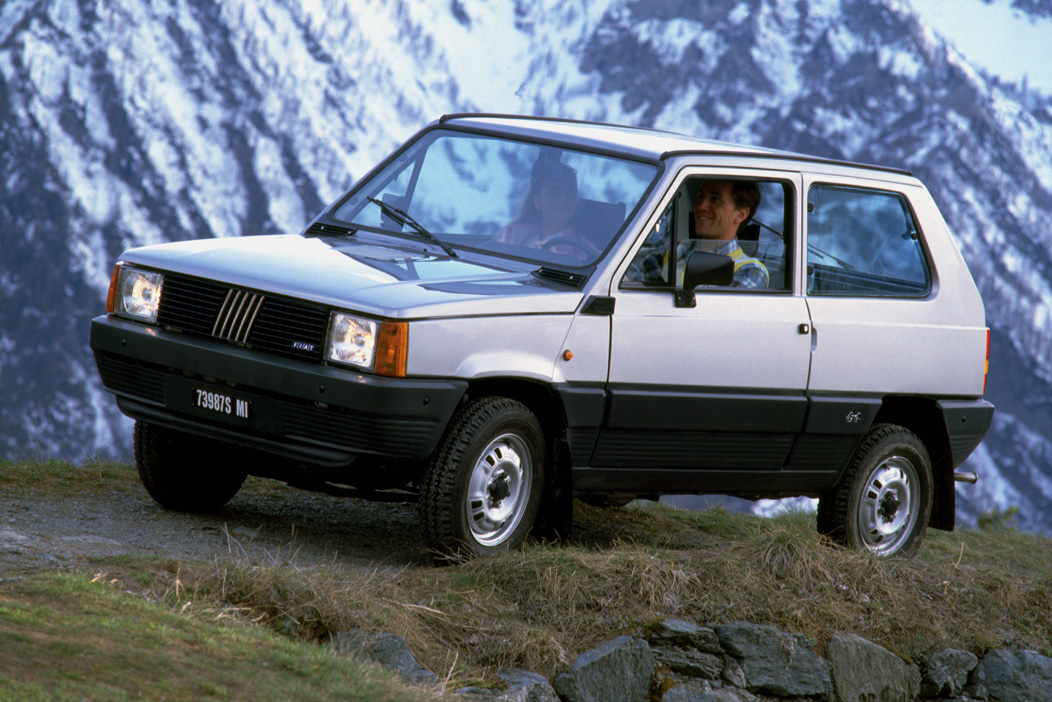
Fiat Panda Mk1
The original Fiat Panda was conceived as a simple, functional, and inexpensive city car, designed to meet the transportation needs of everyday urban drivers. Its boxy shape, sparse interior, and minimal mechanical complexity emphasized practicality above style or luxury.
Buyers focused on the car’s affordability, reliability, and ease of use, appreciating its ability to navigate narrow streets and congested city areas effortlessly. At the time, it was celebrated for utility rather than desirability, a reliable workhorse rather than an aspirational vehicle.
Over the years, the Panda earned charm through its straightforward design and clever use of space, gaining attention for its versatility and personality. Its lightweight construction allowed it to handle surprisingly well, while the simple mechanics made maintenance accessible to nearly any owner.
Drivers began to recognize the car’s practicality and subtle appeal, particularly for those seeking a reliable yet uncomplicated urban vehicle. Enthusiasts gradually embraced its modest design as emblematic of honest and functional engineering.
Many Pandas lived long, hard lives, with rust and mechanical wear claiming countless examples. They were often driven until they could no longer function, and few were preserved intentionally. Today, original Mk1 Pandas in good condition are rare, making them highly desirable to collectors who value authenticity. The scarcity of surviving cars has added historical and sentimental weight, elevating the Panda beyond its original humble status.
Collectors now prize the Fiat Panda for its cultural significance, simple design, and mechanical accessibility. Its ability to balance utility, charm, and longevity has cemented its reputation as a classic city car.
Well-preserved examples are increasingly sought after in the collector market, often commanding impressive prices relative to their original affordability. The Panda’s journey from overlooked urban transportation to celebrated classic highlights how design simplicity and character can create lasting appeal.
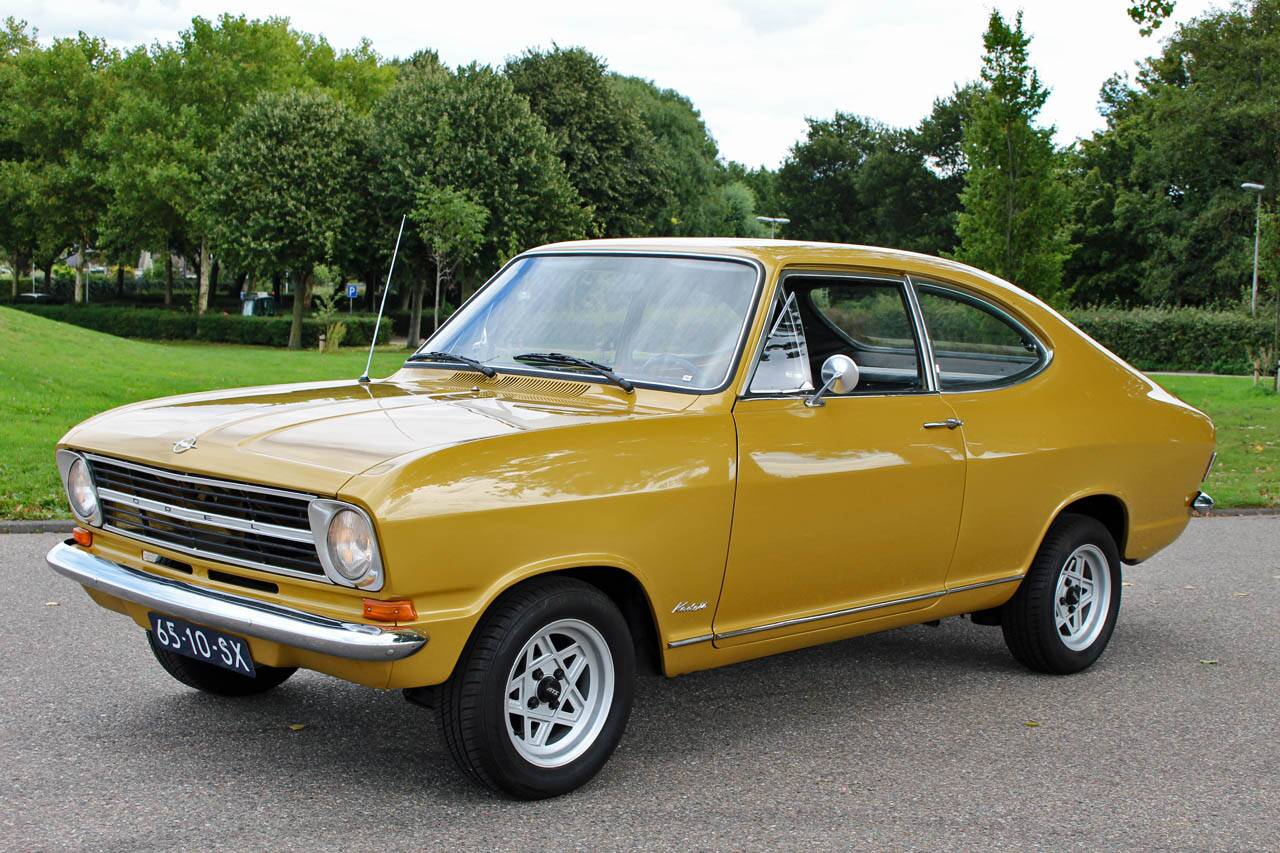
Opel Kadett
The Opel Kadett was created as a reliable, affordable, and straightforward economy car designed to meet the needs of families and commuters alike. Its unassuming styling, functional interior, and simple mechanical setup made it accessible to a broad range of drivers, while offering dependable performance for everyday use.
Buyers valued its durability, low running costs, and ease of repair, making it one of the most sensible choices in its class. At the time, it was regarded as a dependable workhorse rather than a car to admire or collect.
Strong engineering and thoughtful design gave the Kadett a solid reputation for longevity and enjoyable driving, even in standard trims. Some sportier variants demonstrated the platform’s hidden potential for performance, attracting the attention of enthusiasts over time.
Drivers began to appreciate the car’s balance, predictable handling, and mechanical honesty, recognizing qualities that were uncommon in economy cars of the era. The Kadett gradually earned respect among both casual owners and dedicated collectors.
Most Kadetts were used heavily and eventually retired, with rust, wear, and accidents removing many from circulation. Original, well-preserved examples are now scarce, particularly those with intact interiors, engines, and paintwork. Collectors prize these surviving models for both their historical importance and authentic condition. Scarcity, combined with the platform’s reputation for quality, has increased demand among enthusiasts worldwide.
Today, the Opel Kadett is recognized as a classic small car that balances practicality and historical significance. Collectors value its mechanical simplicity, reliability, and understated design.
Well-maintained examples continue to attract attention at auctions and car shows, solidifying the Kadett’s place in the collector market. Its transformation from everyday transportation to a respected classic demonstrates how durability and cultural relevance can elevate a modest vehicle.
Renault 5
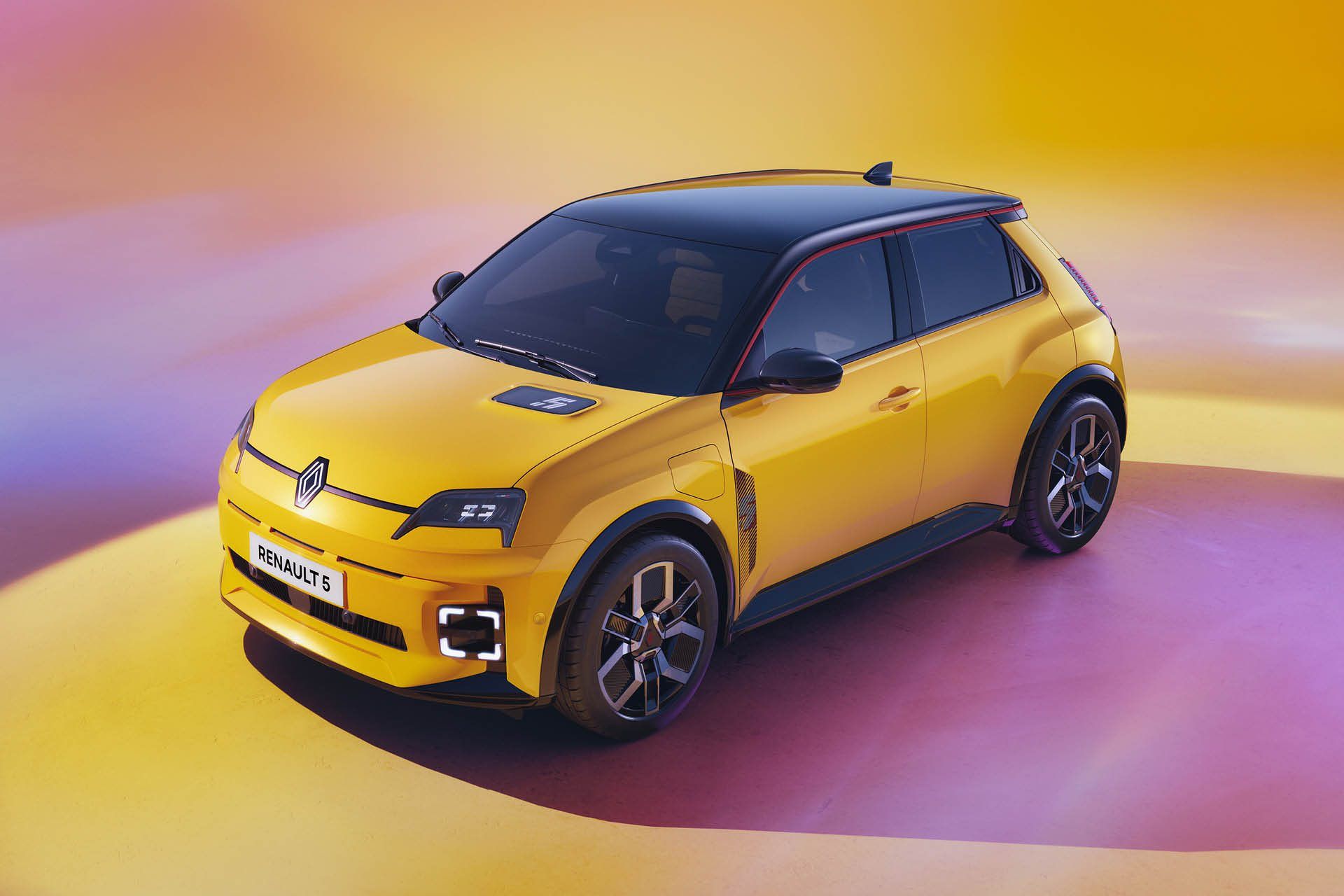
The Renault 5 was introduced as a compact, affordable city car that emphasized practicality, low running costs, and ease of use for everyday drivers. Its small footprint, nimble handling, and efficient engines made it perfect for navigating crowded urban streets.
Early buyers valued its accessibility, affordability, and functional design rather than its style or performance. It was widely popular across Europe as a practical first car or commuter vehicle, quietly earning a reputation for reliability.
Despite its humble beginnings, the Renault 5 developed a distinct personality that set it apart from other economy cars. Its compact yet playful design, combined with surprising driving agility, gave it a unique charm.
Sporty variants, including the GT Turbo, introduced excitement and performance credibility, elevating the model’s appeal among enthusiasts. Over time, drivers and collectors began to appreciate the 5’s balance between practicality, character, and driving enjoyment.
Many Renault 5s were driven extensively, modified, or discarded as they aged, reducing the number of surviving original examples. Rust, mechanical wear, and heavy use eliminated many from circulation, leaving well-preserved cars increasingly rare.
Original examples that retain factory paint, interiors, and engines are now highly prized among collectors. Scarcity, combined with the car’s distinctive design, has helped transform the Renault 5 into a sought-after classic.
Today, the Renault 5 is celebrated as one of the most iconic small cars of its era, valued for its practicality, style, and engaging driving experience. Enthusiasts and collectors admire its ability to combine affordability, charm, and mechanical simplicity.
Well-maintained examples continue to attract attention at auctions and car shows, reflecting their cultural and historical significance. Its journey from everyday hatchback to collectible classic highlights the impact of design, rarity, and nostalgia on automotive appreciation.
