
Hybrid vehicles have grown in popularity over the past decade because they offer a combination of fuel efficiency and the flexibility of traditional internal combustion engines. These cars blend electric motors with gasoline engines, allowing drivers to benefit from both low emissions and lower fuel costs.
Yet, not all hybrids behave the same in everyday driving conditions. One of the biggest differences comes when navigating stop-and-go traffic, such as during commutes or city errands. Some hybrids maintain a seamless experience, transitioning between power sources almost imperceptibly, while others exhibit noticeable jerks or hesitations that can frustrate drivers.
The feel of a hybrid in urban conditions often depends on factors like transmission design, battery size, weight distribution, and the way the electric motor integrates with the gasoline engine. Understanding these differences can help drivers choose a vehicle that matches their daily driving style and comfort preferences.
Additionally, smoothness in traffic is not just about comfort. Constant jerking or abrupt shifts can increase driver fatigue, reduce confidence, and even impact long-term maintenance of the vehicle’s transmission. For city dwellers, this factor is crucial, especially when commutes involve frequent stops at lights, roundabouts, or traffic jams.
Manufacturers continuously refine hybrid systems, learning from earlier models to improve electric-to-gasoline transitions, regenerative braking feel, and throttle response. Some hybrids feature sophisticated electronic control systems that predict when the car will need extra power and adjust engine speed preemptively, creating a more fluid experience.
Others rely on simpler systems that can feel hesitant or abrupt during frequent starts and stops. Beyond mechanical design, ergonomics and user experience play a role. Pedal feel, brake integration, and even cabin noise can affect the perception of smoothness.
A hybrid may technically shift smoothly, but if regenerative braking produces sudden deceleration or the engine revs spike during acceleration, the ride may still feel jerky. Drivers who prioritize comfort, therefore, need to consider both objective performance data and subjective experience when evaluating hybrids.
This article examines ten popular hybrid models, dividing them into two categories: those that stay smooth in stop-and-go conditions and those that can feel jerky. By understanding the traits of each, potential buyers can make informed decisions that align with their driving habits and expectations.
5 Hybrids That Stay Smooth in Stop-and-Go Traffic
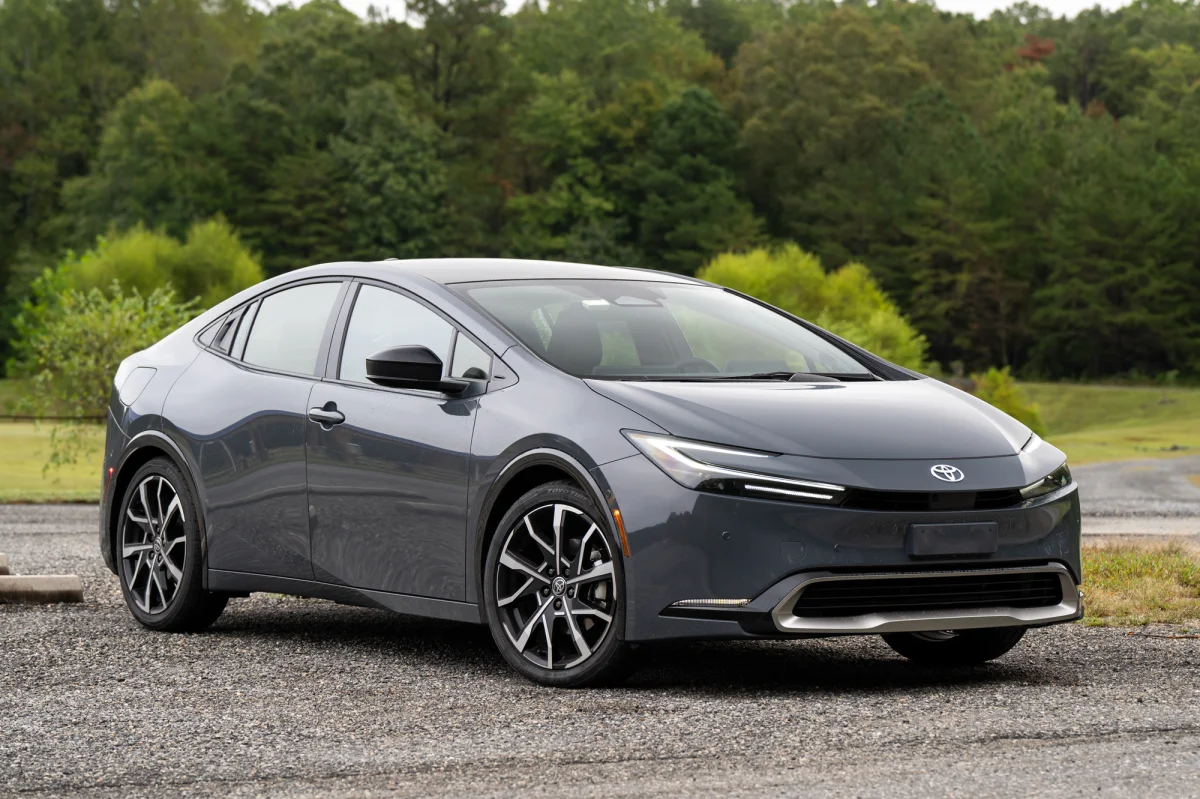
1. Toyota Prius
The Toyota Prius remains one of the most refined hybrids on the market, maintaining a reputation for smoothness in urban environments. Its continuously variable transmission allows the car to move without sudden shifts or noticeable pauses, creating a calm driving experience even during rush-hour commutes.
Electric motor assistance ensures seamless acceleration from a complete stop, while the gasoline engine engages quietly when more power is needed. The regenerative braking system is carefully calibrated to prevent harsh jolts, keeping the ride consistent and predictable in traffic, which reduces driver fatigue and increases confidence on long city drives.
Interior cushioning and suspension tuning also play a crucial role in absorbing bumps, making both the driver and passengers feel secure and comfortable during frequent starts and stops.
The engine management system of the Prius actively predicts when acceleration will be required, preventing the engine from struggling to catch up to the vehicle’s demand. This foresight creates an almost imperceptible transition between electric and gasoline power, which is a key factor in the Prius’s smooth feel.
Even in heavy stop-and-go traffic, the car rarely hesitates, maintaining linear acceleration. Cabin noise is minimal, and vibrations are kept under control, further enhancing the perception of refinement. Many drivers find that long commutes are far less tiring due to the vehicle’s ability to glide effortlessly through traffic, showing that the Prius is designed not just for efficiency but also for comfort and consistency.
Fuel efficiency in congested traffic is another highlight of the Prius, as it frequently operates in electric-only mode at lower speeds, reducing gasoline consumption significantly. The transition between power sources is subtle, often unnoticed by the driver.
When additional acceleration is needed, the gasoline engine ramps up quietly, avoiding the lurches or jolts commonly felt in less sophisticated hybrids. Even with repeated braking and acceleration cycles, the Prius maintains a steady, fluid motion. This combination of efficiency and smooth performance makes it a top choice for city commuters who prioritize both comfort and cost savings.
The steering and suspension of the Prius are tuned to work in harmony with its hybrid system, ensuring that slight adjustments in pedal pressure do not result in abrupt surges forward. Regenerative braking feels natural, allowing the car to slow in a controlled manner without startling occupants.
Small bumps and uneven pavement are absorbed efficiently, maintaining a calm cabin environment. The vehicle’s balance between suspension, steering, and hybrid management gives a sense of stability and control that many other hybrids struggle to match, especially in urban traffic where frequent stops and starts are unavoidable.
Reliability is another factor that enhances the Prius’s smooth ride. Toyota has decades of experience refining hybrid systems, and this expertise is evident in the consistency of the Prius’s performance. Regular maintenance ensures that transitions between electric and gasoline power remain predictable and fluid.
Sudden hesitations or jolts are rare, and the combination of smooth acceleration, gentle braking, and refined suspension ensures a comfortable, calm driving experience. For urban commuters who face frequent stop-and-go traffic, the Prius delivers both practicality and peace of mind.
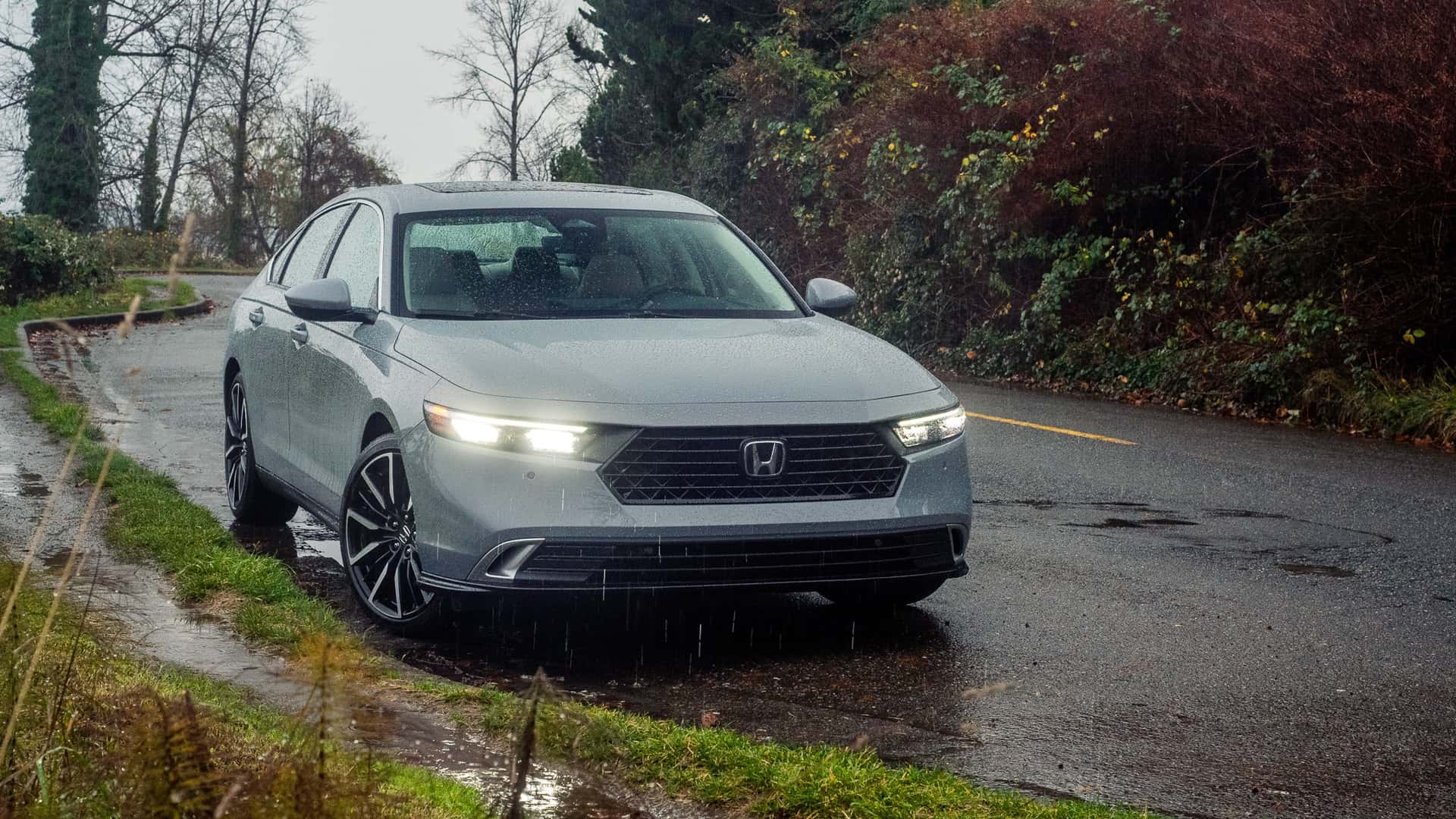
2. Honda Accord Hybrid
The Honda Accord Hybrid is designed to combine fuel efficiency with a sophisticated, smooth driving experience. Its two-motor hybrid system allows the vehicle to transition seamlessly between electric and gasoline power, ensuring that acceleration is linear and predictable.
Drivers rarely feel abrupt shifts, and regenerative braking is gentle enough to maintain control without creating harsh deceleration. In congested traffic, the Accord Hybrid offers a calm and controlled ride, where frequent stops do not translate into fatigue or discomfort, making it ideal for long commutes in busy city streets.
Cabin insulation and soundproofing enhance the perception of smoothness in the Accord Hybrid. Engine noise is muted, and electric-only operation is whisper-quiet at low speeds. Pedal response is tuned to match the power output, providing a consistent feel that prevents unexpected surges or lags.
The combination of powertrain and interior refinement ensures that even during multiple stop-and-go cycles, the vehicle maintains composure, creating a reassuring environment for both the driver and passengers.
The Accord Hybrid’s suspension is designed to handle urban streets with confidence. Small potholes or uneven surfaces are absorbed effectively, and steering response remains precise without transmitting harsh feedback. Acceleration and braking feel consistent and natural, preventing any sensation of jerky motion. Passengers experience a smooth, stable ride, while the driver retains full control, making city commuting less stressful and more enjoyable.
Efficiency is further optimized in traffic through intelligent energy management. The vehicle operates predominantly on electric power at low speeds, minimizing gasoline use while keeping acceleration smooth.
The transition between electric and gasoline modes is carefully coordinated, so the car avoids the abrupt surges common in less advanced hybrids. Drivers notice minimal vibrations, and the ride feels controlled and composed, even during stop-and-go driving.
Advanced driver-assist technologies complement the smoothness of the Accord Hybrid. Systems such as adaptive cruise control and traffic-jam assist help maintain consistent spacing and gentle acceleration.
These features prevent sudden throttle or braking inputs, reducing jerky movements and enhancing the sense of calm. The integration of mechanical refinement, intelligent energy management, and supportive technology makes the Honda Accord Hybrid a standout choice for smooth urban driving.
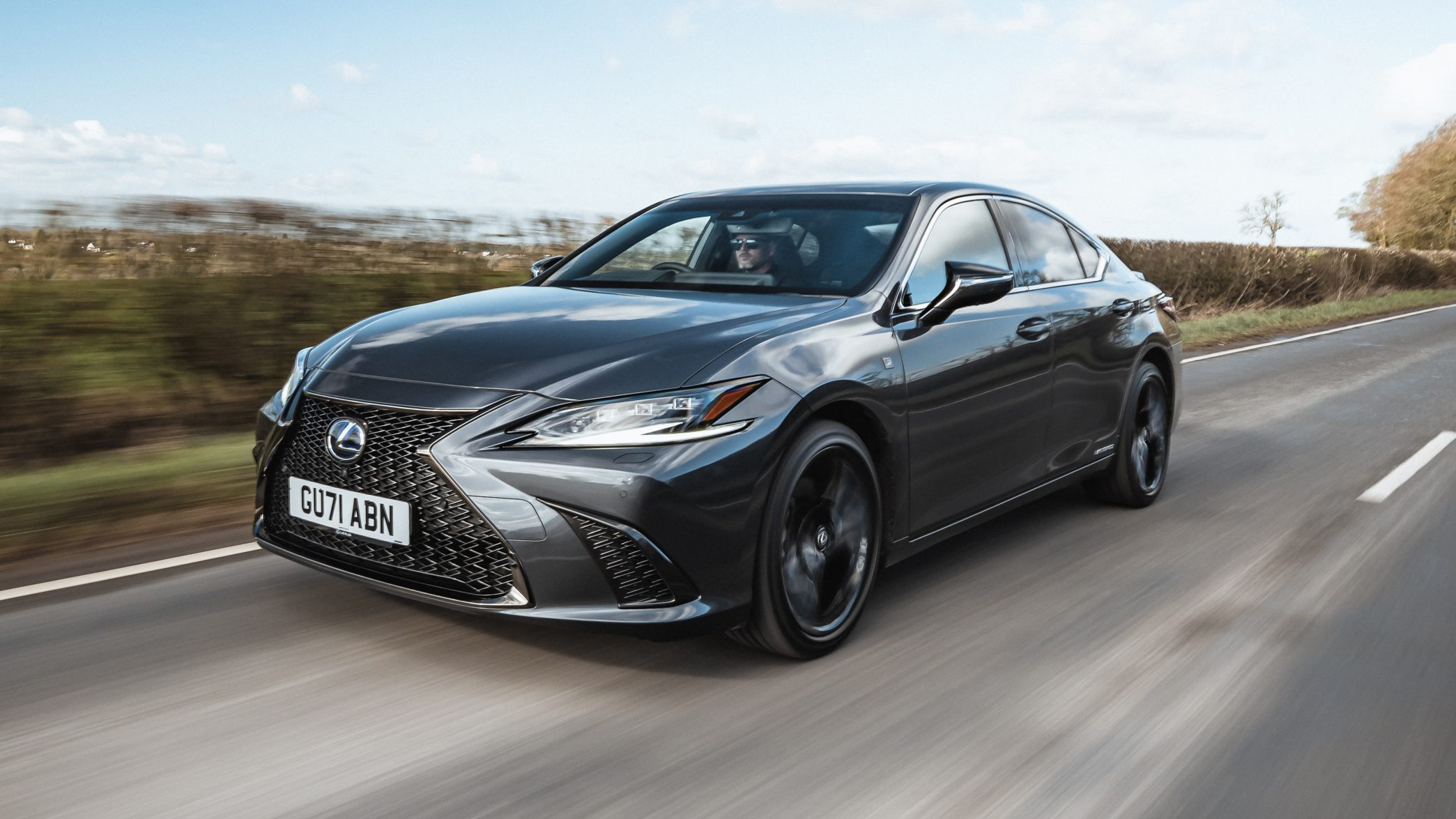
3. Lexus ES 300h
The Lexus ES 300h provides a premium hybrid experience with exceptional smoothness. Its hybrid system is tuned for balance and refinement, allowing electric and gasoline power to work together almost imperceptibly.
Acceleration from a complete stop feels effortless, and braking is gradual and controlled, reducing abrupt movements that can fatigue the driver. The suspension absorbs city road imperfections effectively, keeping both the cabin and occupants stable even during frequent starts and stops.
Luxury materials and advanced cabin insulation further enhance the perception of smoothness in the ES 300h. Road noise, engine hum, and minor vibrations are minimized, creating a serene and comfortable interior.
Regenerative braking is subtle and predictable, which allows the driver to anticipate vehicle behavior without sudden deceleration. This careful tuning ensures that stop-and-go city driving is calm, controlled, and enjoyable for everyone in the vehicle.
The throttle and powertrain calibration of the ES 300h is precise, allowing drivers to modulate acceleration without experiencing sudden surges.
The vehicle’s hybrid system anticipates power needs, smoothing out transitions between electric and gasoline propulsion. Even during repeated stops or slow traffic, the ES 300h maintains a consistent and linear response, which significantly reduces stress and fatigue for the driver.
Suspension geometry and damping are designed to complement the hybrid system’s smooth behavior. Minor road imperfections are absorbed quietly, and steering remains responsive without transmitting harsh feedback.
Occupants feel stable and supported during urban driving, and the vehicle maintains composure over uneven pavement, roundabouts, and frequent stoplights. This combination of mechanical tuning and hybrid control delivers an experience that is calm, consistent, and highly refined.
Lexus engineers focus on reliability and predictability in their hybrid systems. Software and component refinements ensure seamless operation over the life of the vehicle.
Drivers rarely encounter abrupt shifts or hesitations, and the combination of smooth acceleration, gentle braking, and refined suspension ensures a luxurious and stress-free urban driving experience. For commuters seeking both performance and comfort, the ES 300h stands out as a benchmark in hybrid smoothness.
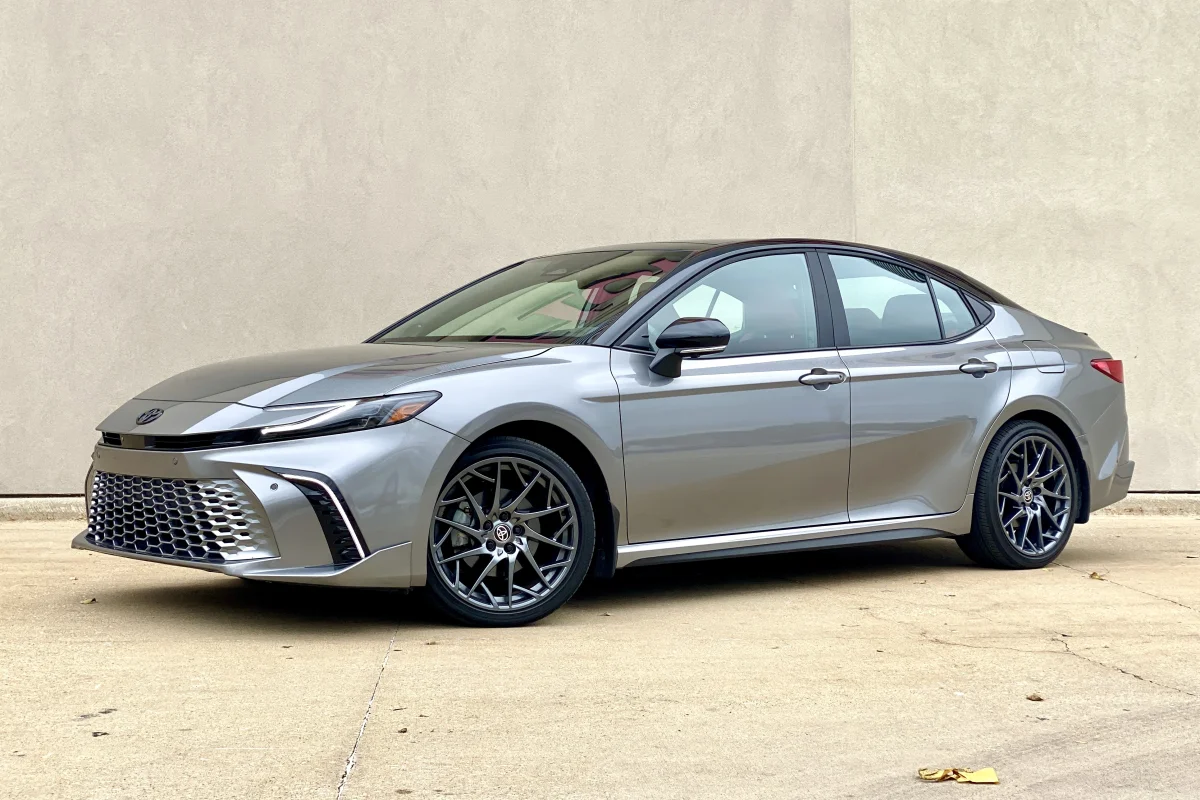
4. Toyota Camry Hybrid
The Toyota Camry Hybrid offers a highly refined driving experience in city traffic. Its hybrid powertrain balances performance and efficiency, enabling smooth, linear acceleration without noticeable interruptions.
The continuously variable transmission eliminates gear shifts, while regenerative braking is gentle and predictable, reducing abrupt deceleration. Commuters benefit from a calm, stress-free ride, as the car maintains composure through frequent stop-and-go conditions while keeping occupants comfortable.
Cabin comfort and noise insulation enhance the sense of smoothness in the Camry Hybrid. Engine sounds are muted, and electric motor operation is quiet and unobtrusive. Pedal feedback is linear, allowing precise modulation and predictable acceleration. The combination of cabin comfort and hybrid system refinement ensures that multiple stops in congested traffic do not translate into an uncomfortable ride.
Energy management is intelligently optimized in the Camry Hybrid, allowing the vehicle to operate primarily on electric power at low speeds. Gasoline power engages seamlessly when additional acceleration is required, avoiding the sudden surges present in less sophisticated hybrids. This makes city driving predictable and less fatiguing, and drivers can rely on consistent performance throughout daily commutes.
Suspension tuning ensures that road irregularities are absorbed without affecting stability. Steering remains smooth and predictable, complementing the hybrid system’s linear acceleration and braking.
The Camry Hybrid feels stable, controlled, and refined even during dense urban traffic. Passengers enjoy a comfortable ride, and drivers maintain confidence and composure when negotiating stoplights and intersections.
Toyota’s long experience with hybrid systems ensures durability and consistency. Frequent stops do not result in jerky performance, and the combination of transmission, electric motor, and suspension ensures a smooth and reliable experience. The Camry Hybrid provides a practical, comfortable, and predictable choice for city drivers who need both efficiency and refined ride quality.
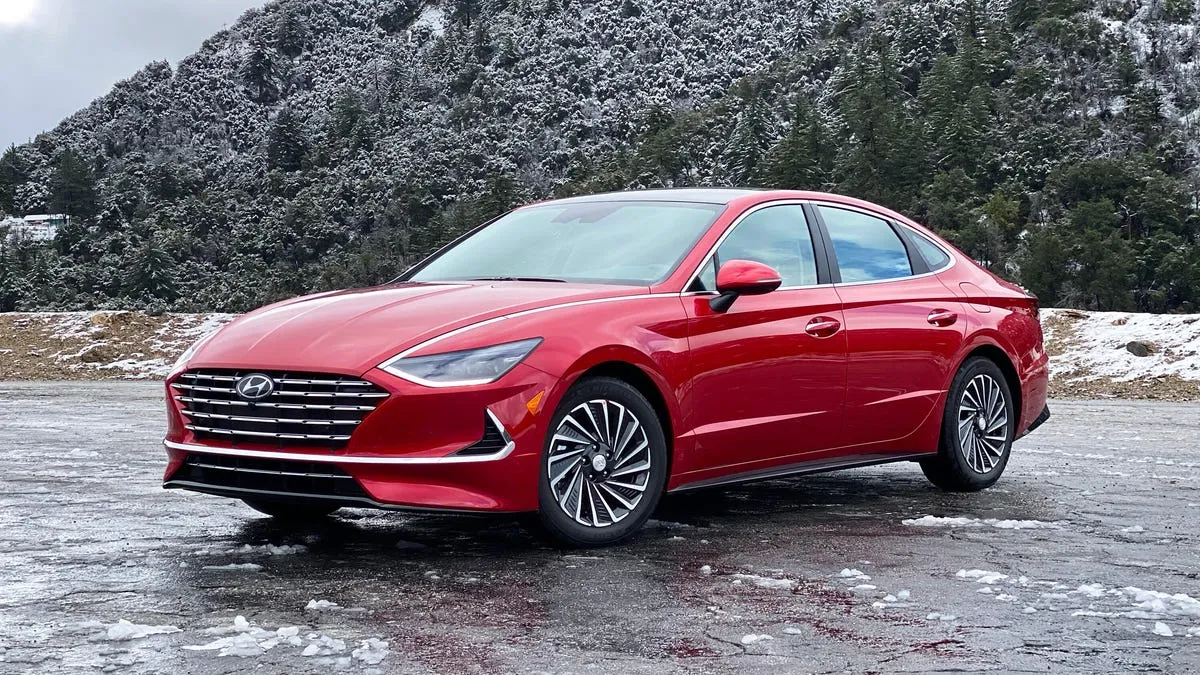
5. Hyundai Sonata Hybrid
The Hyundai Sonata Hybrid delivers a smooth, well-coordinated ride in stop-and-go conditions. Its hybrid system seamlessly integrates electric and gasoline power to create consistent and linear acceleration. Regenerative braking is gentle and controlled, preventing abrupt deceleration that can jar occupants. Urban driving becomes calm and composed, with minimal start-stop stress for the driver and passengers alike.
Cabin noise is minimal, and pedal response is well-matched to the vehicle’s power output. Drivers can modulate acceleration smoothly, avoiding sudden lurches or hesitations. Interior comfort, combined with refined hybrid control, ensures that city streets do not feel stressful even during heavy traffic. The ride is predictable and composed, enhancing confidence during urban commutes.
The hybrid system intelligently anticipates power needs, allowing electric propulsion to handle most low-speed driving. Gasoline power engages smoothly when required, preventing abrupt surges. This coordination reduces driver fatigue and maintains a sense of effortless control, even in congested traffic conditions where frequent stops are unavoidable.
Suspension tuning and steering geometry contribute to a stable, controlled ride. Small bumps and uneven pavement are absorbed quietly, preventing harsh feedback from reaching occupants. The Sonata Hybrid feels secure and balanced, with consistent performance that complements its smooth acceleration and braking.
Fuel efficiency enhances the smooth experience by reducing engine operation at low speeds. By prioritizing electric power in stop-and-go traffic, the Sonata Hybrid limits engine noise and vibrations. The combination of energy management, suspension tuning, and careful hybrid integration delivers a reliable, stress-free, and exceptionally smooth urban driving experience.
5 Hybrids That Feel Jerky in Stop-and-Go Traffic
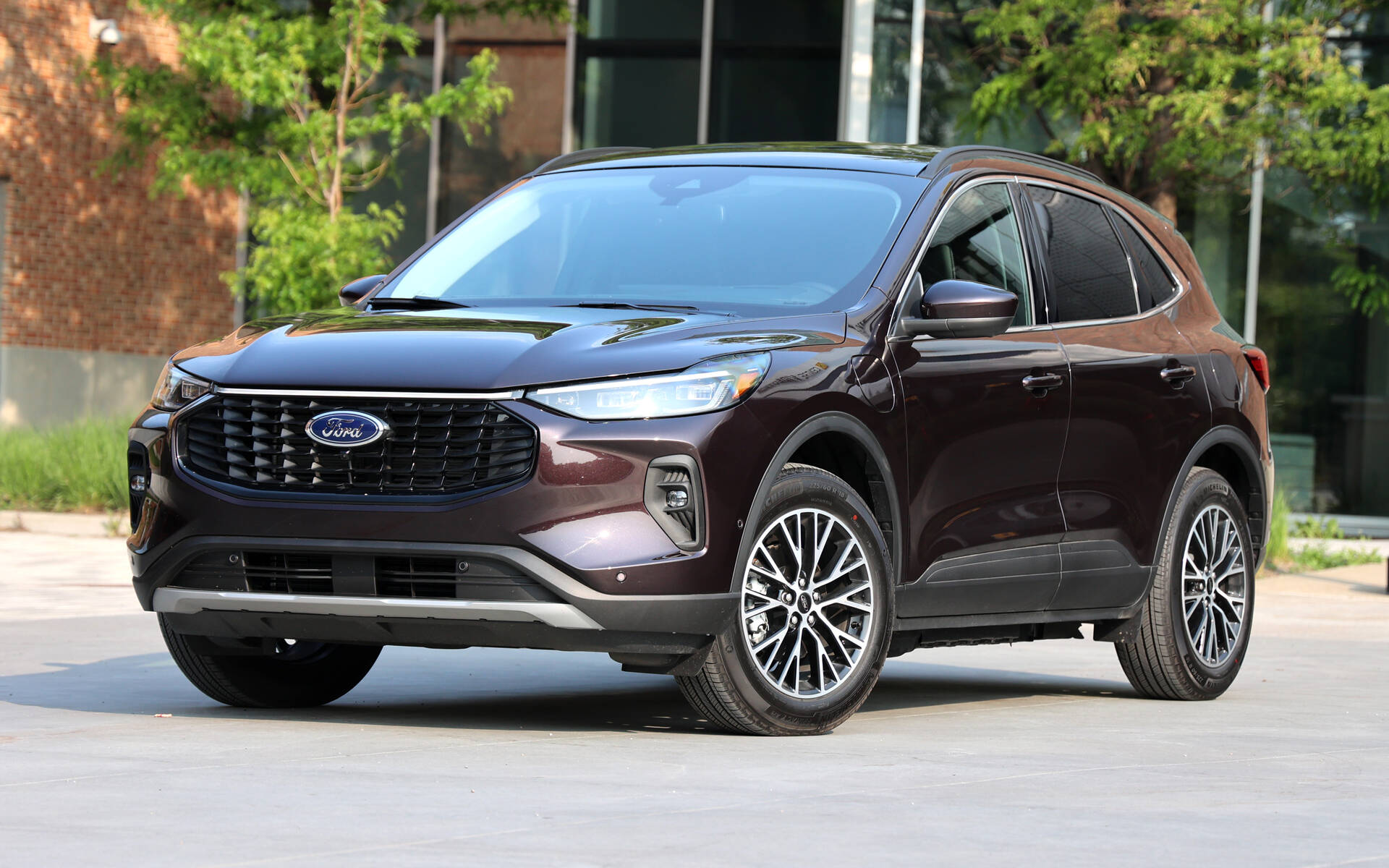
1. Ford Escape Hybrid
The Ford Escape Hybrid can feel uneven and inconsistent during city driving, especially in stop-and-go traffic. Its transmission occasionally hesitates when switching between electric and gasoline power, creating noticeable pauses that disrupt smooth acceleration.
At times, sudden surges occur when the engine finally engages, producing a jerky sensation that can startle both the driver and passengers. Suspension tuning does little to compensate for these abrupt transitions, so even minor bumps or uneven pavement can make the ride feel rougher.
While the Escape Hybrid has impressive fuel efficiency, comfort in congested urban traffic can sometimes take a backseat to mechanical quirks, making daily commutes less relaxing than with other hybrids.
Pedal response can also feel inconsistent. Slight pressure on the accelerator may not produce immediate movement, causing a delayed response, whereas heavier pressure often triggers sudden bursts of speed. This disjointed connection between driver input and vehicle motion can make navigating crowded streets stressful, as it is difficult to maintain a smooth pace.
Regenerative braking can feel abrupt, sometimes decelerating the car more quickly than expected. Engine revs may spike unexpectedly, adding to the sensation of irregular motion and reducing the sense of control in dense traffic.
Low-speed maneuvers highlight these issues further. Smooth modulation of acceleration is difficult, and repeated stops at traffic lights or intersections emphasize the Escape Hybrid’s uneven power delivery. Drivers may need to adjust pedal inputs constantly to compensate for surges, making city driving more tiring.
The combination of transmission hesitation, abrupt power engagement, and uneven braking makes the Escape less suited for commuters who prioritize calm, controlled driving during daily traffic conditions.
Cabin noise can amplify the perception of jerky motion. The transition between the electric motor’s hum and the gasoline engine’s engagement is noticeable, drawing attention to sudden changes in power delivery.
Even minor accelerations or decelerations feel more pronounced inside the vehicle, affecting both comfort and confidence. Passengers may experience repeated jolts, making longer commutes less enjoyable and highlighting the Escape Hybrid’s urban driving limitations.
While the vehicle achieves strong fuel economy in traffic, it cannot fully compensate for discomfort caused by irregular acceleration and braking. Drivers often report that stop-and-go conditions feel more demanding, and frequent urban commutes can become fatiguing.
For individuals who prioritize smoothness and predictability in city driving, the Escape Hybrid may fall short compared to other models that handle low-speed transitions with finesse.
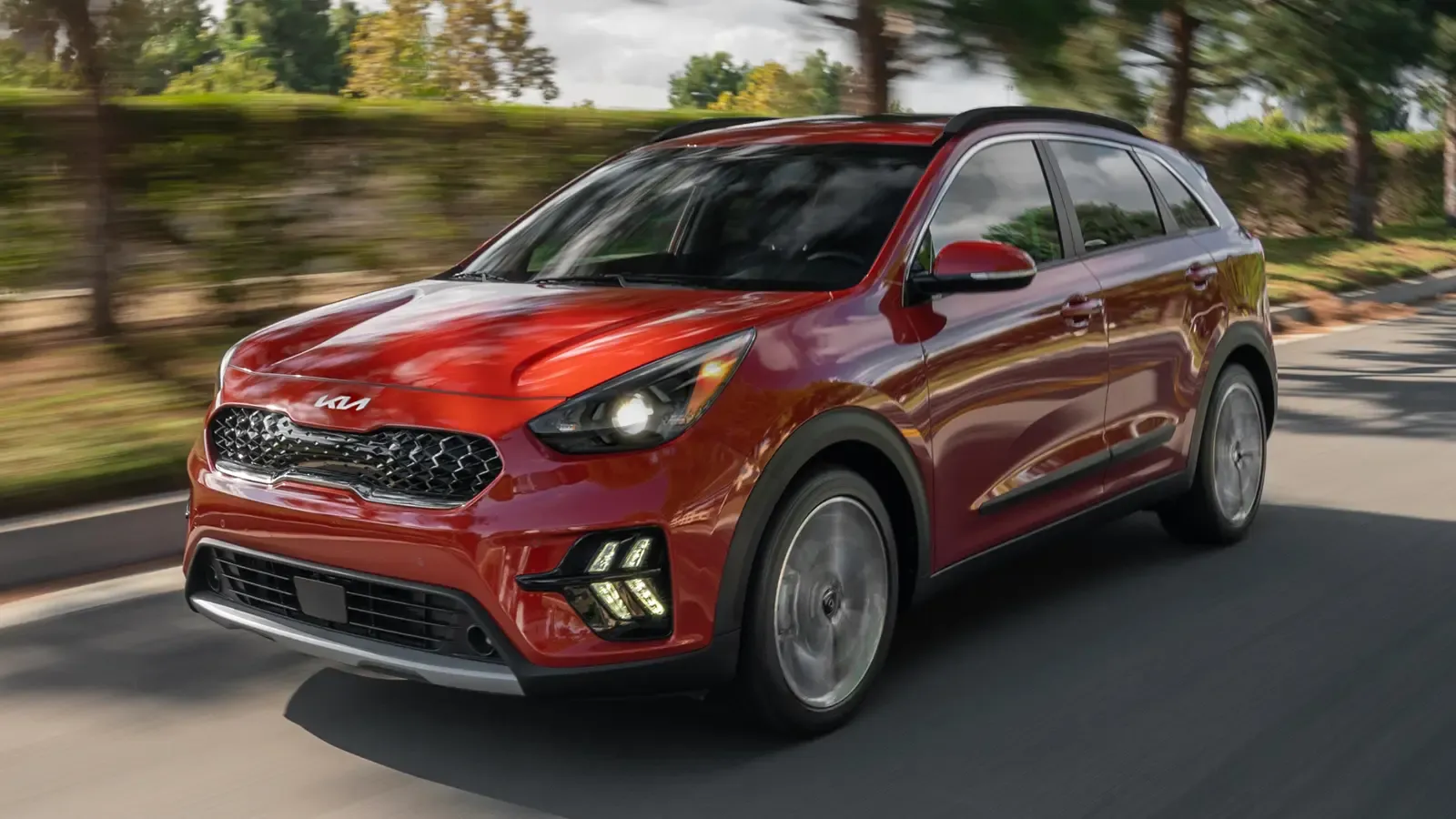
2. Kia Niro Hybrid
The Kia Niro Hybrid can feel jerky in urban traffic due to its powertrain occasionally struggling to balance electric and gasoline output. Acceleration from a complete stop may feel hesitant, followed by sudden surges as the gasoline engine engages to supplement electric power.
Regenerative braking contributes to irregular deceleration, sometimes producing abrupt slowing that can disrupt momentum. While the Niro is fuel-efficient and practical, its urban ride lacks the seamless fluidity offered by more refined hybrids, making traffic-heavy commutes less comfortable.
Throttle response can feel disconnected from actual power delivery. Gentle pedal pressure may fail to produce immediate acceleration, while heavier pressure triggers noticeable jumps in speed.
Drivers must compensate for this inconsistency, making smooth driving through stoplights or congested streets more challenging. The sensation of uneven motion is amplified during repeated start-stop cycles, reducing confidence and creating a more tiring driving experience.
Suspension tuning favors efficiency over refinement, so small bumps, potholes, and irregular pavement can accentuate the perception of jerky movement. Instead of absorbing these irregularities quietly, the vehicle sometimes transmits minor jolts to occupants. Combined with abrupt powertrain engagement, the ride can feel disjointed, particularly during long commutes or when navigating busy urban streets.
Cabin noise further emphasizes the hybrid’s jerky behavior. Engine engagement is pronounced and sudden, while electric motor operation is noticeable but inconsistent. The contrast between these power sources draws attention to start-stop movements, highlighting the car’s lack of smoothness.
Passengers are likely to notice repeated jolts or hesitations, making city trips feel less relaxing compared to competitors with more refined hybrid systems.
Urban driving becomes tiring during extended commutes, as the irregularities in acceleration and braking reduce comfort. While the Kia Niro Hybrid achieves solid fuel efficiency, the trade-off in smoothness is significant. Drivers who prioritize a calm and controlled ride may find themselves frustrated with repeated surges and uneven transitions, especially when navigating heavy traffic or frequent stop-and-go situations.

3. Honda CR-V Hybrid
The Honda CR-V Hybrid sometimes exhibits jerky behavior in stop-and-go traffic due to slight delays when switching between electric and gasoline modes. Acceleration from a standstill can result in a noticeable lurch as the engine engages, creating uneven motion that reduces comfort for both the driver and passengers.
Regenerative braking can exacerbate this issue, applying force more abruptly than expected and creating a start-stop sensation that can feel unpredictable in congested areas.
Pedal calibration contributes to an inconsistent response. Light pressure can produce delayed acceleration, while heavier input triggers sudden jumps in speed. Maintaining a steady pace in heavy traffic requires constant adjustments to avoid lurches. This inconsistency diminishes confidence in city driving, particularly in busy intersections or during stoplight starts, where smooth modulation is essential for control and comfort.
The suspension does not fully mask the irregularities from the powertrain. Small bumps, uneven pavement, or minor road imperfections can make jerky motions more noticeable, translating into vibrations that reach the cabin. Steering remains precise but cannot correct abrupt surges, making the ride feel less controlled than hybrids designed for smooth urban performance.
Cabin noise interacts with the jerky movement to amplify discomfort. Engine and motor sounds fluctuate noticeably during acceleration and deceleration. The electric motor often operates inconsistently at low speeds, and the transition to gasoline power is perceptible, drawing attention to sudden shifts. Passengers feel repeated start-stop jolts, reducing the perception of refinement.
Despite strong fuel efficiency, comfort is compromised in stop-and-go conditions. Urban commuting can feel more tiring due to inconsistent acceleration, braking, and power delivery. For drivers seeking predictability and calm operation, the CR-V Hybrid does not deliver the same smooth experience as other models in its class, highlighting a trade-off between efficiency and ride quality.
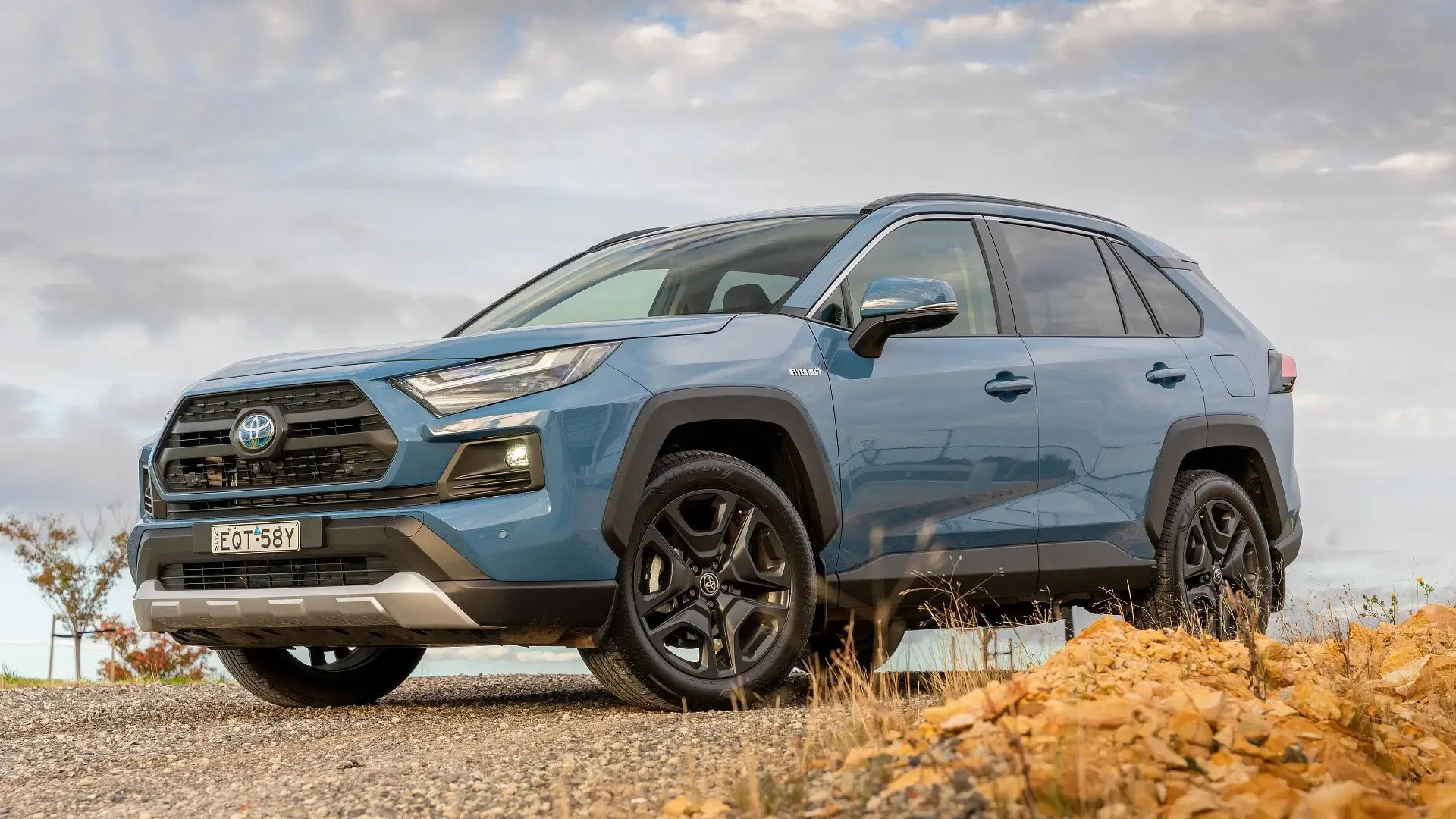
4. Toyota RAV4 Hybrid
The Toyota RAV4 Hybrid can feel uneven in stop-and-go traffic, with its CVT transmission occasionally hesitating during transitions between electric and gasoline power. This can create sudden bursts of speed following brief pauses, producing a jerky sensation that makes city driving less predictable. Regenerative braking can also decelerate the car abruptly, adding to the irregularity and reducing driver confidence in heavy traffic situations.
Pedal feel is inconsistent, as gentle acceleration may not result in smooth movement, while heavier pressure can trigger noticeable surges.
Drivers need to adjust their inputs frequently to maintain control, which increases fatigue during long commutes. The vehicle’s urban performance highlights the limitations of its hybrid system, which can struggle to maintain linearity in start-stop conditions.
While suspension absorbs some road imperfections, it does not fully mask abrupt powertrain transitions. Small bumps or uneven surfaces can exaggerate jerky movements, making the ride feel less refined. Steering remains responsive, but it cannot compensate for sudden surges from the hybrid system, contributing to the perception of unevenness in urban driving.
Cabin noise draws attention to powertrain behavior. Engine engagement is audible and sometimes sudden, while electric motor operation is inconsistent at low speeds. The repeated start-stop motions can be noticeable to passengers, reducing comfort during city commutes. Even minor acceleration events can feel abrupt, emphasizing the RAV4 Hybrid’s jerky tendencies.
Fuel efficiency remains a strong point, but the ride quality is compromised. Stop-and-go traffic exposes the vehicle’s irregular acceleration and braking patterns, making daily city driving less comfortable. For those who prioritize smoothness and predictability in urban environments, the RAV4 Hybrid falls short compared to competitors that manage transitions more seamlessly.
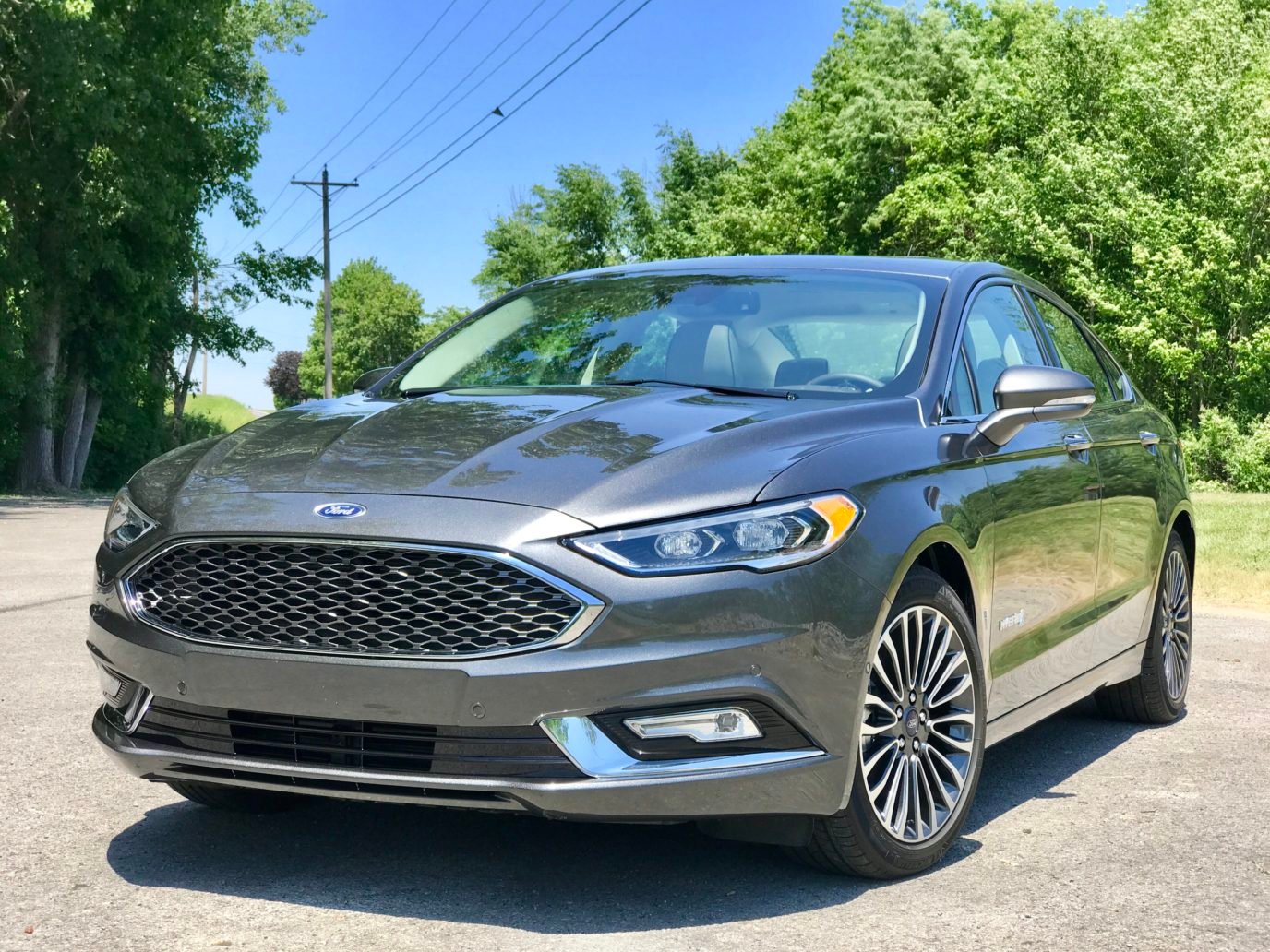
5. Ford Fusion Hybrid
The Ford Fusion Hybrid exhibits noticeable jerky tendencies in stop-and-go traffic. Its transmission occasionally hesitates when switching between electric and gasoline power, resulting in uneven acceleration that disrupts the ride.
Sudden surges follow pauses, producing abrupt motion that can be uncomfortable for both driver and passengers. Braking and throttle response are not always harmonized, emphasizing start-stop inconsistencies in city driving conditions.
Pedal response can feel unpredictable. Gentle pressure may produce delayed movement, while heavier input triggers sudden acceleration, forcing drivers to adjust constantly to maintain control. This inconsistency makes navigating traffic lights and urban intersections more challenging and less comfortable compared to smoother hybrids designed for city commuting.
The suspension provides comfort on smooth roads but does not fully mitigate abrupt transitions from the powertrain. Road imperfections amplify jerky sensations, and steering alone cannot correct sudden surges. Passengers may experience repeated lurches during everyday commutes, highlighting the vehicle’s limitations in urban stop-and-go traffic.
Cabin noise interacts with uneven power delivery, further reducing perceived refinement. Engine and motor sounds fluctuate noticeably, while electric-only operation is inconsistent at low speeds. Start-stop events become more pronounced, drawing attention to jerky motion. Occupants are likely to feel repeated jolts, making city commutes less relaxing and more fatiguing.
While the Fusion Hybrid remains fuel-efficient, comfort and smoothness in traffic are compromised. Urban driving exposes irregularities in acceleration and braking, making daily commuting less enjoyable.
Compared to hybrids tuned for predictability and calmness, the Fusion Hybrid clearly struggles with stop-and-go city driving, creating a less satisfying experience for drivers seeking smooth performance.
