
Owning a car in a city is often a balancing act between convenience, cost, and practicality. Unlike rural or suburban areas, city driving comes with unique challenges such as traffic congestion, limited parking spaces, higher insurance rates, and frequent stop-and-go conditions that can wear down vehicles faster.
For many urban residents, choosing a car is not just about style or performance, but about long-term affordability and ease of use in an environment where costs can add up quickly. Cars that remain inexpensive to own tend to have low maintenance costs, high fuel efficiency, and widely available parts. They are also often smaller, making them easier to park and maneuver through tight streets.
On the other hand, some cars may look appealing on paper but can become financial burdens over time due to expensive repairs, higher insurance premiums, and poor fuel economy. In cities, where driving is often slower and parking is limited, these costs become more noticeable.
Maintenance is a critical factor in determining affordability, as labor and replacement parts can be much higher for luxury vehicles or models with complex technology. Furthermore, resale value plays a role, as cars that depreciate quickly can cost owners more in the long term.
Urban drivers also need to consider fuel efficiency, since city driving typically involves frequent stopping and idling. Vehicles that perform well on highways may not be as economical in city conditions.
Insurance rates are another hidden cost that affects affordability, especially for younger drivers or those living in areas with high accident rates. Insurance premiums often depend on the car’s safety features, repair costs, and theft rates, making some models significantly more expensive to insure in cities than others.
Parking and maneuverability also impact affordability indirectly. Compact cars with smaller footprints are less likely to incur parking tickets or require expensive parking spaces, while larger cars may struggle to fit in standard city parking garages.
Tires, brakes, and suspension components experience more wear in stop-and-go traffic, adding to ongoing costs. Cars that stay affordable tend to have durable components and simple designs, which make repairs cheaper and less frequent.
The choice of a car for city ownership is a combination of initial cost, long-term reliability, fuel economy, and practicality. While some vehicles can remain manageable for a city budget, others may create financial strain despite their aesthetic appeal or performance.
Understanding which cars offer sustained affordability helps city drivers make informed decisions, ensuring they get the convenience of urban transportation without being weighed down by unexpected costs. This article will examine five cars that remain affordable for city living and five that tend to be expensive, highlighting the key reasons behind their financial performance.
5 Cars That Stay Affordable to Own in Cities
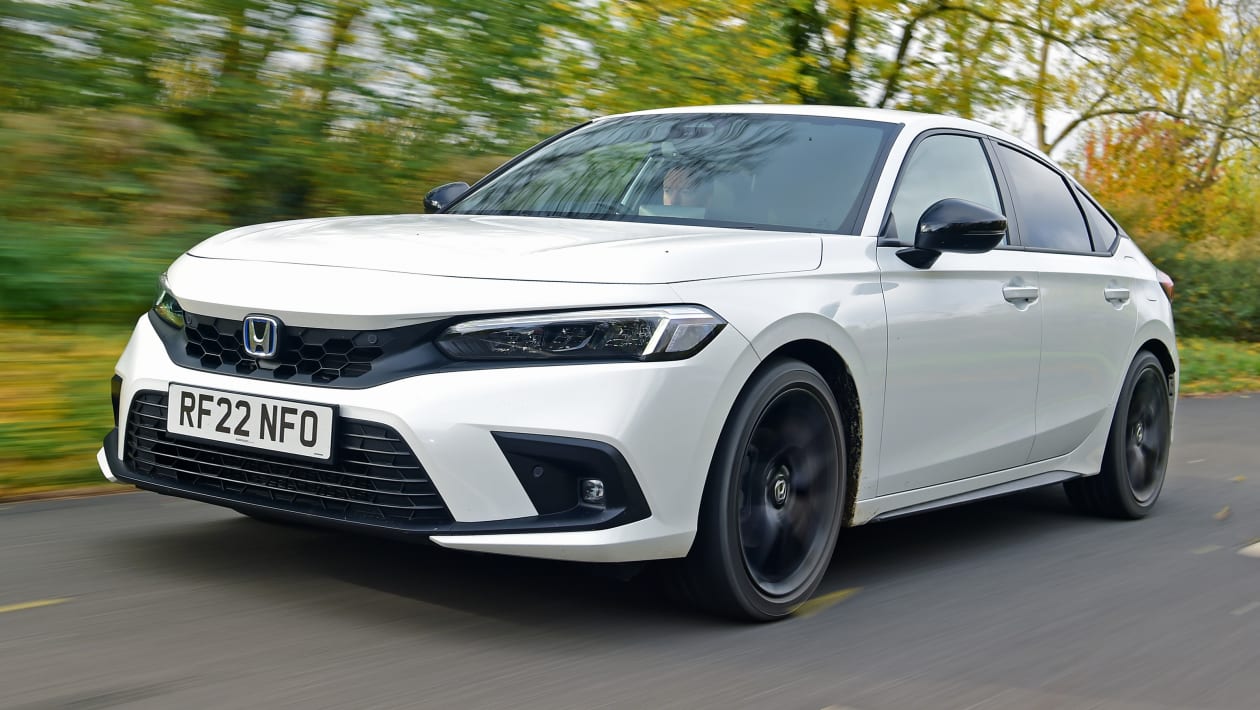
1. Honda Civic
The Honda Civic has long been recognized for its reliability and efficiency. Its compact size makes it easy to park and navigate through crowded streets. Fuel economy is excellent, reducing the strain on a city driver’s budget. The widespread availability of parts ensures repairs are quick and inexpensive.
Insurance for the Civic is generally lower than for many other vehicles in its class. Safety features such as airbags and stability control contribute to fewer accident claims.
The Civic also has a strong resale value, which benefits owners who want to upgrade later. Routine maintenance is straightforward and well-supported by mechanics nationwide. Additionally, the Civic has a reputation for longevity, with many cars reaching over 200,000 miles without major repairs.
This car’s design suits both older and younger drivers due to its balance of performance and efficiency. City traffic often involves short trips, where the Civic’s engine performs well without high fuel consumption. Tires and brakes tend to wear evenly, which keeps maintenance predictable.
Owners also report lower repair costs compared to competitors with similar features. Its combination of affordability, reliability, and practicality keeps it popular among urban drivers.
Another advantage of the Civic is its adaptability to different fuel types and trims. Hybrid and fuel-efficient models further reduce city driving costs. Its resale value remains strong, as buyers recognize the Civic’s long-term dependability.
Dealers often offer competitive service packages, keeping ownership costs predictable. For city dwellers seeking a reliable vehicle, the Civic strikes a balance few others match.
Finally, the Civic’s interior design is durable and easy to clean. Cloth seats and simple controls reduce the likelihood of wear and tear. Electronics are reliable and easy to repair if issues arise. It offers consistent performance without requiring high expenditures, making it a top choice for cost-conscious urban drivers.
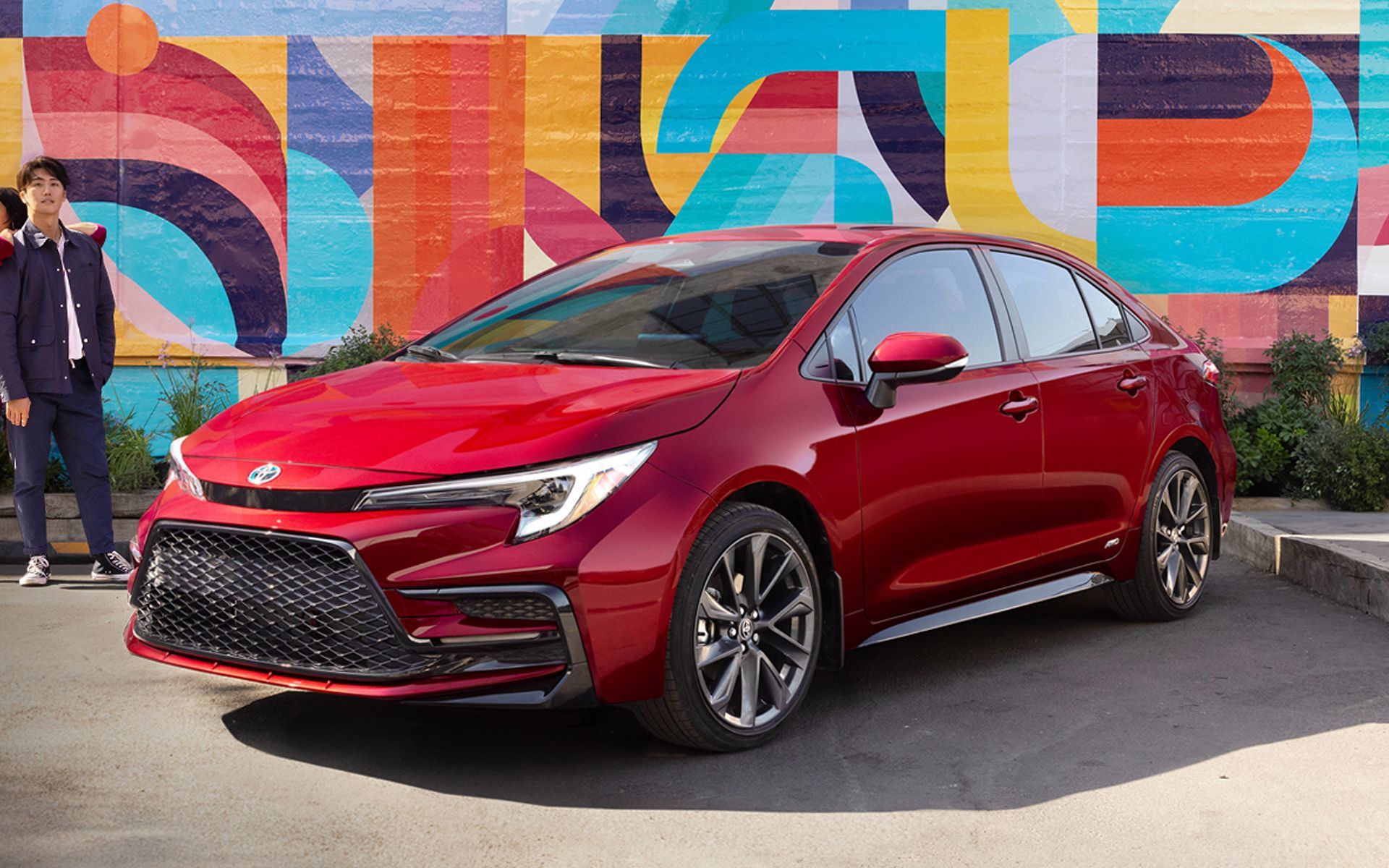
2. Toyota Corolla
The Toyota Corolla is another city-friendly car with low ownership costs. Its reputation for reliability ensures that mechanical problems are infrequent. Fuel efficiency is excellent, especially in city traffic. Parts are widely available and affordable, making repairs less daunting.
The Corolla’s insurance rates are reasonable because it is considered a safe and moderate-risk vehicle. Drivers benefit from Toyota’s well-known durability, often avoiding expensive repairs for many years. The car also maintains value over time, helping offset depreciation costs. Its engines are simple to service, and most mechanics are familiar with the model.
Compact dimensions make it easy to park and maneuver on narrow streets. Suspension and braking systems are built to handle stop-and-go conditions common in cities. Replacement parts are affordable and often standardized across several Toyota models. Owners frequently cite reliability as the reason they continue choosing Corollas over other compact vehicles.
Fuel consumption remains low even in heavy traffic, which makes it ideal for city commutes. Toyota offers hybrid versions, which further improve efficiency. The car also has modern safety features, reducing the risk of costly accidents. Regular maintenance, such as oil changes and brake replacements, is straightforward and inexpensive.
Lastly, the Corolla’s interior design focuses on durability. Materials are resistant to wear, and electronics are uncomplicated. Its consistent performance and minimal repair needs make it a favorite among drivers who want an affordable, practical city car.
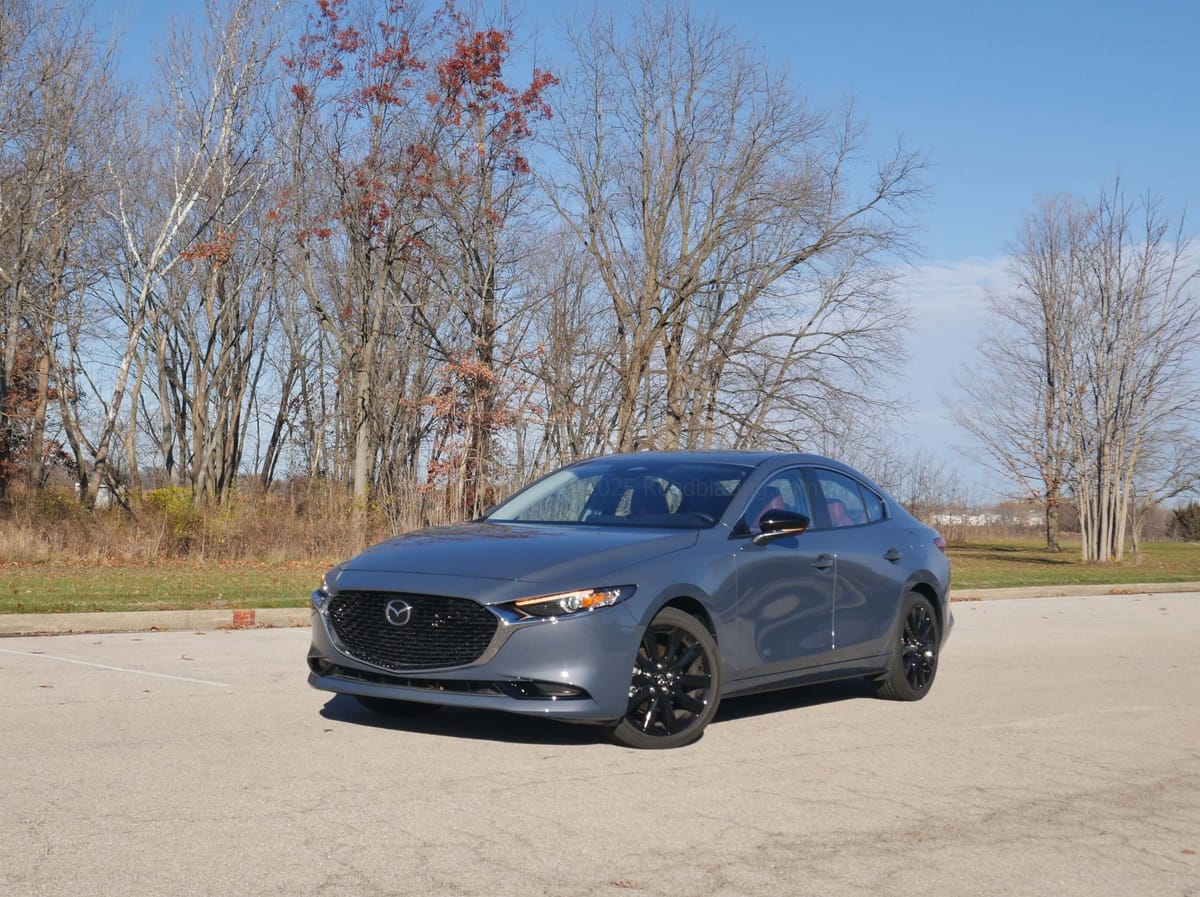
3. Mazda3
The Mazda3 is known for its driving comfort and affordability. Compact dimensions make city parking simple, and its fuel efficiency is competitive. Repairs are generally inexpensive because parts are available in most urban areas. Maintenance intervals are reasonable, reducing long-term costs.
Insurance is typically lower for the Mazda3 due to its safety ratings and moderate repair costs. The car maintains value well, particularly in popular trims. Brakes, tires, and other consumables wear slowly under typical city conditions. Mechanics are familiar with the model, making service straightforward and predictable.
The Mazda3’s handling is well-suited to city driving, providing precise control in crowded streets. Its engines perform reliably even in frequent stop-and-go conditions. Fuel economy is aided by modern engine technology and lighter weight. Owners report minimal issues with electronics or interior components.
Resale value is supported by the car’s reputation for reliability. Buyers recognize Mazda3s as long-lasting and affordable to maintain. Hybrid options and fuel-efficient variants further enhance city driving affordability. The Mazda3 combines style with practicality and low costs.
Finally, interior materials are durable and easy to maintain. Seats, dashboard components, and controls resist wear from daily city use. Its design minimizes unnecessary complexity, which keeps repair bills low. For urban drivers seeking a stylish yet practical car, the Mazda3 is a smart choice.
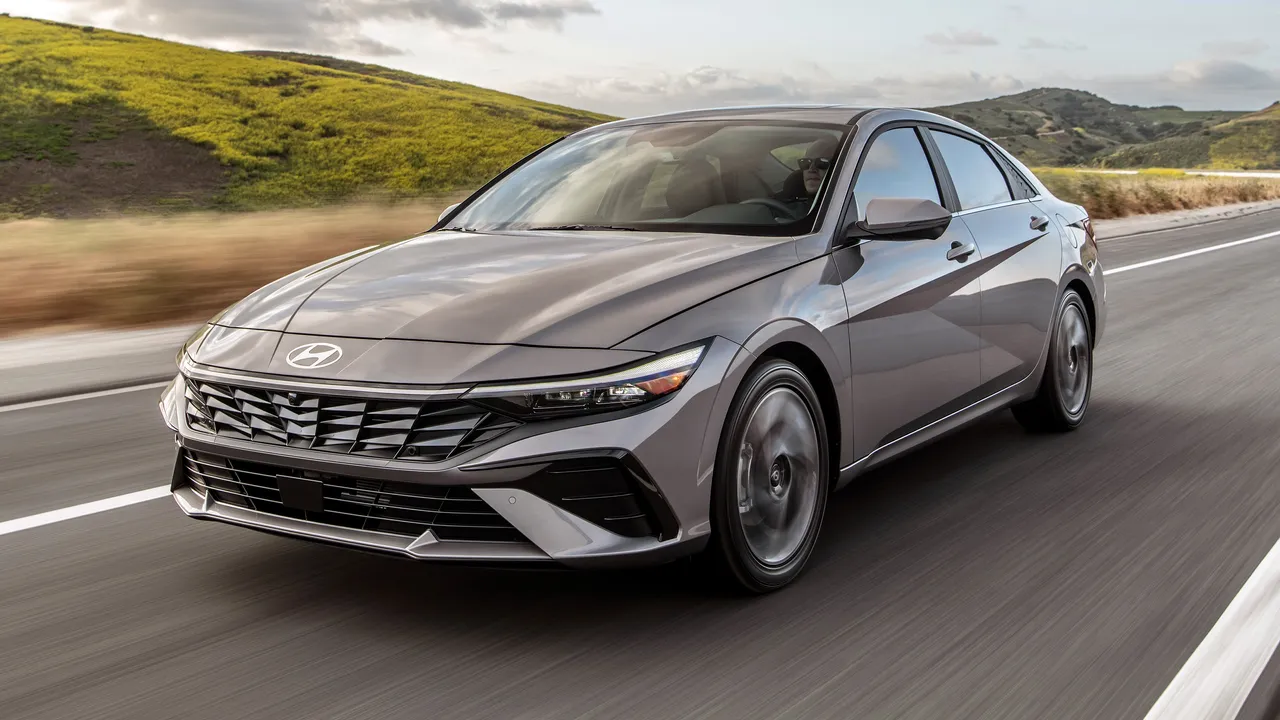
4. Hyundai Elantra
The Hyundai Elantra offers low ownership costs with a comfortable interior. Its compact design simplifies parking in urban areas. Fuel economy is competitive, reducing city commuting expenses. Repair costs are low because parts are affordable and widely available.
Insurance rates are favorable, as the Elantra is considered a safe and reliable choice. The car maintains value reasonably well, helping owners when they choose to sell. Its engine and transmission are known for long-term durability. Mechanics can service it quickly and efficiently.
Driving in city traffic is easy due to responsive steering and a smooth suspension. Components like brakes and tires wear gradually under stop-and-go conditions. Fuel consumption remains low, which helps save money over time. Regular maintenance does not require specialized knowledge or equipment.
The Elantra also has modern safety features, reducing accident-related expenses. Hybrid and fuel-efficient trims are available, making it even more economical. Interior space is well-designed, providing comfort without increasing running costs. Its compact footprint remains ideal for crowded streets.
Finally, interior materials are durable and easy to clean. Controls and infotainment systems are simple, reducing repair issues. The Elantra offers a balance of comfort, efficiency, and low cost, making it ideal for city dwellers seeking affordability.
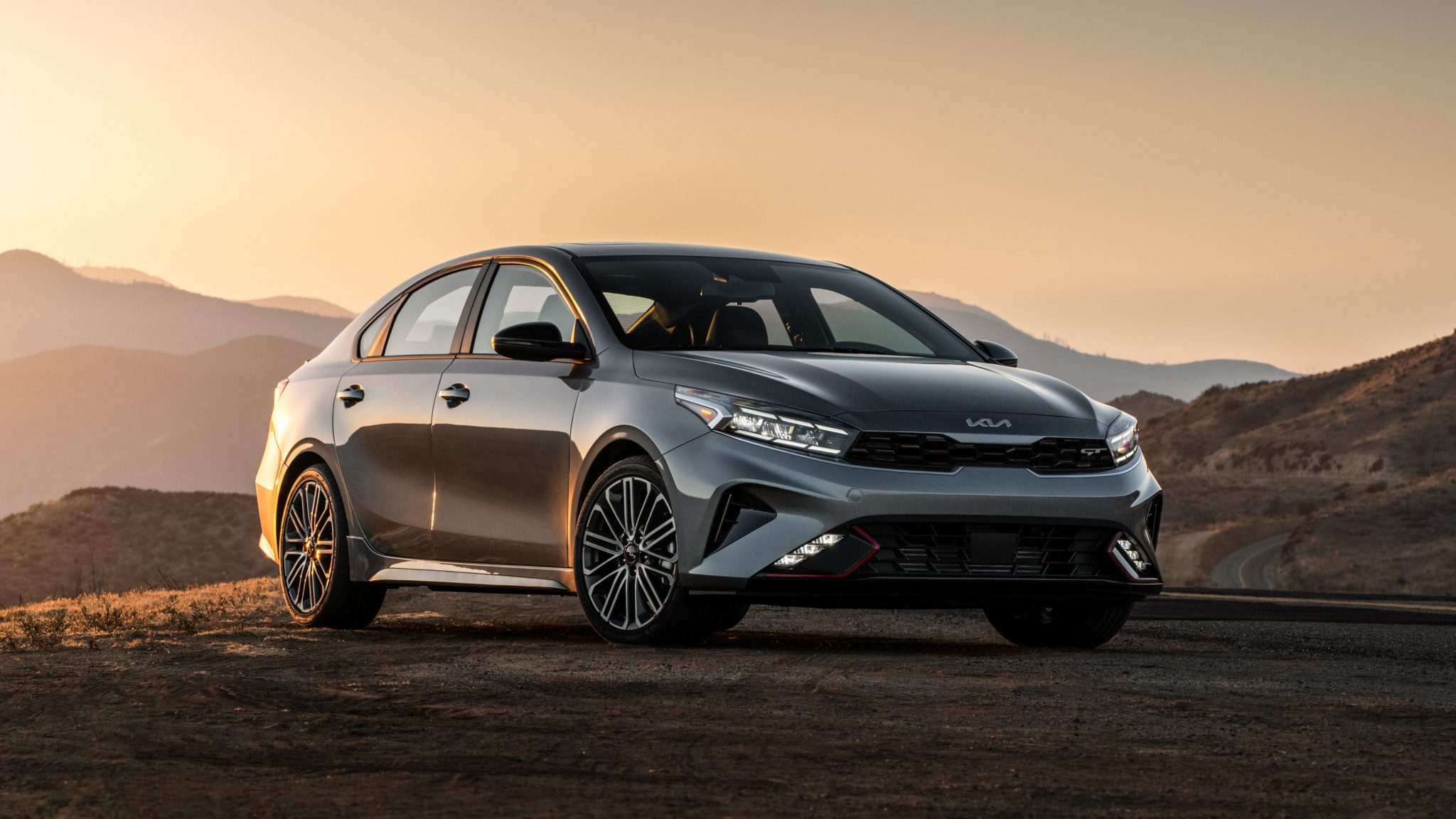
5. Kia Forte
The Kia Forte is an affordable and practical city car. Its compact size ensures easy parking and maneuvering. Fuel economy is impressive for both city and highway driving. Parts are inexpensive and widely available, keeping repairs manageable.
Insurance premiums are typically moderate due to safety features and low repair costs. The car maintains value reasonably well, and depreciation is slower than many competitors. Routine maintenance is simple, reducing long-term ownership costs. Mechanics are familiar with its components, making repairs quicker and cheaper.
City driving suits the Forte’s responsive handling and efficient engine. Brakes, tires, and suspension components are durable in stop-and-go traffic. Fuel efficiency remains high even in congested streets. Owners report reliability that reduces the need for unexpected spending.
Modern features are included without significantly increasing maintenance complexity. Hybrid versions are available in some markets, further enhancing fuel savings. Its compact interior provides comfort without extra bulk. Durability and predictability make it an appealing choice for cost-conscious drivers.
Finally, the interior materials are resilient, and electronics are easy to repair if needed. Its design prioritizes simplicity and reliability. For urban commuters who need an affordable car without sacrificing quality, the Kia Forte is a strong candidate.
5 Cars That Don’t Stay Affordable in Cities
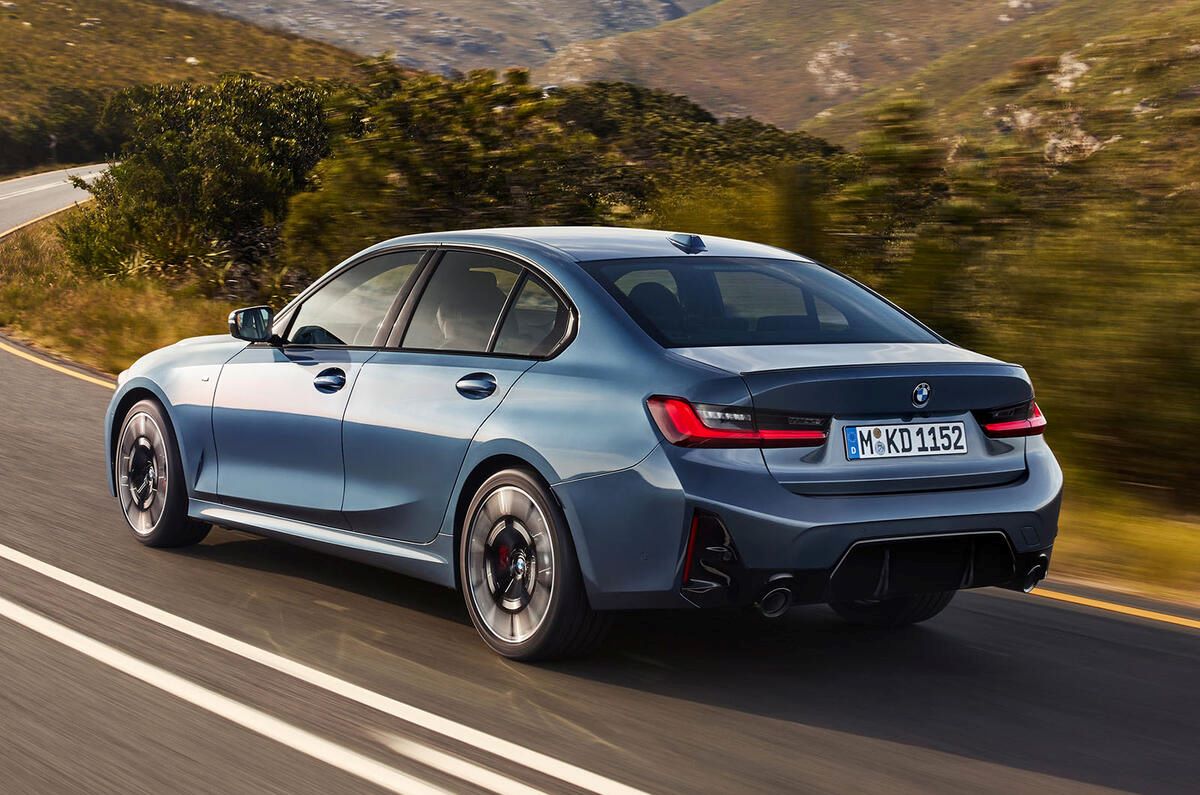
1. BMW 3 Series
The BMW 3 Series is often admired for its performance and style, but owning one in a city can become expensive quickly. The initial purchase price is high, and parts are costly compared to mainstream brands.
Routine maintenance, such as oil changes or brake replacements, requires specialized service and expensive OEM parts, making even minor repairs significant. Frequent stop-and-go traffic in urban areas can accelerate wear on components like the transmission, brakes, and suspension, adding to ongoing costs.
Insurance premiums for a BMW 3 Series are also noticeably higher than average. Insurance companies factor in the car’s higher repair costs, performance capabilities, and higher likelihood of theft. Even with careful driving, insurance payments can significantly impact the monthly budget of a city driver. Additionally, accidents in urban areas are more common, which can lead to higher claims or deductibles that strain finances further.
Parking and maneuverability can also contribute to extra costs. The 3 Series is not as compact as other city-friendly vehicles, so parking in garages or tight streets may require premium spots. The cost of valet or secured parking is another factor that increases ownership expenses.
Tires and brakes wear faster in city traffic, requiring replacements more often than on open roads, which can surprise owners who are not prepared for consistent maintenance.
Fuel economy in a BMW 3 Series varies with engine size and trim, and it is often lower than smaller, more efficient city cars. Urban driving conditions exacerbate fuel consumption due to frequent idling and slow acceleration.
Owners of models with turbocharged engines may find that the cost of premium fuel adds up quickly. This combination of higher maintenance, insurance, and fuel costs makes the 3 Series less ideal for city dwellers seeking long-term affordability.
Despite its luxury features and enjoyable driving experience, the BMW 3 Series depreciates faster in urban environments due to higher mileage and potential for minor cosmetic damage. Resale value is affected by the higher costs of upkeep, as prospective buyers consider the expense of owning one in the city.
While it offers performance and brand prestige, the 3 Series requires a substantial financial commitment that can outweigh the benefits for many city drivers.
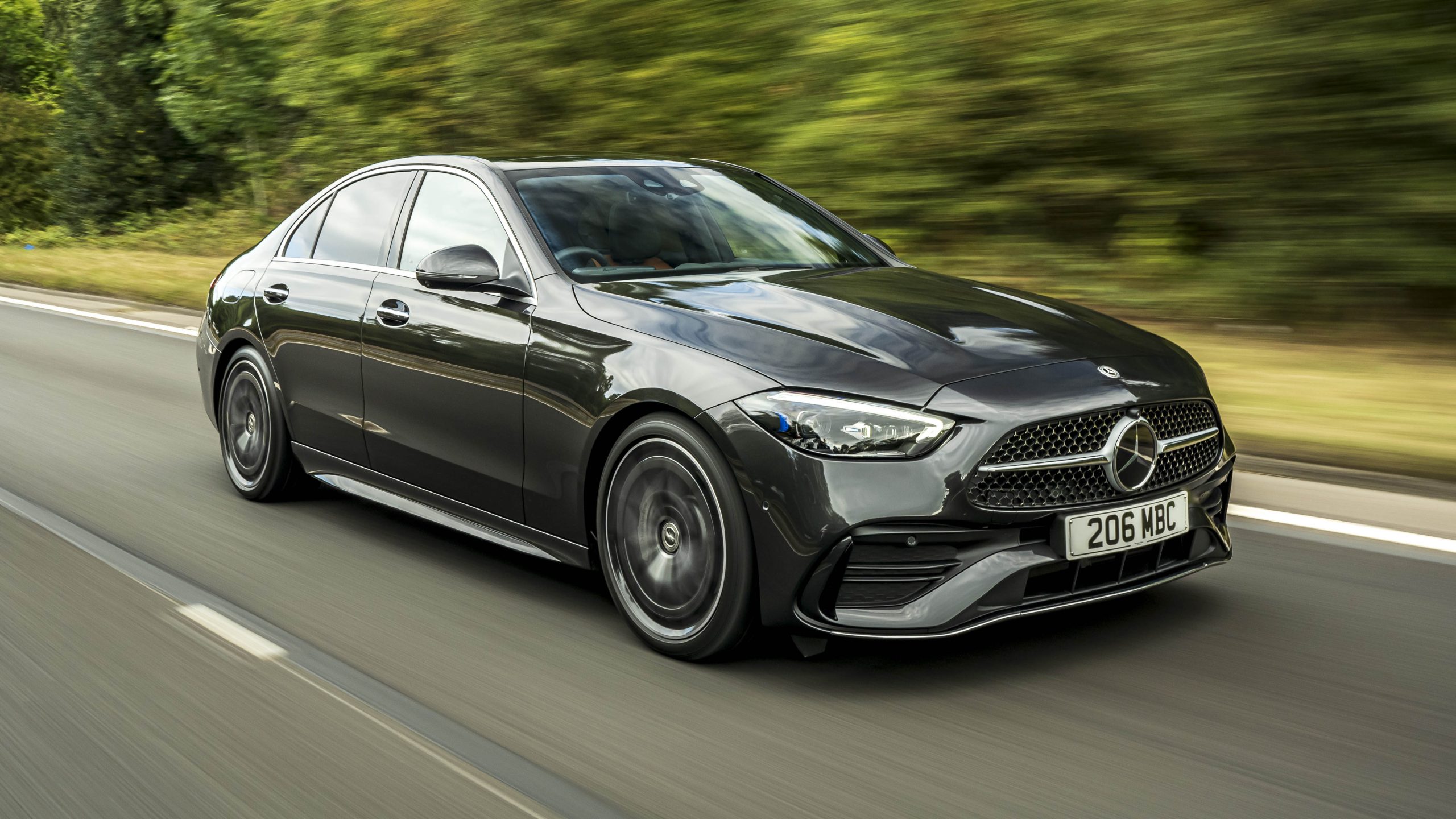
2. Mercedes-Benz C-Class
The Mercedes-Benz C-Class combines luxury with technology, but its ownership costs in cities are significant. Parts and repairs are expensive because the car relies on specialized components.
Even simple issues, such as replacing a sensor or brake pad, require dealership service or highly trained mechanics. Stop-and-go city traffic increases wear on brakes and the transmission, which adds to the cost of keeping the car in good condition.
Insurance is considerably higher for the C-Class due to its value and potential repair expenses. The luxury designation of the car signals higher risk to insurers, which results in larger monthly premiums.
Even minor accidents in urban traffic can lead to thousands of dollars in repair bills, making city driving particularly costly for owners. Some insurance companies may also require specific service providers, limiting flexibility and increasing costs further.
Parking and space constraints in cities make the C-Class less practical. Its larger footprint compared to compact cars can require premium parking spaces, and tight maneuvers may result in dings or scratches that are expensive to fix.
Tires and brake systems wear more quickly in constant traffic, creating recurring maintenance expenses. Urban environments also increase the risk of vandalism or theft, which can further inflate ownership costs.
Fuel efficiency is another concern, especially for the higher-performance C-Class trims. Stop-and-go driving reduces miles per gallon, and premium fuel is often required for optimal performance. Over time, these costs can accumulate into a noticeable financial burden.
Owners looking for an affordable urban car may find the expense of fueling and servicing a C-Class challenging to manage.
Finally, depreciation in urban settings is accelerated by daily wear and potential cosmetic damage from crowded streets and tight parking. The initial high cost, combined with ongoing maintenance, insurance, and fuel expenses, makes the Mercedes-Benz C-Class a luxury that city drivers may struggle to justify financially. While it provides comfort and status, the total cost of ownership is significantly higher than more practical alternatives.
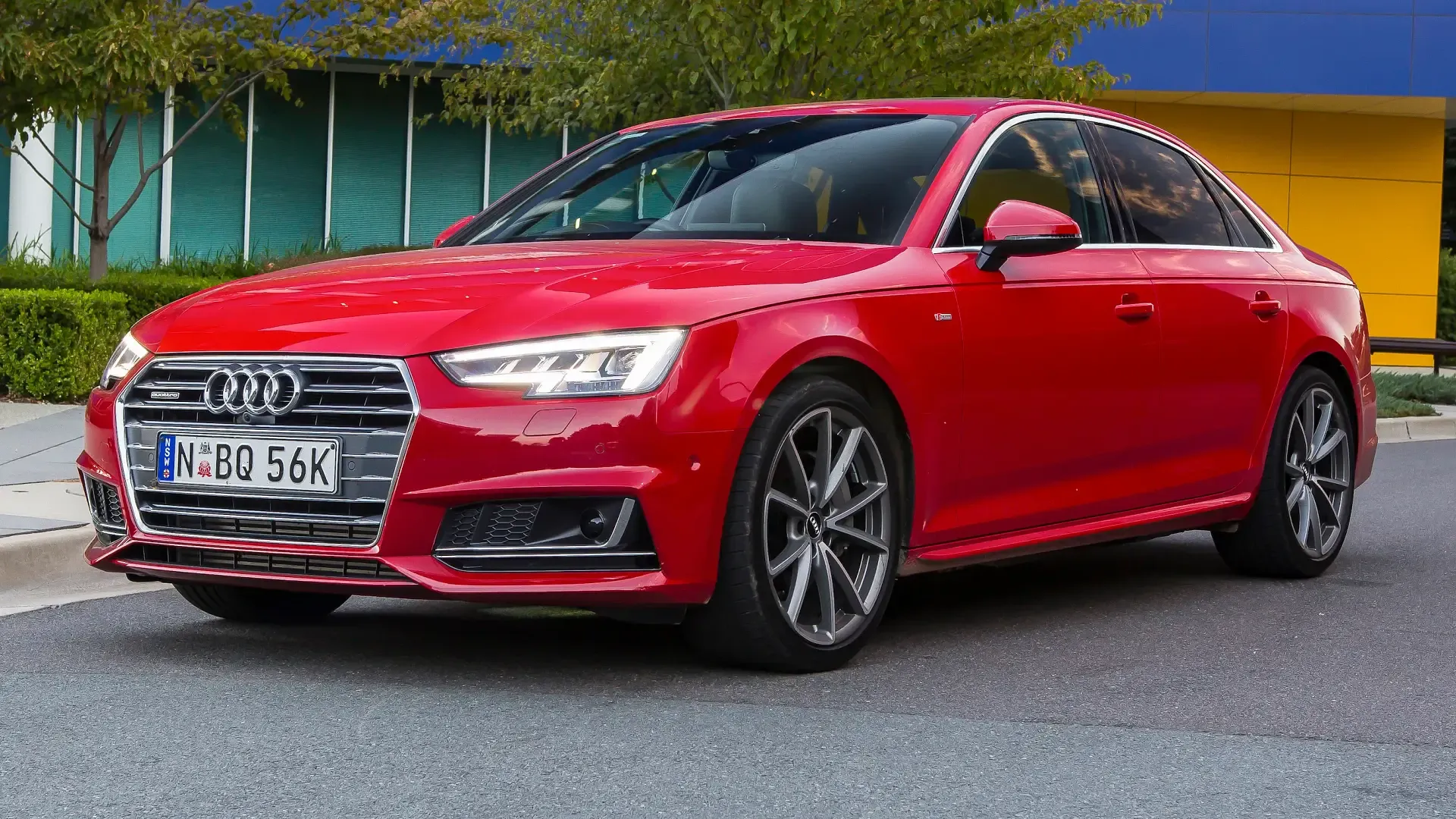
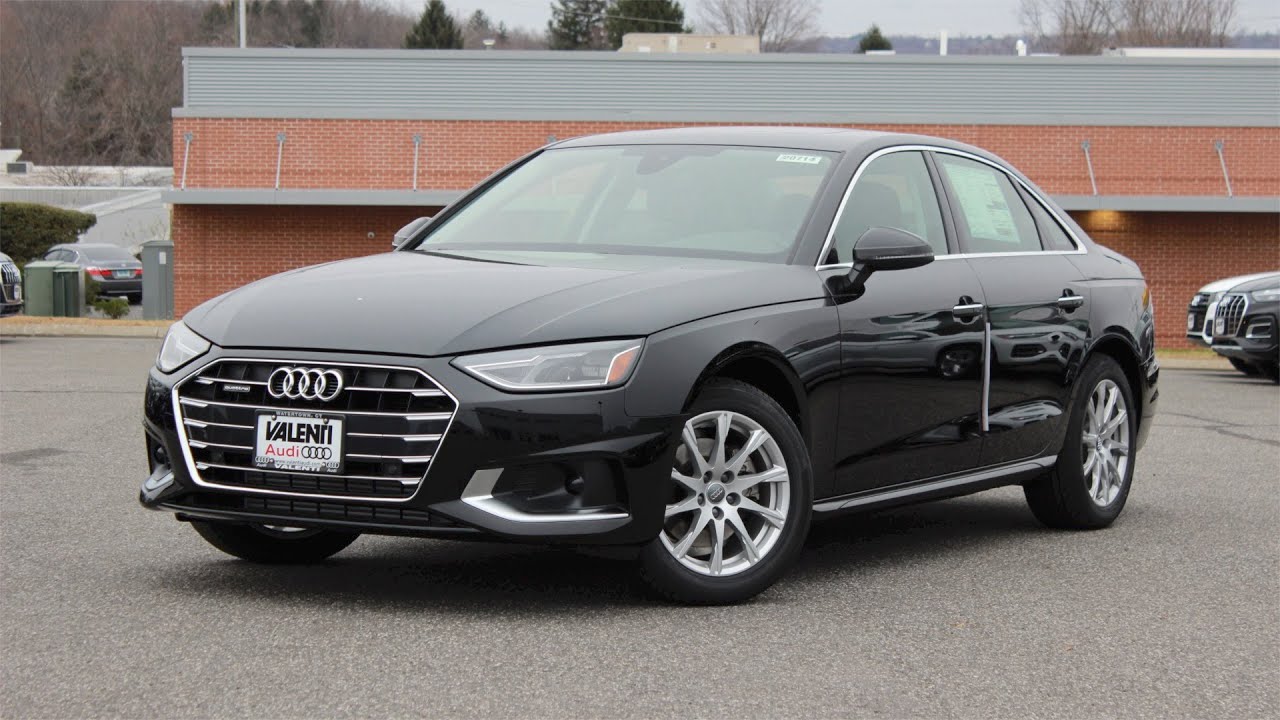
3. Audi A4
The Audi A4 is praised for its design, smooth handling, and technology, but it tends to be expensive to own in city environments. Maintenance and repair costs are high due to complex engineering and premium parts.
Routine services like brake pads, oil changes, or suspension repairs require specialized mechanics, and parts are often priced higher than non-luxury alternatives. Traffic congestion in cities exacerbates wear and tear, particularly on brakes, tires, and the transmission.
Insurance costs for the A4 are elevated because of its high replacement value and the cost of parts. Urban drivers face higher risks of minor collisions, which can result in significant out-of-pocket expenses.
The advanced safety and performance systems that make the A4 appealing also make repairs more complicated and costly when problems occur. Insurance companies factor these potential costs into premiums, making the car less financially practical for city ownership.
The A4’s size and lower maneuverability compared to compact cars make parking more difficult and expensive. Valet services or paid parking lots may become a necessity in dense areas, adding to the total cost.
Tires and brake systems wear faster in frequent stop-and-go traffic, and the replacement parts often carry premium pricing. Even minor cosmetic repairs for scratches or dings are costly because of the Audi paint and paneling systems.
Fuel economy is not ideal for urban conditions, especially with models that have larger engines or all-wheel drive. The stop-and-go nature of city driving reduces efficiency, requiring more frequent fueling. Premium gasoline is recommended for many trims, further increasing operational costs.
Over time, fuel and maintenance expenditures combine to make the Audi A4 one of the more expensive vehicles to maintain in a city environment.
Depreciation is also a factor for the A4, as frequent urban driving and potential minor damage can reduce resale value. While luxury features and driving comfort remain attractive, the cumulative financial strain from insurance, maintenance, and fuel makes the A4 challenging to own affordably in a city. For budget-conscious urban drivers, it is often more practical to consider smaller, more economical alternatives.
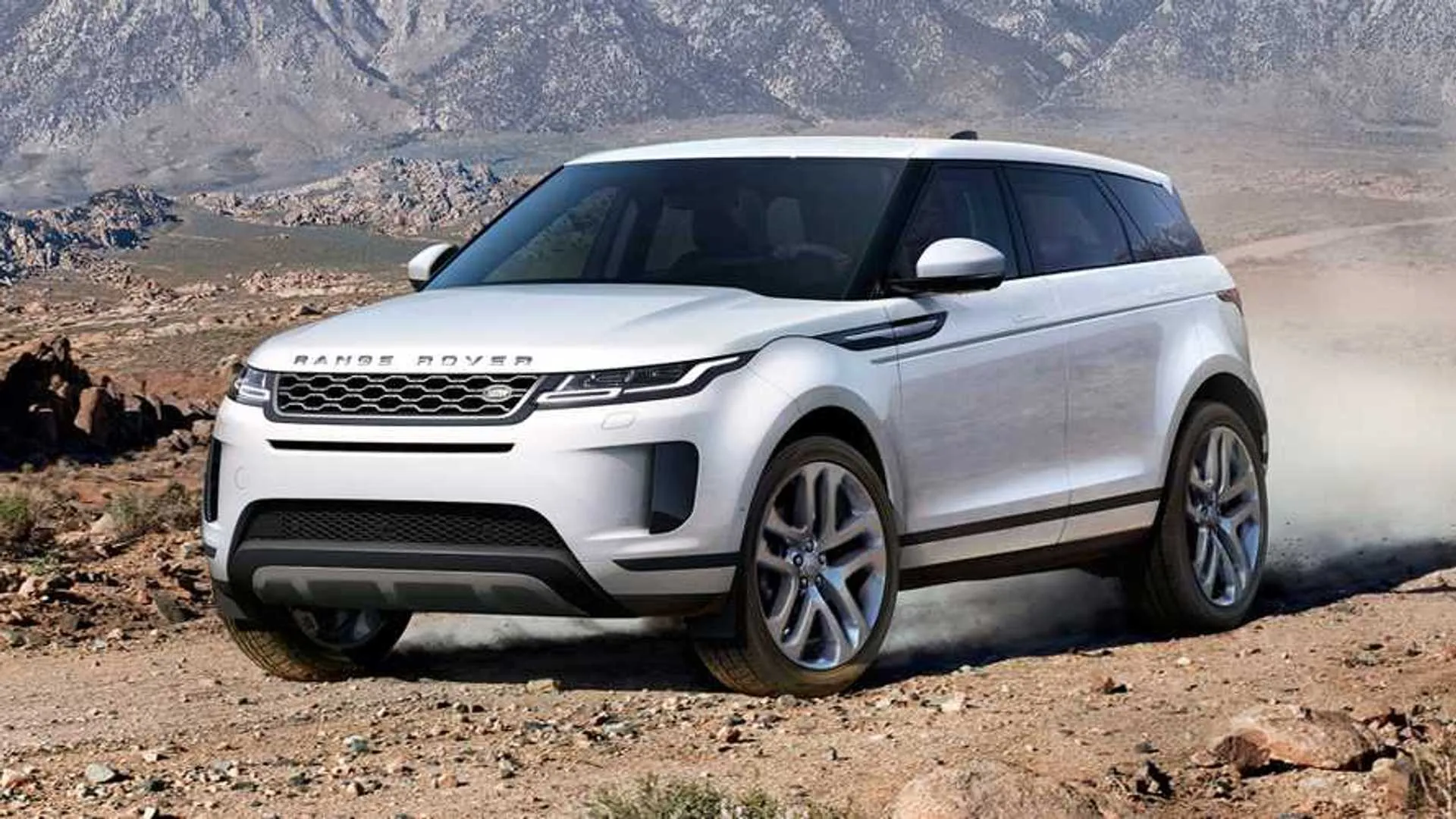
4. Land Rover Range Rover Evoque
The Land Rover Range Rover Evoque is a compact luxury SUV with off-road capabilities, but it is notoriously expensive to maintain in cities. Its premium engineering means repairs are high-cost, and replacement parts are specialized.
City driving accelerates wear on brakes, tires, and suspension components due to frequent stops, tight turns, and uneven road surfaces. Even routine servicing can be much more expensive than standard vehicles, making the total cost of ownership significant.
Insurance premiums for the Evoque are also high due to its luxury status, repair costs, and higher risk of theft. Urban driving increases exposure to minor accidents, which can lead to claims and deductibles that are substantial for this model. Insurers consider both the initial purchase price and repair complexity when setting rates, making monthly premiums significantly larger than for non-luxury SUVs.
Parking and maneuverability pose challenges in city environments. The Evoque’s size makes it less adaptable to narrow streets and compact parking spots. Premium garages or secure parking lots may be necessary, increasing ownership costs. Its off-road design does not reduce urban maintenance expenses; in fact, city stop-and-go traffic may lead to more frequent servicing than highway driving.
Fuel efficiency is lower than smaller urban-focused cars, especially for models with turbocharged engines. Frequent city traffic reduces miles per gallon, and premium fuel is often required to maintain performance. Over time, this leads to substantial fuel expenditures compared to smaller, more efficient alternatives. Owners may find that fueling alone adds a noticeable monthly burden.
Depreciation is accelerated in urban settings, particularly because minor cosmetic damage from tight parking or crowded streets is more likely. While the Evoque provides a luxury feel and advanced features, the combination of high maintenance, fuel, insurance, and depreciation costs makes it difficult to own affordably in city environments. It is better suited to buyers with larger budgets who prioritize style over long-term cost efficiency.
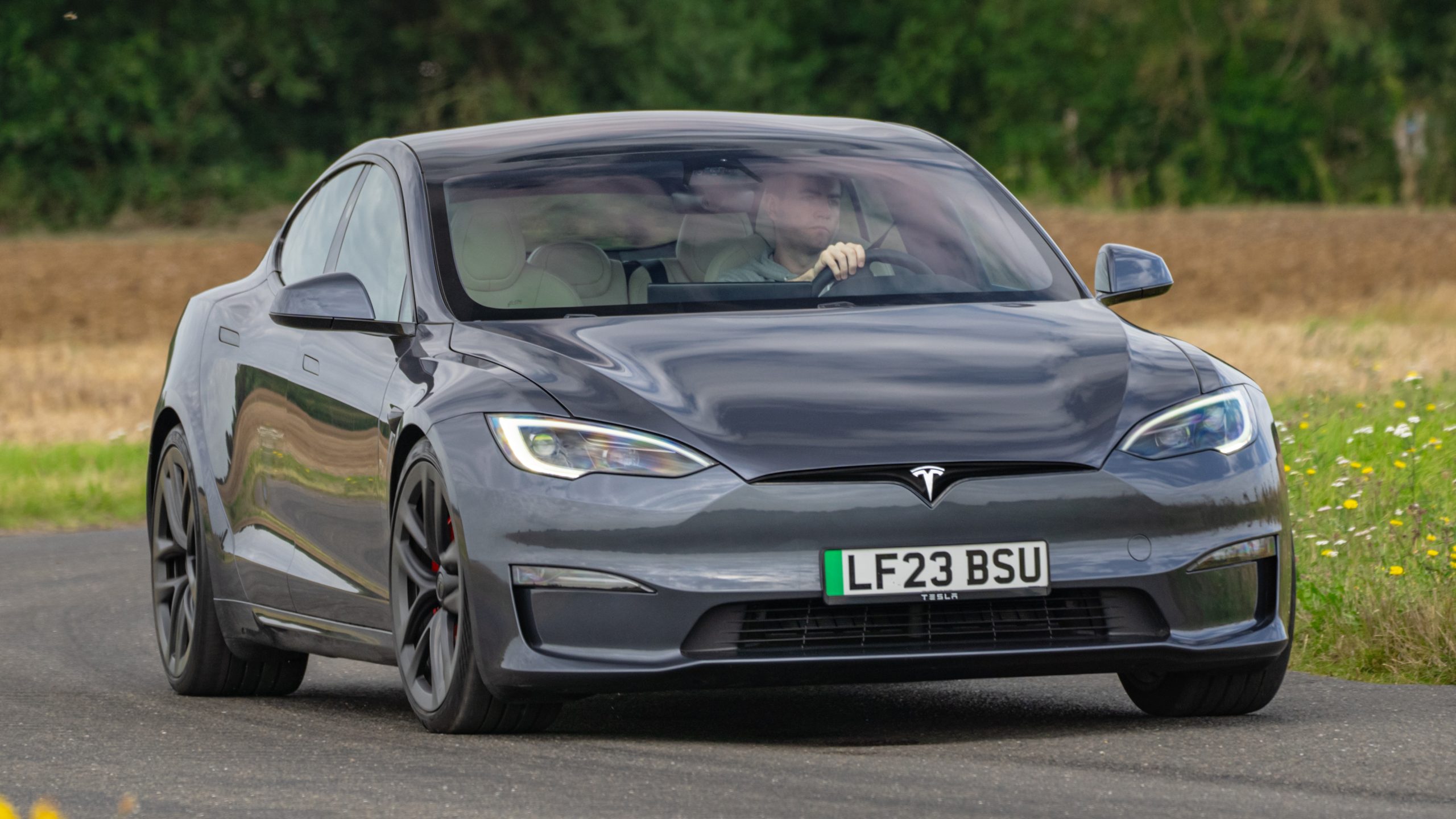
5. Tesla Model S
The Tesla Model S is a high-performance electric car with advanced technology, but its affordability in city settings is limited. While it eliminates traditional fuel costs, maintenance and repairs can be surprisingly expensive.
Tesla parts are proprietary and often costly to replace, and repair centers are limited in availability, which can increase both wait times and labor costs. City driving conditions, such as frequent stop-and-go traffic, also contribute to faster wear of tires, brakes, and suspension components, despite regenerative braking.
Insurance premiums for the Model S are higher than average because of its replacement value and specialized repair needs. Even minor accidents or glass damage can result in expensive claims due to the car’s advanced construction and materials.
Urban drivers face greater risk of such incidents, and the costs associated with repairs can offset the savings on fuel. Insurers often treat high-performance electric vehicles as higher risk, reflecting the potential repair complexity and value of the car.
Parking in dense urban areas can be challenging, as the Model S is larger than typical city-friendly cars. While its compact sedan profile helps somewhat, tight parking spaces may increase the risk of damage. Premium or secured parking may be required, adding another layer of cost. Tire replacement is frequent for high-performance trims, and parts are specialized, further increasing maintenance expenditures.
Charging infrastructure is another hidden cost. While home charging is ideal, city dwellers without garages may need to rely on public charging stations, which can be more expensive and less convenient.
Urban driving can require more frequent charging due to stop-and-go conditions and shorter trips that prevent optimal battery efficiency. Over time, the combination of charging costs and maintenance can diminish the Model S’s affordability advantage.
Depreciation for the Model S varies but can be accelerated in city settings due to cosmetic wear, minor collisions, and high mileage. While electric technology reduces fuel costs, the ownership expense remains significant for urban drivers. Between insurance, parts, charging, and potential repairs, the Model S is often more of a premium investment than a practical, low-cost city vehicle.
