
Minneapolis winters are known for very low temperatures, icy roads, heavy snowfall and conditions that test the resilience of vehicles every year. For drivers living in that region, choosing a car that can consistently handle frozen mornings, slippery surfaces, and long, cold nights is not a trivial matter.
Cars that manage winter well combine reliable starting power, stable traction, effective heating, and well-engineered systems designed for temperature extremes. At the same time, some vehicles struggle in such an environment, showing design weaknesses or system limitations that only become clear when the mercury drops far below freezing.
When temperatures plummet, batteries are pushed hard, fluids become thicker, tires lose flexibility, and electronic systems can behave unpredictably, all of which can lead to starting problems or reduced performance.
People who live somewhere with harsh winters quickly learn which vehicles have a reputation for reliability in snow and cold, and which ones tend to develop complaints such as battery drain, slipping transmissions, or ineffective climate control.
Those differences often come down to engineering choices, drivetrain configurations, ground clearance, wheel and tire setups, and even software tuning. In many cases, a model that excels in summer conditions can become a source of frustration if it was not designed with bitter cold or ice in mind.
Drivers with experience on Minneapolis roads know that it is not just about moving through snow, but also about comfort and safety when visibility is low, roads are slick and other drivers are struggling. A well-suited winter car will warm up quickly, maintain traction through turns and stops, and offer confidence to the person behind the wheel.
On the other hand, a poorly suited car might stall, wear down brakes faster, suffer from frozen door seals or fail to provide enough heat to keep passengers comfortable for longer periods. Because of these stark contrasts, it is useful to compare vehicles that have built solid reputations in harsh climates to those that frequently attract complaints from drivers who depend on them through winter months.
In this article, we look at a list of five vehicles that are known to perform well under Minneapolis winter conditions and compare them to five that have attracted cold-weather complaints. The goal is to offer insight for anyone deciding on what to buy, what to avoid, or what to expect in severe cold.
While every car can benefit from snow tires and careful maintenance, fundamental design characteristics still play a major role in real-world performance. With that in mind, we begin with a review of cars that have proven themselves through Minnesota’s toughest weather.
5 Cars That Survive Minneapolis Winters
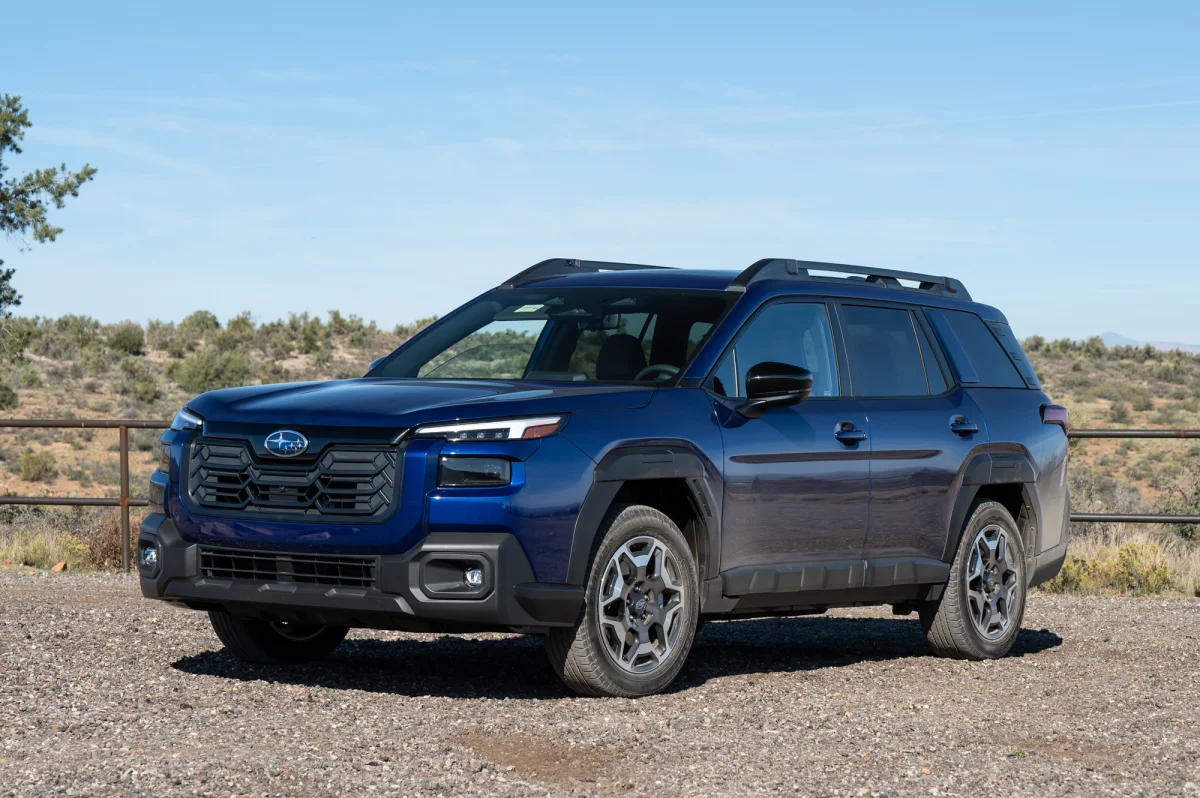
Subaru Outback
Subaru has long been associated with reliable all-weather performance and the Outback stands as one of the most consistent models for snowy regions. Its standard all-wheel-drive system offers balanced power distribution between front and rear wheels, giving it an advantage on slippery surfaces.
The higher ground clearance of the Outback allows it to handle deeper snow without scraping the underbody or getting stuck, and many owners report confidence in both urban and rural winter conditions. Its boxer engine configuration also helps keep the vehicle’s center of gravity lower, which enhances stability when traction is limited by ice and snow.
Inside, the Outback’s cabin heaters warm up quickly, helping occupants stay comfortable after extended periods out in the cold. The vehicle’s reputation for durability means that drivers rarely report issues starting the engine in subzero temperatures, a key factor for those living through long winter months.
The Outback’s traction control and stability systems are responsive, contributing to better driver confidence during sudden maneuvers on slick surfaces. Many Minneapolis drivers choose this model specifically for winter reliability, often pairing it with quality winter tires to maximize performance.
Maintenance and upkeep are straightforward, with many independent mechanics familiar with Subaru’s systems and easy access to replacement parts. The longer wheelbase provides a smoother ride over uneven snow-packed roads compared to shorter vehicles that can feel choppy.
Seating comfort and visibility out of the cabin also help drivers maintain awareness in low-light winter conditions, where reflective snow can make depth perception difficult. For many drivers, the Outback represents a blend of practicality and rugged capability that stands up well to year after year of cold-weather challenges.
Even in conditions below freezing, the Outback’s engine warm-up times tend to be reasonable, and its cooling system is designed to cope with rapid transitions from warm garages to cold outdoors. Owners rarely report persistent battery issues, which is important given how cold drains battery capacity and impairs ignition.
The combination of durability, balanced powertrain and winter-focused engineering has kept the Outback on many winter-vehicle recommendation lists. For Minneapolis winters, this model is often cited as a reliable choice that reduces stress for drivers who face snow and cold most of the year.
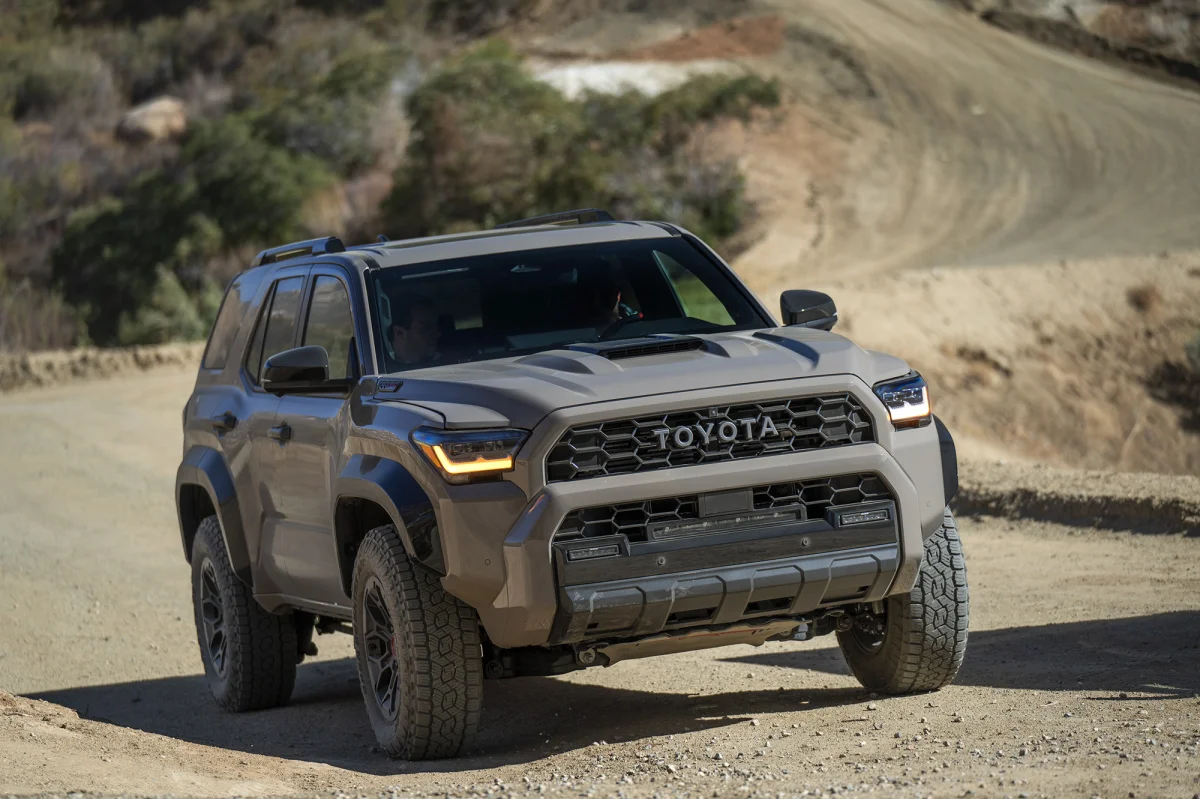
Toyota 4Runner
The Toyota 4Runner has built a strong reputation among drivers who need both off-road capability and winter reliability. Its robust body-on-frame construction and available four-wheel-drive systems make it a favorite for navigating snowy backroads as well as plowed city streets.
In extremely cold temperatures, the 4Runner’s engine and drivetrain are known to remain dependable, with fewer reports of cold-starting issues compared to some competitors. Climbing hills covered in ice or deep snow is a situation where many drivers feel confident with the 4Runner’s grip and torque.
Inside, the heating system provides strong air flow and consistent warmth, which is appreciated when passengers need quick cabin comfort after exposure to frigid conditions. The 4Runner’s higher seating position enhances visibility over snowbanks and through harsh weather, helping drivers anticipate changes in road conditions.
Because of its design heritage rooted in rugged terrain performance, the 4Runner often outperforms many crossovers that are more tuned for paved roads than true winter off-road traction. Drivers who live in areas with frequent blizzards or heavy snowfall often choose the 4Runner for its proven capability in deep snow.
Driver feedback frequently praises the 4Runner’s resistance to slipping and sliding at low speeds, especially when equipped with locking differentials or quality winter tires. Even when roads are only partially plowed, its drivetrain can handle uneven surfaces without undue strain, which reduces stress on the transmission and other components.
Fuel economy is not its strongest trait, but for winter reliability most owners consider that a fair trade-off for dependability and traction. In a region like Minneapolis, where winter can last many months, vehicles like the 4Runner that offer rugged performance are valued by those who count on their car every day.
The 4Runner’s long-lasting reputation is also supported by strong resale value, which reassures buyers that their investment holds worth over time. Many vehicles lose value quickly after heavy winter use, but the 4Runner’s rugged image helps it retain demand among used-car buyers.
Whether driving to work in early winter fog or heading out of town through a mid-January snowstorm, many owners report that the 4Runner provides consistent traction and control. Its combination of heating performance, mechanical sturdiness and available traction systems makes it one of the more respected choices for persistent winter climates.
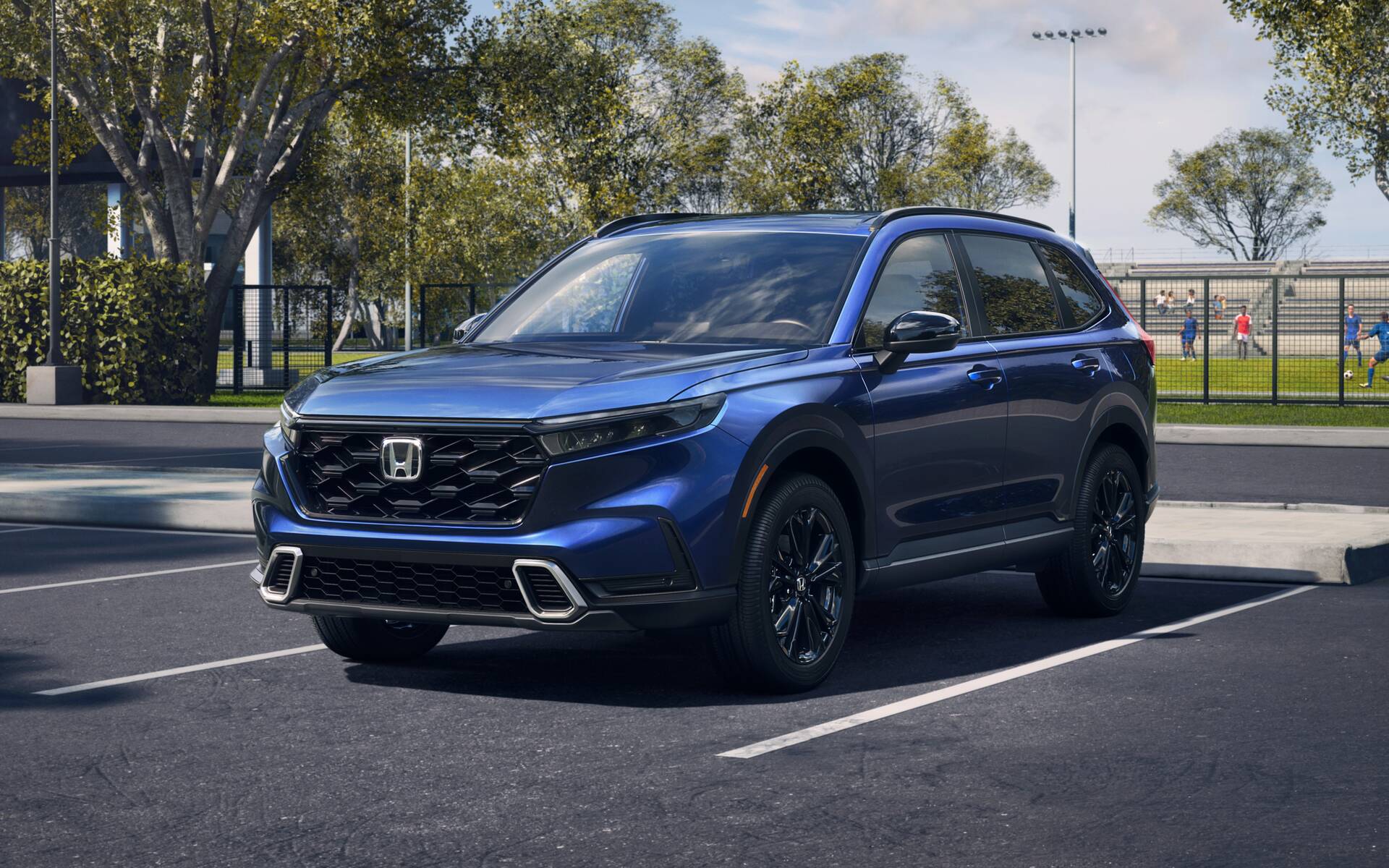
Honda CR-V (AWD)
The Honda CR-V with all-wheel drive has become a reliable choice for drivers seeking a balance between winter capability and everyday comfort. Its AWD system operates automatically, sending power to the wheels that need it most when slippage is detected, which is helpful on icy or snowy surfaces.
Owners often comment that the CR-V starts reliably even after long periods parked in subzero temperatures, an important quality for those who deal with freezing mornings. While not as rugged as some off-road-focused SUVs, the CR-V handles typical winter conditions such as packed snow or slush with confidence.
The CR-V’s cabin heating system is efficient, reaching comfortable temperatures quickly and keeping passengers warm on cold drives. Visibility in winter is also assisted by well-placed defrosters that clear windshields quickly when frost or ice accumulates overnight.
The CR-V’s compact-SUV size helps it fit into tight parking spots and navigate crowded city streets without sacrificing traction or control. Many drivers find that with proper winter tires, the CR-V performs as well as larger SUVs on snowy roads, even if it doesn’t have the same ground clearance.
Maintenance for the CR-V is generally straightforward and the vehicle has a reputation for lasting many winters with regular service. Battery reliability is often mentioned by owners, with fewer complaints about cold-starting failures compared to some rivals in the same segment.
Steering and braking systems are tuned to offer predictable responses on slick surfaces, reducing the feeling of unpredictability that can come with winter driving. For many Minneapolis drivers, the CR-V represents a sensible combination of efficient everyday transportation and capable winter performance.
While the CR-V is not a heavy-duty winter machine, its balance of comfort, reliability and AWD traction makes it a solid choice for most cold-weather needs. Drivers who spend time on both highways and neighborhood streets appreciate its adaptability throughout changing conditions.
Even in deep snow or on untreated roads, the CR-V often maintains steady progress with minimal driver stress. Its broad appeal among winter commuters and families underscores why it regularly appears on lists of cars considered dependable in frigid climates.
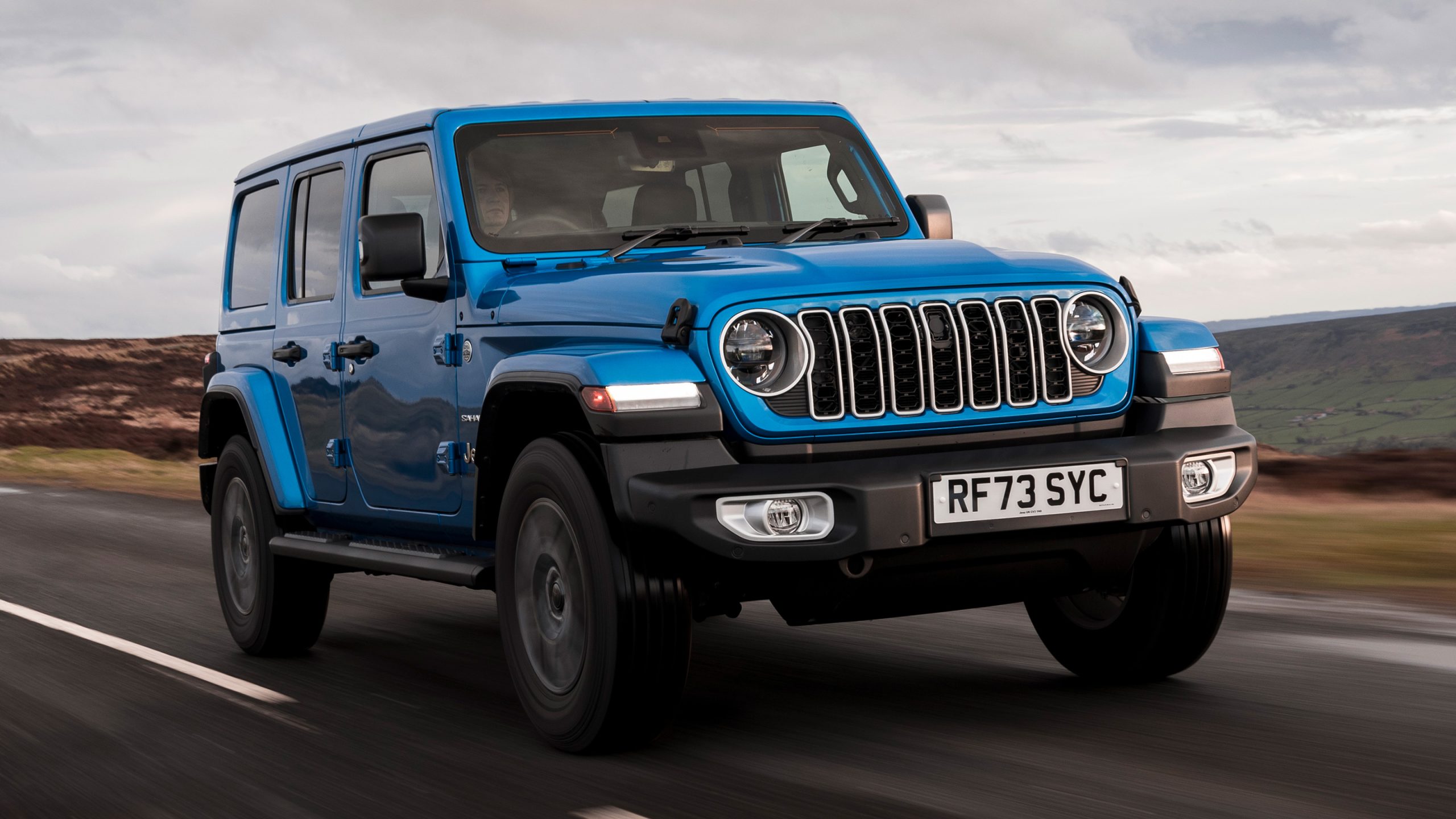
Jeep Wrangler
The Jeep Wrangler is widely recognized for its off-road capability and strong handling in snowy or icy conditions when configured properly. Its available four-wheel-drive systems and high ground clearance allow it to traverse deep snow with more confidence than many other vehicles in its class.
Wrangler owners often report that the vehicle starts reliably in cold temperatures, and its drivetrain is designed for heavy use on challenging terrain. These traits make it a favored choice among drivers who spend time outside of well-maintained roads or who need maximum traction when winter storms hit.
Heating inside the Wrangler is effective, though some older models take a little longer to reach peak cabin warmth than modern SUVs. Still, once the heater is up to temperature, it provides consistent comfort even when outside conditions are frigid.
The Wrangler’s rugged construction means that it resists the kind of body fatigue that can come from repeated winter suspension strain. For Minneapolis drivers who face everything from slush to icy backroads, the Wrangler’s design helps maintain stability and confidence.
The vehicle’s ability to run with larger winter tires and off-road tires gives it an edge in conditions where standard all-season rubber might struggle. While fuel economy is lower than more efficiency-focused crossovers, drivers willing to accept that trade-off gain significant traction and reliability in adverse conditions.
The Wrangler’s simple mechanical systems also make it relatively easier to repair if winter conditions take a toll on any part of the drivetrain. Many owners supplement the vehicle with skid plates or additional winter accessories for enhanced durability.
Because the Wrangler has a long history as a tough off-road vehicle, many drivers trust it to handle serious winter weather without hesitation. Its frame and drivetrain can take the stress of frequent snow encounters while maintaining performance.
Owners planning long winter trips or rural travel appreciate its capacity for handling snowbanks and steep hills without sacrificing control. For those who need a true winter warrior rather than just a capable commuter car, the Wrangler is frequently at the top of the list.
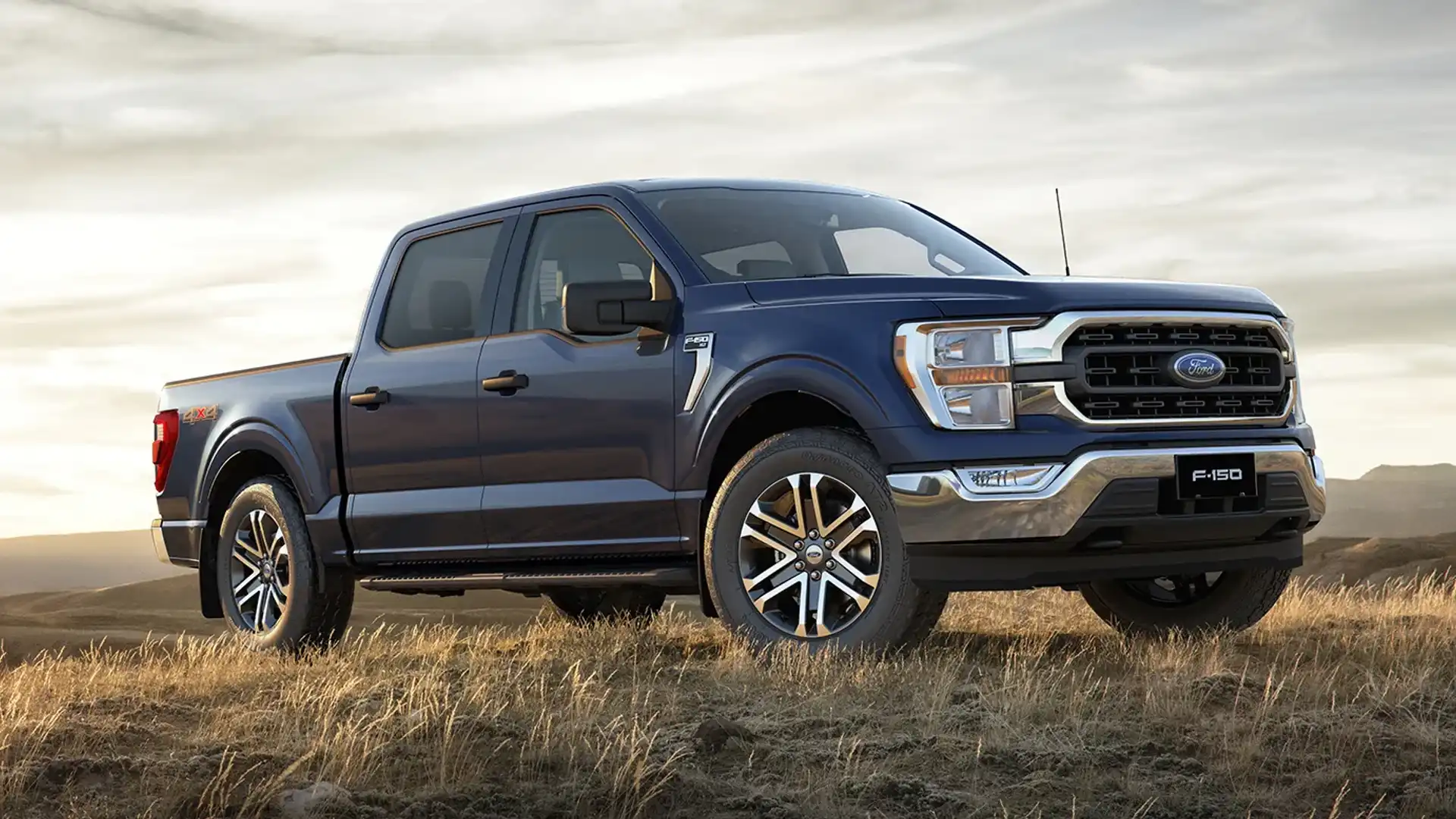
Ford F-150 (4WD)
Pickup trucks with four-wheel-drive systems, like the Ford F-150, are often chosen in climates where winter weather can be severe. The F-150’s size, ground clearance and torque help it move through snow with greater ease than smaller vehicles, and its 4WD system allows drivers to lock in traction when needed.
Starting reliability in cold weather is an important factor for pickup owners who might have to get to work or job sites early in frigid conditions. Many drivers report that the F-150 starts without hesitation even after a long night of subzero temperatures.
The large interior space of the F-150 allows its heating system to warm the cabin effectively, keeping occupants comfortable when the temperature outside is very low. Visibility from the higher seating position also helps drivers see over snowbanks and anticipate changing road surfaces.
The truck’s weight distribution and tire options can be tuned for winter conditions, offering stability on ice and packed snow. For those who use their vehicle for both work and daily winter travel, the F-150’s combination of power and capability is a strong advantage.
Routine maintenance and winter preparation are essential for any vehicle, and the F-150 responds well to quality cold-weather fluids and accessories. Battery performance in snowy regions is often better with heavier-duty units, and many owners choose upgraded batteries to prevent starting issues.
The truck’s towing capacity and hauling ability are also retained in winter, which is important for drivers who move heavy loads even when roads are cold. Its blend of strength, comfort, and adaptability has made the F-150 a common choice for drivers who face long, harsh winters.
While larger vehicles can be more challenging in tight urban spaces, the F-150 still offers reliable traction and control in snowy conditions when driven carefully. Whether parked outside overnight or driven through heavy snow, the truck maintains performance that many drivers depend on.
For people who need a reliable workhorse that also copes well with cold weather, the F-150’s reputation has been built over decades. For Minneapolis winters, this model frequently earns respect from drivers who expect their vehicle to handle demanding conditions without complaint.
5 Cars With Cold-Weather Complaints
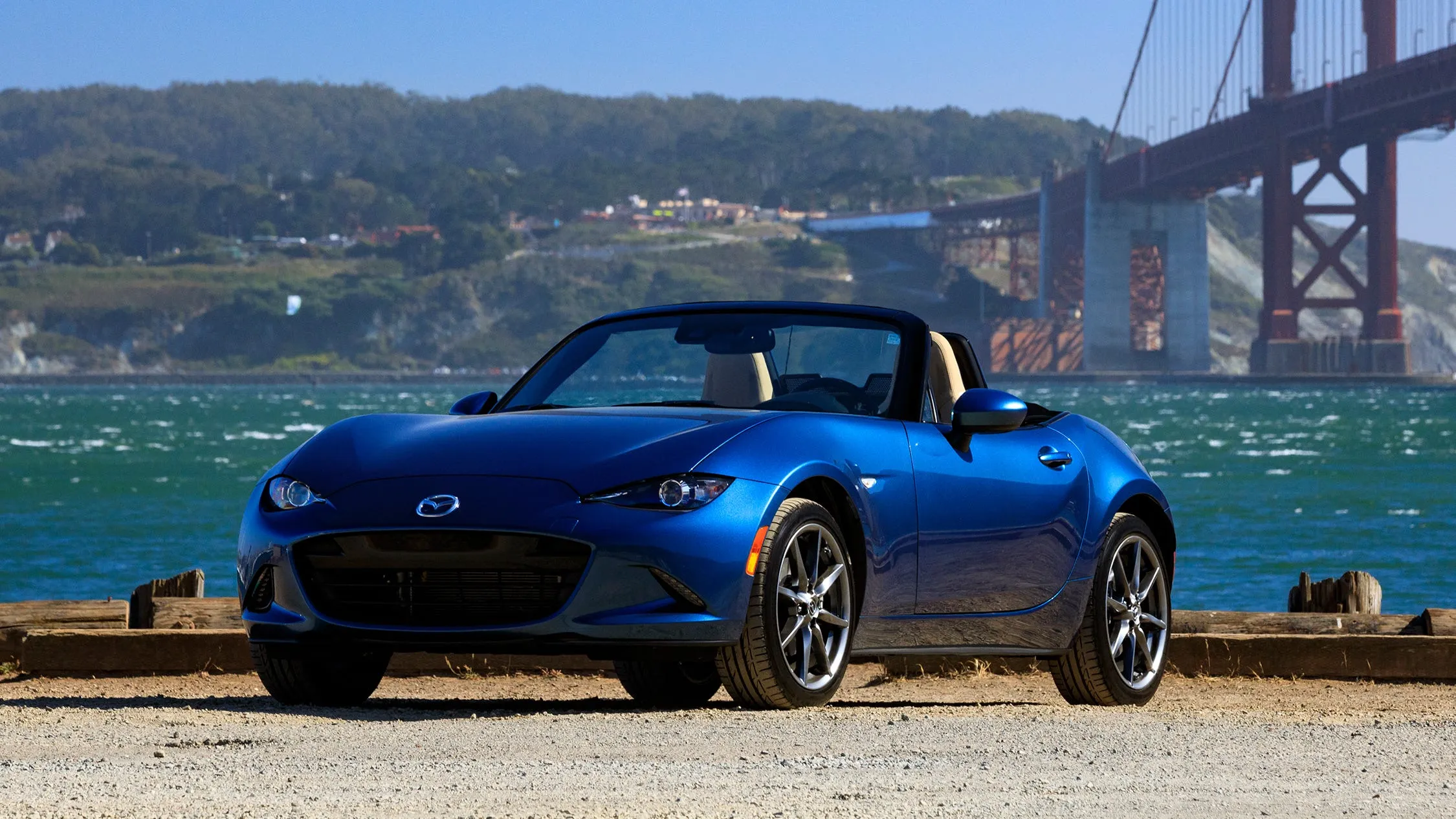
Mazda MX-5 Miata
The Mazda MX-5 Miata is known as an engaging sports car, but it often attracts complaints when exposed to harsh winter weather. Its low ground clearance makes it difficult to drive in deep snow or through snowdrifts without risking damage to the underbody.
Traction is limited by its rear-wheel-drive layout, which can make it prone to spinning tires on icy surfaces unless specialized winter tires are installed. In regions with frequent storms and subzero temperatures, the Miata’s design becomes a disadvantage rather than a benefit.
Drivers also report that the Miata’s heating system can take longer to provide steady warmth, especially after cold starts, which impacts comfort during extended winter driving. Because the car prioritizes lightweight performance and agility, less emphasis is placed on insulation against cold, which can lead to drafts inside the cabin.
The small trunk space means there is limited room for winter gear or emergency supplies, which are important in unpredictable weather. When temperatures drop far below freezing, some owners find that battery and starter systems struggle more than in vehicles built with winter performance in mind.
The Miata’s tires and suspension setup are optimized for dry roads and spirited cornering rather than snow traction, making it feel unsettled on slippery surfaces. Even with winter tires, its light weight and rear-wheel drive can contribute to inconsistent grip and a lack of confidence for many drivers.
For daily commuting in a snow-prone city, this setup often falls short of expectations when compared to AWD or 4WD competitors. The experience of driving a Miata in Minnesota winters can be frustrating for those who do not plan carefully or retrofit the car with winter-specific components.
Because the Miata is fundamentally a sports car, many buyers are aware of its limitations going in, but complaints still arise when cold weather returns year after year. Some owners choose to store the car during winter to avoid the difficulties of cold starts and slippery roads.
Others accept that its fun performance in warm weather comes with winter drawbacks that require careful planning. In climates where snow and freezing temperatures persist, the Miata often remains a secondary or seasonal vehicle rather than a year-round choice.
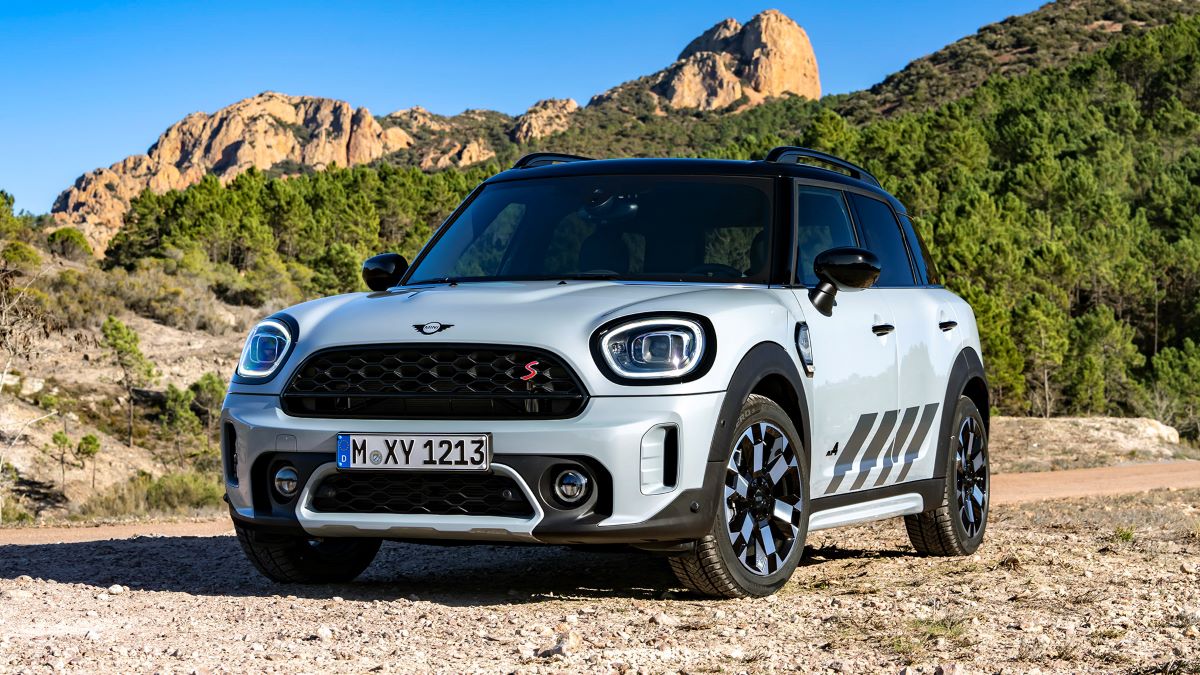
Mini Cooper
The Mini Cooper has a reputation for spirited handling and compact size, but many owners report challenges in cold weather conditions. Its front-wheel-drive setup does offer some advantage over rear-wheel-drive cars, but the Cooper’s low ground clearance still limits its ability to handle deeper snow.
Drivers complain that the Cooper can feel unsettled in slippery conditions, especially when the roads are coated with ice or packed snow. The car’s shorter wheelbase also makes it more susceptible to being pushed around by gusts of winter wind or passing vehicles.
Heating performance is another area where complaints arise, with some owners finding that the cabin takes longer to warm up than expected after cold starts. Given Minneapolis winter temperatures, effective heating and rapid defrosting are critical for both driver comfort and visibility.
The Cooper’s compact interior means occupants have less insulation and space compared to larger vehicles, which magnifies the feeling of cold on longer drives. Battery performance is also frequently mentioned, with some drivers dealing with slow starts or battery drain during prolonged periods of subzero weather.
Because the Cooper is designed primarily for urban environments and agile handling, its winter performance often feels compromised when roads are not completely cleared. Snow tires help, but cannot fully counteract design choices that prioritize sporty driving over harsh weather capability.
Some owners choose to retrofit their Cooper with additional winter accessories, but this adds cost and still does not replicate the confidence offered by AWD vehicles. On highways and open roads coated with ice, many Cooper drivers report a sense of insecurity that reduces the enjoyment of winter travel.
In communities where snowfall is frequent and temperatures remain low for months at a time, vehicles with more ground clearance and dedicated traction systems tend to outshine the Cooper. Drivers who initially buy the car for its lively character sometimes find themselves wishing for a more winter-ready vehicle once snow arrives.
The combination of low ride height, sensitivity to slippery surfaces and slower heating performance makes the Cooper less suited to severe winter conditions. Though still a capable car in many situations, its cold-weather reputation includes enough complaints to make buyers cautious if they face persistent winter climates.
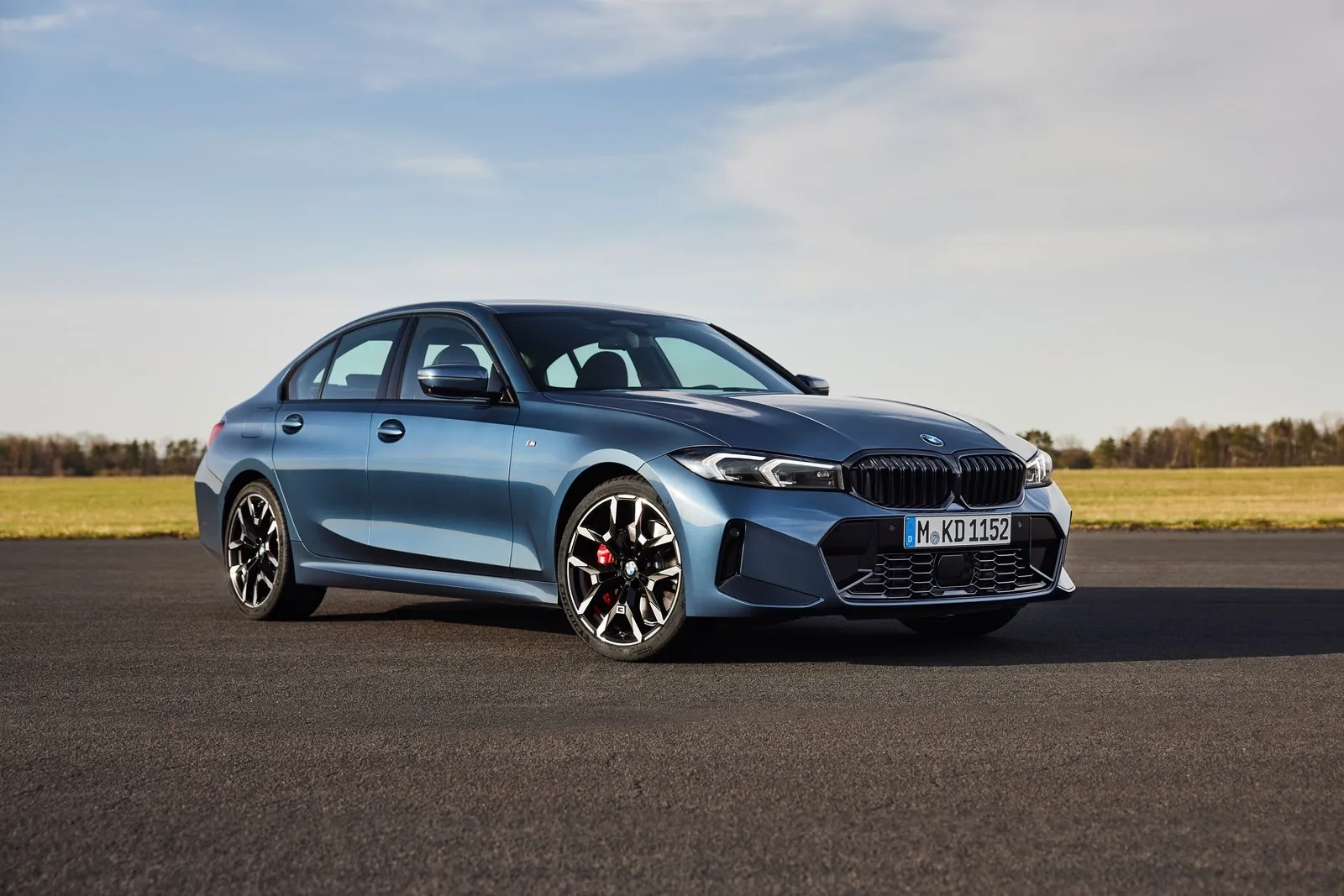
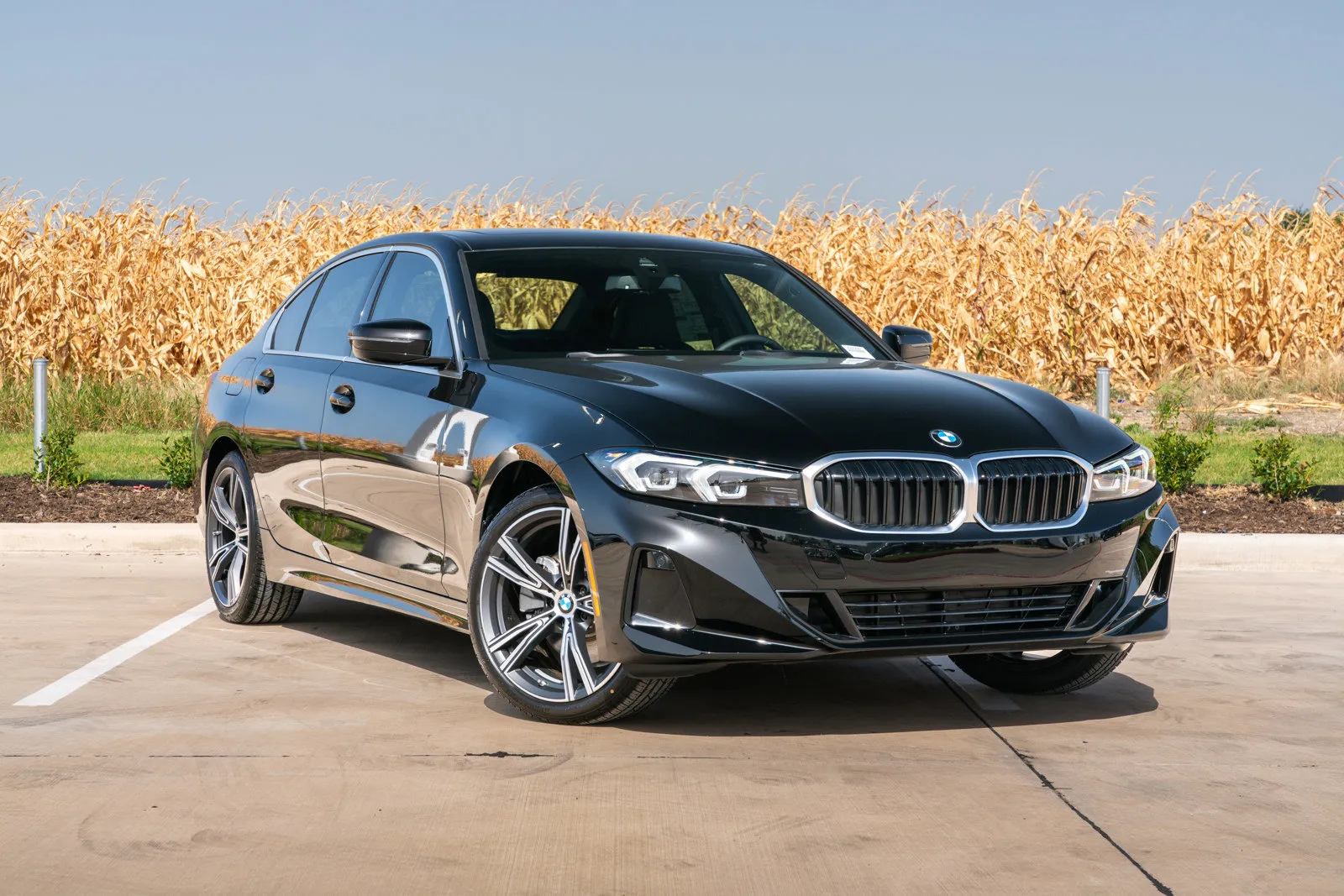
BMW 3 Series (RWD)
The BMW 3 Series has long been praised for its dynamic driving and precise steering, but its rear-wheel-drive configuration can be a challenge in cold climates without the optional AWD model. Rear-wheel drive distributes weight differently than AWD or front-wheel-drive setups, which often leads to tires losing grip more easily on ice and snow.
Drivers in winter regions frequently complain that the car feels less planted and requires careful throttle control to avoid spinning or sliding. Even with winter tires, the experience can be less confidence-inspiring compared to vehicles with dedicated traction systems.
Heating effectiveness is important in frigid weather, and some 3 Series owners note that heating performance can be slower to achieve rapid warmth than expected. Given harsh winter temperatures, a quick cabin heat-up time improves comfort and safety by ensuring clear windows and a manageable interior environment.
The 3 Series’s lower ground clearance and sport-oriented suspension setup also make it vulnerable to scraping snow piles and dealing with rough roads. Owners who navigate uneven winter streets often report a firmer ride that feels harsher in cold conditions.
Battery complaints are also more common in performance-oriented cars like the 3 Series, especially when paired with high-output electrical systems and heated features that draw more current. Cold winters place higher demand on batteries, and if a car’s design already pushes battery limits, starting issues are more likely.
While AWD variants of the BMW lineup exist, the RWD version specifically draws criticism from drivers who face persistent ice and snow. For those who value winter confidence and year-round reliability, the RWD 3 Series often requires extra caution and preparation.
Even with maintenance and upgrades, the fundamental design orientation toward spirited driving over extreme winter performance sometimes leaves owners regretting their choice in snowfall season. Many drivers choose AWD options or swap to different vehicles altogether for winter use.
The contrast between summer performance and winter limitation becomes evident when temperatures remain low for extended periods. In snowy climates, complaints about traction and handling on ice make the RWD 3 Series a less favored choice for many winter drivers.
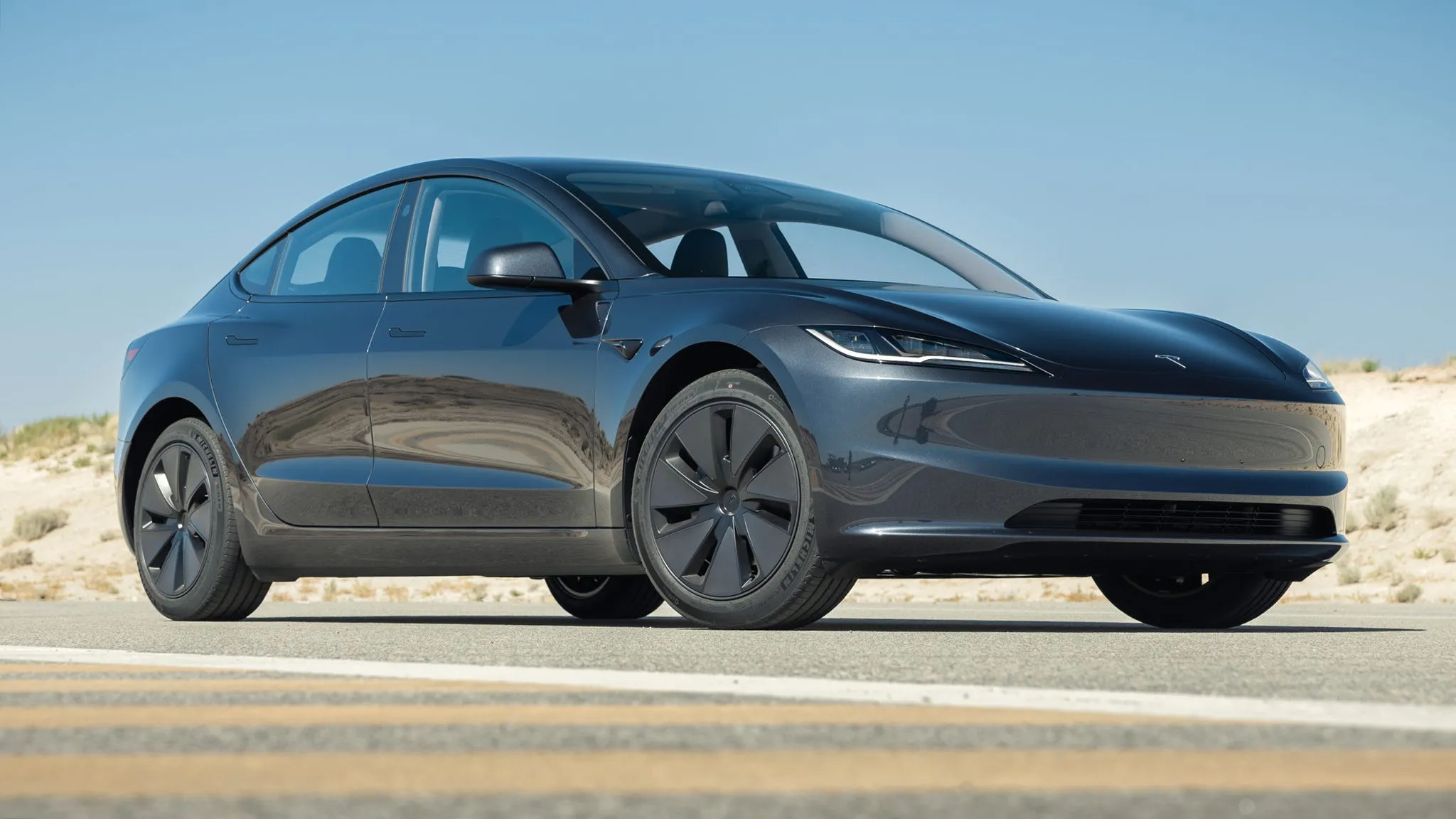
Tesla Model 3 (RWD)
Electric vehicles like the Tesla Model 3 offer innovative technology and strong performance, but in cold weather some owners have reported issues that impact winter convenience. The rear-wheel-drive version in particular can experience reduced traction in slippery conditions without the benefit of all-wheel-drive systems that redistribute torque to maintain grip on ice or snow.
Range reduction in cold temperatures is another complaint, as battery efficiency declines when the battery and motor systems operate in subzero weather. This can lead to drivers needing to charge more often or plan trips differently than they would in milder climates.
Heating systems in electric cars draw significant energy from the battery, which compounds the range loss issue and requires drivers to balance warmth and efficiency. While the Model 3’s heat pump in newer versions improves efficiency, cold weather still places an added burden on energy consumption compared to internal combustion engine vehicles.
The combination of reduced range and slower de-icing of windows and mirrors can be frustrating for drivers who are used to quick heat from a traditional engine. Like other RWD cars, the Model 3 can also feel less stable on icy surfaces, particularly when making sudden maneuvers in slick conditions.
Charging in cold weather also takes longer, as battery chemistry requires conditioning before fast charging can occur safely. Drivers who rely on charging stations may find that winter stops take more time and require planning around warm-up strategies.
Tire selection becomes critically important, and many Model 3 owners find that winter-specific tires significantly improve traction but add cost. While AWD versions mitigate some traction issues, the RWD Model 3’s winter complaints are enough that buyers in colder regions often opt for AWD trims.
Because electric cars are still relatively new to many winter drivers, expectations can sometimes outpace real-world performance in subzero conditions. Early adopters who live in cold climates have shared feedback about the balance between efficiency and comfort that differs from traditional cars.
As battery technology continues to improve, some issues may lessen, but for now winter drivers often weigh trade-offs carefully before depending on RWD EVs. In snowy and icy environments, the Model 3’s limitations have led to enough complaints that Minneapolis drivers consider alternatives or upgrades for better cold-weather confidence.
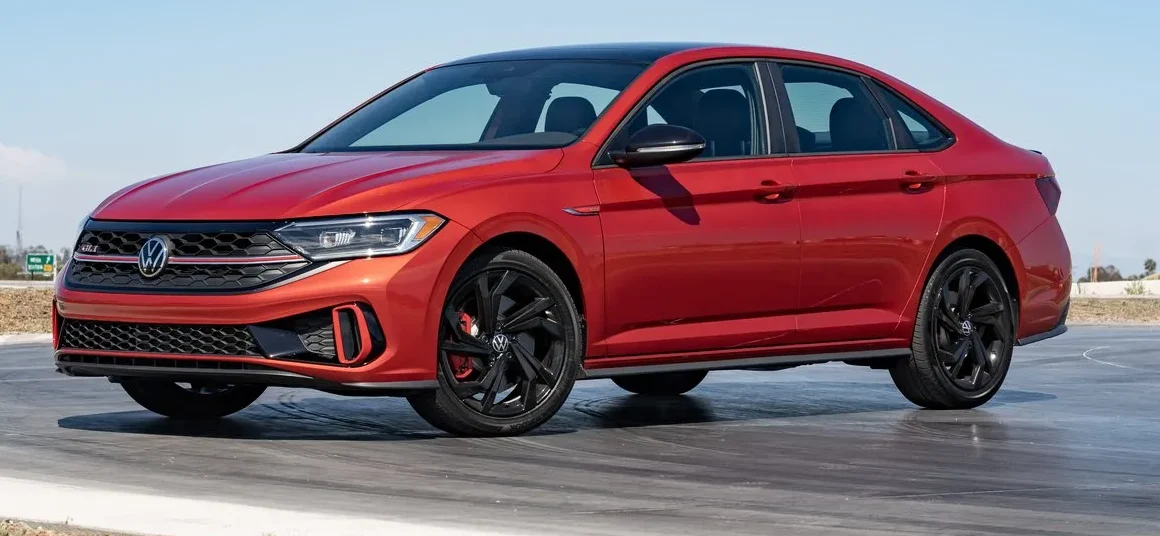
Volkswagen Jetta (FWD)
The Volkswagen Jetta is a popular compact sedan, but in severe winter conditions it attracts complaints related to traction and cold performance. Its front-wheel-drive platform offers some advantage over rear-wheel-drive cars, but the Jetta’s traction control system is often cited as less effective on ice than in vehicles with more advanced drive systems.
Low ground clearance makes it difficult to manage deeper snow or snowbanks without risking underbody contact or slowed progress. Drivers also mention that the Jetta’s lightweight design can feel unsettled when strong winter winds push against the car while driving on slick roads.
Heating performance is another area where some owners are dissatisfied, noting that the cabin can take longer than desired to warm up after cold starts, which affects comfort on freezing mornings. Efficient defrosting is important in winter, and delayed warm-up times can impact visibility and readiness for travel.
The Jetta’s suspension and tire fitment are more tuned for smooth pavement and handling, which sometimes results in less predictable behavior on icy surfaces. Even with quality winter tires, the combination of design factors can leave drivers feeling less confident during snowstorms.
Battery performance issues are also reported, as smaller sedans often have batteries that are pushed to their limits in cold weather. Frequent cold starts place added stress on electrical systems, increasing the likelihood of slow cranking or the need for jump starts.
Winter driving conditions also expose weaknesses in headlights and auxiliary systems that are not optimized for heavy snow glare or frost buildup. Combined with traction complaints, these factors lead many owners to consider alternative vehicles for consistent winter performance.
