
Making a U-turn can be a simple maneuver for some vehicles, while for others it can become a test of patience, skill, and space. The ability of a vehicle to execute a tight U-turn depends on several factors, including the steering design, wheelbase length, size, and responsiveness of the suspension system.
Small cars often have an advantage due to their compact dimensions, allowing drivers to make sharp turns with minimal effort. On the other hand, large SUVs, trucks, and vehicles with extended wheelbases frequently demand wider spaces and more precise maneuvering to complete the same turn.
This difference in handling capability is not just a matter of convenience; it can also affect safety. Vehicles that struggle with tight U-turns may force drivers into multiple-point turns in traffic-heavy areas, increasing the risk of collisions or stress during driving.
Understanding which vehicles excel in this aspect and which face challenges can help drivers make informed decisions, especially in urban areas with narrow streets, tight intersections, or limited turning spaces. The design of modern vehicles increasingly considers maneuverability, but older models or larger classes of vehicles often still face limitations.
This makes knowing your car’s turning capability essential for city navigation, parking, and emergencies where sharp turns might be required. Steering precision, power-assisted mechanisms, and suspension play critical roles in improving U-turn handling.
Vehicles with four-wheel steering or advanced electronic systems can achieve tighter turns with less effort, whereas vehicles without these systems often require careful planning and more space. Additionally, tire size and grip can influence how easily a vehicle pivots during a turn.
Smaller tires with responsive steering tend to rotate more smoothly, while larger tires can introduce friction and resistance, making a single-point U-turn harder to achieve. Driver confidence is also impacted by the vehicle’s handling characteristics.
A car that smoothly navigates tight U-turns can make city driving less stressful, while a vehicle that requires multiple adjustments or attempts can cause frustration, slow traffic flow, and increase the likelihood of errors. Beyond the mechanics, the psychological comfort of knowing your vehicle can manage sharp turns is significant.
Drivers who understand their vehicle’s turning radius and limitations are less likely to make sudden adjustments that could compromise safety. This knowledge is especially important for delivery drivers, taxi services, and others who navigate busy streets daily.
The capability to execute tight U-turns is a combination of design, technology, and driver familiarity. Some vehicles are naturally adept at sharp maneuvers, while others require more careful planning and multiple-point adjustments.
By examining examples from both ends of the spectrum, drivers can appreciate how design choices impact maneuverability and learn strategies to handle challenging turns more efficiently. This comparison not only highlights practical differences but also emphasizes the importance of understanding your vehicle’s limitations for safe and confident driving in varied environments.
Vehicles That Handle Tight U-Turns
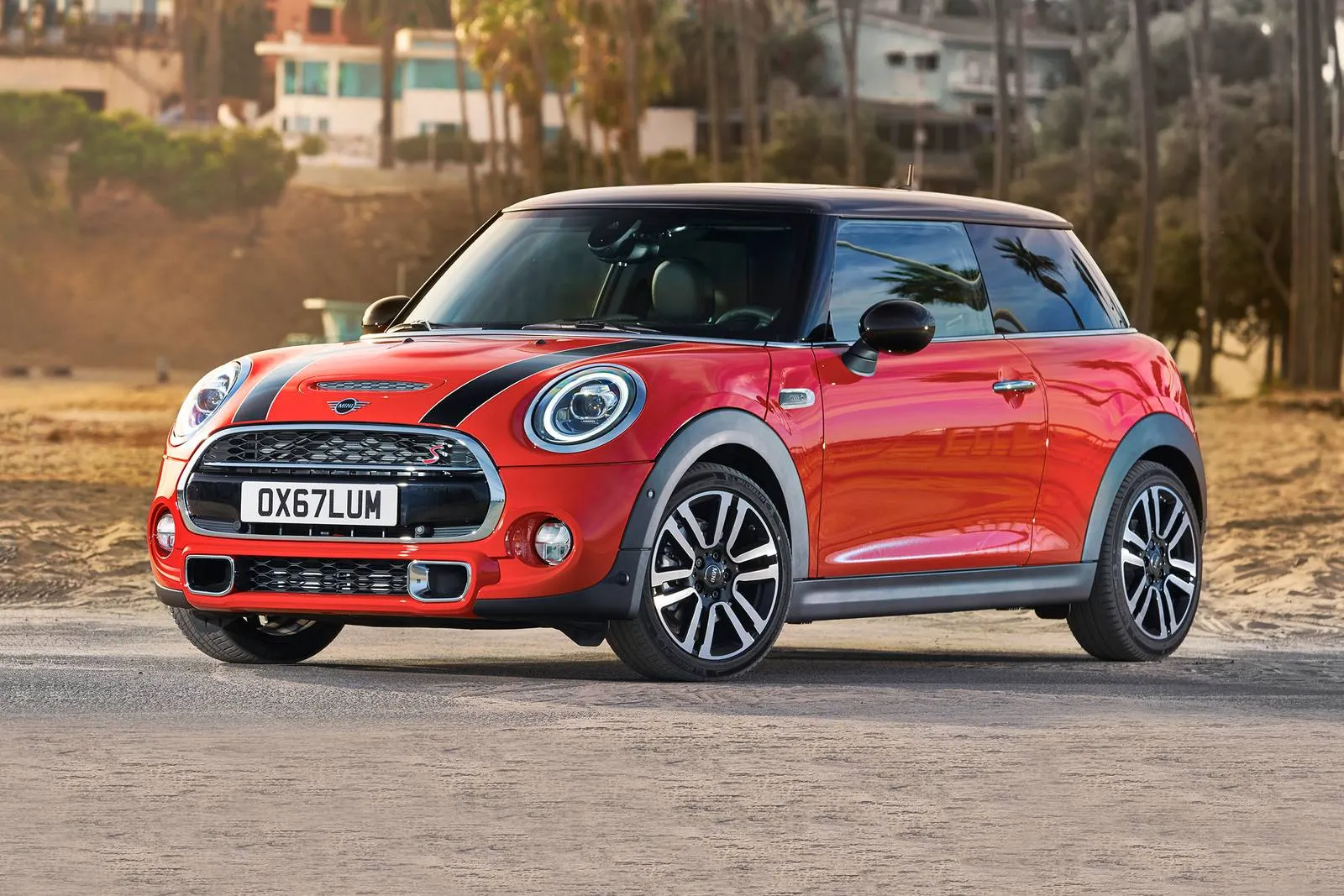
1. Mini Cooper
The Mini Cooper is renowned for its compact size and exceptional agility, which make it ideal for navigating tight spaces. Its short wheelbase allows drivers to pivot quickly without needing a wide turning radius. Steering responsiveness is precise, enabling instant adjustments during complex maneuvers. The small dimensions ensure that even crowded city streets are manageable.
Its front-wheel-drive system contributes to sharp turning capabilities, keeping the wheels firmly gripping the road while pivoting. The lightweight frame reduces inertia, allowing drivers to rotate the car with minimal effort.
Suspension tuning also helps maintain stability during rapid directional changes. Urban driving is particularly comfortable because tight intersections and narrow lanes are no longer obstacles.
Parking lots and residential streets are easier to navigate due to its ability to make U-turns in minimal space. The cabin design allows drivers to maintain visibility of curbs and obstacles, enhancing confidence during maneuvers.
Power-assisted steering provides a smooth experience, reducing strain even for longer U-turns. Its consistent handling across various speeds ensures predictable responses during emergency or sudden turns.
Even when carrying passengers or cargo, the Mini Cooper maintains excellent maneuverability. The compact dimensions mean that added weight has minimal effect on turning performance. Drivers often report that executing U-turns feels natural, almost effortless. The combination of size, weight, and steering precision makes it one of the best options for tight-turn scenarios.
Technology in the latest Mini Cooper models further enhances turning performance. Some versions include electronic stability systems that assist in maintaining control during tight turns. Adaptive steering systems adjust sensitivity based on speed, ensuring smooth handling regardless of conditions.
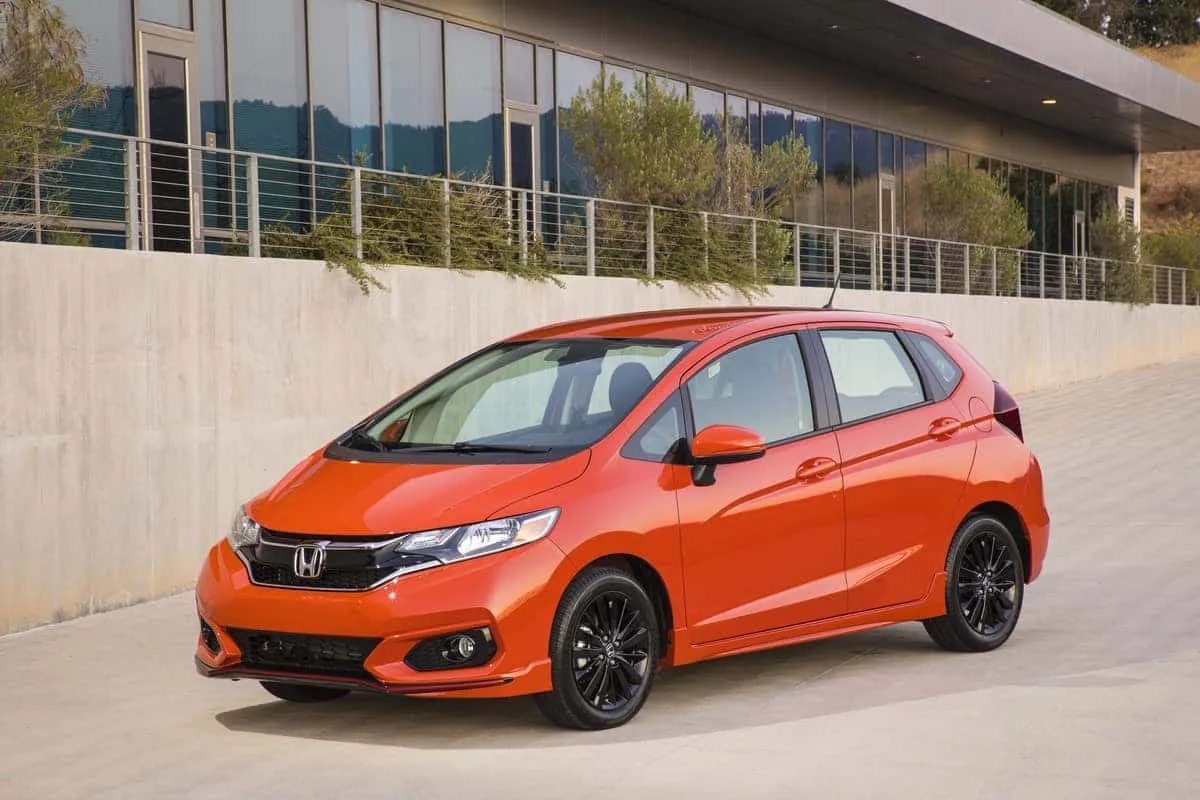
2. Honda Fit
The Honda Fit combines compact dimensions with clever engineering to make sharp turns manageable. Its short wheelbase and small turning radius are key advantages in city environments. Responsive steering allows drivers to rotate the vehicle quickly, even on narrow streets. Visibility is excellent, aiding confidence when maneuvering in tight spaces.
The Fit’s lightweight construction contributes to smooth handling and reduced effort when turning. Suspension geometry is designed to balance comfort with agility, preventing body roll during abrupt maneuvers.
Drivers benefit from predictable feedback, making U-turns feel controlled and intuitive. Its practical hatchback design does not compromise agility, which is often a concern in similarly sized vehicles.
Front-wheel drive ensures that the tires maintain grip and traction during rotation. Even when the cabin is fully loaded, the Fit handles sharp turns with minimal difficulty. Urban drivers frequently praise its ability to complete U-turns in one smooth motion without multiple attempts. Tight intersections no longer pose a significant challenge for drivers familiar with the vehicle.
The steering system responds immediately to small adjustments, allowing precise navigation around obstacles. Tires and suspension work together to provide stability, reducing the risk of scrubbing or sliding during tight turns. Lane changes, roundabouts, and narrow alleyways all become more manageable. This combination of features creates a vehicle that is both practical and highly maneuverable.
Additionally, the Fit’s compact profile aids parking in small spaces after executing tight U-turns. Drivers can reposition the car easily and maintain control in congested areas. Its consistent handling characteristics make it a reliable option for city driving, especially where multiple-point turns would be cumbersome. The Fit exemplifies how engineering and design enhance maneuverability.
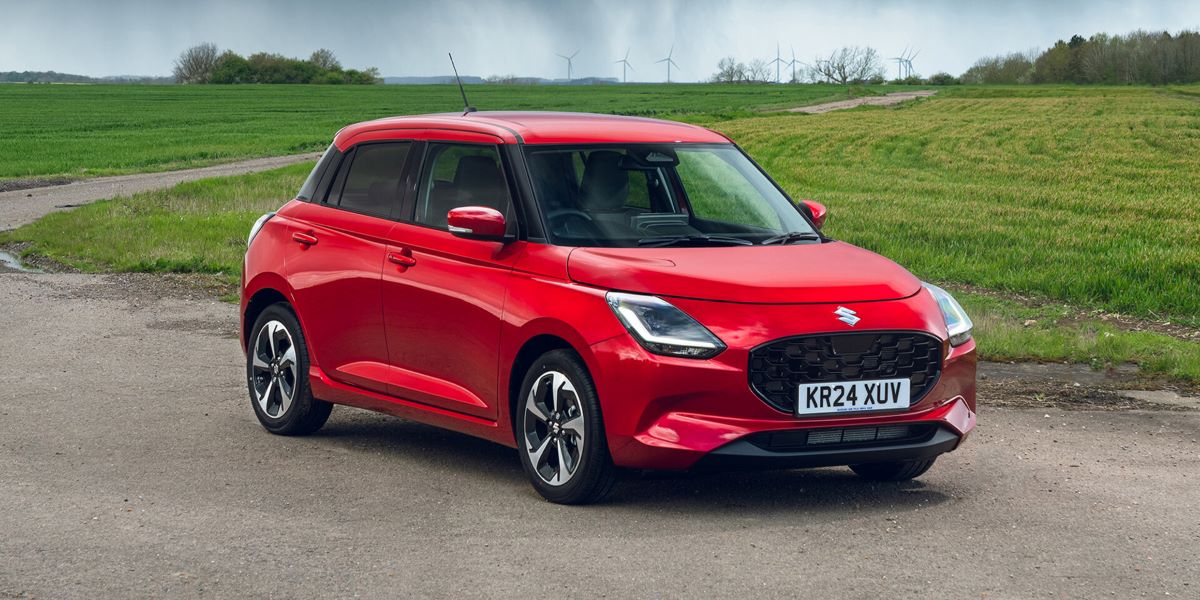
3. Suzuki Swift
The Suzuki Swift is designed for agility and urban handling, excelling in tight maneuvers like U-turns. Its small size and short wheelbase allow sharp turns without requiring extensive space. Steering is precise, responding quickly to inputs from the driver. Low weight ensures that the vehicle rotates efficiently, even in confined areas.
The front wheels provide a strong grip, helping the car pivot effectively during tight maneuvers. Suspension is tuned for stability without compromising responsiveness, maintaining composure during sharp rotations. Drivers benefit from predictable handling that reduces stress in busy city environments. The compact frame makes it easy to avoid obstacles while completing a U-turn.
Despite its sporty design, the Swift offers comfort during maneuvering. The cabin layout and seating position improve visibility, making it easier to judge turning angles. Urban streets, narrow intersections, and parking lots become less intimidating with the Swift. Its ability to rotate quickly minimizes the need for reversing or multiple-point adjustments.
Even under heavier loads, the Swift maintains its agility. Front-wheel drive ensures consistent traction, while the suspension absorbs minor bumps without affecting turning performance. Drivers appreciate the combination of size, weight, and engineering that allows a single smooth motion to complete a U-turn. Its reliability in tight spaces has made it popular in cities worldwide.
Modern versions of the Swift include power-assisted steering and stability enhancements. These systems help maintain control during sharp turns, even at higher speeds. Steering response remains intuitive, allowing drivers to navigate narrow streets confidently. The Swift demonstrates how a compact, well-engineered vehicle can outperform larger cars in confined spaces.
4. Fiat 500
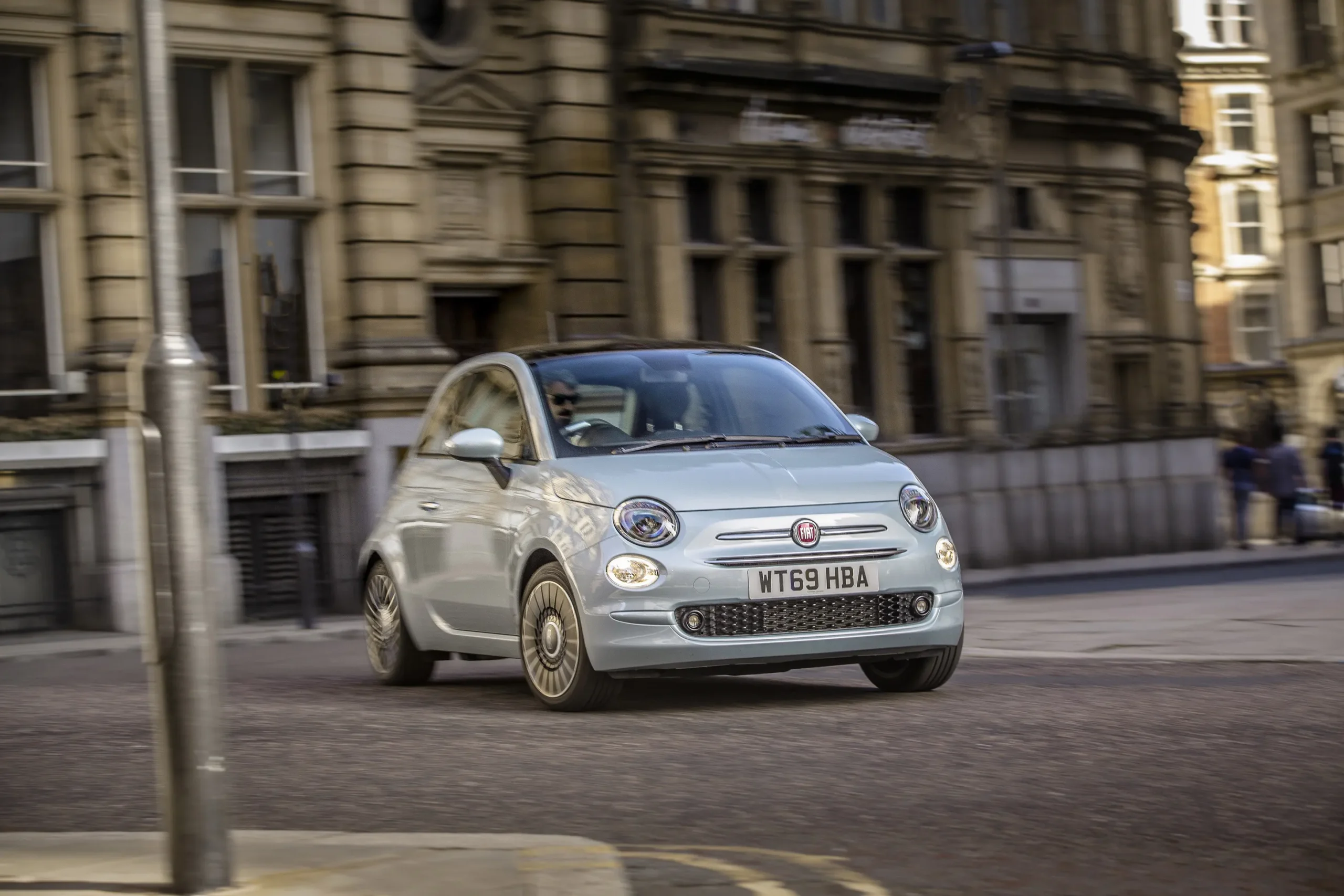
The Fiat 500 is recognized for its tiny footprint and exceptional maneuverability, ideal for sharp turns in urban settings. Its extremely short wheelbase allows it to pivot almost on the spot. Steering is extremely responsive, letting drivers adjust angles quickly. The car’s lightweight design reduces the effort needed to complete tight maneuvers.
Urban streets and congested areas become easier to navigate due to its compact size. Power steering ensures smooth operation and precise control. Even with passengers or luggage, the Fiat 500 retains its sharp turning capabilities. Drivers can execute U-turns with minimal space and without multiple adjustments.
Visibility is enhanced by the compact body and higher seating position, helping drivers gauge distances accurately. Suspension keeps the ride stable during rotation, preventing excessive body roll. Small tires and tight geometry further assist in reducing turning radius. Its design is focused on efficiency in maneuvering, rather than outright performance.
Parking after a U-turn is also simplified, as the vehicle can easily fit into tight spots. The low weight ensures that even quick adjustments are manageable without strain. Its agile nature has made it a favorite for city commuters. Drivers often report confidence and ease when making sharp turns compared to larger alternatives.
Technology in newer Fiat 500 models adds to ease of handling. Steering sensitivity adapts to speed, and electronic stability systems assist in maintaining control. The car’s compact size and well-tuned steering make it an excellent example of a vehicle that can manage tight U-turns effortlessly.
5. Smart Fortwo
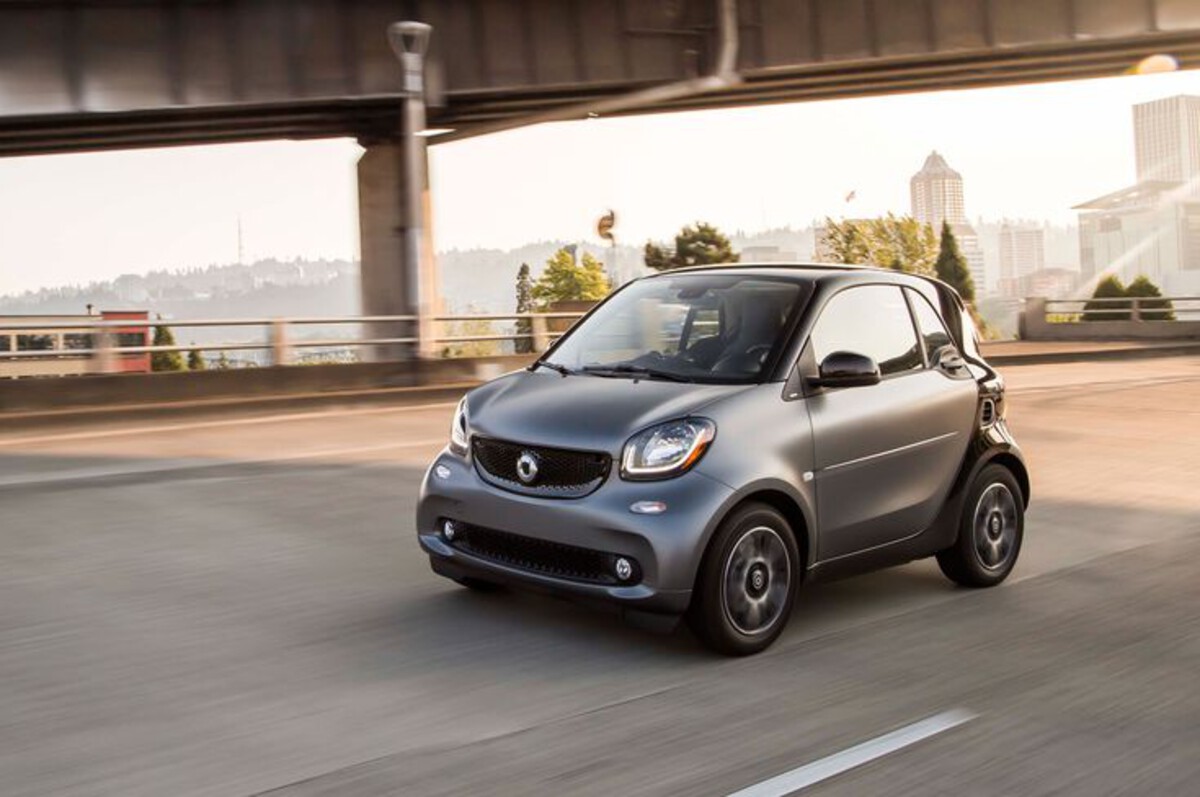
The Smart Fortwo is one of the smallest vehicles on the road, making U-turns simple and stress-free. Its tiny dimensions allow rotation in extremely limited space. Steering is highly responsive, giving drivers immediate control over angle adjustments. Its lightweight body reduces inertia, allowing sharp maneuvers without effort.
The Fortwo’s wheelbase is incredibly short, which makes it one of the easiest cars to maneuver in tight urban areas. Suspension design balances stability and responsiveness, maintaining control during abrupt movements. Even inexperienced drivers find it easier to execute single-point U-turns. Its compact design ensures clear visibility during complex turns.
Front-wheel drive ensures consistent traction, helping the vehicle rotate efficiently. Tires and chassis design complement steering performance, allowing smooth execution of tight turns. Parking lots and narrow streets are no longer challenging for this vehicle. Multiple-point turns are rarely required due to its tight turning radius.
The Fortwo maintains performance even with a passenger on board. Its responsive handling allows confident navigation through crowded streets. Drivers often report that the Fortwo gives a sense of control that larger vehicles cannot match. Urban driving, deliveries, and errands become less stressful due to its agility.
Newer models feature power-assisted steering and stability control, enhancing maneuverability. Drivers can rely on the Fortwo to navigate difficult intersections and execute sharp turns efficiently. Its compact engineering and responsive handling consistently make it one of the best options for tight U-turns.
Vehicles That Require Multiple Attempts for U-Turns
1. Ford F-150
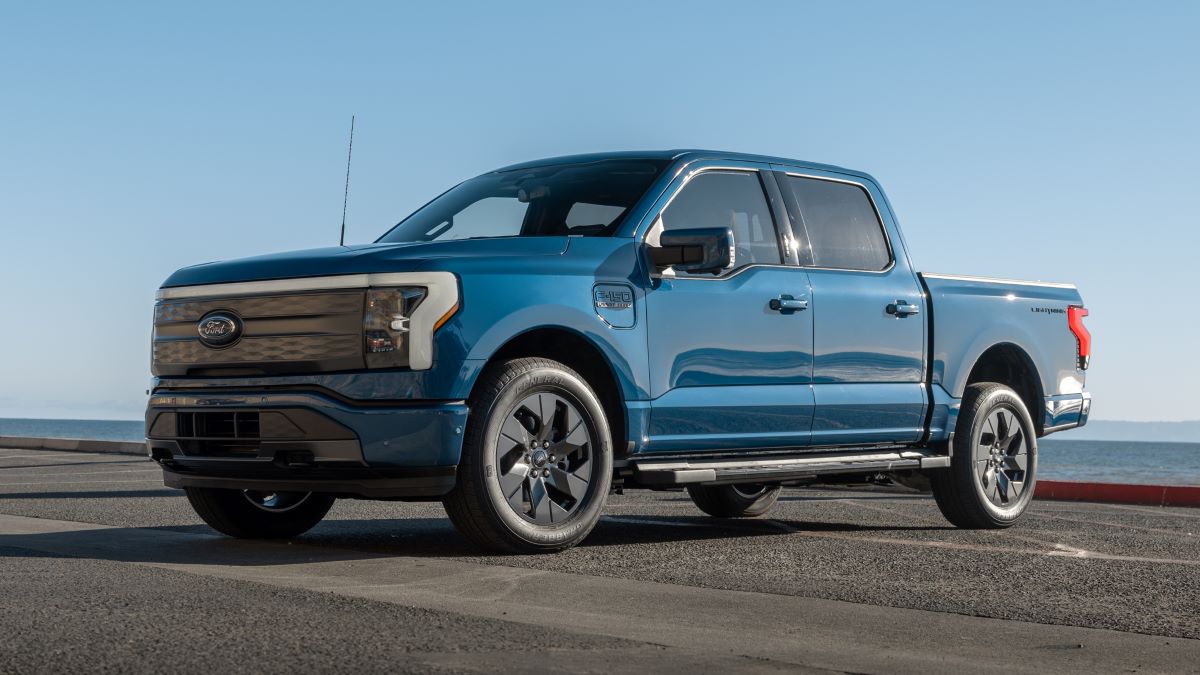
The Ford F-150 is a full-size pickup truck known for strength and utility, but its large dimensions make tight U-turns difficult. Its long wheelbase requires significantly more space to pivot, especially on narrow streets. The high weight increases inertia, which slows the vehicle’s rotation during sharp turns. Drivers often need multiple adjustments to complete a U-turn in confined areas.
Front-wheel drive versions can still manage decent traction, but even these struggle in tight maneuvers. The rear-heavy design and extended cab configurations further limit turning ability. Maneuvering through urban intersections can become a challenge, especially with traffic nearby. Drivers often find themselves backing up several times to align properly.
The suspension is designed for load-bearing rather than agility. While it provides comfort over rough terrain, it introduces body roll during abrupt directional changes. Steering responsiveness is reduced due to the truck’s size, requiring careful planning before executing a U-turn. In practice, the F-150 demands patience and skill for tight urban maneuvers.
Even small obstacles, such as parked cars or curbs, complicate the process. The large turning radius prevents a clean, single-point U-turn, forcing drivers to make multiple adjustments. Urban drivers may need to find wider streets or use multi-point turns to avoid risk. For many, the F-150 excels in space and power but is not built for quick rotations.
Despite these limitations, experienced drivers can still manage U-turns efficiently with practice. Knowledge of wheelbase length and careful positioning reduces the number of attempts needed. However, in congested or narrow areas, multiple-point turns are almost always unavoidable. Its strength lies in cargo and towing, not agility.
2. Chevrolet Suburban
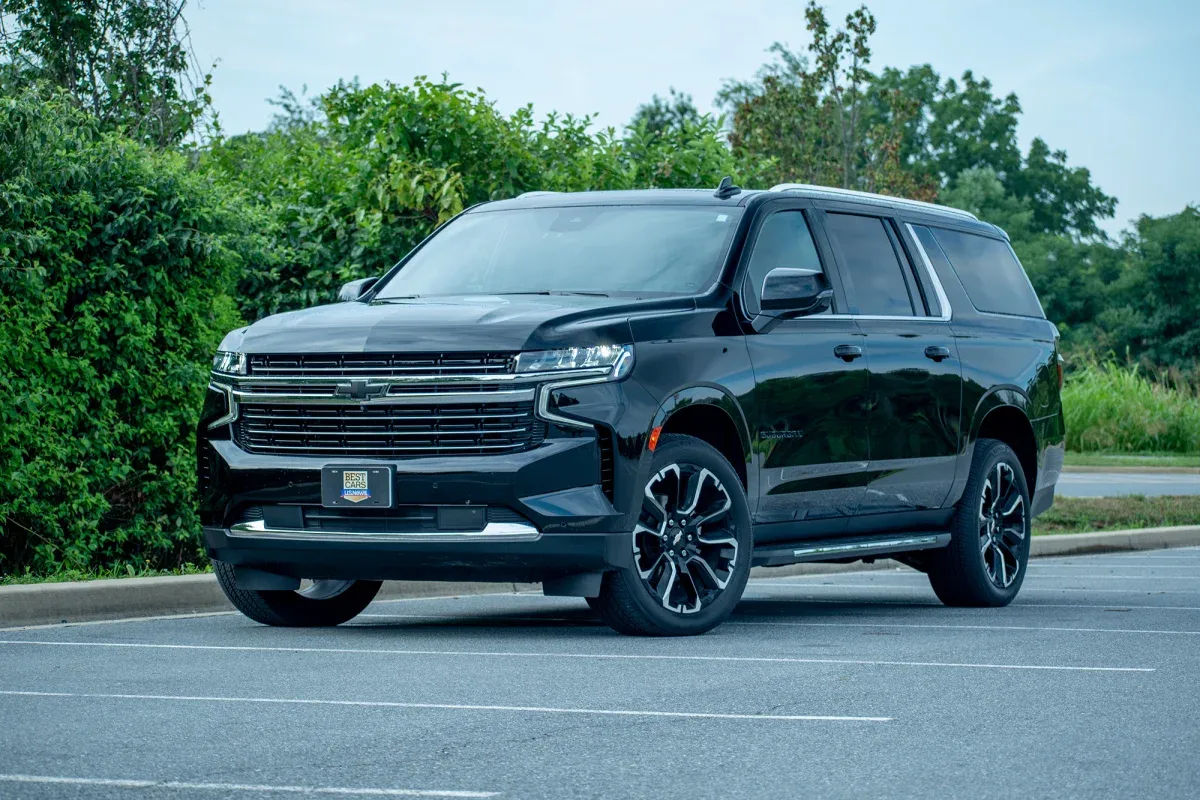
The Chevrolet Suburban is a large SUV designed for capacity and long-distance travel, not tight urban maneuvers. Its extended wheelbase and wide body make executing a U-turn in a confined space challenging. Steering requires significant input, and drivers frequently need to reposition the vehicle. Multiple attempts are common in narrow streets or crowded parking lots.
Even with modern power steering systems, the Suburban’s mass limits quick directional changes. Front and rear overhangs complicate the turning process, increasing the risk of hitting curbs. Drivers often need to plan their turns in advance and leave extra clearance on all sides. Visibility over the long hood is another factor that makes single-point U-turns difficult.
The suspension system prioritizes comfort and load-bearing capability over tight maneuvering. While it absorbs bumps effectively, it introduces sway during abrupt rotations. Tires and traction are optimized for stability rather than sharp turns, requiring drivers to carefully modulate steering. Precision is harder to maintain when compared to smaller, more nimble vehicles.
In urban settings, the Suburban often forces multi-point turns to navigate intersections. Even moderately wide streets can feel constraining due to the SUV’s length. Parking lots frequently require careful positioning and sometimes a backup step to complete a turn. Drivers must remain alert to avoid collisions with obstacles and pedestrians.
Despite these challenges, the Suburban excels in highway handling and long-distance comfort. The difficulty in tight U-turns is offset by its capacity, towing ability, and ruggedness. Drivers accustomed to smaller cars must adjust their expectations and accept multiple attempts when navigating urban streets. The vehicle’s design prioritizes utility over maneuverability.
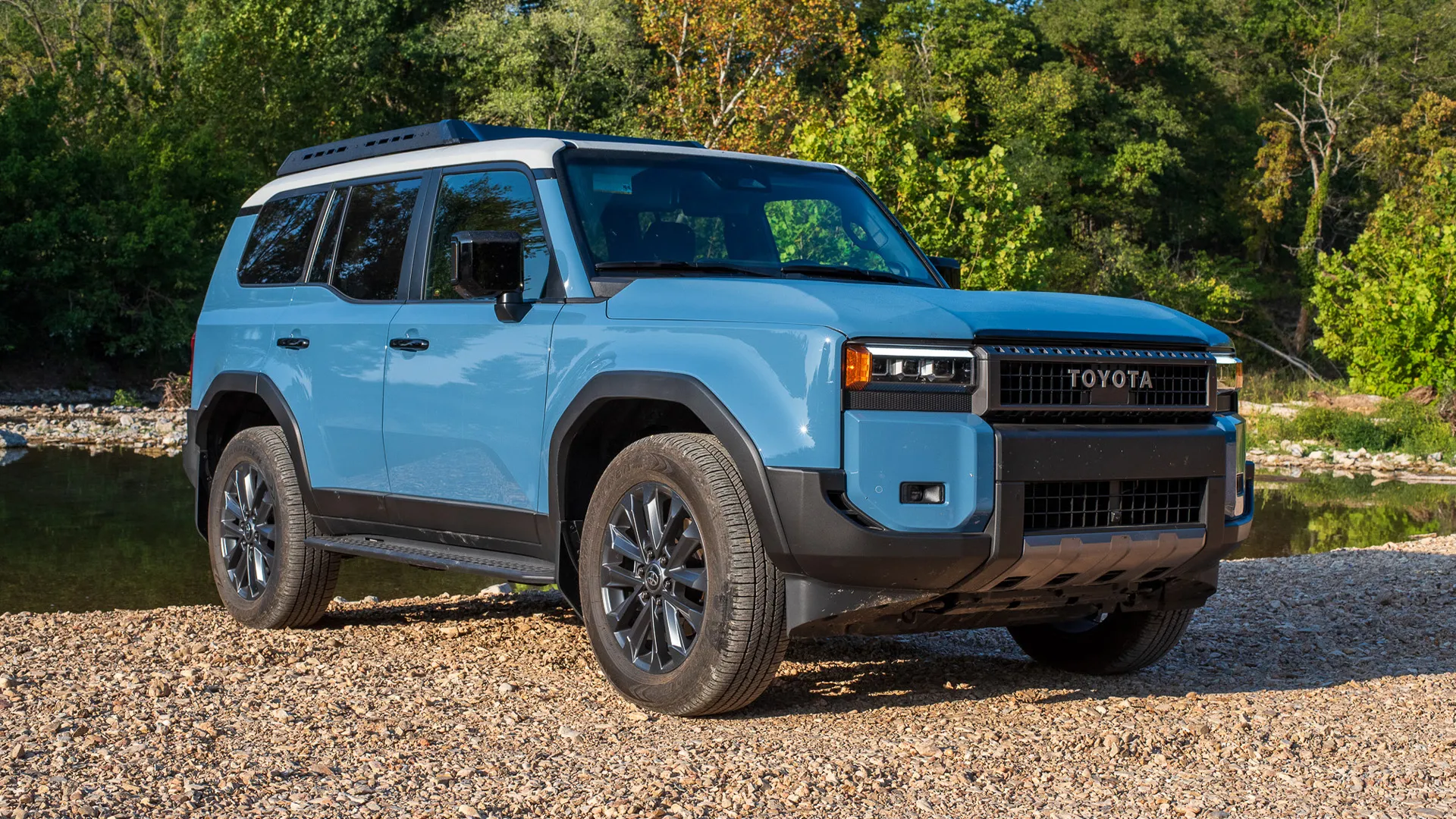
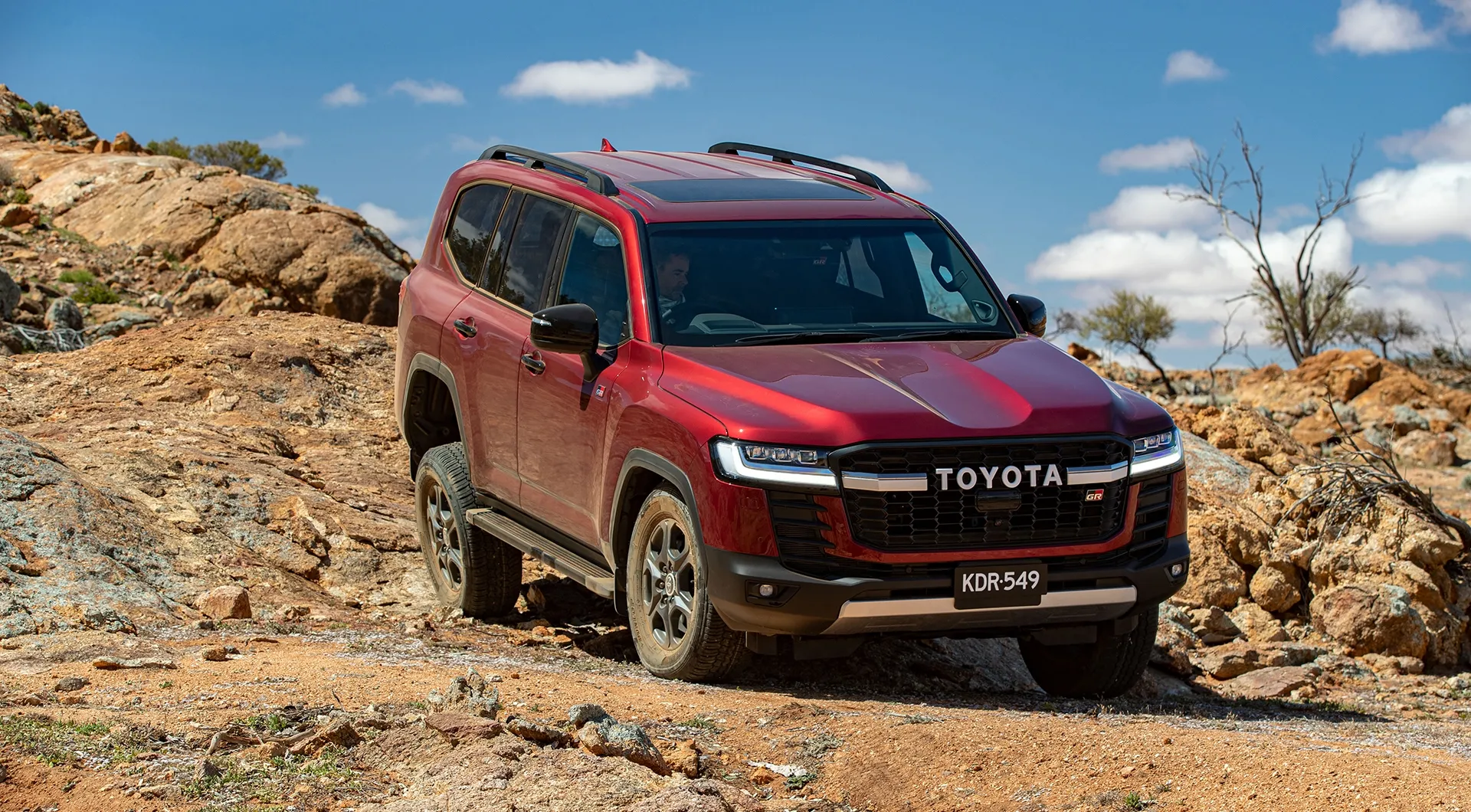
3. Toyota Land Cruiser
The Toyota Land Cruiser is a legendary off-road vehicle, but its size and weight make city U-turns cumbersome. Its long wheelbase and robust frame create a large turning radius that often requires multiple adjustments. Steering requires substantial effort, and careful alignment is necessary to avoid obstacles. A single-point U-turn is rarely possible in tight spaces.
The Land Cruiser’s suspension is designed for durability and off-road performance rather than urban maneuverability. While it handles rough terrain exceptionally well, the same features make sharp rotations sluggish on paved roads. Drivers must anticipate wide arcs and plan their turns carefully. Even light steering adjustments may result in a delayed response.
The vehicle’s weight contributes to inertia, making quick corrections difficult. Tires and traction systems prioritize stability and grip over pivoting agility. Drivers often need to reverse partway through a turn to reposition correctly. In heavy traffic or narrow streets, the Land Cruiser requires considerable patience.
Its visibility is strong, but the overhangs at the front and rear increase the likelihood of hitting curbs during tight turns. Multi-point maneuvers are often unavoidable, and urban drivers may need to scout their route before attempting a turn. City navigation contrasts sharply with the Land Cruiser’s off-road strengths.
Despite these challenges, the Land Cruiser remains highly capable in its intended environments. On highways and rough terrain, its performance is unmatched. Urban tight-turn difficulties reflect its design focus on space, durability, and comfort rather than agility. Drivers accustomed to smaller vehicles must adapt to its size when making U-turns.
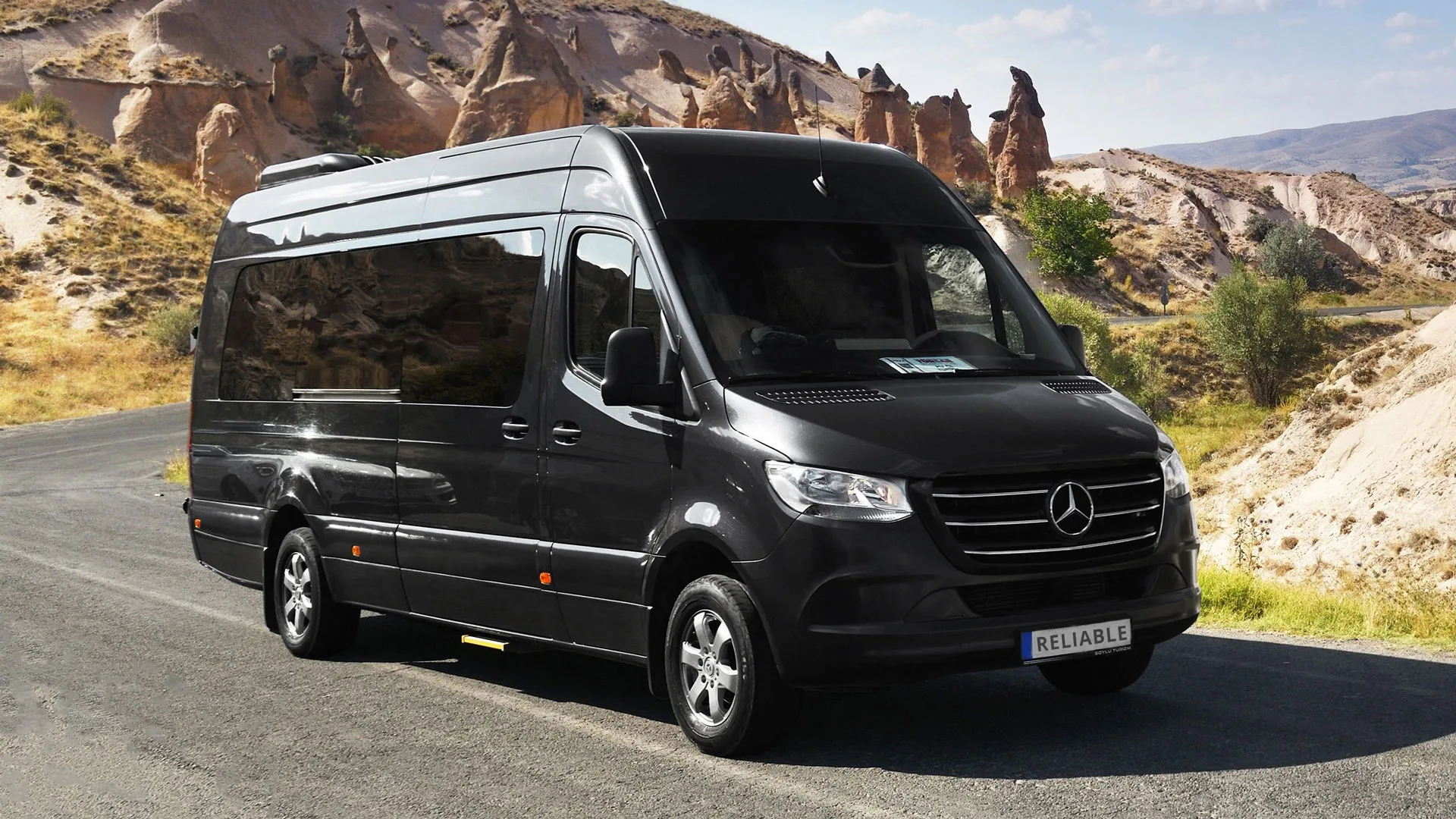
4. Mercedes-Benz Sprinter Van
The Mercedes-Benz Sprinter Van offers exceptional cargo and passenger capacity, but its tall and long body hinders tight U-turn performance. Its extended wheelbase increases the turning radius dramatically, making single-point maneuvers nearly impossible in narrow streets. Drivers often need multiple attempts and careful repositioning.
Steering response is slower due to the van’s size, and weight distribution further limits sharp turns. Its high center of gravity adds to the challenge, as abrupt steering can cause body roll. Navigating through tight urban streets requires precise calculations and slow movements. Even minor misalignment can require backing up and adjusting several times.
The suspension is designed for cargo stability and comfort rather than agility. While it absorbs bumps and uneven surfaces effectively, the van’s pivoting ability is limited. Tires and traction systems prioritize load support over maneuvering sharp turns. Urban driving demands skill and patience to avoid obstacles.
Multi-point turns are often unavoidable in confined areas. Drivers may need to reverse, adjust, and attempt the turn again to clear narrow intersections. Tight parking lots require careful planning and extra space to avoid scraping the sides. Its design excels in utility, but not in city maneuvering.
Despite these challenges, the Sprinter is highly effective for its intended purposes. Cargo transport, long-distance travel, and passenger shuttling are areas where it excels. Urban maneuvering difficulties are a trade-off for capacity and stability. Drivers must accept multiple attempts as a natural part of operating this vehicle in confined spaces.
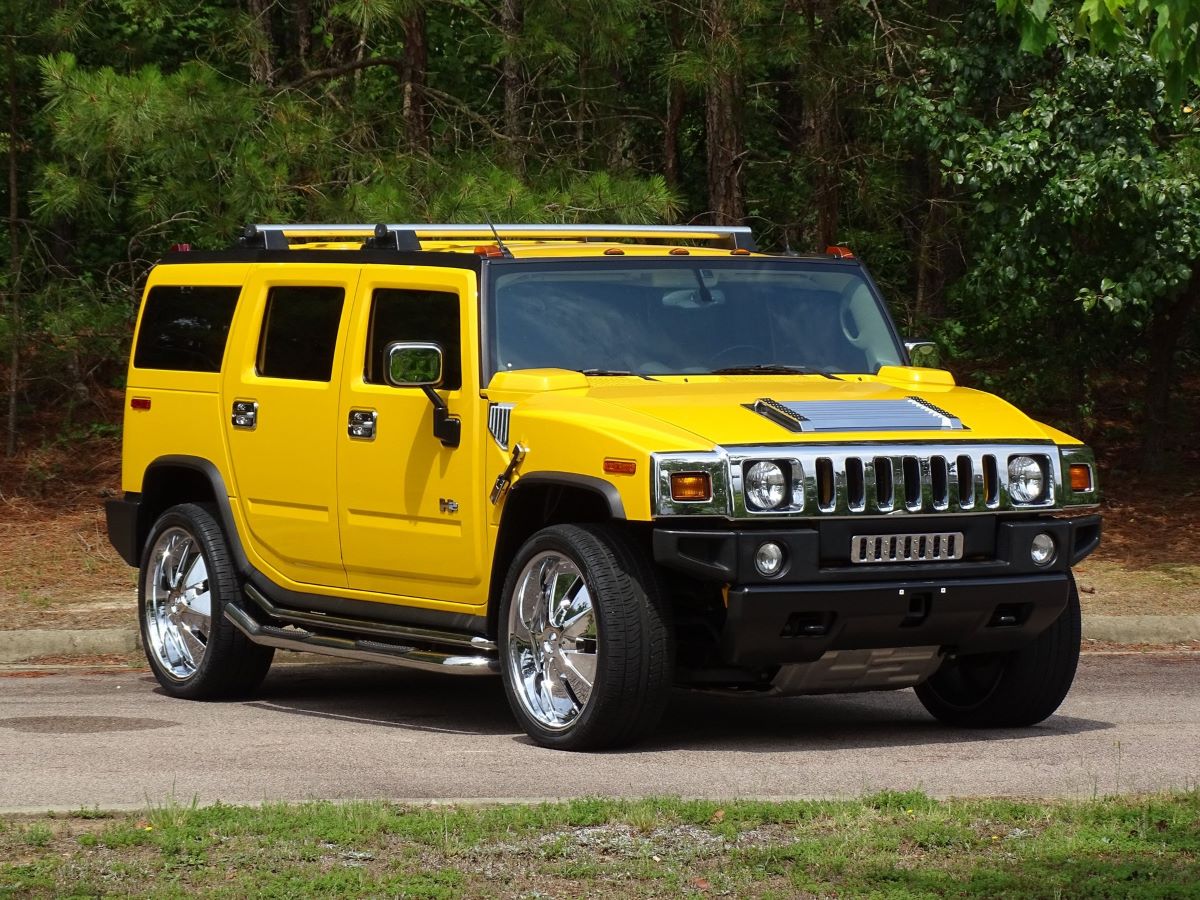
5. Hummer H2
The Hummer H2 is a massive SUV designed for off-road dominance, but its size makes tight U-turns a complex task. Its extended length, heavy weight, and wide frame create a large turning radius. Steering is slow to respond, requiring careful planning and multiple attempts. Single-point U-turns in urban streets are rarely feasible.
Suspension and chassis are engineered for rugged terrain rather than tight pivoting. While it performs exceptionally off-road, abrupt urban maneuvers can cause significant body sway. Tires and weight distribution favor stability over agility. Drivers often need to reverse or realign several times to complete a U-turn in confined areas.
The vehicle’s visibility is reasonable, but front and rear overhangs increase the risk of contact with curbs or other obstacles. Parking lots, tight alleys, and narrow intersections become challenging to navigate. U-turns demand patience, especially when fully loaded. The H2’s size creates psychological as well as physical constraints for drivers.
Multi-point turns are almost always required in city conditions. Even moderately wide streets can necessitate adjustments and careful positioning. Experienced drivers may anticipate the required space, but the H2’s dimensions limit single-move maneuvers. Urban navigation is often slower due to these constraints.
Despite limited tight-turn capability, the Hummer H2 remains highly capable in off-road and open-road scenarios. Its strength, durability, and ruggedness make it a favorite for adventure enthusiasts. Urban driving requires multiple attempts for U-turns, reflecting its design priority of power and space rather than maneuverability.
