
Daily short trips in a car are a fundamental part of life for many people across the world. Whether commuting to work, picking up groceries, dropping children at school, or running small errands in neighborhoods filled with stoplights and pedestrians, the requirement for a vehicle that performs well in these situations cannot be overstated.
Cars that are well-suited for frequent short journeys tend to deliver smooth acceleration at low speeds, responsive steering within tight spaces, and a level of comfort that makes repeated starts and stops less tiring on the driver. They often emphasize fuel efficiency over outright performance and are engineered to manage traffic congestion without making every trip feel like a chore.
These vehicles are typically compact, easy to maneuver, and reliable, ensuring that drivers feel confident navigating urban and suburban settings without unnecessary strain. The way a car handles such daily routines shapes the ownership experience, influencing satisfaction levels and long-term running costs.
On the other side of the spectrum, some vehicles do not adapt well to urban or short-distance driving patterns. Some cars are built primarily for high-speed cruising on highways, extended trips between cities, or rugged terrain that requires heavy-duty suspension and powerful engines.
When these vehicles are taken into stop-and-go scenarios, their strengths become weaknesses as fuel economy plummets, drivers struggle with large turning circles, and the cabin can feel overly firm or uncomfortable. In addition, certain performance-oriented models may have stiff suspensions and low ground clearance, making pothole-laced city streets feel like assaults on passengers.
Understanding the differences between cars that excel at daily short trips and those that do not thrive in city environments can guide more informed decisions when choosing a vehicle. This article addresses both sides of that divide, offering insight into five cars that perform admirably in frequent, brief journeys and five that may present challenges when navigating urban spaces.
This piece recognizes that no vehicle is perfect for every situation, but the patterns in design and engineering preferences have a direct effect on how a car behaves on daily short trips compared to highway cruising or open road exploration. It also considers the typical expectations of drivers who are looking for ease of use, economical operation, and comfort in city contexts.
By highlighting important characteristics such as agility, visibility, fuel efficiency, cabin comfort, and maintenance cost, the article paints a broad picture of why certain models suit short distances, whereas others are better left to uninterrupted travel.
With that context in place, the following sections will outline specific examples of cars in both camps, each explained with a focus on what makes them stand out for one type of driving pattern versus another. The intent is to help readers form a clearer mental image of how vehicle design influences daily life behind the wheel.
Cars That Handle Daily Short Trips Well
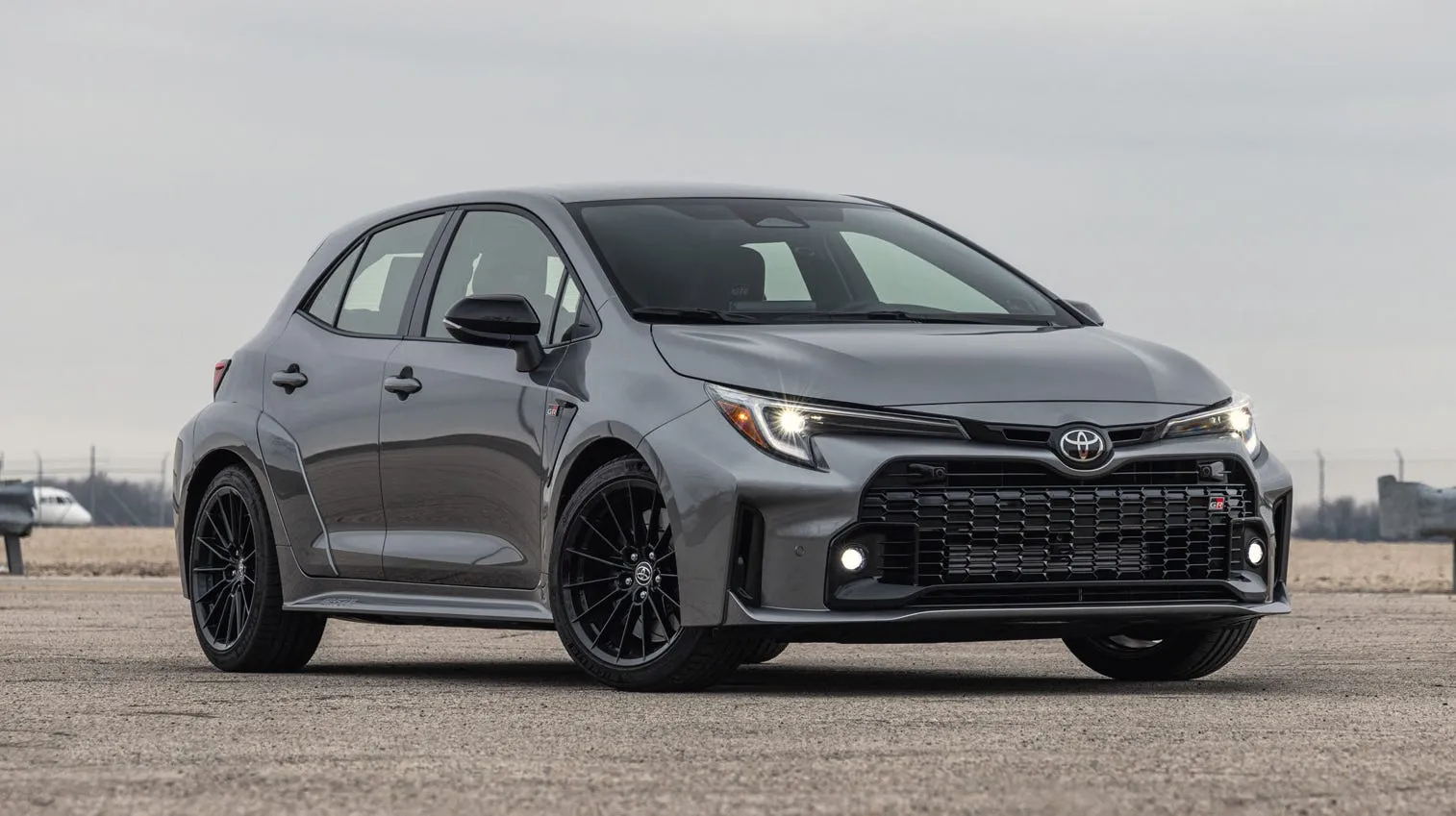
Toyota Corolla
The Toyota Corolla is a car that consistently earns praise for its reliability and ease of use in short trips around town. Its compact size makes parking in tight spaces much less stressful while the steering remains light and predictable.
This model is also known for offering excellent fuel efficiency at low speeds, which matters when the engine often runs just for a few minutes at a time. Inside, the cabin provides comfort and intuitive controls, reducing distractions and fatigue over repeated errands.
Another aspect where the Corolla shines is its suspension tuning, which absorbs bumps and irregularities on urban roads without transferring harsh shocks to the occupants. The visibility from the driver’s seat is generally good, allowing confident lane changes and easier judgment of distance when pulling into crowded parking lots.
Combined with a smooth automatic transmission, the car responds well to frequent acceleration and deceleration. Additionally, its maintenance record is strong, meaning owners rarely face unexpected issues that could disrupt regular, short-range use.
The brakes on the Corolla are designed to feel consistent and reassuring, which can make stop-and-go traffic less taxing on the driver’s nerves. For anyone who anticipates daily engagement with intersections, roundabouts, and pedestrians, having a car with predictable slowdown performance is key.
The engine’s tuning avoids being underpowered in urban conditions while still avoiding unnecessary fuel use. These qualities position the Corolla as a go-to choice for commuters and city dwellers focused on reliability and low running costs.
Many drivers also appreciate the Corolla’s safety features, which are tailored to everyday scenarios with systems to assist with low-speed emergency braking and lane monitoring. In environments where sudden stops or unexpected pedestrian crossings are common, these features contribute to peace of mind.
The package is balanced without being overly complex, making it well-suited for drivers new to vehicle ownership or those who simply want a dependable daily companion.
Whether for school runs, grocery trips, or short returns from work, the Toyota Corolla stands out as a solid performer. Its strengths lie in its balanced engineering that prioritizes ease of driving in frequent starts and stops. For those evaluating vehicles for urban and suburban routines, this model serves as a benchmark for what a daily short-trip car should achieve.
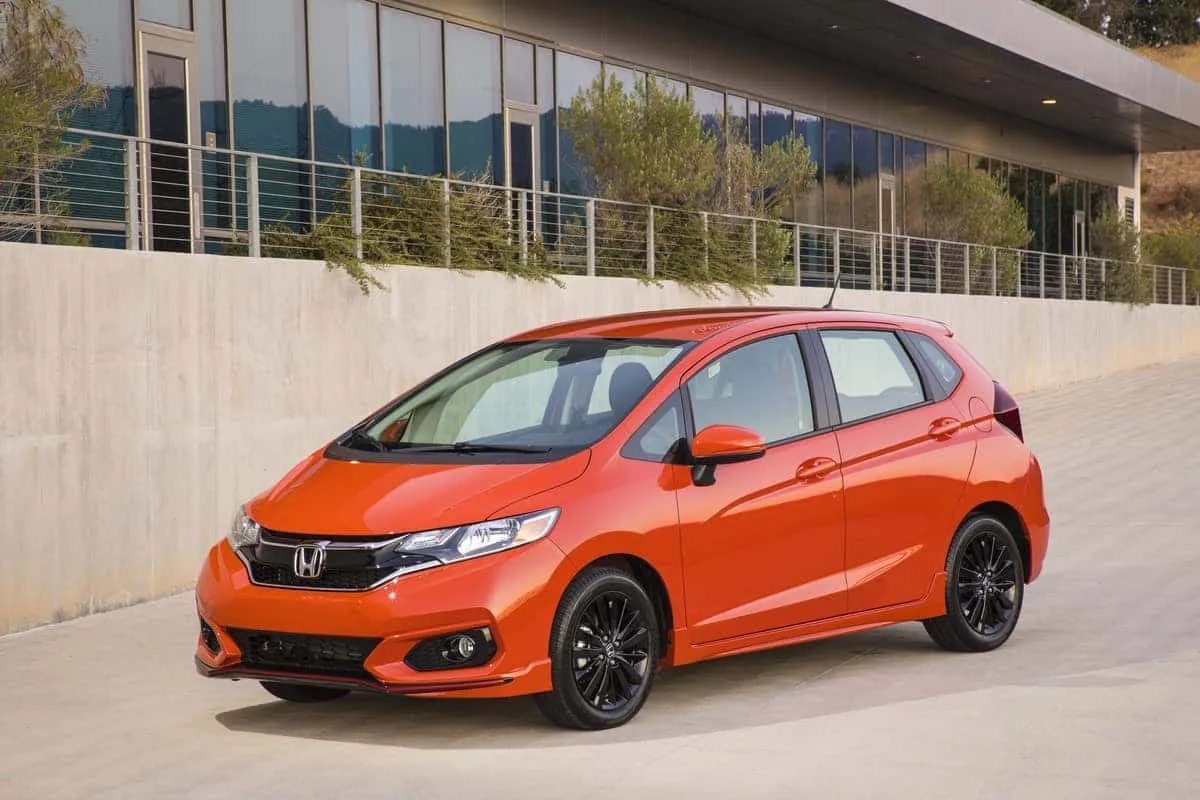
Honda Fit
The Honda Fit is a subcompact car that demonstrates strengths in daily mobility scenarios with remarkable versatility. Its small footprint makes it particularly agile in city streets and tight parking structures, yet the interior space feels generous due to clever packaging.
This “magic seat” concept allows unusual cargo configurations, which matters when you need to adapt storage for groceries or gear without fuss. The Fit’s responsive throttle and nimble handling make neighborhood driving feel engaging rather than tedious.
Fuel economy on short trips is often impressive with the Fit, especially in models with continuously variable transmissions that keep the engine operating efficiently without abrupt gear changes. That smoothness translates to less jerkiness in traffic, which can reduce stress for both driver and passengers.
The steering is light but communicative, which helps place the car confidently in narrow lanes and urban thoroughfares. Even at low speeds, the Fit feels composed and ready for quick maneuvers.
The compact size does not come at the cost of comfort either, as supportive seating and thoughtful ergonomics keep fatigue at bay during repeated short journeys. With ample window space, visibility is strong and gives drivers good awareness of their surroundings. This is particularly helpful when navigating roundabouts or making tight turns in residential areas. The suspension balance keeps the ride compliant yet controlled, even on uneven surface patches.
Safety systems in the Honda Fit often include features beneficial for city driving, such as rearview cameras and collision warning alerts that engage at lower speeds. These systems enhance confidence during close-quarter driving and parking.
The car’s reputation for reliability also means fewer worries about mechanical issues cropping up when you need to rely on it day in and day out. Combined, these traits make it a favorite among urban commuters and first-time car owners.
For anyone focused on practicality without sacrificing a degree of driving enjoyment, the Honda Fit offers a compelling compromise. Its adaptability, efficient operation, and comfortable urban demeanor mark it as well-suited for daily short-distance use. The package encourages ease of movement and consistent performance in the kind of quick trips most drivers perform habitually.
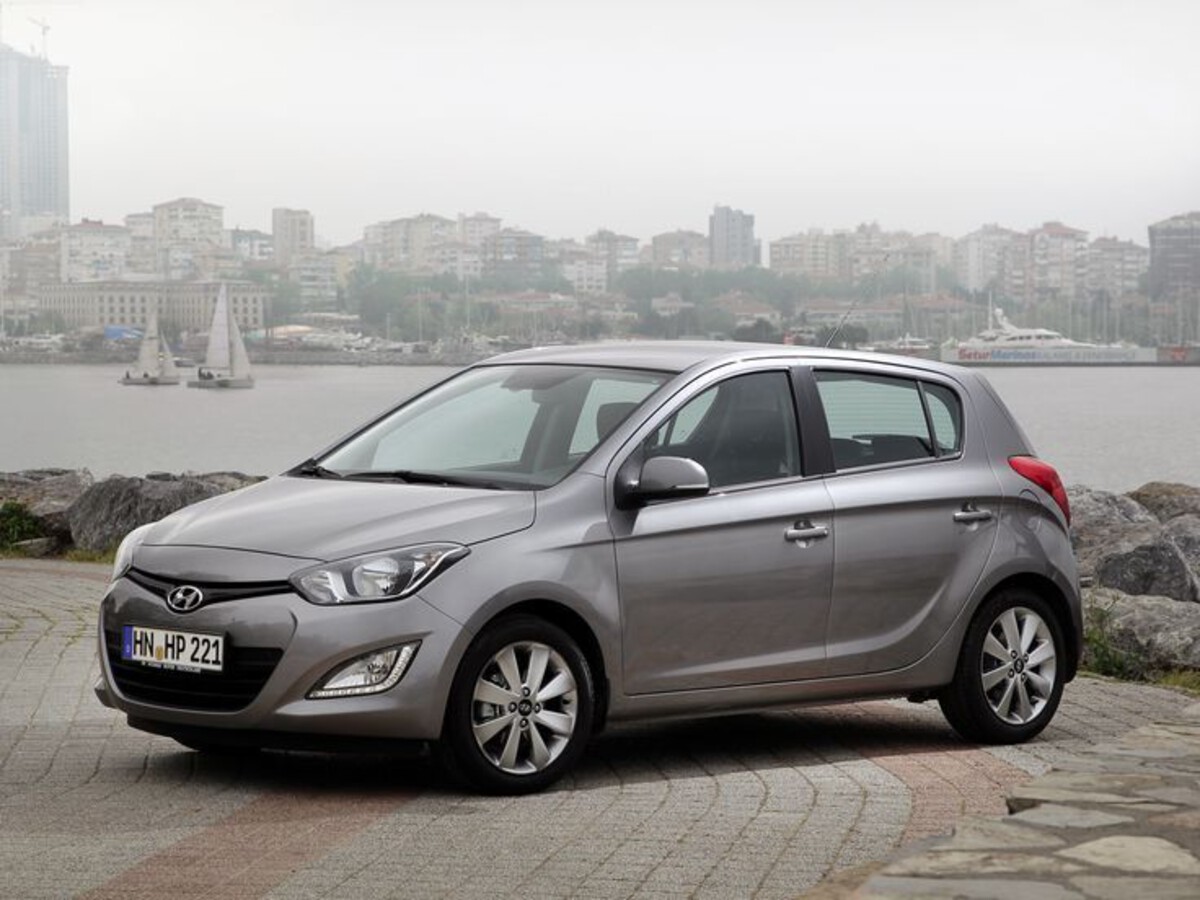
Hyundai i20
The Hyundai i20 is a hatchback that appeals to drivers seeking a blend of technology, comfort, and urban agility in equal measure. Compact in length but spacious inside, it offers a well-insulated cabin where occupants feel separated from outside noise and vibrations.
This quality is particularly noticeable when trips are short and drivers expect an effortless mode of travel rather than fatigue caused by road disturbances. Controls are intuitive, the dashboard layout is clear, and the cabin feel is refined for everyday use.
Efficiency is a key reason the i20 works well for frequent city journeys, with engines optimized for economical fuel use at low speeds. Manual and automatic gearbox options both emphasize smooth engagement, reducing jerkiness that can make urban driving tiresome.
The steering ratio is tuned for easy turning, which helps when threading through traffic or entering parking spaces that challenge larger vehicles. Ride quality balances softness with composure, taking the sting out of broken road surfaces.
Another advantage of the i20 is its safety suite, which often includes features designed to assist drivers in busy environments. Autonomous braking and lane assist technologies can be particularly reassuring when darting through congested arteries or school zones.
These systems help monitor situations even when a driver’s attention is divided by complex surroundings. The reliability of Hyundai’s engineering also means that owners generally experience straightforward maintenance routines, important when the car is used frequently.
A well-sized set of infotainment and connectivity features provides a welcome distraction on short starts and stops without overwhelming the driver. Seamless phone integration and simple menus prevent frustration during daily use.
Rear parking sensors and cameras add confidence when maneuvering in crowded spaces, further reinforcing the car’s strengths for urban life. Together, these attributes support an experience that feels easy and consistent, diminishing the hurdles often associated with short-distance driving.
In total, the Hyundai i20 stands out as a model that integrates comfort, practicality, and everyday usability. For drivers whose routines revolve around brief outings, repetitive commuting, and tight traffic conditions, this hatchback represents a refined option that makes routine travel feel less burdensome and more enjoyable.

Volkswagen Polo
The Volkswagen Polo is a compact car that carries a reputation for solid build quality and refined dynamics, qualities that lend themselves well to daily short trips. Its suspension tuning creates a balanced ride that filters out road imperfections while maintaining a composed demeanor in slow-moving traffic.
The cabin offers materials and design touches that reflect thoughtful engineering, giving drivers a pleasant environment to settle into for brief trips that might otherwise feel monotonous. The Polo’s steering feedback is clear yet light, promoting confidence in urban settings.
Fuel efficiency plays a role in the Polo’s appeal, with engines calibrated to deliver reasonable mileage particularly during frequent start-stop conditions. This characteristic reduces the anxiety of fuel costs when the engine cycles on and off repeatedly.
Paired with its responsive braking system, the Polo handles low-speed maneuvers cleanly, something that drivers appreciate when threading through city congestion. Visibility from the driver’s seat is also good, aiding in smooth lane changes and safe turns.
The interior packaging makes passengers feel secure without feeling cramped, even on short journeys with multiple occupants. Controls are placed within easy reach, and drivers often report that the layout minimizes the need to glance away from the road.
Air conditioning systems in the Polo provide consistent performance, which matters when traffic slows and heat can accumulate quickly inside a vehicle. These seemingly small touches increase satisfaction during everyday use.
Safety features in the Polo often include advanced driver assistance systems calibrated for urban conditions. Alerts for potential collisions, lane departure warnings, and parking aids are particularly useful in environments filled with unpredictable elements like cyclists and pedestrians.
Having such systems can enhance peace of mind and help drivers manage the rapid decision-making needed in busy streets. Reliability further contributes to the Polo’s credentials as a dependable short-trip vehicle.
By combining comfortable ride quality, responsive controls, and thoughtful interior design, the Volkswagen Polo stands out as a strong choice for drivers focused on frequent urban journeys. Its strengths lie in the way it balances refined performance with the everyday demands of stop-go travel and parking maneuvers, making it a compelling pick in its segment.
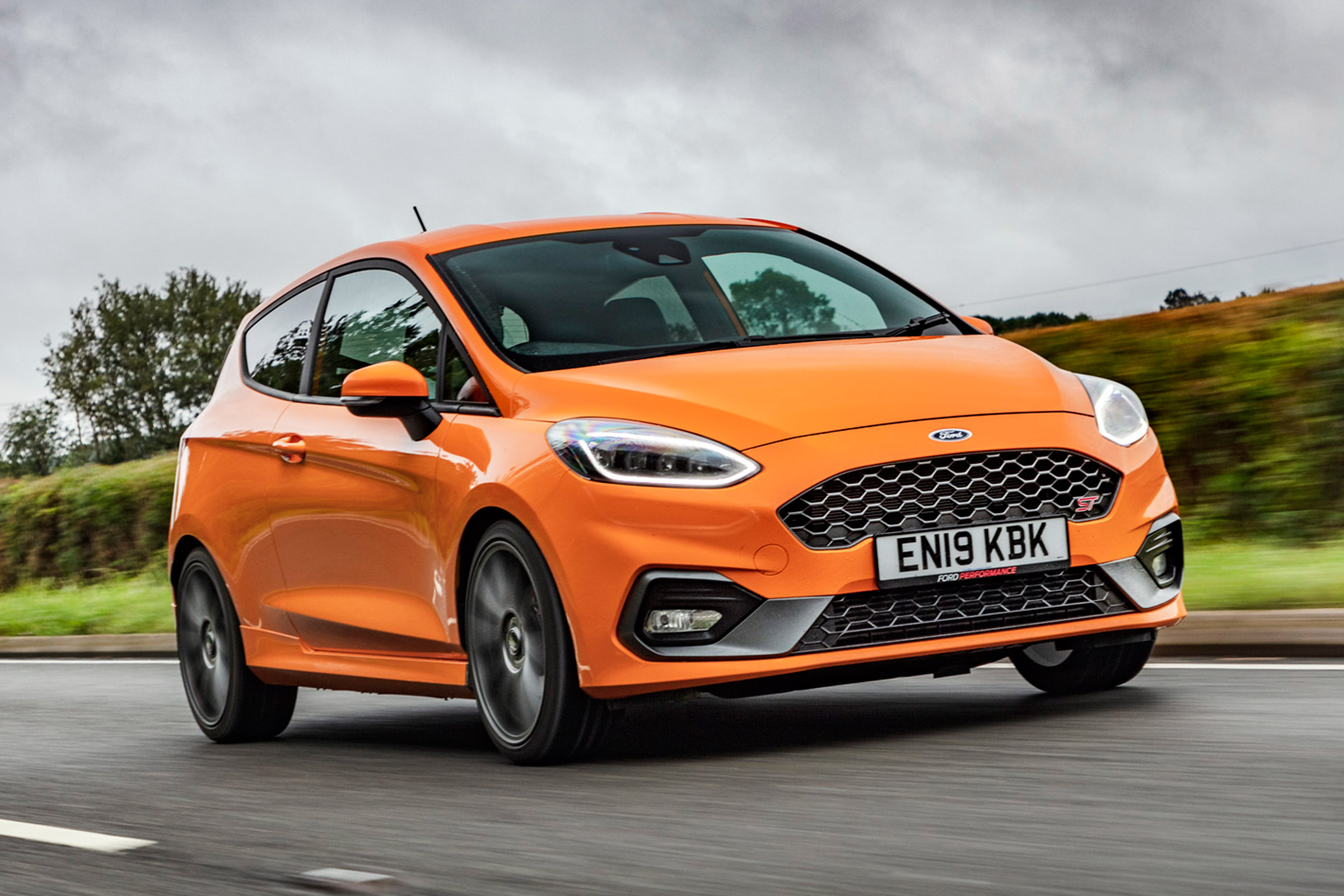
Ford Fiesta
The Ford Fiesta is often celebrated for its engaging driving character, especially in urban situations where nimble handling and responsive throttle control are prized. Its tight turning radius and communicative steering make it easy to navigate narrow streets and crowded intersections with confidence.
This subcompact car doesn’t feel overwhelmed by frequent stops, rather its drivetrain is engineered to provide smooth acceleration and predictable performance at low speeds. Inside, the seats are supportive and controls are thoughtfully arranged to keep the driver focused.
Fuel consumption is typically competitive in the Fiesta, particularly in urban cycles where the engine operates within efficient rev bands. This efficiency helps owners feel comfortable with regular short trips without the worry of excessive fuel drain.
The car’s suspension is tuned to provide a compliant ride, absorbing minor bumps and imperfections without transferring discomfort to passengers. The ride quality is balanced so that brief journeys do not feel jarring or fatiguing, even on rougher surface patches.
Visibility is good in the Fiesta, aided by a well-designed windshield and side windows that give the driver a clear view of their surroundings. This attribute becomes especially useful in dense traffic and tight parking scenarios, where awareness can prevent minor scrapes and headaches.
Additionally, the brakes feel confident and consistent, which is reassuring during repeated stops at lights or crosswalks. These elements combine to make everyday city driving feel less like a chore and more like a controlled experience.
Technology features in the Fiesta often include connectivity options that keep drivers informed and entertained without being distracting.
Touchscreen interfaces and smartphone integration help streamline short trips, allowing easy access to navigation or music without complicating the driving experience. Parking sensors or reverse cameras further assist in congested areas, reducing the stress of space-limited environments.
The Ford Fiesta’s strengths in agility, predictable responses, and comfort make it well-suited for drivers focused on daily short-distance travel. Its balance of fun and practicality ensures that routine use does not feel laborious, allowing owners to enjoy the process of navigating city streets rather than enduring it.
Cars That Don’t Like City Driving
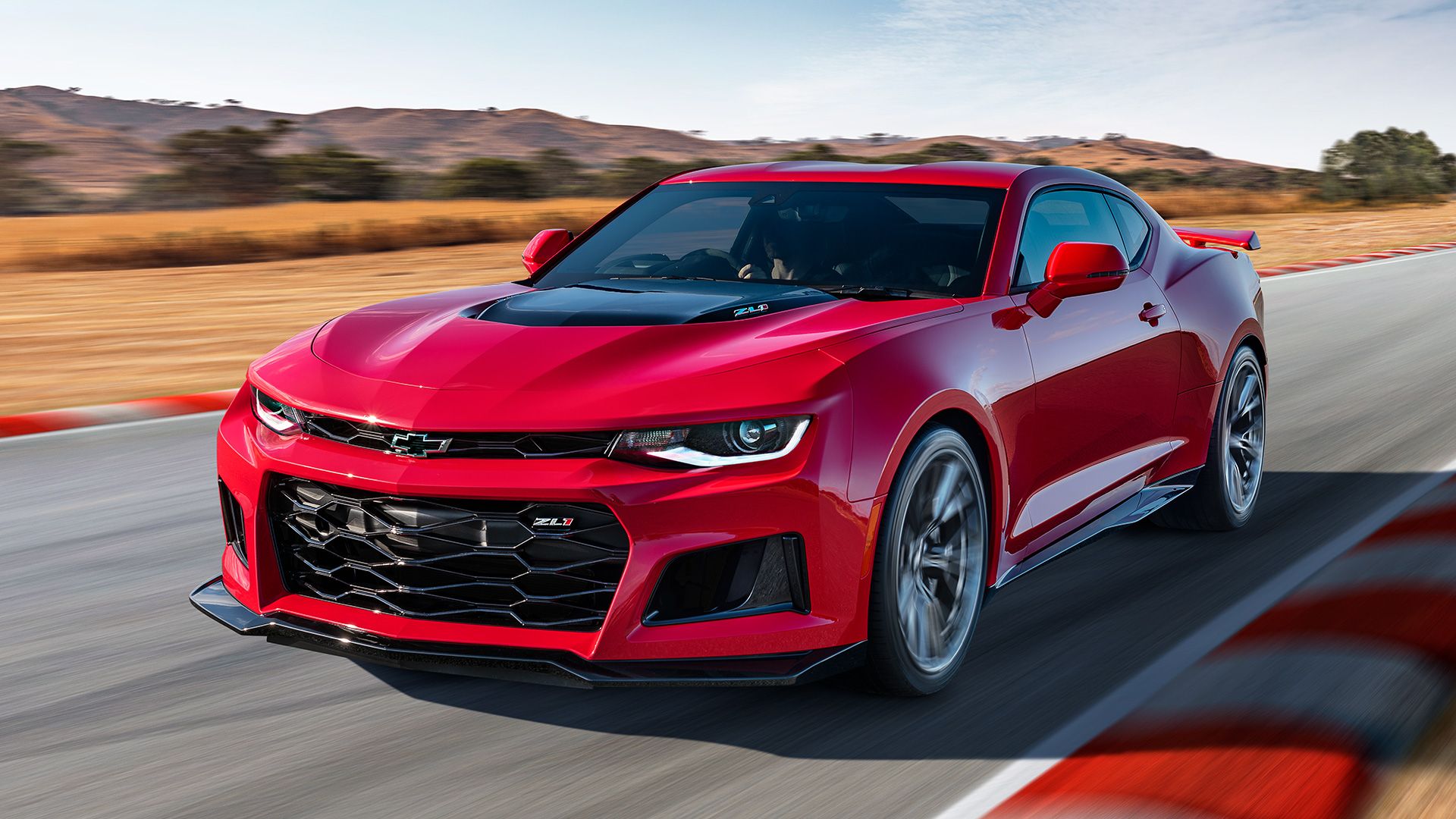
Chevrolet Camaro
The Chevrolet Camaro is a performance-focused vehicle that often feels at odds with the demands of city driving. Its powerful engine and sporty suspension are tuned for rapid acceleration and high-speed stability, characteristics that are rarely utilized in stop-and-go traffic.
The stiff suspension that provides excellent cornering at speed can translate into a harsh ride over potholes and uneven urban pavement. For drivers looking for comfort and smoothness on short daily trips, this setup can be exhausting rather than rewarding.
In dense urban environments, the Camaro’s size can be a challenge, especially in narrow streets and tight parking garages. The long hood and low visibility from the driver’s seat make judging distances difficult when maneuvering among pedestrians and smaller vehicles.
This lack of ease in close-quarter situations can increase stress and the chances of minor scrapes. Unlike compact cars designed for city use, the Camaro demands more attention and skill to place accurately in confined spaces.
Fuel economy is another area where this car does not shine in city scenarios. With a large displacement engine designed for power rather than efficiency, short trips with frequent idling and acceleration can drain fuel quickly. This characteristic leads to higher running costs during everyday use, making it less suitable for drivers who prioritize economy over performance. The need to refuel more often can become a regular inconvenience rather than an occasional necessity.
The firm ride and performance tires that benefit highway driving offer little comfort when negotiating speed bumps or rough patches in town.
Passengers may feel every imperfection in the road, which leads to fatigue even on short rides. Combined with the higher insurance and maintenance costs linked to sporty vehicles, the Camaro becomes an impractical choice for many urban commuters.
While the Chevrolet Camaro provides exhilarating performance on open stretches of road, it is not an ideal candidate for daily short trips in busy city environments. Its design priorities favor power and handling at speed rather than comfort, ease of maneuvering, and fuel efficiency in urban conditions.
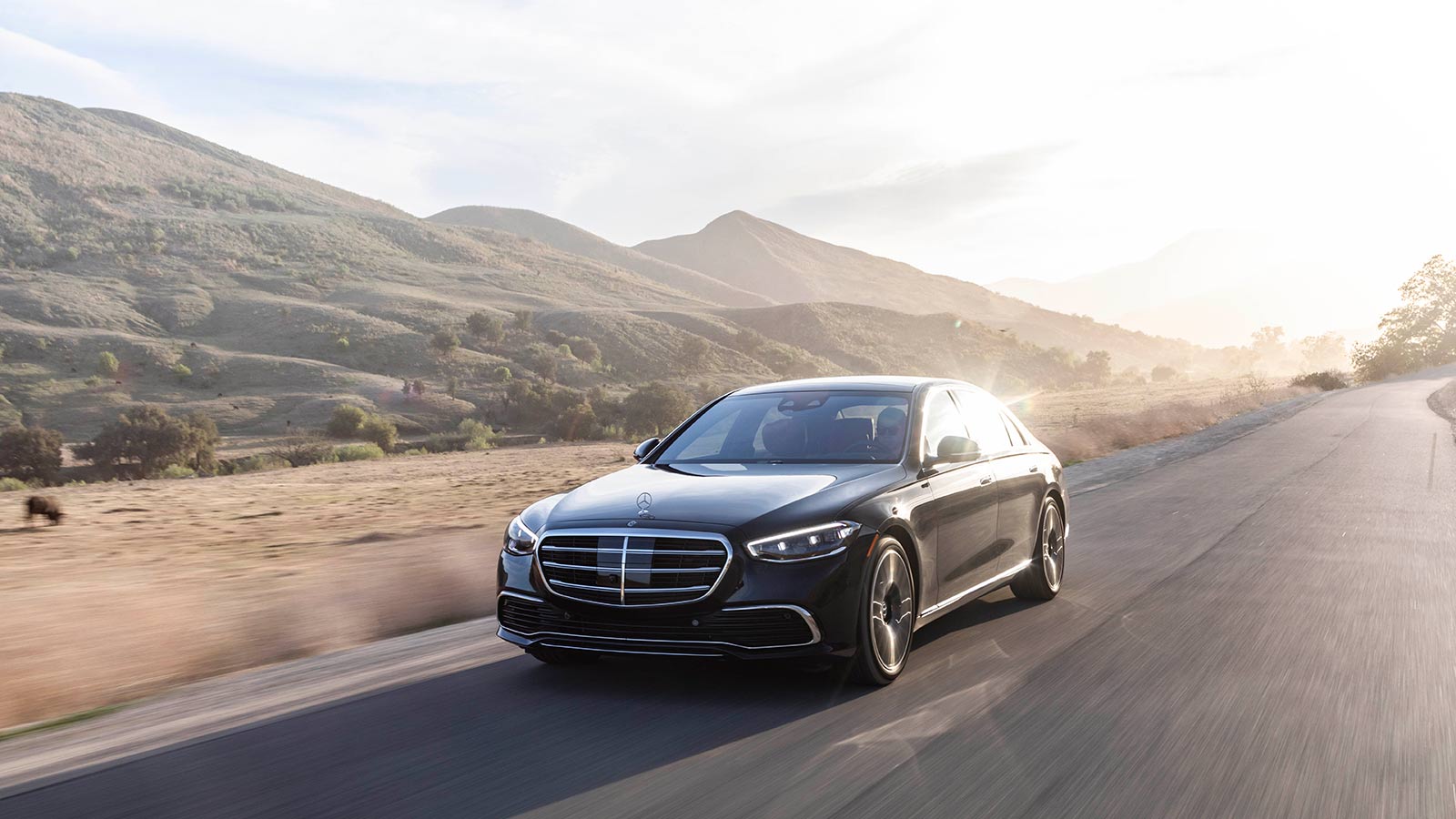
Mercedes-Benz S-Class
The Mercedes-Benz S-Class represents the pinnacle of luxury and comfort on highways and long journeys, but its characteristics can work against it in frequent short-distance city driving.
The car’s size and presence create challenges in congested streets and narrow parking spaces. Drivers may find themselves constantly aware of curbs, corners, and pedestrians due to the S-Class’s large footprint. These factors make simple maneuvers more demanding than they would be in smaller, more urban-oriented vehicles.
Although the cabin is quiet and plush, city driving’s frequent stops and starts can dull the sense of luxury that the S-Class aims to provide. The advanced suspension system, while incredibly smooth at speed, may overreact to minor road imperfections when moving slowly, causing unnecessary movement that feels out of place at low speeds.
The complexity of the vehicle’s electronics and adaptive systems, designed for high-speed comfort, adds little value in short trip scenarios.
Fuel economy is another consideration, as large engines in the S-Class consume relatively large amounts of fuel when operated in stop-and-go conditions. This leads to frequent refueling and greater expense for drivers who predominantly use the car for brief urban outings. The expense of maintaining a luxury sedan also becomes more pronounced when the car is not being used in the contexts for which it was engineered.
The S-Class’s emphasis on high-speed refinement and advanced features makes it feel somewhat disproportionate in city traffic. While passengers are enveloped in comfort during longer journeys, the benefits are less noticeable on short runs where the car does not have the chance to settle into its refined cruising rhythm. The result is a vehicle that thrives on open roads but struggles to justify its capacity in everyday urban use.
For those who prioritize comfort and space above all else, the S-Class remains an impressive machine. However, for drivers seeking a car that fits naturally into daily short trips around town, its scale, complexity, and operating costs make it a less suitable choice.
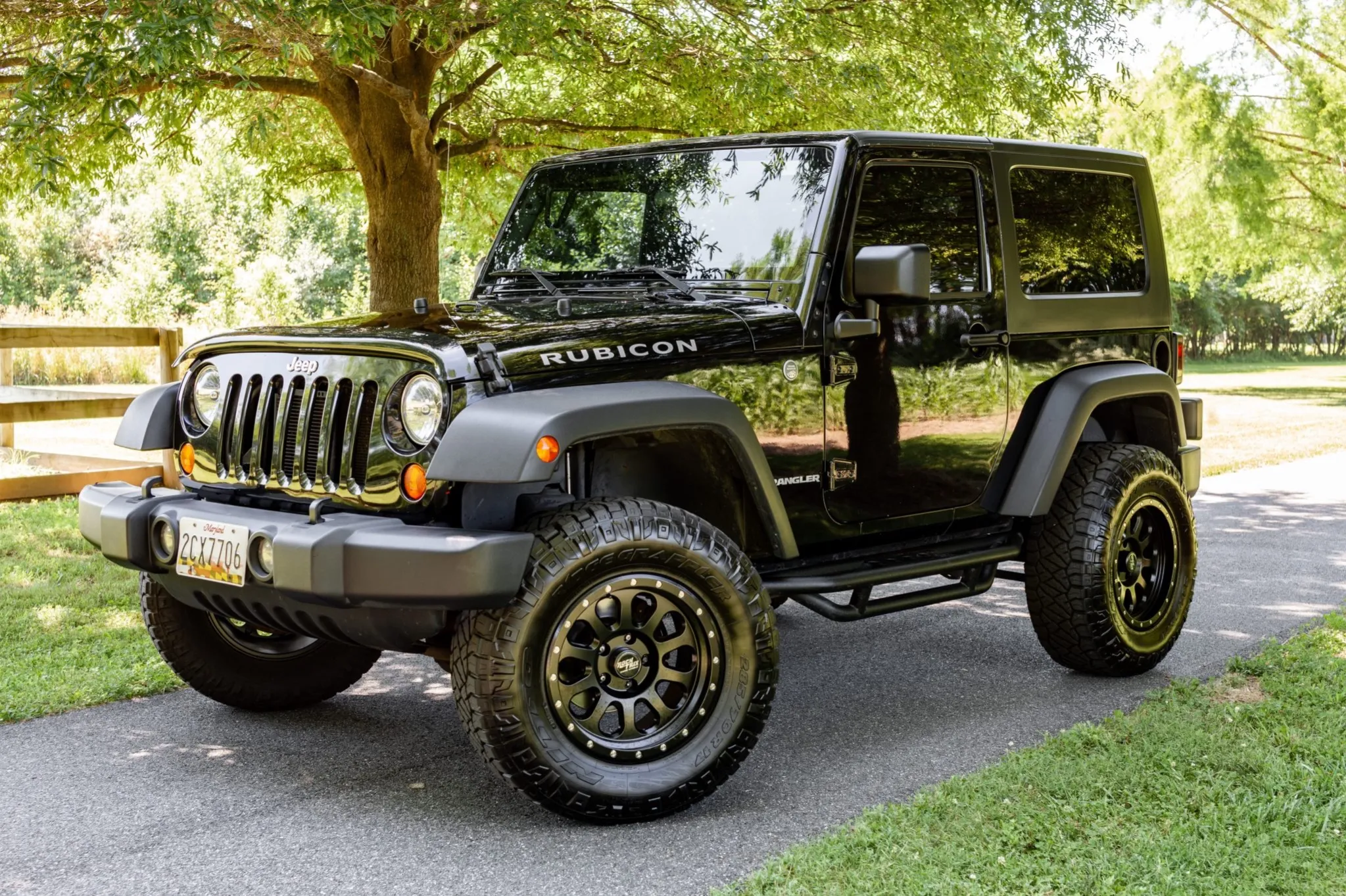
Jeep Wrangler
The Jeep Wrangler is an iconic off-road vehicle that excels in rugged terrain and adventurous conditions, but its design does not align well with the requirements of short daily trips in urban environments.
Its tall, boxy profile and high ground clearance, while advantageous off the beaten path, create a greater wind resistance and less nimble handling at low speeds. In city driving, where agility and smooth transitions are important, these attributes can feel cumbersome.
Visibility in the Wrangler can be problematic in tight spaces due to thick pillars and high seating position, making it difficult to judge distances precisely when parking or navigating narrow streets. The steering, designed for strength rather than precision, can feel heavy at slow speeds, adding effort to maneuvers that should feel effortless.
The suspension, capable of absorbing large obstacles off-road, transmits more motion over minor bumps and cracked pavement, leading to a less comfortable ride.
Fuel economy is another challenge, as the Wrangler’s boxy shape and often larger engines require more energy to move efficiently, especially at low speeds with frequent stops. This results in increased fuel consumption during short urban trips, which can be costly over time and frustrate drivers focused on economical operation. The frequent shifting and idling in traffic can further emphasize this drawback.
Additionally, the Wrangler’s rugged build comes with a ride quality that feels firm and less refined when the road surface is uneven or broken.
What is beneficial when tackling rocks and mud often feels out of place on city streets peppered with potholes and speed bumps. Combined with larger turning circles, the Wrangler may feel more like a challenge to manage than a convenience for everyday urban mobility.
For those who love outdoor exploration and weekend excursions on unpaved paths, the Jeep Wrangler represents a compelling choice with undeniable character. Nonetheless, its design and performance priorities make it less suited to routine short driving in urban settings where ease and efficiency are paramount.
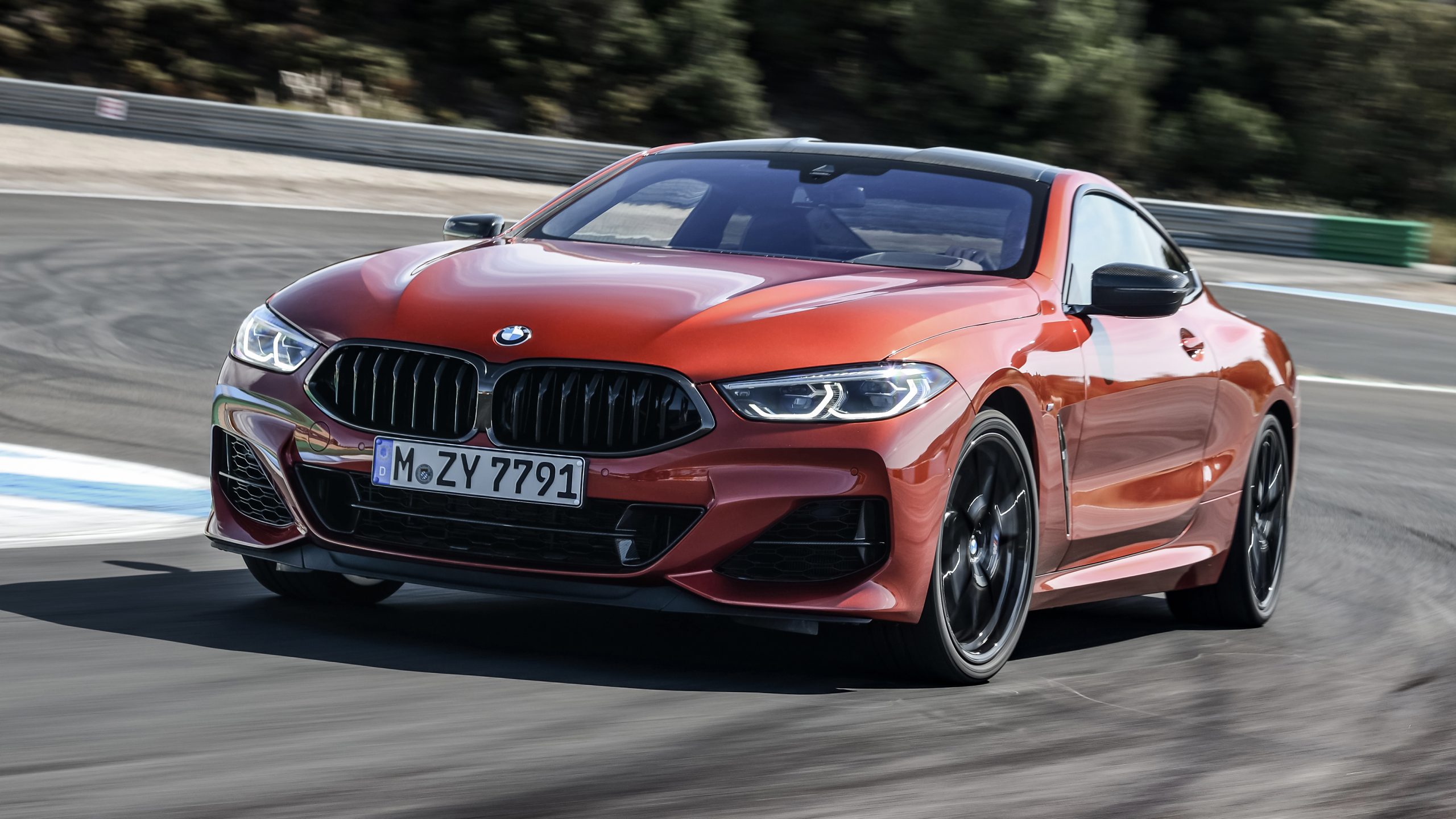
BMW 8 Series
The BMW 8 Series is a grand tourer that prioritizes performance and luxury on open roads rather than in city driving environments. Its powerful engine and dynamic suspension setup are crafted to deliver thrilling acceleration and confident handling at higher speeds.
However, in stop-and-go traffic, these very strengths can become disadvantages, as the car’s performance orientation leads to higher fuel consumption and a firm ride that transmits more road texture to the cabin.
Maneuvering a large and low-slung vehicle like the 8 Series in crowded streets or tight parking spaces can be stressful due to limited visibility and a substantial turning radius. Drivers may find themselves constantly checking mirrors and sensor systems just to clear obstacles that smaller cars would avoid with ease. The low ground clearance, which benefits sporty road handling, becomes a liability on broken pavements or speed humps common in urban areas.
The fuel economy of the 8 Series is generally lower compared to smaller urban-focused cars, especially when frequent accelerations and decelerations are combined with idling at lights. This leads to higher running costs for drivers who use the vehicle for short commutes and errands. The luxury cabin, while sumptuous on long journeys, contributes little to offsetting these practical drawbacks in brief urban runs.
Comfort is tuned more toward controlled athleticism than forgiving softness, meaning passengers might feel more vibration and feedback from imperfect city roads.
The emphasis on performance can make daily driving feel less relaxing and more demanding, which is contrary to the expectations of drivers focused on easy daily use. The complexity and maintenance costs associated with high-performance luxury machines also add to the burden of urban ownership.
Considering these factors, the BMW 8 Series excels when cruising wide open roads with minimal interruptions, but it does not align well with the demands of short, frequent journeys in dense city traffic. Its strengths are best enjoyed outside crowded environments.
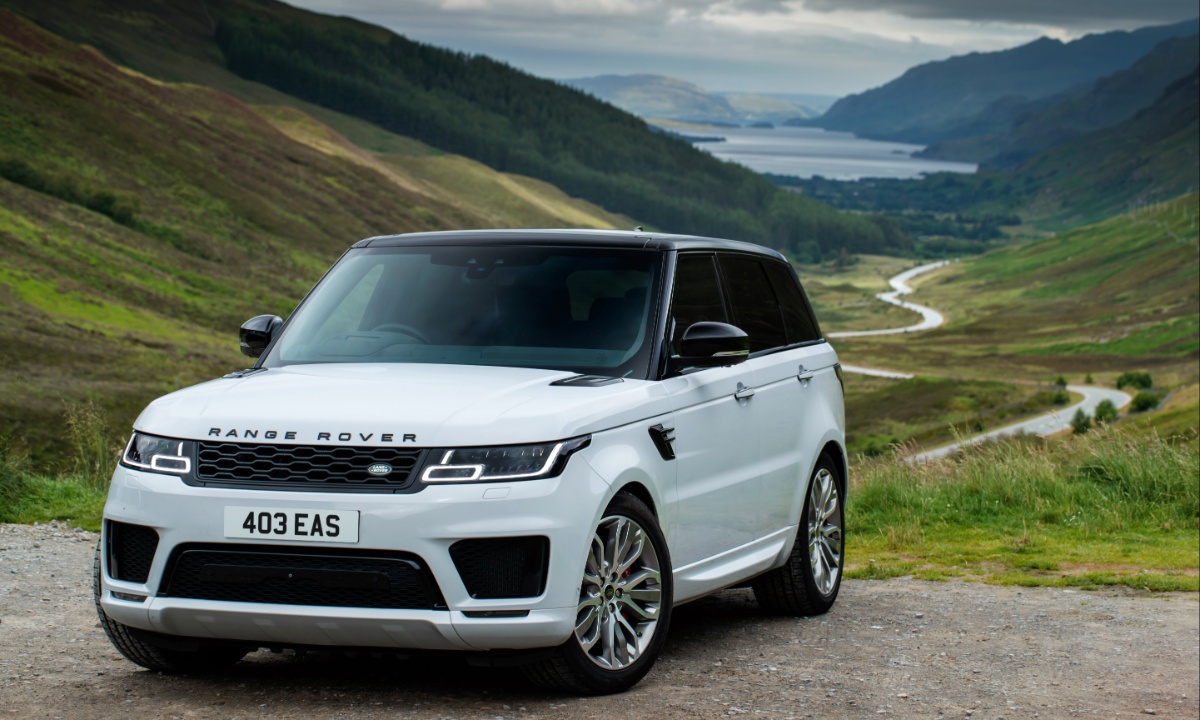
Land Rover Range Rover
The Land Rover Range Rover is renowned for combining off-road capability with high levels of luxury and presence on highways and open terrain. However, these qualities do not always translate well to daily short trips in urban conditions.
The vehicle’s large size makes parking and navigating narrow streets difficult and can leave drivers feeling constantly aware of its bulk. This issue is compounded by a high ride height that can make certain urban maneuvers feel awkward rather than convenient.
Ride comfort is tuned to handle varied terrain, but it can feel excessive in city driving where frequent braking and turning are the norm.
The suspension’s articulation, beneficial off-road, can introduce unnecessary movement in the cabin over minor surface imperfections found in pothole-ridden zones. Such motions can cause discomfort on repeated short journeys that involve many changes in speed and direction.
Fuel consumption in a Range Rover is typically high due to its size and weight, particularly when the engine cycles through frequent acceleration and stopping. This results in more frequent refueling and greater running costs for drivers who primarily use the vehicle for short trips. Combined with other ownership expenses tied to luxury vehicles, this can make everyday use feel expensive and inefficient.
Visibility and maneuverability can also be compromised by the vehicle’s size, making tight turns and congested streets more challenging to navigate. Despite advanced driver assistance systems that aim to help, the fundamental bulk of the Range Rover means it simply takes up more space and demands greater attention when operated in crowded environments.
While the Range Rover’s combination of luxury and capability is impressive on highways or rural roads, it is less comfortable and practical for daily short trips in busy urban settings. Its design and performance preferences favor open and varied terrain rather than the repetitive, confined nature of city driving.
