
Owning a car in a city can be both a convenience and a challenge. Traffic congestion, limited parking, frequent stops, and tight streets make city driving different from highway travel.
Choosing the right vehicle can simplify daily life or complicate it unnecessarily. Cars designed for simplicity often focus on reliability, low maintenance, and ease of handling in tight spaces. These vehicles allow owners to focus on commuting without worrying about advanced systems or high operating costs.
Some cars come with features that sound appealing but may create difficulties in everyday city life. Complex infotainment systems, expensive electronics, and advanced driver assistance may require constant attention or specialized maintenance. Repairs for high-end systems can be costly, and minor issues can lead to long periods without a vehicle.
Fuel efficiency, insurance costs, and parking ease are also practical considerations that influence the true convenience of a city car.
City ownership also means considering how the car interacts with common urban conditions. Frequent start-stop driving, potholes, curbs, and narrow streets require durable suspension and good maneuverability.
Vehicles that are too large, overly powerful, or packed with unnecessary technology may frustrate the driver rather than simplify life. On the other hand, compact, reliable, and easy-to-service cars tend to provide a smooth experience and reduce stress.
Moreover, simplicity is often linked to cost-effectiveness. Affordable cars with low maintenance requirements allow owners to spend less time and money on upkeep. Standardized parts, widespread service availability, and straightforward mechanical systems are advantages in crowded cities. Drivers can focus on their schedules, errands, and commutes rather than managing unexpected car issues.
The distinction between simplicity and unnecessary complexity is subtle but important. While luxury or high-performance cars can be impressive, they may bring challenges that outweigh their benefits in urban environments.
This article examines five cars that make city ownership simple and five that introduce unnecessary complications. Understanding the strengths and weaknesses of each can help prospective buyers make informed decisions and enjoy a smoother urban driving experience.
Cars That Keep City Ownership Simple
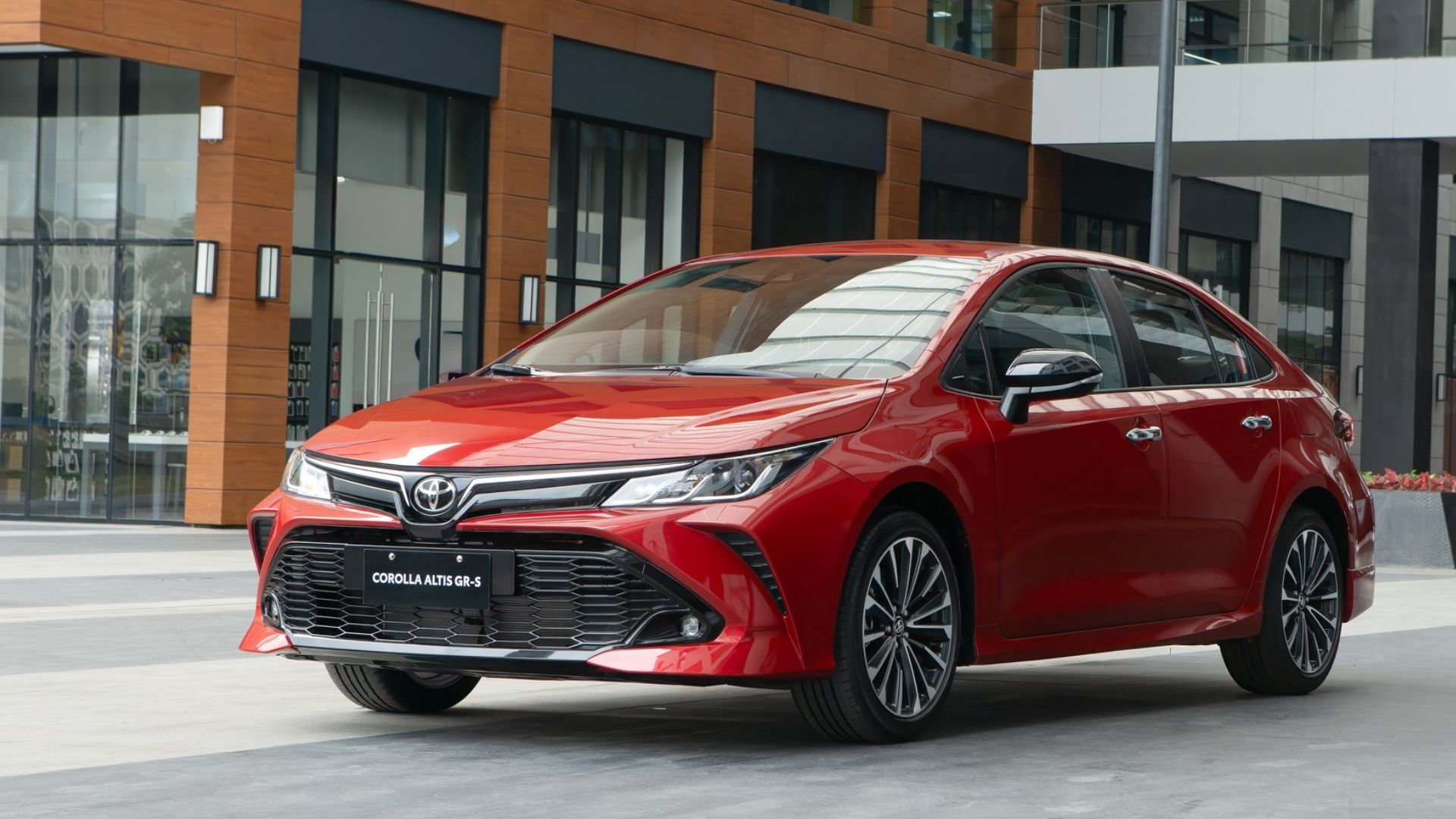
Toyota Corolla
The Toyota Corolla has earned a reputation as a reliable city car because it balances performance with practicality. Its compact design allows drivers to navigate narrow streets, tight intersections, and crowded parking lots with ease. Maneuvering during rush hours is straightforward, and its smooth handling makes frequent stopping and starting less stressful. Low maintenance and predictable performance ensure that owners spend less time worrying about repairs.
Fuel efficiency is one of the Corolla’s most practical advantages. City driving can involve many short trips, and the Corolla’s engine is designed to consume fuel economically in stop-and-go conditions. This not only reduces fuel expenses but also lowers emissions, which is beneficial in urban environments. Regular maintenance routines are simple and cost-effective, making this car ideal for daily commuting.
The interior is built for functionality rather than complexity. Controls are logically placed, easy to reach, and intuitive for drivers of any experience level. Seating is comfortable enough for short city trips as well as occasional longer journeys. There are no overly complicated electronics or unnecessary gadgets that could confuse the driver or require expensive servicing.
Safety is included in a straightforward and practical way. Standard features such as airbags, anti-lock brakes, and traction control are dependable and easy to understand. Optional assistance technologies are available, but they are not intrusive or difficult to operate. Drivers can focus on the road and city traffic without being distracted by complicated systems.
Finally, reliability and cost-effectiveness make the Corolla an ideal choice for urban life. Insurance is generally affordable, repairs are widely accessible, and parts are readily available. Owners can enjoy the benefits of a dependable car without being burdened by complex technology or high upkeep. For city dwellers seeking convenience, the Corolla consistently delivers.
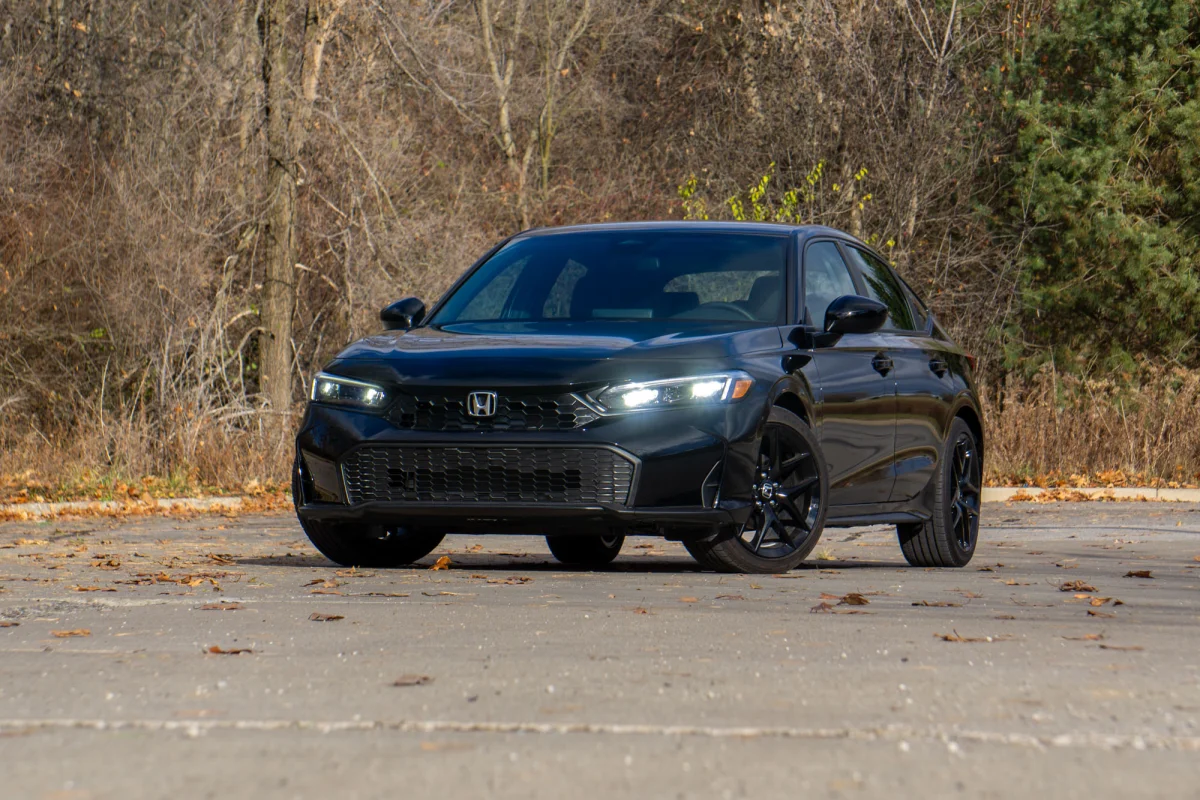
Honda Civic
The Honda Civic is widely recognized for its balance of efficiency, comfort, and practicality. Its compact yet roomy design allows it to move smoothly through congested streets while offering enough interior space for passengers. Steering is responsive, which makes parking and tight maneuvers easier. Drivers benefit from predictable performance and minimal upkeep requirements, which reduce stress in busy city life.
Fuel economy is a strong suit of the Civic. Its engines are designed to perform efficiently during frequent starts and stops. This makes it one of the more cost-effective options for daily urban commuting. Gas expenses are manageable, and the car’s efficiency contributes to a cleaner footprint compared to larger, less economical vehicles.
The interior prioritizes simplicity and usability. Controls are logically positioned, making adjustments quick and intuitive. Infotainment systems are user-friendly and do not demand constant attention. Driver visibility is excellent, providing confidence when navigating tight streets or crowded parking areas, enhancing safety.
Maintenance is straightforward, and routine servicing is inexpensive. Replacement parts are common and easy to source at most local garages. This reduces downtime and stress for owners. Many drivers report long-term satisfaction with minimal unexpected repairs, which contributes to a positive city ownership experience.
Safety is practical and accessible. Standard features include airbags, seatbelt reminders, and electronic stability control. Optional driver-assist features are present but do not dominate the driving experience. This ensures that drivers can focus on traffic conditions while benefiting from added safety when needed.
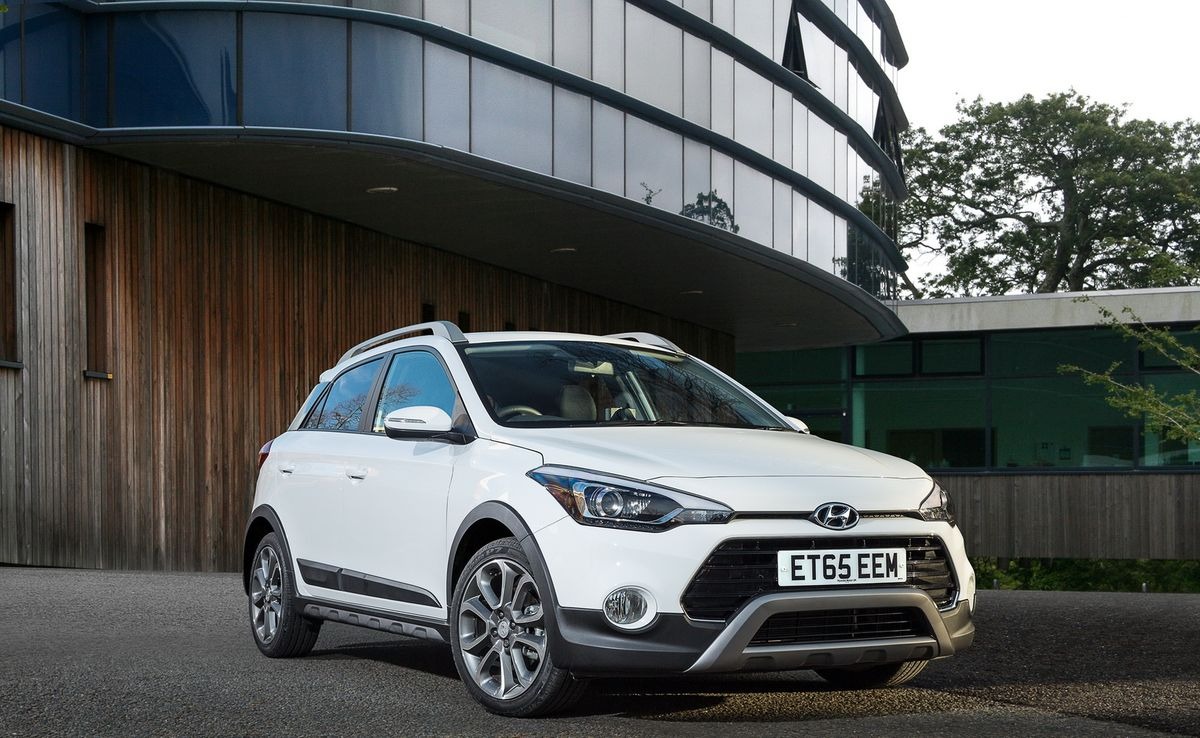
Hyundai i20
The Hyundai i20 is compact and designed with city driving in mind. Its small size makes it simple to park in narrow spaces, while the light steering allows easy maneuverability through crowded streets. Short trips are comfortable, and its efficient engine handles stop-and-go traffic well. Owners appreciate the straightforward design that minimizes stress and maximizes reliability.
The interior is functional and driver-oriented. Controls are clear and reachable, making operation effortless. Infotainment is simple and not distracting, while seating offers adequate comfort for everyday driving. Visibility is optimized, allowing drivers to spot pedestrians, cyclists, and other vehicles more easily in busy urban areas.
Reliability is a major advantage of the i20. The vehicle experiences fewer mechanical issues compared to more complex alternatives. Scheduled servicing is simple, and parts are widely available, keeping downtime minimal. These factors make city ownership predictable and less stressful, especially for drivers who value convenience.
Safety features cover essential needs without introducing unnecessary complexity. Airbags, seatbelt reminders, and electronic stability control help protect drivers and passengers in common urban scenarios. Optional features are simple to use and understand, reducing distractions and allowing the driver to concentrate on road conditions.
Affordability is another reason the i20 is appealing. Low fuel consumption, accessible insurance, and minimal maintenance costs contribute to a positive ownership experience. Compact size, ease of use, and practicality make it a top choice for anyone seeking a stress-free city car.
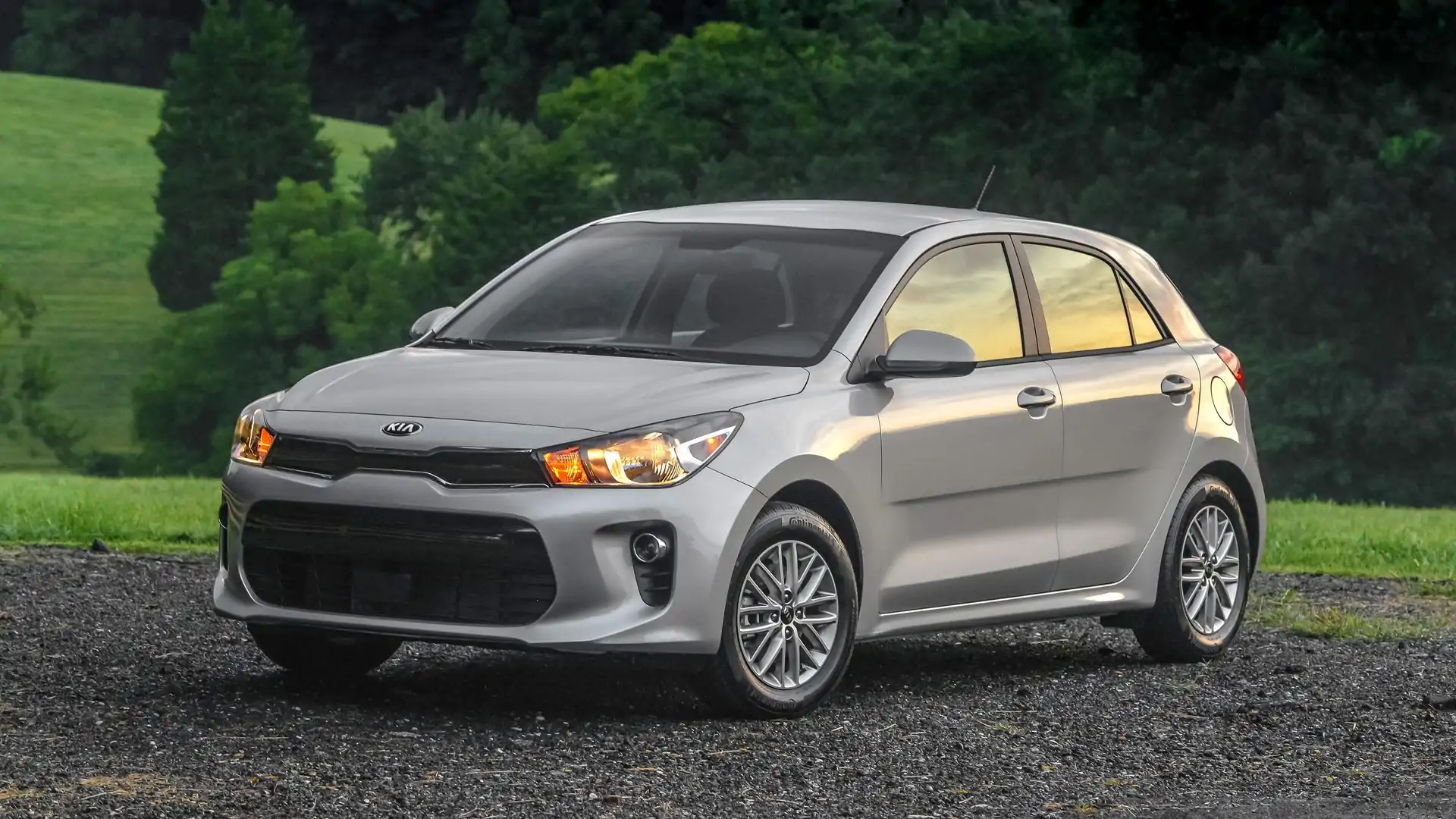
Kia Rio
The Kia Rio is designed for everyday convenience and efficiency. Its compact proportions allow drivers to navigate tight streets and park with minimal effort. Handling is smooth, and braking is responsive, which helps drivers stay in control in congested traffic. Minimal maintenance requirements ensure that city driving remains hassle-free and predictable.
Inside, the Rio emphasizes practicality. Controls are simple and intuitive, allowing drivers to operate the car without distraction. Infotainment is functional without being overwhelming. Visibility from the driver’s seat is excellent, helping drivers feel confident in crowded or complex city conditions. Comfort is maintained without adding unnecessary complexity.
Durability is a key benefit. The Kia Rio is built to withstand frequent short trips and urban road conditions. Routine servicing is simple, parts are accessible, and repairs rarely require specialized equipment. Owners can depend on the vehicle for daily commuting without worrying about complicated or costly fixes.
Safety is straightforward but effective. Essential features like airbags, anti-lock brakes, and traction control cover the basics. Optional driver assistance features are easy to operate and add convenience without adding stress. This makes the Rio suitable for drivers who want safety and simplicity in equal measure.
Cost-effectiveness is one of the Rio’s strongest points. Fuel-efficient engines, low insurance costs, and accessible maintenance contribute to a reasonable total cost of ownership. The combination of reliability, compact design, and user-friendly operation makes it ideal for city dwellers seeking simplicity.
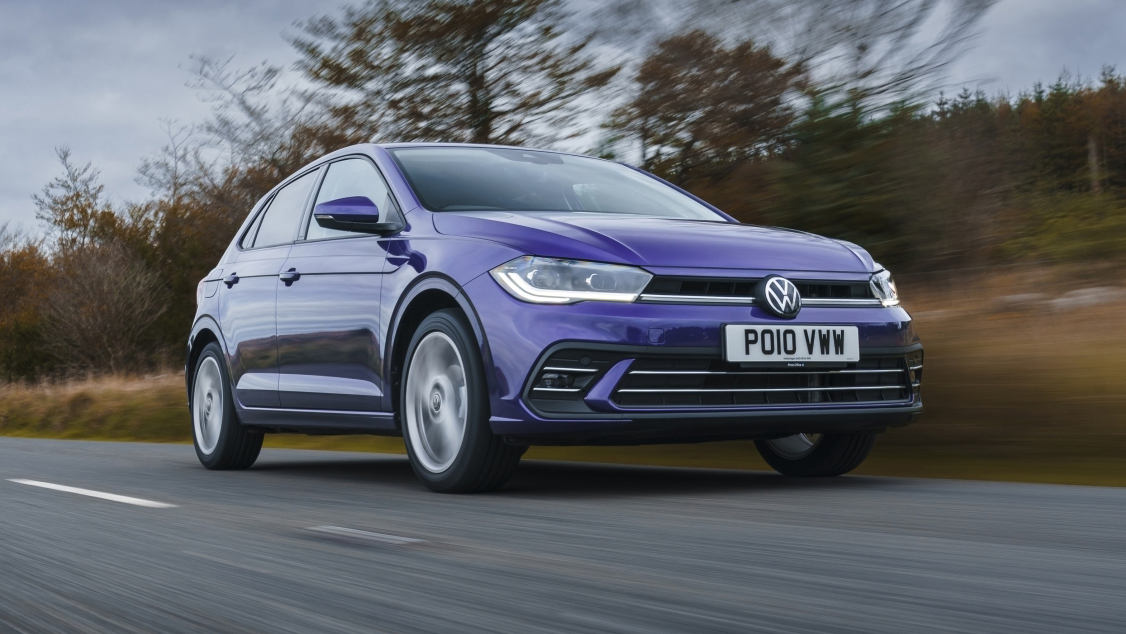
Volkswagen Polo
The Volkswagen Polo is recognized for its compact size and precise handling. Its small footprint allows for confident navigation through crowded streets, narrow lanes, and tight parking spaces. Steering is light but stable, making daily urban driving smooth and predictable. Fuel-efficient engines keep running costs low, enhancing practicality for city owners.
Inside, the Polo focuses on functionality. Controls are intuitive, with clear labels and a layout that minimizes driver distraction. Infotainment options are available but simple to use. Seating is supportive for daily commutes, and visibility from the driver’s seat helps in spotting obstacles, cyclists, or pedestrians.
Reliability is a strong suit of the Polo. The car benefits from durable engineering and widely available parts. Servicing is straightforward and can be performed at many local garages. This ensures minimal downtime and reduces the stress associated with unexpected repairs.
Safety is addressed in a practical manner. Standard features such as airbags, electronic stability control, and anti-lock brakes provide protection without complicating operation. Optional features are easy to engage and maintain, ensuring that the driver can focus on navigating city streets safely.
The Polo delivers a dependable and efficient urban driving experience. It combines compact dimensions, fuel efficiency, and practical safety with straightforward maintenance. For city owners who prioritize simplicity, the Volkswagen Polo remains an appealing choice.
Cars That Add Unnecessary Complexity
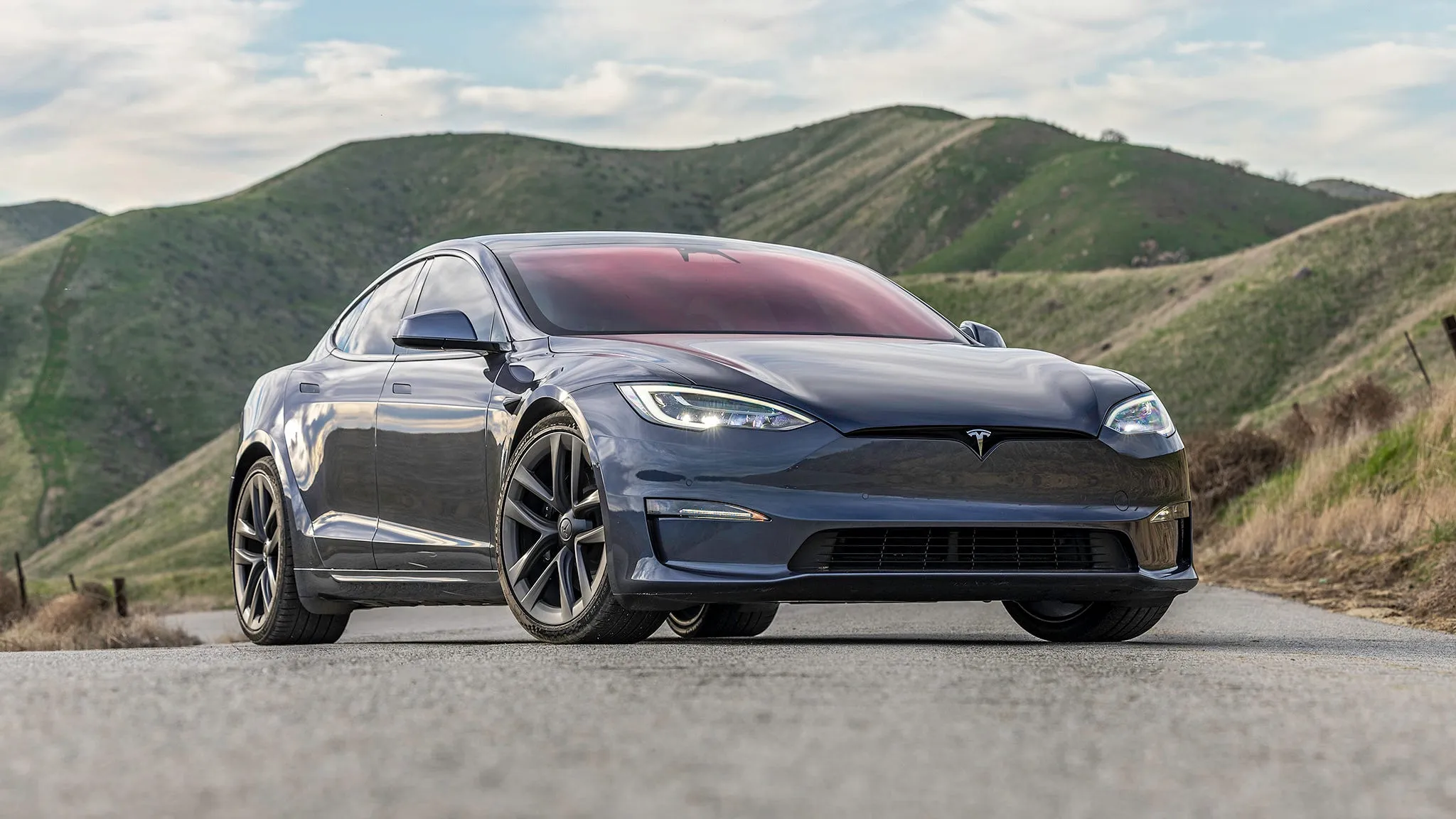
Tesla Model S
The Tesla Model S offers cutting-edge technology and electric performance, but these features can complicate city ownership. Its large size can make parking in tight urban spaces difficult, and sharp turns may require extra attention. The car’s touchscreen interface controls almost all functions, including climate, navigation, and driving modes, which can overwhelm drivers who prefer simpler controls. Maintenance and repairs require certified Tesla technicians, making service less convenient than standard vehicles.
Software updates are frequent and automatic, sometimes changing how the vehicle behaves without warning. While intended to improve functionality, these updates can confuse drivers and occasionally reset preferred settings. In a city environment, where daily commuting requires predictability, unexpected software changes can disrupt routines. Drivers need to monitor updates and adapt quickly to avoid surprises.
Battery management is another layer of complexity for city owners. Charging infrastructure may not always be convenient, and full charging can take several hours if using standard outlets. Public charging stations may be crowded or located far from common routes. Home charging installation can also be expensive and complicated, adding another consideration for urban owners.
Insurance and repair costs are substantially higher than conventional cars. Even minor repairs involving electronics or battery components may be costly and time-consuming. Replacement parts are specialized and less widely available, which can leave owners without transportation for extended periods. These factors make ownership more demanding than with a traditional city car.
Despite its high performance, zero emissions, and futuristic appeal, the Tesla Model S introduces several challenges for city driving. Its complexity, size, charging demands, and high maintenance costs make it less convenient than simpler vehicles. While impressive on paper, it may not suit drivers who prioritize straightforward, stress-free urban ownership.
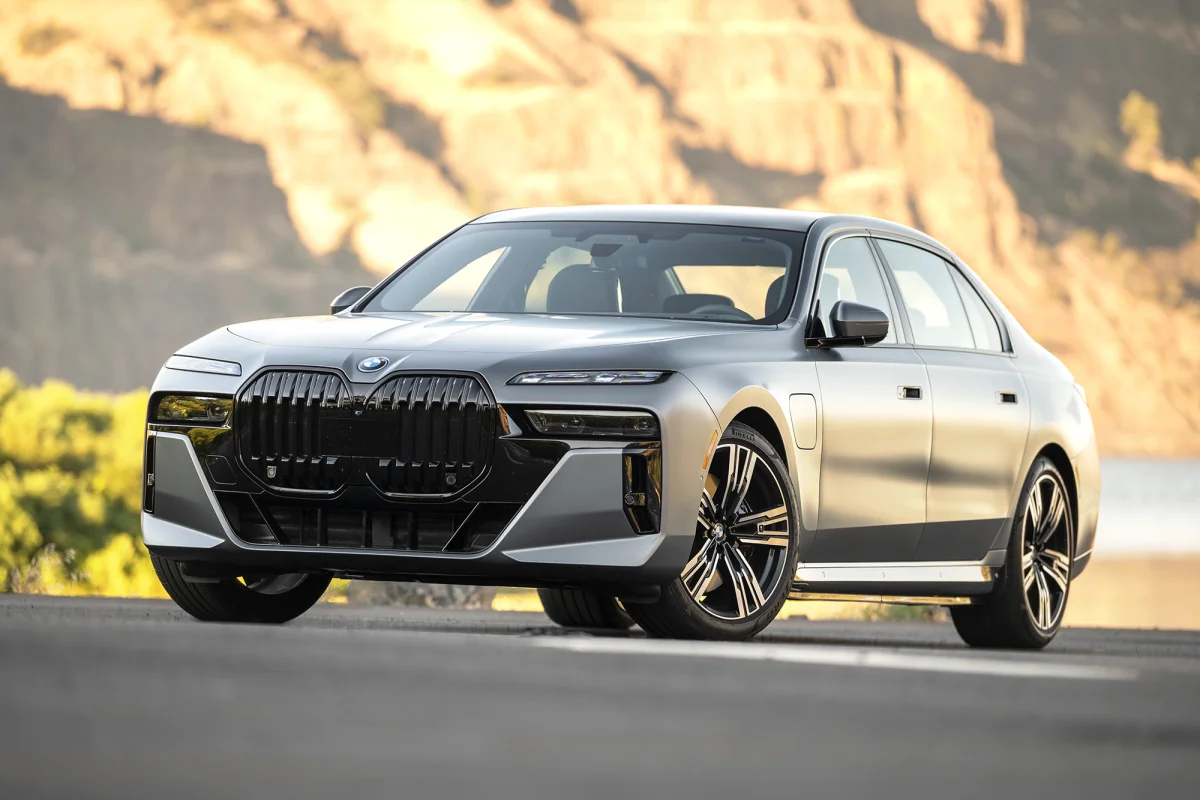
BMW 7 Series
The BMW 7 Series is a luxury sedan designed for comfort and advanced technology, but it can make city life more complicated. Its large dimensions make maneuvering through narrow streets and tight parking spaces challenging. Steering and turning in dense traffic require care, and the wide body increases the risk of minor scratches or dents. For city dwellers, size alone can be a practical obstacle.
Advanced electronics govern most vehicle systems, from climate and suspension to navigation and lighting. While these features provide comfort and precision, they can be confusing for drivers unfamiliar with complex interfaces. Adjustments often require navigating menus on a screen, which can be distracting during urban driving conditions.
Routine maintenance is costly and specialized. Repairs usually require certified BMW technicians, and minor issues can result in extended downtime. Replacement parts are expensive and less readily available than standard car components, adding financial and logistical burdens for city owners.
Fuel consumption is higher compared to smaller, simpler vehicles. Stop-and-go city driving magnifies this problem, leading to more frequent fuel stops and higher operating costs. Combined with the car’s luxurious features, these demands increase the effort required to maintain convenience in urban settings.
Optional driver-assist technologies, while impressive, require constant attention. Adaptive cruise control, lane guidance, and automatic parking may not always react ideally in dense city traffic. Rather than simplifying driving, these systems can demand extra vigilance, increasing stress rather than reducing it.
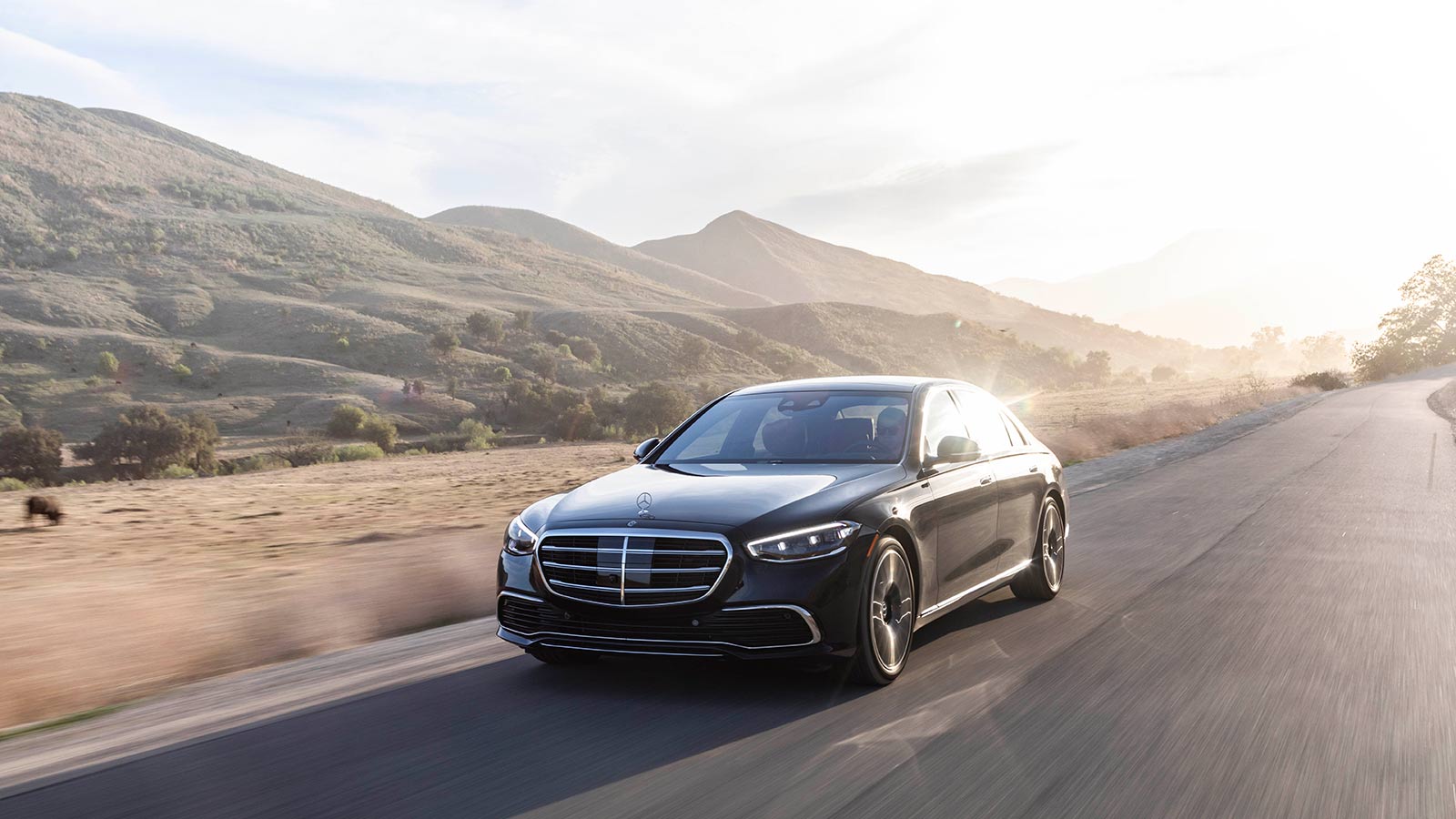
Mercedes-Benz S-Class
The Mercedes-Benz S-Class represents peak luxury, but its size and complexity can make city ownership cumbersome. Its large sedan footprint makes parking and tight turns difficult, especially in urban centers. Roads with heavy traffic or narrow lanes can be stressful to navigate. Daily driving may feel less convenient than with compact, practical vehicles.
Advanced electronic systems control nearly every aspect of the vehicle, including suspension, climate, lighting, and multimedia. While these systems enhance comfort, they require time and attention to learn and operate. Drivers may need to frequently consult the manual or menu systems, which can distract from navigating congested streets.
Servicing is expensive and often must be completed at authorized Mercedes centers. Replacement parts cost significantly more than standard components, and even minor repairs can result in long delays. Owners may face downtime that is impractical for daily commuting needs.
Fuel efficiency is low, making frequent city driving less practical. The S-Class consumes more fuel than smaller, simpler vehicles, and stop-and-go traffic increases the consumption rate. This results in higher running costs and less convenience for city commuters.
Advanced safety and driver-assist systems require continuous monitoring. Features such as collision alerts, adaptive steering, and lane assistance provide added protection, but they can overwhelm the driver in busy urban traffic. Managing these systems adds complexity rather than simplifying the ownership experience.
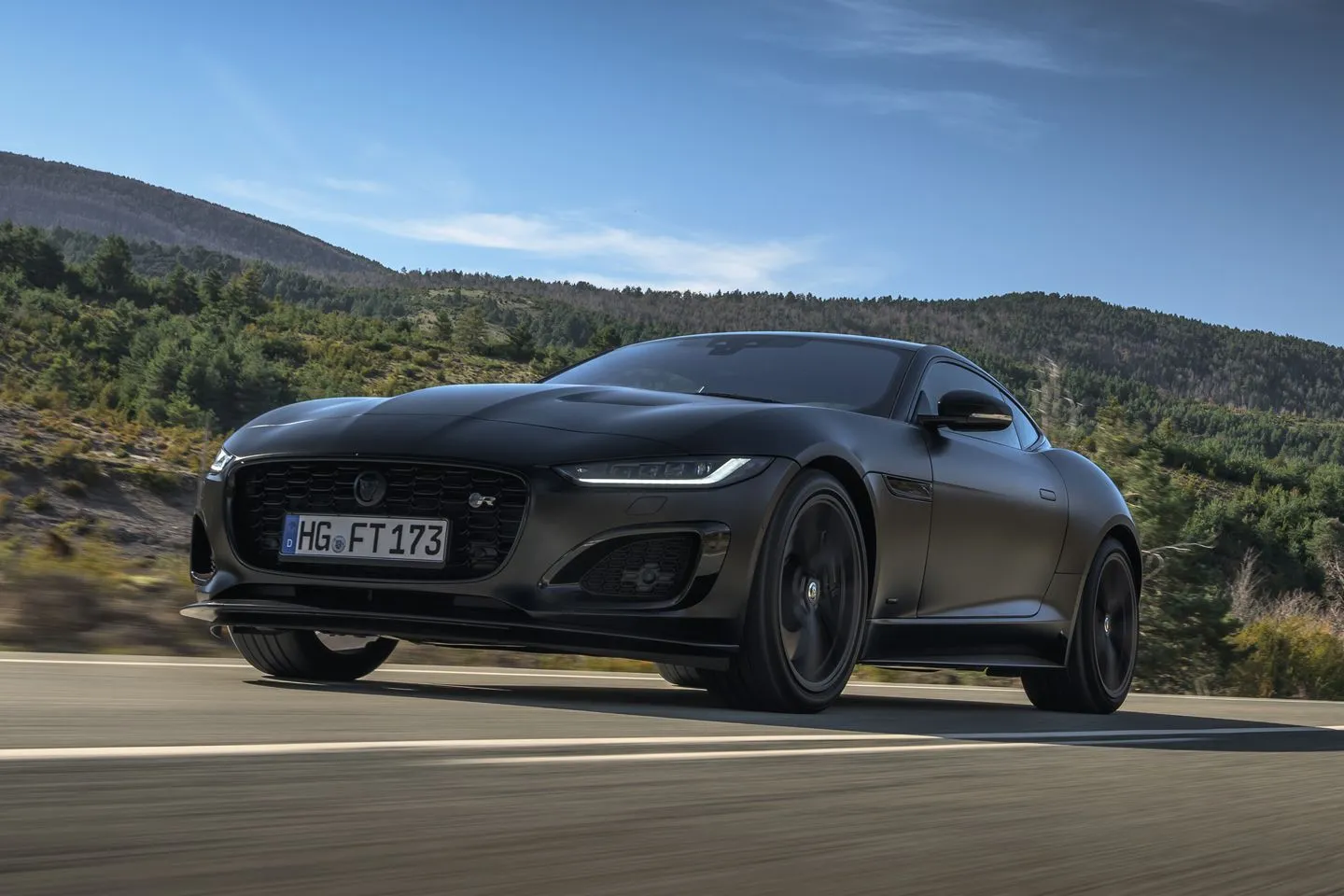
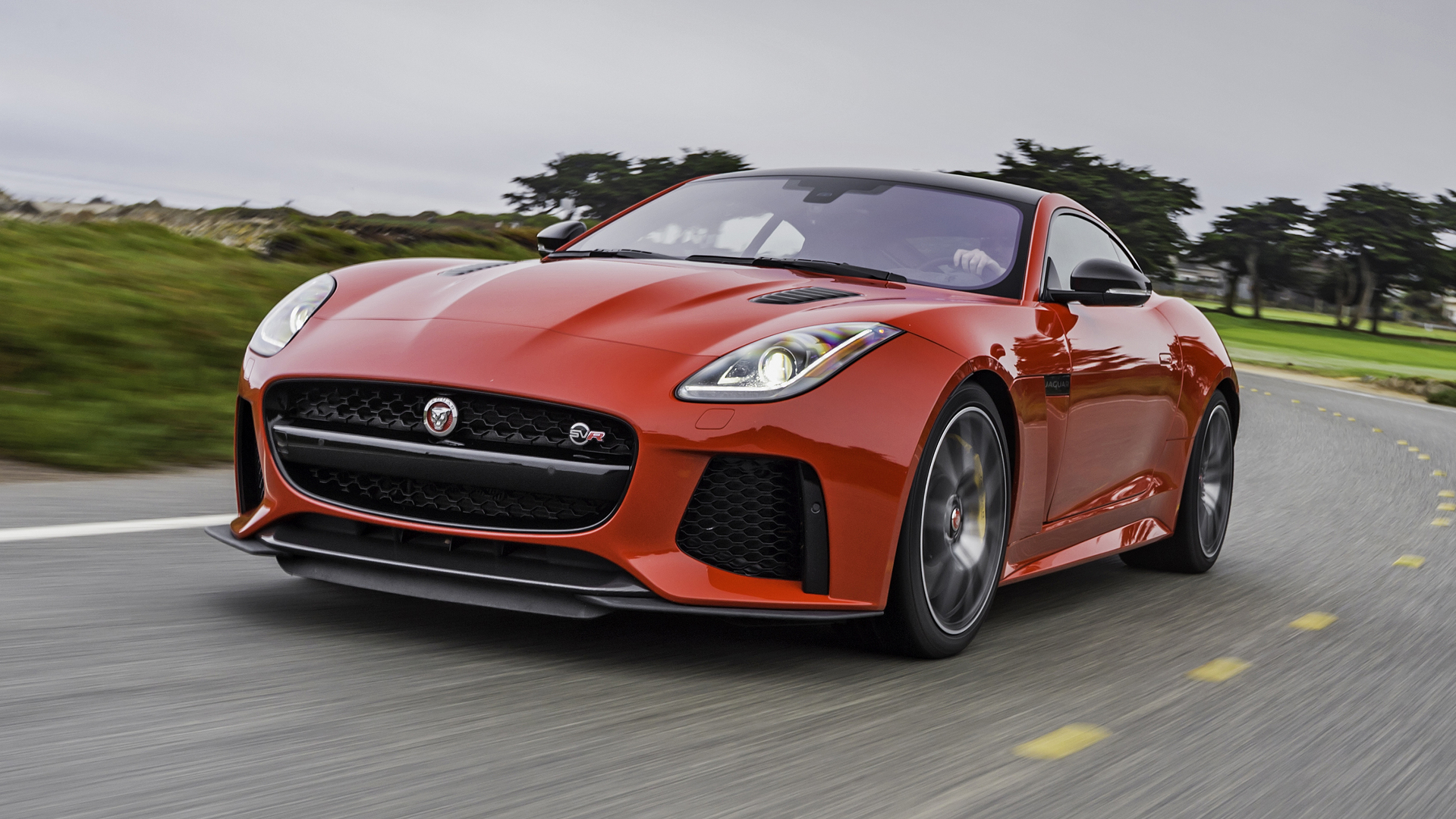
Jaguar F-Type
The Jaguar F-Type is a sporty and luxurious car, but it complicates city driving due to its design and performance focus. Its low ground clearance can scrape curbs and speed bumps, while narrow streets and crowded parking lots require careful attention. Maneuvering in urban areas is less forgiving compared to smaller, more practical cars.
The infotainment system and driving modes are sophisticated and extensive, which may require frequent adjustments. Many of these systems are tuned for performance rather than everyday convenience, adding stress to the city driving experience. Drivers must spend time learning the controls to operate the car efficiently.
Fuel efficiency is lower than typical city cars, and high-performance engines demand more frequent refueling. This increases both time and cost, especially in stop-and-go city traffic. Insurance premiums are also elevated due to the car’s performance and replacement part costs, adding further financial complexity.
Suspension is tuned for sporty driving, which can make urban streets uncomfortable. The wide body and powerful engine are better suited to open roads, not narrow, congested city streets. Drivers may need to navigate carefully to avoid minor damage or discomfort.
While the F-Type delivers excitement and style, these benefits come at the expense of practicality. Complex systems, high costs, and limited suitability for city streets make ownership more stressful than simpler vehicles.
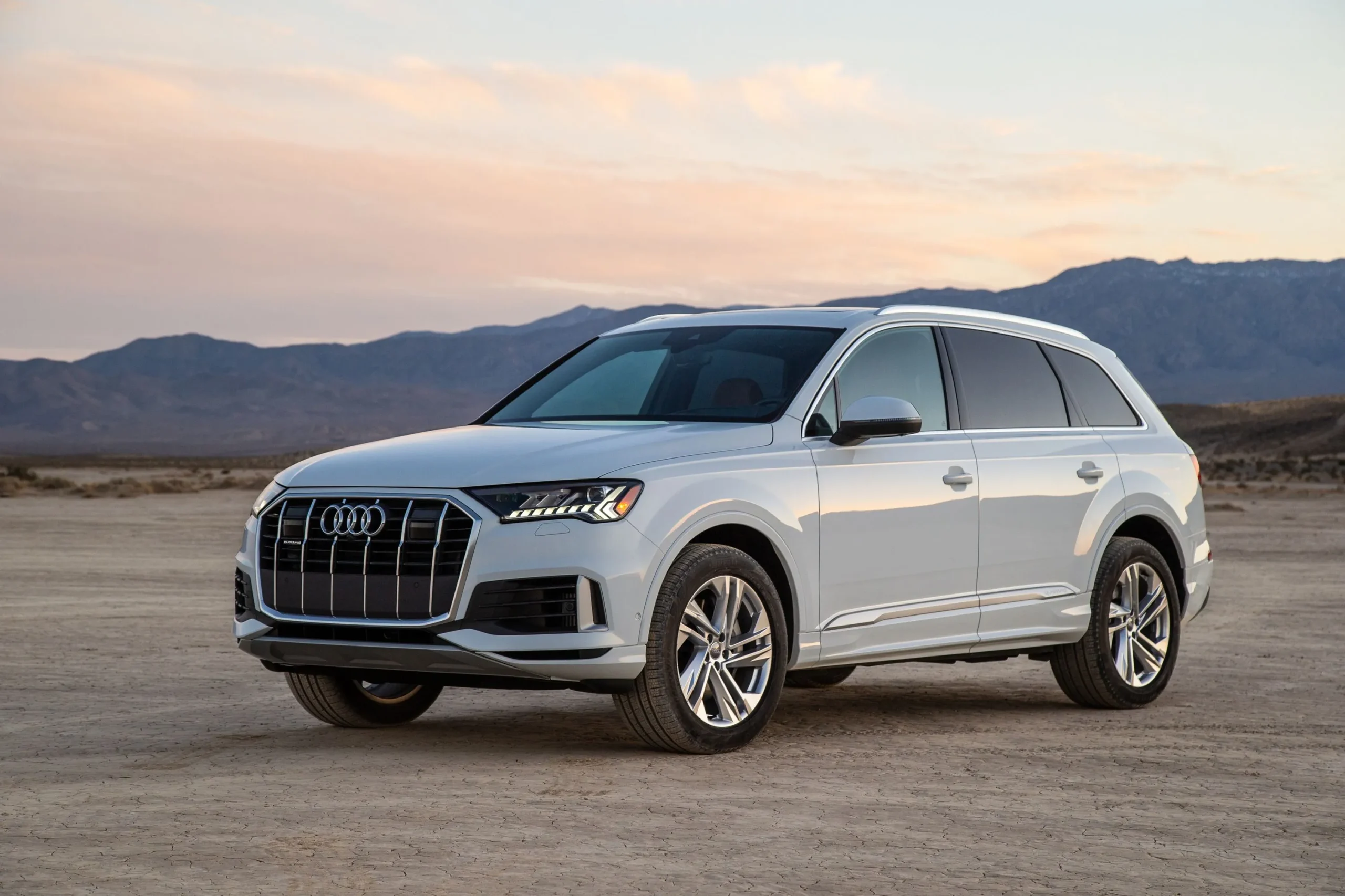
Audi Q7
The Audi Q7 is a large SUV designed for comfort, but its size and features can complicate city driving. Its height and width make parking and tight turns more challenging. The car’s bulk reduces maneuverability, especially in congested streets or narrow parking garages. Urban driving demands careful attention and patience.
The infotainment and driver-assist systems are comprehensive but complicated. Features such as multiple touchscreens, menu-driven controls, and advanced driving modes require frequent interaction. Drivers may spend more time managing these systems than focusing on the road, which reduces convenience.
Maintenance is expensive due to advanced electronics and sophisticated mechanical systems. Repairs typically require authorized service centers, and parts are costly and sometimes slow to obtain. Downtime can be extended, making daily commuting less reliable.
Fuel consumption is higher than smaller city vehicles. Frequent urban driving in stop-and-go traffic further reduces efficiency, leading to increased costs and inconvenience. The large engine also requires careful handling in tight spaces to avoid unnecessary wear or damage.
Driver-assist technologies, while advanced, may not always behave predictably in city traffic. Sensors and alerts can trigger unexpectedly, requiring constant adjustment from the driver. These systems, while useful in theory, can add stress and complexity to everyday city ownership.
