
Parallel parking is one of the most common driving tasks that can quickly shift from being a simple maneuver to a stressful challenge. The experience often depends on the design and size of the vehicle, as well as visibility and maneuverability.
Hatchbacks, in particular, offer a range of designs that can either make parking effortless or add unnecessary difficulty. For city dwellers and commuters, this difference is not minor. A vehicle that allows smooth parallel parking can save time, reduce anxiety, and prevent minor accidents.
Choosing the right hatchback often means balancing performance, style, and size against practical everyday use, especially when parking in tight spaces. Drivers who frequently navigate crowded streets and limited parking spots will notice how certain models make the process more intuitive. Small turning radii, compact dimensions, and high visibility windows are factors that significantly contribute to stress-free parking.
Conversely, hatchbacks with bulkier frames, blind spots, or unwieldy steering can turn a simple parking maneuver into a frustrating ordeal. Car manufacturers have long recognized the importance of this feature, designing vehicles with features that enhance precision and ease of use. Beyond physical dimensions, technology such as parking sensors, cameras, and advanced steering assistance can dramatically influence how a car handles in tight situations.
Some hatchbacks have been praised for their almost effortless parking experiences, while others have received criticism for creating unnecessary difficulty. Understanding which hatchbacks make parking easier and which complicate it can help buyers make informed decisions.
This knowledge is particularly valuable for new drivers or anyone who spends a lot of time in urban environments. It also emphasizes the importance of hands-on testing when evaluating vehicles. The right hatchback can transform daily commuting, instilling confidence during parallel parking and reducing stress. On the other hand, selecting a hatchback without considering parking performance can lead to repeated frustration.
With these considerations in mind, this article examines five hatchbacks that excel at parallel parking, along with five that often make the process cumbersome. By understanding the features that contribute to ease of parking, drivers can prioritize models that align with their practical needs.
Whether it’s maneuverability, visibility, or technological assistance, each vehicle offers unique advantages and challenges. In the following sections, the discussion will highlight real-world examples to provide a clear perspective for prospective hatchback owners.
Drivers can compare these vehicles based on their experiences and known traits, helping them make smarter, stress-free decisions for city driving. The goal is to provide a balanced assessment of which hatchbacks improve the parallel parking experience and which require extra patience and skill.
5 Hatchbacks That Are Stress-Free to Parallel Park
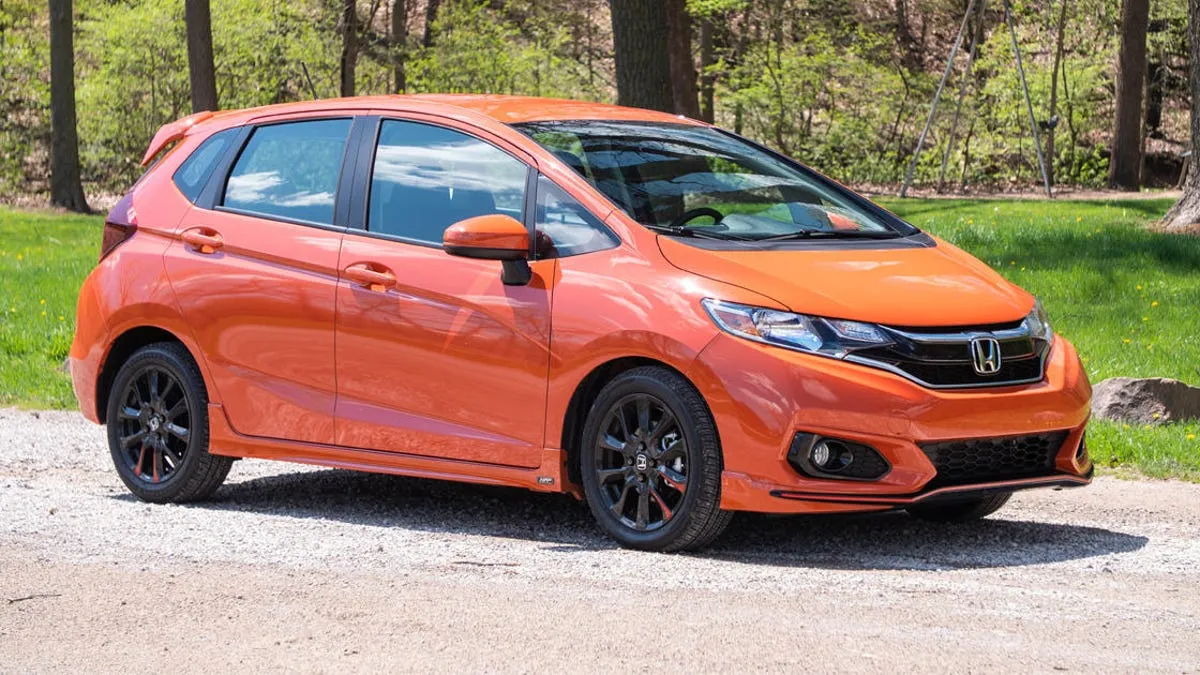
1. Honda Fit
The Honda Fit is a standout hatchback when it comes to urban maneuvering, especially parallel parking, due to its exceptionally compact size. Its short wheelbase and narrow body allow drivers to easily slide into tight spots with minimal stress.
Even in crowded city streets where space is limited, the Fit responds quickly to minor steering adjustments, reducing the need for multiple corrections. Its small overhangs mean the front and rear ends clear obstacles more easily, which is particularly valuable when parallel parking between closely spaced cars.
Visibility in the Fit is excellent, making judgment of distance simpler than in many other hatchbacks. Large, expansive windows provide a nearly panoramic view of surrounding traffic, and the elevated seating position enhances the driver’s perspective of curbs and adjacent vehicles.
Rear and side mirrors are thoughtfully sized, minimizing blind spots. Newer models also include rearview cameras and sensors that work in tandem with the clear sightlines, allowing drivers to execute parallel parking confidently.
The turning radius of the Fit is remarkably tight, allowing sharp pivots without the need for multiple adjustments. Even novice drivers often find themselves able to park on the first try, thanks to the car’s predictable responsiveness. Fine steering inputs translate directly to precise vehicle movement, reducing anxiety and eliminating guesswork. This reliability in low-speed maneuvers is one of the Fit’s strongest selling points for urban commuters.
The interior layout also contributes to stress-free parking. The driver’s seat is positioned to maximize visibility over the hood and rear bumper, while dashboard controls remain intuitive and easy to access. Folding rear seats and wide rear hatch windows further enhance sightlines and maneuverability. Together with light steering and responsive handling, these design elements make parallel parking almost instinctive.
Finally, the Fit is also economical and practical, combining agility with low running costs. Drivers can navigate busy city streets without concern for fuel consumption or wear from frequent parking.
Its combination of compact size, visibility, and handling creates a hatchback that minimizes stress in everyday driving. The Honda Fit is an ideal choice for anyone who frequently parks in crowded urban areas, offering a near-effortless experience.
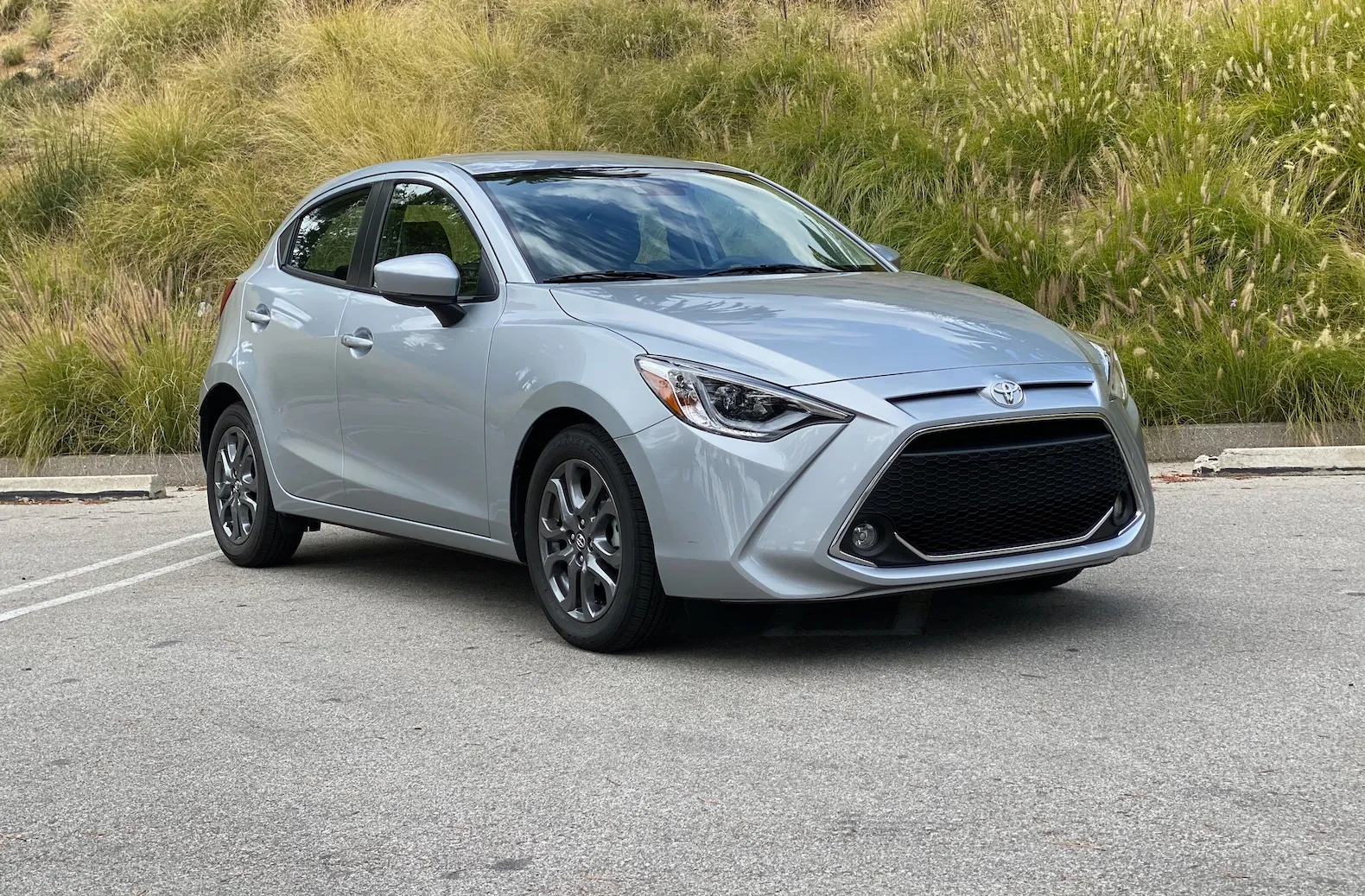
2. Toyota Yaris Hatchback
The Toyota Yaris Hatchback is another compact vehicle designed with urban convenience in mind. Its small footprint and rounded front end allow drivers to judge distances accurately and maneuver into tight parking spots with ease. Steering is light yet precise, giving drivers the ability to make fine adjustments without overcorrecting. These characteristics make parallel parking feel natural, even for those who are less confident behind the wheel.
Visibility is a strong point of the Yaris. Large side mirrors, small rear pillars, and a high seating position provide a clear view of both the curb and surrounding vehicles. Drivers can see nearly all obstacles without having to move the car excessively. Rearview cameras and parking sensors in newer models supplement natural visibility, making the vehicle extremely forgiving for city parking.
The turning radius of the Yaris is particularly tight, enabling quick and precise alignment with the curb. This allows drivers to execute parallel parking in fewer moves than many other hatchbacks. The combination of nimble handling and responsive steering reduces mental load, especially in crowded urban environments. Drivers frequently report confidence and minimal stress when parking, even in narrow spaces.
Ergonomics further enhance the parking experience. The dashboard is designed for ease of use, with intuitive controls that do not distract from the task of maneuvering. The seating height improves perspective, making it easy to judge proximity to other vehicles. Side mirrors extend sufficiently to provide extra assurance when gauging distances.
Finally, the Yaris is efficient and low maintenance, adding to the convenience of city driving. Its agility, visibility, and user-friendly technology create a hatchback that consistently performs well in parallel parking situations. For drivers who face tight spots on a daily basis, the Toyota Yaris provides a reliable and stress-free solution.
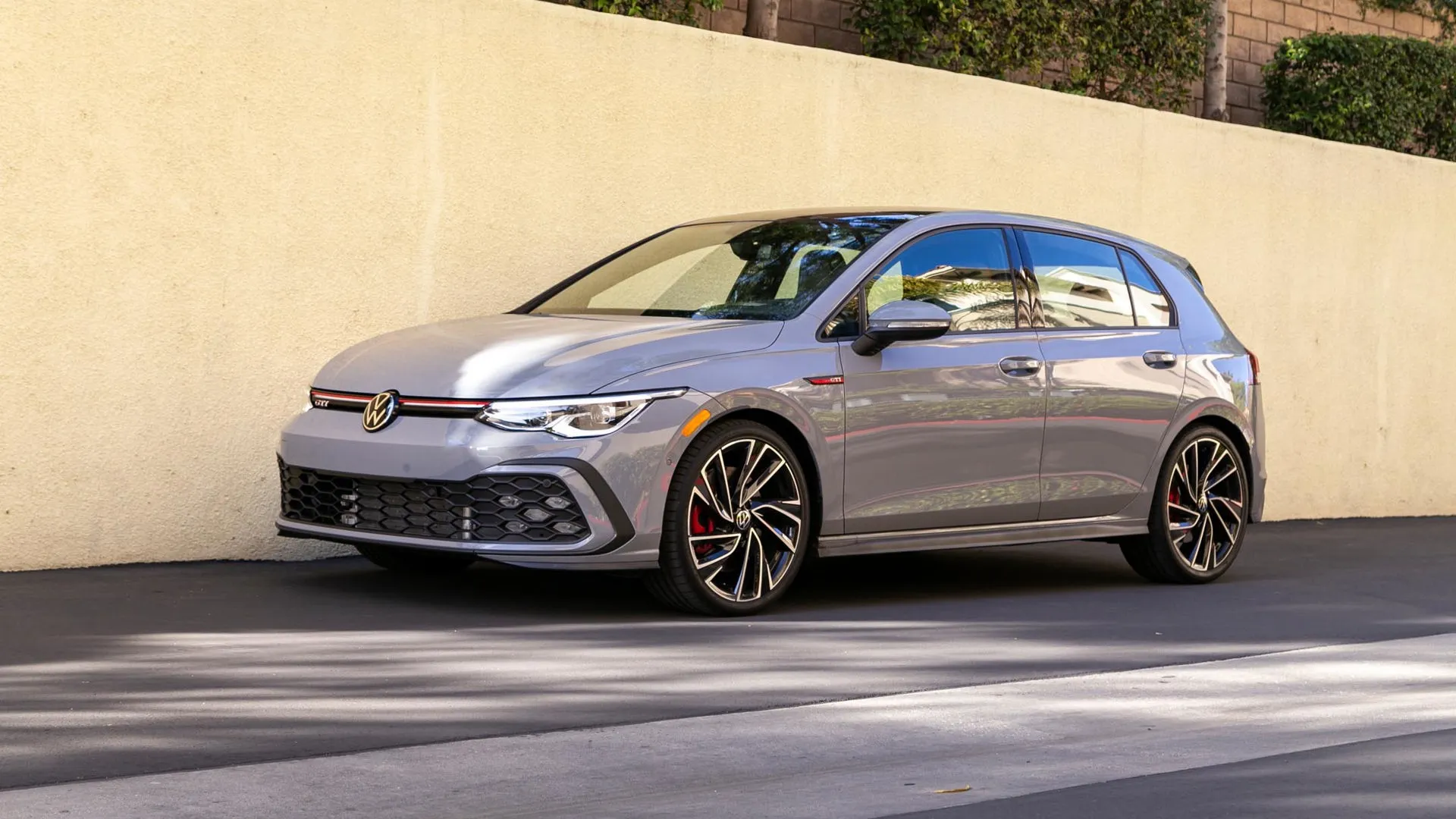
3. Volkswagen Golf
The Volkswagen Golf is slightly larger than some city hatchbacks but remains highly capable in tight parking situations due to its precise handling and thoughtful design.
Steering is responsive, offering excellent feedback for fine adjustments, while the compact rear overhang makes it easier to judge the vehicle’s endpoints. Despite its slightly larger size, the Golf retains the agility necessary for urban environments, allowing drivers to feel confident in crowded streets.
Large rear and side windows, combined with well-placed mirrors, reduce blind spots and make it easier to estimate distance from obstacles. Newer models include parking sensors and rearview cameras, providing additional assurance during parallel parking. The combination of natural visibility and technological support allows for precise positioning with minimal stress.
Turning radius is another advantage. Despite being larger than the Honda Fit or Yaris, the Golf can pivot effectively into narrow spaces. Drivers rarely need multiple corrections, as the car responds predictably to small steering inputs. This reliability makes parking a smooth, controlled process even in tight urban areas.
Seating and ergonomics contribute to the Golf’s parking-friendly design. The driver sits at an optimal height, providing excellent visibility of curbs and surrounding vehicles. Controls are positioned intuitively, allowing drivers to focus on maneuvering without distraction. This combination of design features ensures confidence and control during low-speed maneuvers.
Finally, the Golf balances comfort, technology, and practicality. It combines a spacious interior with low running costs and responsive handling, making it a reliable and stress-free hatchback for city driving. Its blend of size, technology, and visibility makes parallel parking almost effortless, even for drivers who are not highly experienced.
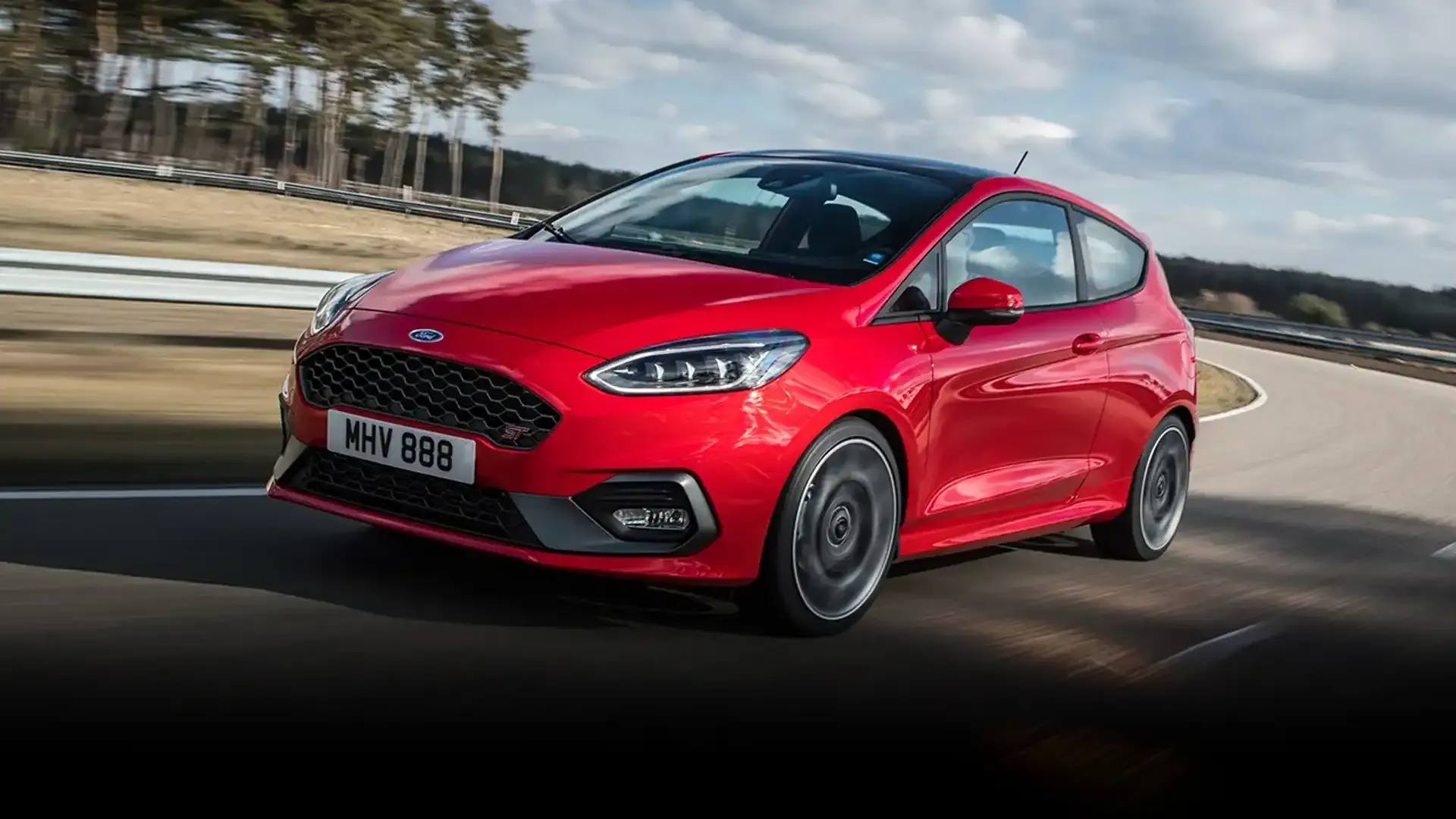
4. Ford Fiesta
The Ford Fiesta is well known for its compact size and nimble handling, which make parallel parking a straightforward task. Its light steering allows subtle adjustments, and the short length of the vehicle enables easy alignment with the curb. Even in crowded urban streets, drivers can maneuver the Fiesta quickly and with minimal stress, making it one of the easiest hatchbacks to park in tight spots.
Rear visibility is strong, with a thoughtfully designed window line that minimizes blind spots. Side mirrors are positioned to provide a clear view of surrounding vehicles, and the elevated seating enhances curb perception. Rearview cameras and sensors in newer models supplement visibility, providing additional guidance for accurate positioning. These features combine to make parallel parking feel effortless.
The Fiesta boasts one of the tightest turning radii in its class, allowing sharp pivots and minimal adjustments. Drivers can confidently maneuver into parallel spaces without repeated forward-and-backward corrections. Its predictability and responsiveness at low speeds give drivers a sense of control that reduces stress.
Ergonomics also support a positive parking experience. Controls are intuitive, easily accessible, and do not distract from the task of maneuvering. The seating height provides a clear view over obstacles, and the light, responsive steering ensures that even small corrections translate effectively. Together, these features make parallel parking nearly automatic.
Finally, the Fiesta offers practicality and efficiency for urban driving. Its fuel economy, low maintenance costs, and ease of maneuverability create a vehicle that is both convenient and reliable. Drivers who face tight parallel parking scenarios frequently find that the Fiesta is forgiving, precise, and exceptionally easy to handle.
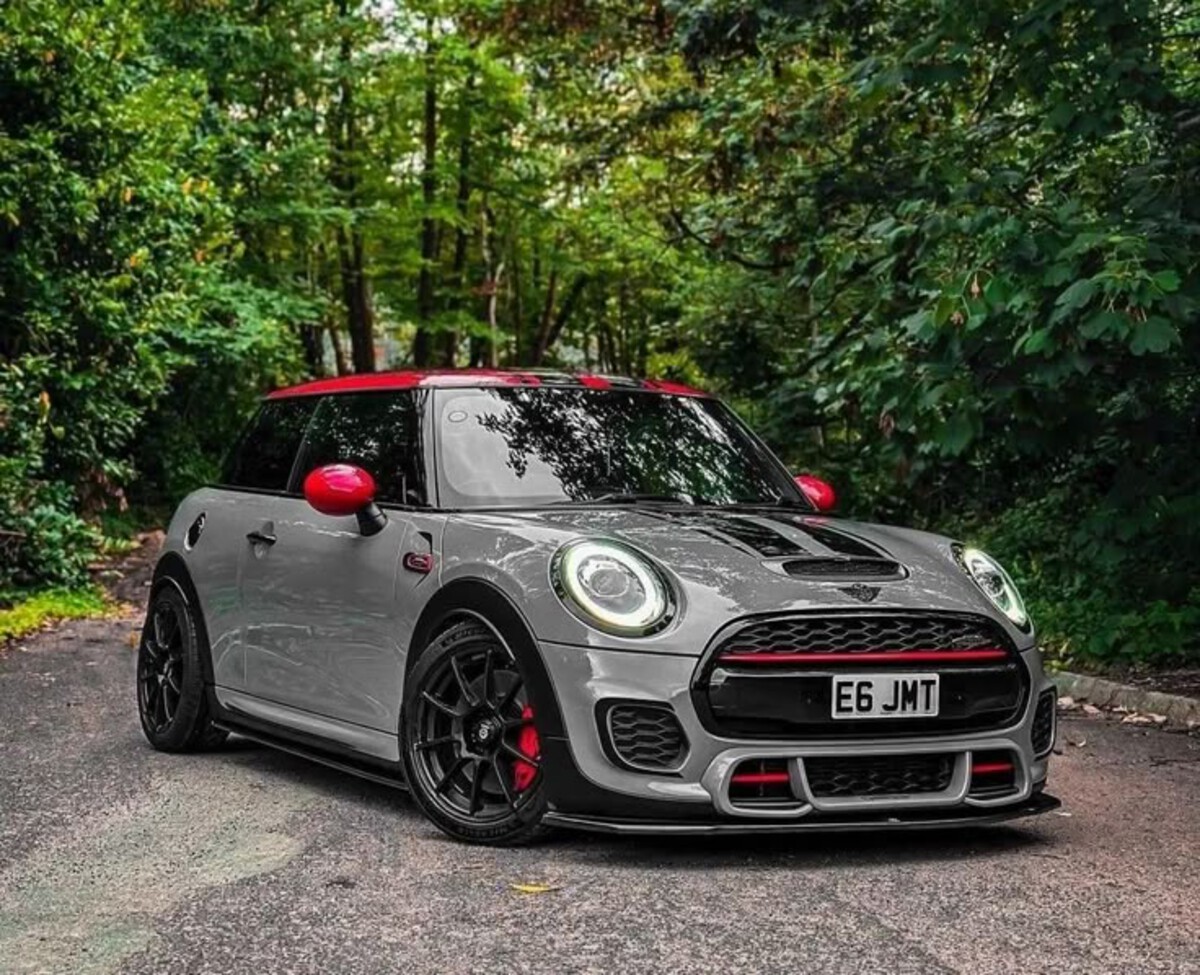
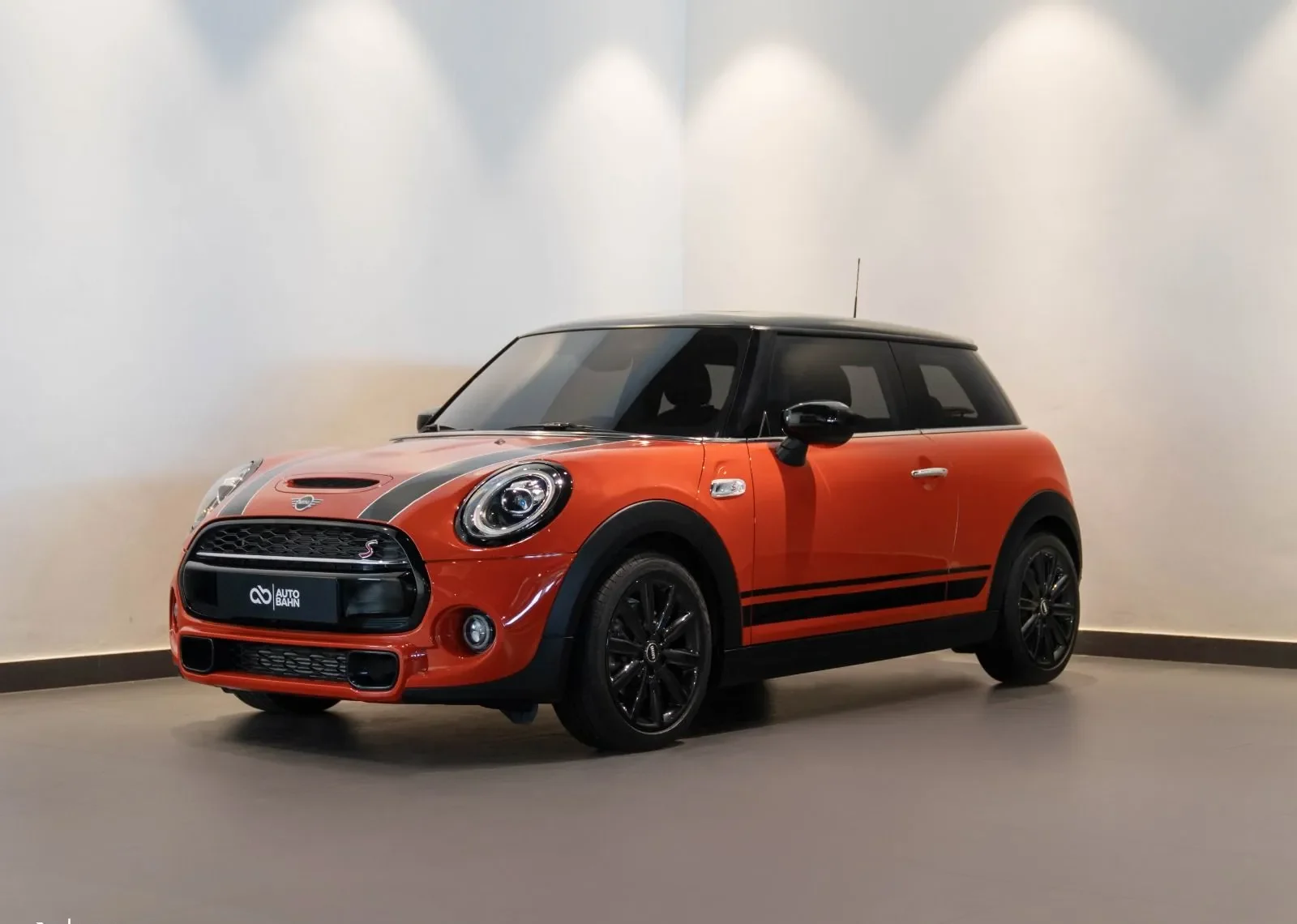
5. Mini Cooper
The Mini Cooper is designed for urban environments, and its compact size makes parallel parking remarkably easy. Its short wheelbase and narrow body allow for precise maneuvering in tight spaces. Drivers can perform sharp adjustments without stress, and multiple corrections are rarely necessary. Its playful handling combines with predictable steering to make parking an enjoyable task rather than a challenge.
Visibility is excellent due to large side and rear windows, complemented by mirrors that minimize blind spots. Optional rear cameras and parking sensors further assist drivers, ensuring accurate alignment in narrow spaces. The slightly elevated seating position provides perspective over the curb and adjacent vehicles, allowing confident parking in almost any city scenario.
The Mini’s tight turning circle allows it to pivot quickly, making parallel parking efficient even on congested streets. Fine steering inputs result in predictable vehicle movement, which reduces stress and prevents minor mistakes from escalating. Drivers consistently report that parking the Mini requires little effort and feels intuitive.
Ergonomics enhance the parking experience. The dashboard and controls are straightforward, keeping the driver’s attention focused on maneuvering. The interior layout and seating height improve judgment of distance to curbs and nearby cars. Combined with responsive steering, these design elements create a hatchback that makes parking simple and reliable.
Finally, the Mini Cooper balances style, comfort, and practicality. Its agility, visibility, and technology create a stress-free experience for urban drivers. For those who frequently parallel park, the Mini stands out as one of the most manageable and enjoyable hatchbacks available, turning what can be a stressful task into a smooth, almost effortless process.
5 Hatchbacks That Turn Parallel Parking into a Chore
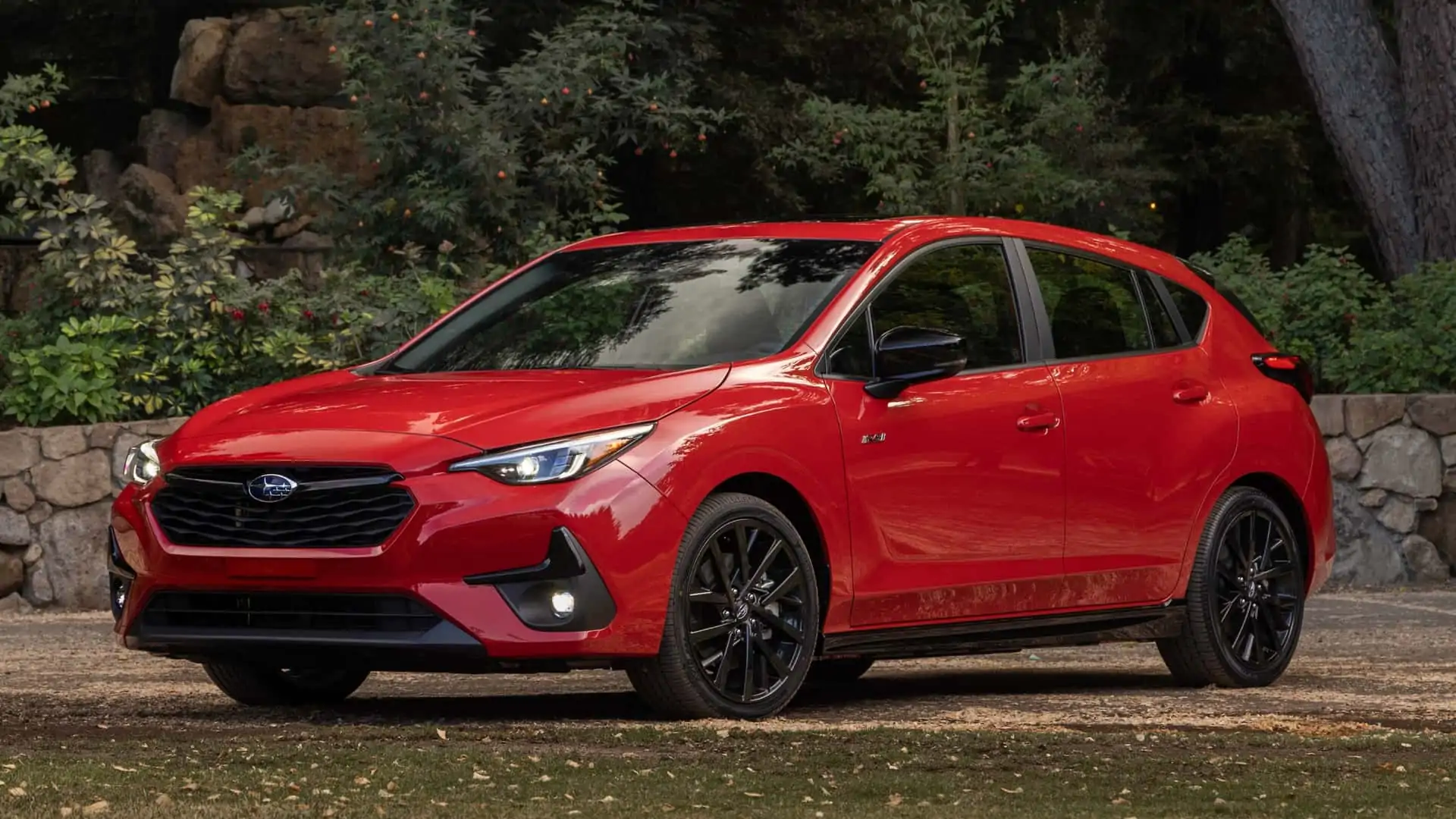
1. Subaru Impreza Hatchback
The Subaru Impreza Hatchback is a reliable and capable vehicle, especially in poor weather conditions, but its size and weight can make parallel parking a frustrating experience. At first glance, it appears manageable, yet its slightly wider frame and longer wheelbase reduce the margin for error when fitting into tight city spaces.
Drivers often find that they must make multiple small adjustments to align the vehicle correctly, which adds tension and time to a maneuver that should be quick. Even experienced drivers sometimes struggle with positioning, particularly in congested areas where other cars are parked close together.
Visibility is another challenge for the Impreza. Thick rear pillars create blind spots, and the rear window, although functional, does not provide a full picture of the curb or approaching traffic. Drivers may need to twist their necks to get an accurate perspective or rely heavily on the rearview camera and sensors.
While these technologies help, they cannot fully compensate for the obstructed view, and misjudging distance remains a common issue. This can increase stress, particularly for less experienced drivers or those accustomed to smaller hatchbacks.
The turning radius of the Impreza is larger than that of many urban-focused hatchbacks. Tight adjustments require careful planning and sometimes multiple forward-and-backward movements to achieve proper alignment.
Unlike lighter cars designed for city driving, the Impreza responds more slowly to subtle steering corrections, so small mistakes are harder to fix in a single movement. This can lead to a more prolonged parking process and occasional frustration.
Weight distribution and handling at low speeds are also contributing factors. While the car feels stable on highways or open roads, its heft makes delicate steering inputs less responsive. Drivers must plan each movement carefully, taking into account both the width of the vehicle and the space available on either side. Minor errors can result in scraping wheels or bumpers, which adds anxiety to a task that should feel routine.
Finally, although modern Impreza models come with parking sensors and cameras, the larger body and visibility issues mean it still requires considerable attention during parallel parking. Unlike smaller hatchbacks that allow almost instinctive maneuvers, this car demands focus, patience, and repeated minor adjustments.
For city drivers who encounter tight parallel spaces regularly, the Impreza can turn what should be a straightforward task into a moderately stressful chore, despite its other strengths on the road.
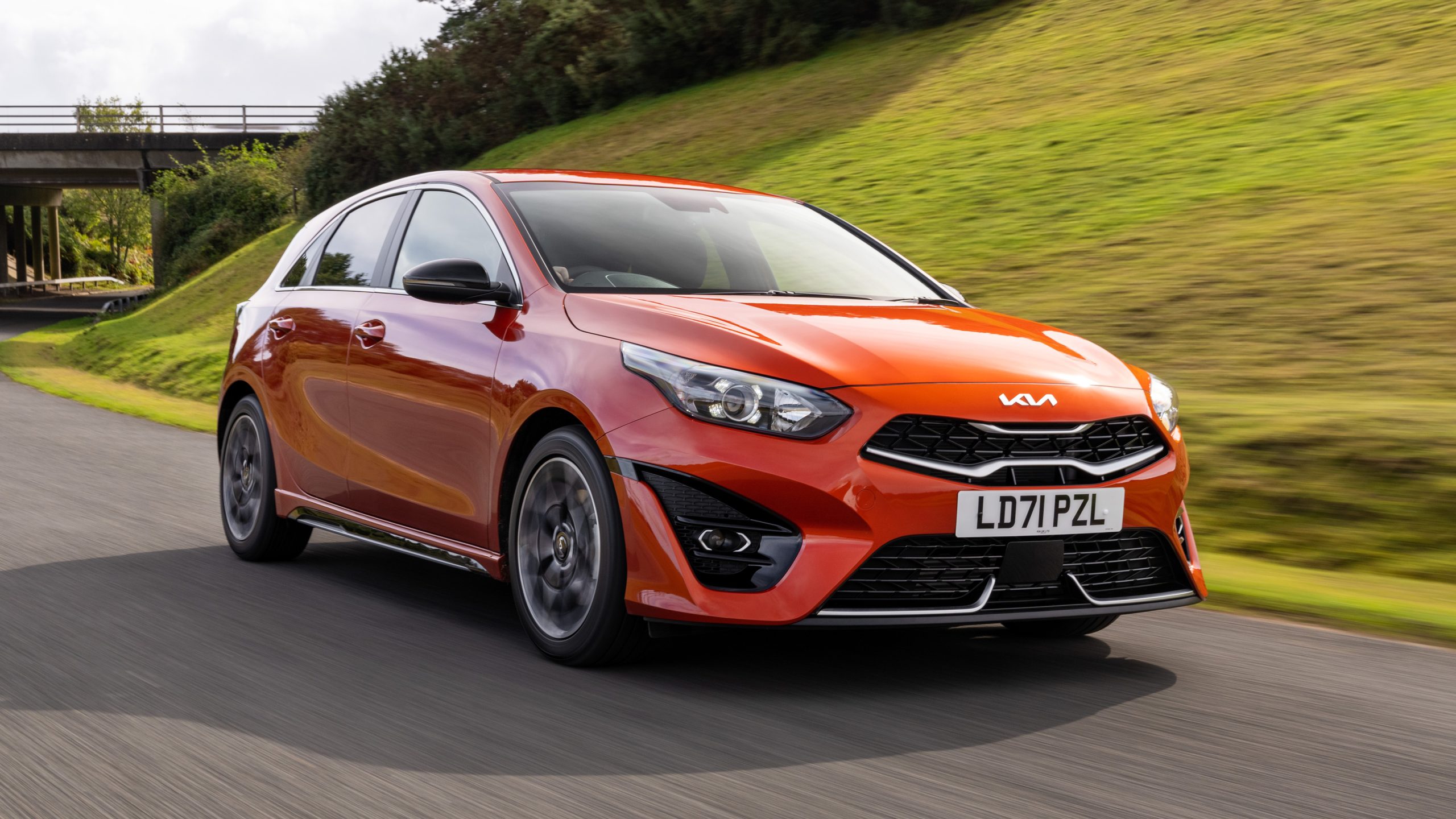
2. Kia Ceed Hatchback
The Kia Ceed Hatchback combines style and practicality, but its dimensions can make parallel parking more challenging than one might expect. Its wider frame and longer length reduce maneuvering space in narrow streets, forcing drivers to approach with extreme care.
Unlike smaller hatchbacks that allow near-effortless pivots into a spot, the Ceed often requires multiple corrections and cautious forward-and-backward movements. Even seasoned drivers may find the process slightly slow and mentally taxing.
Visibility is a common issue with the Ceed. Thick rear pillars and a shorter rear window obscure part of the surrounding area, making it difficult to judge distances accurately.
Drivers often need to rely heavily on side mirrors, sensors, and cameras to avoid misjudging the curb or nearby vehicles. This dependency can slow down the parking process, especially in tight urban areas where every inch matters. The need for continuous monitoring adds a layer of stress that many drivers would prefer to avoid.
The turning radius is not as tight as smaller urban-oriented hatchbacks. Drivers must plan their approach and angle carefully, often performing multiple adjustments to achieve proper alignment.
Forward-and-backward movements become a necessity rather than a convenience, consuming both time and patience. The Ceed’s wheelbase and chassis design prioritize highway stability over nimble urban maneuvering, which contrasts with hatchbacks designed specifically for tight city streets.
Low-speed steering feel also complicates parking. While the Ceed is precise and comfortable on highways, it can feel heavier when maneuvering slowly. Drivers must apply deliberate steering input to make minor corrections, increasing the effort required for what should be a straightforward task. Subtle overcorrection can result in repeated adjustments, adding to frustration and mental load.
Finally, even with technology such as rearview cameras and sensors, the Kia Ceed still demands more skill and attention than smaller hatchbacks. Its size, visibility limitations, and slightly heavier steering mean that parking requires focus, careful planning, and patience. Drivers accustomed to more compact city cars often report that parallel parking feels unnecessarily complex, turning an everyday task into a slow, cautious procedure.
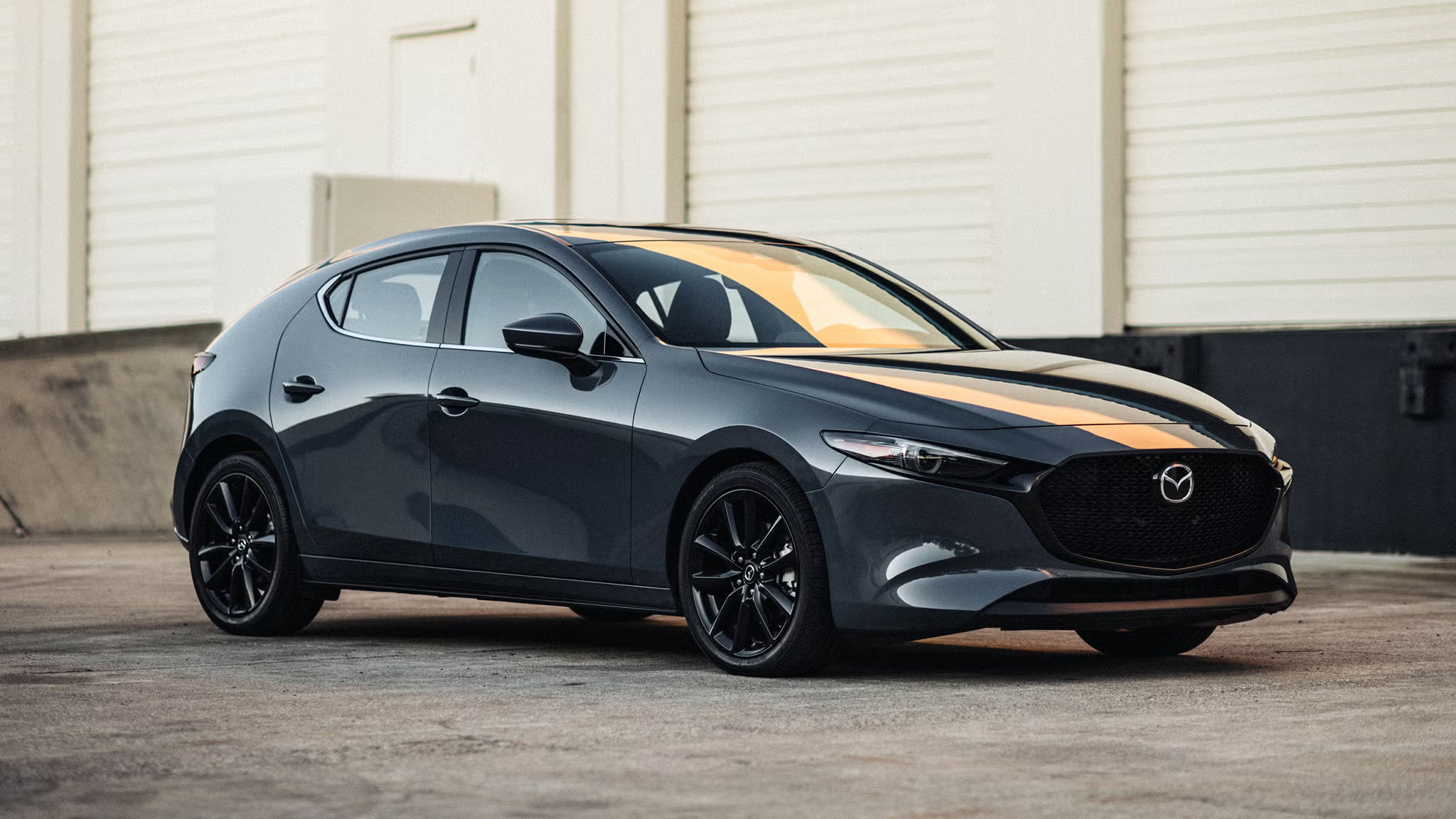
3. Mazda3 Hatchback
The Mazda3 Hatchback is renowned for its sporty handling and road performance, but these qualities do not translate to stress-free parallel parking. Its larger body and longer overhangs make tight maneuvers more challenging than with smaller, city-oriented hatchbacks.
While its driving dynamics are excellent for winding roads and highways, low-speed precision requires extra attention. Drivers often discover that they must make multiple small corrections to fit into narrow parking spaces, which can be mentally exhausting.
Visibility contributes significantly to the difficulty. Thick C-pillars and a relatively small rear window create blind spots that make it hard to judge the distance to the curb or nearby vehicles. Drivers must rely heavily on mirrors and camera assistance, which interrupts the natural flow of parking. Even slight miscalculations in alignment can result in having to start the maneuver over or make repeated adjustments.
The turning radius of the Mazda3 is larger than that of smaller, more compact hatchbacks. This limitation forces drivers to plan their approach carefully and often perform multiple forward and backward maneuvers to achieve the correct angle. The car’s design emphasizes sporty handling over low-speed agility, which becomes evident during parallel parking in crowded urban streets.
Steering feedback, while responsive at higher speeds, can feel heavy and less forgiving during slow maneuvers. Precise adjustments require conscious effort, and subtle errors can necessitate multiple attempts to correct the position. Drivers often experience a sense of tension during this process, particularly if they are parking in busy areas with limited room.
Finally, while rear cameras and sensors provide guidance, they do not completely offset the physical limitations of the vehicle. The Mazda3’s larger footprint, visibility challenges, and emphasis on sporty handling make parallel parking a more involved task. City drivers may find themselves performing extra steps and taking longer to park, highlighting the contrast with hatchbacks designed for effortless maneuvering.
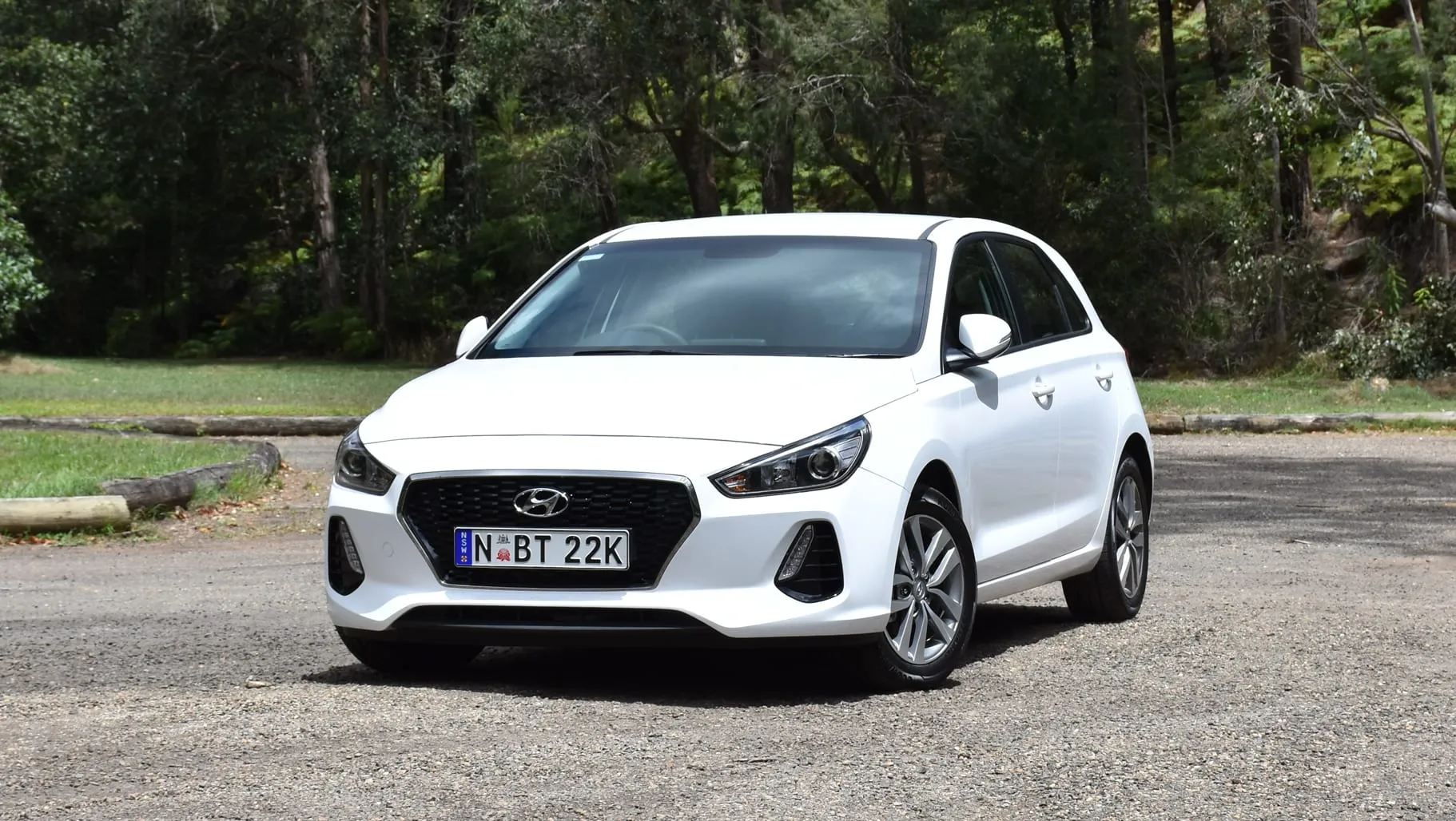
4. Hyundai i30 Hatchback
The Hyundai i30 Hatchback is versatile and comfortable, but it presents challenges in parallel parking scenarios due to its size and design. The longer length and wider frame reduce the margin for error in tight urban streets.
Drivers often need to perform multiple adjustments to line up properly with the curb, turning a quick maneuver into a slow, deliberate process. Its bulk makes the task feel more labor-intensive than with smaller hatchbacks designed for city agility.
The moderately small rear window, combined with thick C-pillars, obscures part of the surrounding area, making it difficult to judge distance accurately. Drivers must rely heavily on side mirrors, sensors, and cameras to avoid contact with curbs or other vehicles. Even with assistance, the limited sightlines require greater focus and caution, slowing down the parking process.
The turning circle of the i30 is larger than ideal for a city-oriented hatchback. Tight adjustments often require multiple forward-and-backward movements, consuming time and mental energy. Unlike smaller hatchbacks, which can pivot into tight spots with ease, the i30 demands careful planning and precise execution. This makes parallel parking feel more like a chore than a routine part of driving.
Low-speed steering is stable and predictable at moderate speeds but slightly heavier during fine maneuvers. Drivers must apply deliberate input to make subtle adjustments, which increases the difficulty of precise parking.
Overcorrections or hesitation are common, particularly for drivers unfamiliar with the vehicle. The combination of size, steering feel, and visibility makes parking a mentally engaging task rather than an effortless maneuver.
Even with modern parking aids, the Hyundai i30 does not fully overcome these challenges. Sensors and cameras provide guidance, but drivers still need to carefully manage the car’s dimensions and weight. City dwellers often report that parallel parking requires patience and repeated corrections, making it less convenient for frequent urban use compared with smaller, more maneuverable hatchbacks.
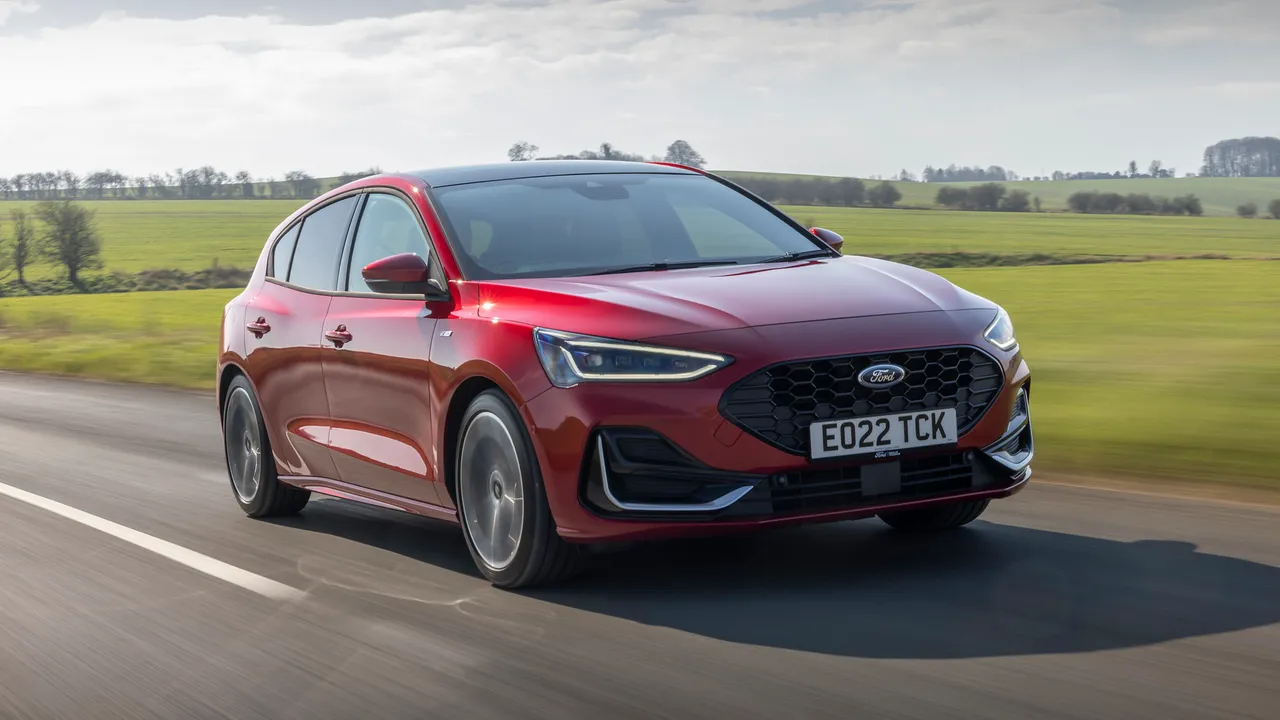
5. Ford Focus Hatchback
The Ford Focus Hatchback is a popular model that offers comfort and driving performance, but parallel parking can be less than straightforward due to its size and design. Its moderate length and wider stance reduce maneuvering space, particularly in dense urban areas. Drivers often find themselves executing several forward-and-backward adjustments to achieve proper alignment with the curb, which slows down the process and requires constant attention.
Rear visibility presents another challenge. Thick C-pillars and a sloping roofline obscure part of the rear view, making it difficult to judge distance accurately. Drivers must rely on mirrors and backup cameras to ensure they do not get too close to the curb or surrounding vehicles. Even with technological assistance, the process demands more effort and attention than smaller hatchbacks with better sightlines.
The turning radius is average but not optimized for city streets. Tight maneuvers require careful planning and multiple attempts, contrasting with smaller hatchbacks that pivot almost effortlessly. Drivers often report that precise positioning involves slow, deliberate steering and several trial movements to fit correctly. The need for repeated adjustments can feel tedious and mentally taxing.
Low-speed steering, while responsive, is slightly heavier than lighter city hatchbacks, which can make fine adjustments more difficult. Drivers must concentrate on small steering inputs and brake modulation to avoid overshooting the curb. Subtle misjudgments are common, leading to repeated corrections and added stress.
Finally, even with features such as parking sensors and rear cameras, the Focus’s physical dimensions and visibility limitations mean it demands careful attention. The combination of size, steering feel, and restricted sightlines makes parallel parking a more involved task. Drivers frequently describe the experience as cumbersome compared with more compact, urban-oriented hatchbacks, reinforcing that it can turn a simple task into a minor challenge.
