
City driving puts a unique kind of pressure on a car and on the person behind the wheel. Tight streets, impatient traffic, sudden lane merges, constant braking, and unpredictable pedestrians all demand a vehicle that feels stable, responsive, and mentally reassuring. In this environment, size alone does not determine confidence.
Some small cars feel planted, calm, and trustworthy, while others create tension through vague steering, weak acceleration, or unsettled ride quality. Confidence in city traffic is about how a car communicates with the driver and how predictably it reacts to everyday chaos.
Small cars are often chosen for cities because of their maneuverability and fuel efficiency. However, not all compact designs deliver the same sense of control. Certain models feel composed at low speeds, absorb bumps without drama, and offer visibility that reduces stress at intersections and during parking.
Others may technically function well, yet still leave drivers second-guessing their decisions due to poor feedback or awkward proportions. Trust is built through consistent behavior, not just specifications on paper.
Another factor that shapes confidence is how a car behaves when situations change suddenly. City traffic rarely flows smoothly for long. Brakes must respond instantly, steering must remain accurate during quick corrections, and the car must feel stable when buses or trucks pass closely. When a vehicle feels nervous or flimsy in these moments, anxiety rises fast. A confident car helps the driver remain calm, even when conditions are messy.
Driver perception also matters as much as mechanical ability. Sound insulation, seat position, and even throttle tuning affect how safe a driver feels. A car that is too loud, too jumpy, or too soft can feel out of its depth even if it meets safety standards. In contrast, a well-balanced small car creates the impression that it belongs in the city and knows how to handle it.
This article breaks down ten small cars into two clear groups. Five models consistently make drivers feel secure and in control during urban driving, while five others struggle to inspire that same trust. The focus is not on speed or luxury, but on everyday confidence, predictability, and mental comfort behind the wheel.
5 Small Cars That Feel Confident in City Traffic
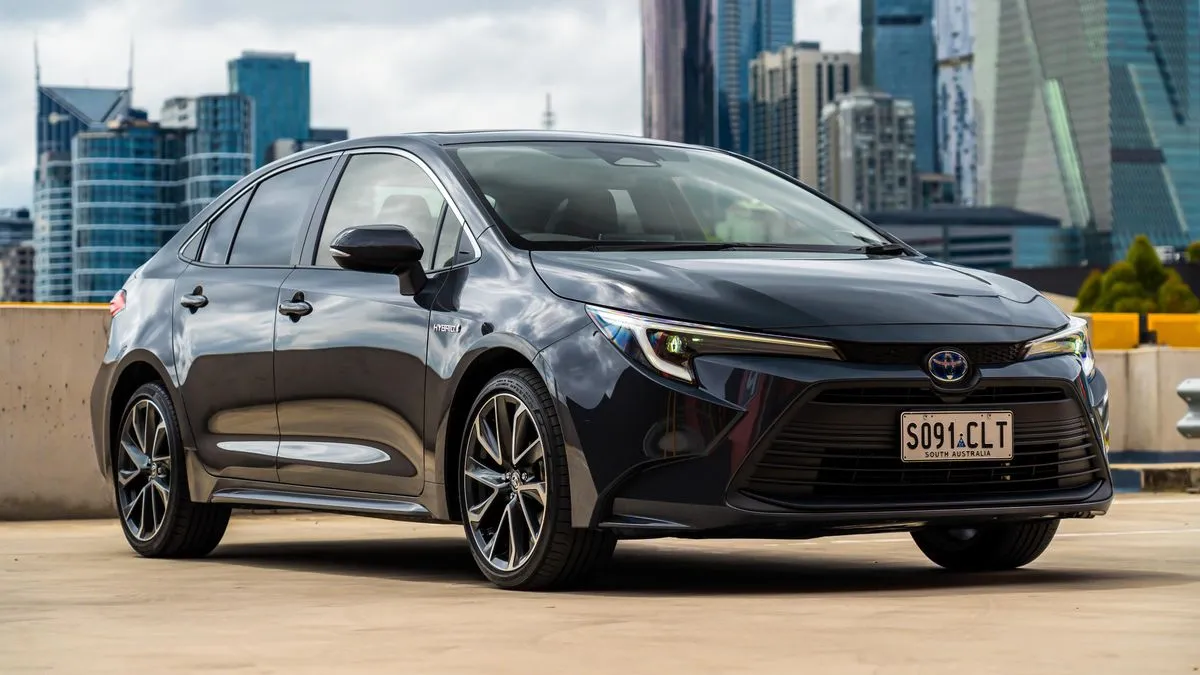
Toyota Corolla
The Toyota Corolla has long been associated with dependability, and that reputation carries strongly into city driving. Its steering feels predictable and appropriately weighted, which helps drivers place the car accurately in tight lanes and narrow streets.
The suspension absorbs rough pavement without excessive bouncing or harsh feedback, keeping the ride calm and consistent. This creates a sense of composure even during stop and go traffic, making the driver feel like the car is responding naturally to every input.
Visibility from the driver’s seat is another reason the Corolla feels confident in urban settings. The hood line is easy to judge, and the mirrors provide clear coverage of surrounding vehicles and pedestrians. Blind spots are minimal, which reduces hesitation when changing lanes or merging into traffic. The well-planned sightlines and intuitive window placement build trust quickly for both new and experienced drivers navigating crowded streets.
The braking system in the Corolla responds smoothly and consistently under various conditions, from light braking to sudden stops. Pedal feel is progressive rather than abrupt, allowing precise control in crowded streets and intersections.
Even during repeated braking, the car remains stable and composed, without excessive nose dive or instability. This reliability ensures that the driver can anticipate the car’s reactions, which is critical for safe and calm city driving.
Engine response in city speeds is calm and manageable, avoiding sudden surges or delays. Acceleration is not aggressive, but it is steady, predictable, and sufficient for merging into traffic or clearing intersections safely. The engine operates smoothly without harsh vibrations, which enhances comfort during stop-and-go traffic. That predictability is the foundation of confidence, making each movement feel intentional and reassuring.
Balance is where the Corolla truly stands out among its peers. Every control input produces a clear and expected reaction, creating a sense of harmony between driver and vehicle.
The chassis feels stable, yet not heavy, giving a secure sensation even during sharp turns or quick lane changes. In city traffic, this balance translates directly into trust, allowing drivers to remain focused, relaxed, and confident in navigating their environment.
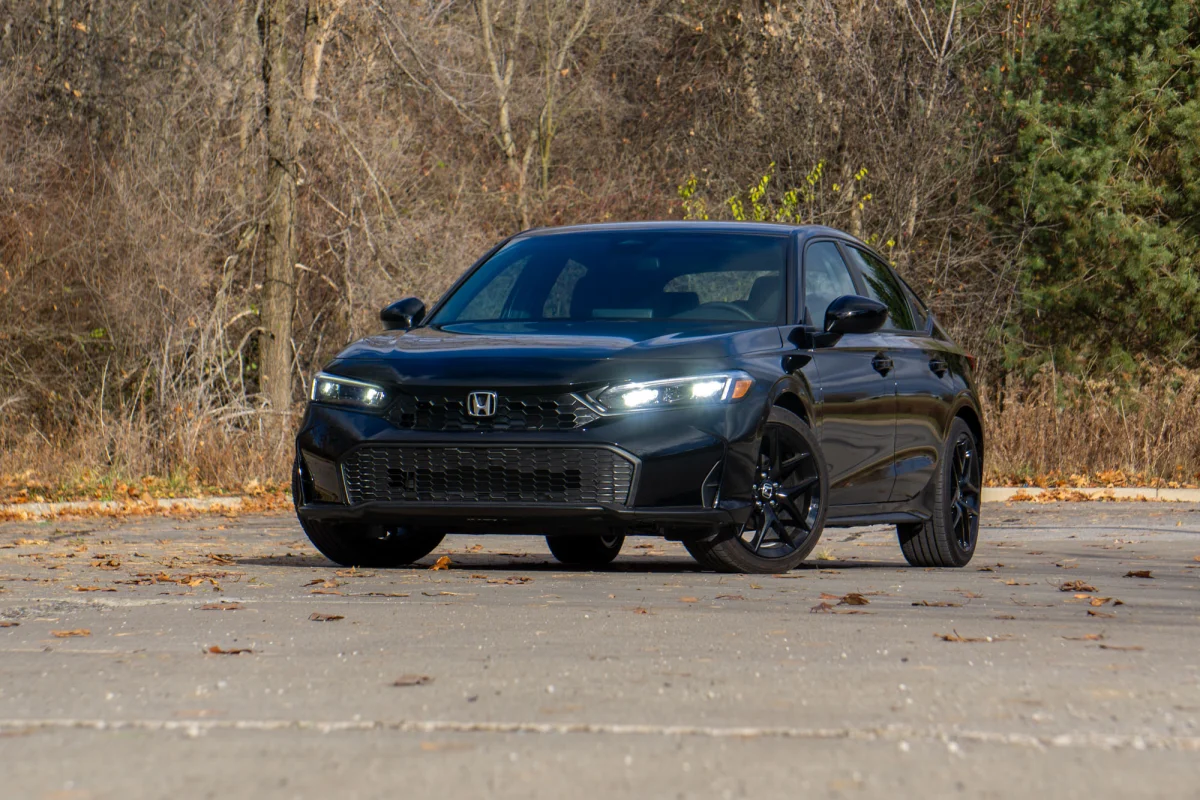
Honda Civic
The Honda Civic delivers a strong sense of control that suits urban driving well, combining agile handling with a stable, composed ride. Steering is direct without being twitchy, allowing precise movements in tight traffic, while the chassis absorbs imperfections in the road without transmitting jolts to the cabin.
This combination of responsiveness and composure makes the car feel predictable at all times. Drivers can rely on the Civic to stay planted even during sudden maneuvers, which reduces mental stress during rush hour.
Driver seating position in the Civic contributes heavily to confidence, with seats offering excellent support and adjustable options that ensure a clear line of sight. The dashboard layout feels intuitive, and important controls are within easy reach, reducing distraction.
Mirrors provide broad coverage of adjacent lanes, and the higher seating angle helps anticipate traffic patterns. These features create a sense of control that goes beyond mechanics, supporting a more relaxed and confident driving experience.
The Civic’s brakes offer strong stopping power while maintaining a smooth and progressive feel. Light braking is easy to manage in congested traffic, while harder stops remain stable without abrupt nose dive or loss of control. The braking system feels reliable, even after repeated use during heavy traffic situations. Drivers feel reassured that the car will respond accurately whenever needed, which is essential for navigating unpredictable city streets.
Throttle response is smooth and cooperative at low speeds, providing just enough power to move comfortably without sudden surges. The car accelerates predictably when entering intersections or merging lanes, giving the driver a clear sense of timing.
The engine’s calm delivery reduces anxiety in stop-and-go situations, making traffic feel more manageable. Predictability in acceleration reinforces confidence and allows the driver to focus on surroundings.
Noise control also plays a significant role in establishing trust and comfort in the Civic. Road and wind noise remain subdued at city speeds, creating a quiet, focused cabin environment. This encourages alert yet calm driving, as the driver is not distracted by intrusive sounds. A calm interior also reduces mental fatigue, which is especially valuable during long commutes or busy urban navigation.
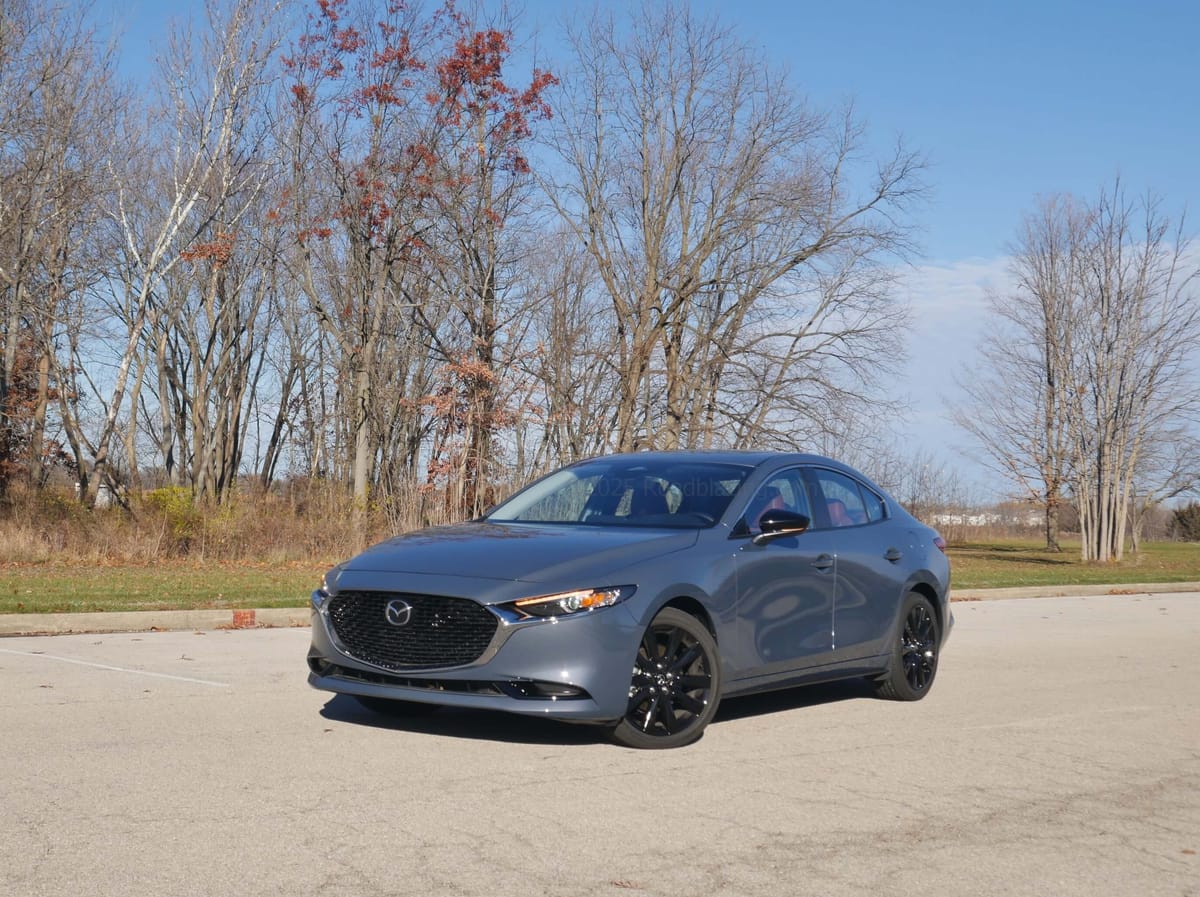
Mazda3
The Mazda3 feels purpose-built for driver engagement, even in city conditions, offering a balance of responsiveness and refinement.
Steering feedback is exceptionally clear, giving the driver a strong sense of connection to the road, which is essential when threading through tight lanes or responding to sudden movements. Small adjustments feel natural and precise, making everyday maneuvers feel effortless. This clarity reduces mental strain and gives the driver a reliable sense of control in complex traffic.
Suspension tuning strikes a careful balance between firmness and comfort, ensuring the car remains composed over bumps without feeling harsh. The chassis absorbs uneven pavement and minor potholes without unsettling the driver or passengers. This stability makes the Mazda3 feel planted at both low and moderate speeds, reinforcing the feeling that the car is capable and ready for any urban challenge. Predictable handling builds confidence in every movement.
Visibility is generally strong in the Mazda3, particularly in forward and side directions. Mirrors are well placed, and the roofline does not restrict views, helping drivers judge distances accurately when parking or maneuvering in tight spaces. Blind spots are minimal, which further improves awareness in crowded streets. This attention to sightlines gives drivers the reassurance needed for precise navigation.
Braking performance is another strength of the Mazda3, with a pedal that delivers linear response matching the driver’s input. Emergency braking feels composed rather than sudden, while everyday braking is smooth and predictable. This consistency ensures that drivers can react confidently to unexpected obstacles without overcompensating. The combination of braking control and chassis stability enhances trust.
The Mazda3 communicates quality not only mechanically but through the feel of the cabin and controls. Doors, switches, and interior surfaces feel solid, contributing to an sense of reliability. This physical reassurance translates into emotional confidence, making the driver feel that the car is dependable in urban traffic. A well-built environment helps drivers remain calm, focused, and in control during each journey.
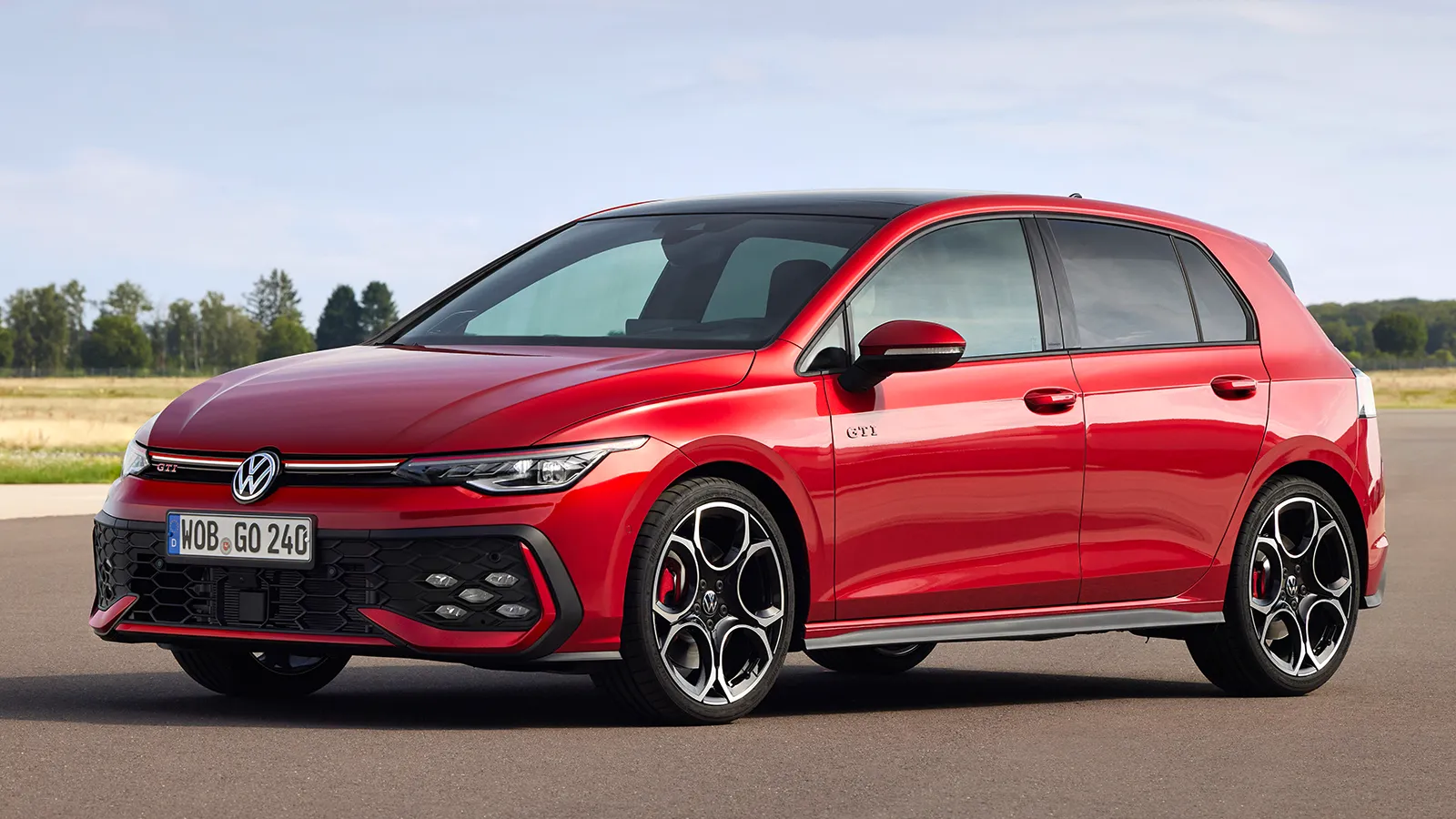
Volkswagen Golf
The Volkswagen Golf presents a mature and composed character in city traffic, combining solidity with responsive handling. Steering is stable and slightly weighted, preventing overcorrection while maintaining agility in tight maneuvers. The car tracks straight and true even on uneven pavement, instilling trust in the driver. This steadiness allows confident positioning in lanes, turns, and merges, reducing the mental load associated with crowded streets.
Ride quality is refined for a small car, with suspension absorbing bumps without transmitting harsh jolts. The Golf remains composed when negotiating potholes, speed bumps, or poorly maintained roads, creating a secure feel at all times. This composure is crucial for drivers who need reliability and stability in unpredictable urban environments. The consistent ride helps maintain concentration and reduces fatigue.
Cabin design contributes strongly to the feeling of control. Controls are logically arranged, intuitive to use, and reachable without distraction, which keeps the driver focused on traffic conditions.
Seating provides good visibility while maintaining comfort, supporting longer commutes with minimal stress. Ergonomics play a significant role in confidence, as the driver can quickly operate essential functions without losing attention on the road.
The Golf’s braking system provides a clear, confident response that reinforces control in all conditions. Pedal feel is consistent whether stopping lightly or coming to a sudden halt. Emergency maneuvers feel composed, while regular braking maintains smoothness and accuracy. Reliable brakes are critical in city traffic, where split-second responses are often required.
Build quality in the Golf reinforces the driver’s sense of confidence. The car feels solid, well assembled, and durable, giving the impression of a vehicle that can handle challenges reliably. Nothing rattles or shifts unexpectedly, which reduces distractions and enhances focus. This tangible sense of stability makes navigating urban traffic more secure and less stressful.
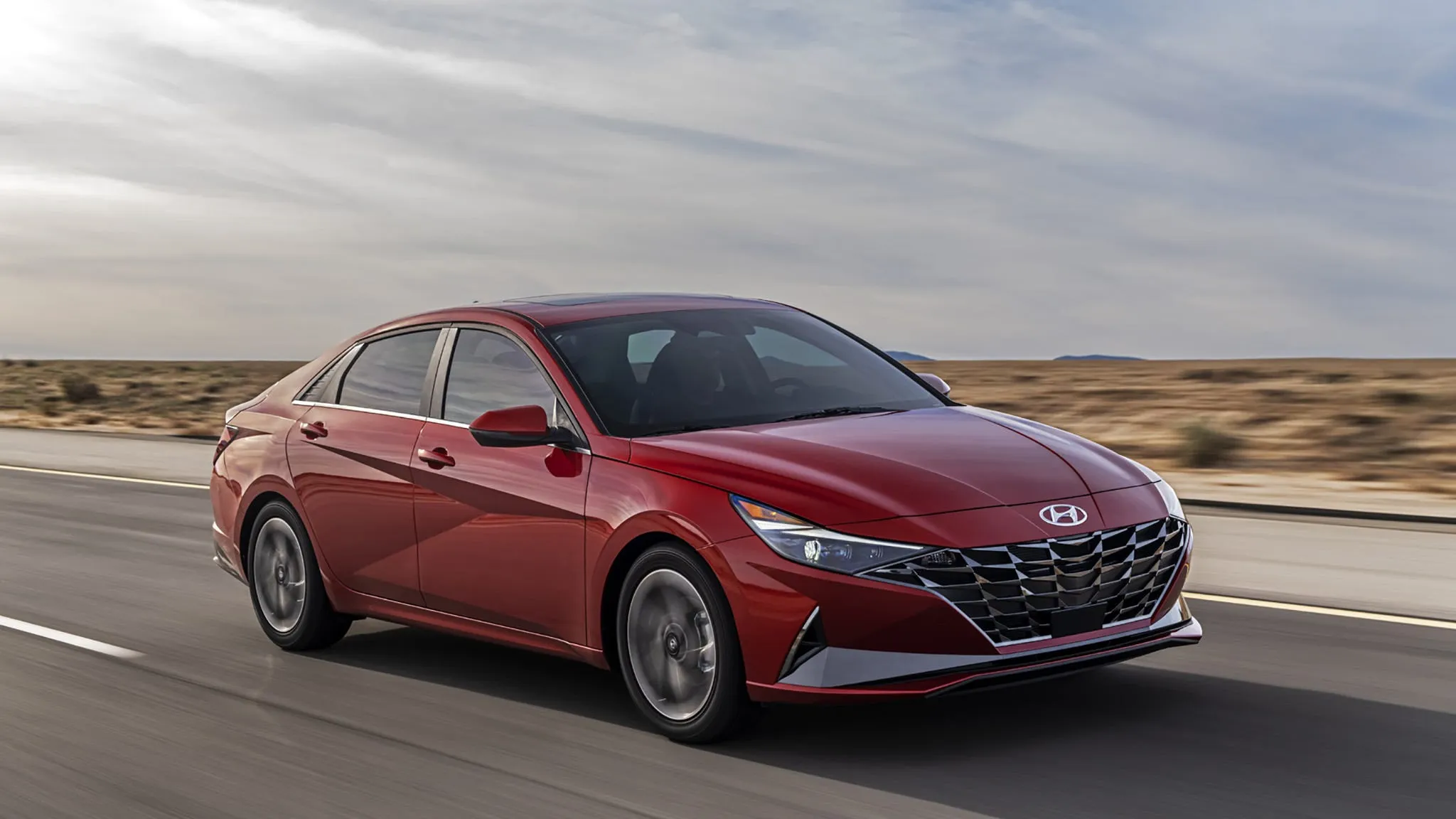
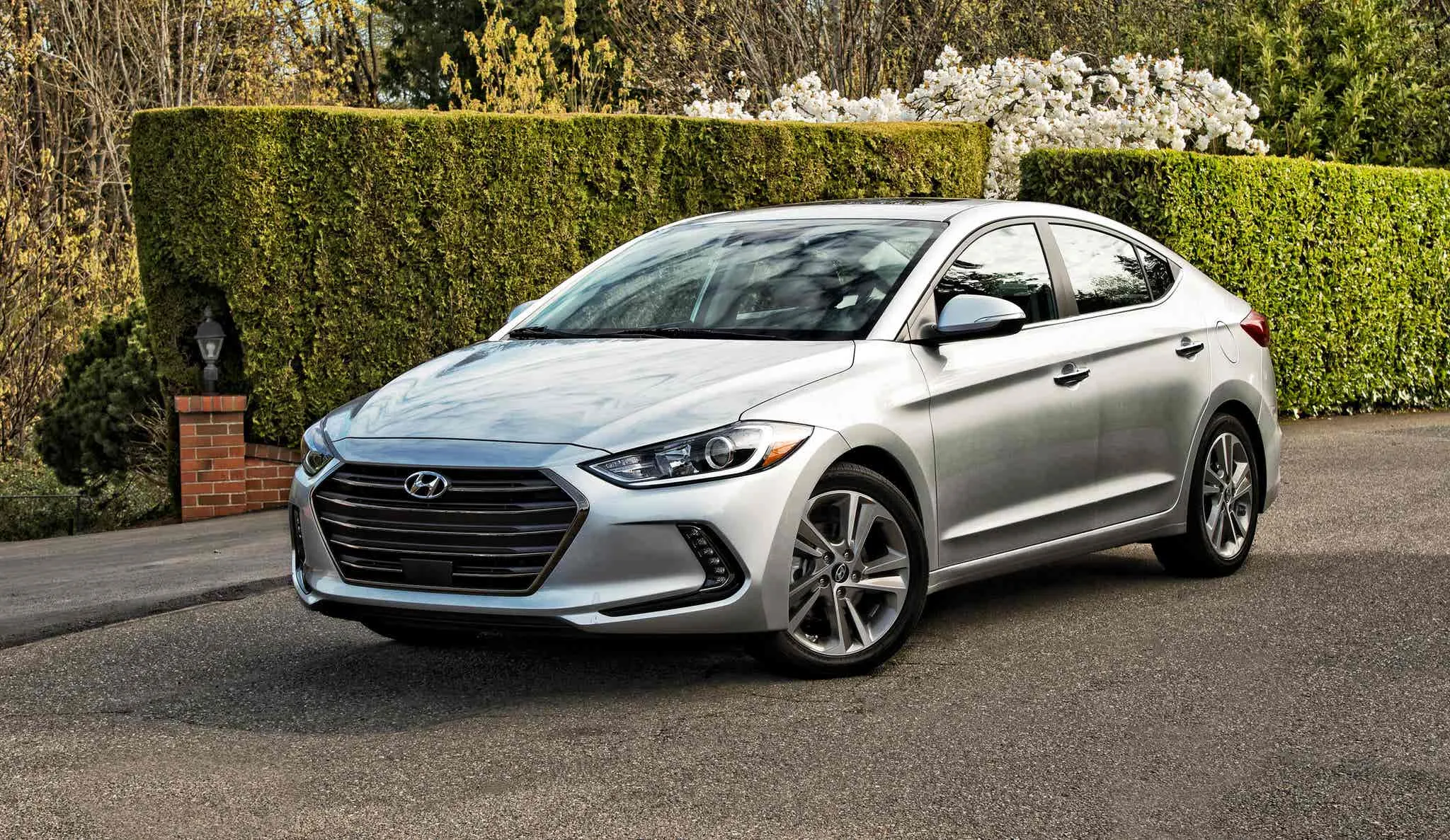
Hyundai Elantra
The Hyundai Elantra has evolved into a capable and reassuring city car, combining maneuverability with stability. Steering is light but accurate, enabling easy low-speed navigation without causing nervous overcorrection. The car responds predictably to driver input, giving a sense of control even in stop-and-go conditions. Smooth, responsive handling builds trust, particularly for drivers encountering congested streets or frequent lane changes.
Suspension tuning favors comfort without sacrificing control, absorbing road irregularities efficiently while maintaining a firm and planted feeling. The Elantra handles minor bumps, potholes, and uneven pavement without creating nervous movements in the cabin. Stability remains constant during frequent stops and starts, allowing the driver to focus on traffic rather than vehicle behavior. This predictability is essential for confident urban driving.
Visibility is another strong point of the Elantra, with a windshield and side windows providing a clear view of surrounding traffic. Mirrors are positioned to cover adjacent lanes, and the seating arrangement enhances situational awareness. Parking, merging, and lane positioning become less intimidating when drivers can see more clearly. Awareness contributes significantly to confidence, reducing the likelihood of hesitation or abrupt maneuvers.
Brake performance is smooth, reliable, and easy to modulate, providing consistent stopping power at all city speeds. The pedal responds predictably to input, making frequent braking in traffic less stressful. Controlled deceleration enhances driver trust and encourages calm, confident operation. Repetition of predictable braking improves comfort and reduces cognitive load.
The Elantra also benefits from a calm cabin environment, where road and engine noise remain subdued. The interior’s quiet atmosphere supports focused attention and reduces mental fatigue during long commutes or heavy traffic periods. This contributes to a sense of assurance, allowing the driver to concentrate fully on the road. Comfort, reliability, and predictability together make the Elantra a confident choice for city driving.
5 Small Cars That Don’t Inspire Trust
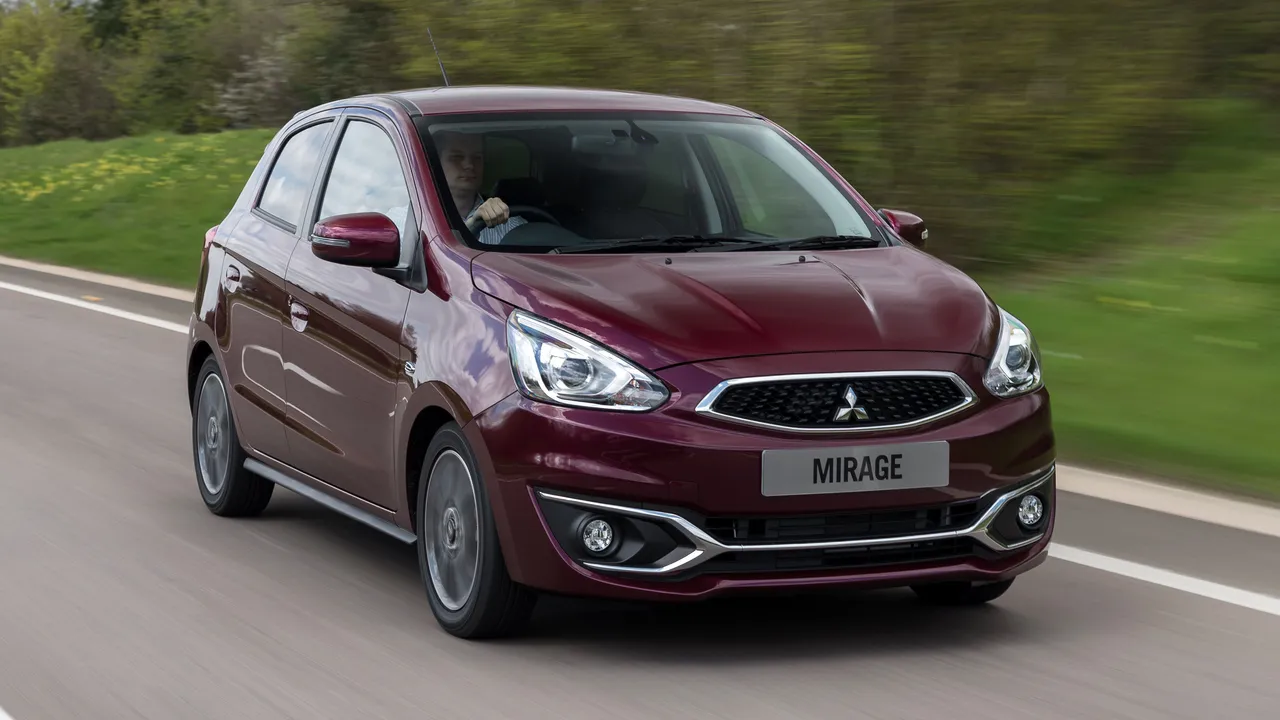
Mitsubishi Mirage
The Mitsubishi Mirage often struggles to inspire confidence in busy city traffic due to its light and vague steering. Small corrections can feel unpredictable, forcing the driver to constantly adjust to keep the car on line. This lack of precise feedback creates hesitation during turns, merges, or sudden lane changes. Drivers may find themselves compensating for the car’s skittish nature rather than relying on instinct.
The car’s lightweight build affects how it handles uneven pavement and bumps, making the chassis feel unsettled. Even minor road imperfections can cause noticeable movement in the cabin, which adds to a sense of instability. The car reacts more noticeably to passing trucks or strong crosswinds, increasing tension. This constant need to anticipate reactions makes city driving more stressful.
Acceleration is another area where the Mirage feels underprepared for urban traffic. The engine struggles to deliver smooth, immediate power when merging into intersections or overtaking slower vehicles. The car may feel sluggish and hesitant, forcing the driver to plan movements further in advance. This delay reduces confidence, especially in situations that require quick responses.
Braking performance is adequate in theory but lacks reassurance in practice. Pedal feel is soft and sometimes inconsistent, making precise stops harder to judge. Emergency braking can feel less controlled, causing slight forward pitching or instability. Without the certainty of a firm, responsive braking system, drivers may second-guess their decisions.
Mirage creates the impression of being overwhelmed by city conditions. While it is technically functional, the driver must constantly adjust and compensate for unpredictable responses. Mental fatigue can build quickly during extended urban driving. The Mirage requires more effort to manage than it should for a small, city-focused car.
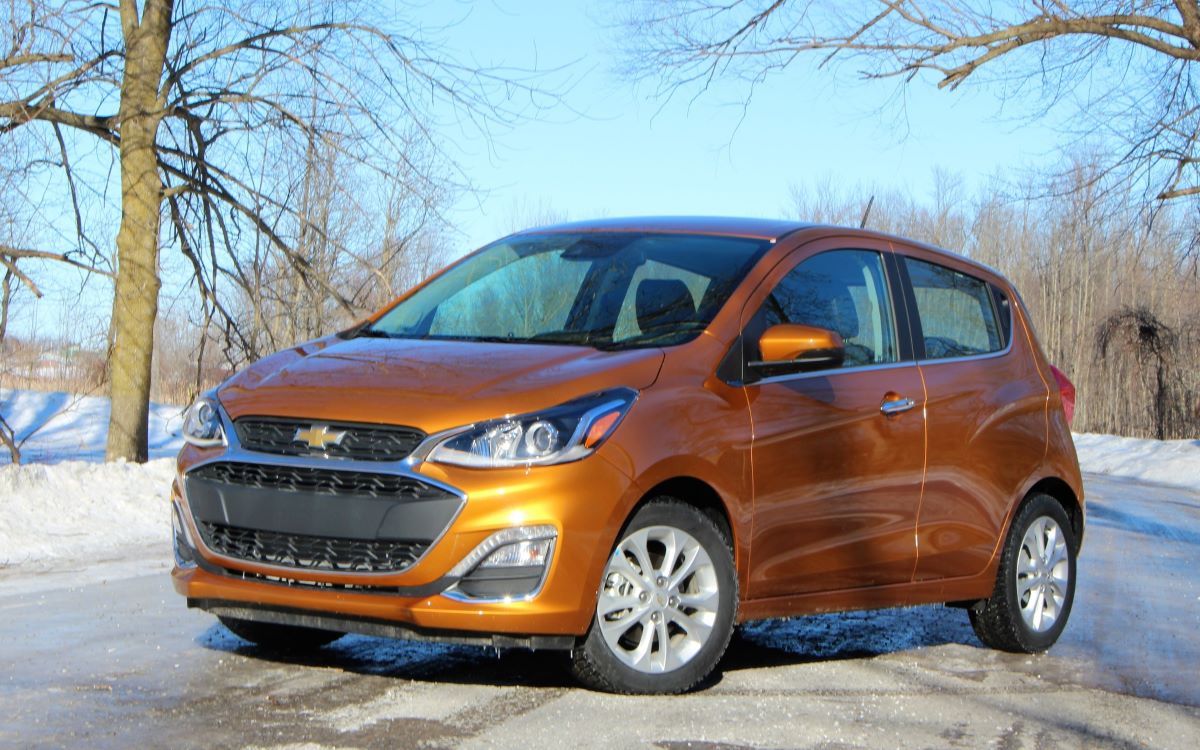
Chevrolet Spark
The Chevrolet Spark presents several challenges when navigating dense urban traffic, starting with its short wheelbase and lightweight structure. The ride feels choppy over uneven streets, with bumps and road imperfections transmitted sharply into the cabin. Quick maneuvers can amplify this feeling of instability. Drivers may feel like the car is reacting too strongly to small inputs, which reduces confidence.
Steering response is another weak point. While the wheel reacts quickly, it lacks tactile feedback from the road, leaving the driver uncertain about how the car is positioned. Small steering adjustments can produce exaggerated results, making precise navigation in tight lanes difficult. This disconnection between intent and response increases stress in busy environments.
Engine performance at low speeds can feel strained, particularly when accelerating from a stop or merging into traffic. The car often struggles to provide smooth and predictable power, forcing the driver to compensate for hesitation. This makes urban maneuvers less instinctive and more deliberate. Drivers may feel exposed or behind the flow of traffic, further undermining confidence.
Braking capability is functional but lacks refinement. The pedal may feel inconsistent under repeated stops, and initial bite can feel soft. In heavy stop-and-go traffic, this unpredictability can create minor anxiety during each braking event. Lack of reliable braking feedback diminishes the sense of security.
The Spark’s small size can also negatively affect perception of safety and stability. While parking is straightforward, being surrounded by larger vehicles can feel intimidating. Sudden lane changes or overtaking maneuvers may feel riskier than they should. The combination of unstable handling and low confidence makes city driving mentally exhausting.
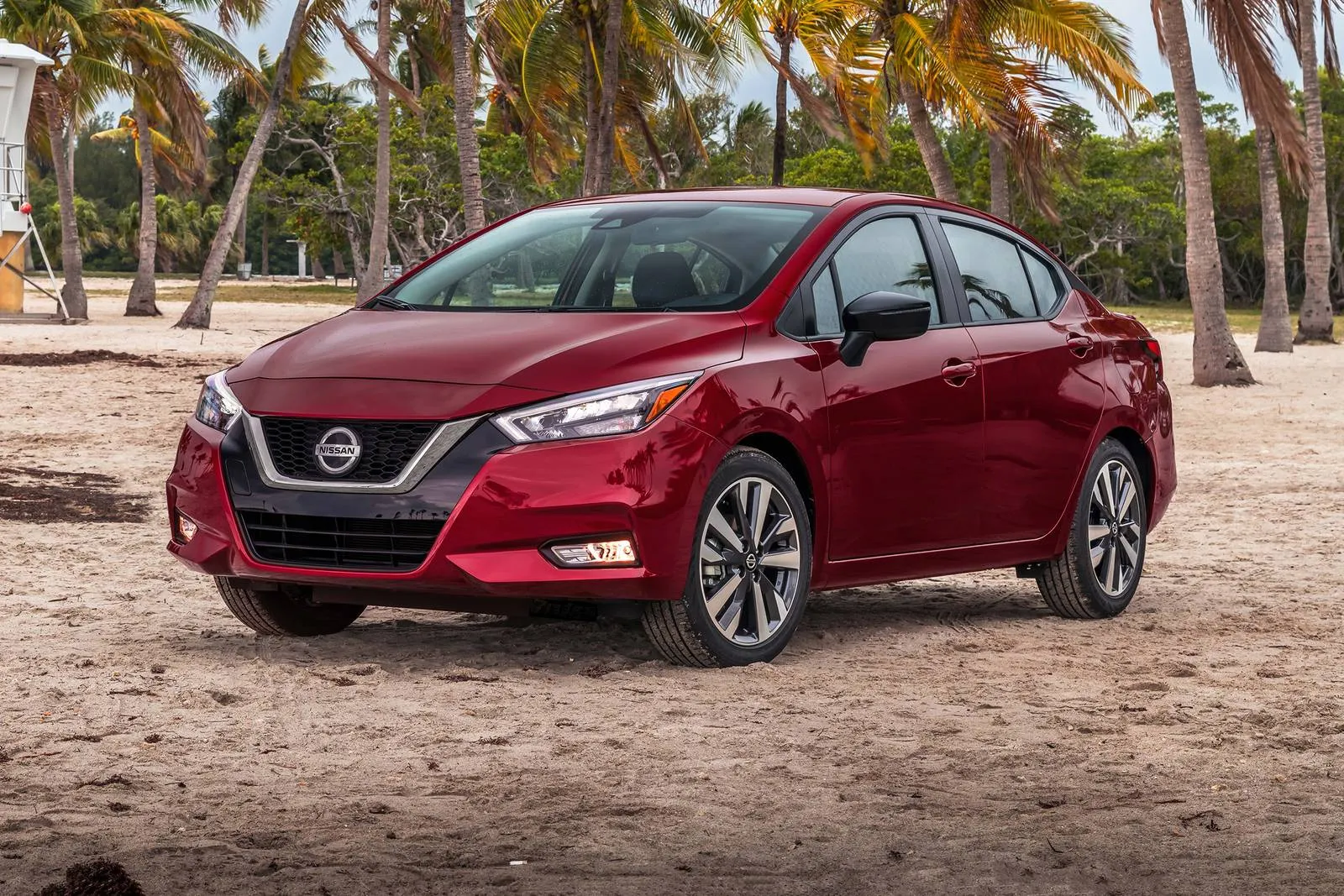
Nissan Versa
The Nissan Versa emphasizes affordability, which sometimes comes at the expense of driver assurance in city environments. Steering feel is light and somewhat numb, giving little information about road conditions. Precise placement becomes challenging, especially in tight lanes or during sudden corrections. The driver may feel disconnected from the vehicle, reducing confidence in critical moments.
Ride quality is soft but poorly controlled, causing the car to bounce and shift unpredictably over uneven surfaces. Even moderate bumps can feel exaggerated, affecting the car’s composure and stability. This inconsistent behavior can surprise the driver and force corrective action. Over time, this unpredictability can make city traffic mentally taxing and tiring.
Acceleration is modest and can feel hesitant when quick responses are necessary. Merging into traffic or crossing busy intersections may require more planning than instinctive timing. The car’s lack of immediate, smooth power delivery can make urban driving feel stressful. Drivers may hesitate longer than they should, increasing the risk of hesitation errors.
Braking performance also contributes to the lack of confidence. The pedal feels soft, and light braking can feel inconsistent. This can make stopping in tight situations or reacting to sudden changes in traffic more difficult. When drivers cannot fully rely on the car’s brakes, it undermines trust in everyday city operation.
While functional in theory, the Versa does not naturally inspire confidence. Drivers often adapt to the car rather than trusting its responses, which increases mental workload. Frequent adjustments and overthinking become necessary, even in routine traffic. The vehicle’s limitations make city driving less comfortable than it could be.
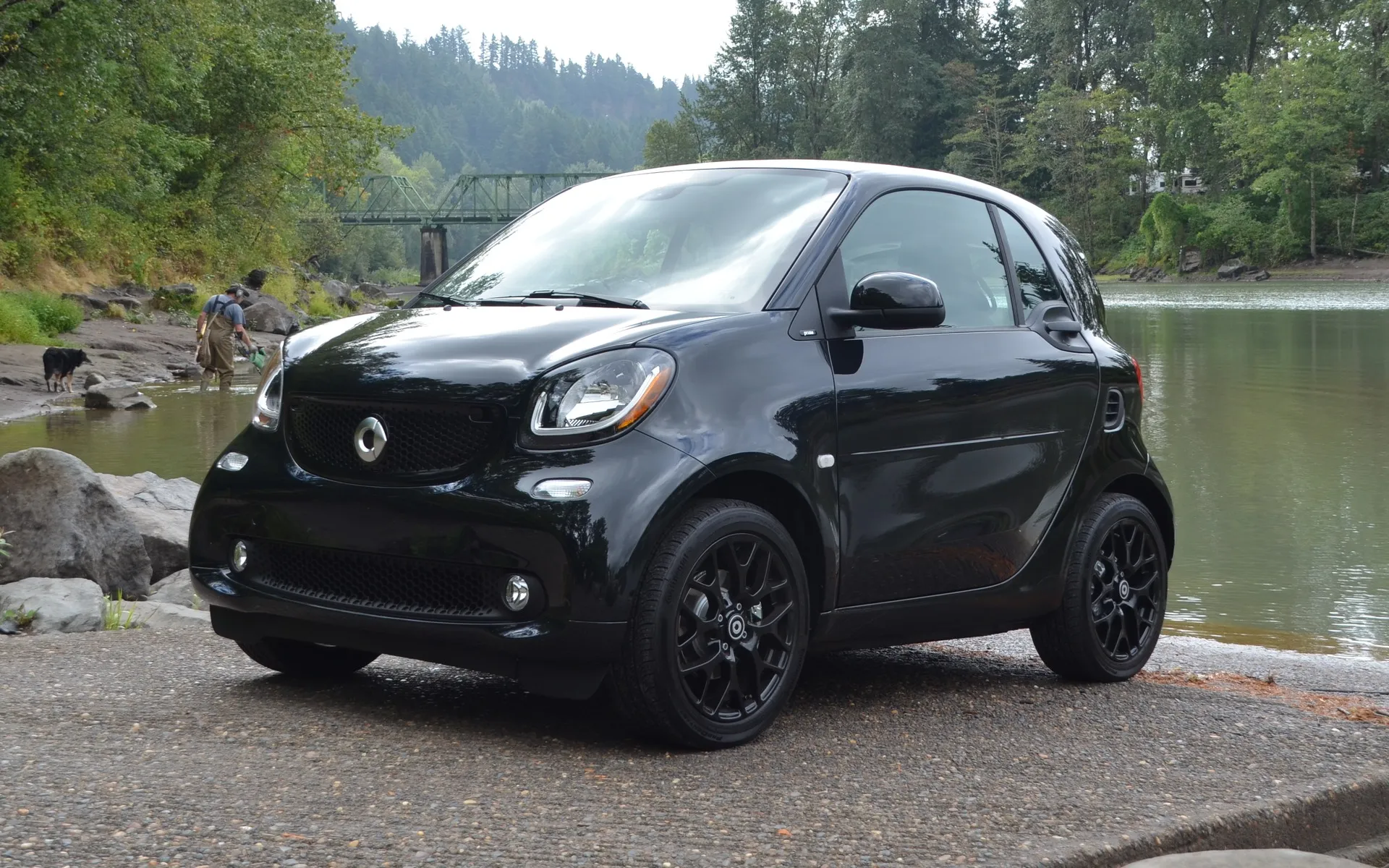
Smart ForTwo
The Smart ForTwo, despite being designed for city maneuverability, can feel uneasy in traffic due to its extremely short length and unusual proportions. Stability becomes a concern when making quick lane changes or when buffeted by larger vehicles. The short wheelbase amplifies reactions to bumps or swerves, making small movements feel exaggerated. Drivers may feel the car is unpredictable in situations that require control.
Steering is extremely quick, requiring constant attention to prevent overcorrection. Even minor inputs result in large directional changes, demanding focus and precision. This hyper-responsiveness can be exhausting in stop-and-go traffic. Confidence depends heavily on experience, and new drivers may feel overwhelmed by the sensitivity.
Ride quality is firm and abrupt over rough roads, transmitting vibrations directly into the cabin. The car reacts sharply to imperfections, making city streets feel less forgiving. This constant movement increases the mental load of driving and reduces the perception of control. Even routine maneuvers may feel tense.
Acceleration is limited, which can be stressful when merging or avoiding hazards. The engine may struggle to provide enough power for quick reactions, leaving the driver feeling underprepared. This limitation compounds stress during heavy traffic periods. Drivers may feel the need to anticipate movements further ahead than usual, adding to fatigue.
While parking is extremely easy due to the compact size, trust is limited. The ForTwo feels vulnerable when surrounded by larger vehicles, and the driver must constantly be alert to avoid surprises. That imbalance affects confidence and increases tension. City traffic can feel more intense and mentally demanding than it should.
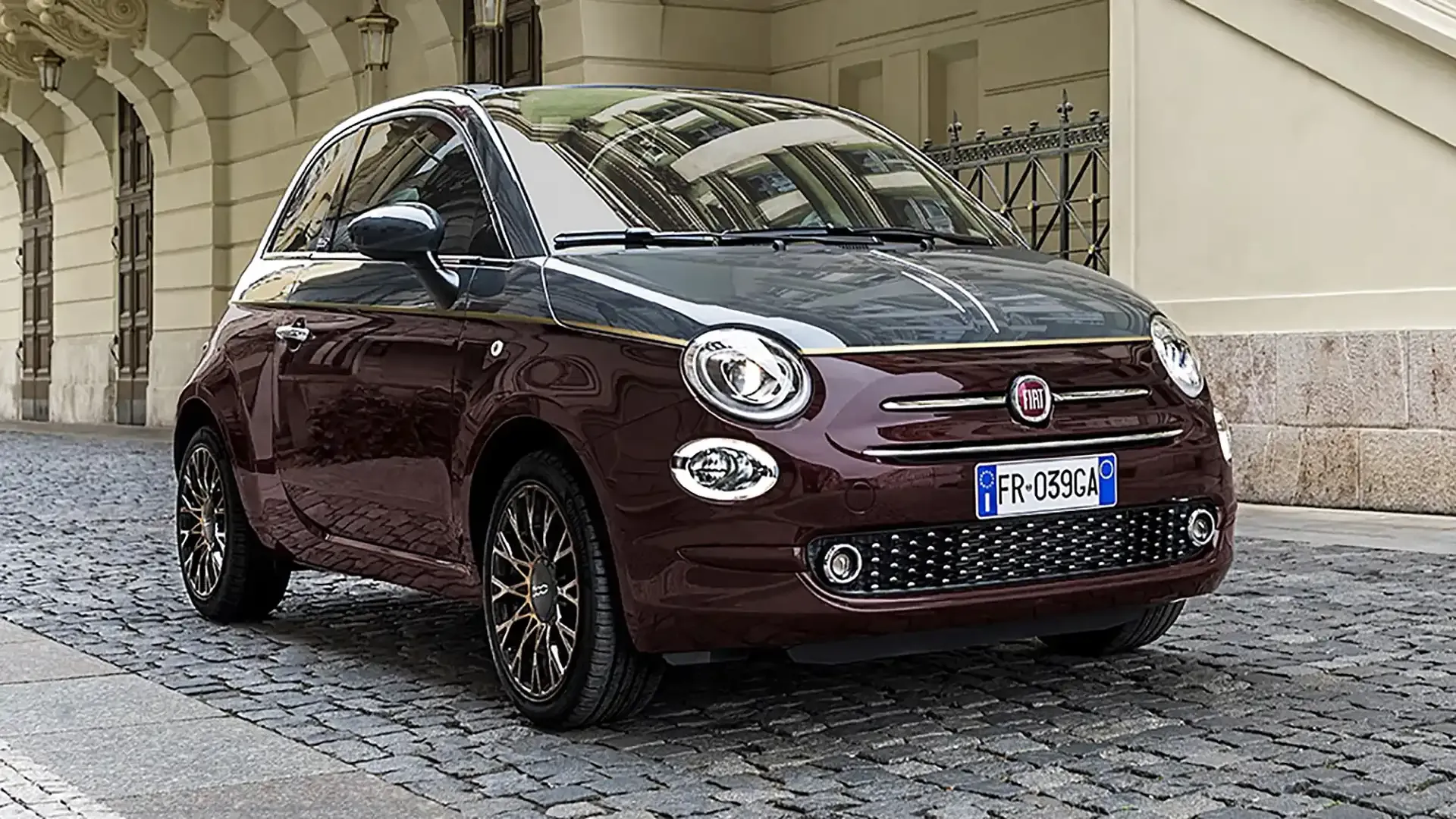
Fiat 500
The Fiat 500 is charming and stylish, but it struggles to inspire trust in dense urban conditions. Steering is light and sometimes overly sensitive, making precise lane placement a challenge. Feedback from the road can feel inconsistent, leaving the driver uncertain about the car’s response to input. In busy streets, this unpredictability increases stress and reduces confidence.
Suspension tuning prioritizes style and appearance over composure, causing the car to feel bouncy over minor bumps and uneven surfaces. Stability can suffer, especially during turns or sudden maneuvers. This constant shifting adds mental strain, forcing the driver to compensate for the vehicle’s reactions. Comfort and predictability are reduced in stop-and-go traffic.
Engine response at low speeds can feel jerky and inconsistent, requiring careful throttle input to avoid sudden surges or hesitation. This makes city driving less instinctive and more deliberate, particularly when navigating tight intersections or merging lanes. Drivers may feel the car is lagging behind their intentions, which undermines trust.
Braking is acceptable but lacks refinement, with pedal feel changing slightly under repeated stops. This inconsistency makes precise control more difficult in busy traffic. Drivers must adjust their braking force constantly, increasing mental workload and stress. Predictability is critical in city driving, and the Fiat 500 falls short in this regard.
While enjoyable in calm conditions, the Fiat 500 exposes its weaknesses in dense traffic. Confidence does not come naturally, and drivers often have to work harder to feel in control. The combination of sensitive steering, bouncy suspension, and inconsistent response creates tension. City driving can feel more mentally exhausting than it should be.
