
Modern cars are built to handle highways, long commutes, and open roads, yet many of them struggle badly in everyday situations like drive-thrus and tight parking lots. These environments expose design choices that favor style, power, or presence over simple maneuverability.
Long wheelbases, wide bodies, poor turning radius, and limited visibility all become immediate problems when space is restricted. Drivers often realize too late that what looks impressive on the street can feel awkward and stressful in close quarters.
Drive-thrus demand precision, patience, and confidence in a vehicle’s dimensions. Tight turns, narrow lanes, and curb-hugging layouts punish vehicles that lack agility. Side mirrors scrape close to walls, wheels bump curbs, and steering requires constant correction.
For many drivers, ordering food becomes a mini test of spatial awareness rather than a quick convenience. Parking lots introduce similar frustrations, especially older ones designed for much smaller cars.
Manufacturers continue to push larger vehicles because buyers associate size with safety, luxury, or authority. This trend results in cars that are comfortable on open roads but clumsy in confined spaces.
Technology like cameras and sensors helps, but it does not erase the physical limitations of oversized designs. When lanes narrow and turning angles tighten, physics always wins. No amount of software can shrink a long hood or wide rear end.
Awkwardness in these situations also affects driver confidence. Even experienced drivers can feel tense when a vehicle barely fits between concrete barriers or struggles to make a simple turn. That stress can lead to hesitation, misjudgment, or minor damage. Over time, these small frustrations add up and reduce the enjoyment of ownership. A car should make daily tasks easier, not more complicated.
This article looks at ten cars that frequently cause trouble in drive-thrus and tight parking lots. Each one has strengths that appeal to buyers, but those strengths come with tradeoffs. Size, shape, and steering design all play a role in how well a car handles confined spaces. By understanding these weaknesses, drivers can better decide what fits their lifestyle and daily routines.
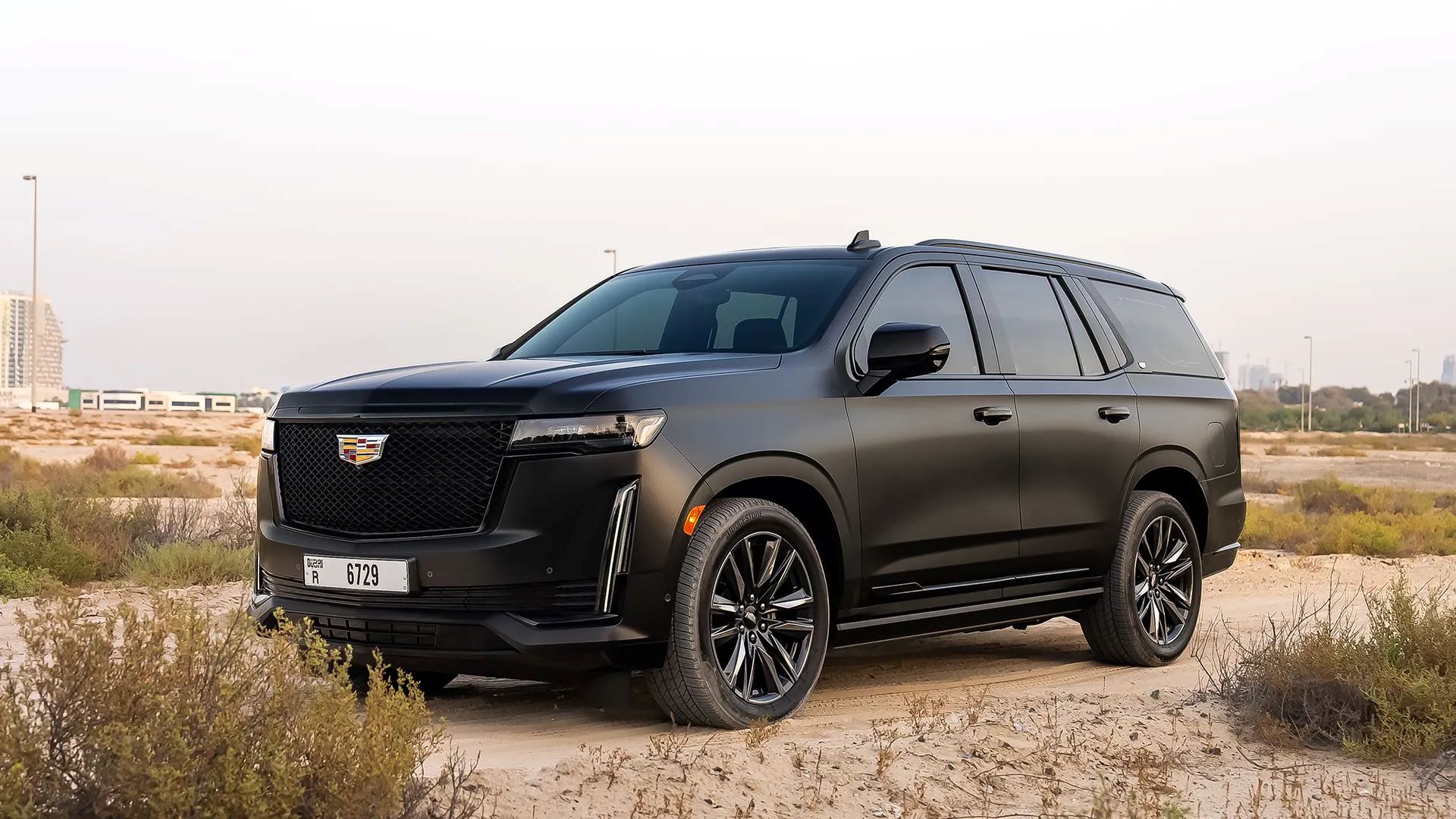
1. Cadillac Escalade
The Cadillac Escalade is celebrated for its bold styling and commanding presence. Its long wheelbase and broad body, however, make it extremely challenging in narrow drive-thrus. Drivers must often inch forward slowly, constantly checking mirrors and blind spots to avoid scraping the curbs.
The massive hood and elevated stance can make it difficult to judge distances precisely, especially when trying to reach a service window. Many owners admit that what feels effortless on highways becomes a careful dance in confined spaces.
Turning in tight lots adds another layer of difficulty. The Escalade’s steering is tuned more for comfort than nimbleness, so tight corners demand wide arcs and careful planning. Even experienced drivers often need multiple adjustments to avoid bumping into neighboring cars.
Maneuvering in older garages or multi-level parking structures can be a slow and stressful experience. What might take seconds in a smaller SUV can take minutes with the Escalade, making every small parking task feel like a challenge.
Visibility issues compound these problems. While modern Escalades include cameras and parking sensors, thick pillars and high beltlines limit natural sightlines. Drivers often rely heavily on technology, which can sometimes be distracting if multiple warnings trigger simultaneously. Rear and side blind spots are particularly tricky, making parallel parking a high-stakes task. It is a vehicle that demands attention in ways smaller SUVs do not.
Even everyday errands require strategy when driving the Escalade. Approaching drive-thrus, narrow lanes, or tight intersections forces careful consideration of angles and clearances.
Drivers must constantly anticipate the movements of nearby vehicles and pedestrians. The vehicle’s sheer bulk transforms routine trips into exercises in patience. Yet, despite these challenges, many owners accept them gladly because the Escalade’s interior comfort, luxury, and status appeal remain unmatched.
Despite its awkwardness in urban settings, the Escalade’s advantages are clear on open roads. Highway stability, smooth ride quality, and the feeling of dominance behind the wheel make long trips enjoyable.
However, in confined environments, the driver becomes acutely aware of the vehicle’s size. Every curb, corner, or tight lane can reveal the limits of its design. Those who value luxury and space above maneuverability tend to embrace these trade-offs willingly.
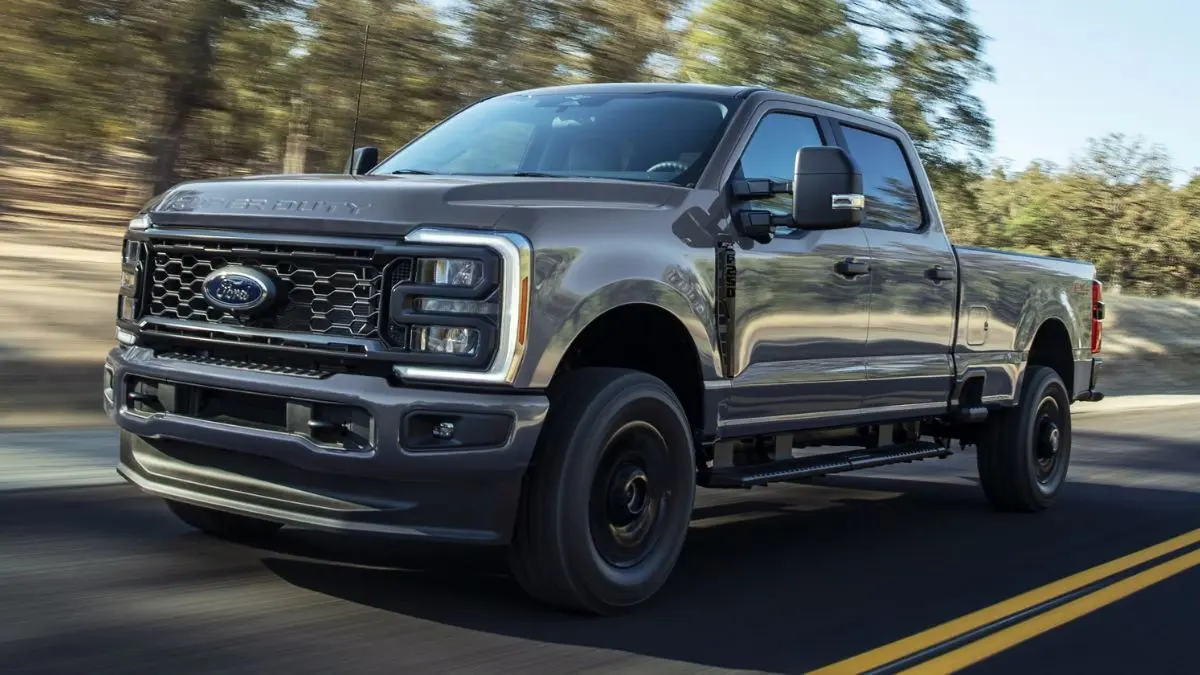
2. Ford F-350 Super Duty
The Ford F-350 Super Duty is built for heavy-duty work, but its size makes casual errands complicated. Drive-thrus often feel like a squeeze, with side mirrors brushing close to walls and menu boards.
The length of the truck means drivers have to slow down considerably and carefully angle the front wheels to avoid overhanging the lanes. Even minor miscalculations can make the vehicle feel uncomfortably cramped. For someone used to smaller trucks, the F-350 exposes how extreme size can affect everyday usability.
Parking lots amplify the challenge further. Many standard spaces are too small to accommodate the truck, forcing drivers to search for oversized or corner spots. Backing into spaces is often the only feasible approach, requiring careful coordination between mirrors, sensors, and instinct.
Maneuvering around tight corners becomes a deliberate task, and patience is essential. Drivers quickly learn to allow extra space, making even short errands a test of spatial awareness.
The steering and suspension of the F-350 prioritize load-bearing and stability rather than sharp responsiveness. Tight turns require multiple wheel adjustments, and sudden corrections are difficult due to the truck’s mass. Urban driving often feels like a slow-motion puzzle, where precision is more important than speed. The vehicle’s size amplifies minor mistakes, creating stress even for experienced drivers.
Despite these challenges, the F-350 excels at towing and hauling, which is its primary purpose. Buyers who prioritize work capability often accept the trade-offs of maneuverability. Even then, drivers become very aware of the truck’s footprint in everyday life. Small frustrations, like navigating drive-thrus or crowded lots, are a constant reminder of the vehicle’s design priorities.
For many, the F-350 is more than transportation; it is a statement of capability. Its awkwardness in confined spaces does not overshadow the confidence it provides in open environments. Owners often plan trips around locations where space is less restrictive. Despite the daily inconveniences, the F-350 remains a trusted choice for those who need unmatched utility.
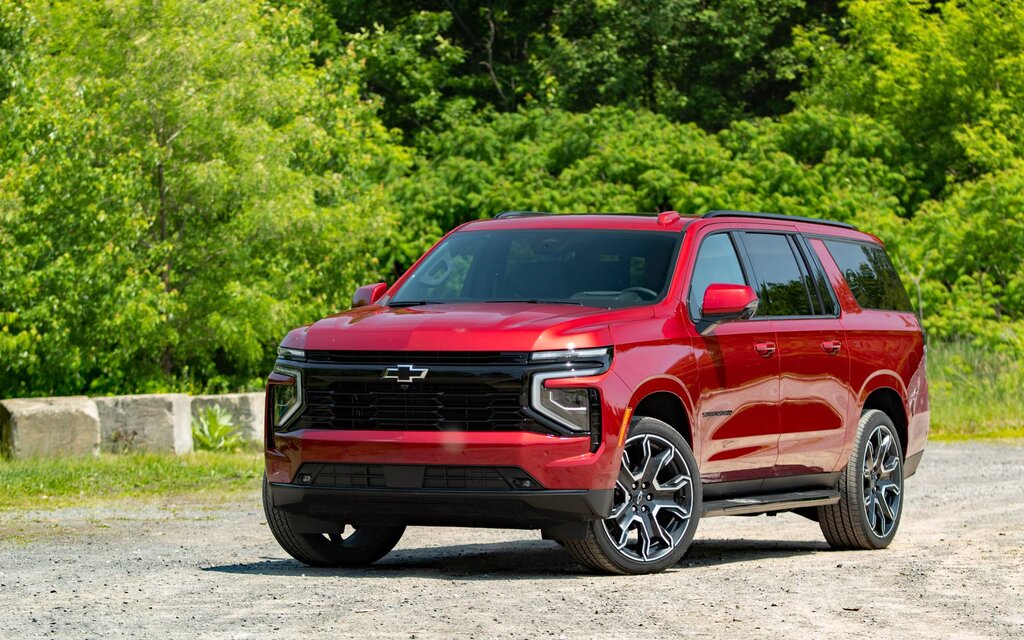
3. Chevrolet Suburban
The Chevrolet Suburban is prized for space and comfort, yet its sheer size introduces frequent problems in tight spaces. Drive-thru lanes reveal its long overhang and extended wheelbase, making it necessary to swing wide and approach very slowly.
Even small miscalculations in alignment can scrape curbs or rear corners. Many drivers find themselves rethinking basic tasks like grabbing coffee or a quick snack, realizing that the vehicle is not designed for constrained areas.
Parking lots highlight its limitations even more. The Suburban frequently extends beyond standard parking spots, leaving little room for adjacent cars. Pull-through parking becomes a preferred strategy, but not every lot allows it. Maneuvering in multi-level garages or crowded plazas often feels slow and tedious. Drivers must consciously plan each movement to avoid minor collisions.
Also Read: 5 Cars That Handle Constant Stoplights vs 5 Cars That Burn Through Brakes
Although the Suburban comes with modern assistance systems, they cannot completely compensate for its size. Sensors and cameras are helpful, but constant warnings can be distracting. Interpreting these alerts while managing a large vehicle in tight quarters adds mental load. Drivers often experience stress that would be minimal with smaller SUVs.
Handling tight corners is also challenging. The Suburban’s long frame requires sweeping turns, leaving little room for error. Misjudging angles can result in bumping curbs or neighboring vehicles. Slow, deliberate steering becomes a necessity, making quick adjustments nearly impossible. Every routine task requires extra time and patience.
Despite these urban challenges, the Suburban remains ideal for family trips and long-distance travel. Its interior comfort, cargo capacity, and stability on highways are unmatched. The compromise comes when transitioning from open roads to confined spaces. Drive-thrus and tight lots make it clear that the Suburban is built for space, not agility, forcing drivers to carefully choose routes and parking options.
4. Dodge Ram 3500
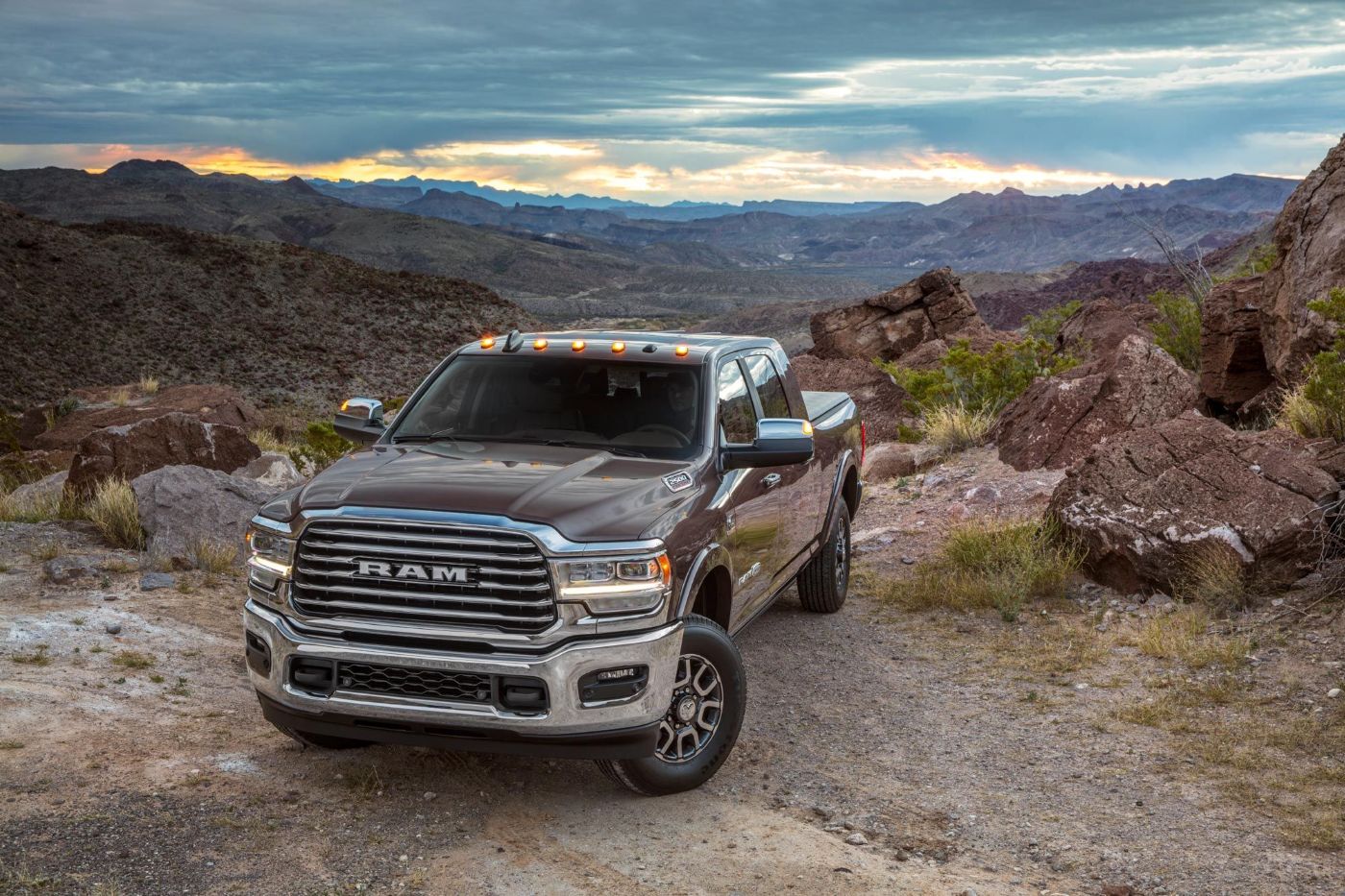
The Dodge Ram 3500 is designed for serious work, and that focus on power translates into awkwardness in everyday settings. Drive-thrus immediately expose its width and bulk, forcing careful positioning to avoid curbs and walls.
Aligning with windows often requires multiple stops and adjustments. Even minor miscalculations can create stressful situations for the driver and nearby vehicles. The truck’s size turns simple errands into a deliberate process.
In parking lots, the truck dominates its surroundings. Standard spaces feel insufficient, and maneuvering requires constant attention to both front and rear corners. Backing into spots is often necessary, but slow, cautious movement is essential. Drivers frequently opt for end or corner spaces, prioritizing safety over convenience. Crowded lots increase the difficulty, creating tension for both the driver and others nearby.
The steering system emphasizes stability over agility, so tight turns feel wide and cumbersome. Sudden corrections can be difficult, and adjustments often need to be pre-planned. The vehicle reacts slowly to small inputs, which is the opposite of what a driver would want in confined spaces. The combination of size and steering dynamics creates a constant need for concentration.
Visibility challenges add to the difficulty. Large pillars and long rear overhangs make judging distances tricky. Mirrors help but are not perfect, and sensors often provide excessive alerts in tight situations. Even experienced drivers must rely heavily on estimation and caution, slowing the process of moving or parking.
Despite these challenges, the Ram 3500 is unmatched for towing, hauling, and work-related tasks. Its urban awkwardness is a small price for the capabilities it offers elsewhere. Owners adapt by choosing where and when to drive it, often avoiding tight locations altogether. The truck is built to command space, not fit into it.
5. Lincoln Navigator L
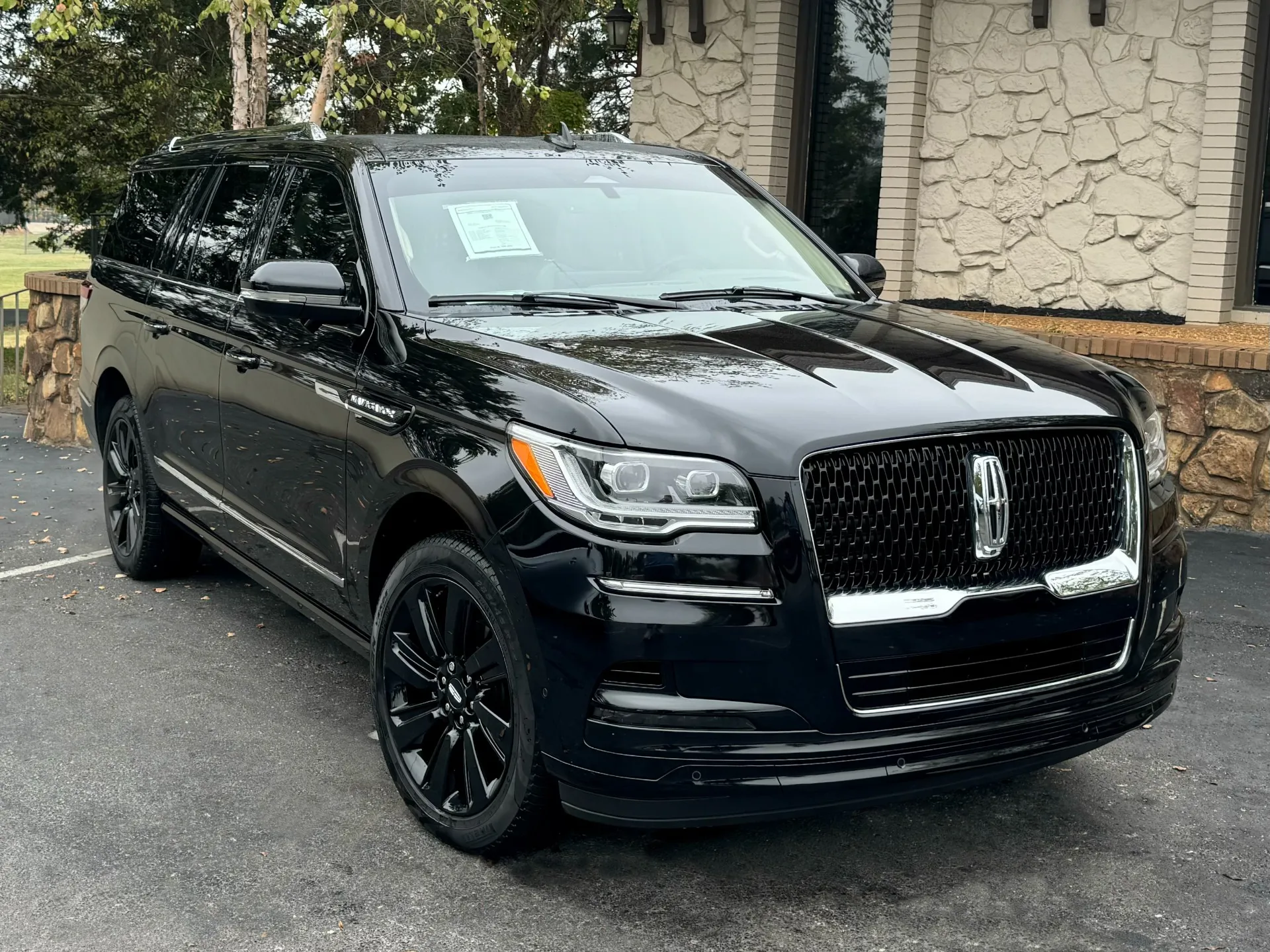
The Lincoln Navigator L combines luxury with substantial size, creating challenges in tight environments. Drive-thru lanes often feel constricted, requiring careful steering and slow movement. The extra length means rear clearance is always a concern, and drivers often make multiple adjustments to avoid contact.
Even simple errands demand heightened awareness of space and positioning. The vehicle’s elegance does not change the physics of maneuvering it.
Parking lots require patience and strategy. Many garages feel restrictive, forcing the driver to slowly navigate tight corners. Multiple adjustments are usually needed to center the vehicle within a space. The sheer size and length amplify small mistakes, making routine parking far more complicated than it would be with a smaller SUV. Drivers must mentally map the available space before attempting any maneuver.
Visibility is a double-edged sword. Elevated seating improves forward sightlines but limits the perception of objects close to the vehicle. Thick pillars and a long rear make judgment of proximity difficult. Cameras and sensors assist, but reliance on technology adds a layer of complexity. Drivers often find themselves checking mirrors repeatedly to ensure safe clearance.
Steering and handling are tuned for comfort and refinement, not agility. Tight turns demand wide arcs, and the vehicle responds slowly to corrections. Quick maneuvers are challenging, and the driver must plan each movement carefully. Parking or reversing becomes a deliberate and cautious exercise, even for those familiar with the vehicle.
Despite these drawbacks, the Navigator L excels in comfort, luxury, and long-distance performance. Its challenges in urban or confined settings do not overshadow its ability to carry passengers in supreme comfort. The vehicle is designed for space and presence, not agility, meaning drivers must accept its limitations in tight lots or drive-thrus. The tradeoff is a premium driving experience that feels commanding in open environments.
6. Hummer H2
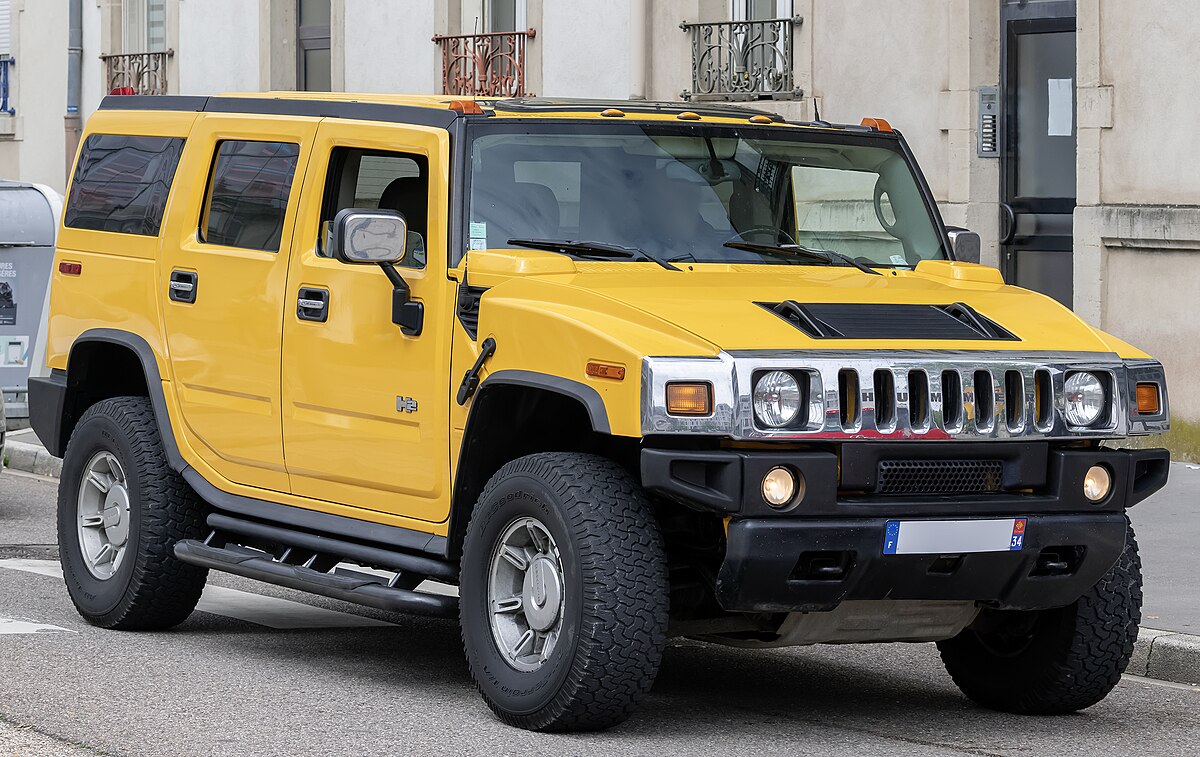
The Hummer H2 is instantly recognizable for its rugged and imposing design. Its wide body makes drive-thrus an immediate challenge, with little room to maneuver between curbs or posts.
The truck’s height and length can make simple alignment tasks stressful, and even cautious drivers often misjudge the edges. Many owners report inching forward multiple times just to reach a service window safely. The vehicle’s size creates a constant awareness of space that smaller SUVs avoid.
Parking lots amplify the H2’s limitations. Standard spots often feel inadequate, and turning between rows requires careful, slow movements. Drivers must calculate angles and monitor surrounding vehicles constantly.
Crowded garages can feel especially intimidating, and even small adjustments may require multiple stops. The truck dominates space in ways that smaller vehicles never do, making routine errands more labor-intensive.
Also Read: Top 14 Convertible SUVs That Don’t Feel Like a Gimmick
Visibility is a significant concern for Hummer H2 drivers. Thick pillars and narrow windows create massive blind spots, forcing reliance on mirrors and sensors. Despite the presence of modern assistance features, judgment is essential, and errors can occur quickly. Drivers often feel like they are “guessing” distances, particularly when navigating tight corners or parking in congested areas. The learning curve is steep, even for experienced drivers.
The H2’s steering and suspension prioritize stability and off-road capability rather than agility. Tight turns require wide arcs, and responsiveness is limited at low speeds.
Quick corrections are difficult, which can lead to minor collisions with curbs or obstacles if the driver is inattentive. Every parking maneuver becomes a slow, calculated process that tests patience and skill. This level of caution is not necessary with more compact SUVs.
Despite its urban awkwardness, the Hummer H2 excels in rugged conditions where space is less restrictive. Its off-road capability, durability, and commanding presence make it unique among SUVs. Owners who appreciate these traits often accept the compromises in tight spaces. Urban environments, however, reveal the extremes of its bulk, highlighting the contrast between its adventurous design and everyday usability.
7. Mercedes-Benz G-Class
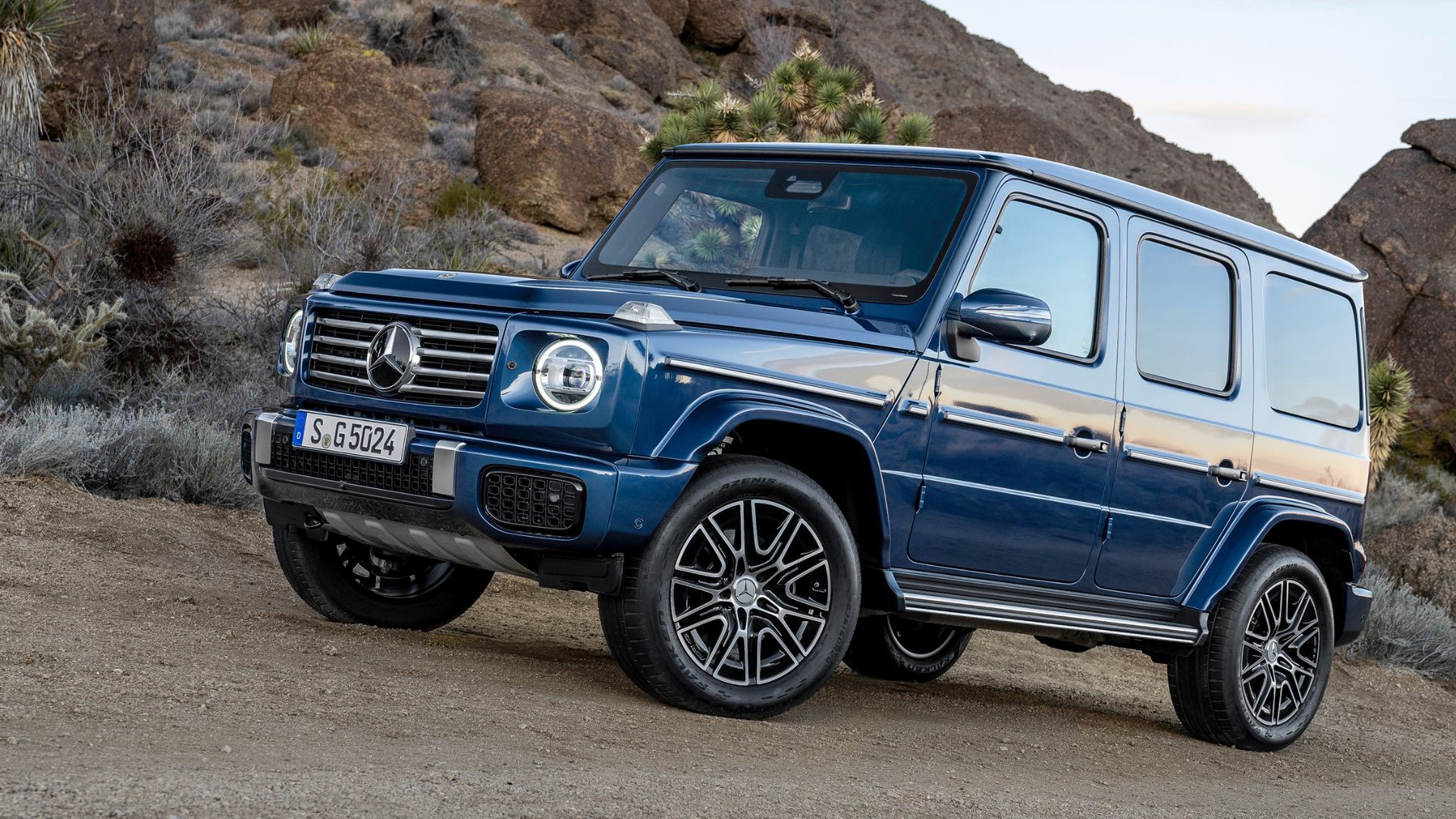
The Mercedes-Benz G-Class, often called the G-Wagon, combines luxury with a distinctive boxy design. Its tall, upright body creates blind spots in tight situations, making drive-thrus more complicated than expected.
Narrow lanes require careful steering and constant attention to mirror placement. The flat, vertical sides offer little forgiveness if misalignment occurs, and drivers often make several adjustments to avoid contact. The G-Class demands precise planning even in short trips.
Steering responsiveness is not the G-Class’s strong point at low speeds. Tight corners require wide arcs and deliberate wheel inputs. Small corrections are less effective due to the vehicle’s geometry and suspension tuning. Drivers quickly notice that maneuvering in parking lots or congested streets is slower and more mentally taxing than in other luxury SUVs. Patience is a constant requirement.
Parking sensors are helpful but can become a source of distraction in tight spaces. Alerts trigger frequently, requiring constant interpretation while steering carefully. Misjudging the signals can lead to hesitation or overcorrection. Drivers often rely on a combination of mirrors, sensors, and careful observation to safely navigate confined areas. The vehicle’s design emphasizes presence rather than subtlety.
Visibility challenges further complicate urban driving. Thick pillars and a high hood make estimating front and side clearance difficult. Rear visibility is limited as well, despite camera assistance. Drivers need to develop an intuitive sense of the vehicle’s dimensions, which takes time and experience. Mistakes, even minor ones, can feel more consequential in the G-Class due to its size and cost.
Despite these challenges, the G-Class remains iconic for its off-road capabilities and luxurious interior. It excels in open spaces where agility is less important. Urban settings, however, highlight its awkwardness in tight lots and drive-thrus. Owners often embrace these compromises, valuing the vehicle’s design and off-road performance over day-to-day maneuverability.
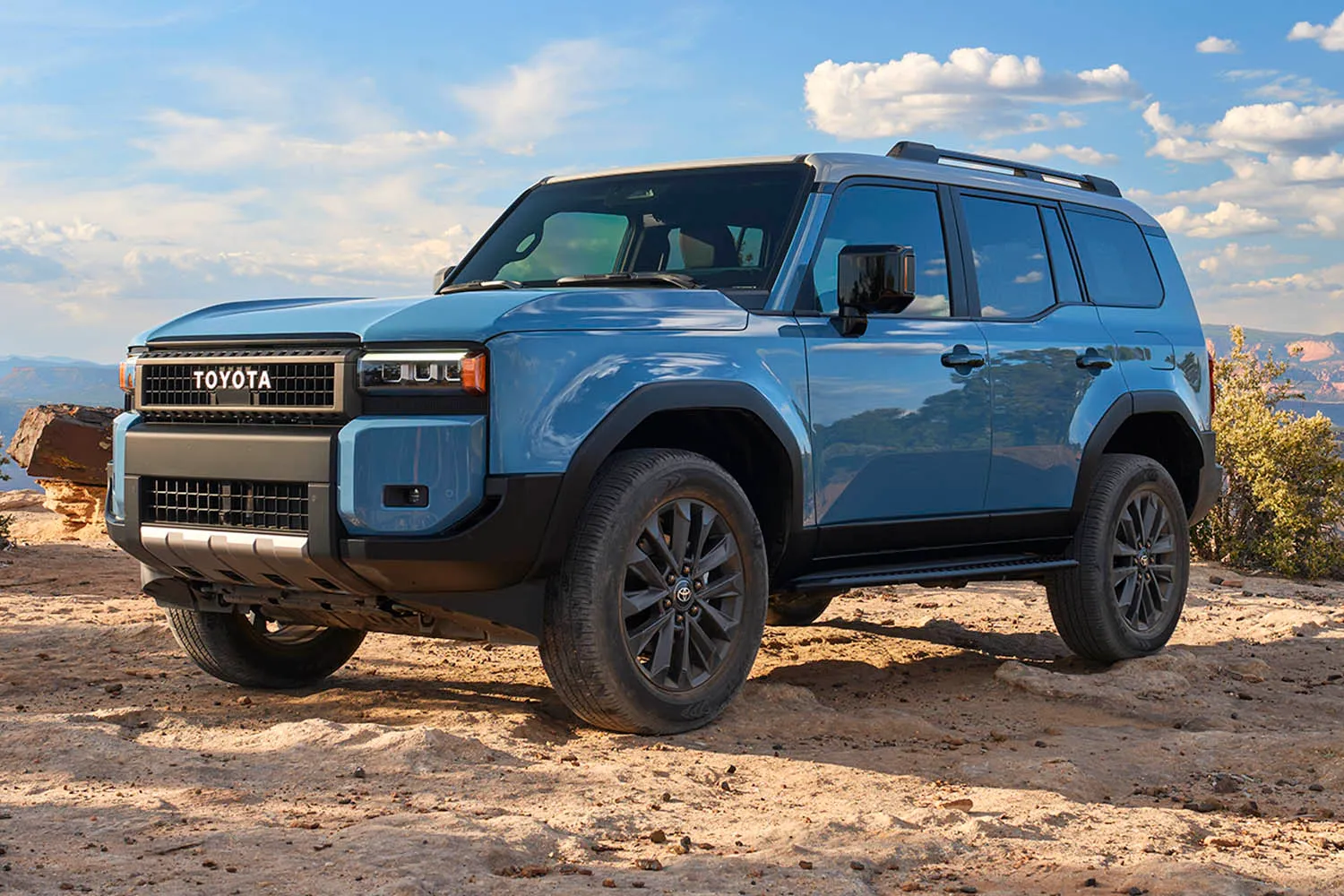
8. Toyota Land Cruiser
The Toyota Land Cruiser is renowned for durability and global reliability, yet its size creates obstacles in everyday urban driving. Drive-thru lanes feel narrow, and its long wheelbase demands extra care when aligning with windows or tight corners. Minor miscalculations can result in scraping wheels or bumpers. Drivers quickly learn to anticipate space limitations, making even simple errands feel more strategic than routine.
Parking lots exacerbate the challenge. Many lots do not accommodate the Land Cruiser’s width, and standard spaces may feel restrictive. Pull-through parking becomes a preferred method, while backing into spaces requires precision and patience. Crowded lots can increase stress levels, requiring extra time and spatial awareness. The vehicle’s bulk leaves little margin for error.
Visibility is adequate in front, but side and rear sightlines are limited. Thick pillars and a long overhang make judging proximity to other vehicles difficult. While cameras and sensors assist, reliance on technology adds cognitive load. Drivers often find themselves moving slowly, repeatedly checking mirrors to ensure clearance, especially in tight garages or crowded plazas.
Steering and handling prioritize stability rather than nimbleness. Tight corners require wide arcs, and responsiveness at low speeds is limited. Quick adjustments are challenging, and minor errors can result in curb contact or misalignment with adjacent vehicles. The Land Cruiser’s size requires drivers to plan maneuvers ahead of time.
Despite these urban limitations, the Land Cruiser excels in endurance, off-road performance, and long-distance travel. Its reliability and comfort make it ideal for extended trips in varied terrain. Confined city spaces, however, expose the compromises of its design. Owners often respect the vehicle for its capabilities while learning to avoid tight environments whenever possible.
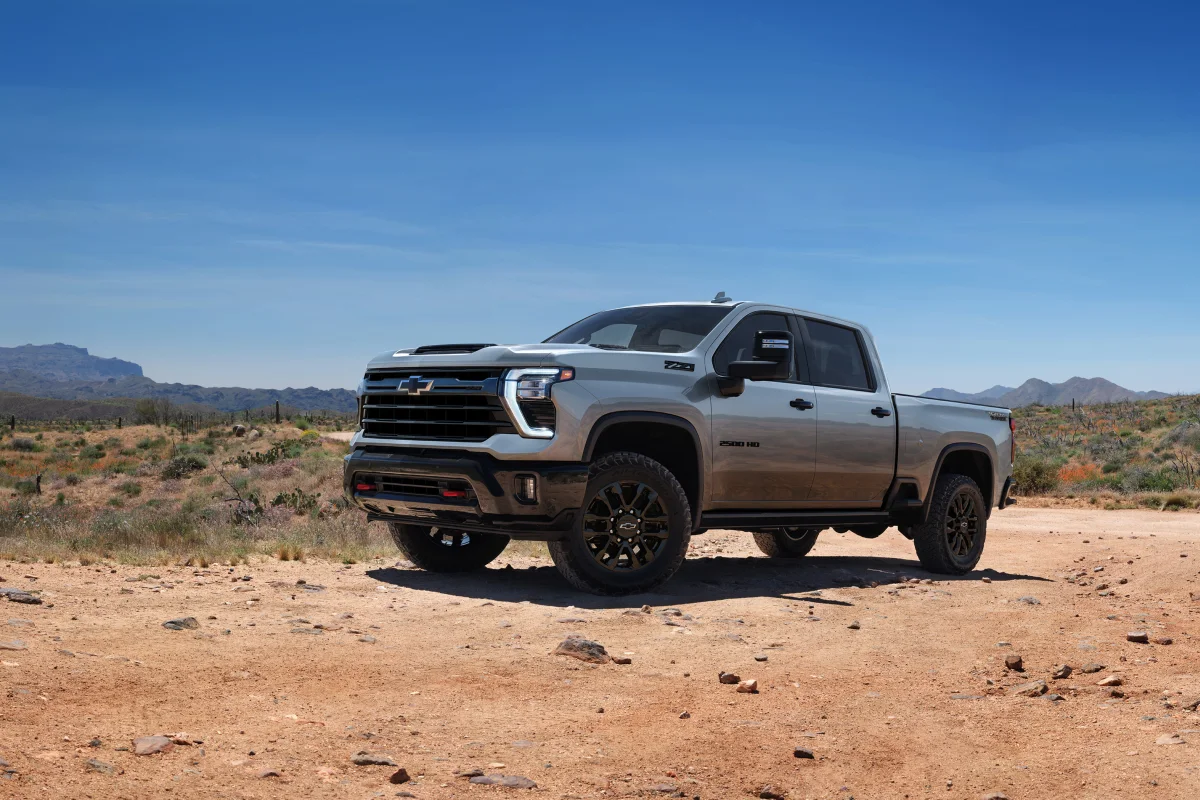
9. Chevrolet Silverado 2500HD
The Chevrolet Silverado 2500HD is built for extreme utility, which translates into awkwardness in everyday driving. Drive-thru lanes often feel undersized, with side mirrors dangerously close to obstacles. Minor misjudgments can result in scraping, and careful alignment is mandatory.
Even short errands feel like calculated exercises in spatial awareness, highlighting the contrast between work-focused design and urban use.
Parking lots present consistent challenges. Standard spaces are frequently too small for the truck’s width and length. Backing in becomes necessary in most situations, requiring patience and attention to detail. Tight rows demand careful wheel adjustments, while navigating around other vehicles increases stress. Drivers quickly realize that simple tasks require more time than expected.
Steering and handling are designed for stability with heavy loads, not agility. Tight turns require wide, deliberate arcs, and minor corrections at low speeds are difficult. The vehicle responds slowly to input, making precise maneuvering a skill rather than an instinctive act. Owners must constantly calculate angles when entering or exiting spaces.
Visibility is limited by thick body panels and the extended hood. Mirrors help but do not eliminate blind spots. Sensors assist, yet alerts can become overwhelming, requiring careful attention. Drivers must constantly gauge clearance and surrounding obstacles to prevent damage, adding to the vehicle’s awkward reputation in confined areas.
Despite these limitations, the Silverado 2500HD excels at towing, hauling, and heavy-duty performance. Its urban awkwardness is an accepted trade-off for unmatched capability on job sites. Owners adapt by planning trips and choosing locations carefully, understanding that tight spaces will always test the truck’s limits. Its design is purpose-driven, prioritizing utility over maneuverability.
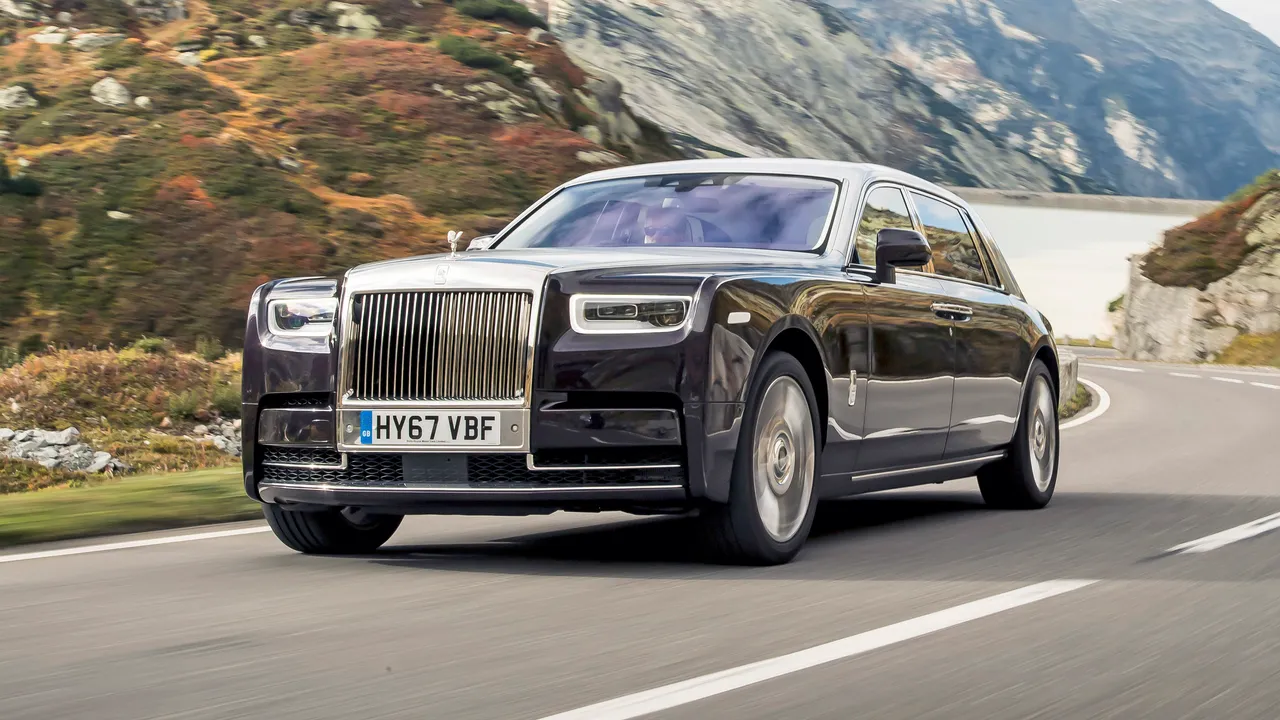
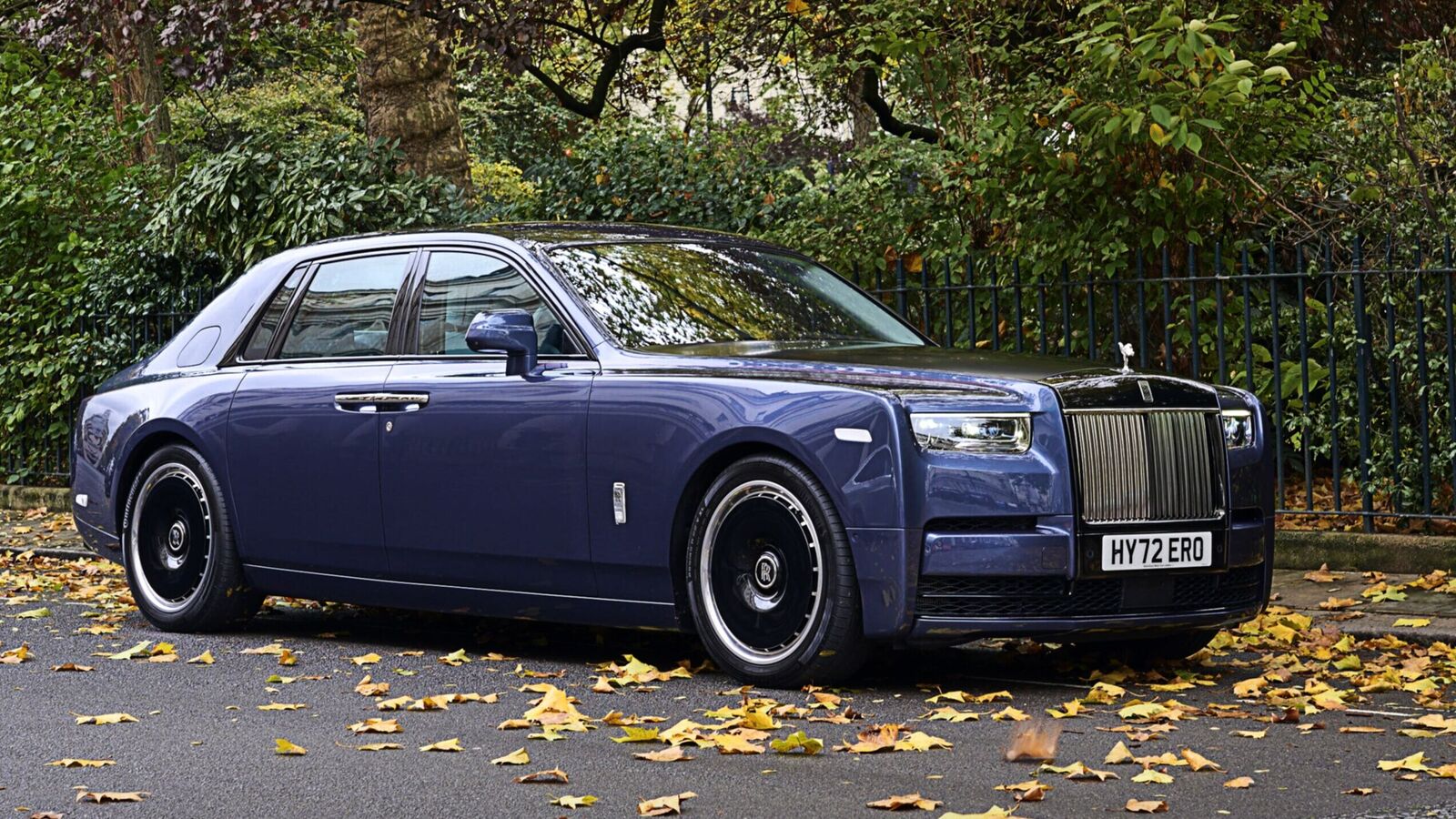
10. Rolls-Royce Phantom
The Rolls-Royce Phantom epitomizes luxury, presence, and refinement, yet its sheer size makes drive-thrus intimidating. Narrow lanes feel restrictive, and precise alignment is essential to avoid contact. Drivers often move forward slowly, adjusting multiple times to ensure proper spacing. Even small mistakes feel consequential due to the vehicle’s cost and finish. Simple errands become exercises in focus and patience.
Parking presents similar difficulties. Many owners avoid tight lots entirely, opting instead for valet or private parking. Maneuvering in standard spaces requires meticulous attention and often multiple corrections. The vehicle’s length and width dominate the surrounding area, leaving little room for error. Each movement demands deliberate planning and care.
Visibility is surprisingly limited for a luxury vehicle. The long hood and extended wheelbase make distance judgment tricky. Cameras and sensors assist, but reliance on technology adds cognitive complexity. Drivers must balance caution with confidence, ensuring the Phantom remains pristine. Urban tightness accentuates the challenge.
Steering and handling are designed for smoothness and comfort rather than urban agility. Tight turns require wide arcs, and responsiveness at low speeds is subdued. Quick adjustments are difficult, turning routine parking into a slow, calculated effort. Drivers must constantly anticipate every movement of the vehicle relative to its surroundings.
Despite these constraints, the Phantom excels in open environments where space and elegance can be fully appreciated. Its interior, ride quality, and presence are unmatched. Confined drive-thrus or crowded lots clash with the vehicle’s design, but owners often accept these trade-offs for the prestige, comfort, and refinement the car delivers.
