
When shopping for a new car, many people are drawn to vehicles that seem plush and inviting. Leather seats, spacious interiors, and high-end finishes often create the impression of comfort before even sitting down. However, appearances can be deceiving.
Some cars that look luxurious or roomy fail to deliver on the comfort they promise, leaving drivers with a ride that is surprisingly harsh or cramped. While aesthetics and first impressions can influence buying decisions, actual comfort depends on factors such as seat design, suspension quality, ride noise, and interior ergonomics.
A vehicle that looks soft and accommodating might, in reality, have seats that cause fatigue, a suspension that transmits every bump in the road, or interior layouts that hinder long-term comfort.
The perception of comfort is highly subjective, and manufacturers often emphasize visual appeal over functional ergonomics. Vehicles with oversized seats or thick padding might seem inviting, but poor lumbar support or limited adjustability can turn long drives into uncomfortable experiences.
Similarly, cars with low ground clearance or stiff suspensions can make even smooth highways feel rough. Buyers who prioritize aesthetics without considering the underlying engineering often end up disappointed. Understanding how a car handles, how its seats are structured, and how vibrations travel through the cabin is crucial before making a purchase.
Another aspect to consider is the trade-off between sporty design and comfort. Many cars that adopt a sleek, performance-oriented look sacrifice interior softness to enhance handling. Stiff suspensions and bucket-style seats may provide better control and responsiveness, but they reduce the cushioned feel that one might expect.
Even cars with generous legroom or wide seats can leave passengers tired due to insufficient support in critical areas. External design cues often mislead potential buyers into assuming comfort that the vehicle cannot deliver under normal driving conditions.
Technology also plays a role in the illusion of comfort. Modern dashboards with touchscreens, ambient lighting, and high-quality materials can make interiors look inviting and futuristic. Yet, the tactile experience and ergonomics of these features matter more than their appearance.
Drivers might find themselves stretching awkwardly to reach controls, sitting too upright, or struggling with poorly positioned headrests. Vehicles that prioritize visual impressions over functional comfort often underperform in these aspects, despite looking premium from the outside.
Finally, it is important to recognize that comfort is multifaceted, encompassing physical seating, cabin quietness, ride smoothness, and even psychological perception. Cars that fail in one area can significantly affect the experience.
This article highlights ten vehicles that, despite appearing comfortable, have flaws that make them less enjoyable for daily driving or long trips. These examples serve as a reminder that buyers should evaluate cars beyond looks, focusing on real-world comfort and usability rather than relying solely on exterior appeal or interior luxury features.
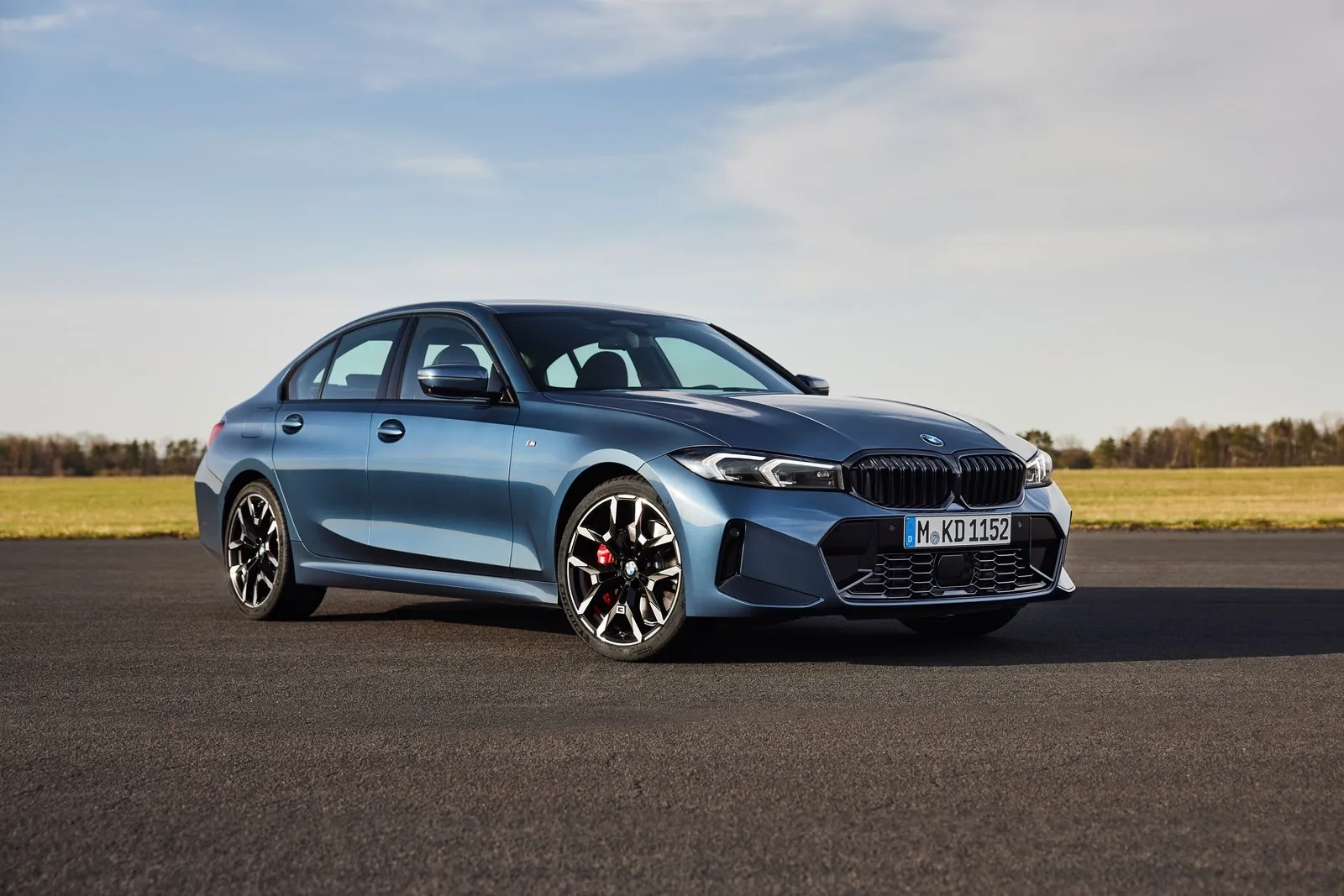
1. BMW 3 Series
The BMW 3 Series is often praised for its luxury appeal and sleek cabin design. Its leather seats and modern dashboard make it appear ideal for long trips. Yet, many drivers find the seating position uncomfortable, especially during extended drives. The firmness of the cushions and limited lumbar adjustment can cause fatigue after a few hours on the road.
Suspension tuning is another factor that affects comfort. The 3 Series has a performance-oriented suspension that emphasizes handling and control. While this is excellent for spirited driving, it transmits road imperfections directly into the cabin. Even minor bumps or uneven pavement can feel harsh compared to competitors with softer suspensions.
Rear passenger space is often another concern. While the cabin may look roomy in pictures, taller passengers frequently report cramped legroom and limited shoulder space. The rear seats are firm and lack contouring for proper support. This makes longer trips less comfortable for adults sitting in the back.
Noise levels also play a role in perceived comfort. Engine and road noise are more noticeable than one might expect in a car of this class. The sound insulation is good but not exceptional, meaning highway noise can become tiring over long distances. Interior quietness is just as important as seating when evaluating comfort.
Despite its stylish interior and premium finishes, the BMW 3 Series often falls short for those prioritizing comfort. Its combination of firm seats, stiff suspension, and limited rear space makes it less forgiving on rough roads. Buyers should consider test drives on real-world roads to ensure the driving experience matches expectations.
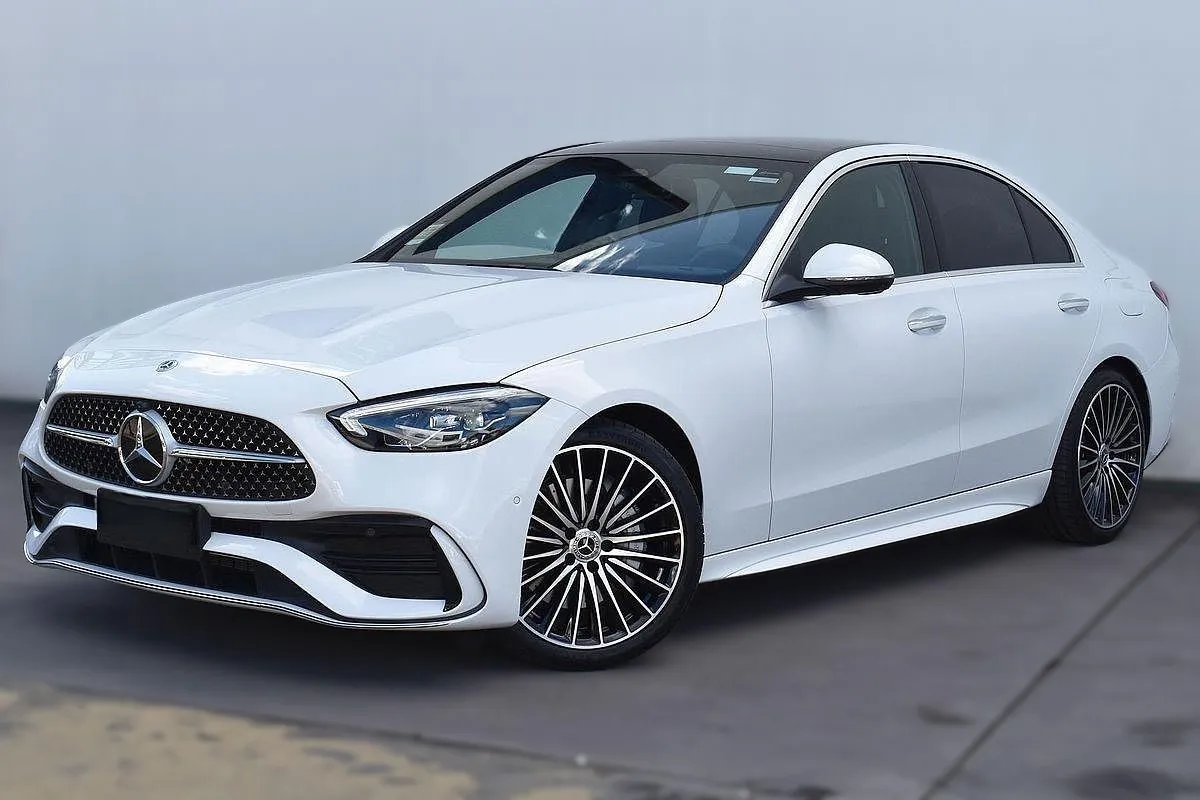
2. Mercedes-Benz CLA
The Mercedes-Benz CLA offers a sporty, compact design that is visually striking. Its sloped roofline and elegant cabin materials create an impression of refined comfort. However, many owners report that the cabin space is more restricted than it appears. Headroom and rear legroom can be tight, making the car less practical for passengers.
Front seats, although visually supportive, may lack the cushioning needed for long trips. The bolstered sides can feel restrictive, especially for larger individuals. While the seats maintain posture well during sharp turns, they are less comfortable for daily commuting or long highway drives.
Ride quality is another area where the CLA struggles. Its sport-tuned suspension is firm, prioritizing handling over comfort. Small potholes and uneven surfaces can result in jarring sensations, making the driving experience less relaxing than the exterior suggests.
Interior ergonomics contribute to this feeling as well. The dashboard is sleek and minimalistic, but control placement can be unintuitive. Drivers may find themselves leaning or reaching awkwardly for essential functions. This can add subtle tension during daily use that undermines comfort.
The CLA demonstrates how a small luxury coupe can prioritize appearance and sporty handling over comfort. Its tight rear space, firm seats, and stiff ride make it better suited for short trips or city driving rather than long-distance journeys. Buyers seeking plush comfort should carefully consider its limitations.
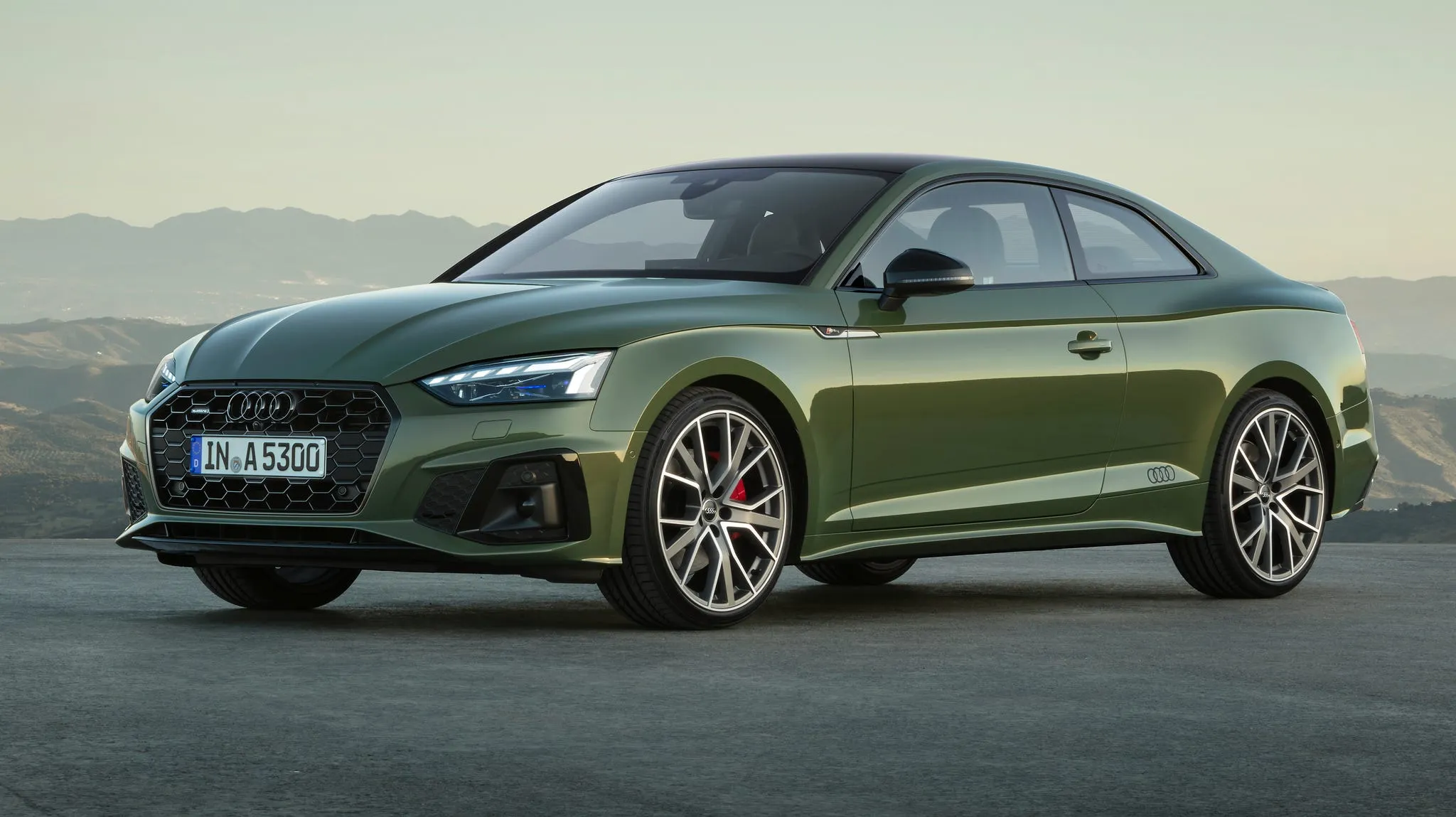
3. Audi A5
The Audi A5 offers a cabin with high-quality finishes and a spacious appearance. The leather-trimmed seats and modern technology give it a premium feel. However, the A5’s seats are often described as too firm, lacking the soft cushioning that many drivers expect from a luxury coupe.
Suspension setup emphasizes precision over smoothness. While the car handles corners exceptionally well, minor road imperfections are transmitted sharply to the occupants. This makes highways and rougher urban roads less forgiving, despite the A5 looking composed from the outside.
Rear passenger space is another limitation. Although it can accommodate adults, the cabin is narrower than it appears in photos. Taller passengers often feel cramped, and shoulder room is limited. Long journeys can become tiring for those seated in the back.
Interior noise is noticeable, particularly at higher speeds. Engine hum, tire noise, and wind intrusion are more pronounced than expected in a luxury vehicle. The combination of firm seating and higher noise levels reduces the comfort of the cabin.
The Audi A5 balances style and performance, but its comfort level does not always match its appearance. Buyers should not assume a luxurious look guarantees a relaxed experience. Seat firmness, ride quality, and rear space should all be tested before purchase.

4. Tesla Model 3
The Tesla Model 3 has a modern, minimalist interior that appears highly comfortable. Its spacious dashboard and clean lines create a sense of openness. Yet, drivers often find the seats less supportive than anticipated, especially on longer journeys. The lack of bolstering can cause fatigue after extended driving.
Suspension tuning contributes to this issue. While the Model 3 handles corners with precision, its firm ride can make uneven roads uncomfortable. Drivers may notice vibrations and jolts that contrast with the car’s sleek interior appearance.
Rear seats are deceptively narrow. Though the cabin looks roomy, legroom and shoulder room are limited for adults, particularly on long trips. This makes the car less ideal for families or for carrying multiple passengers in comfort.
Noise levels inside the Model 3 are generally well controlled, but wind noise increases at highway speeds. The minimalist interior lacks soft surfaces that would otherwise dampen sound, so occupants may perceive the cabin as less cushioned than expected.
Despite its futuristic design and advanced technology, the Tesla Model 3 can underperform in comfort. Firm seats, tight rear space, and a firm ride make it important for buyers to test the car extensively before relying solely on its visual appeal.
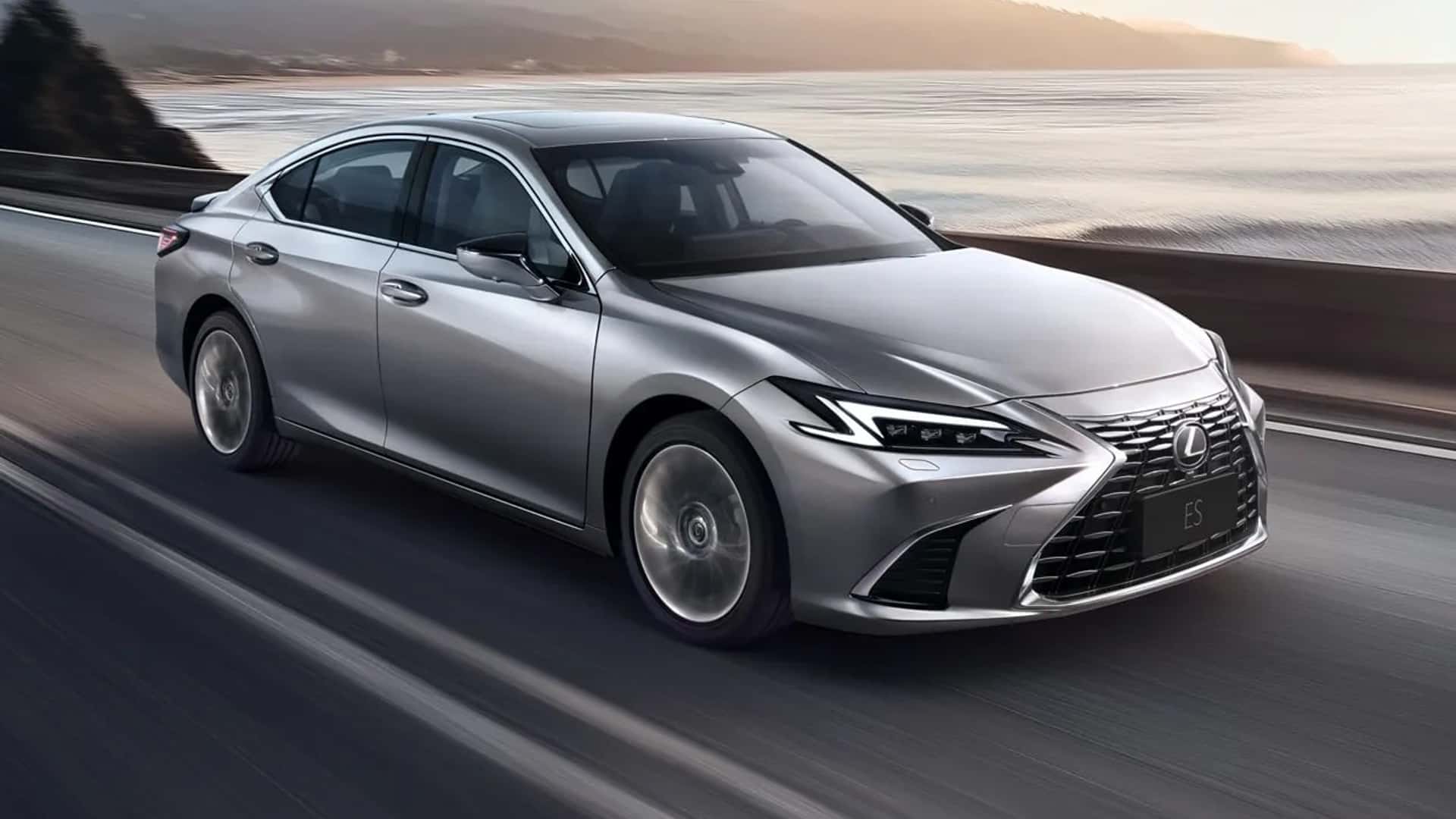
5. Lexus IS
The Lexus IS is often admired for its refined exterior and luxurious interior appearance. Its high-quality materials and ergonomic design suggest a comfortable ride. However, seat cushioning is firmer than many expect, which can cause discomfort on longer drives.
The suspension is tuned for sporty handling rather than soft comfort. While this improves agility and road feedback, it transmits road imperfections to the cabin. Bumps and potholes are more noticeable than in other luxury sedans, reducing comfort.
Rear seating can feel cramped, especially for taller passengers. The cabin width and legroom are less generous than the exterior styling implies. This makes long trips less relaxing for multiple occupants.
Noise insulation is good but not exceptional. Road and wind noise can become noticeable at higher speeds. Combined with firm seats, this can make long-distance driving tiring for both the driver and passengers.
The Lexus IS offers an attractive and luxurious look but compromises comfort for sporty dynamics. Buyers seeking a truly relaxing ride should consider test-driving the vehicle under real-world conditions before making a purchase decision.
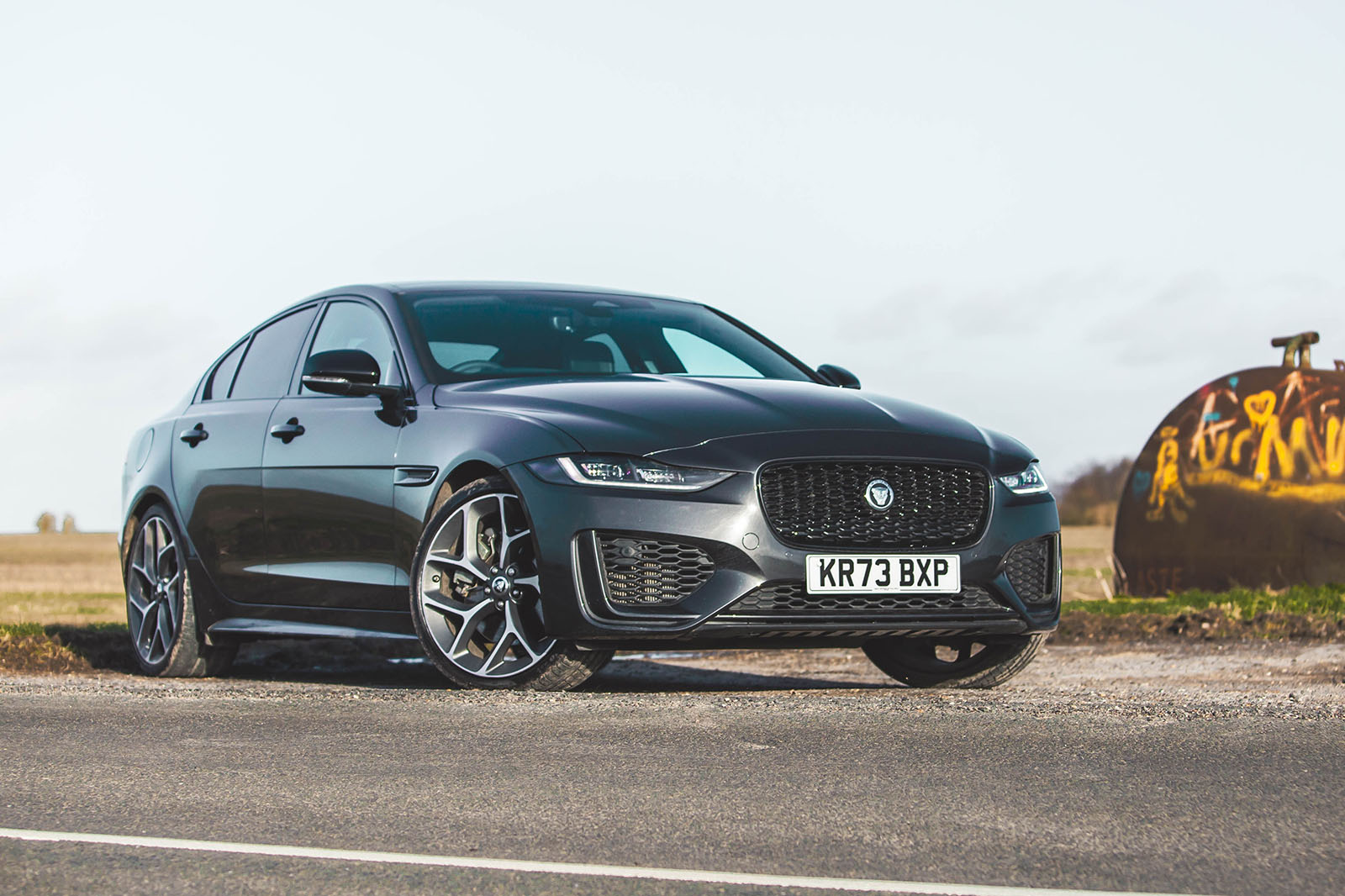
6. Jaguar XE
The Jaguar XE is designed to look sleek and sophisticated, with an interior that appears spacious and luxurious at first glance. Soft leather, high-quality stitching, and elegant trim panels give the impression of a plush cabin ideal for long drives. Yet many drivers quickly notice that the seat cushioning is firmer than expected, and the side bolsters, while supportive during cornering, can feel restrictive on extended journeys.
Ride quality is another area where the XE does not fully deliver on comfort. The suspension is engineered for sporty handling, providing responsive steering and a connected feel to the road.
While this enhances driving dynamics, it also transmits bumps and uneven surfaces directly to the cabin. Even minor imperfections in the pavement can feel sharp, making city streets or rural roads less forgiving than anticipated.
Rear passenger space is deceptively tight. The cabin design, with its sloping roofline and sporty stance, limits headroom and shoulder space for rear passengers. While short trips may be manageable, longer journeys can become uncomfortable, especially for taller adults. The cramped rear cabin contrasts sharply with the car’s outwardly luxurious appearance, creating a mismatch between looks and actual comfort.
Interior ergonomics can also be a source of frustration. Controls are placed in visually appealing ways, but accessing them during driving may require awkward stretches or shifts in posture.
The infotainment system, while advanced, sometimes demands attention that distracts from a relaxed driving experience. Small details like seat adjustability and lumbar support further contribute to a feeling that the car prioritizes style over long-term comfort.
The Jaguar XE exemplifies a vehicle that looks inviting but requires compromise when it comes to true comfort. The combination of firm seats, sporty suspension, limited rear space, and control placement makes it more suitable for short, spirited drives rather than extended road trips. Buyers who rely solely on its luxurious look may find themselves surprised by the real-world experience.
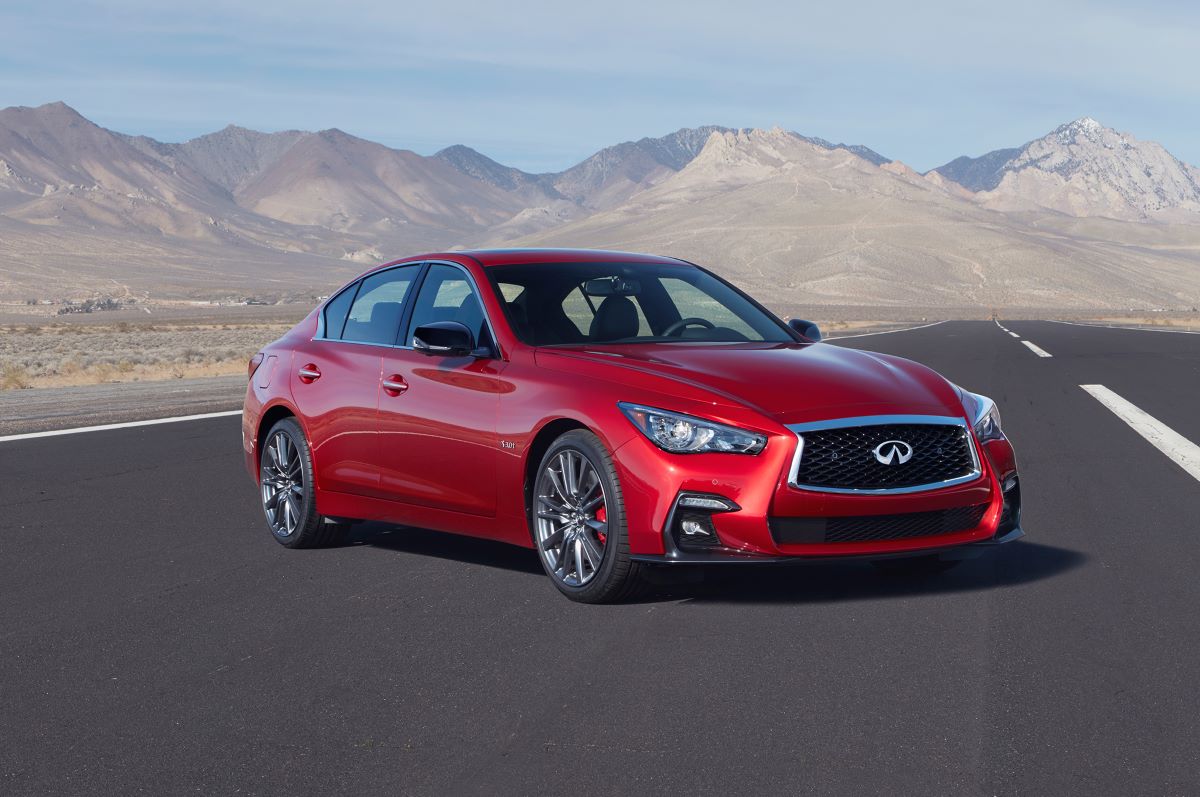
7. Infiniti Q50
The Infiniti Q50 presents a bold, upscale interior with wide seats and high-quality materials that suggest exceptional comfort. The dashboard layout and seat design appear inviting, creating the impression that this car is perfect for long-distance drives. However, many drivers report that the firmness of the cushions and lack of sufficient lumbar support can result in back strain over time.
The suspension, while tuned for sporty handling, does little to absorb road imperfections. Potholes, uneven streets, and speed bumps are felt sharply in the cabin, which contrasts with the otherwise premium appearance. While the steering and cornering remain precise, this stiff ride detracts from the sense of comfort expected from a luxury sedan.
Rear seat space is adequate for short trips, but adults sitting in the back may feel constrained on longer journeys. Headroom is limited due to the roofline, and legroom can feel tight when front seats are fully adjusted. These issues are often overlooked when judging the car by its outward appearance alone.
Noise levels inside the Q50 are average but noticeable on highways. Engine sound, wind intrusion, and tire noise combine with the firmer seating to reduce the sense of relaxation. Even with soft-touch materials and a premium finish, the cabin can feel less comfortable than the interior design might suggest.
The Infiniti Q50 balances sporty styling with a luxurious look, but it falls short in actual comfort. Buyers should focus on the real driving and seating experience rather than being swayed by visual appeal alone. Long trips may reveal the limits of its seating and suspension comfort, highlighting a key disconnect between perception and reality.
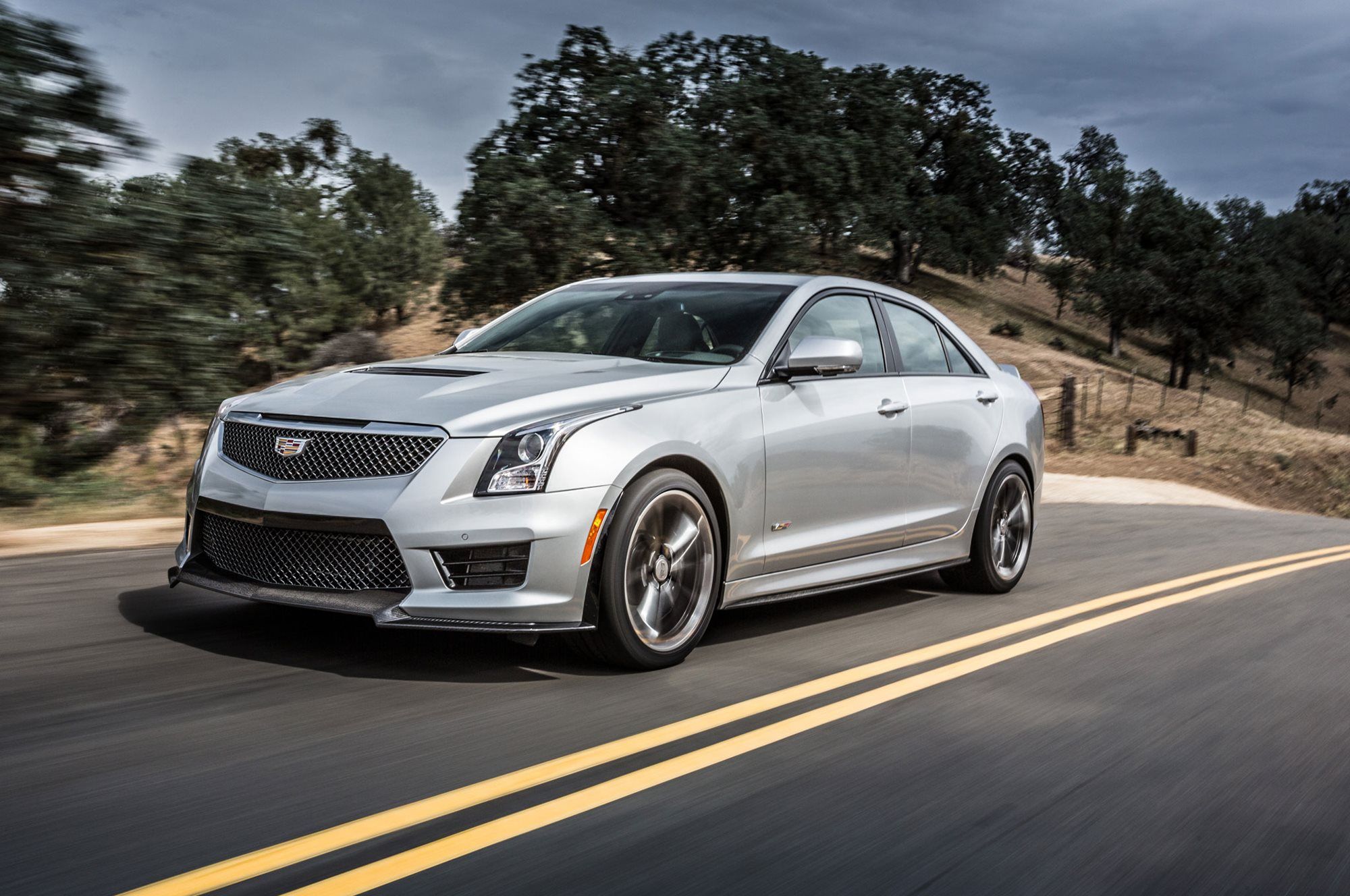
8. Cadillac ATS
The Cadillac ATS is a compact luxury sedan that looks inviting with its refined leather interior and sleek cabin design. The seats are wide and appear plush, and the layout gives the impression of a comfortable, quiet ride. However, the seat padding is firm, and lumbar support is often insufficient for longer drives, which can cause fatigue for both driver and passengers.
Suspension tuning contributes to this discrepancy between looks and feel. The ATS is designed for agile handling and responsive steering, which makes the car fun to drive on twisty roads. On rougher surfaces, though, the suspension delivers a harsh ride, transmitting bumps and vibrations directly into the cabin. Comfort suffers as a result, even if the car looks composed on the outside.
Rear seat accommodations are modest. While two adults can fit, headroom is limited due to the sloping roofline, and shoulder space is constrained. Over extended trips, passengers in the back may feel cramped and fatigued. The stylish exterior and visually appealing cabin cannot fully compensate for this lack of space.
Cabin noise is also a factor affecting perceived comfort. While Cadillac uses sound-deadening materials, road and wind noise can still intrude at higher speeds. When combined with firm seating and a sporty suspension, the result is a driving experience that is less relaxing than the appearance of the car might suggest.
The Cadillac ATS illustrates the trade-offs between style and comfort in compact luxury sedans. Though it offers a visually appealing interior and sophisticated design, the reality of stiff seats, firm suspension, and limited rear accommodations reduces its long-distance comfort. Buyers should test the vehicle in real-world conditions to gauge true usability.
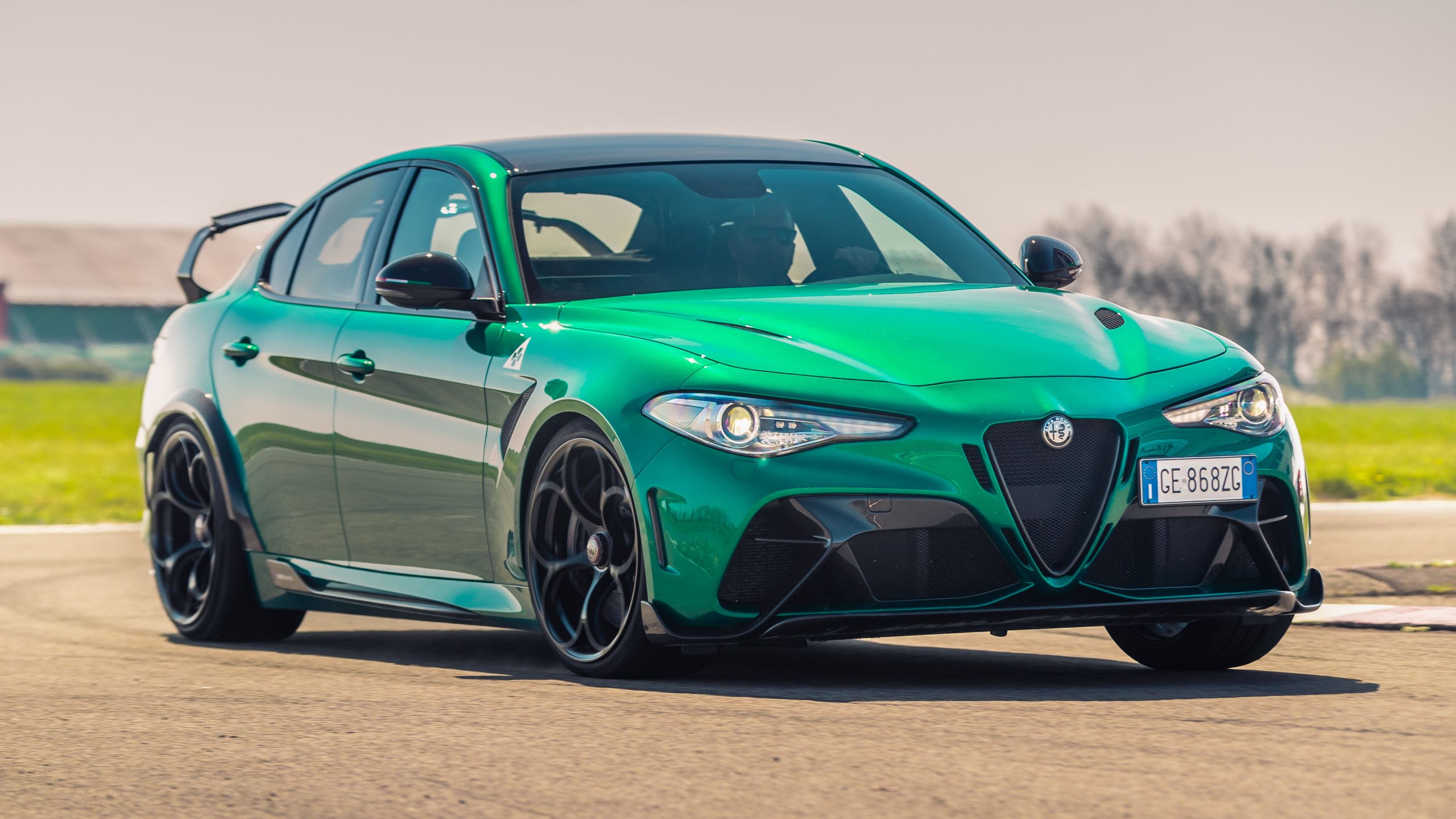
9. Alfa Romeo Giulia
The Alfa Romeo Giulia stands out with a bold design, both inside and out. The cabin looks sporty yet refined, with leather accents and supportive-looking seats. However, the actual comfort delivered can be disappointing, especially during long drives. The seat cushioning is firm, and the side bolsters, while good for spirited cornering, can feel confining over time.
Ride quality is tightly tuned for performance rather than plush comfort. The Giulia handles corners with precision and feels agile, but road imperfections are transmitted sharply to the occupants. Minor potholes and uneven surfaces are more noticeable, creating a jarring experience that contrasts with the soft, inviting interior appearance.
Rear seating is also compromised by the vehicle’s sporty design. Legroom is limited, and headroom is tight due to the sloping roofline. The cabin width is narrower than one might assume, making longer journeys uncomfortable for adults sitting in the back. Families or taller passengers may find this aspect particularly restrictive.
Noise insulation is moderate, with engine and tire sounds entering the cabin more than in other luxury sedans. While the interior appears refined, the auditory experience combined with firm seats and sharp suspension, reduces the sense of relaxation. The Giulia’s appearance can mislead buyers expecting a more comfortable ride.
Alfa Romeo Giulia delivers on style and performance but not necessarily on comfort. Buyers should be aware that firm seats, sporty suspension, and a tighter rear cabin make this car better suited for short, energetic drives rather than extended trips. Visual appeal does not always reflect real-world comfort.
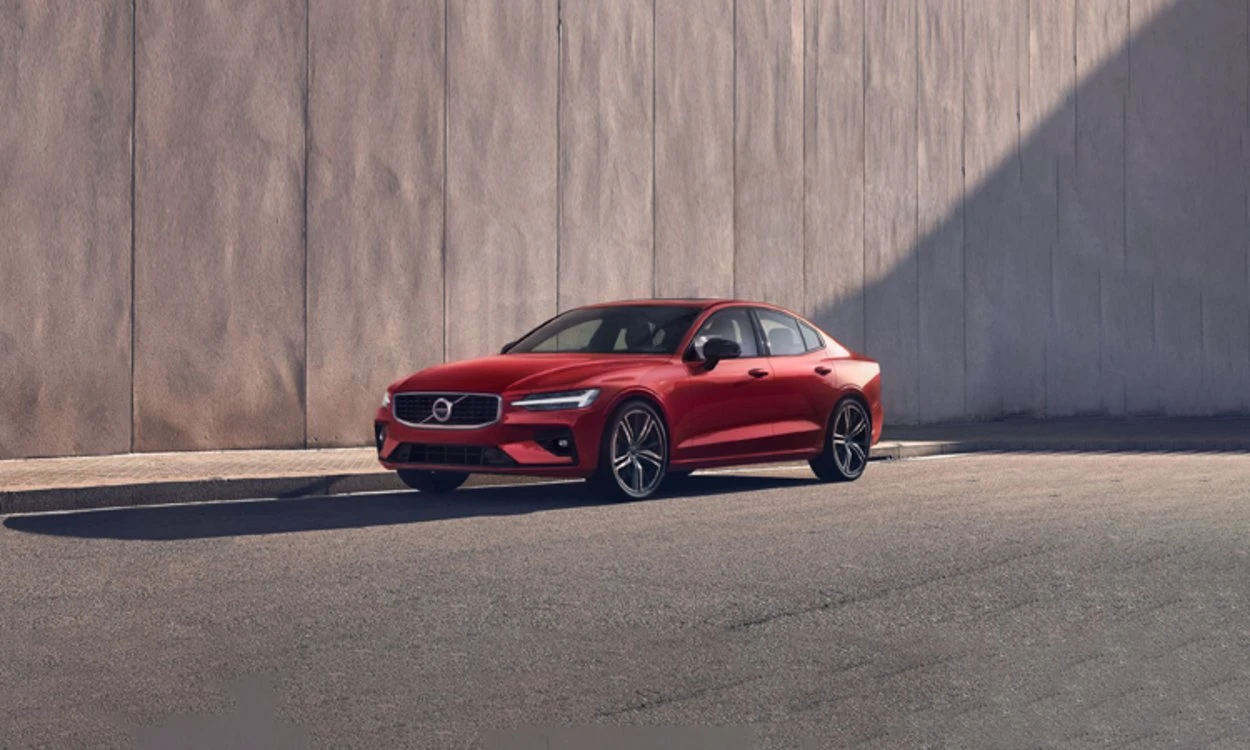
10. Volvo S60
The Volvo S60 is known for its Scandinavian design and luxurious interior finishes. Its seats are wide and appear plush, and the minimalist dashboard conveys a sense of spaciousness and calm. Yet drivers often notice that the cushioning is firmer than expected, and the seat ergonomics, while supportive, may not provide adequate comfort over long distances.
Suspension tuning favors handling and stability rather than softness. While the S60 rides competently over smooth roads, uneven surfaces can feel more jarring than anticipated. The combination of firm seats and a taut suspension makes highway travel less relaxing than one would assume based on its refined cabin.
Rear passenger space is somewhat limited. Though two adults can sit comfortably for short journeys, headroom and legroom are less generous than the exterior styling suggests. Longer trips can lead to discomfort for rear occupants, making the vehicle less ideal for carrying multiple passengers in comfort.
Cabin noise is moderate but can become noticeable at higher speeds. Tire and wind sounds, combined with firmer seating, reduce the feeling of a cushioned, serene environment. The visual calm of the interior does not fully translate into a relaxed driving or riding experience.
The Volvo S60 highlights the difference between perceived and actual comfort. While the interior looks spacious and luxurious, firm seats, taut suspension, and limited rear space reduce comfort. Buyers should focus on test-driving the vehicle under realistic conditions to assess whether it meets their expectations for a truly relaxing ride.
