
A vehicle’s interior is more than just a space for driving; it reflects the quality and craftsmanship of the car. Some vehicles, however, have cabins that quickly reveal signs of wear, showing scratches, scuffs, or sagging materials within a short period. The reasons for this vary, including the choice of plastics, seat fabric quality, and general build standards.
Drivers often notice these imperfections after just a few years of use, which can impact their perception of the car’s value and longevity.
The way materials respond to daily use plays a key role in how long a cabin stays presentable. Hard plastics may scratch or dull over time, while fabrics can stain or fray easily. Even features like cup holders, door handles, and steering wheels can begin to show signs of repeated handling.
When combined, these factors make certain models stand out for interior wear more than others. Car owners who prioritize a lasting, fresh-feeling cabin often look for vehicles that use premium finishes, but lower-cost models sometimes compromise in these areas.
Cabin wear is not only an aesthetic concern; it can affect comfort and usability. Seats that lose their firmness or padding can make long drives uncomfortable, while dashboard surfaces that fade or crack may distract from the driving experience.
In addition, small scratches or stains can become permanent marks if left untreated. Understanding which vehicles tend to age quickly inside helps buyers make informed choices and avoid long-term maintenance frustrations.
Several popular compact cars and subcompact models have a reputation for showing interior wear early. These vehicles often compete on affordability rather than high-quality materials, which can lead to visible aging. Plastic panels can become brittle or glossy with repeated contact, and fabric seats may catch dirt or pill within months of use.
Steering wheels and gear shifters are particularly vulnerable, as repeated hand contact accelerates surface degradation. Recognizing these patterns allows potential owners to plan for maintenance or choose models with more durable cabins.
This article highlights ten vehicles known for interiors that reveal wear faster than most. Each model is examined for specific areas that tend to degrade, from seat materials to dashboards and trim. By reviewing these cars, buyers gain insight into common issues and can make decisions that match their priorities.
While some of these vehicles offer strong performance or affordability, their interiors may require extra care to maintain appearance. The goal is to provide a practical guide for drivers who value a cabin that remains comfortable and visually appealing over time.

1. Ford Fiesta
The Ford Fiesta has been a popular choice in the subcompact segment for its efficiency and affordability. Despite its appeal, the cabin materials often show signs of wear quickly. Seat fabric can become thin in high-contact areas, and stains may set in after just a few months. Drivers who spend a lot of time commuting often notice these issues early in the car’s life.
Plastic panels on the dashboard and door trims are prone to scratching and scuffing. Even light contact from rings, keys, or fingernails can leave marks that become more visible over time. The glossy surfaces on certain trims are particularly vulnerable, giving the interior a worn look within the first couple of years. This is more noticeable in lighter-colored models.
The steering wheel and gear shifter are also areas that show wear rapidly. The Fiesta’s steering wheel can develop a shiny, worn appearance where hands frequently grip, while the gear knob may lose its texture.
Such signs of wear can make the cabin feel older than the actual age of the vehicle. Owners who prioritize a fresh-looking interior often choose to add protective covers or clean these components regularly.
Floor mats and carpeting experience frequent stress as well. Dirt, moisture, and friction from shoes can wear down fibers, leaving faded patches in the areas most used. Pedal wear is another issue for Fiesta owners who drive often in urban traffic. Over time, this can result in the interior appearing tired even when exterior paint remains in good condition.
Despite these concerns, the Fiesta remains a practical choice for many drivers. Its small size and fuel efficiency outweigh interior aging for those focused on cost-effectiveness.
However, buyers should be aware that routine cleaning and occasional replacement of worn parts may be necessary to maintain the cabin’s appearance. Preparing for these small maintenance tasks helps prolong the vehicle’s comfort and visual appeal.
2. Chevrolet Spark
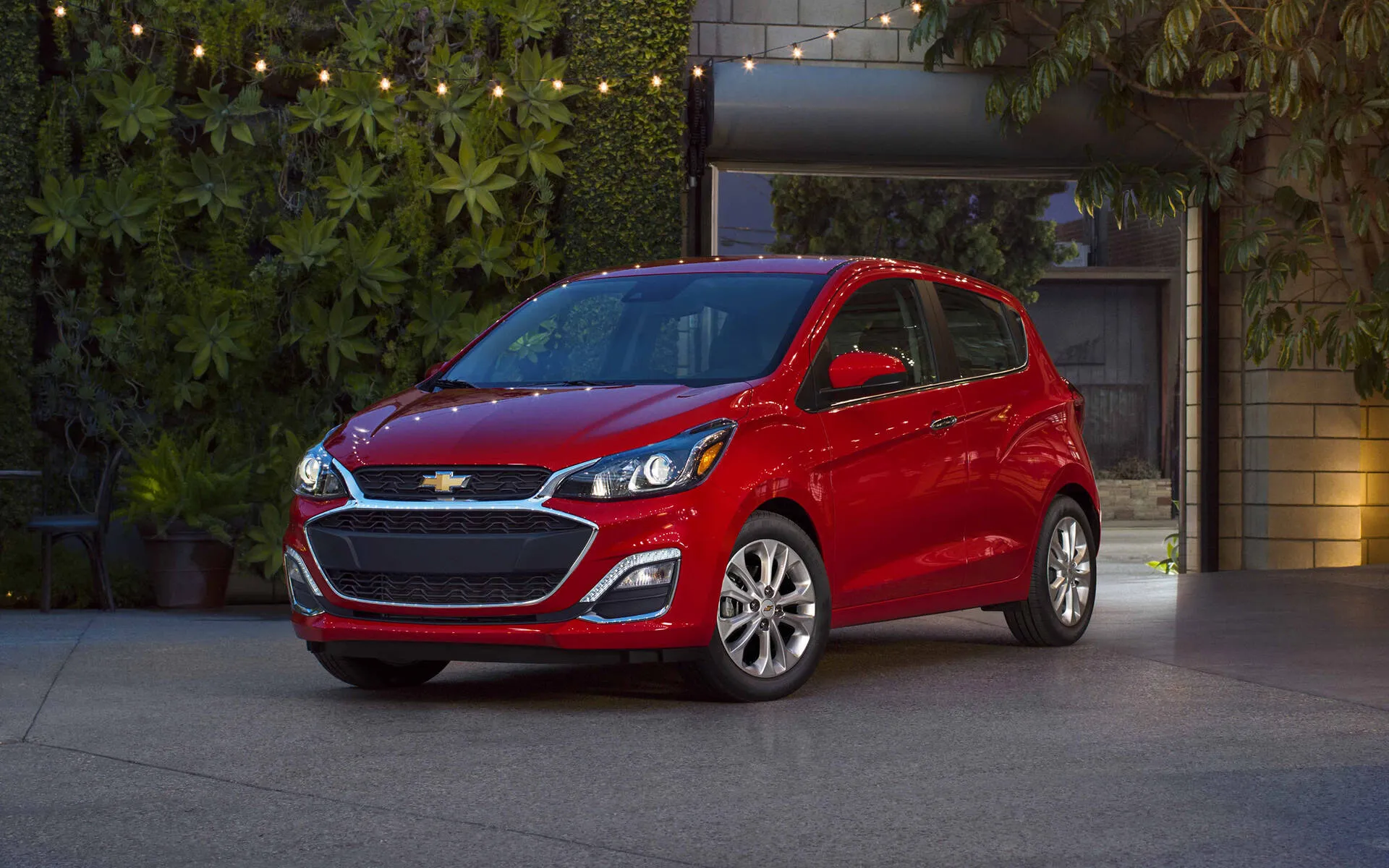
The Chevrolet Spark is one of the most affordable city cars, but its cabin reflects this focus on cost. Fabric seats tend to show creases and sag after minimal use. Spills can quickly stain the material, leaving permanent marks that cleaning does not fully remove. Drivers may notice that the interior starts looking aged within the first year.
Hard plastics dominate the dashboard and door panels, but they scratch and dull easily. Even casual contact with keys, phones, or rings can leave visible marks. Lower-quality trim pieces may loosen over time, creating rattles and a worn feel. The simplicity of the materials contributes to the car’s quick aging inside.
Steering wheels and shifters on the Spark are prone to shine and discoloration from repeated use. The steering wheel can develop a slippery feel after months of driving, and the gear lever often loses its original texture. These minor changes combine to make the cabin look noticeably used.
Carpets and floor mats show wear faster than many competitors. The compact interior means that driver and passenger foot traffic is concentrated in small areas. Over time, dirt and debris become trapped, leading to faded or frayed surfaces. Regular cleaning is essential to slow down visible aging.
Despite these interior issues, the Spark’s efficiency and maneuverability keep it attractive to city drivers. The car remains practical for short commutes, although owners should expect interior maintenance. Simple protective measures can help the cabin maintain a cleaner, fresher appearance.
3. Nissan Versa
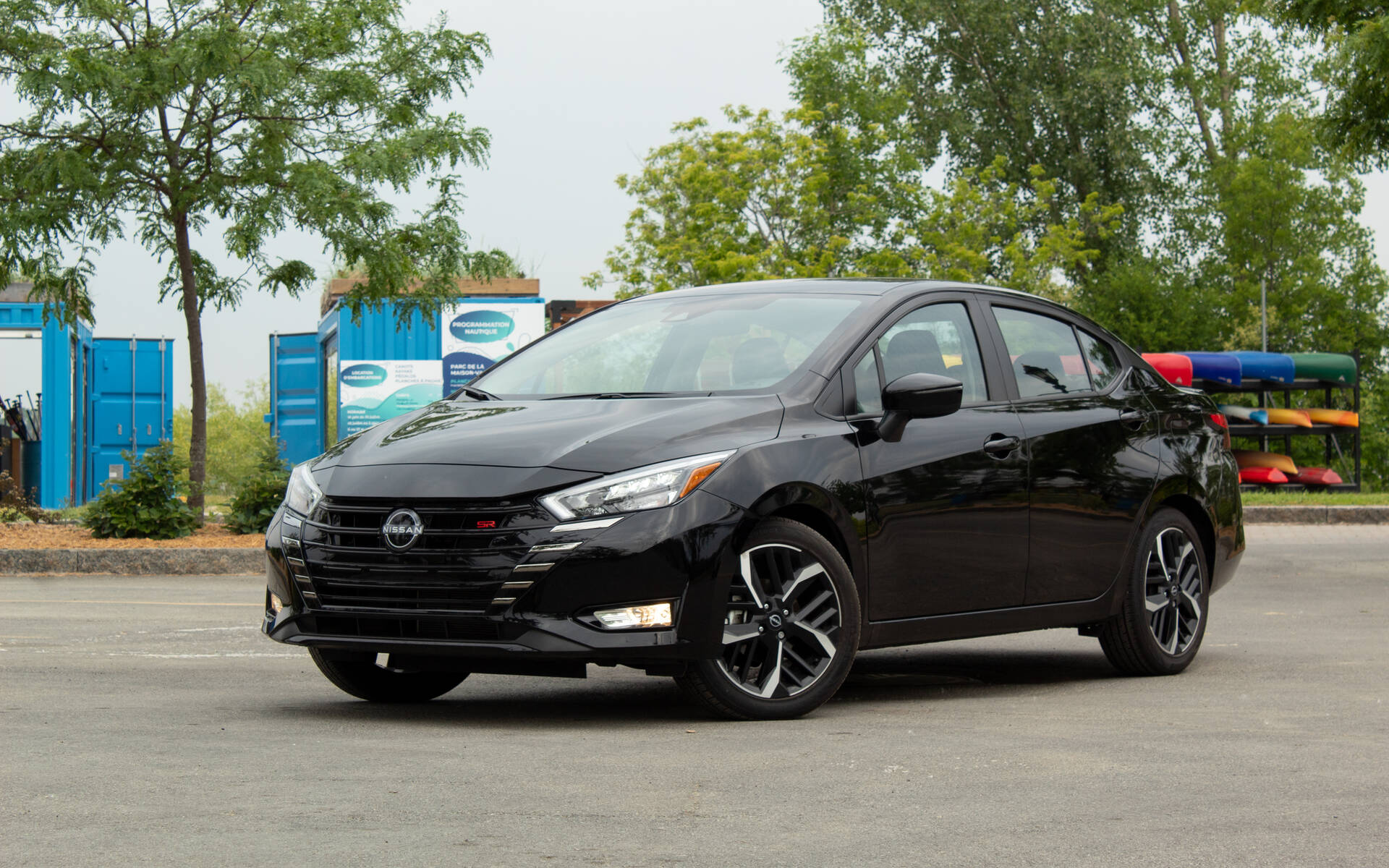
The Nissan Versa is a subcompact sedan designed for budget-conscious buyers. Its seats often show early signs of sagging, especially on the driver’s side. Fabric and cushioning compress under regular use, and stains or wear marks appear quickly. This can make the interior feel less comfortable than its competitors.
Dashboard plastics and trim panels are prone to scratches and surface dulling. Hard textures are often rough, making even minor scuffs highly visible. The door handles and center console show fingerprints and wear after a short period. Light-colored interiors tend to show aging even faster.
The steering wheel and gear shifter develop a glossy look from frequent hand contact. Over time, these surfaces lose their tactile feel, contributing to a worn impression. Some owners find that using covers or conditioners helps maintain the original finish.
Floor mats and carpeting absorb dirt and moisture quickly. Pedal pads also wear faster due to repeated pressure, especially in urban stop-and-go driving. The concentrated stress on these areas leads to an older appearance in just a few years.
Even with these interior challenges, the Versa offers ample space and fuel efficiency. Buyers who value comfort over aesthetics may overlook cabin aging. Still, frequent cleaning and maintenance are recommended to keep the interior looking presentable.
4. Hyundai Accent
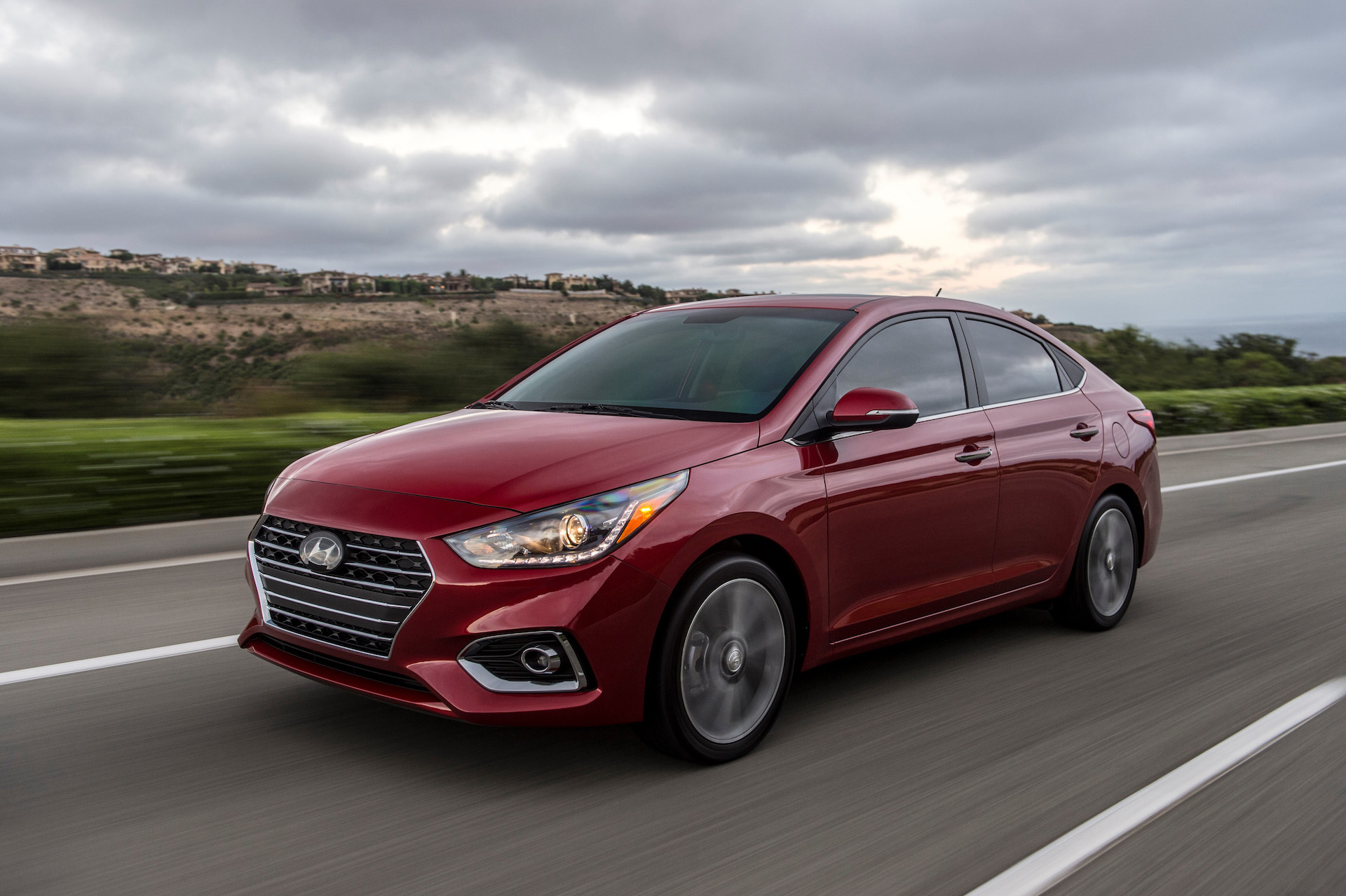
The Hyundai Accent delivers affordability and efficiency, but its cabin materials reveal wear sooner than expected. Seat fabric often shows stretching and thinning along high-contact zones. Over time, these areas can sag or pill, affecting comfort and aesthetics.
Dashboard and door panel plastics scratch easily and lose their luster. Everyday objects like keys, phones, or loose coins create minor abrasions that accumulate quickly. Light-colored interiors make these marks more noticeable. The impression is a cabin that ages faster than its peers.
The steering wheel and gear knob show a glossy sheen after repeated contact. Drivers may notice the texture becoming smoother, which diminishes tactile satisfaction. Protective covers or gentle cleaning routines can slow down visible wear but do not fully prevent it.
Floor mats and carpets experience concentrated stress, especially in the driver’s footwell. Dirt, water, and friction wear down fibers and create faded spots. Pedal areas may also show early wear, emphasizing the cabin’s tendency to age with regular use.
Despite these issues, the Accent remains a popular choice for city driving and efficiency. Its interior requires attentive maintenance to remain visually appealing. Small preventative measures can help mitigate the rapid signs of wear.
5. Kia Rio
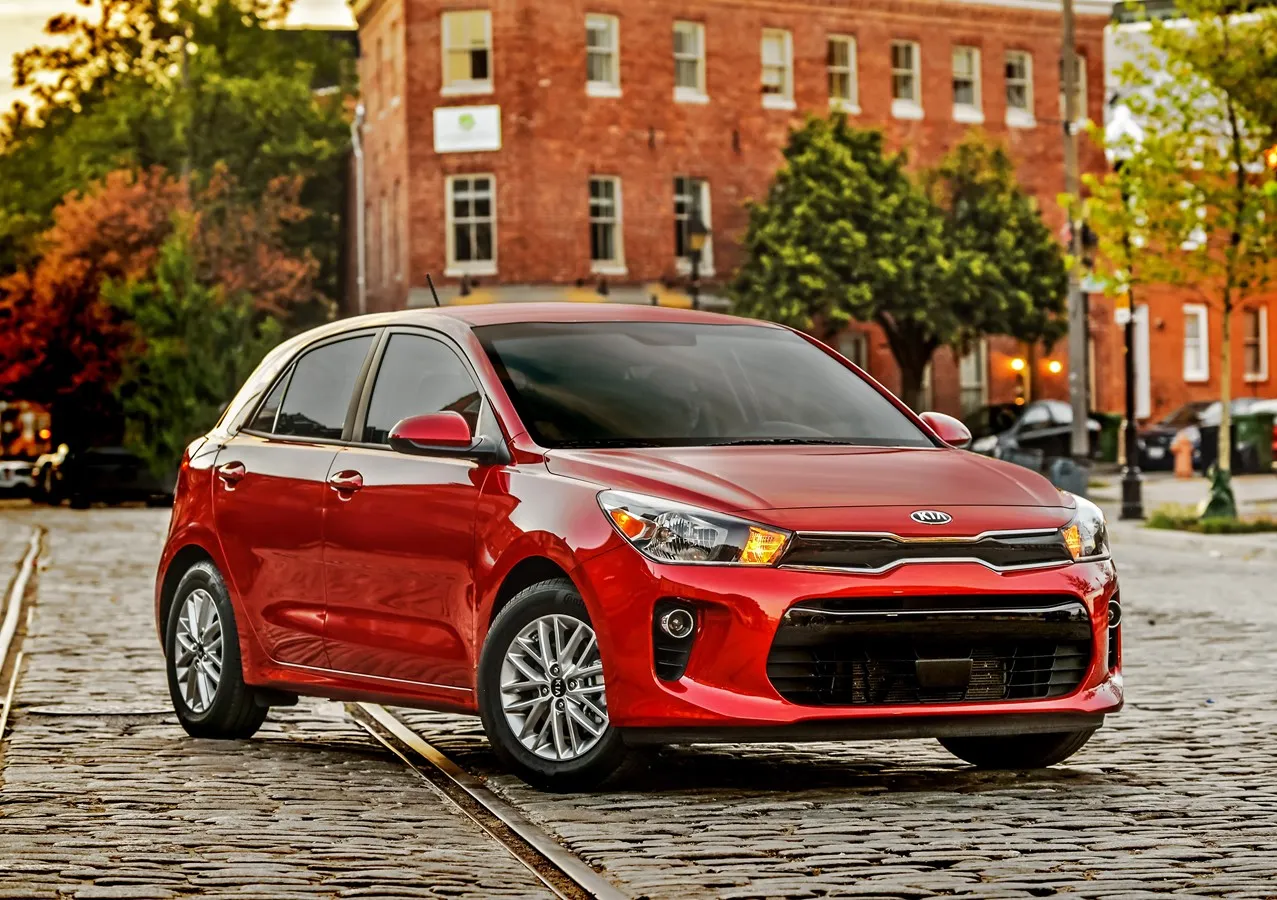
The Kia Rio provides good value but shows interior aging quickly. Seat cushioning can compress and fabric may stretch, leaving visible marks after months of use. Light-colored interiors are particularly prone to staining. Drivers often notice these issues before the first few years are complete.
Hard plastics on the dashboard and center console scratch easily. Daily use leaves fingerprints and minor abrasions on these surfaces. Door panels and knobs may also loosen or fade, creating a sense of deterioration. The interior materials feel softer and less durable compared to premium competitors.
Steering wheel and gear shifter surfaces lose their texture from frequent contact. A shiny appearance develops over time, making the car look older than it is. Regular cleaning slows down this effect but does not fully prevent it.
Carpets and mats wear faster than in many compact cars. Pedal pads and footwell areas show signs of heavy use quickly. Stains or dirt may become permanent if not attended to early. These issues combine to create a cabin that requires careful maintenance.
Even with these drawbacks, the Kia Rio is practical and efficient. Drivers who accept extra upkeep can enjoy its performance and affordability. Protective measures and routine cleaning are key to preserving the cabin’s appearance.
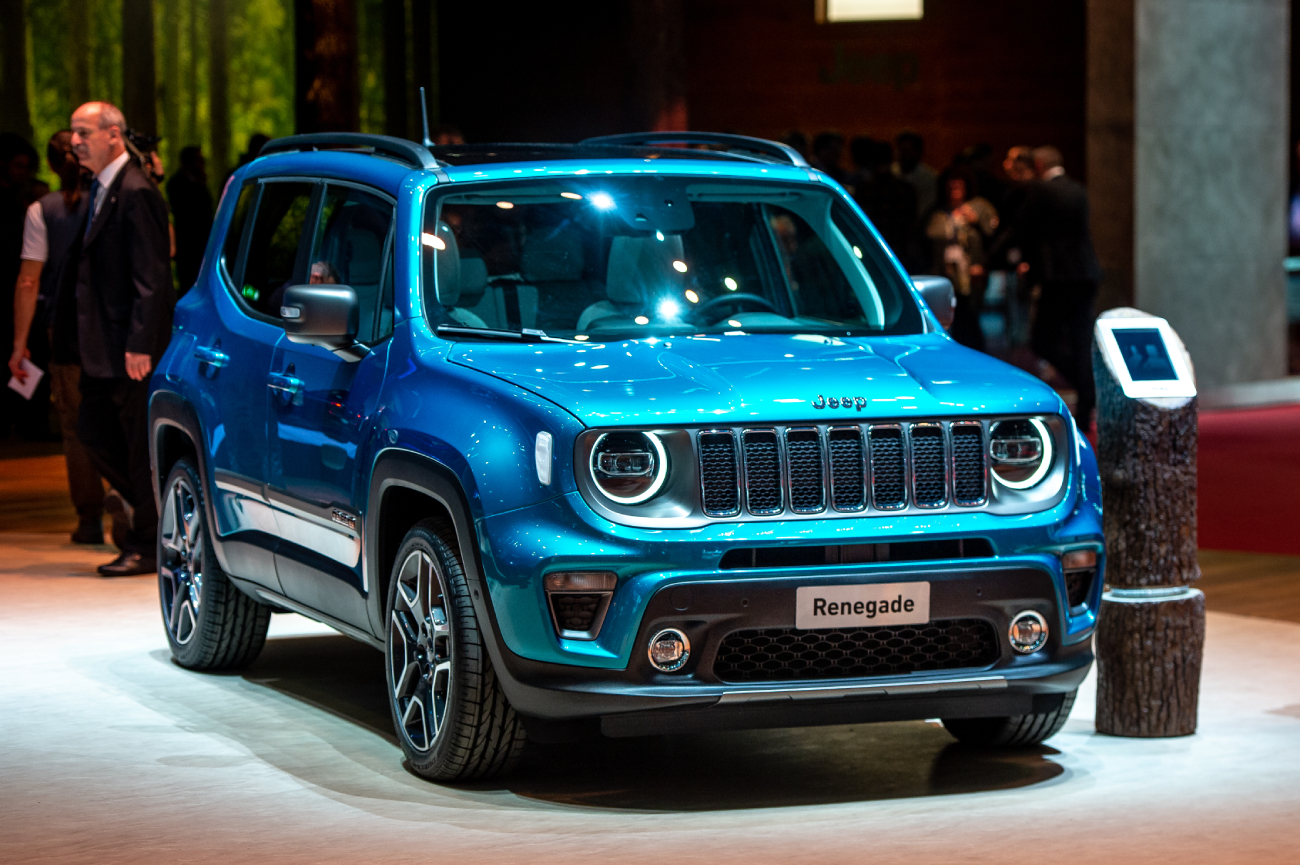
6. Jeep Renegade
The Jeep Renegade is known for its rugged styling, but its cabin materials sometimes struggle to keep up with daily use. Seat upholstery, especially the fabric versions, can wrinkle and compress rapidly under frequent driving.
Even the leatherette seats in higher trims show minor cracking at stress points over time. The interior’s durability is tested sooner than expected, particularly for drivers who regularly use the vehicle for commuting or short trips.
Dashboard and door plastics tend to scuff and scratch easily, particularly in areas with matte finishes. Keys, rings, or even fingernails leave visible marks after minimal contact. Some owners notice small dents in softer plastic panels, which detract from the otherwise sturdy feel of the Jeep. These imperfections can make the cabin appear older and less maintained within just a couple of years.
The steering wheel and gear shifter are susceptible to shine and discoloration from repeated hand contact. The Renegade’s textured surfaces gradually become smooth, and dirt or oils from skin accelerate this effect. Even cleaning with recommended products sometimes fails to fully restore the original texture, leaving a slightly worn appearance in high-use zones.
Floor mats and carpeting wear quickly, particularly in urban traffic where feet constantly rest on pedals. Dirt, sand, and moisture from shoes leave permanent impressions if not cleaned regularly. Pedal pads also show early wear, highlighting the interior’s sensitivity to consistent use. Many owners find that additional mats and protective liners help preserve the original interior.
Despite these wear concerns, the Jeep Renegade maintains a strong appeal due to its design and off-road capability. Drivers who prioritize style and functionality often accept the extra care required for the cabin. Maintaining the interior requires more frequent cleaning and attention, but with proper care, the cabin can remain comfortable and presentable over the long term.
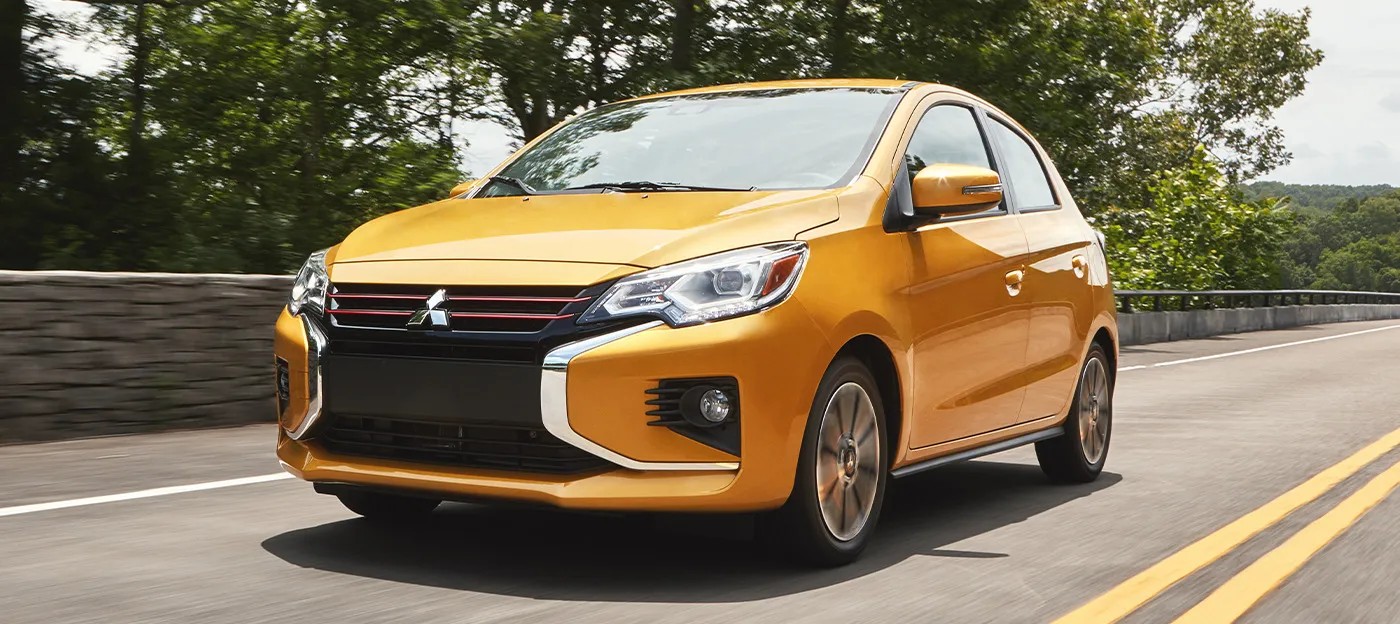
7. Mitsubishi Mirage
The Mitsubishi Mirage is one of the most budget-friendly vehicles on the market, but its interior shows the trade-offs clearly. Seat fabric wears quickly under normal use, with cushions losing support and fabric stretching after minimal use. Owners often notice sagging and thinning areas within a few years, particularly on the driver’s side. This rapid aging can make the small cabin feel worn faster than the exterior suggests.
Hard plastics dominate the dashboard, doors, and center console. These materials are prone to scratches, scuffs, and dulling over time. Even routine handling leaves visible marks, and lighter interior colors make these imperfections stand out. The impression is an interior that struggles to maintain a clean and fresh appearance without careful maintenance.
Steering wheels and gear knobs are also affected by frequent use. The surfaces develop a glossy look, and the original texture diminishes after only a few months of regular driving. This effect is particularly noticeable in urban driving where constant maneuvering increases hand contact. Protective covers or periodic cleaning are often necessary to slow the visible wear.
Floor mats and carpets bear the brunt of daily activity. Dirt, debris, and moisture leave marks that are difficult to remove entirely. Pedal pads can also wear faster than expected due to the Mirage’s compact layout, concentrating stress in small areas. These factors combine to make the cabin feel more worn than other vehicles in its class.
Despite its rapid interior aging, the Mirage remains attractive for its affordability and fuel efficiency. Buyers seeking a low-cost, practical vehicle must accept that its cabin will require extra care. Regular cleaning and maintenance are essential to preserve appearance and comfort over the life of the vehicle.
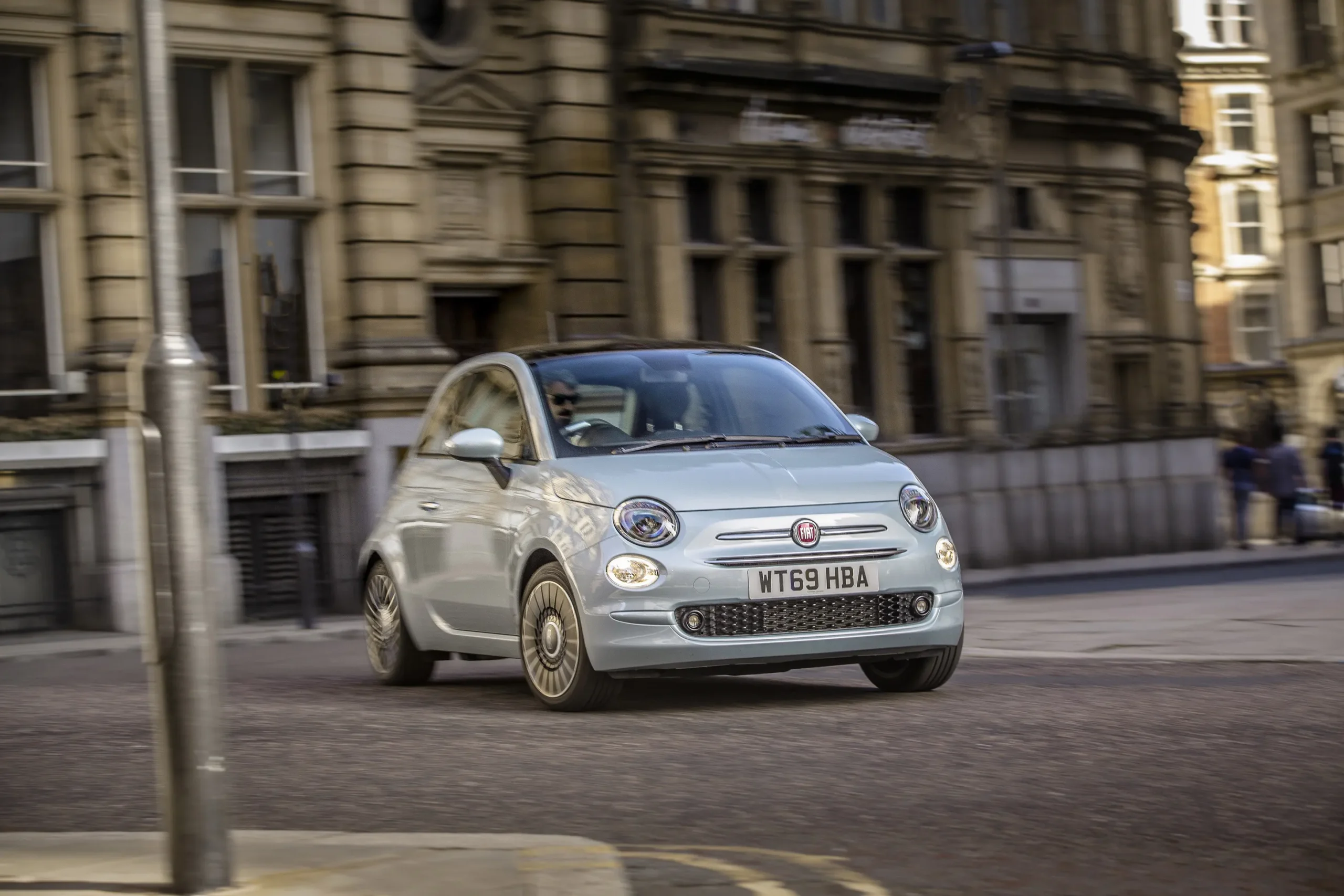
8. Fiat 500
The Fiat 500 is a stylish compact car, but its interior materials are not built to endure heavy use. Seat fabric and leatherette trims show wear quickly, particularly in high-contact areas like the driver’s seat. Compression and minor cracking appear within a short period, highlighting the cabin’s sensitivity to frequent use. This can make a car that looks modern from the outside feel aged inside.
Dashboard and door plastics are prone to scratches and marks from daily handling. Small abrasions from keys, phones, and other objects accumulate quickly, creating visible imperfections. Lighter trim options make these signs of wear even more apparent, giving the cabin a less durable feel despite the car’s premium design appeal.
Steering wheels and gear shifters on the Fiat 500 are susceptible to shine from repeated hand contact. Oils from skin gradually wear down surface texture, leaving a smoother, slightly worn look. Regular cleaning and occasional conditioners can slow the effect but cannot fully prevent it, especially with frequent driving.
Floor mats and carpeting in the compact interior are vulnerable to dirt and moisture. The small cabin size concentrates foot traffic, which accelerates wear on key areas. Pedal pads also show stress quickly, creating the impression of a cabin that has been heavily used, even with careful driving habits.
Despite these challenges, the Fiat 500 retains a strong appeal due to its design and maneuverability. Drivers who prioritize style over interior longevity often accept the extra maintenance. Adding protective measures and performing routine cleaning helps the cabin maintain a presentable appearance for longer.
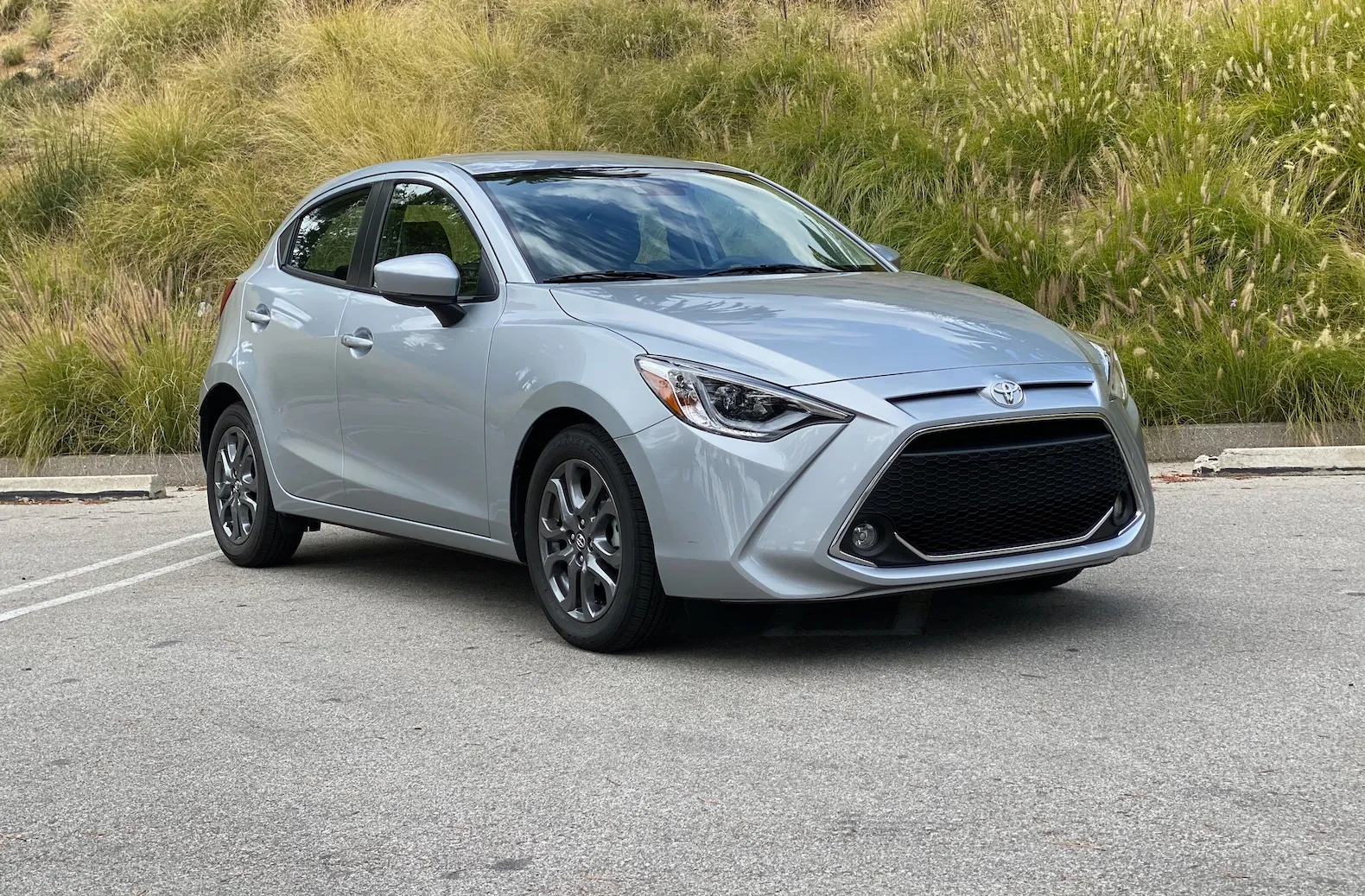
9. Toyota Yaris
The Toyota Yaris is a reliable subcompact, but its interior materials show early signs of wear. Fabric seats compress and wrinkle with daily use, especially on the driver’s side. Stains and pilling appear faster than in some competitors, leaving the cabin feeling less fresh. Many owners notice these issues within the first few years of ownership.
Dashboard and door panels are made of hard plastics that are prone to scratches and surface dulling. Even minor contact from keys, phones, or rings leaves visible marks. Lighter trim colors accentuate imperfections, making the interior feel older than it really is. Frequent cleaning is needed to maintain a neat appearance.
Steering wheel and gear shifter surfaces become shiny from repeated handling. The tactile feel diminishes with use, creating a subtle but noticeable sense of aging. Protective covers or cleaning products may reduce this effect, but only careful attention prevents rapid wear.
Carpets and floor mats show visible wear due to foot traffic, particularly in urban environments. Dirt, debris, and moisture leave lasting marks, and pedal pads wear unevenly over time. These areas often contribute most to a perception of early interior aging in the Yaris.
Despite its interior challenges, the Yaris remains attractive for its reliability and efficiency. Drivers focused on functionality rather than aesthetics often find the cabin’s wear manageable. With regular maintenance and protective measures, the interior can stay comfortable and visually appealing for many years.

10. Honda Fit
The Honda Fit offers practicality and versatility, but its interior materials can show wear sooner than expected. Seat cushions lose firmness with frequent use, and fabric surfaces may wrinkle or stain.
High-contact areas, particularly on the driver’s side, show early signs of aging, affecting both comfort and appearance. Dashboard and door plastics are hard and prone to scratches.
Small abrasions from keys, phones, and personal items become noticeable quickly. Matte finishes may dull over time, and some panels show slight fading in areas exposed to sunlight. These factors make the Fit’s interior appear older than its age.
Steering wheels and gear shifters are also susceptible to wear. Constant hand contact creates a shiny appearance, and texture diminishes over months of driving. Many owners find that covers or careful cleaning routines help maintain the original look, though wear is almost inevitable with daily use.
Floor mats and carpeting experience concentrated stress from foot traffic. Dirt, debris, and moisture contribute to early wear, particularly in driver and passenger footwells. Pedal pads may also show signs of heavy use, accelerating the perception of aging in the cabin.
Despite these interior challenges, the Honda Fit remains a practical choice for city driving and efficiency. The cabin requires regular care to preserve its appearance, but the vehicle’s versatility and reliability continue to make it a popular option. With routine cleaning and small protective measures, the interior can remain comfortable and functional over time.
