
Stop and go traffic has a way of turning even short drives into mentally and physically draining experiences, especially when the vehicle you are driving does little to reduce that strain. In these conditions, comfort is not only about plush seats or a quiet cabin, but also about how smoothly the car responds to constant braking, creeping forward, and repeated acceleration.
Some cars demand more effort than they should, asking the driver to stay overly alert, constantly adjust pedals, or fight against stiff controls.
Over time, this can lead to sore legs, tense shoulders, and general frustration that lingers long after the engine is turned off. Traffic like this exposes weaknesses that are easy to ignore on open roads, such as heavy clutches, jerky transmissions, or poor low speed visibility.
It also highlights how important well tuned suspensions and responsive steering are when speeds are low and spacing between cars is tight. While many vehicles shine on highways or winding roads, they can become exhausting companions when confined to bumper to bumper movement.
The problem is not always about performance or reliability, but about how the car interacts with the human behind the wheel during repetitive, monotonous driving. Noise, vibration, and harsh feedback become more noticeable when you are stuck inching forward, and small annoyances can quickly add up.
A car that feels engaging at speed may feel demanding and unforgiving in traffic, requiring constant corrections and focus. This article looks at ten cars that often feel tiring in stop and go traffic, not because they are bad vehicles, but because their design choices make them less forgiving in these specific conditions.
Each example highlights how certain traits can turn daily commutes into draining routines, especially for drivers who regularly face congested urban roads.
1. Jeep Wrangler
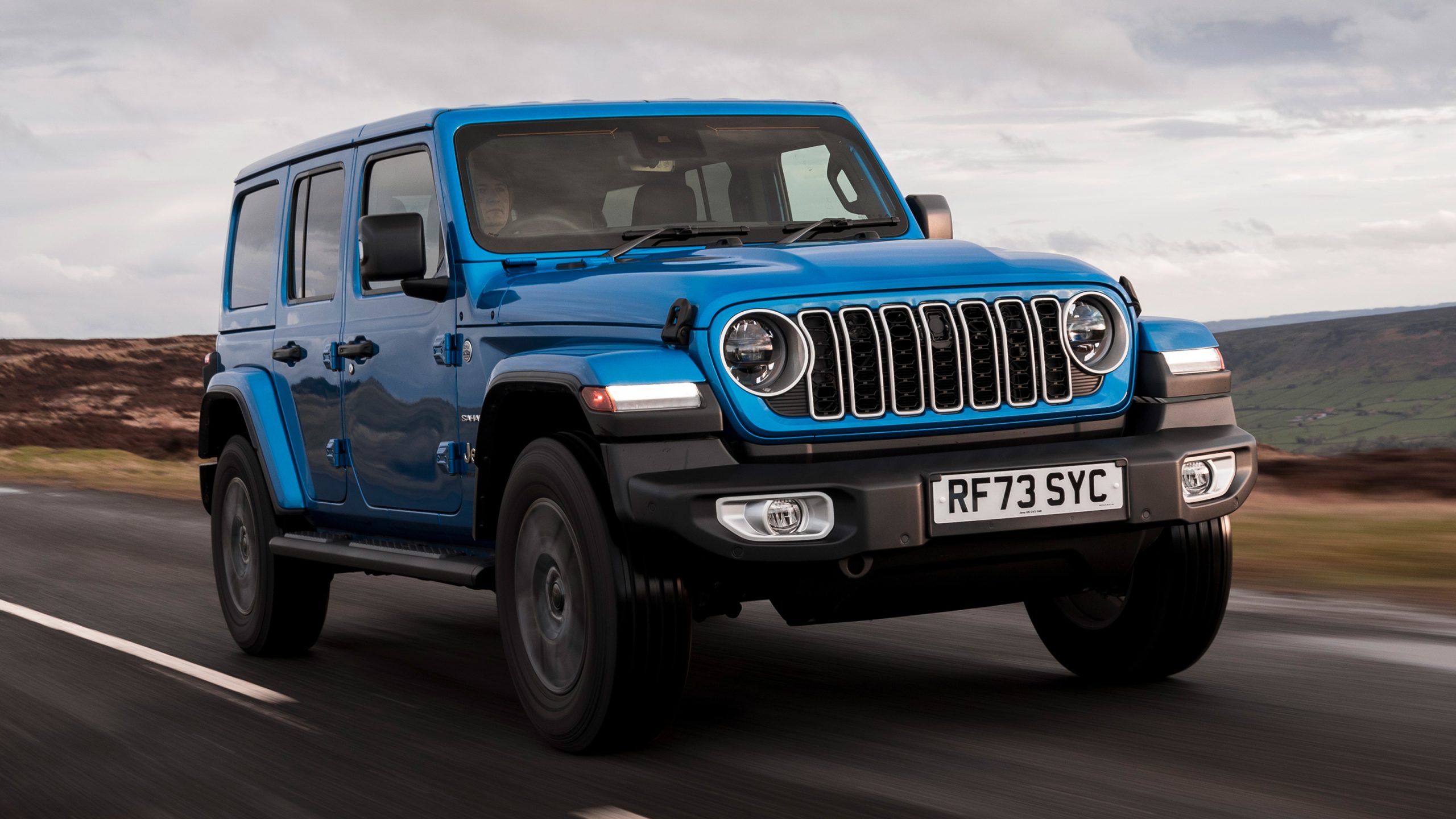
The Jeep Wrangler is known for its rugged character, but that same personality can become a burden in heavy traffic. Its upright seating position and boxy shape limit forward and side visibility, making it harder to judge distances at low speeds.
Constant clutch work in manual versions quickly becomes tiring, especially with a stiff pedal that demands effort every few seconds. Even automatic versions can feel abrupt when creeping forward, adding to the sense of strain.
Suspension tuning in the Wrangler favors off road durability rather than urban comfort. At low speeds, bumps and uneven pavement are transmitted directly into the cabin, keeping the driver constantly aware of road imperfections. This repeated jolting can become exhausting when combined with frequent stops. The steering also feels vague on center, requiring small corrections that add to mental fatigue.
Cabin noise is another factor that wears drivers down in traffic. Road and tire noise easily enter the interior, especially with removable tops or doors. When traffic crawls, these sounds become more noticeable and irritating. The lack of sound insulation means there is little relief from the constant hum of the environment.
The Wrangler’s turning radius is larger than many compact vehicles, making tight traffic maneuvers more stressful. U turns and lane changes require more planning and effort. In dense traffic, this can feel like extra work that never lets up. Over time, the driver feels more drained than expected from a short commute.
All these traits add up to a vehicle that feels demanding in stop and go situations. While it excels off road and in open spaces, it asks too much of the driver when trapped in traffic. The Wrangler is best enjoyed where it has room to breathe, not where patience is already running thin.
2. Ford Mustang with Manual Transmission
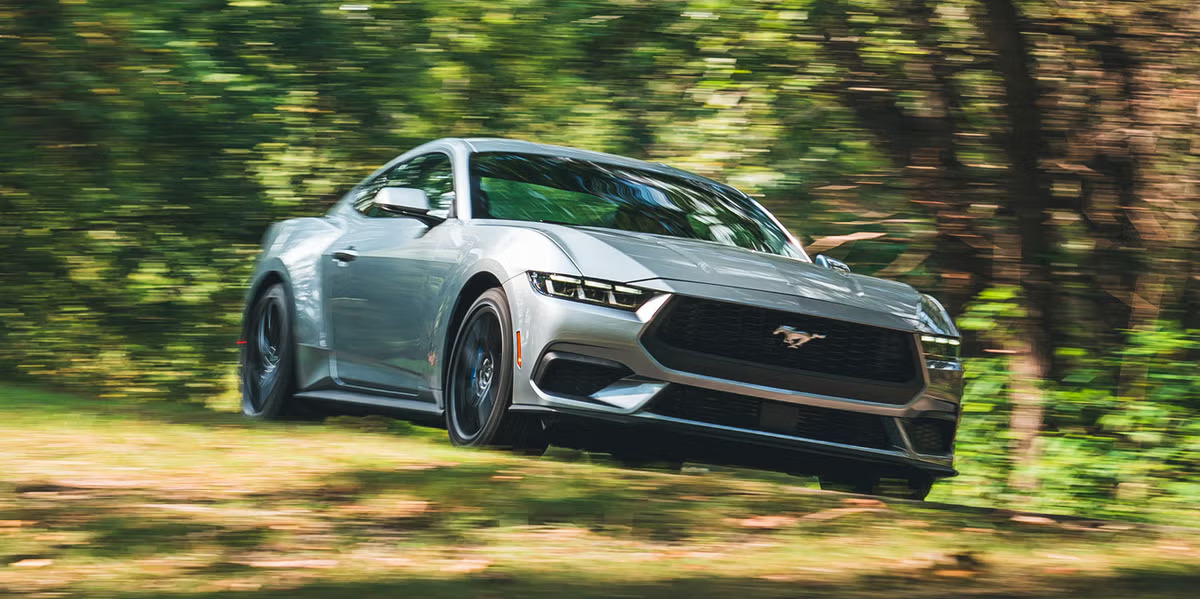
The Ford Mustang delivers excitement and power, but traffic exposes its less forgiving side. Manual transmission models require constant clutch engagement, which becomes tiring when movement is limited to a few feet at a time. The clutch pedal is heavier than average, and repeated use can strain the left leg. This physical effort adds up quickly during long traffic jams.
Low speed throttle response in the Mustang can feel sensitive. Small inputs sometimes result in uneven movement, forcing the driver to stay alert to avoid lurching forward. This constant modulation becomes mentally taxing. Instead of relaxing, the driver must remain focused on smooth inputs.
Visibility is another challenge in congested areas. The long hood and narrow rear window make it harder to judge distances. In tight traffic, this creates a sense of tension as the driver tries to avoid creeping too close to other cars. The need for extra caution increases fatigue.
The suspension setup, designed for sporty handling, transmits more road texture into the cabin. At low speeds, this can feel harsh rather than engaging. Each stop and start reminds the driver that the car prefers open roads. In traffic, that preference becomes a source of discomfort.
While the Mustang shines when driven freely, traffic limits its strengths. The constant work required from the driver makes it feel tiring in daily congestion. It is a car that rewards spirited driving, not endless waiting.
3. Subaru WRX
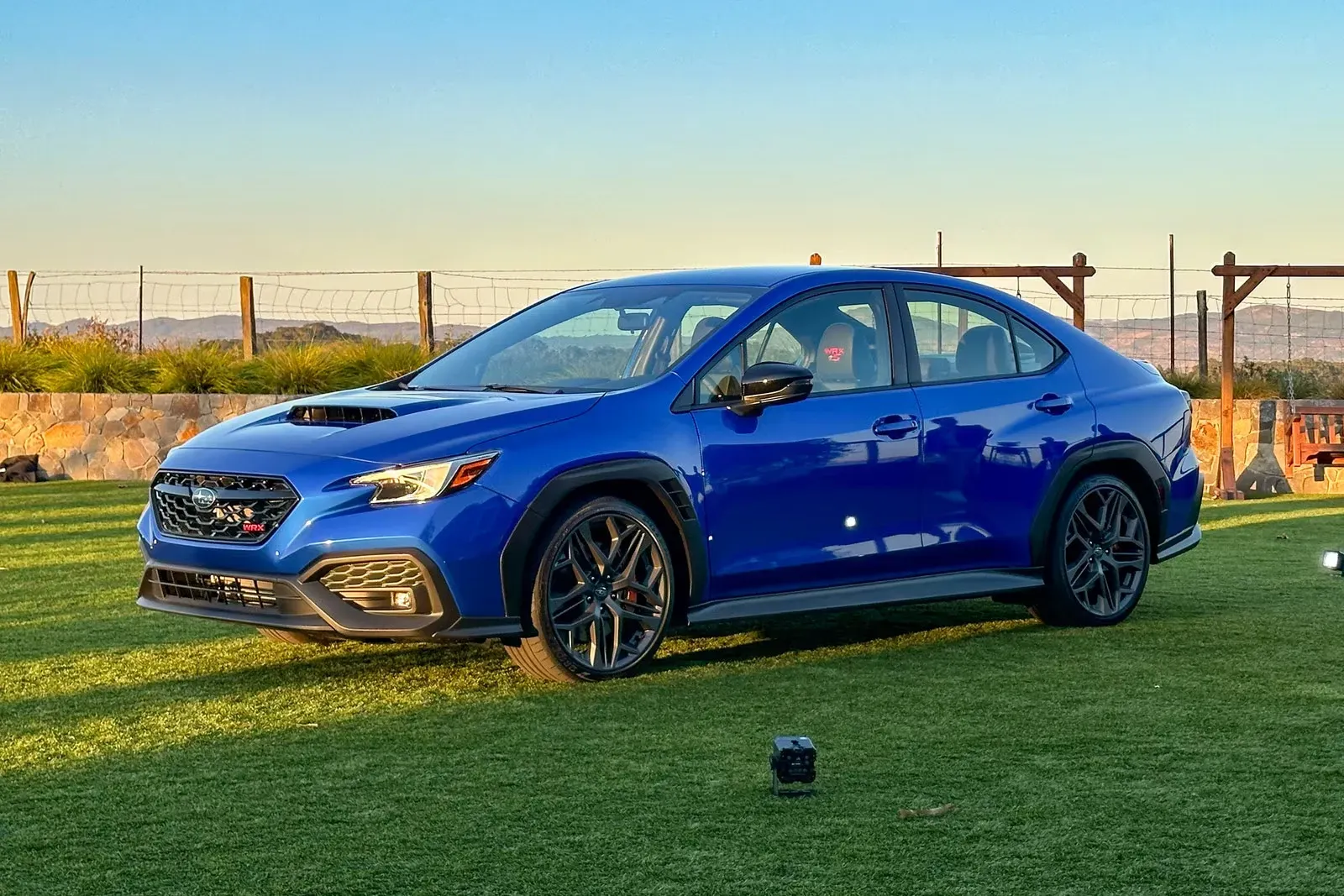
The Subaru WRX is built with performance in mind, but that focus can work against it in traffic. Manual transmission versions feature a clutch that engages high and requires precision. Repeating this action over and over becomes exhausting. The need for careful timing adds mental load in already stressful conditions.
The engine’s low speed behavior is another issue. Turbocharged power delivery can feel uneven when creeping forward. This makes smooth progress harder to achieve and demands constant attention. Instead of gliding, the car feels like it wants to surge or hesitate.
Ride quality in the WRX is firm, which enhances handling but reduces comfort at low speeds. Small bumps and rough pavement are felt clearly. In stop and go traffic, these repeated sensations add to physical fatigue. The driver never fully relaxes.
Cabin noise also plays a role. Road and engine sounds are more pronounced than in many sedans. In traffic, where there is little distraction from driving enjoyment, these noises become more noticeable. Over time, they contribute to irritation.
The WRX is rewarding on open roads and during spirited drives. In traffic, however, it feels demanding and restless. The constant need for control and correction makes it tiring for daily congestion.
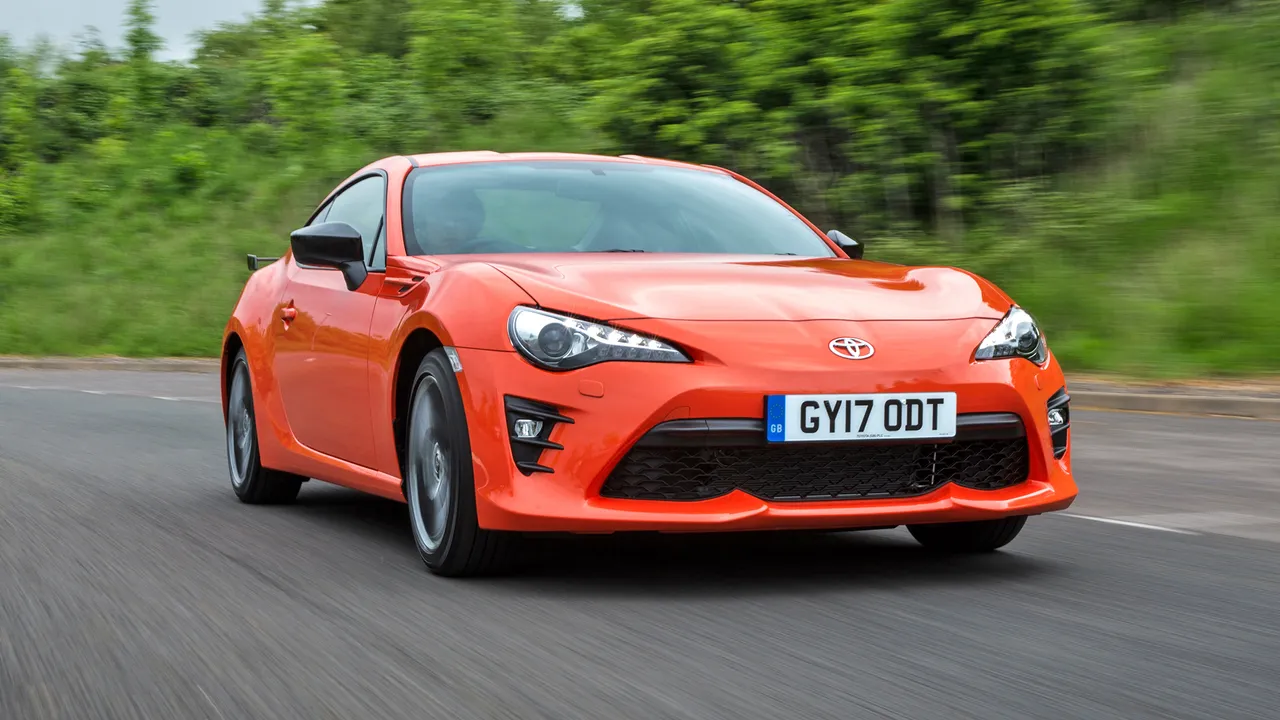
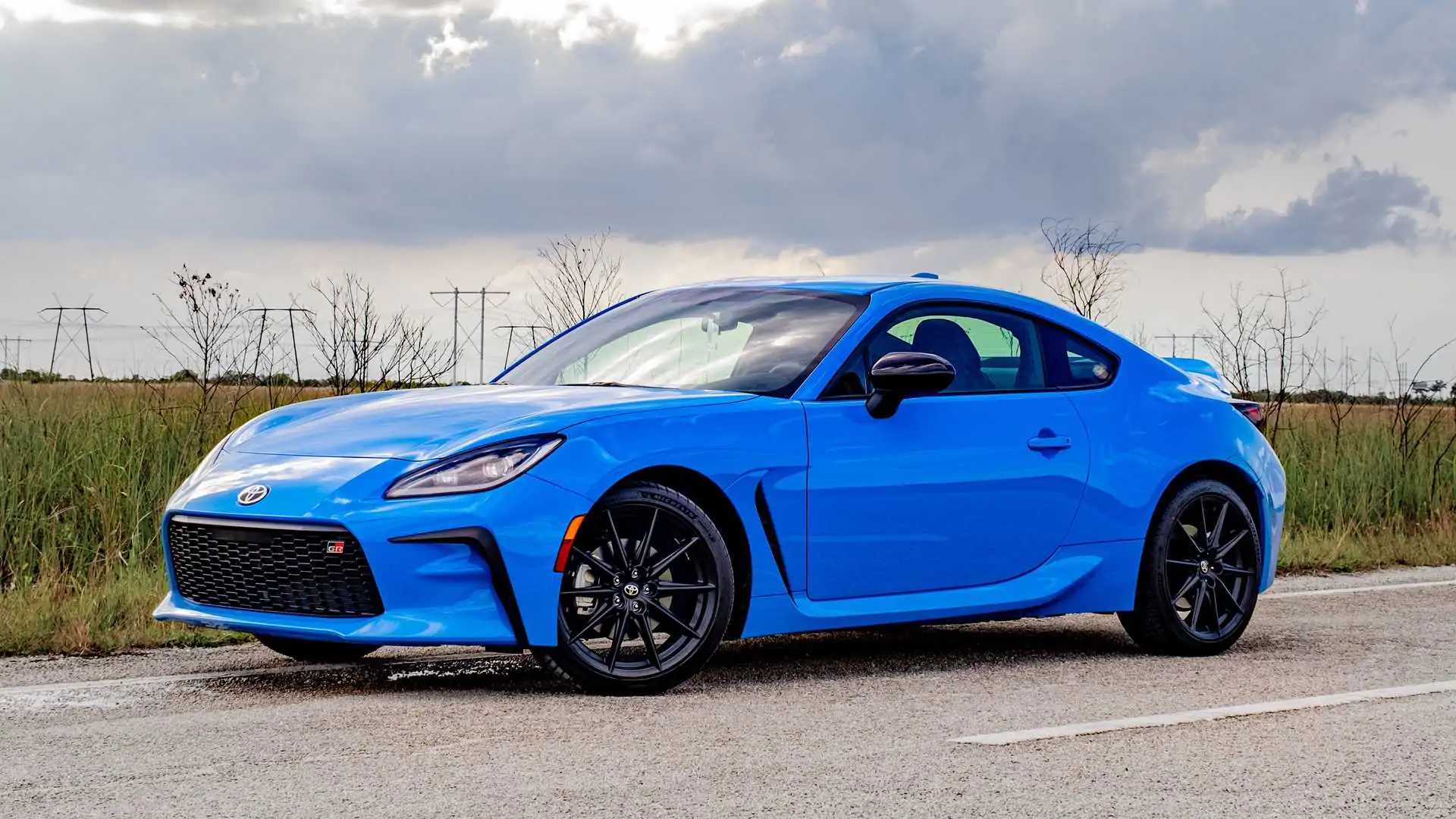
4. Toyota 86
The Toyota 86 is light and engaging, but traffic reveals its compromises. The low seating position makes visibility in traffic more challenging. Surrounded by taller vehicles, the driver must work harder to stay aware. This constant vigilance adds mental strain.
Manual versions require frequent clutch use, and the pedal engagement can feel abrupt at low speeds. Smooth progress demands careful coordination. Repeating this action in traffic quickly becomes tiring. The car feels happiest when moving, not stopping.
Suspension tuning favors feedback over comfort. At low speeds, road imperfections are clearly felt. Each stop and start emphasizes this firmness. Over time, the lack of cushioning wears on the driver.
Interior space is limited, which can make long traffic waits feel confining. The cabin does not provide much room to stretch or shift position. This physical constraint adds to fatigue. The driver becomes more aware of discomfort as time passes.
The Toyota 86 excels as a driver focused car. In traffic, its strengths fade while its weaknesses stand out. The result is a tiring experience when movement is limited.
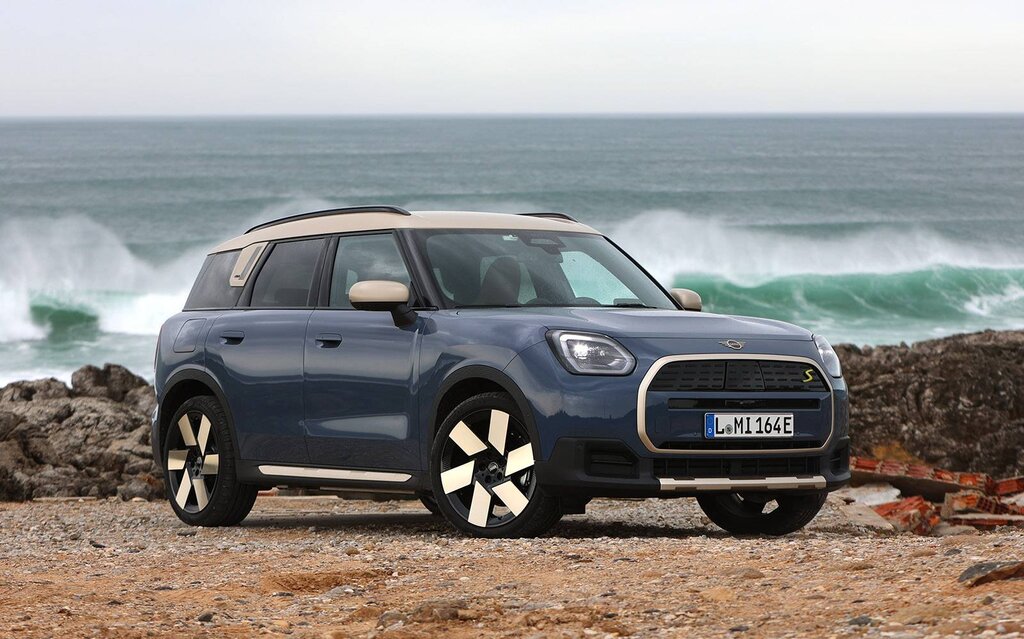
5. Mini Cooper S
The Mini Cooper S offers sharp handling, but traffic exposes its demanding nature. The clutch in manual versions is firm, and the short wheelbase makes throttle inputs feel abrupt. This combination requires constant adjustment. In traffic, that effort becomes draining.
Ride quality is another factor. The stiff suspension transmits bumps directly into the cabin. At low speeds, this can feel jarring rather than sporty. Repeated exposure increases physical fatigue.
The cabin, while stylish, is compact. In traffic, limited space can feel restrictive. The driver has fewer options to adjust posture. This can lead to discomfort during long waits.
Steering is quick and responsive, which is enjoyable on open roads. In traffic, it demands attention even at low speeds. Small corrections are constant. This mental engagement becomes tiring over time.
The Mini Cooper S is fun when driven with freedom. In stop and go traffic, it asks for too much effort. The experience becomes more work than enjoyment.
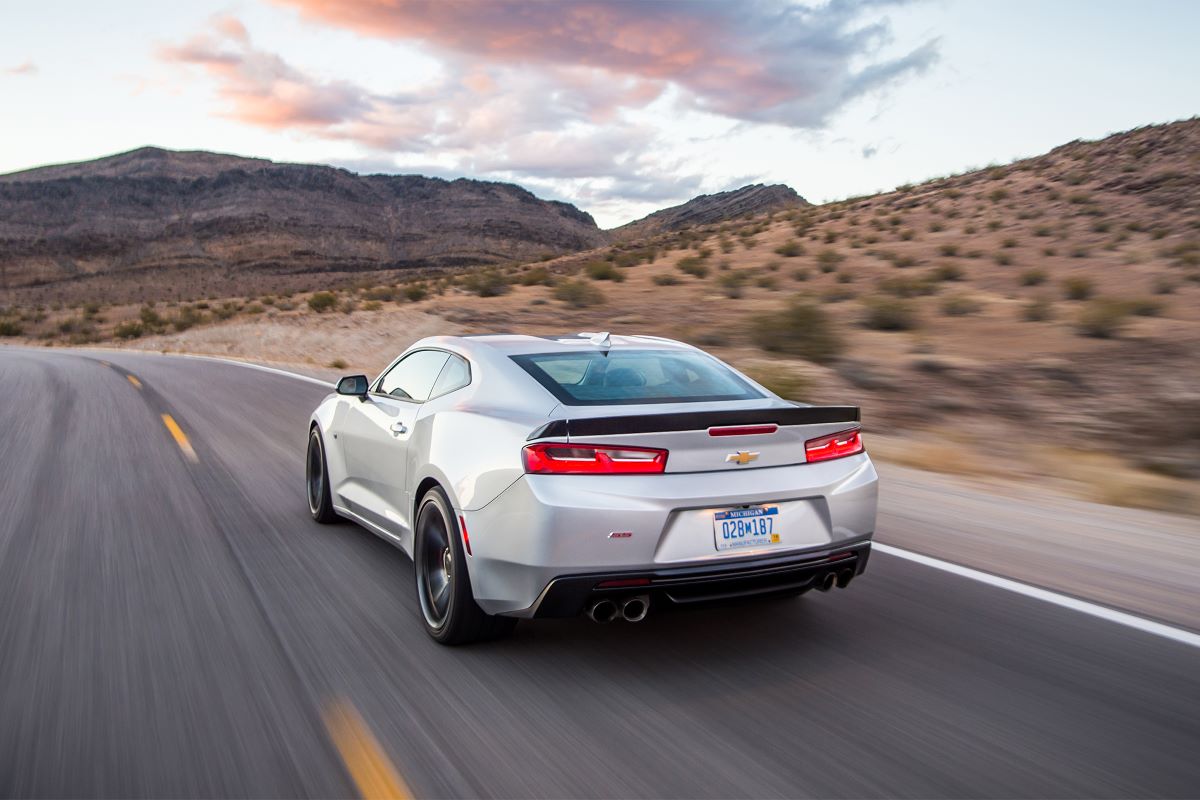
6. Chevrolet Camaro
The Chevrolet Camaro’s aggressive design comes with tradeoffs in traffic. Visibility is a major concern, with thick pillars and small windows. In congested areas, judging distances requires extra care. This constant focus adds to mental fatigue.
Manual transmission versions feature a heavy clutch that becomes tiring in repeated use. Even automatic versions can feel hesitant at very low speeds. Smooth progress requires patience. This adds to frustration in traffic.
The ride is firm, and low speed bumps are clearly felt. In traffic, this firmness offers no reward. Instead, it highlights discomfort. The driver becomes more aware of each stop and start.
Interior ergonomics can also contribute to fatigue. Controls are not always intuitive, requiring glances away from the road. In traffic, this adds stress. The driver must stay alert to avoid mistakes.
The Camaro thrives on open roads where its performance shines. In traffic, its design choices make it tiring. The car feels out of place when movement is limited.
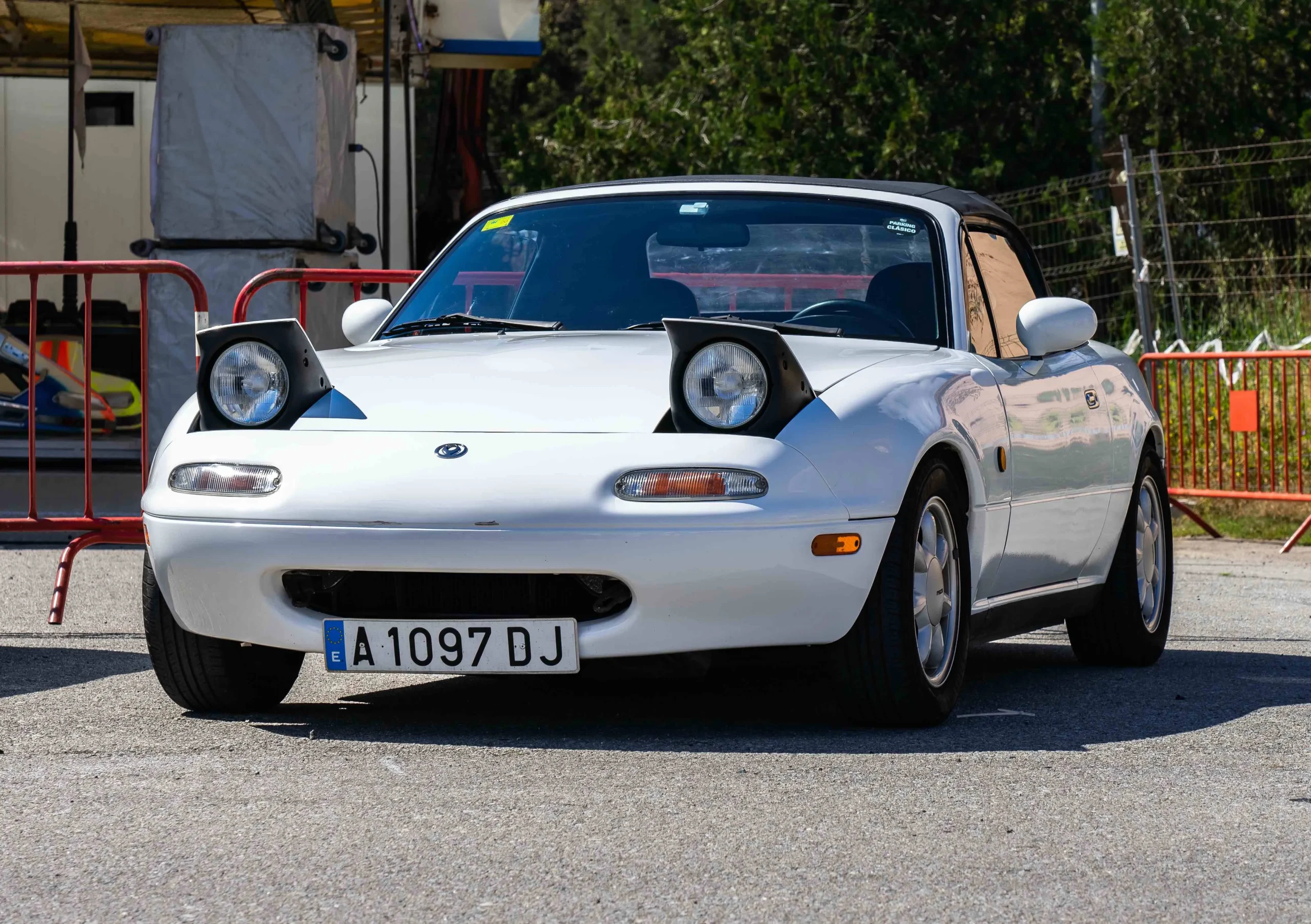
7. Mazda MX-5 Miata
The Mazda MX-5 Miata is beloved for its purity, but traffic challenges that charm. The low seating position places the driver below the sightlines of many vehicles. This reduces confidence in tight traffic. Extra attention is required at all times.
Manual versions are common, and while the clutch is light, constant use still adds up. The short gearing means frequent shifts even at low speeds. This repetitive action becomes tiring. The driver never fully rests.
Cabin space is limited, which can feel cozy at first. In traffic, that coziness turns into constraint. There is little room to adjust posture. Over time, discomfort becomes noticeable.
Road and engine noise are more apparent in traffic. With little forward motion, these sounds dominate the experience. The lack of isolation adds to irritation. The driver becomes more aware of fatigue.
The MX-5 is magical when roads are clear. In stop and go traffic, it feels demanding and confined. The joy fades as effort increases.
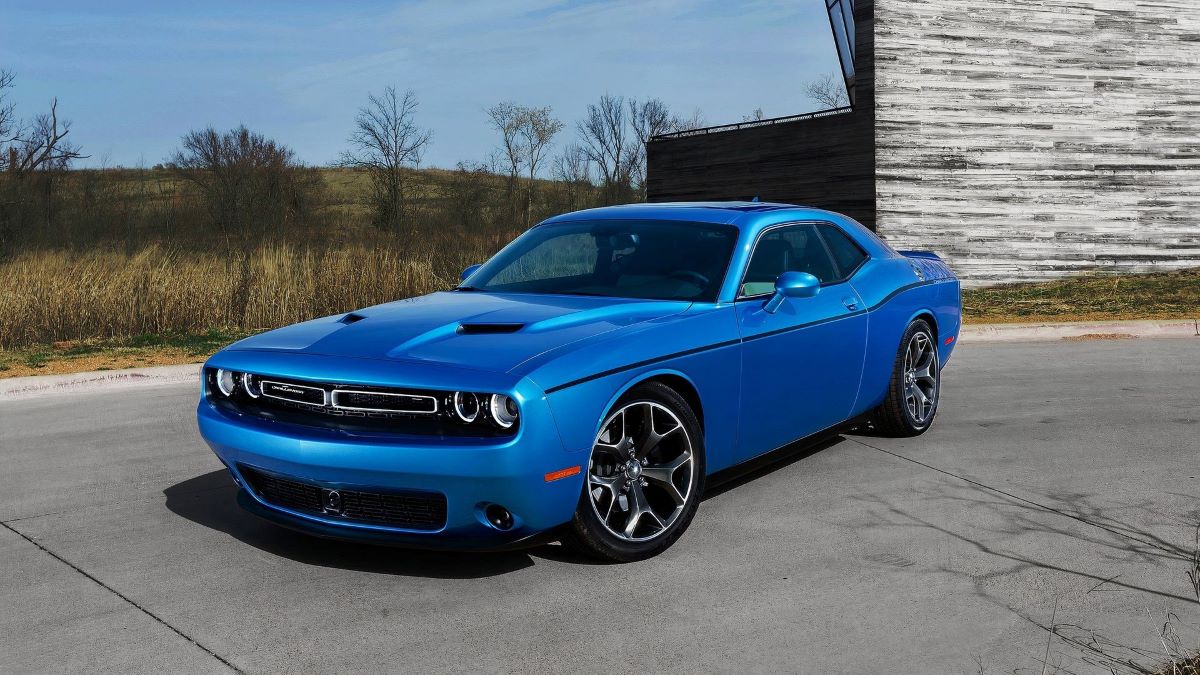
8. Dodge Challenger
The Dodge Challenger offers comfort on highways, but traffic exposes its size. Maneuvering a large body in tight spaces requires constant awareness. In traffic, this can feel stressful. The driver must always plan ahead.
Throttle response can feel heavy at low speeds. Smooth creeping requires careful input. This constant modulation becomes tiring. The car feels reluctant to move gently.
Visibility is better than some rivals, but the long hood still complicates low speed driving. Judging distances in traffic requires focus. This adds mental load during congestion.
The suspension, while softer than some sports cars, still transmits road texture. At low speeds, this becomes noticeable. Repeated exposure adds to physical fatigue. The driver feels worn down.
The Challenger prefers relaxed cruising. In stop and go traffic, its size and response make it tiring. The experience feels heavier than it should.
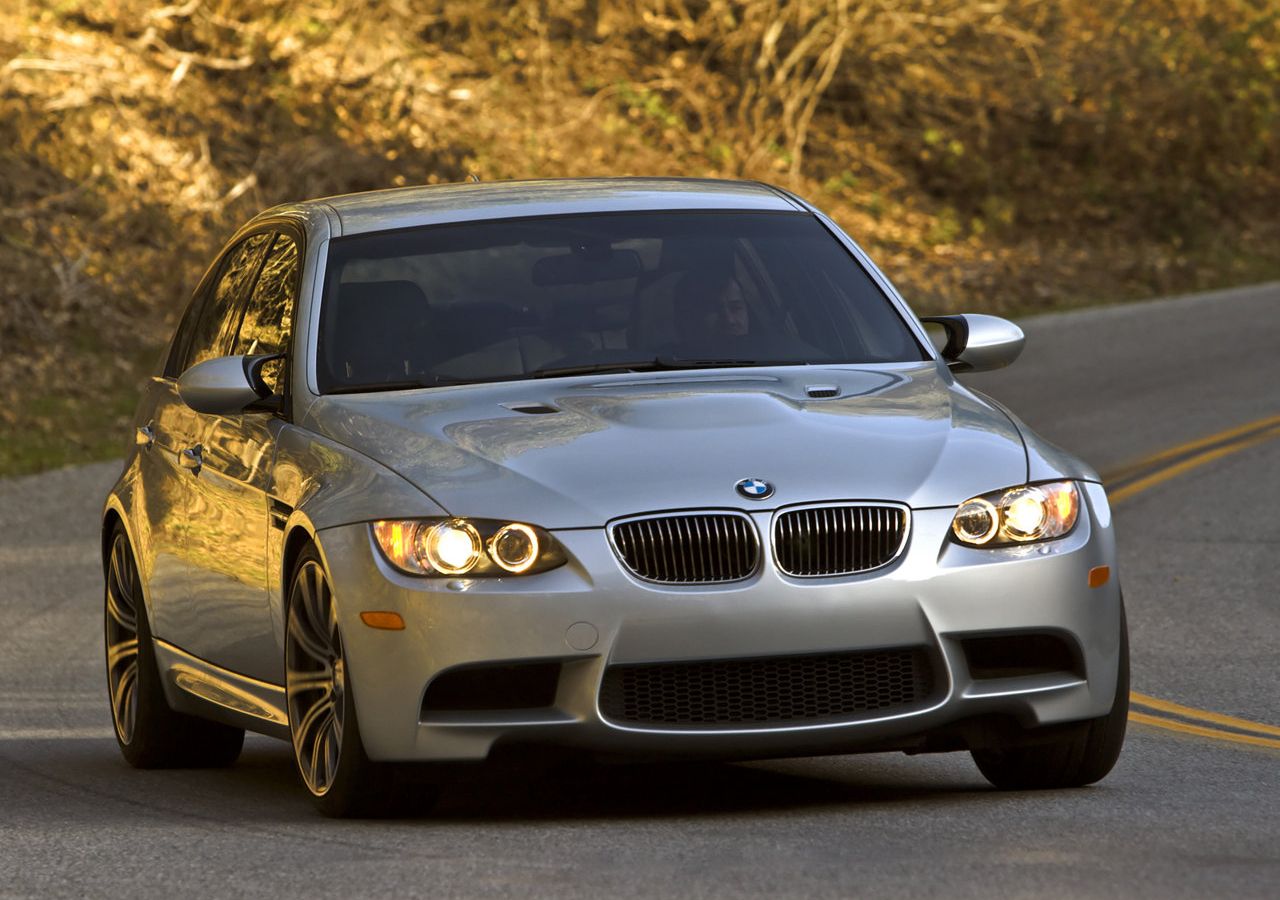
9. BMW M3 with Manual Transmission
The BMW M3 combines performance and luxury, but traffic tests its limits. Manual versions feature a firm clutch that demands precision. Repeated use in traffic strains the leg. This physical effort accumulates quickly.
Throttle response is sharp, which is ideal for spirited driving. In traffic, it requires constant restraint. The driver must stay alert to avoid jerky movement. This mental control becomes exhausting.
Suspension tuning is firm, emphasizing control over comfort. At low speeds, imperfections are clearly felt. In traffic, this firmness offers no enjoyment. It only adds discomfort.
The cabin is refined, but the car’s character encourages engagement. In traffic, that engagement turns into work. The driver never fully relaxes. Fatigue builds as time passes.
The M3 excels when driven with intent. In congestion, it feels restless and demanding. The result is a tiring daily experience.
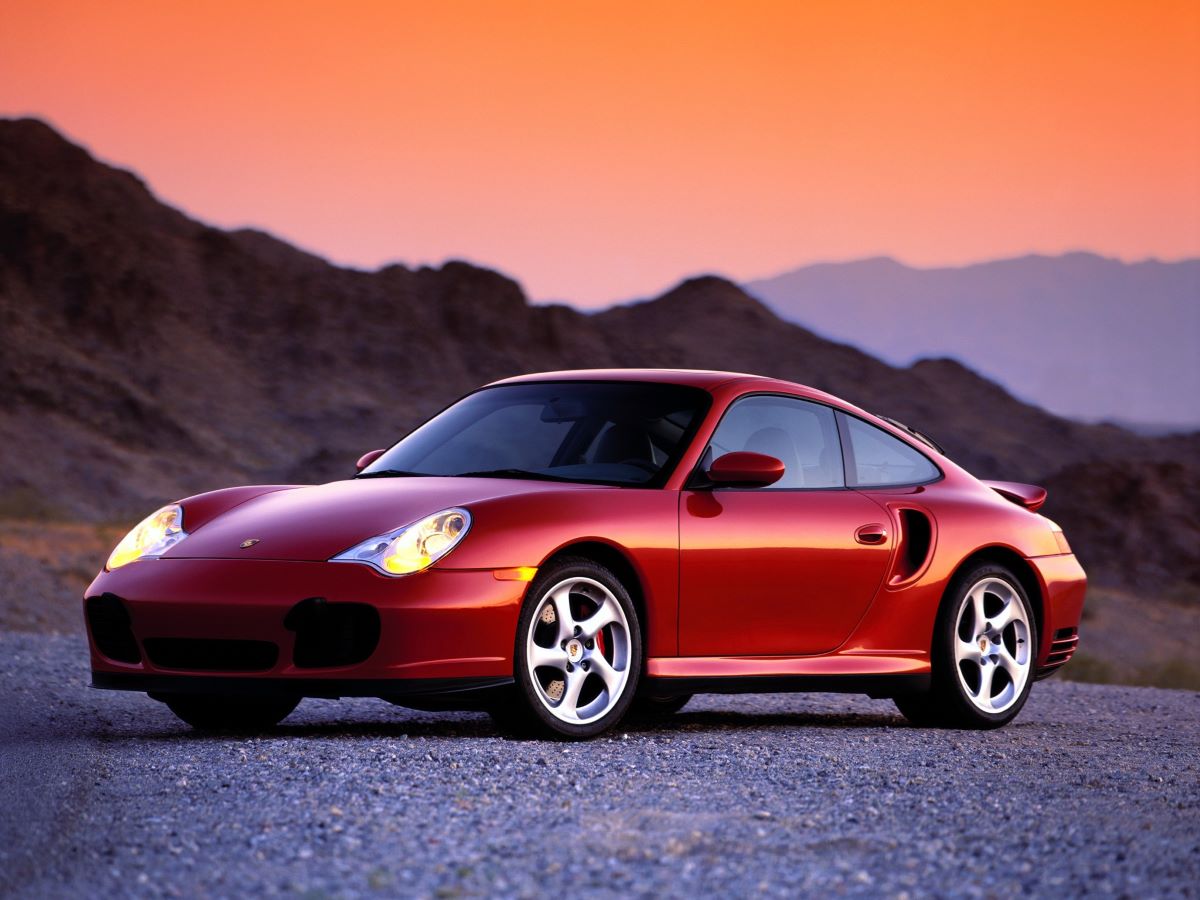
10. Porsche 911 with Manual Transmission
The Porsche 911 is iconic, but traffic reveals its challenges. Manual transmission models require frequent clutch use, and engagement can feel precise but demanding. In stop and go conditions, this precision becomes tiring. The driver must stay focused at all times.
The rear engine layout affects low speed balance. Smooth creeping requires careful throttle control. This constant adjustment adds mental strain. The car feels eager to move faster than traffic allows.
Visibility is limited by the low roofline and sloping rear. In traffic, this makes situational awareness harder. Extra attention is needed to avoid close calls. This vigilance increases fatigue.
Suspension tuning prioritizes feedback and control. At low speeds, road texture is clearly felt. In traffic, this feedback offers little reward. Instead, it contributes to discomfort.
The 911 shines on open roads and tracks. In stop and go traffic, it feels constrained and demanding. The experience becomes tiring rather than thrilling.
