
Regional differences across the United States shape how cars behave, age, and deliver performance in ways many drivers do not immediately notice. Climate, altitude, road quality, fuel availability, and driving habits all play quiet but powerful roles in determining whether a vehicle feels smooth and efficient or strained and inconsistent.
A car that feels lively and reliable in one state may feel sluggish, fragile, or overly stressed in another, even when driven by the same person with the same maintenance routine. These differences are not marketing myths or exaggerated opinions but practical outcomes of physics, engineering limits, and local conditions acting together over time.
Temperature swings affect battery chemistry, rubber compounds, and fluid viscosity, while elevation changes influence engine output and cooling efficiency. Humidity and salt exposure alter corrosion rates and interior durability, subtly changing how a vehicle feels after years of use.
Fuel quality and availability also matter more than many drivers realize. Certain engines respond differently to octane variations, ethanol blends, or diesel sulfur content, which vary regionally despite national standards.
Transmission tuning, traction control behavior, and suspension comfort can shift based on whether a car is regularly driven on smooth highways, rough rural roads, steep mountain passes, or crowded urban streets.
Even braking performance can feel different depending on how often a vehicle encounters long downhill grades or stop and go traffic. Over time, these conditions shape not only performance but also driver perception, making some vehicles feel perfectly suited to a region while others seem out of place.
Weather patterns add another layer of complexity. Extreme heat challenges cooling systems and interior materials, while extreme cold tests battery output, oil flow, and cabin heating efficiency. Snow, ice, and rain expose strengths and weaknesses in drivetrain layouts and tire compatibility.
Vehicles designed with broad appeal in mind sometimes reveal regional quirks when pushed by local conditions they were not optimized for. These quirks do not necessarily make a car bad but instead highlight how design priorities interact with environment. Understanding these interactions helps buyers choose vehicles that align with where they live rather than relying solely on general reputation or national reviews.
This article looks at 15 cars that show noticeable performance differences across U.S. regions. Each example focuses on how the same model can feel distinct depending on climate, terrain, and daily driving realities. The goal is not to rank vehicles as good or bad but to explain why they behave differently and what drivers might expect in various parts of the country.
By recognizing these patterns, drivers can make more informed choices, adapt their maintenance habits, and better appreciate how environment shapes the driving experience over time.
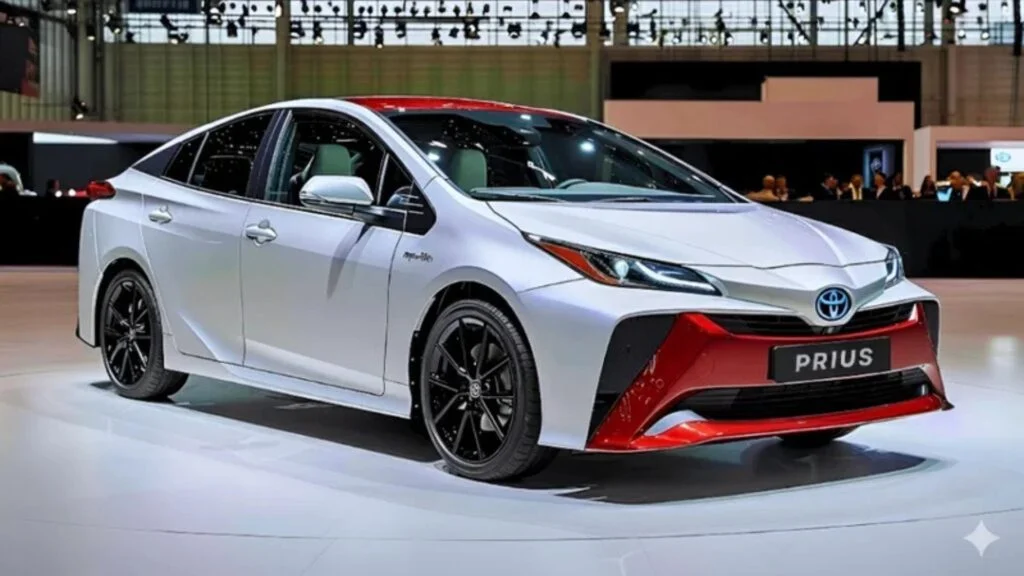
Toyota Prius
The Toyota Prius behaves very differently depending on temperature, especially when comparing colder northern states to warmer southern regions. In cold climates, the hybrid battery takes longer to reach optimal operating temperature, reducing electric only driving and fuel efficiency during short trips.
Engine run time increases to compensate, which can surprise drivers expecting consistently high mileage. Cabin heating demands also pull energy away from propulsion, subtly changing the driving feel.
In warmer regions, the Prius often delivers closer to its advertised efficiency because the battery remains within a favorable temperature range more often.
Electric assist feels stronger and more consistent, particularly in city traffic where regenerative braking works efficiently. However, prolonged heat can slowly degrade battery capacity if the cooling system is stressed. Air conditioning use also increases electrical load, though the impact is usually less dramatic than cold weather losses.
High altitude areas introduce another layer of variation for the Prius. The gasoline engine produces less power at elevation, making the car rely more heavily on electric assistance during climbs. This can drain the battery faster on mountain roads, leading to moments where acceleration feels weaker than expected. Drivers in flat regions rarely experience this limitation to the same degree.
Road conditions also shape how the Prius feels regionally. Smooth urban roads highlight its quiet operation and efficiency, while rough rural pavement can make the suspension feel less composed. In regions with frequent potholes, the low rolling resistance tires may wear faster or feel less confidence inspiring. These differences contribute to varied owner impressions across states.
Maintenance outcomes differ as well. Cold regions often see more frequent brake issues due to road salt, while hot regions challenge cooling components. Over years of ownership, these factors make the Prius feel like a different car depending on where it lives. The design remains the same, but the environment tells a different story.
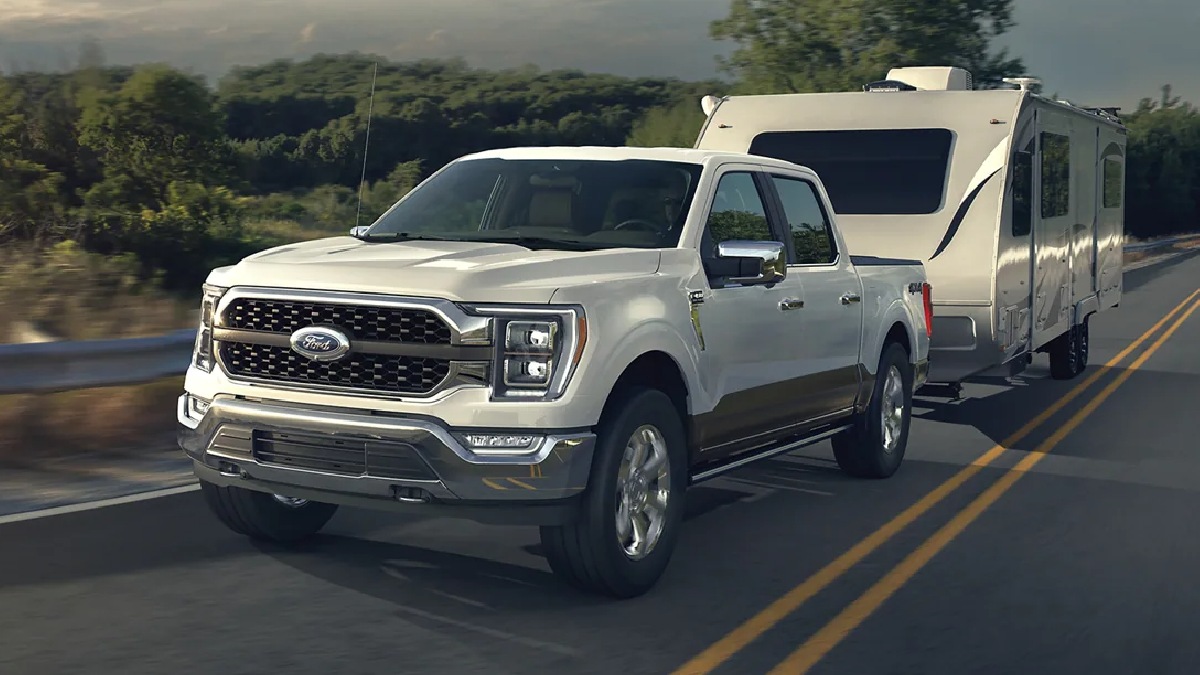
Ford F 150
The Ford F 150 is deeply influenced by geography, especially when comparing coastal, desert, and mountainous regions. In high altitude areas, naturally aspirated engines lose noticeable power, affecting towing confidence on steep grades.
Turbocharged versions handle elevation better, but they generate more heat under sustained load. This makes cooling efficiency more critical in mountain states.
Hot desert climates push the F 150 cooling system and transmission harder, particularly during towing or off road use. Prolonged heat can thin fluids and accelerate wear if maintenance intervals are ignored. Drivers in these regions often notice higher fan noise and more frequent temperature fluctuations. In contrast, cooler northern climates allow the truck to operate with less thermal stress.
Coastal regions introduce corrosion challenges that change long term performance. Salt air accelerates rust on suspension components, fasteners, and exhaust systems. Over time, this can lead to creaks, reduced ride quality, and increased maintenance needs. Inland owners may never encounter these issues to the same extent.
Fuel economy perceptions also vary by region. Flat Midwestern highways allow the F 150 to cruise efficiently, while hilly terrain forces frequent downshifts and higher fuel consumption. Wind patterns in open plains can further influence highway efficiency. These subtle factors shape how owners judge the truck’s performance.
Winter conditions highlight drivetrain differences. Four wheel drive models excel in snowy states, while rear wheel drive versions struggle without added weight or traction aids. In warm regions, this distinction matters far less. As a result, the same F-150 can feel either perfectly adapted or mildly compromised depending on location.
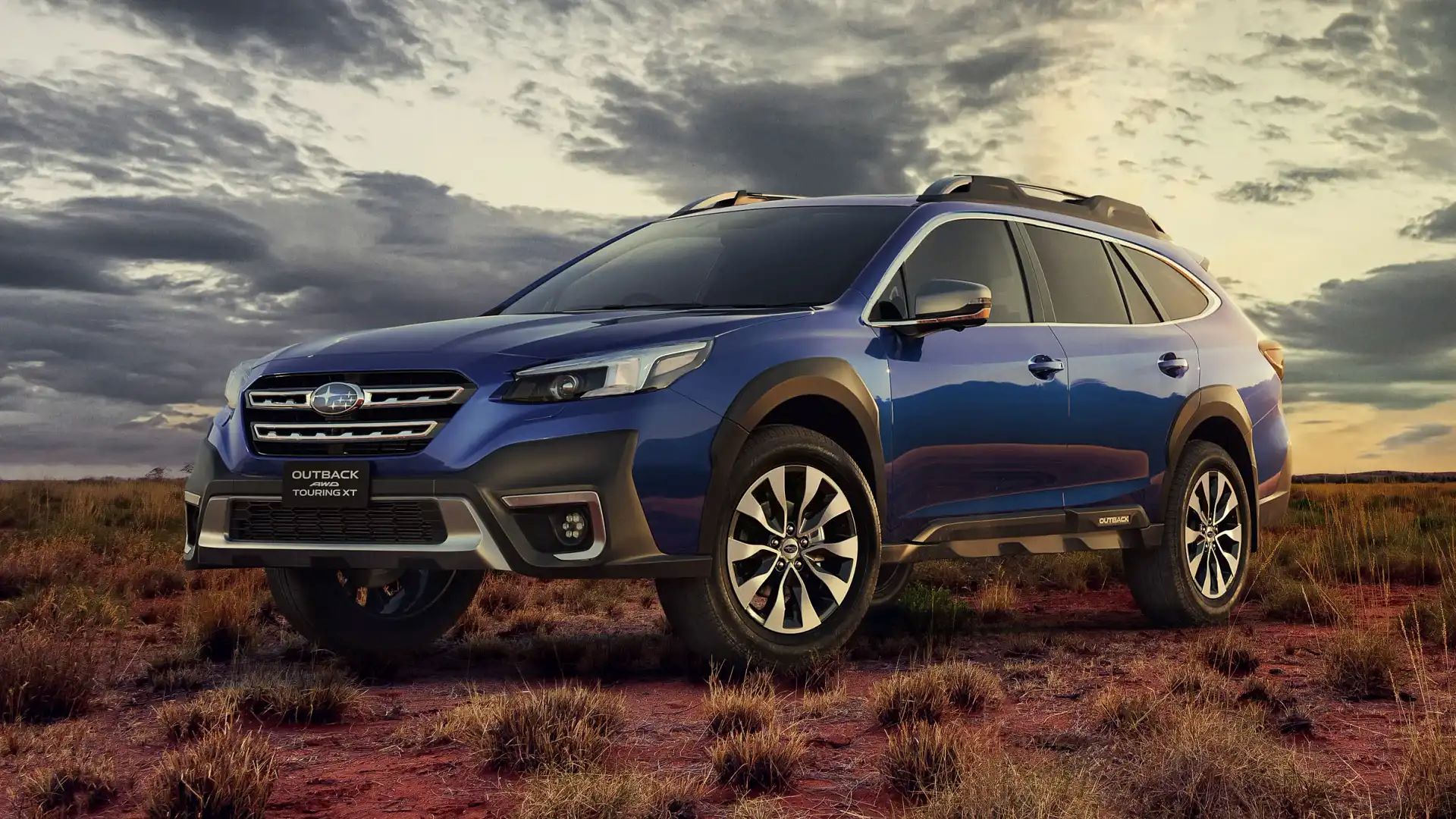
Subaru Outback
The Subaru Outback is often praised for all weather capability, yet it still behaves differently across regions. In snowy and mountainous states, its all wheel drive system provides confidence and stability that feels essential. Power delivery feels balanced and predictable on slippery roads. Drivers in these areas often view the Outback as a necessity rather than a preference.
In flat and warm regions, the Outback’s strengths are less dramatic. The all wheel drive system adds weight and complexity without frequent need, slightly reducing fuel efficiency. Acceleration can feel modest compared to front wheel drive competitors. Some drivers perceive this as underwhelming performance.
High altitude driving affects the Outback’s engine output more noticeably than turbocharged rivals. On steep grades, especially when loaded with cargo, acceleration can feel strained. In low elevation regions, this limitation is rarely noticed. Terrain plays a central role in shaping driver satisfaction.
Hot climates introduce challenges for the continuously variable transmission. Prolonged heat and heavy loads can lead to higher operating temperatures, which may affect long term durability. In cooler regions, the transmission experiences less thermal stress. This difference influences ownership experiences over time.
Road quality also matters. Rough rural roads highlight the Outback’s suspension travel and ground clearance. Smooth highways make it feel stable but somewhat soft. These contrasts explain why regional reviews of the same car can sound surprisingly different.
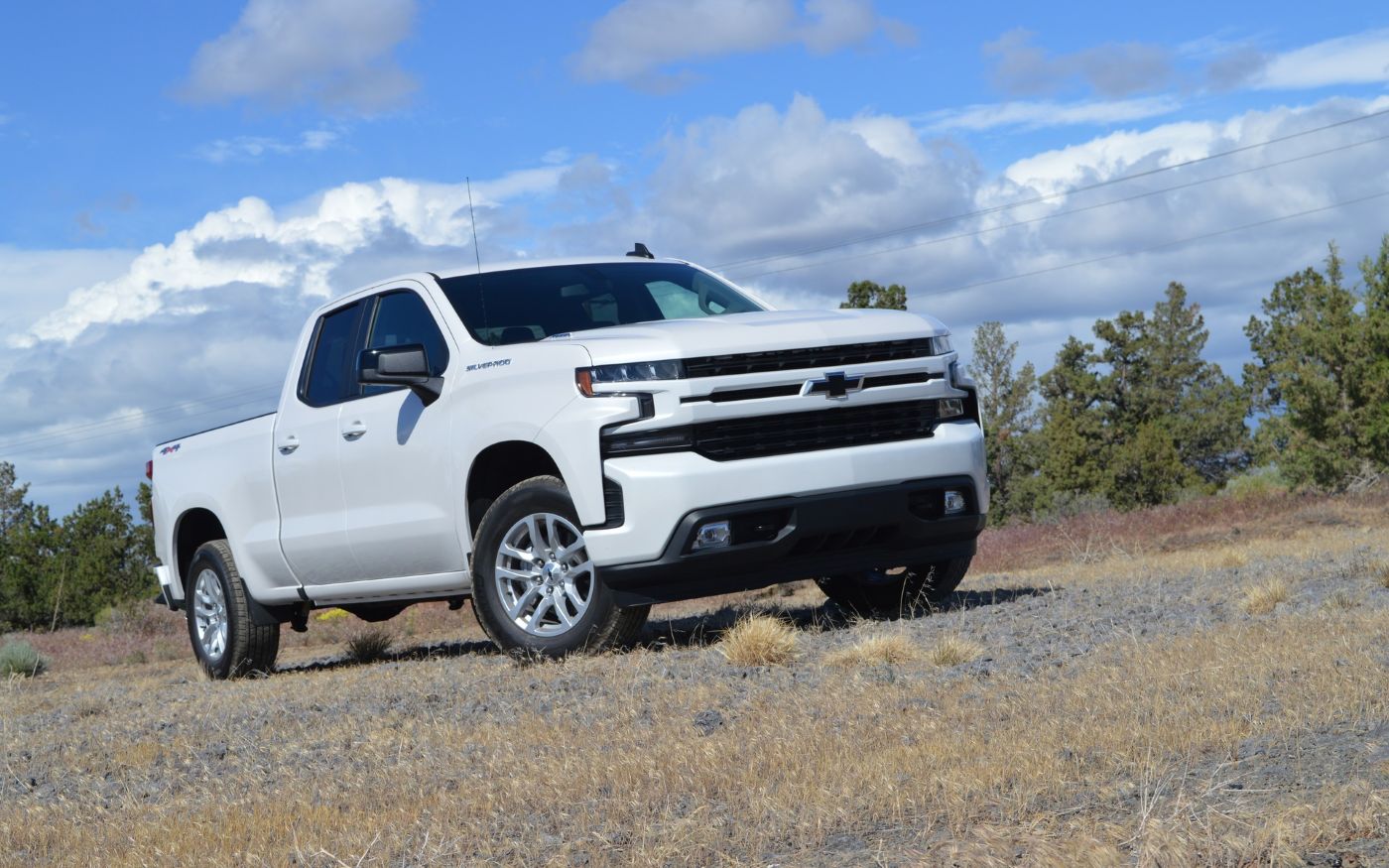
Chevrolet Silverado
The Chevrolet Silverado shows strong regional variation due to its size and powertrain options. In wide open rural areas, its engines feel relaxed and capable, especially during highway cruising and towing. Flat terrain allows consistent power delivery and predictable fuel consumption. Drivers often appreciate its effortless nature in these settings.
Mountainous regions challenge the Silverado differently. Long climbs demand sustained power, increasing fuel use and heat generation. Naturally aspirated engines feel more affected by elevation than turbocharged alternatives. This leads to varied perceptions of strength depending on location.
Cold climates impact diesel variants more noticeably. Starting behavior, fuel gelling concerns, and longer warm up times shape the daily experience. In warm regions, these issues disappear, making diesel ownership feel simpler. Regional climate heavily influences powertrain satisfaction.
Urban environments change how the Silverado feels entirely. Tight streets and frequent stops emphasize its size and weight. Braking and maneuverability feel more demanding compared to open roads. In rural regions, these drawbacks rarely matter.
Long term durability perceptions also differ. Salt exposure in northern states accelerates corrosion, while sun exposure in southern states affects interior materials. These regional aging patterns contribute to different ownership stories. The Silverado adapts, but the environment leaves its mark.
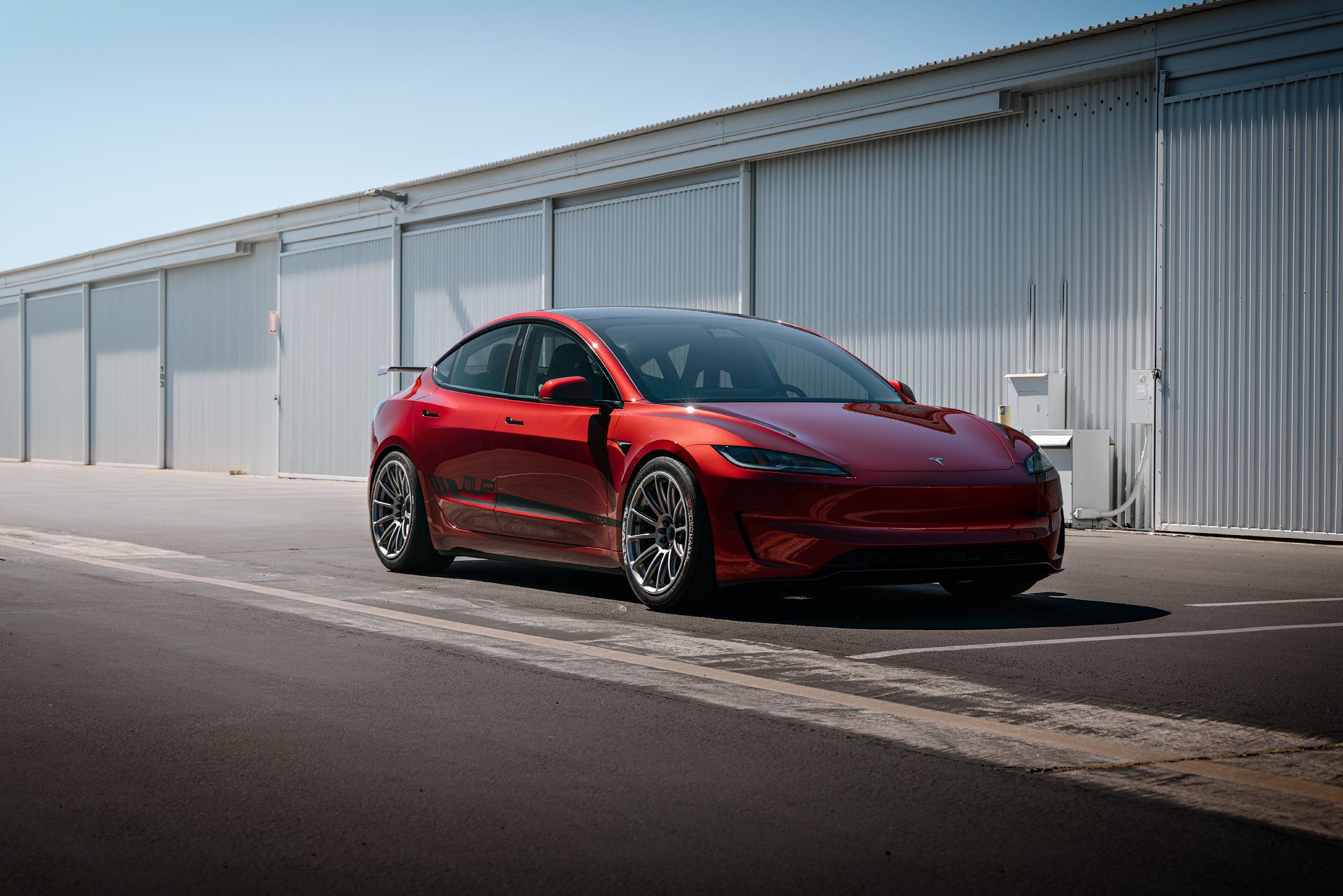
Tesla Model 3
The Tesla Model 3 reacts strongly to climate, particularly temperature extremes. Cold regions reduce battery range significantly, especially during short trips with cabin heating. Regenerative braking may be limited until the battery warms, changing pedal feel. Drivers often need to plan charging more carefully in winter.
Warm regions allow the battery to operate closer to ideal conditions most of the time. Range feels more consistent and charging speeds remain stable. However, extreme heat increases cooling demands, which can slightly reduce efficiency. Prolonged exposure also affects long term battery health.
High altitude driving influences energy consumption differently than gasoline cars. Climbing uses significant energy, while descending recovers some through regeneration. In mountainous regions, this creates large swings in range estimates. Flat regions provide more predictable behavior.
Charging infrastructure availability shapes regional experience as well. Urban coastal areas often offer dense charging networks, reducing range anxiety. Rural regions may require more planning and patience. The same car feels liberating in one place and restrictive in another.
Road conditions also affect ride perception. Smooth highways highlight quietness and instant torque. Rough pavement exposes firm suspension tuning. These differences combine with climate to create distinct regional personalities for the Model 3.
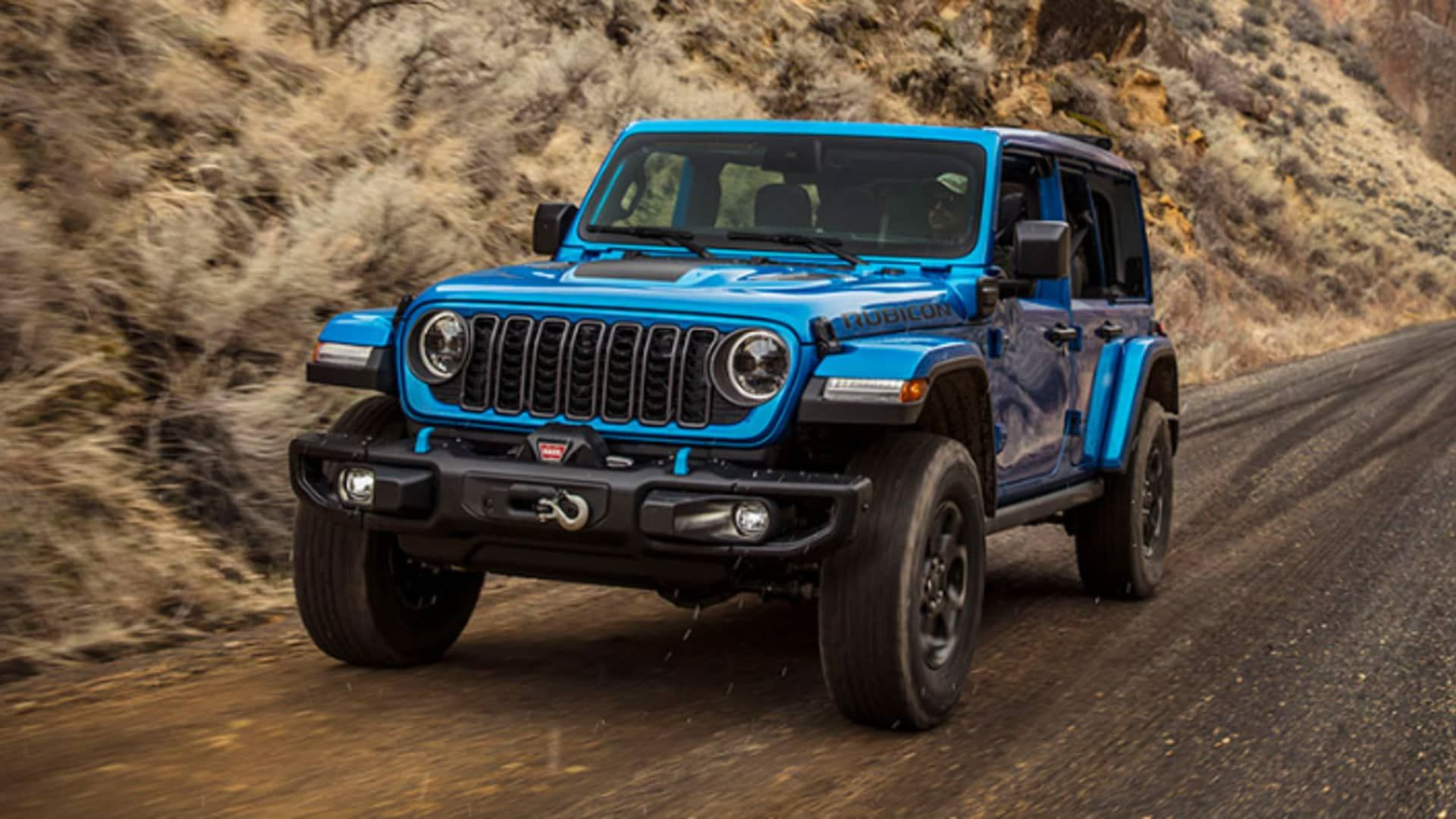
Jeep Wrangler
The Jeep Wrangler thrives in regions with challenging terrain but feels less refined elsewhere. In mountainous and off road heavy states, its solid axles and low range gearing provide clear advantages. Climbing rocky trails and navigating snow feel natural. Drivers in these areas often accept trade offs willingly.
On flat highways, the Wrangler’s aerodynamics and gearing lead to higher fuel consumption. Wind noise and steering feel more pronounced at speed. In regions dominated by long commutes, these traits become more noticeable. Perception shifts based on daily use.
Cold climates affect soft tops and removable components. Seals stiffen, increasing noise and reducing insulation. Warm regions avoid these issues but introduce sun related wear on interior surfaces. Climate directly shapes comfort levels.
High altitude driving affects engine performance, particularly for older naturally aspirated models. Power loss becomes noticeable during climbs. In low elevation regions, acceleration feels more acceptable. Terrain again plays a defining role.
Maintenance experiences also vary. Mud and salt accelerate wear in wet regions, while dust challenges seals in dry areas. Over time, these factors influence reliability impressions. The Wrangler remains capable, but its strengths shine brightest in specific places.
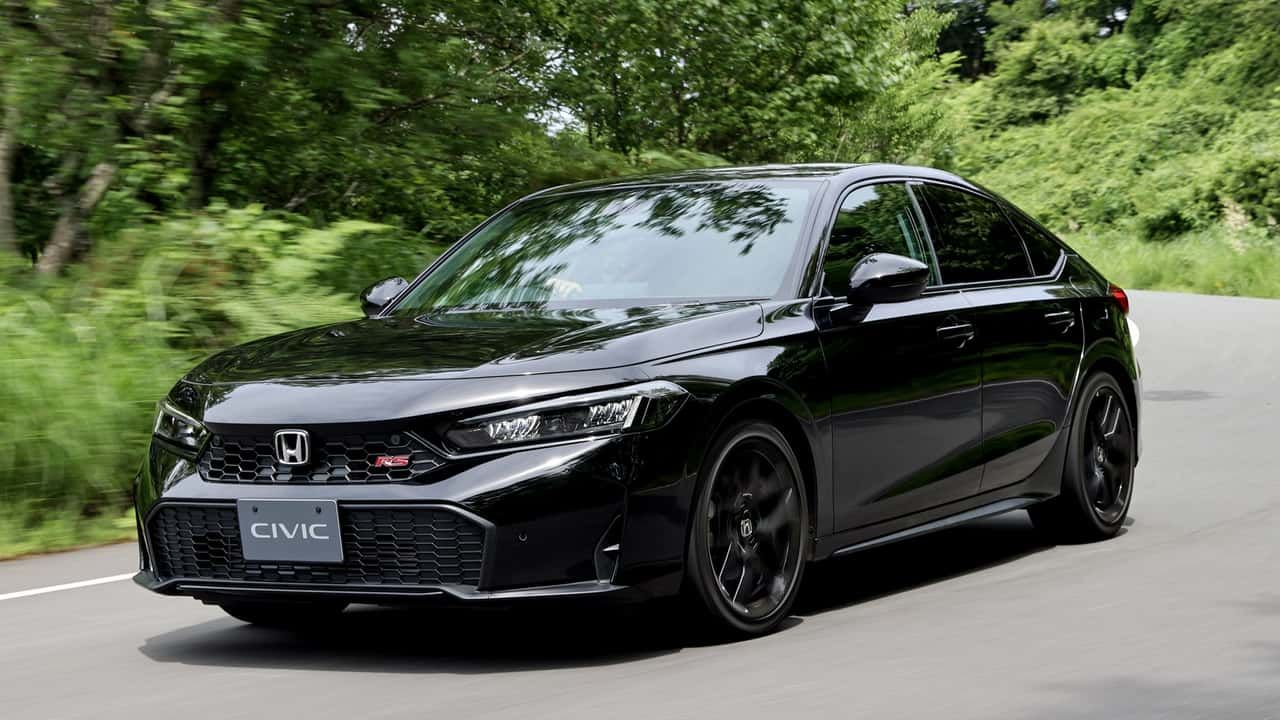
Honda Civic
The Honda Civic appears universal, yet regional differences still matter. In warm, flat regions, its engines deliver smooth and efficient performance with minimal stress. Fuel economy remains consistent, and maintenance demands stay low. Many drivers view it as nearly flawless in these conditions.
Cold climates affect fuel efficiency during short trips. Engine warm up takes longer, reducing mileage temporarily. Battery performance also drops, affecting start stop systems. These changes are minor but noticeable to attentive drivers.
High altitude areas reduce engine output, especially for non turbo models. Passing and climbing require more planning. In low elevation regions, these limitations rarely appear. Regional terrain shapes driving confidence.
Road quality influences suspension feel. Rough urban streets expose firmness, while smooth highways emphasize stability. Drivers in different cities form different opinions based on daily road conditions. The same setup feels either sporty or harsh.
Long term durability perceptions vary with climate. Salt accelerates rust in northern states, while sun exposure fades interiors in southern states. These aging patterns affect resale value regionally. The Civic adapts well, but environment still matters.
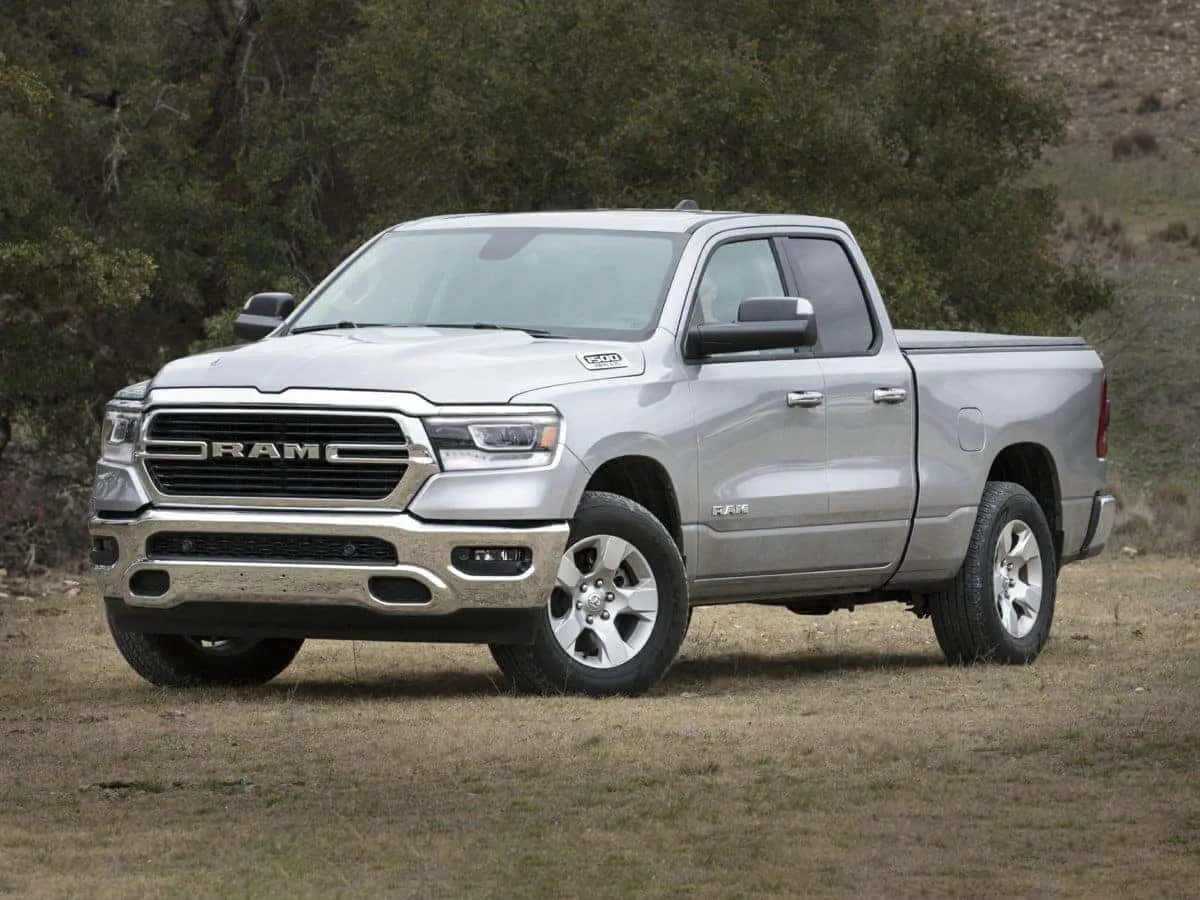
Ram 1500
The Ram 1500 is sensitive to road type and climate due to its comfort oriented tuning. In smooth highway regions, its suspension feels refined and controlled. Long distance cruising highlights cabin quietness. Drivers often praise its ride quality in these settings.
Rough rural roads tell a different story. Soft suspension tuning can feel floaty over uneven surfaces. Frequent load changes amplify this sensation. Regional road quality heavily influences ride impressions.
Hot climates challenge cooling during towing. Sustained heat increases transmission and engine temperatures. In cooler regions, towing feels more relaxed. Climate shapes perceived capability.
Cold regions introduce concerns with air suspension systems on certain trims. Low temperatures can affect responsiveness and height adjustments. Warm regions avoid these issues entirely. This creates regional reliability differences.
Fuel economy perceptions also shift. Flat highways deliver better efficiency than hilly terrain. Wind exposure in open plains further influences consumption. The Ram 1500 feels optimized for some regions more than others.
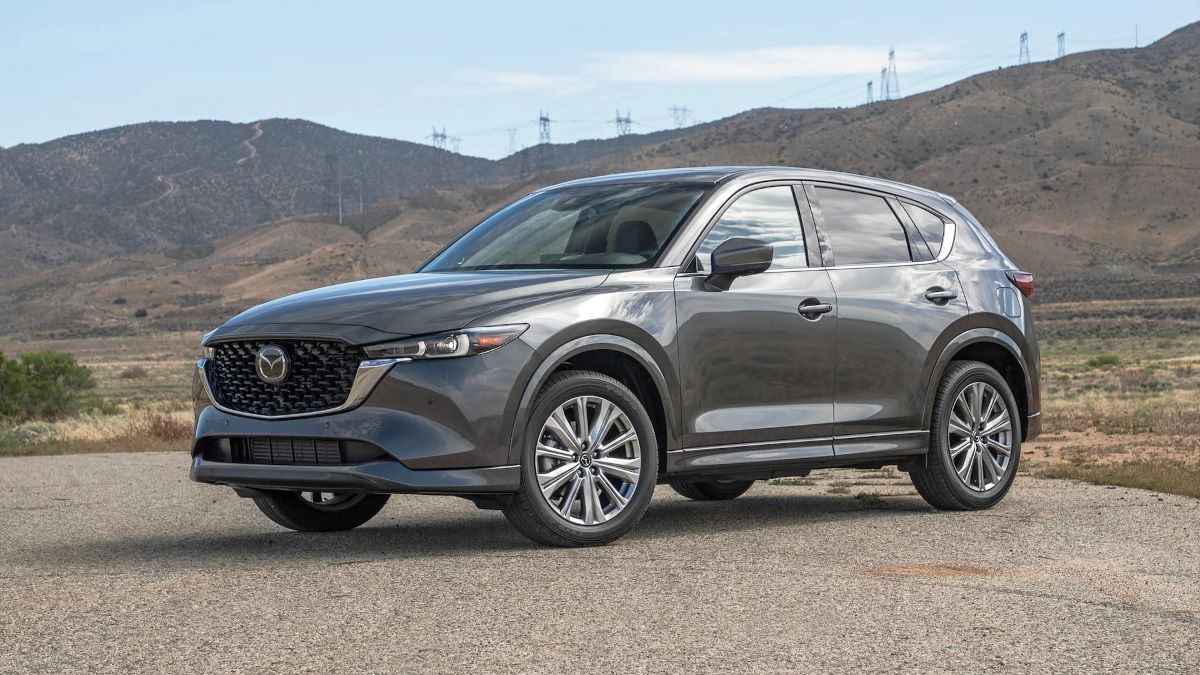
Mazda CX 5
The Mazda CX 5 delivers a balanced feel that changes subtly by region. In mild climates, engine response and transmission behavior feel smooth and predictable. Fuel economy remains stable across seasons. Many drivers appreciate its consistency.
Cold regions reduce fuel efficiency during warm up periods. The naturally aspirated engine feels less responsive until fully warmed. Short trips amplify this effect. In warmer regions, this delay disappears.
High altitude driving affects power output noticeably. Passing on mountain roads requires more throttle input. Turbocharged variants handle elevation better. Regional terrain shapes model preference.
Road quality also matters. Firm suspension tuning feels sporty on smooth pavement. Rough roads make it feel stiff. Urban versus suburban environments influence comfort perception.
Interior materials age differently depending on sun exposure. Hot regions may see faster wear, while cold regions preserve surfaces longer. These factors shape long term satisfaction. The CX 5 adapts, but not uniformly.
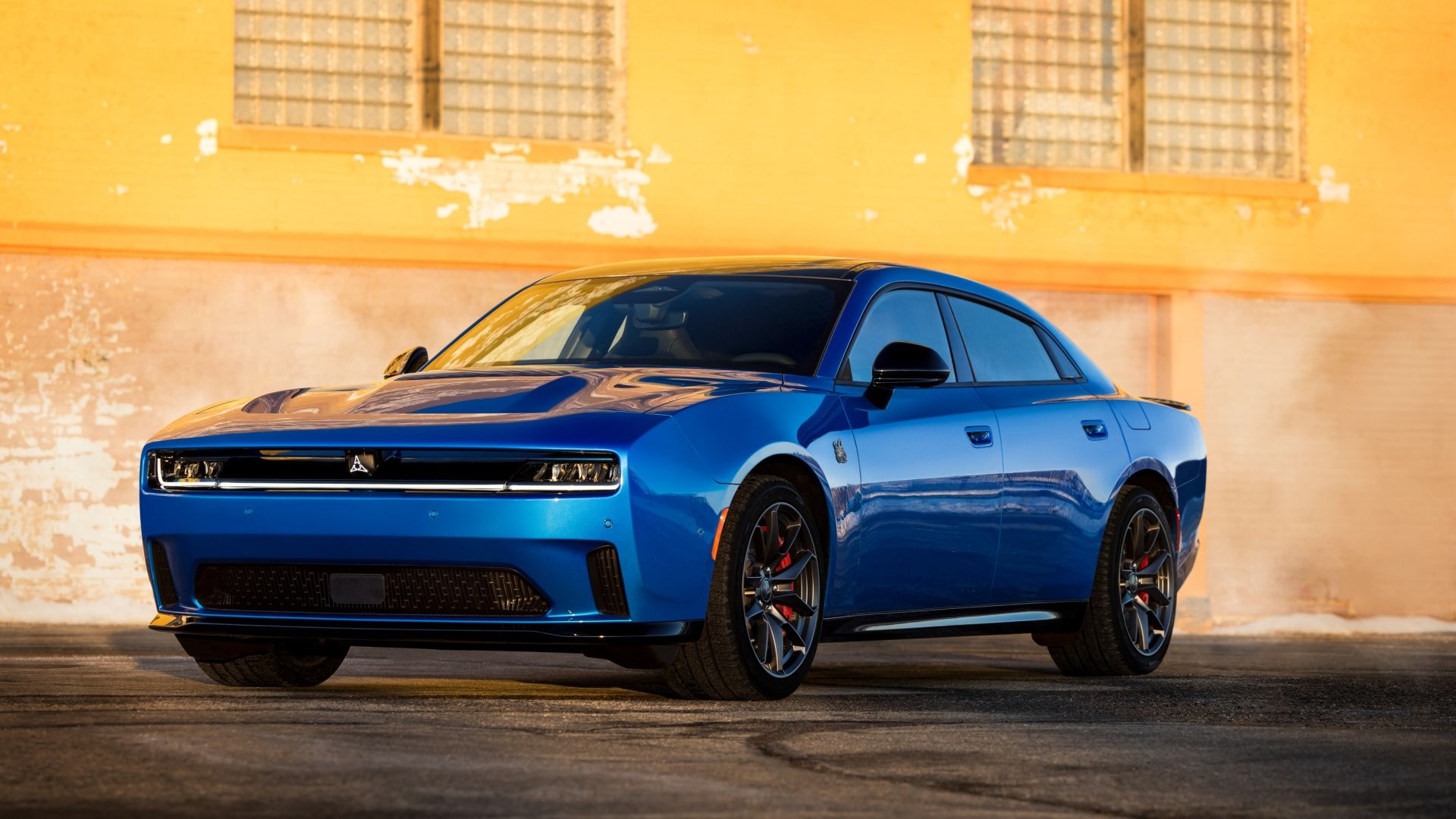
Dodge Charger
The Dodge Charger reacts strongly to climate and road conditions due to its size and power. In warm regions, engines deliver consistent performance and predictable traction. Rear wheel drive feels manageable on dry pavement. Drivers often enjoy its character here.
Cold and snowy regions expose traction limitations. Without all wheel drive, maintaining control requires careful driving. Performance tires lose effectiveness in winter. Regional weather greatly alters usability.
High altitude areas reduce engine output, especially for naturally aspirated versions. Acceleration feels less dramatic on mountain roads. In low elevation regions, power feels abundant. Terrain reshapes expectations.
Urban environments emphasize size and turning radius. Tight streets make maneuvering more challenging. Open highways allow the Charger to feel relaxed and confident. City design influences daily comfort.
Long term durability varies with climate. Salt accelerates corrosion underneath, while sun exposure affects paint and interior trim. These regional aging patterns influence resale and satisfaction. The Charger delivers different experiences across the country.
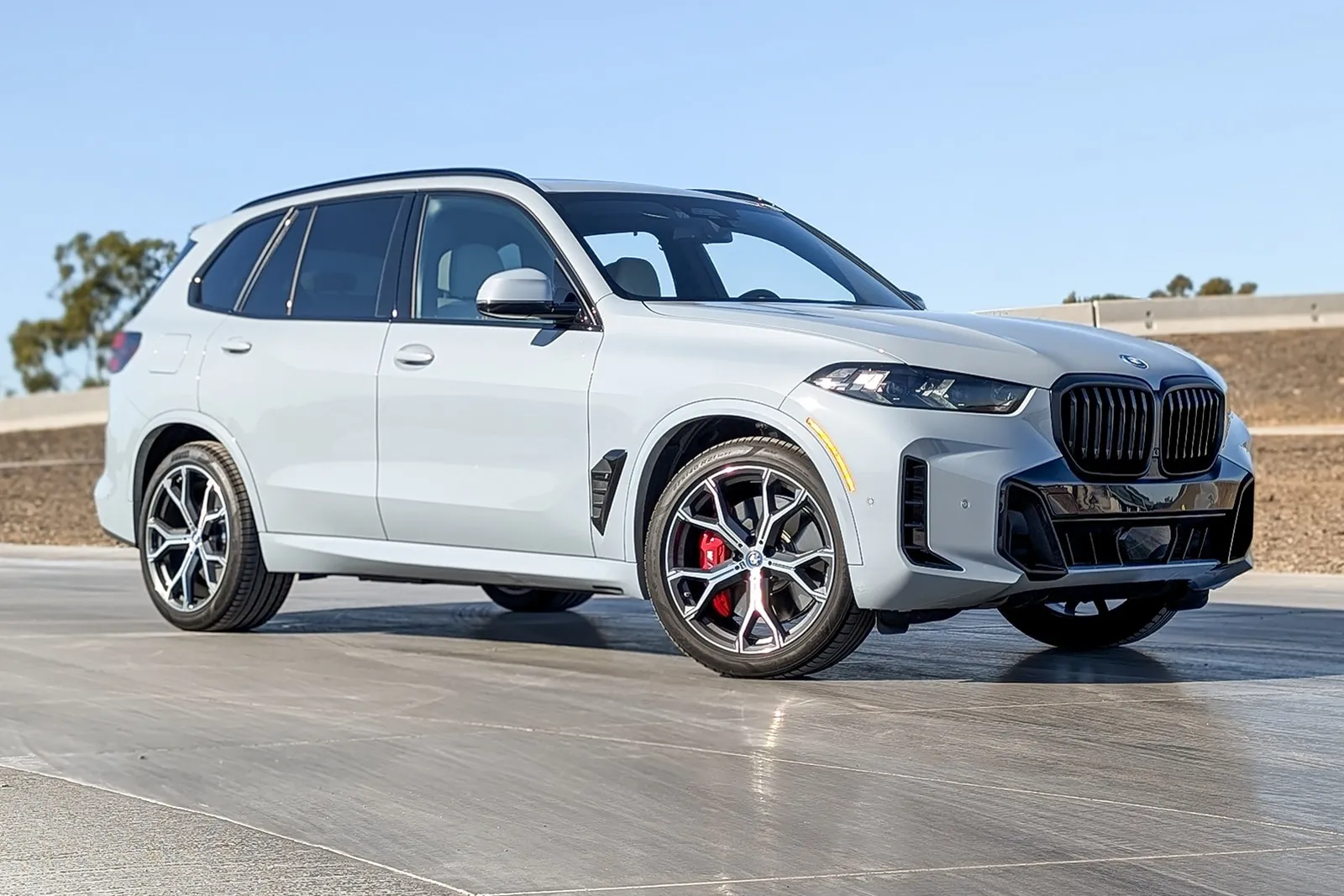
BMW X5
The BMW X5 performs differently depending on climate and terrain. In colder regions, its turbocharged engines and all wheel drive system face challenges with traction and battery efficiency. Engine oil thickens in subzero temperatures, slightly reducing acceleration responsiveness. Snow and ice expose the limits of its stability systems, requiring careful driving for optimal performance.
In warmer southern states, the X5 feels more dynamic and responsive. The engine reaches ideal operating temperatures quickly, allowing smooth power delivery. Air conditioning and interior cooling draw on electrical systems but rarely affect performance noticeably. Driving in hot weather emphasizes comfort and cabin refinement rather than raw power.
High altitude areas reduce engine power significantly for naturally aspirated variants. Turbocharged versions compensate better, but climbing steep grades still increases engine and transmission temperatures. Frequent uphill driving may also stress cooling components. In contrast, low elevation regions allow the X5 to maintain peak performance consistently.
Road quality impacts the X5’s suspension experience. Smooth highways showcase its refined ride, while rough rural roads reveal firmness in the adaptive suspension system. Tires also play a role; performance-oriented tires feel less forgiving on pothole-laden streets. Regional driving conditions strongly shape the ride impression.
Long term durability varies by environment. Coastal areas increase corrosion risks due to salt exposure, while hot, sunny regions accelerate interior material aging. Cold states may require more frequent maintenance of brake and suspension components. These environmental factors make the same X5 feel subtly different across the country.
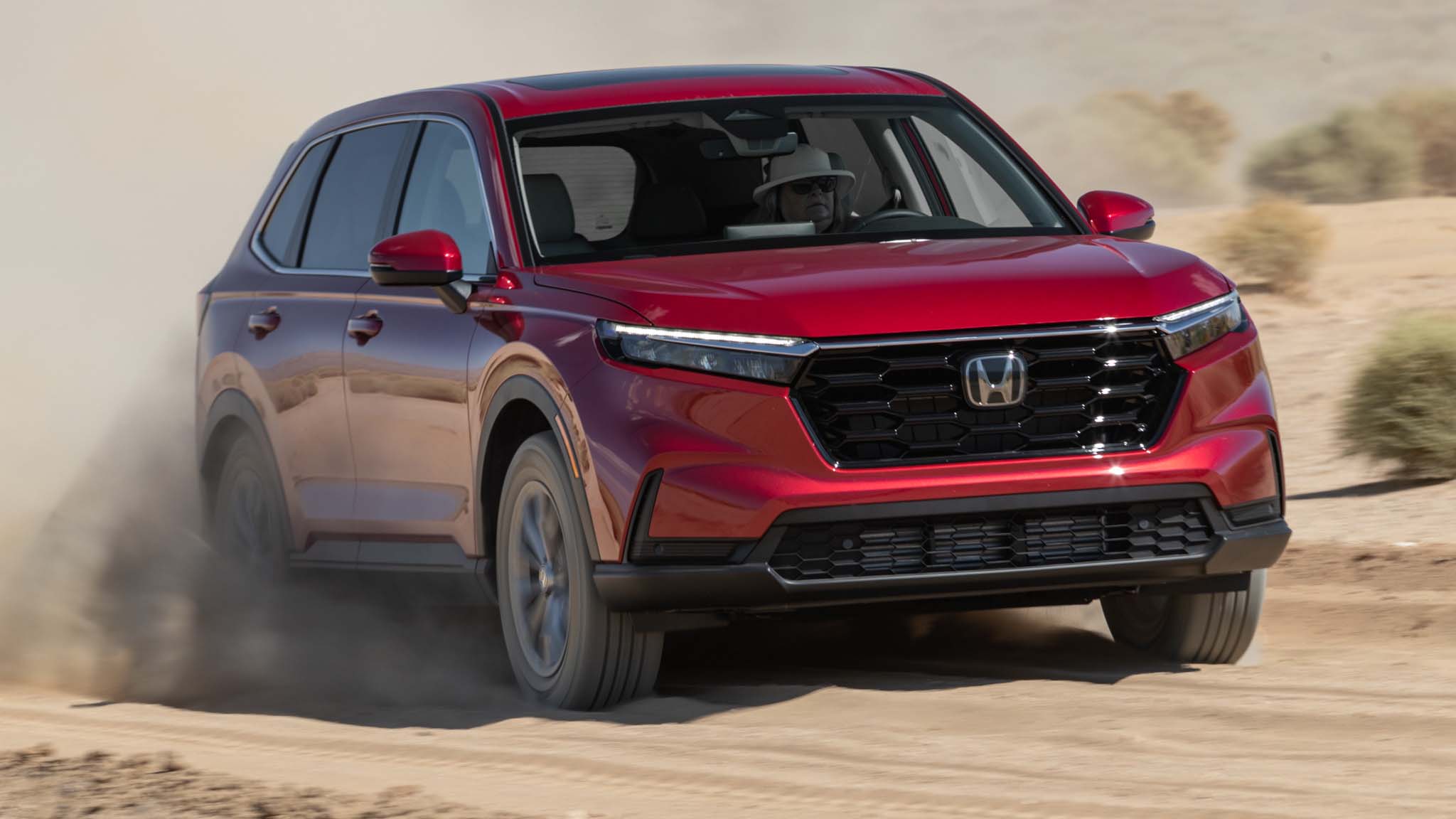
Honda CR V
The Honda CR V adapts well to most U.S. regions, but performance nuances emerge with temperature and elevation. In cold climates, fuel efficiency drops noticeably due to longer warm up times and thicker engine oil. Hybrid versions see reduced electric-only range, impacting city driving efficiency. Cold also affects tire traction, especially on wet or icy roads.
In warmer climates, the CR V operates closer to its optimal efficiency. Engine and transmission performance feels consistent, and hybrid components reach peak operating levels more quickly. Drivers often report smoother acceleration and more confident braking. High temperatures do place some stress on air conditioning systems, but rarely affect reliability.
High altitude driving reduces engine output for naturally aspirated models, making uphill acceleration feel slower. Turbocharged versions handle elevation better but experience slight heat buildup during sustained climbs. Flat regions allow the CR V to feel more responsive and efficient, highlighting its versatility.
Road conditions influence ride quality significantly. Smooth city streets make the CR V feel agile and comfortable, while uneven rural roads can expose suspension stiffness. Tire choices further modify handling and comfort. Regional road surfaces directly shape driver perception of control and refinement.
Long term maintenance differs by region. Salt exposure in northern states accelerates corrosion on brakes and underbody components, while hot southern climates affect interior plastics and upholstery over time. These differences create region-specific ownership experiences, despite the CR V’s general reliability.
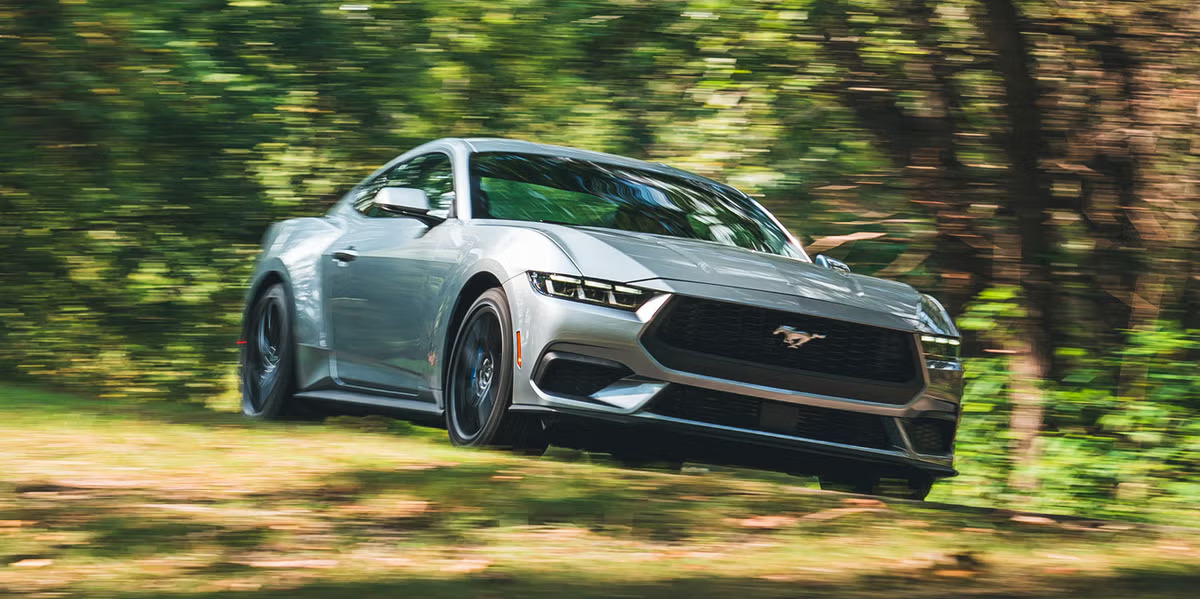
Ford Mustang
The Ford Mustang’s performance is highly sensitive to climate and elevation. In northern states with cold winters, engine warm up time reduces efficiency and responsiveness. Traction can be compromised on icy roads, especially for rear wheel drive models. Cold temperatures also affect tire grip and suspension feel, altering cornering stability.
In hot southern regions, the Mustang feels lively and responsive. Engines reach ideal temperature quickly, providing consistent torque delivery. Air conditioning load is noticeable but manageable, allowing the car to maintain high performance. Prolonged heat may stress tires and cooling systems slightly during aggressive driving.
High elevation areas reduce engine output, especially for naturally aspirated V6 and V8 engines. Turbocharged engines handle climbs better but generate more heat, which can affect transmission behavior under repeated uphill runs. Flat regions provide optimal conditions, allowing full acceleration potential without added strain.
Road surfaces shape the Mustang’s handling experience. Smooth highways and suburban streets highlight sharp steering and responsive suspension. Rough roads expose firmness and increase vibration, which can feel less comfortable during daily commutes. Tires further influence grip and ride quality across regions.
Long term durability perceptions differ regionally. Salt in cold climates accelerates underbody rust, while hot climates can fade paint and interior materials faster. Owners in different regions often have contrasting impressions of maintenance costs and car longevity, even when the same model year is compared.
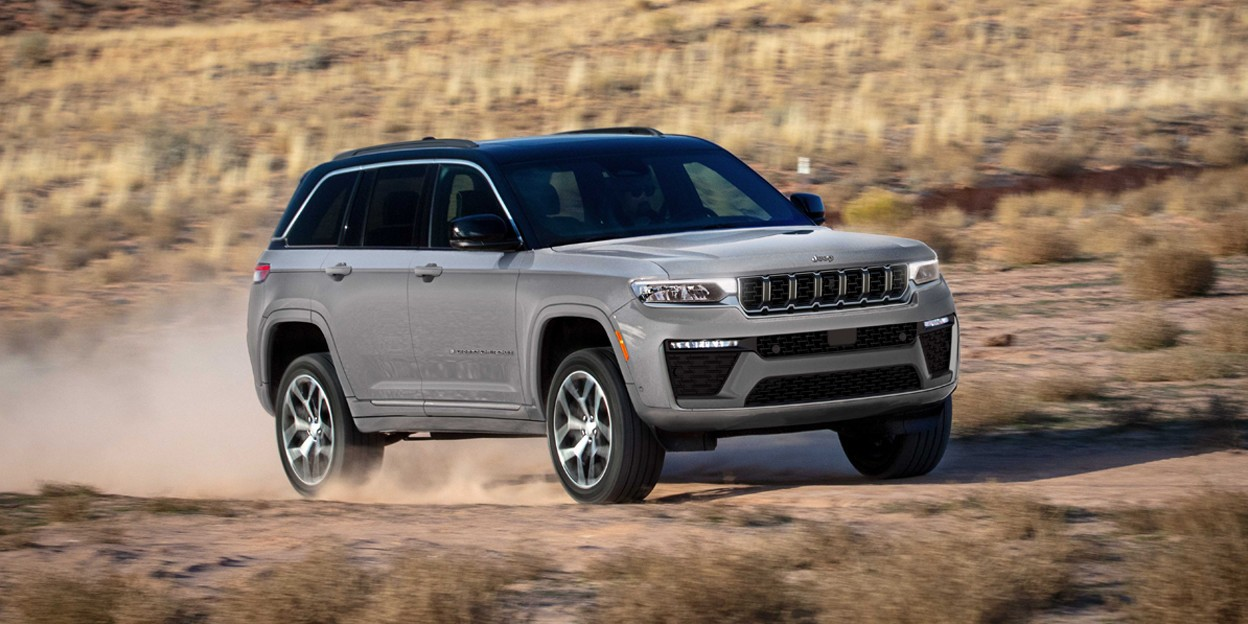
Jeep Grand Cherokee
The Jeep Grand Cherokee is engineered for versatility, but regional factors create noticeable performance differences. In snowy and mountainous areas, its all wheel drive and traction systems shine. Engine power feels adequate, and stability features help maintain control on steep or slippery roads. Drivers in these regions often value its off road and winter handling capabilities most.
In warmer, flat regions, the Grand Cherokee feels more like a standard SUV. Its all wheel drive system rarely engages fully, which slightly reduces fuel efficiency. Acceleration is smooth, but the dynamic performance advantages of the system go largely unnoticed. Daily driving emphasizes comfort rather than technical capability.
High altitude environments slightly reduce engine performance, especially in non turbocharged models. Climbing steep grades may feel slower and increase heat in transmission and brakes. Flat or low elevation regions allow engines to perform near maximum output consistently. Terrain plays a significant role in perceived capability.
Road quality further modifies driving experience. Smooth highways emphasize quietness and refined handling, while rough roads make suspension travel more noticeable. Larger wheels amplify road feedback. Regional road conditions influence both comfort and confidence behind the wheel.
Long term maintenance also varies. Cold climates with snow and salt accelerate corrosion, particularly on suspension and brake components. Hot climates increase interior wear and may affect rubber seals over time. These environmental factors ensure the Grand Cherokee performs differently depending on where it is driven.
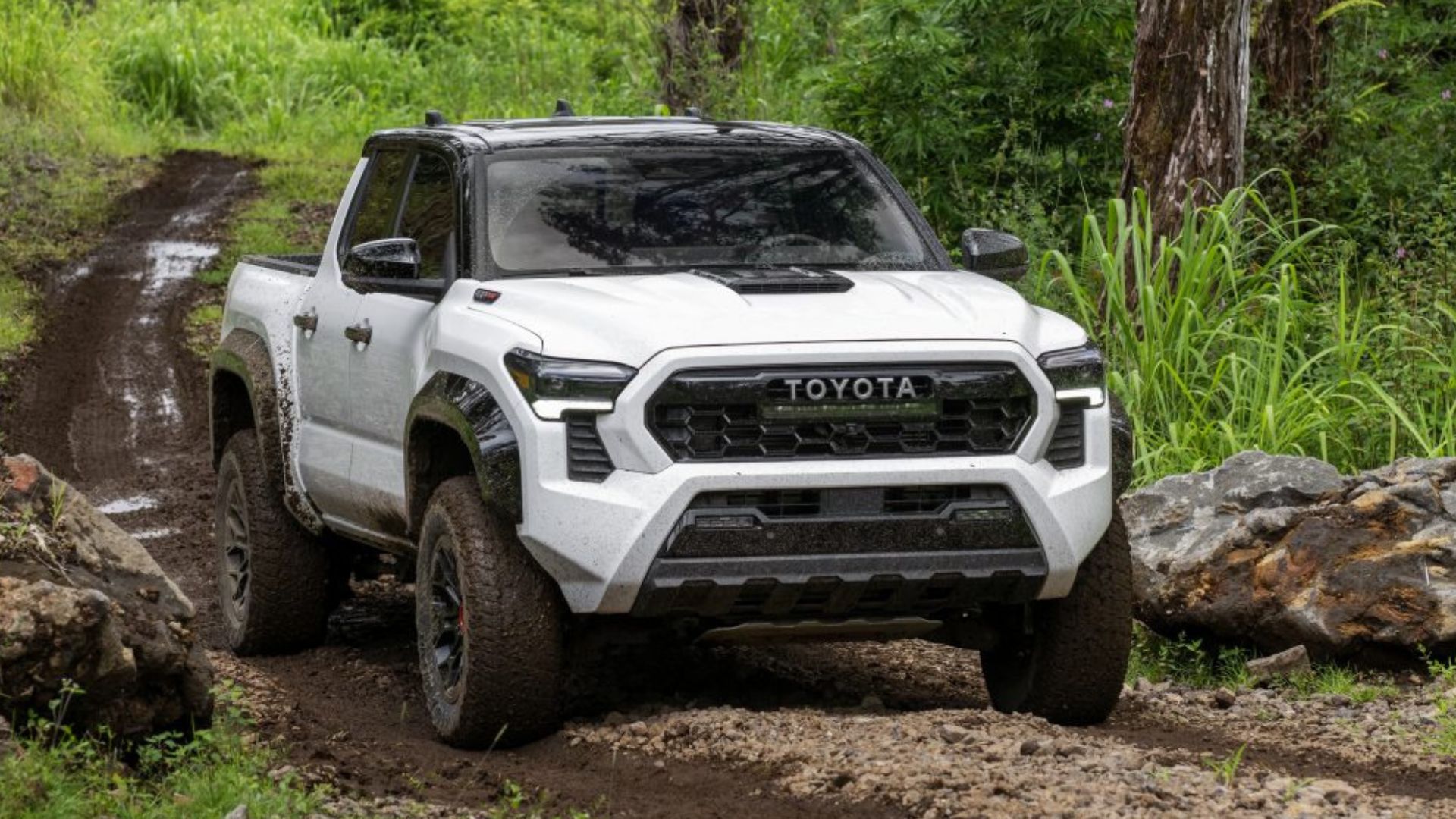
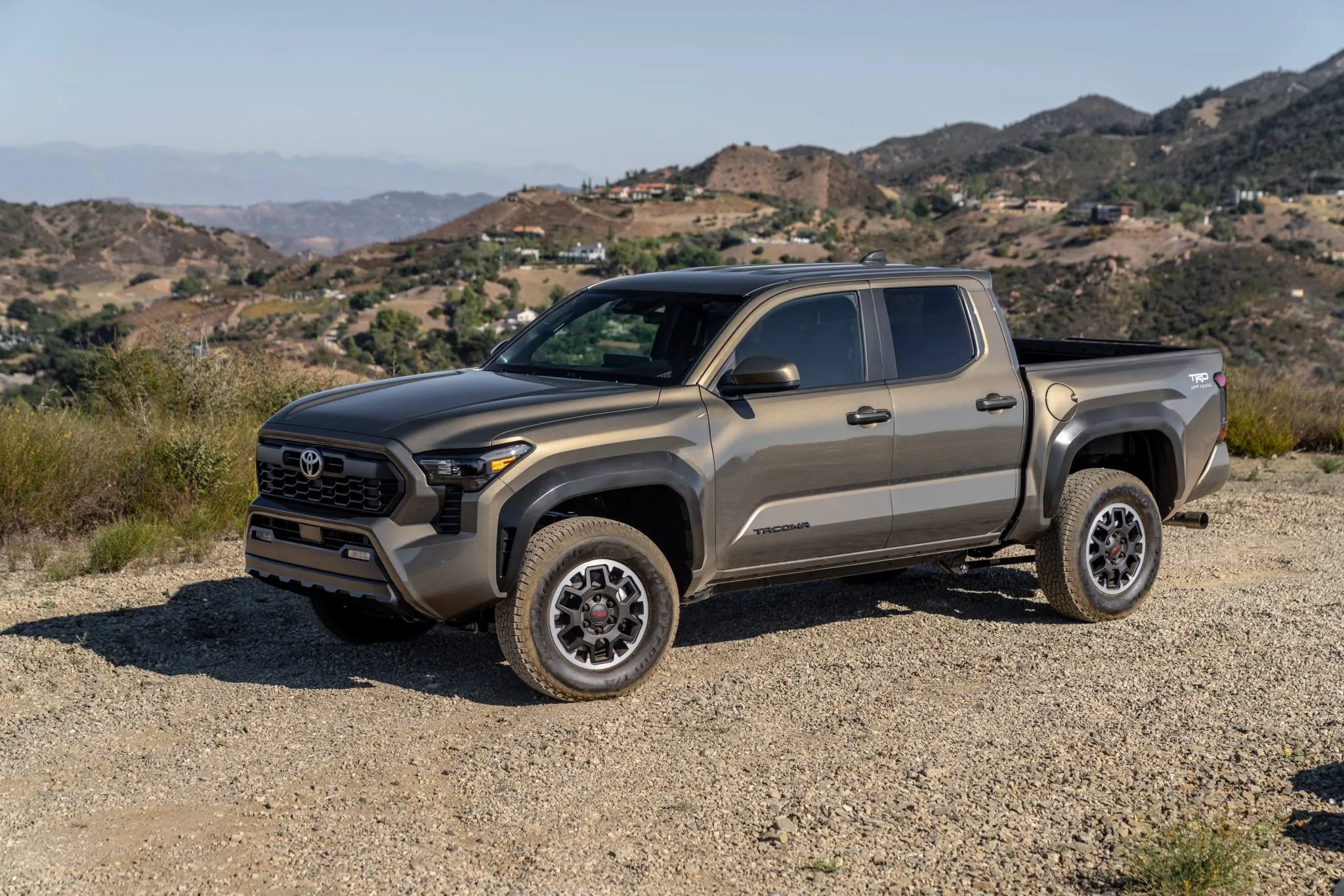
Toyota Tacoma
The Toyota Tacoma is known for durability, but its performance varies with climate and terrain. In colder northern states, engine warm up takes longer and reduces fuel efficiency during short trips. Cold weather also stiffens suspension bushings and reduces tire traction. Winter driving demands more careful attention to braking and acceleration.
In hot southern climates, the Tacoma feels more responsive. Engine oil viscosity is optimal sooner, improving throttle response. Air conditioning and interior cooling systems work efficiently without significant power loss. Heat can accelerate wear on tires and brake components if driven aggressively in summer months.
High altitude regions challenge naturally aspirated engines. Power output drops on steep climbs, and towing capacity may feel limited. Turbocharged or V6 models handle elevation better, but thermal management becomes important. Flat lowland regions allow the Tacoma to operate near peak performance consistently.
Road surfaces influence ride and handling. Smooth highways emphasize stability and precise steering, while rough backroads highlight suspension travel and noise. Tire choice and load also impact ride quality significantly. Drivers often notice these variations between rural and urban regions.
Long term durability differs depending on environment. Salt exposure in northern states can accelerate rust on the frame and undercarriage, while hot climates stress interior materials. Maintenance needs vary, creating region-specific ownership experiences. Despite its ruggedness, the Tacoma’s behavior adapts to its surroundings.
