

Cold mornings have a way of revealing weaknesses in vehicles that otherwise seem dependable during warmer seasons. When temperatures drop overnight, mechanical systems are forced to operate under tougher conditions, fluids thicken, batteries lose strength, and materials contract.
These changes do not always cause permanent damage, but they can make certain vehicles frustrating or unreliable during early starts. For drivers who live in colder climates or face winter conditions regularly, these issues can quickly become part of daily life rather than rare inconveniences.
Not all vehicles respond to cold in the same way. Engineering choices, material quality, drivetrain layouts, and electronic complexity all play roles in how a car behaves when the thermometer dips. Some models struggle with hard starts, delayed throttle response, or stiff steering.
Others face issues with transmissions, climate systems, or electronic sensors that do not adapt well to freezing temperatures. These problems may not appear during dealership test drives or summer ownership, which makes them especially annoying once winter arrives.
Another factor is how modern vehicles rely heavily on electronics. Sensors, control modules, and infotainment systems often react poorly to extreme cold, especially when paired with aging batteries or moisture buildup.
Cold mornings can lead to warning lights, frozen displays, or systems that take much longer than expected to function properly. While these issues are often temporary, they can create safety concerns or unexpected repair costs if ignored.
Vehicle design priorities also matter. Some manufacturers focus more on performance, efficiency, or affordability, leaving cold weather resilience as a secondary concern.
Lightweight materials, tight tolerances, and high compression engines can all become liabilities when temperatures fall. Even luxury vehicles are not immune, as complex systems sometimes struggle more than simpler mechanical setups in harsh conditions.
This article highlights 15 vehicles that tend to have difficulty handling cold mornings. The focus is not on criticizing these vehicles entirely, but on explaining why they often struggle when temperatures drop.
Also Read: 5 Cars With Simple Climate Knobs vs 5 Screen-only Setups
For potential buyers, current owners, or anyone curious about cold weather performance, understanding these patterns can help set expectations and encourage better maintenance habits during winter months.
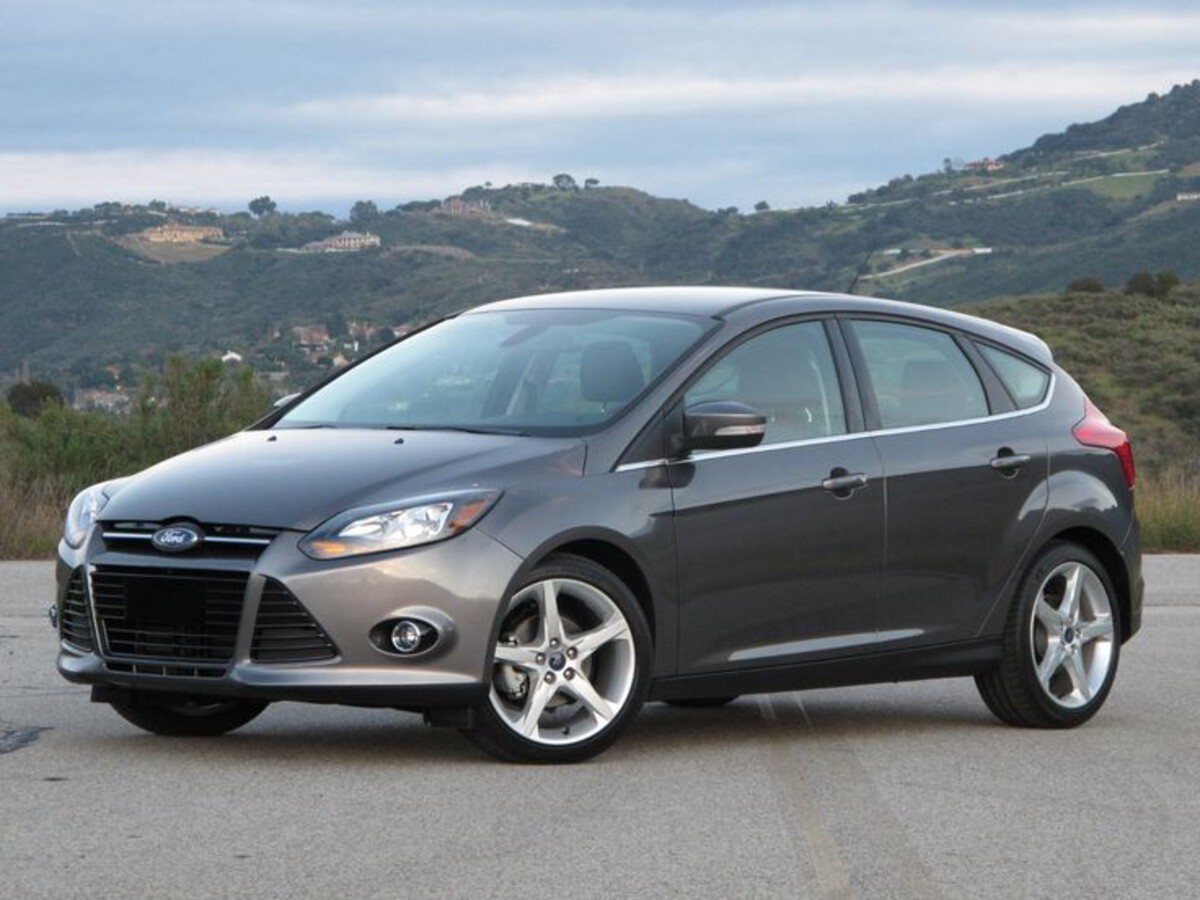
1. Ford Focus
The Ford Focus has long been praised for its handling and fuel efficiency, but cold mornings tend to expose several of its weaknesses. One common issue involves the battery and electrical system, which can struggle to provide enough power during freezing starts. Drivers often report sluggish ignition responses and delayed engine turnover when temperatures are low.
Transmission behavior is another area where the Focus can falter in cold weather. Automatic models may experience rough or hesitant shifting until the vehicle warms up. This can make early morning driving feel jerky and unpredictable, especially during short trips where the transmission never fully reaches optimal temperature.
The steering system can also feel unusually stiff on cold mornings. Power steering fluid thickens in low temperatures, reducing responsiveness until the car has been driven for several minutes. This stiffness can be unsettling, particularly in tight parking situations or icy conditions where precise control matters.
Interior comfort systems may not perform well right away either. Cabin heating often takes longer to produce warm air, leaving occupants uncomfortable during the initial part of the drive. Defrosters may also lag, which can reduce visibility during frosty mornings.
Over time, repeated cold starts can accelerate wear on certain components. Rubber seals, hoses, and mounts may become brittle more quickly, leading to leaks or vibrations. While the Focus can be reliable, cold mornings are rarely its strong point.
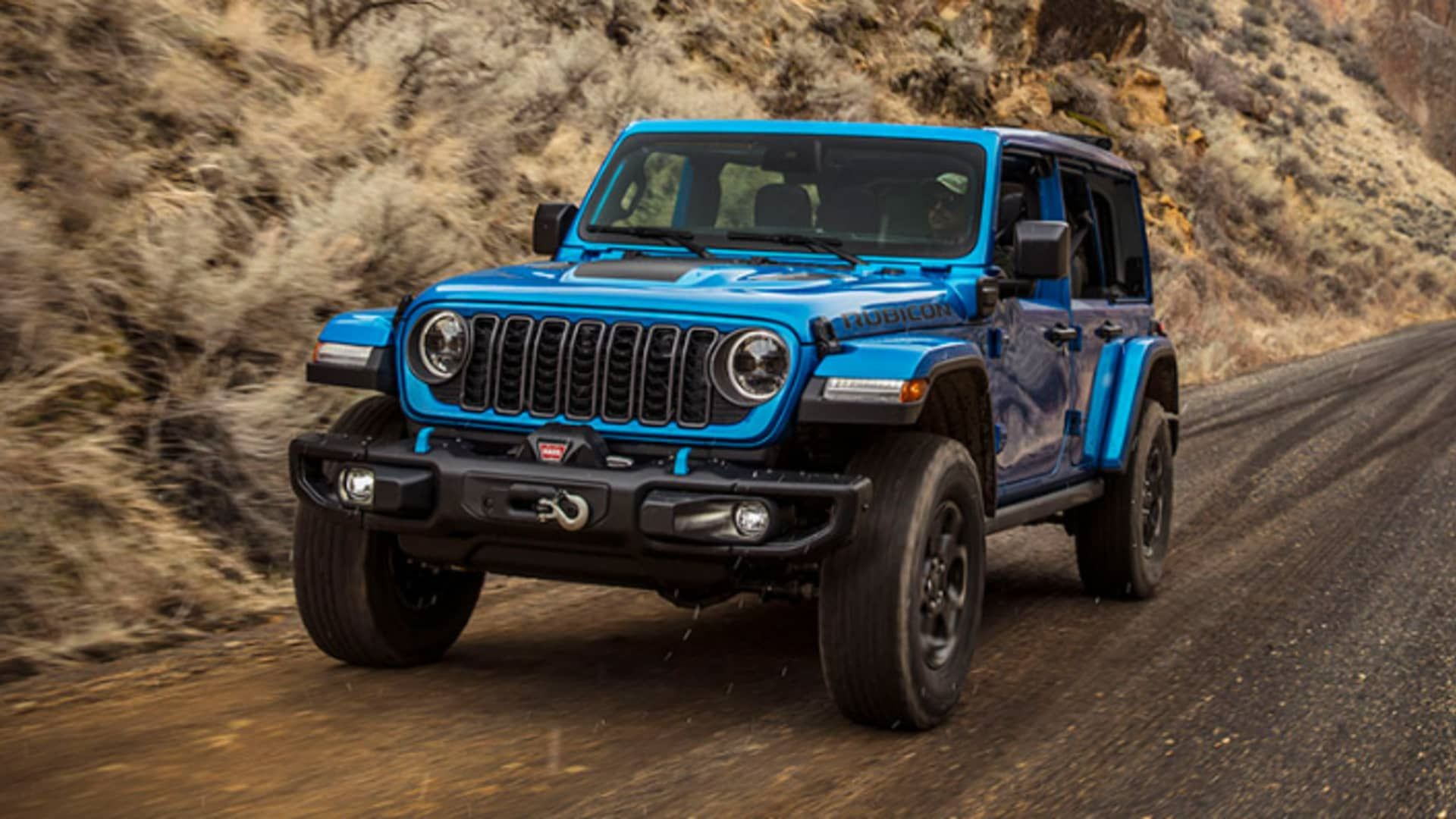
2. Jeep Wrangler
The Jeep Wrangler is designed for rugged terrain, but cold mornings can present unexpected challenges. One of the most noticeable issues is engine startup difficulty, particularly in older models. Cold temperatures can make ignition sluggish, requiring multiple attempts before the engine catches properly.
Manual transmission Wranglers often suffer from stiff gear engagement in the cold. Thickened transmission fluid can make shifting feel resistant, especially in first and second gears. This can be frustrating during early drives and may lead to premature clutch wear if forced.
The Wrangler’s boxy design also affects interior comfort during cold mornings. Heat retention is weaker compared to more aerodynamic vehicles, causing the cabin to take longer to warm up. Soft top models are especially affected, allowing cold air to linger inside.
Electrical quirks are another concern. Sensors and warning lights may behave unpredictably until the vehicle warms up. Some drivers report temporary fault messages that disappear after a few minutes of driving, creating unnecessary anxiety.
Despite its off road reputation, the Wrangler requires extra patience in winter conditions. Cold mornings demand longer warm up times and careful driving until systems stabilize.
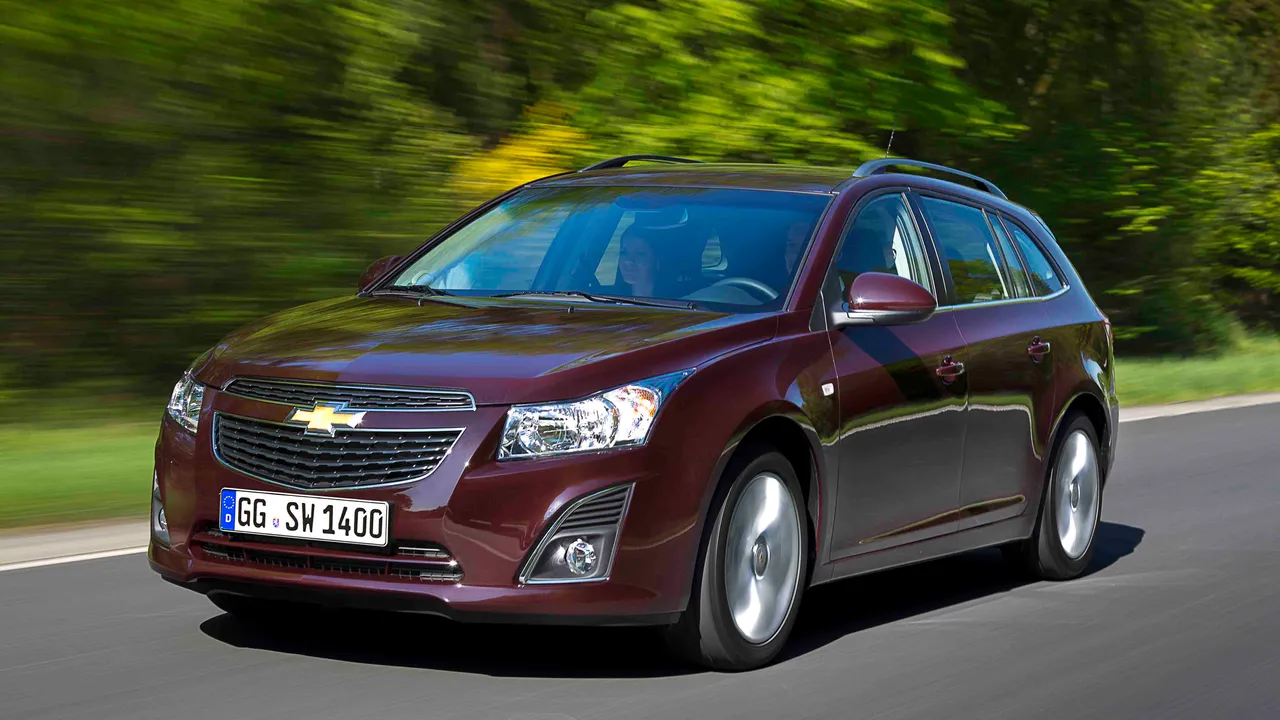
3. Chevrolet Cruze
The Chevrolet Cruze has gained popularity as a compact and affordable daily driver, but cold mornings often reveal performance issues. One frequent complaint involves slow engine response after startup. The engine may idle unevenly until it reaches a warmer operating range.
Battery performance is another weak spot. The Cruze relies heavily on electronic systems, which place extra strain on the battery during cold starts. A marginal battery can lead to no start situations or repeated jump starts in winter.
Transmission responsiveness may also suffer. Automatic versions can hesitate during acceleration when cold, creating a disconnected driving feel. This hesitation often disappears once the vehicle warms up, but it can be unsettling in traffic.
Heating systems in the Cruze are not always quick to deliver warm air. Drivers may experience prolonged cold airflow before the heater becomes effective. Defrosting the windshield can also take longer than expected.
Long term exposure to cold conditions may accelerate sensor and valve issues. These problems can trigger warning lights and reduce efficiency, making winter ownership more demanding than anticipated.
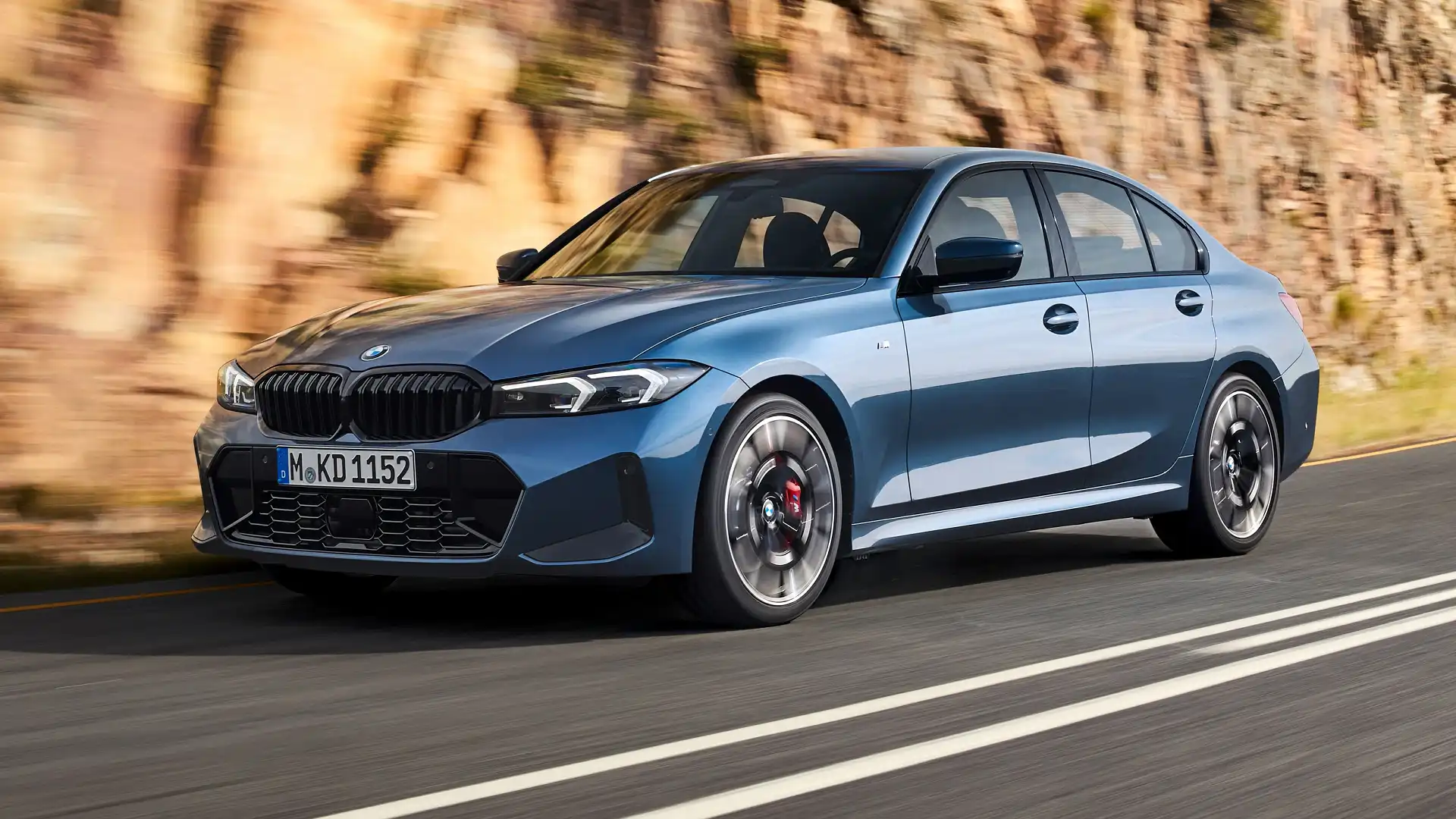
4. BMW 3 Series
The BMW 3 Series is known for refined driving dynamics, yet cold mornings often challenge its sophisticated systems. High performance engines with tight tolerances can struggle during freezing starts, leading to rough idling or delayed throttle response.
Electronic systems are particularly sensitive to cold. Displays may load slowly, and warning messages can appear briefly before disappearing. While these alerts are often harmless, they can be concerning for drivers unfamiliar with cold behavior.
Transmission tuning prioritizes smoothness, which can feel compromised when cold. Shifts may be slower or less predictable until the drivetrain reaches operating temperature. This is more noticeable in stop and go driving.
Also Read: 5 Performance Cars That Handle City Streets vs 5 That Are Miserable
Cabin comfort systems are advanced but not always quick. Heated seats and climate controls may take longer to respond on very cold mornings. The delay can make early drives less pleasant than expected from a luxury vehicle.
Maintenance becomes especially important in winter. Neglecting battery health or fluid changes can magnify cold related issues, making the 3 Series feel less dependable during winter mornings.
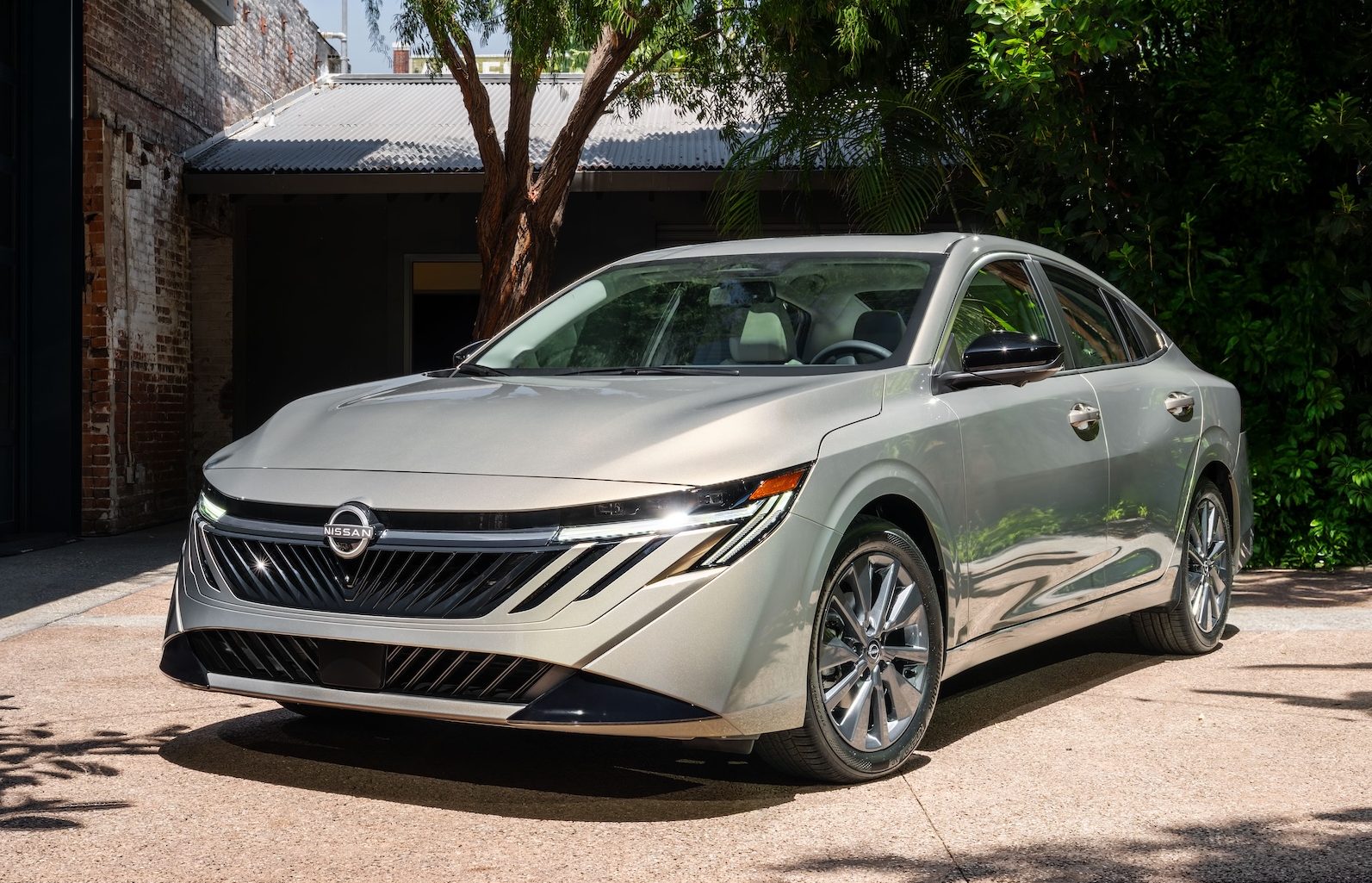
5. Nissan Altima
The Nissan Altima is widely used for commuting, but cold mornings can create noticeable inconveniences. One of the most common issues involves the continuously variable transmission. Cold temperatures can cause delayed engagement and sluggish acceleration.
Engine startups may also feel strained. The Altima’s engine management system can take time to adjust fuel and air mixtures in cold conditions, leading to rough idling. This behavior usually improves as the engine warms.
Steering response can feel muted during cold starts. Power steering assistance may not feel consistent until the system warms up, which can affect driver confidence on icy roads.
Interior heating performance varies by model year, but many owners report slow warm up times. Cold air may blow from vents longer than expected, making short trips uncomfortable.
Cold weather can also impact suspension components. Bushings and mounts may stiffen, causing increased noise or harshness during early drives.
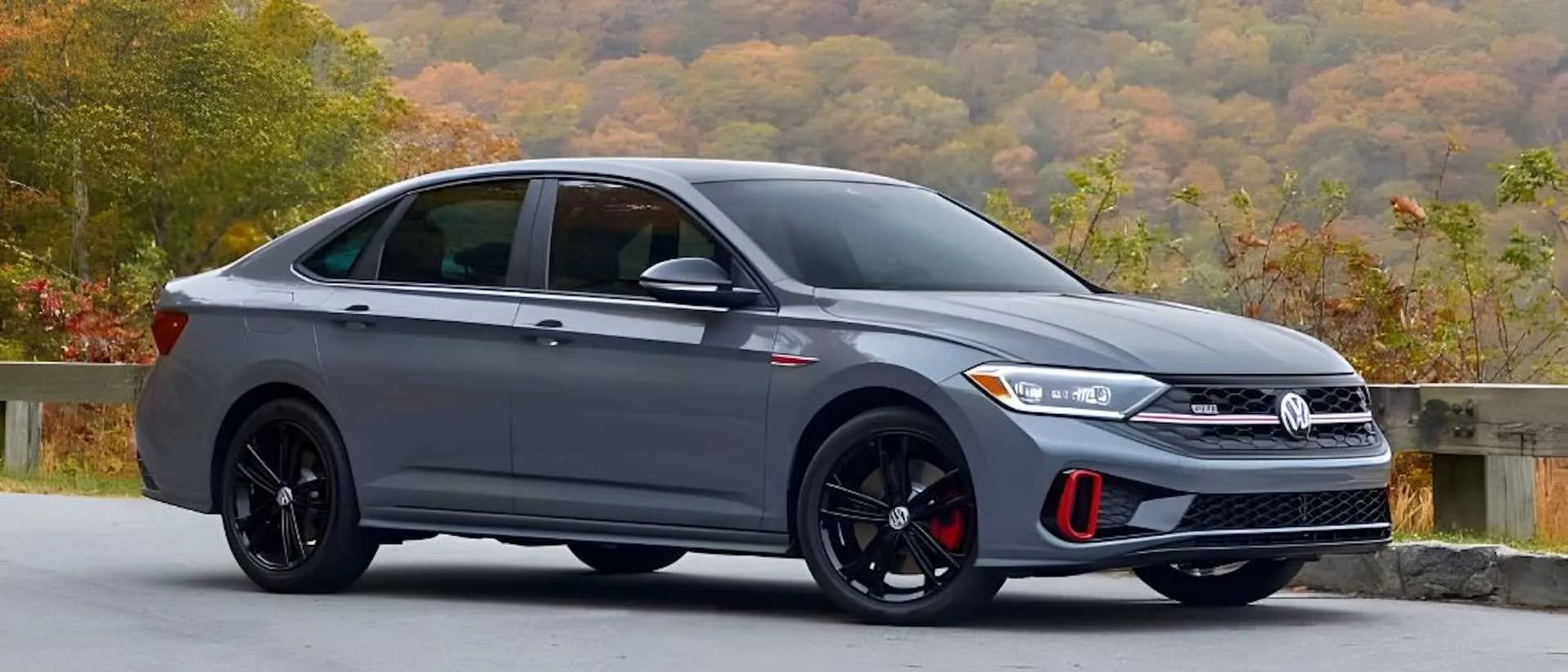
6. Volkswagen Jetta
The Volkswagen Jetta combines efficiency with European styling, but cold mornings often expose mechanical sensitivities. Engine cold starts can feel rough, particularly in turbocharged variants. Acceleration may lag until the engine reaches optimal temperature.
Transmission behavior is another concern. Automatic and dual clutch systems can hesitate or shift abruptly when cold. This can make early driving feel inconsistent and less refined.
Electrical systems may act unpredictably in freezing conditions. Infotainment screens can respond slowly, and climate control settings may reset or delay activation.
Heating performance can be uneven. While the system eventually produces strong heat, initial output may be weak. Defrosting windows can take longer than drivers expect on frosty mornings.
Cold weather also affects fuel efficiency. Short trips in low temperatures can lead to noticeably higher consumption, reducing one of the Jetta’s main advantages.
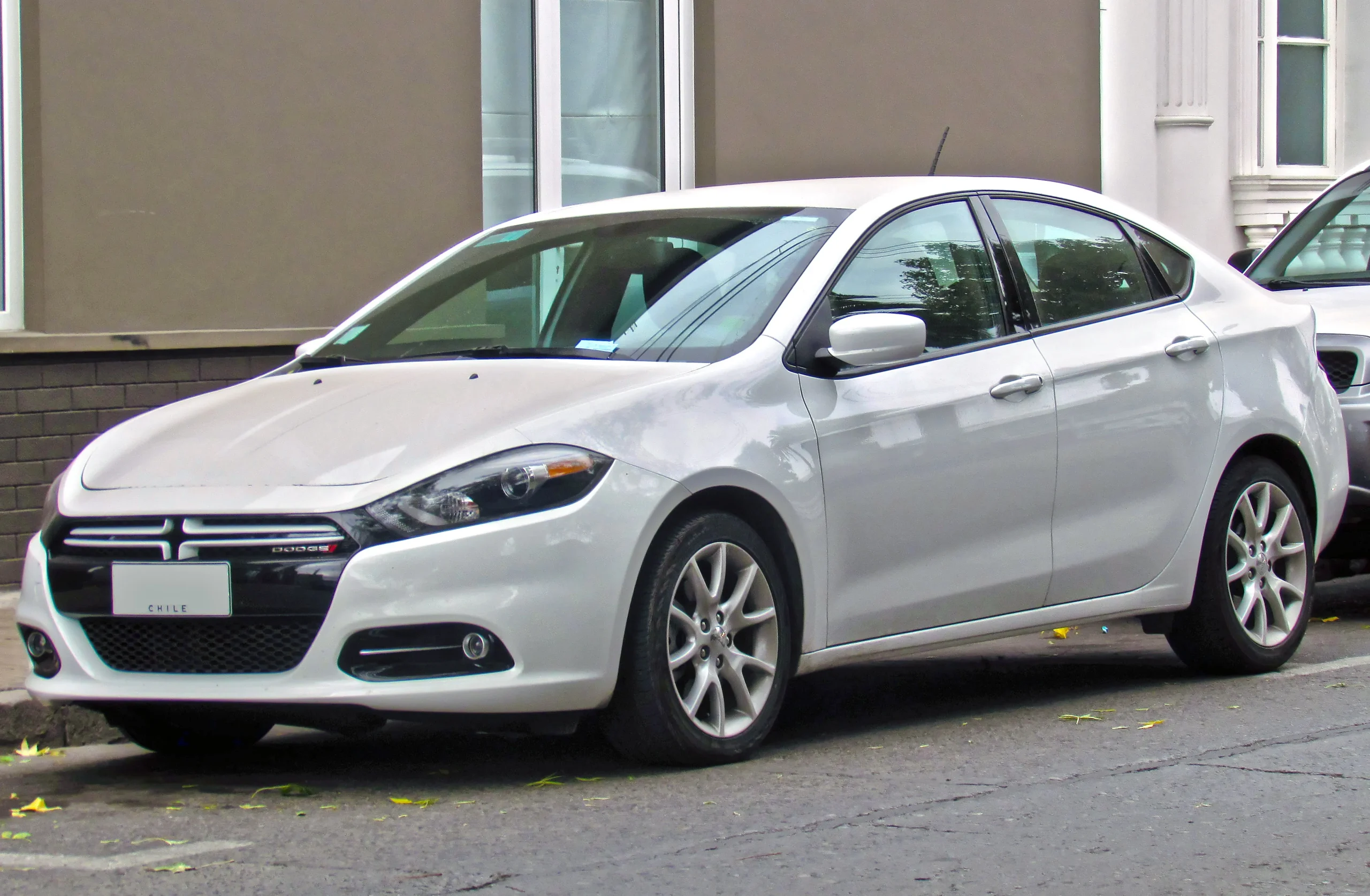
7. Dodge Dart
The Dodge Dart aimed to balance affordability and style, but cold mornings often challenge its reliability. Starting issues are among the most common complaints, especially in older models with aging electrical components.
Transmission hesitation can occur when temperatures drop. Shifts may feel delayed or abrupt until the vehicle warms up. This behavior can be unsettling during merging or low speed driving.
The Dart’s interior heating system can struggle initially. Cold air may blow from vents even after several minutes of driving, which can be uncomfortable during winter commutes.
Electronic glitches are also reported in cold conditions. Warning lights, sensor errors, or temporary system failures may appear without lasting issues, but they add stress for drivers.
Over time, repeated cold exposure can worsen existing mechanical weaknesses. This makes winter mornings a consistent challenge for many Dart owners.
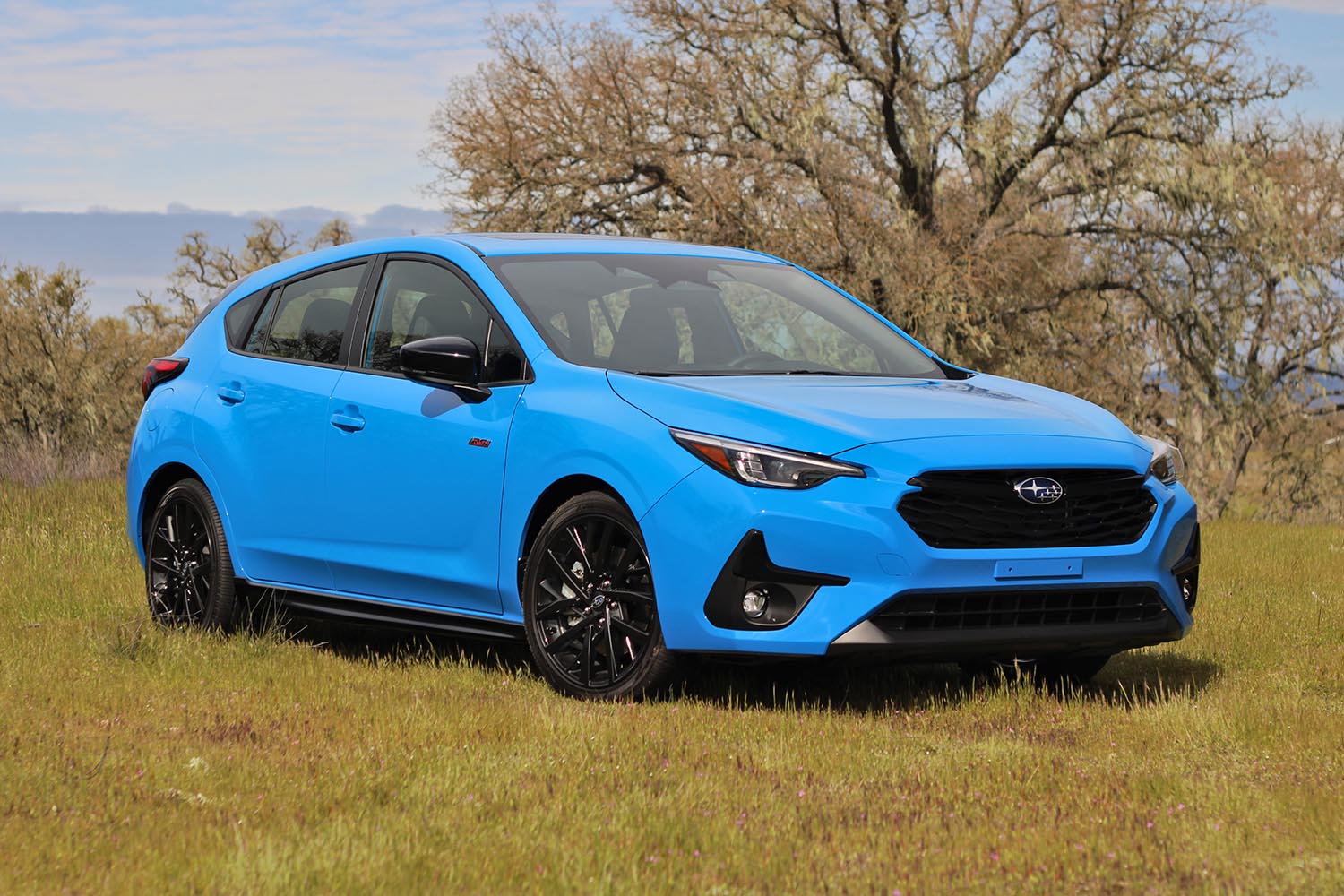
8. Subaru Impreza
The Subaru Impreza is often associated with winter capability, yet cold mornings still present issues. Boxer engines can be noisy during cold starts, producing louder than normal sounds until warmed up.
Fuel delivery systems may also take time to stabilize. Rough idling and hesitation during early acceleration are common complaints in freezing temperatures.
Manual transmission models often experience stiff shifting when cold. Thickened gear oil can make engagement difficult, especially in lower gears during the first few minutes of driving.
Cabin heating performance is average but not quick. Drivers may wait longer than expected for warm air, which can be frustrating in severe cold.
Cold weather can also affect wheel bearings and suspension noise. These sounds often fade as the vehicle warms, but they can be concerning at first.
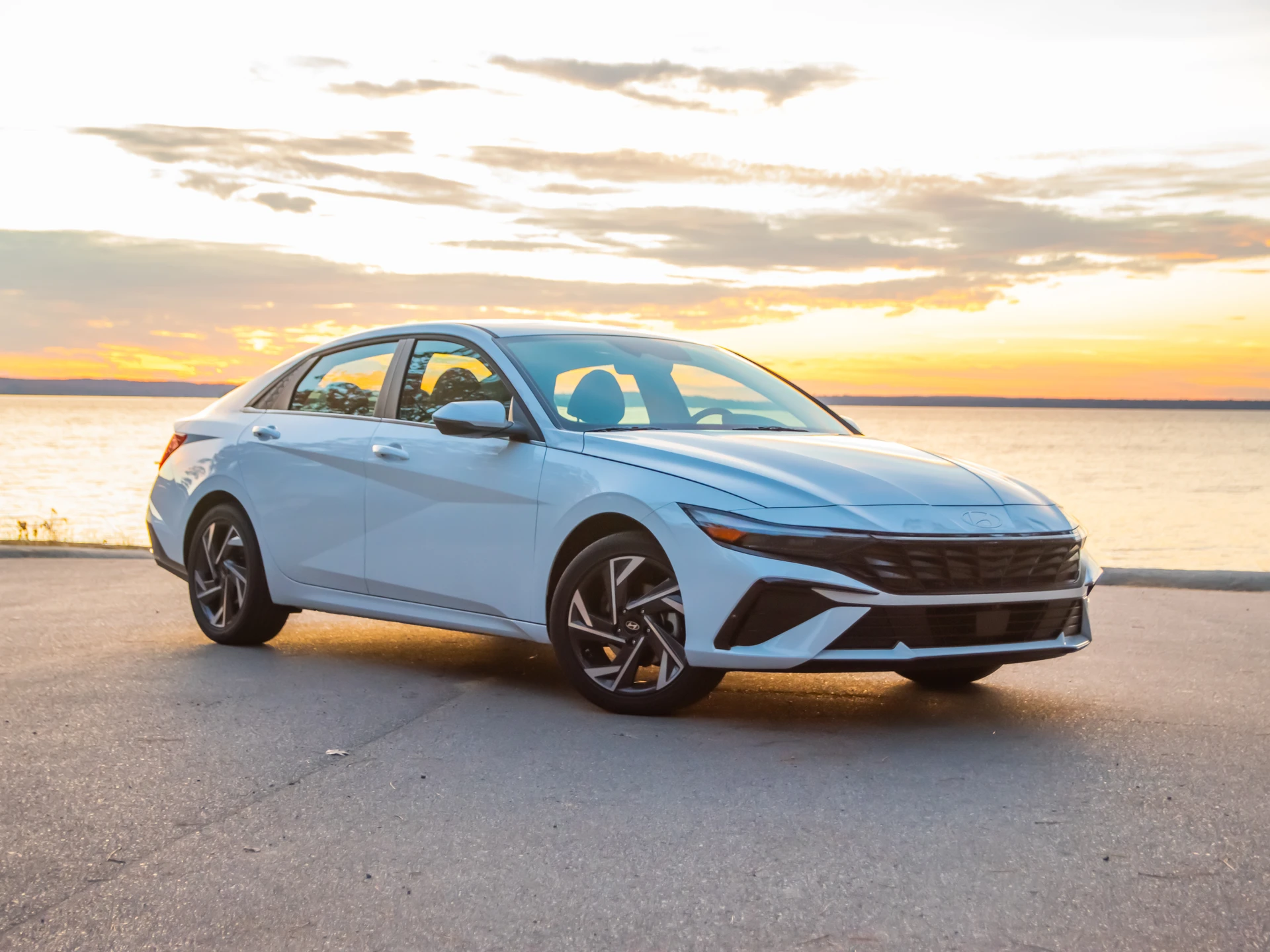
9. Hyundai Elantra
The Hyundai Elantra is valued for affordability and efficiency, but cold mornings can reduce its comfort and responsiveness. Engine starts may feel hesitant, especially when the battery is not at peak condition.
Automatic transmissions can show delayed response in cold conditions. Acceleration may feel muted until the drivetrain warms, affecting confidence during early drives.
Steering systems may feel heavier than usual at startup. Power assistance can take time to normalize, particularly in very low temperatures.
Interior heating performance varies, but many models take longer than expected to produce warm air. Defrosting may also lag, impacting visibility.
Cold weather can also reveal interior rattles and noises. Materials contract in low temperatures, making the cabin feel less refined during winter mornings.
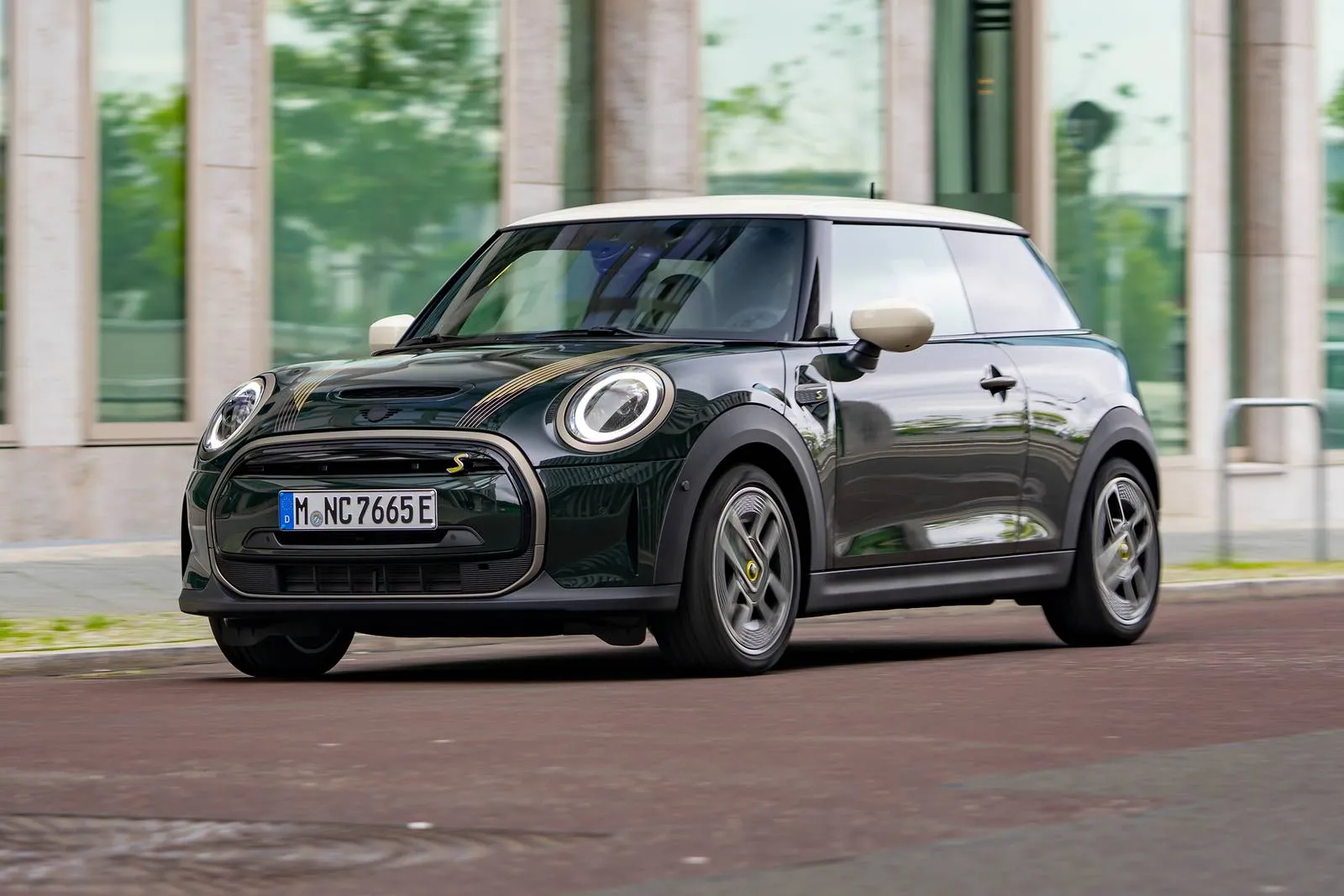
10. Mini Cooper
The Mini Cooper delivers a fun driving experience, but cold mornings often highlight its quirks. Small engines and tight tolerances can lead to rough startups in freezing conditions.
Transmission behavior may feel inconsistent when cold. Automatic versions can hesitate, while manual transmissions may feel stiff until warmed up.
Electrical systems are sensitive to temperature changes. Displays and warning lights may behave erratically until the car has been driven for a while.
Cabin heating is not always quick. The compact interior warms eventually, but initial cold airflow can be uncomfortable during short trips.
Repeated cold starts can accelerate wear on components. For Mini Cooper owners, winter mornings often require patience and careful maintenance to avoid issues.
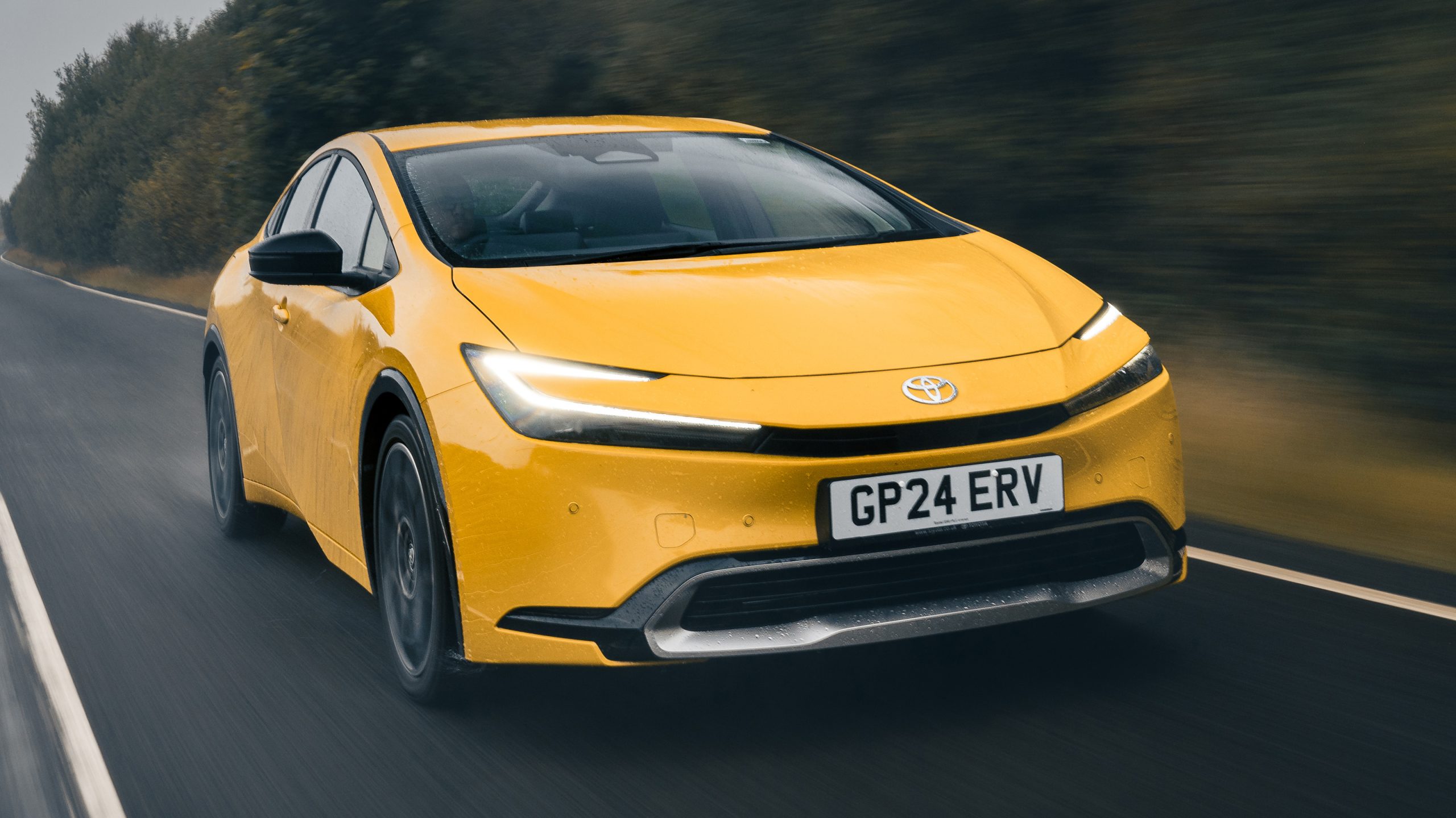
11. Toyota Prius
The Toyota Prius is celebrated for fuel efficiency, yet cold mornings expose unique challenges that are often overlooked. The hybrid battery system, while generally reliable, can lose efficiency in freezing temperatures, causing the engine to rely more heavily on the gasoline motor at startup.
This can create rough idling and reduced initial acceleration, especially during early morning commutes. Drivers may notice the electric motor hesitating or switching erratically as the system adjusts to the cold, making the first few minutes of driving feel uneven.
Another issue arises with the continuously variable transmission. Cold fluid thickening can make the CVT feel less smooth, producing vibrations or unusual noises until the vehicle warms up.
These effects are usually temporary, but they can be startling for drivers unfamiliar with hybrid behavior. The throttle response may also seem muted, and attempts to accelerate quickly may result in sluggish performance until the system stabilizes.
Interior heating can feel inconsistent in the early minutes. Unlike conventional vehicles, the Prius may take longer to circulate warm air because the engine often runs at a lower temperature initially. Defrosting the windshield can also be slow, requiring additional time to achieve clear visibility. Drivers relying on immediate heat may find this frustrating during very cold mornings.
Electronic systems, including touchscreens and hybrid displays, can also respond more slowly when temperatures drop. While these delays are minor, they can create confusion for drivers expecting instant responsiveness. Warning lights or alerts may briefly illuminate before disappearing as the car adjusts, causing concern even though no real malfunction exists.
Repeated cold starts may accelerate wear on the hybrid battery and associated components. While the Prius is engineered for longevity, frequent exposure to low temperatures combined with short trips can increase the likelihood of early maintenance needs. For owners in colder climates, patience and careful warm-up procedures are important for ensuring reliability.
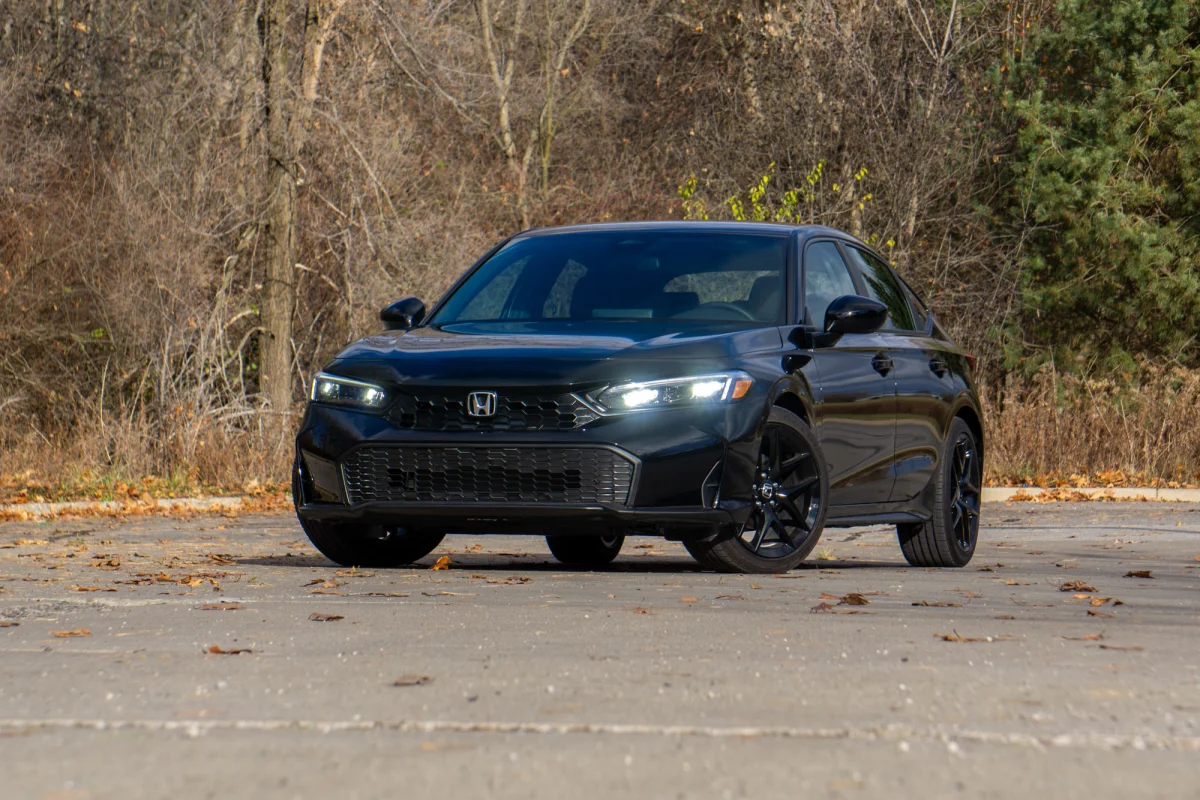
12. Honda Civic
The Honda Civic is known for dependability, yet cold mornings reveal vulnerabilities in both engine and cabin systems. Engine start-ups in freezing temperatures can be slower than expected, particularly in older models with worn batteries.
The fuel injection system may take extra moments to stabilize, causing the engine to idle roughly at first. This behavior is often temporary, but it can make short morning trips uncomfortable and slightly unpredictable.
Transmission systems also react differently in cold conditions. Automatic Civics can hesitate when shifting, while manual gearboxes may feel stiff until the oil warms. These effects reduce initial smoothness and can cause minor difficulty in maneuvering during early commutes. Drivers often notice that first gear engages more roughly than usual, and low-speed handling feels heavier than in warmer conditions.
Interior climate systems in Civics are generally reliable, but cold mornings slow down the flow of heated air. The defroster may take extra minutes to clear windows, which is especially important for safety. Drivers may need to allow additional time before starting trips, as relying on quick cabin warmth can lead to discomfort and distraction.
Electronic components are moderately sensitive to freezing temperatures. Infotainment screens, sensors, and even dashboard lights can respond more slowly during early mornings. While these delays are temporary, they can give the impression of system malfunctions and add stress for drivers unfamiliar with cold-weather performance.
Finally, cold weather can impact suspension components and rubber seals. Bushings may stiffen, producing subtle noises or vibrations that dissipate as the vehicle warms. Regular maintenance, including battery and fluid checks, helps mitigate these effects. Despite its reputation for reliability, the Civic requires extra patience during the first minutes of winter driving.
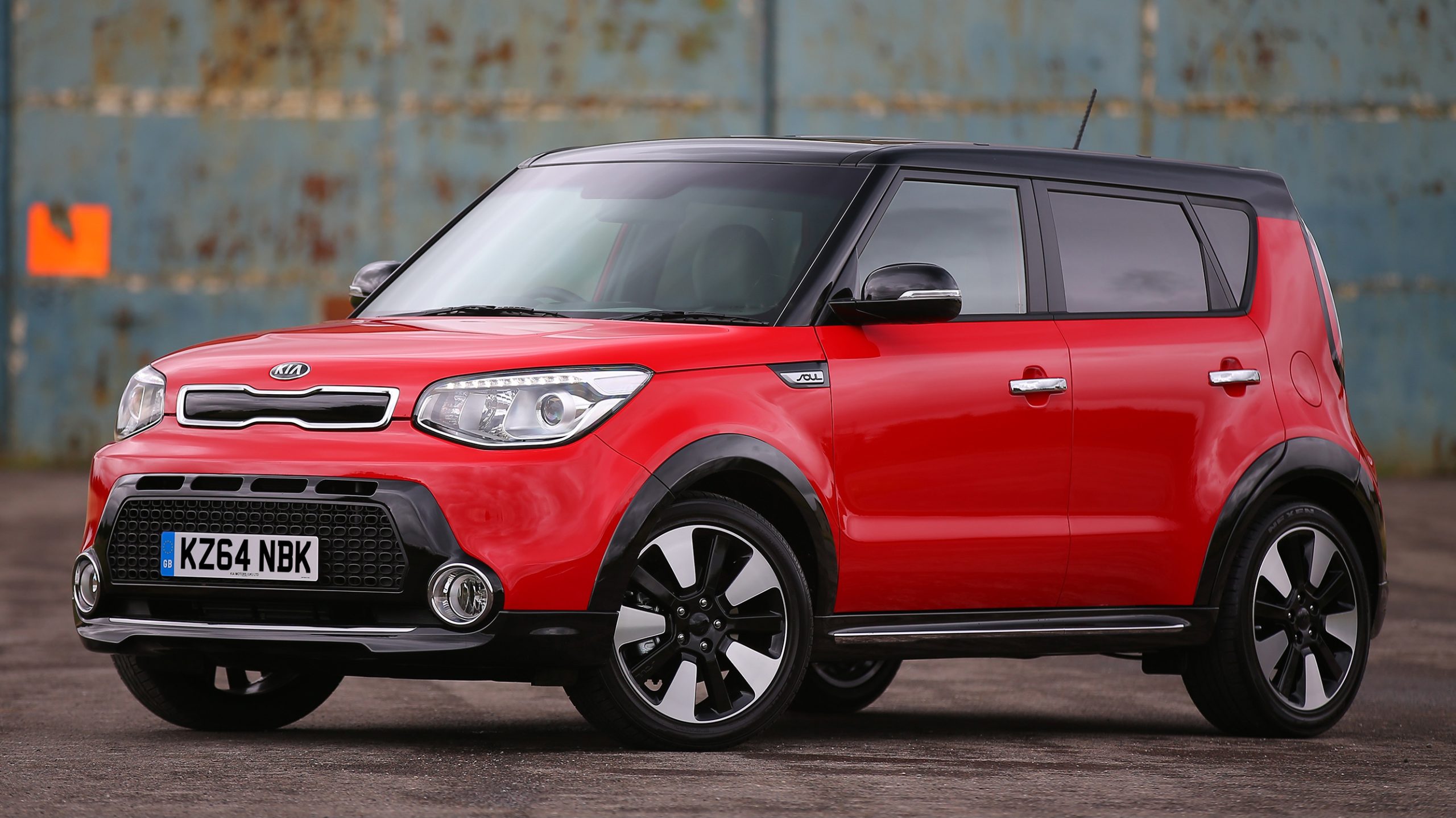
13. Kia Soul
The Kia Soul is practical and compact, yet cold mornings tend to amplify minor mechanical and electronic quirks. Engine starts can feel laborious, particularly in subzero temperatures.
The fuel system may adjust more slowly, causing rough idling and occasional hesitations during initial acceleration. Short trips exacerbate this issue because the engine rarely reaches optimal operating temperature, which can impact both performance and fuel efficiency.
Transmission responsiveness is also affected. Automatic Souls may experience delayed engagement or subtle jerking during cold shifts. Manual transmissions, while generally more predictable, can feel stiff due to thickened gear oil. These factors reduce early morning comfort and make precise maneuvering more challenging, especially in icy or congested conditions.
Cabin heating systems require additional time to deliver consistent warmth. Vents may blow cold air longer than expected, particularly in older models. Defrosting can take a significant portion of a short commute, leaving drivers exposed to cold and reducing visibility. Extended warm-up periods are often necessary to achieve both comfort and safety.
Electronic systems are moderately sensitive to cold. Dashboard displays, infotainment responsiveness, and sensor readings may lag or flicker briefly until the vehicle warms. These minor anomalies can cause unnecessary concern for drivers who are unfamiliar with the way the Soul behaves in low temperatures.
Long-term cold exposure can accelerate wear on critical components, including suspension bushings, battery health, and rubber seals. While the Soul is built for city reliability, drivers in cold climates must accept that winter mornings will be slower and require more patience than in warmer months.
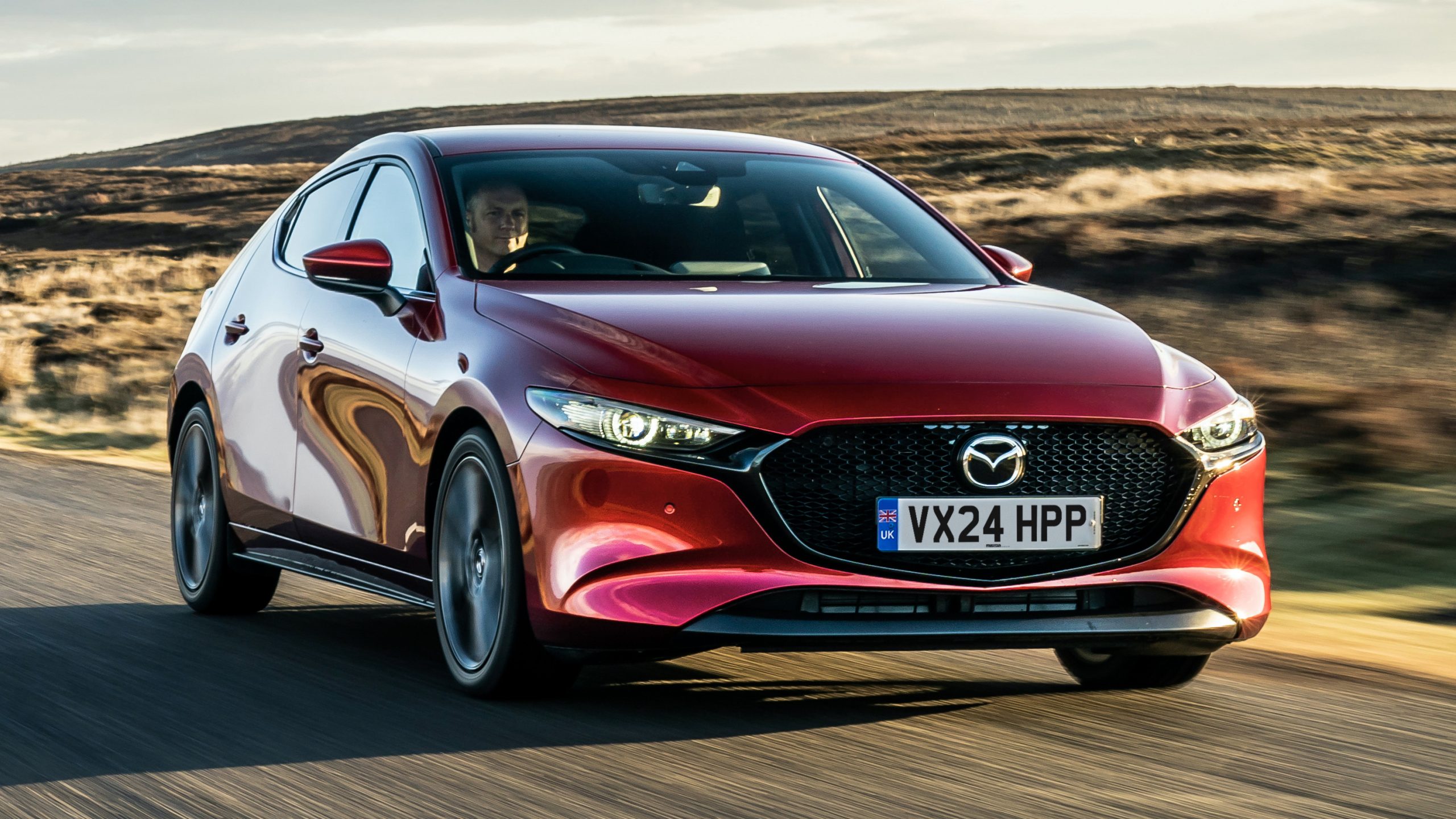
14. Mazda3
The Mazda3 combines sporty handling with everyday practicality, yet cold mornings often highlight vulnerabilities that are not obvious in warmer conditions. Engine starts can be slow or rough due to tighter tolerances and fuel system sensitivity.
Idle may fluctuate briefly as the engine adapts to the cold, making the initial driving experience less smooth than expected. This is particularly noticeable in turbocharged or high-compression variants.
Transmission performance is affected by thickened fluid. Automatic transmissions may hesitate or shift unevenly until warmed, while manual gearboxes can feel stiff. Early morning driving requires more careful attention, particularly when starting from a complete stop or navigating traffic. These effects usually disappear after a few minutes but are inconvenient during short trips.
Heating and defrosting are slower in the Mazda3 than in some competitors. Cabin comfort may take several minutes to stabilize, which can be frustrating in regions with harsh winters. Vents may continue to blow cold air, and windshield defrosting can lag, requiring drivers to prepare earlier for departure.
Electronic systems are moderately sensitive to low temperatures. Infotainment screens and dashboard displays can respond slowly, and warning lights may illuminate briefly before disappearing. These temporary quirks are harmless but can create uncertainty for drivers unfamiliar with Mazda3 cold-weather behavior.
Repeated exposure to cold mornings can impact wear on suspension components, seals, and battery life. While the Mazda3 is durable, winter conditions demand careful maintenance and patience during the first moments of driving. Owners who ignore these factors may notice accelerated wear or minor system failures over time.
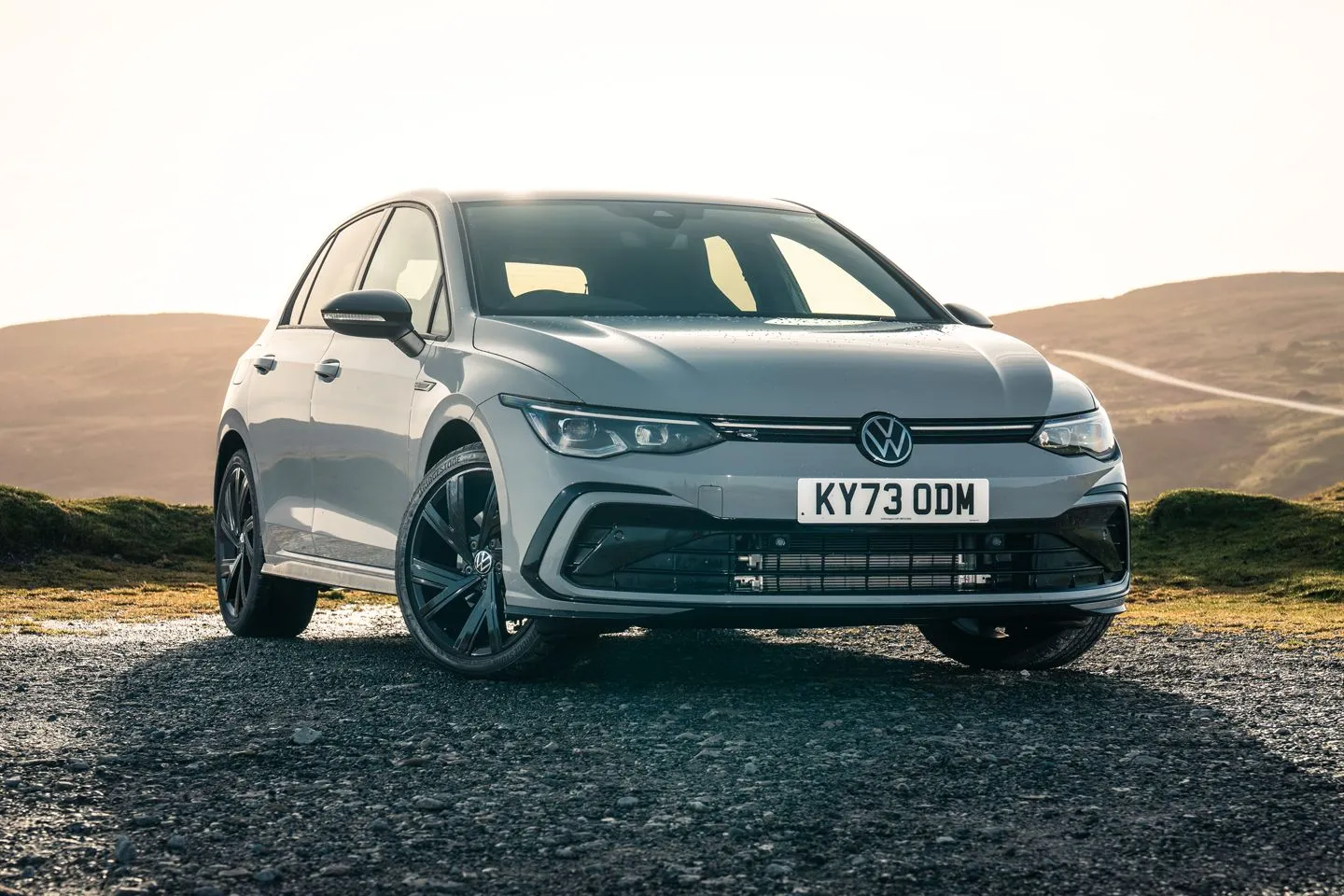
15. Volkswagen Golf
The Volkswagen Golf offers solid performance and European styling, but cold mornings reveal several weaknesses. Engine startups can feel rough, particularly in turbocharged models. The fuel system and tight engine tolerances contribute to uneven idling during the first few minutes of operation. Drivers may also notice delayed throttle response, making acceleration feel hesitant in early commutes.
Transmission systems are particularly affected by freezing temperatures. Automatic and dual clutch gearboxes can hesitate or shift abruptly, causing a less smooth driving experience until the vehicle warms. Manual transmissions may also feel stiff due to thickened oil, reducing ease of operation and making first gear engagement heavier.
Interior heating is slower than some competitors. Cabin warmth may take several minutes to circulate, leaving passengers exposed to cold air initially. Windshield defrosting can also be delayed, requiring extra time to achieve clear visibility before driving. Early morning comfort is therefore compromised compared to vehicles designed for rapid heat circulation.
Electronic components are sensitive to cold as well. Infotainment displays, climate controls, and dashboard systems may respond sluggishly until the Golf reaches a stable temperature. Temporary warning lights or system alerts can appear and vanish quickly, which can be unnerving for drivers unfamiliar with these quirks.
Repeated cold exposure can accelerate wear on various components, including suspension bushings, seals, and battery life. While the Golf is generally reliable, winter mornings often require longer warm-up periods, careful maintenance, and patience to avoid frustration or minor damage.
