
Car theft has changed dramatically over the years, shifting from simple break ins and hot wiring to complex digital attacks and organized crime networks. Thieves today are highly selective, often targeting vehicles that offer quick access, high resale value, and minimal resistance.
At the same time, automakers have invested heavily in security systems, smart tracking, and physical deterrents that make certain vehicles far less appealing to criminals.
This gap between easy targets and hard targets has created a clear pattern in what thieves avoid. Understanding why certain cars are hated by thieves gives insight into how modern security works and how design choices influence crime.
Some vehicles are engineered with layered protection that combines alarms, immobilizers, encrypted keys, and GPS tracking. Others rely on visibility and recognition, making stolen vehicles difficult to hide or resell. Some cars carry strong owner communities and manufacturer support, which increases the risk of recovery if stolen.
Thieves generally want speed and certainty, and anything that adds time or unpredictability increases the chances of getting caught. This is why some cars are simply ignored even when parked in vulnerable locations.
Another factor that makes certain vehicles unattractive is the cost of stealing them relative to their value. If a car requires advanced equipment or specialized knowledge to bypass its systems, the effort may not be worth the reward. Thieves prefer models that can be taken quickly and broken down for parts or resold easily.
Cars that lack demand in illegal markets or have tightly controlled parts ecosystems tend to be skipped. Security is not only about locks and alarms, but also about economics.
Modern cars also benefit from constant software updates and cloud based monitoring. Vehicles that can be tracked remotely, disabled from a distance, or flagged instantly become liabilities for criminals. In some cases, owners can locate their car within minutes, turning a theft into a failed attempt.
This rapid response capability discourages thieves from even trying. The presence of cameras, sensors, and connected services has quietly reshaped criminal behavior.
This article looks at 15 cars that thieves dislike the most and explains the reasons behind their reputation. Each vehicle represents a different approach to theft prevention, from advanced technology to smart design and strong brand ecosystems. Together, they show how effective security is not about one feature but about a complete system that makes stealing a car a bad decision.
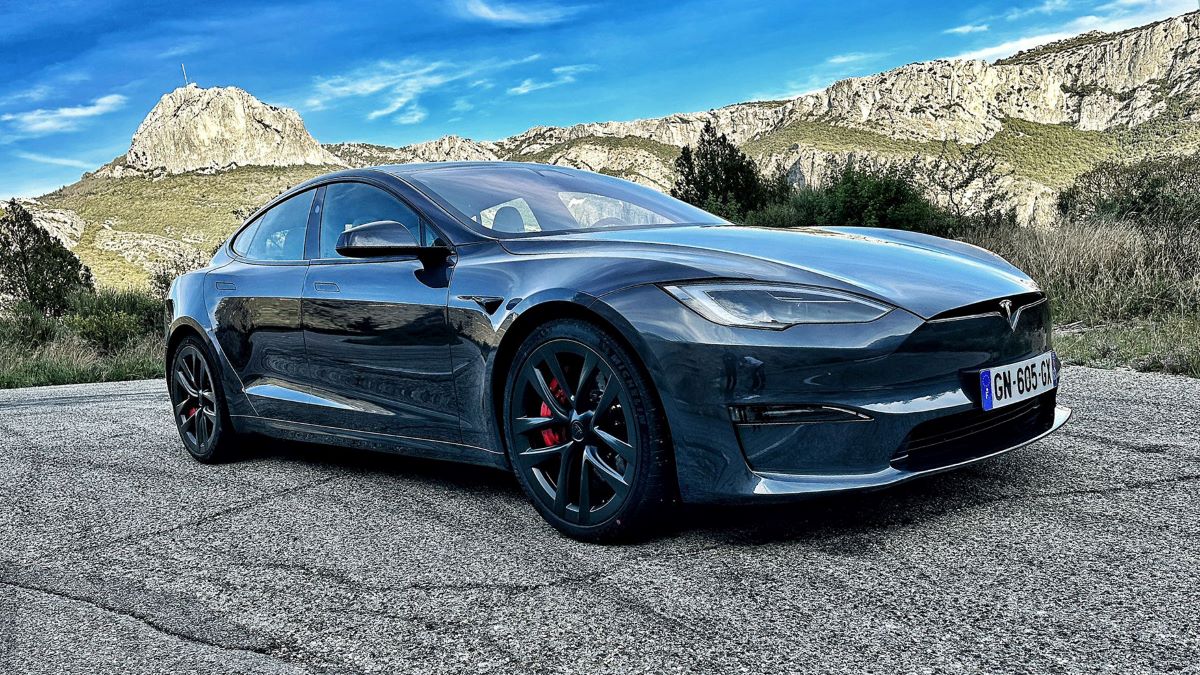
1. Tesla Model S
The Tesla Model S stands out immediately due to its fully connected nature and constant data communication. Every movement, access attempt, and system change is logged and monitored. This makes unauthorized use extremely risky because the vehicle can be tracked in real time. Thieves know that location data can be accessed quickly by owners and authorities.
The lack of a traditional ignition system also complicates theft attempts. There is no simple mechanical process to bypass, and the digital key system uses encrypted authentication. Without proper authorization, the car remains immobilized. This removes the classic methods that thieves rely on.
Also Read: 7 Cars That Feel Safe For Teen Daughters Vs 7 That Don’t
Another major deterrent is the ability to remotely disable the vehicle. If a theft is detected, the car can be slowed or stopped entirely through software controls. This turns the vehicle into a liability rather than an asset. Thieves do not want a car that can shut itself down.
The visibility of a stolen Tesla also creates problems. These vehicles are highly recognizable and difficult to disguise or resell. Parts are serialized and closely tracked, making dismantling unprofitable. The resale market for stolen Tesla components is extremely limited.
Finally, Tesla’s built in camera systems add another layer of risk. Exterior cameras can record suspicious activity and store footage automatically. This increases the likelihood of identification and prosecution. For thieves, the Model S is a rolling surveillance system.
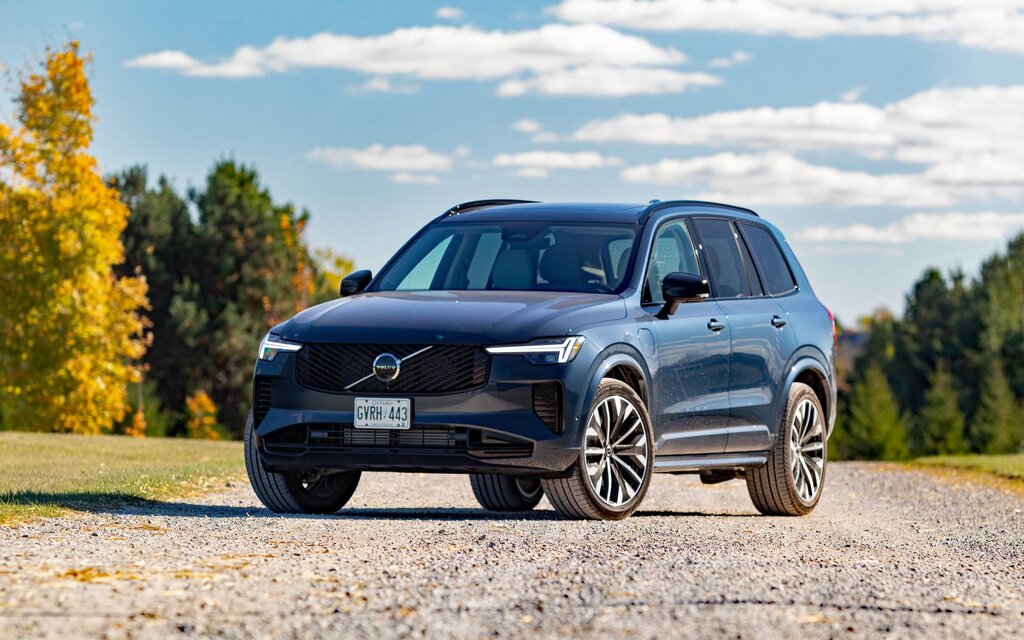
2. Volvo XC90
Volvo has long prioritized safety, and that philosophy extends strongly into vehicle security. The XC90 includes advanced immobilizers that prevent the engine from starting without proper authentication. Even if access is gained, the car remains unusable. This wastes time and increases exposure.
The alarm system in the XC90 is highly sensitive and integrated with motion and tilt detection. Any attempt to tow or lift the vehicle triggers alerts immediately. This eliminates one of the common methods used to steal high value SUVs. Thieves prefer vehicles that can be moved quietly.
Volvo also uses encrypted key communication that resists relay attacks. These attacks have become common, but the XC90 is specifically designed to counter them. This forces thieves to abandon quick electronic methods. The added complexity makes the vehicle unattractive.
Another deterrent is the built in tracking and recovery support. Volvo offers direct assistance in theft situations, working closely with law enforcement. This increases the chances of recovery significantly. Thieves want cars that disappear, not cars that come back.
The XC90 also suffers from low demand in illegal resale markets. Its parts are harder to move, and the vehicle itself is easily identifiable. Combined with strong security, this makes it a poor target.
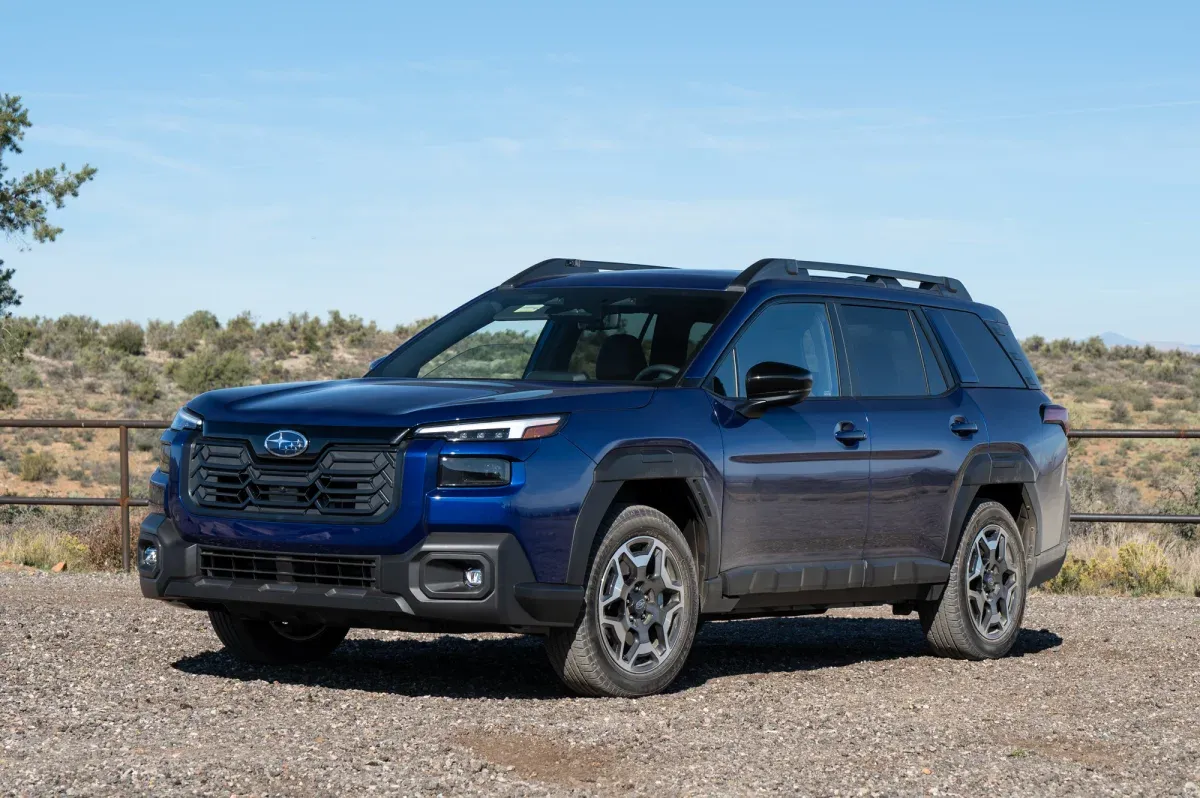
3. Subaru Outback
The Subaru Outback benefits from a reputation that works against thieves. It is not commonly associated with high resale value or luxury appeal. This alone reduces interest from criminal groups. Thieves typically chase profit first.
Beyond perception, the Outback includes a reliable immobilizer system that prevents unauthorized engine starts. Hot wiring is not an option, and electronic bypass methods are limited. This creates a significant barrier for quick theft.
Subaru’s symmetrical all wheel drive system also complicates towing or pushing the vehicle. Improper movement can cause mechanical resistance and noise. This increases attention and risk. Thieves prefer cars that roll easily.
Also Read: 5 Cars That Survive Harsh Winters and 5 That Rust Immediately
Another advantage is the strong owner community and high recovery rates. Subarus are often reported stolen quickly, and many are recovered due to tracking features. This lowers the success rate of theft attempts. Criminals learn which cars are bad bets.
Finally, the Outback lacks strong demand for parts in black markets. Its components are durable and not frequently replaced. This reduces the incentive for dismantling. All of these factors combine to make it an unpopular target.
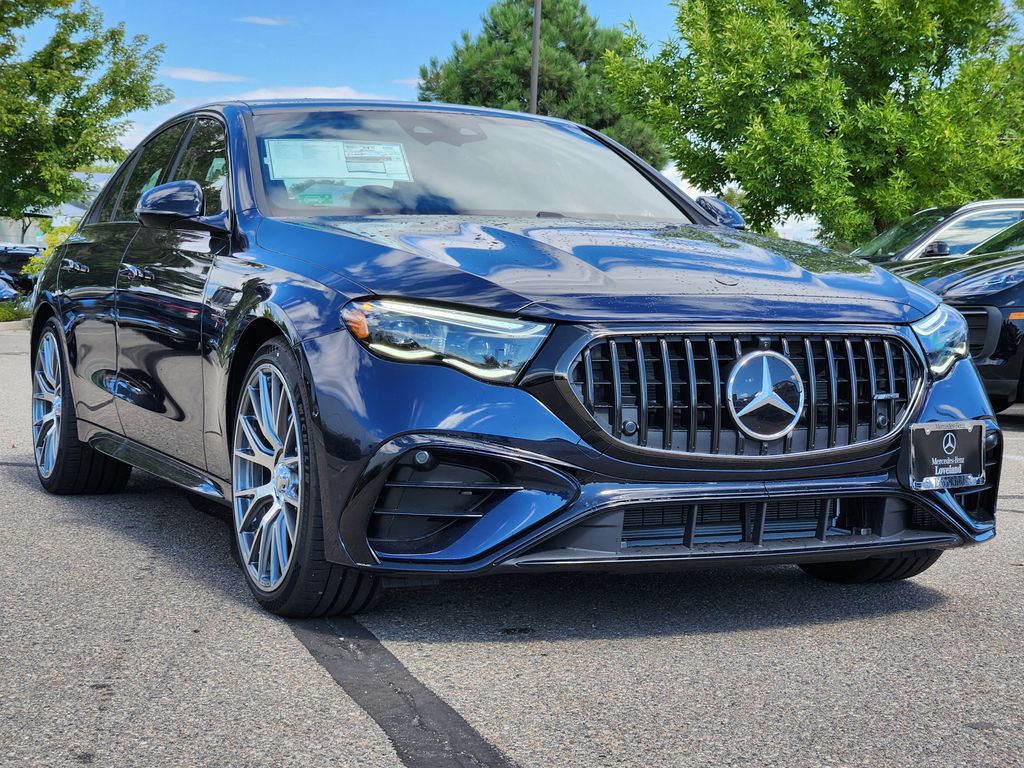
4. Mercedes Benz E Class
The Mercedes Benz E Class uses advanced electronic security systems that are difficult to bypass. Its key authentication relies on rolling codes and encrypted signals. This protects against signal interception techniques. Thieves face high technical barriers.
The vehicle also includes interior motion sensors that detect unauthorized entry even if doors are unlocked. Breaking a window does not guarantee access. The alarm response is immediate and loud. This attracts attention quickly.
Mercedes integrates tracking and emergency response features that activate during suspicious activity. Owners can locate their vehicle easily. Law enforcement cooperation increases recovery chances. This adds pressure on thieves.
Another deterrent is the complexity of the vehicle’s electronics. Attempting to disable systems often triggers secondary locks or alerts. This can immobilize the car permanently. Thieves do not want cars that fight back.
The E Class also presents resale challenges. Its luxury status makes it recognizable, and parts are closely regulated. Selling stolen components is risky and slow. For criminals, the effort outweighs the reward.
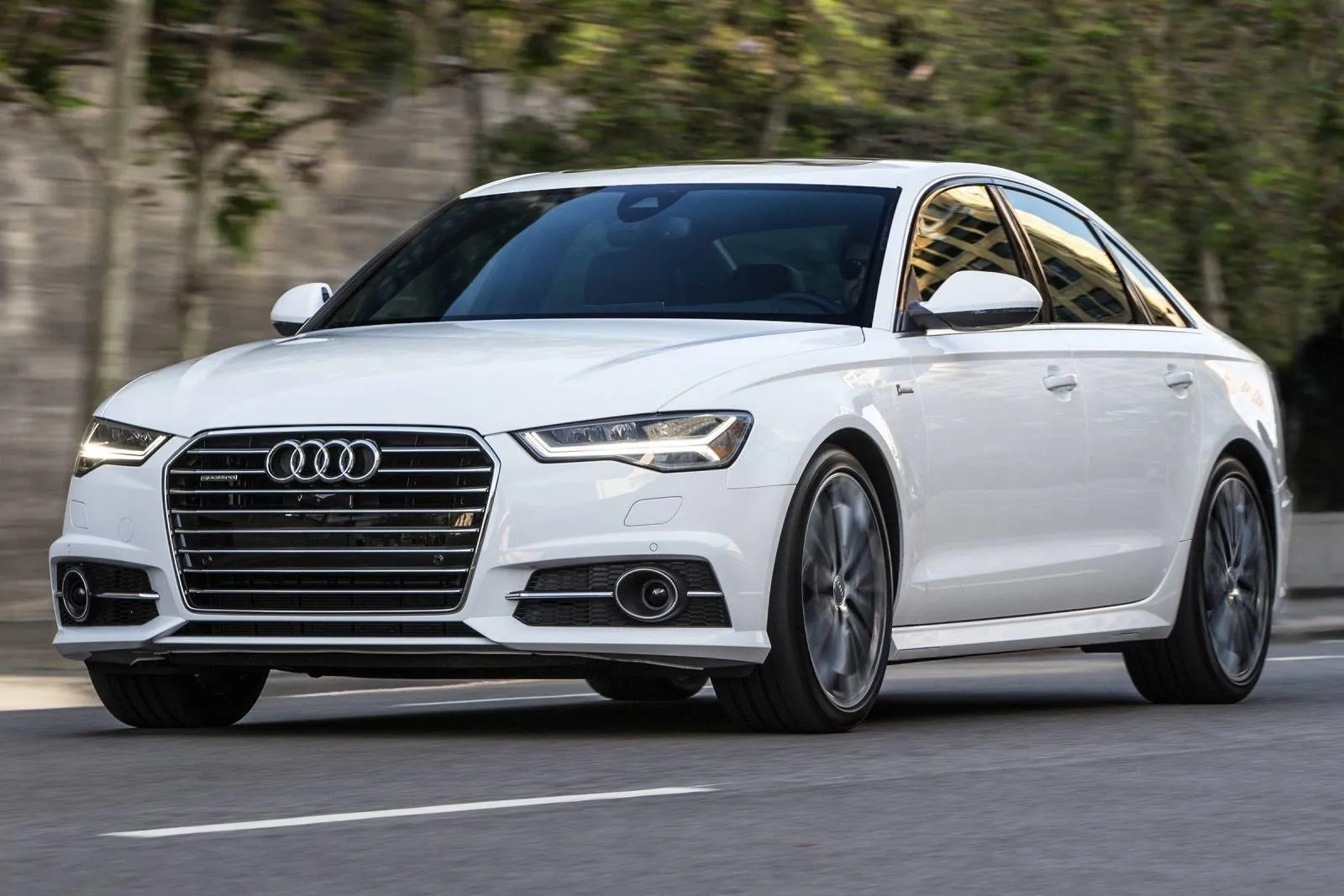
5. Audi A6
Audi has invested heavily in digital security, and the A6 reflects this focus clearly. The vehicle uses encrypted onboard networks that prevent tampering. Accessing one system does not grant control over others. This compartmentalization frustrates theft attempts.
The keyless entry system in the A6 includes protections against relay amplification. Keys go into sleep mode when not moving. This blocks common electronic theft techniques. Thieves must resort to slower methods.
The alarm system also monitors interior movement and vehicle angle. Any attempt to tow the car triggers alerts instantly. This removes a popular fallback option. Time becomes the enemy.
Audi’s tracking and recovery features further discourage theft. Vehicles can be located quickly and accurately. Recovery rates are high, reducing profitability. Thieves learn to avoid these models.
Finally, the A6 carries a strong digital fingerprint. Software logs and diagnostics can reveal unauthorized access. This evidence trail increases legal risk. For criminals, the A6 is simply too exposed.
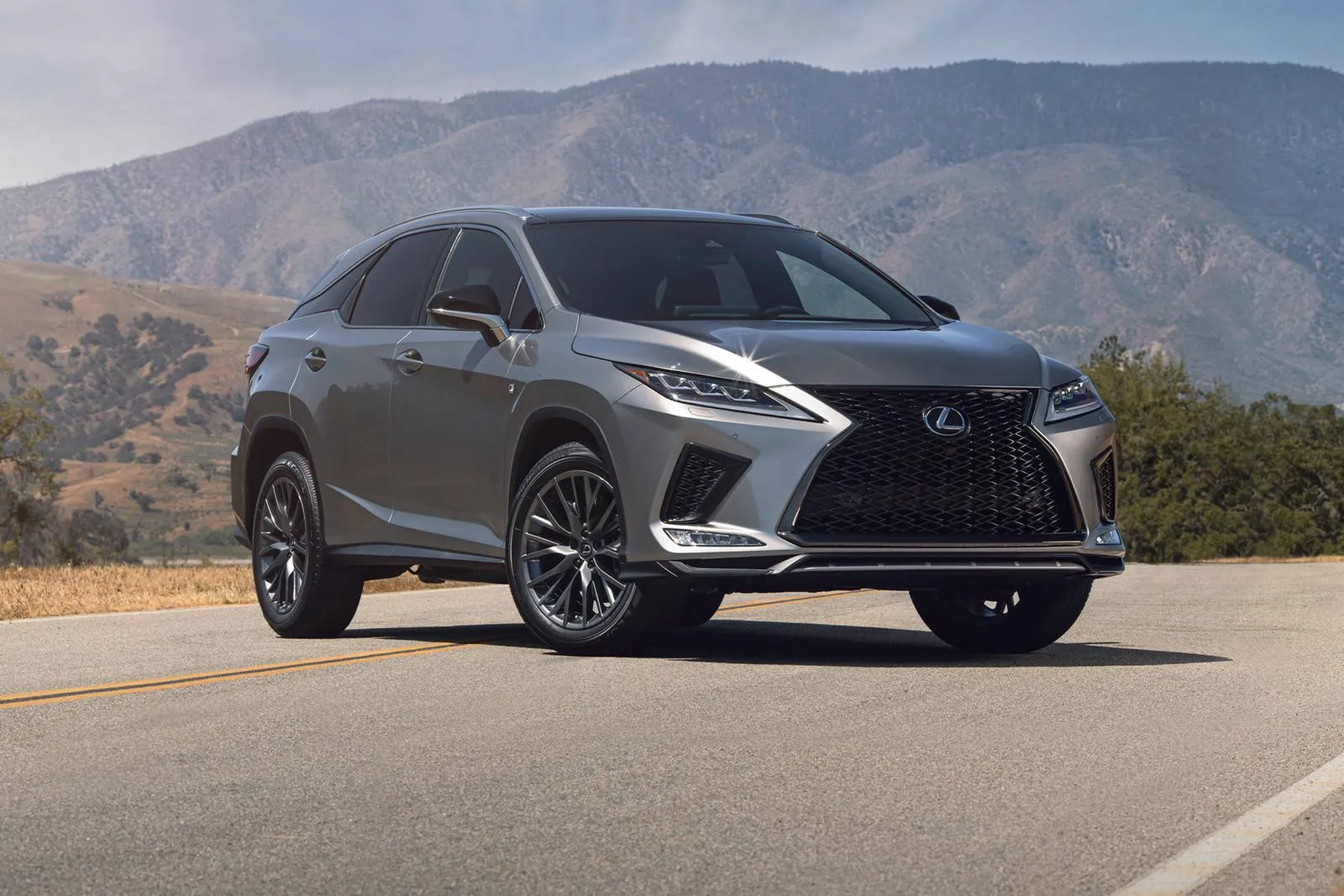
6. Lexus RX
The Lexus RX benefits from Toyota’s conservative and robust security philosophy. Its immobilizer system is extremely reliable and resistant to bypass. Even skilled thieves struggle to start the vehicle without proper credentials.
The RX also includes a comprehensive alarm system that responds to multiple intrusion types. Door access, glass breakage, and movement are all monitored. This reduces stealth options. Noise draws attention.
Another factor is Lexus reliability. These vehicles are less likely to be abandoned due to mechanical issues. Owners maintain them well and notice problems quickly. Theft is detected sooner rather than later.
Lexus also offers strong tracking and support services. Vehicles can be located rapidly after theft. This increases recovery chances and lowers resale value for criminals. Risk increases with every minute.
Finally, the RX does not have high demand in parts markets. Components are durable and widely available legally. This limits profit potential. Thieves prefer other targets.
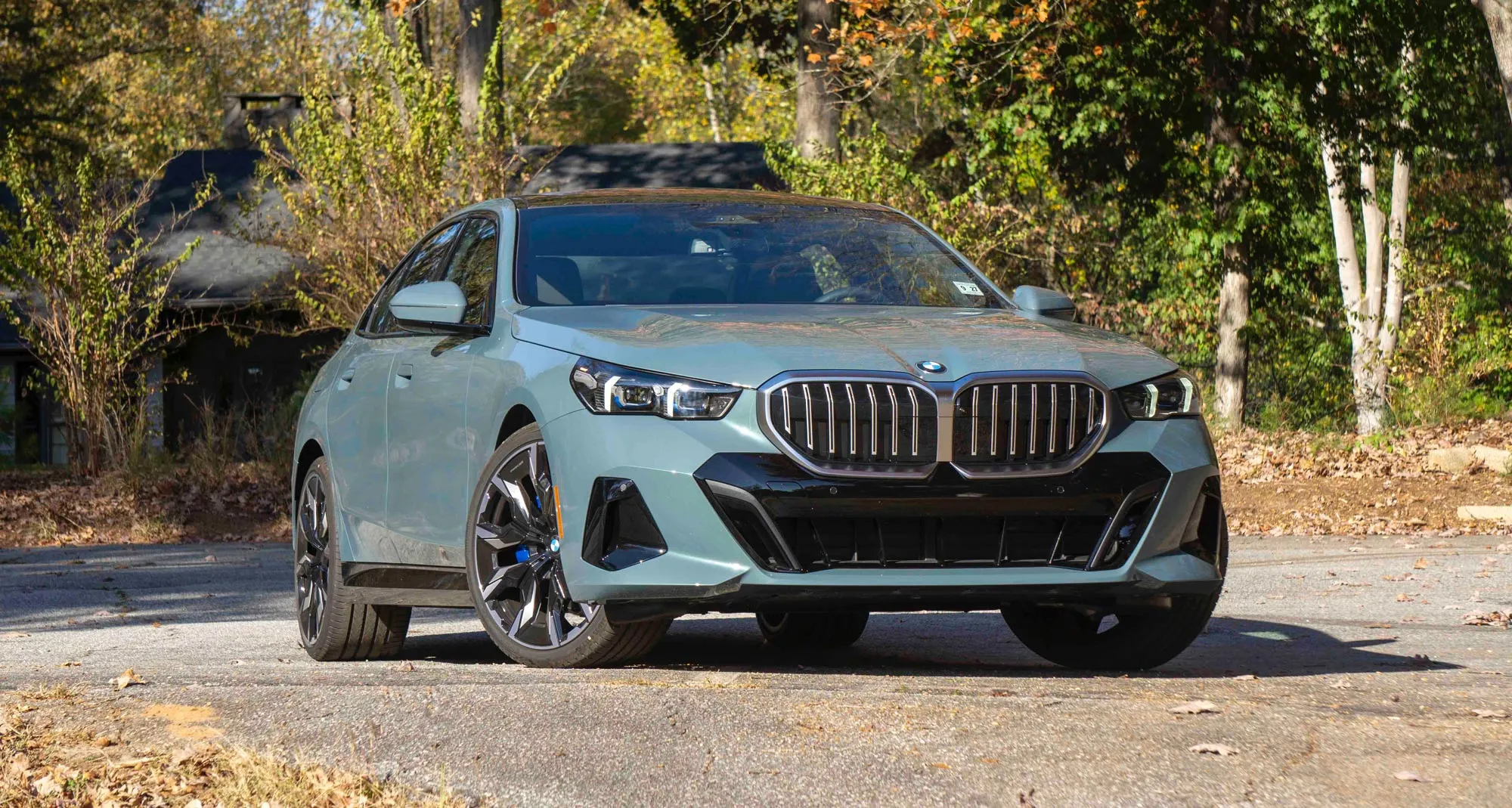
7. BMW 5 Series
The BMW 5 Series combines performance with layered security systems. Its electronic architecture isolates critical systems from external access. This prevents full control even if one module is compromised.
The vehicle’s key system uses advanced encryption and rolling authentication. Signal interception is ineffective. Thieves must use physical access methods, which take time and skill.
BMW also includes active monitoring and remote services that alert owners to suspicious activity. Vehicles can be tracked instantly. This reduces the window for successful theft.
Another deterrent is the complexity of BMW repairs. Parts are coded to specific vehicles. Removing and reselling them requires additional steps. This lowers profitability.
The 5 Series is also highly visible. Its design and branding make it hard to hide. Criminals avoid cars that attract attention. The risk is simply too high.
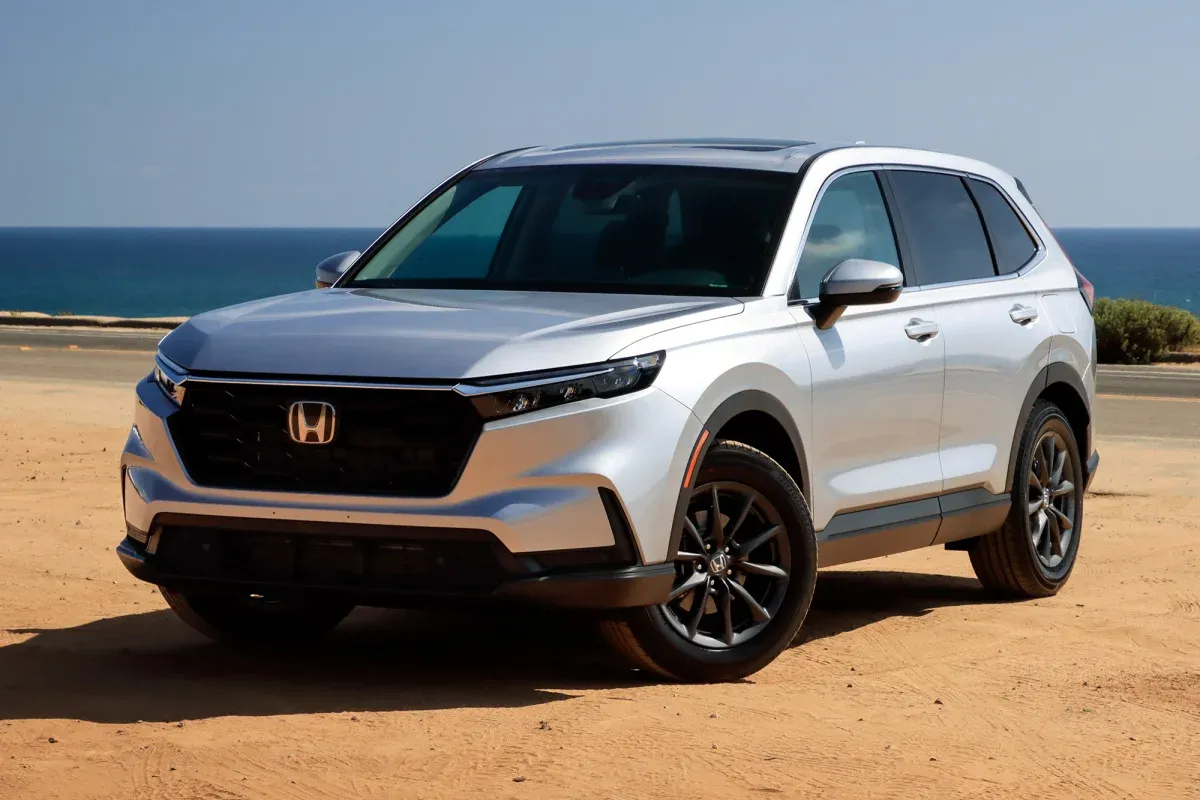
8. Honda CR V
The Honda CR V benefits from practicality rather than luxury appeal. It does not command high prices in illegal markets. Thieves often skip vehicles with modest returns.
Honda’s immobilizer system is well tested and reliable. Unauthorized starts are extremely difficult. Traditional theft methods are ineffective. This slows down criminals.
The CR V also includes alarms and tracking features that work together. Alerts are triggered quickly during unauthorized access. Owners are notified almost immediately.
Another advantage is the vehicle’s ubiquity. Stolen CR Vs are easy to spot because there are many similar vehicles registered locally. This increases detection risk.
Finally, the CR V’s parts market is stable and legal. There is little incentive to steal components. The combination of low profit and solid security makes it unattractive.
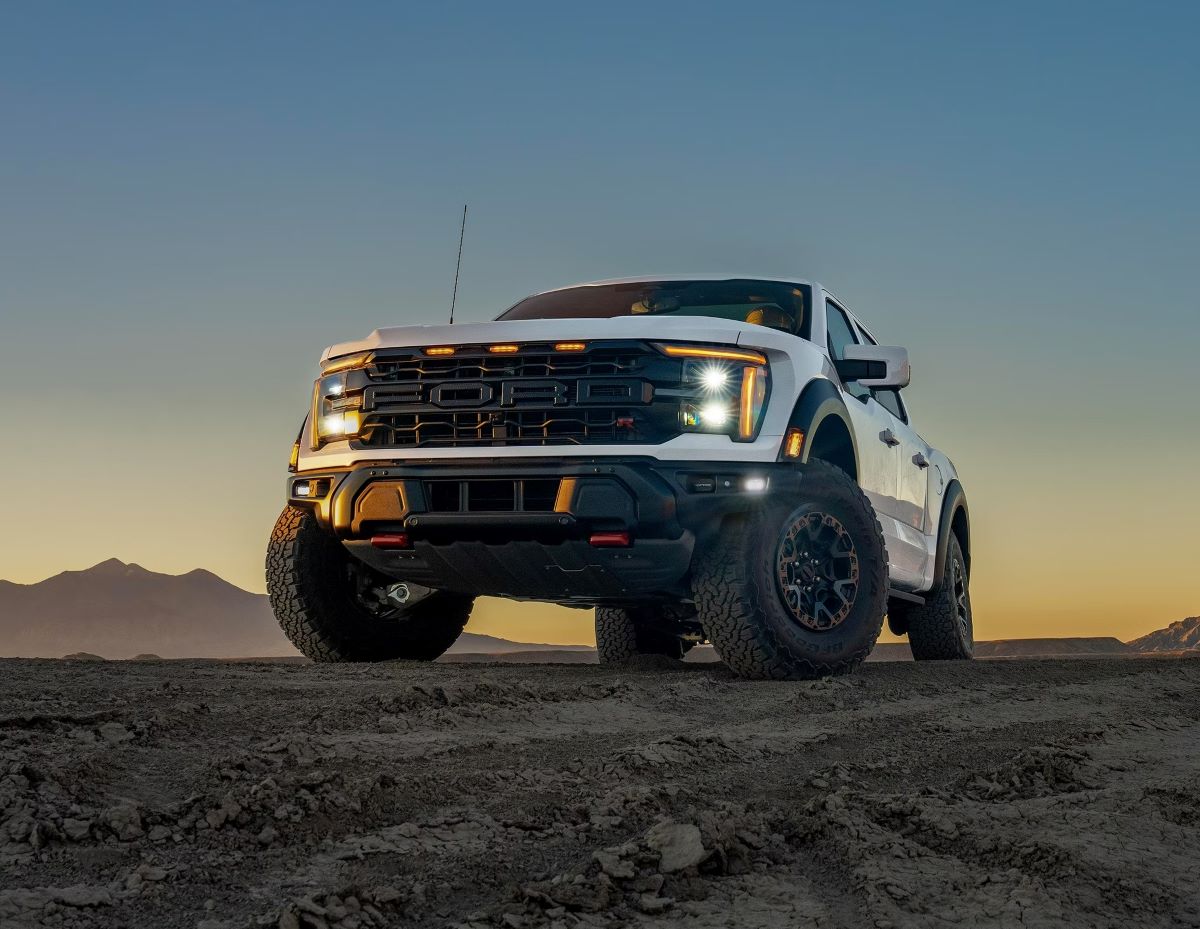
9. Ford F 150 with Advanced Security Package
The Ford F 150 is widely owned, but models equipped with advanced security packages are avoided by thieves. These versions include enhanced alarms and immobilizers. Unauthorized access is difficult.
The truck also features motion and perimeter sensing that detects unusual activity. Any tampering triggers alerts. This removes stealth advantages.
Ford’s tracking and remote disable features add another layer of risk. Vehicles can be located and immobilized quickly. Thieves do not want trucks that stop working.
Another deterrent is the complexity of modern F 150 electronics. Modifying or bypassing systems can cause failures. This increases the chance of abandonment.
Finally, these trucks are often customized and recognizable. Stolen vehicles stand out. This increases recovery rates. Thieves look elsewhere.
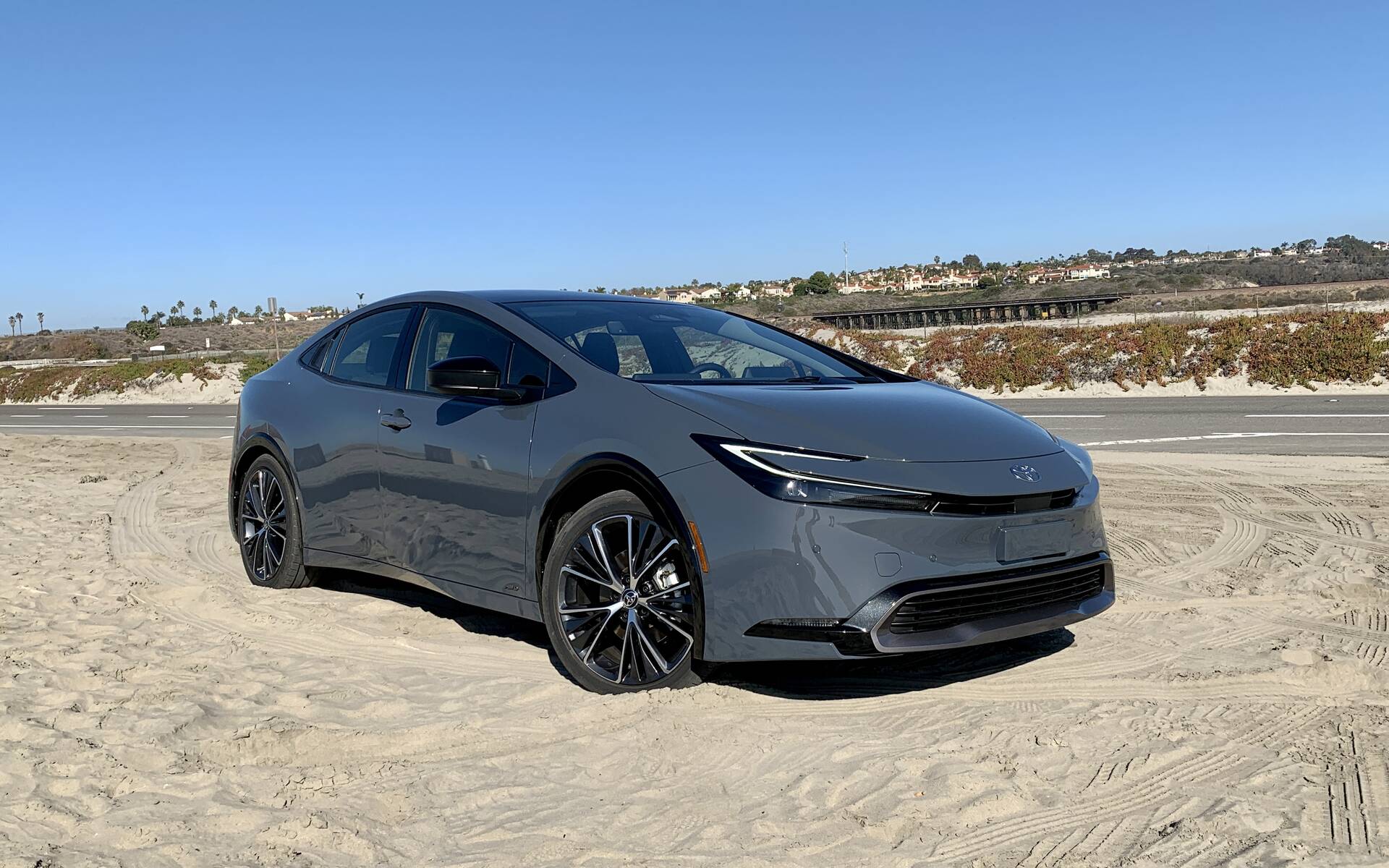
10. Toyota Prius
The Toyota Prius is one of the least attractive vehicles for thieves. Its resale value in illegal markets is low. Demand is limited compared to performance or luxury cars.
The hybrid system also complicates theft. Starting and operating the vehicle requires proper authentication. Unauthorized attempts often fail. This wastes time.
The Prius includes reliable immobilizers and alarms. Basic theft methods are ineffective. Thieves must invest effort for little reward.
Another factor is visibility. The Prius has a distinctive shape and profile. Hiding or altering it is difficult. This increases risk.
Finally, Prius owners are quick to notice theft and report it. Recovery rates are high. For criminals, the Prius is simply not worth the trouble.
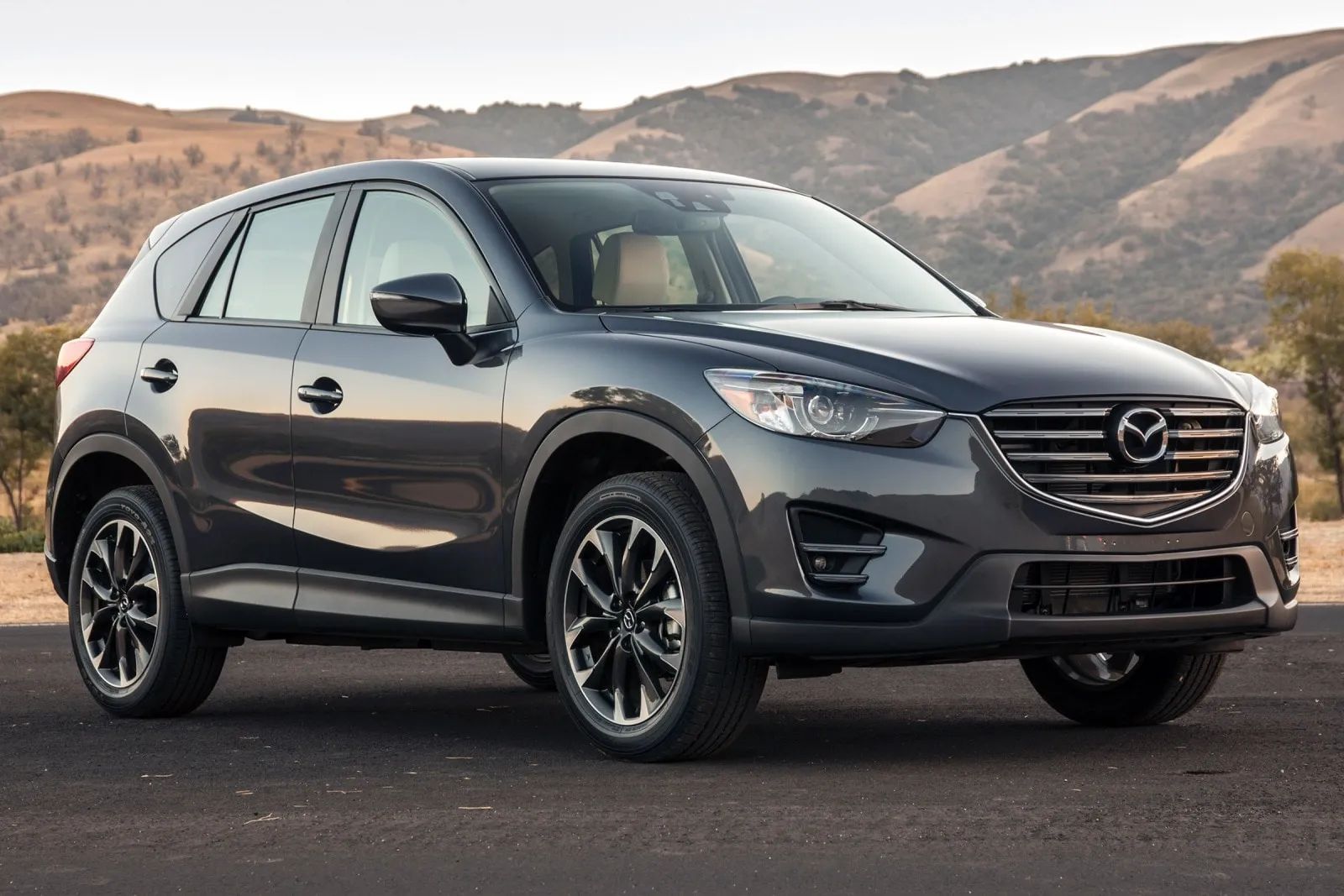
11. Mazda CX 5
The Mazda CX 5 is often ignored by thieves due to its balanced design and moderate resale value. It does not attract the attention that luxury or high performance vehicles do. Criminals tend to focus on cars that promise quicker profits. This practical image works in the owner’s favor.
Mazda equips the CX 5 with a dependable immobilizer system that prevents unauthorized engine starts. Traditional theft methods fail almost immediately. Electronic bypass attempts are also limited. This adds time and frustration for thieves.
The alarm system reacts quickly to door tampering, glass breakage, and interior movement. Any forced entry creates noise and attention. Thieves rely on silence and speed. The CX 5 offers neither.
Another factor is how quickly owners report theft attempts. Mazda owners tend to be attentive to their vehicles. Alerts and notifications are acted on fast. This shortens the window for escape.
Finally, the CX 5 has low demand in illegal parts markets. Its components are durable and widely available through legal channels. The effort required to steal it rarely matches the reward.
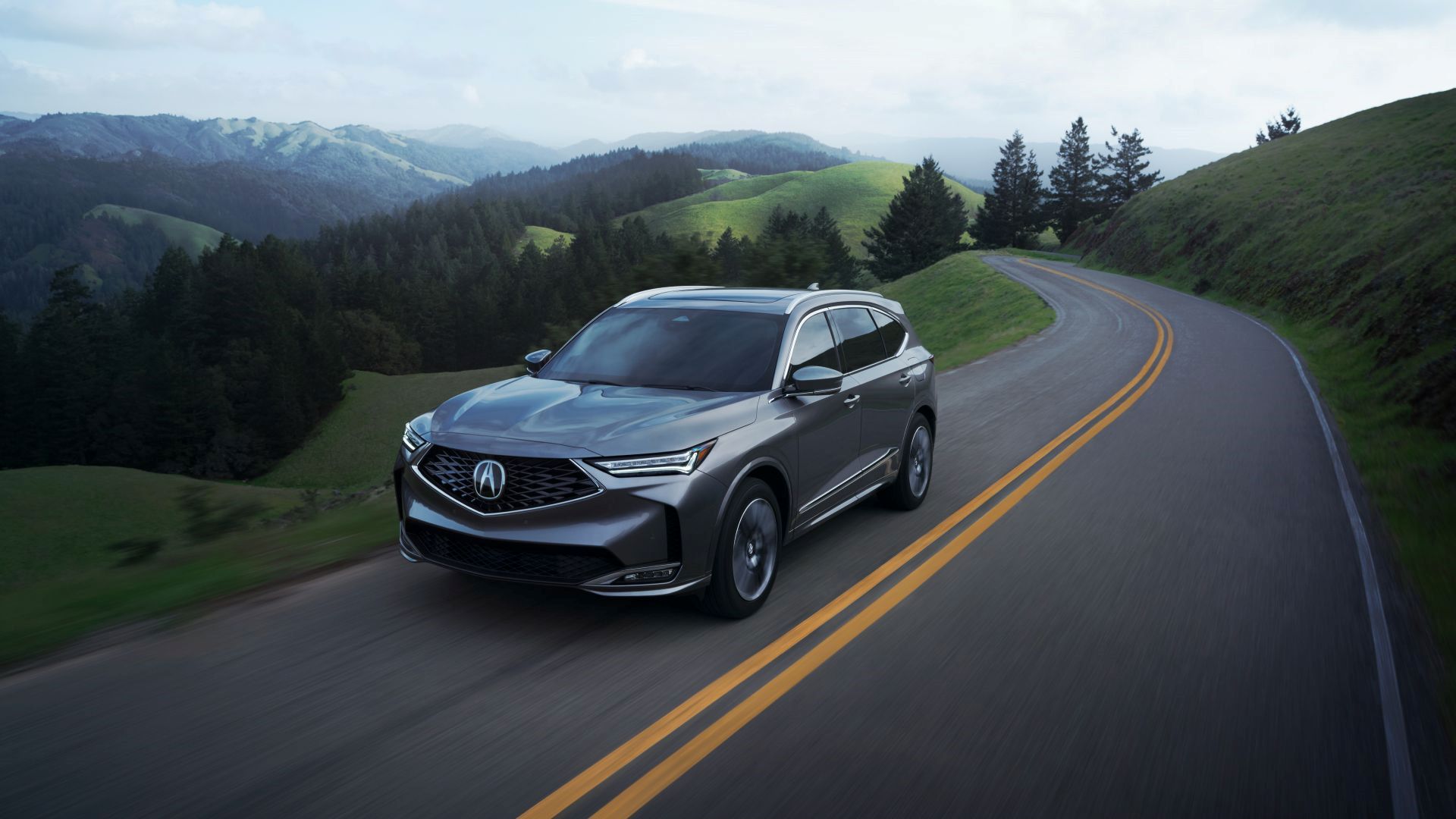
12. Acura MDX
The Acura MDX benefits from strong security inherited from its parent engineering philosophy. Its immobilizer system is highly resistant to tampering. Without the correct key authentication, the vehicle remains inactive. This blocks quick theft attempts.
The MDX also uses layered alarm responses that activate based on different intrusion types. Opening a door, breaking glass, or moving the vehicle each trigger alerts. This removes flexibility for thieves. Mistakes become costly.
Another deterrent is the vehicle’s tracking capability. Location data can be accessed quickly during theft situations. Recovery rates are high. Thieves prefer vehicles that disappear cleanly.
The MDX is also difficult to resell due to its recognizable design and brand identity. Stolen vehicles stand out. Parts are often serialized, increasing traceability.
Lastly, the MDX does not have strong demand in underground markets. The risk associated with stealing it outweighs potential gains. Criminals often move on.
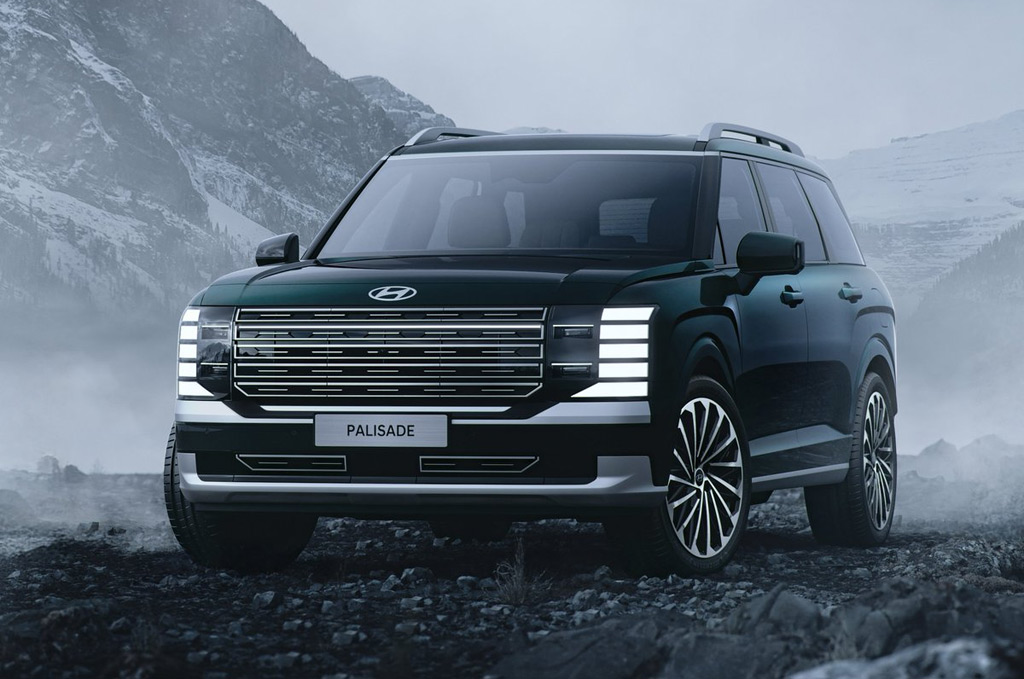
13. Hyundai Palisade
The Hyundai Palisade includes modern security systems that are difficult to defeat quickly. Its immobilizer prevents engine start without proper digital authorization. This alone stops many theft attempts. Speed is lost immediately.
The Palisade’s alarm system is sensitive and integrated with motion detection. Any unusual activity triggers alerts. This discourages towing or forced entry. Thieves dislike unpredictable responses.
Hyundai also offers connected vehicle services that assist with tracking and recovery. Owners can monitor vehicle status remotely. Law enforcement response becomes faster.
Another issue for thieves is the vehicle’s size and visibility. The Palisade is large and noticeable. Hiding or transporting it quietly is difficult. Attention increases risk.
Finally, the Palisade lacks strong appeal in illegal resale markets. Its parts are not highly sought after. Combined with strong security, it becomes an inefficient target.
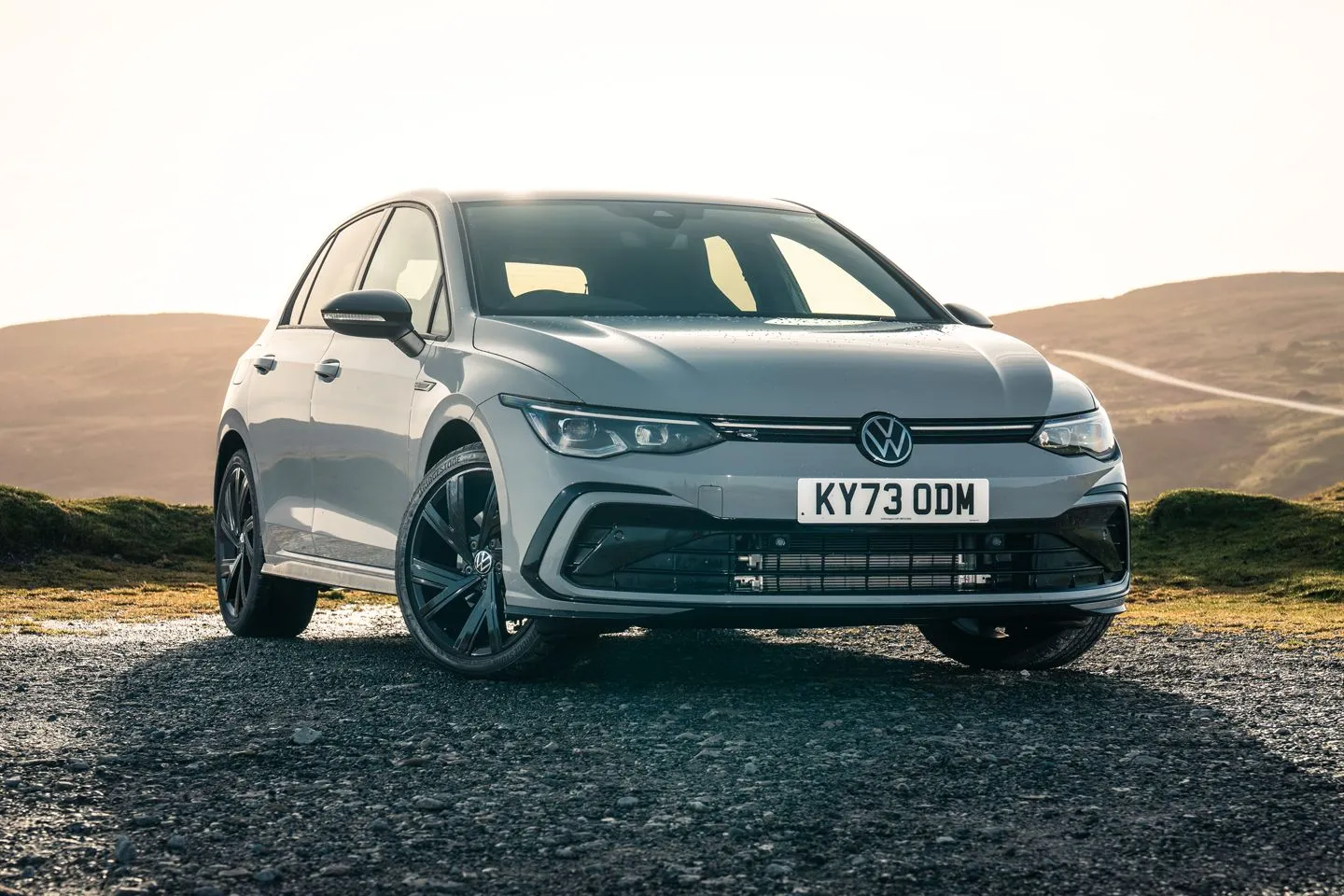
14. Volkswagen Golf
The Volkswagen Golf has a long standing reputation for solid engineering and reliability. It does not command high prices in stolen vehicle markets. Thieves prioritize profit, and the Golf offers limited returns.
Its immobilizer system has been refined over generations and remains effective. Unauthorized starting is extremely difficult. Electronic attacks are often unsuccessful.
The Golf also includes alarm systems that respond quickly to intrusion. Breaking in rarely goes unnoticed. Noise and alerts shorten theft attempts.
Another deterrent is the car’s popularity among everyday drivers. Stolen Golfs blend poorly because registrations are easy to track. Recovery chances increase.
Finally, Golf parts are widely available through legal channels. There is little incentive to steal and dismantle one. The balance of risk and reward discourages criminals.
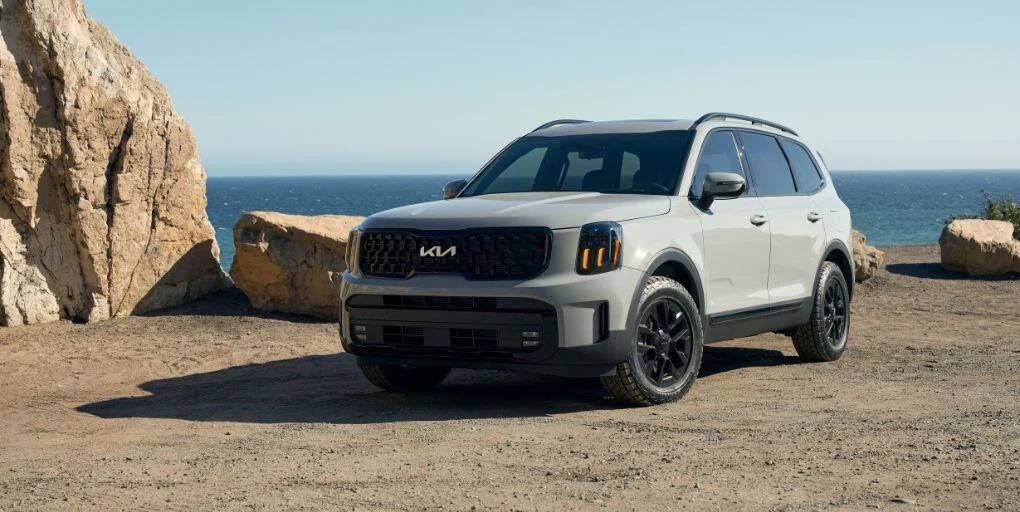
15. Kia Telluride
The Kia Telluride has gained popularity, but its security features make it unattractive to thieves. Advanced immobilizers prevent engine access without proper credentials. This blocks common theft methods.
The alarm system is comprehensive and reacts to multiple intrusion scenarios. Any forced access creates immediate alerts. Thieves lose the element of surprise.
Kia’s tracking and connected services also add pressure. Vehicles can be located quickly after theft. This increases recovery likelihood and reduces resale value.
Another factor is the Telluride’s size and visibility. Moving it discreetly is difficult. Its distinct design makes it easy to recognize.
Lastly, the Telluride has limited appeal in illegal markets. Parts demand is low, and selling a stolen unit is risky. Thieves usually avoid it altogether.
