
Sports cars have always held a special place in the hearts of automotive enthusiasts. They represent speed, design, and the thrill of driving, offering a level of excitement that ordinary vehicles rarely match. Owning one often comes with dreams of perfect acceleration, sharp handling, and attention-grabbing aesthetics.
Many buyers imagine their weekends filled with spirited drives on winding roads, showing off their prized possession at car meets, or simply enjoying the unparalleled sensation of a high-performance engine beneath them. However, the reality of owning a sports car is not always as glamorous as the advertisements and media portray.
While some models live up to the hype, others can quickly turn from a dream into a source of frustration, often leaving even the most dedicated enthusiasts wishing they had chosen differently.
The regret can stem from numerous factors including expensive maintenance, poor reliability, impracticality for daily use, or handling characteristics that are less forgiving than expected.
The thrill of speed and design can be overshadowed by hidden compromises. Some vehicles may have impressive specifications on paper but fail to deliver consistent performance in real-world conditions. Others might promise exclusivity and prestige but fall short when it comes to comfort, interior quality, or long-term ownership costs.
Even among cars celebrated for their engineering prowess, subtle flaws can emerge over time, revealing that performance is only one aspect of a satisfying ownership experience. Enthusiasts often underestimate the impact of these issues when making a purchase based on passion alone. As a result, a vehicle that initially excites can later cause stress, financial strain, or disappointment.
Regret in sports car ownership is not confined to beginners or casual buyers. Experienced drivers and collectors have often expressed dissatisfaction with models that seemed perfect before delivery. The gap between expectation and reality is particularly pronounced in high-end vehicles where every flaw is magnified due to cost and visibility.
Maintenance schedules that require frequent attention, parts that are difficult to source, or electronics that malfunction can quickly turn enthusiasm into frustration. These challenges serve as a reminder that owning a sports car is not only about enjoyment but also responsibility, knowledge, and sometimes compromise.
Moreover, sports cars are rarely built with everyday practicality in mind. Trunk space can be minimal, seating cramped, and ride quality harsh. Features that are standard in ordinary vehicles, such as infotainment systems, climate control, or noise insulation, may be lacking or prone to failure in high-performance models.
Enthusiasts seeking a daily driver might discover that their dream car is better suited to weekend use or track days. In extreme cases, even the simplest maintenance task can become a source of hassle, whether due to unusual components, tight engine bays, or specialized service requirements. This combination of impracticality and high upkeep can lead to a reconsideration of what owning a sports car truly entails.
Understanding why certain sports cars fail to satisfy is essential for any potential buyer. While reputation, brand, and styling often influence purchasing decisions, the real test lies in long-term ownership. Some vehicles deliver pure driving pleasure but at a steep cost, while others disappoint by failing to meet even basic expectations.
By examining the cars that enthusiasts often regret buying, it becomes clear that raw performance is not the only criterion for satisfaction. Balance, reliability, comfort, and cost-effectiveness play equally important roles. The following sections will highlight ten sports cars that, despite their appeal, have left many owners questioning their choices, providing valuable insights for anyone considering a high-performance purchase.
1. Chevrolet Corvette C7 (2014–2019)
The Chevrolet Corvette C7 was marketed as a modern American sports car that combined aggressive styling with raw power. It boasted a naturally aspirated V8 engine producing impressive horsepower, paired with a chassis designed for sharp handling.
On paper, it promised the performance of a supercar at a fraction of the cost. Enthusiasts initially praised its acceleration and cornering abilities, but soon some found that it did not always meet expectations for refinement and build quality.
One of the primary complaints among owners was reliability. Early C7 models exhibited issues with electronics, infotainment systems, and even engine components under prolonged stress. Problems such as faulty touchscreens, unexpected warning lights, and transmission glitches became common enough to frustrate owners who expected an effortless driving experience. Even minor repairs could be costly due to specialized parts and labor.
Maintenance costs, while lower than European exotics, were still higher than most buyers anticipated. Routine servicing often required dealership visits for specialized calibration or software updates. Tires and brakes wore quickly under spirited driving, adding recurring expenses. Enthusiasts who thought the Corvette would be a low-cost alternative to supercars were sometimes surprised by the hidden financial burdens of ownership.
Comfort and interior quality also drew criticism. The cabin, while modern and functional, lacked the refinement expected from a vehicle of its price. Road noise was prominent, seats could be uncomfortable on longer drives, and storage space was minimal. For those intending to use it as a daily driver, these shortcomings made the car less practical than expected.
Despite its impressive performance, the Corvette C7 left some buyers questioning their choice. The combination of electronic quirks, maintenance demands, and interior compromises overshadowed the thrill of driving for many. While it remains a respected sports car in terms of raw speed, the realities of ownership highlighted the gap between enthusiasm and practicality, leading even dedicated fans to regret their purchase.
2. Jaguar F-Type (2013–2020)
The Jaguar F-Type arrived as a stylish British sports car designed to combine performance with elegance. Its striking design and growling V6 or V8 engine promised a thrilling driving experience. Enthusiasts were drawn to its sharp curves and dramatic road presence, expecting a blend of comfort and performance. However, while visually stunning, the F-Type often failed to meet the expectations of long-term ownership.
Reliability quickly became a concern. Early F-Type models reported engine misfires, electrical glitches, and transmission hesitations. Owners noted issues with the convertible roof mechanism, which could be expensive to repair. Even minor electronic faults, such as malfunctioning sensors or infotainment problems, added frustration and reduced confidence in the vehicle.
Maintenance and repair costs were consistently higher than anticipated. Specialized British components, often sourced from the UK, resulted in long wait times and expensive parts. Routine servicing required dealer intervention, which increased costs compared to other sports cars of similar performance. Enthusiasts often realized that prestige came with a premium beyond the sticker price.
Comfort and usability were not immune to criticism. Cabin space was limited, particularly in rear seating, and cargo capacity was small. Road noise was more pronounced than expected, especially with the convertible top. Seats, while sporty, could be uncomfortable on longer journeys, making daily driving less practical than enthusiasts hoped.
Despite the excitement of its engine and design, the F-Type left many owners with mixed feelings. Its maintenance demands, electrical quirks, and limited practicality overshadowed its performance for some. For buyers seeking a dependable, all-around sports car, the F-Type often proved to be more of a style statement than a sustainable thrill machine.
3. Nissan 370Z (2009–2020)
The Nissan 370Z was a continuation of Nissan’s long-running Z sports car lineage, offering a naturally aspirated V6 and sharp handling at a relatively affordable price. Enthusiasts appreciated its precise steering and solid rear-wheel-drive dynamics. Initially, it appeared to be a no-nonsense sports car that delivered engaging driving at a lower cost than European alternatives.
However, long-term ownership revealed drawbacks. Interior materials felt cheap compared to rivals, and technology lagged behind competitors. Drivers expecting a refined cockpit often found the cabin dated and ergonomically inconsistent. Simple features such as infotainment interfaces and seat adjustments were less intuitive than other vehicles in its class.
Performance issues were mostly minor but noticeable. Some owners reported transmission wear and clutch issues, especially on manual models subjected to aggressive driving. Suspension components could degrade more quickly than expected, leading to costly replacements. While fun to drive, maintenance costs could gradually accumulate, dampening the appeal.
Daily usability posed challenges. Cabin space was limited, particularly in headroom for taller drivers. Noise insulation was minimal, and ride quality could feel harsh on uneven roads. Enthusiasts hoping for a car suitable for long trips or commuting were often disappointed, as the 370Z favored track-oriented dynamics over comfort.
The Nissan 370Z delivered strong driving engagement but failed to satisfy all aspects of ownership. Its dated interior, maintenance concerns, and daily usability limitations caused regret for some buyers. The car excelled in short bursts of excitement but struggled as a long-term, practical choice for sports car enthusiasts.
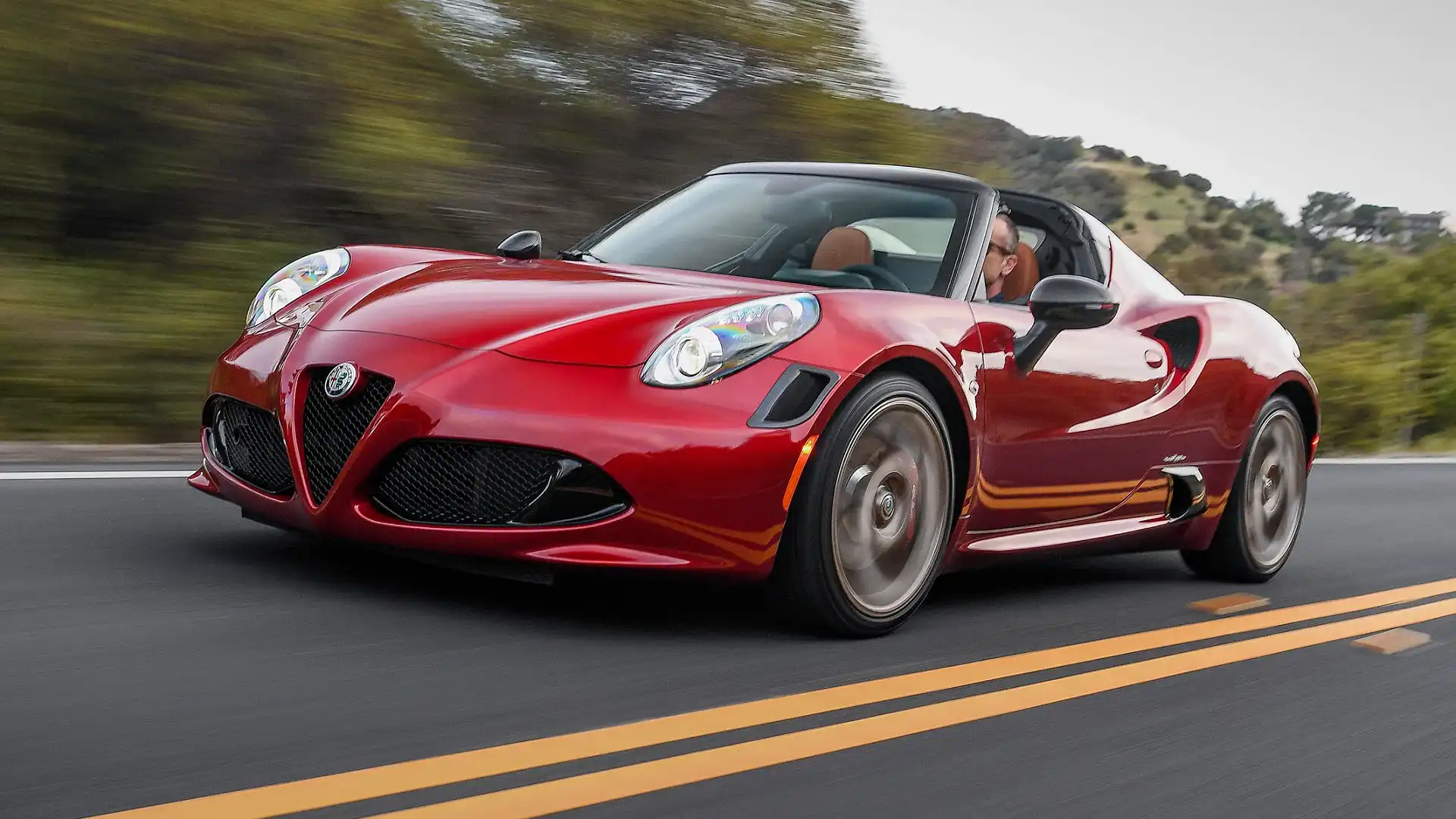
4. Alfa Romeo 4C (2013–2020)
The Alfa Romeo 4C was designed as a lightweight, driver-focused sports car with Italian flair. Its carbon fiber construction and turbocharged engine made it extremely fast and nimble. Buyers were drawn to the promise of exotic styling combined with track-capable performance. On paper, it offered a rare combination of speed and handling for its size and weight.
Yet the 4C faced criticism for reliability. Engine issues, transmission hesitations, and electronic glitches were common complaints. The car’s specialized components, including its carbon fiber chassis, made repairs costly and complex. Owners often discovered that even minor mechanical problems required significant investment to fix properly.
Comfort was another weak point. The cabin was tiny, seating cramped, and interior features sparse. There was almost no insulation from road noise or engine vibration, and amenities such as air conditioning and infotainment were minimal. For daily driving or long trips, the 4C proved far less practical than expected.
Maintenance costs added further disappointment. Tires and brakes wore quickly under spirited driving, and parts were both expensive and difficult to source. Even routine servicing demanded specialized knowledge and tools. Enthusiasts who anticipated low-cost ownership often found themselves paying more than expected for basic upkeep.
In the end, the Alfa Romeo 4C remained a car that generated strong emotional appeal but tested patience during ownership. While thrilling to drive, it required compromises in comfort, practicality, and cost. Many enthusiasts concluded that the excitement came at too high a price, leading to regret despite its captivating performance.
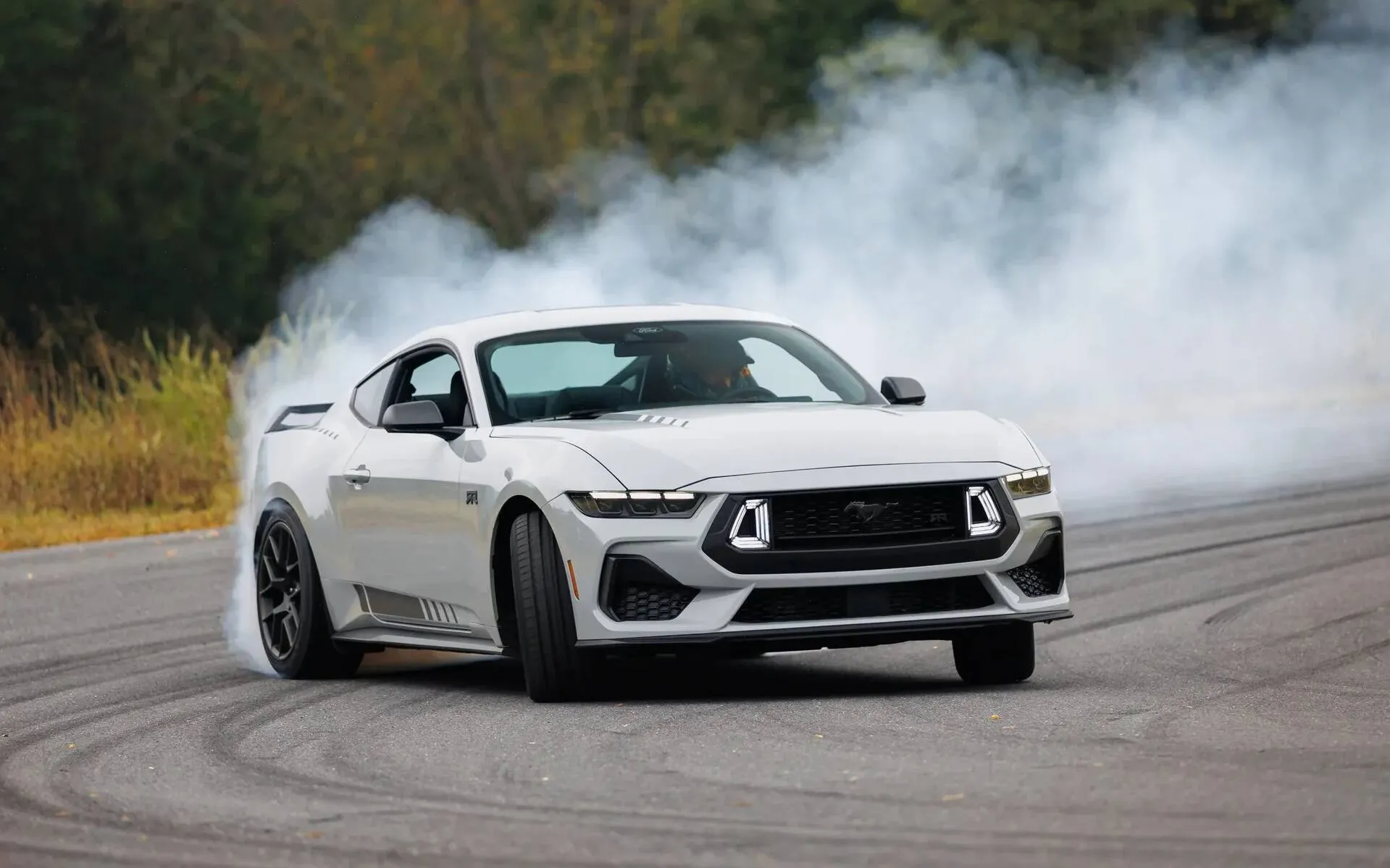
5. Ford Mustang EcoBoost (2015–2020)
The Ford Mustang EcoBoost attempted to blend performance with fuel efficiency by introducing a turbocharged four-cylinder engine. It promised modern technology and respectable power while being more practical than its V8 counterparts. Many buyers were enticed by the idea of owning a Mustang that was more manageable and economical without sacrificing too much fun.
Unfortunately, the EcoBoost engine sometimes disappointed on performance. Turbo lag, inconsistent throttle response, and a lack of low-end torque made acceleration less thrilling than enthusiasts expected. While it handled well, it lacked the raw character of a traditional Mustang V8.
Reliability concerns also surfaced. Turbocharged engines introduced complexity that could result in expensive repairs, including issues with the intercooler, turbocharger, and fuel system. Some owners faced unexpected warranty claims or costly out-of-pocket fixes. These concerns made the car feel less dependable than anticipated.
Comfort and interior quality were modest. Though improved over earlier models, cabin materials still felt cheap compared to competitors. Road noise penetrated the cabin, particularly at higher speeds, and long drives could be uncomfortable. Storage space remained limited, reducing its usability as a daily driver.
The Mustang EcoBoost fell short for enthusiasts seeking a pure sports car experience. While offering a reasonable balance of power and efficiency, its compromises in engine character, reliability, and interior comfort led some owners to regret their decision. The car was fun at times but lacked the thrill that defines Mustang ownership.
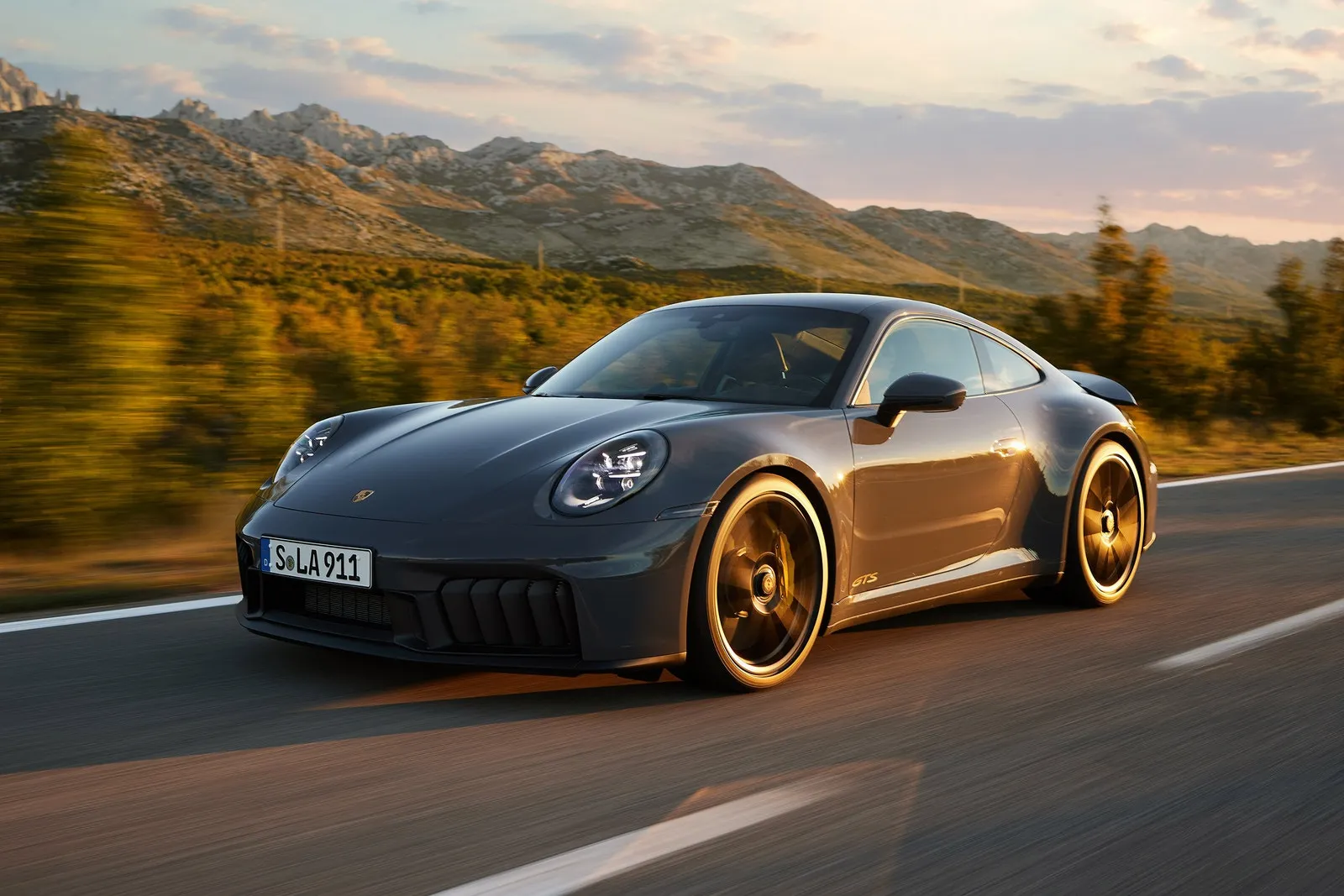
6. Porsche 911 (996 Generation, 1999–2005)
The 996 generation of the Porsche 911 marked a controversial shift for the brand, introducing water-cooled engines and modernized styling. Its performance specifications were impressive, offering high speed, agile handling, and the prestige of owning a Porsche. Enthusiasts were drawn to its combination of iconic design and engineering heritage.
However, the 996 suffered from reliability issues that frustrated owners. The intermediate shaft (IMS) bearing was prone to failure, often requiring costly engine repairs or rebuilds. Other mechanical problems, such as cooling system leaks and suspension wear, further added to ownership headaches.
Maintenance costs were significant, even for routine service. Genuine Porsche parts were expensive, and labor-intensive repairs increased the total cost of ownership. Enthusiasts expecting a relatively trouble-free experience were often surprised by these challenges.
Practicality was limited despite its sports car appeal. Cabin space was cramped, noise levels high, and storage minimal. Daily driving could be uncomfortable, particularly on longer trips or rough roads. The 996 excelled on the track but tested patience in everyday scenarios.
For many, the 996 generation 911 provided exhilarating performance but demanded sacrifices. Reliability risks, high maintenance costs, and limited comfort tempered enthusiasm. Even devoted Porsche fans sometimes wished they had chosen a different generation with fewer ownership complications.
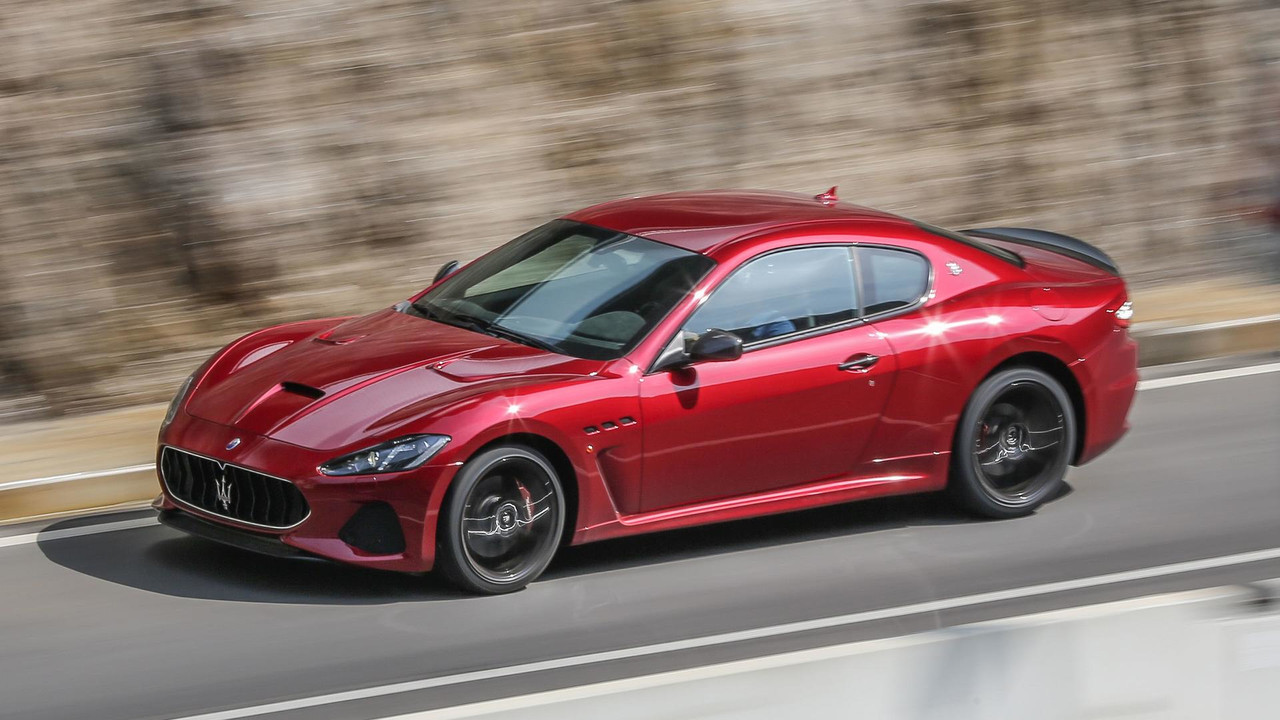
7. Maserati GranTurismo (2007–2019)
The Maserati GranTurismo presented a luxurious Italian sports coupe combining elegant design with V8 power. Its styling drew attention, and the engine produced a rich exhaust note that enthusiasts loved. On first impression, it seemed like a perfect blend of luxury, speed, and comfort.
Unfortunately, reliability issues emerged over time. Owners reported problems with electronics, suspension components, and the transmission. Repairs were expensive, and parts were often difficult to source, especially outside major metropolitan areas. Long-term ownership required patience and substantial investment.
Maintenance costs added further concern. Routine servicing was pricey, and consumables like brakes, tires, and fluids needed frequent attention under spirited driving. Unexpected repairs could easily reach several thousand dollars, surprising enthusiasts who expected Italian style at a manageable cost.
Comfort and usability were mixed. While the cabin was luxurious, road noise and ride harshness could detract from daily driving comfort. Interior materials sometimes failed to meet expectations for long-term durability, and limited cargo space restricted practicality.
Despite its allure, the GranTurismo could leave owners questioning their purchase. High maintenance costs, reliability issues, and impracticality dampened the experience. Many enthusiasts eventually realized that the thrill of Italian style came with ongoing challenges that tempered their enjoyment.
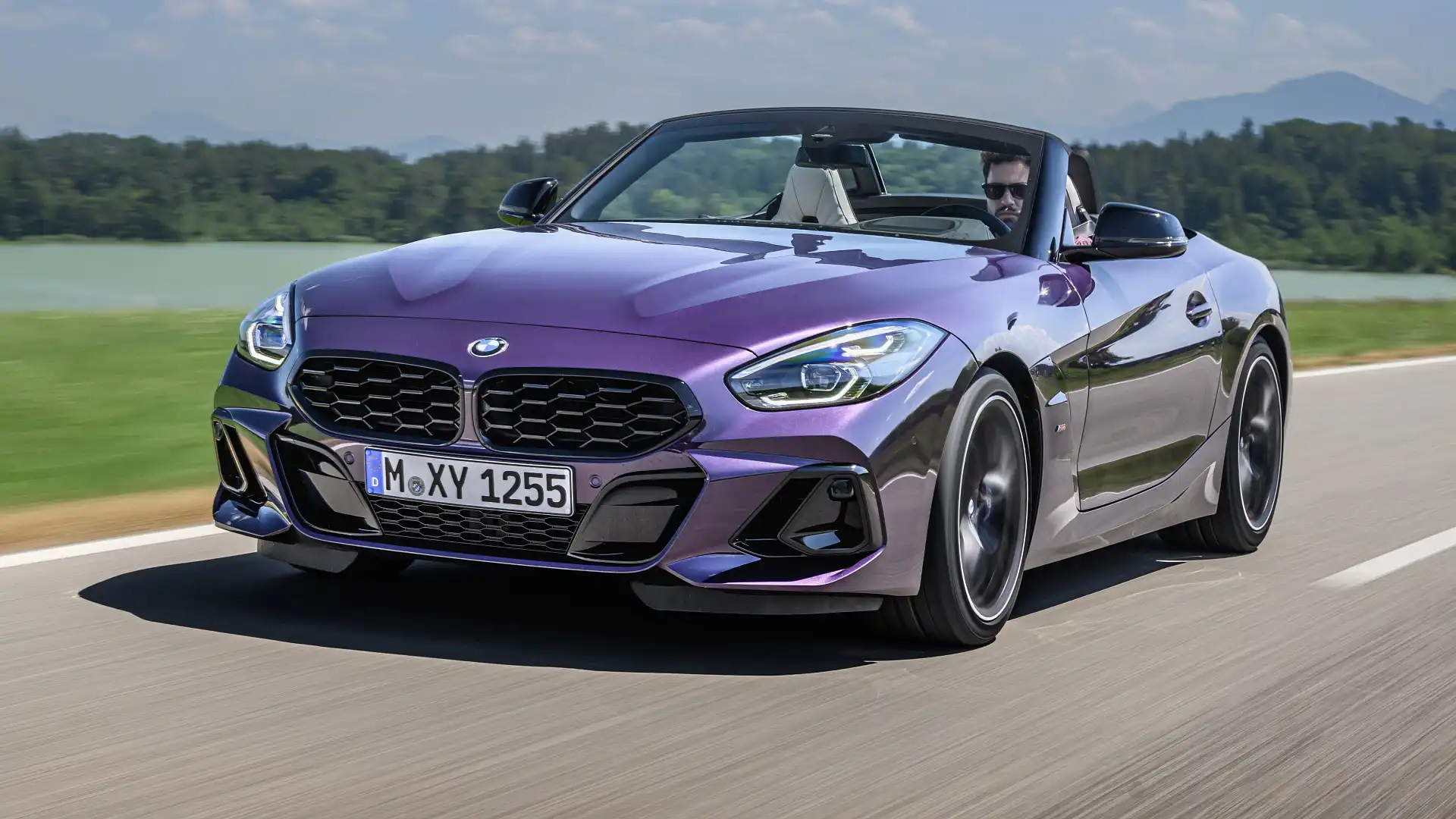
8. BMW Z4 (E89, 2009–2016)
The BMW Z4 E89 offered a retractable hardtop roadster experience with sporty handling and refined German engineering. Enthusiasts appreciated its sleek design, comfortable interior, and the engaging feel of its inline-six engine. It was marketed as a balanced car suitable for both spirited drives and daily use.
However, some owners found reliability to be an issue. Engine cooling problems, electronic malfunctions, and transmission wear were reported. Although not catastrophic, these issues required attention and could quickly accumulate in cost. Enthusiasts often found that maintenance demands detracted from the car’s enjoyment.
Servicing costs were significant, as BMW parts and labor were expensive compared to mainstream alternatives. Routine maintenance could be a financial drain over time. Turbocharged models introduced additional complexity that further increased potential repair expenses.
Daily usability posed challenges. Cabin space was limited, particularly for taller drivers, and cargo room was minimal. Road noise could be intrusive, and the retractable hardtop mechanism occasionally malfunctioned, causing inconvenience. Long trips could feel cramped and less comfortable than expected.
The BMW Z4 offered a stylish and engaging experience but came with compromises. Reliability concerns, maintenance costs, and practical limitations caused some enthusiasts to regret ownership despite the car’s visual and performance appeal.
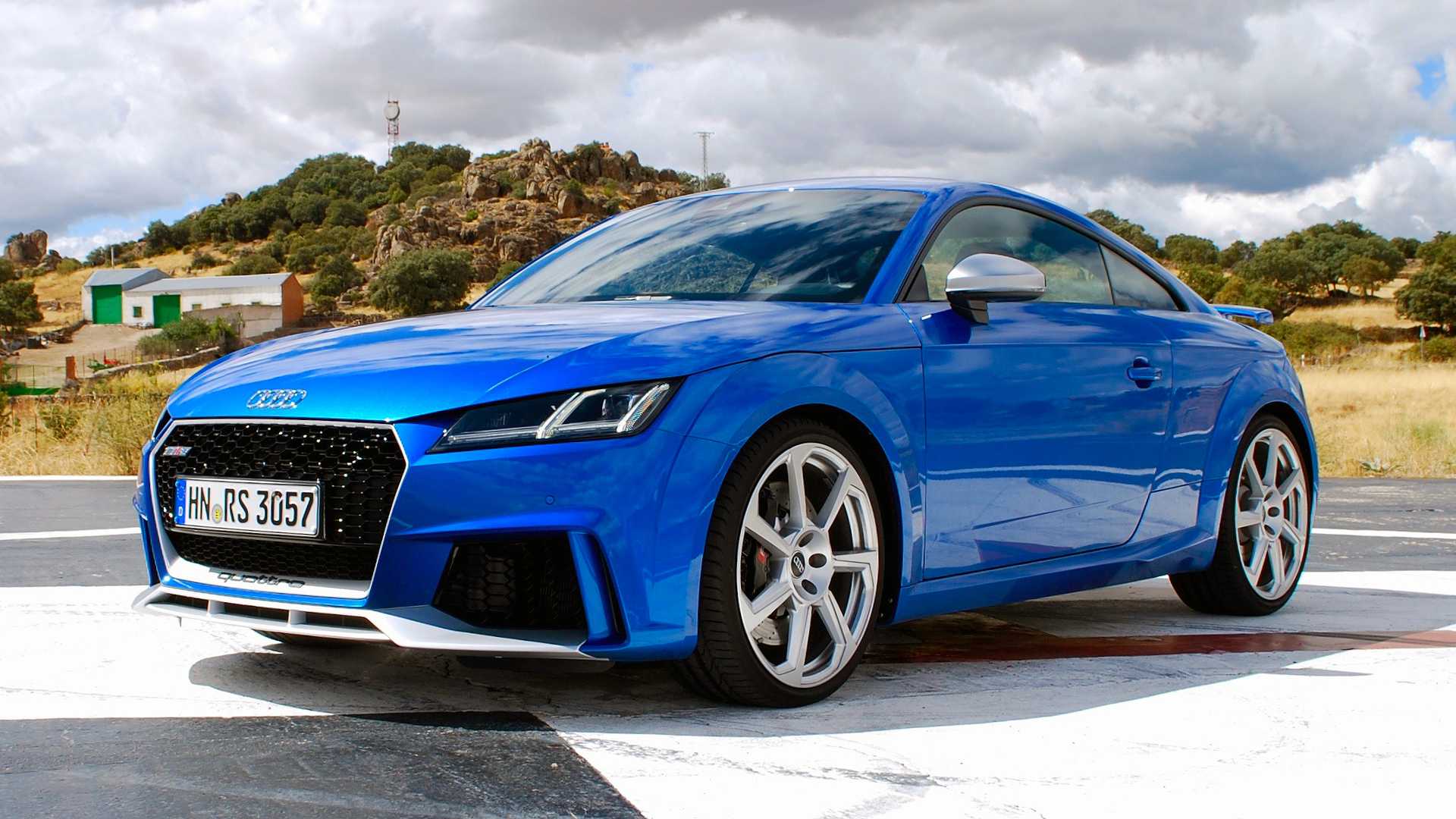
9. Audi TT RS (2009–2014)
The Audi TT RS combined turbocharged performance with all-wheel drive and sophisticated styling. Its five-cylinder engine produced horsepower and acceleration, while the quattro system ensured grip and stability. Enthusiasts were drawn to its combination of speed and European refinement.
Yet reliability could be inconsistent. Owners reported turbocharger failures, DSG transmission issues, and electrical quirks. Even minor faults required dealer intervention, adding to ownership stress. For enthusiasts expecting seamless German engineering, these problems were frustrating.
Maintenance was expensive. Specialized parts, dealer repairs, and labor-intensive servicing added to costs. Tires and brakes wore quickly under aggressive driving, further increasing expenses. Enthusiasts were often surprised by the hidden long-term financial commitment.
Comfort and practicality were modest. Cabin space was tight, visibility limited, and road noise present. Long trips could be uncomfortable, and limited storage space reduced versatility. While fun on short drives, it struggled as a practical daily driver.
In the end, the TT RS delivered thrilling performance but demanded compromises. High maintenance costs, reliability concerns, and limited comfort caused regret for some enthusiasts. Its speed and handling impressed, but ownership realities often tempered the excitement.
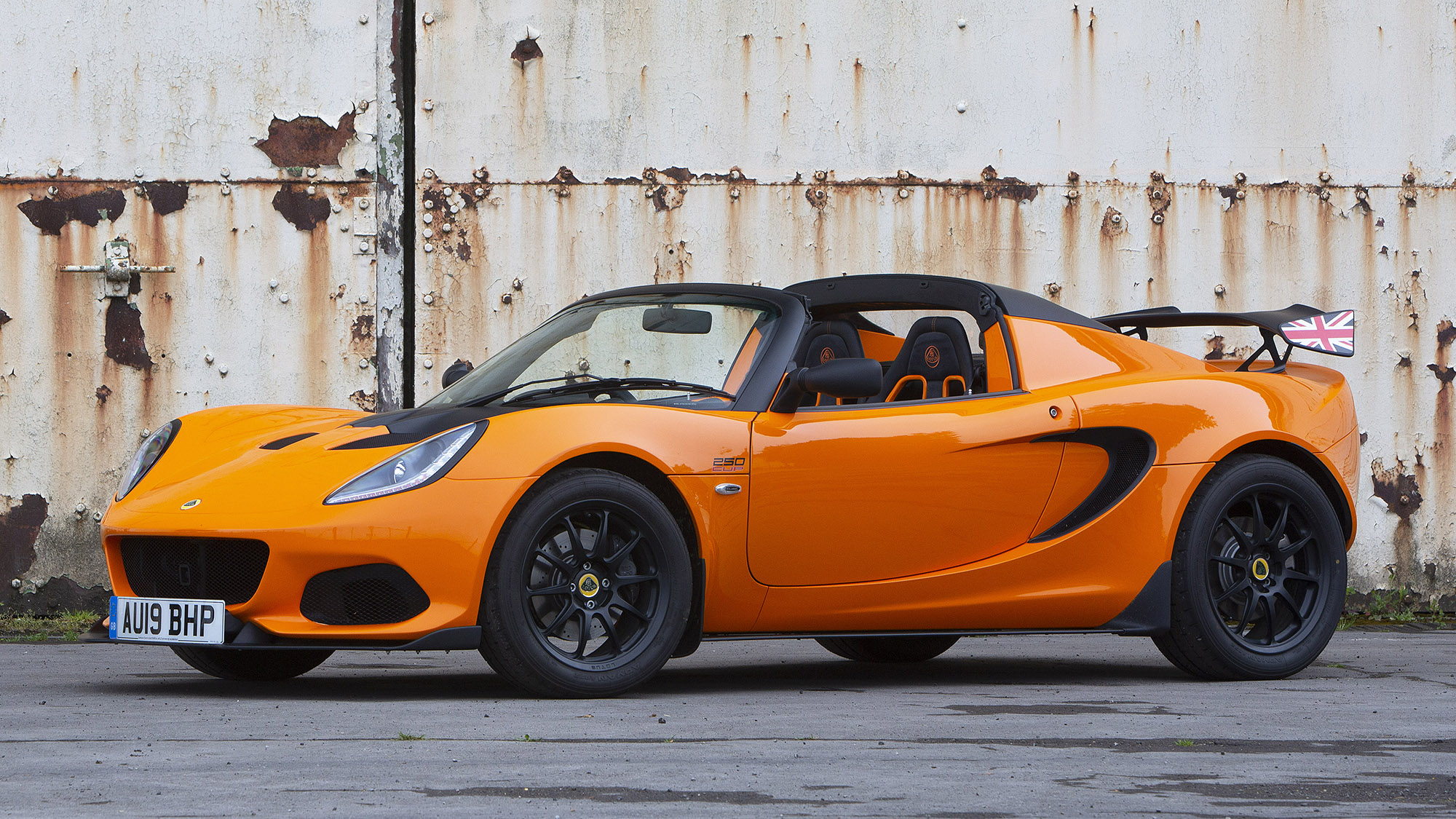
10. Lotus Elise (Series 3, 2011–2021)
The Lotus Elise Series 3 was designed as a lightweight, track-focused sports car emphasizing minimalism and driving purity. Its small engine and precise handling made it incredibly agile. Enthusiasts admired its raw connection to the road, expecting an unfiltered sports car experience.
However, reliability and comfort were ongoing concerns. Electrical faults, suspension issues, and body panel fitment problems were reported by owners. Road-going comfort was minimal, with limited insulation and stiff suspension causing fatigue on longer drives.
Maintenance costs, though not extreme, were frequent due to the car’s specialized components. Parts often required ordering from Lotus directly, leading to delays and higher expenses. Even routine repairs demanded careful attention and could be inconvenient.
Practicality was extremely limited. Cabin space was tight, luggage room negligible, and amenities minimal. For those seeking a daily driver, the Elise proved impractical, with comfort sacrificed entirely for performance and weight reduction.
The Lotus Elise delivered unmatched driving engagement for enthusiasts but required significant compromise. Its raw performance came with discomfort, maintenance demands, and limited usability, leaving some owners questioning whether the thrill justified the sacrifices.
