
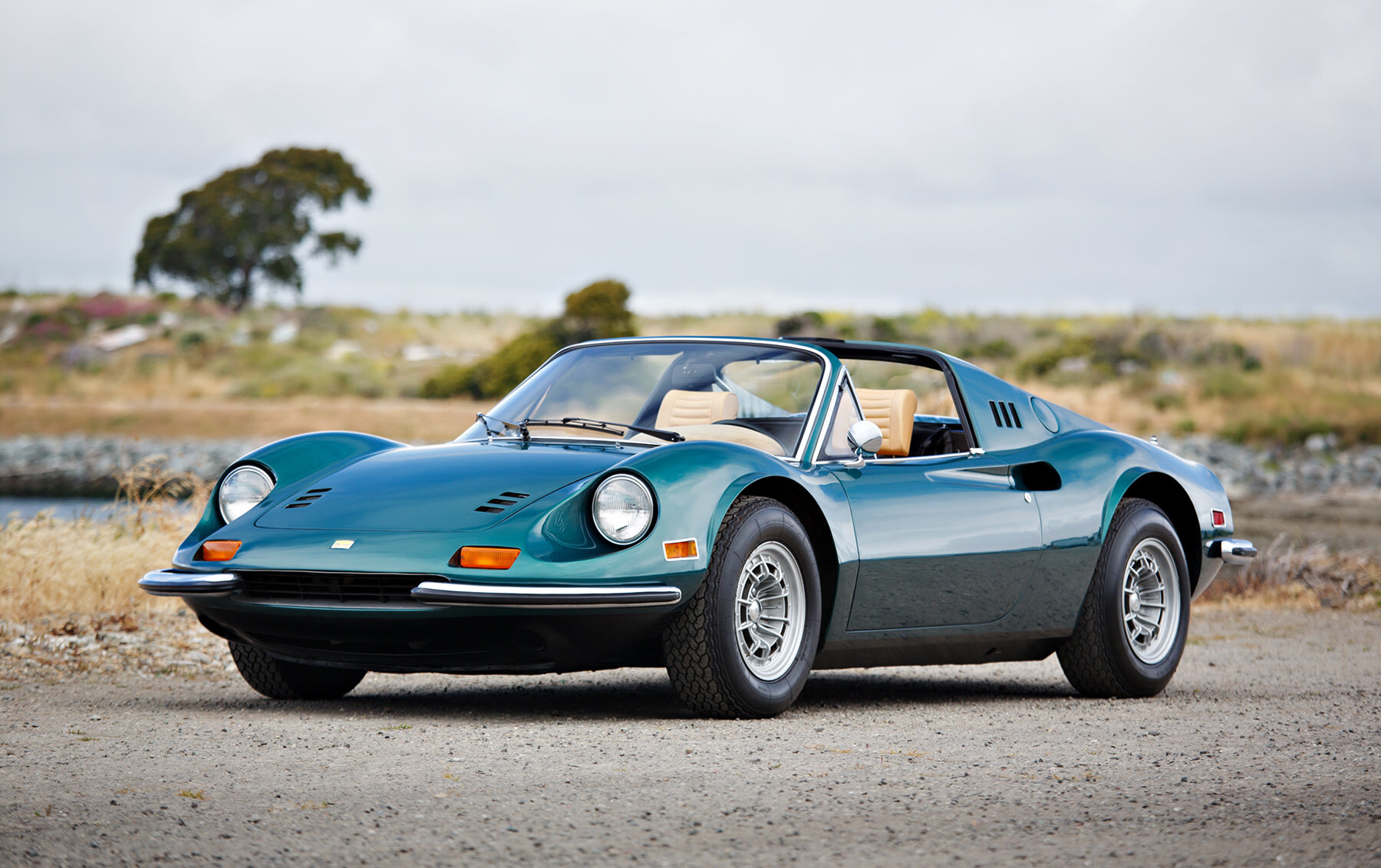
Italian automobiles have long held a unique position in the world of car enthusiasts. Their blend of artistry, engineering, and performance creates a harmony that is unmatched by most other automotive traditions.
From the sleek curves of a sports coupe to the robust power of a grand tourer, Italy has produced vehicles that inspire both admiration and desire. The allure of these cars lies not only in their visual appeal but also in the experience they provide behind the wheel.
Each model tells a story of innovation, craftsmanship, and the pursuit of perfection, embodying qualities that transcend mere transportation. These cars are symbols of a culture that prioritizes style as highly as function, and they continue to influence modern automotive design.
Owners and collectors cherish them for their historical significance, mechanical sophistication, and the emotional connection they foster. Driving an Italian classic is often described as an intimate experience, where the harmony between driver and machine becomes palpable.
These vehicles are not only celebrated for their performance on the road but also for the way they command attention wherever they go. They represent a time when automotive manufacturing was as much about art as it was about technology. The presence of these cars at shows, auctions, and private collections reinforces their enduring appeal.
From Ferraris that scream speed and excitement to Alfa Romeos that combine elegance with practicality, each model embodies a unique chapter of Italian automotive history. Enthusiasts often consider these cars as investments, not merely in monetary terms but in heritage and culture.
The engineering techniques and design philosophies pioneered in these vehicles continue to influence contemporary models worldwide. They reflect a period when car makers had the freedom to experiment with forms, materials, and mechanical solutions.
Every curve, every grille, and every engine note is a testament to the vision of designers who treated automobiles as moving works of art. For many, these cars are an opportunity to own a piece of history, experiencing the same thrill and aesthetic wonder that captivated audiences decades ago.
Collectors and drivers alike are drawn to the stories behind each model, from their racing achievements to their limited production runs. Understanding the legacy of Italian classic cars requires an appreciation for both their technical prowess and their cultural significance.
Each model serves as a window into the priorities and tastes of its era, offering insight into the evolution of automotive elegance over time. Owning one is often seen as a statement, reflecting not only personal taste but also a respect for engineering excellence and design integrity.
The combination of passion, performance, and prestige ensures that Italian classics remain icons in a world where cars are often evaluated only by utility and speed.
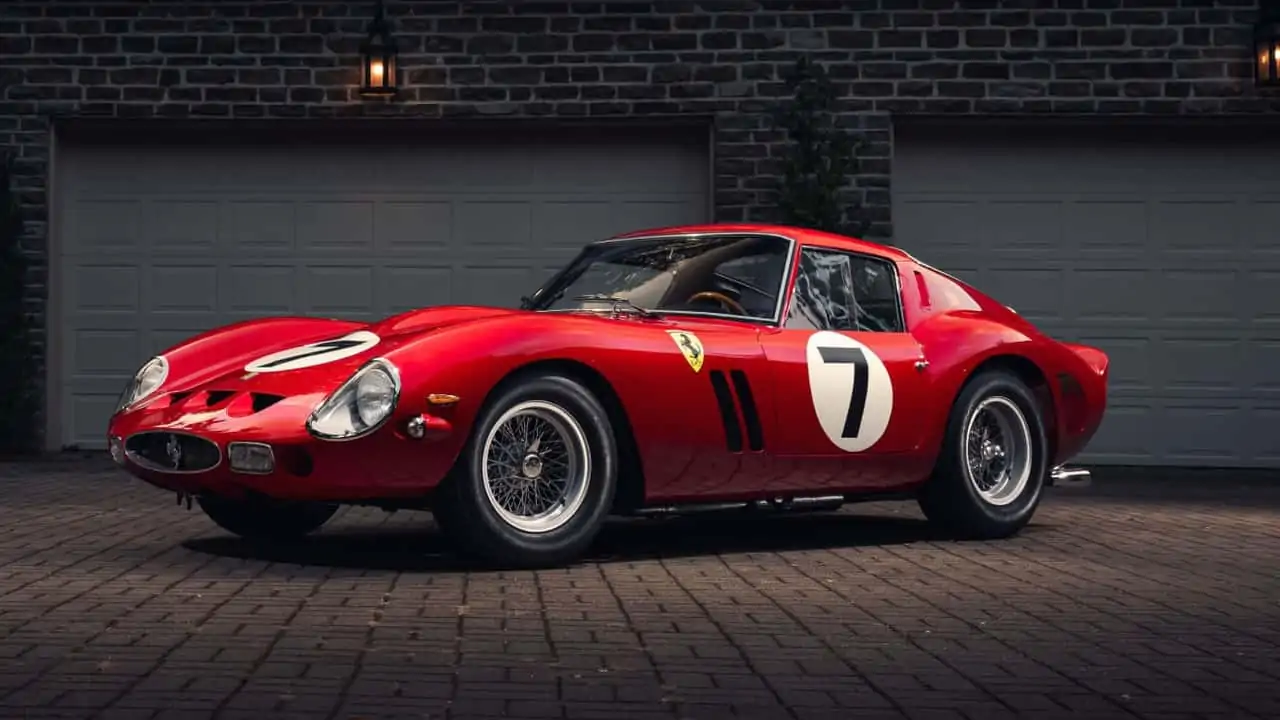
1. Ferrari 250 GTO
The Ferrari 250 GTO is often regarded as the pinnacle of classic automotive design. Its sleek body lines and balanced proportions make it instantly recognizable, symbolizing performance and beauty. Only a limited number were produced, which contributes to its rarity and desirability. Collectors value the car not only for its aesthetics but also for its racing heritage.
The engineering of the 250 GTO was revolutionary at the time, combining a lightweight chassis with a powerful V12 engine. Every aspect of the car was designed to maximize speed, handling, and reliability on the track. Ferrari’s attention to detail is evident in the carefully sculpted curves and functional aerodynamic elements. This model exemplifies the fusion of form and function that defines Italian automotive excellence.
Ownership of a 250 GTO is more than a status symbol; it represents a connection to automotive history. The car has won multiple prestigious races, cementing its reputation as a formidable competitor. Enthusiasts admire the harmony between its performance capabilities and its visual elegance. Driving one is said to offer an almost visceral experience, unmatched by many modern vehicles.
The interior of the 250 GTO maintains a driver-focused design, with minimal distractions and an emphasis on control. Every instrument, lever, and gauge is strategically placed to enhance the driving experience. The tactile feedback of the steering and pedals provides a direct connection to the machine. It’s a car that rewards skill, patience, and respect for its mechanical intricacies.
Auction results for the 250 GTO consistently break records, demonstrating the immense value placed on this model. Its combination of rarity, design, and racing history ensures it remains at the top of classic car rankings. Collectors worldwide vie for the opportunity to own a piece of this legacy. The Ferrari 250 GTO continues to define what it means to achieve automotive elegance.
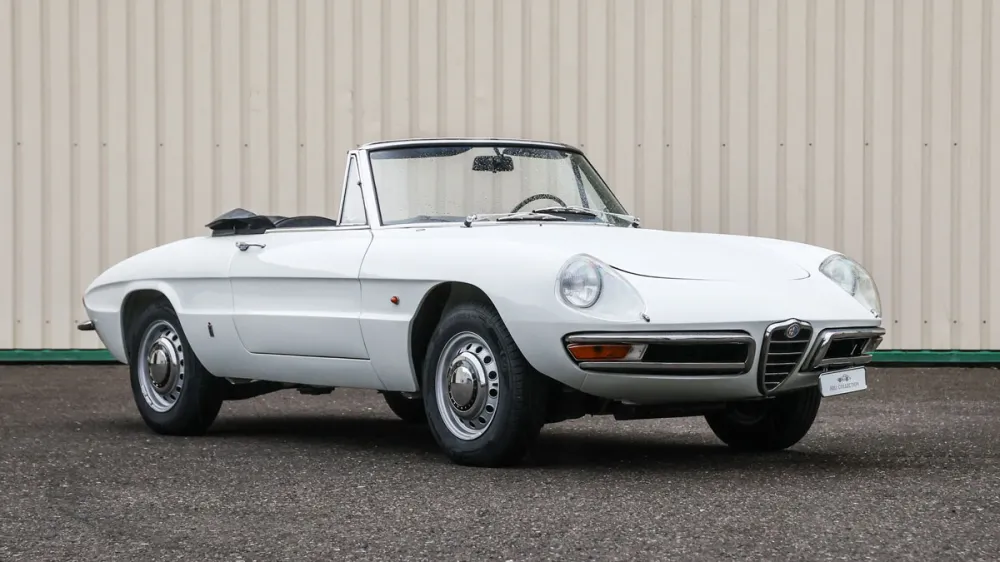
2. Alfa Romeo Spider Duetto
The Alfa Romeo Spider Duetto is celebrated for its timeless design and approachable performance. Its curvaceous body and rounded front end exude charm and sophistication. Introduced in the 1960s, the Spider quickly became a symbol of Italian style and culture. The car was as much about enjoyment as it was about engineering excellence.
Under the hood, the Spider Duetto offers a modest but lively engine that makes it nimble on winding roads. Its lightweight construction allows for spirited driving without overwhelming the driver. Handling is precise, with a responsive steering system that communicates the road’s nuances. The car rewards engagement, providing a sense of connection that few modern vehicles can replicate.
The interior blends simplicity with elegance, featuring leather seating and a minimalist dashboard. Controls are intuitive, allowing the driver to focus on the pleasure of the journey. Despite its modest size, the Spider offers comfort and style, making it suitable for long drives along scenic routes. The open-top design enhances the sensory experience, from the sound of the engine to the feeling of the wind.
Cultural significance has further elevated the Spider Duetto’s status. Its appearance in movies and association with Italian lifestyle have cemented its place in automotive history. Enthusiasts appreciate both its performance and the lifestyle it represents. Owning one offers a connection to a period when driving was an experience rather than a chore.
Maintenance and preservation of the Spider Duetto are straightforward compared to rarer models, which has helped it remain accessible to collectors. Its combination of beauty, performance, and charm ensures it remains a beloved classic. Alfa Romeo’s commitment to style and engineering is evident in every aspect of this iconic car.
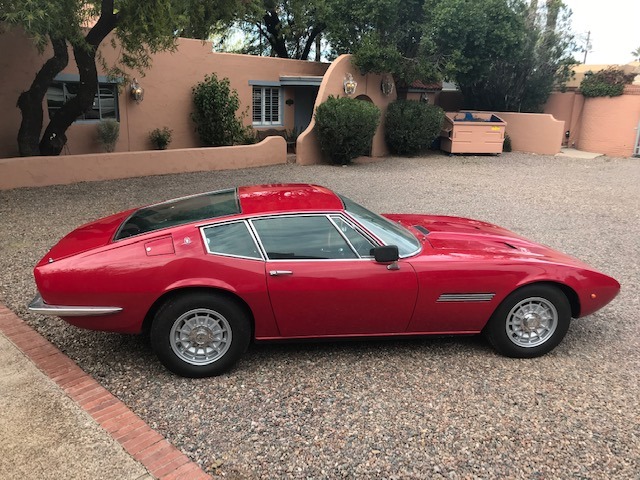
3. Maserati Ghibli (1967)
The Maserati Ghibli of 1967 is a grand tourer that blends elegance with power, standing out as a symbol of Italian sophistication. Its long, flowing lines and sharp yet graceful contours convey a sense of motion even when stationary. The car was designed to combine high-speed capability with luxurious comfort, making it ideal for long journeys. The Ghibli’s exterior communicates a quiet confidence that few other vehicles achieve, attracting attention wherever it travels.
Beneath the hood, the Ghibli houses a powerful V8 engine capable of impressive acceleration and sustained high-speed performance.
Maserati’s engineering focus on balance and precision ensures that the car handles curves with composure. The suspension system is tuned for both comfort and control, reflecting the grand tourer philosophy. Driving the Ghibli feels purposeful, blending excitement with refinement at every turn.
Inside, the cabin emphasizes luxury without overwhelming the driver with unnecessary features. Leather upholstery, polished wood accents, and a well-laid-out instrument panel create an inviting environment. The seating is supportive yet supple, accommodating both driver and passenger comfortably. The ergonomics prioritize ease of control while allowing the occupants to enjoy a sense of openness and style.
The Ghibli was more than just a beautiful car; it represented Maserati’s ability to compete with Ferrari and Lamborghini in the high-performance luxury market. Its combination of aesthetic appeal and technical excellence made it a favorite among collectors and enthusiasts alike. The vehicle’s racing-inspired heritage enhances its reputation, linking it to a legacy of performance and innovation.
Today, the Maserati Ghibli remains a coveted classic, admired for its elegant design and powerful presence. Restored examples maintain their original charm, showcasing the brand’s commitment to quality. Owning a Ghibli offers not just a driving experience but an opportunity to engage with a piece of Italian automotive history. It exemplifies the perfect balance between performance, style, and craftsmanship that defines classic Italian cars.
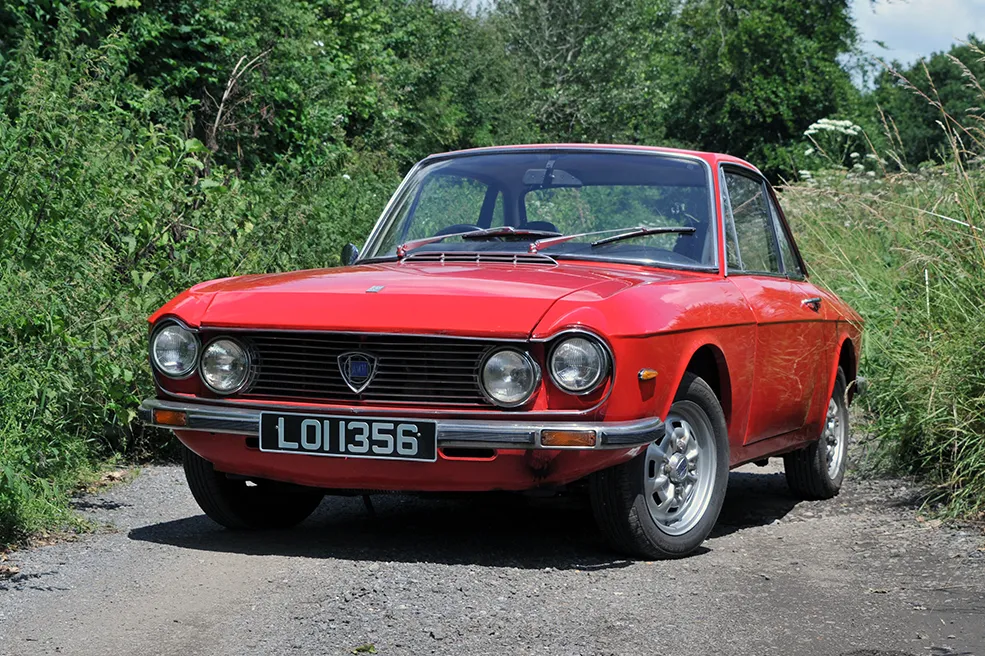
4. Lancia Fulvia Coupe
The Lancia Fulvia Coupe is a compact classic that stands out for its engineering ingenuity and timeless styling. Its angular yet harmonious design reflects the sophistication of 1960s Italian automotive aesthetics. Lightweight and precise, the Fulvia was designed to deliver responsive handling in both urban and rural settings. The car’s understated elegance makes it appealing to enthusiasts who appreciate subtle design mastery.
Mechanically, the Fulvia Coupe introduced advanced innovations, such as a narrow-angle V4 engine and front-wheel drive, uncommon at the time.
These features contribute to its nimble performance and efficient power delivery. The chassis is remarkably balanced, providing predictable and engaging handling. Drivers find the Fulvia both fun and confidence-inspiring, offering a rewarding connection to the road.
The interior is compact but thoughtfully designed, offering comfort without sacrificing style. Quality materials and clean lines create a refined atmosphere, while the driver-centric layout ensures ease of operation. Despite its size, the cabin maintains a sense of refinement that complements the car’s exterior elegance. Every detail emphasizes the blend of practicality and aesthetic charm that defines Lancia’s approach.
The Fulvia Coupe also gained recognition for its rally successes, demonstrating its capability beyond normal road use. These achievements reinforced Lancia’s reputation for engineering precision and competitive spirit. The car’s versatility, combining elegance with performance, made it popular among drivers seeking both style and substance. Its contribution to motorsport history adds depth to its appeal as a collectible.
Today, the Lancia Fulvia Coupe continues to attract enthusiasts for its distinctive design and spirited driving dynamics. Its rarity and historical significance make it a sought-after model at auctions and private collections. Owning a Fulvia allows collectors to experience a vehicle that embodies ingenuity, refinement, and the adventurous spirit of Italian automotive design.
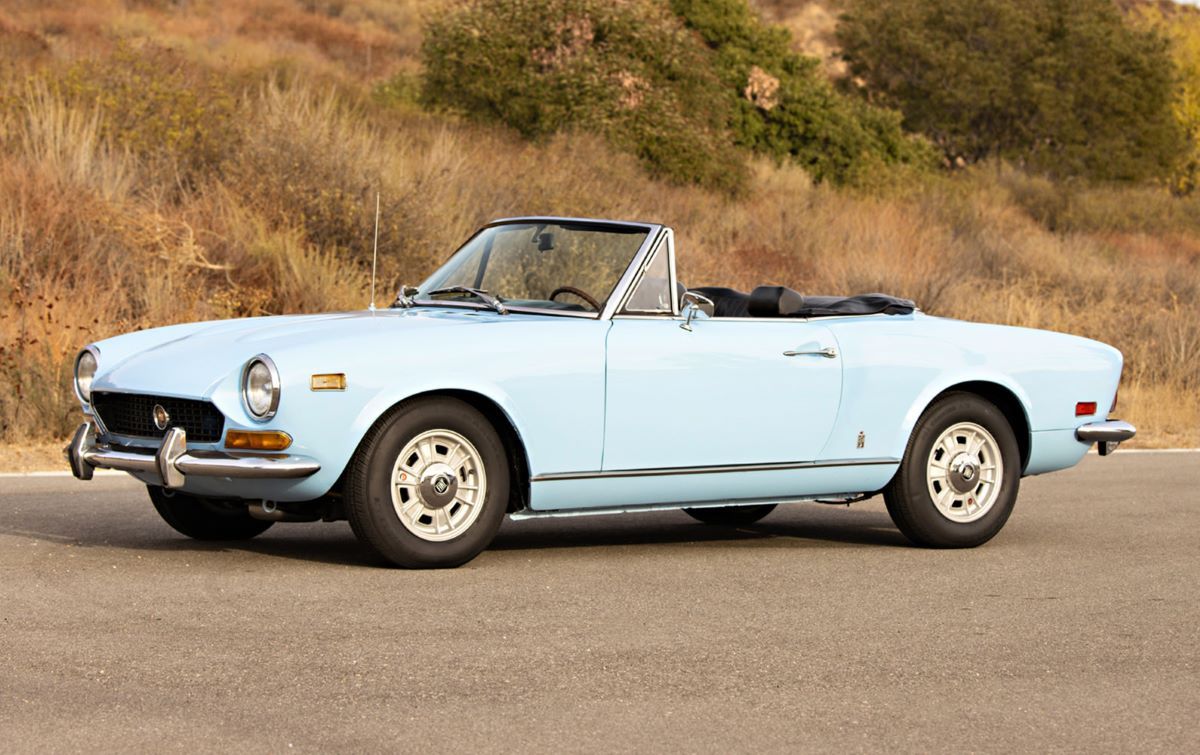
5. Fiat 124 Spider
The Fiat 124 Spider is an Italian roadster that combines approachability with classic style, offering a balance of charm and performance. Its exterior features clean lines and a sleek silhouette, evoking a sense of lightness and agility. Introduced in the mid-1960s, the 124 Spider became synonymous with leisurely drives along scenic roads. Its design prioritizes enjoyment, making it a favorite among drivers seeking a connection with the road and environment.
Underneath its stylish exterior, the 124 Spider delivers responsive handling and smooth performance. The engine provides sufficient power for spirited drives without being overwhelming, emphasizing driver engagement.
Its lightweight chassis enhances cornering precision, creating an engaging and enjoyable driving experience. The car’s balance of power and agility makes it ideal for both new enthusiasts and experienced drivers.
The interior combines simplicity with elegance, featuring practical controls and comfortable seating. The driver-focused layout ensures that attention remains on the road, while the open-top design heightens sensory involvement. The cockpit is uncluttered, highlighting the essence of a pure driving experience. It invites occupants to savor every turn, sound, and breeze encountered along the journey.
The Fiat 124 Spider became a cultural icon, representing the Italian approach to leisure and automotive enjoyment. Its widespread appeal was reinforced by affordability and reliability, allowing a broad audience to experience Italian style. The model’s success inspired future generations of small, sporty convertibles. It remains a reminder that elegance and driving pleasure can coexist in a practical package.
Collectors today prize the Fiat 124 Spider for its combination of style, usability, and charm. Restored examples capture the essence of mid-century Italian design while offering modern reliability improvements. It remains a symbol of Italian roadster heritage and an embodiment of automotive grace that continues to inspire admiration.
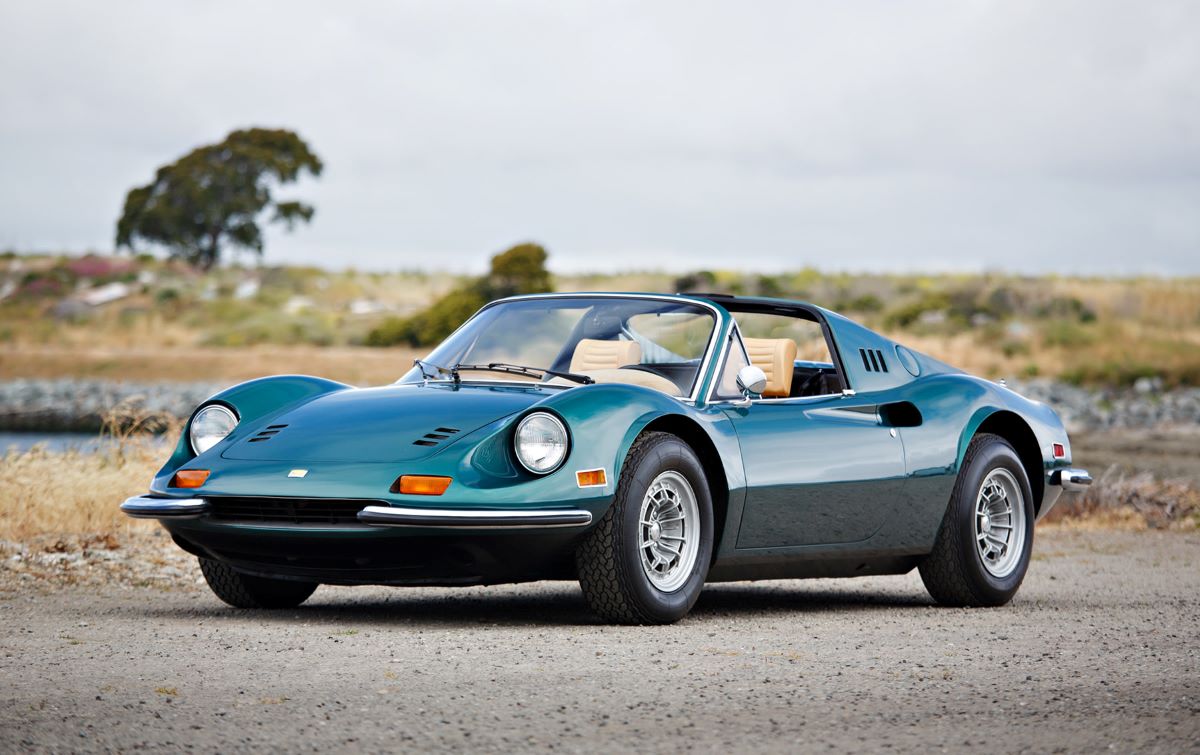
6. Ferrari Dino 246 GT
The Ferrari Dino 246 GT is widely admired for its combination of performance, balance, and timeless beauty. Unlike most Ferraris, it carries the Dino badge, honoring Enzo Ferrari’s late son and emphasizing a more approachable sports car philosophy.
Its low-slung body, flowing curves, and rounded lines make it instantly recognizable and visually harmonious. The car blends elegance and aggression in a way that reflects Italian design sensibilities perfectly.
Powered by a V6 engine, the Dino 246 GT delivers exhilarating acceleration while maintaining smooth, predictable handling. The mid-engine layout provides excellent weight distribution, enhancing cornering stability and agility.
Driving the car feels immersive, with every input translated directly into motion. Ferrari’s engineering ensures that the Dino remains responsive and engaging without overwhelming the driver.
The interior balances comfort with functionality, featuring seats that embrace the body and controls that are ergonomically placed. Instrumentation is clear and minimalistic, allowing drivers to focus on the road and experience the car’s mechanical precision. Leather upholstery and attention to detail in finishing create a luxurious yet sporty ambiance. Every element contributes to a sense of harmony between the driver and the vehicle.
The Dino 246 GT holds a special place in Ferrari’s history as a model that bridged the gap between pure racing machines and road-going sports cars. Its combination of accessibility and prestige made it desirable among collectors who sought Ferrari performance without excessive exclusivity. Racing success and aesthetic excellence further cemented its reputation. The Dino remains a model that embodies the joy of driving and Italian automotive artistry.
Today, the Ferrari Dino 246 GT is considered one of the most beautiful classic Ferraris ever produced. Its elegant proportions, mechanical reliability, and historical significance make it highly sought after. Owning one allows enthusiasts to experience a harmonious blend of power, style, and heritage, showcasing the enduring appeal of Italian automotive craftsmanship.
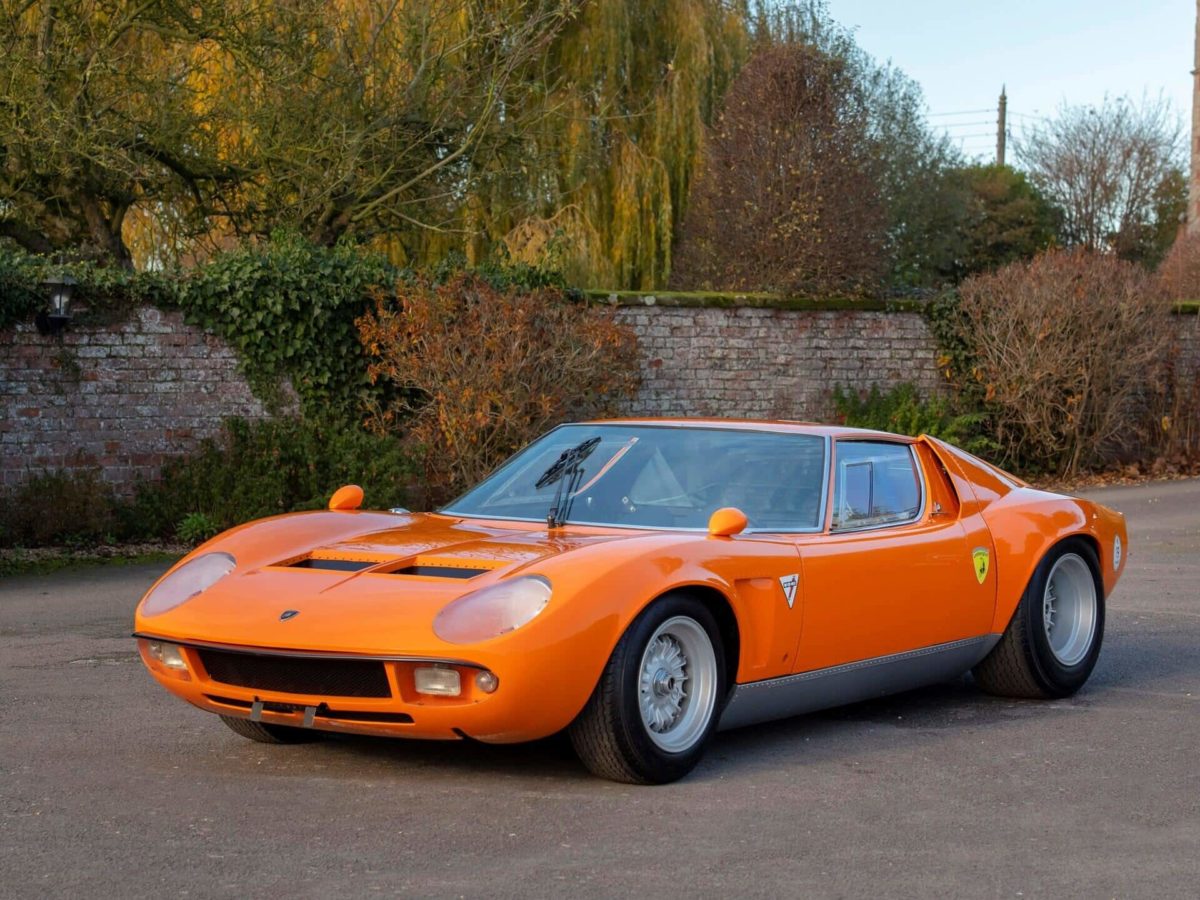
7. Lamborghini Miura
The Lamborghini Miura is often described as the car that defined the supercar segment, combining breathtaking performance with revolutionary design. Its low profile, wide stance, and curvaceous bodywork immediately convey speed and sophistication.
Introduced in the mid-1960s, the Miura broke conventions, positioning the engine behind the driver for a thrilling mid-engine experience. Every line of the car was intended to create both visual impact and aerodynamic efficiency.
Under its sculpted hood, the Miura features a V12 engine that produces remarkable power for its time. Acceleration is rapid, and the car responds with precision and authority on every curve. Steering is sharp yet manageable, rewarding skilled drivers with a dynamic, connected feel. The Miura’s mechanical innovation set a new benchmark for high-performance road cars globally.
The cabin combines style and purpose, with supportive bucket seats and a functional, driver-focused dashboard. Controls are positioned for quick access, emphasizing responsiveness and engagement. Materials such as leather and polished metal complement the dramatic exterior design. Occupants feel intimately connected to both the vehicle and the road, experiencing an almost symbiotic relationship while driving.
The Miura’s influence extends far beyond its engineering achievements, shaping automotive design for decades. Its appearance in media and racing circuits amplified its status as a cultural icon. Collectors prize it for its rarity, history, and groundbreaking aesthetics. The Miura represents a turning point in automotive thinking, blending extreme performance with artistic expression.
Even today, the Lamborghini Miura remains a symbol of audacious Italian design and engineering. Its combination of power, elegance, and historical importance makes it one of the most celebrated classics ever. Owning a Miura is an opportunity to experience a car that continues to inspire admiration and set standards in both style and performance.
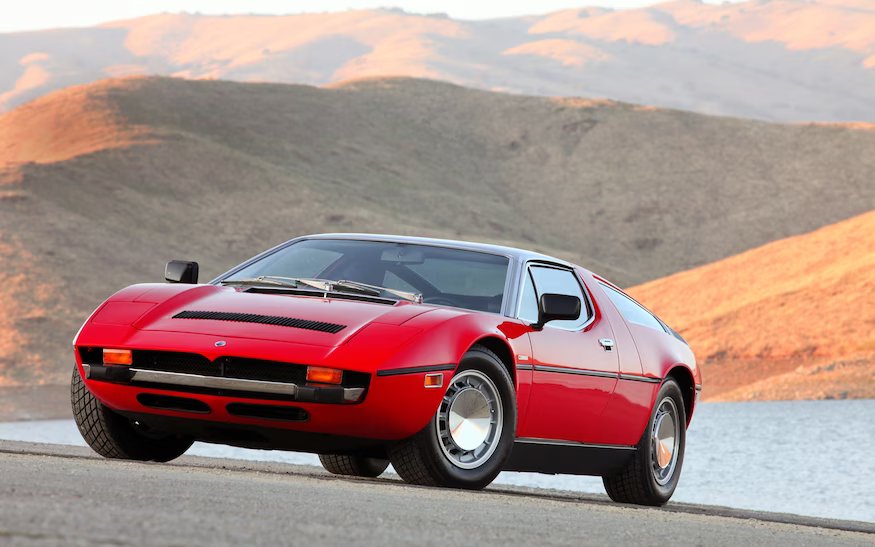
8. Maserati Bora
The Maserati Bora is a striking example of Italian grand tourer design, combining understated elegance with impressive engineering. Its wedge-shaped body reflects the styling trends of the early 1970s while remaining timeless. The clean lines and low profile give it a purposeful presence, signaling both speed and refinement. Maserati designed the Bora to offer comfort, style, and performance in a single package, appealing to discerning drivers.
Beneath its sleek exterior, the Bora is powered by a V8 engine that delivers strong performance and a satisfying exhaust note. Its mid-engine layout ensures excellent balance and stability, enhancing handling and cornering capabilities. Drivers experience responsive steering and smooth power delivery, making long drives both enjoyable and engaging. Maserati’s engineering ensures that performance is coupled with precision and reliability.
Inside, the cabin emphasizes luxury while maintaining driver focus. High-quality leather, polished metal accents, and an intuitive control layout create a refined atmosphere. Seating provides support for spirited driving while accommodating long journeys comfortably. The interior reflects Maserati’s philosophy of blending elegance, comfort, and performance seamlessly.
The Bora’s production numbers were limited, increasing its appeal to collectors and enthusiasts. Its distinctive styling and engineering accomplishments have made it a landmark in Maserati’s history. The car is celebrated for combining exotic looks with practical driving usability, offering a complete grand touring experience. Owning one represents a connection to a golden era of Italian automotive design.
Today, the Maserati Bora is admired for its understated yet confident elegance. It exemplifies the balance between style, engineering, and driving pleasure that defines classic Italian grand tourers. Enthusiasts value it not only for its performance but also for the artistry of its design and the quality of its craftsmanship.
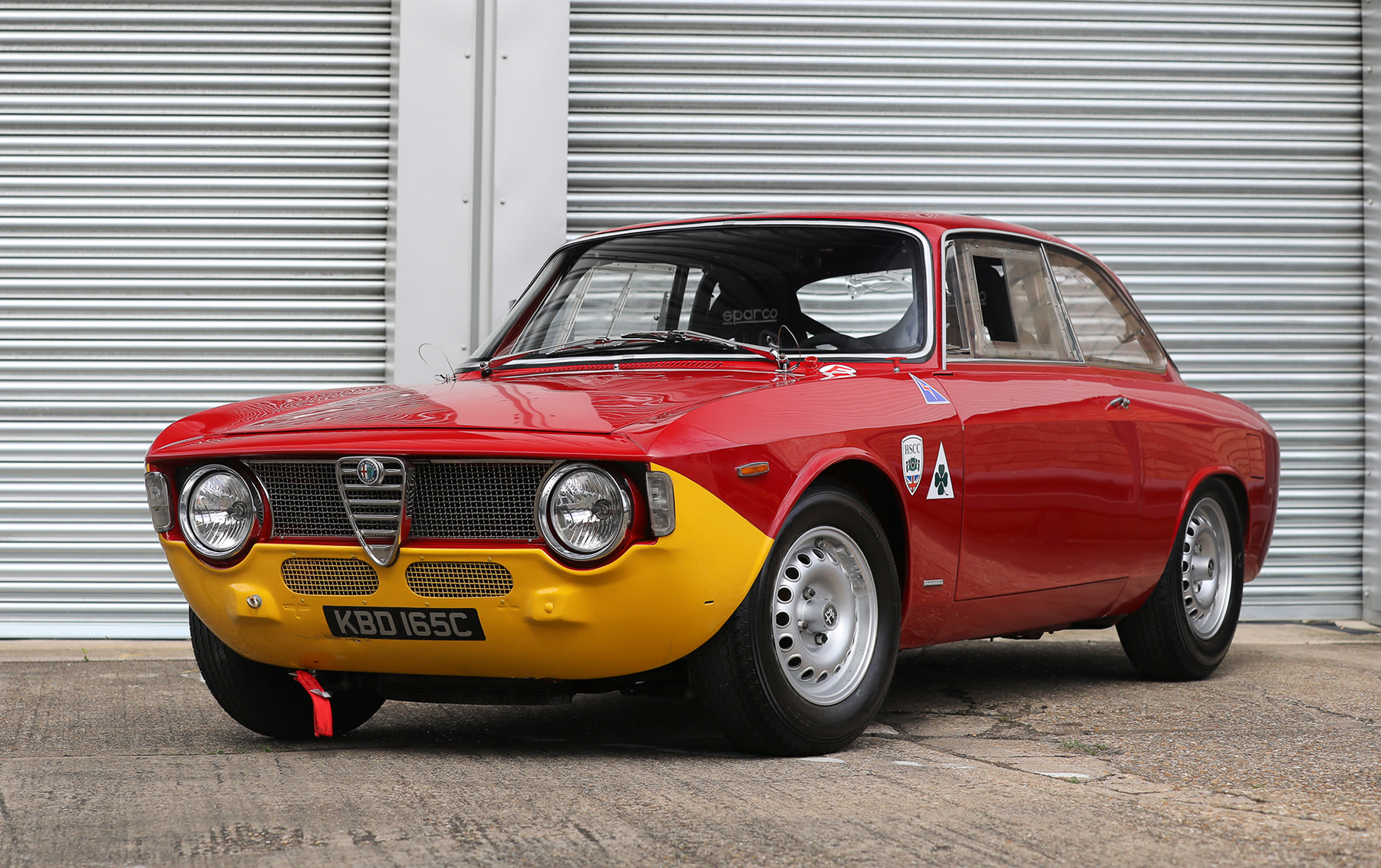
9. Alfa Romeo Giulia Sprint GT
The Alfa Romeo Giulia Sprint GT is a classic that embodies sporty practicality and timeless design. Its compact dimensions, flowing curves, and aggressive stance make it visually appealing. Introduced in the 1960s, the Giulia Sprint GT was praised for its nimble handling and spirited performance. Its design strikes a balance between elegance and sportiness, appealing to both enthusiasts and casual admirers alike.
Mechanically, the car features a four-cylinder engine that delivers responsive performance and enjoyable acceleration. Lightweight construction and well-tuned suspension contribute to precise handling, making it ideal for winding roads. The Giulia Sprint GT rewards attentive drivers with a connected and engaging driving experience. Alfa Romeo’s focus on engineering efficiency and mechanical harmony is evident throughout the vehicle.
The interior is compact yet thoughtfully designed, featuring simple controls and comfortable seating. The driver-focused layout ensures easy access to instruments and a clear line of sight to the road. Leather and metal accents provide a sense of quality without overwhelming the simplicity of the cabin. The design emphasizes functionality, making the car practical while retaining Italian elegance.
The Giulia Sprint GT gained a reputation in both motorsports and popular culture, enhancing its significance. Its combination of affordability, style, and performance contributed to its enduring popularity. Enthusiasts value the car for its mechanical reliability and the pure joy it offers behind the wheel. Alfa Romeo’s commitment to craftsmanship and design is evident in every detail.
Today, the Alfa Romeo Giulia Sprint GT is regarded as a classic that represents the best of mid-century Italian automotive design. Its timeless appeal, balanced performance, and historical significance make it a cherished model among collectors. Owning one offers a tangible connection to Italy’s automotive heritage and the joy of driving a finely tuned classic.
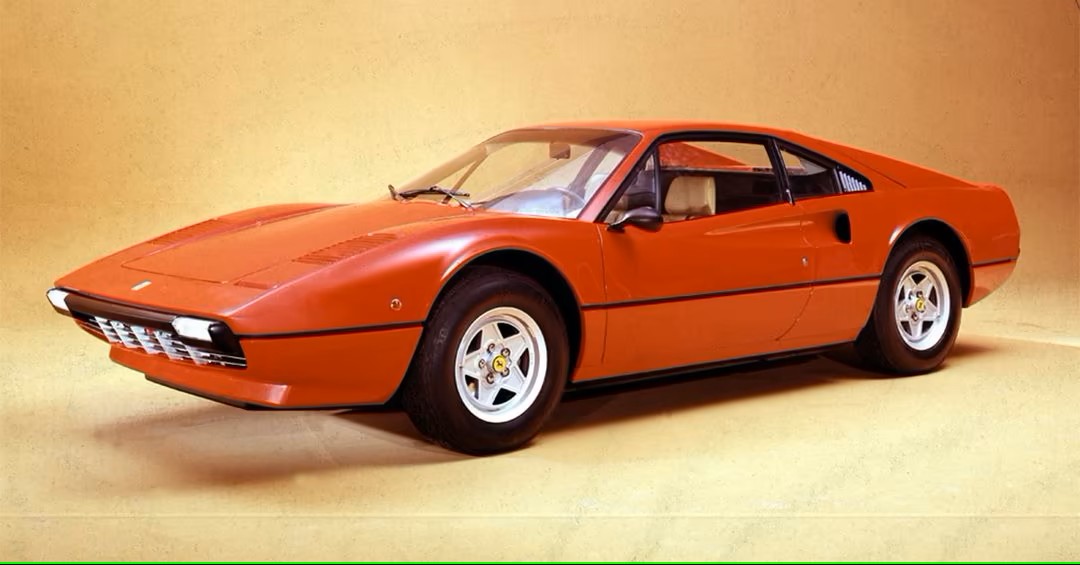
10. Ferrari 308 GTB
The Ferrari 308 GTB is a quintessential Italian sports car, combining sleek design, balanced performance, and historical significance. Its wedge-shaped body and aggressive front fascia make it instantly recognizable. Introduced in the 1970s, the 308 GTB became an icon of both automotive design and pop culture. Its proportions, curves, and details reflect Ferrari’s commitment to style and driving excitement.
The car features a V8 engine that delivers spirited acceleration and an engaging driving experience. Its mid-engine layout ensures exceptional balance, allowing for precise handling and confident cornering. Steering is responsive, providing a direct connection between driver and road. Ferrari’s engineering philosophy focuses on harmony, ensuring performance complements design rather than dominating it.
Inside, the cabin balances luxury with a driver-oriented layout. Controls are ergonomically positioned, and seating provides both comfort and support. Quality materials such as leather and polished metal contribute to a refined yet sporty environment. The interior emphasizes simplicity and function, enhancing the experience of driving this iconic sports car.
The 308 GTB achieved fame through motorsport success and appearances in media, cementing its status as a cultural and automotive icon. Its combination of accessibility, style, and performance contributed to its enduring popularity among enthusiasts. The car represents a period when Ferrari perfected the balance between artistic design and dynamic capability.
Today, the Ferrari 308 GTB is a highly coveted classic, celebrated for its aesthetic beauty, performance, and historical importance. Collectors prize it for its timeless design and driving experience. Owning a 308 GTB is an opportunity to connect with a car that exemplifies Italian automotive elegance and the pursuit of perfection on both road and track.
