
Jaguar has long been known for producing vehicles that combine elegance, style, and performance. The brand has captured the imagination of car enthusiasts around the world, offering sedans, sports cars, and SUVs with distinctive designs and luxurious interiors.
Despite the appeal, Jaguar models have often been criticized for their reliability issues, especially as they age and accumulate mileage. Many used Jaguar cars come with attractive pricing due to depreciation, yet buyers frequently face costly repairs and recurring mechanical problems.
Understanding which models have a history of poor reliability can help potential buyers make more informed decisions and avoid expensive pitfalls. This article focuses on ten Jaguar models that are known for having some of the worst reliability records among used vehicles.
Each of these models has been selected based on reports of common mechanical failures, electrical problems, and high maintenance costs. While Jaguar continues to innovate and improve, the older generations of these vehicles are often plagued by issues that affect drivability, comfort, and long-term ownership satisfaction.
By examining these models, it becomes clear why certain Jaguars, despite their charm and performance, may not be ideal choices for buyers who prioritize dependability. The discussion will cover aspects such as engine performance, transmission issues, electrical system malfunctions, and body component problems.
Highlighting these concerns will provide a detailed view of why these vehicles struggle with reliability. Additionally, the analysis will give insights into the types of problems that are most frequent, such as water leaks, suspension failures, and dashboard warning light errors.
Buyers who are considering a used Jaguar need to weigh the allure of luxury and prestige against the potential for recurring maintenance expenses. These models serve as cautionary examples where the cost of ownership can quickly rise if careful inspection and preventative maintenance are neglected.
The intention is not to undermine Jaguar’s reputation for elegance and driving pleasure, but to provide a realistic perspective on which vehicles have historically required the most attention. Collectively, the ten models discussed here represent a range of body styles, engine types, and production years, yet they share a common pattern of being more prone to mechanical and electrical failures.
Understanding these patterns can guide buyers in making safer choices when considering a used Jaguar. Awareness of these challenges can also help current owners prepare for potential repairs, ensuring that their vehicles remain operational and enjoyable despite their limitations.
Reliability is a crucial factor when evaluating the long-term value of a luxury vehicle, and these ten Jaguar models demonstrate why caution is needed. The following sections will break down each model in detail, providing context on the specific issues that have earned them a place on this list, helping readers navigate the complexities of purchasing a used Jaguar wisely.
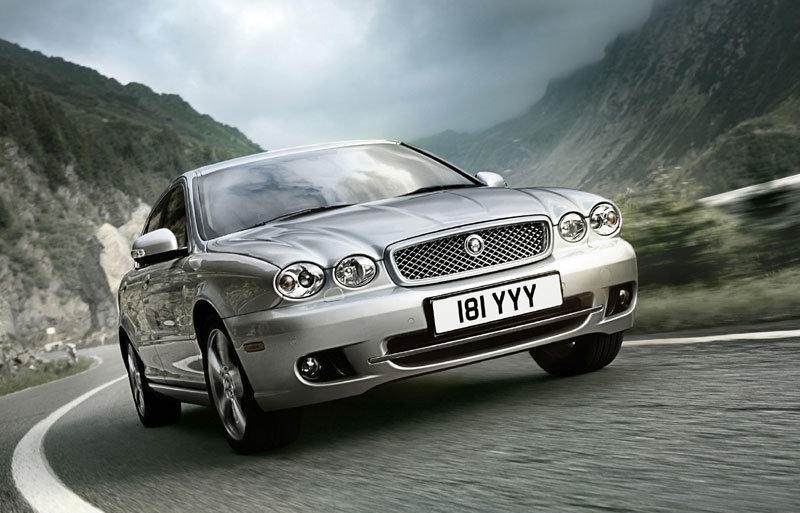
1. Jaguar X‑Type
The Jaguar X‑Type was introduced as a compact luxury sedan aiming to attract new customers to the brand. While it offered a stylish appearance and a comfortable interior, the model struggled with mechanical reliability from the start. Many owners reported frequent issues with the all-wheel-drive system, which often required expensive repairs.
Problems with the engine and transmission were also widely reported, particularly on higher mileage vehicles. Electrical problems were another common complaint, with malfunctioning sensors and warning lights affecting drivability. The suspension system on the X‑Type was prone to wear, causing uneven tire wear and alignment problems.
Additionally, water leaks into the cabin and trunk were reported due to aging seals. Some versions of the V6 engine experienced timing chain failures, which could lead to catastrophic engine damage. Interior components such as switches, vents, and electronic modules often failed prematurely.
Cooling system issues were also frequent, with radiators and thermostats needing replacement sooner than expected. Oil leaks were common on both four-cylinder and V6 engines, increasing maintenance costs. Owners also cited inconsistent fuel economy, which was sometimes caused by faulty sensors or misfiring cylinders.
X‑Type’s combination of European engineering complexity and cost-cutting measures resulted in a vehicle that demanded more attention than typical compact sedans. Replacement parts were expensive, and repairs often required specialized tools and knowledge. Despite these problems, the car retained a loyal following due to its driving dynamics and traditional Jaguar styling.
Enthusiasts appreciated the balance and steering feel, even though ownership could be frustrating. Many buyers overlooked the reliability issues in favor of the prestige of the Jaguar badge. The resale value of the X‑Type suffered considerably because of the frequency of repairs.
Some service records revealed multiple visits to dealerships for recurring issues. Consequently, the X‑Type remains a cautionary example for those seeking a used luxury car with minimal maintenance demands.
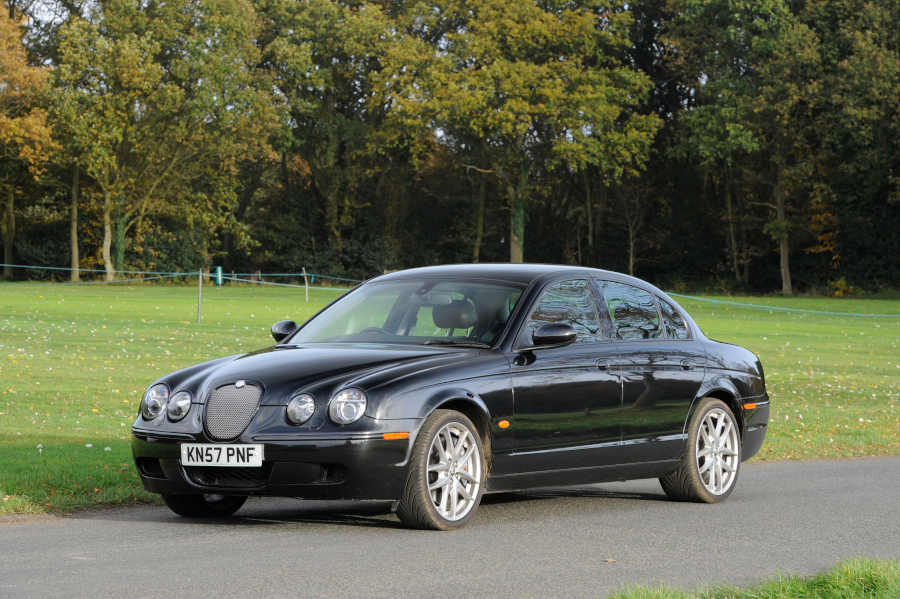
2. Jaguar S‑Type
The Jaguar S‑Type was introduced to evoke the classic styling of earlier Jaguar sedans, but it was plagued with mechanical and electrical issues. Many owners reported frequent transmission failures, particularly in automatic models equipped with the ZF gearbox.
Engine cooling problems were also common, leading to overheating and potential head gasket damage. Electrical malfunctions included dashboard warning lights, inoperative windows, and erratic behavior from the infotainment system.
The air suspension system on some S‑Type models was prone to collapse, resulting in costly repairs and compromised ride quality. Timing chain tensioners on V6 engines often failed, causing noisy operation and the risk of engine damage. The braking system sometimes exhibited uneven wear, requiring frequent rotor and pad replacements.
Rust and corrosion appeared on certain model years, particularly in damp climates. Some owners noted recurring fuel system problems, including fuel pump failures and injector issues. Cabin comfort was affected by climate control malfunctions, with heating and cooling units failing more quickly than expected.
While the S‑Type had a distinctive and elegant look, its reliability record was far from stellar. Owners had to budget for unexpected repairs and specialized service, which increased the total cost of ownership. Those seeking a used S‑Type often needed to check service history carefully.
Buyers were advised to avoid high-mileage examples without comprehensive maintenance records. Even routine maintenance could be costly due to the complexity of European-engineered components. Electrical gremlins persisted despite attempts at repair, creating a sense of unpredictability.
The S‑Type’s interior comfort and styling could not always compensate for the frequency of breakdowns. As a result, it has become one of the most frequently cited Jaguar models with poor reliability.
3. Jaguar XJ (X350)
The Jaguar XJ X350 series was celebrated for its aluminum body and smooth ride, yet reliability issues were numerous. Air suspension failures were among the most common, often leading to sagging or uneven ride height. Electrical systems, including power windows, door locks, and seat adjustments, frequently malfunctioned.
Engine oil leaks, particularly from the V8 models, caused maintenance headaches for owners. Some models experienced problematic timing chain guides, leading to engine noise and potential damage if ignored. The automatic transmission sometimes suffered from rough shifting or complete failure.
Cooling system failures, including radiator and water pump issues, were also widely reported. Interior components such as climate controls, leather seats, and infotainment units showed early wear. Fuel system problems, including sensor failures and injector issues, were frequent.
Owners also encountered issues with ABS and traction control systems, which could trigger warning lights unexpectedly. Repair costs for the X350 were high due to the complexity of its aluminum construction and advanced systems. Even minor body damage required specialized repair techniques.
Service intervals were often shorter than expected for a luxury car, increasing maintenance expenditures. Despite these challenges, the XJ X350 maintained a devoted following due to its ride comfort and prestigious presence.
Buyers of used XJ models needed to inspect each system carefully before purchase. Neglecting preventative maintenance often resulted in expensive repairs. The combination of electrical, suspension, and engine issues made this model a high-risk choice for reliability-conscious buyers.
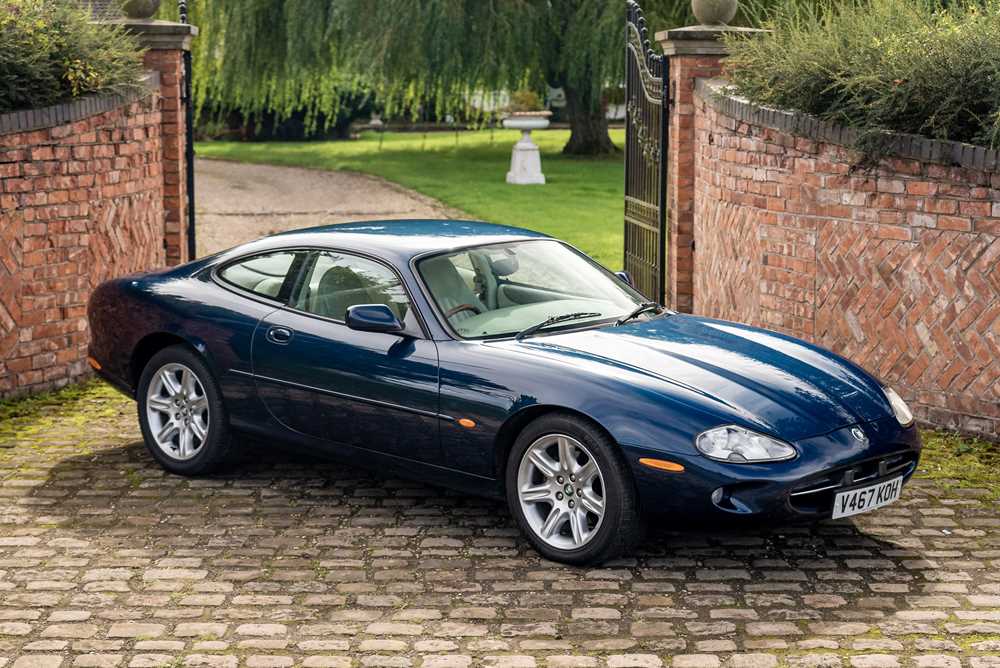
4. Jaguar XK8
The Jaguar XK8 was a stylish grand tourer that offered impressive performance but was prone to mechanical failures. Engine issues, including oil leaks and timing chain wear, were common among older models. The cooling system frequently required attention, with water pumps and radiators often failing.
Electrical problems included dashboard malfunctions, window motor failures, and seat adjustment issues. Transmission units sometimes exhibited rough shifting or total failure in high-mileage examples. Suspension components wore quickly, causing a harsher ride and alignment problems.
Some XK8 models experienced convertible top mechanism failures, which were expensive to repair. Fuel system issues, such as failing fuel pumps and injectors, affected reliability. Brake components required frequent replacement due to wear patterns and corrosion. Interior electronics, including climate control and audio systems, were prone to failure over time.
Maintenance costs for the XK8 were high, reflecting the complexity of the vehicle. Parts availability could be a challenge, especially for older components. Regular inspections were necessary to catch developing problems early. Despite these concerns, the XK8 offered a driving experience many owners valued.
Its performance and handling remained competitive, yet the reliability record discouraged risk-averse buyers.
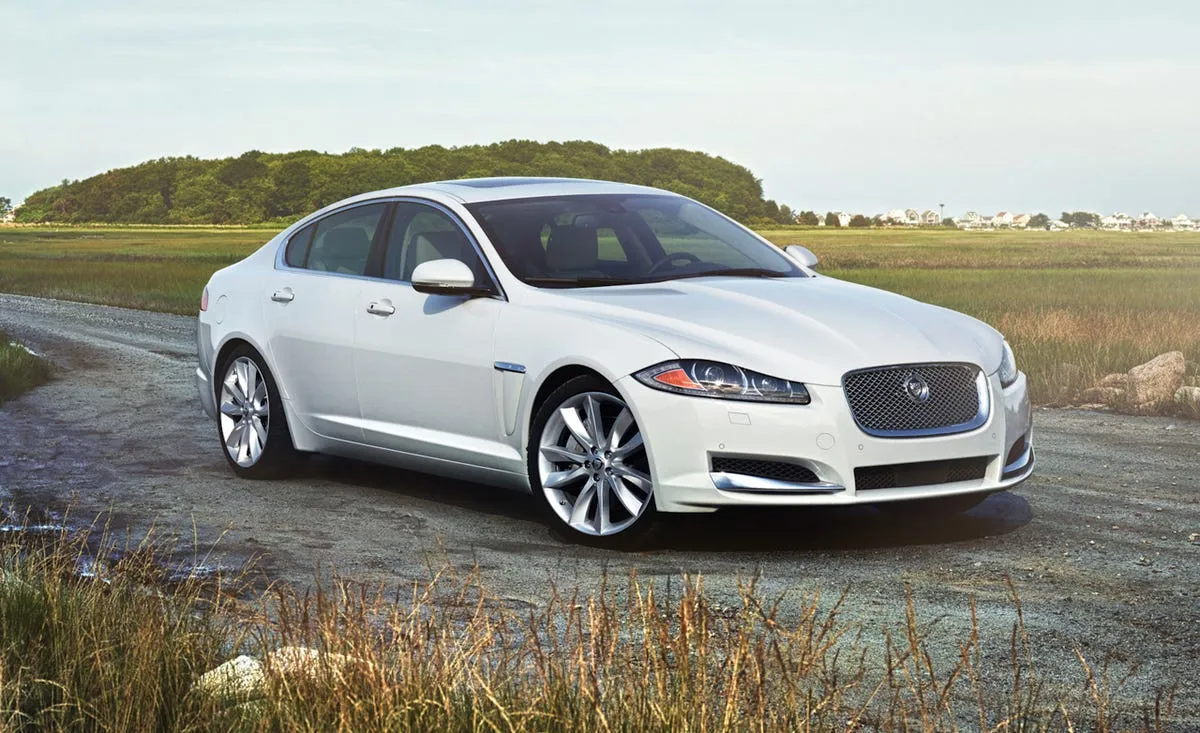
5. Jaguar XF
The Jaguar XF combined modern design with luxury features but exhibited significant reliability concerns. Engine problems included coolant leaks, oil consumption, and timing chain issues in V6 and V8 models. Electrical systems were frequently problematic, affecting infotainment, navigation, and lighting.
The suspension system, particularly on air-sprung variants, often required costly repairs. Transmission issues included rough shifting and premature wear of components. Fuel system failures, such as faulty fuel pumps or injectors, were common on high-mileage vehicles.
Brake components experienced accelerated wear, necessitating frequent replacement. Cabin electronics, including climate control units and dashboard displays, were prone to malfunction. Rust and corrosion affected some older models, particularly in wet climates.
Steering components sometimes developed play, impacting vehicle handling and safety. Maintenance and repair costs were higher than average due to the complexity of design and European engineering. Owners often reported repeated trips to service centers for similar problems.
Despite its sleek styling and driving dynamics, the XF’s record made it a less reliable choice for used car buyers. Careful inspection and service history review were critical for mitigating unexpected expenses.
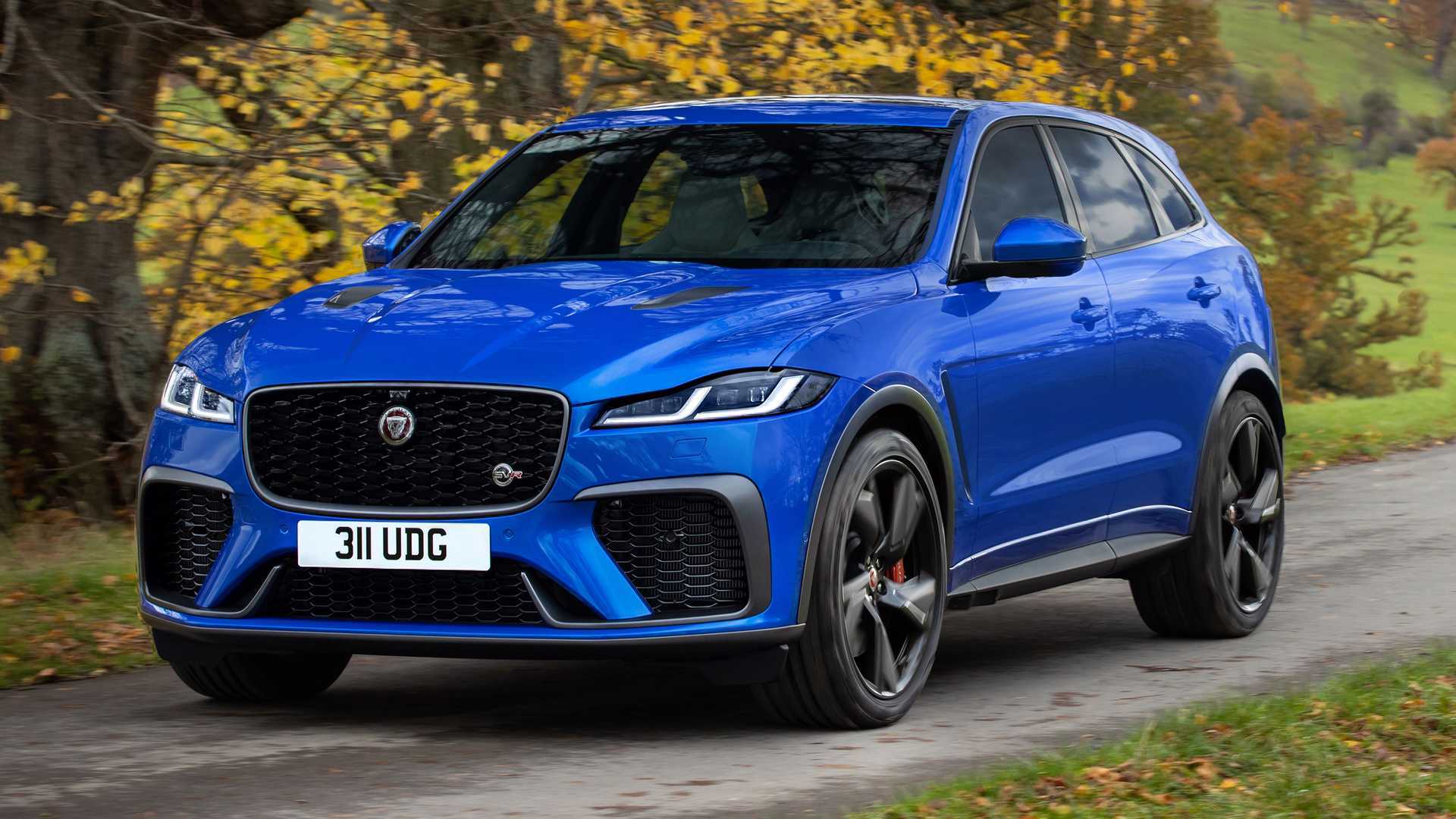
6. Jaguar F‑PACE
The Jaguar F‑PACE is the brand’s entry into the luxury SUV market, offering a stylish exterior and sporty handling. Despite its appeal, the F‑PACE has experienced reliability problems that affect both older and newer models.
Engine components, particularly turbocharged units, have shown tendencies for oil leaks and coolant issues. Timing chain and gasket failures were reported in higher mileage vehicles, sometimes causing costly engine repairs.
Electrical systems are another weak point for the F‑PACE, with issues ranging from inoperative infotainment screens to malfunctioning sensors. Owners have reported dashboard warning lights appearing unexpectedly, often signaling problems that are expensive to diagnose. Features such as electronic seat adjustments, climate control, and lighting systems have been prone to failure. Frequent software updates do not always resolve these recurring faults, leaving owners frustrated.
Suspension and steering systems have also shown vulnerabilities. Air suspension models can develop leaks, causing uneven ride height or noisy operation.
Control arms and bushings may wear faster than expected, contributing to handling issues. Even minor impacts or rough roads can exacerbate these weaknesses, leading to unexpected repair bills. Tires and wheels often suffer uneven wear due to these suspension inconsistencies.
Fuel and braking systems have presented additional challenges. Fuel pumps and injectors in some F‑PACE models fail prematurely, resulting in engine hesitation or stalling. Brake rotors and pads experience accelerated wear, especially on performance trims.
Combined with steering and suspension issues, these failures impact the driving experience. Owners have noted that routine maintenance alone does not always prevent these problems from arising.
Despite these concerns, the F‑PACE retains a strong following due to its driving dynamics and luxurious interior. However, reliability remains a significant consideration when purchasing a used model. Potential buyers are advised to check service records, inspect suspension and electrical systems, and be prepared for higher-than-average maintenance costs. For those seeking long-term dependability, the F‑PACE can be a high-risk investment among luxury SUVs.
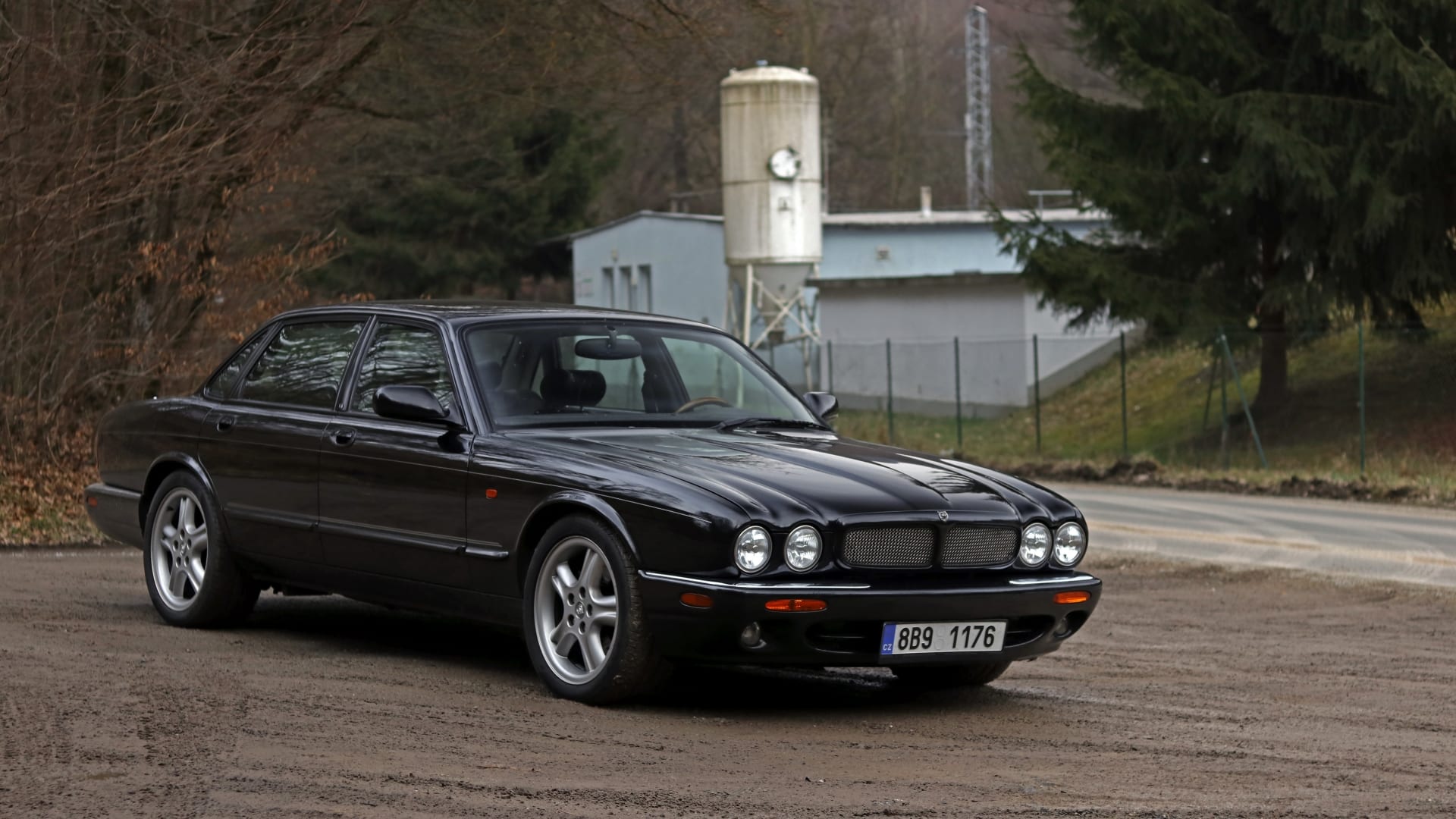
7. Jaguar XJ (XJ40)
The XJ40 series represents a classic Jaguar sedan that delivered elegance and comfort but suffered from numerous mechanical flaws. Engine oil leaks were common, particularly from the V12 and V8 variants. Timing chain and gasket failures were reported, leading to costly repairs if left unaddressed. Cooling systems were prone to radiator and water pump problems, contributing to overheating issues on high-mileage vehicles.
Electrical components were frequently unreliable. Power windows, central locking, and dashboard instruments often malfunctioned. Fuse box issues caused intermittent failures across multiple systems, making repairs complicated. The lighting system, including headlamps and interior lighting, sometimes failed due to poor wiring connections. Diagnosing these problems required specialized knowledge, increasing labor costs.
The suspension and steering systems were another area of concern. Bushings, ball joints, and shock absorbers wore faster than expected, leading to a harsh ride and uneven tire wear. Power steering systems occasionally developed leaks, affecting handling and driver confidence. Owners noted that suspension components needed frequent inspections and replacements to maintain safe driving conditions.
Braking systems also showed inconsistencies. Rotors and calipers on the XJ40 could corrode, especially in humid climates, leading to reduced braking performance. Brake lines and hoses required attention more frequently than comparable vehicles. Even when replaced, some components failed again due to design weaknesses or corrosion-prone materials. Regular checks were essential to ensure safety.
The XJ40’s combination of electrical, engine, and suspension vulnerabilities contributed to its poor reliability reputation. While the sedan remains admired for its classic design and luxurious ride, ownership required vigilance and a substantial maintenance budget. Prospective buyers of used XJ40 models needed to carefully evaluate service history and anticipate frequent repairs to avoid unexpected costs.
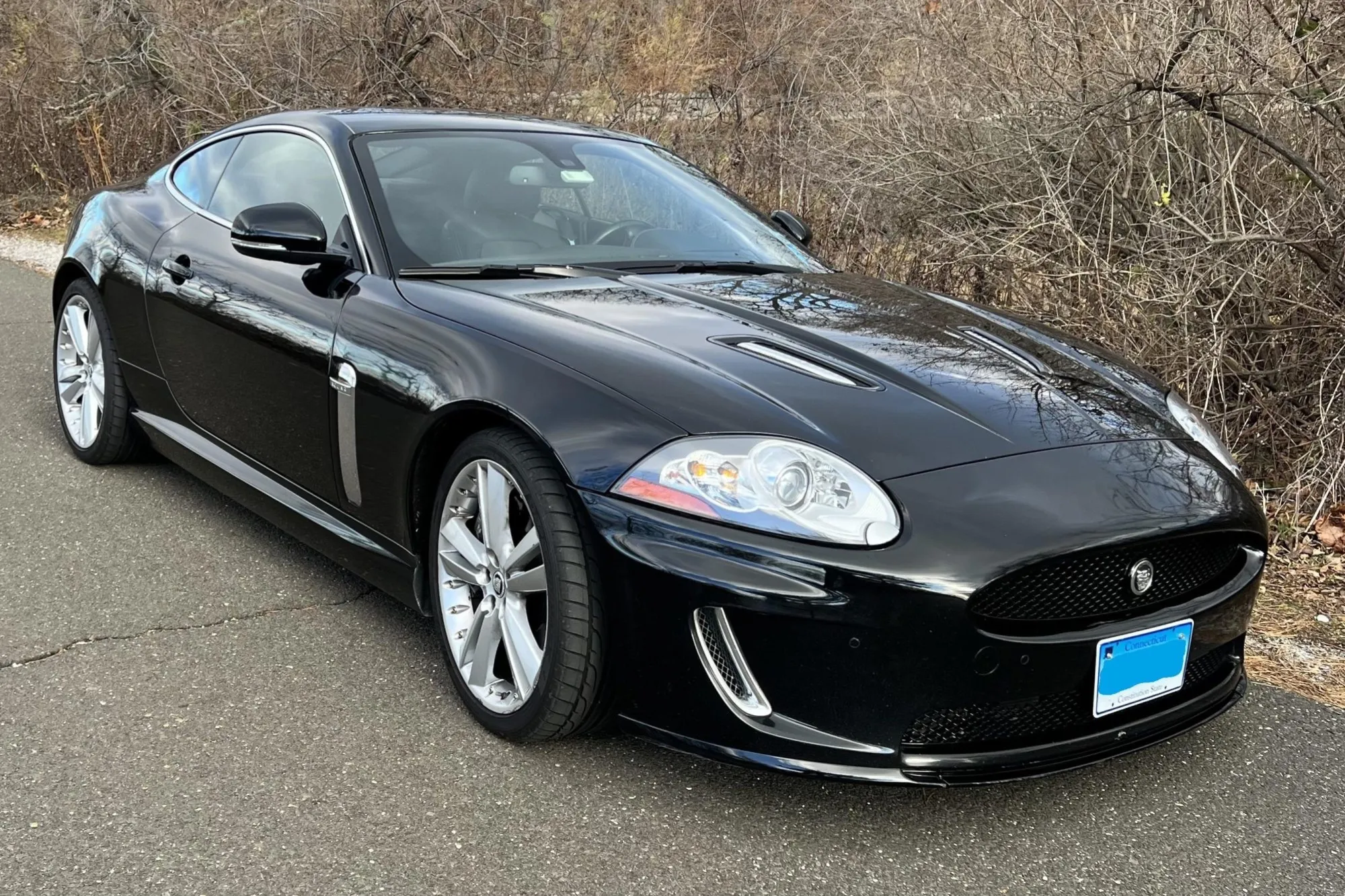
8. Jaguar S‑Type Diesel
The S‑Type Diesel offered Jaguar a more fuel-efficient option, yet this model suffered from specific mechanical problems related to its engine and drivetrain. Diesel engines often developed injector and fuel pump failures, leading to rough idling and performance issues.
Turbochargers in some units failed prematurely, requiring expensive replacements. Timing belt and chain problems were also common in higher-mileage vehicles.
Electrical failures were frequent on the S‑Type Diesel, particularly in the dashboard and infotainment systems. Warning lights often appeared without clear explanation, causing confusion for owners. Climate control units, window regulators, and seat adjustments also suffered early wear. Software and sensor failures contributed to persistent drivability concerns.
Suspension and steering issues were reported by many owners. The front and rear suspension systems could develop worn bushings or leaking shock absorbers. Steering racks occasionally needed replacement, affecting handling precision. Air suspension systems, if equipped, were prone to leaks and uneven ride height, requiring specialized repairs.
Fuel and braking system problems added to the maintenance burden. Diesel fuel pumps failed unexpectedly, causing starting problems or stalling. Brake components, including rotors and calipers, wore faster than expected. Owners needed to budget for frequent servicing to maintain safe and reliable operation. Fuel economy, while generally good, was sometimes affected by malfunctioning sensors or injectors.
Despite these challenges, the S‑Type Diesel retained appeal for its smooth ride and low-end torque. However, its reliability issues made it a challenging choice for used buyers. Careful inspection, review of service records, and understanding common diesel-specific failures were critical to avoid expensive repairs. The combination of mechanical and electrical vulnerabilities contributed to its place among Jaguars with poor reliability records.
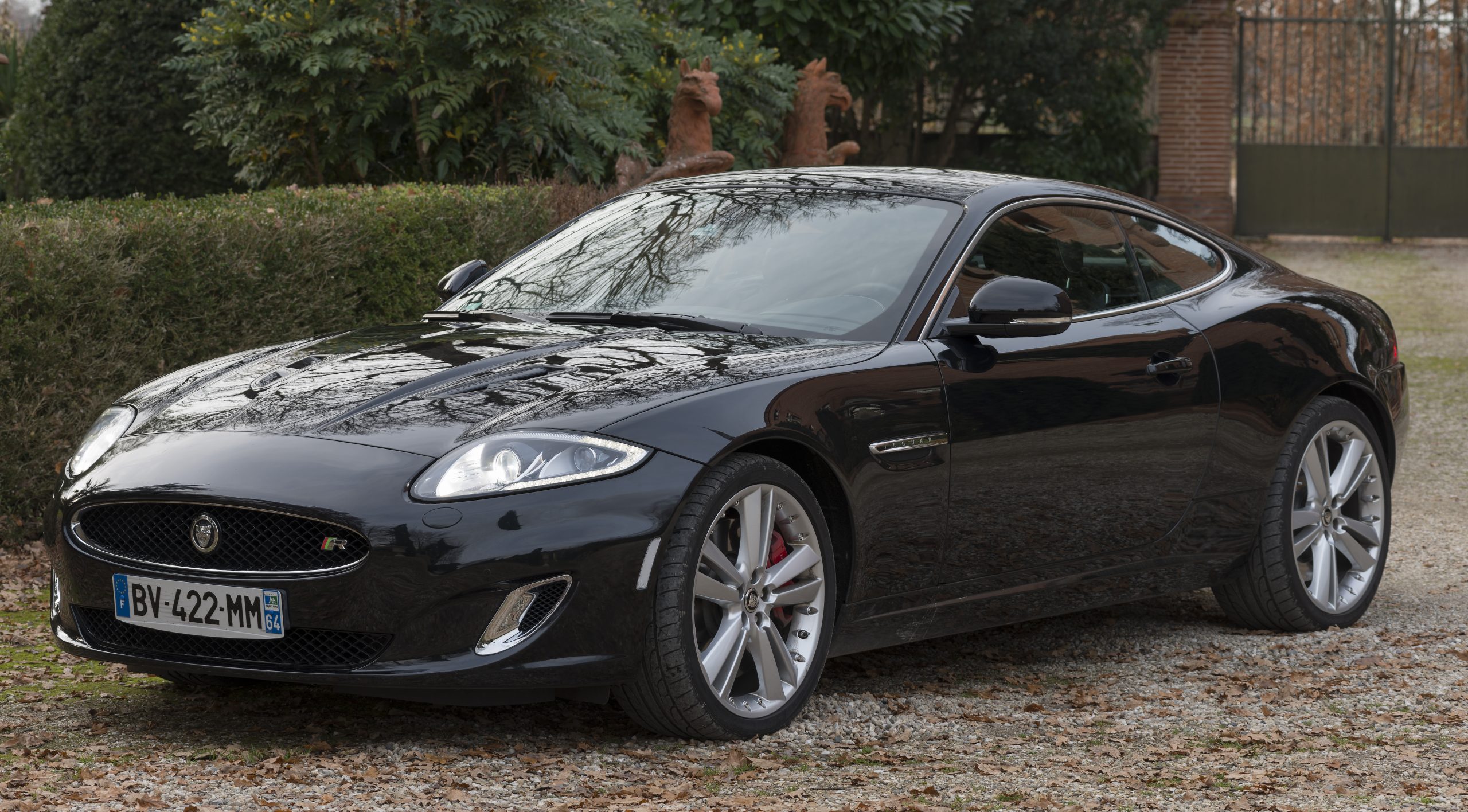
9. Jaguar XKR
The Jaguar XKR was a high-performance variant of the XK series, offering powerful engines and sporty handling. However, the performance focus often came at the expense of reliability. Engine oil leaks were frequent, particularly on the supercharged V8 models. Timing chain and pulley failures created risks of catastrophic engine damage if neglected. Cooling systems, including radiators and water pumps, often required replacement at relatively low mileage.
Electrical issues were a persistent problem in the XKR. Infotainment systems, dashboard displays, and power seat adjustments frequently malfunctioned. Warning lights often appeared without clear cause, adding frustration for owners. Convertible models also experienced problems with the soft top mechanism, which was expensive to repair when failures occurred.
The suspension and braking systems were prone to wear due to performance tuning. Shock absorbers, bushings, and control arms often required early replacement. Brakes, while designed for high-performance driving, exhibited rapid wear on rotors and pads. Steering components sometimes developed play, affecting handling precision and safety.
Fuel system components were also a source of reliability concern. Fuel pumps and injectors occasionally failed, reducing engine performance and drivability. Turbocharged or supercharged variants required careful maintenance to avoid expensive mechanical failures. Oil consumption could be high, requiring regular monitoring to prevent engine damage.
Despite these reliability challenges, the XKR offered a thrilling driving experience with acceleration and cornering capabilities that many sports car enthusiasts valued. Ownership, however, demanded attention, frequent maintenance, and a willingness to address recurring issues. High repair costs and complex mechanical systems made the XKR a model with one of the more challenging reliability profiles among used Jaguars.

10. Jaguar XF Sportbrake
The Jaguar XF Sportbrake combined practicality with luxury, offering a station wagon design that appealed to a niche audience. While versatile and stylish, the model was susceptible to mechanical and electrical issues. Engine problems included oil leaks, timing chain wear, and turbocharger failures in high-mileage examples. Cooling system failures, particularly water pump and radiator issues, were common across several model years.
Electrical systems were frequently unreliable. Infotainment units, dashboard warning lights, and electronic seats often malfunctioned. Sensor failures contributed to drivability concerns and reduced reliability. Central locking and window regulators sometimes failed, requiring specialized service to correct.
Suspension and steering components exhibited early wear, especially in air-sprung variants. Shock absorbers, bushings, and control arms needed frequent replacement to maintain proper handling. Steering racks occasionally developed leaks, which affected precision and comfort. Uneven tire wear was often linked to these suspension problems.
Fuel and braking systems also required attention. Fuel pumps and injectors sometimes failed unexpectedly, reducing engine efficiency. Brake components, including rotors and pads, wore faster than typical vehicles in similar classes. Owners frequently needed preventative maintenance to keep the Sportbrake functioning reliably.
The XF Sportbrake’s combination of luxury, performance, and practicality was compromised by its maintenance requirements. While it provided comfort and style, reliability concerns made it a less ideal choice for buyers seeking a used Jaguar with minimal problems.
Careful inspection and a thorough review of service history were essential to avoid costly repairs. The Sportbrake’s mechanical and electrical vulnerabilities earned it a place among the least reliable used Jaguar models.
