
Choosing an SUV on a budget often seems straightforward, but many buyers quickly discover that affordability can come with hidden costs. While inexpensive SUVs promise value and practicality, the reality of ownership often reveals compromises that frustrate drivers.
Reliability, maintenance costs, fuel efficiency, and interior quality can vary widely, even among vehicles within the same price range. Buyers frequently report issues that impact day-to-day convenience, from mechanical malfunctions to unexpected expenses that negate the initial savings.
Understanding why some inexpensive SUVs leave owners with regrets is essential for anyone considering a practical yet budget-conscious purchase. These vehicles, while accessible, may fail to deliver on expectations for comfort, performance, or longevity, and knowing the common pitfalls can prevent frustration.
Owners often share experiences regarding frequent repairs, subpar technology, or dissatisfaction with vehicle performance. For families or daily commuters, these problems are not just inconveniences but recurring challenges that affect safety and lifestyle.
Budget-friendly options should not come at the expense of peace of mind, yet this is a frequent reality. By analyzing which models generate the most complaints, prospective buyers can make informed decisions and avoid costly mistakes. Each SUV on this list has been selected based on owner feedback, reported issues, and patterns of dissatisfaction that persist across multiple model years.
These insights offer a clear picture of what to expect when purchasing an inexpensive SUV. While affordability remains a key factor, long-term satisfaction depends on understanding the limitations and potential drawbacks of each vehicle. This article highlights ten popular inexpensive SUVs that have prompted the most owner regrets, providing context for each model.
By examining common complaints, mechanical concerns, and ownership challenges, readers can navigate the market with greater confidence. The following sections detail each SUV, outlining specific reasons why owners wish they had chosen differently.
Knowledge of these issues can prevent buyers from facing unexpected repairs or compromises in comfort and performance. The goal is to help prospective SUV owners make choices that balance affordability with reliability, convenience, and satisfaction.

1. Jeep Compass
The Jeep Compass is often praised for its rugged design and off-road styling, yet many owners report consistent mechanical problems. Transmission issues are among the most frequently cited concerns, causing jerky shifts and delayed acceleration.
The interior, while visually appealing, lacks the durability expected in a daily-use SUV. Electrical components, including infotainment systems and sensors, often fail prematurely. Fuel efficiency is another common complaint, leaving drivers paying more than anticipated for regular commutes.
Suspension problems are also frequently reported, resulting in a bumpy ride even on well-maintained roads. Owners note that noise levels inside the cabin are higher than those of comparable models.
Some buyers experience recurring leaks and weather stripping failures. Maintenance costs accumulate quickly, diminishing the appeal of its initial affordability. Warranty coverage helps but does not entirely offset the inconvenience of frequent repairs.
Another source of frustration is inconsistent build quality across model years. Certain batches show more defects than others, leading to unpredictable ownership experiences. Owners emphasize that cosmetic features sometimes overshadow functional reliability. The Compass may attract buyers with its design, but long-term satisfaction often suffers. For those seeking a dependable SUV, these recurring issues serve as cautionary indicators.
Technology integration is another point of concern. Infotainment screens may freeze or fail to connect reliably to smartphones. Backup cameras and sensors occasionally malfunction, creating potential safety hazards.
Software updates are not always readily available, leaving owners frustrated with outdated systems. These tech failures compound other maintenance challenges. Owners often recommend patience and extensive research before purchasing.
Despite its off-road capability, the Compass struggles with consistency in performance. Handling on highways and wet conditions can feel uncertain. Tire wear occurs more rapidly than expected, and braking systems may require earlier attention. Some owners report hesitancy when merging onto busy roads due to transmission lag. These issues contribute to dissatisfaction, even among enthusiasts drawn to Jeep’s adventurous image.
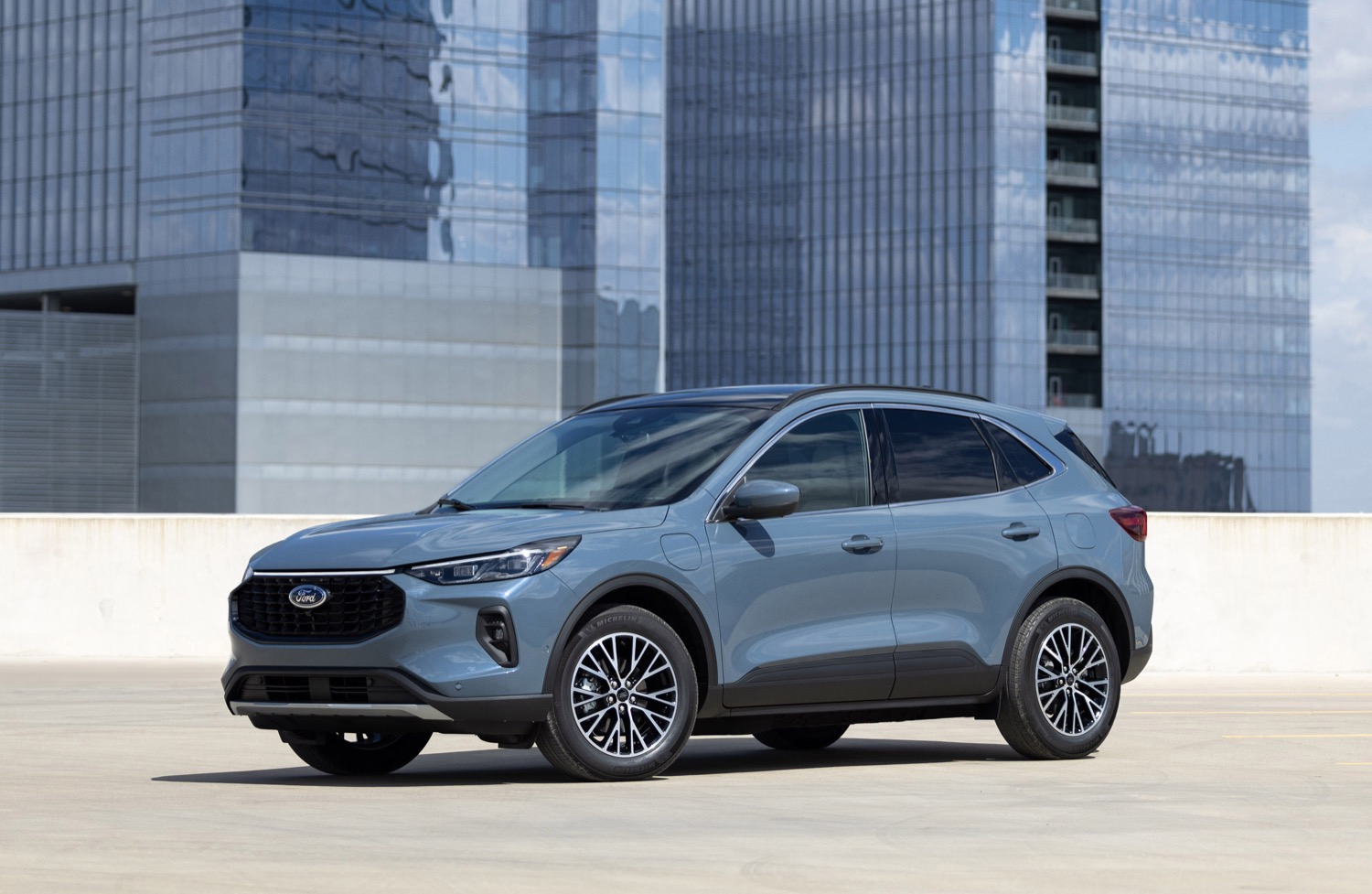
2. Ford Escape
The Ford Escape is a compact SUV that appeals to budget-conscious buyers but has a history of reliability concerns. Owners frequently mention engine issues, particularly with turbocharged variants. Engine stalling and rough idling are reported across multiple model years. Interior components, such as door handles and trim, often degrade faster than expected. These cosmetic problems, while minor, affect the perception of quality.
Transmission complaints are another common theme, with some owners experiencing sudden jerks during acceleration. Repairs can be costly and frequent, undermining the Escape’s value proposition. Suspension components sometimes wear prematurely, causing uneven tire wear and bumpy rides. Noise insulation is minimal, contributing to a louder cabin experience. For families or commuters, these factors can reduce comfort significantly.
Fuel efficiency does not always meet expectations, particularly in older models. Owners have reported that mileage declines over time, especially with high-mileage vehicles. Electrical system malfunctions, including failing sensors and dashboard warnings, are widely noted. Repairs to electronics are often time-consuming and expensive. These challenges often overshadow the Escape’s appealing styling and modern features.
Some owners have expressed frustration with interior ergonomics. Seating can feel cramped for taller passengers, and cargo space is limited compared to competitors. Visibility issues are also mentioned, especially with rear windows and blind spots. These factors make daily driving less convenient. Safety features, while present, may not function as reliably as intended in some models.
Long-term reliability is a significant concern for many Escape owners. Recurring maintenance problems can erode the initial affordability of the SUV. Dealer service experiences are inconsistent, adding another layer of stress. Owners frequently recommend thoroughly researching model years and avoiding certain engine or transmission variants. These steps can reduce the likelihood of regret but cannot eliminate all potential problems.
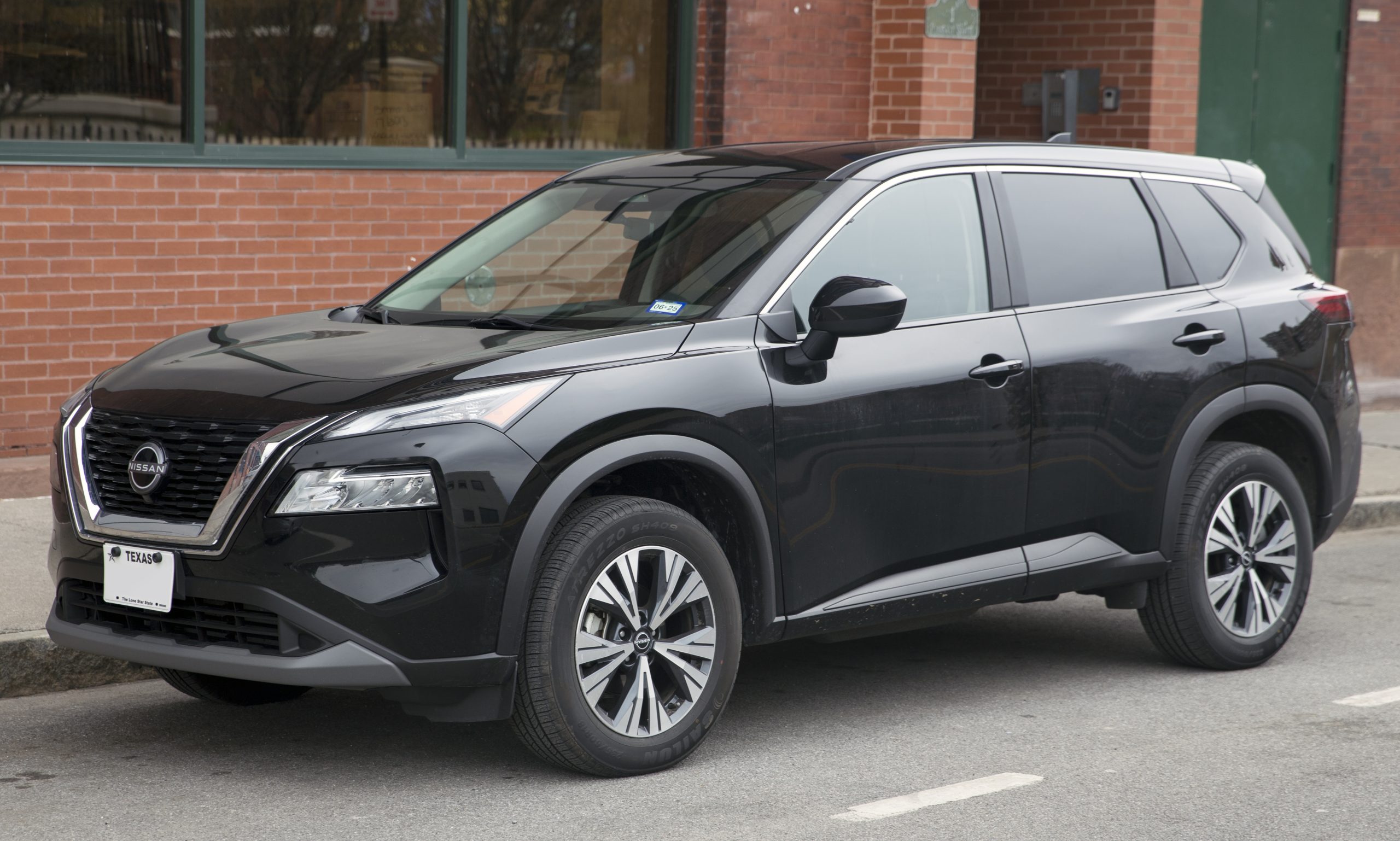
3. Nissan Rogue
The Nissan Rogue is popular for its low starting price and attractive design, yet it has shortcomings. Owners often report CVT transmission issues, resulting in delayed acceleration or unusual noises. Some drivers experience early brake wear and suspension problems. Interior materials may show signs of wear quickly, particularly on high-contact surfaces. These concerns detract from the ownership experience.
Electrical malfunctions are another recurring problem, affecting infotainment systems, power windows, and warning lights. Owners note that software updates do not always resolve these issues. Fuel economy claims sometimes fall short under real-world driving conditions. Combined with repair costs, this diminishes the vehicle’s perceived value. Nissan’s warranty may cover some repairs, but persistent issues frustrate owners.
Cabin noise is frequently mentioned as a negative aspect. Wind and road sounds intrude into the passenger space, reducing comfort on longer drives. Seating ergonomics are inconsistent, with some drivers finding the seats uncomfortable for extended periods. Cargo space, while adequate, does not always meet family needs. Buyers hoping for a quiet, spacious ride may feel disappointed.
Reliability ratings for certain Rogue model years are below average compared to competitors. Owners often warn potential buyers to scrutinize specific production years for known defects. Brake system and suspension concerns are recurring topics in owner reviews. Timely maintenance can help, but it does not fully prevent unexpected failures. These factors contribute to the vehicle’s reputation for generating regret.
Despite its aesthetic appeal and smooth styling, the Rogue’s practical shortcomings impact ownership satisfaction. Buyers may be attracted to features and design without realizing the ongoing maintenance needs. Owners suggest that the initial savings may be offset by long-term repair costs. This makes careful evaluation critical before purchase. Understanding these challenges helps potential buyers set realistic expectations for ownership.
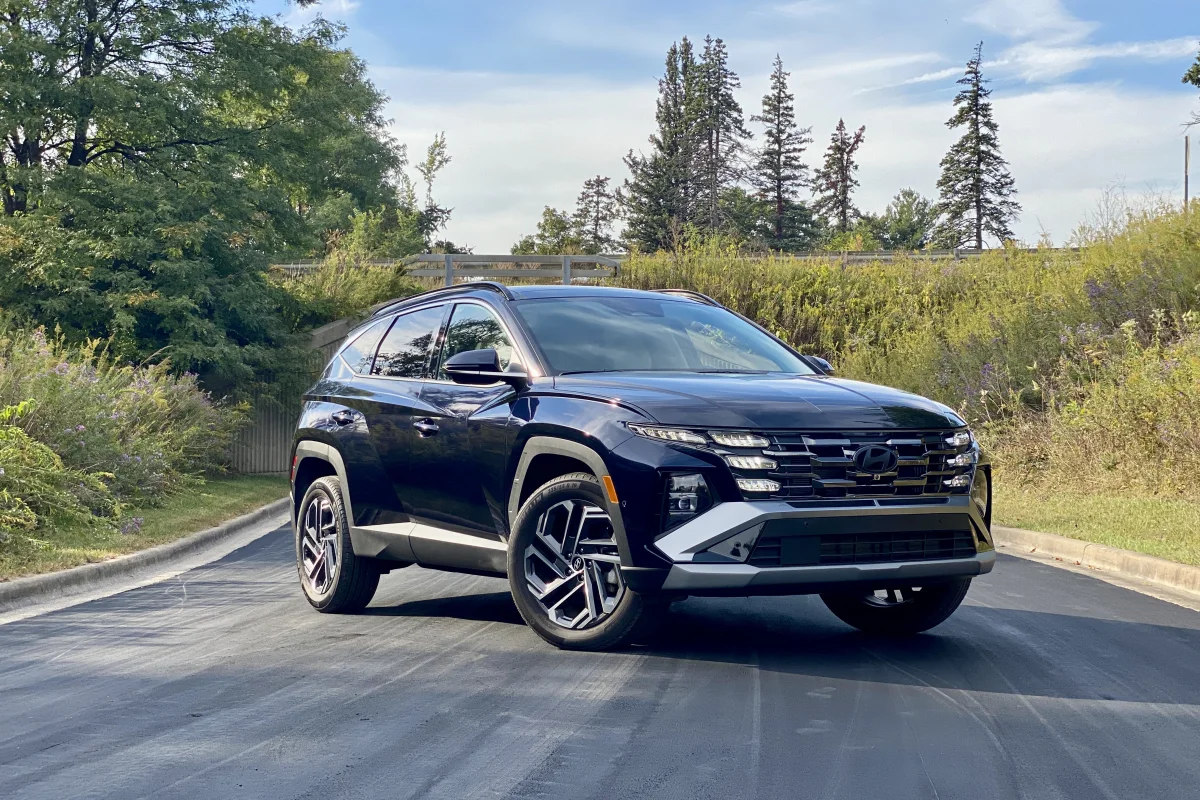
4. Hyundai Tucson
The Hyundai Tucson offers attractive styling and a low price point, yet it presents issues that frustrate some owners. Engine performance is generally adequate but can feel underpowered, especially when fully loaded. Turbocharged versions may experience overheating or early engine wear. Transmission concerns, while less common, still appear in certain model years. These mechanical factors affect driving confidence.
Interior quality can be inconsistent, with plastics that scratch or warp over time. Seat cushioning may degrade faster than expected, reducing long-term comfort. Infotainment systems occasionally freeze or lose connectivity. These technological issues are cited frequently in owner reviews. Combined with minor electrical failures, Tucson’s cabin reliability may disappoint.
Suspension and steering responsiveness are sometimes criticized, particularly on older models. Road vibrations transmit into the cabin, contributing to a less refined driving experience. Noise levels, particularly at highway speeds, can feel excessive. Owners looking for a quiet, smooth ride may find the Tucson lacking. Regular maintenance is important, but cannot entirely prevent these shortcomings.
Fuel economy, while generally competitive, may not match expectations in real-world driving. City driving and heavy loads can reduce mileage significantly. Brake and tire wear are also concerns, requiring early replacement in some cases. These factors increase ownership costs beyond initial projections. Prospective buyers should consider whether these trade-offs align with their priorities.
Some owners also note inconsistencies in reliability across production years. While newer models show improvements, older units may be more prone to issues. Electrical glitches, engine alerts, and minor mechanical failures are more common in these earlier vehicles. Buyers should research specific model years carefully. Awareness of potential pitfalls can prevent regret and costly surprises.
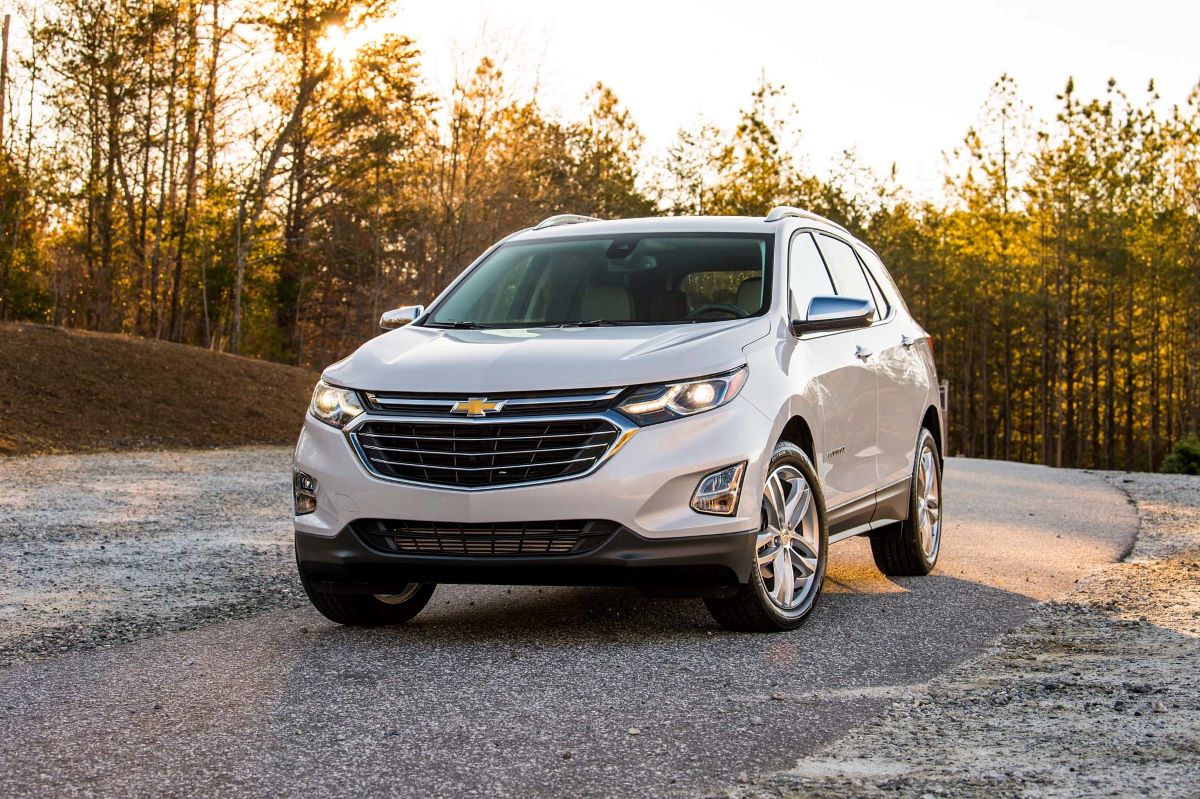
5. Chevrolet Equinox
The Chevrolet Equinox is a budget-friendly SUV that attracts many buyers but has its share of complaints. Engine reliability is a frequent concern, especially with the turbocharged 1.5L and 2.0L engines. Some owners report misfires and stalling at low speeds. Transmission issues, particularly rough shifts, appear across multiple model years. These mechanical challenges can increase repair frequency and cost.
Suspension and steering problems are another source of frustration. Uneven tire wear, vibrations, and a slightly harsh ride are commonly reported. Cabin noise often penetrates the interior, making long drives less comfortable. Some owners feel that road handling is unpredictable in certain weather conditions. These concerns reduce driving satisfaction for daily commuting.
Interior quality can also disappoint, especially with lower trims. Plastics scratch easily, and upholstery may wear faster than expected. Infotainment systems occasionally freeze or fail to recognize connected devices. Power windows and locks may malfunction after a few years of use. These issues can diminish the SUV’s perceived value over time.
Fuel efficiency does not always meet advertised ratings, particularly in real-world driving. Owners note that heavier cargo or frequent city driving reduces mileage significantly. Brake wear can be faster than anticipated, adding to maintenance costs. Combined, these factors sometimes erode the Equinox’s affordability advantage.
Long-term reliability is a key consideration for buyers. Equinox owners frequently share warnings about recurring engine and transmission issues. Dealership service experiences vary widely, making repair timelines unpredictable. Buyers hoping for a low-maintenance SUV may experience disappointment. Researching specific model years and reading owner reviews is critical before purchase.
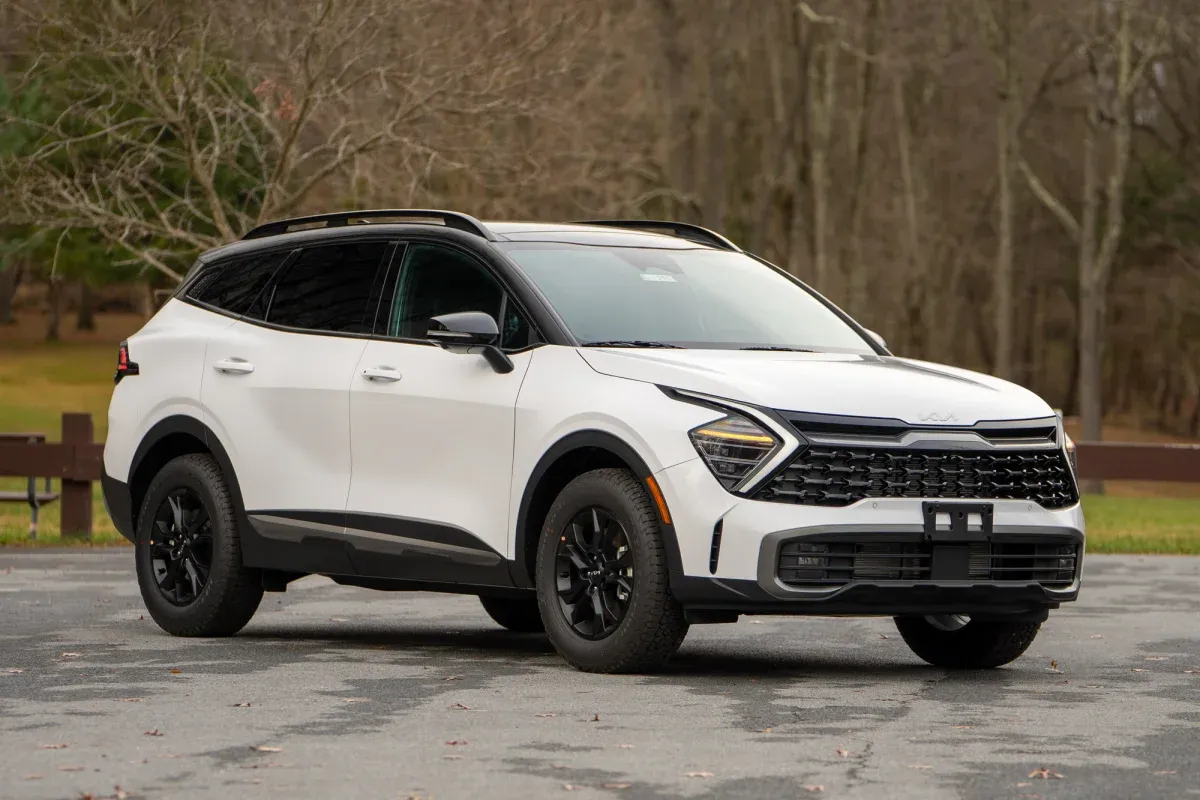
6. Kia Sportage
The Kia Sportage is a compact SUV with modern styling but some persistent drawbacks. Engine performance can feel sluggish in certain trims, especially when carrying passengers or cargo. Turbocharged engines occasionally exhibit overheating or premature wear. Transmission complaints, while less frequent, have been reported in multiple model years. These mechanical issues contribute to ownership stress.
Suspension components may degrade more quickly than expected, leading to uneven tire wear and a stiff ride. Steering responsiveness can feel inconsistent, particularly on highway curves. Owners also report excessive cabin noise, especially at higher speeds. Comfort and handling may not meet expectations for frequent drivers or families.
Electrical and infotainment systems are another frequent source of regret. Screen freezes, Bluetooth connectivity problems, and software glitches occur in some model years. Power windows, locks, and sensors may fail intermittently. These small but persistent issues affect convenience and user satisfaction. Buyers may find the technology frustrating over time.
Interior durability can be uneven, with plastics and upholstery showing signs of wear prematurely. Lower trim models may feel cramped for taller passengers. Cargo space is adequate but may not fully accommodate family needs or weekend trips. Owners often mention that the cabin feels less premium than the exterior styling suggests.
Fuel economy, while advertised as efficient, may not meet expectations in real-world driving. City driving and aggressive acceleration can reduce mileage noticeably. Owners often report increased costs from early brake or tire replacement. For those prioritizing low maintenance and efficiency, the Sportage may present unexpected challenges.
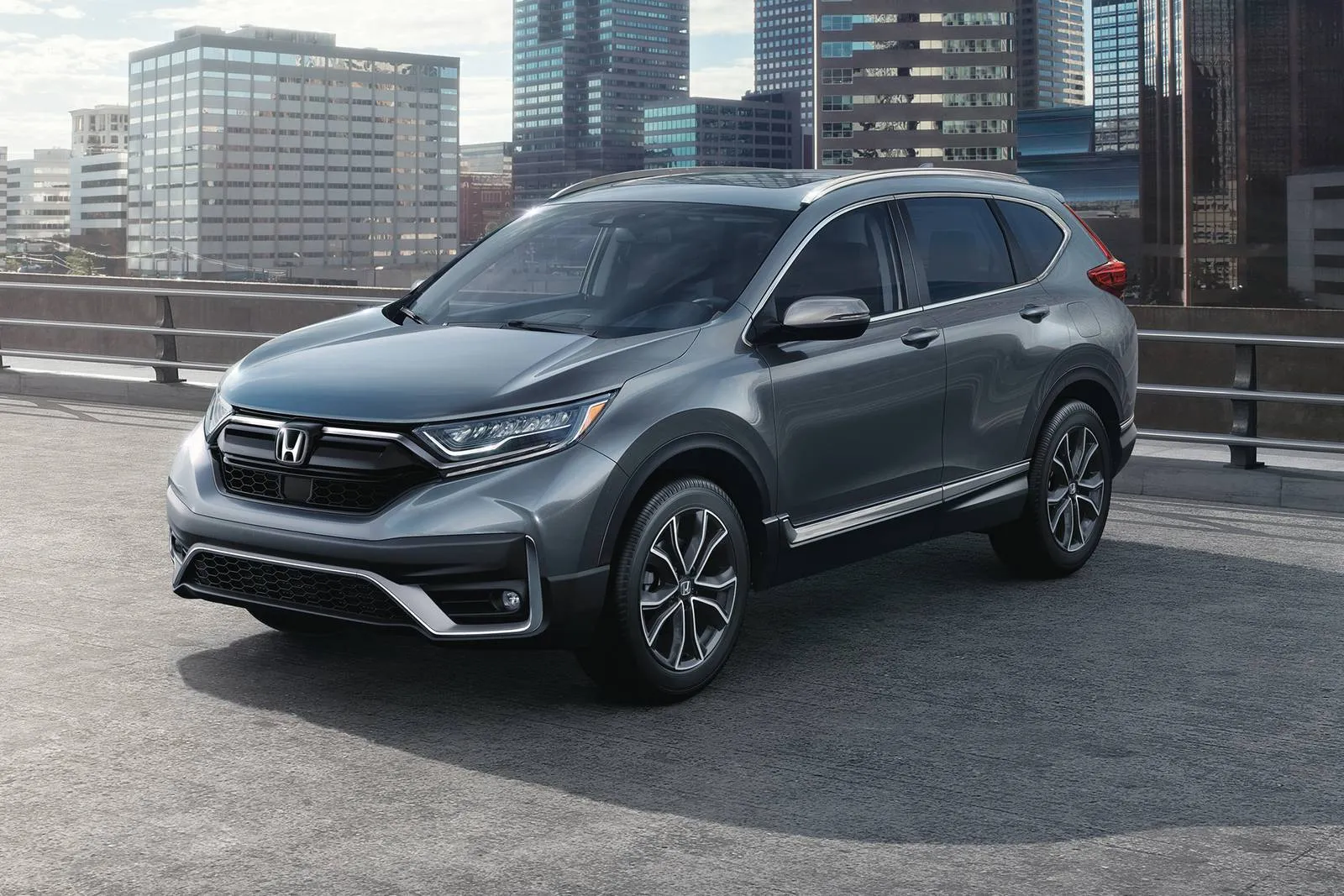
7. Honda CR-V
The Honda CR-V is widely recognized for its practicality, but some inexpensive variants have drawbacks that frustrate owners. Transmission issues, particularly with early CVT models, are often cited. Jerky acceleration and unusual noises reduce driving confidence. Engine performance is generally reliable but can feel underpowered under heavy loads. These mechanical concerns affect long-term satisfaction.
Suspension complaints are also common, with some owners experiencing uneven tire wear and bouncy rides. Cabin noise is noticeable, particularly at highway speeds. Road vibrations can make longer trips less comfortable. These factors may surprise buyers expecting a quiet, smooth driving experience.
Technology can be inconsistent, with infotainment systems occasionally freezing or failing to connect to devices. Navigation and voice commands may not function reliably in some model years. Electrical glitches can also impact sensors, cameras, and climate controls. While the CR-V has strong safety ratings, malfunctioning technology can reduce confidence.
Interior quality is generally good, but some plastics and trims can show wear earlier than expected. Seat comfort varies depending on trim and model year. Cargo space is adequate but may feel limited for larger families or extended travel. Owners note that minor quality issues can accumulate over time, affecting satisfaction.
Fuel efficiency is a strong point, yet real-world driving sometimes falls short of EPA estimates. City driving and frequent stop-and-go traffic may reduce expected mileage. Owners recommend regular maintenance to prevent minor mechanical problems from becoming larger issues. The CR-V offers utility but requires awareness of potential drawbacks.
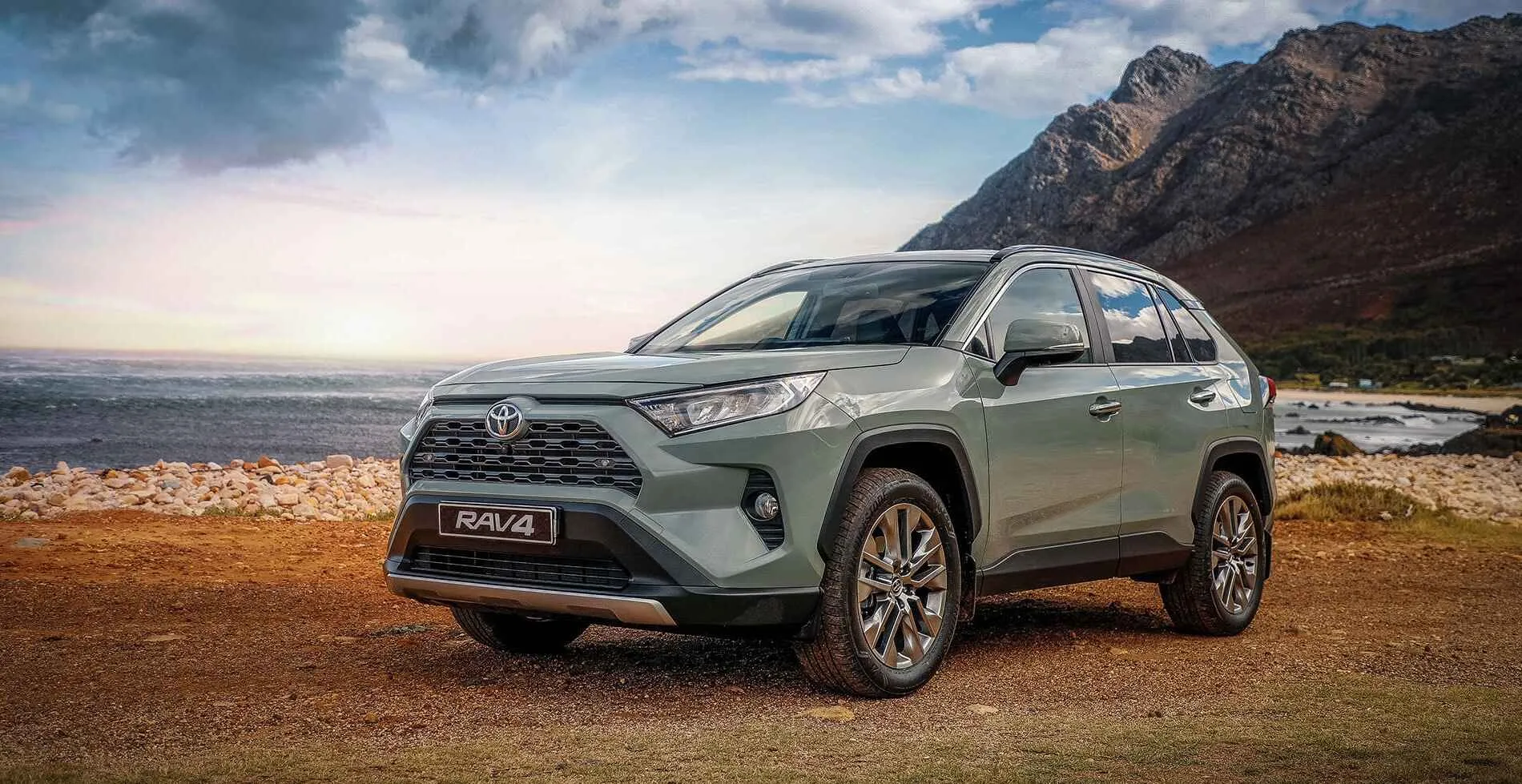
8. Toyota RAV4
The Toyota RAV4 is a highly popular SUV, but even it is not free from ownership challenges. Owners report transmission hesitation in some model years, particularly with older automatic versions. Engine performance is generally solid but may feel underpowered when fully loaded. Suspension issues, while less common, have been reported in earlier trims. These concerns can affect long-term driving comfort.
Cabin noise is a frequent complaint, with road and wind sounds penetrating at highway speeds. Tire and brake wear may occur faster than expected, especially under city driving conditions. While the RAV4 is reliable, these smaller annoyances can reduce ownership satisfaction. Some owners feel the ride quality is less refined compared to competitors.
Infotainment and electronics may present issues, such as screen freezes, Bluetooth connection failures, and occasional sensor malfunctions. Power accessories like windows and locks sometimes fail intermittently. While Toyota’s reputation for durability is strong, technology-related frustrations are common among owners.
Interior durability is generally good, yet some trim pieces and seat fabrics wear faster than anticipated. Cargo space is adequate, but taller passengers may find rear seating cramped. Noise insulation varies between model years, influencing comfort during extended drives. Minor cosmetic issues accumulate over time and contribute to dissatisfaction.
Fuel efficiency is generally consistent with manufacturer claims, but aggressive driving or heavier loads can reduce mileage. Maintenance costs, while reasonable, can increase if unexpected repairs arise. Owners considering a RAV4 are encouraged to research specific model years carefully to avoid common pitfalls.
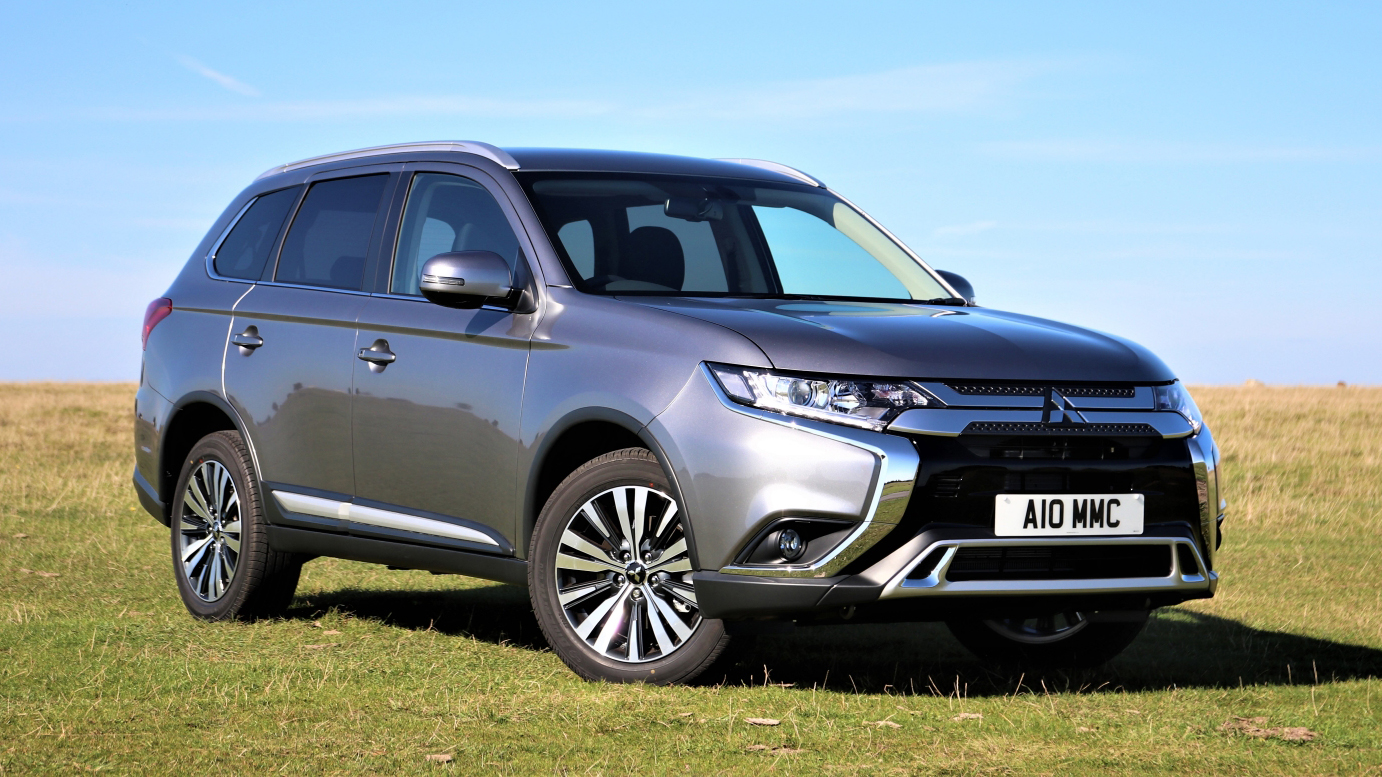
9. Mitsubishi Outlander
The Mitsubishi Outlander is an affordable SUV that often falls short of owner expectations. Engine performance can feel sluggish, especially with higher passenger loads. Turbocharged variants occasionally exhibit overheating or early wear. Transmission issues have been reported, including jerky shifts and delayed acceleration. These mechanical challenges affect daily usability and long-term satisfaction.
Suspension problems are common, resulting in uneven tire wear and a less comfortable ride. Owners note road noise and vibrations inside the cabin. Steering may feel inconsistent at higher speeds, reducing confidence during long trips. These factors combine to diminish driving enjoyment.
Electrical systems are another recurring source of frustration. Infotainment glitches, sensor malfunctions, and connectivity failures appear in multiple model years. Power windows, locks, and lighting sometimes fail prematurely. These issues reduce convenience and can lead to additional repair costs over time.
Interior quality is inconsistent, with some plastics and upholstery degrading quickly. Seating comfort varies depending on trim, and cargo space can feel limited for larger families. Minor cosmetic flaws may accumulate, impacting perceived value. Owners frequently mention that the interior does not match the exterior styling or price point.
Fuel efficiency often falls short of expectations, particularly under real-world driving conditions. City driving and heavier loads can significantly reduce mileage. Brake and tire replacement occur more frequently than advertised. Buyers hoping for a low-maintenance SUV may experience frustration.
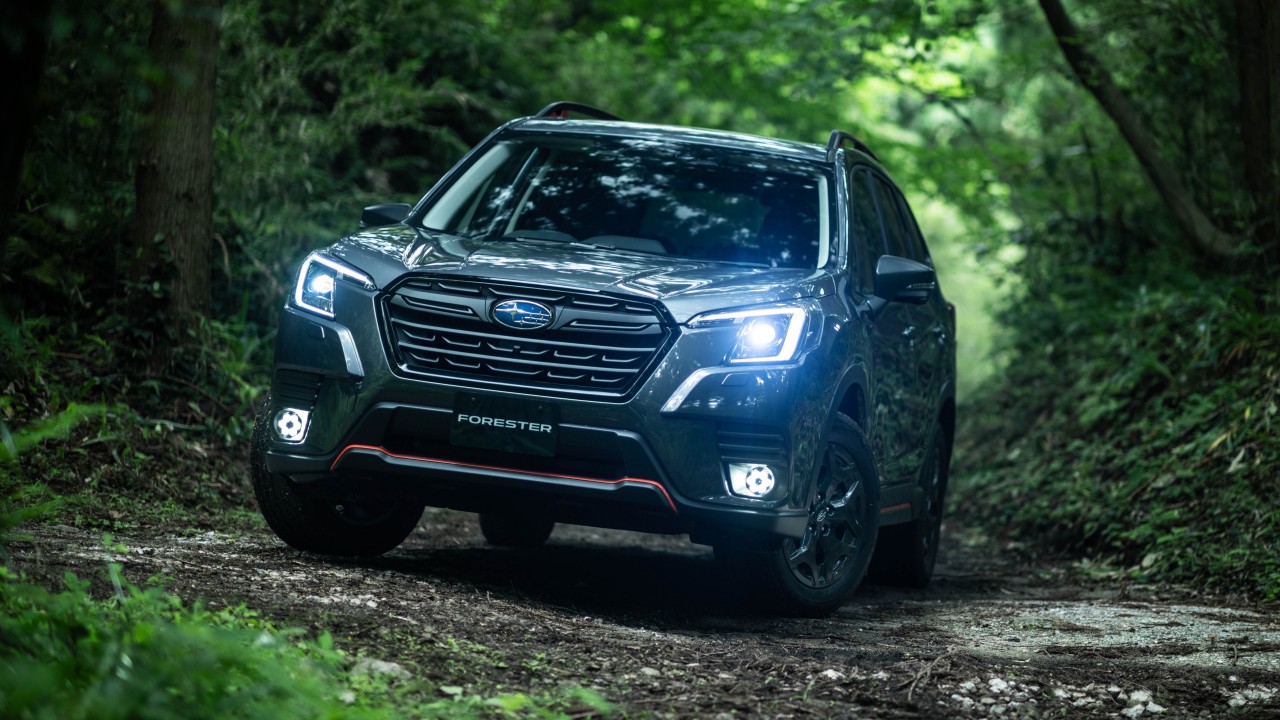
10. Subaru Forester
The Subaru Forester is admired for all-wheel drive and utility, yet some inexpensive models cause owner regret. Engine oil consumption is a common concern, especially in certain older model years. Transmission problems occasionally appear, affecting smooth acceleration. While reliable, some mechanical quirks can lead to increased maintenance needs.
Suspension components may wear faster than expected, leading to uneven tire wear and road vibrations. Noise insulation is sometimes inadequate, allowing wind and tire sounds to penetrate the cabin. Handling may feel less precise than expected in tight driving conditions. These factors can diminish comfort for daily commuters.
Technology-related issues are frequently cited, including freezing infotainment screens and connectivity failures. Sensors and cameras may occasionally malfunction, impacting safety features. Electrical glitches can add unexpected costs and stress. Buyers often find the technology less reliable than competitors in the same price range.
Interior quality is generally good, but plastics, trims, and upholstery may show wear over time. Seat comfort varies across trims and model years. Cargo space is sufficient, yet taller passengers may feel cramped in the rear seats. Minor interior flaws can accumulate and impact long-term satisfaction.
Fuel efficiency is reasonable but can vary depending on driving conditions and load. City driving, heavy cargo, and aggressive acceleration reduce expected mileage. Brake and tire wear may occur sooner than anticipated. Prospective buyers are advised to consider these factors when evaluating affordability.
