
As we age, our needs behind the wheel change in ways that often go unnoticed until we find ourselves struggling with a vehicle that no longer suits our lifestyle. Seniors require cars that are not only reliable but also comfortable, safe, and easy to operate.
Factors like seat height, ease of entry and exit, visibility, and simple control layouts can make a huge difference in daily driving experiences. For many older adults, a car is not just a mode of transportation; it is a companion that offers independence, confidence, and peace of mind. Choosing the right car can help seniors maintain mobility without sacrificing safety or comfort.
Modern vehicles offer a wide range of features that cater specifically to these needs. High seating positions and larger door openings allow for effortless entry and exit, while adjustable seats and steering columns provide personalized comfort.
Technological enhancements such as lane-keeping assist, adaptive cruise control, blind-spot monitoring, and rear-view cameras have become increasingly common, making driving safer and less stressful. However, not all cars are created equal, and features that are convenient for younger drivers may prove cumbersome for older adults. The wrong choice can lead to physical strain, increased accident risk, and discomfort during travel.
Another important consideration is the driving environment. Seniors often prefer vehicles that perform smoothly at lower speeds and provide excellent visibility in traffic and parking situations. Cars with smaller turning radii, intuitive controls, and clear dashboards reduce mental and physical stress while driving.
Storage and cargo space also play a role, as many seniors carry groceries, medical supplies, or recreational equipment. Ergonomics and thoughtful design allow for easy handling of everyday tasks without requiring excessive effort or flexibility.
Affordability and reliability are equally critical for senior drivers. While many luxury vehicles offer advanced comfort features, maintenance costs can become a burden, making mid-range vehicles that provide durability and low upkeep an attractive alternative. Fuel efficiency, insurance rates, and resale value should also factor into decision-making.
Seniors often seek cars that balance practicality with features that enhance safety and independence. Personal preferences, lifestyle, and health conditions all influence the final choice, highlighting the importance of careful consideration when selecting a car.
The goal is to find vehicles that empower seniors to drive confidently and comfortably, minimizing stress while maximizing convenience. Cars that are easy to operate, gentle on the body, and equipped with safety technology can transform daily routines into enjoyable experiences.
Conversely, cars that are difficult to enter, have poor visibility, or include overly complicated controls can hinder mobility and lead to frustration or accidents. By understanding the unique requirements of senior drivers, individuals can make informed choices that support independence and well-being, while avoiding vehicles that may create unnecessary challenges. The following sections outline five cars that work well for seniors and five that may not meet their needs.
Best Cars for Seniors
1. Toyota Corolla
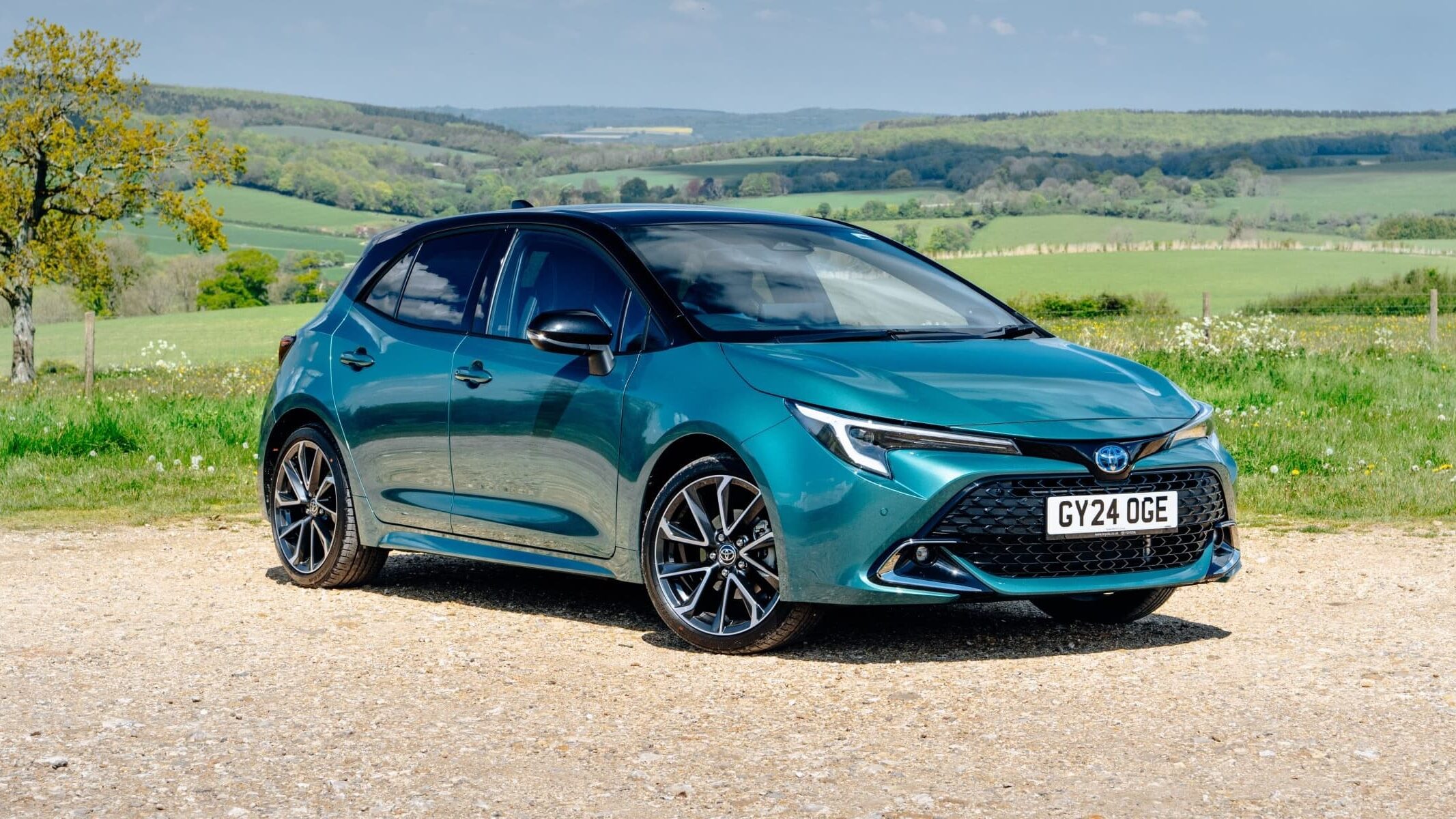
The Toyota Corolla has long been recognized for its reliability and simplicity, making it ideal for senior drivers. Its smooth ride and compact size allow for effortless maneuvering in urban and suburban areas. The interior layout is straightforward, with clearly labeled controls that reduce confusion during operation. Fuel efficiency is another advantage, minimizing trips to the gas station and saving on running costs.
Comfortable seats with ample cushioning make longer drives more enjoyable, while high seating positions improve visibility. Entry and exit are manageable, thanks to wide doors and well-placed handles.
The steering wheel and pedals are responsive without requiring excessive effort, which is beneficial for seniors with reduced strength. Safety features like lane departure warnings and automatic braking further enhance peace of mind.
Visibility is a key factor in senior-friendly cars, and the Corolla’s large windows and minimal blind spots meet this requirement. The dashboard layout is uncluttered, making it easy to monitor speed, fuel levels, and other vital indicators at a glance. Advanced technology, including touchscreens and Bluetooth connectivity, is optional but intuitive enough for older drivers to use without frustration.
Maintenance and reliability are major benefits of the Corolla, as the model consistently demonstrates longevity with minimal repair needs. Insurance costs are reasonable, adding financial predictability for seniors on fixed budgets. With its blend of comfort, safety, and ease of operation, the Corolla remains a standout choice for older drivers who seek a dependable and manageable vehicle.
Its compact size does not compromise practicality, as the trunk provides sufficient space for groceries, luggage, or medical equipment. The Toyota Corolla combines comfort, simplicity, and safety in a way that suits the driving habits of many seniors. Its proven record of dependability and moderate pricing make it a practical choice for those looking to enjoy a stress-free driving experience.
2. Honda CR-V
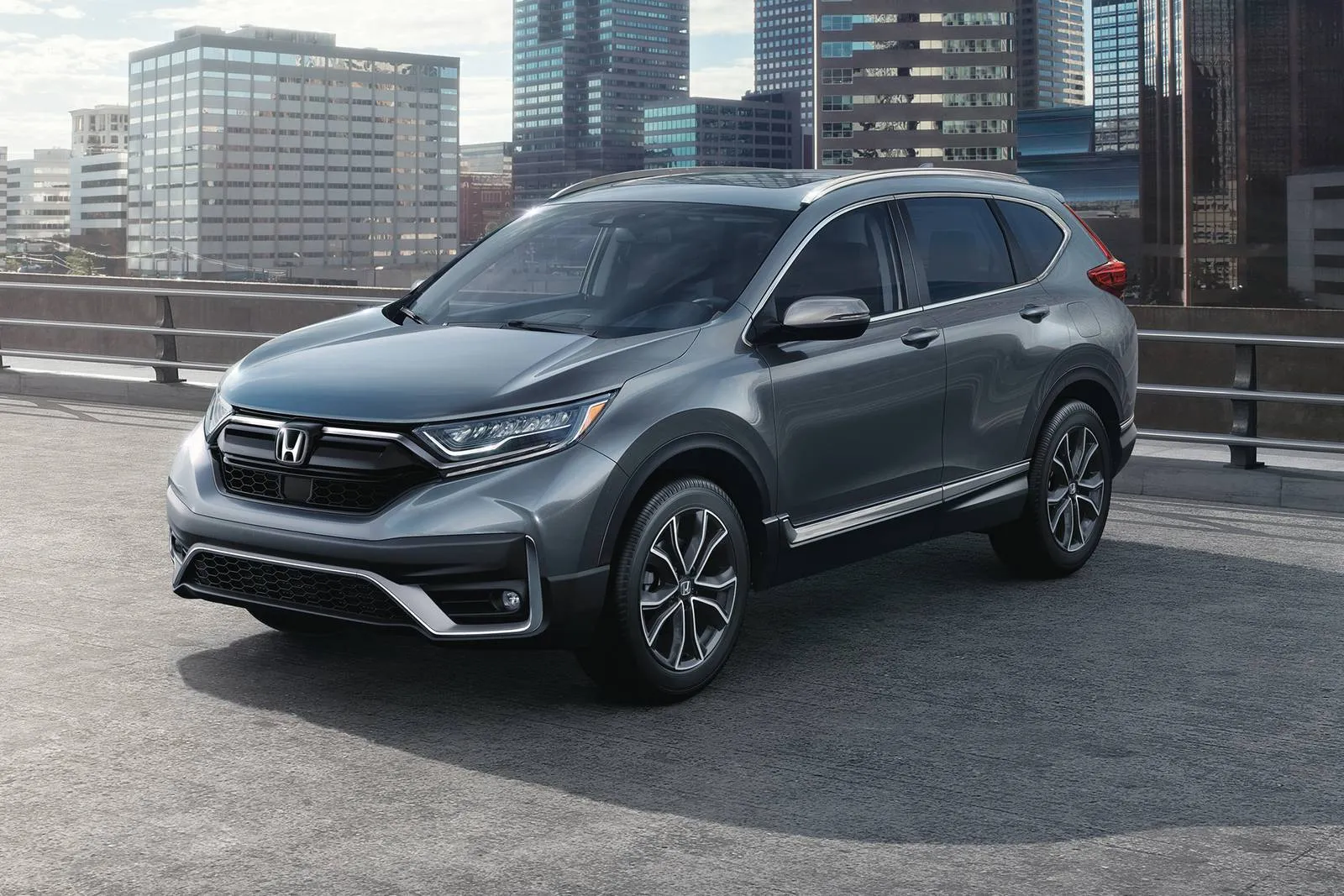
The Honda CR-V offers a higher seating position and spacious interior, which seniors often appreciate. Visibility is excellent from the driver’s seat, allowing for confident navigation in traffic. Controls are logically arranged, reducing the learning curve for those less comfortable with complex technology. Smooth handling and a quiet cabin make driving more comfortable for longer trips.
Entry and exit are easier in the CR-V compared with smaller sedans, thanks to its SUV design. Wide doors, moderate ride height, and supportive seats reduce strain on joints and back muscles. Pedal and steering effort are light, and the adaptive cruise control feature helps maintain steady speeds without fatigue.
Safety technology is abundant, including blind-spot monitoring, collision mitigation, and lane-keeping assistance. These systems give seniors extra confidence, particularly in congested urban areas or on highways. Cargo space is generous, accommodating groceries, luggage, or mobility aids without difficulty.
The CR-V’s fuel economy is impressive for an SUV, reducing operational costs while providing the benefits of a larger vehicle. Reliability is strong, and the vehicle retains value well, which is a key consideration for seniors managing long-term expenses. Its comfortable ride absorbs minor road imperfections, ensuring a smooth experience even on uneven surfaces.
The Honda CR-V balances ease of use, comfort, and safety in a package that suits older drivers. Its spacious cabin, high seating, and intuitive controls make it a vehicle that enhances mobility rather than complicating it. This combination of attributes contributes to its reputation as one of the most senior-friendly SUVs on the market.
3. Subaru Forester
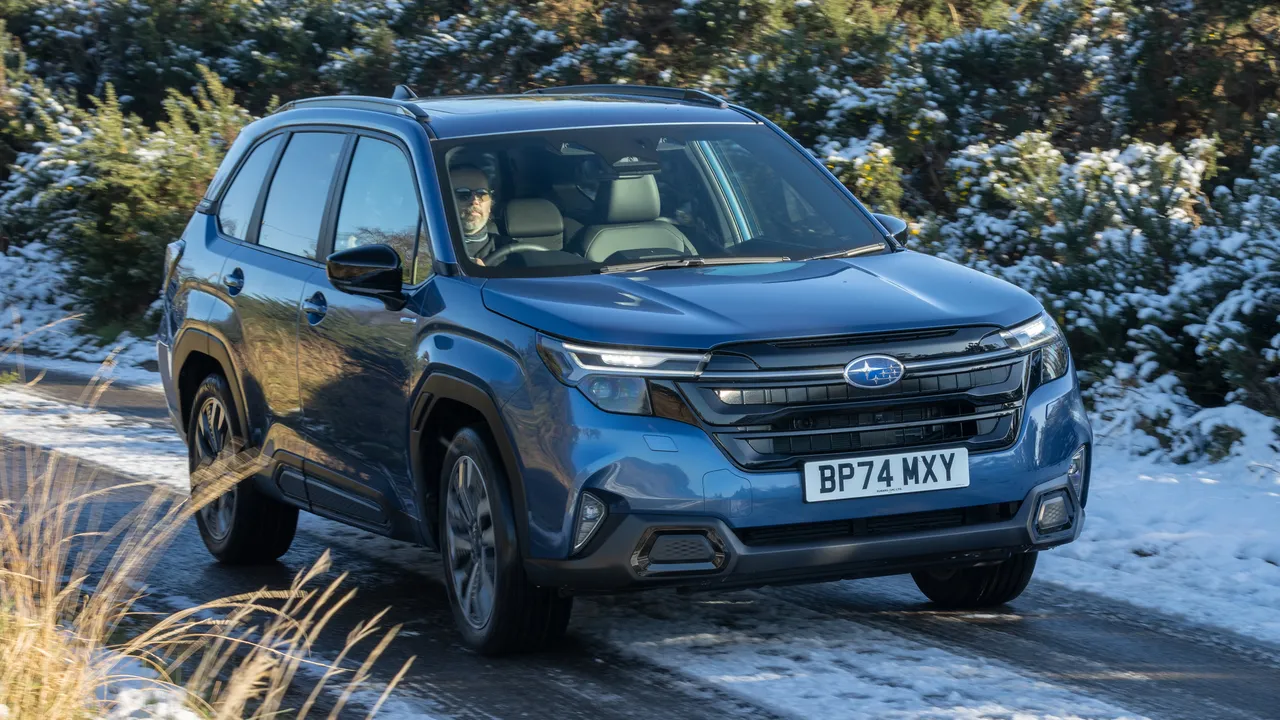
The Subaru Forester stands out for its combination of safety, visibility, and all-weather capability. Its high seating position provides excellent road views, which is beneficial for seniors navigating busy streets. Entry and exit are convenient, with doors that open wide and a moderate step-up height. The interior design prioritizes simplicity, ensuring controls are easy to locate and operate.
Subaru’s commitment to safety is evident through features like eyeSight driver assist technology, automatic emergency braking, and adaptive cruise control. Blind-spot monitoring and rear cross-traffic alerts further reduce the likelihood of accidents. This focus on protection makes the Forester especially appealing to cautious drivers.
The ride quality is smooth, and the cabin remains quiet even at highway speeds, making longer trips more comfortable. Seats are supportive and adjustable, accommodating a range of body types. Visibility is excellent in all directions, allowing drivers to maneuver confidently in tight spaces and crowded parking lots.
Practicality is another strength, as the Forester’s cargo area is large and versatile. The vehicle can easily carry groceries, luggage, or small mobility equipment without compromising passenger space. Fuel economy is reasonable for an SUV, and maintenance costs are predictable, which is important for seniors managing fixed budgets.
The Subaru Forester provides a safe, comfortable, and convenient driving experience for seniors. Its combination of high seating, excellent visibility, and advanced safety features make it a vehicle that reduces stress and increases confidence on the road. Those seeking reliability and ease of use will find the Forester particularly appealing.
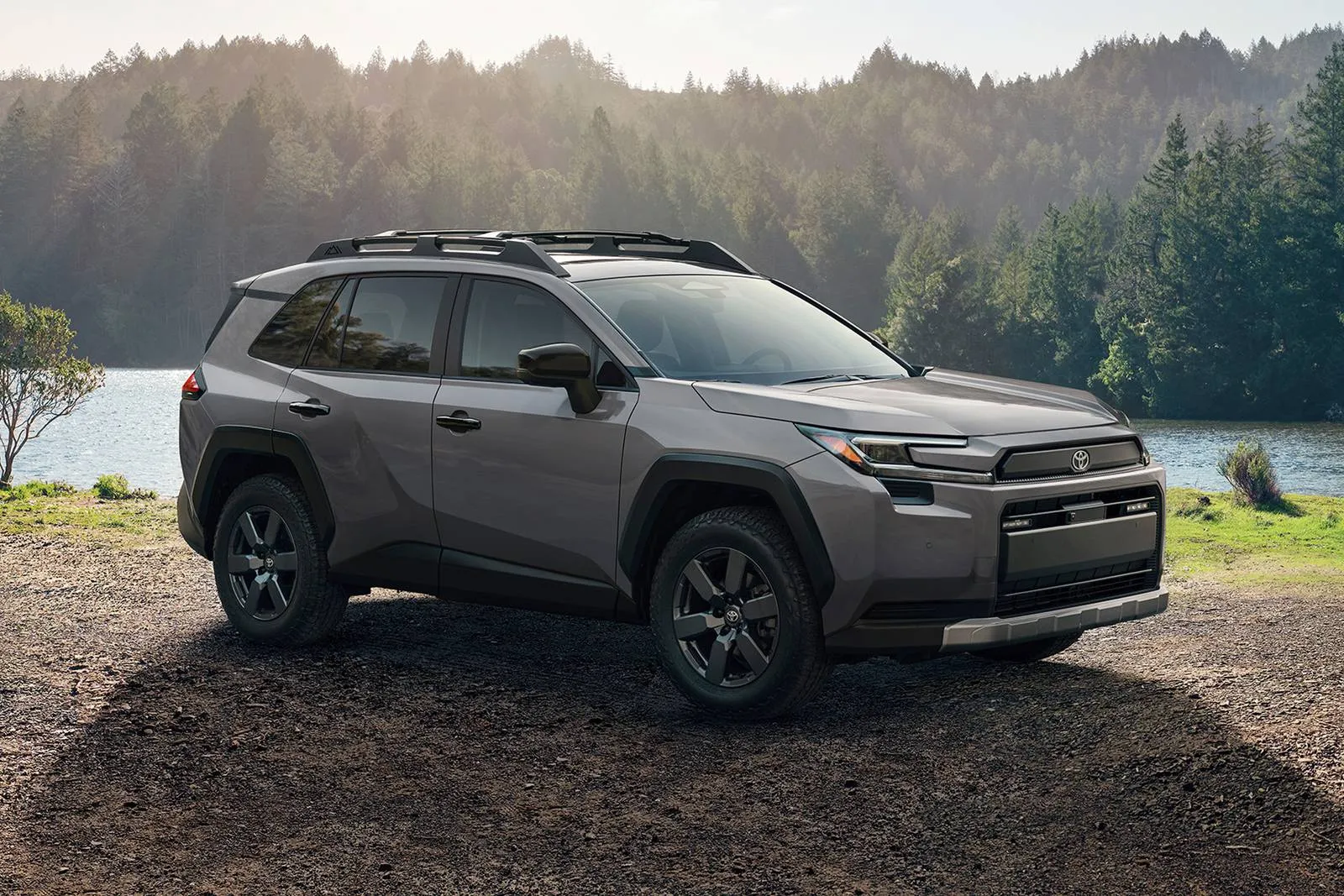
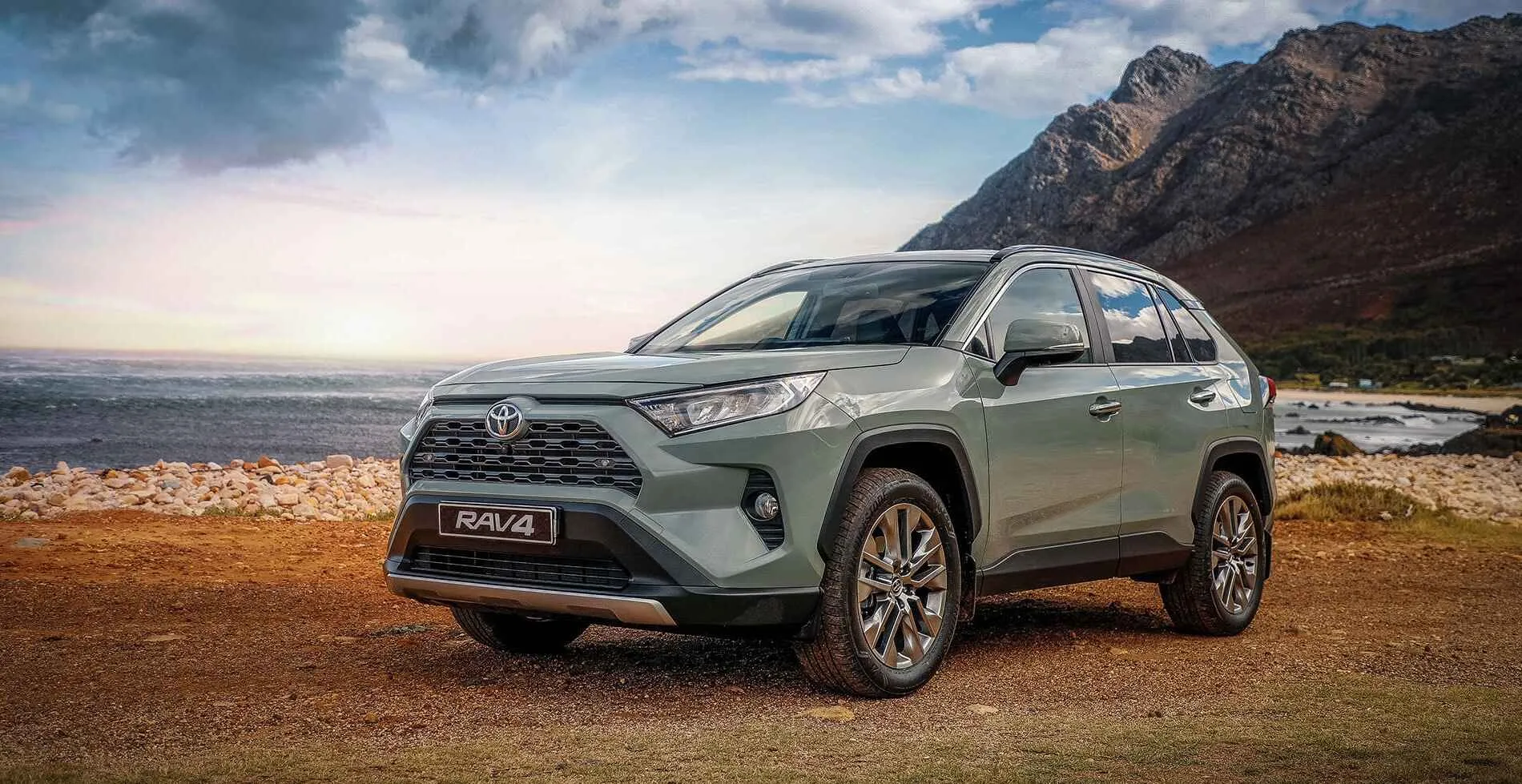
4. Toyota RAV4
The Toyota RAV4 combines a manageable size with SUV-style convenience, offering a high driving position and spacious cabin. Wide doors and supportive seats make entering and exiting simple, reducing strain on older joints. Controls are logically arranged, with minimal clutter, making the car easier to operate for seniors who may be less comfortable with complex technology.
Safety features include adaptive cruise control, lane departure alerts, and forward collision mitigation. These systems provide reassurance during daily driving and help prevent accidents. The RAV4 also offers a smooth ride with responsive handling, which increases comfort on longer trips or uneven roads.
Visibility is enhanced by large windows and thoughtfully positioned mirrors, giving seniors a clear view of surrounding traffic. Storage space is ample, and the rear seats fold down to accommodate larger items when needed. The car’s reliability is strong, minimizing unexpected repairs and contributing to a sense of security.
Fuel efficiency is another advantage, allowing seniors to operate the vehicle economically. Insurance costs are moderate, which supports long-term affordability. The combination of comfort, safety, and ease of use makes the RAV4 an appealing choice for seniors who need a versatile vehicle that can handle a variety of driving situations.
The RAV4 offers practicality without sacrificing comfort. Its SUV design provides the benefits of higher seating and greater cargo capacity while maintaining maneuverability. The car’s well-thought-out features make it a dependable choice for older drivers seeking a balanced and enjoyable driving experience.
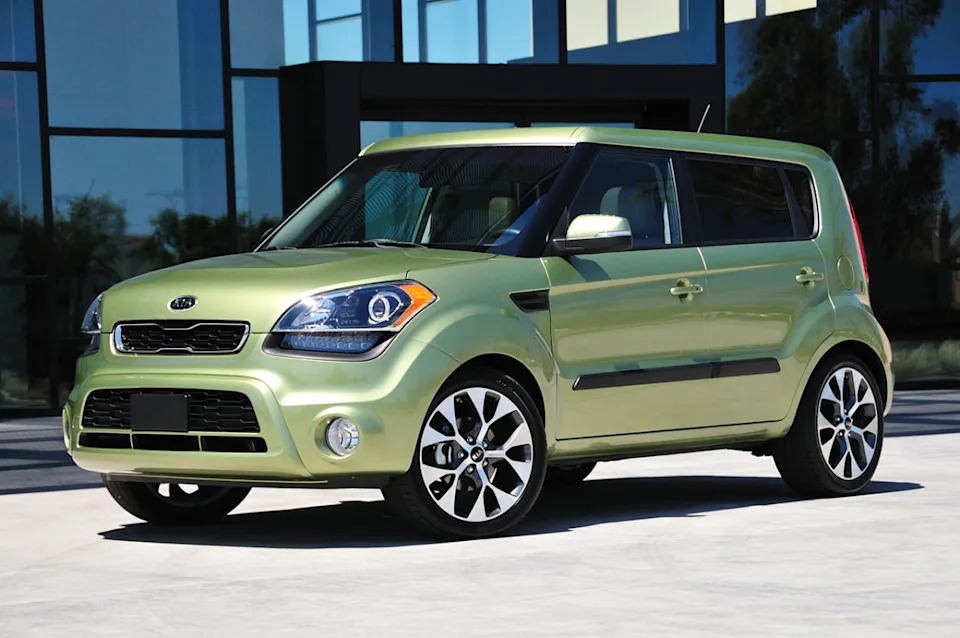
5. Kia Soul
The Kia Soul is a compact SUV with a high seating position, large windows, and a boxy design that maximizes interior space. The vehicle’s unique shape allows for easy entry and exit, which is particularly helpful for seniors with limited mobility. Controls are simple and accessible, reducing frustration while driving.
The Soul provides a comfortable ride with supportive seats and a smooth suspension. Steering is light, and pedals are easy to operate without excessive force. Visibility is excellent due to the upright design, which allows drivers to see surrounding traffic clearly.
Safety features include multiple airbags, stability control, and available forward collision warning systems. The compact size makes city driving and parking less stressful, while still offering adequate cargo space for daily needs. Technology features are intuitive and straightforward, avoiding unnecessary complexity.
Maintenance is generally affordable, and the car demonstrates strong reliability. Fuel efficiency is above average for a small SUV, making it economical for seniors who want to minimize costs without sacrificing comfort. The Kia Soul’s practicality, ease of use, and thoughtful design make it a strong option for senior drivers.
Cars Not Suited for Seniors
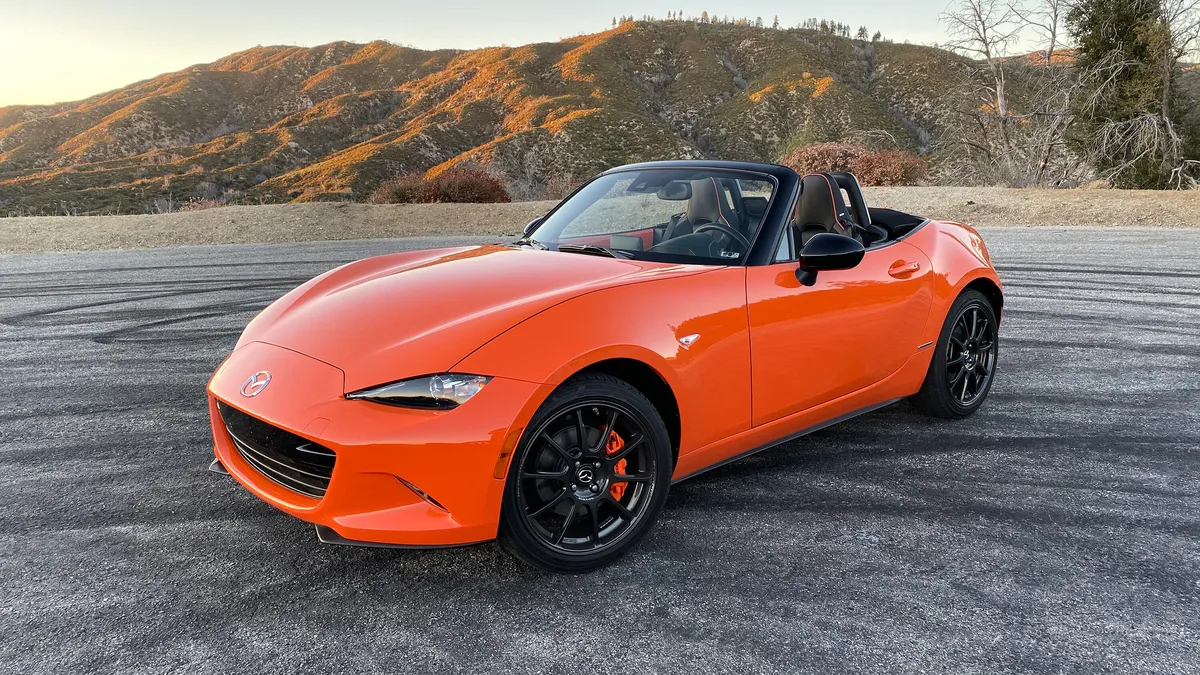
1. Mazda MX-5 Miata
The Mazda MX-5 Miata is a sporty convertible that prioritizes performance over comfort. Low seating and tight interior space make entry and exit challenging for older adults. The seats are low to the ground, which can strain knees and hips during extended use. Limited visibility through small windows adds difficulty in traffic and parking situations.
Manual controls and a sporty steering feel may require more physical effort than seniors prefer. While the car handles sharply and accelerates quickly, its responsiveness can feel unforgiving for those seeking a relaxed driving experience. Road bumps and rough surfaces are felt strongly, reducing comfort on longer trips.
Storage space is minimal, making it impractical for errands or carrying larger items. Safety features are basic, with limited advanced driver assistance options, which could leave seniors more vulnerable. Insurance costs may also be higher due to the sports car classification, creating additional financial burden.
Fuel economy is reasonable but does not compensate for the vehicle’s lack of practical features. The sporty focus limits comfort, convenience, and usability, which are critical considerations for senior drivers. The Miata is better suited for younger drivers seeking excitement rather than ease of use.
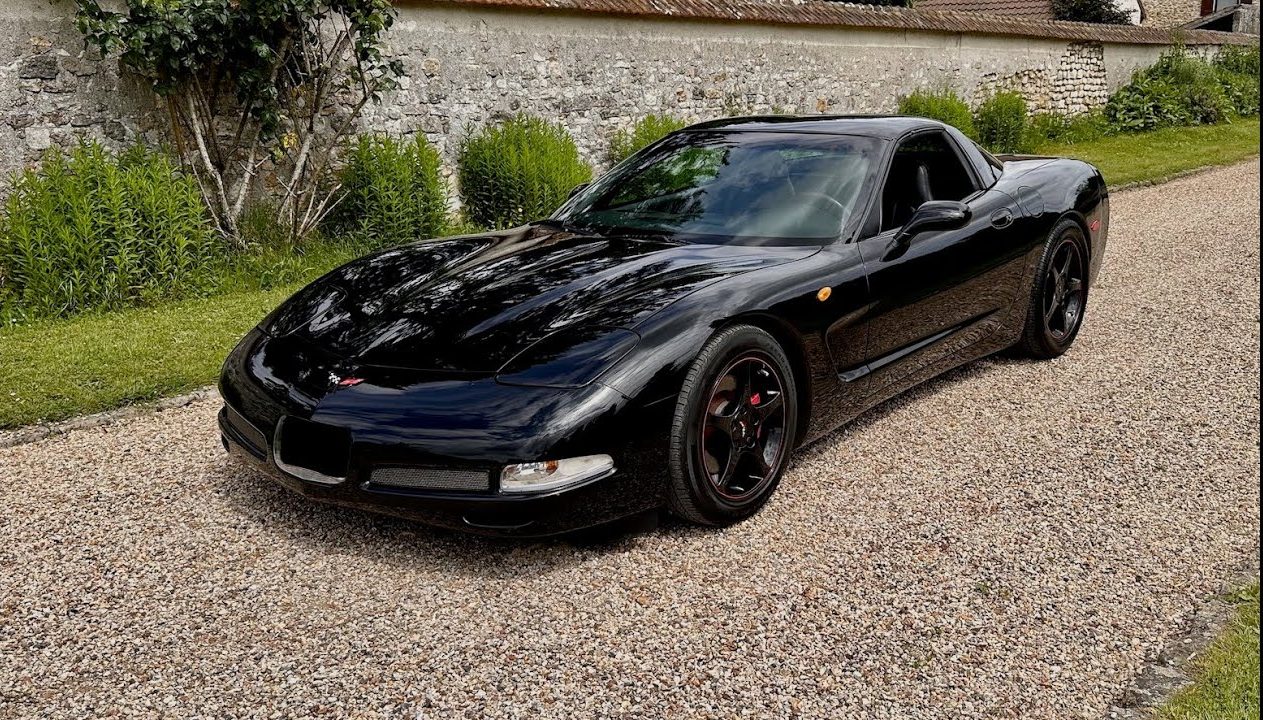
2. Chevrolet Corvette
The Chevrolet Corvette emphasizes speed and performance, with low-slung seating and a firm suspension that can make entry and exit difficult. The interior is compact, leaving little room for larger body types or passengers who require extra space. Steering effort and pedal sensitivity may feel exaggerated for seniors unaccustomed to performance vehicles.
Visibility is poor due to a low profile and small rear window, increasing the likelihood of blind spots. Advanced technology exists but is often geared toward performance tracking rather than comfort or senior-friendly convenience. The stiff suspension makes long drives uncomfortable, particularly on uneven roads.
Trunk space is extremely limited, reducing practicality for groceries or luggage. Maintenance and insurance costs are higher than average, which may not suit seniors managing fixed incomes. While fun to drive, the car’s design sacrifices comfort, safety, and convenience for the sake of performance.
This type of car requires quick reflexes and physical agility, which may decline with age. The Corvette is ill-suited for seniors who prioritize safety, comfort, and ease of use over high-performance driving thrills.
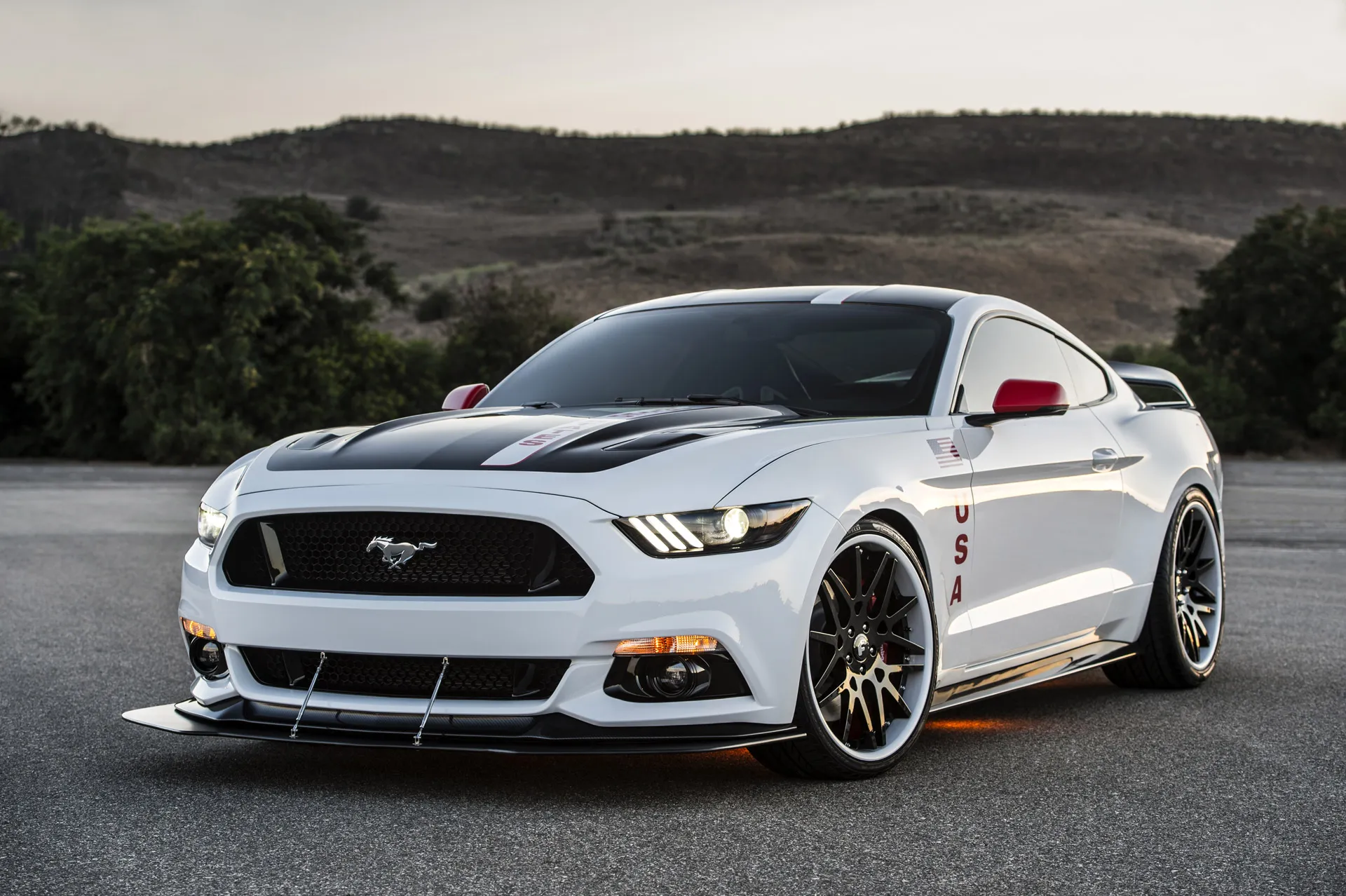
3. Ford Mustang
The Ford Mustang is another sporty vehicle that poses challenges for older drivers. Its low seating height and firm suspension make long drives less comfortable and getting in or out more difficult. Narrow doors and tight cabin space can exacerbate these issues, particularly for seniors with mobility limitations.
Visibility is restricted due to the coupe-style design, creating larger blind spots compared with sedans or SUVs. Controls are designed with a performance focus, which may be less intuitive for drivers who prefer simple layouts. Maneuvering in tight spaces or parking can be more stressful due to vehicle size and design.
Fuel consumption is higher than typical senior-friendly vehicles, adding operational costs. Safety features are available but may not be as comprehensive or user-friendly as those in modern sedans or SUVs designed for older drivers. Trunk and cargo space are limited, restricting practicality for day-to-day errands.
The Mustang’s sporty responsiveness may feel harsh on older joints, and its powerful acceleration can be intimidating. Seniors seeking comfort, accessibility, and convenience may find this vehicle unsuitable for regular use. While visually appealing, its performance-oriented design is a poor fit for daily practicality.
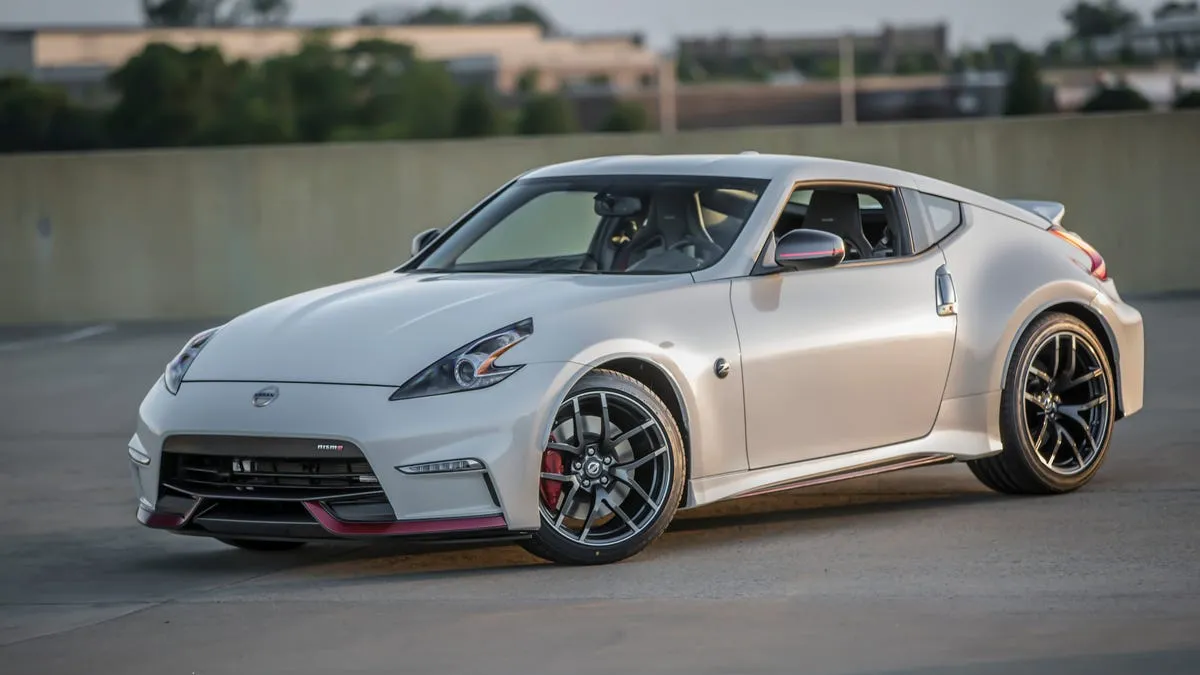
4. Nissan 370Z
The Nissan 370Z is a compact sports car with low seating, stiff suspension, and minimal cabin space. Entering and exiting the car requires flexibility and strength, making it difficult for seniors. Steering and pedal effort are geared toward precision handling rather than comfort, which may feel tiring during longer drives.
Visibility is limited due to the low seating and small windows. Side mirrors provide restricted views, and reversing can be challenging without advanced camera systems. The interior is minimalist and cramped, reducing comfort for passengers or drivers who need more room.
Trunk space is nearly nonexistent, making everyday errands inconvenient. Safety features are limited compared with modern vehicles designed for older adults. Fuel economy is reasonable but does not outweigh the lack of practical usability or comfort.
The 370Z emphasizes performance, which is not the priority for most senior drivers. Its aggressive ride and low profile make it less forgiving on rough roads. The car is more suited for younger, performance-oriented drivers than those who require ease of use and accessibility.
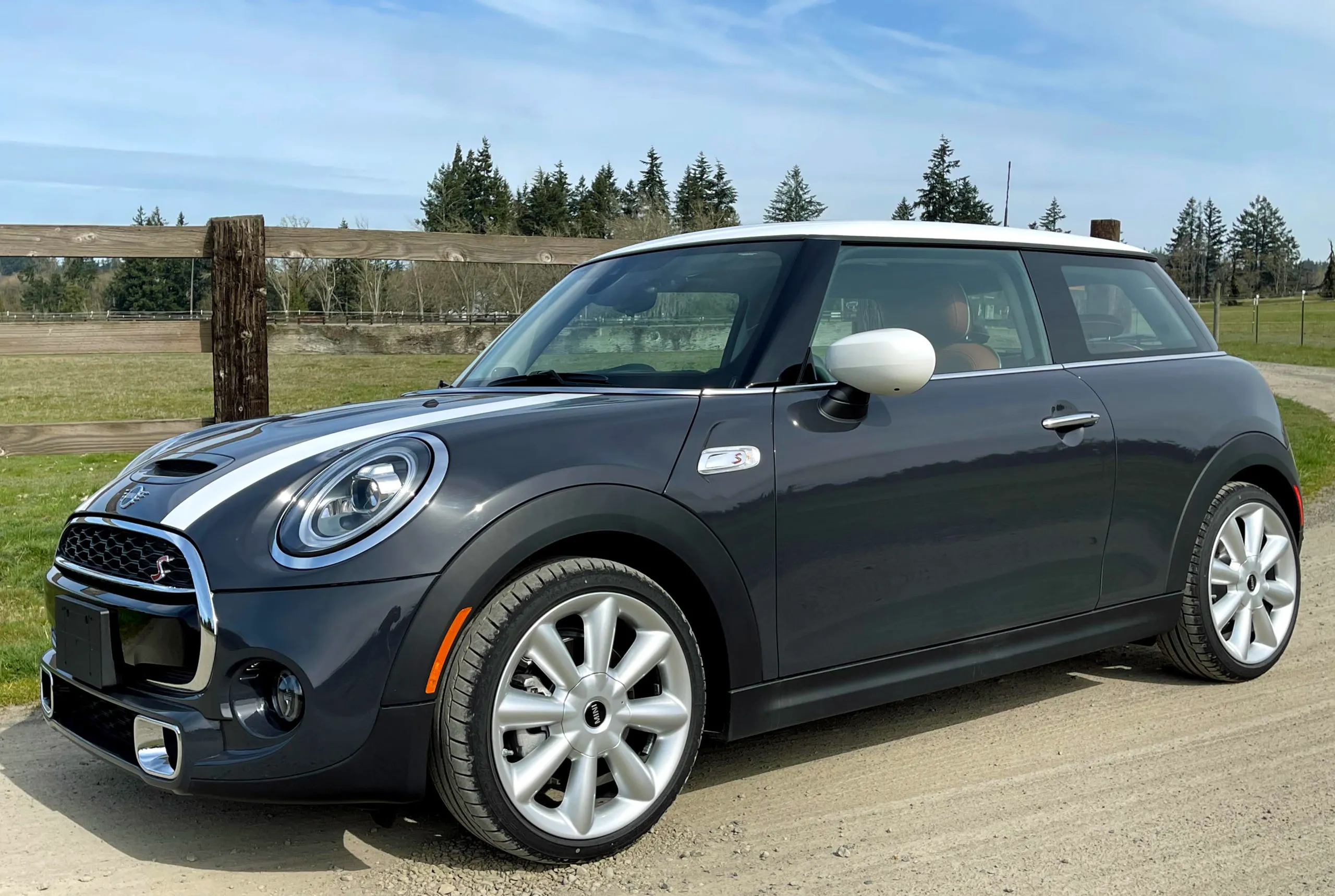
5. Mini Cooper Hardtop
The Mini Cooper Hardtop has a stylish, compact design that often appeals to younger drivers. However, its small size and low seating make it less comfortable for seniors, particularly during extended drives. Entry and exit require effort, which can strain knees and hips.
Visibility is compromised by its short stature and small windows, creating larger blind spots. Rear seat space is limited, making it less practical for passengers or storage. Steering is light, but road bumps are strongly transmitted through the cabin, reducing ride comfort.
Safety features are available but not as comprehensive as those in larger vehicles. Limited cargo space and tight cabin design restrict practicality for daily errands or trips. While fuel efficiency is high, comfort and usability are sacrificed in favor of style.
The Mini Cooper Hardtop offers charm and maneuverability but does not prioritize senior-friendly ergonomics or accessibility. Its compact nature makes it less suitable for older drivers who need comfort, safety, and practicality in their vehicle choice.
