
When a student first thinks about getting a car for college, the decision often centers around balancing practicality, cost, comfort, and daily ease of use. For many students, commuting to campus, work, internships, or social activities can become an integral part of their routine.
A sedan can be an excellent choice for many of these young drivers, offering roomy interiors, fuel economy that makes everyday travel less expensive, and style that does not feel too serious or too grown up. Choosing the right sedan for college commuting, however, is not as simple as looking up the most popular cars on a list and picking one.
There are a range of factors to consider, including the price of the car, the cost of maintenance, the reliability during heavy use, the availability of parts, and how well the vehicle performs in urban and rural environments.
At the same time, there are sedans that appear sleek and appealing on paper but fail to deliver adequate value for a college commuter. Some sedans come with performance features that are better suited to experienced drivers than students who need a dependable daily car.
Others have maintenance costs that quickly outweigh their advantages, or insurance rates that can be prohibitive for young drivers with limited budgets. The purpose of this article is not only to list vehicles that make sense for college commuting and those that do not, but also to provide you with a broader understanding of what makes a car genuinely suitable or unsuitable for the college lifestyle.
Throughout the sections that follow, you will find evaluations of both categories of sedans, along with explanations about the reasons behind the selections. You will learn about factors that matter when choosing a commuter car as a student, including cost, efficiency, seating comfort, reliability ratings, safety features, and how easy it is to maintain the vehicle with limited time and resources.
There will also be discussions about additional considerations such as environmental impact, insurance, and financial planning for car expenses.
Each section offers thoughtful insight to help you approach this decision with clarity and confidence. Whether you are preparing to buy or lease your first car for college life, or you are comparing options with a parent or guardian, the information here is intended to support a more informed choice.
By the end of this article, you should have a clear sense of which sedans are most practical for your day‑to‑day life and which ones are best avoided in favor of options that align better with your needs. Let’s begin by looking at five sedans that generally make solid companions for college commuting.
Five Sedans That Suit College Commuting
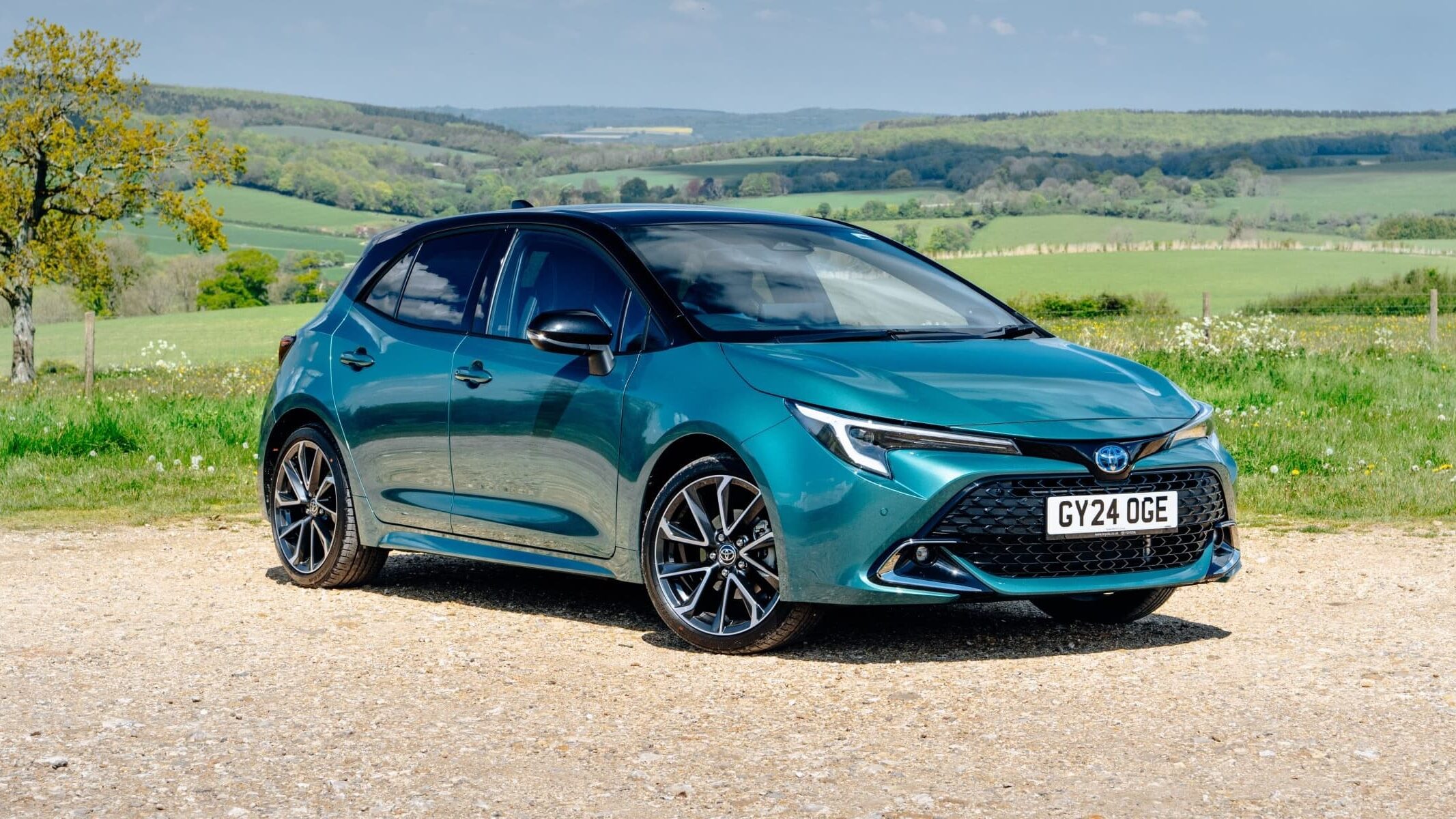
Toyota Corolla
The Toyota Corolla is frequently chosen by students for its reputation for reliability and long‑term value. Riders will find it easy to park, maneuver in traffic, and enjoy modest running costs compared with larger or more powerful vehicles. The interior may not feel luxurious, but it is comfortable and user friendly, with controls that are easy to learn.
Fuel efficiency remains strong, helping commuters save money each week without sacrificing performance. With its strong resale value, the Corolla also represents a sensible financial choice for a student car.
Insurance costs for a Toyota Corolla tend to be lower than average because of its excellent safety ratings and broad acceptance among drivers of all ages.
Students can benefit from advanced safety features included in recent models that help reduce the risk of accidents in busy college towns. The Corolla’s engine options balance adequate power with avoidance of excessive complexity, reducing the likelihood of expensive repairs. Reliability history and widespread availability of parts further contribute to its appeal.
Another advantage of the Corolla is its versatility in varying road conditions, from city streets to suburban highways. College towns often have unpredictable weather, and many Corollas handle rain and light snow capably with the right tires.
A strong network of dealerships and mechanics familiar with this model means less stress when maintenance is needed. This familiarity contributes to faster service and more predictable costs for students working with limited budgets.
The Toyota Corolla’s interior technology has steadily improved, offering features like touchscreen infotainment, smartphone integration, and driver assistance systems that modern students expect. While not all trims will include every feature, even base models typically offer enough convenience to satisfy daily commuters.
Storage space for backpacks and books is reasonable, and the seating arrangement accommodates passengers without feeling cramped.
Taken together, these qualities make the Toyota Corolla a standout choice for college commuters who want a blend of economy, reliability, and everyday comfort. When comparing options, students should look closely at various trims and model years to find the best balance of features and price. For first‑time car owners, the Corolla often represents a low‑stress transition into independent driving.
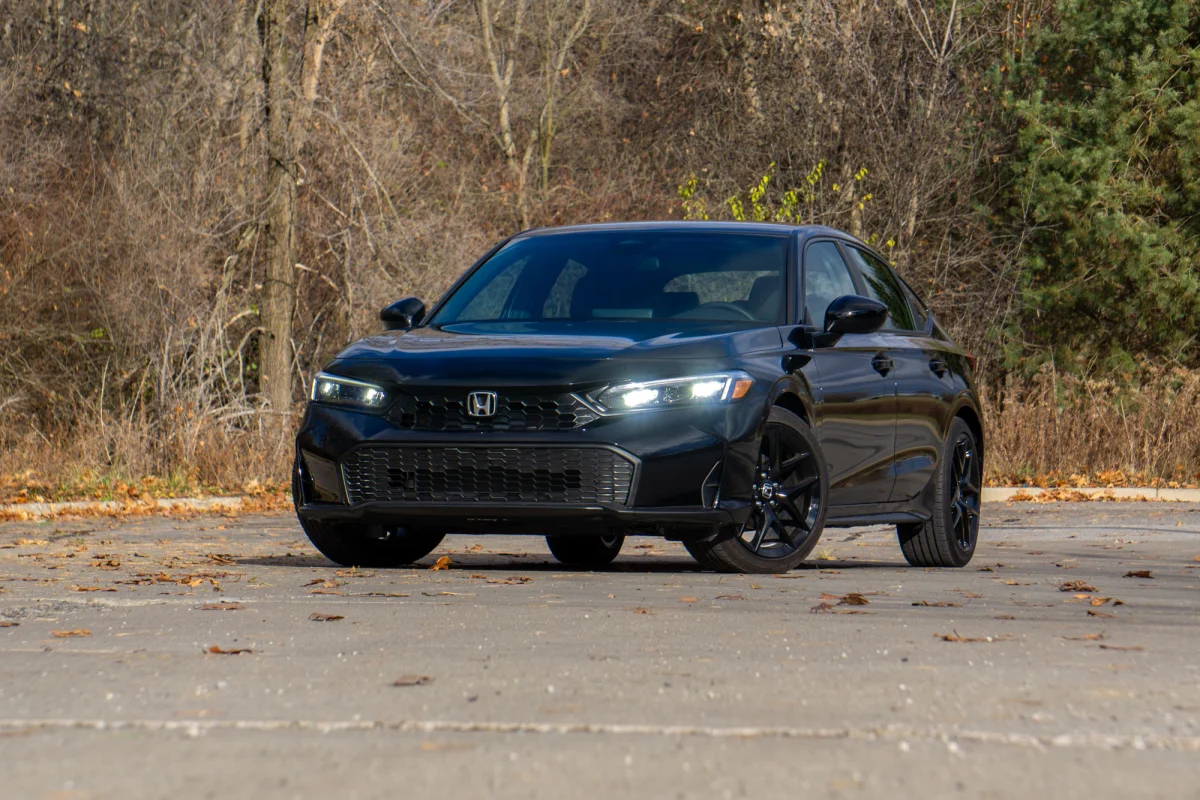
Honda Civic
The Honda Civic has been a favorite among young drivers for decades, and for good reason. It combines sportier styling with excellent reliability and strong fuel economy that fits a student’s commuting needs. Many students appreciate that the Civic feels nimble and fun to drive, yet does not demand premium fuel or complicated maintenance. In busy urban settings, the Civic’s handling helps drivers merge and maneuver with confidence.
Fuel economy remains one of the Civic’s most attractive qualities for daily commuting, often exceeding expectations in city and highway driving. Students who travel between classes, work, and social events will notice lower fuel costs over time compared with less efficient sedans. While some trims may offer more power, even the base models deliver a satisfying balance of acceleration and daily usability.
The cabin space in the Civic supports both driver comfort and passenger needs, with seating that accommodates taller individuals without discomfort. Technology features such as audio connectivity and driver assistance systems are typically available across trims, making the vehicle current without overwhelming students with unnecessary extras. The Civic’s build quality also keeps road noise at a manageable level, which can make longer commutes more pleasant.
Insurance costs for a Honda Civic are typically reasonable for students, partly due to its strong safety scores and widespread acceptance among insurers. This can contribute to significant savings over time, especially when students qualify for academic discounts. With proper maintenance, Civics are known to achieve high mileage without major issues.
Students looking for a reliable sedan that combines a touch of driving enjoyment with practicality will find the Honda Civic hard to beat. Its established reputation and continuous refinement over successive generations make it one of the most sensible choices for college commuting.
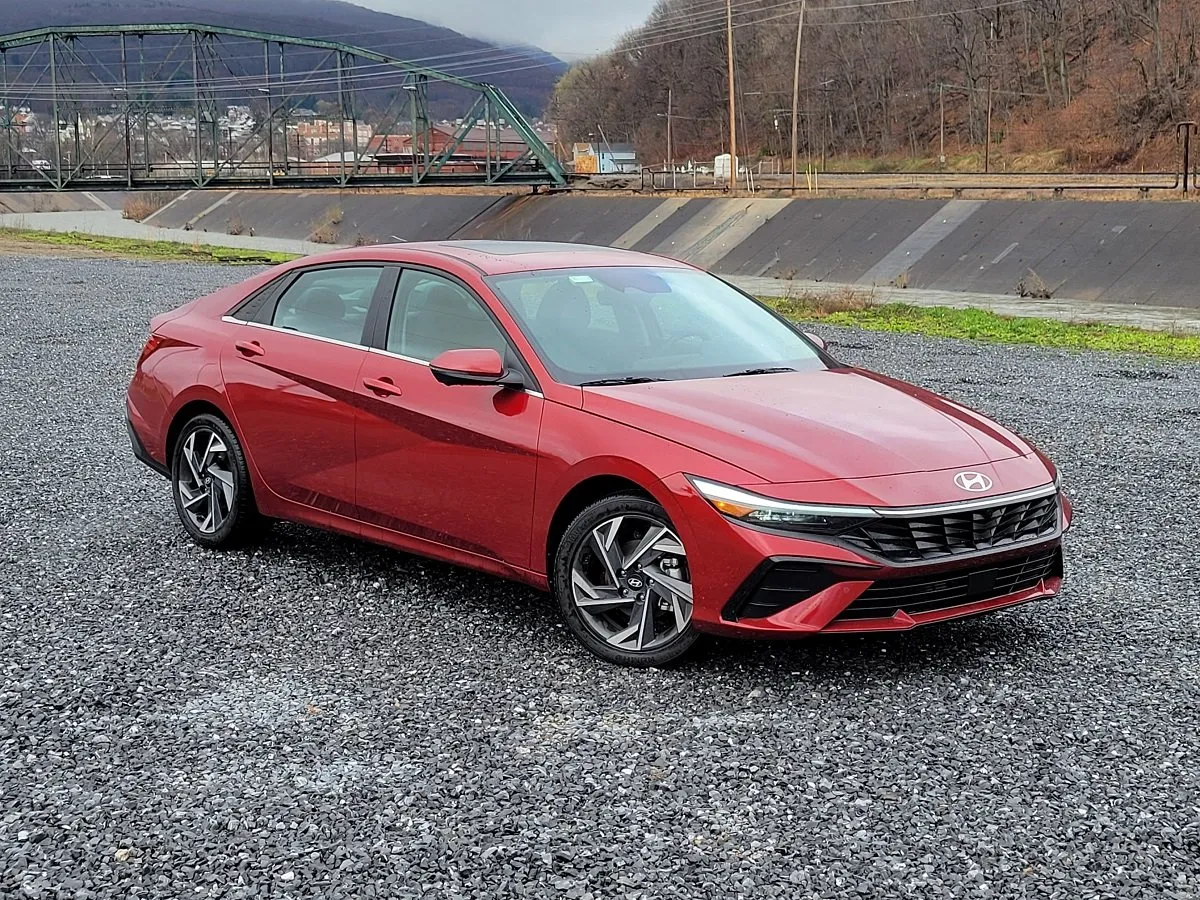
Hyundai Elantra
The Hyundai Elantra has earned attention in recent years for bringing strong value with modern features at a budget‑friendly price. Students on tight budgets often find the Elantra’s base pricing and generous factory warranty appealing. With many standard features included even in lower trims, the Elantra helps students get more without paying extra for add‑ons they may not need.
Fuel economy for the Elantra remains competitive among compact sedans, allowing students to travel between locations without frequent stops at the pump. The driving experience focuses on comfort and ease rather than aggressive performance, which aligns well with the typical demands of commuting. Interior materials have improved over the years, contributing to a more pleasant ride.
One of the standout points for many students is the technology offered in the Elantra. Touchscreen interfaces, smartphone connectivity, and driver safety aids are often available at lower price points than competing brands. These features help the vehicle feel current and connected, even for tech‑savvy drivers.
The comprehensive warranty Hyundai offers can reduce the stress of unexpected repairs during the first years of ownership. For students who are balancing work or studies with vehicle care, this reassurance can prove valuable. Combined with good fuel economy and a comfortable interior, the Elantra presents a compelling package for everyday commuting.
When evaluating sedans for college life, the Hyundai Elantra’s mix of features, price, and low running costs makes it a solid contender. Students should consider test driving different trims to find the right fit for their priorities.
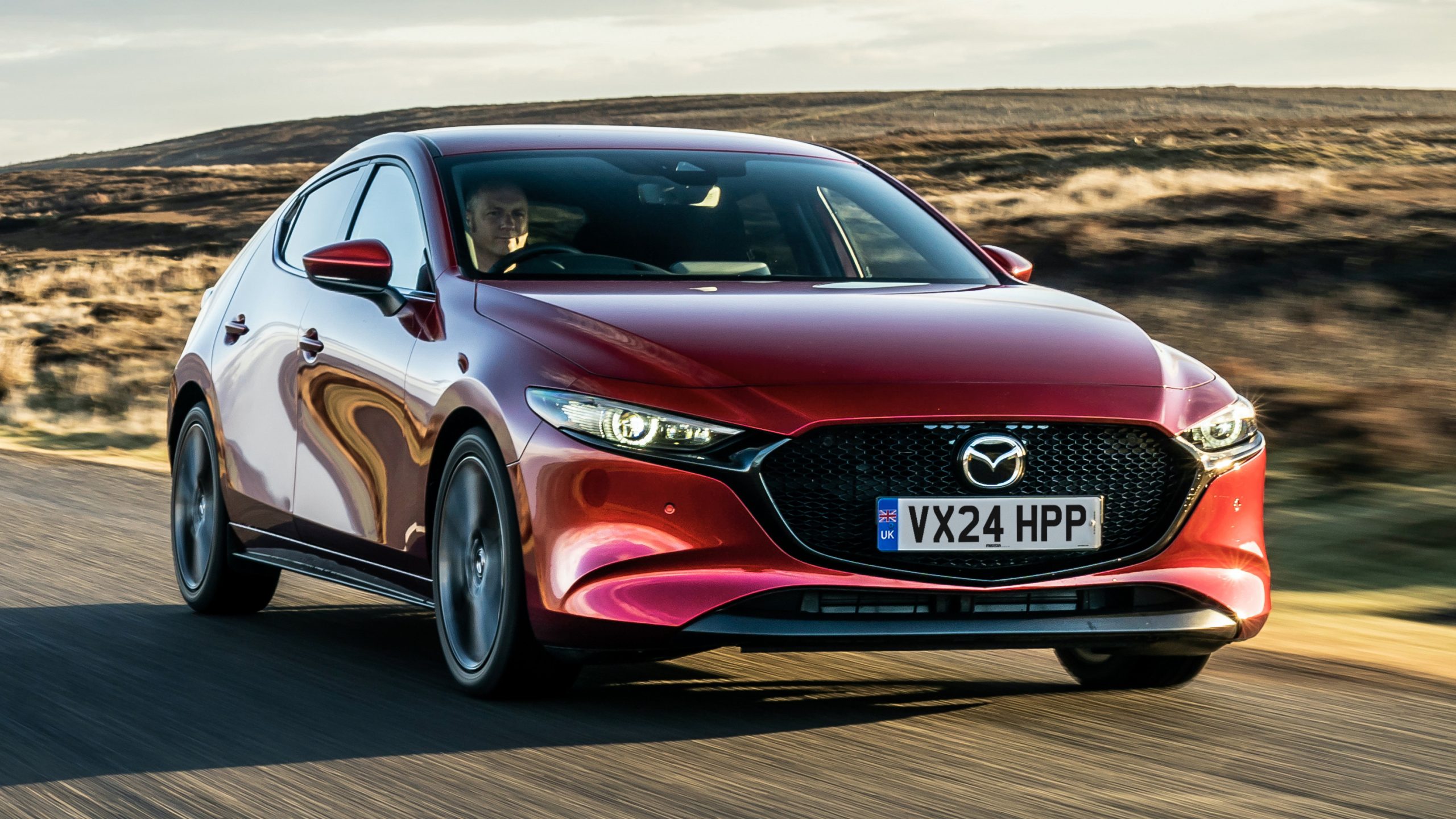
Mazda3
The Mazda3 stands out by offering a more refined driving experience compared to many other sedans in its class. Students who appreciate responsive steering and a more engaging ride may gravitate toward this model without sacrificing practicality. While sedan‑oriented, the Mazda3 often feels closer to a premium car in terms of handling and interior design.
Fuel economy remains respectable, though not necessarily class‑leading, and students will find that everyday driving feels composed and confident. The interior design tends to focus on quality materials and thoughtful layout, which can make daily commutes more enjoyable. Seats are comfortable for longer drives, and visibility around town is generally good.
Technology features in the Mazda3 include user interfaces and connectivity that feel smooth and intuitive, helping reduce distractions. Students who rely on navigation, music, and communication while driving will find the system straightforward. Safety features are also well covered across trims, supporting peace of mind.
Insurance costs tend to be manageable for a Mazda3 because of its strong safety ratings and midsize category. Parts and maintenance are also widely available, helping students work with local mechanics without complications. The balance of driving dynamics and everyday usefulness makes the Mazda3 a good choice for those seeking more than the basics.
For students who want practicality without feeling like they are driving a bland commuter car, the Mazda3 provides a compelling blend of style, comfort, and capability.
Subaru Impreza
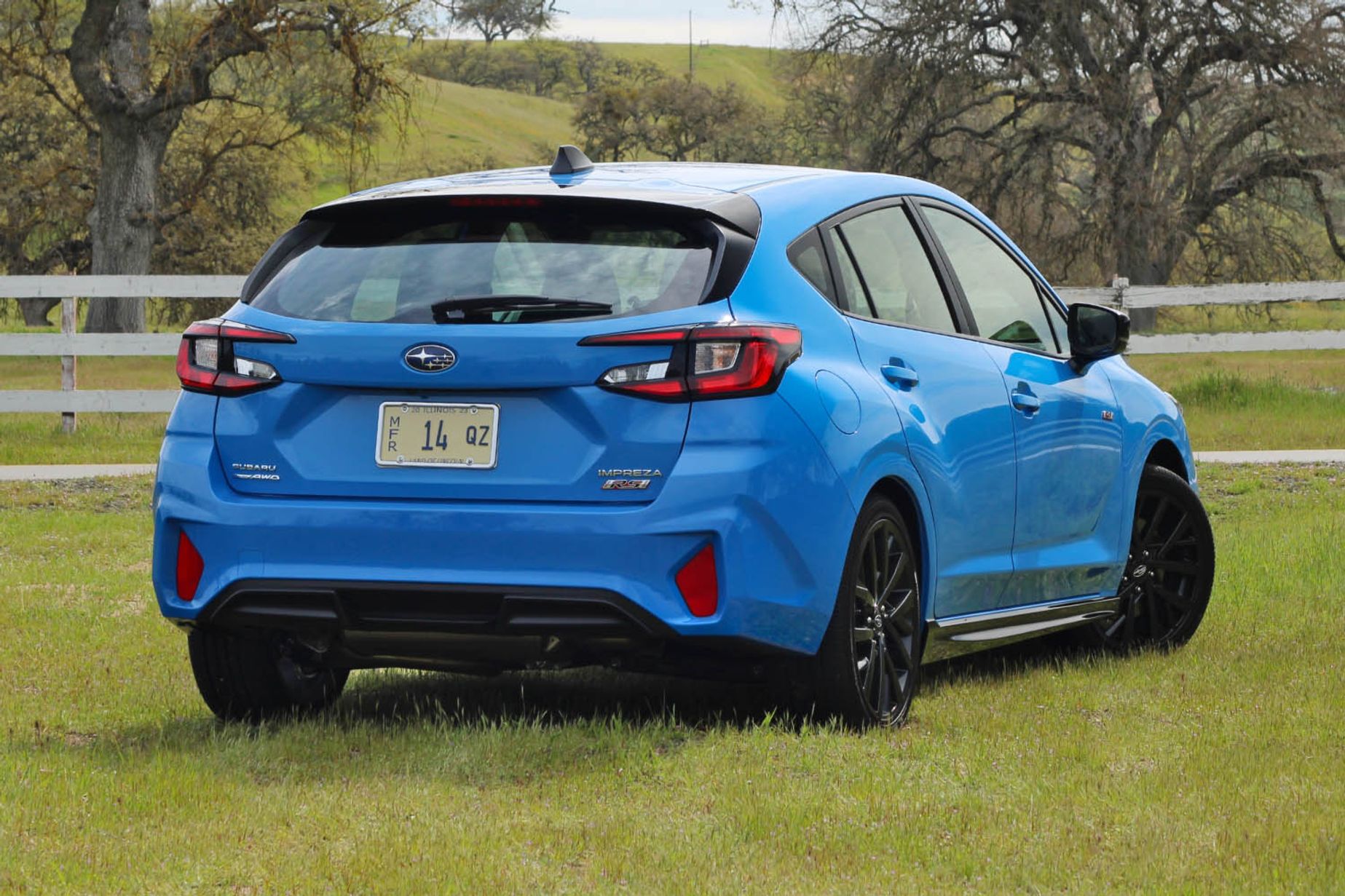
The Subaru Impreza offers a distinctive advantage with standard all‑wheel drive, providing extra confidence for students in regions that experience variable weather conditions. For those who navigate rain, snow, or uneven roads on the way to campus, the added traction contributes to a safer daily commute. While its fuel economy may be slightly lower than some competitors, the trade‑off in stability can be worthwhile.
Inside, the Impreza provides a roomy cabin with comfortable seating and straightforward controls. Tech features like touchscreen displays and connectivity support modern commuting needs without overwhelming the driver. Cargo space is generous for backpacks, sports equipment, or groceries, making it versatile for student life.
Safety ratings are typically strong for the Impreza, which can help lower insurance costs and boost confidence for young drivers. Subaru’s reputation for durability and the availability of parts in many areas support consistent maintenance. The car’s balanced ride quality also helps reduce fatigue during longer drives.
For students living in communities with diverse terrain or weather, the Impreza’s all‑wheel drive and thoughtful engineering make it a smart pick. It combines everyday efficiency with practical enhancements that suit specific commuting scenarios without adding unnecessary complexity.
When considering sedans that support reliable, comfortable, and predictable daily travel to classes and beyond, the Subaru Impreza earns its place among those that suit college commuting well.
Five Sedans That Don’t Suit College Commuting
BMW 5 Series
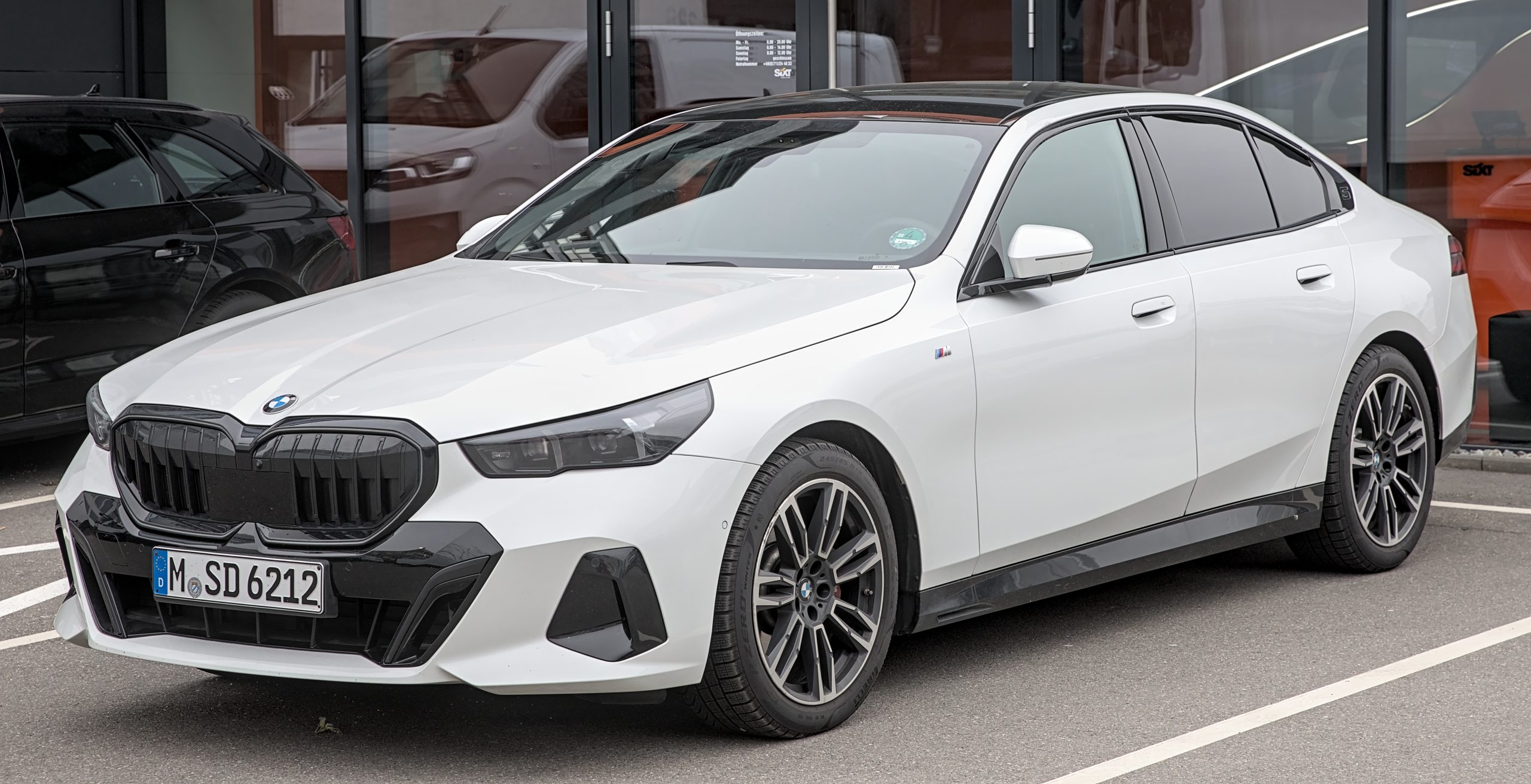
The BMW 5 Series is well known for its performance and luxury appeal, but it often proves impractical for a college commuter. Its large engine requires premium fuel, which can quickly strain a student’s budget, especially with frequent trips to campus or work.
While acceleration and handling are impressive, the real-world commuting experience offers more cost than benefit. Fuel economy is far lower than that of smaller sedans, making daily travel expensive.
Insurance rates for the BMW 5 Series are generally high for young drivers. Insurance companies view these vehicles as high-risk due to their power and the potential for aggressive driving. Students without extensive driving experience may find premiums unaffordable. Additional financial stress from insurance can overshadow any advantages the car provides in comfort or prestige.
Maintenance costs for the 5 Series are also higher than average. Regular service, parts replacements, and dealership labor can accumulate quickly, and students may not have the time or money to manage these expenses. Even small repairs such as brake pads or tire replacements, can be costly compared with mainstream commuter sedans. Reliability is excellent if maintained, but the upkeep can be burdensome for first-time car owners.
The ride quality focuses on sportiness rather than forgiving daily comfort. Over uneven roads, potholes, or crowded parking lots, the 5 Series can feel stiff and unforgiving. College commuters often value smoothness and ease of use, and the BMW’s setup prioritizes performance over practicality. This makes it less than ideal for repeated stops and frequent urban driving.
Finally, resale value can drop significantly within the first few years, reducing the financial sense of owning the car as a student. While attractive in style and brand reputation, the BMW 5 Series fails to align with typical college priorities, including affordability, efficiency, and low-stress maintenance.
Chevrolet Impala 2010
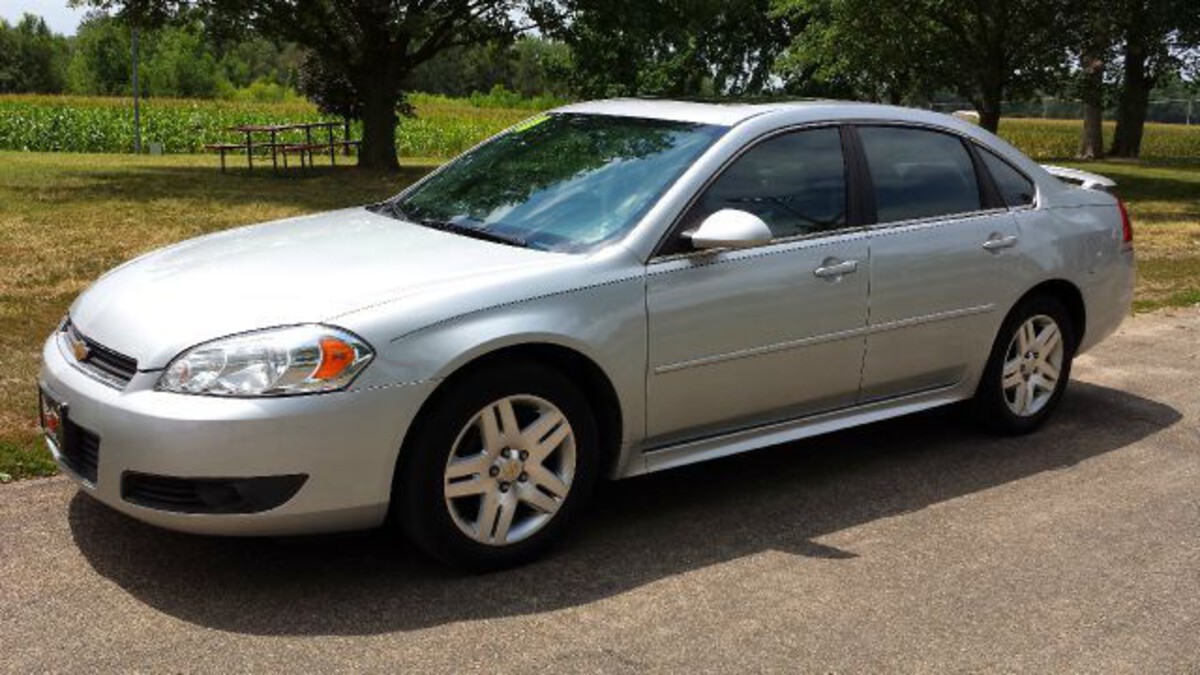
Older Chevrolet Impalas may appear budget-friendly initially, but hidden issues make them unsuitable for most students. Vehicles from 2010 or earlier can have worn components, outdated safety features, and less efficient fuel systems. Dependability is crucial for daily commuting, and older Impalas may struggle to provide reliable performance on a busy schedule.
Parts availability can be limited for older models, and some replacement components may require ordering or visiting specialty mechanics. Students with limited time may face delays in repairing even minor issues, causing inconvenience for commuting and extracurricular activities. Costs can quickly accumulate despite the car’s low initial purchase price.
Fuel efficiency in older Impalas is lower compared to compact or midsize sedans, creating additional strain on a student’s budget. Daily commutes in city traffic can become expensive over time, and longer trips may lead to even higher consumption. Students often underestimate how much more they will spend on fuel with older full-size sedans.
Safety features in pre-2010 Impalas may not meet modern expectations. Many older models lack advanced systems such as lane-keeping assist, blind-spot monitoring, and updated crash protection. For students navigating busy college roads, missing these protections increases risk. Dependable safety is a key factor for everyday commuting.
Finally, interior comfort and amenities can be outdated. Worn seats, limited technology, and a dated design reduce the appeal for daily use. Students spend significant time in their vehicles, and older Impalas rarely deliver the convenience, efficiency, and safety needed for a modern college commute.
Audi S4
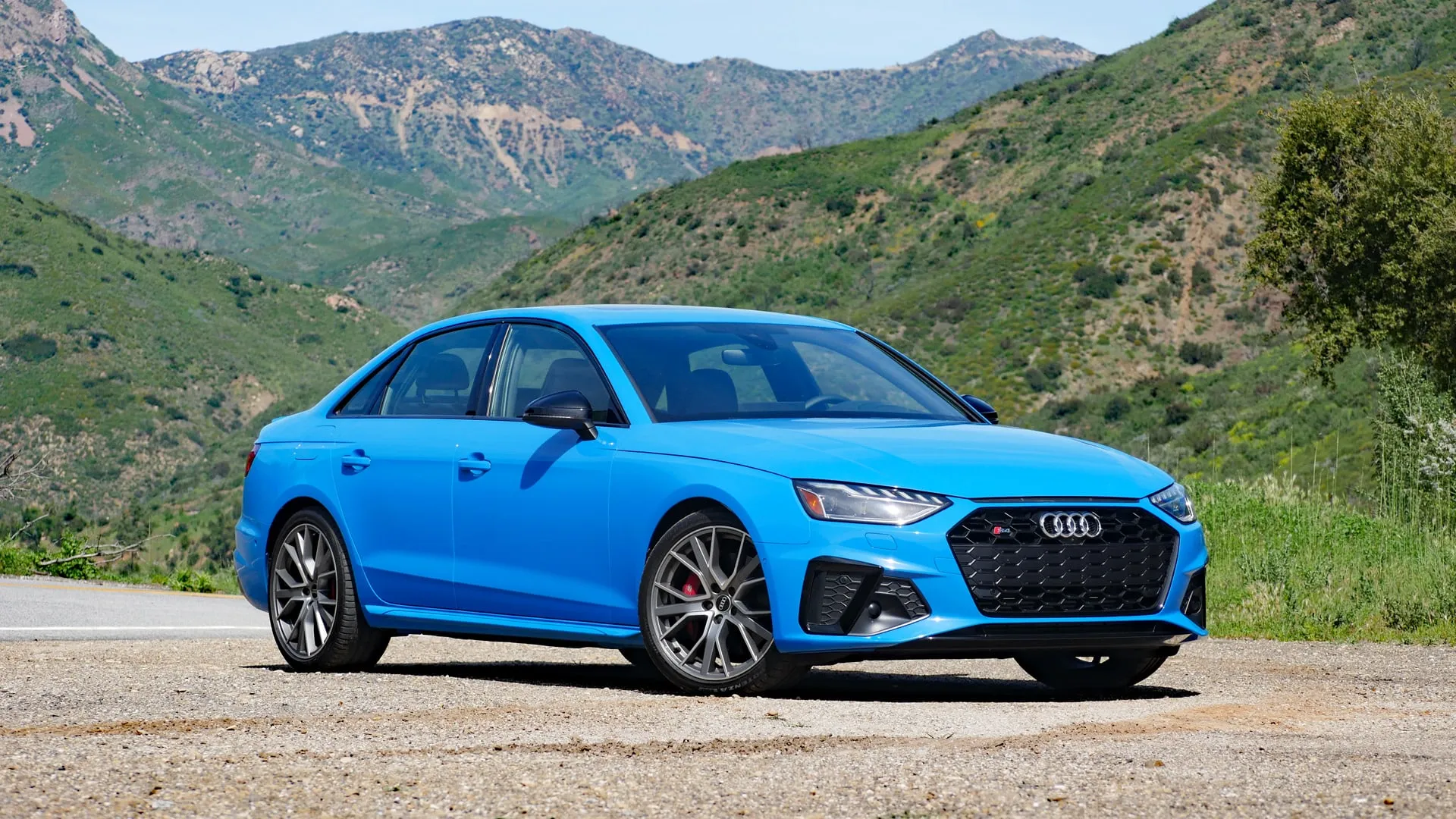
The Audi S4 offers high performance, sharp styling, and precision handling, but its low ground clearance makes it impractical for college life. Speed bumps, potholes, and uneven parking lots can damage underbody components. Frequent exposure to these conditions can lead to costly repairs that students may struggle to afford.
Stiffer suspension setups prioritize sporty handling over comfort. On city streets and campus roads, the ride can feel harsh, tiring, and uncomfortable after multiple trips in a day. For students commuting between classes and work, comfort is more important than track-ready suspension dynamics.
Insurance premiums for the S4 are high, especially for younger drivers. Sports-oriented sedans are often seen as high-risk by insurance companies, reflecting the likelihood of high-speed accidents or more aggressive driving. Students working within limited budgets may find insurance costs prohibitive, making the car financially impractical.
Maintenance expenses are significant for the S4, particularly if specialized parts are needed. Brake replacements, performance tires, and electronic systems repairs can be expensive and may require dealership visits. Students may find it difficult to schedule repairs around class and work schedules, increasing stress and downtime.
Lastly, while the S4 is fun to drive, it offers little in terms of real-world commuting advantage. Students prioritize reliability, low operating costs, and ease of driving, which makes this sports sedan a poor fit for everyday campus needs despite its performance appeal.
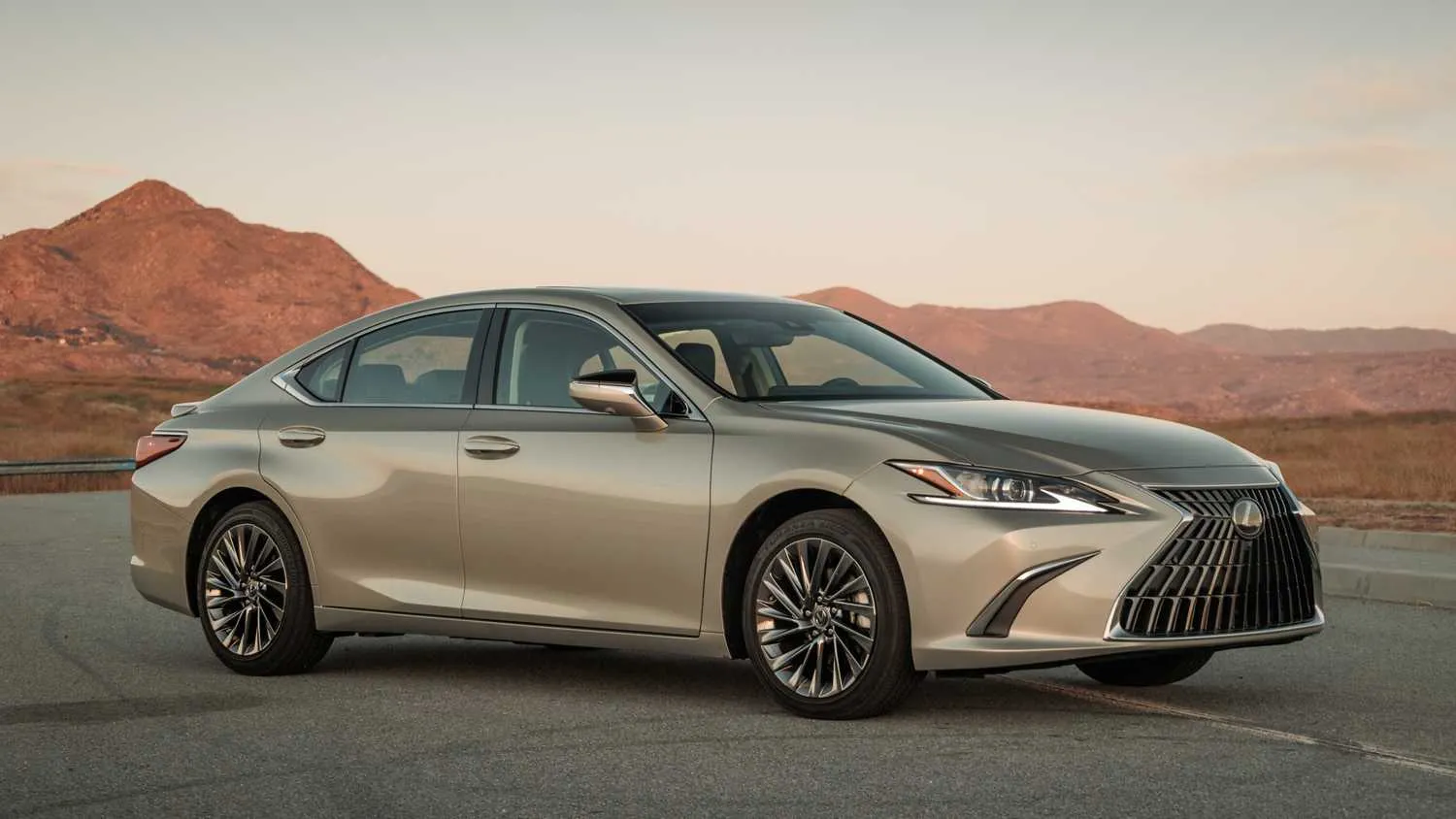
Lexus ES 300h
The Lexus ES 300h is a hybrid sedan offering advanced technology and efficiency, but luxury hybrids are often more trouble than they are worth for students. Specialized maintenance is required for hybrid systems, which can be costly and time-consuming. Scheduling repairs at authorized service centers may not fit a busy student schedule, creating potential inconvenience.
Repair costs for luxury hybrids are higher than simpler gasoline vehicles. Battery replacements and hybrid-specific components are expensive, and any repairs outside warranty periods can strain a student’s budget. Predictable and low-cost maintenance is often more valuable than hybrid efficiency for college commuting.
Fuel economy advantages of the ES 300h may be offset by high insurance premiums. Luxury hybrids are often rated higher risk due to their cost and repair potential, leading to elevated monthly insurance. Combined with maintenance costs, any savings on gas are often negated, making the car less economical.
Depreciation is rapid for high-end luxury hybrids. Students may experience significant value loss after only a few years, which reduces the practicality of ownership. The combination of high upfront costs, maintenance, and insurance rarely balances out with the fuel savings or comfort features.
Finally, the technology in luxury hybrids can be overwhelming for inexperienced drivers. Advanced infotainment, driver assistance, and hybrid management systems may require learning and adjustment. Students often benefit more from vehicles that emphasize simplicity, reliability, and straightforward operation.
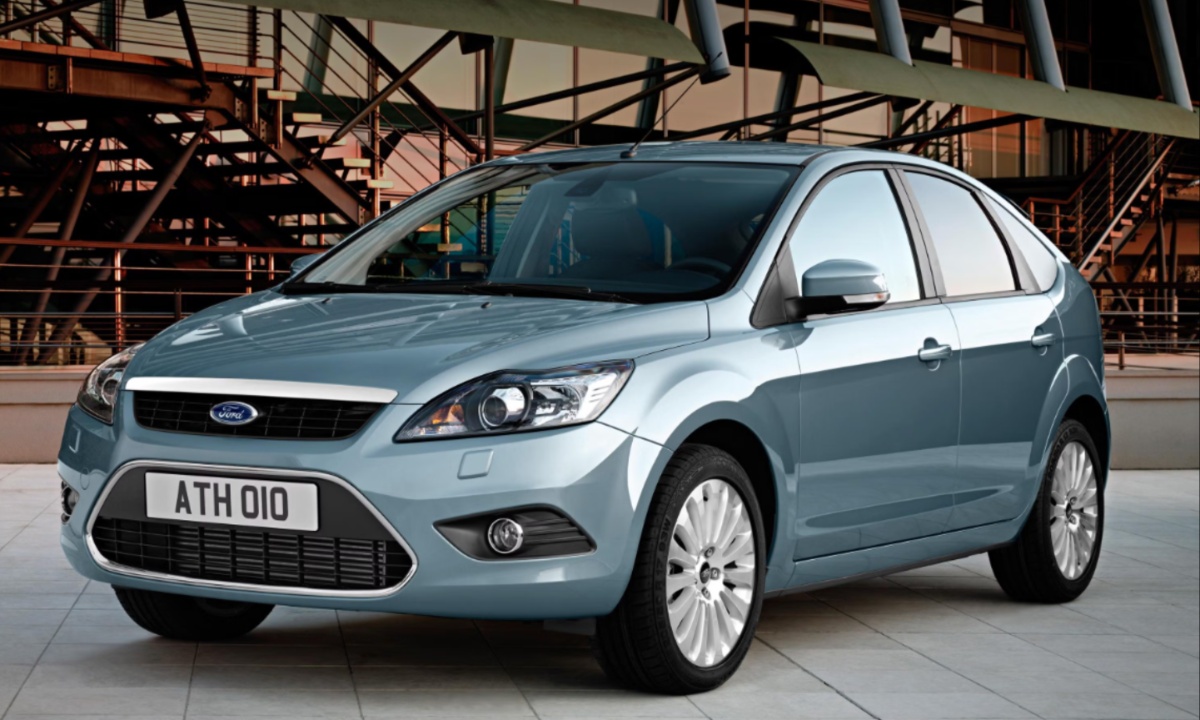
Ford Focus 2008
Older small sedans like the Ford Focus from 2008 or earlier are often inexpensive, but they are lacking in modern safety and convenience features. Basic safety equipment may be missing or outdated, including airbags, ABS, and electronic stability control. These shortcomings make the vehicle less protective during everyday commuting.
Fuel efficiency may not match contemporary standards, meaning students will need to fill up more frequently. Older engines often operate less efficiently, increasing both fuel costs and environmental impact. For a student balancing tight budgets, older small sedans can be more expensive to operate than newer compact models.
Interior comfort and convenience features are minimal in older Focus sedans. Seats may be worn, controls outdated, and entertainment options lacking. Students often spend extended periods commuting, and these deficiencies reduce daily comfort and usability.
Maintenance can be a problem because replacement parts may be harder to find. Independent mechanics may struggle to locate compatible components, and repairs may take longer than expected. Unreliable operation can disrupt schedules and increase stress during college life.
Outdated small sedans with limited features like the Ford Focus 2008 or earlier generally do not meet the demands of modern student commuting. Newer, reliable, and more efficient sedans provide a far better balance of safety, comfort, and cost.
