
Choosing the right car for daily use can significantly affect your quality of life, finances, and convenience. People often underestimate the subtle differences between vehicles that are dependable every day and those that become a constant source of stress.
Factors like fuel efficiency, comfort, reliability, ease of maintenance, and handling in various conditions all play a role. While some cars excel in all of these areas, others appear attractive on the surface but falter under the pressures of routine use. Many buyers focus only on looks or initial cost, neglecting aspects that matter most after a few months or years of driving.
A car that performs well for daily commuting can make mornings less stressful and evenings more relaxing, offering peace of mind and consistent functionality. Beyond commuting, a reliable daily driver supports errands, weekend plans, and unexpected situations like sudden weather changes or road conditions.
Comfort is also essential, as long hours in a poorly designed cabin can lead to fatigue, distraction, or discomfort. Fuel efficiency plays a significant role for people driving daily, as high consumption increases monthly costs and environmental impact.
Maintenance frequency and cost also separate good daily drivers from the rest, as frequent visits to repair shops can turn even a relatively cheap car into a financial burden. Finally, safety features and predictable handling help drivers navigate urban and rural roads without constant anxiety.
When a vehicle combines reliability, comfort, efficiency, and safety, it becomes an asset rather than a liability. In this article, we will examine five cars that consistently handle daily use well and five cars that often struggle with it.
By comparing these examples, potential buyers can better understand what to prioritize and what pitfalls to avoid when selecting a vehicle for routine use. This comparison will highlight practical considerations that go beyond aesthetics and hype, focusing on usability, long-term reliability, and satisfaction.
Cars That Handle Daily Use Well
1. Toyota Corolla
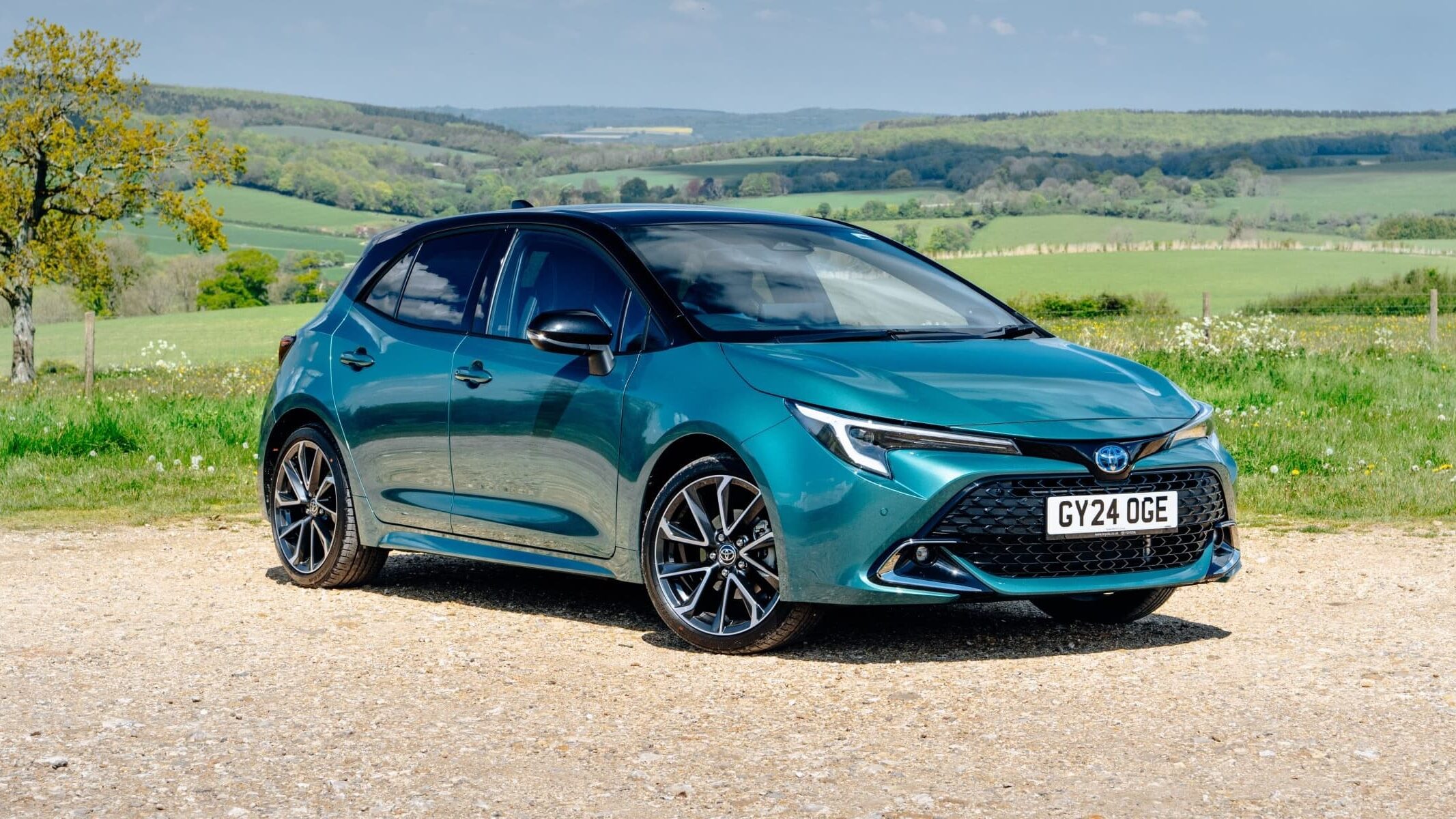
The Toyota Corolla has earned a strong reputation for reliability and ease of maintenance. Its compact size makes it easy to park in crowded city streets, which is crucial for daily commuters. Fuel efficiency is another advantage, allowing drivers to cover long distances without frequent refueling. Owners often praise the smooth ride and comfortable seating, making it suitable for both short trips and extended drives.
Corolla models tend to retain their value over time, which appeals to people thinking about long-term ownership. The interiors are designed for practicality, with intuitive controls that reduce distractions while driving. Safety features like lane assist and adaptive cruise control come standard on newer models, providing confidence in traffic.
Minimal mechanical issues have been reported even after several years, reflecting Toyota’s focus on durability. The car’s consistent performance makes it a dependable choice for busy individuals balancing work, errands, and personal commitments.
Maintenance for the Corolla is straightforward and relatively inexpensive. Parts are widely available, and many mechanics are familiar with the model, reducing repair times. Insurance costs are typically lower compared to sportier or luxury vehicles. The Corolla’s cabin is quiet, helping to reduce stress during rush hour or long commutes.
Its blend of efficiency, comfort, and reliability has kept it popular for decades, making it a benchmark in the compact car segment.
Despite being compact, the Corolla offers decent interior space for passengers and cargo. Back seat room is sufficient for small families or carpooling. Infotainment systems are user-friendly and responsive, adding convenience without overwhelming drivers with complicated features.
Visibility is excellent, allowing drivers to navigate tight intersections and parking spaces easily. All these elements contribute to the Corolla’s reputation as a vehicle that consistently meets the demands of everyday driving.
Drivers also appreciate the smooth and predictable handling of the Corolla. It responds reliably to steering inputs, reducing the feeling of unpredictability in urban or suburban settings. Acceleration is adequate for city driving, ensuring safe merging onto highways.
The braking system is reliable and easy to modulate, contributing to safety. For people prioritizing a combination of reliability, comfort, and affordability, the Toyota Corolla remains one of the best options for daily use.
Finally, the Corolla’s exterior design is understated yet appealing. It avoids flashy trends that can become outdated quickly, while maintaining a modern look that ages well. Its low maintenance requirements, combined with practical features, reinforce its status as a dependable daily driver.
Many owners report years of hassle-free driving, which is a rare combination in today’s market. With all these qualities, it is easy to see why the Corolla remains a top choice for commuters, families, and anyone seeking a stress-free driving experience.
2. Honda Civic
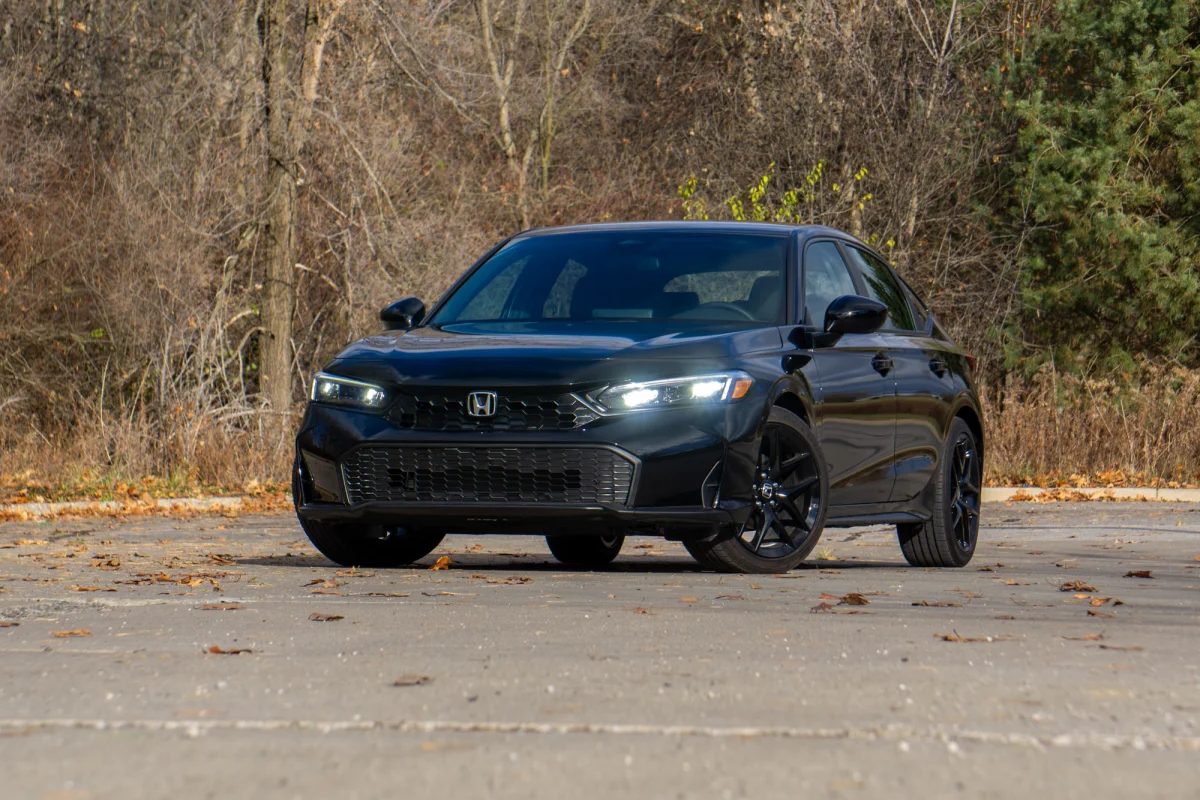
The Honda Civic has been a staple in the compact car market due to its reliability and versatility. Its responsive engine options offer sufficient power for city and highway driving without sacrificing fuel efficiency. The Civic’s suspension system balances comfort and handling, allowing it to absorb bumps while remaining agile. Interior materials are durable, ensuring the cabin remains in good condition even after years of daily use.
Civics are known for holding their value over time, making them a smart investment. Technology features, such as touchscreen displays and smartphone integration, enhance convenience for daily drivers. Safety features like collision mitigation braking and road departure mitigation provide additional protection.
Owners frequently report low repair costs, adding to its practicality. With its strong combination of reliability, comfort, and efficiency, the Civic is often considered a benchmark in compact vehicles.
The Civic’s ergonomics contribute to a relaxed driving experience. Seats are supportive, and the driving position offers good visibility. Noise insulation reduces fatigue during longer trips, while climate control systems maintain comfort. Maintenance schedules are predictable and rarely require expensive interventions. Fuel efficiency remains impressive across various trims, helping drivers manage daily expenses effectively.
Interior space is optimized for both passengers and cargo. Rear seats comfortably accommodate adults for shorter trips, while foldable rear seats increase flexibility for carrying larger items. Infotainment is intuitive, with straightforward controls and connectivity options.
The trunk offers ample room for groceries, luggage, or other daily necessities. Every aspect of the Civic is designed to support practical, everyday driving needs.
Handling is precise and predictable, making city navigation stress-free. Steering provides feedback without being overly sensitive, enhancing confidence on various road surfaces. Acceleration and braking are reliable, ensuring smooth integration into traffic.
The Civic’s reliability also extends to seasonal changes, maintaining consistent performance in different weather conditions. The combination of durability, comfort, and efficiency makes the Honda Civic an excellent choice for daily use.
3. Mazda3
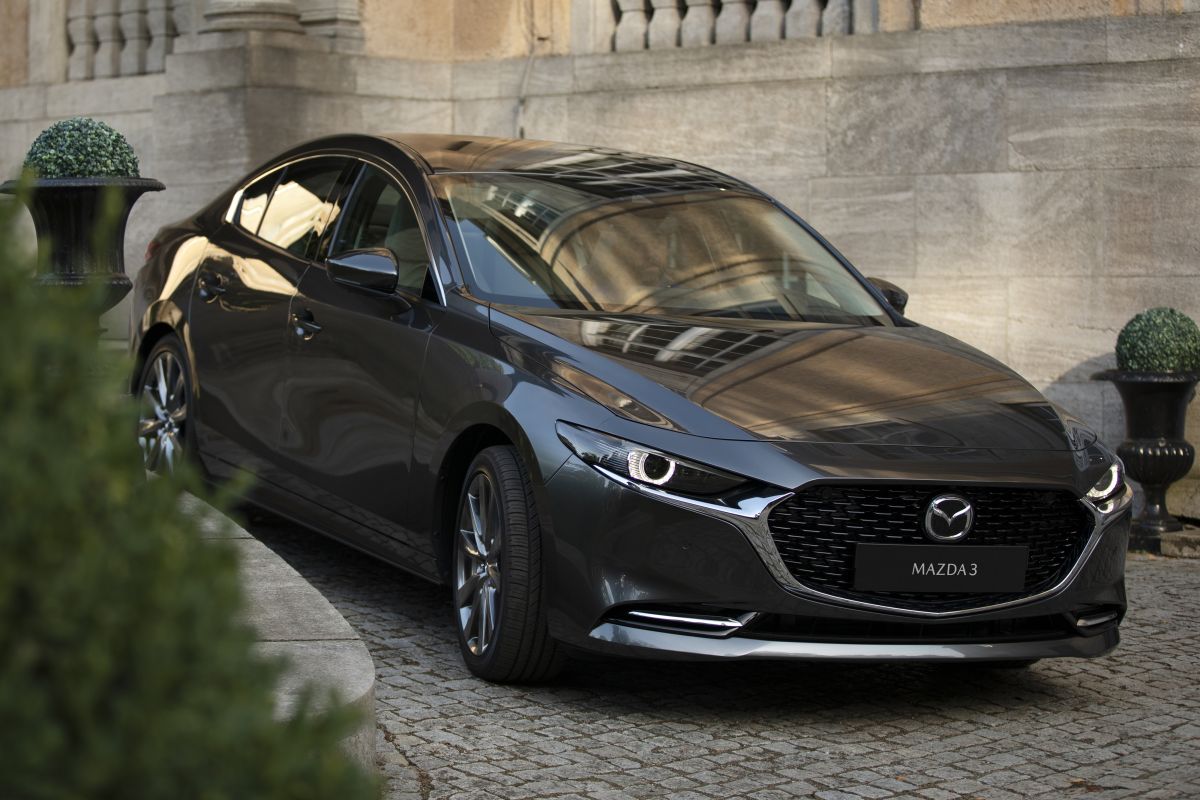
The Mazda3 is celebrated for its engaging driving dynamics while maintaining practicality for daily use. Its responsive engine and smooth transmission make city driving enjoyable without compromising fuel efficiency. The interior is crafted with high-quality materials, offering a refined feel in a compact package. Seats are comfortable for both short commutes and longer trips, reducing driver fatigue over time.
Mazda3 models are known for their reliability, with minimal mechanical issues reported over years of ownership. Maintenance is straightforward, and parts are widely available, making repairs manageable. The car’s suspension strikes a balance between sportiness and comfort, ensuring a composed ride on various surfaces. Drivers appreciate the quiet cabin, which enhances focus and reduces stress during traffic.
Infotainment features are simple yet effective, providing navigation and connectivity without distraction. Safety systems like blind-spot monitoring and rear cross-traffic alert improve situational awareness. Fuel economy remains strong, especially with the standard 4-cylinder engine. Storage space is adequate, supporting daily errands and occasional weekend trips. All these features contribute to the Mazda3’s reputation as a dependable daily driver.
Driving dynamics are a highlight, with nimble handling and precise steering enhancing the driving experience. The car remains stable during cornering and absorbs road imperfections efficiently. Braking is responsive and consistent, adding confidence for city and highway driving.
The Mazda3 proves that reliability and enjoyable handling can coexist in a practical daily vehicle. Owners frequently report satisfaction with both the driving experience and long-term durability.
Exterior styling combines elegance with subtle sportiness, appealing to drivers seeking a visually attractive vehicle without excessive flash. Its low cost of ownership, combined with high-quality design, makes it a well-rounded choice. The Mazda3 offers a rare blend of performance, comfort, and reliability, ensuring that daily commutes and errands remain hassle-free. This balance has made it a consistent favorite in the compact car segment.
4. Toyota Camry
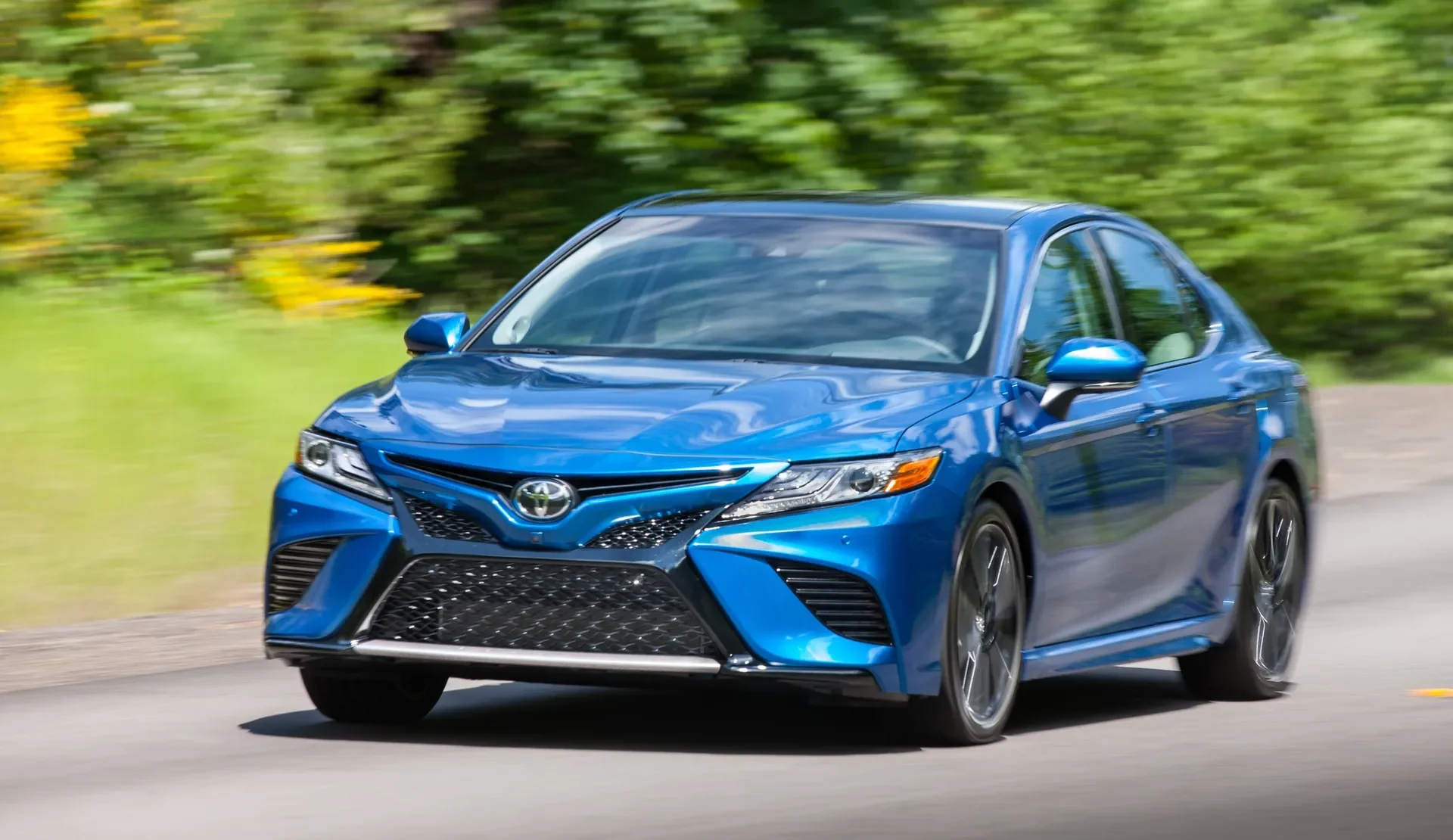
The Toyota Camry is a midsize sedan that offers exceptional comfort and reliability. Its spacious interior accommodates families and passengers with ease, while the cabin remains quiet on highways. Fuel efficiency is impressive for its size, reducing costs for long commutes. Owners often praise its smooth ride and easy-to-use controls, making it ideal for daily driving.
Camry models are renowned for longevity, often surpassing 200,000 miles with proper maintenance. Safety features such as adaptive cruise control, lane keeping, and automatic emergency braking provide confidence in various traffic conditions. Repair costs are generally manageable, with Toyota’s extensive network ensuring easy access to parts and service. It strikes a balance between affordability, reliability, and comfort.
The Camry’s seating is supportive and adjustable, reducing fatigue during long drives. Infotainment systems are modern yet user-friendly, supporting smartphone connectivity and navigation. Climate control is efficient, keeping passengers comfortable in different weather conditions. Cargo space is generous, making it suitable for groceries, luggage, or daily errands. The design emphasizes practicality without sacrificing aesthetics.
Handling is predictable and stable, with a suspension system designed for comfort rather than sportiness. Brakes respond reliably, and acceleration is adequate for merging onto highways or overtaking slower traffic. Fuel economy and engine performance remain consistent, even under heavy use. These qualities make the Camry a reliable choice for drivers prioritizing a stress-free daily experience.
Exterior styling is conservative yet modern, avoiding trends that quickly become outdated. The Camry’s reputation for durability and consistent performance has kept it popular among commuters, families, and professionals.
Its blend of comfort, efficiency, and low maintenance costs ensures that daily driving remains convenient and predictable. Many owners report years of dependable use, reinforcing the Camry’s status as a top midsize sedan.
5. Subaru Outback
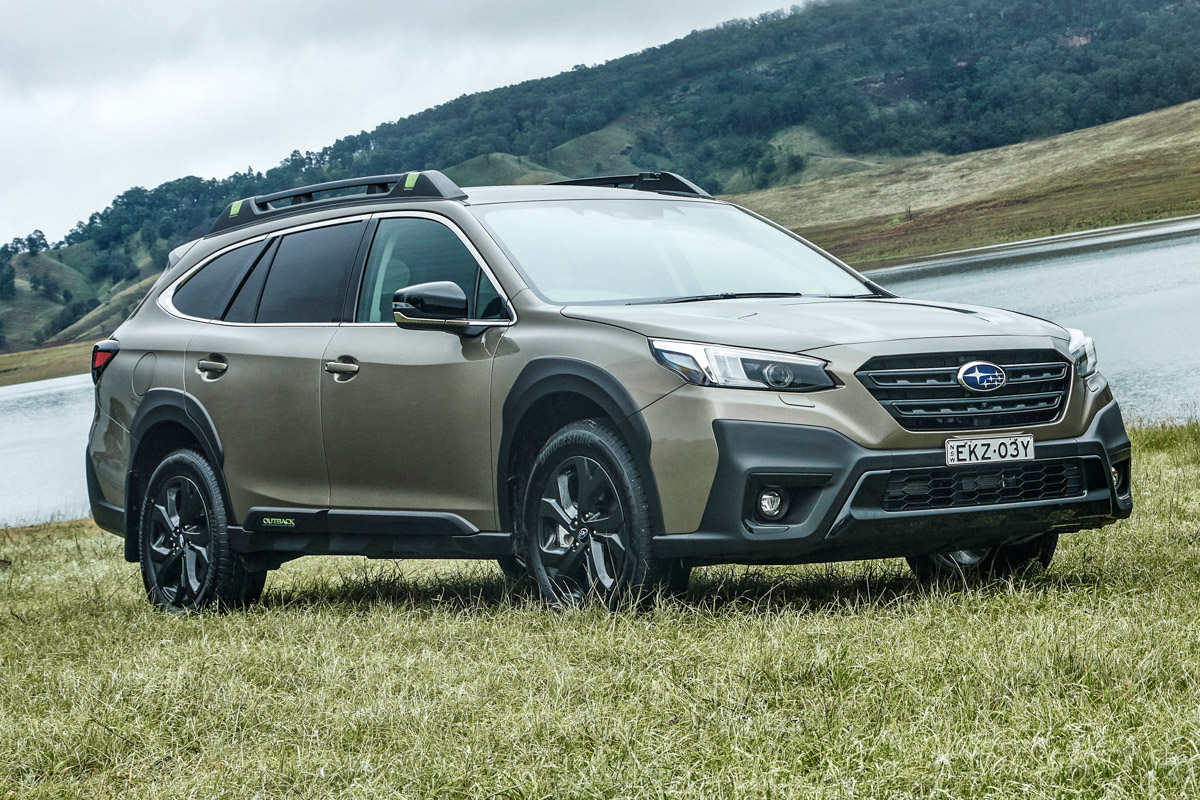
The Subaru Outback combines versatility, safety, and reliability, making it a strong daily driver option. Its all-wheel-drive system provides confidence in various weather conditions, including rain and snow. The cabin is spacious and comfortable, accommodating passengers and cargo for daily use or weekend adventures. Fuel efficiency is reasonable for its size, supporting regular commuting without excessive costs.
Outbacks are known for longevity, with owners often reaching high mileage without major issues. Maintenance is manageable, with parts readily available and mechanics familiar with Subaru systems.
Infotainment and connectivity features are practical and easy to navigate. Safety is a priority, with standard features including adaptive cruise control, lane departure warning, and pre-collision braking. All these aspects make it a dependable choice for routine driving.
Interior comfort is enhanced by supportive seats and a quiet cabin. Storage space is abundant, with rear seats that fold flat to increase cargo capacity. Visibility is strong, aiding drivers in parking or navigating busy streets. The Outback balances utility and comfort, offering a smooth driving experience in urban and suburban environments. Drivers consistently report satisfaction with both comfort and reliability.
Handling is stable, thanks to the all-wheel-drive system and balanced suspension. Braking and acceleration are predictable, making highway merges and city driving straightforward. The car’s design emphasizes practicality, with easy access, good ground clearance, and ample cargo space. Reliability and adaptability are central to the Outback’s appeal, supporting daily commuting and occasional longer trips.
Exterior styling is rugged yet refined, reflecting the vehicle’s versatility. Its combination of safety, comfort, and reliability makes it an excellent option for drivers seeking a practical and dependable daily car.
Many owners appreciate the reassurance that comes with predictable performance and strong durability, especially in areas with challenging road conditions. The Outback consistently ranks high for long-term satisfaction among midsize SUVs.
Cars That Struggle With Daily Use
1. Fiat 500
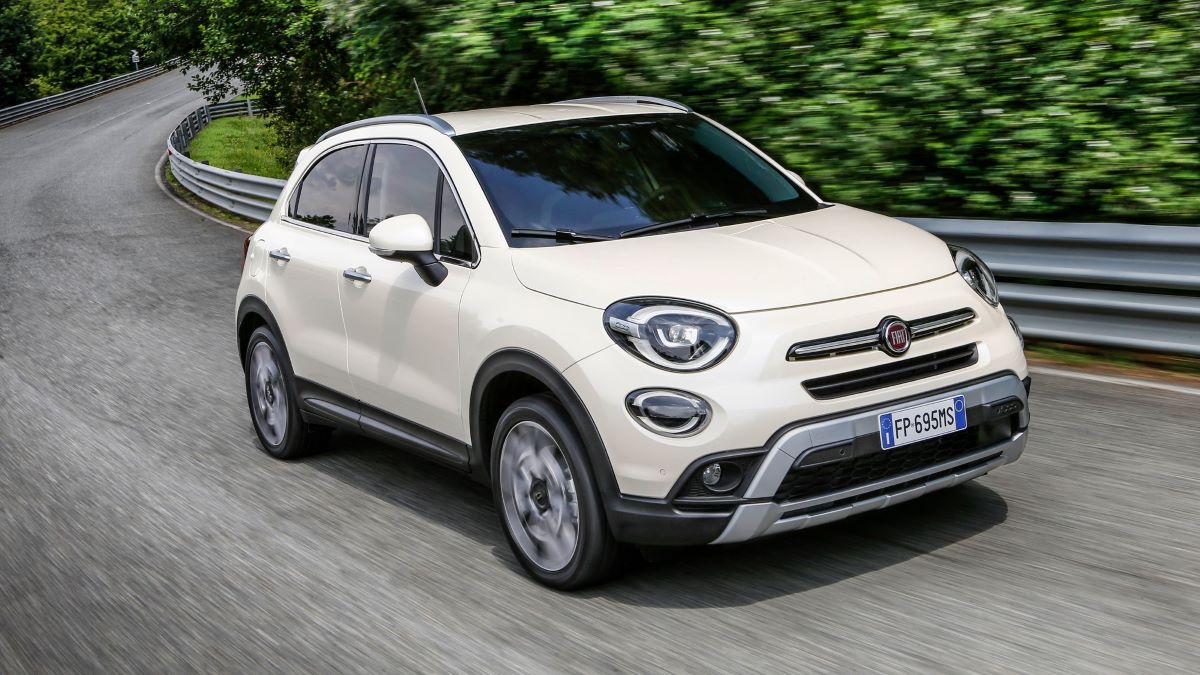
The Fiat 500 is often praised for its compact size and retro styling, but it struggles with everyday practicality. Its small interior can feel cramped, especially for taller drivers or passengers in the back. Cargo space is extremely limited, making errands or grocery trips inconvenient. Fuel efficiency is acceptable but offset by frequent maintenance needs as the car ages.
Reliability is a significant concern, with owners reporting issues related to electrical components and engine performance. Repair costs can quickly accumulate due to parts scarcity and specialized service requirements. While the car is fun to drive in short bursts, it often lacks the consistency needed for daily commuting. Road noise and cabin vibrations further reduce comfort over long periods.
The Fiat 500’s suspension is stiff, making it less forgiving on potholes or uneven roads. Handling at higher speeds can feel unstable, and braking distances are longer than expected for such a small car. Infotainment and connectivity features may be outdated or unreliable in older models. Safety features are limited compared to competitors, which is a concern for families or frequent highway drivers.
Interior ergonomics are not designed for extended use. Seats lack support, causing fatigue on longer trips. Visibility is limited, especially in busy city traffic or during parking maneuvers. Even small errands can become stressful due to the cramped cabin and reduced comfort. The design prioritizes style over practicality, which is a drawback for daily drivers.
Finally, maintenance and ownership costs can outweigh the car’s initial affordability. Common repairs involve complex electrical systems or European-specific components. Reliability concerns make it a less predictable daily companion. While it might be suitable for occasional city trips, the Fiat 500 often struggles to meet the demands of everyday commuting and errands consistently.
2. Mini Cooper
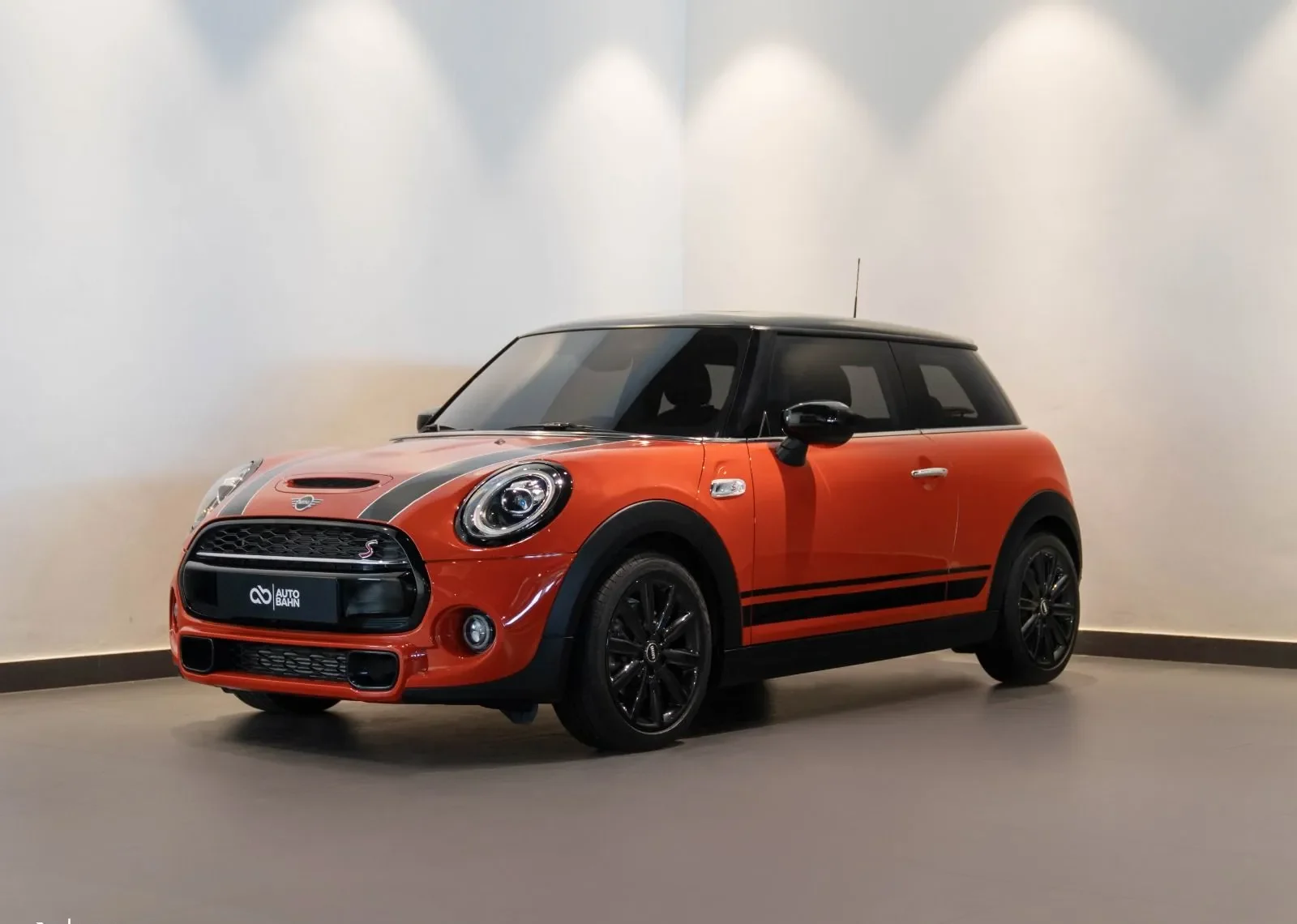
The Mini Cooper offers distinctive styling and enjoyable handling, but it is less suited for daily use for many drivers. The cabin is small, and rear-seat space is limited, making it difficult to transport passengers comfortably. Trunk capacity is minimal, which can create problems for shopping trips or luggage storage. Fuel efficiency is reasonable, but maintenance issues can increase long-term costs.
Reliability is inconsistent across model years, with frequent reports of engine and transmission issues. Electrical components and interior features are prone to malfunction. Repairs often require specialized service, which increases both cost and inconvenience. While it provides a fun driving experience, its durability for everyday use is questionable. Owners may find themselves visiting repair shops more often than expected.
Suspension is firm, which affects comfort on rough or uneven roads. The car’s low weight and sporty tuning can make highway driving feel twitchy. Braking and acceleration are adequate, but the performance lacks predictability under heavy traffic conditions. Infotainment systems, especially in older models, can be slow or confusing to operate. Safety features are not as comprehensive as in competitors.
The interior design emphasizes style over ergonomics, leaving passengers with limited legroom and support. Longer commutes can be uncomfortable, and the seating position may not suit every driver. Visibility in tight parking spaces is challenging, increasing stress during daily errands. The cabin’s tight dimensions limit versatility, reducing its appeal as a practical daily vehicle.
Ownership costs are higher than expected for a compact car. Repairs can be expensive and time-consuming due to European-specific parts. Reliability concerns make it a less predictable option for commuting or family use. While the Mini Cooper excels as a hobby car or weekend driver, it struggles to meet the practical demands of consistent daily driving.
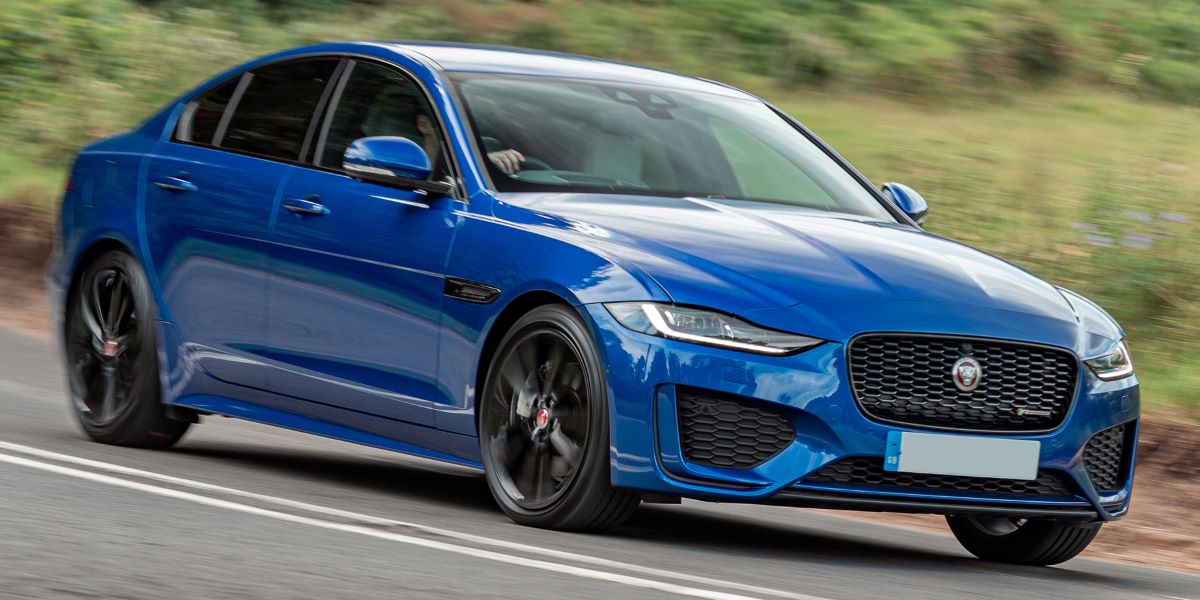
3. Jaguar XE
The Jaguar XE offers luxury appeal and sporty handling, but its suitability as a daily driver is limited. Its high-performance engine requires premium fuel, increasing running costs for everyday use. While the cabin is stylish and quiet, maintenance and repair demands are substantial. Reliability issues are reported more frequently than in mainstream sedans, making long-term ownership challenging.
Repairs and parts replacement are costly, often requiring specialized service centers. Even minor issues can result in significant expenses, which may deter budget-conscious drivers. Fuel efficiency is below average for the segment, raising costs for commuting or regular errands. Electronics and infotainment systems can be temperamental, adding frustration to daily usage.
Handling is precise and responsive, but the suspension prioritizes performance over comfort. Road imperfections are felt more sharply, making city driving less smooth. Braking is strong but requires careful modulation in stop-and-go traffic. Cabin ergonomics focus on luxury aesthetics, sometimes at the expense of practical usability. These factors reduce comfort and convenience for extended daily use.
Interior space is moderate, with rear seats being less accommodating for adults on longer trips. Trunk space is sufficient for light luggage but limited for larger cargo. Infotainment controls can be confusing, especially for those used to simpler systems. Daily errands or commuting can feel unnecessarily complicated due to these limitations. The XE’s blend of luxury and sportiness often conflicts with everyday practicality.
High ownership costs and frequent maintenance needs make the Jaguar XE a less reliable option for daily driving. Unexpected repairs and specialized service requirements can turn routine commuting into a logistical challenge. While it is a visually striking and performance-oriented vehicle, it often fails to provide the consistent reliability and affordability demanded by regular use.
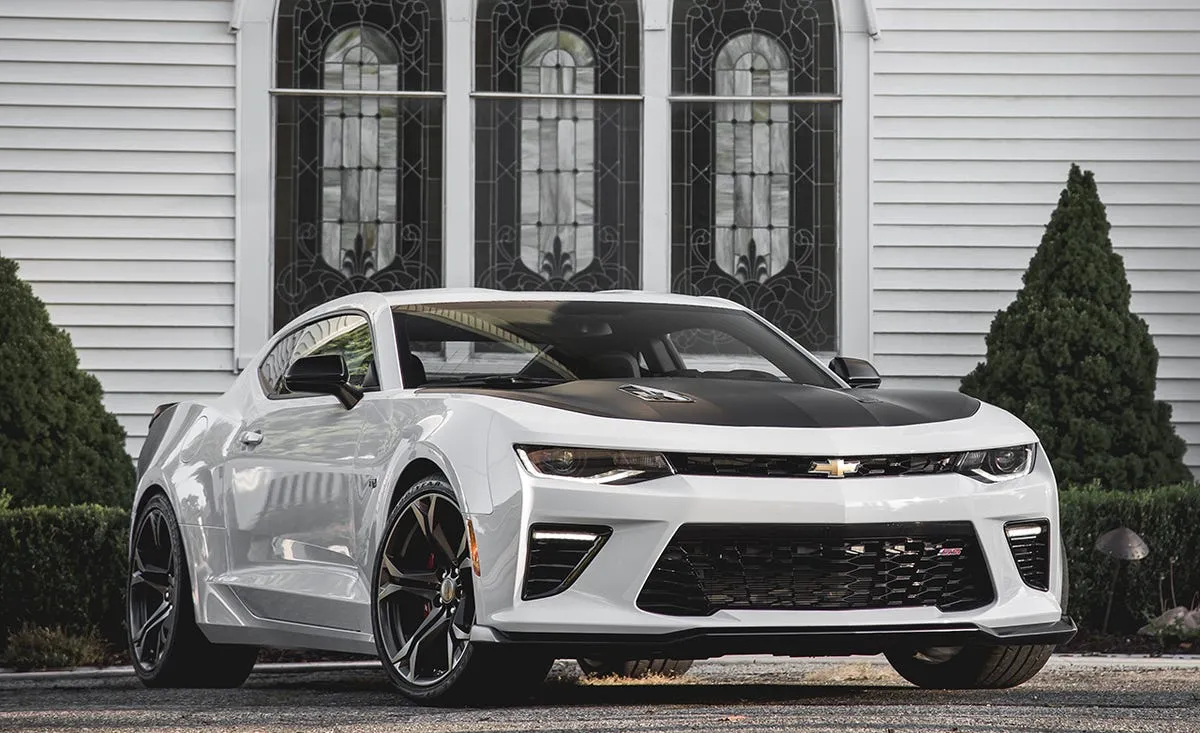
4. Chevrolet Camaro
The Chevrolet Camaro is known for its sporty appeal, but it struggles as a daily driver for many users. Its low seating position and narrow interior reduce comfort during long commutes. Visibility is limited, particularly to the rear and sides, which complicates city driving and parking. Trunk space is small, restricting its usefulness for groceries or cargo transport.
Fuel economy is poor compared to compact or midsize sedans, making daily commuting expensive. High-performance trims require premium fuel, further increasing costs. Maintenance and repair expenses are elevated, especially for older or performance-focused models. While it is thrilling to drive in certain situations, it lacks consistency and comfort for daily use.
The suspension is stiff, prioritizing sporty handling over comfort. Road imperfections are felt sharply, which can be tiring during long commutes. Steering is precise but can feel sensitive in stop-and-go traffic. Infotainment and interior features are often limited or awkwardly placed. These factors make routine driving less convenient and more physically demanding.
Cabin space is minimal, particularly in the rear seats, limiting its use for passengers beyond the driver and one front passenger. Interior ergonomics can be cramped, and getting in and out is challenging for taller individuals. Road noise and vibrations are amplified, reducing comfort during daily errands or highway driving. Practicality is compromised by design choices aimed at performance.
High running costs, including fuel, insurance, and maintenance, reduce the Camaro’s appeal as a daily driver. Its focus on style and performance comes at the expense of reliability and convenience. While it may be suitable for weekend drives or car enthusiasts, it does not meet the practical needs of most drivers for consistent daily commuting.
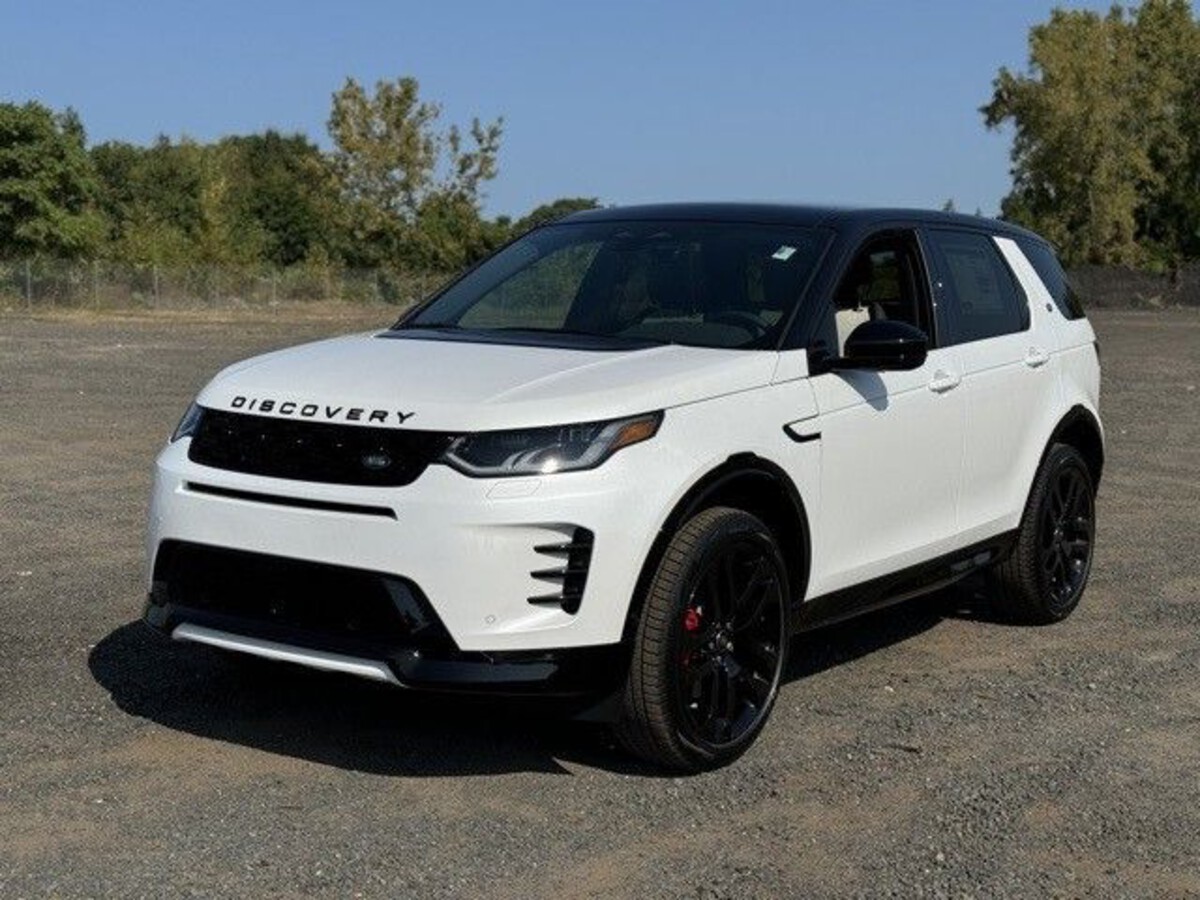
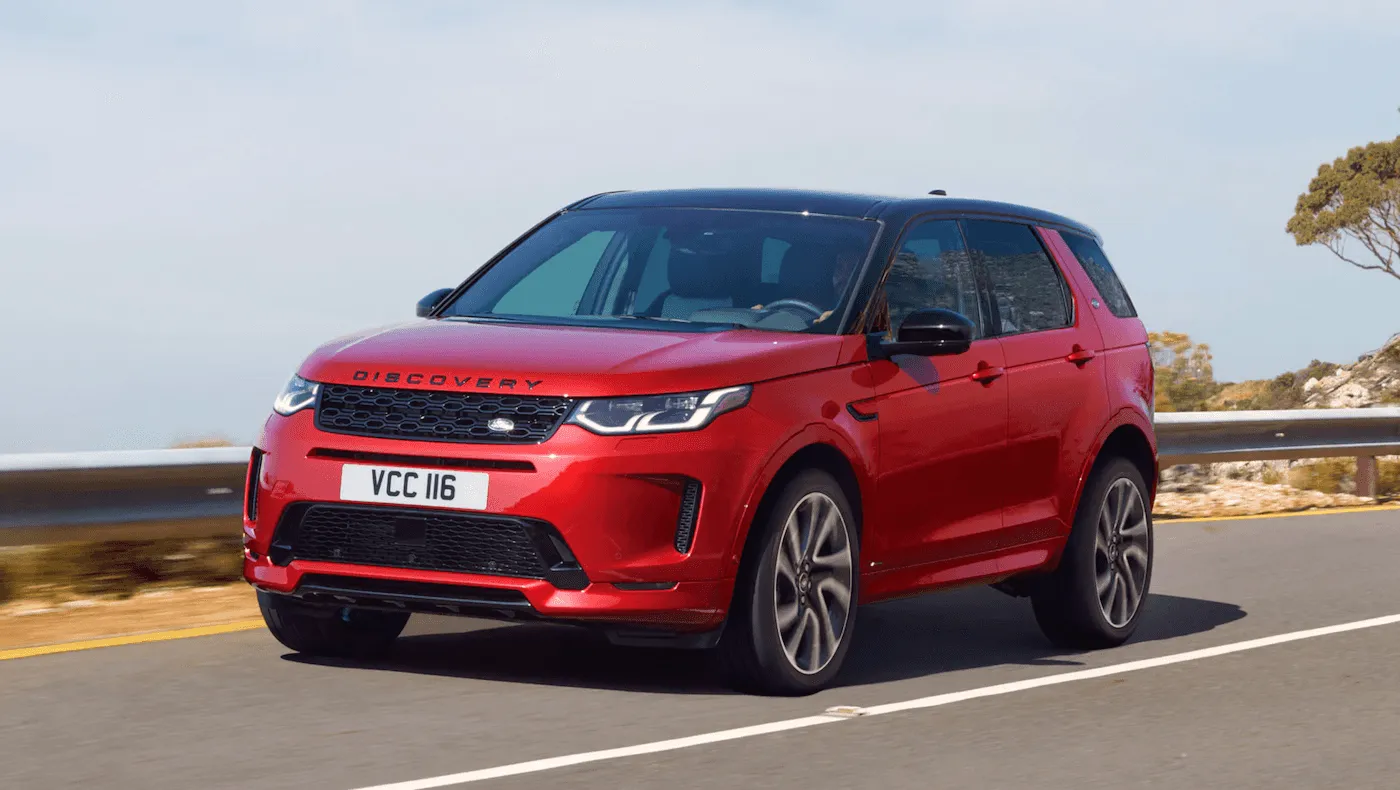
5. Land Rover Discovery Sport
The Land Rover Discovery Sport is a luxury SUV that struggles with reliability and cost for everyday use. Its spacious cabin and off-road capabilities are appealing, but frequent mechanical issues undermine practicality. Fuel consumption is high, especially in city driving, and maintenance costs are significant. While it offers a comfortable ride, the financial and reliability concerns make it challenging for routine use.
Owners report issues with electronics, suspension components, and drivetrain reliability. Specialized service is often required, and parts can be expensive or hard to source. Fuel efficiency remains poor even in newer models, increasing the total cost of ownership. Infotainment systems can be slow or glitchy, which affects convenience during commuting or errands.
The suspension is soft, providing comfort but occasionally compromising handling predictability. Road feedback is inconsistent, which can make highway merging or urban driving stressful. Braking and acceleration are adequate but do not offset the reliability concerns. Interior ergonomics are generally good, but occasional quality issues can affect long-term usability. These factors reduce confidence for daily commuting.
Storage space is decent, and passenger comfort is adequate for short trips. However, trunk access is limited by a high lift-over height, making loading groceries or luggage less convenient. Visibility is good but can be affected by thick pillars in certain areas. Daily errands or commuting can become inconvenient due to a combination of mechanical unreliability and maintenance demands.
High ownership costs, including frequent repairs, specialized service, and fuel, make the Discovery Sport a less attractive daily driver. Its luxury and off-road capabilities are appealing but come at the expense of practicality and predictability. While enjoyable for weekend adventures, it struggles to meet the needs of drivers seeking a reliable and stress-free daily vehicle.
