
When it comes to automobiles, refinement is often the first factor that separates a car that feels premium from one that feels ordinary. Refinement can be measured in many ways, including the quality of materials, the smoothness of the ride, the precision of engineering, and the attention to detail in design.
A refined car is not just about luxury; it is about the experience, from the way doors close to the way the engine hums under acceleration. Drivers of refined cars often notice a sense of calm and control, a confidence that comes from knowing every component works in harmony.
Refinement is not always tied to price. Some vehicles offer remarkable smoothness and attention to detail without demanding extreme sums of money, while some expensive cars fail to provide the cohesion and comfort that drivers expect. It is a combination of engineering, design philosophy, and human-centric thinking.
From suspension tuning that absorbs road imperfections to interiors where buttons and knobs respond with exact precision, every element matters. These cars make driving feel natural rather than forced, leaving the driver and passengers with a sense of satisfaction at every turn.
On the other hand, a car that does not feel refined can be jarring. Poorly aligned panels, rough ride quality, clunky gear shifts, or loud cabin noises can all contribute to a sense of cheapness. Such cars may still be functional, practical, or fast, but they lack the polish that makes daily use pleasant.
Drivers often experience fatigue more quickly in these vehicles because the car does not respond intuitively or cushion against discomfort. This contrast shows how refinement is more than a feature; it is a philosophy that informs the way a vehicle is designed, built, and tuned.
Refined cars appeal to more than just enthusiasts. Families, commuters, and long-distance travelers often prioritize comfort and consistency. These vehicles reduce stress during driving by offering stability, quiet cabins, and smooth power delivery.
The details, from soft-touch materials to subtle engine calibration, create an impression that nothing was left to chance. Even subtle aspects like the placement of cup holders, tactile feedback of switches, and sound insulation contribute to a sense of sophistication.
In this article, we will discuss five cars that stand out for their refinement and five that fail to provide a polished experience. The goal is not to diminish the value of any vehicle but to show how engineering and design choices impact the perception of quality.
Each example will highlight the specific areas where refinement or lack thereof becomes most noticeable. By the end, readers will have a better understanding of what makes a car feel truly complete and enjoyable, as opposed to simply functional or basic.
5 Cars That Feel Refined
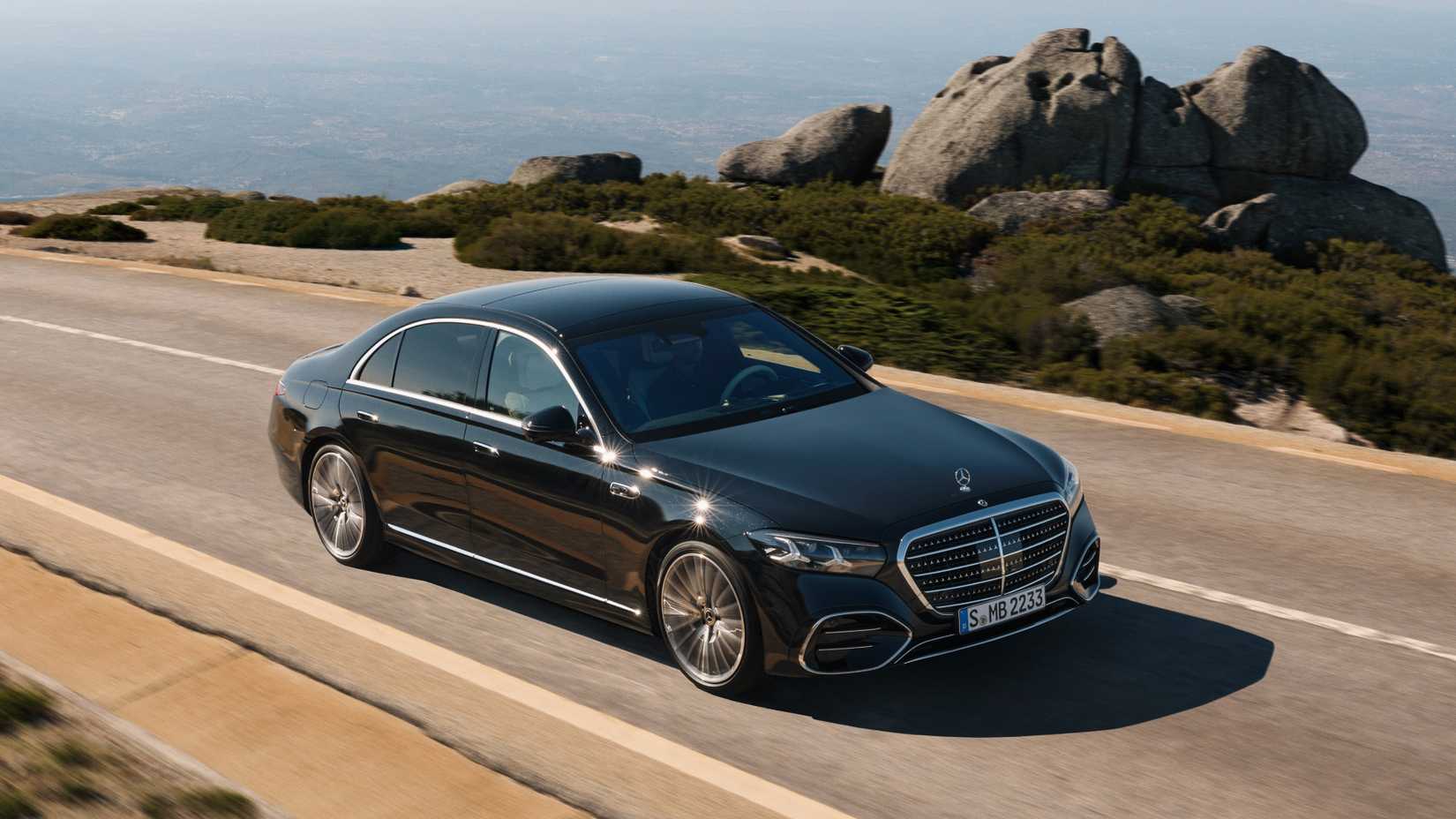
1. Mercedes-Benz S-Class
The Mercedes-Benz S-Class has long been a benchmark for automotive refinement. Every aspect, from the leather upholstery to the engineering of the suspension, is designed to create a serene driving experience. The cabin remains exceptionally quiet even at highway speeds, a result of advanced soundproofing and careful attention to panel gaps.
Its ride is smooth and controlled, with adaptive air suspension absorbing almost every imperfection on the road. Steering and braking feel precise yet effortless, giving drivers a sense of mastery without requiring constant adjustments. Every corner of the S-Class exudes quality, whether it is the seamless integration of technology or the polished finishes.
The interior design focuses on both comfort and usability. Touch-sensitive controls and intuitive displays make operating systems natural, while heated and ventilated seats support longer drives without fatigue. Ambient lighting adds to the sense of calm, enhancing the cabin atmosphere without being distracting.
Under the hood, engines are powerful yet refined. Acceleration is linear, smooth, and quiet, with minimal vibrations or harsh transitions. This allows the S-Class to feel fast without ever feeling aggressive, keeping passengers comfortable even under spirited driving.
Finally, safety and driver-assistance systems contribute to the refinement. The car actively corrects small errors, maintains smooth lane keeping, and adjusts to traffic conditions seamlessly. Each system operates quietly in the background, reinforcing the sense that the S-Class is designed for effortless comfort.
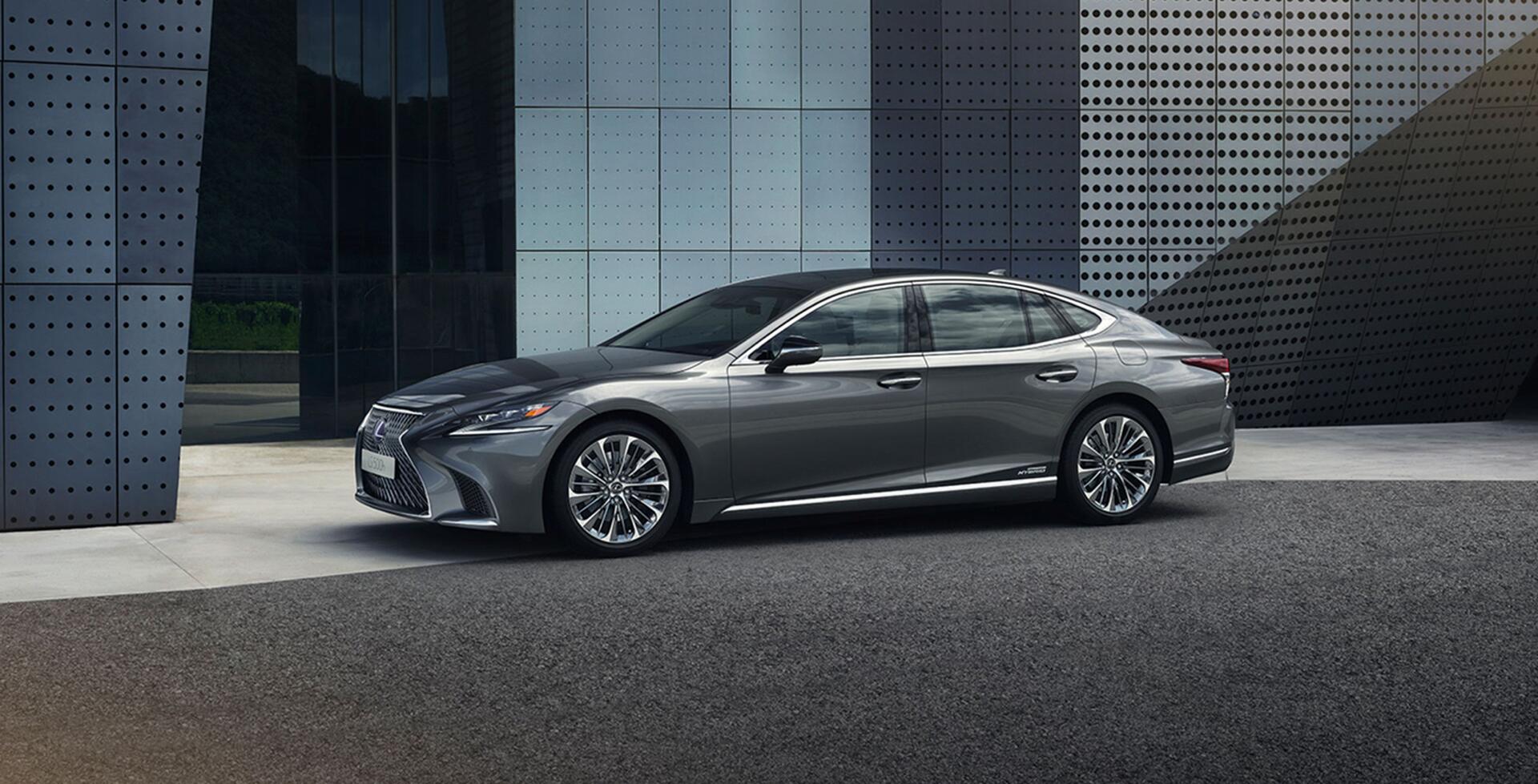
2. Lexus LS
The Lexus LS emphasizes calm and predictability, a key aspect of refinement. Its suspension is engineered to absorb irregularities while maintaining a composed posture, preventing harsh jolts even on rough roads. The cabin is insulated from noise, vibration, and harshness, creating an environment of relaxation.
Materials are consistently high quality, from the stitched leather to the polished wood accents. Controls respond precisely, and every knob and button feels purposeful rather than arbitrary. The tactile feedback reinforces the feeling that nothing in the LS is rushed or overlooked.
The drivetrain contributes to the serene experience. Smooth engine operation, coupled with refined transmission mapping, ensures power delivery is steady and unobtrusive. Even during overtaking or merging, the LS communicates power without intruding into the cabin space.
Ride comfort is enhanced with careful attention to weight distribution and chassis tuning. The car glides over speed bumps and road imperfections with confidence, giving passengers a sense of weightless stability. Long-distance trips become effortless thanks to this combination of engineering and ergonomics.
Technology in the LS integrates naturally. Infotainment, driver assistance, and climate controls operate seamlessly, with minimal learning curve. Systems provide help without creating distractions, adding to the perception that this vehicle is designed around the needs of its occupants.
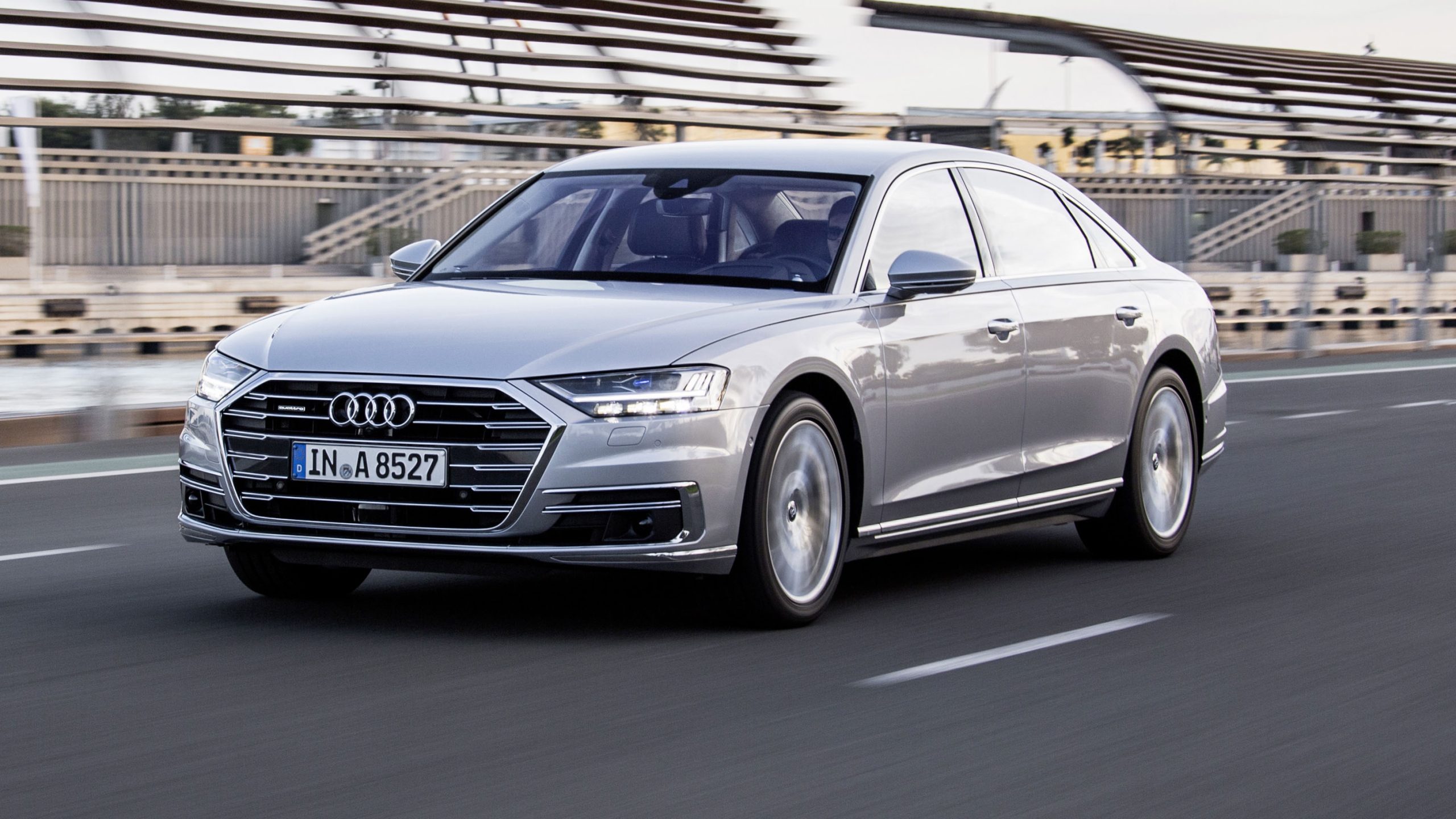
3. Audi A8
The Audi A8 is another example of refined automotive engineering. Its Quattro all-wheel-drive system adds stability without sacrificing comfort, allowing the car to handle both highways and winding roads with composure. Engine vibrations are subdued, and the cabin remains an oasis of quiet and luxury.
Attention to detail is evident in every interior surface. Leather is soft but durable, panels are fitted tightly, and trim pieces reflect a commitment to craftsmanship. This gives the A8 a sense of solidity and permanence that communicates refinement beyond the mechanical aspects.
Handling is precise yet composed, balancing the need for control with the desire for comfort. The steering has just enough feedback to feel connected without transmitting every road imperfection. Brakes are responsive without being abrupt, enhancing confidence behind the wheel.
Engines provide effortless acceleration, with turbocharged and hybrid options offering smooth, linear power. Noise, vibration, and harshness are minimized through extensive engineering, allowing performance to coexist with comfort.
Technology systems, including navigation, infotainment, and advanced driver-assistance, integrate logically. Menus are straightforward, displays are sharp, and feedback is consistent. This cohesion ensures that every interaction contributes to the car’s refined character.
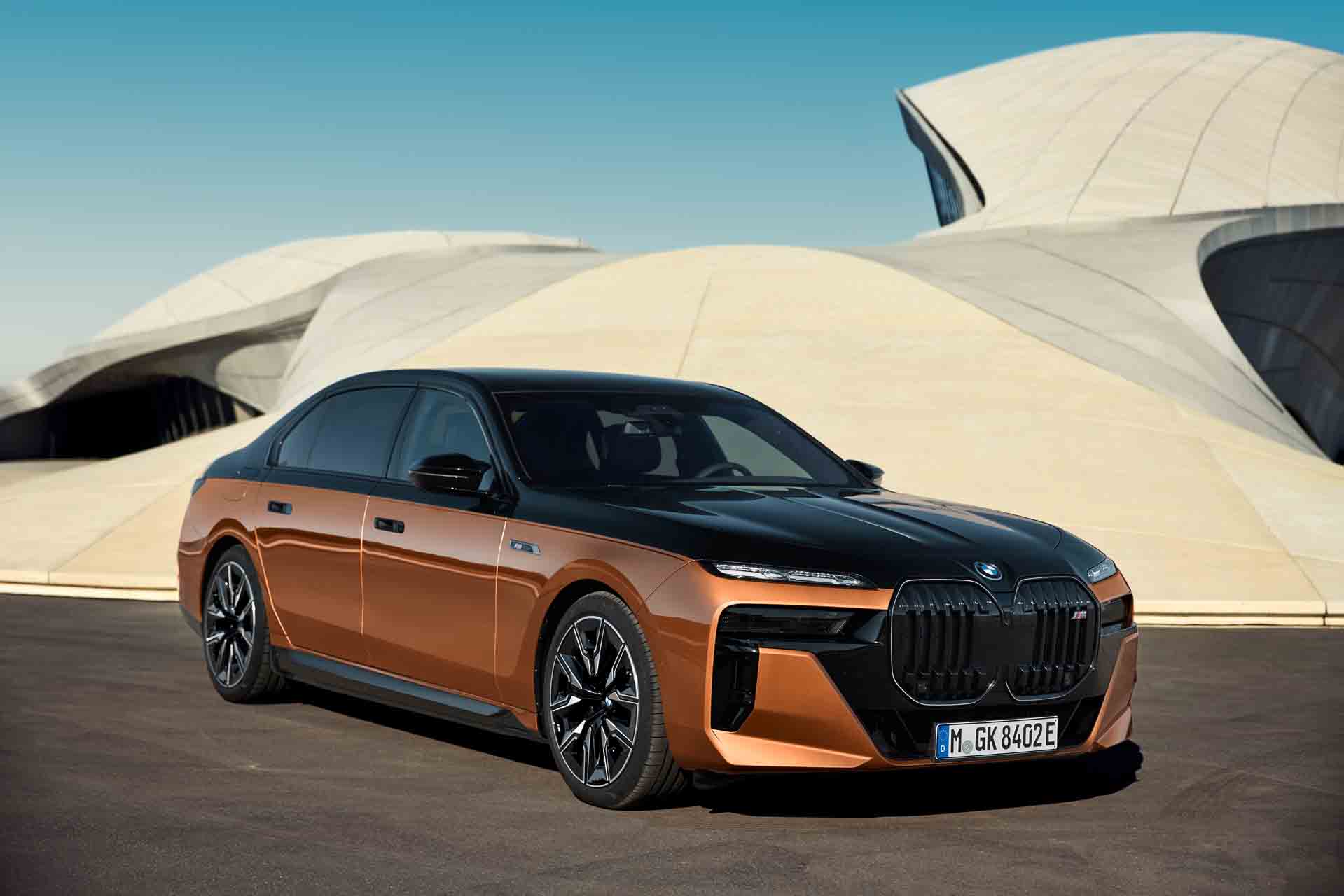
4. BMW 7 Series
The BMW 7 Series combines performance and comfort in a way that feels polished. Its suspension absorbs irregularities while maintaining composure through corners, giving drivers a sense of control without sacrificing luxury. Ride quality is smooth, even with larger wheels, and the car communicates road conditions without jarring the occupants.
Interior finishes are consistently high quality, with soft leathers, precision stitching, and durable materials. The cockpit is driver-focused but never intrusive, and controls offer responsive feedback. Every touchpoint is deliberate, reinforcing the perception that the vehicle is carefully designed.
Power delivery is linear, with engines tuned to minimize harshness while maximizing smooth acceleration. Even in the more powerful variants, the car feels effortless rather than aggressive, keeping passengers comfortable. Transmission shifts are seamless and almost imperceptible at low speeds.
Noise insulation is excellent, with external sounds reduced to a low hum. This quietness enhances conversation, music enjoyment, and mental comfort during long journeys. The cabin environment itself contributes to the refined experience.
Driver-assistance features enhance the feeling of effortless mastery. Lane keeping, adaptive cruise, and automated parking systems operate without feeling intrusive. The combination of intuitive technology and careful tuning makes the 7 Series a standout in the refinement category.
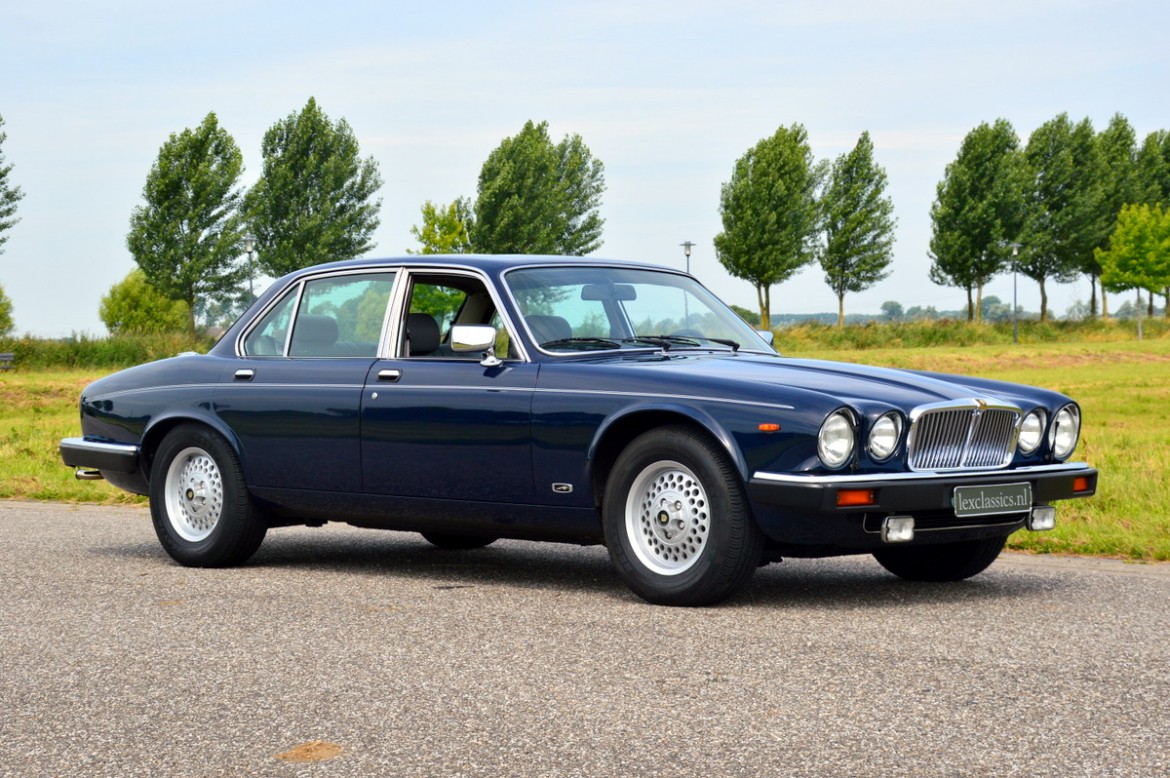
5. Jaguar XJ
The Jaguar XJ blends traditional luxury with modern refinement. Its suspension is soft yet controlled, offering a balanced ride that handles both city streets and highways with ease. Passengers feel isolated from road imperfections, contributing to a sense of tranquility.
Interior craftsmanship emphasizes elegance and detail. Leather, wood, and metal accents are carefully integrated, creating a cohesive and luxurious environment. Controls are thoughtfully placed, ensuring comfort and convenience for both driver and passengers.
Powertrains provide smooth, linear acceleration without harsh transitions. Even when the XJ is driven assertively, the cabin remains calm, demonstrating how engineering choices enhance refinement. Transmission behavior and engine mapping are designed for fluidity.
Noise reduction and vibration control are central to the driving experience. The cabin maintains serenity even at higher speeds, making long trips more relaxing. Every element, from door seals to panel alignment, reinforces the impression of quality.
Technology in the XJ operates subtly. Infotainment, climate control, and driver assistance integrate without distracting the driver. The focus on seamless interaction ensures that technology supports rather than disrupts the refined atmosphere.
5 Cars That Don’t Feel Refined
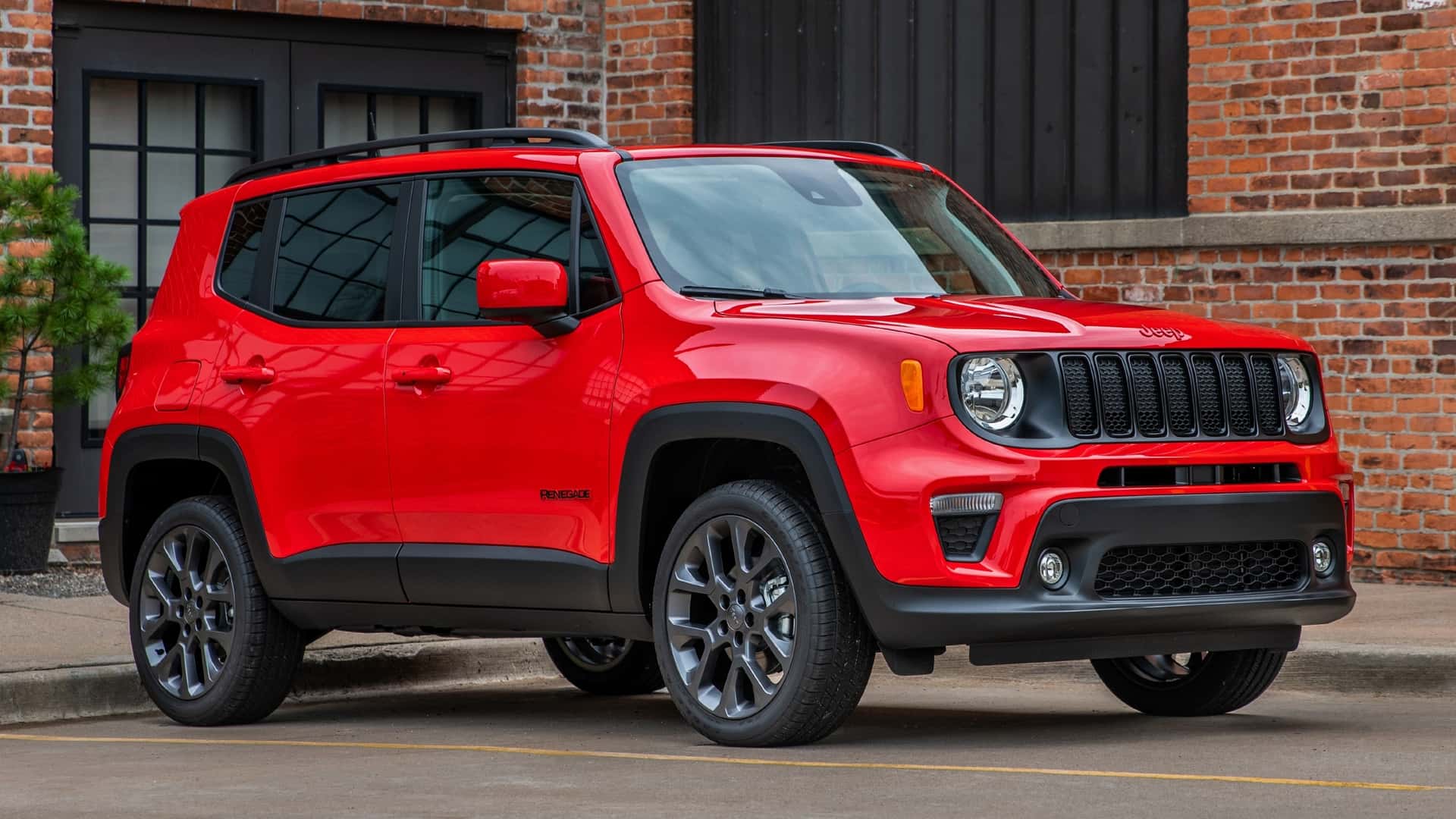
1. Jeep Renegade
The Jeep Renegade struggles with refinement in several areas, starting with its ride quality. Its suspension feels stiff over uneven surfaces, transmitting bumps and potholes directly into the cabin. Passengers often notice a lack of cushioning that makes city streets and rough roads fatiguing on longer trips. The small dimensions and upright stance contribute to a harsh response during cornering, giving a sense of instability.
Cabin materials contribute to a perception of cheapness. Hard plastics dominate the dashboard and door panels, with leather or soft-touch accents often limited to small areas. Buttons and switches lack crisp tactile feedback, sometimes feeling loose or wobbly. These factors make even simple interactions feel imprecise, reducing the sense of care in design.
The powertrain also impacts refinement. Engine noise is pronounced, particularly under load, and transmission shifts can feel abrupt or delayed. Even at moderate speeds, vibrations may be noticeable in the floor and seats, contributing to an impression of mechanical roughness. Acceleration is functional but lacks smoothness, emphasizing practicality over polish.
Cabin insulation is another weak point. Wind and road noise are easily audible, detracting from any sense of calm while driving. Music or conversation can be overwhelmed by these external intrusions, making the interior feel smaller and less comfortable. This compromises the perception of quality.
Finally, the integration of technology and ergonomics leaves room for improvement. Infotainment menus can feel unintuitive, touchscreens may respond sluggishly, and controls are scattered rather than logically placed. This lack of cohesion reinforces the feeling that the vehicle prioritizes rugged utility over refinement or comfort.
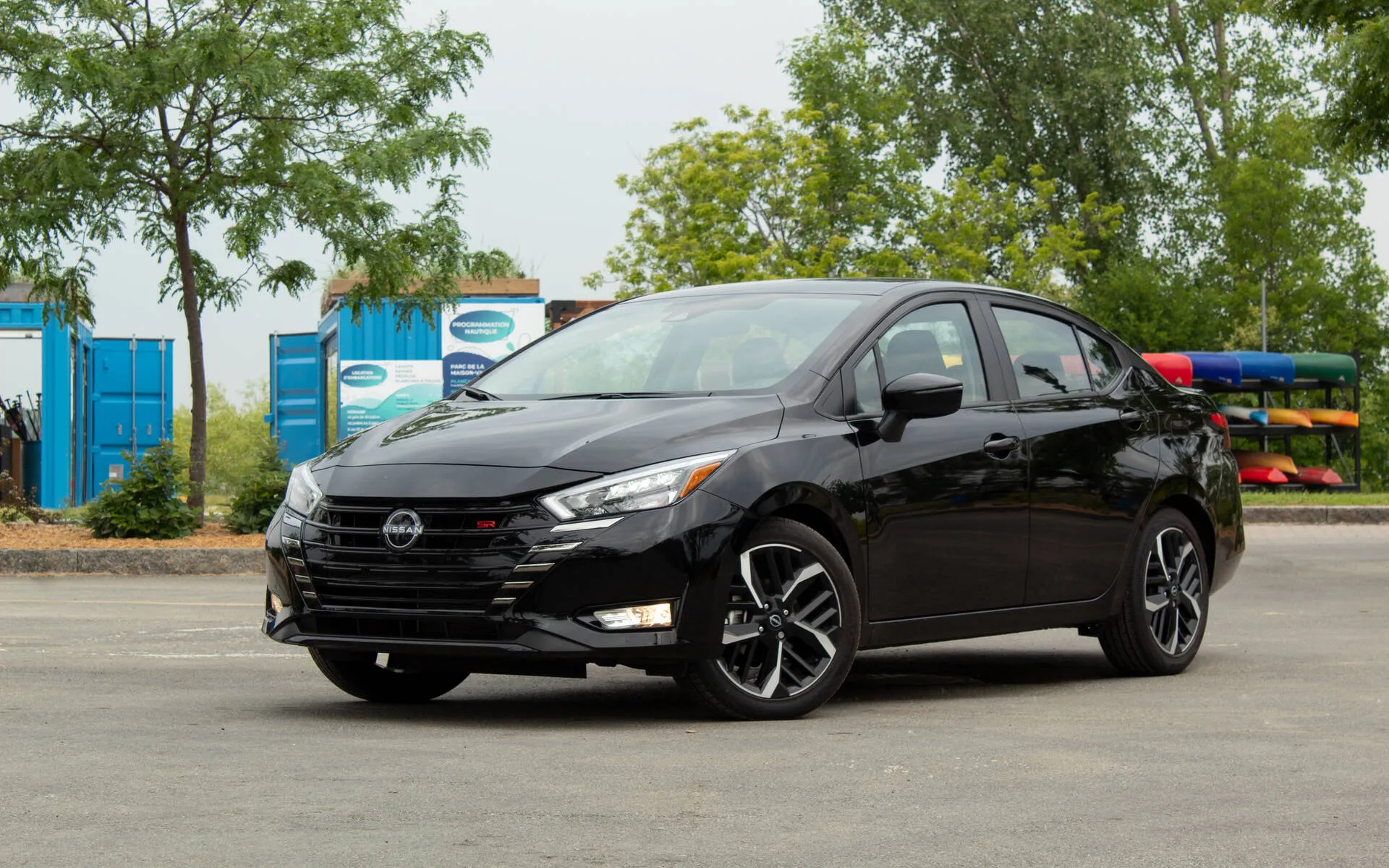
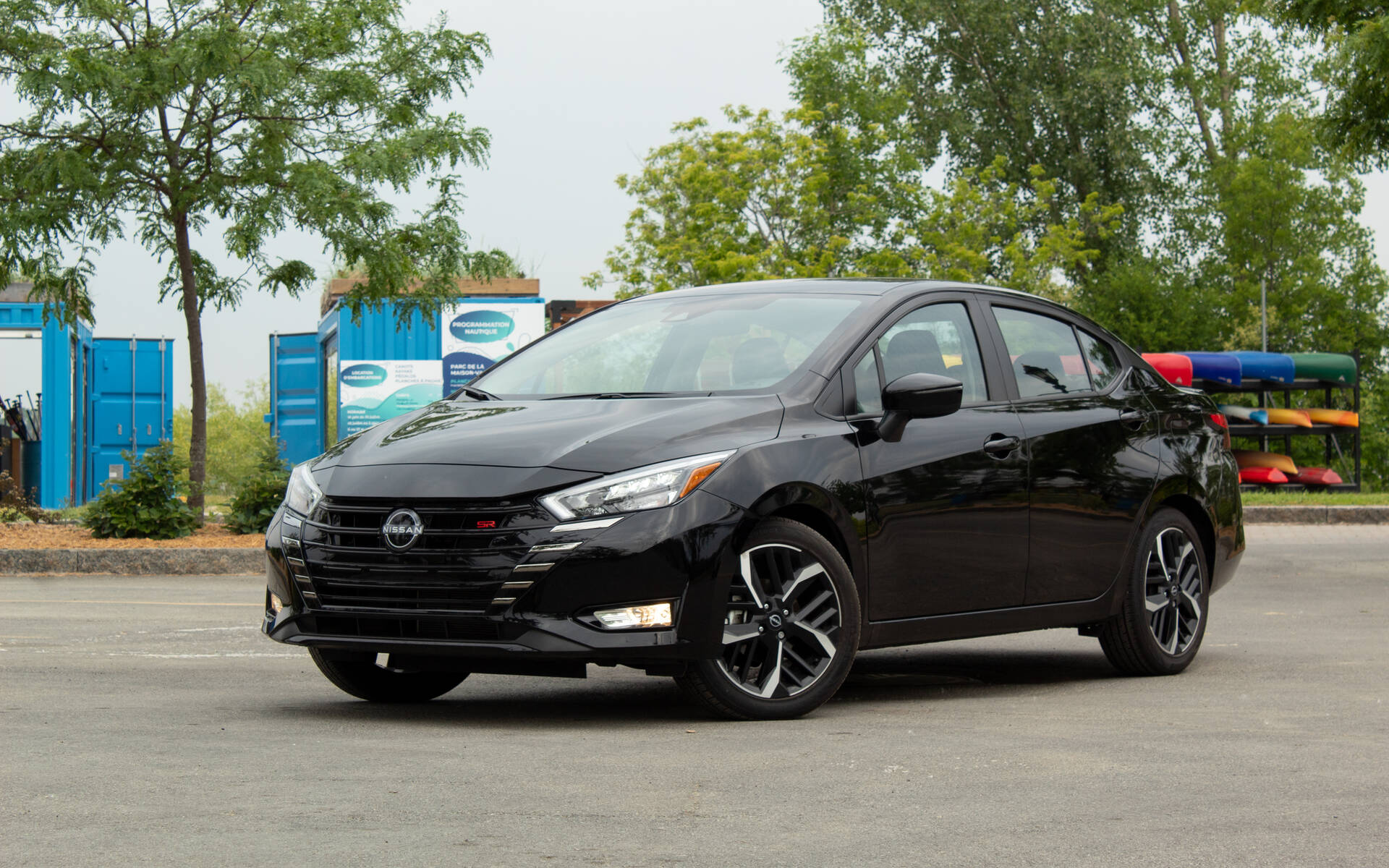
2. Nissan Versa
The Nissan Versa struggles with refinement, largely due to its budget-focused design. Its ride is often harsh over bumps and uneven pavement, transmitting vibrations to the cabin. Steering feels light and disconnected, leaving the driver with little feedback and a sense that control is uncertain during sudden maneuvers. Cornering can feel floaty, undermining confidence.
Interior materials reflect its entry-level positioning. Hard plastics dominate nearly every surface, and the fit and finish are inconsistent. Buttons can rattle slightly when pressed, and knobs often feel flimsy. This tactile inconsistency creates a perception of low quality, emphasizing the car’s economy-focused priorities over comfort or polish.
The powertrain contributes to the lack of refinement. The engine is noisy at higher RPMs, and acceleration is slow and hesitant. Transmission shifts can feel jerky, and vibrations may be felt through the steering wheel or seats. Even casual driving can highlight the mechanical roughness inherent in the design.
Cabin noise is significant, with both wind and road sounds penetrating the interior easily. Conversations or audio entertainment require higher volume, reducing the sense of serenity that defines refined vehicles. The effect is a cabin that feels lively but not composed, often tiring on longer drives.
Technology and ergonomics feel basic and sometimes frustrating. Touchscreens are small and lack responsiveness, while climate and infotainment controls require repeated attention to adjust accurately. This lack of cohesive design leaves an impression that the car is functional but not polished, emphasizing economy over comfort.
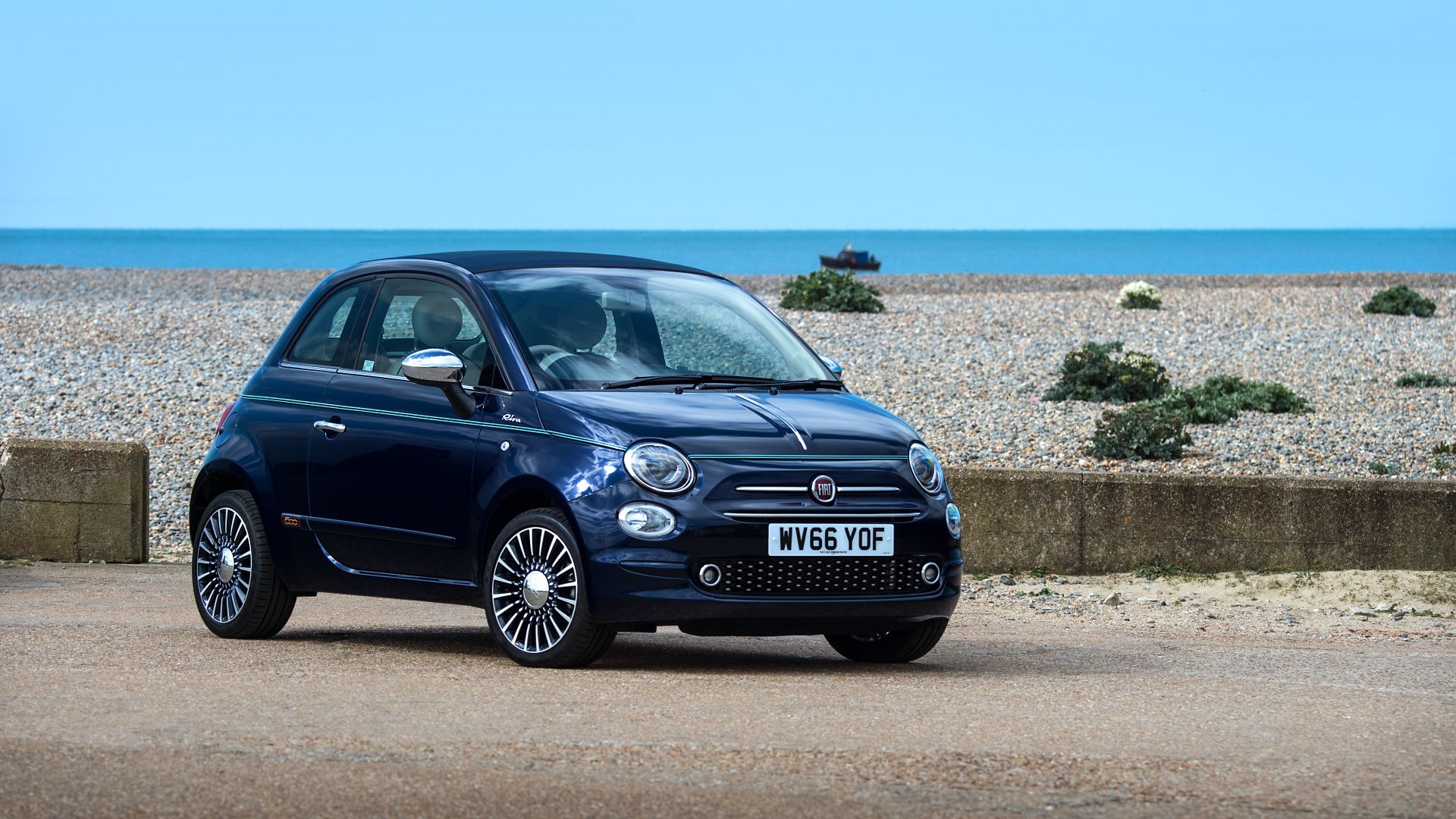
3. Fiat 500
The Fiat 500’s compact size and retro charm come at the cost of refinement. Its small dimensions exaggerate the effects of road imperfections, leading to a bouncy and sometimes unstable ride. Suspension tuning favors economy and nimbleness rather than smooth absorption, making rough surfaces particularly noticeable. Cornering can feel unnerving, as the car tends to sway and rock under lateral forces.
Interior quality suffers from similar limitations. Plastics are hard and prone to creaking, while trim elements often feel decorative rather than solid. Controls are small and occasionally awkward to operate, leading to repeated adjustments during everyday driving. This tactile insubstantiality detracts from the sense of care.
The powertrain adds to the impression of mechanical roughness. The small engine struggles with acceleration, especially when the cabin is fully loaded or on inclines. Transmission shifts are sometimes hesitant, and vibrations are easily felt, creating a sense of imbalance in the driving experience. Engine noise is also prominent under moderate load.
Cabin noise is high relative to vehicle size. Wind noise at highway speeds becomes noticeable, and road vibrations amplify the perception of instability. Audio clarity is compromised by the intrusion of external sounds, and long trips can feel tiring due to the lack of acoustic isolation.
Technology and ergonomics are basic, emphasizing function over comfort. The small touchscreen is prone to glare, buttons are sometimes poorly labeled, and climate control adjustments can require multiple attempts. The result is a vehicle that feels playful and lively but falls short of refinement.
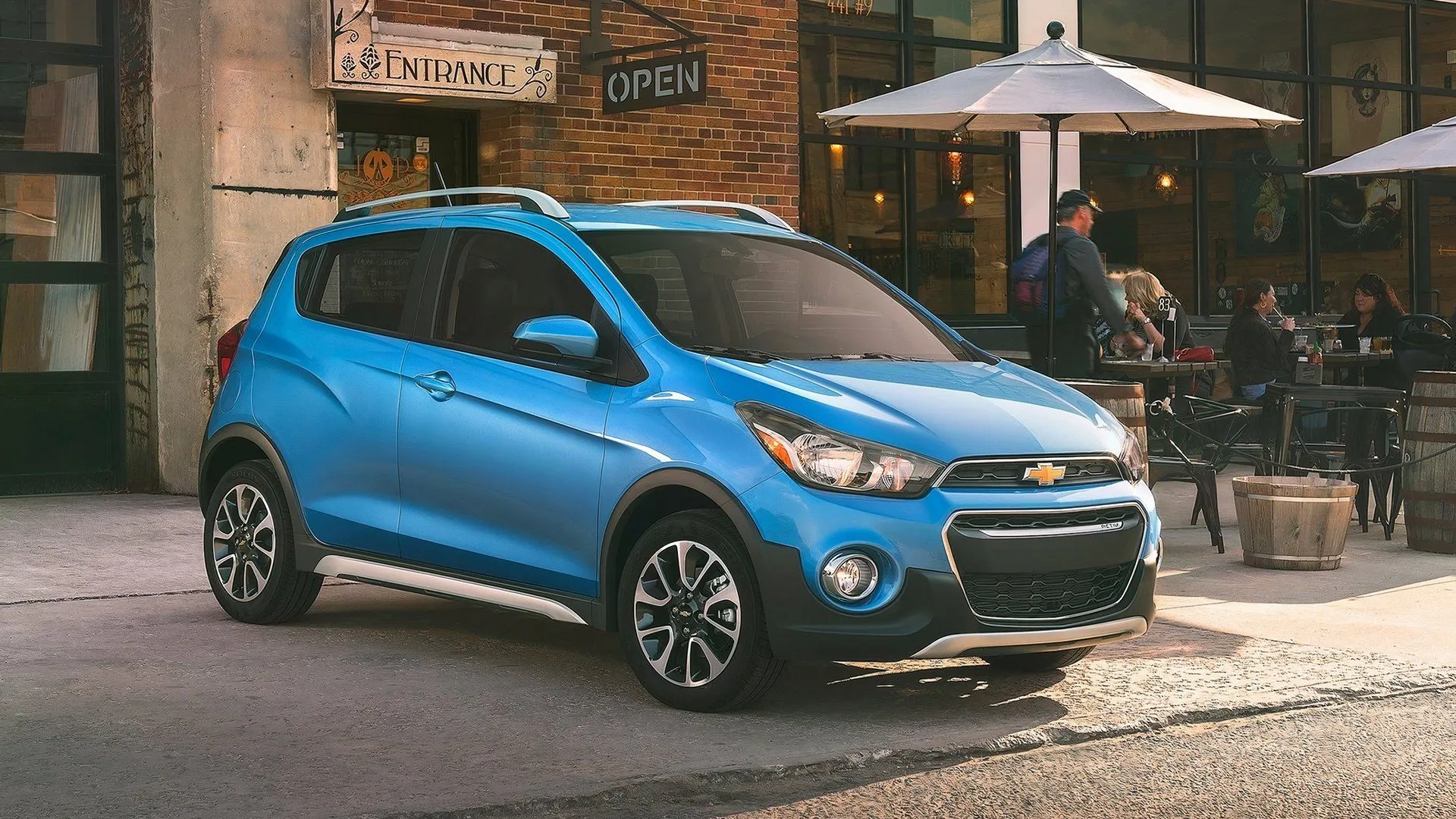
4. Chevrolet Spark
The Chevrolet Spark’s refinement suffers due to its ultra-compact, economy-focused design. Suspension is stiff and unyielding, making even minor road irregularities noticeable in the cabin. Steering lacks precision and communicates little about road conditions, leaving drivers feeling disconnected and requiring constant adjustments to maintain composure. Acceleration is slow, which compounds the perception of mechanical effort.
Cabin materials reinforce a utilitarian feel. Hard plastics dominate most surfaces, and trim often feels low-quality. Buttons are lightweight and sometimes rattly, offering inconsistent feedback. The interior gives the impression that cost-saving measures took precedence over attention to detail or comfort.
The engine and transmission contribute to a rough experience. Engine noise is audible under moderate load, and vibrations are transmitted through the pedals and seats.
The transmission lacks smoothness, with noticeable pauses or jolts during acceleration or gear changes. The drivetrain amplifies the feeling of basic construction.
Sound insulation is minimal. Road noise, engine hum, and wind intrusion are all highly noticeable, reducing cabin serenity.
Music and conversations require higher volumes, which creates a tiring environment for passengers. These acoustic shortcomings undermine the sense of quality expected in more refined vehicles.
Technology integration is minimal and sometimes unintuitive. Infotainment is basic, touch response is slow, and climate controls are not ergonomically arranged. The Spark emphasizes affordability and practicality, but the lack of polish prevents it from delivering a smooth, cohesive driving experience.
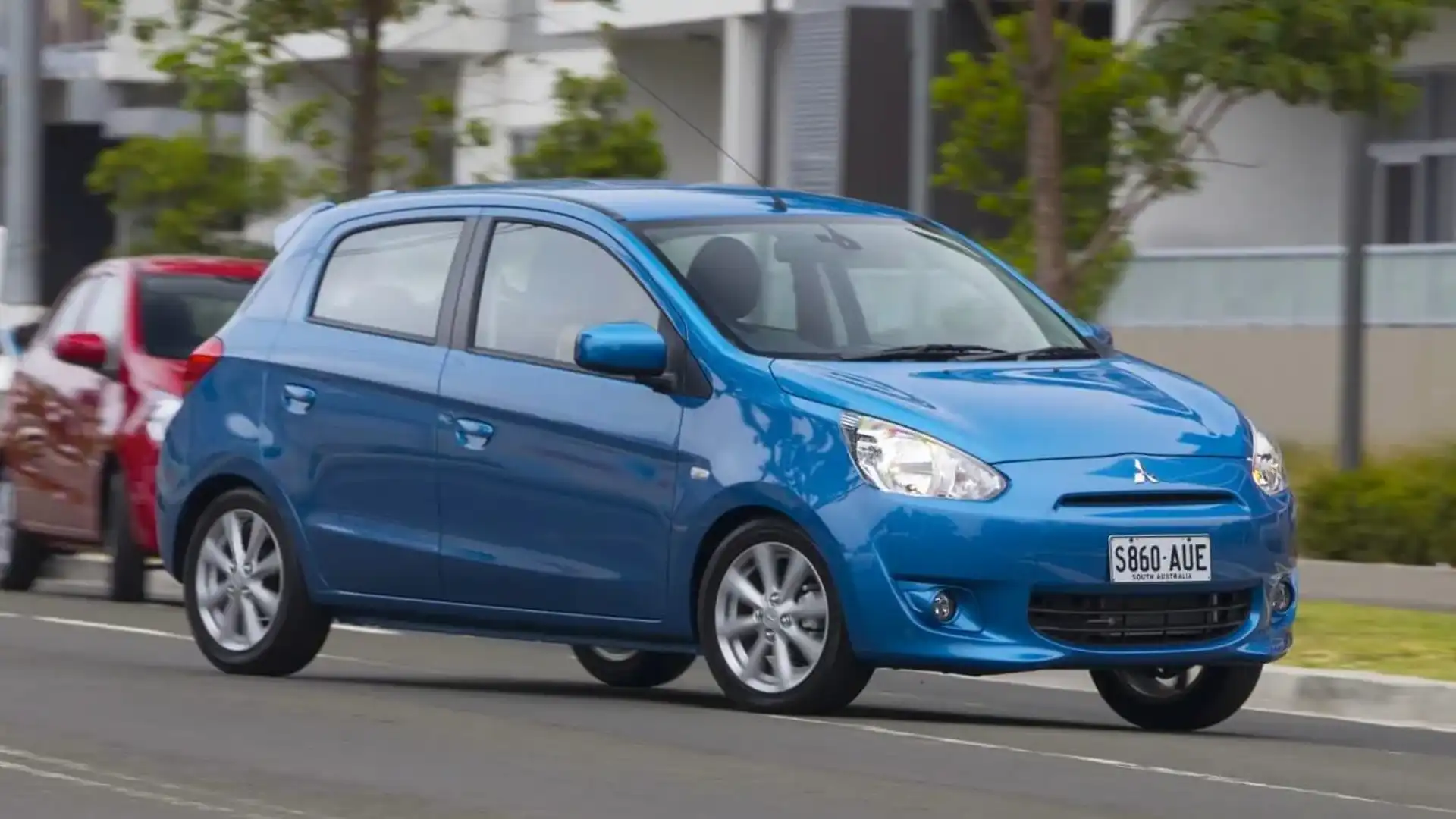
5. Mitsubishi Mirage
The Mitsubishi Mirage demonstrates multiple aspects of unrefined design. Its ride quality is harsh, with the suspension transmitting nearly every road imperfection directly to the cabin. Steering is vague and offers minimal feedback, leading to a sense of disconnection from the road. Cornering stability is limited, and body roll is noticeable, which reduces confidence in handling.
Interior materials are thin and often plasticky, giving a sense of low-cost construction. Control buttons lack tactile satisfaction, and minor rattles or squeaks are common during regular driving. Small details, such as uneven panel gaps or flimsy trim, contribute to a perception of carelessness in design.
The powertrain contributes to the lack of refinement. The small engine struggles under load, often requiring higher RPMs that increase cabin noise. Transmission shifts can be abrupt or inconsistent, and vibrations are noticeable at higher speeds. Acceleration feels labored, reinforcing the perception of an unpolished driving experience.
Cabin noise is another significant factor. Wind, road, and engine sounds are highly audible, which reduces comfort and makes longer trips tiring. Sound insulation is minimal, creating a cabin environment that feels exposed rather than isolated. Audio clarity is also compromised.
Technology and ergonomics are basic and not particularly intuitive. Infotainment systems are small, slow, and lack clear feedback, while climate and other controls require repeated adjustment. This emphasis on economy over refinement leaves the Mirage functional but far from polished.
