
Driving a large vehicle in busy traffic can be a challenge. Size and presence on the road often give a sense of power, but not every big car handles congestion with ease.
Some models are engineered to manage stop-and-go traffic with smoothness, precision, and stability, making the driver feel in control even in tight spaces.
Others, despite their impressive size and features, can feel cumbersome, nervous, or overly sensitive when navigating crowded streets. Choosing a vehicle that feels confident in traffic is not just about horsepower or styling; it is about engineering, design, and driver experience.
When considering which large vehicles excel in traffic, factors such as steering feedback, braking response, maneuverability, and visibility play a crucial role.
Cars that feel confident tend to inspire trust. They respond predictably to inputs, offer clear sightlines, and maintain composure under pressure.
For example, adaptive suspension systems and advanced driver aids can turn a vehicle that might otherwise feel unwieldy into one that is surprisingly nimble in city environments. Large SUVs, pickup trucks, and crossovers often fall into this category, provided the engineering supports urban driving.
On the other hand, big vehicles that feel unsure in traffic can induce stress for the driver. Heavy steering, long turning radii, limited visibility, and delayed braking response all contribute to a lack of confidence.
Drivers may hesitate when merging or changing lanes, feeling constantly aware of potential collisions.
These cars can make the city experience more exhausting rather than enjoyable. This difference between confidence and uncertainty is subtle but impactful, affecting not only the driver’s comfort but also the safety and efficiency of the journey.
Automakers increasingly focus on traffic behavior when designing large cars. Features such as lane-keeping assistance, 360-degree cameras, and responsive throttle mapping help transform a large vehicle into one that is manageable in crowded areas.
Conversely, older models or vehicles designed primarily for highways may struggle with these scenarios, revealing the importance of purpose-built engineering. While a big car might dominate highways, urban driving presents a separate challenge that can redefine the perception of its capabilities.
This article compares five big cars that handle traffic with ease against five that can feel awkward or hesitant. Each vehicle is evaluated on its ability to inspire confidence in dense driving conditions. From steering precision to spatial awareness, the goal is to highlight the characteristics that make certain large cars more suited for traffic.
The discussion also emphasizes how drivers can match their preferences and comfort levels to the vehicles they choose, ensuring a more controlled and enjoyable experience in any urban setting.
5 Big Cars That Feel Confident in Traffic
1. Tesla Model X
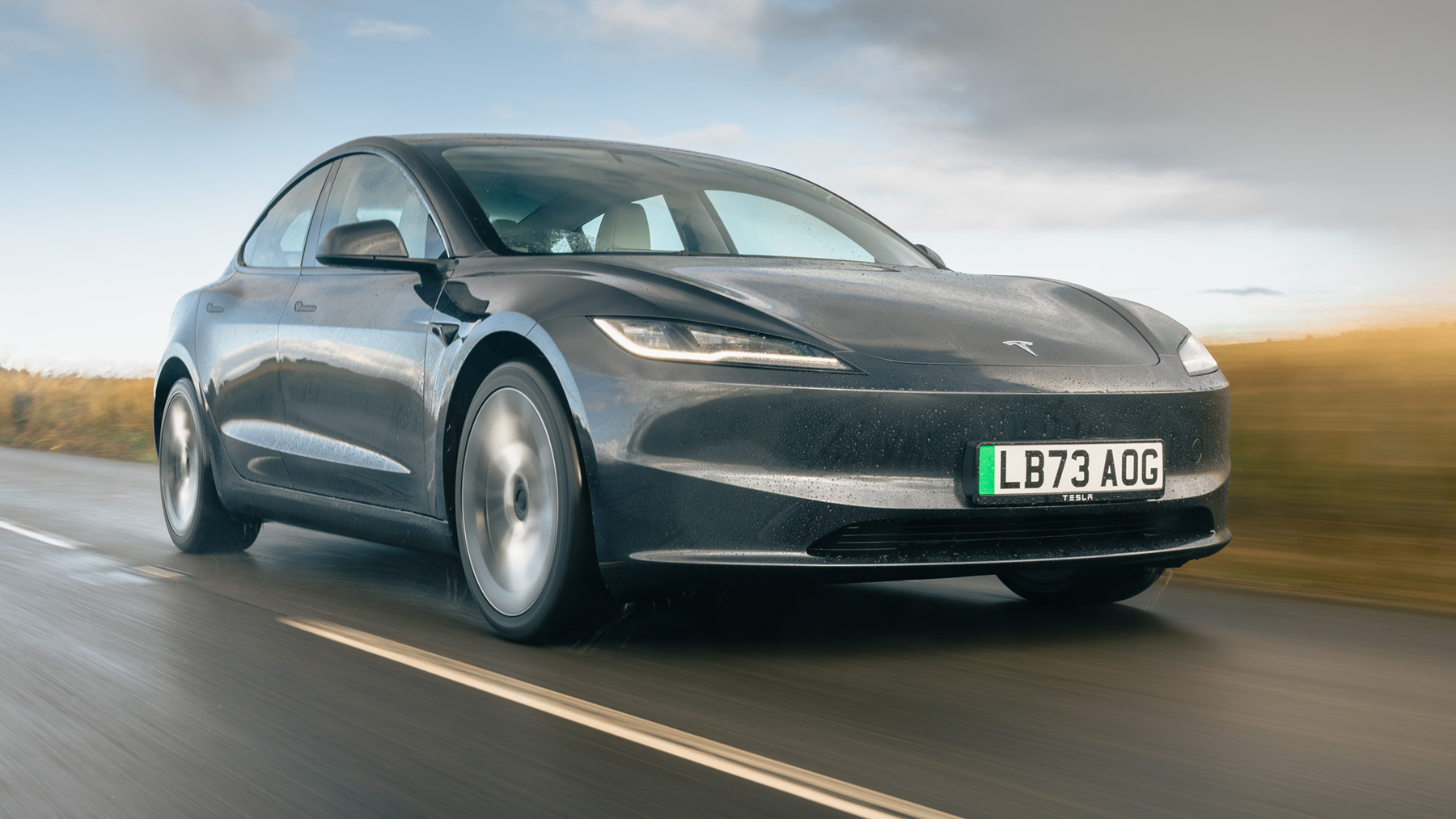
The Tesla Model X is a surprisingly agile SUV for its size, combining futuristic technology with unexpected maneuverability. Its electric powertrain delivers instant torque, allowing smooth merges and effortless acceleration even in stop-and-go traffic.
Drivers often notice how responsive the car is to subtle changes in throttle, which reduces stress during long commutes or congested intersections. The combination of quiet cabin and instant responsiveness creates a sense of control that is rare in vehicles of this magnitude.
The steering system in the Model X is precise and communicative, providing clear feedback to the driver at both high and low speeds. Adaptive air suspension further enhances stability by automatically adjusting to road conditions, keeping the large SUV planted and predictable.
This technology allows the vehicle to corner smoothly, preventing the body roll and tipping sensation that can make other large SUVs feel intimidating. Even in tight urban streets, the Model X maintains composure, making the driver feel in charge.
Visibility is another strong advantage of the Model X. The expansive panoramic windshield and high seating position allow drivers to judge the distance and placement of nearby vehicles with confidence.
Blind spots are minimized, and the elevated cabin provides a commanding view of traffic, helping to avoid sudden surprises from merging cars or cyclists. This combination of visibility and spatial awareness is essential for any driver navigating dense city streets.
Advanced driver-assist features like Autopilot, traffic-aware cruise control, and collision warning provide an additional layer of confidence. The vehicle can manage braking, acceleration, and lane-keeping automatically, which is particularly helpful in bumper-to-bumper conditions. Drivers can rely on these systems to reduce fatigue while maintaining control, especially during long urban drives or congested highway entrances.
The Model X blends size, technology, and performance in a way that redefines the experience of driving a large SUV in traffic. Its engineering allows drivers to feel deliberate and in control, while its advanced systems reduce stress and uncertainty.
Even in the busiest city environments, this vehicle inspires confidence and ease, demonstrating that large cars can still feel nimble when designed with thoughtful technology.
2. Mercedes-Benz GLE
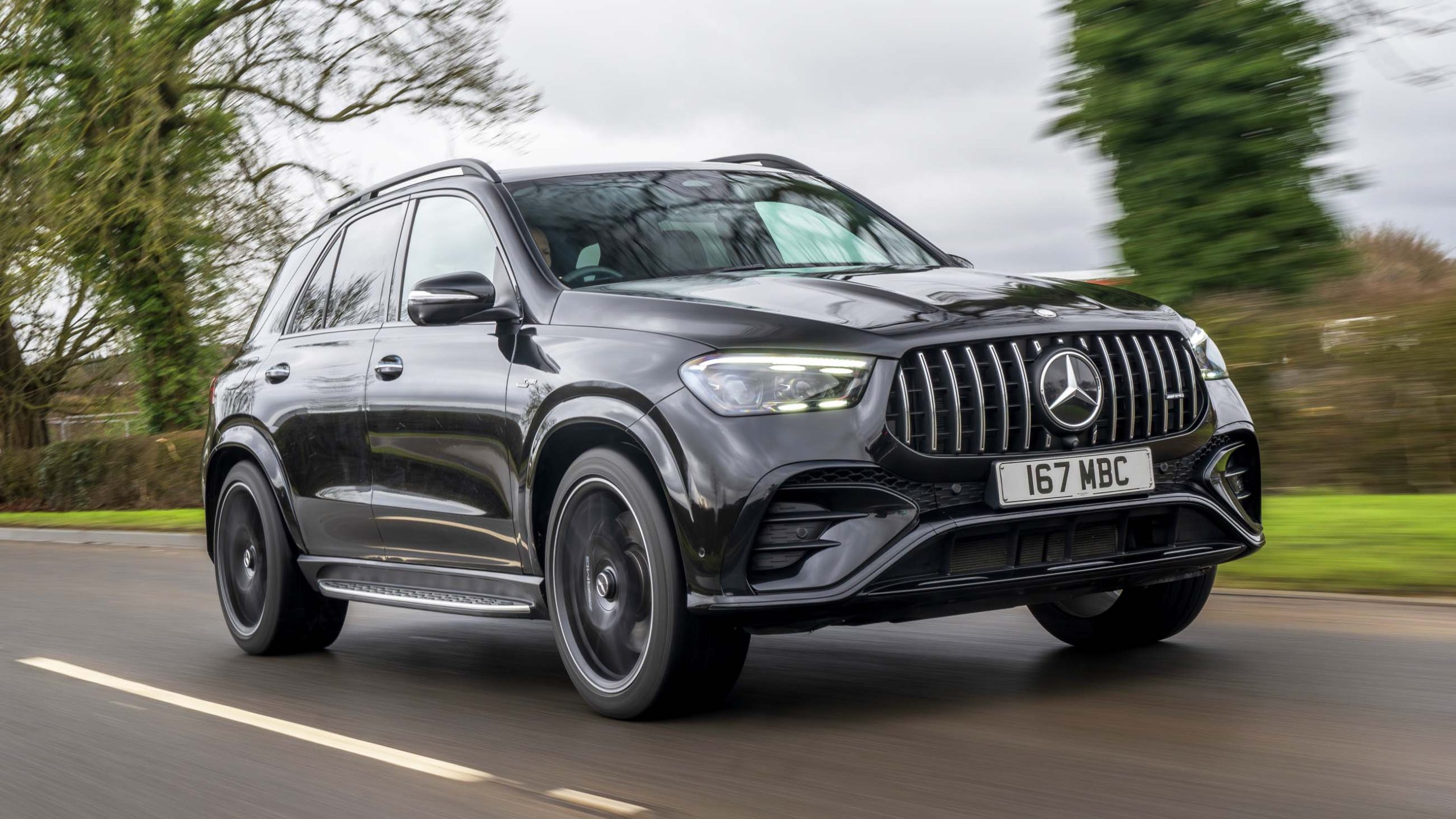
The Mercedes-Benz GLE provides a balanced combination of size, luxury, and urban agility, making it a top choice for traffic-heavy environments. Its steering is responsive, offering precise control for lane changes and merges without requiring excessive effort. Drivers feel connected to the road, and this responsiveness gives a sense of trust in both tight city streets and fast-moving traffic conditions.
Adaptive air suspension is a highlight, absorbing bumps and uneven surfaces while keeping the SUV stable. This system maintains comfort while improving handling in stop-and-go traffic, which is often where large vehicles feel unwieldy. The suspension’s ability to dynamically adjust reduces stress for the driver and provides a smoother ride, even on streets with potholes, speed bumps, or uneven pavement.
The interior layout further enhances driver confidence. The seating position is elevated but ergonomically designed to avoid tunnel vision, and wide windows provide a clear field of view.
Drivers can anticipate surrounding vehicles, pedestrians, and cyclists, improving safety and reducing the mental strain of navigating crowded streets. This thoughtful design turns a large SUV into a vehicle that feels manageable rather than intimidating.
Technology plays a critical role in the GLE’s traffic performance. Features like active brake assist, lane-keeping aid, and adaptive cruise control help drivers maintain composure even in dense congestion. Sudden stops or unexpected lane changes become less stressful because the car reacts quickly and predictably, allowing the driver to maintain confidence without overcompensating.
In terms of behavior, the GLE feels intuitive and composed, responding to driver input with precision and stability. Steering, braking, and acceleration all feel deliberate, reducing the anxiety often associated with driving large SUVs in urban settings. The combination of engineering, technology, and driver-focused design makes the GLE exceptionally confident in traffic.
3. BMW X7
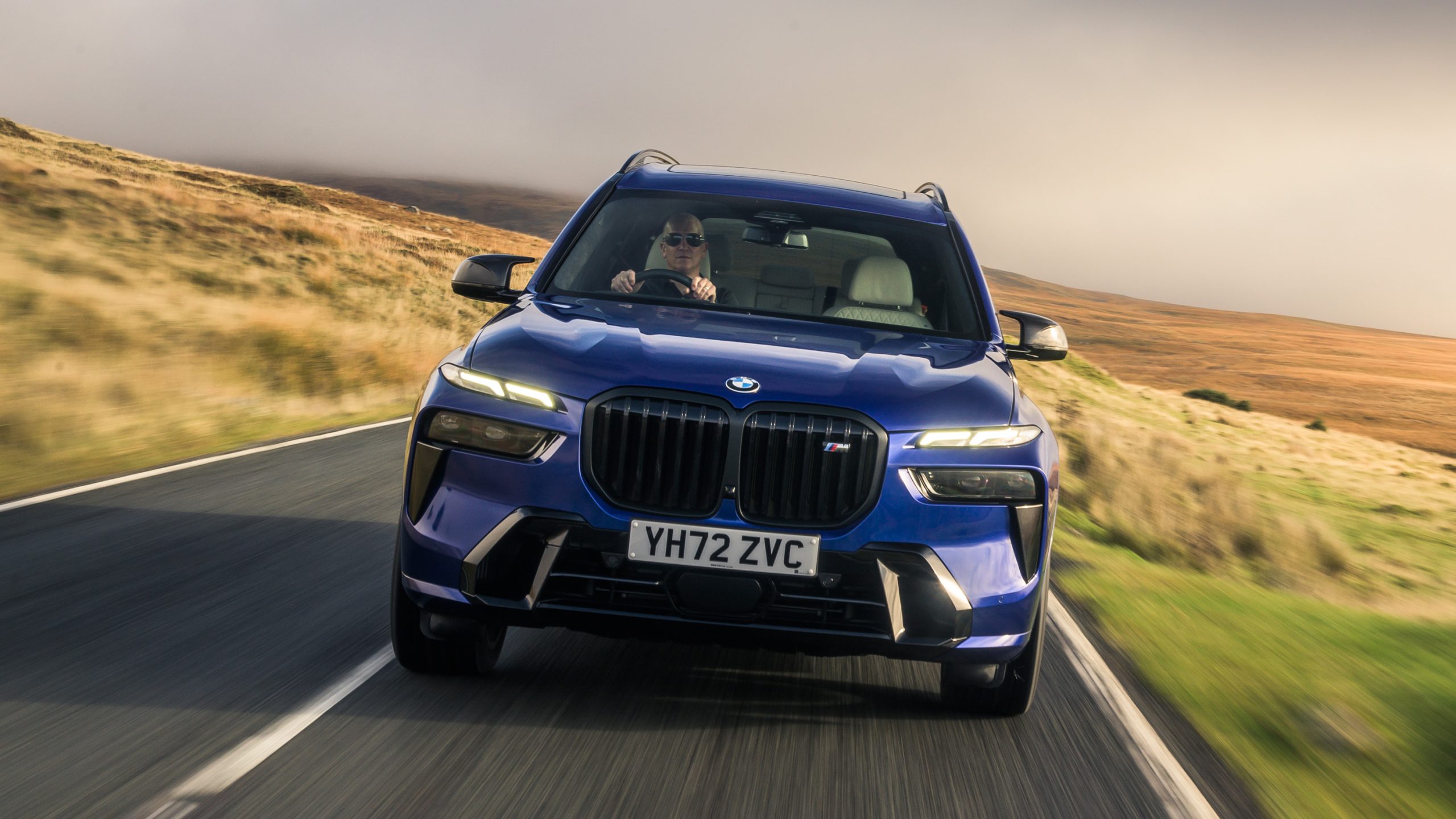
The BMW X7 is a large SUV that surprises many drivers with its maneuverability and refined handling. Steering is sharp and communicates road conditions clearly, allowing precise adjustments during dense traffic situations. This sense of responsiveness makes the car feel more like a midsize SUV than a massive vehicle, which increases driver confidence in city conditions.
Dynamic drive control further enhances traffic performance by adjusting the suspension for optimal comfort and stability. The system reduces body roll while providing a firm, controlled feel when braking or turning at low speeds. Even navigating sharp corners or tight intersections becomes less stressful because the car maintains a composed and balanced stance, something rare for SUVs of its size.
The X7’s visibility contributes significantly to driver confidence. Large mirrors, high seating, and thoughtfully positioned windows minimize blind spots, allowing drivers to see surrounding traffic clearly. This is especially valuable during merges or when changing lanes, as the combination of visibility and steering precision prevents hesitation and boosts driver assurance.
Advanced technology aids traffic handling. Features like parking sensors, traffic jam assist, and collision mitigation assist drivers in crowded situations. These systems help reduce fatigue by providing additional situational awareness and support during stop-and-go driving. They allow the driver to focus more on traffic flow rather than worrying about the vehicle’s size.
The BMW X7 balances large dimensions with agile behavior, making it suitable for urban and highway driving alike. Its combination of precise steering, adaptive suspension, and driver-assistance systems ensures that even in heavy traffic, the vehicle maintains composure. Drivers often report feeling calm and in control, a rare quality for a full-size SUV.
4. Audi Q8
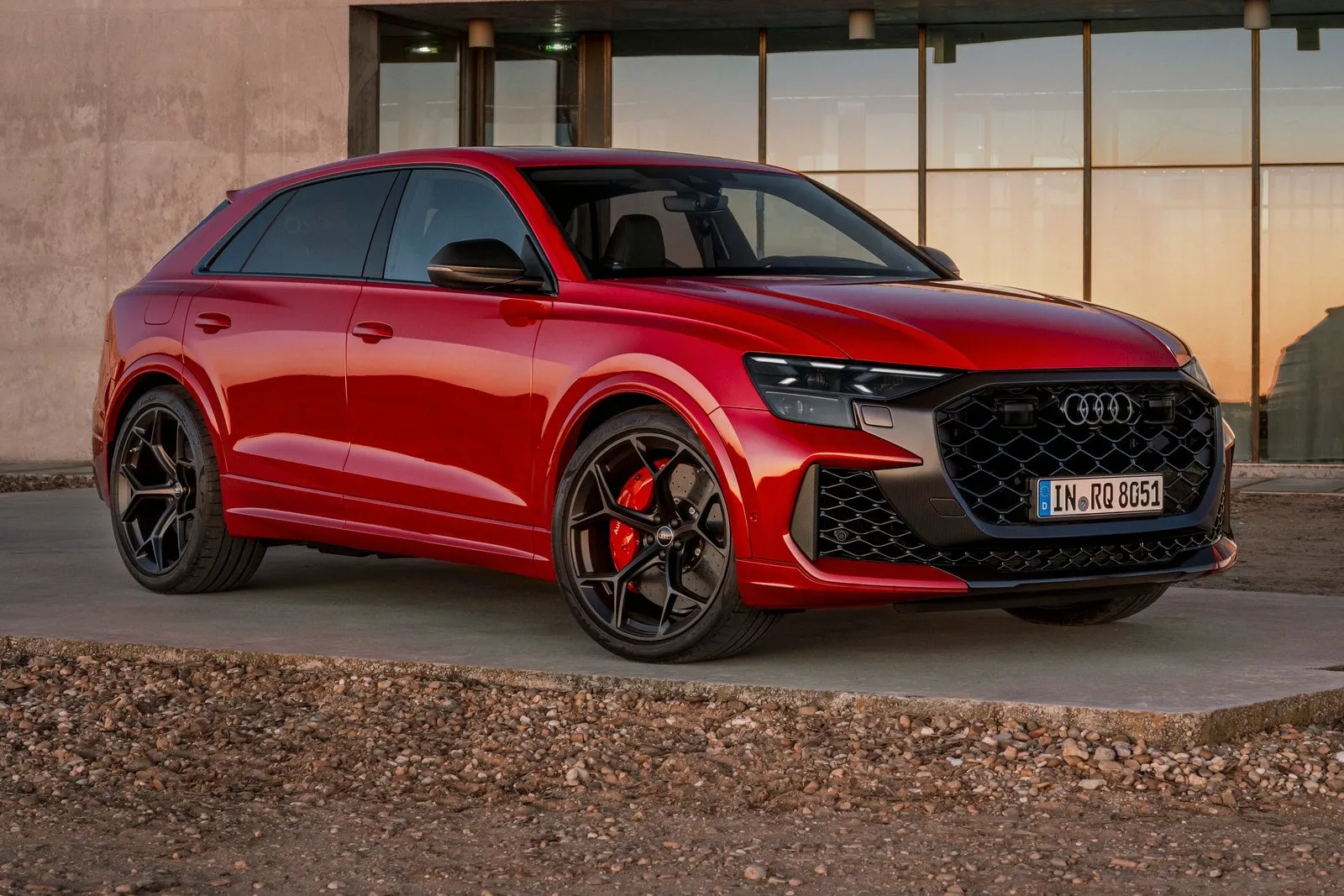
The Audi Q8 is engineered to feel stable and grounded, even when traffic becomes dense or unpredictable. Its quattro all-wheel-drive system efficiently distributes power, ensuring smooth acceleration and confident lane changes. This system prevents hesitation or wheel slip, which is especially useful during wet or uneven city streets.
Steering is responsive and communicates subtle road feedback to the driver. Minimal play and tight control make parking, lane changes, and tight maneuvers feel precise rather than stressful. In combination with the vehicle’s adaptive suspension, the Q8 maintains a balanced ride, reducing the sensation of bulk that often makes large SUVs feel unwieldy.
Ride comfort is further enhanced by suspension tuning that absorbs road imperfections effectively. Bumps, potholes, and sudden shifts in surface do not compromise stability, which allows the driver to feel secure and composed. This balance of comfort and control is rare in vehicles of this size, giving the Audi Q8 a distinct advantage in city traffic.
Visibility is excellent, aided by elevated seating and wide windows. Cameras, sensors, and parking assistance features complement the natural sightlines, helping drivers monitor blind spots and anticipate surrounding vehicles. These features enhance confidence during dense traffic or when navigating intersections with limited space.
Advanced driving aids, such as adaptive cruise control and active lane-keeping, provide extra reassurance. The Q8’s systems allow the driver to focus on traffic flow rather than constantly adjusting inputs, reducing mental fatigue. This integration of performance, technology, and driver awareness makes the Audi Q8 feel exceptionally confident in traffic-heavy environments.
5. Volvo XC90
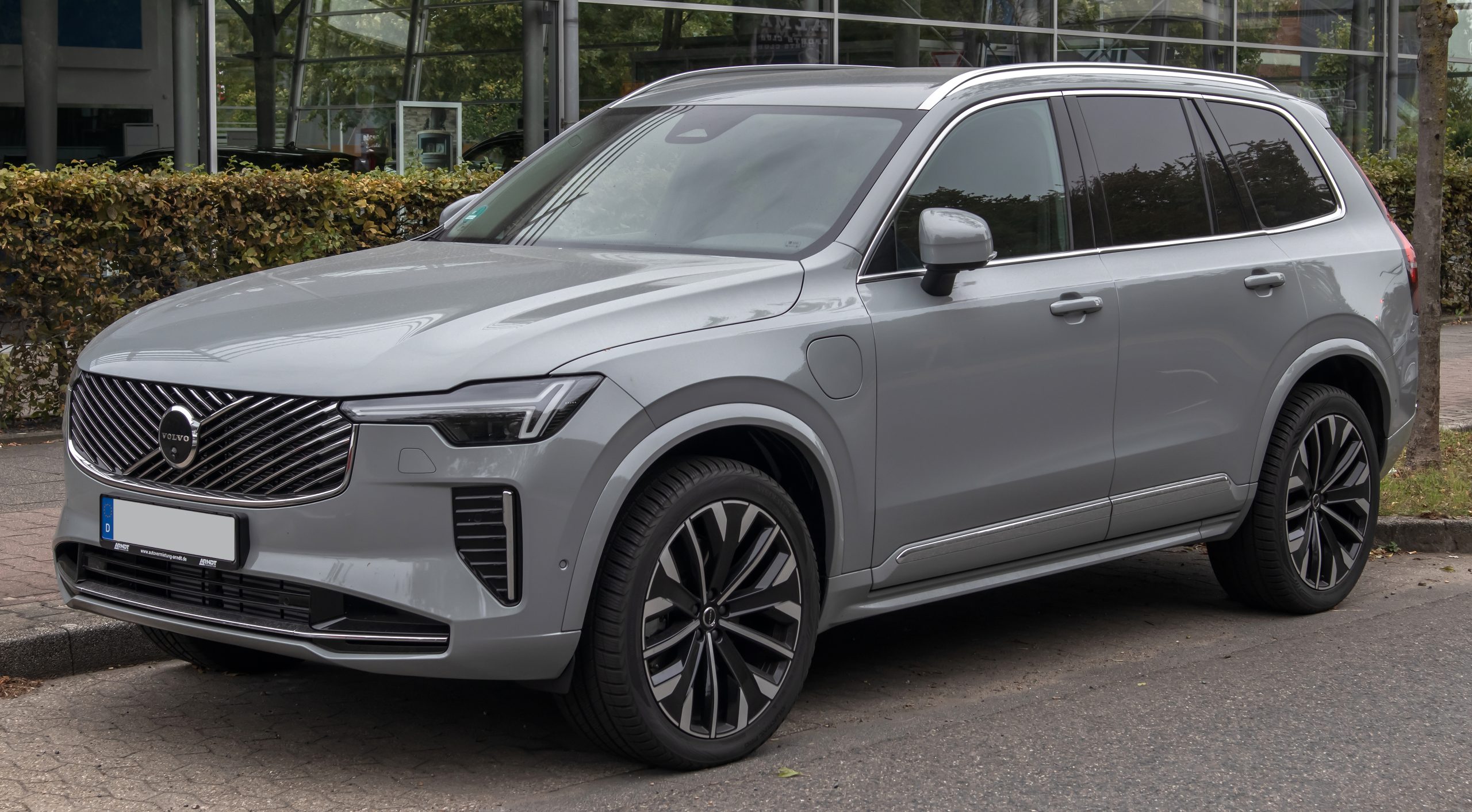
The Volvo XC90 blends safety, comfort, and urban agility to create a large SUV that feels in command even in dense traffic. Steering is precise and predictable, allowing careful navigation of tight streets and crowded intersections. Drivers quickly develop trust in the vehicle’s responsiveness, which reduces stress during urban driving.
Suspension is carefully tuned to absorb road irregularities while maintaining stability. Unlike other large SUVs that feel floaty or heavy in stop-and-go traffic, the XC90 feels grounded and composed. This stability enhances driver confidence, particularly in situations that require sudden acceleration, braking, or evasive maneuvers.
The cabin layout emphasizes visibility and awareness. The high seating position provides a commanding view of the road, while large windows and mirror placement minimize blind spots. Drivers can safely assess surrounding vehicles, pedestrians, and cyclists, which is critical in congested city environments.
Safety technology supports traffic driving, offering features like collision avoidance, pedestrian detection, and emergency braking assistance. These systems not only reduce accident risk but also give the driver peace of mind, making urban navigation less stressful.
The combination of stability, steering precision, visibility, and advanced technology allows the XC90 to feel reliable in dense traffic. Drivers report that the SUV instills a sense of control and calm, a rare achievement for large vehicles navigating urban streets. Its balance of size, comfort, and confidence sets a benchmark for full-size SUVs.
5 Big Cars That Don’t Feel Confident in Traffic
1. Ford Expedition
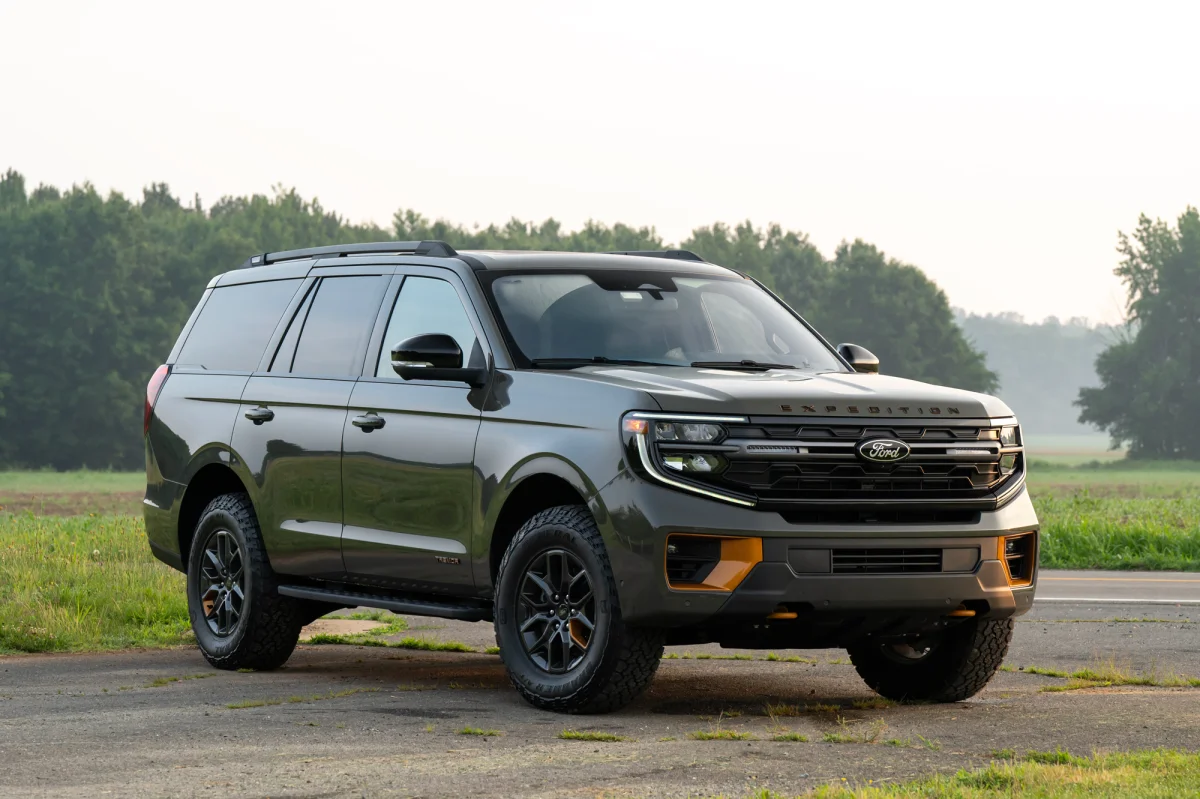
The Ford Expedition is a full-size SUV that can feel intimidating in heavy traffic due to its considerable size and weight. Steering at low speeds is noticeably heavy, requiring extra effort during parking or tight turns. Drivers often report that the steering lacks the responsiveness seen in smaller or more urban-oriented SUVs, which can make maneuvering in dense streets feel strenuous and less precise.
Its long turning radius presents another challenge, making quick lane changes or navigating narrow intersections more difficult than expected. Drivers must plan maneuvers carefully to avoid oversteering or scraping curbs, which can reduce confidence in stop-and-go traffic situations. The vehicle’s length also limits options in tight urban spaces, emphasizing the need for caution.
Visibility is another concern in the Expedition, as large pillars and the high SUV body create significant blind spots. Drivers often need to rely on mirrors and camera systems to compensate, which adds mental load during merges and lane changes. Unlike SUVs designed with urban traffic in mind, the Expedition does not naturally inspire a sense of control.
The suspension prioritizes highway comfort over agility, meaning the vehicle can feel floaty or slow to respond in sudden traffic maneuvers. While the Expedition excels on open roads or long trips, its behavior in city traffic requires heightened attention and deliberate input from the driver. This trade-off highlights the difference between highway dominance and urban confidence.
The Expedition is reliable and spacious but lacks nimbleness and low-speed precision. Drivers may feel stressed in heavy traffic, as every maneuver requires extra planning and effort. Its strengths lie elsewhere, emphasizing comfort and towing rather than urban agility.
2. Chevrolet Suburban
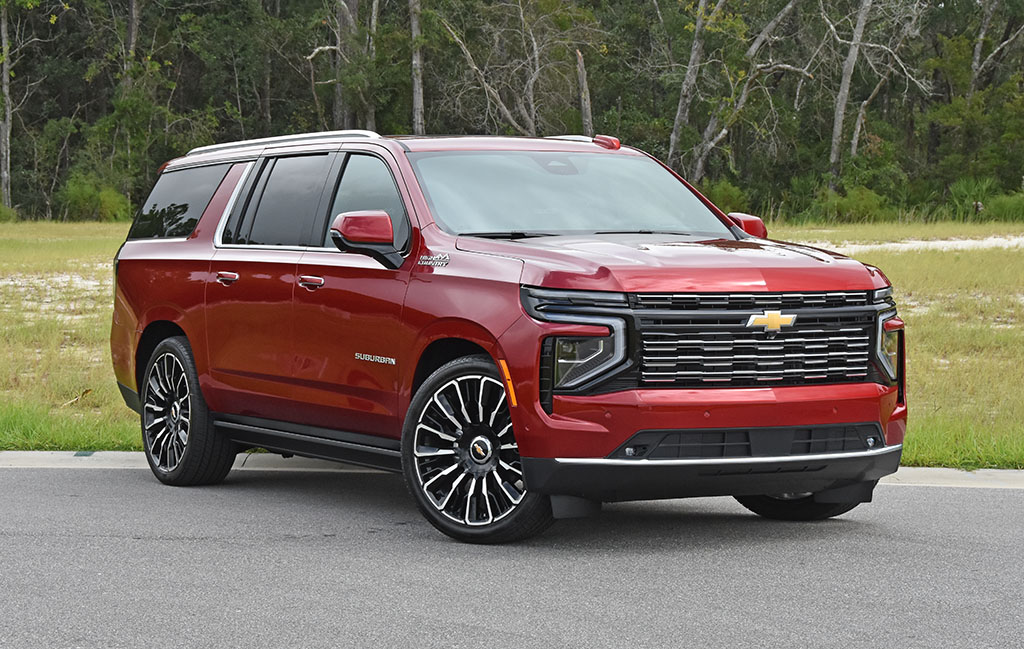
The Chevrolet Suburban is known for its massive size and presence, but these qualities can work against it in dense traffic. Its length and width make tight corners, parallel parking, and congested street navigation challenging. Drivers often notice that they must slow down more than expected when maneuvering in crowded urban areas.
Steering feedback at low speeds can feel sluggish and disconnected, requiring multiple corrections during lane changes or turns. The SUV does not provide the same intuitive communication between driver and road as smaller vehicles, which can create hesitation and reduce confidence in stop-and-go traffic.
The long wheelbase and body length further complicate urban driving. Tight intersections or narrow streets force drivers to anticipate movements well in advance, which can be mentally taxing over long commutes. Even experienced drivers may feel less in control, as the vehicle’s size demands careful judgment at all times.
Visibility issues compound the challenge. Rear blind spots and wide pillars make it difficult to monitor adjacent lanes, forcing drivers to rely heavily on cameras and sensors. While these technologies help, they cannot fully compensate for the Suburban’s sheer dimensions and limited maneuverability in congested conditions.
Despite its highway capabilities and family-friendly spaciousness, the Suburban struggles to inspire confidence in city traffic. Drivers must remain alert and deliberate with every movement, highlighting how size can be a liability when precision and agility are required.
3. Nissan Armada
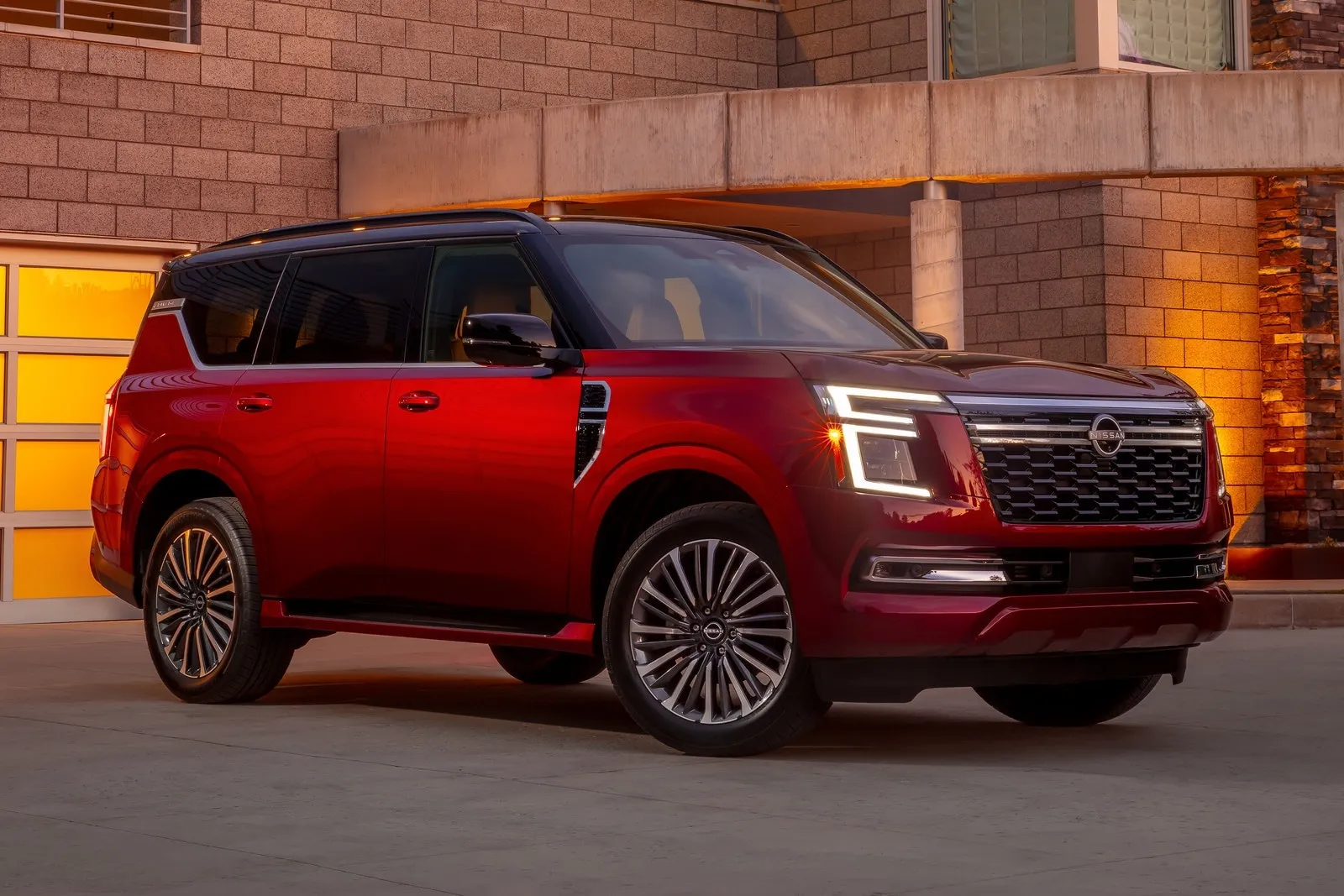
The Nissan Armada combines a commanding road presence with a heavy, muscular feel that can feel overwhelming in urban traffic. Steering response is often delayed at low speeds, making sudden lane changes or evasive maneuvers more challenging than drivers expect. This lack of immediate feedback can increase anxiety in congested city streets.
Suspension is tuned for comfort on highways rather than nimbleness in tight conditions, which means the vehicle tends to feel floaty or slow to react during stop-and-go driving. Heavy body roll can make drivers hesitate when turning or avoiding obstacles, undermining confidence in traffic-heavy environments.
The Armada’s size and height limit visibility in certain situations. Long overhangs and thick pillars create blind spots, requiring drivers to be extra cautious when merging or passing other vehicles. Although cameras and parking aids are available, they are often relied upon heavily to navigate urban roads.
Braking response is adequate for highway speeds but can feel less immediate at low speeds, particularly in situations that require frequent stop-and-go adjustments. Drivers may find themselves braking earlier and more conservatively, which can slow traffic flow or create uncertainty in busy streets.
Urban driving emphasizes the Armada’s weaknesses, highlighting how sheer size and design prioritizing comfort and power over agility can make traffic feel stressful. Confidence is limited, and careful planning is often required to avoid misjudging space or vehicle response.
4. Toyota Sequoia
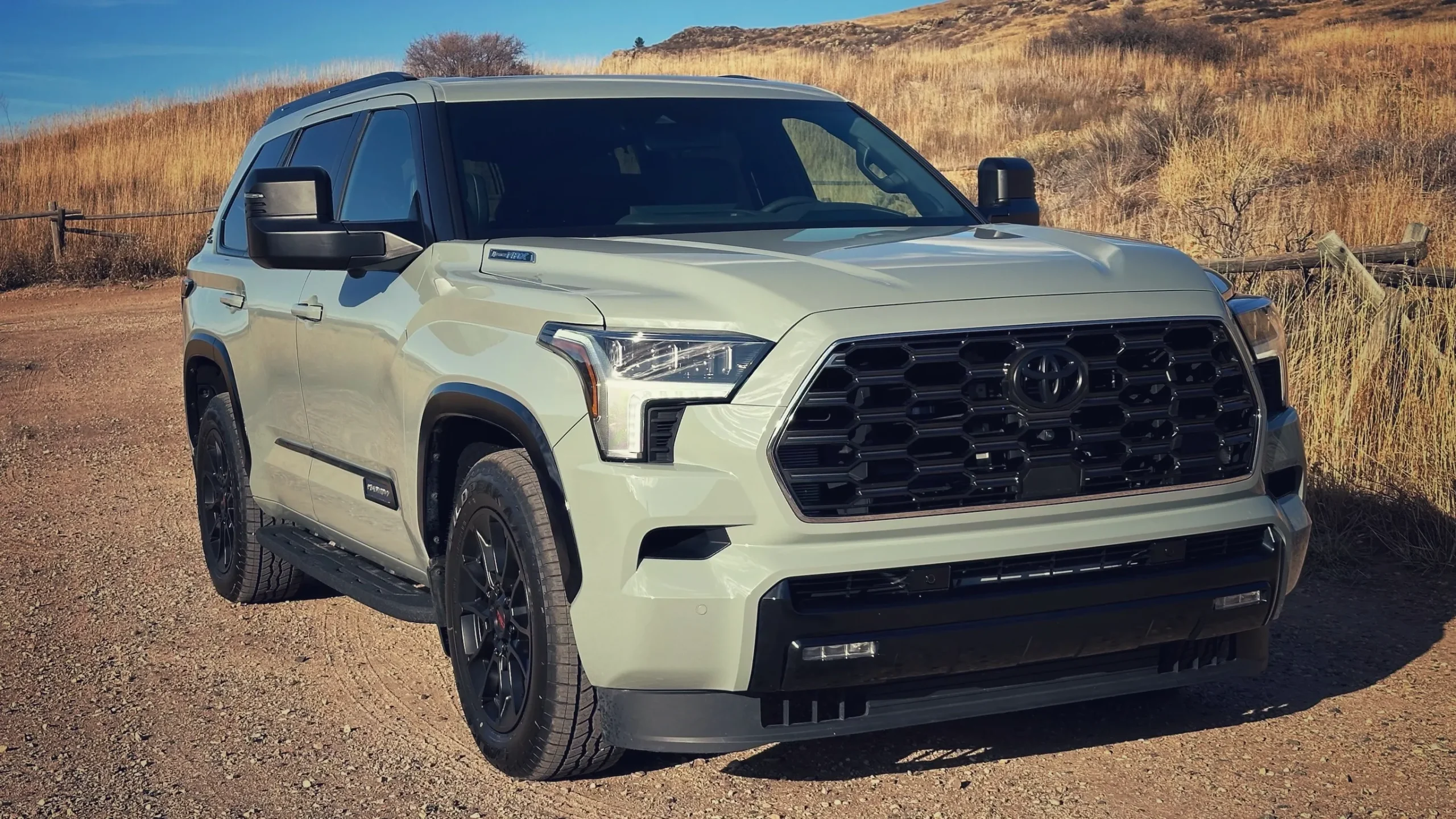
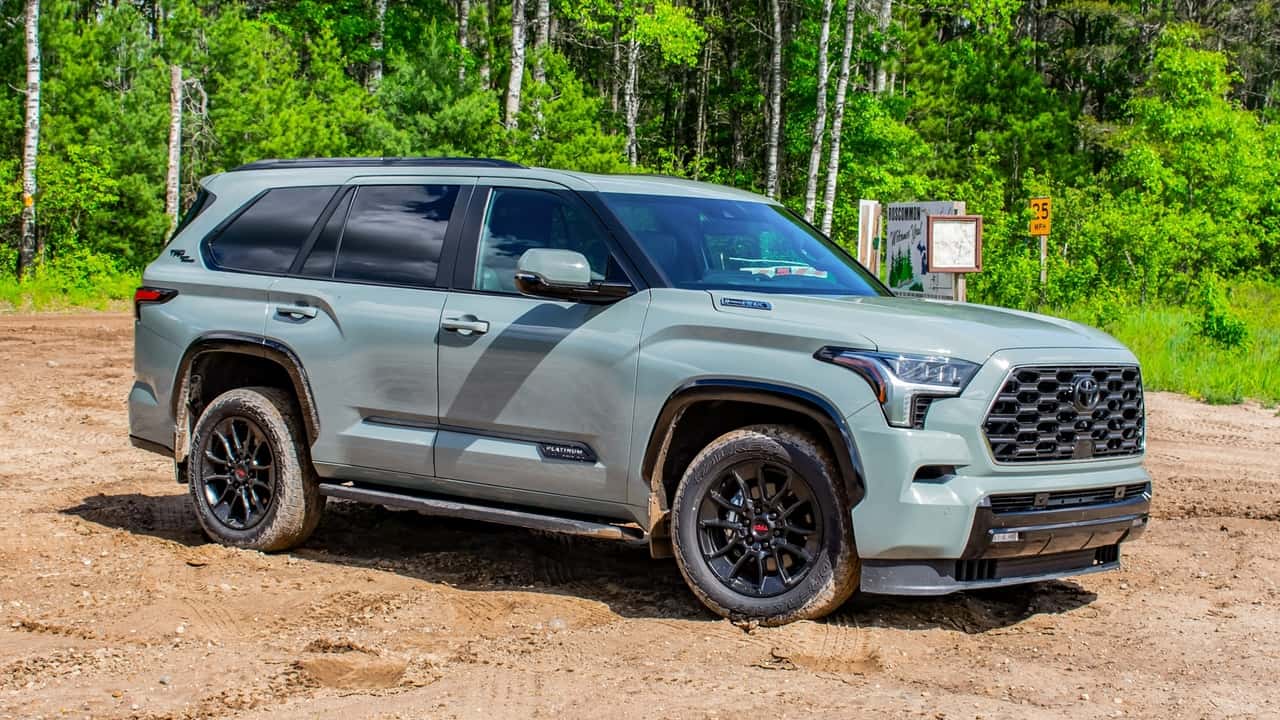
The Toyota Sequoia is a full-size SUV designed for cargo capacity and long-distance comfort rather than maneuvering in urban traffic. Its substantial size can make navigating narrow streets, tight turns, and busy intersections difficult, creating a sense of caution for the driver. The bulk of the SUV demands deliberate movement and planning for almost every maneuver.
Steering effort is heavy at low speeds, which makes frequent adjustments exhausting during extended periods in stop-and-go traffic. Unlike SUVs engineered for city driving, the Sequoia does not provide the same intuitive feel or responsiveness, which can increase stress during urban commutes.
The suspension is tuned primarily for highway stability, allowing for a smooth ride on open roads but less control in congested conditions. Body roll is noticeable in sharp turns or sudden stops, emphasizing the vehicle’s size and affecting driver confidence when maneuvering around obstacles.
Visibility is acceptable but limited by thick roof pillars and a wide body. Rearview cameras and sensors are necessary to compensate for blind spots, yet they cannot fully replace the natural awareness provided by better-designed urban SUVs. Drivers must stay alert and cautious in tight spaces.
The Sequoia’s strengths lie in highway reliability and cargo versatility, not urban maneuverability. In dense traffic, the vehicle can feel cumbersome and heavy, requiring patience and experience to handle effectively. Confidence is reduced compared with smaller or more city-oriented large SUVs.
5. GMC Yukon XL
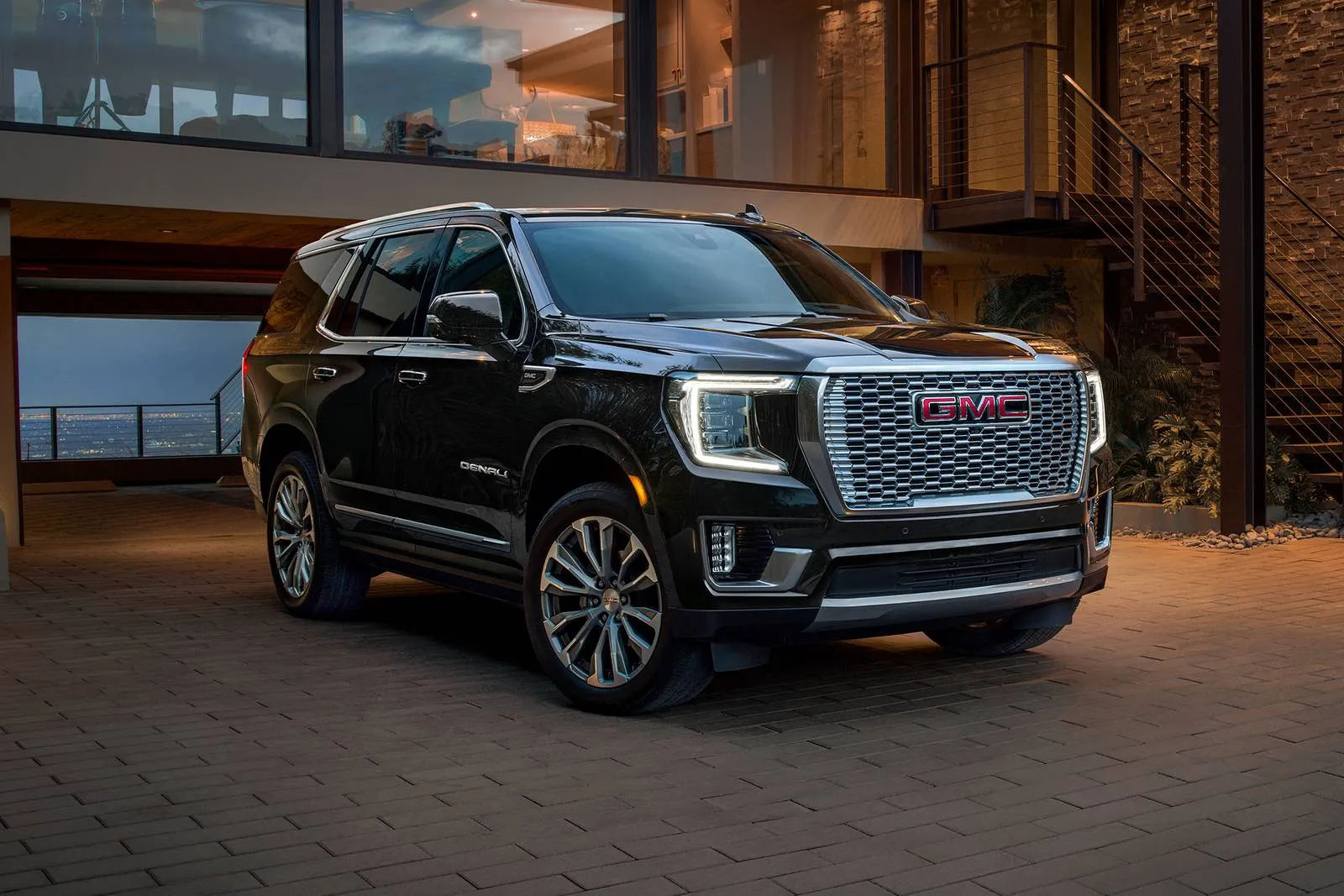
The GMC Yukon XL is an imposing SUV that feels comfortable on open highways but struggles in tight urban traffic. Steering at low speeds is sluggish, requiring more effort and attention than smaller vehicles. Drivers often experience a delay in response during parking or lane changes, which can make congested city streets feel stressful.
Its long wheelbase and extended body amplify the challenge, making turns and parallel parking require careful planning and multiple adjustments. Even with technology aids, the Yukon XL’s sheer dimensions create an ongoing need for caution when maneuvering in crowded areas.
Suspension tuning prioritizes load-bearing and highway stability over agility, meaning the ride can feel stiff and unresponsive in dense traffic. Rapid braking or evasive maneuvers require deliberate control, reducing the sense of natural confidence that smaller SUVs provide.
Blind spots are significant, particularly in the rear and alongside wide pillars. Cameras and sensors help, but drivers must constantly scan their surroundings to compensate, increasing mental workload. Traffic navigation becomes more stressful as a result.
While the Yukon XL is ideal for long trips, towing, and highway cruising, its size, weight, and low-speed handling make it less suited for urban traffic. Confidence is diminished, and the driver must remain deliberate, highlighting how certain large vehicles excel in size but not in nimbleness or traffic adaptability.
