
Classic cars have always held a special place in automotive culture, representing more than just a mode of transportation. They serve as symbols of design innovation, engineering milestones, and sometimes the aspirations of a generation.
The passage of time often separates vehicles into two distinct groups: those that continue to hold their value, maintain popularity, or inspire admiration, and those that slowly fade into obscurity, forgotten in garages or scrapyards.
Longevity in the automotive world is not only about durability but also about timeless design, cultural impact, and continued practicality in modern conditions.
Some cars continue to influence contemporary designs, appear in car shows, and remain sought-after by collectors, while others fail to maintain relevance due to outdated performance, poor reliability, or aesthetic choices that didn’t age well.
The distinction between cars that stay relevant and those that don’t is a combination of engineering foresight, brand reputation, and the emotional connection that drivers maintain with their vehicles.
Collectors and enthusiasts often emphasize features such as engine performance, adaptability to modern upgrades, and historical significance when considering a car’s lasting appeal.
In many cases, cars that were once ordinary or inexpensive can gain a following decades later, while others, despite early popularity, can disappear from discussions about automotive heritage. The allure of cars that remain relevant is reinforced by their appearance in media, their presence in racing culture, and the way they balance nostalgia with continued usability.
On the other hand, cars that lose their significance often struggle with maintenance challenges, outdated technology, and designs that no longer appeal to contemporary tastes. Examining both groups allows us to understand how some vehicles transcend time, while others become a reminder of a fleeting era.
Through this lens, the discussion of five old cars that continue to resonate with enthusiasts and five that have largely been forgotten will reveal patterns in what makes an automobile endure.
This comparison provides insight not only for collectors but also for anyone interested in the evolution of automotive design, consumer preferences, and the factors that contribute to the lasting appeal of certain vehicles over others.
Old Cars That Stay Relevant
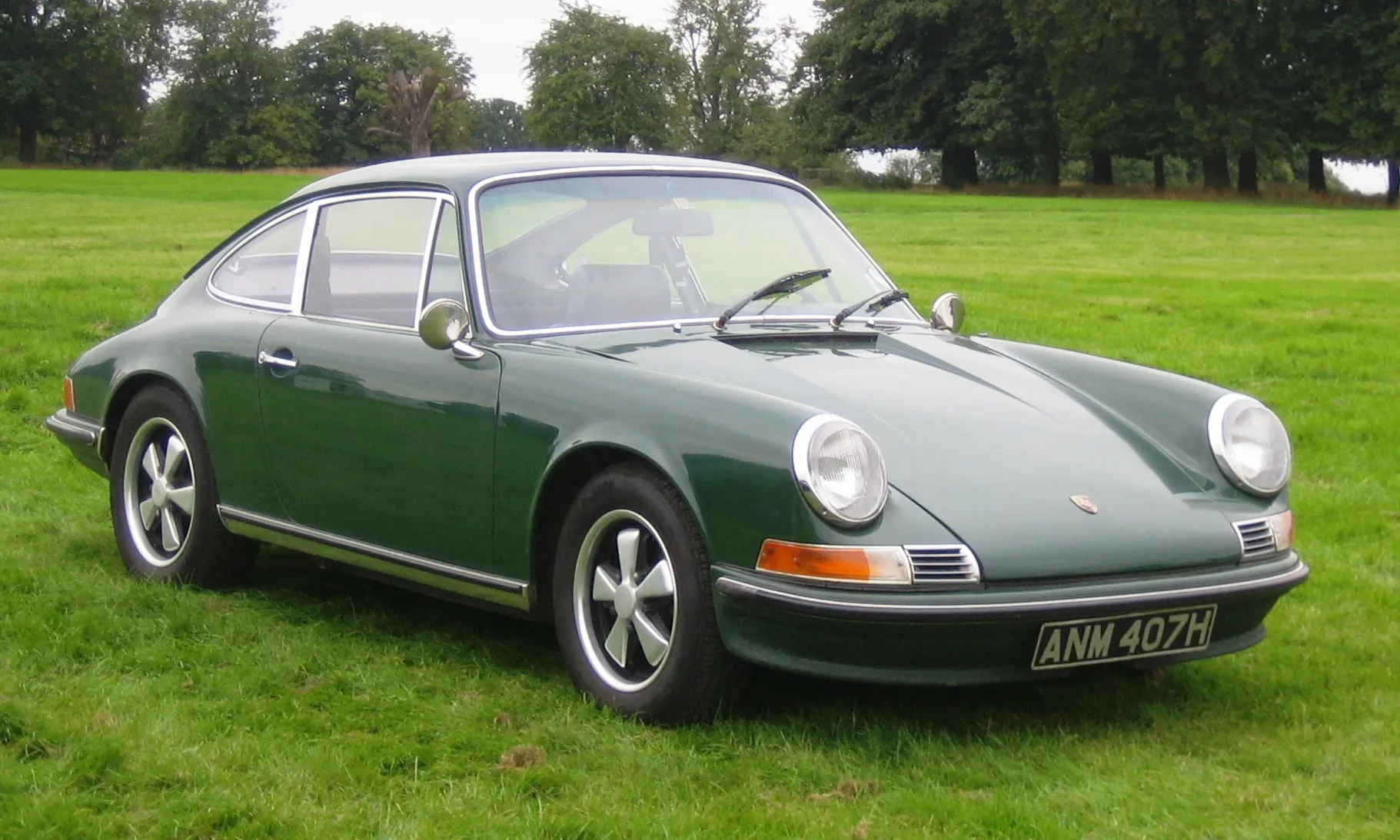
1. Porsche 911 (Classic Models from the 1960s and 1970s)
The Porsche 911 has remained a benchmark for sports car enthusiasts for decades. Its iconic silhouette, characterized by a rear engine layout and sloping roofline, gives it a unique presence on the road.
Even early models from the 1960s are celebrated for their balance between performance and style, making them highly sought after today. Collectors prize these vehicles not only for their aesthetics but for the driving experience that has defined Porsche’s reputation.
Under the hood, classic 911s offer engineering that remains impressive by today’s standards. Air-cooled flat-six engines provide a distinctive sound and responsive performance.
While modern cars may surpass them in raw power, the combination of light weight and precise handling ensures that these models still provide an engaging experience. This focus on driving purity has allowed the 911 to remain relevant decades after its introduction.
Another factor in the 911’s lasting relevance is its cultural impact. It has appeared in films, racing competitions, and automotive publications for decades.
The car has been driven by enthusiasts across generations, creating a legacy that transcends mere transportation. This reputation has helped the 911 maintain desirability and strong resale values.
Maintenance and availability of parts also contribute to the 911’s continued relevance. Porsche has supported classic models with parts and manuals, and the aftermarket community has grown around these vehicles. This makes restoration feasible and encourages collectors to keep them running rather than allowing them to fade into obscurity.
Finally, the Porsche 911 embodies the idea of evolution without losing identity. Each generation respects the original design while incorporating improvements, creating a lineage that honors the past. This seamless blend of heritage and innovation ensures that classic 911s remain relevant both on the road and in the minds of automotive enthusiasts.
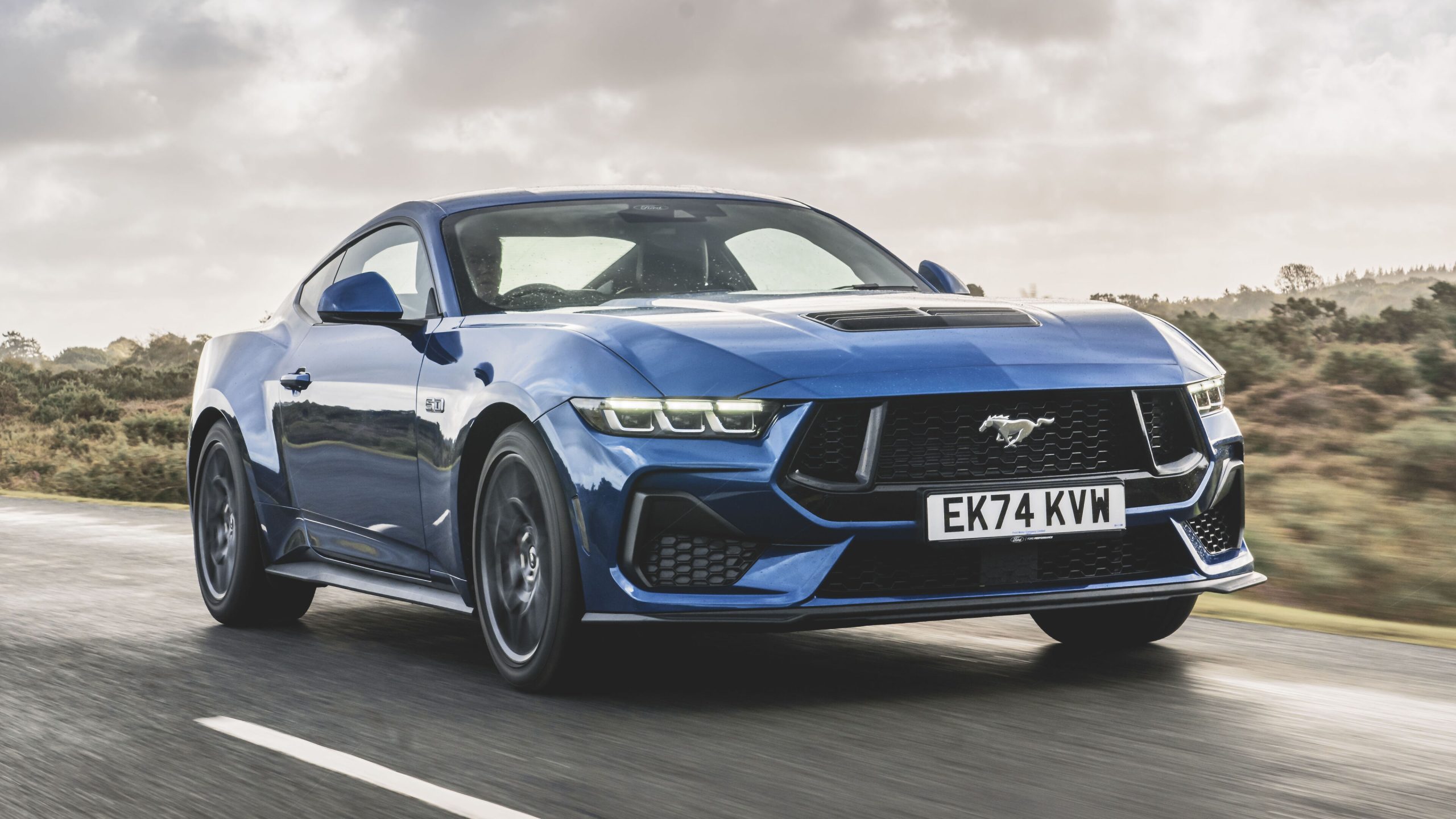
2. Ford Mustang (First-Generation 1964–1973 Models)
The Ford Mustang is often considered the vehicle that defined the pony car segment. Its first-generation models, produced from 1964 to 1973, captured the spirit of the American automobile industry with a combination of style, affordability, and performance. The long hood, short deck, and muscular stance made it instantly recognizable. Enthusiasts still admire its aggressive appearance, which has aged better than many contemporaries.
Performance options made the Mustang appealing to a wide audience. Early models offered a range of engines, from economical six-cylinder units to powerful V8s. This flexibility allowed buyers to choose a version that suited their tastes and budget. Cars equipped with the V8 engines remain some of the most collectible today.
Cultural significance plays a large role in the Mustang’s continued appeal. Featured in countless films, television shows, and racing events, the car became an icon of American freedom and youth culture. This exposure has contributed to ongoing interest in first-generation Mustangs, keeping them relevant decades after production ended.
Restoration communities and enthusiast clubs have also helped preserve the Mustang’s status. Dedicated groups provide support, parts, and events for owners, making it easier to maintain these vehicles in original condition or modify them respectfully. The accessibility of these resources keeps the car in circulation rather than disappearing into storage.
Finally, the Mustang has proven adaptable to modern tastes while maintaining its classic appeal. Retro-inspired designs in newer generations echo the original first-generation look, reinforcing the iconic image of the car. This connection between past and present strengthens the relevance of early models in today’s automotive industry.
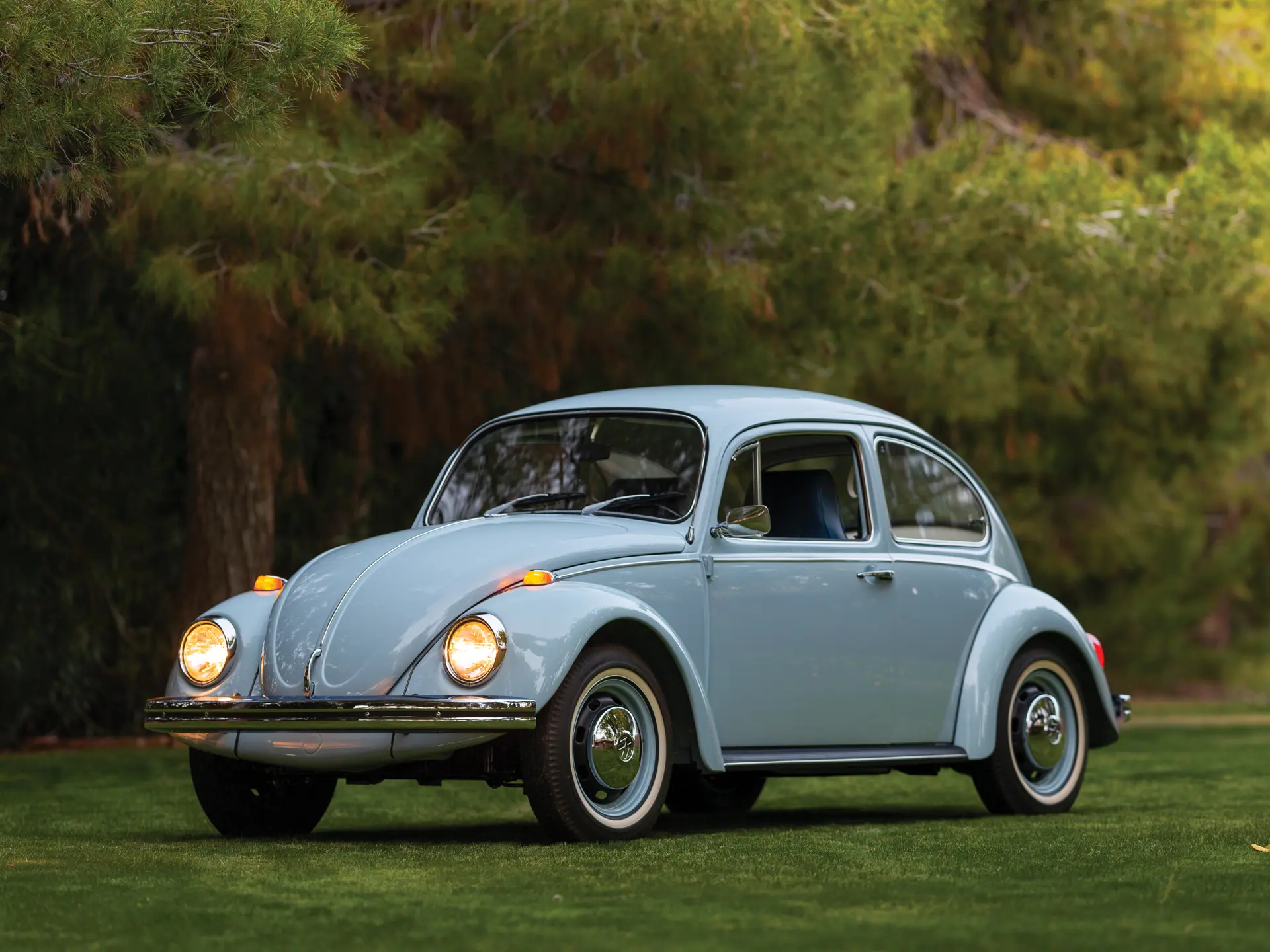
3. Volkswagen Beetle (Classic Models 1938–1979)
The Volkswagen Beetle is one of the most recognizable cars in history. Its rounded shape, simple mechanics, and friendly character made it appealing to drivers worldwide. Early models are prized for their simplicity, ease of maintenance, and cultural significance. Many enthusiasts view the Beetle as a symbol of affordable mobility that changed the automotive industry.
One of the reasons the Beetle remains relevant is its mechanical reliability. The air-cooled flat-four engine is simple and robust, allowing the car to endure decades of use. Parts are widely available, and its straightforward engineering makes restoration accessible to a broad audience. This reliability has contributed to its lasting presence on roads and in collections.
The Beetle also benefited from cultural representation. It became a symbol of the counterculture in the 1960s and 1970s, appearing in movies, advertisements, and music. Its role in popular culture helped cement its place as a timeless design, ensuring that new generations continue to recognize and appreciate the car.
Another factor is versatility. The Beetle was modified for racing, off-road adventures, and even performance builds. Its simple platform allowed creativity, making it a favorite for hobbyists and collectors alike. This adaptability has helped it stay relevant in various automotive communities.
Finally, the Beetle’s charm lies in its design. The car’s curves, minimalistic interior, and friendly appearance remain appealing even decades later. While modern cars focus on complex technology, the Beetle reminds drivers that simplicity, character, and emotional connection can be equally enduring.
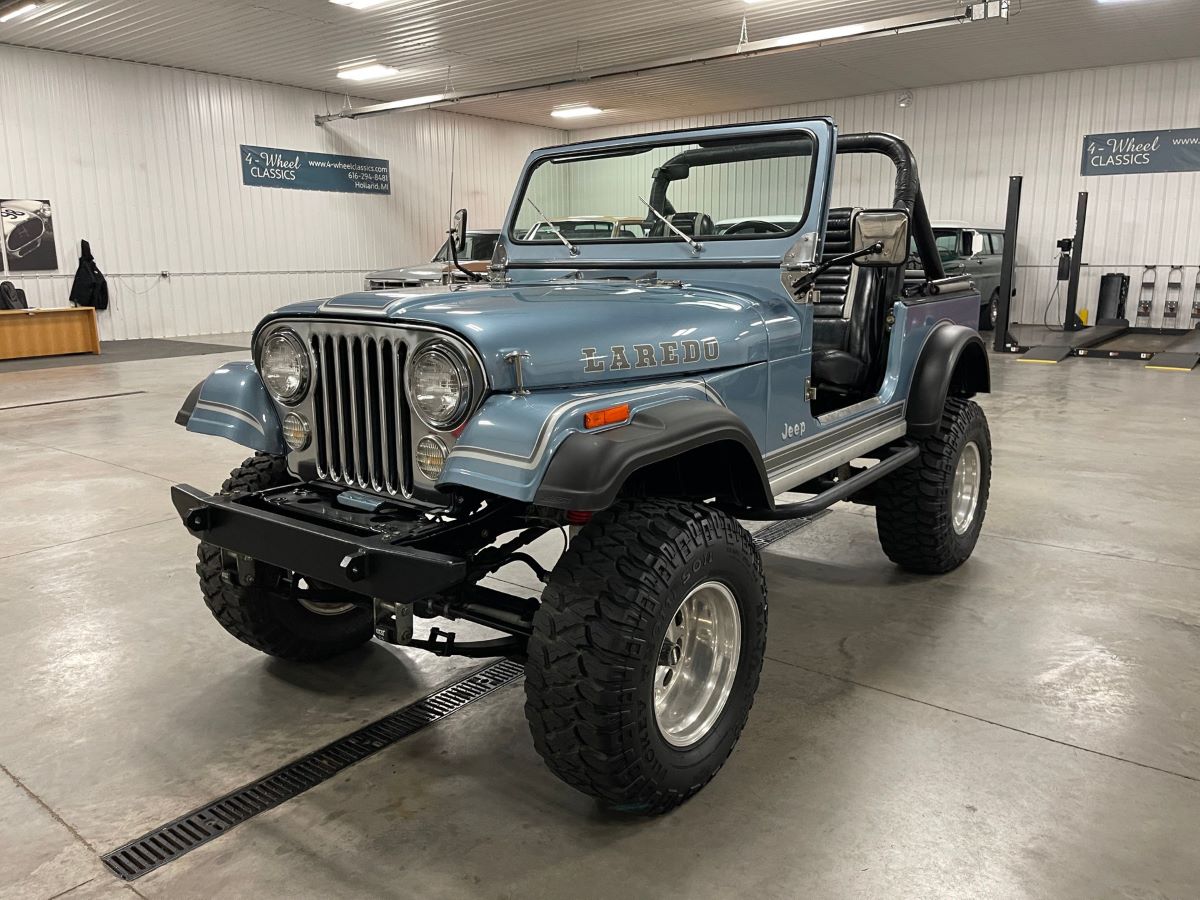
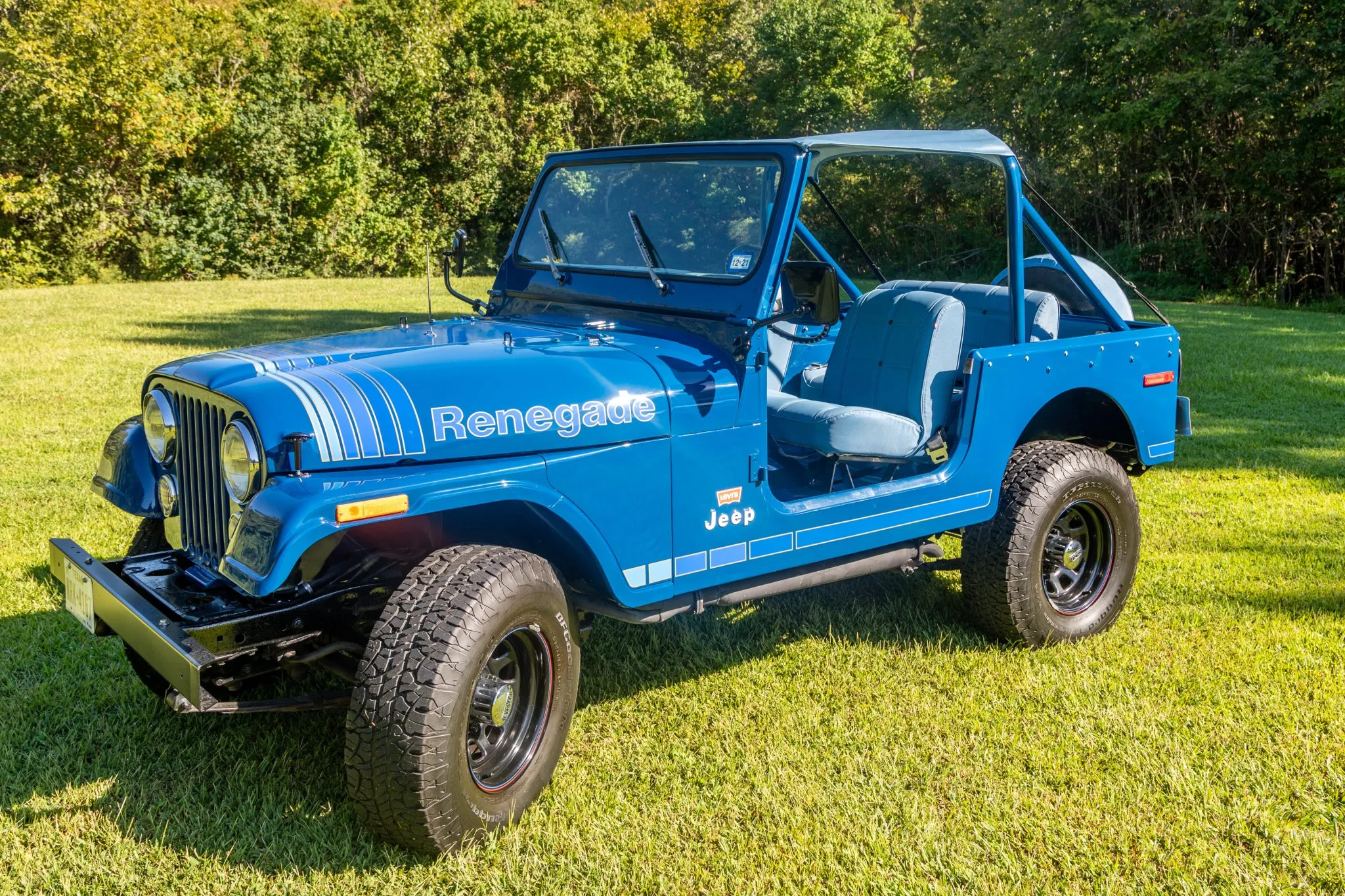
4. Jeep CJ Series (1945–1986 Models)
The Jeep CJ series, born from military origins, represents rugged capability and adventure. Early CJ models captured the spirit of off-road exploration with minimalistic design and reliable four-wheel-drive systems. Their boxy shape, removable doors, and durable components became instantly recognizable, making them icons of utilitarian automotive design.
Mechanically, CJ models are known for simplicity and durability. Early engines are easy to maintain, and the straightforward drivetrain allows modifications and repairs without complex tools. Enthusiasts appreciate that these vehicles can handle modern trails while staying true to their original construction.
The CJ series also earned cultural significance through movies, off-road events, and recreational use. This association with freedom, outdoor activities, and adventure created a lasting image that maintains the vehicle’s relevance. Jeep owners continue to celebrate the series in clubs, events, and shows.
Restoration and aftermarket support are key reasons for the CJ’s longevity. Parts remain accessible, and a strong community provides advice, upgrades, and preservation tips. This support ensures that even decades-old Jeeps continue to operate and attract new enthusiasts.
Finally, the CJ series laid the foundation for modern Jeep models. Its influence on SUVs and off-road vehicles is undeniable, and the design principles remain a reference point. Classic CJ models continue to be desirable for their authenticity, capability, and iconic presence in automotive history.
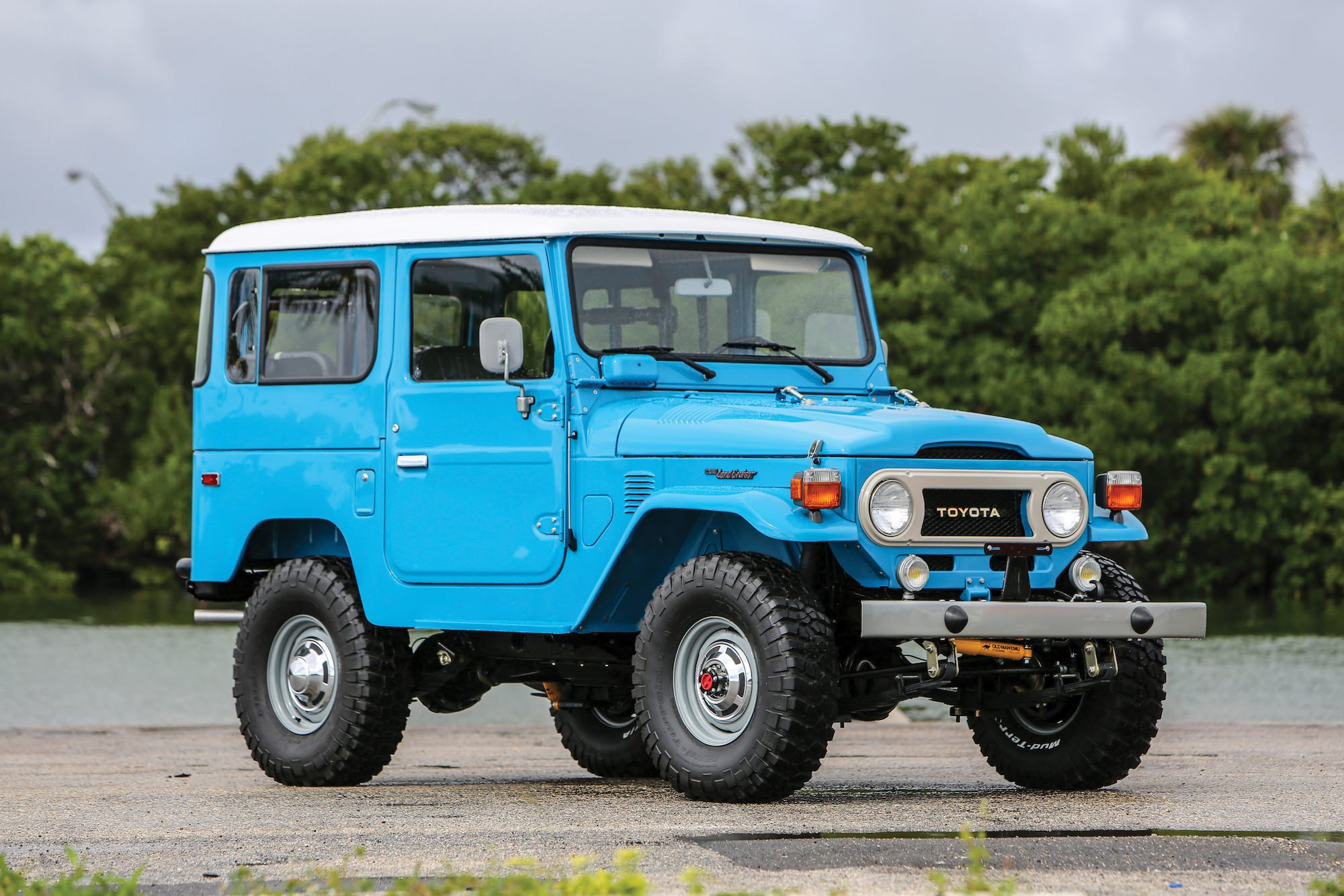
5. Toyota Land Cruiser (FJ40 Series 1960s–1980s)
The Toyota Land Cruiser FJ40 has become a symbol of reliability and rugged performance. Introduced in the 1960s, the FJ40 offered off-road capability, durability, and a simple yet functional design. Its combination of utility and style has made it one of the most respected and collected vehicles globally.
Mechanical robustness is a primary reason for its continued relevance. The FJ40’s engines and chassis are renowned for enduring harsh conditions and heavy use. Many of these vehicles remain operational today, showcasing engineering designed to last decades.
The Land Cruiser also earned a reputation for versatility. From desert crossings to mountainous terrains, the FJ40 proved adaptable in a variety of environments. This reputation enhanced its desirability among explorers, collectors, and off-road enthusiasts.
Cultural impact contributes to its longevity as well. Appearing in films, expeditions, and automotive publications, the FJ40 became synonymous with adventure and reliability. Its strong presence in international markets ensured recognition across continents.
Finally, the Land Cruiser’s timeless design keeps it relevant. Its boxy, purposeful exterior and functional interior continue to appeal to collectors. The FJ40 stands as an example of a vehicle that combined practical utility with enduring style, making it one of the most revered classic SUVs.
Old Cars That Don’t Stay Relevant
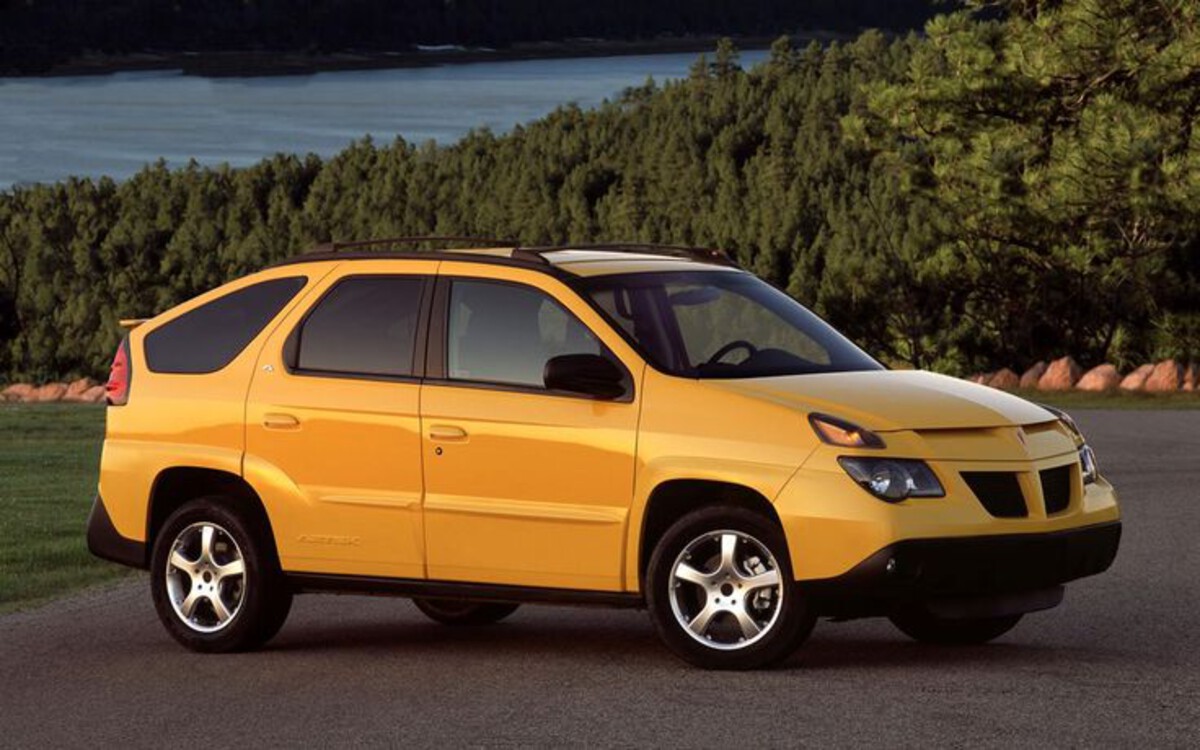
1. Pontiac Aztek (2001–2005)
The Pontiac Aztek was introduced with high hopes but quickly became a subject of criticism. Its design, intended to be futuristic and versatile, instead appeared awkward and mismatched. Boxy proportions, unusual angles, and overcomplicated styling failed to resonate with mainstream buyers. As a result, the vehicle’s aesthetic has aged poorly, making it difficult to appreciate today.
Mechanically, the Aztek offered a standard front-wheel-drive setup and moderate V6 power. While functional, it did not provide the excitement or durability that collectors seek. The driving experience was often described as bland, and reliability issues with certain engine components further diminished its appeal over time.
The Aztek also struggled with market perception. Despite advertising campaigns highlighting camping and outdoor versatility, the vehicle failed to establish a clear identity. Its presence in pop culture remains limited, and even appearances in television were often ridiculed, which cemented a negative reputation rather than building long-term value.
Restoration or modification of the Aztek is rarely considered worthwhile. Limited aftermarket support and scarce parts make maintaining the vehicle challenging. Enthusiasts tend to focus on more iconic models, leaving the Aztek largely forgotten outside of its niche notoriety.
The Pontiac Aztek serves as a cautionary tale. Ambitious design and concept do not always translate to longevity, and a lack of clear identity combined with mediocre performance ensures that the vehicle does not stay relevant in automotive discussions.
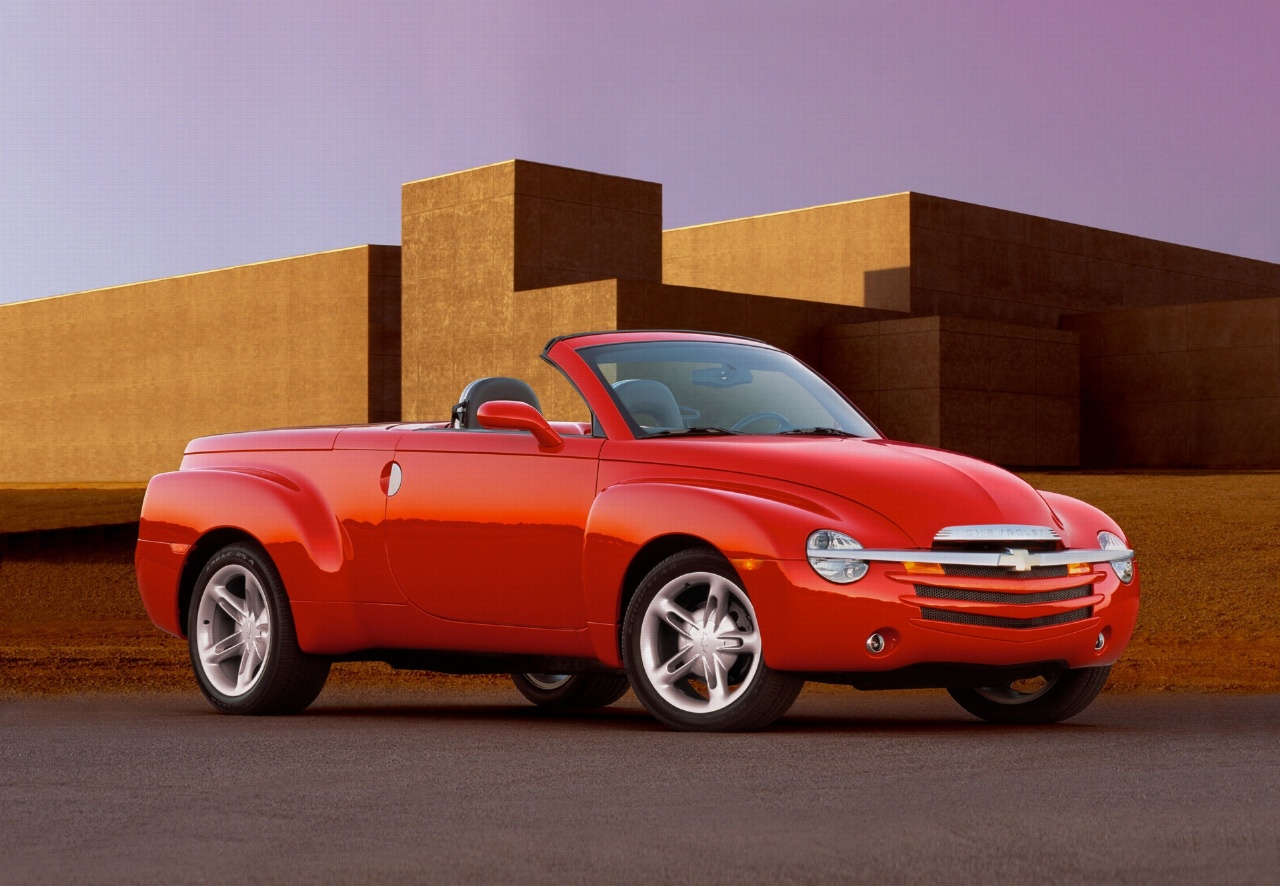
2. Chevrolet SSR (2003–2006)
The Chevrolet SSR attempted to combine a pickup, convertible, and retro styling into one vehicle. While innovative in concept, the execution fell short of expectations. Its curvy, bulbous body style alienated traditional truck enthusiasts and did not resonate with sports car buyers. The SSR’s appearance, once intended to attract attention, now feels dated and awkward.
Under the hood, the SSR featured a V8 engine with moderate power, adequate for casual driving but insufficient to compete with performance-oriented vehicles. Handling was compromised due to the heavy weight and unusual layout. Drivers seeking excitement found the experience underwhelming, limiting its appeal over time.
Popularity issues further affected the SSR’s relevance. It was produced in limited numbers, and the marketing campaign could not establish a strong fan base. The vehicle’s novelty factor faded quickly, and there was no cultural momentum to support lasting significance in the collector market.
Maintenance is also problematic for the SSR. Specialized parts, limited dealer support, and low community interest make restoration or repair more complicated than for other vehicles of similar age. As a result, many SSRs have been retired or remain in storage, reinforcing its obscurity.
The Chevrolet SSR’s combination of unusual styling, limited performance, and lack of cultural significance prevents it from maintaining relevance. Despite ambitious intentions, the vehicle is largely remembered as an oddity rather than a classic.
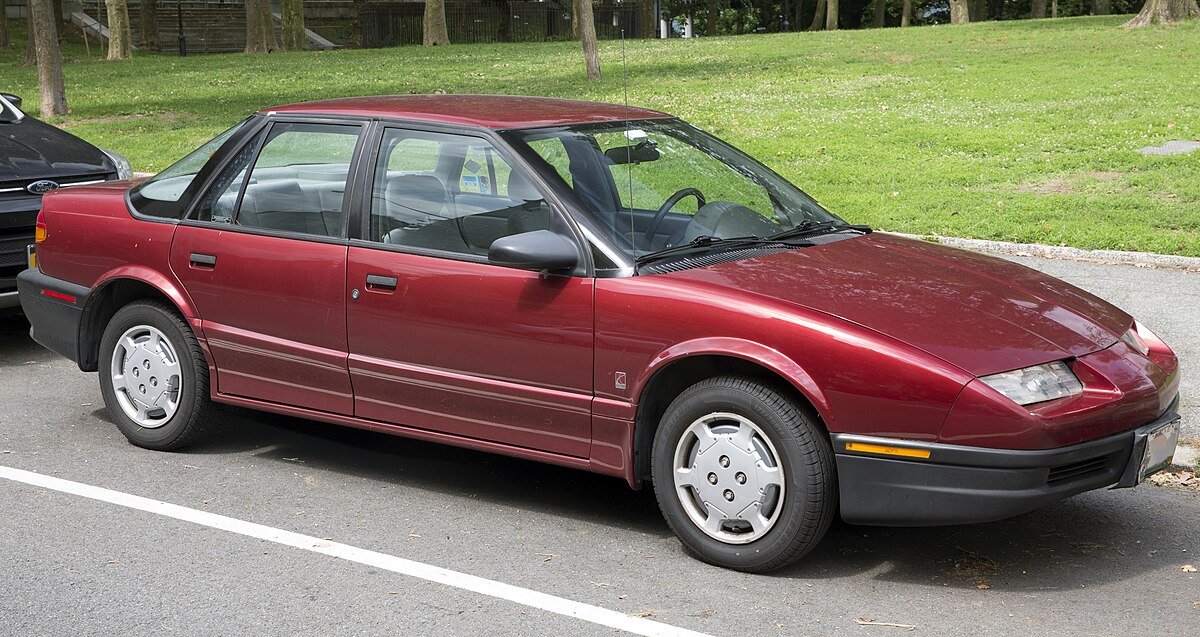
3. Saturn S-Series (1991–2002)
The Saturn S-Series was introduced as an affordable and practical compact car. Its plastic body panels and small engines offered lightweight performance, but design and engineering choices failed to leave a lasting impression. Today, the S-Series is rarely recognized as a significant vehicle, overshadowed by competitors that offered more style or performance.
Performance was adequate for daily commuting but uninspiring. Small engines and basic suspensions created a bland driving experience. Reliability was moderate, but nothing about the S-Series stood out enough to inspire loyalty among collectors or enthusiasts, which limited its lasting appeal.
The S-Series also suffered from a lack of cultural presence. It did not appear in movies or racing culture, and its marketing focused on affordability rather than excitement. Without a unique identity, the vehicle struggled to create emotional connections that endure across decades.
Parts availability has decreased as Saturn ceased operations, and restoration communities are minimal. With few aftermarket modifications or dedicated clubs, maintaining an S-Series for historical or collector purposes is rarely practical, reducing its long-term relevance.
The Saturn S-Series demonstrates that practicality alone does not ensure a vehicle’s lasting impact. While it served a purpose for everyday drivers, its lack of distinctive design, performance, and cultural significance has rendered it largely forgotten.
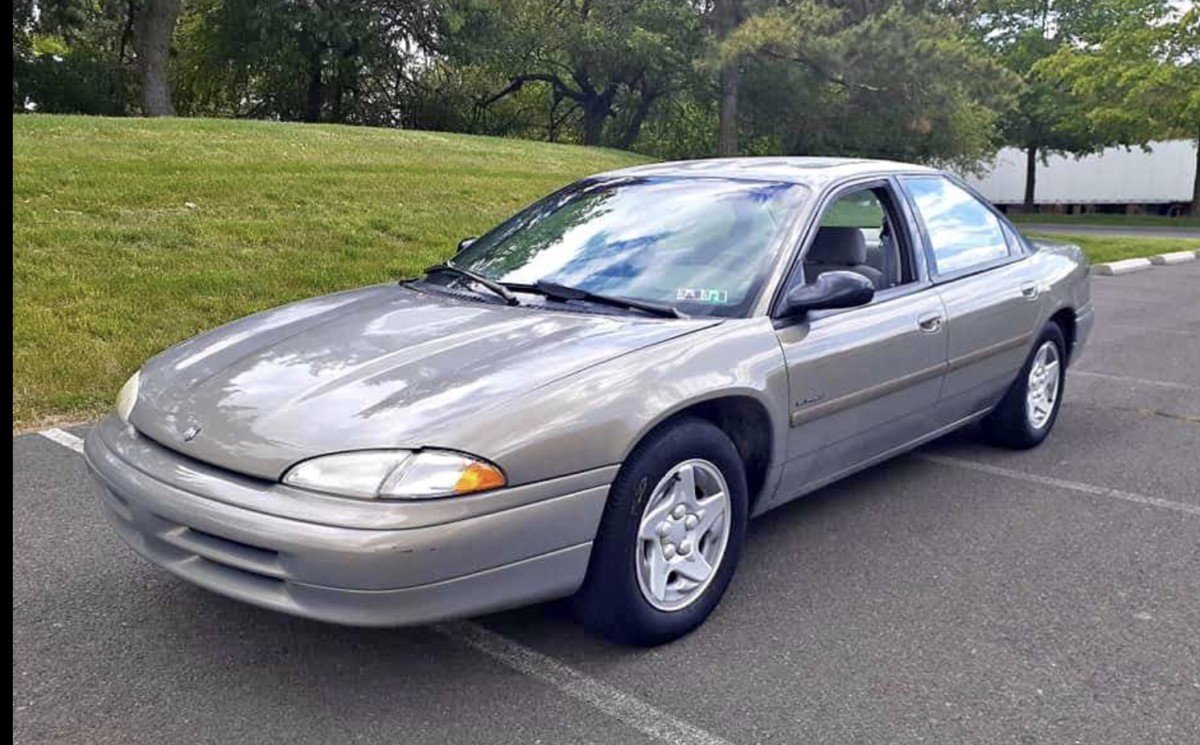
4. Dodge Intrepid (1993–2004)
The Dodge Intrepid aimed to redefine the large sedan segment with its LH platform and cab-forward design. While innovative at the time, its styling now feels dated, with exaggerated curves and interior proportions that do not appeal to modern tastes. The vehicle’s appearance has limited its ability to remain desirable.
Engine options offered sufficient power for daily driving but were unremarkable in performance. The Intrepid lacked a distinctive driving experience, and reliability issues with electronics and transmissions have made older models harder to maintain. Enthusiasts rarely cite the Intrepid for enjoyment or collecting.
The Intrepid also struggled to leave a cultural mark. Despite initial attention in marketing campaigns, it did not generate fan communities or racing significance. Without cultural relevance, vehicles of its type fade quickly from discussions about classic or noteworthy cars.
Restoration and parts support are limited. LH platform vehicles share some components across Chrysler models, but interest remains low, and specialized knowledge is often required for repairs. This further reduces the model’s visibility and longevity.
The Dodge Intrepid illustrates that innovation in design alone cannot guarantee lasting appeal. Lackluster performance, minimal cultural impact, and dated styling have kept it from staying relevant in the automotive world.
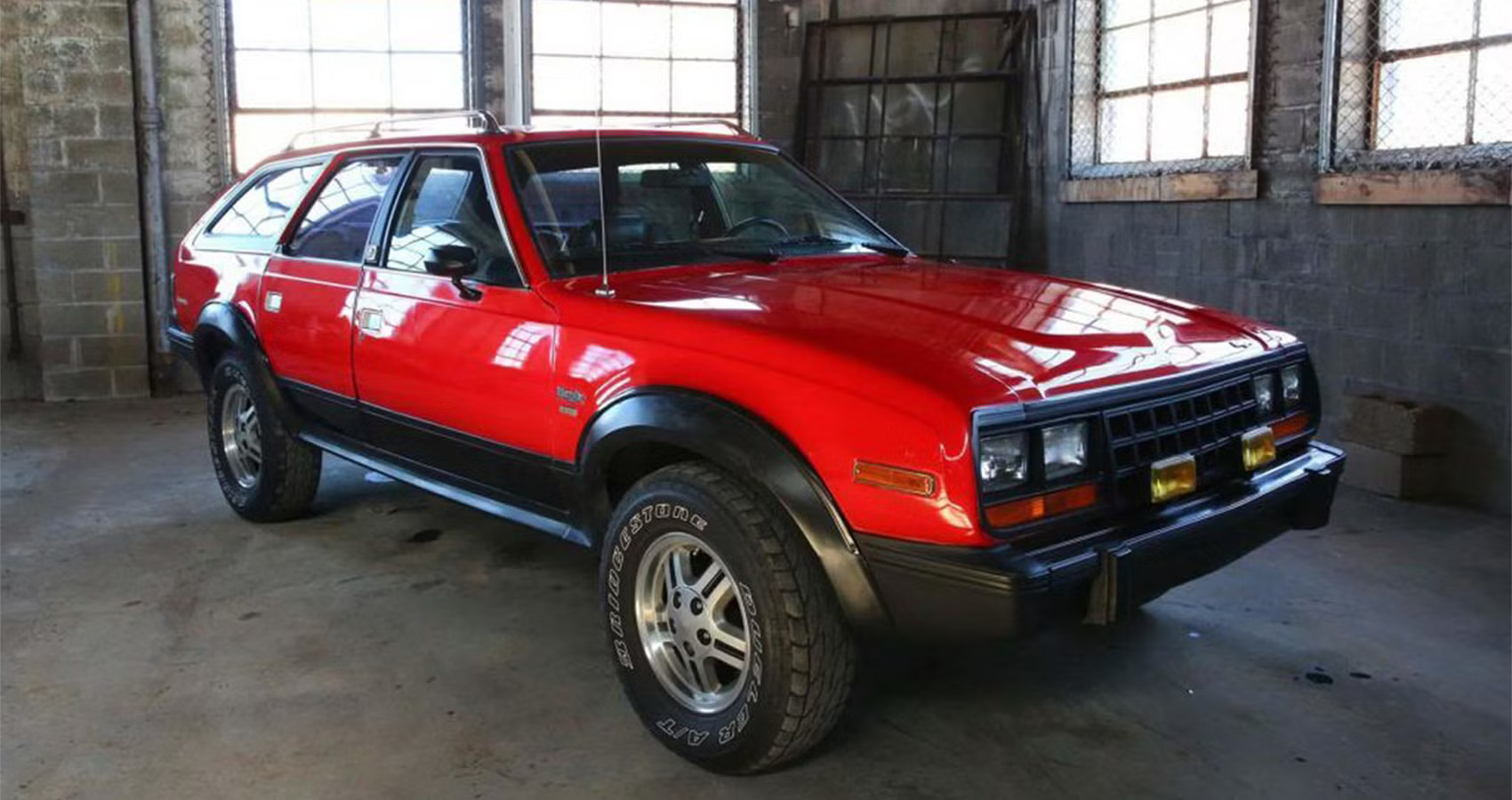
5. AMC Eagle (1980–1988)
The AMC Eagle was one of the first crossover-style vehicles, combining off-road capability with a car-like body. While innovative, its styling was awkward, with lifted suspension and boxy proportions that did not age gracefully. Enthusiasts today find it less attractive compared to other vehicles from the same era.
Performance was adequate for its time, but the Eagle’s four-wheel-drive system was heavier and less refined than later competitors. Driving experience was compromised by body roll and outdated handling, limiting its appeal among modern collectors.
The AMC brand itself contributes to the vehicle’s obscurity. Without strong brand recognition and limited historical coverage, the Eagle did not gain a lasting reputation. Enthusiasts and collectors often overlook it in favor of more iconic off-road or crossover models.
Maintenance is difficult due to scarce parts and low aftermarket support. With the AMC brand defunct and the vehicle’s low popularity, owners face challenges in keeping Eagles operational, reducing their visibility on the road.
The AMC Eagle serves as an example of a vehicle ahead of its time in concept but lacking design appeal, performance, and brand support. Its limited cultural and collector impact ensures that it does not remain relevant decades after production ended.
