
Urban roads present driving challenges that differ significantly from highway or rural driving because city environments are dense, dynamic, and demand constant attention.
A vehicle that excels in these spaces must balance agility, comfort, safety features, visibility, and responsiveness so that drivers can navigate tight corners, frequent stops, pedestrians, sudden lane changes, and uneven pavement with confidence.
Cities often incorporate speed bumps, traffic signals at short intervals, narrow lanes, and heavy foot traffic, all of which require vehicles to have responsive brakes, tight turning radii, stable suspension, and efficient engines capable of handling constant acceleration and deceleration.
When cars are too large, too heavy, sluggish in steering, or unsuited for stop-and-go traffic, they quickly become a burden rather than a benefit to the driver.
Urban driving also magnifies stress and fatigue because of prolonged idling, frequent braking, and the mental load of negotiating unpredictable conditions. Drivers naturally gravitate toward vehicles that feel intuitive in these settings, ones that offer clarity in instrument readouts, responsive controls, and a driving position that promotes awareness of surroundings.
Cars that handle well in urban environments can reduce driver stress, improve fuel efficiency through smart stop-start systems, and maintain passenger comfort even over potholes or uneven asphalt.
On the other hand, vehicles that struggle in these conditions can compromise safety, frustrate their drivers, and even lead to increased maintenance costs due to wear on brakes and suspension components.
This article examines ten vehicles from everyday classes, focusing first on five that tend to excel in urban conditions, and then on five that frequently lag behind in these same scenarios.
Each vehicle will be discussed in detail with respect to how it behaves in city driving, what specific traits help or hinder its performance, and why certain design philosophies matter more when navigating urban streets rather than freeways.
Whether you are considering your next city commuter or simply want to understand how different cars stack up when the roads get crowded, this deep dive provides observations, explanations, and assessments without relying on external research sources.
The goal is practical understanding, grounded in the fundamental demands of urban traffic and road patterns. Let’s begin with five cars that make city driving feel natural and controlled.
Cars That Handle Urban Roads Well
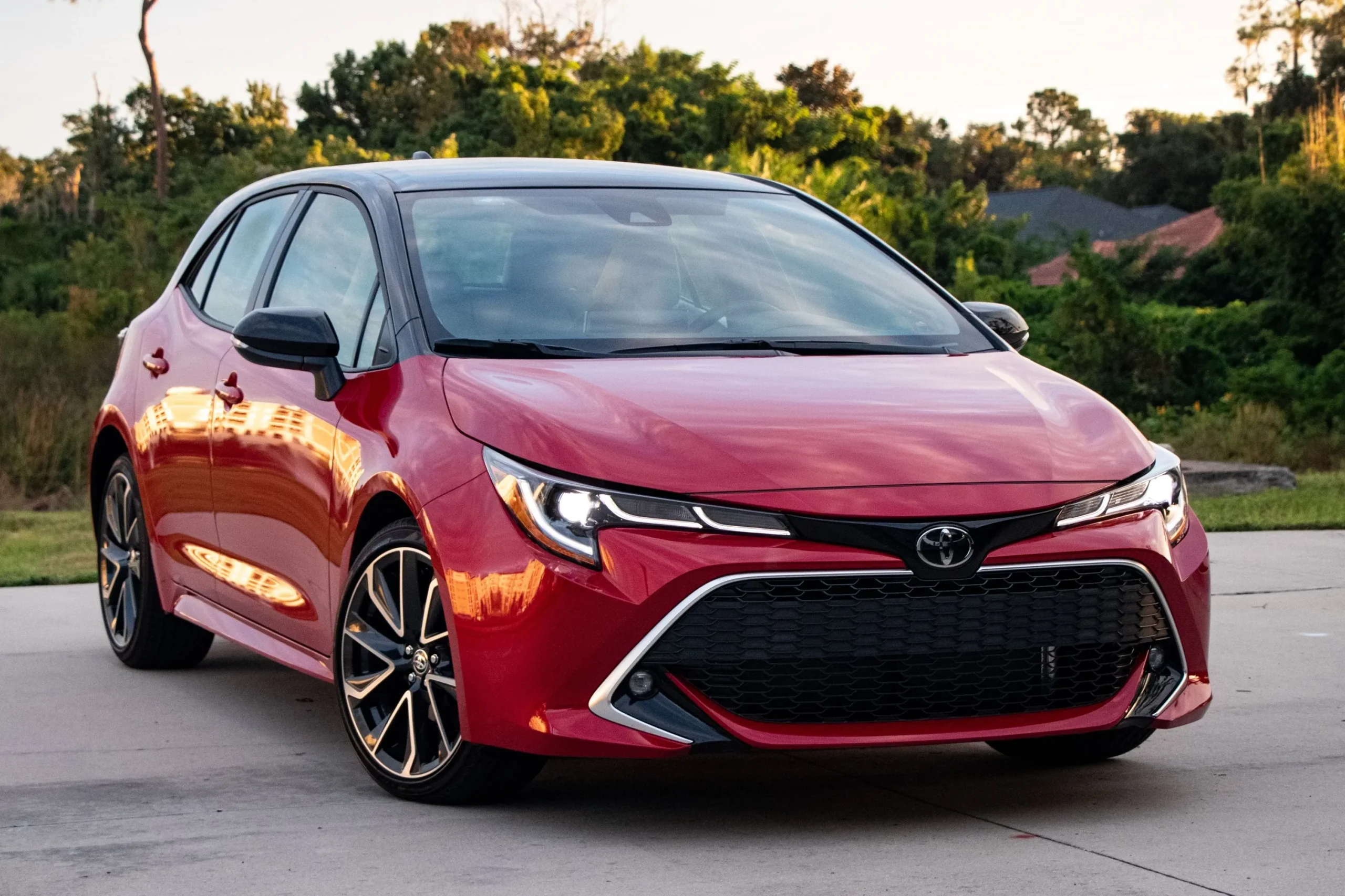
Toyota Corolla Hatchback
The Toyota Corolla Hatchback stands out for its compact size that feels right at home in city traffic, enabling drivers to weave confidently through narrow spaces and crowded streets. Its engine delivers smooth power without harsh surges, which means drivers can pace through traffic comfortably without wild throttle reactions.
The steering system responds crisply to input, allowing precise lane changes and better control in tight corners that typify urban routes. Additionally, the vehicle’s suspension strikes a balance between absorbing potholes and maintaining stability, giving passengers a composed experience despite rough road patches.
Inside, the Corolla Hatchback’s visibility is an advantage as large windows and well-positioned mirrors help drivers monitor surrounding vehicles, pedestrians, and cyclists. Traffic signals come into view easily, and merging often feels less intimidating because blind spots are minimal.
Its infotainment system is laid out clearly, reducing distraction while managing navigation and music during congested travel. Such thoughtful ergonomic design supports concentration, enabling drivers to stay engaged with their environment. The seats provide good support for shorter city commutes and longer weekend drives alike, promoting comfort when traffic grinds to a halt.
Fuel efficiency further reinforces its urban strength, with the engine tuned to conserve energy in stop-and-go situations, thereby reducing the frequency of refueling stops when covering many short trips. Regenerative features in certain trims help maximize this benefit by capturing energy during braking, supporting eco-conscious city travel.
This efficiency also lessens operating costs, making it a budget-friendly choice for daily commuting. Drivers appreciate the predictable fuel economy, which allows them to plan trips with fewer interruptions and more confidence in range.
Safety technology in the Corolla Hatchback enhances its urban capability, including forward collision alerts, automatic emergency braking, and adaptive cruise control that helps regulate speed in crowded conditions. Lane departure warning assists on multilane city boulevards by alerting drivers when the vehicle drifts without signaling.
Such systems integrate smoothly with the driving experience instead of feeling intrusive, which helps drivers stay focused without feeling undermined by too many alerts. This intelligent suite of features gives city drivers an added layer of protection against common urban hazards.
Compact yet refined, the Toyota Corolla Hatchback blends responsive handling, efficient performance, and thoughtful ergonomics in a way that complements the varied demands of city roads. Its balanced combination of visibility, maneuverability, and safety technology helps drivers operate confidently in heavy traffic.
The ride quality remains composed even over uneven pavement, reducing fatigue on longer city journeys. It proves itself a reliable and cost-effective option for those who spend most of their driving time navigating urban routes.
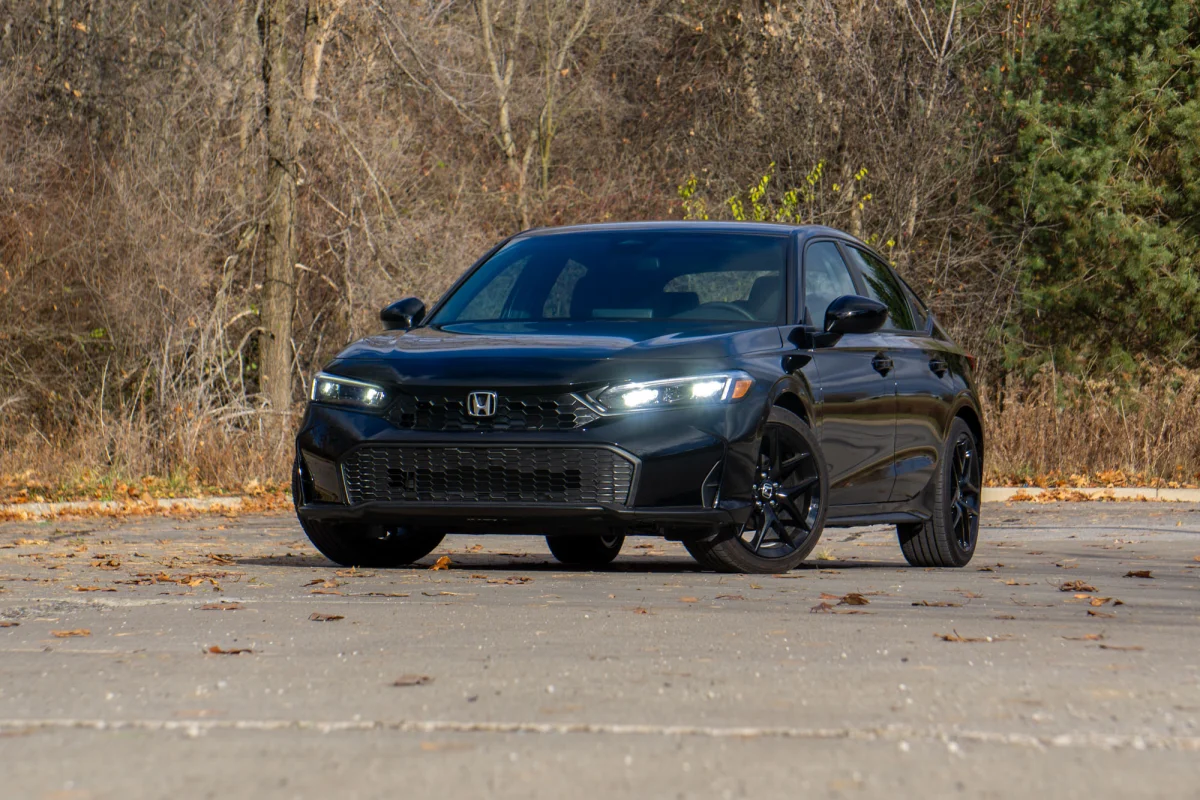
Honda Civic
The Honda Civic’s enduring popularity stems partly from the way its design supports everyday driving in built-up environments where constant vigilance and maneuverability are essential. Its chassis provides a nimble feel, giving drivers the confidence to make quick adjustments in traffic while still feeling grounded.
Steering is communicative, which allows for sharp cornering at low speeds and precise alignment in parking situations. The Civic’s compact footprint, without compromising interior space, makes it easier to fit into tight spaces that might challenge larger vehicles.
Engine options in the Civic range from economical naturally aspirated units to more responsive turbocharged variants, giving city drivers choices that suit their style without sacrificing smoothness. Acceleration is tuned to be linear, reducing the chance of jerky starts or too-aggressive responses at low speeds commonly found in urban stoplight settings.
This refined power delivery helps drivers anticipate vehicle behavior and focus on the road ahead, which is especially valuable in congested zones. The gearbox transitions seamlessly, whether automatic or manual, keeping the driving experience fluid during heavy traffic.
Inside the cabin, controls are intuitively placed with easy-to-read displays and logical layouts that reduce the cognitive load when juggling navigation, climate, and entertainment. The seats offer firm support for both short errands and extended commutes, ensuring driver comfort over varied urban conditions.
Visibility is aided by well-designed pillars and mirror placement, giving drivers a clear view of intersections and crosswalks where quick decisions are crucial. This thoughtful design creates a sense of connection between the driver and surroundings.
The Civic also incorporates safety systems such as collision mitigation braking, lane keeping assist, and traffic sign recognition, which aid drivers in anticipating hazards common in city settings. These technologies work to make urban driving less fatiguing by offering subtle guidance rather than overwhelming alerts. Their integration supports better focus on the road, allowing drivers to handle unexpected stops and changing traffic patterns with more assurance.
With its blend of responsive dynamics, interior comfort, and supportive driver aids, the Honda Civic earns its reputation as a strong choice for urban driving. Its balanced nature means it handles both slow-moving traffic and quicker transitions with equal competence.
The ergonomic thought behind the Civic ensures that drivers remain comfortable and confident no matter how congested the streets become. Such qualities reinforce its place among cars that manage city roads with aplomb.
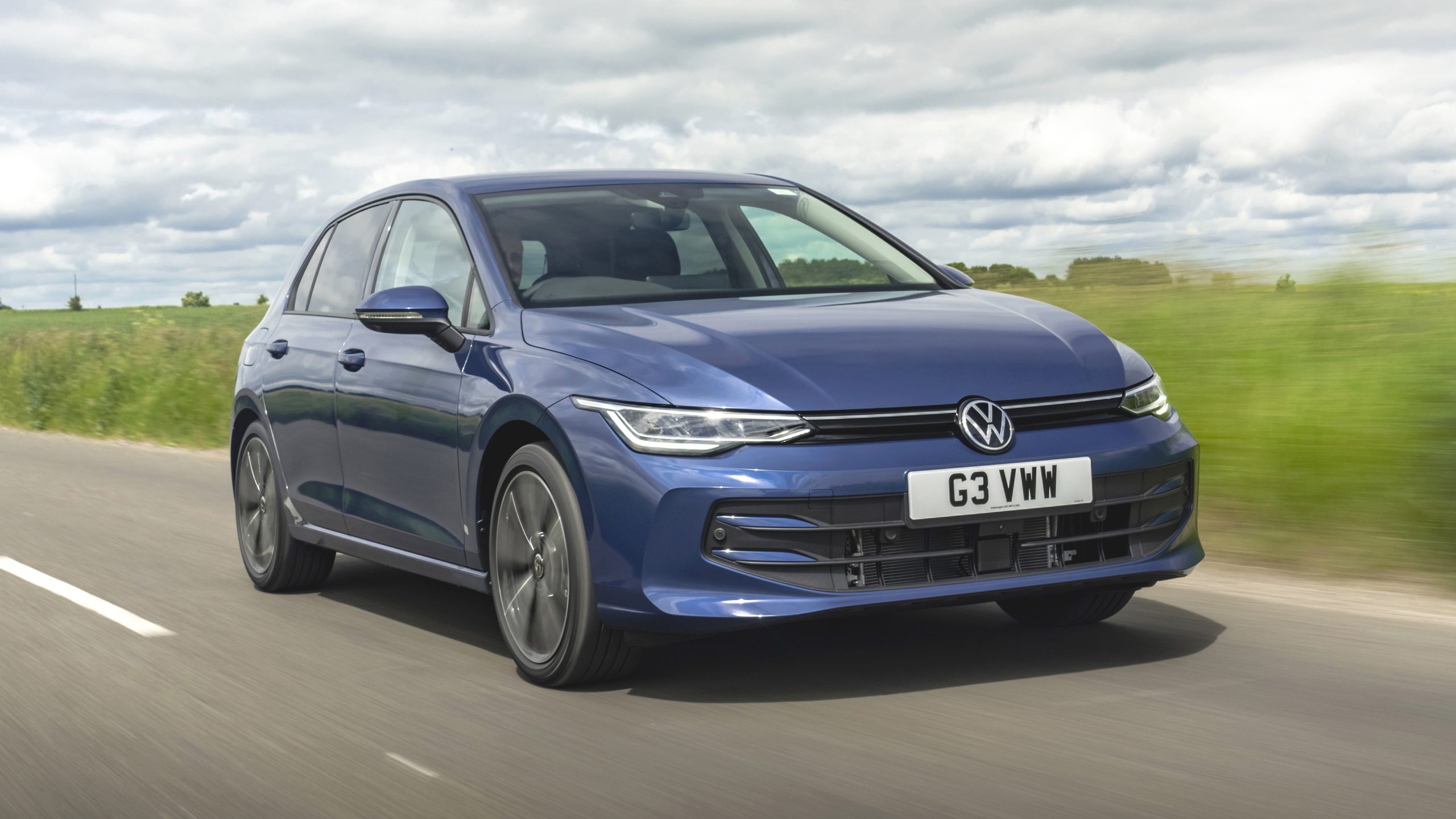
Volkswagen Golf
The Volkswagen Golf has long been appreciated for its composed ride quality and well-engineered chassis that feels stable without being overly stiff, which benefits movement through urban settings. Its compact design masks a surprisingly spacious interior, allowing for easy navigation without sacrificing occupant comfort.
The steering feels firm yet responsive, encouraging confident lane changes and precise guidance through corners without hesitation. Suspension tuning absorbs many of the small shocks and bumps of city streets, reducing passengers’ sense of fatigue during repeated stops and starts.
Under the hood, the Golf offers engines that provide adequate low-end torque, which is useful for accelerating from traffic lights and merging with minimal effort. The turbocharged units found in many trims deliver smooth, predictable power, limiting abrupt shifts that could unsettle traction on slick pavement.
Drivers enjoy composing their pace without feeling rushed or underpowered, an equilibrium that enhances the driving experience. Transmission options maintain this balance, whether automatic or manual, with quick and accurate shifts that conserve momentum in dense traffic.
Cabin design promotes ease of use with logically arranged interfaces for climate, media, and navigation, minimizing distraction when adjustments are needed on the fly. The seats provide ample bolstering without feeling rigid, supporting occupants over repeated urban maneuvers.
Large windows and thoughtfully placed mirrors aid visibility, which matters when scanning for pedestrians and cyclists in busy zones. This clarity of sight enhances situational awareness, especially at complex intersections.
Safety technologies such as autonomous emergency braking, rear cross-traffic alert, and adaptive cruise control augment the Golf’s capability to cope with unpredictable urban conditions. These features help manage close gaps between vehicles and alert drivers to hazards that might otherwise be missed amid city chaos. Their seamless integration into the driving experience allows drivers to focus on maneuvering rather than constantly adjusting settings.
With a reputation for quality and a driving character tuned for balanced control, the Volkswagen Golf thrives in urban environments. Its composed ride, responsive dynamics, and thoughtful interior design promote confidence behind the wheel. Whether inching through gridlock or moving briskly between lights, drivers find the Golf a capable partner for the varied demands of city roads.
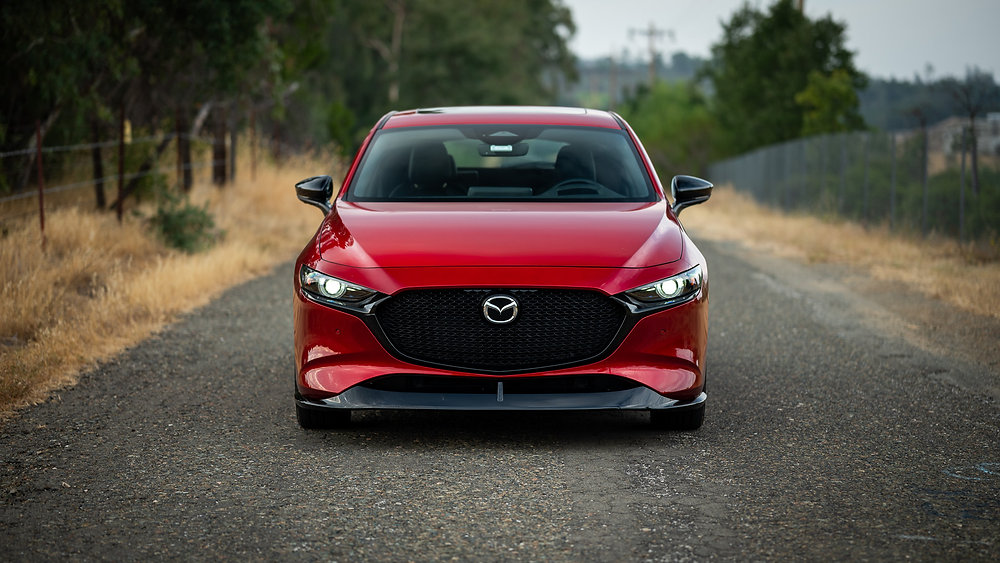
Mazda3
The Mazda3 exhibits a blend of agility and refined design that suits the subtle demands of urban driving where responsiveness and comfort are both essential. Its steering system offers clear feedback, making it easier to judge the vehicle’s position in dense traffic and to navigate sharp turns without second-guessing.
The suspension provides a well-tuned balance that absorbs the frequent irregularities of city pavement while keeping body roll in check. Such composure encourages confident handling even when traffic patterns shift unexpectedly. Interior quality complements the driving experience with materials that feel comfortable yet durable for frequent daily use.
Engine performance in the Mazda3 favors smooth power delivery with sufficient torque for low-speed acceleration, allowing drivers to move seamlessly from stop to flow without feeling underpowered. The Skyactiv engines emphasize efficiency, which benefits city commuting where fuel use typically spikes due to constant starts.
Transmission response furthers this smoothness, helping maintain momentum and reducing the stress often associated with idling and creeping. This thoughtful engineering fosters a sense of engagement with the road.
Inside, controls are neatly arranged with a focus on minimizing distraction and maximizing ease of access, even for drivers unfamiliar with the car. The seating supports a comfortable posture that helps reduce fatigue during long urban shifts, and visibility remains strong thanks to intelligently designed window frames and mirror placement.
Safety aids such as blind spot monitoring and rear cross-traffic alert further assist in crowded roadways where sudden lane changes are common.
The Mazda3 also integrates advanced driver assistance features like lane departure warning and adaptive braking that help anticipate sudden changes in traffic flow. These systems provide subtle support without overwhelming the driver with alerts, enhancing focus on road conditions. The combined effect of responsive handling, supportive safety tech, and driver-focused ergonomics allows the Mazda3 to feel at home in city environments.
The Mazda3 distinguishes itself through a harmonious blend of driving dynamics and everyday practicality, making it a satisfying choice for urban commuters. Its balance of refined performance, comfort, and technology equips drivers to manage congested roads with confidence and ease.
Mini Cooper
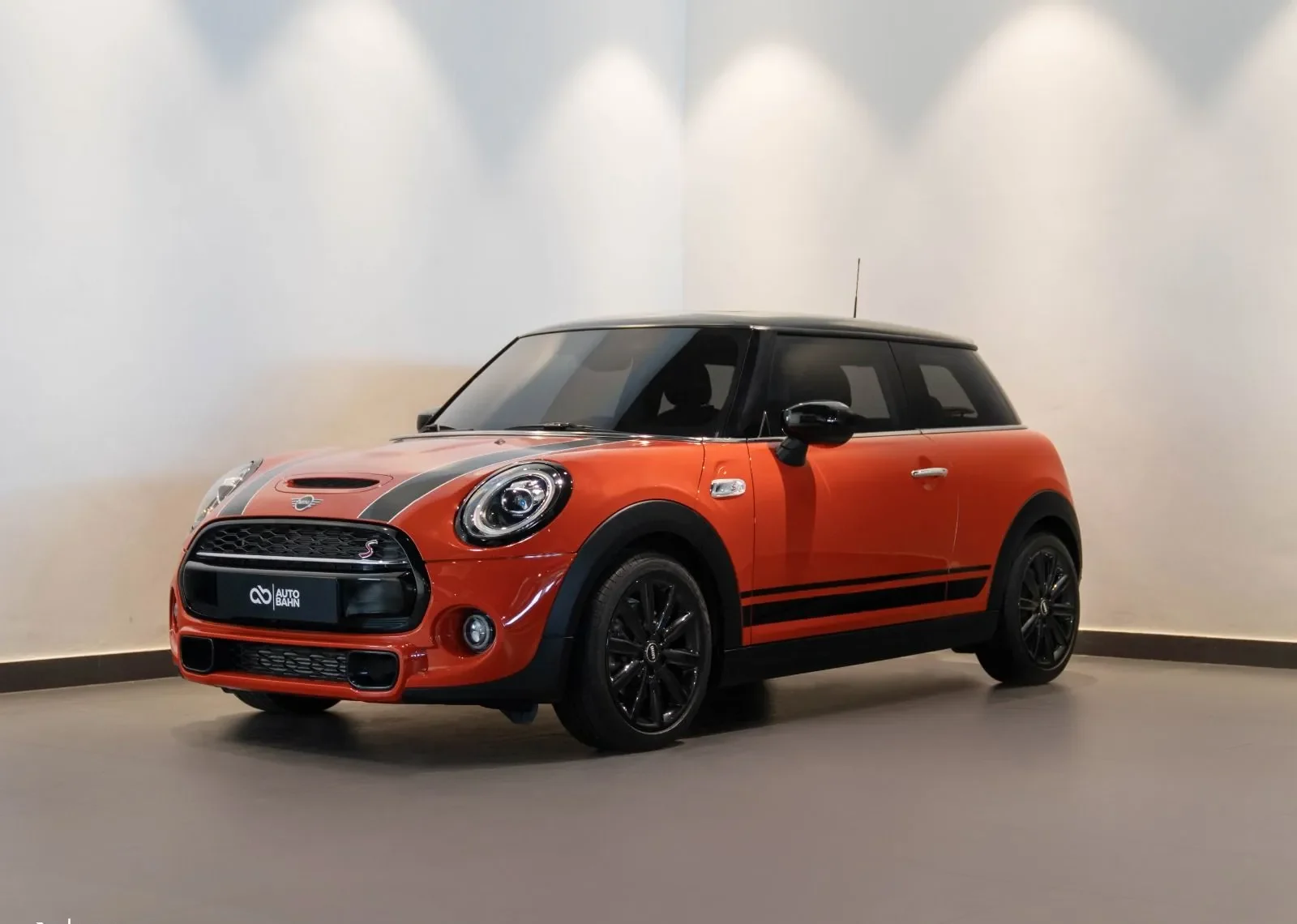
The Mini Cooper’s compact footprint is a natural advantage in urban driving, allowing drivers to navigate narrow streets and fit into tight parking spaces that challenge larger vehicles. Its responsive steering and tight turning radius give it a playful character that feels lively when moving through dense traffic.
The engine’s punchy acceleration provides quick bursts that are useful for merging into brief gaps in urban lanes. Suspension tuning keeps the ride firm yet controlled, helping maintain composure over uneven city pavement.
Inside the cabin, the Mini Cooper places controls within easy reach and emphasizes simplicity that reduces cognitive load while driving. The seats are supportive, promoting comfort on repetitive commutes and short errands alike.
Visibility is enhanced by broad window openings and well-positioned mirrors, aiding in scanning intersections and monitoring nearby pedestrians. Such design cues assist drivers in maintaining high awareness of their surroundings.
The Cooper’s infotainment and driver information systems are intuitive, helping drivers access navigation and vehicle settings without distraction. The compact dashboard layout reinforces focus on the road ahead rather than complex menus. Safety systems, including parking sensors and rearview cameras, improve confidence when maneuvering in crowded conditions where split-second adjustments matter.
Handling characteristics further benefit from the car’s low center of gravity and direct steering, which contribute to agile responses during sudden lane changes. Drivers often report that the Mini feels like an extension of their intent, reacting crisply to subtle inputs. This degree of engagement enhances control on busy streets where precision is essential.
By coupling its small size with energetic performance and driver-friendly design, the Mini Cooper succeeds as a city car that feels responsive and reassuring. Its blend of maneuverability, comfort, and awareness-enhancing features helps drivers feel capable and in command, even in complex urban traffic situations.
Cars That Don’t Handle Urban Roads Well
Ford F-150 (Full Size Truck)
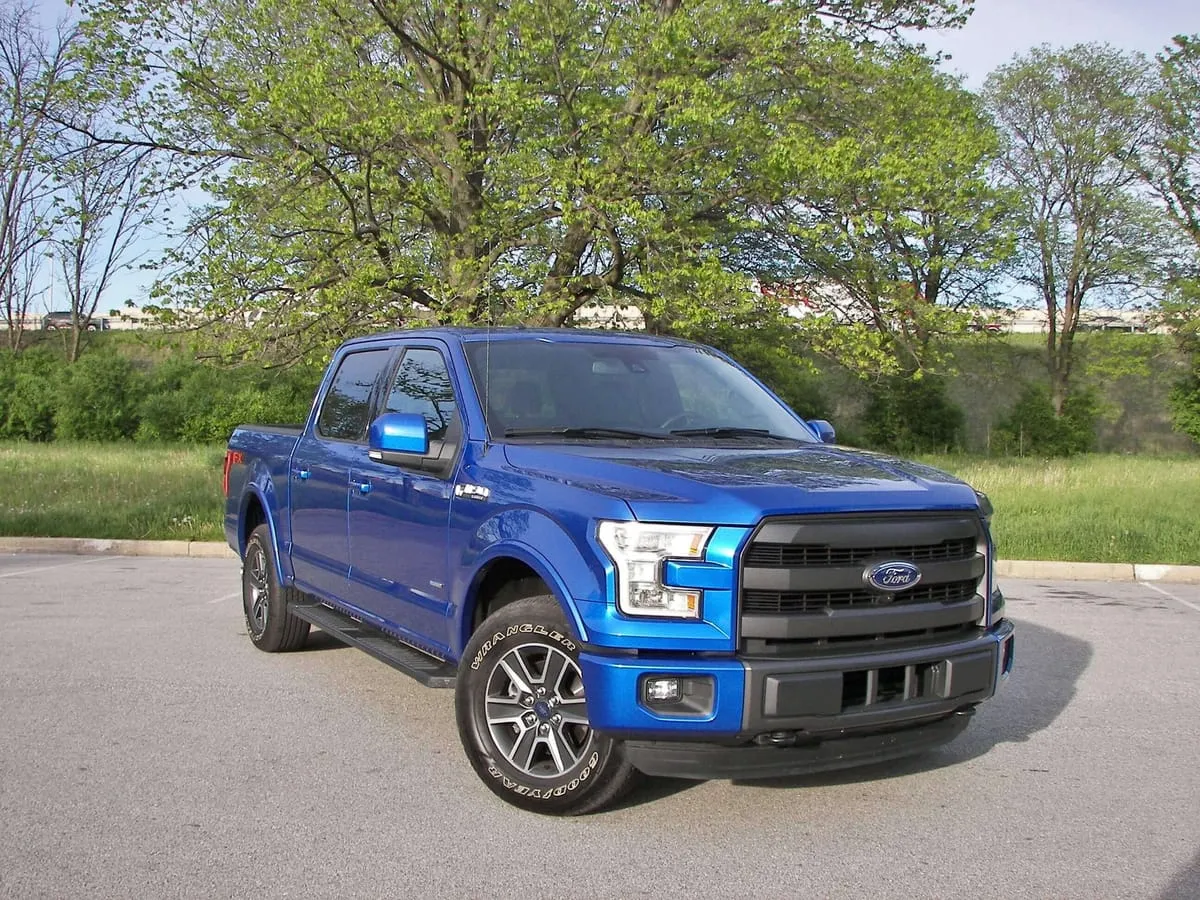
The Ford F-150, while a capable workhorse on highways and off-road trails, often struggles in tight urban environments where its large size becomes a liability. Its broad dimensions make navigating narrow streets and crowded parking lots challenging because drivers must constantly monitor proximity to obstacles.
Turning radii are wider due to the truck’s length, requiring multiple adjustments in confined spaces that can frustrate even experienced drivers. Heavy weight also contributes to slower acceleration from stoplights, which can impede confident merges in busy city traffic.
Visibility is another concern because large blind spots are inherent in full-size trucks, particularly when hauling loads or towing trailers. Frequent lane shifts in urban settings demand heightened vigilance, yet drivers must rely heavily on mirrors and camera systems because direct sightlines are limited. Maneuvering through construction zones or around double-parked vehicles becomes a mental burden, as spatial judgments require extra precision.
Fuel consumption further hampers the F-150’s suitability for city roads, as stop-and-go traffic accentuates its thirst for fuel. Frequent braking and idling amplify consumption, quickly eroding efficiency and prompting more frequent stops at gas stations. This compounding effect raises operating costs and may lead to driver frustration when covering short urban distances.
Ride quality also suffers on urban pavement because the suspension is tuned for load-bearing and rugged terrain rather than smoothing out repeated bumps and cracks. Passengers may feel jolted over uneven surfaces that smaller, more compliant vehicles absorb with ease. Without careful speed moderation, riding in heavy traffic can become a tiring experience.
Even with advanced driver aids like parking sensors and blind spot monitoring, the Ford F-150’s inherent size and dynamics make everyday city driving less intuitive. The need for constant corrections, wide turning arcs, and heavy footwork often leave drivers yearning for a more nimble alternative when navigating urban streets.
Chevrolet Silverado 1500
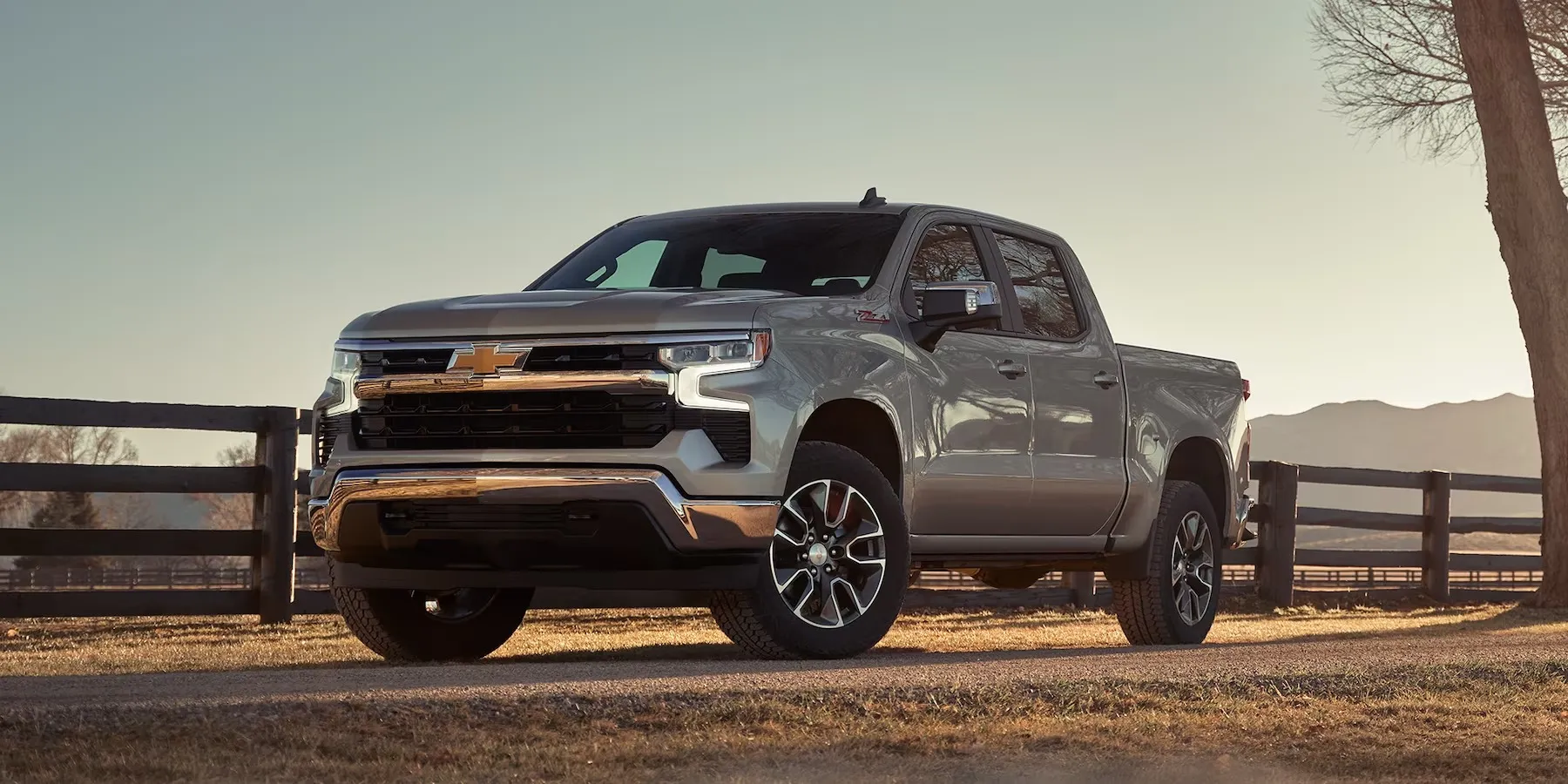
The Chevrolet Silverado 1500 shares many of the limitations common to large pickups that become evident in urban contexts where size and agility matter more than sheer power. Its expansive body demands extra attention when threading through congested lanes, often forcing drivers to take wider arcs around corners or negotiate tight clearances carefully.
In busy intersections, this can delay decision-making and increase stress. Blind spots are also significant, requiring frequent reliance on camera systems for safe lane changes and parking maneuvers.
Acceleration from stops, while strong, feels unwieldy in crowded environments where subtle throttle control is necessary. Drivers may find themselves modulating power more aggressively than desired, leading to jerky starts that unsettle passengers. Stoplight-to-stoplight driving highlights this trait, diminishing the smoothness expected of an urban commuter car.
Fuel efficiency disadvantages play out starkly in city travel, as idling and braking burn fuel inefficiently, heightening operational costs. The large engine and heavier curb weight amplify this effect, making frequent refueling a concern for daily urban use. Frequent starts and stops place additional strain on drivetrain components, potentially leading to greater maintenance needs over time.
Inside, the elevated seating position and large hood can distort nearby spatial judgment in dense traffic, making it harder to judge how close the truck is to tighter spaces or obstacles. While safety technologies assist, they cannot fully compensate for the awkwardness of working around narrow streets and compact parking spaces.
The suspension, designed to bear heavy loads, transmits more road imperfections than a smaller car, reducing comfort over potholes or rough asphalt. Long waits in traffic thus become more fatiguing, with passengers feeling the effects of repeated vibration and jostling. Collectively, these factors make the Chevrolet Silverado 1500 less than ideal for city driving.
GMC Sierra 2500HD
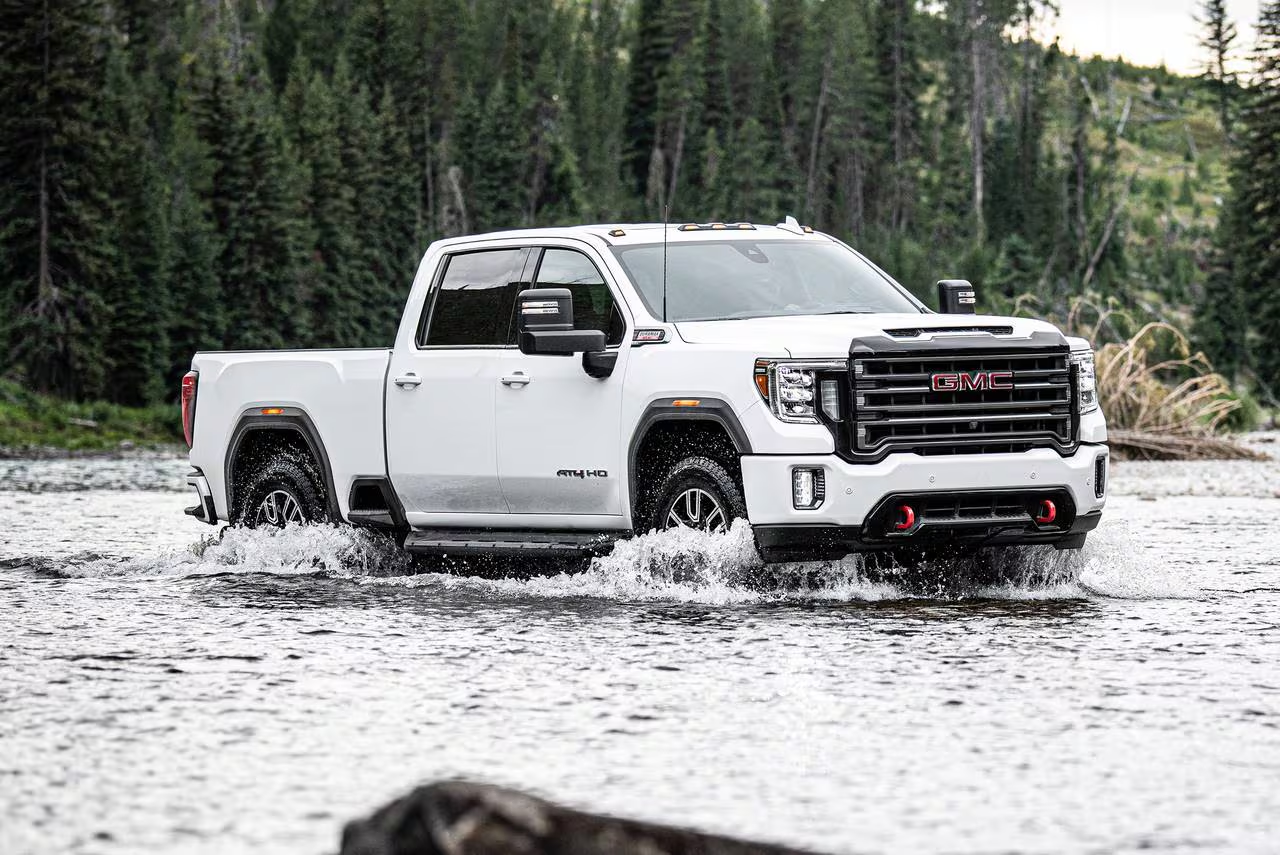
The GMC Sierra 2500HD exemplifies the challenges of operating a heavy-duty vehicle in urban environments where size, visibility, and ease of control are key. Its large footprint makes everyday maneuvers like parallel parking and tight cornering demanding, often necessitating multiple adjustments and heightened concentration.
Turning in congested areas can be slow and tentative because the truck’s length resists quick directional changes. This dynamic makes simple tasks feel taxing rather than straightforward.
Visibility challenges are multiplied by the tall hood and long frame that obscure lower-level obstacles, forcing drivers to depend heavily on sensors and cameras. Although these systems help, they cannot replace the clarity of direct sight, leading to hesitancy when approaching unfamiliar spaces. This can make negotiating crowded streets more time-consuming and stressful.
Acceleration from standstill, while powerful, lacks the subtlety desired for stop-and-go city traffic. The heavy-duty powertrain responds with force that can feel disproportionate in tight conditions, necessitating careful modulation to avoid abrupt movement. Such sensitivity detracts from the smooth cruising expected in urban zones.
Fuel economy in heavy-duty trucks typically falls short in city settings because frequent braking and acceleration consume more energy, forcing drivers to refuel more often. This reduces the appeal of these vehicles for daily commuting, where efficiency matters as much as capability. Extended time in traffic can make these limitations feel more acute.
The suspension, optimized for load capacity, delivers a firmer ride that transmits surface irregularities more directly to occupants. Over repeated bumps, this can lead to discomfort, especially in slow-moving urban traffic where smoothing out every imperfection matters. As a result, the Sierra 2500HD feels out of place amid busy streets.
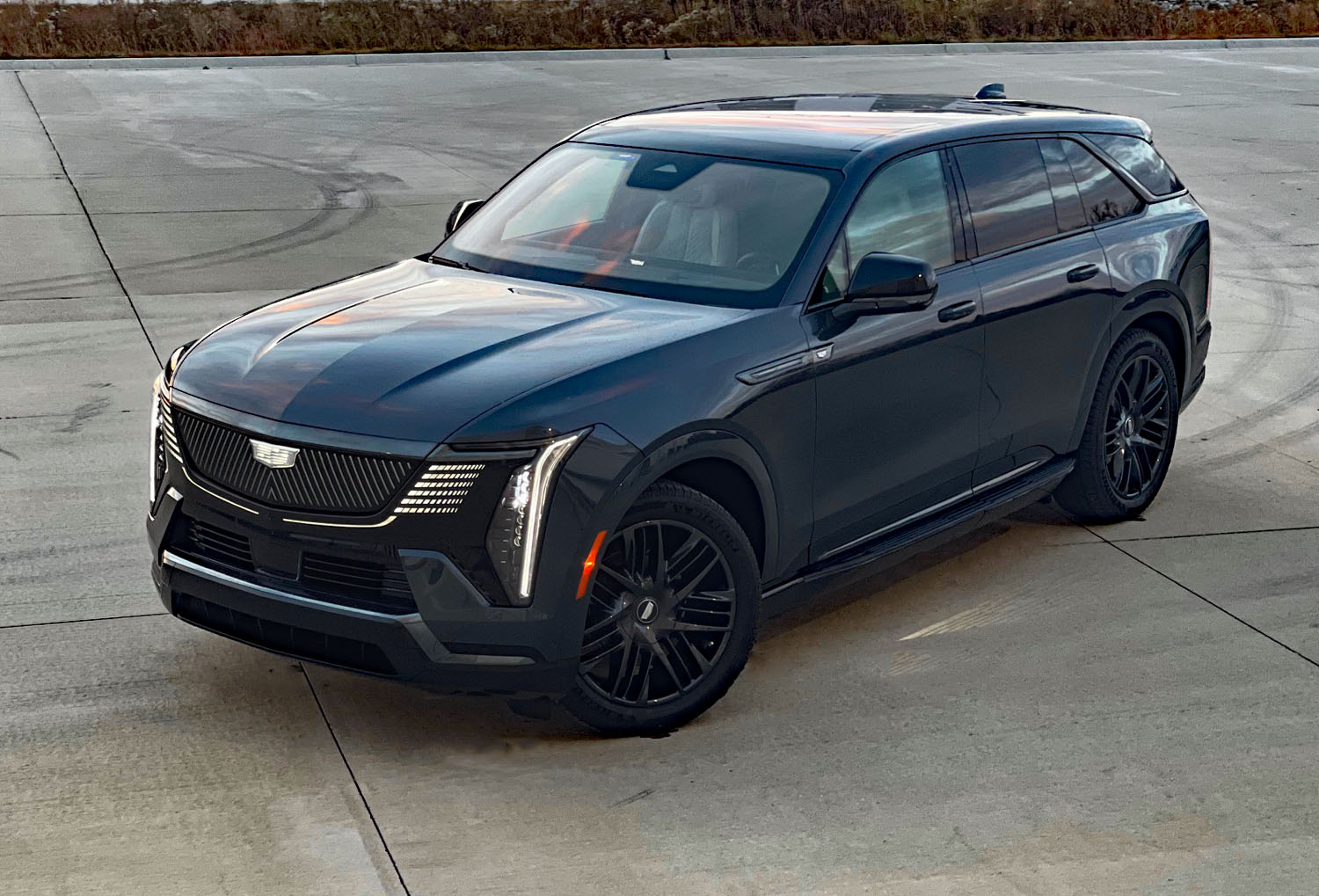
Cadillac Escalade (Large SUV)
The Cadillac Escalade, recognized for its luxury and presence, encounters obstacles in city conditions due to its sheer bulk and size that outmatch many urban spaces. Its wide body makes negotiating tight corridors or double-parked streets a careful and often slow process, demanding constant micro-adjustments from the driver.
Tight turns feel especially unwieldy, requiring drivers to take broader arcs than they would prefer. Blind spots, inherent in large SUVs, necessitate heavy reliance on camera systems to confirm clearances.
Acceleration, while ample and smooth on open roads, feels disproportionately forceful when managing frequent stops and starts in dense traffic. Drivers must constantly modulate throttle input to avoid abrupt surges that can surprise nearby vehicles or pedestrians. These dynamics dim the enjoyment of city driving, where gentle power application is preferable.
Fuel consumption worsens rapidly in congested environs because large engines burn more fuel during idling and constant acceleration, reducing range and increasing operating expenses. Many drivers find themselves making frequent fueling stops, which interrupts journeys and adds to commute time. Over longer durations, this inefficiency becomes more costly than anticipated.
The ride tends to be firm to support the Escalade’s weight and size, which transmits more road roughness to occupants than smaller vehicles typically do. Urban roads with uneven surfaces and potholes become more noticeable, diminishing passenger comfort. Despite its luxury appointments, the ride quality suffers where smoothness is most appreciated.
While advanced safety features exist, their benefits are overshadowed by the vehicle’s size-driven limitations in crowded settings. Maneuvering around obstacles demands extra care and patience, making the Cadillac Escalade less suited for everyday urban travel than many smaller alternatives.
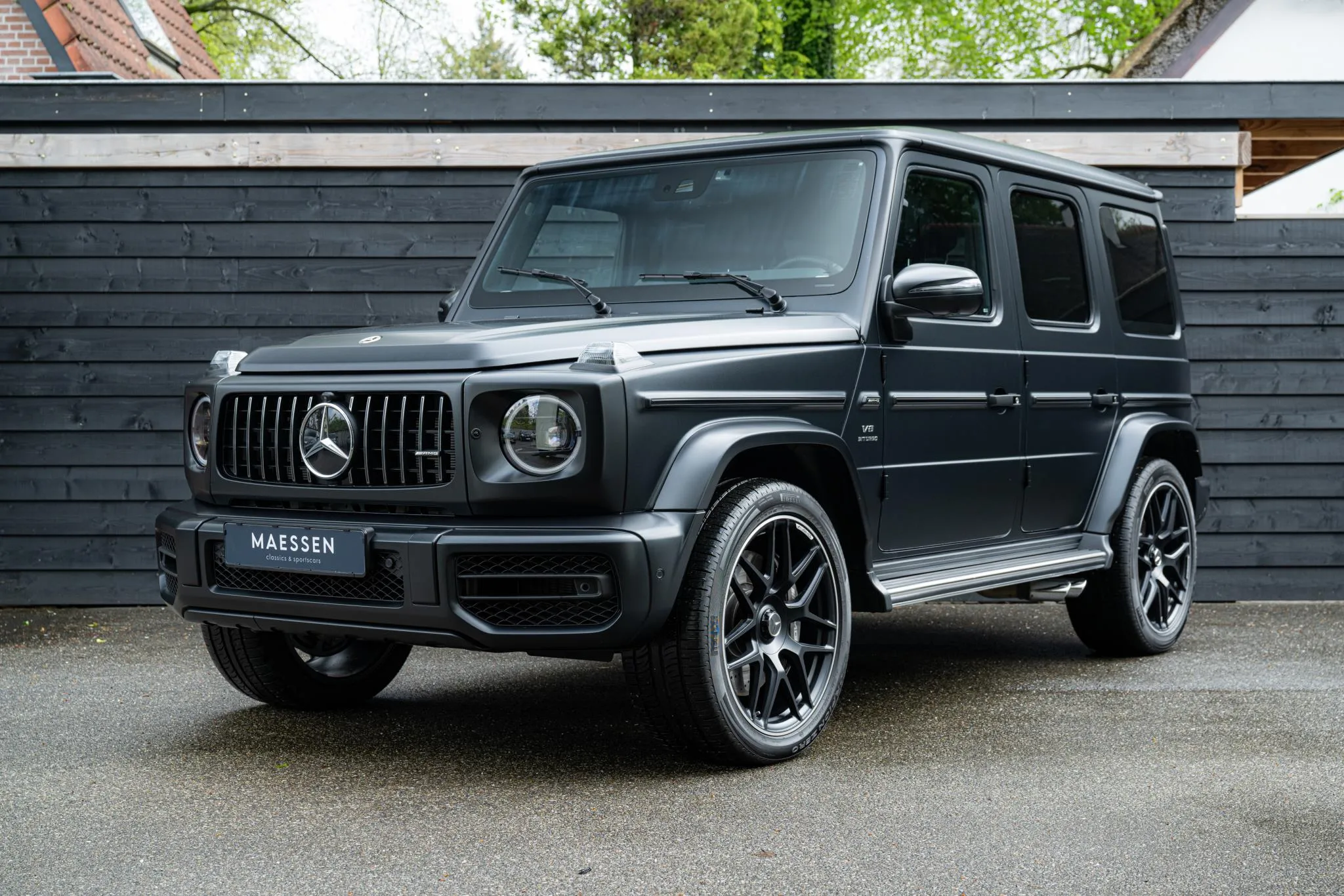
Mercedes-Benz G-Class (G-Wagon)
The Mercedes-Benz G-Class projects strength and rugged capability, traits that serve well off the beaten path but introduce challenges in dense urban environments. Its tall, boxy design creates significant wind resistance and visibility challenges in stop-and-go traffic. Maneuvering through narrow passages or around tight corners feels less intuitive because the body’s proportions distort spatial perception. Drivers must rely heavily on sensors to comprehend their vehicle’s extremities.
Acceleration from stops, though powerful, lacks refinement in slow traffic, requiring attentive throttle control to maintain smooth movement. The high center of gravity also makes quick directional changes feel less secure, prompting hesitant steering when navigating city intersections. Passengers may sense this cautiousness, contributing to a less fluid travel experience.
Fuel consumption proves inefficient in city commuting due to frequent idling and braking, which exacerbate the G-Class’s thirst for fuel. Constant traffic lights and slow sections erode average mileage significantly, prompting more frequent stops at gas stations. Over a series of short trips, this inefficiency becomes noticeable and burdensome.
Ride comfort suffers because the suspension compounds the vehicle’s rigidity, transmitting road harshness into the cabin. Urban surfaces often contain cracks, dips, and abrupt transitions, all of which are felt more acutely due to this tuning. Long periods in traffic, therefore, feel less relaxing compared to smaller, more compliant vehicles.
Despite its commanding appearance and exceptional off-road ability, the Mercedes-Benz G-Class’s size and dynamics make it less comfortable and less intuitive for everyday urban use. These limitations reduce its practicality on crowded streets when compared to more compact, responsive, city-oriented cars.
