
Big SUVs have become essential choices for many drivers who want space, comfort, and versatility. These vehicles are known for their commanding presence on the road and their ability to carry families, luggage, and cargo without struggle.
Yet, one of the most important aspects of driving a large SUV is how the vehicle feels behind the wheel.
Steering responsiveness and effort are part of what makes an SUV feel either nimble or ponderous. For many drivers, especially those navigating city traffic and narrow roads, steering ease can make a significant difference in daily comfort.
Unlike smaller cars, big SUVs carry more weight and size, which impacts the way they handle corners and tight maneuvers. Some manufacturers have worked hard to refine power steering systems, suspension, and chassis balance to make their full- size SUVs surprisingly agile.
These models allow drivers to steer with confidence and minimal effort, even when doing low speed turns. On the other hand, there are big SUVs that feel heavy and slow to respond. These can challenge the driver’s confidence, especially in urban environments or when changing direction quickly.
Assessing steering feel is not purely technical, but rather a combination of engineering and driving character. An easy steering SUV does not mean flimsy or underpowered. Instead, it means that the vehicle responds predictably when the driver turns the wheel.
The steering effort feels balanced and natural, giving the driver a sense of control. Conversely, a heavy steering feel can make the vehicle seem sluggish or resistant, requiring more physical effort. This can lead to fatigue on long drives and stress in slow moving traffic.
Drivers who plan to spend considerable time in their large SUV will benefit from understanding these driving characteristics. Families, commuters, and adventurers all want a vehicle that reacts confidently when required.
By comparing SUVs that offer easy steering with those that feel heavy, buyers can better match their needs to the right vehicle.
The following sections outline ten big SUVs, split into two groups based on steering feel. Each description highlights driving impressions, powertrain behavior, and what to expect when behind the wheel.
Within this comparison, it will become clear that engineering choices affect how large vehicles behave.
Those with focused steering designs make tight turns and low speed maneuvers more manageable. Meanwhile, others prioritize ride comfort and stability at the expense of steering lightness.
At the end of this article, you will have a clear perspective on which big SUVs may suit your daily life and which might demand more from you as a driver. The goal is to help you understand steering feel as an important part of the SUV experience and to guide you toward a confident decision.
Big SUV With Easy Steering
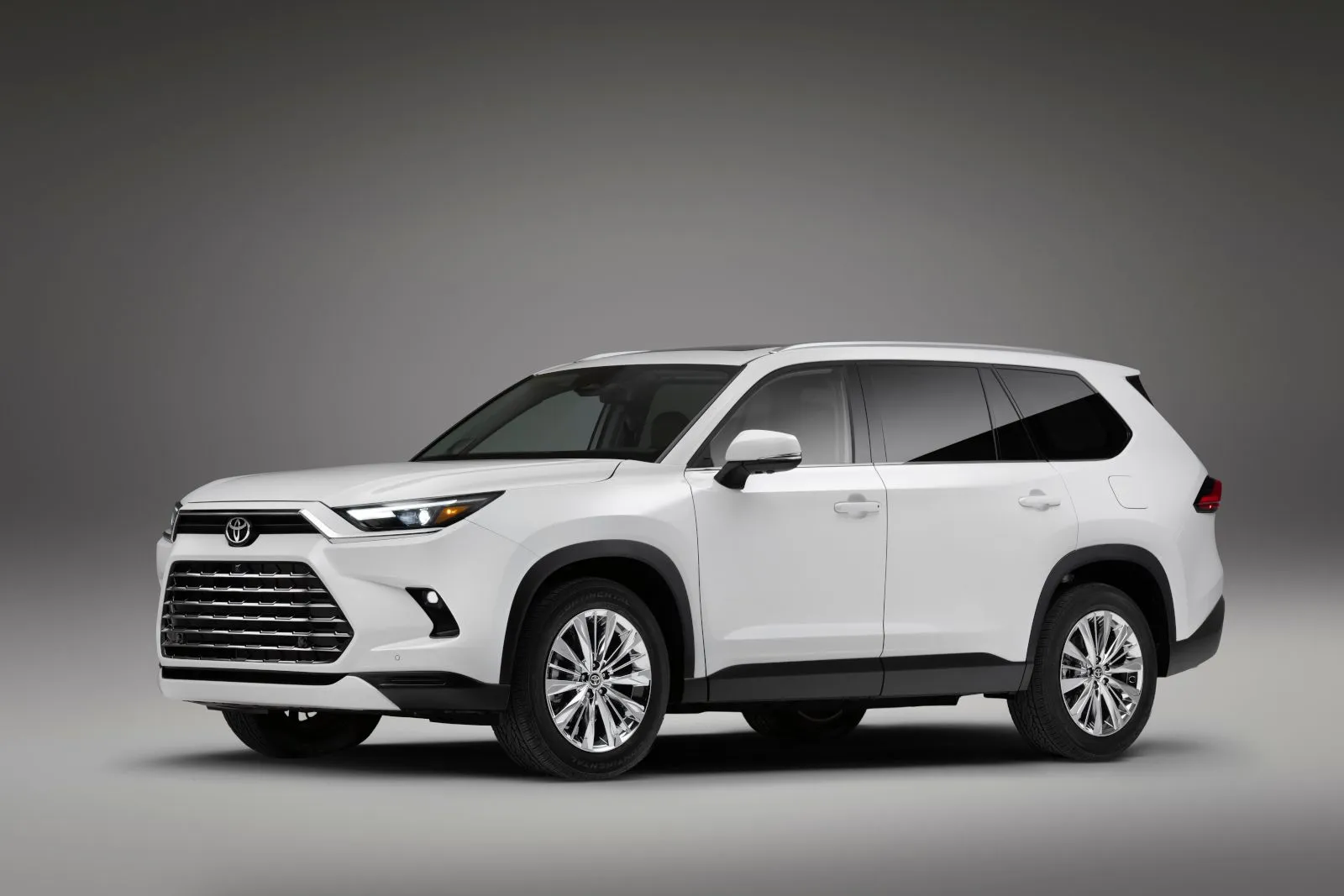
Toyota Highlander
The Toyota Highlander brings a refined balance of size and maneuverability that surprises many drivers. Its steering feels light and responsive, especially during slow city driving.
Despite being a larger SUV, it doesn’t require excessive force to navigate tight spots and parking lots. Drivers often remark on how natural the steering feels from the very first drive.
Part of this experience comes from Toyota’s focus on chassis tuning that prioritizes comfort and agility. The front end responds precisely to input, helping the vehicle pivot when required.
Even during strong crosswinds or uneven surfaces, the steering maintains predictability. For daily urban driving, this makes a substantial difference.
In comparison with larger three-row SUVs, the Highlander stands out for steering that feels more like a mid-size SUV.
The feedback to the driver’s hands is well balanced, giving confidence at both low and moderate speeds. On twisty backroads the vehicle still feels composed without the steering feeling overly heavy.
Owners often cite the vehicle’s ease of operation once they park in tight spaces or perform low speed maneuvers. This reduces stress and makes driving more enjoyable. Even drivers new to large SUVs often comment that the Highlander doesn’t feel intimidating at all.
When considering a big SUV for mixed use, the ease of steering in the Highlander makes it an appealing option. Its blend of space and driving comfort puts it near the top of the list. For buyers who value smooth, effortless steering without compromising utility, this model earns its place.
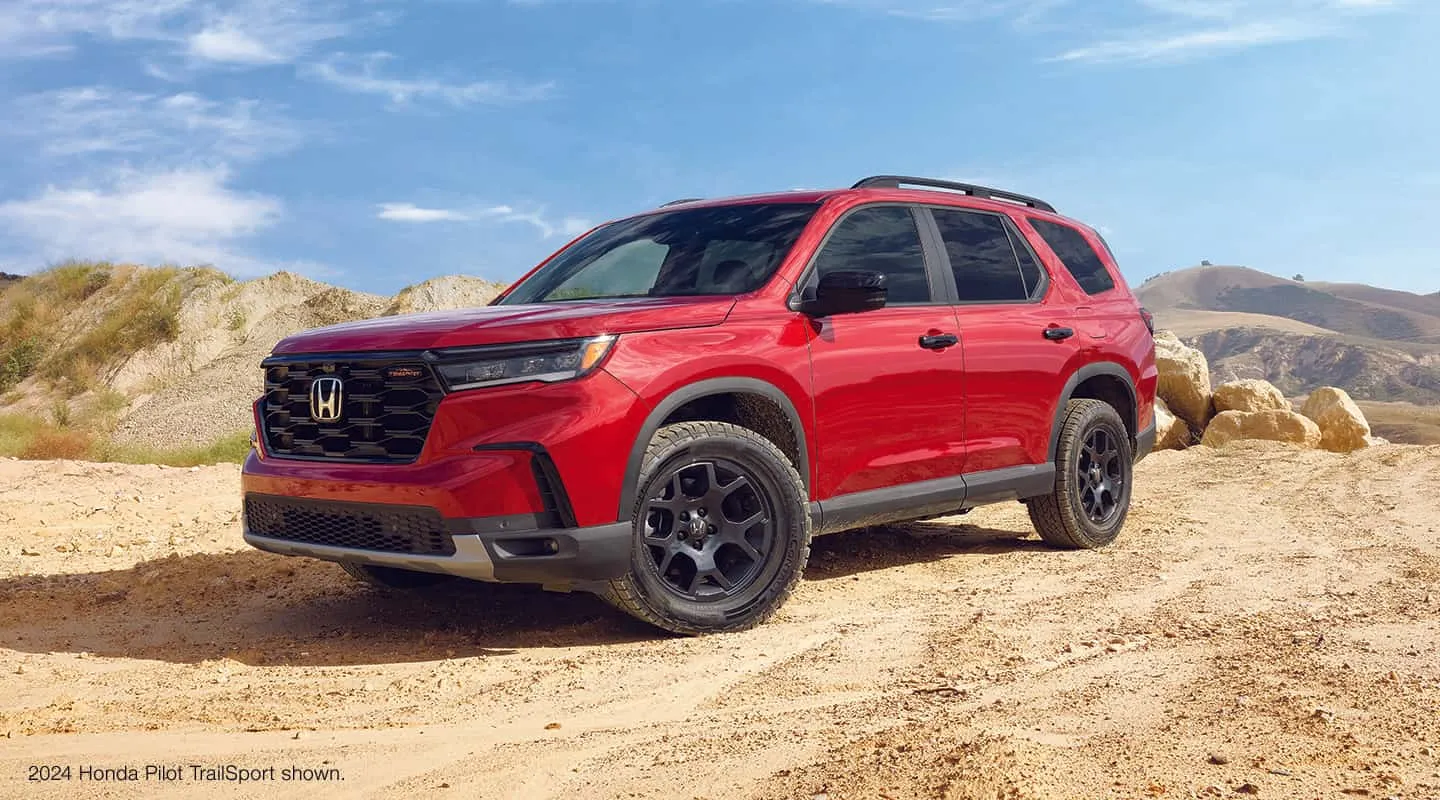
Honda Pilot
The Honda Pilot combines generous size with the kind of steering feel many drivers appreciate. It manages to deliver a sense of confidence without demanding excessive correction from the driver.
The steering system is tuned for balanced effort, responding well to both small and large inputs. As a result, the Pilot feels less cumbersome than its dimensions might suggest.
This SUV’s suspension and steering work together to create a calm ride during everyday driving. Whether merging into highway traffic or maneuvering in a tight lot, the steering responds smoothly.
The assistance provided by the power steering system keeps physical effort low. For families or those spending long hours on the road, this makes journeys more comfortable.
Another advantage is that the Pilot’s steering doesn’t feel artificially light at higher speeds. It maintains enough road presence to keep the driver informed. This helps build confidence when traveling on long trips or winding roads. The balance between light effort and responsive feedback is well calibrated.
In urban settings, where precision matters, the Pilot excels at handling corner turns and slow speed adjustments. The wheel feels intuitive in the driver’s hands, making quick direction changes feel natural. This ease benefits drivers who may not be experienced with larger vehicles.
The Honda Pilot deserves recognition for offering steering that feels accessible yet competent. It is a solid choice for those who want a big SUV that does not intimidate behind the wheel. The combination of size, comfort, and steering ease creates a vehicle that many drivers enjoy.
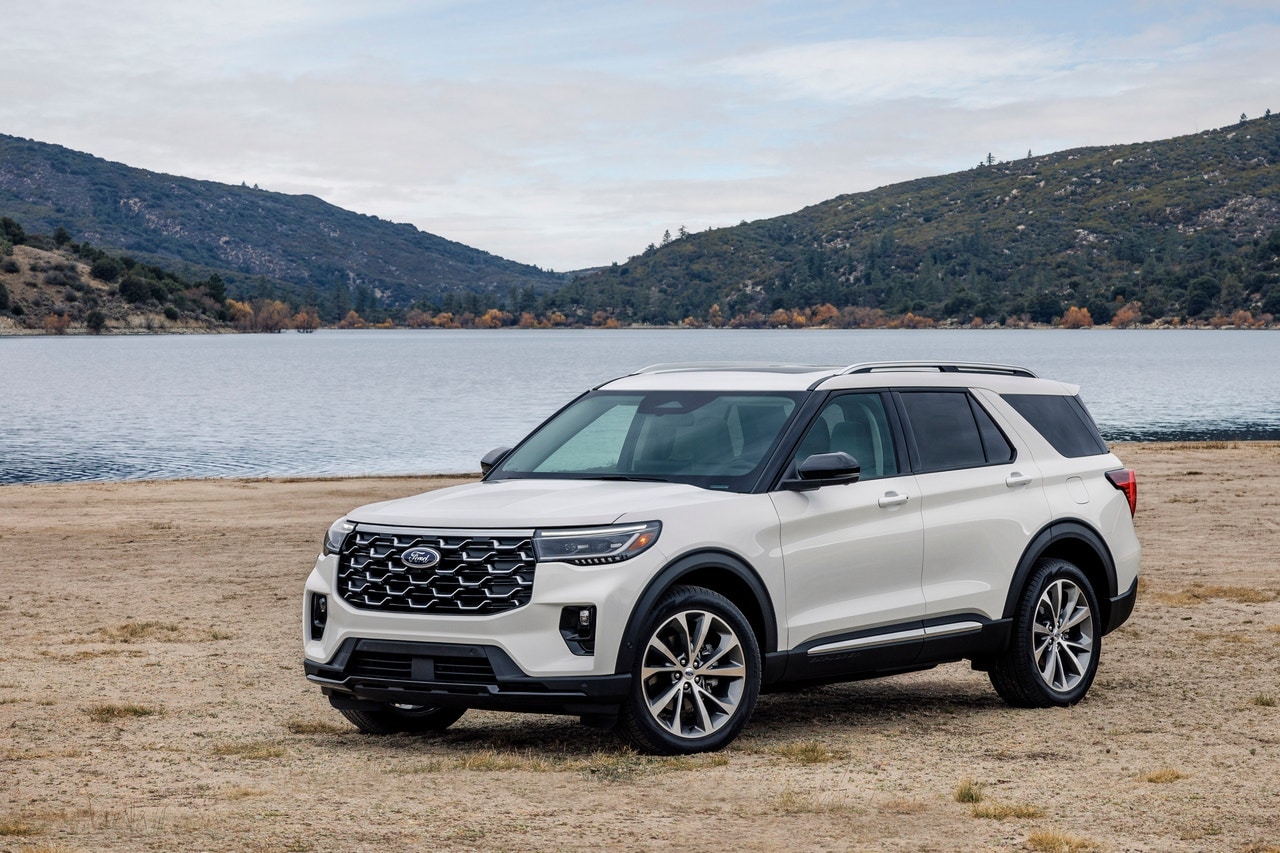
Ford Explorer
The Ford Explorer stands out for delivering steering that feels surprisingly light for its class. This SUV manages to balance size with agility without compromising stability.
Drivers quickly notice how responsive the steering feels during low speed maneuvers. It tends to instill confidence when threading through narrow streets.
Part of this positive steering impression stems from Ford’s engineering focus on power steering assist. The wheel feels alive and willing to respond, reducing driver fatigue in stop-and-go traffic.
When turning into tight spots or small driveways, it requires less input than many rivals. This immediate response distinguishes the Explorer on daily drives.
The Explorer also handles highway driving with composed steering behavior. It avoids feeling too twitchy while still remaining communicative.
This balance matters when driving long distances at higher speeds. The steering does not feel disconnected or numb at any point.
Many drivers appreciate how the SUV reduces effort at city speeds without sacrificing control. Even less experienced drivers find confidence in its predictable steering behavior. This makes it appealing for families who need a large vehicle with manageable handling.
The Explorer’s steering feel leans toward ease and comfort without leaving out capable performance. Its dynamic behavior suits a variety of road conditions. For those who want a big SUV that does not punish you behind the wheel, this model earns attention.
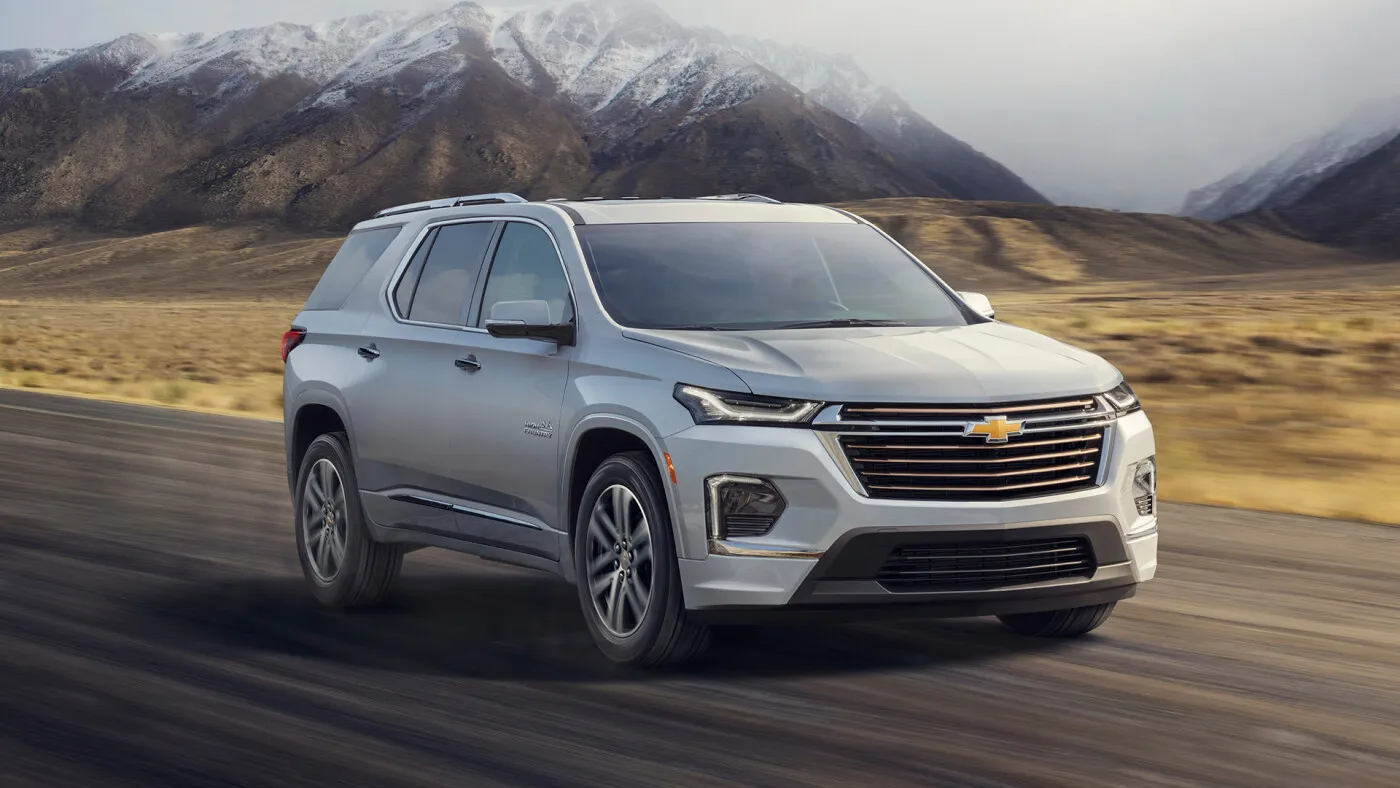
Chevrolet Traverse
The Chevrolet Traverse manages to combine a spacious interior with steering that feels light and accommodating. Even though this SUV has a larger footprint, its steering response remains surprisingly agile.
Drivers find it easier to navigate through confined spaces and perform tight maneuvers. This helps reduce the stress of daily driving.
One of the strengths lies in the steering design, which provides enough responsiveness without demanding heavy effort.
The power steering assist feels consistent across different speeds. In busy urban environments, this makes the vehicle feel less daunting. The Traverse remains composed when the road gets busy.
At highway speeds, the steering retains adequate road feel, helping drivers remain confident. It does not feel overly needy or disconnected from the pavement. This mix of effort and feedback grants a sense of control. The SUV’s size does not translate into heavy feeling during turns.
Drivers also note that parking and slow speed navigation feel manageable. The steering assistance is well judged, making adjustments feel intuitive. This improves convenience for those frequently handling tight lots or crowded streets. Travel distances become more relaxing without extra effort.
The Chevrolet Traverse offers big SUV capability with steering that feels easier than expected. Its harmonious combination of light steering and real world practicality makes it a compelling option. For drivers prioritizing comfort and confidence, this SUV performs admirably.
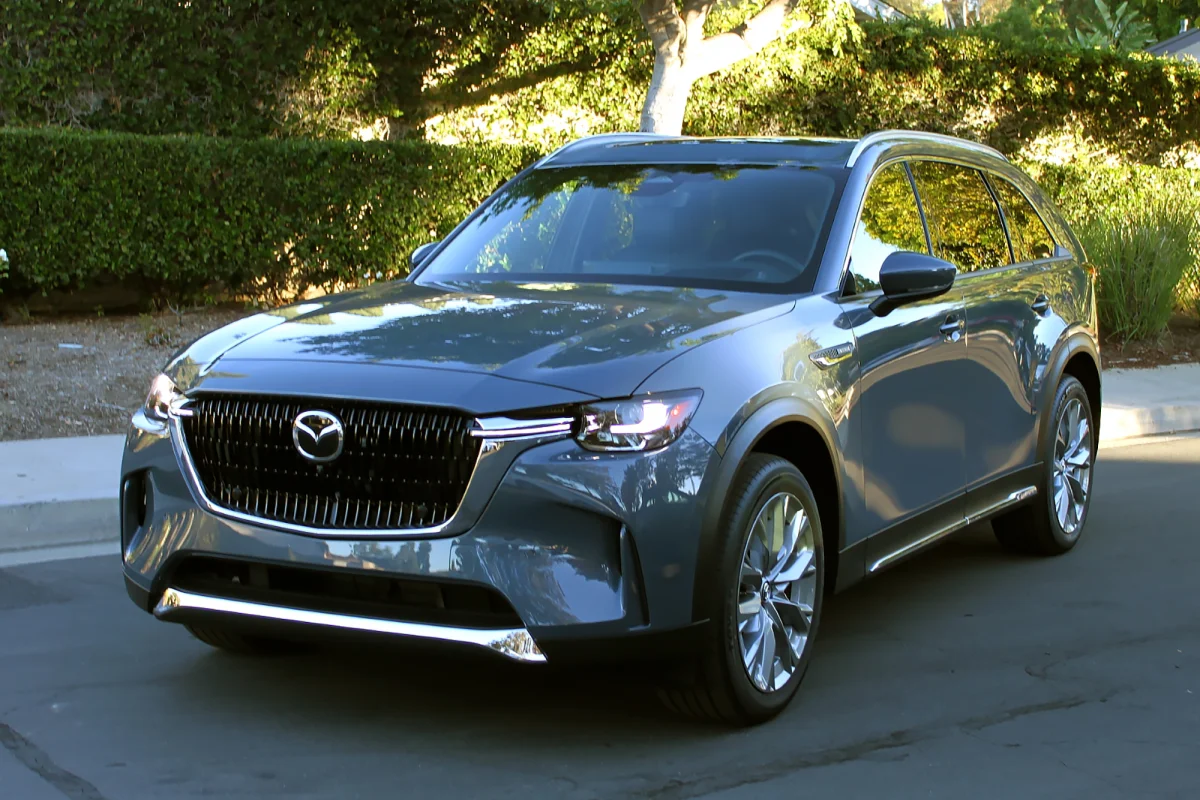
Mazda CX-90
The Mazda CX-90 brings the brand’s reputation for driver-focused design into the large SUV category. Despite its size, the steering feels impressive in its poise and reaction.
The wheel gives feedback that feels direct and connected. More importantly, it does so without demanding heavy effort from the driver’s hands.
Mazda’s engineering emphasis on driver engagement shows through this SUV’s steering behavior. It has enough precision to feel planted while remaining accessible at low speeds.
Maneuvering in tight parking areas feels more relaxed than one might expect. This balance reflects careful tuning between assistance and control.
At moderate speeds, the steering continues to offer rewarding feedback. Drivers can anticipate corners and react confidently. The CX-90 avoids feeling vague or disconnected even when cruising. This gives drivers a steady sense of assurance behind the wheel.
In urban environments, where narrow streets test vehicle temperament, this SUV performs well. Steering effort remains manageable without sudden jumps in responsiveness. This allows drivers to focus on traffic conditions rather than fighting the wheel. It shines in everyday driving scenarios.
All things considered, the Mazda CX-90 earns respect for steering that blends size with surprising agility. Its design makes a large vehicle feel more composed and less intimidating to pilot. For drivers seeking a big SUV that handles with welcoming responsiveness, this model stands out.
Big SUV With Heavy Steering Feel
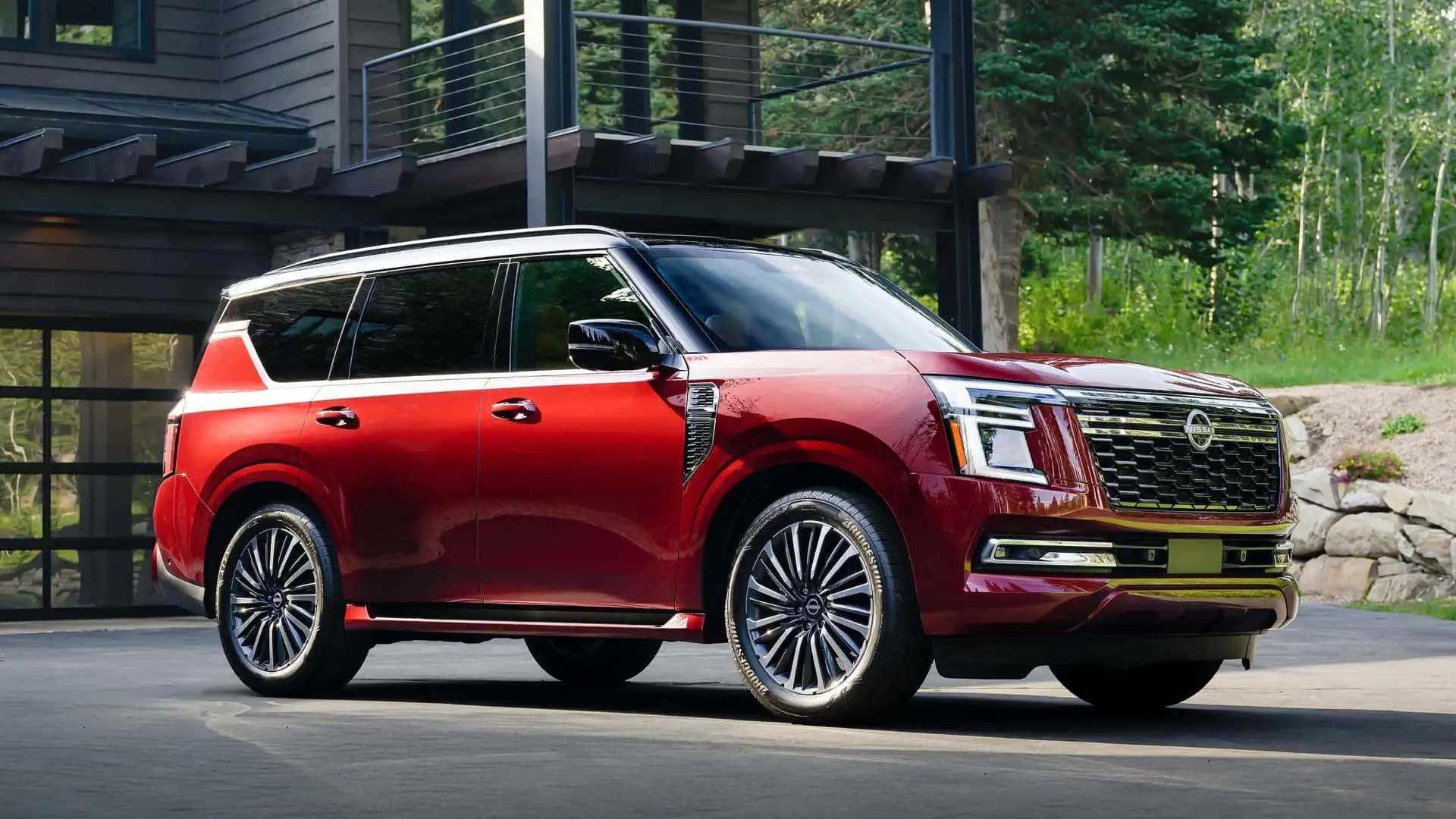
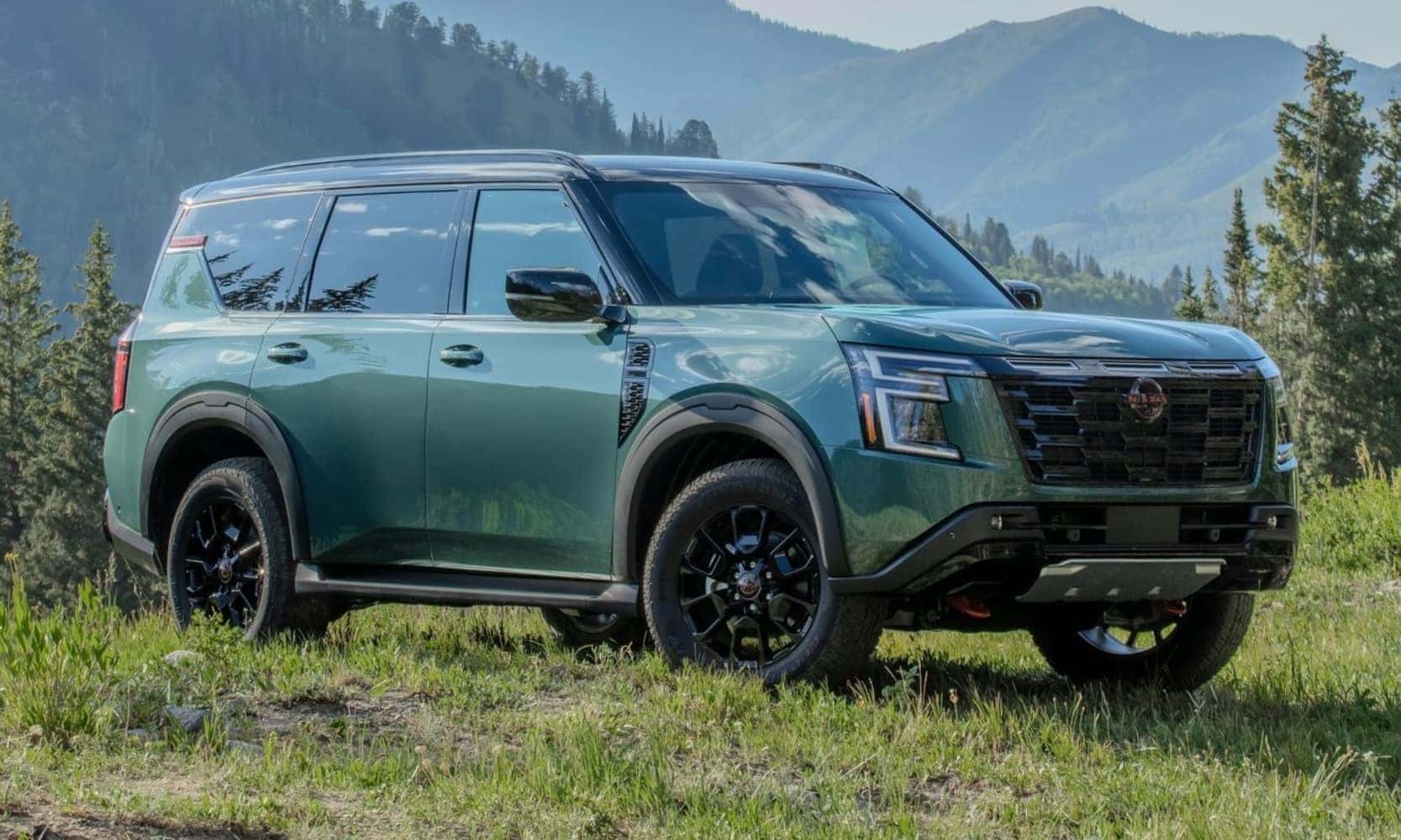
Nissan Armada
The Nissan Armada presents a bold and robust exterior, but its steering feel can lean toward heavier effort.
Drivers may notice this particularly at low speeds when navigating tight parking spots. The steering requires more deliberate input than smaller SUVs. As a result, it can feel weighty and demanding during frequent maneuvers.
This sensation comes from its traditional steering setup that prioritizes stability over ease. While this might benefit highway driving, it increases effort in urban conditions. Many drivers find themselves exerting more force to achieve precise direction changes. Situations like parallel parking feel more challenging.
At highway speeds, the steering maintains firmness, which some drivers appreciate for confidence. Yet this same firmness can feel less responsive during slow direction changes. The trade-off between stability and effort becomes more obvious. It is a characteristic that not all drivers enjoy.
Those who drive primarily in city environments might find the heavy steering feel tiring. Fatigue can set in during long sessions of low speed travel. The vehicle itself remains capable, but the driver must work harder. This may not match the expectations of those looking for effortless maneuvering.
The Nissan Armada’s steering leans toward a heavier feel that demands greater input. Its design choices support ruggedness and road presence rather than easy steering. Drivers should weigh these characteristics against their driving habits before choosing this SUV.
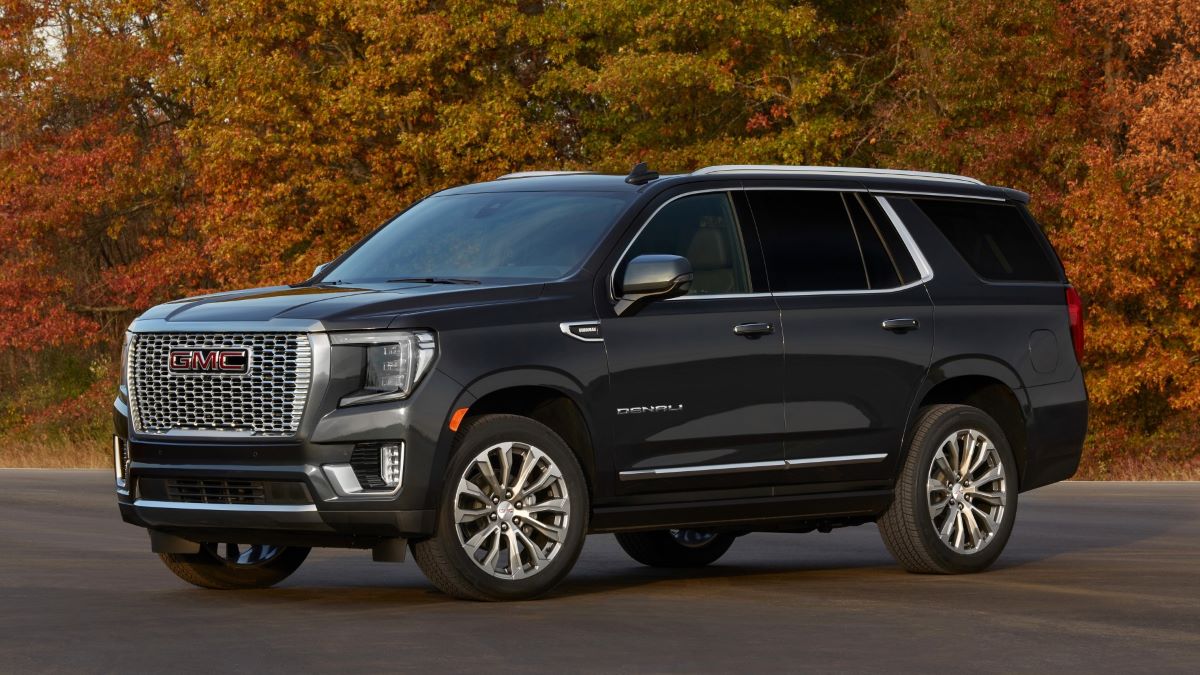
GMC Yukon
The GMC Yukon has a commanding presence on the road, yet its steering can feel more forceful than some competitors.
At city speeds, turning the wheel demands more effort, especially when parking or changing direction quickly. Drivers often notice this increased resistance in tight spaces. The steering system’s calibration favors firmness over lightness.
Although this firmness can seem reassuring at highway speeds, it comes with a cost. It lacks the effortless ease found in more agile SUVs.
Urban driving scenarios exaggerate this effect, making low speed handling less comfortable. Drivers might feel tension in their hands over repeated adjustments.
Part of this stems from the Yukon’s heavy weight and traditional steering characteristics. It does not mask its size when being maneuvered. The power steering assist does help, but not enough to eliminate the sensation of resistance. This makes tight turns seem more deliberate.
For owners who often travel at higher speeds or on open roads, the steering feel may feel acceptable. It communicates road conditions well and feels solid. Yet in slow traffic or narrow streets, the heavier feel becomes a drawback. Confidence may decrease where steering responsiveness matters most.
The GMC Yukon’s steering leans toward heavier effort, which can affect the experience in everyday driving. Its size and steering calibration make it less accommodating in urban environments. Drivers who value light steering should consider this characteristic carefully.
Chevrolet Suburban
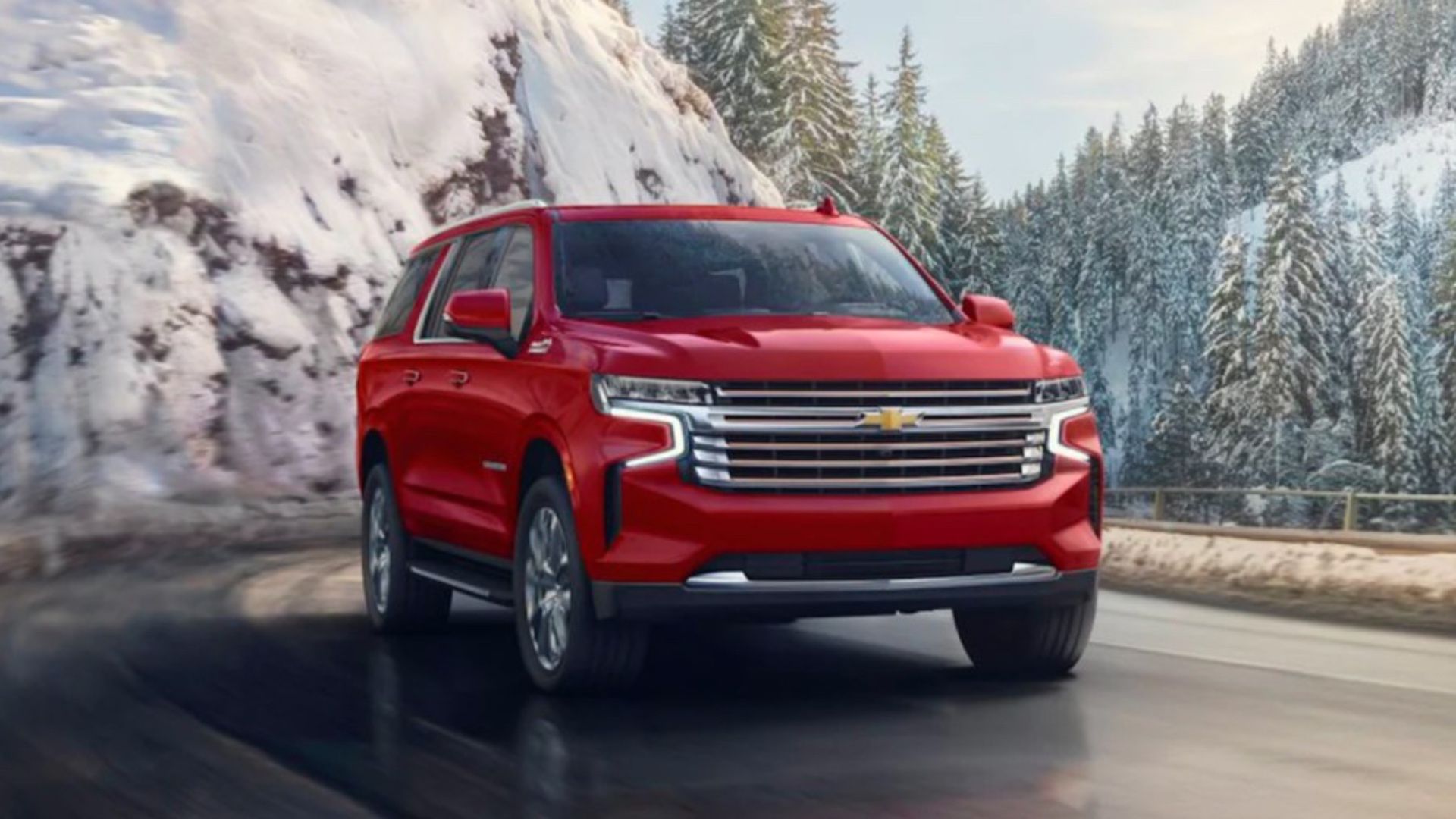
The Chevrolet Suburban delivers impressive space and presence, but its steering can feel weighty in certain situations. Especially at low speeds, the wheel feels more resistant than expected. This makes maneuvers such as U‑turns and tight corners require concentrated effort. In busy traffic, this sensation becomes noticeable.
Part of this experience is due to the SUV’s large mass and traditional steering assist. The design focuses heavily on stability and straight line performance. While this approach has advantages, it translates to heavier steering at slower speeds. Drivers making frequent turns notice the difference.
Highway driving does offer a sense of solidity thanks to this firm steering feel. At speed, the wheel remains composed and predictable. However, the same firmness that aids stability becomes tiresome when navigating confined spaces. The driver must work harder for each adjustment.
For people who frequently park in crowded areas, the steering feel may present a challenge. It can lead to more effort than some drivers expect from large SUVs. This is especially true after long periods of stop‑and‑go movement. Such conditions emphasize heavy steering characteristics.
The Chevrolet Suburban’s steering leans toward firmness that demands greater input. While stable at speed, it sacrifices ease in slow driving. Drivers should consider their own usage patterns when evaluating this SUV.
Toyota Sequoia
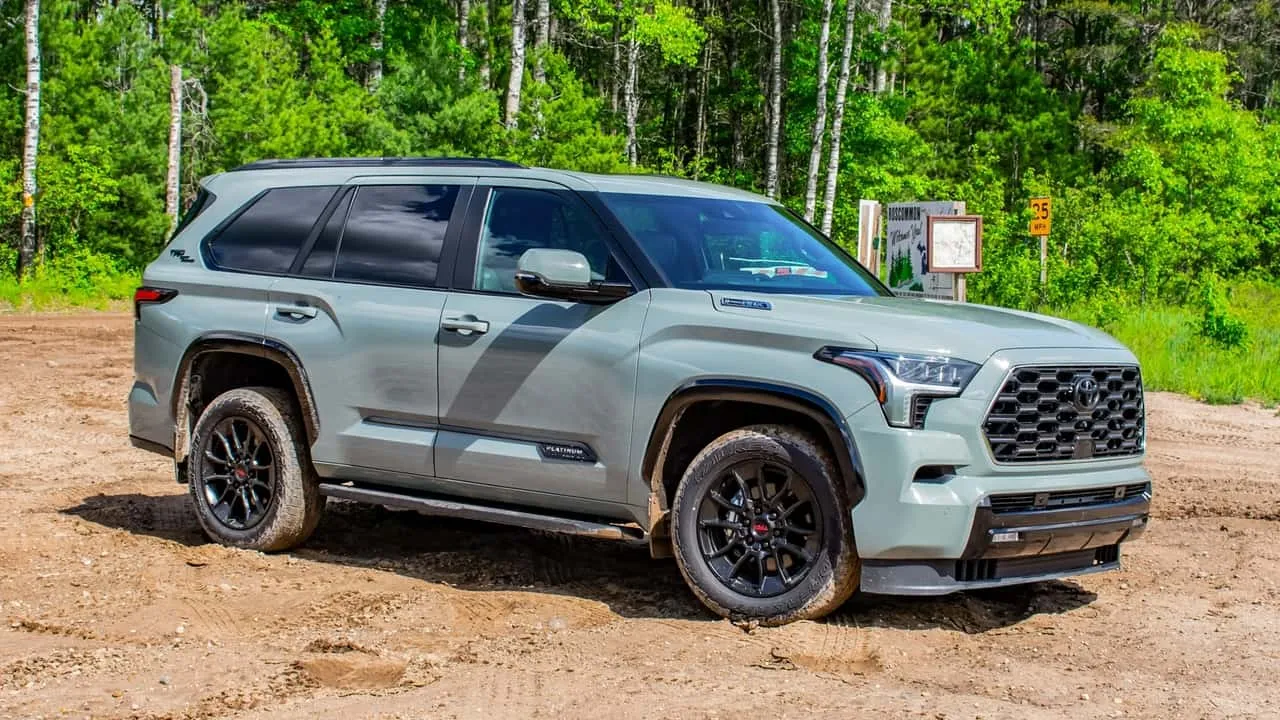
The Toyota Sequoia offers rugged capability, yet its steering feel can be on the heavier side. At city speeds, the steering demands noticeable effort during tight maneuvers. Tasks like turning into narrow driveways call for more deliberate wheel rotation. This contrasts with lighter feeling SUVs.
This heft is partly a result of the vehicle’s engineering priorities. The steering focuses on solidity and stability for highway driving. While this provides confidence at faster speeds, it increases resistance at slow speeds. Drivers may find this less comfortable during frequent city driving.
The power steering system does assist, but not enough to negate the firmness. The result is a steering feel that stays on the heavier side. Maneuvering in parking lots or narrow streets can feel more demanding. The driver must apply greater effort for precise adjustments.
In longer drives, especially in traffic, this can lead to increased fatigue. The steering feel might wear on drivers who make frequent direction changes. The Sequoia remains a capable SUV, yet its heavy steering feel remains a defining trait. Buyers should know what to expect before choosing it.
In closing, the Toyota Sequoia’s steering feels more demanding in low speed environments. Its engineering leans toward strength and presence rather than easy maneuvering. For drivers who value effortless steering, this SUV may not satisfy.
Land Rover Range Rover
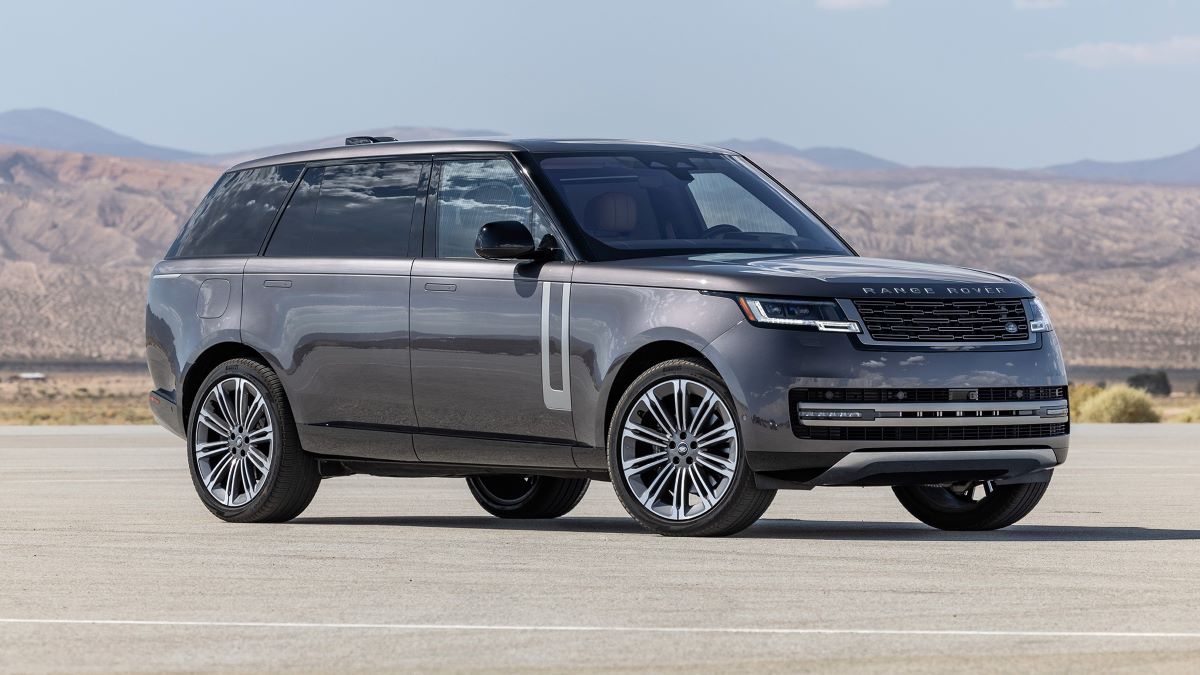
The Land Rover Range Rover is known for luxury and off‑road prowess, but its steering feel leans toward weighty resistance at times.
In urban settings, the steering wheel feels more demanding during tight turns and U‑turns. This can make navigating narrow roads feel taxing rather than effortless. The presence of weight in the steering becomes evident.
This sensation comes from a combination of the vehicle’s mass and steering calibration. The system is tuned for high stability and road control. While this benefits highway cruising and off‑road confidence, it requires more effort. Many drivers notice this especially at slower speeds.
Even though power steering assistance is present, the steering doesn’t feel light. It retains a firmness that reflects the vehicle’s substantial build. Maneuvering in confined spaces becomes noticeably more laborious. This contrasts with lighter feeling SUVs described earlier.
For drivers who spend most of their time in city traffic, this steering characteristic can be taxing. Over time, the added effort becomes noticeable. It may factor heavily into purchase decisions for those who prioritize ease of use. The Range Rover performs well in many respects, yet this trait remains distinct.
The Land Rover Range Rover’s steering feels heavier than most big SUVs. While its capabilities are impressive, its steering response makes daily low speed driving more demanding. Prospective buyers should consider this aspect carefully.
