
The choice of a car is not just about immediate satisfaction. While many people focus on style, speed, or technology, the real measure of a car’s value often comes from how it performs over time. Some vehicles maintain their reliability, fuel efficiency, and ease of maintenance long after they leave the showroom.
Others may seem appealing at first but gradually lose their charm due to costly repairs, diminishing performance, or outdated features. Understanding which cars retain usefulness requires looking at several factors, including engineering quality, brand reputation, and adaptability to changing driving needs.
Cars that remain dependable often provide consistent performance, keep maintenance costs manageable, and continue to meet the needs of drivers as they age. Longevity is not only a matter of mechanical durability but also of design practicality and availability of parts.
A car that keeps its value, functionality, and comfort over many years becomes more than just transportation; it becomes an investment. In contrast, cars that falter over time can lead to frustration, higher expenses, and even safety concerns. Observing patterns in durability and performance can help potential buyers make informed decisions.
Choosing wisely requires awareness of common issues, frequent recalls, and how well a vehicle holds up in real-world conditions. Some models are designed with over-engineering that extends their lifespan, while others are optimized for short-term appeal. Cars that stay useful often balance technology, reliability, and affordability in a way that benefits owners throughout ownership.
They remain versatile for different driving scenarios, whether city commuting, highway travel, or carrying passengers and cargo. By examining which cars succeed over time and which struggle, it is possible to see clear distinctions in engineering priorities, design philosophy, and customer satisfaction.
Longevity can also affect resale value, as well-maintained vehicles retain appeal for second-hand buyers. Practicality plays a role as well, as cars with accessible parts and repair simplicity tend to outperform models that require specialized care.
Choosing a car that remains useful is a blend of research, foresight, and understanding how automotive design interacts with human needs over years of use. This discussion will identify five cars that consistently stay useful over time and five that typically do not, providing a guide for drivers who want both reliability and long-term value.
Five Cars That Stay Useful Over Time
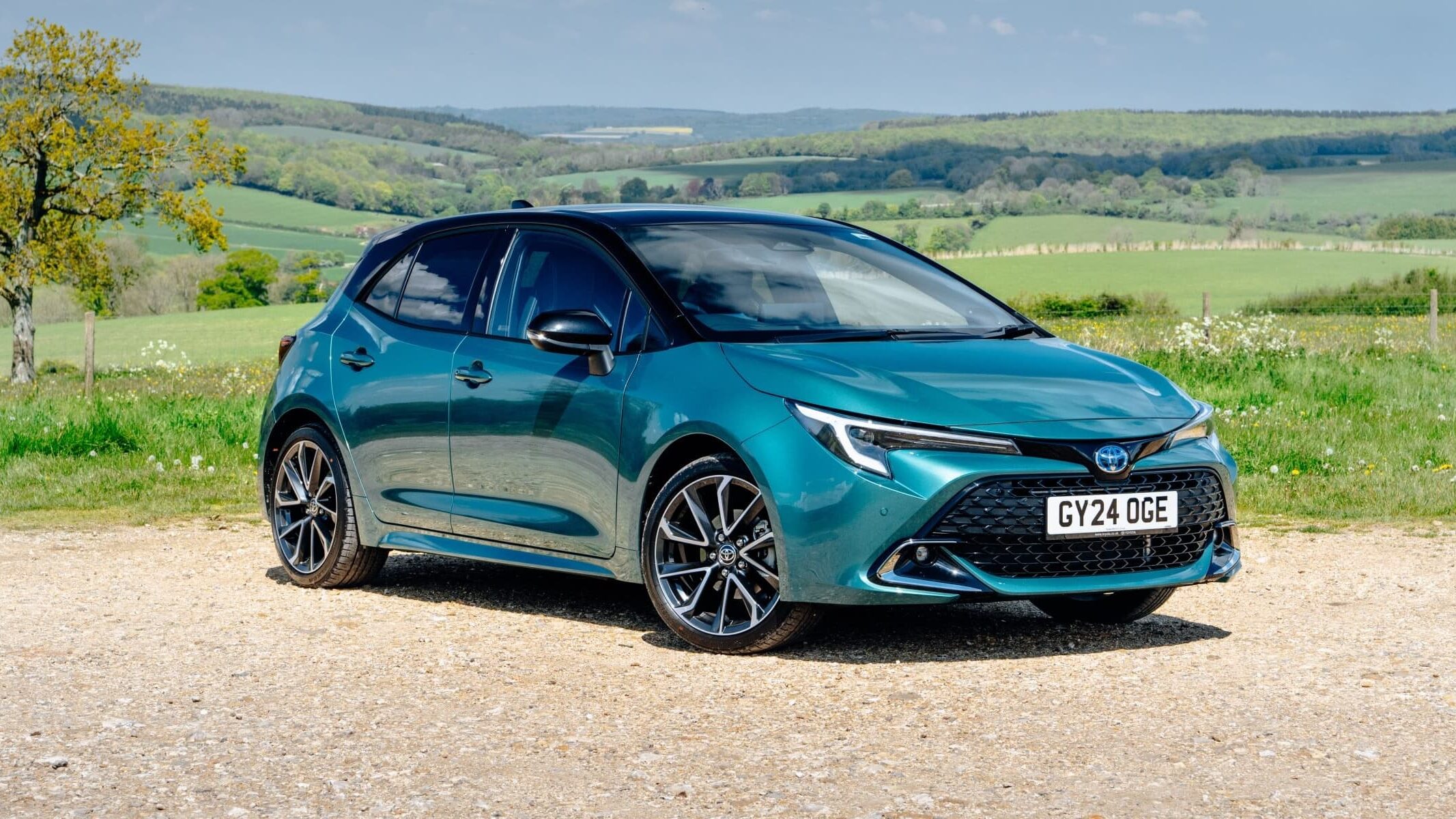
1. Toyota Corolla
The Toyota Corolla has long been celebrated for reliability and simplicity. Its engineering prioritizes durability, allowing it to run smoothly with regular maintenance for hundreds of thousands of miles. Fuel efficiency and ease of servicing make it cost-effective for owners who plan to keep their cars for many years. The Corolla’s design avoids unnecessary complexity, which reduces the chances of breakdowns and expensive repairs.
Ownership costs for the Corolla remain manageable, as replacement parts are widely available and affordable. The model has maintained consistent quality over decades, reinforcing its reputation as a dependable vehicle. Its resale value tends to stay stable because buyers trust the brand’s track record. Interior and cargo space are practical, meeting the needs of a variety of drivers.
The Corolla’s performance is predictable and safe, offering steady handling in different weather conditions. Its compact size makes it suitable for urban driving without sacrificing comfort on longer trips. Many owners report minimal issues even after ten years of regular use. Safety features have evolved over time without sacrificing reliability.
This vehicle adapts well to daily driving demands, from commuting to errands. It avoids overcomplicated electronics, which can fail as a car ages. Engine and transmission longevity make it a model that truly lasts. Maintenance schedules are simple and easy to follow, supporting long-term ownership.
The Corolla represents a balance between cost, efficiency, and durability. It is recognized worldwide as a vehicle that does not quickly lose usefulness. Its consistent reputation reduces stress for owners looking for a car that will remain functional over many years. Reliability and predictability make it a practical choice above fleeting style trends.
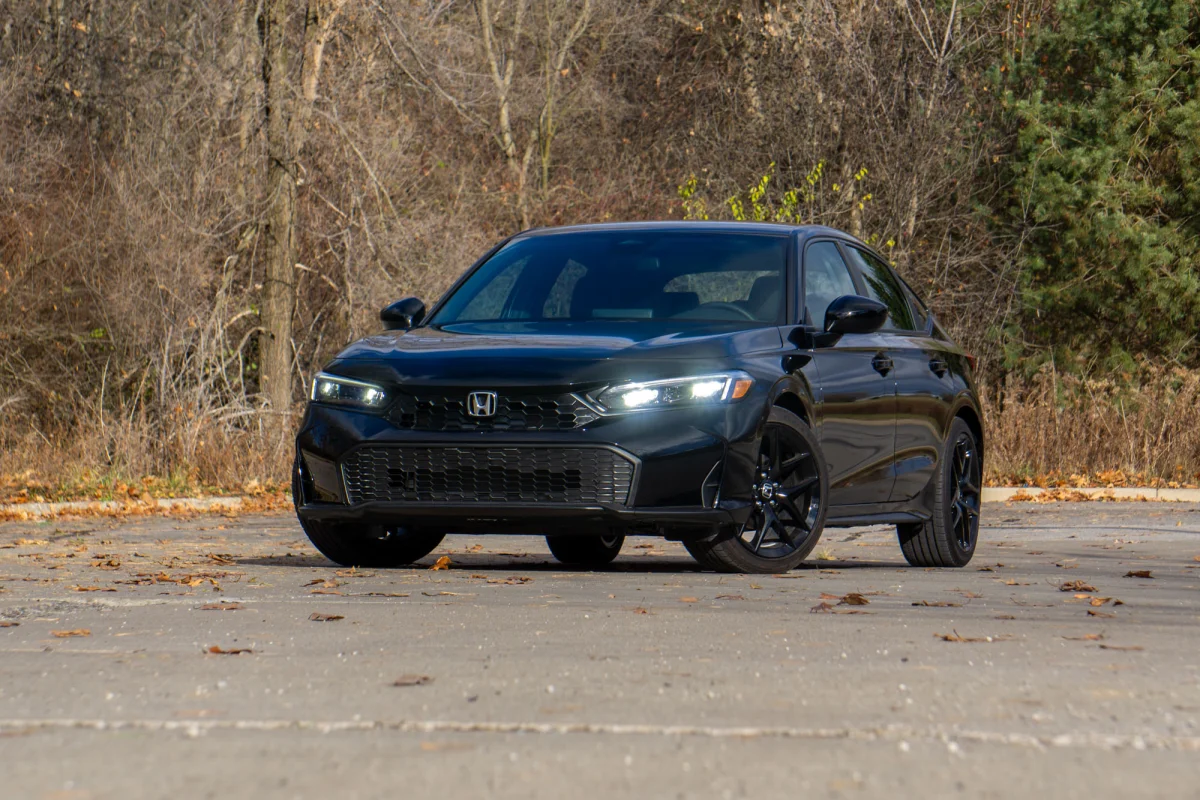
2. Honda Civic
The Honda Civic combines reliability with sporty appeal, making it versatile for many drivers. Its engines are designed to last, often surpassing 200,000 miles with proper care. Maintenance is straightforward, and parts are commonly available, keeping repairs manageable. The Civic is efficient, which reduces fuel costs over the life of the car.
Comfort and safety have improved through its generations, but these improvements do not compromise mechanical reliability. Many models maintain their value because buyers recognize the car’s longevity. Its handling and responsiveness remain satisfying without adding complexity that could fail. The Civic offers a range of trims that suit both economy-minded drivers and those wanting a slightly more dynamic experience.
Owners appreciate the Civic’s adaptability in city or highway settings. Interior quality is durable, resisting wear from daily use. Its size makes parking and maneuvering simple without sacrificing cabin space. The car continues to serve owners reliably for many years.
Technology upgrades are gradual and tested, reducing the risk of early malfunctions. The Civic supports high mileage without major engine or transmission failures. Its fuel economy contributes to cost efficiency over long-term ownership. Resale value reflects its enduring popularity and reputation.
Civic drivers often report low maintenance needs, which adds to its long-term utility. The vehicle has consistently strong ratings in reliability surveys. It combines practical engineering with a modern driving experience. For many, the Civic remains a dependable companion for over a decade.
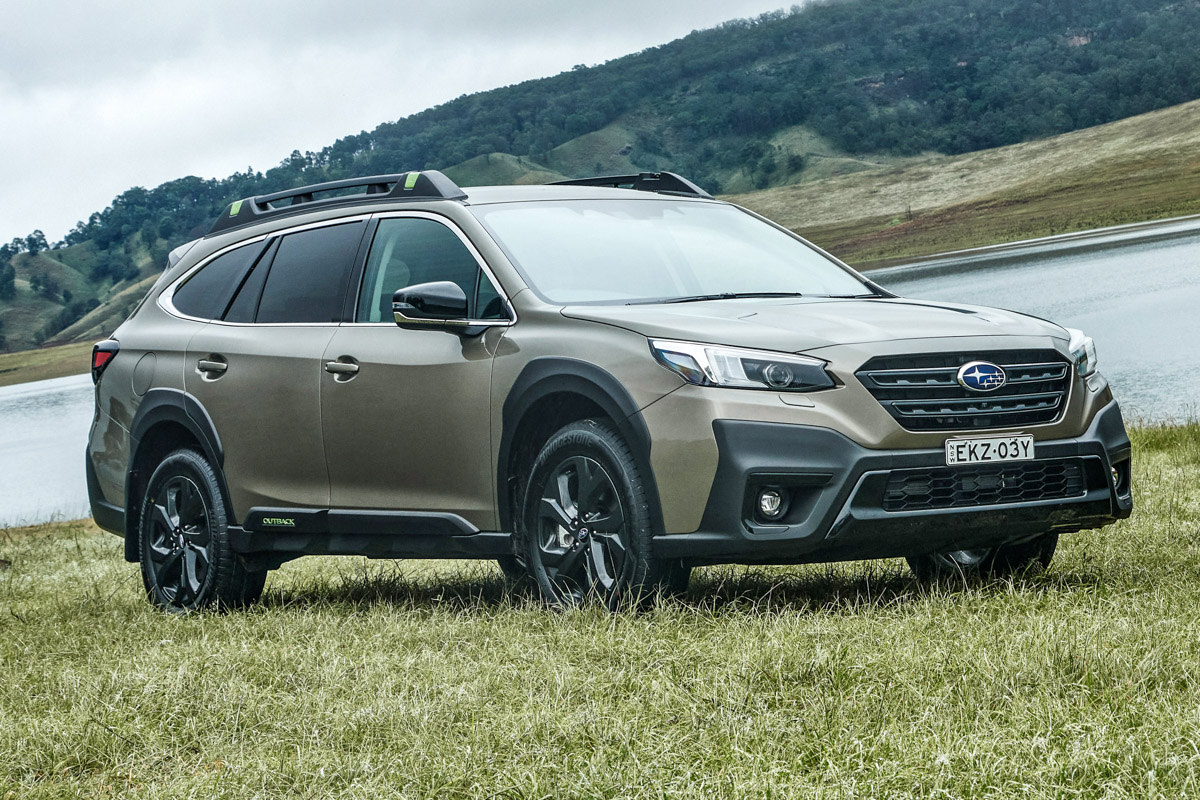
3. Subaru Outback
The Subaru Outback is well-regarded for its versatility and longevity. Its all-wheel-drive system offers year-round traction, which is beneficial for a variety of climates. Engine reliability and robust build quality make it a vehicle that can handle high mileage with minimal issues. Regular maintenance supports long-term performance and safety.
Outbacks are popular among families and outdoor enthusiasts due to their spacious cargo areas. The interior materials are designed to withstand wear and tear. Fuel economy remains respectable for its class, adding value to extended ownership. This model has a strong reputation for dependability over time.
The car’s design balances off-road capability with daily driving comfort. Its braking and suspension systems are durable and easy to service. Resale value remains strong because the brand is associated with longevity. Subaru’s engineering focuses on practicality and resilience rather than unnecessary complexity.
Technology features are functional without being prone to early obsolescence. Repairs are generally predictable and not cost-prohibitive. Drivers benefit from consistent performance on highways and rural roads alike. Safety ratings remain competitive throughout the car’s lifecycle.
The Outback’s adaptability extends its usefulness, accommodating both commuters and adventurers. Owners report satisfaction with its durability and low frequency of major repairs. It continues to operate effectively even in older models. The car’s engineering philosophy emphasizes reliability above novelty, supporting long-term ownership.
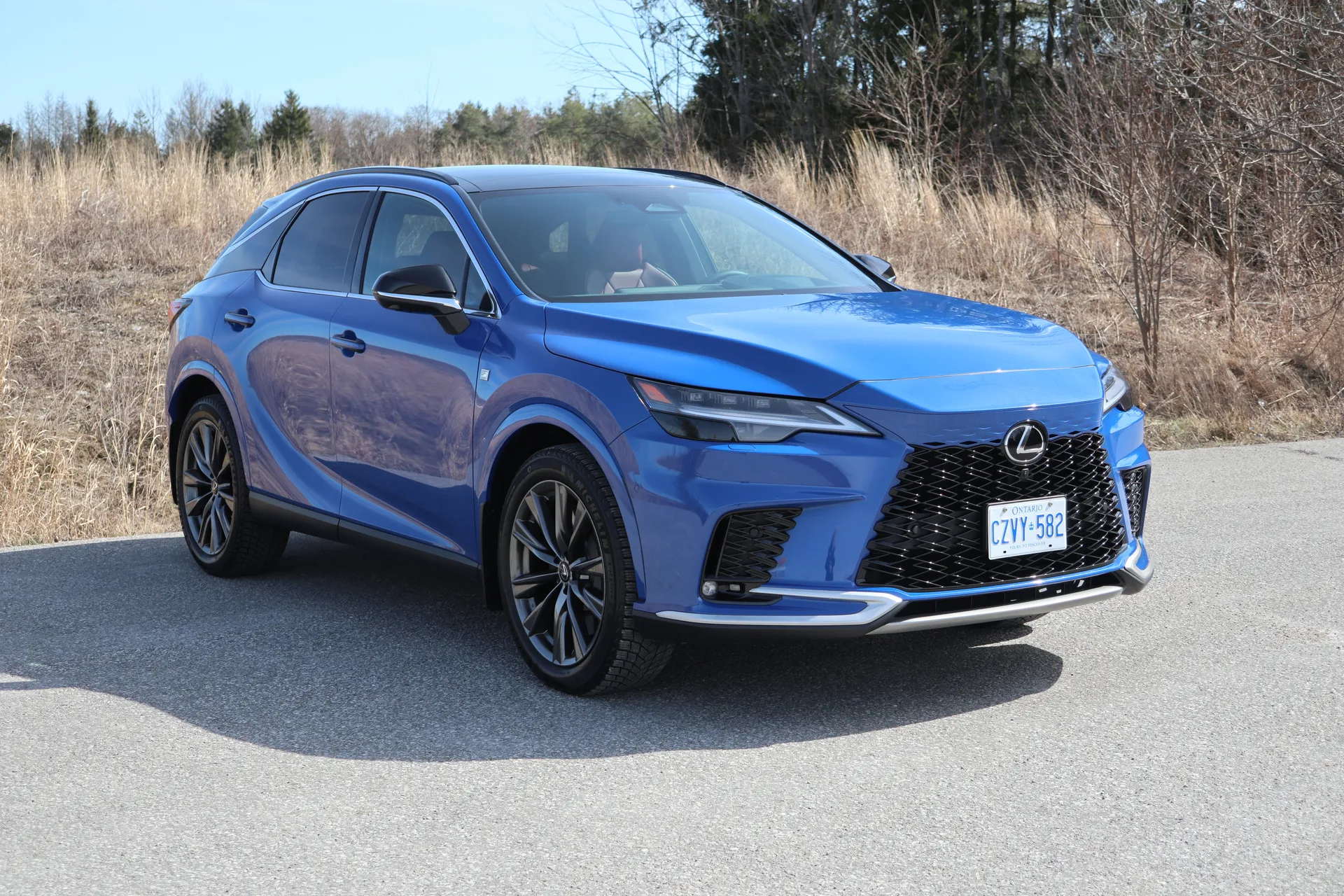
4. Lexus RX
The Lexus RX stands out for combining luxury with long-term reliability. Its hybrid and gasoline models are built to maintain smooth performance over many years. Maintenance costs are higher than economy cars but remain manageable due to build quality. Lexus vehicles tend to experience fewer unexpected breakdowns.
Interior components resist wear, preserving the luxury experience over time. The RX maintains its handling and comfort even as mileage accumulates. Resale values stay strong because the brand is synonymous with longevity. Engines and transmissions are engineered for durability, reducing ownership stress.
Safety systems are robust and continue functioning effectively over time. Repairs are often predictable, and dealerships provide quality support. Owners find the RX suitable for families, commuting, and long trips. Its suspension and drivetrain remain reliable under regular care.
Fuel efficiency in hybrid models supports cost-effective long-term use. The car accommodates upgrades without risking mechanical stability. Lexus focuses on quality control, which minimizes defects. Drivers benefit from consistent driving experience even in older vehicles.
The RX demonstrates that luxury does not have to compromise durability. Owners often keep these vehicles for more than a decade with minimal issues. Its combination of comfort, performance, and reliability makes it highly practical. Long-term usefulness is reflected in both resale value and owner satisfaction.
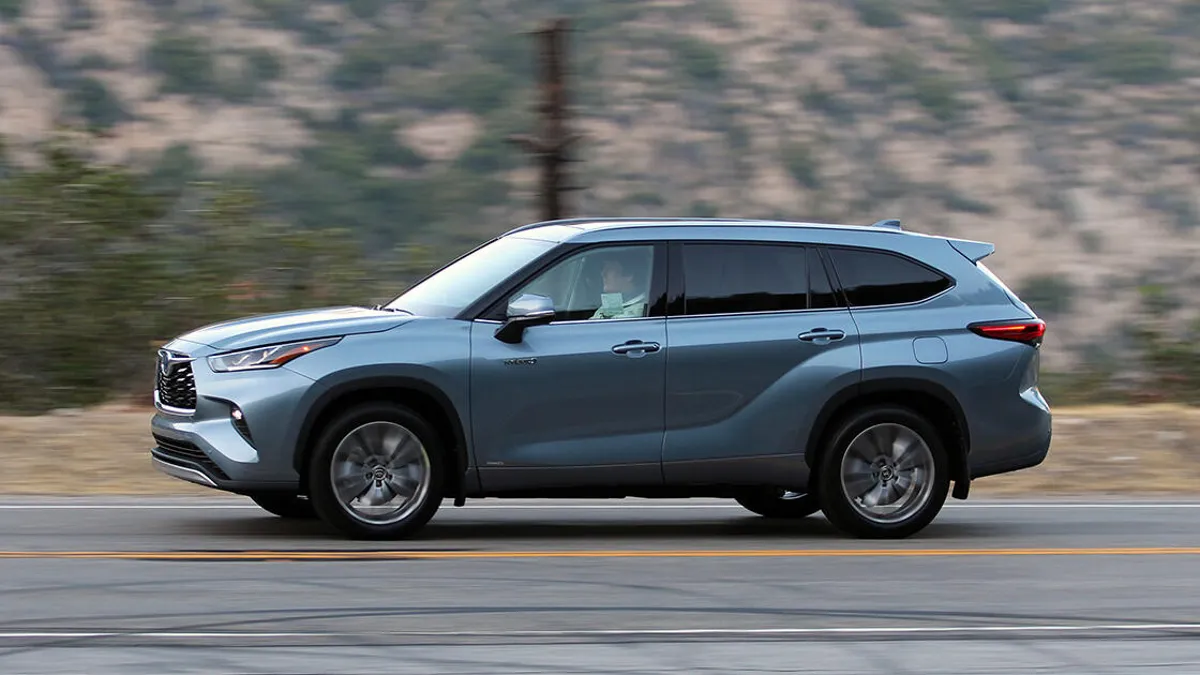
5. Toyota Highlander
The Toyota Highlander is a reliable midsize SUV with strong long-term performance. Its engines are designed for endurance, and routine maintenance is straightforward. Fuel efficiency is reasonable for its class, adding to practical ownership. The Highlander’s interior space supports families and regular cargo needs.
Durable components help prevent premature wear, making it a dependable choice. Its handling is predictable, providing confidence in daily driving. Resale values remain strong because buyers trust Toyota’s engineering. Safety features continue to function effectively over time.
The Highlander accommodates various driving conditions, from city streets to highways. Its all-wheel-drive system enhances stability in poor weather. Repairs are generally predictable and manageable in cost. Interior quality resists wear, supporting long-term usability.
Owners appreciate the combination of comfort, reliability, and practicality. Engine and transmission systems remain robust even with high mileage. The vehicle’s maintenance schedule is accessible and easy to follow. It continues to deliver consistent performance for many years.
Toyota’s reputation for quality contributes to the Highlander’s lasting appeal. Its design balances utility, comfort, and reliability. Many families choose it for long-term ownership with confidence. The Highlander exemplifies an SUV that stays useful across changing needs.
Five Cars That Don’t Stay Useful Over Time
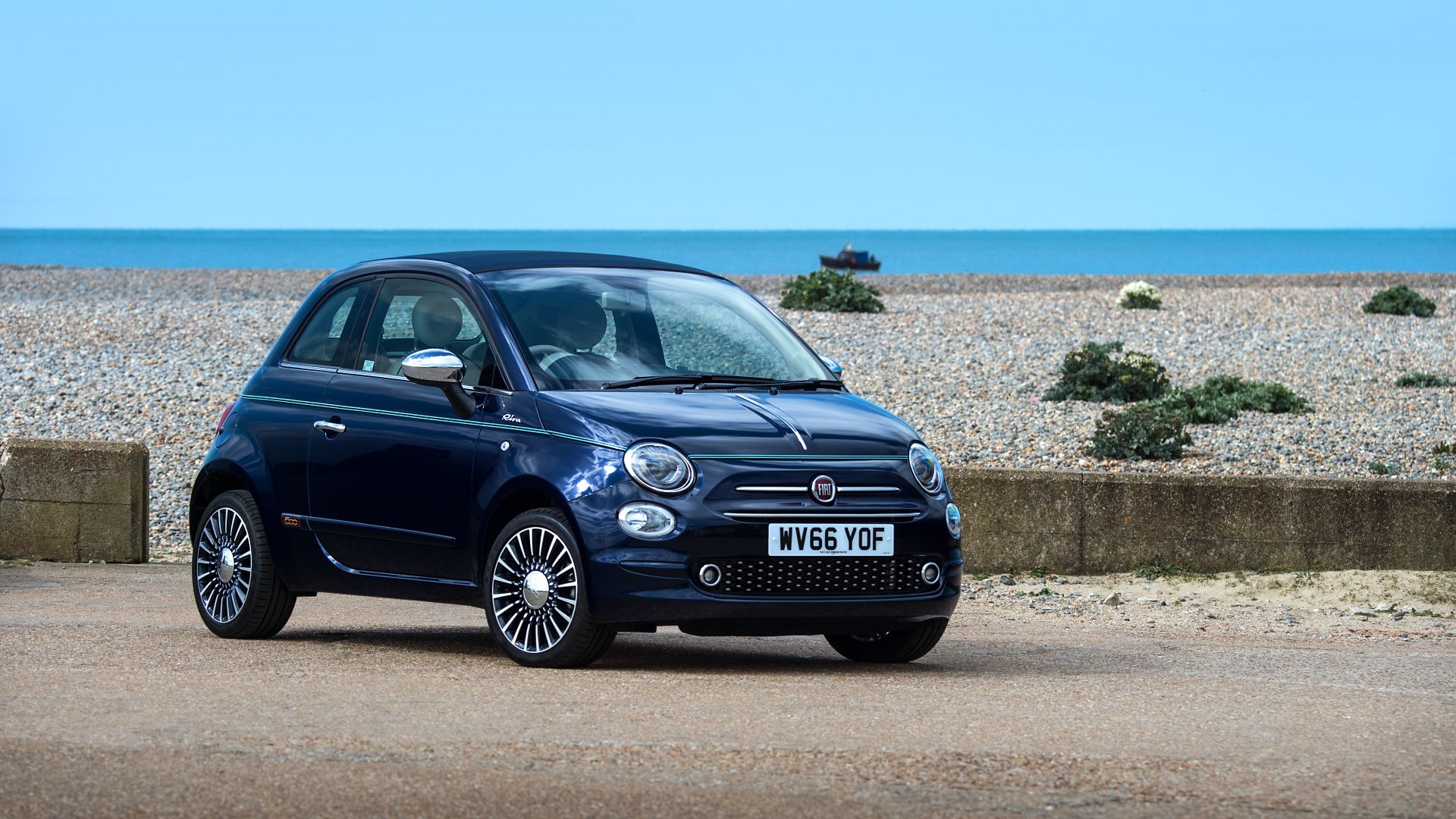
1. Fiat 500
The Fiat 500 is small and stylish but often struggles with long-term reliability. Engine components can fail prematurely, leading to frequent repairs. Electronics are prone to malfunctions, especially in older models. Maintenance costs may rise as the car ages.
Interior materials are less durable, showing wear quickly. Limited cargo space restricts practical use for daily tasks. Resale value declines rapidly due to perceived reliability issues. Drivers may encounter problems with parts availability.
Performance may degrade with high mileage, particularly with automatic transmissions. Handling can become unpredictable if suspension components wear out. Fuel economy is adequate but offset by repair costs. Owners report frustrations with mechanical issues.
Safety ratings and features can lag behind other small cars. Repairs often require specialized knowledge, increasing service costs. The car’s small size limits versatility for passengers or cargo. Long-term ownership may be more stressful than anticipated.
The Fiat 500 appeals with style but often sacrifices dependability. It is best suited for short-term use rather than extended ownership. Practicality diminishes as components age. Owners frequently face higher maintenance demands over time.
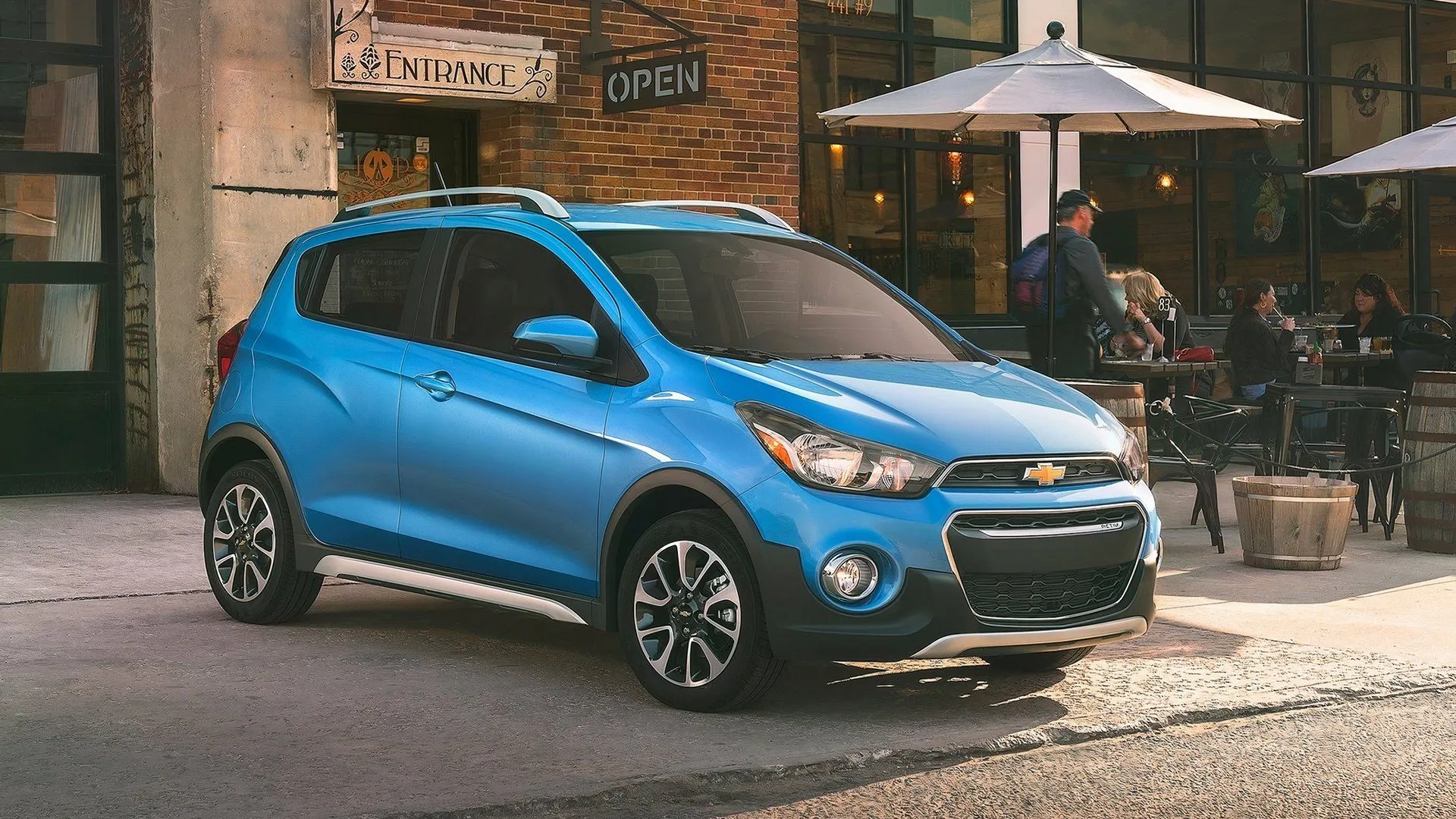
2. Chevrolet Spark
The Chevrolet Spark is inexpensive and compact but not built for longevity. Its engine and transmission systems can develop issues with moderate mileage. Repair parts may be limited depending on region. Frequent maintenance is often necessary to avoid performance decline.
Interior quality is basic, with materials prone to wear. Comfort for longer trips is minimal due to limited cabin space. Resale value tends to drop quickly after a few years. Electronics and infotainment systems are often outdated and fail prematurely.
Fuel economy is reasonable, but other costs offset savings. Suspension and braking components can wear faster than expected. Owners report inconsistent reliability in older models. The Spark may not withstand heavy daily use over time.
Limited safety features reduce long-term appeal. Crash protection lags behind larger or newer vehicles. Repairs can become expensive relative to the car’s value. Practicality for families or cargo is very limited.
The Spark is convenient for city driving but struggles with aging. Its compact design and lower-quality parts reduce long-term usefulness. Owners may need to replace the car sooner than expected. Reliability concerns overshadow initial affordability.
3. Mini Cooper
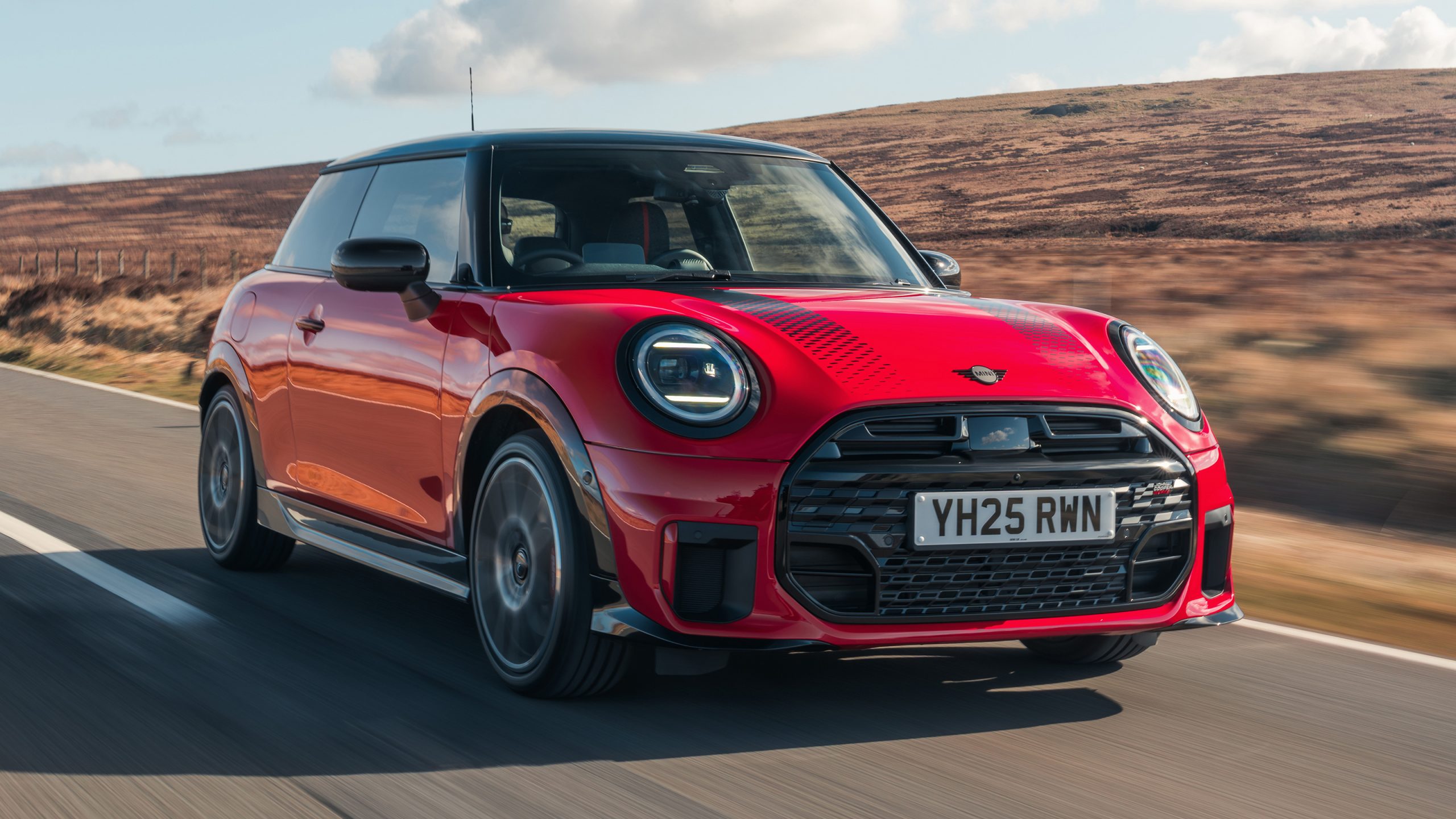
The Mini Cooper is known for fun driving but struggles with durability. Engines often require expensive repairs after moderate mileage. Electrical systems can be problematic, especially in earlier models. Maintenance is frequent and costly.
Interior components can show rapid wear, reducing comfort over time. Cargo space is very limited, restricting practicality. Resale value drops quickly due to repair concerns. Suspension and steering components are prone to expensive repairs.
The car’s compact design sacrifices long-term comfort for style. Fuel economy is acceptable but cannot offset repair expenses. Safety features are functional but not as comprehensive as competitors. Owners may experience frustration with recurring issues.
Frequent service visits are necessary to maintain drivability. Parts are more expensive due to brand exclusivity. Long-term ownership may not be cost-effective. Reliability concerns often outweigh the car’s fun factor.
Mini Cooper appeals to enthusiasts but is not ideal for sustained usefulness. Style and driving experience come at the expense of durability. Owners may replace it sooner than initially planned. Practicality and maintenance simplicity are limited.
4. Nissan 370Z
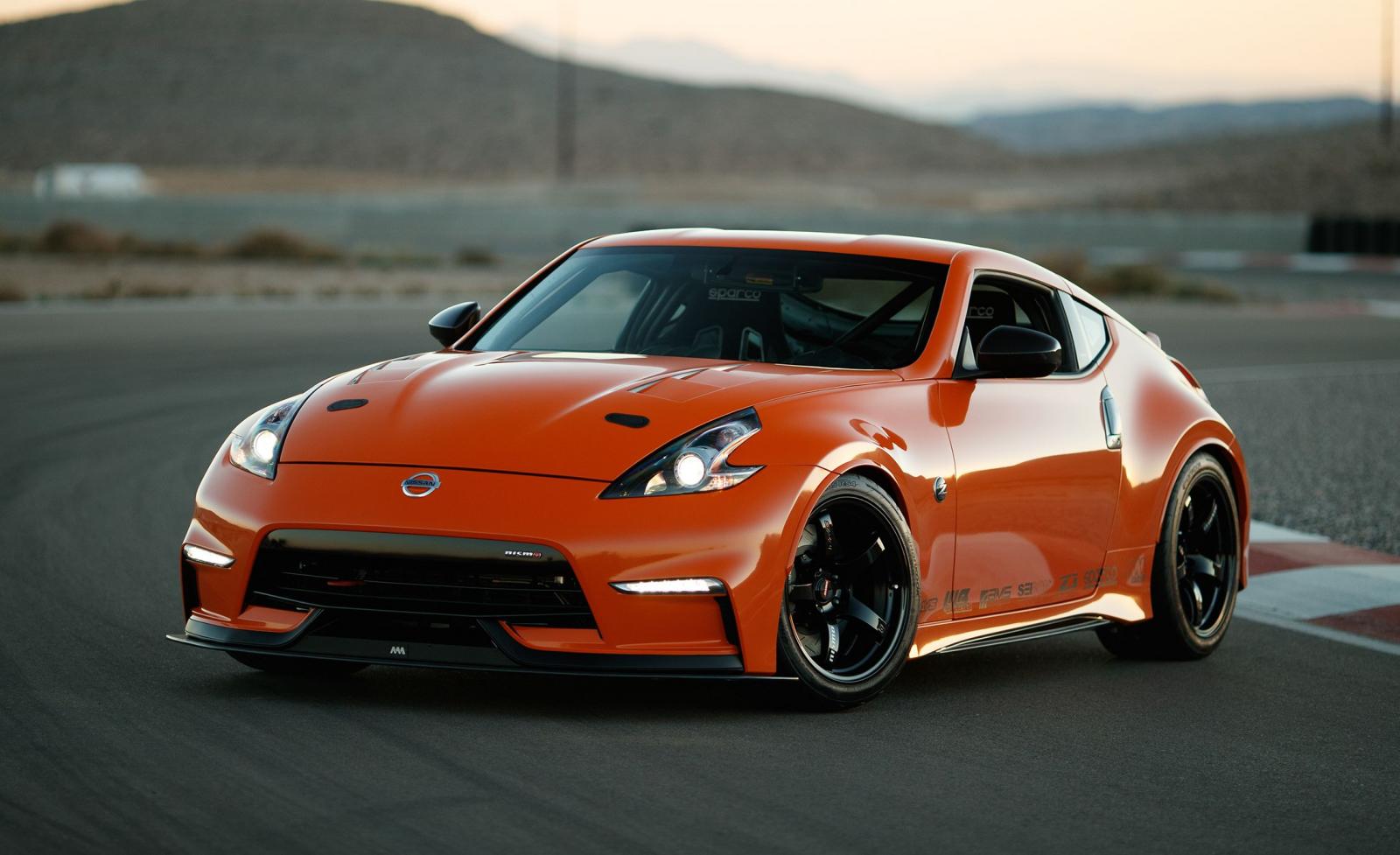
The Nissan 370Z is a sports car designed for performance, not longevity. Engines can be high-maintenance and less forgiving at high mileage. Transmission components may wear out faster under spirited driving. Repair costs are generally high compared to everyday vehicles.
Interior quality is focused on sport aesthetics rather than durability. Cabin space is tight, limiting comfort for long-term use. Resale value can drop significantly due to age and mileage. Electronics may fail as the vehicle ages.
Fuel efficiency is low, making long-term ownership costly. Suspension components can wear quickly, particularly with aggressive driving. Owners may experience a decrease in performance reliability over time. Daily practicality is limited by design choices.
Safety features are sufficient but not prioritized in older models. Long-term maintenance requires specialized service. The 370Z’s design prioritizes speed over comfort and longevity. Owners seeking a dependable daily driver may find it unsuitable.
Sports performance comes with trade-offs in durability and practicality. The car is better suited for short-term enjoyment. Maintenance and repair demands increase with age. Long-term usefulness is limited compared to more practical vehicles.
5. Ford Fiesta
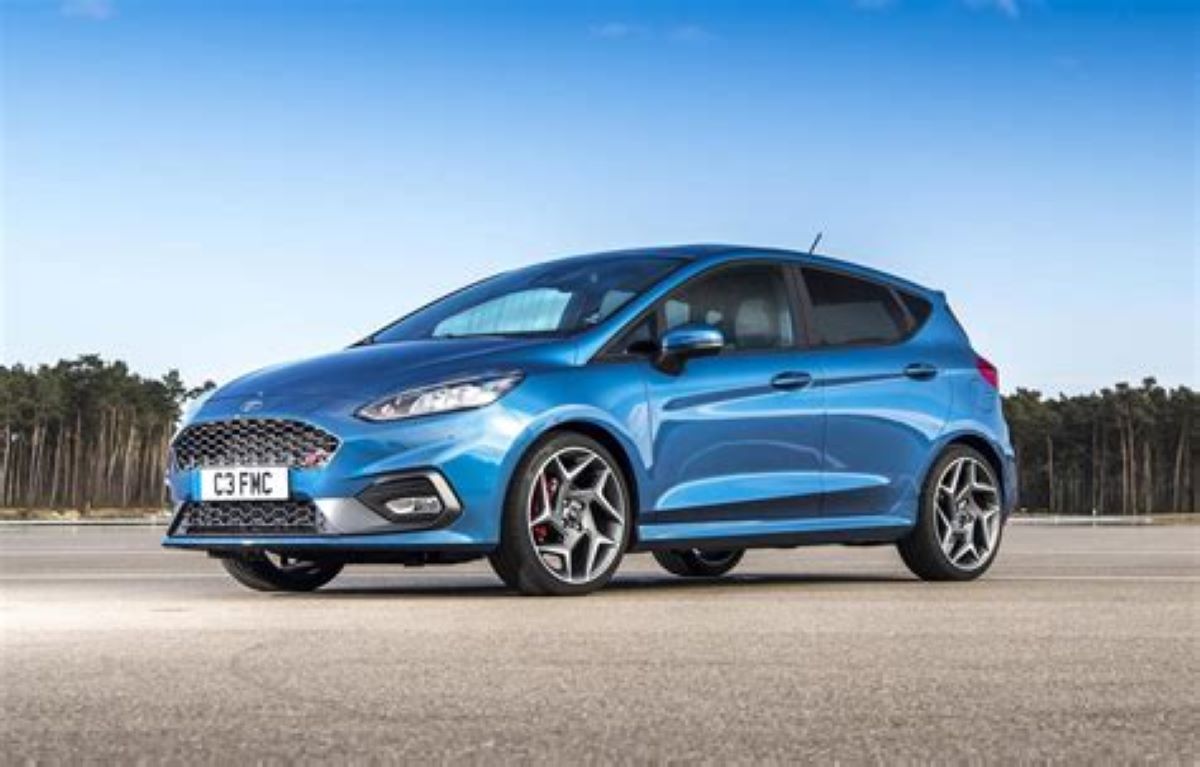
The Ford Fiesta is compact and affordable but often faces reliability challenges. Engines and transmissions can develop issues as mileage increases. Electrical components are prone to failure, particularly in older models. Repair costs can rise unexpectedly over time.
Interior materials are not highly durable, showing wear after several years. Cabin space is limited, reducing comfort for longer trips. Resale value tends to decline quickly due to maintenance concerns. Electronics, including infotainment systems, can fail prematurely.
Fuel efficiency is reasonable but offset by potential repair costs. Suspension and braking components may wear faster than expected. Long-term ownership can involve frequent service visits. Comfort and practicality decline with vehicle age.
Safety features are basic compared to larger or newer vehicles. Repairs sometimes require dealer visits, adding cost. The car’s small size limits versatility for families or cargo. Owners often find the Fiesta less reliable after a few years.
While appealing for affordability and compactness, the Fiesta struggles with longevity. It is more suitable for short-term ownership. Maintenance and repair issues reduce long-term usefulness. Drivers seeking durable, practical cars may need to consider alternatives.
